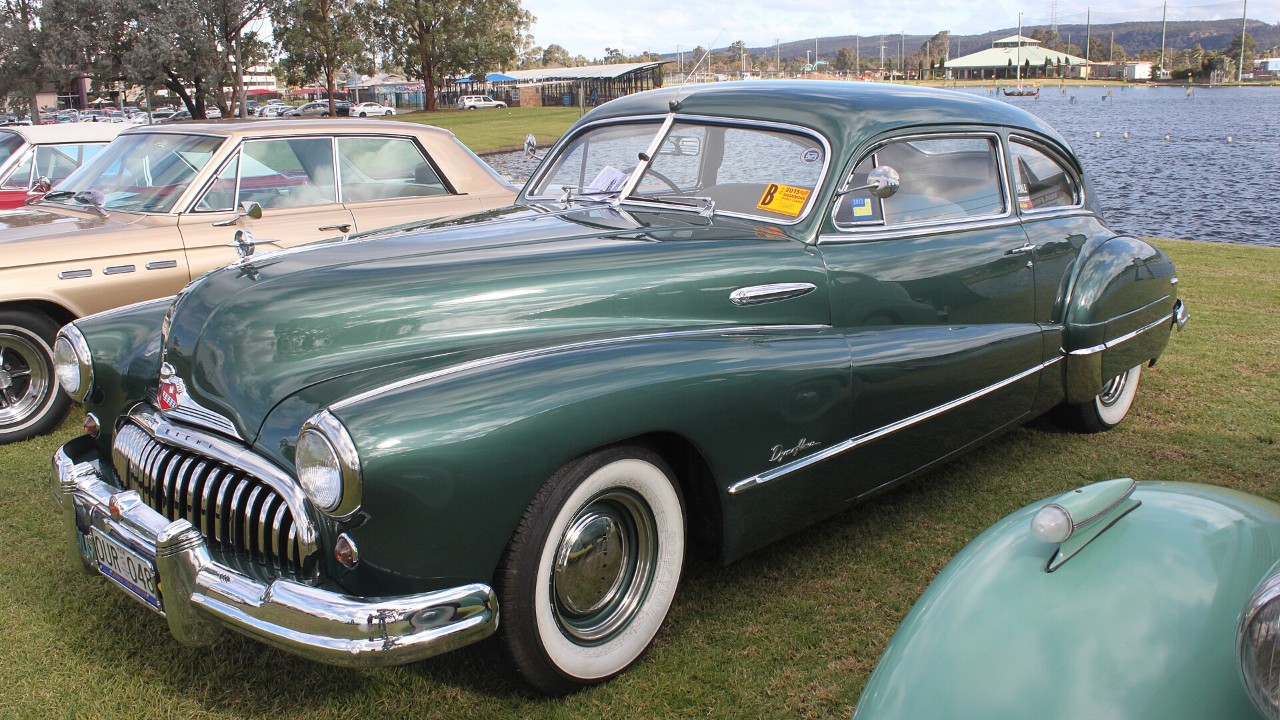
Duesenberg put the first production straight-eight on sale in 1921, and for the next three decades the long engine meant you had arrived. Buick, Packard, Hudson, Pontiac and Chrysler all built one. A straight-eight filled the hood, idled with a hum and pulled a heavy sedan from walking pace in top gear.
Then the V8 took over. Higher-octane fuel after World War II let engineers stress engines harder, and a long crankshaft could whip at high rpm. By 1955, the big names had moved on. Yet many of those old eights kept running in cars that families drove for decades.
These are our picks: ten straight-eights we think refuse to wear out. The verdict is our opinion, based on how simply they were built, how gently they were tuned and how many still run today. Every displacement and horsepower figure comes from period specifications, club records or reference sources we checked.
1. Buick Fireball 320 straight-eight
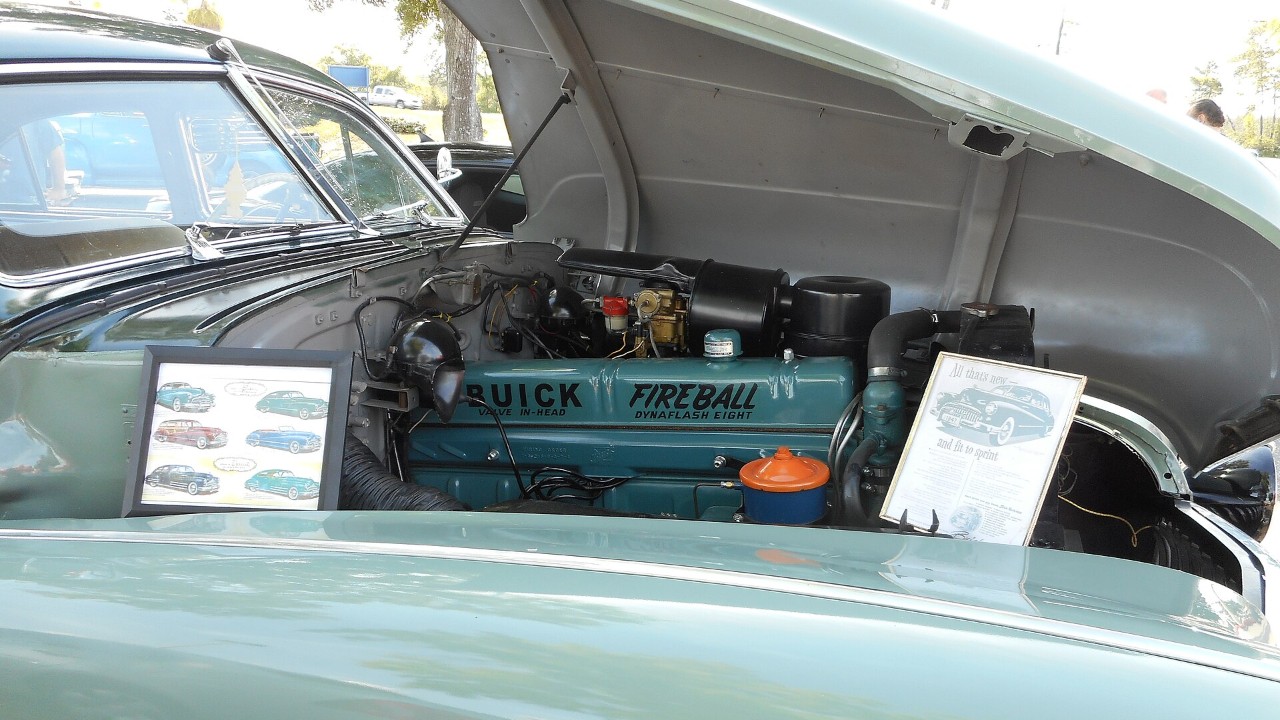
Buick went its own way from the start. While rivals used side valves, Buick built its eights with overhead valves. The big 320.2-cubic-inch version arrived in 1936 with 120 horsepower and powered the large cars such as the Roadmaster.
That head start gave the 320 room to grow. By 1952, the Series 70 version made 168 horsepower at a relaxed 3,800 rpm. The long stroke of 4.3125 inches favored torque over revs, which suited a heavy car on a two-lane highway. In other words, Buick tuned it to work, not to scream. Low engine speed means less wear on bearings, rings and valve gear over every mile.
The end came quickly. Buick introduced its 322 V8 in 1953, and the 320 had already left after 1952. Even so, Buick carried the Fireball name over to its new V8. Our take: an overhead-valve straight-eight that ran gently for years is about as durable as prewar engineering gets. If you buy one, check the oil pressure warm, because a healthy 320 should hold it steady at idle.
2. Packard Super Eight straight-eight
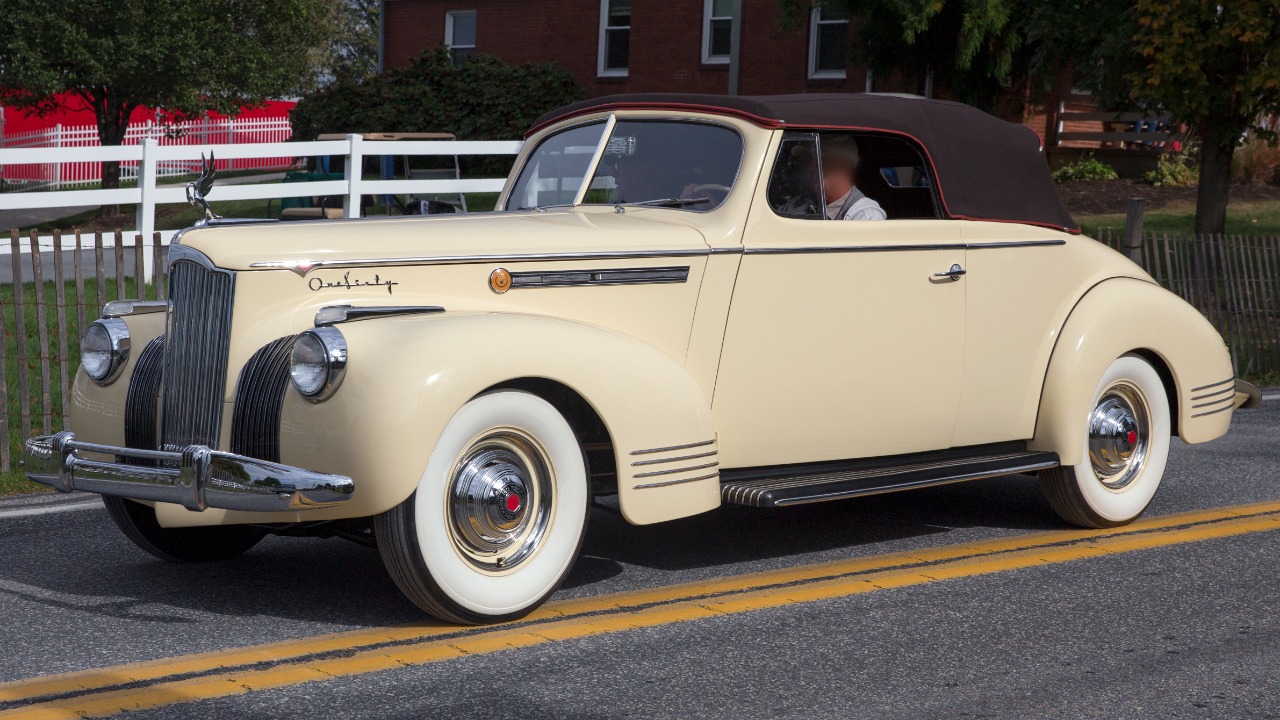
Packard sold the Super Eight from 1933 to 1951. By 1941, the Super Eight One-Sixty carried a 356-cubic-inch straight-eight, and Packard named the car after its 160 horsepower. The same engine also powered the costlier Custom Super Eight One-Eighty.
The eight even outlasted Packard’s own V-12. Packard dropped its 12-cylinder after 1939 and kept building eights. According to RM Sotheby’s catalogue for a 1941 One-Sixty, the eight was “at least as powerful and significantly more reliable than the vaunted V-12.” That is a strong statement about a company famous for its twelves. It also explains why Packard trusted the eight in its most expensive sedans and limousines.
Packard kept faith with the straight-eight until the end of 1954, when an overhead-valve V8 replaced it. In our view, that long run says everything. A luxury maker would never keep a fragile engine for two decades. If you shop for one, buy the car with the best-documented engine history, since a rebuild on an engine this size is a serious bill.
3. Pontiac Silver Streak straight-eight
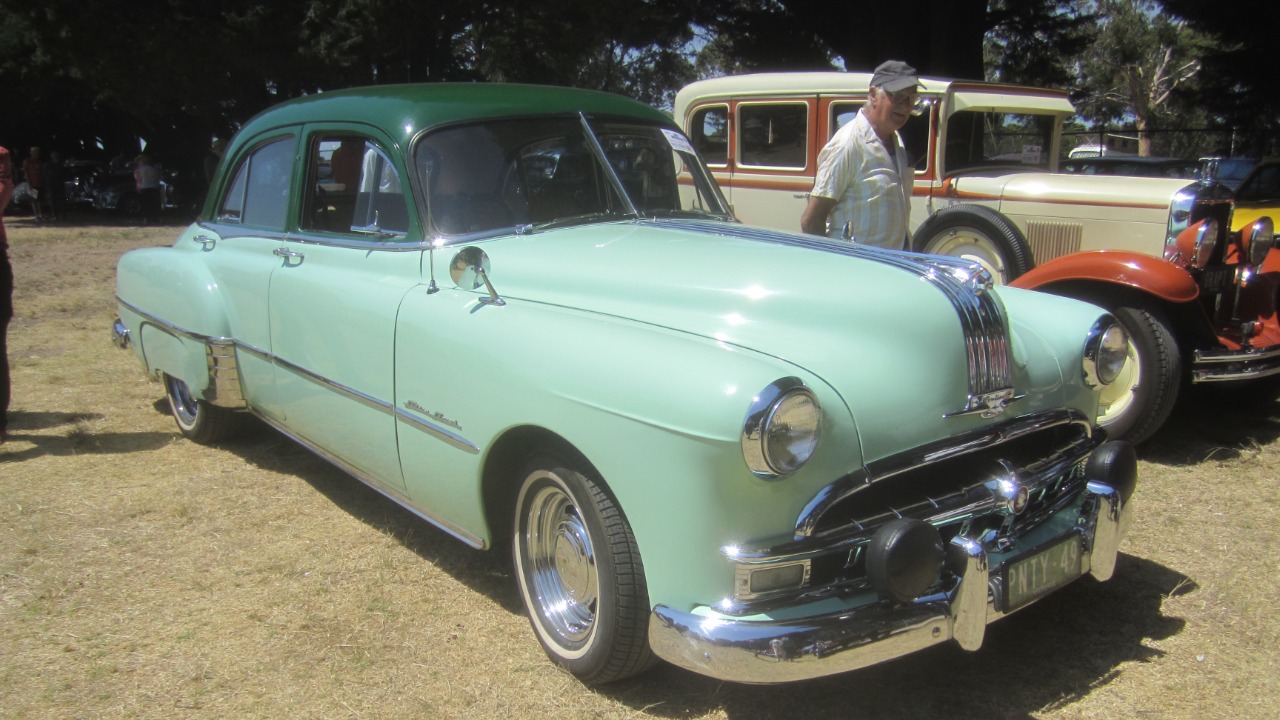
Pontiac’s eight began in 1933 as a 223.4-cubic-inch flathead making 77 horsepower. Inside the division, Pontiac dubbed it the Silver-Streak. It used side valves in an L-head layout, with a chain-driven camshaft.
Over two decades, Pontiac grew it in careful steps. Displacement rose to 248.9 cubic inches in 1937 and 268.2 in 1950. By 1954, with Hydra-Matic, it reached 127 horsepower at 3,800 rpm. That is not much from more than four liters, and that is the point. Pontiac never pushed the engine hard.
The flathead stayed through the 1954 model year, and a 287 V8 replaced it in 1955. As a result, ordinary Pontiac families drove a straight-eight to work for more than 20 years. Our take: a mild, simple side-valve eight is the kind of engine that keeps going with basic care. Before you buy, look for coolant in the oil, because cracked blocks are the usual killer of old flatheads. For more long-lived classics, see our list of classic engines that refuse to wear out.
4. Chrysler Imperial straight-eight
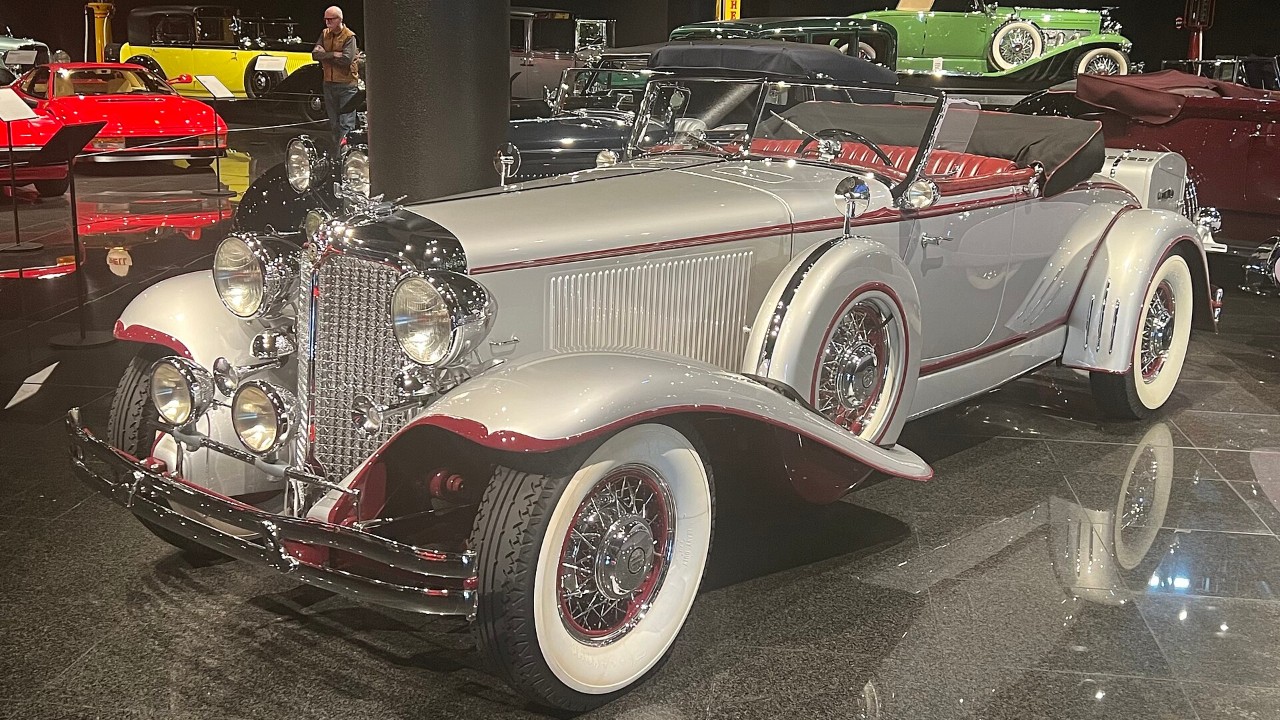
For 1931, the Imperial CG got a big new L-head eight. It displaced 384.84 cubic inches, with a 3.5-inch bore and a 5-inch stroke. It made 125 horsepower at only 3,200 rpm, according to the Imperial Club’s 1931 specifications.
The details explain the toughness. The crankshaft ran in nine main bearings, so every throw had support on both sides. Compression sat at a mild 5.2:1, and the valves used solid lifters. A Stromberg DD-3 carburetor fed the whole thing, which kept the fuel system easy to understand. In short, Chrysler built a heavy, low-stressed engine for a heavy, prestigious car.
The Imperial Club’s notes call it the new corporate work-horse, the “Flathead Eight.” The company kept flathead eights in its premium models until the Hemi V8 replaced them for 1951. Our take: nine main bearings and low compression add up to an engine that should outlive most of its owners. If you find one, have the crank checked for straightness, because a long crank sitting for years can take a set.
5. Hudson 254 straight-eight
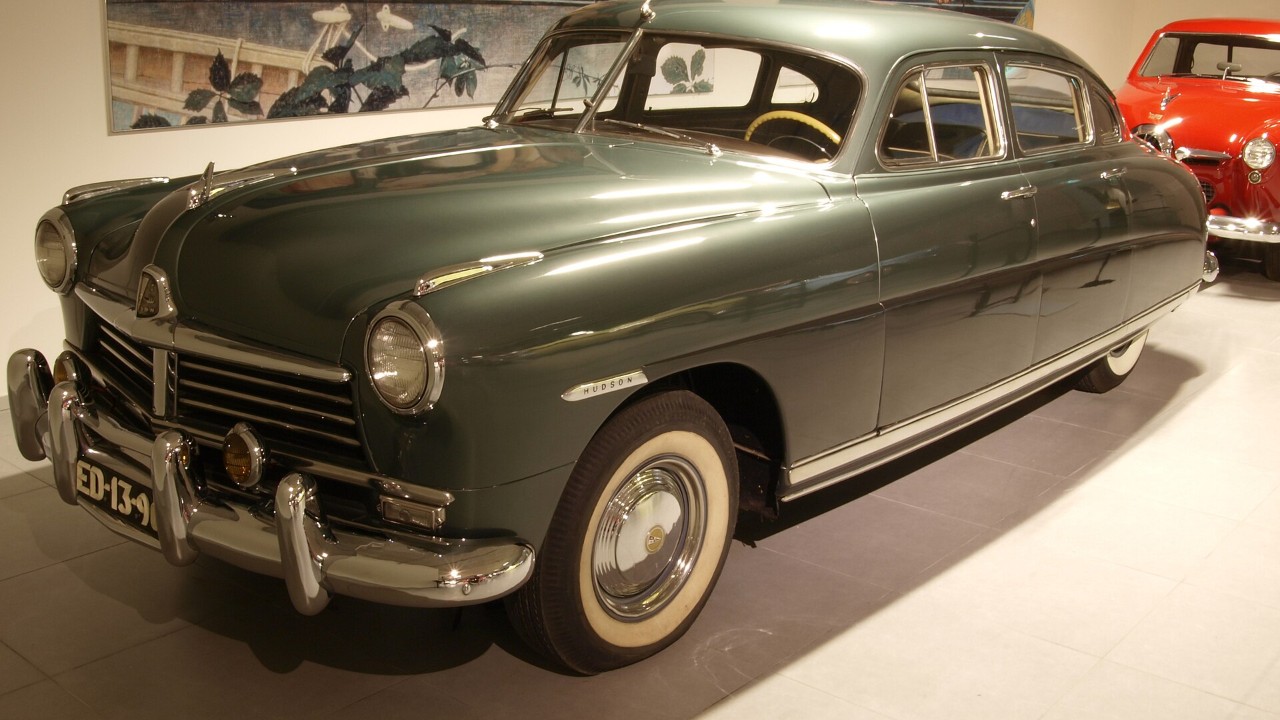
Hudson’s straight-eight began as a 1930 L-head design. By the time it reached the Commodore, it displaced 254 cubic inches. In 1941, Hudson rated it at 128 horsepower, enough to make the Commodore one of the brand’s top cars.
Hudson then wrapped the eight in a new kind of car. The 1948 “step-down” models used a perimeter frame that dropped the floor and lowered the center of gravity. Meanwhile, the drivetrain kept Hudson’s odd Fluid-Cushioned Clutch, with cork inserts running in a sealed bath of mineral oil. Owners had to keep that oil right, but the design was simple. In our view, Hudson trusted the eight enough to carry it into a brand-new chassis rather than replace it.
The eight remained available in top Commodores through 1952, and Hudson retired it after that model year. Our view: Hudson built this engine for 22 years with few big changes, a sign that it simply worked. If you buy one, make sure the clutch oil is correct, since the wrong fluid causes slipping that people blame on the engine.
6. Oldsmobile 257 straight-eight
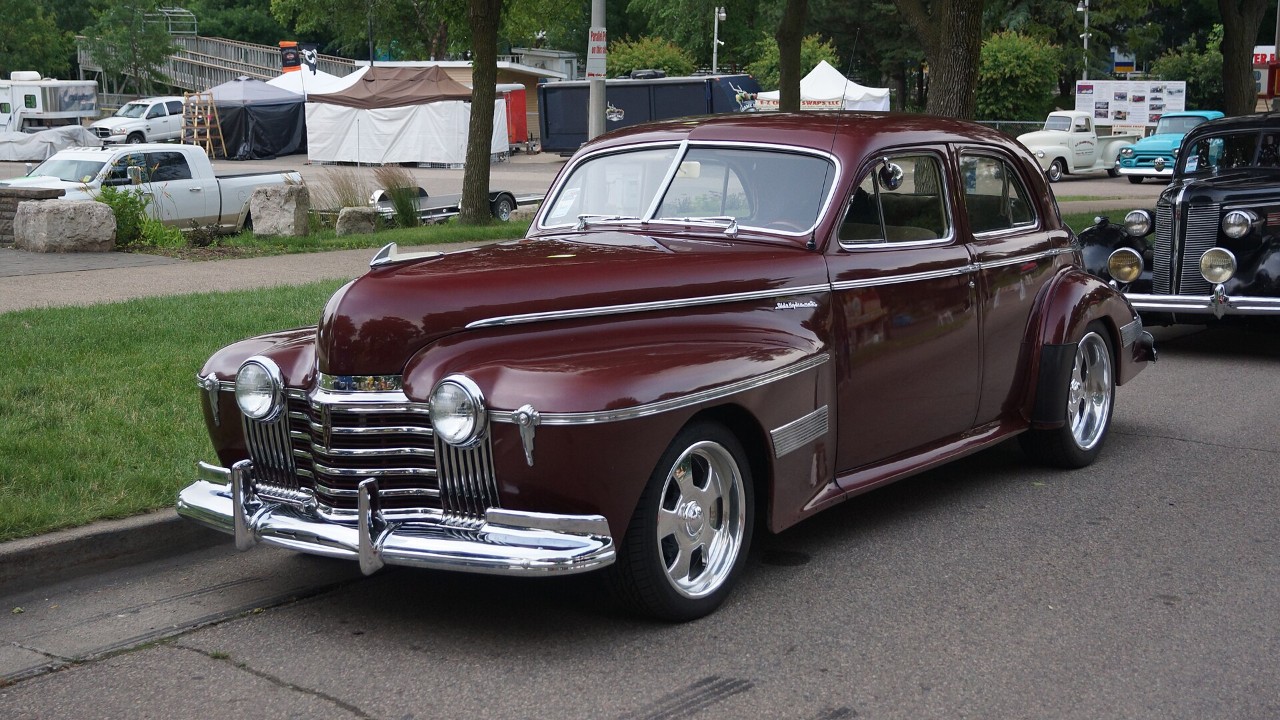
Oldsmobile introduced its first eight in 1932. It displaced 240.4 cubic inches and made 87 horsepower. Then, for 1937, Olds replaced it with a larger 257-cubic-inch flathead making 110 horsepower and 210 pound-feet of torque.
The 257 had a long and quiet career. It ran for 11 years, and a later compression bump from 6.50 to 7 raised output to 115 horsepower. Engineers also moved the distributor from the cylinder head to the left side of the engine. Otherwise, the basic side-valve layout barely changed, which is often a good sign. Makers rarely leave a troublesome design alone for a decade.
Its replacement became famous. In 1949, the Rocket V8 took the eight’s place at the top of the Oldsmobile range. As a result, the 257 gets little attention today, even from devoted Oldsmobile fans. Our take: it deserves more, because a low-revving side-valve eight with modest compression has little to wear out. Shop for a car that has been driven regularly, since seized valves are the main risk after long storage.
7. Studebaker President straight-eight
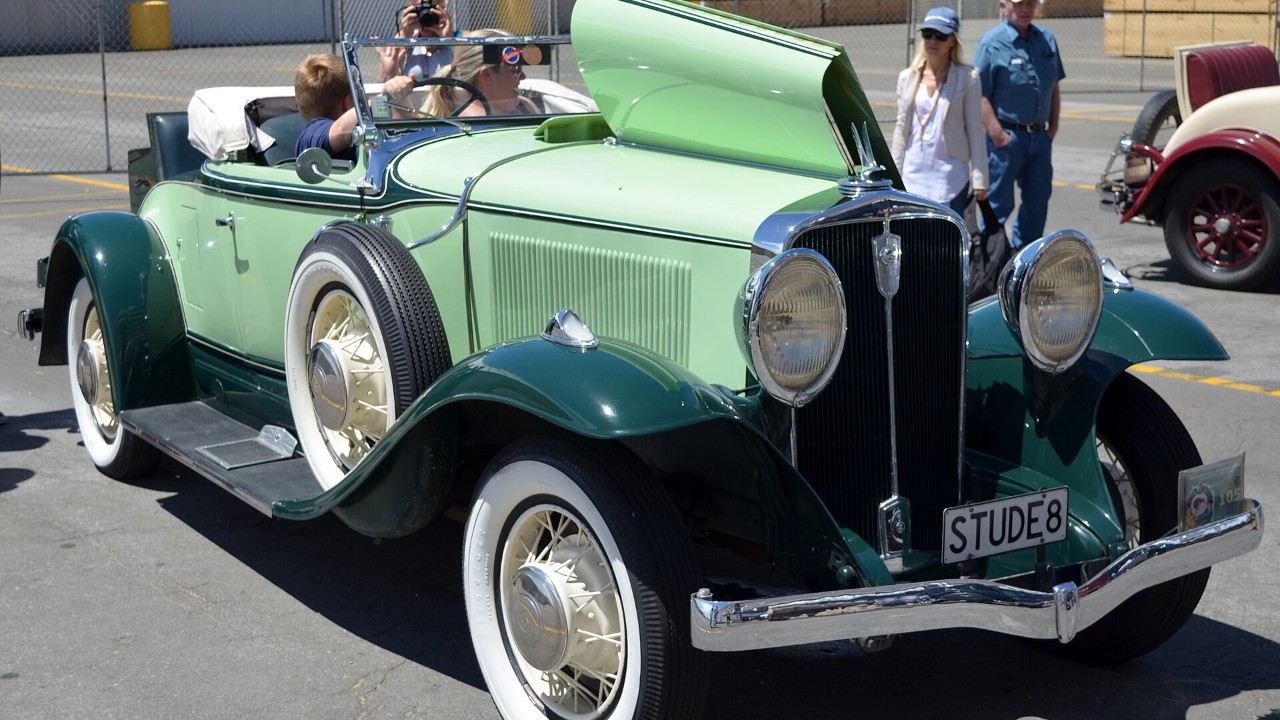
Studebaker launched the President straight-eight in January 1928. It displaced 312.5 cubic inches, and it replaced a 354-cubic-inch six, so the new engine was smaller and smoother. Later, the 1931 version grew to 337 cubic inches and 122 horsepower.
Studebaker also proved the engine in public. In 1928, the President set a long string of stock car records, and Presidents from 1928 to 1933 also set land speed records. Those runs mattered because buyers wanted proof that a car could hold speed for hours without failing. In the late 1920s, a record was the best advertising a carmaker could buy.
The President ran until 1942, when Studebaker dropped the model, although the name returned from 1955. Our take: an engine that a maker happily ran flat out for records was clearly built with margin to spare. If you find a President today, ask the club for its history, because documented history makes any prewar car easier to judge. Before driving it hard, have the cooling system flushed and checked, since long-stroke eights run warm when the radiator is tired.
8. Lycoming Auburn 851 straight-eight
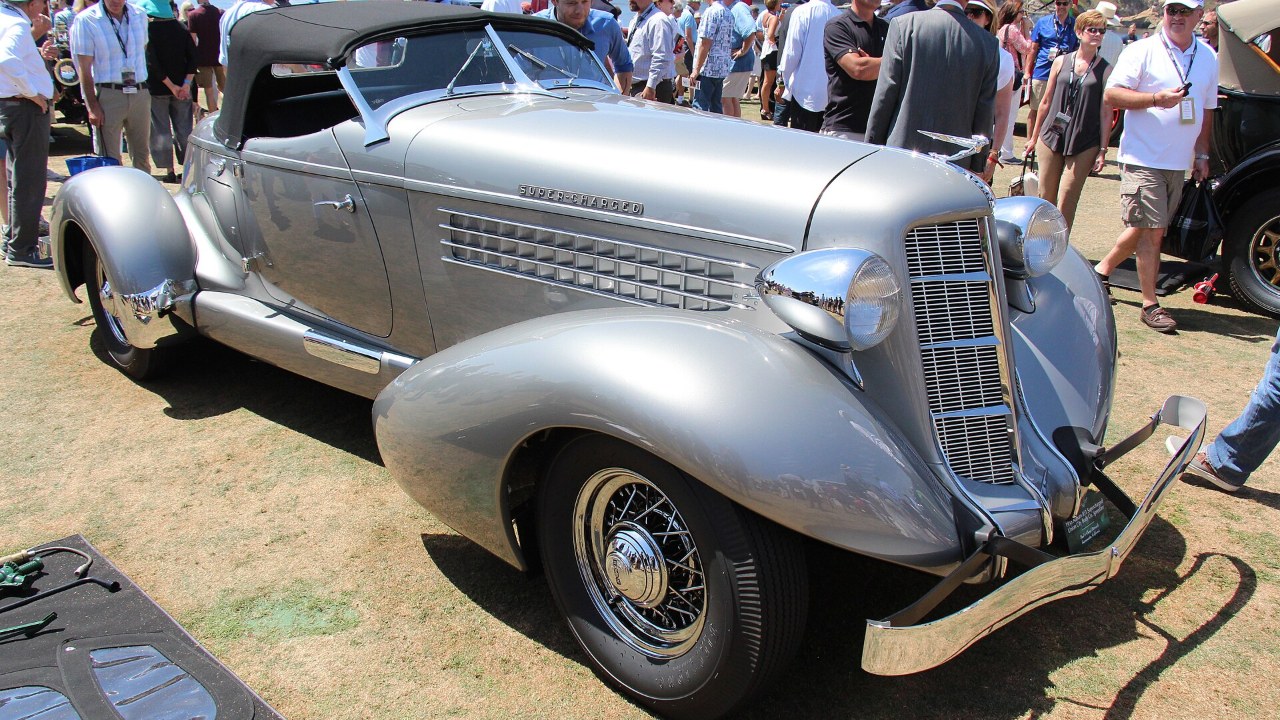
Auburn began buying Lycoming straight-eights in 1925. By 1935, the 851 used a 279.9-cubic-inch L-head eight. In normal form it made 115 horsepower. With the supercharger, it made 150 horsepower at 4,000 rpm and 232 pound-feet of torque.
The blower came from the Duesenberg side of the family. Pearl Watson and August Duesenberg adapted the design, and Schwitzer-Cummins of Indianapolis built it. It spun at six times engine speed, up to 24,000 rpm, but it made only about 4 psi of boost, as Mac’s Motor City Garage explains. Speedsters even carried a dash plaque certifying they could exceed 100 mph. Boost began around 2,000 rpm, so the engine felt strong without being strained.
Auburn, Cord and Duesenberg all closed in 1937. Lycoming, however, kept building engines, and it still makes aircraft engines today. Our take: a gentle boost on a sturdy flathead is a recipe for long life. If you buy a supercharged car, have the blower bearings checked by a specialist, because that part, not the eight itself, is the weak spot.
9. Duesenberg Model J straight-eight
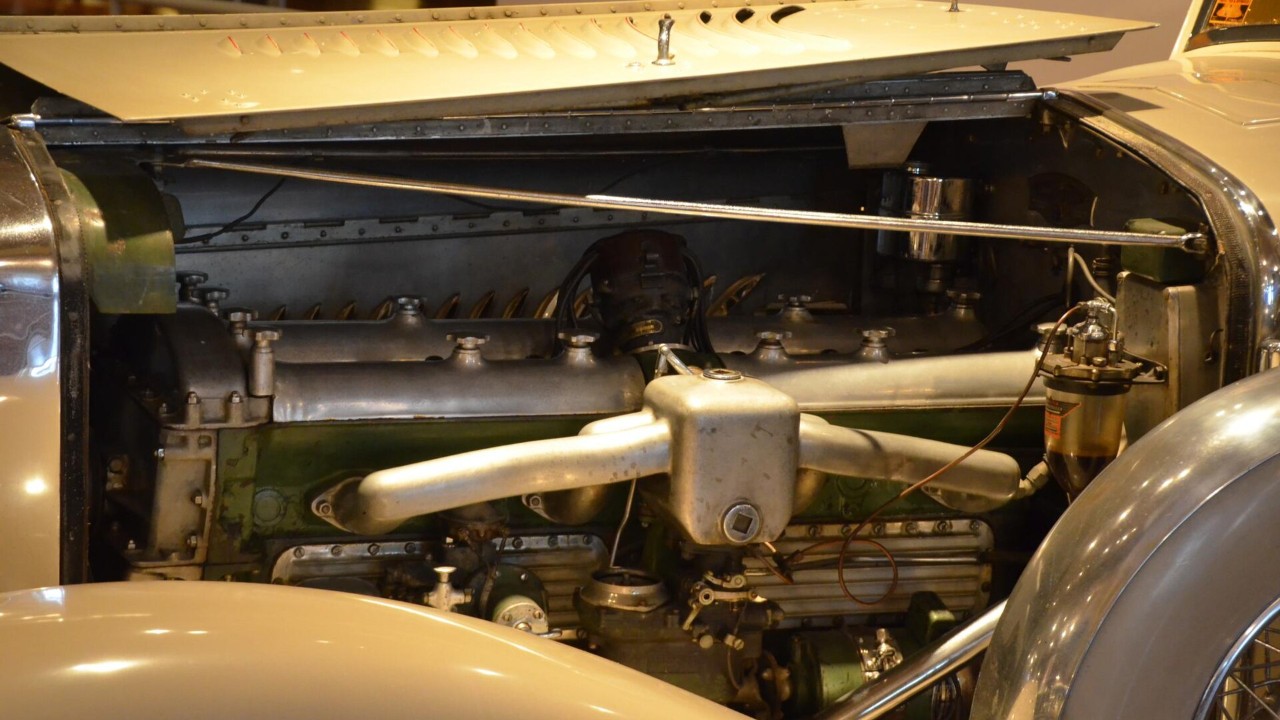
Lycoming built the Model J’s engine, but Duesenberg designed it. The 420-cubic-inch eight used dual overhead camshafts and four valves per cylinder. It made 265 horsepower at 4,250 rpm, a huge figure for a car built from 1928 to 1937.
Duesenberg built only 481 of them, 445 Model J and 36 supercharged SJ cars. The supercharged SJ raised output to 320 horsepower at 4,200 rpm. Moreover, the price shows how seriously the company took the hardware. A bare chassis cost $8,500, rising to $9,500 after 1932, before any coachbuilder added a body.
So why put a racing-style twin-cam on a list about toughness? Because a big engine that makes its peak power at a modest 4,250 rpm has margin built in. Our take: the J is the rare high-output eight that also seems made to last. If you are lucky enough to shop for one, start with its documented engine number, since originality drives value at this level. For a wider look at long-lived designs, see our list of engines that refuse to wear out easily.
10. Nash Twin-Ignition straight-eight
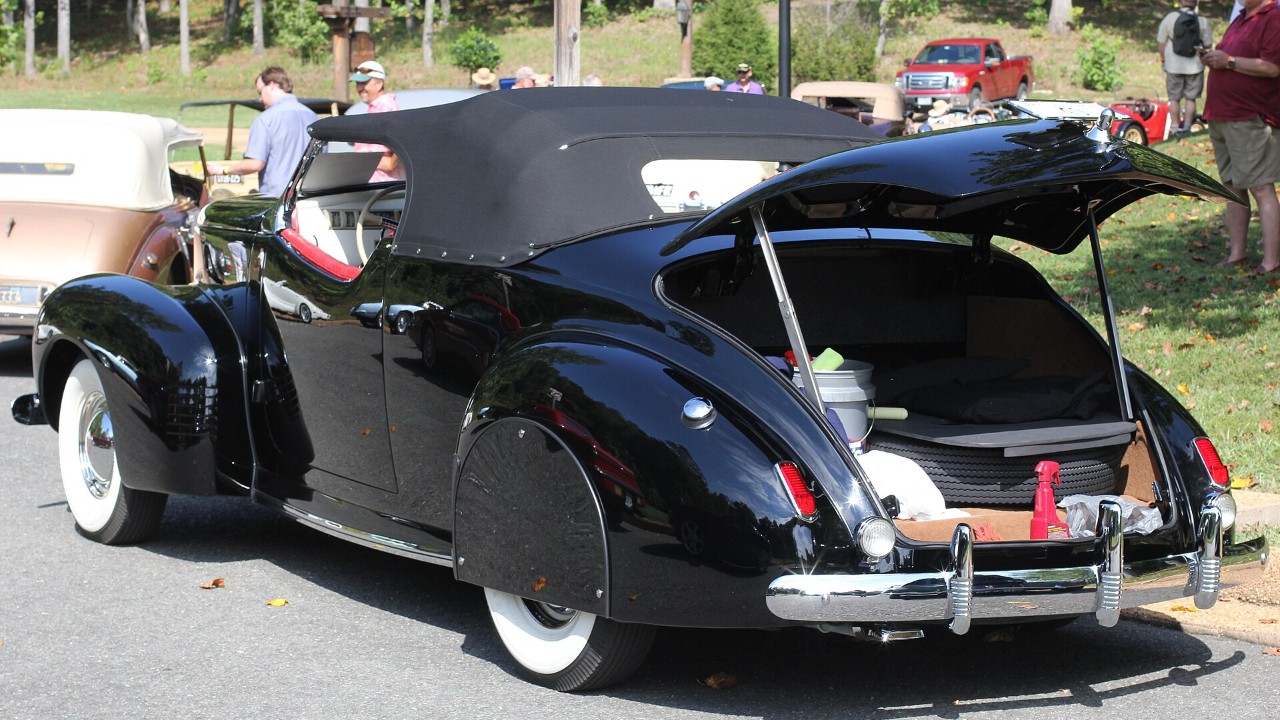
Nash took a different path to reliability. Its Eight of 1930 to 1933 used overhead valves and “Twin Ignition,” with two spark plugs in every cylinder. Nash’s cheaper sidevalve eights used the more usual single plug, as Classic & Sports Car notes in its buyer’s guide.
Two plugs gave a faster, cleaner burn. They also meant a fouled plug did not kill a cylinder. By mid-1932, the Ambassador Eight used a 322-cubic-inch twin-ignition eight with overhead valves, rated at 125 horsepower. For a mid-priced car, that was serious engineering. It also showed how much effort Nash put into making its eight start and run cleanly, whether in a Wisconsin winter or a summer traffic jam.
Nash kept twin ignition into the early 1940s, but by 1942 the Ambassador Eight no longer offered it. Our take: the extra plugs were insurance, and insurance is what a long-lived engine needs. If you buy one, check both distributors and both sets of wiring, because a twin-ignition eight running on one side will run, but it will never feel right.
More from Fast Lane Only