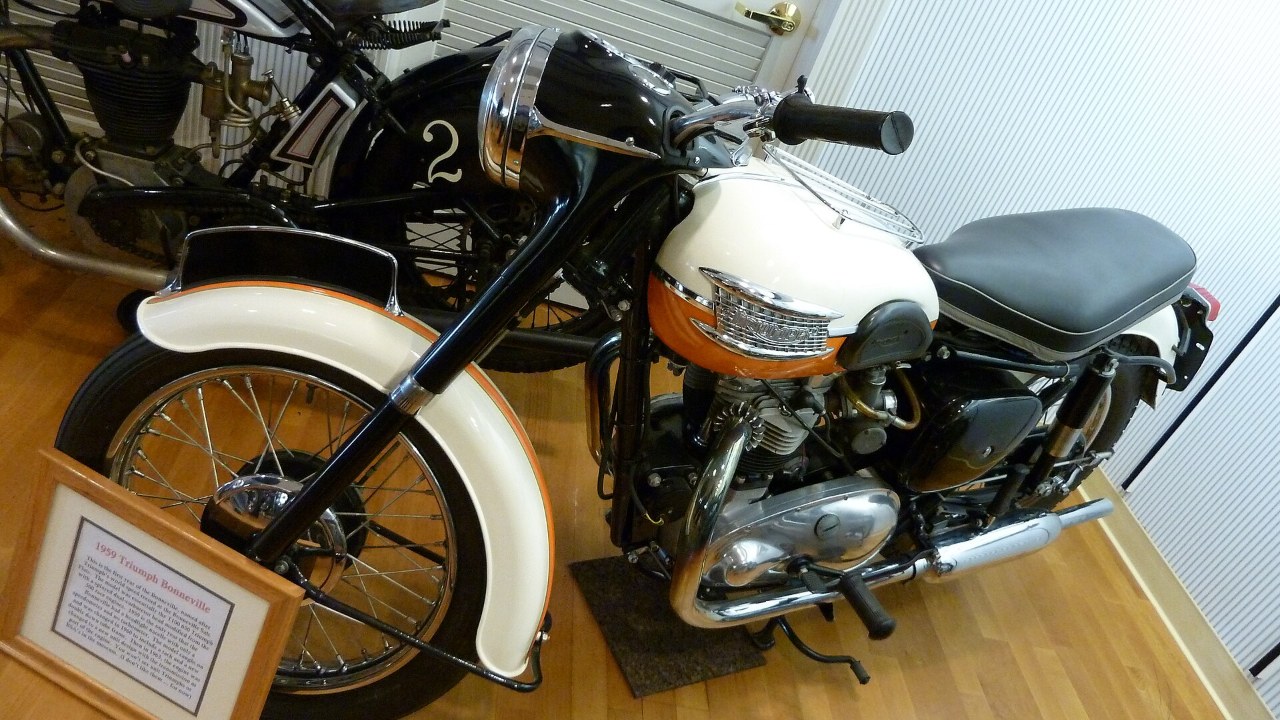
Triumph says its Bonneville became the highest-selling British twin of all time. The Triumph Bonneville took its name from the Utah salt flats, where Triumph-powered streamliners chased speed records in the 1950s. That’s a lot of history for one nameplate, and it’s only part of the Triumph story.
The company built tiny commuter singles, desert racers, three-cylinder superbikes and, after its rebirth, a modern streetfighter. Some became famous on movie screens. Others did their work in trials sections and on dirt roads, far from the spotlight.
These are our picks, 10 Triumph motorcycles that we admire. The verdict is our opinion. The years, engines and production figures come from Triumph’s own timeline and other reference sources we checked. We’ve mixed household names with a few small bikes that deserve more love.
1. 1938 Triumph Speed Twin 5T
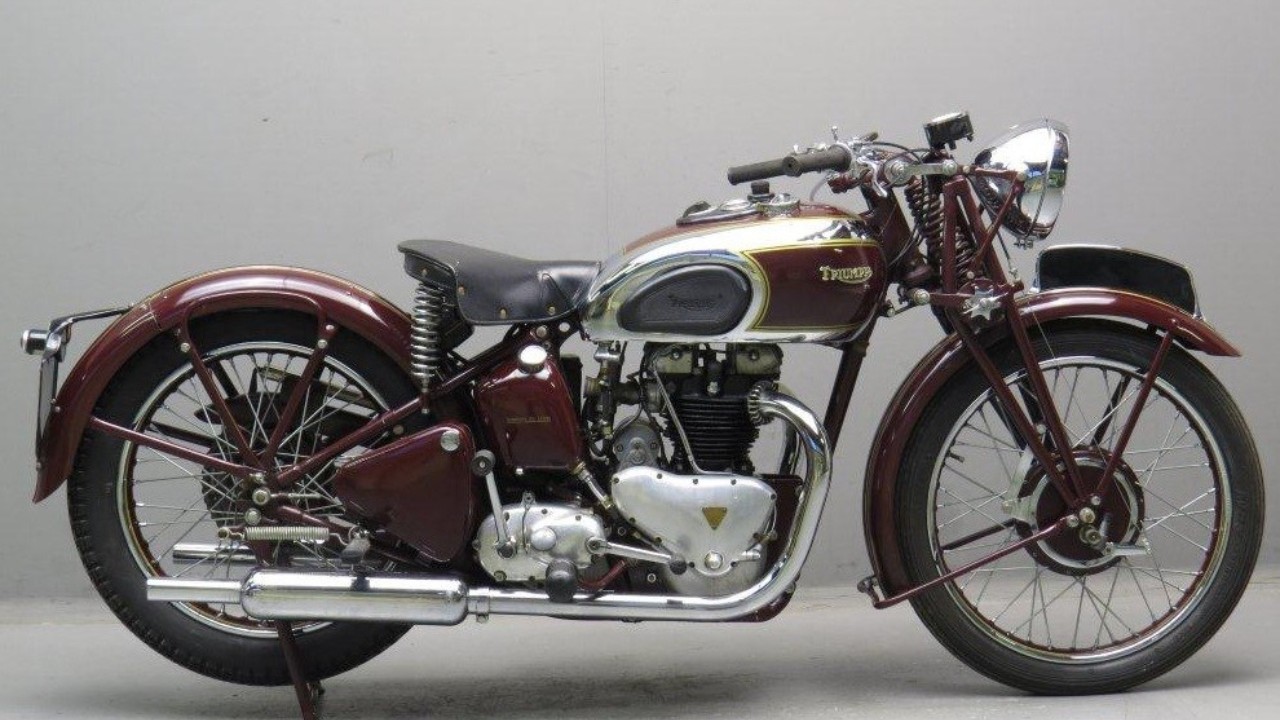
Edward Turner, Triumph’s chief designer and managing director, launched the Speed Twin at the 1937 National Motorcycle Show. According to Triumph’s official brand timeline, the 498 cc twin could top 90 mph. Triumph also says this engine defined the brand for more than 40 years.
The numbers explain the fuss. The 360-degree parallel twin made 27 bhp at 6,300 rpm, and the bike weighed 365 pounds dry. That made it lighter than many single-cylinder bikes of the day, yet stronger and torquier. Early bikes came only in Amaranth Red with hand-painted gold pinstripes.
Our take: the Speed Twin is the bike that taught the British industry how to build a twin. It is widely seen as the first truly successful British parallel twin, and it set the standard for many twins that followed. Today, it is a museum-grade machine. If you ever find one for sale, we’d hire a marque expert before you hand over a deposit, because originality decides the value.
2. 1953 Triumph Terrier T15
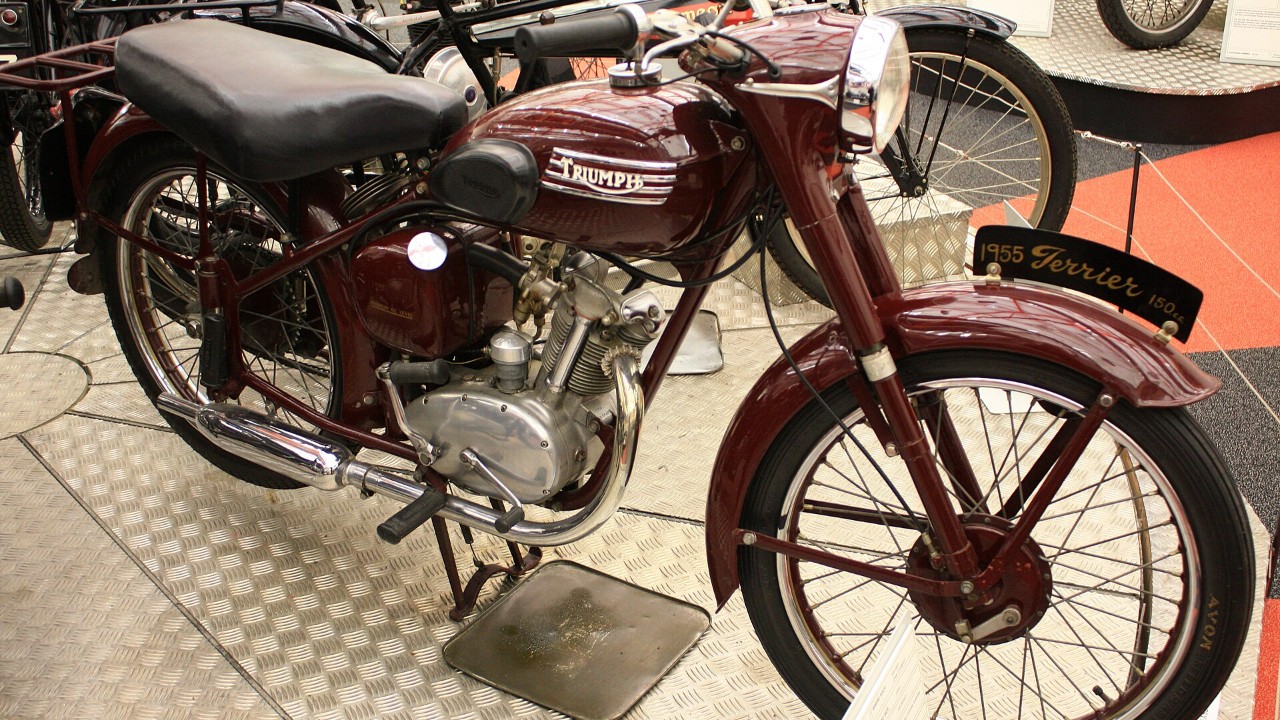
Not every great Triumph was a big twin. The Terrier arrived as a last-minute surprise on the eve of a motorcycle show, with the launch dated to November 1952. It used a single-cylinder engine of about 150 cc, or 149 cc by one count. In fact, it made just 8 bhp.
The Terrier also laid the groundwork for a bigger hit. Triumph used the same frame and forks on the Tiger Cub, which followed soon after. As a result, the little Terrier was the start of a family of lightweight Triumphs that ran into the late 1960s.
In our view, the Terrier is the most overlooked bike in Triumph’s catalog. It was a small, friendly commuter at a time when many riders needed cheap transport. Those riders didn’t want drama. They wanted a bike that started and got them to work. Because the Terrier ran for only a few years, finding a complete one is the hard part. We’d buy the most original example we could and source parts slowly.
3. 1954 Triumph Tiger Cub T20
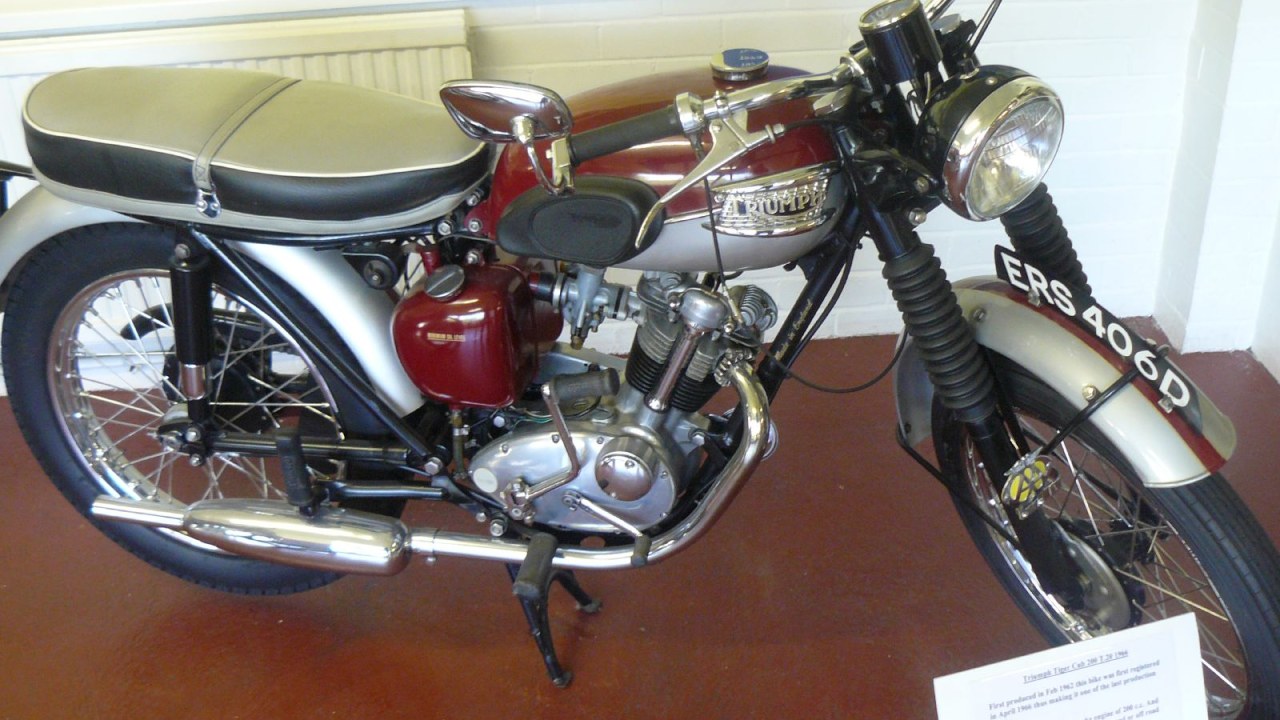
Triumph unveiled the Tiger Cub at the Earls Court show in November 1953. Its single-cylinder overhead-valve engine grew to 199 cc. The standard T20 claimed 10 bhp at 6,000 rpm, and a road test averaged 66 mph flat out.
Soon, the family branched out. The T20 Sports version claimed 14.5 bhp at 6,500 rpm, and Motor Cycle timed it at a 74 mph mean maximum. Meanwhile, the TR20 Trials Cub added a high-level exhaust, altered suspension and studded tires for off-road work. The line finally ended with the Super Cub, launched in November 1966 and dropped in 1968.
Our take: the Tiger Cub is the Triumph we’d recommend to a new classic rider. It is light, simple and small enough to wheel around a garage without a struggle. The trials versions also gave the little bike real off-road credibility. If you shop one, we’d check which version you’re getting, since the Sports and trials models carry the most appeal.
4. 1956 Triumph TR6 Trophy
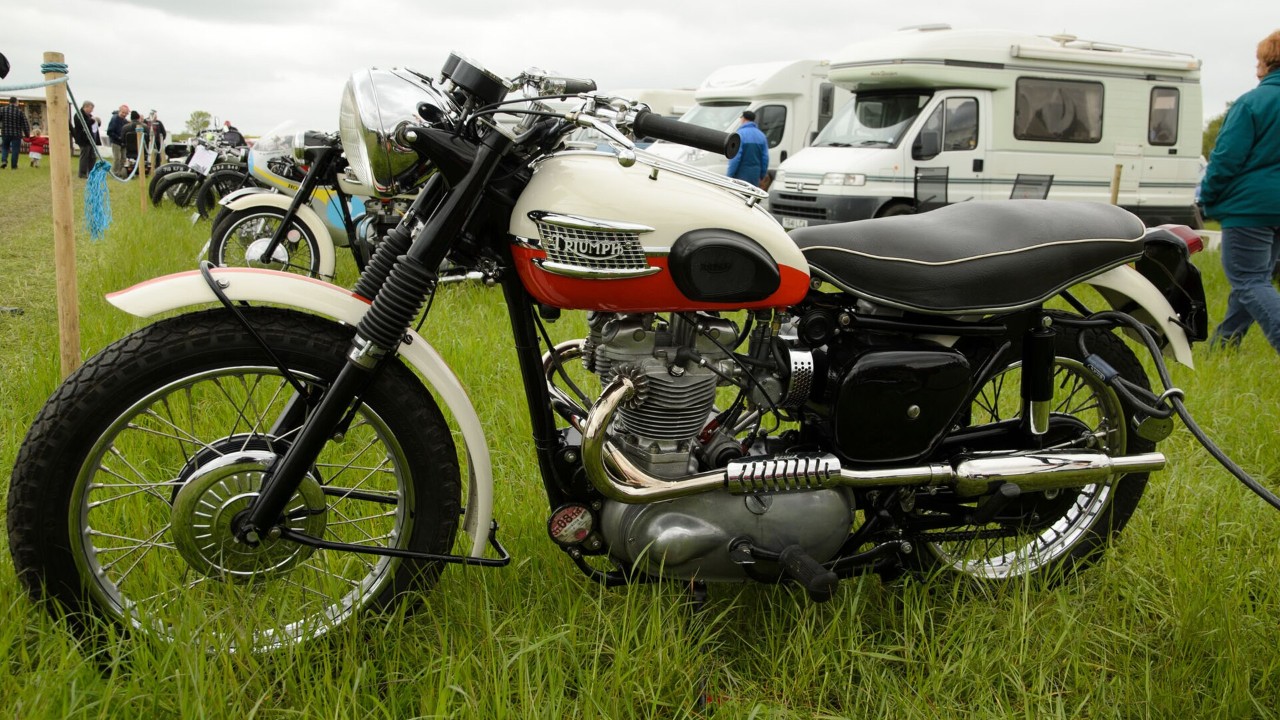
Triumph introduced the TR6 in 1956 and named it the Trophy-bird. It used a 649 cc parallel twin that made 42 bhp in its first year. More importantly, Triumph developed and built it specifically for the US market, with California desert racing in mind. The competition version soon earned the nickname “desert sled.”
Later, Hollywood made it famous. The chase bikes in “The Great Escape” were TR6 Trophys disguised as German BMW R75s. Bud Ekins performed the famous jump as Steve McQueen’s stunt double, and he had won the 1957 AMA Scrambles National Championship on a TR6. Later, McQueen himself rode a TR6 Trophy in the 1964 International Six Days Trial as part of the US team.
In our view, the TR6 is the coolest motorcycle Triumph ever built, and we’ll defend that. It was born in the desert and polished by Hollywood. Because it carries so much movie history, though, it attracts fakes and tributes. We’d ask for a frame and engine number check by a Triumph specialist before buying any TR6 sold as original.
5. 1959 Triumph Bonneville T120
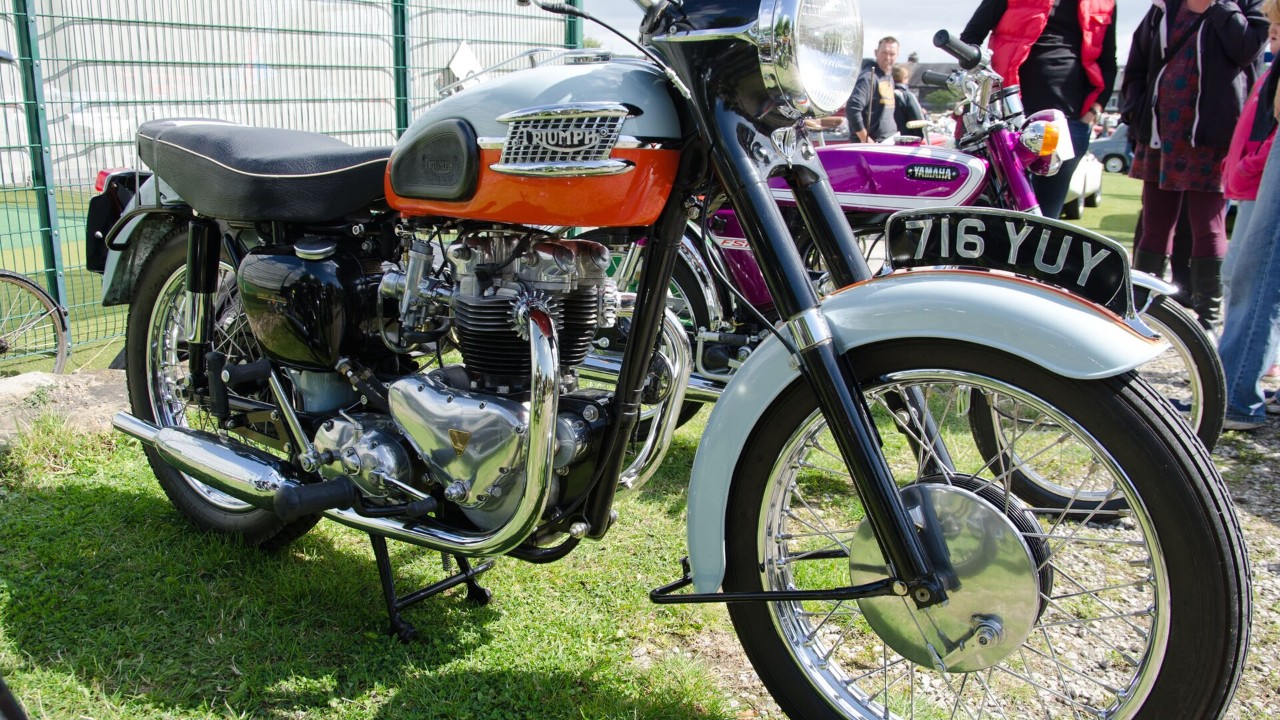
Triumph introduced the T120 Bonneville for 1959 and marketed it as “The Best Motorcycle in the World.” The bike came together so quickly that it missed the 1959 Triumph catalogue. Its name honored record runs on the Bonneville Salt Flats. Triumph’s timeline says Johnny Allen reached 193 mph there in 1955 in a streamliner powered by a tuned 650 cc Thunderbird engine.
The Triumph Bonneville used a 649 cc parallel twin with twin Amal Monobloc carburetors as standard, rated at 46 bhp at 6,500 rpm. It also proved itself on the Isle of Man. The T120 won the Production TT in the 501–750 cc class in 1967 and 1969. In 1969, Malcolm Uphill averaged 100 mph around the Mountain Course. We profiled more British motorcycles enthusiasts hoard in a bigger list.
Our take: the T120 is the Triumph that turned speed into style. Twin carbs, a famous name and a TT record make it the default classic Triumph for good reason. With that fame comes a lot of restored bikes. We’d focus on a matching-numbers bike with a known history rather than the shiniest restoration.
6. 1968 Triumph Trident T150
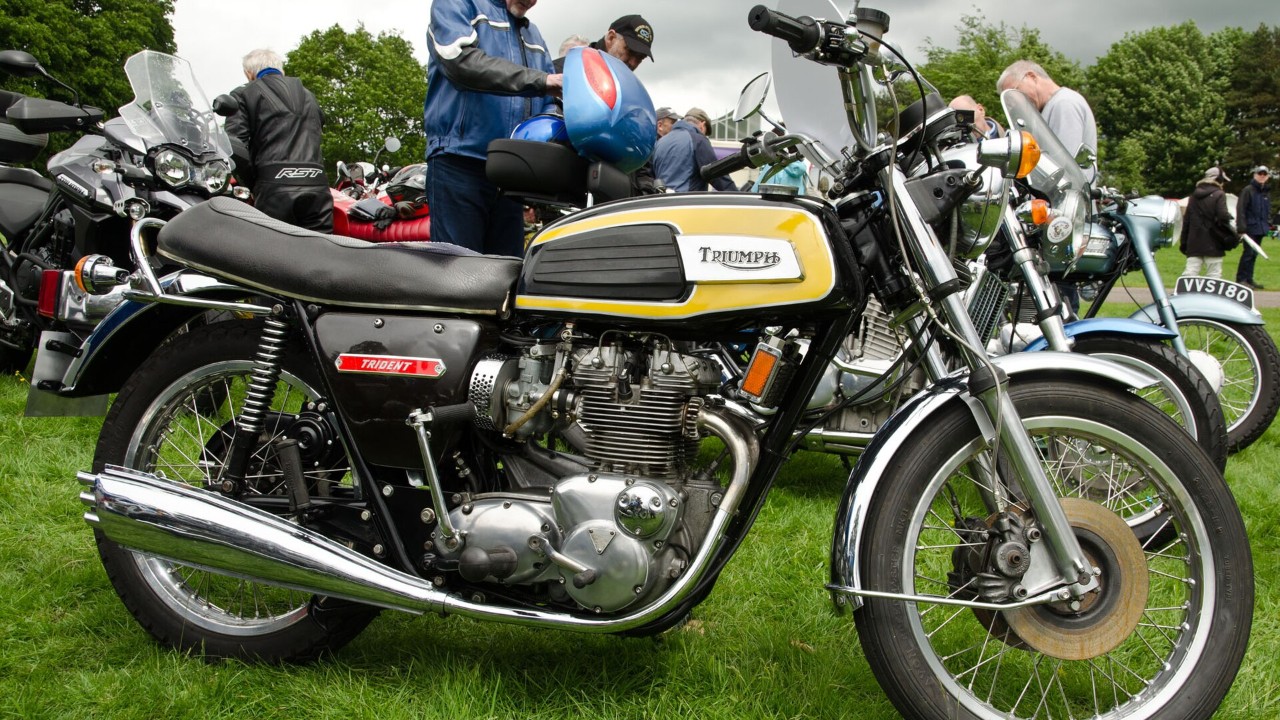
Triumph and BSA launched their 750 cc triples in 1968. The Trident’s 740 cc air-cooled overhead-valve engine was rated at 58 bhp at 7,500 rpm. It drew critical acclaim in the summer of 1968. Then, four weeks later, Honda’s CB750 stole the headlines.
The Trident fought back on the track. A production-class Trident nicknamed “Slippery Sam” won the 750 cc production race at the Isle of Man TT five years running, from 1971 to 1975. Triumph also added a fifth gear for the 1971 model year, which created the T150V. Across both marques, the factories built 27,480 Rocket 3s and Tridents in seven years.
In our view, the Trident is the Triumph that deserved more credit than it got. It had a great engine and a racing record to match, yet timing worked against it. Ogle Design’s square tank isn’t for everyone, but we like how different it looks. If you buy one, we’d favor a five-speed T150V for easier road riding.
7. 1973 Triumph X-75 Hurricane
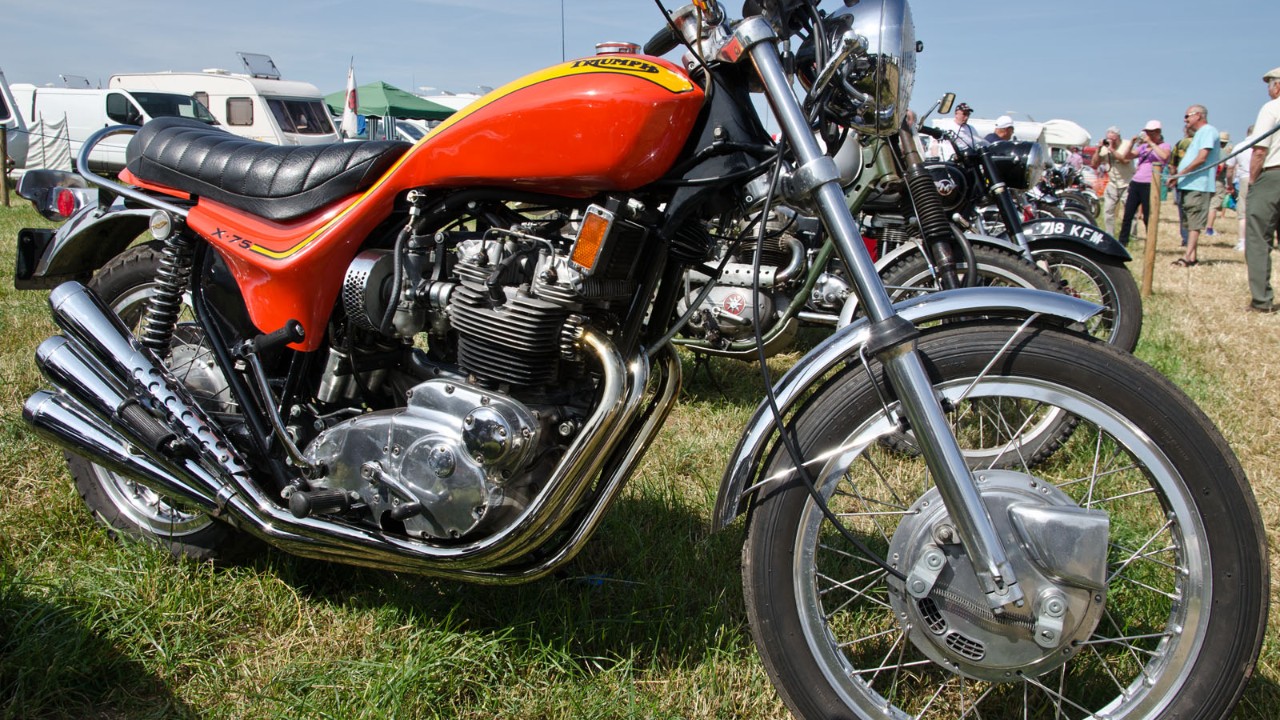
The Hurricane started life as a BSA. BSA’s US distributor asked fairing specialist Craig Vetter to restyle the Rocket 3 for American tastes. His prototype appeared in October 1969 with BSA on the tank. However, BSA’s factory closed in late 1972, so the bike went on sale as a Triumph in 1973.
As a result, the design was unlike anything else in the showroom. It had swooping fiberglass bodywork, a three-gallon tank and a stack of three exhaust pipes on the right side. Its 740 cc triple came from the Rocket 3. Triumph built a limited run of 1,200, and production stopped in 1973 because the bike couldn’t meet new US noise rules.
Our take: the X-75 is the most daring Triumph of its era. It looks like a custom bike that somehow got past the factory accountants. With only 1,200 built, it’s also a true collector’s piece. We’d insist on original bodywork with a specialist’s opinion, because the bodywork is the whole point of the bike.
8. 1973 Triumph Bonneville T140
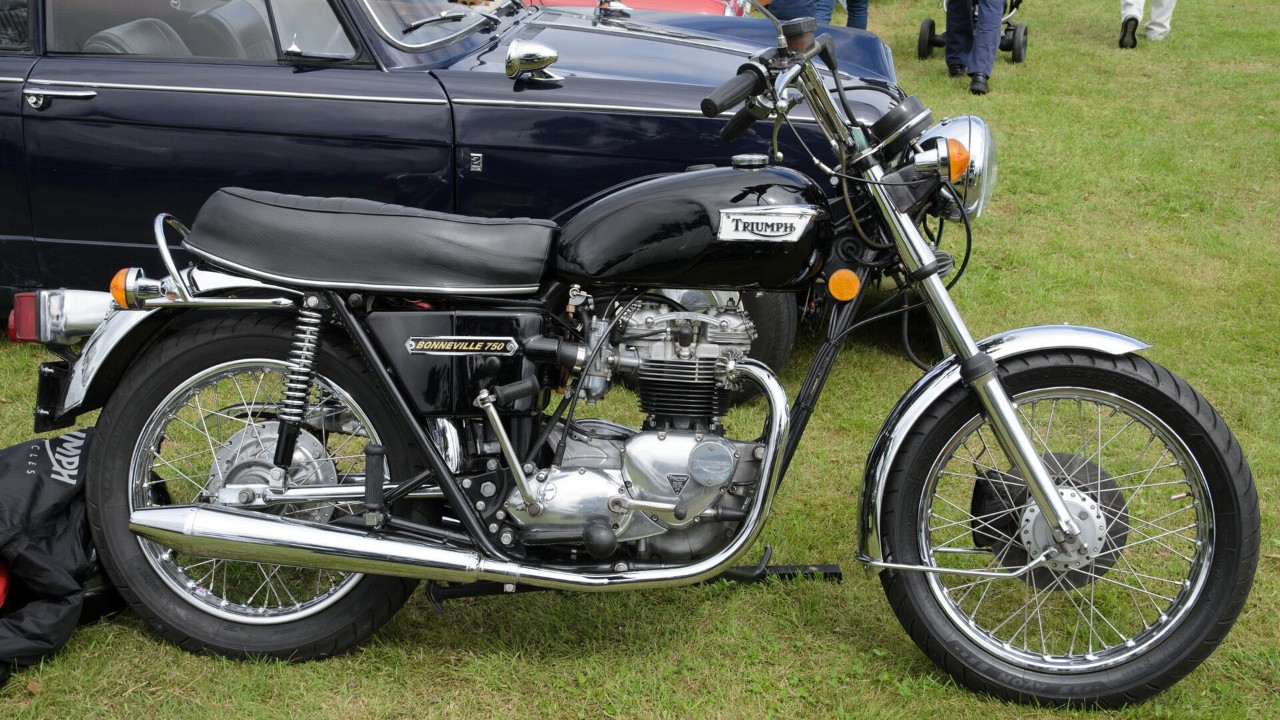
Triumph launched the T140V in 1973 to answer falling T120 sales. The first engines measured 724 cc, but Triumph quickly enlarged them to 744 cc. Meanwhile, the new Triumph Bonneville gained a five-speed gearbox and a hydraulic front disc brake in place of the old cable-operated drum.
After that, the bike outlived a turbulent era. A 1973 factory occupation disrupted production, and quality improved once the Meriden workers’ co-operative became established. The 1977 Silver Jubilee T140J was limited to 1,000 US bikes, 1,000 UK bikes and 400 for Commonwealth export. Later, in 1980, the “Electro” T140ES added an electric starter. After Meriden closed in 1983, Les Harris built about 1,300 more in Devon under licence from 1985.
In our view, the T140 is the best everyday classic Triumph. It has the same character as the T120, plus more useful brakes and an extra gear. To us, that makes it the smarter buy. We’d look for a later bike with good records, since quality improved under the co-operative.
9. 1973 Triumph Tiger TR7V
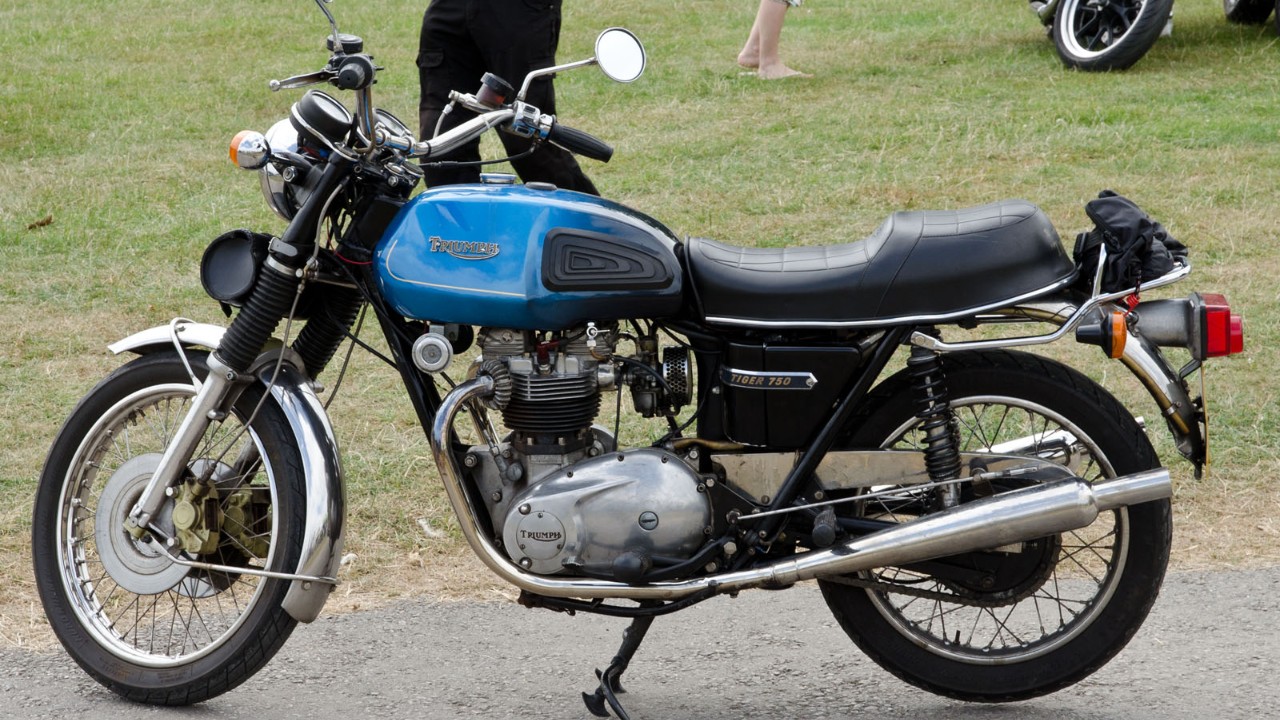
The Tiger 750 replaced the TR6 Trophy in 1973 as a five-speed 750 cc model. According to Bike-urious’s profile of a 1973 Tiger 750, it was the single-carburetor sibling of the Bonneville. Its 744 cc twin made 49 horsepower.
In our view, a single carb also makes the Tiger simpler to live with. Bike-urious also puts the bike at 448 pounds, lighter than nearly all of its 750 cc rivals. So while it gave up a little power on paper, it kept the friendly feel that made the TR6 popular. If you want the deeper story of British bikes like this, our list of classic bikes mechanics admire is a good next read.
Our take: the Tiger 750 is the Bonneville for riders who care more about riding than bragging. It has one carburetor to fuss over instead of two. That’s our idea of a smart classic. We’d buy a numbers-matching Tiger with service records and enjoy every mile.
10. 1994 Triumph Speed Triple
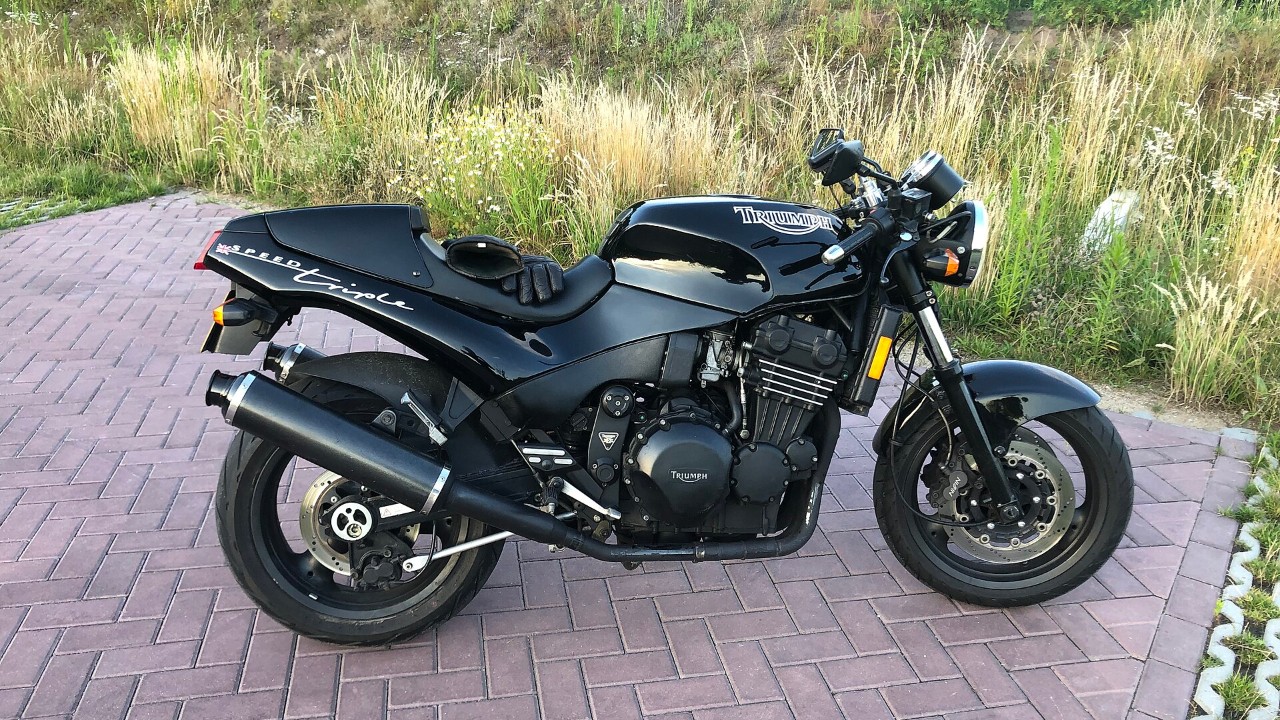
The Hinckley-built Speed Triple arrived in 1994 with an 885 cc water-cooled triple and a five-speed transmission. Triumph named it after the 1938 Speed Twin. In its timeline, the company says the Speed Triple “revives its racing heritage.”
It also fits a newer kind of bike. The Speed Triple is often called a streetfighter, which means a sport bike without an aerodynamic fairing. That same year, Triumph entered the adventure market with the Tiger 900 and formed Triumph Motorcycles America. In other words, 1994 was a big year for the reborn brand.
In our view, the first Speed Triple is the modern Triumph that classic fans should respect most. It linked the new company to its best old name, and it gave riders a bare, muscular triple with real attitude. Early bikes are now classics in their own right. Fifty-six years after the original Speed Twin, the 885 cc Speed Triple carried the name onto a new kind of motorcycle.
More from Fast Lane Only