There was a time when a Buick could be enormous, heavily styled, surprisingly powerful, and built with the kind of road presence that is almost impossible to find today. From chrome-covered cruisers to muscle-minded coupes and luxurious family cars, Buick offered something for nearly every kind of American driver. These 19 examples show just how different the brand once was.
Buick Riviera
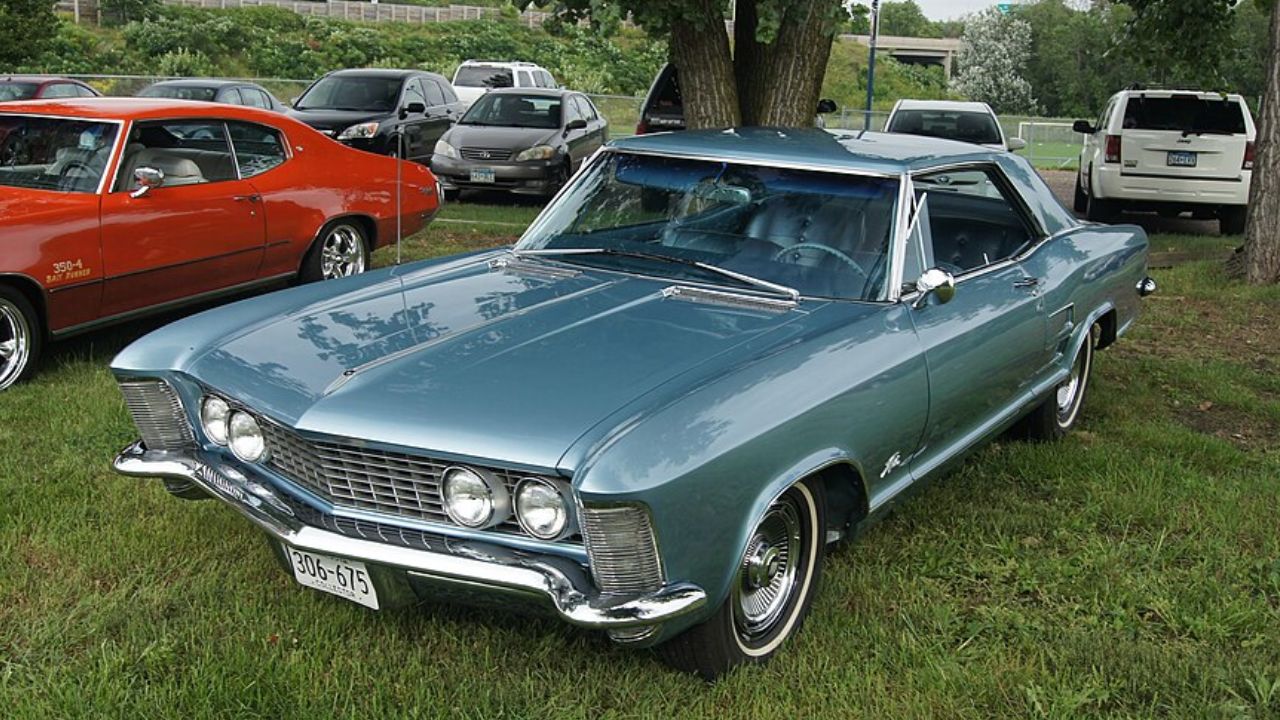
The Riviera was one of Buick’s most memorable personal luxury cars, combining elegant styling with substantial size and strong V8 power. Its long hood, formal proportions, and carefully finished interior gave it a presence that modern luxury coupes rarely attempt to match. The Riviera also changed considerably across generations, making it a fascinating model to follow through the decades. Even today, a well-kept Riviera can dominate a parking lot without needing flashy modifications.
Buick Grand National
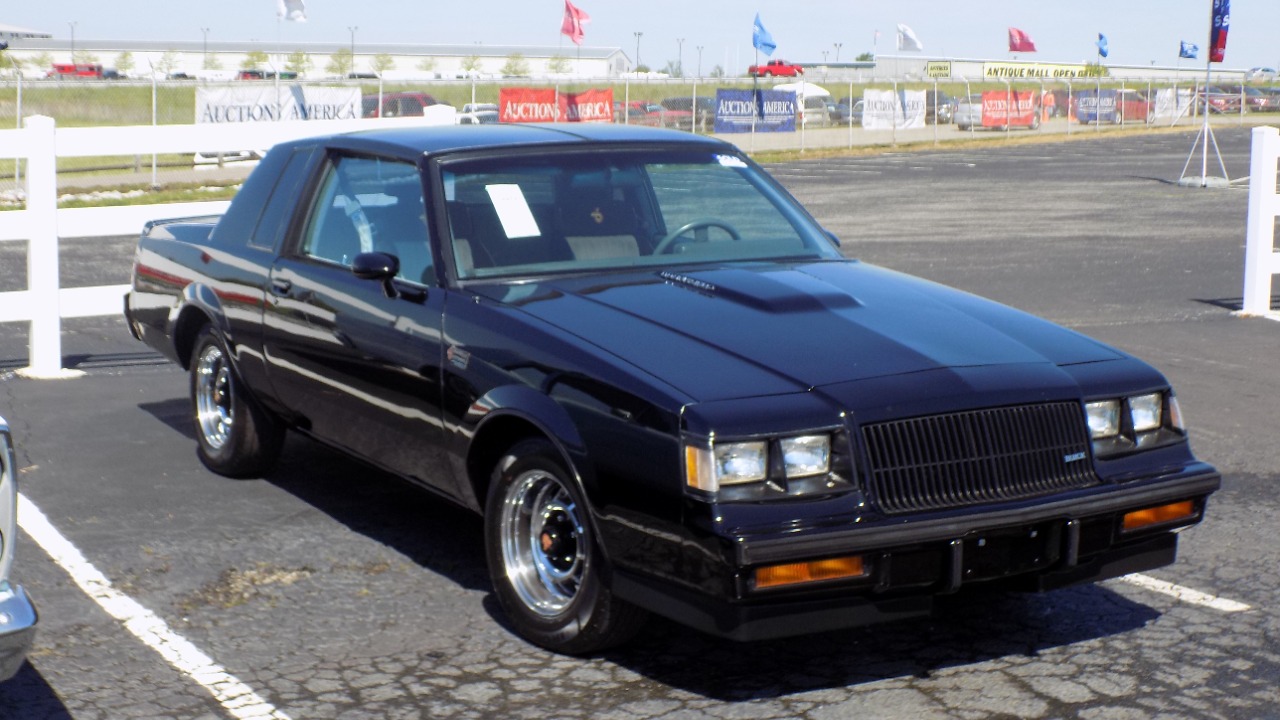
The Grand National became famous for proving that Buick could build a serious performance car without relying on bright colors or excessive exterior decoration. Its turbocharged V6 delivered strong acceleration, while the dark styling gave the car a restrained, almost intimidating personality. The Grand National became increasingly desirable as enthusiasts recognized how unusual its combination of luxury and performance really was. It remains one of the clearest examples of Buick stepping far outside its traditional comfort zone.
Buick GSX
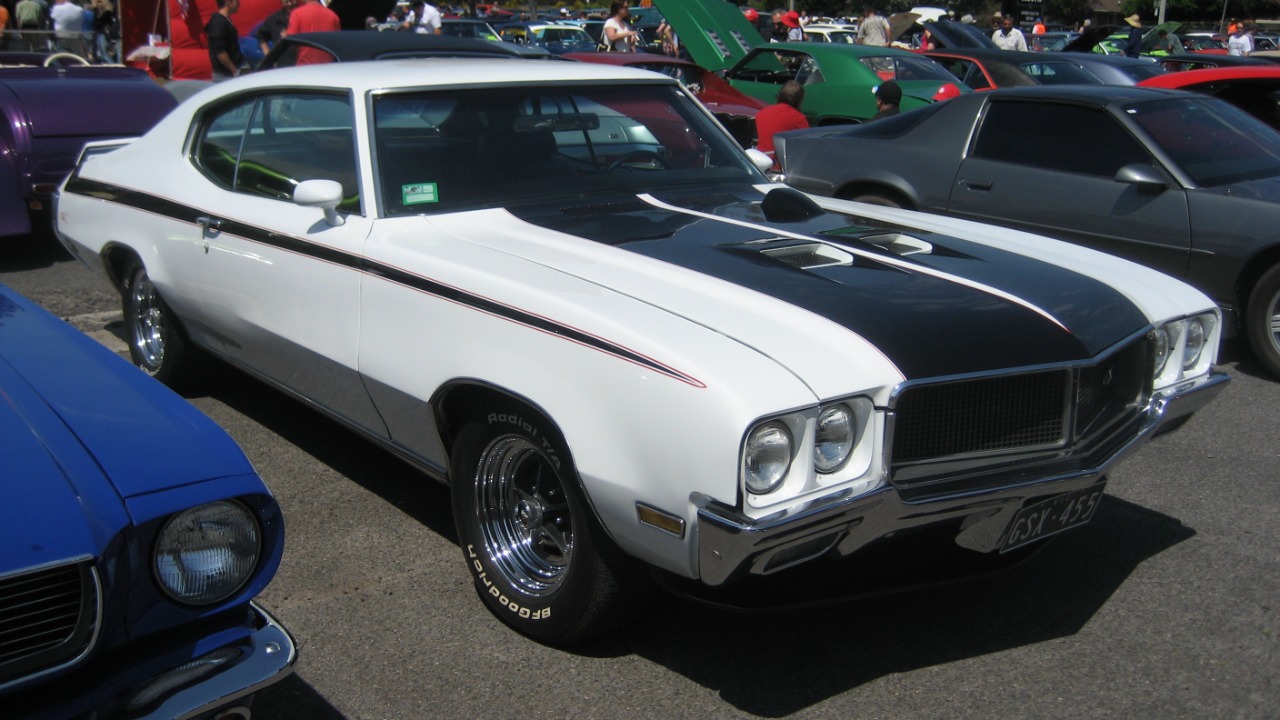
The GSX took Buick’s performance ambitions to another level with a muscular appearance and serious V8 hardware. Based on the Gran Sport, it featured aggressive styling details that immediately separated it from ordinary Buicks. Big-block power gave the GSX the kind of acceleration that could make much smaller cars look ordinary. Its limited production and distinctive appearance have also helped it become one of the most recognizable and desirable performance Buicks from the classic muscle era.
Buick Roadmaster
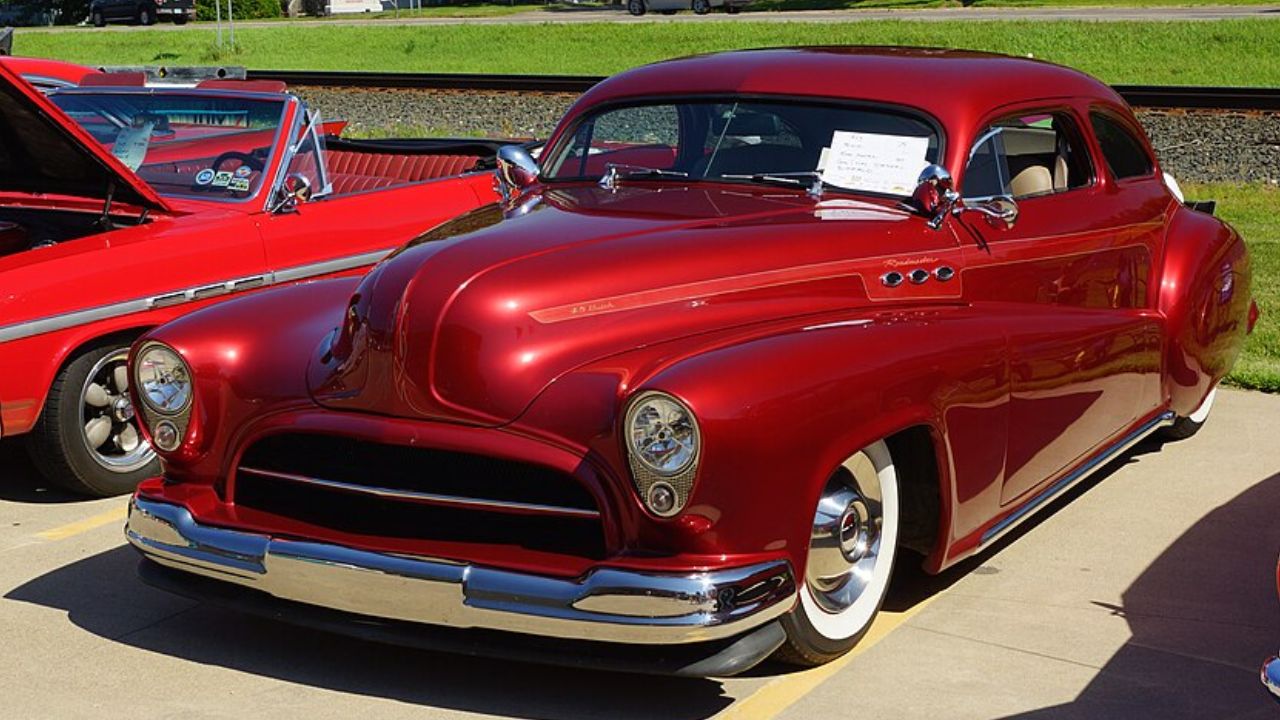
The Roadmaster represented the old-school American luxury formula at its fullest. Large dimensions, a comfortable cabin, rear-wheel drive, and a strong V8 gave it the relaxed character many modern cars have abandoned. Later Roadmasters also offered the unusual combination of a powerful engine and genuine family-car practicality. Whether configured as a sedan or wagon, the Roadmaster felt substantial in a way that is increasingly difficult to find in today’s market.
Buick Electra 225
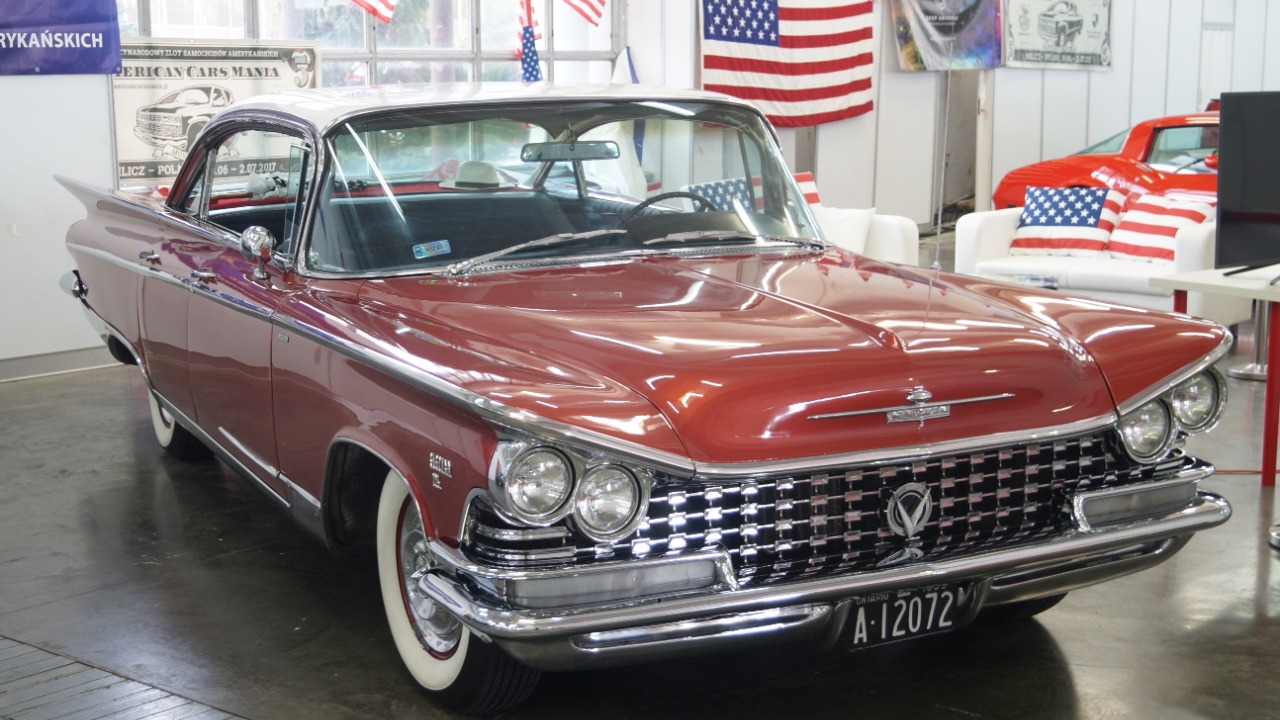
The Electra 225 was Buick excess in its purest form. Its enormous body, smooth ride, spacious interior, and powerful V8 made it the kind of car that could turn a simple trip across town into an occasion. The nickname “Deuce and a Quarter” became closely associated with its imposing size. These cars reflected an era when buyers expected full-size luxury vehicles to be genuinely large, comfortable, and unmistakable from across a parking lot.
Buick Wildcat
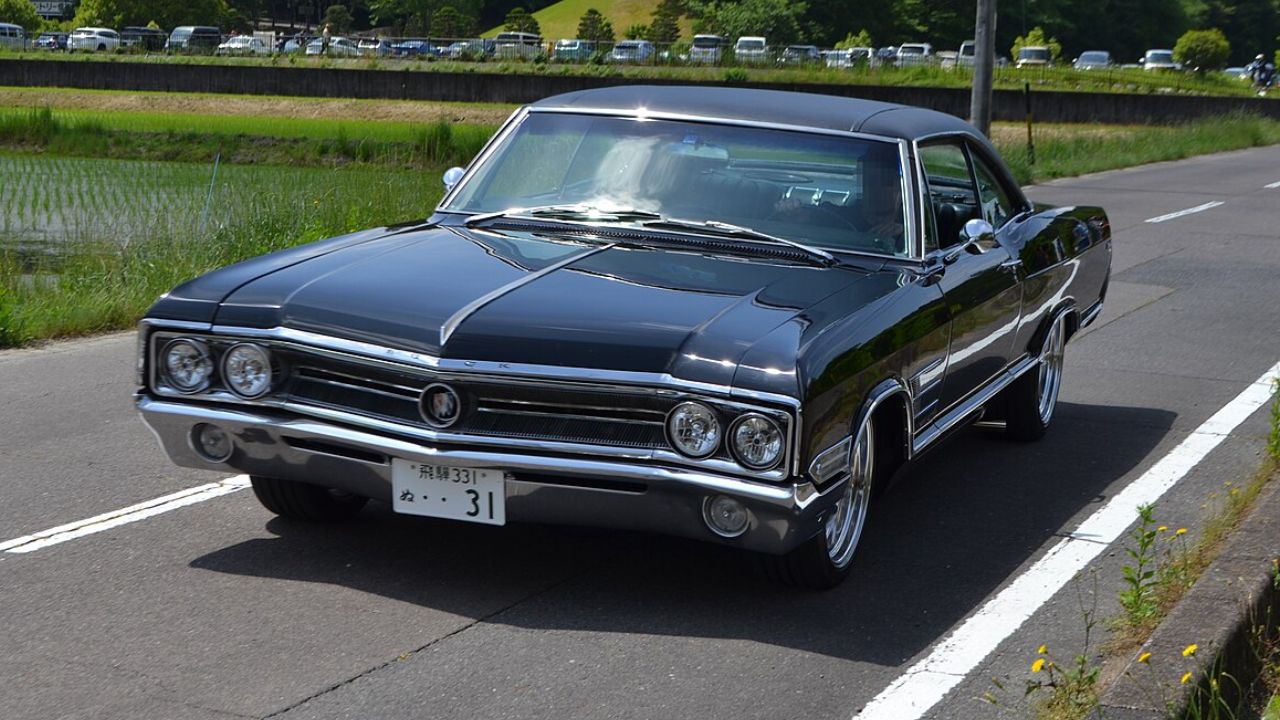
The Wildcat brought a stronger performance image to Buick’s full-size lineup. Large V8 engines gave the car impressive torque, while its wide body and dramatic styling made it look every bit as powerful as it felt. The Wildcat could serve as a comfortable cruiser while still having enough muscle to satisfy performance-minded buyers. Its combination of size and speed is precisely what makes it feel so different from nearly every Buick sold today.
Buick LeSabre
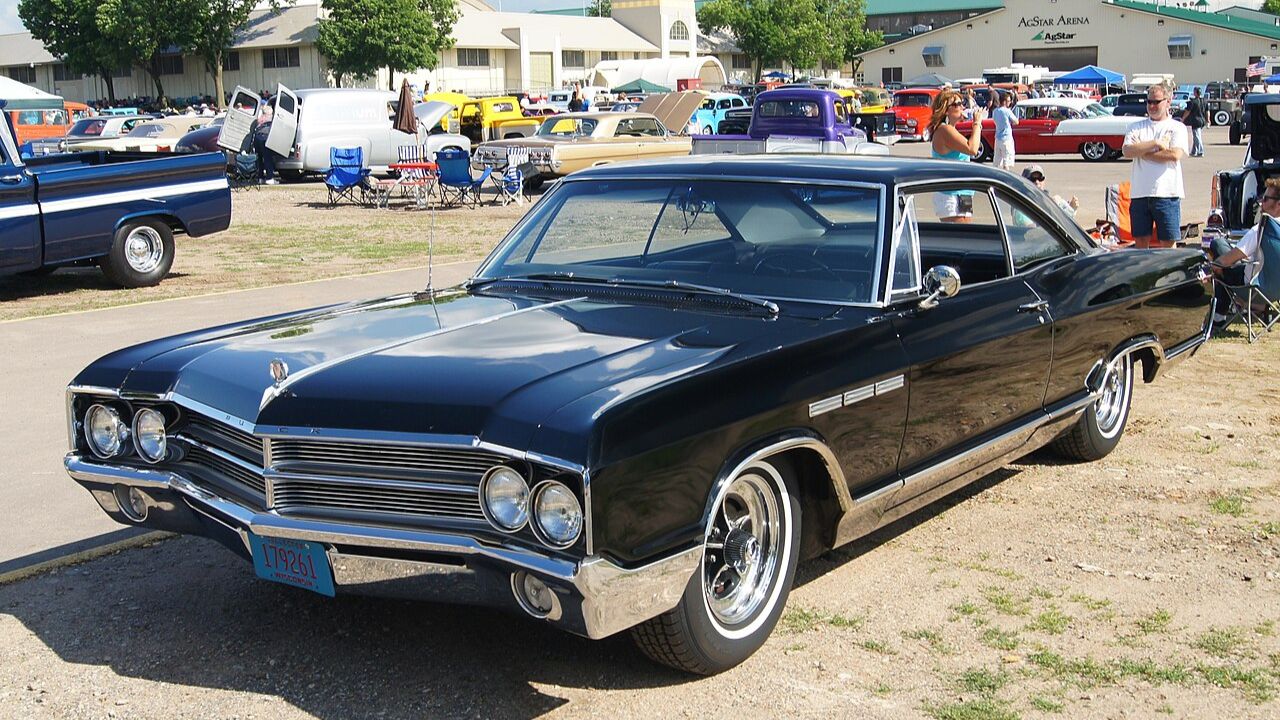
The LeSabre became one of Buick’s most familiar nameplates, but its earlier generations were considerably more dramatic than the name might suggest. Large engines, rear-wheel drive, generous dimensions, and extensive chrome defined many examples. The LeSabre was built for buyers who valued comfort and effortless cruising rather than minimalism. Surviving cars now provide a vivid reminder of a time when even a mainstream family sedan could have the physical presence of a luxury car.
Buick Skylark
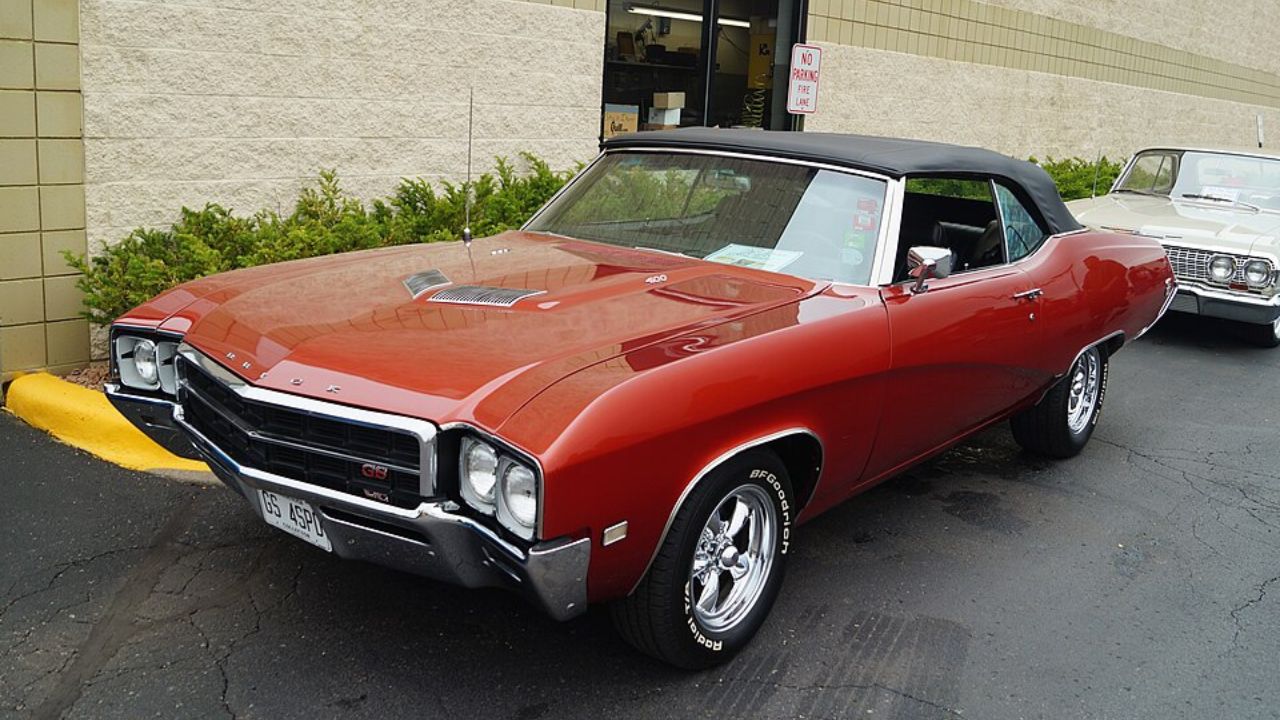
The Skylark occupied an important position in Buick history because it allowed the brand to offer a smaller and sportier alternative to its large cars. Depending on the generation, the Skylark could be ordered with everything from economical engines to substantial V8s. That flexibility helped make the nameplate popular across several decades. Classic Skylarks are particularly appealing today because their compact proportions and bold styling capture a very different idea of what an American car could be.
Buick GS 400
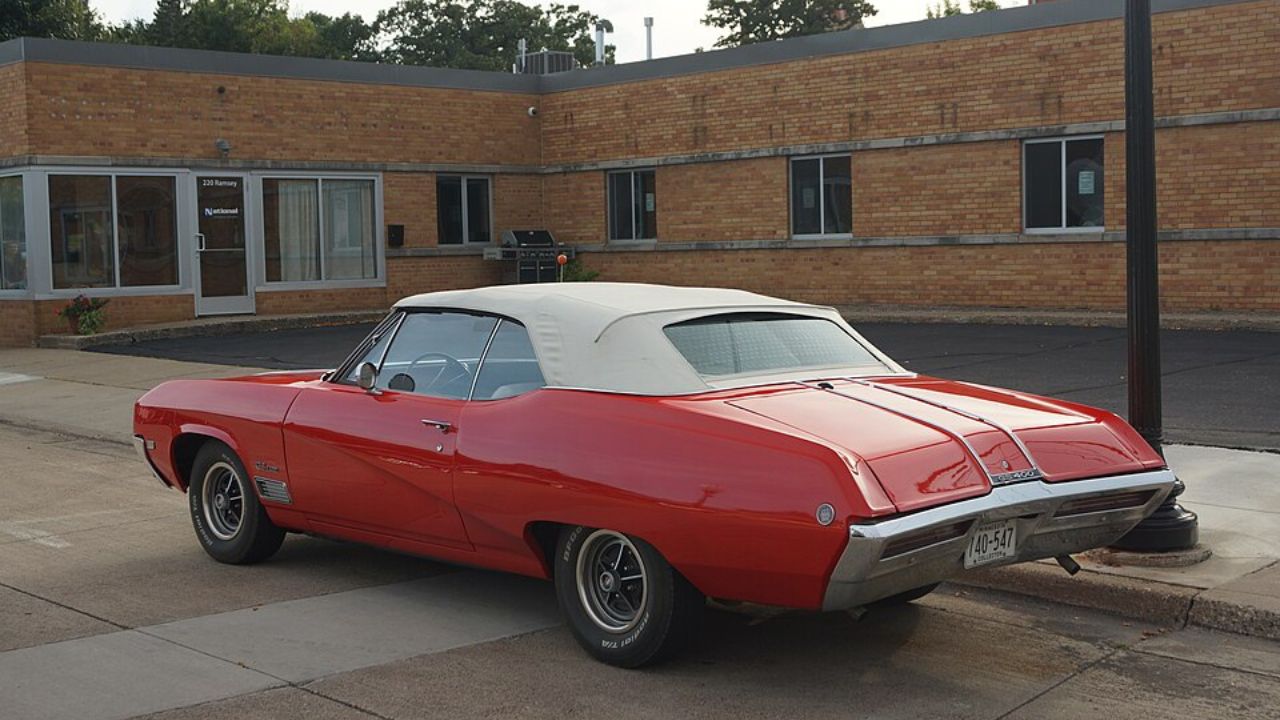
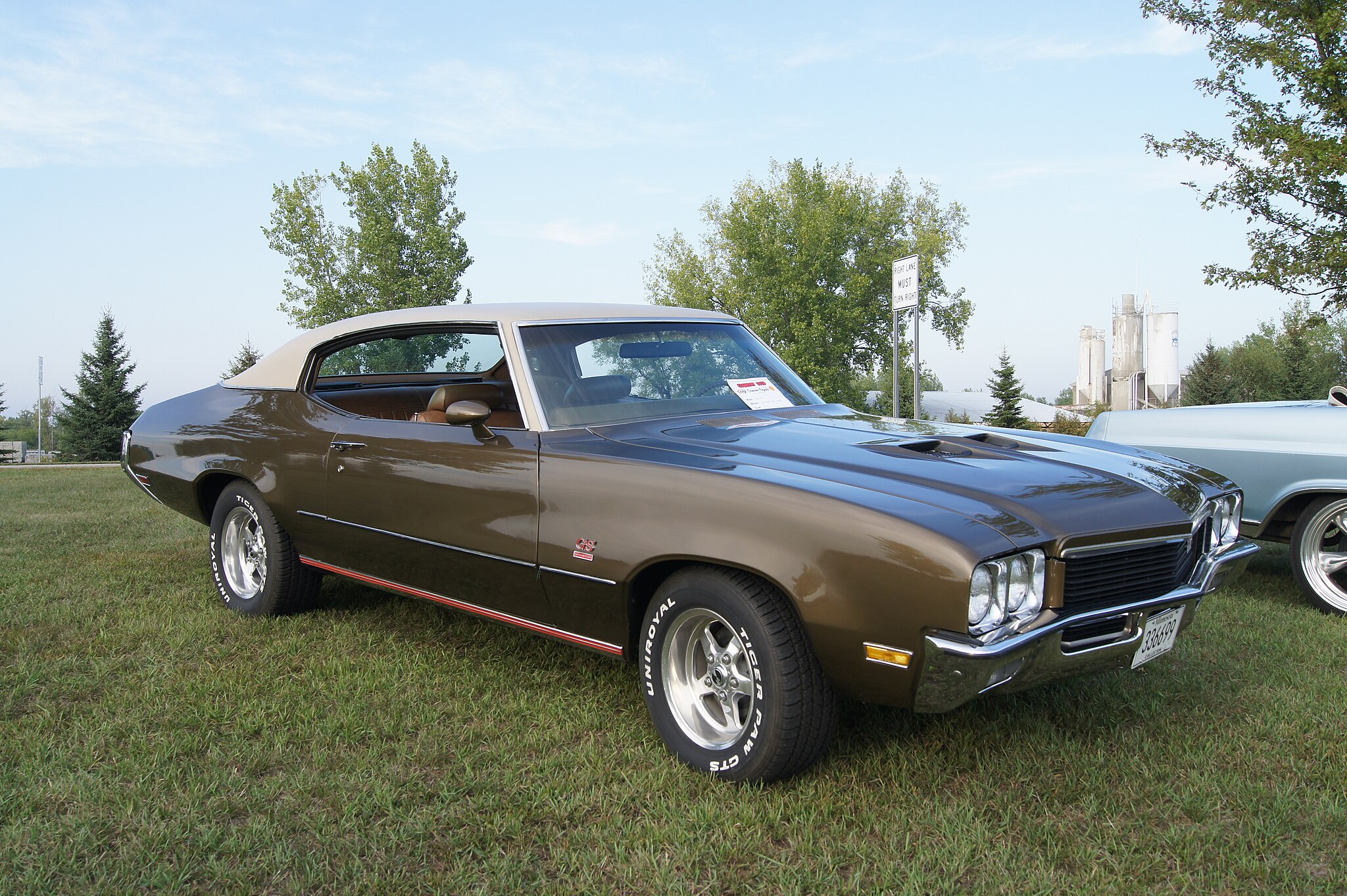
The GS 400 was Buick’s answer to buyers who wanted genuine muscle-car performance with a more refined personality. Its big V8 delivered substantial torque, while the interior retained the comfortable character expected from Buick. This combination made the car appealing to drivers who did not necessarily want the stripped-down feel of some competing muscle machines. Today, the GS 400 stands as one of the strongest examples of Buick blending luxury and performance in a single package.
Buick GS 455
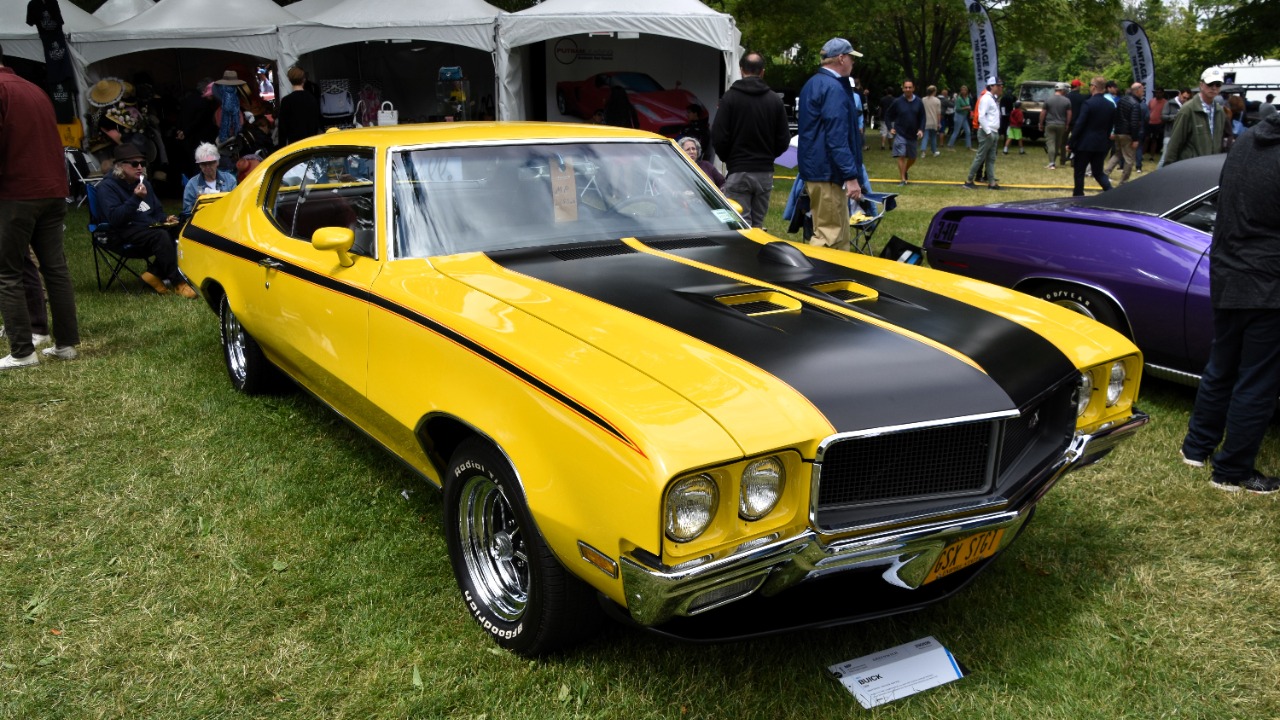
The GS 455 pushed Buick’s muscle-car formula even further with one of the brand’s most memorable big-block engines. Huge torque was the defining characteristic, giving the car effortless acceleration and strong street performance. The GS 455 also looked suitably aggressive without becoming excessively decorated. Its reputation has only grown as collectors have become more interested in the overlooked performance cars of the muscle era. It remains one of Buick’s most compelling old-school performance machines.
Buick Century

The Century name appeared on many different Buick generations, but its classic versions could be surprisingly substantial and stylish. Earlier Centurys combined powerful engines with lighter bodies, creating a performance-oriented formula that helped establish Buick’s reputation for fast cars. Later examples became more focused on comfort and practicality. Across its history, the Century demonstrates how much Buick’s idea of a family car has changed over time.
Buick Special
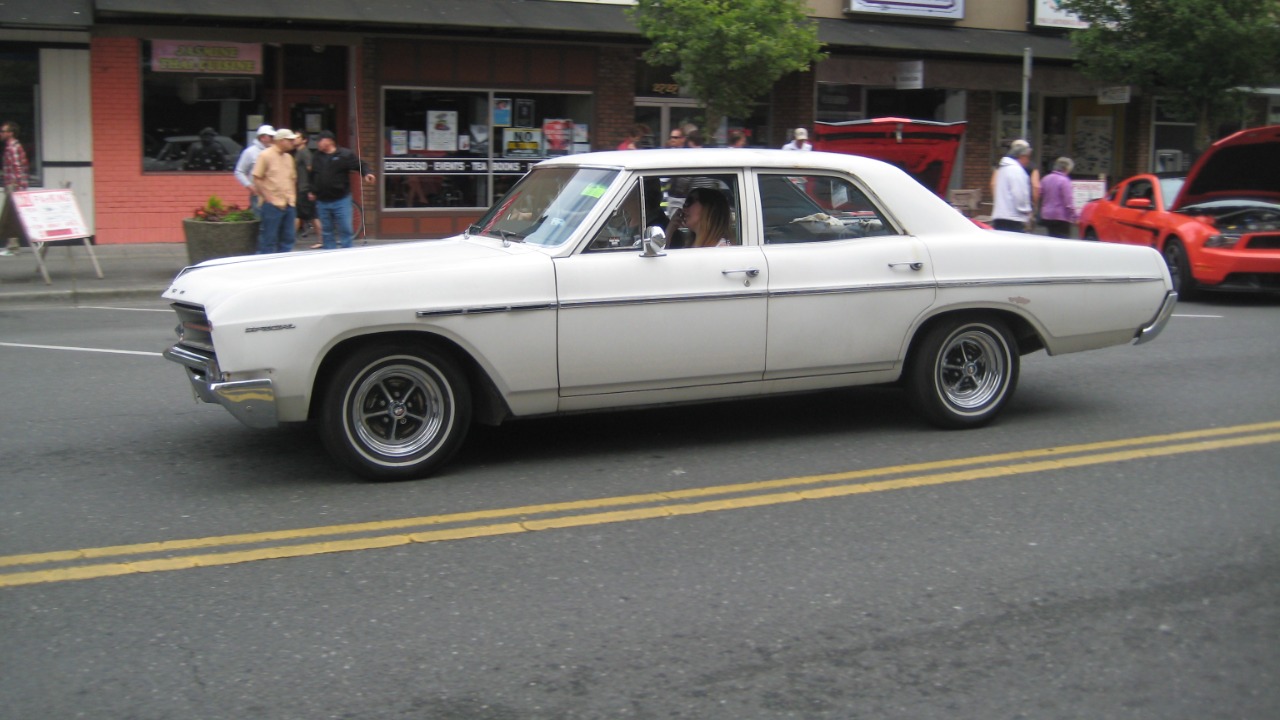
The Buick Special was smaller than many of the brand’s traditional models, but that did not mean it lacked character. Early versions offered compact dimensions and strong Buick V8 power, creating an appealing combination for drivers who wanted something more manageable without giving up performance. The Special also helped Buick experiment with lighter vehicles during a period when American cars were becoming increasingly large. Its simple proportions now give it plenty of vintage charm.
Buick Riviera GS
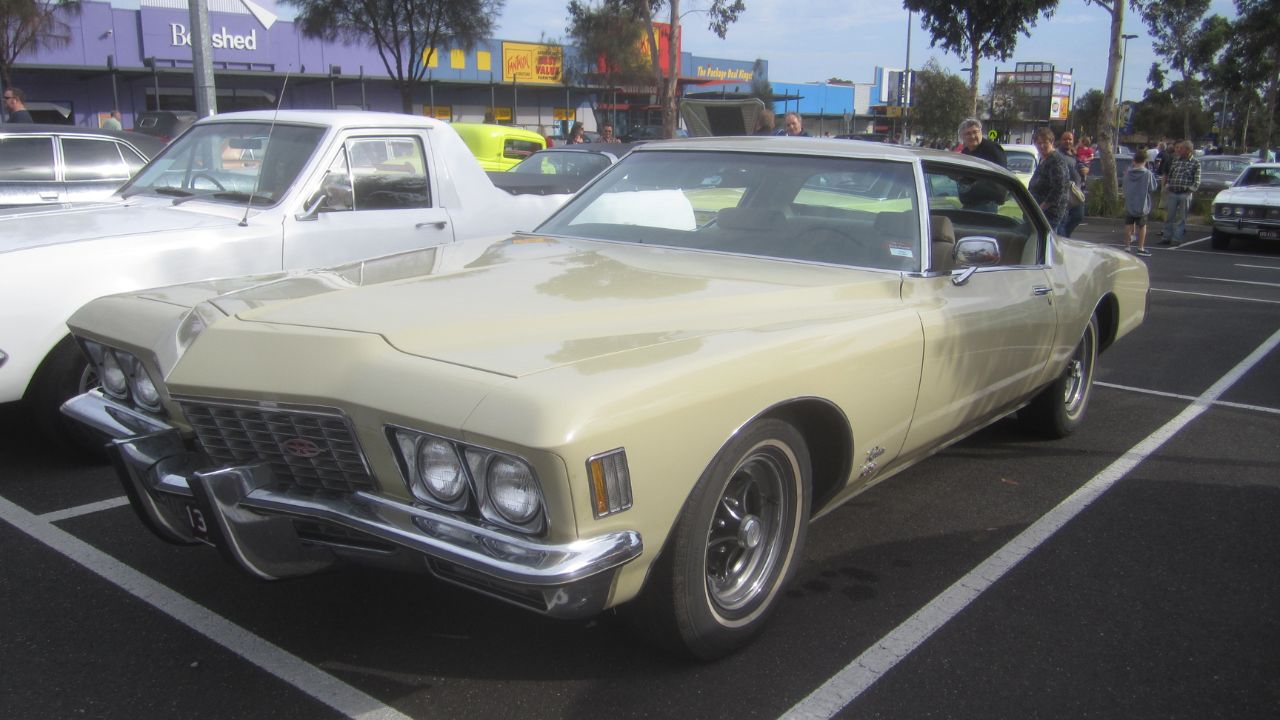
The Riviera GS combined Buick’s personal-luxury formula with a stronger emphasis on performance. The result was a large coupe that could deliver serious V8 power while surrounding passengers with a more upscale environment. Its broad stance and long profile gave it an unmistakable road presence. Unlike today’s luxury coupes, the Riviera GS was not trying to look small or understated. It embraced its size and made that part of its identity.
Buick Regal T-Type
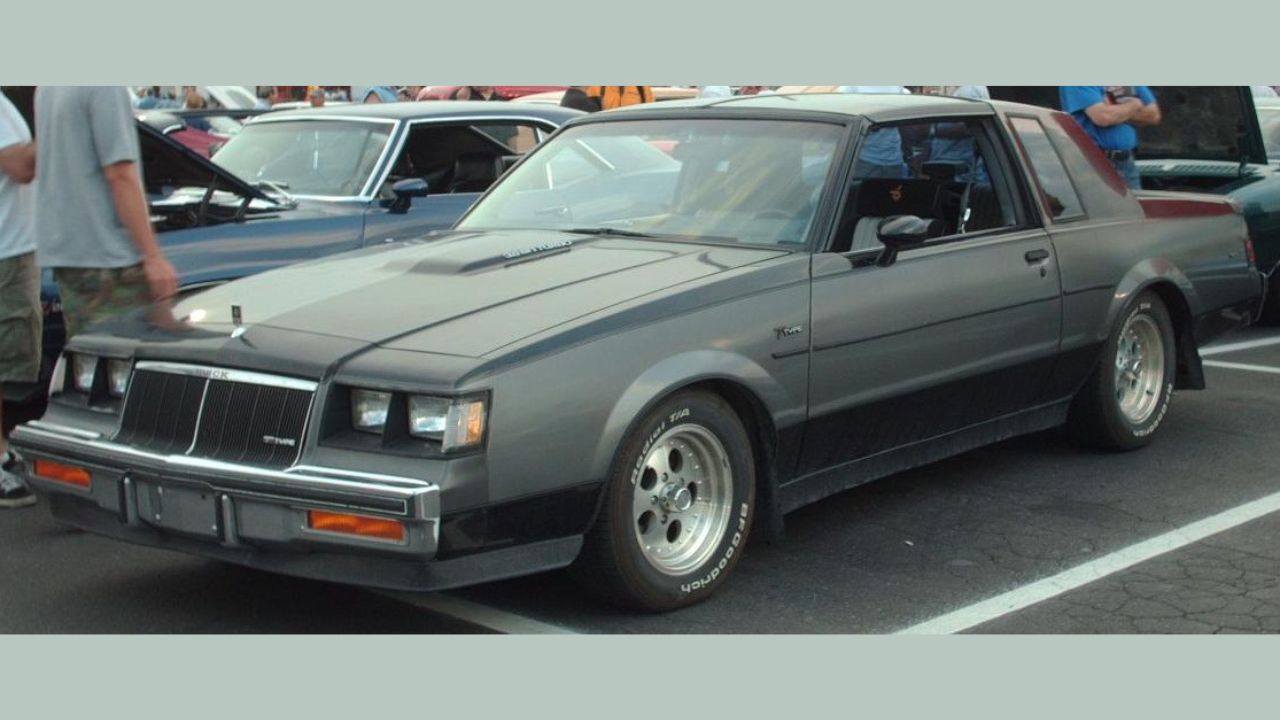
The Regal T-Type brought turbocharged performance into a more restrained package. Its combination of rear-wheel drive, turbocharged V6 power, and understated styling made it a favorite among enthusiasts who appreciated sleeper cars. The Regal did not need dramatic bodywork to make an impression. Underneath its relatively conservative appearance was a drivetrain capable of delivering serious acceleration. It remains one of the best examples of Buick’s ability to make an ordinary-looking coupe unexpectedly quick.
Buick Reatta
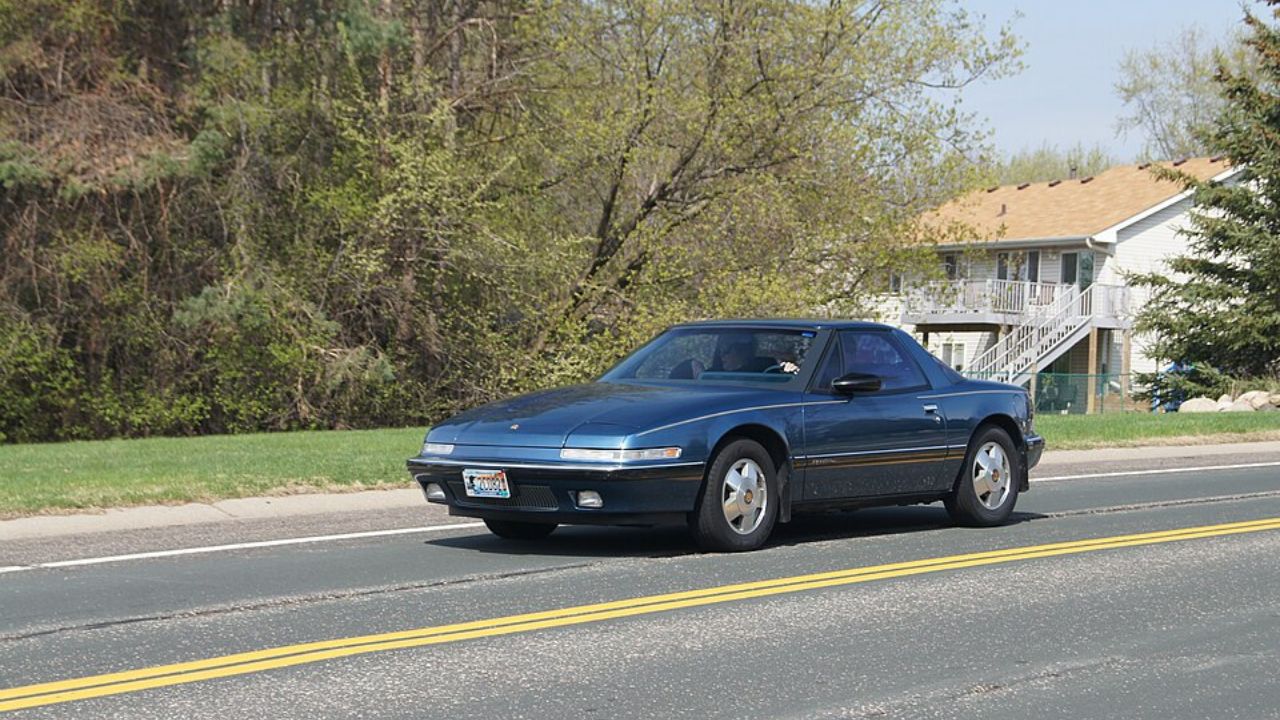
The Reatta was an unusual departure for Buick, combining luxury-car comfort with a distinctive two-door body and advanced electronics. It was built in relatively small numbers and featured a more personalized cabin than Buick’s mainstream models. The Reatta never became a major sales success, but that rarity has become part of its appeal. Today, it represents a fascinating moment when Buick attempted to create a sophisticated personal luxury car for a changing market.
Buick Park Avenue Ultra
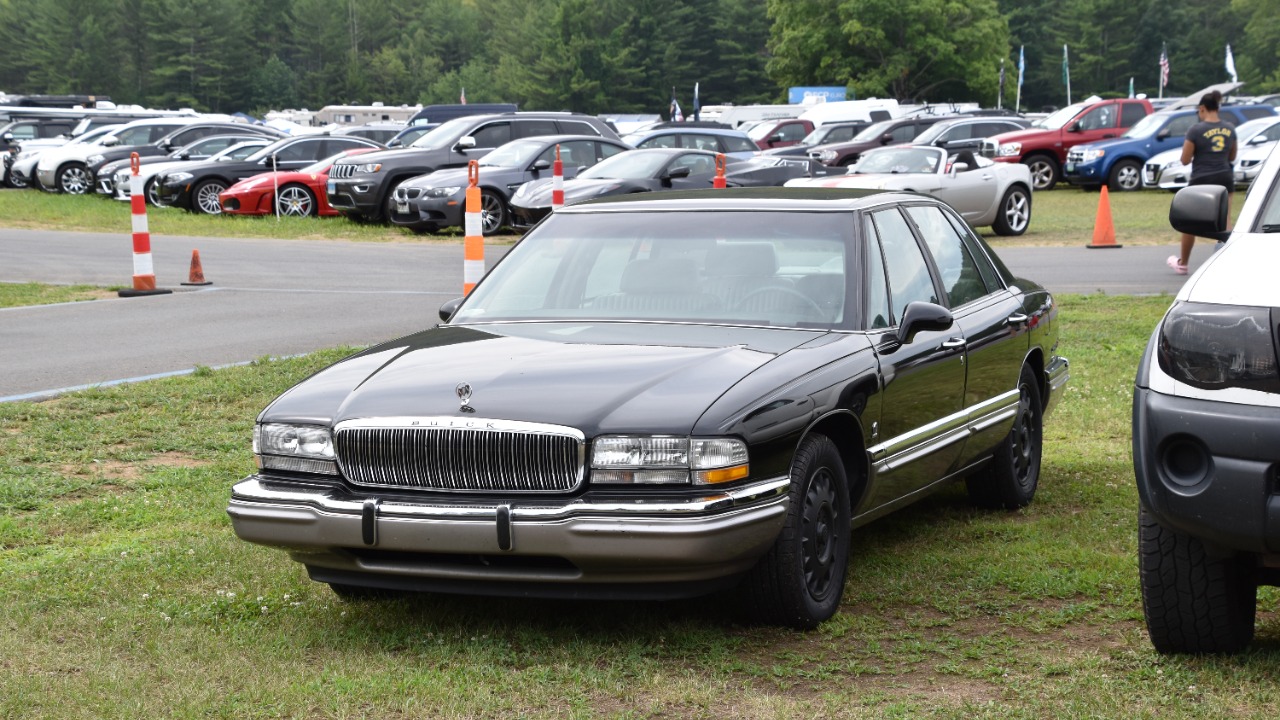
The Park Avenue Ultra represented Buick’s late-era approach to traditional American luxury. It offered a comfortable interior, smooth power, and a strong focus on quiet highway cruising. Its supercharged V6 gave the Ultra considerably more performance than its conservative styling suggested. The car could therefore appeal to drivers who wanted comfort without sacrificing acceleration. Its understated nature has become more interesting with age as large, front-wheel-drive luxury sedans have largely disappeared.
Buick Estate Wagon
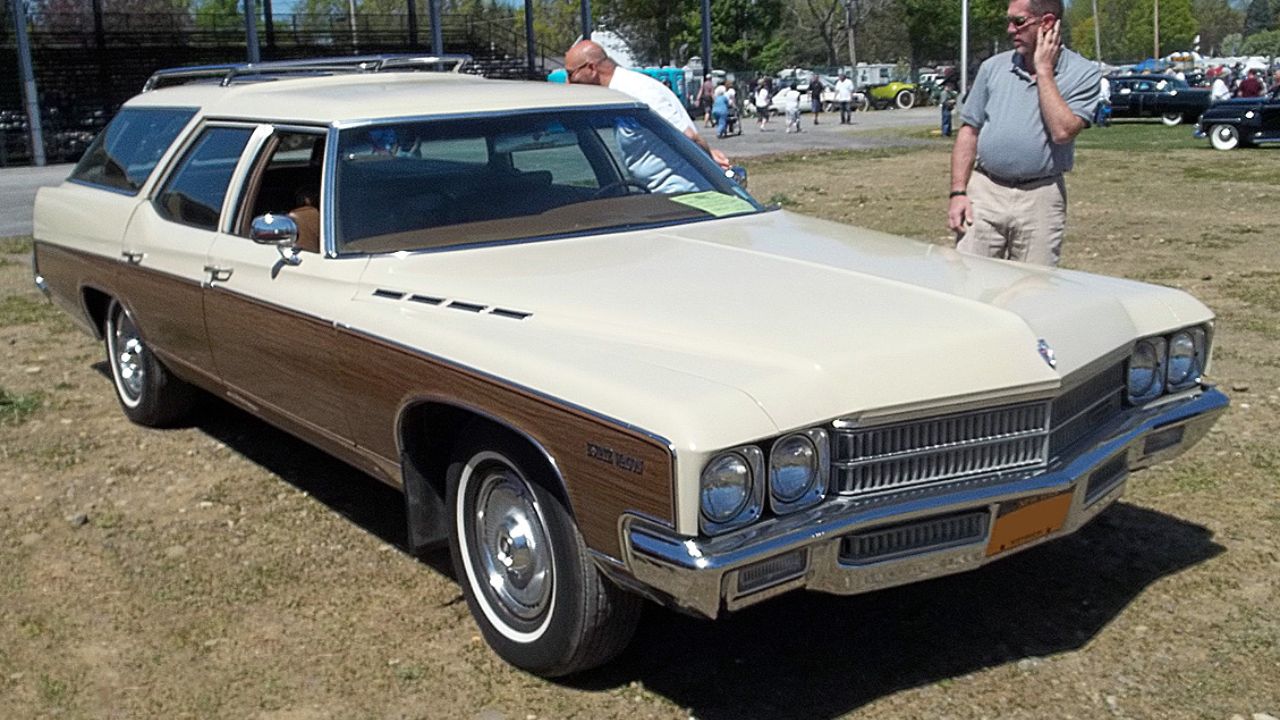
The Buick Estate Wagon captured the classic American family-car formula better than almost anything else. Its enormous cabin, long body, rear-facing seating in some versions, and available V8 power made it both practical and memorable. Woodgrain exterior trim added even more character to many examples. Modern SUVs provide more technology and efficiency, but very few family vehicles have the same visual presence. A clean Estate Wagon immediately recalls an era when practicality could come wrapped in considerable excess.
Buick Century GS

The Century GS gave Buick another way to offer sporty performance without abandoning the practical midsize format. Its V8 power and sportier presentation helped distinguish it from ordinary family cars, while the basic Century platform kept it approachable. It was not always the loudest or most famous muscle car in the showroom, but that understated character is part of its appeal today. The Century GS demonstrates how broadly Buick once applied its performance philosophy.
Buick Park Avenue
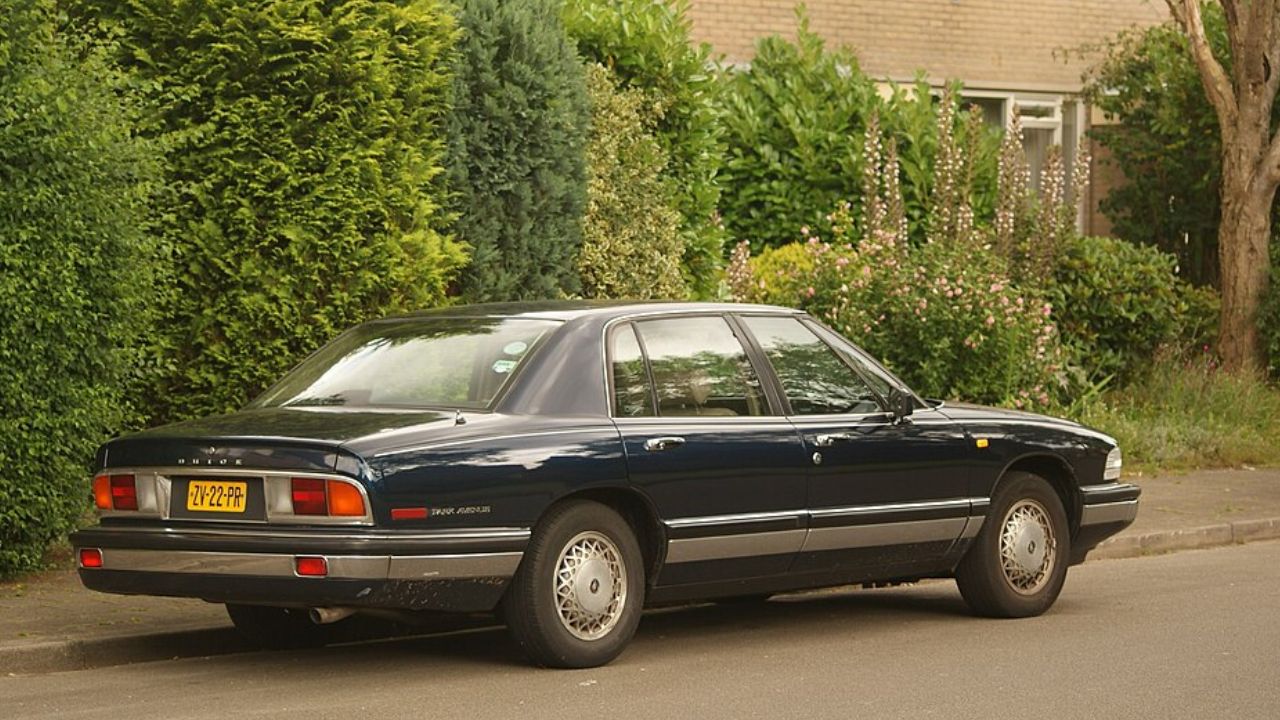
The Park Avenue became one of Buick’s defining luxury sedans during the later years of the brand’s traditional American formula. It offered a roomy cabin, soft ride, smooth power, and a quiet personality designed around long-distance comfort. The model may not have the aggressive reputation of a Grand National or GSX, but it represents something equally important: Buick’s ability to make an everyday sedan feel genuinely luxurious. That kind of spacious, relaxed American car has become increasingly rare.
More from Fast Lane Only
- Unboxing the WWII Jeep in a Crate
- 15 rare Chevys collectors are quietly buying
- 10 underrated V8s still worth hunting down
- Police notice this before you even roll window down
*Research for this article included AI assistance, with all final content reviewed by human editors.