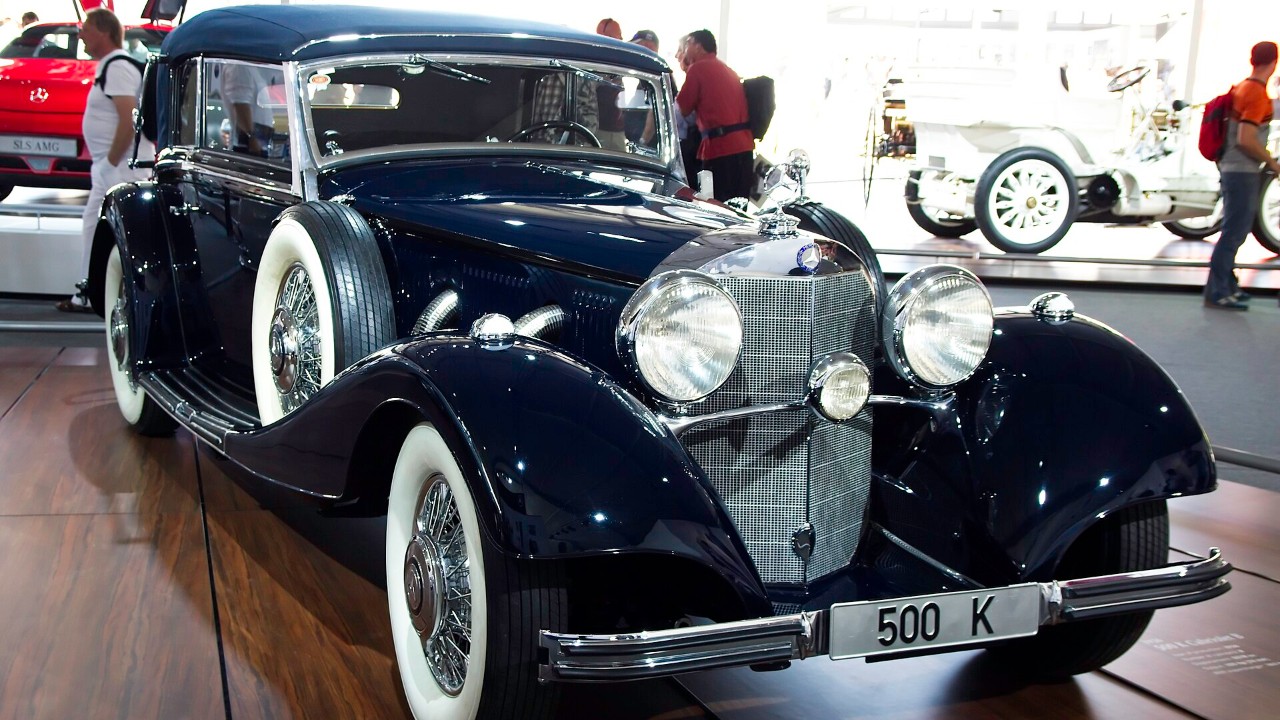
Mercedes-Benz named its 1934 500K for the supercharger under the hood, since the K stood for Kompressor. Press the throttle all the way down, and a Roots blower joined in. That simple idea, forcing more air into an engine, has powered some of the most memorable supercharged cars ever built.
Superchargers have come and gone over the decades, and emissions rules ended at least one blown engine on this list early. Yet the cars that used them well still have stories worth telling, from prewar racers to 1990s luxury sedans and a budget hot hatch.
These ten are our picks for the supercharged cars we think are worth talking about today. The choices are our opinion. Meanwhile, the specs, production figures and sale prices come from auction records, period reviews and buyer’s guides, and we’ve listed the cars in order of age.
1. 1931 Alfa Romeo 8C 2300
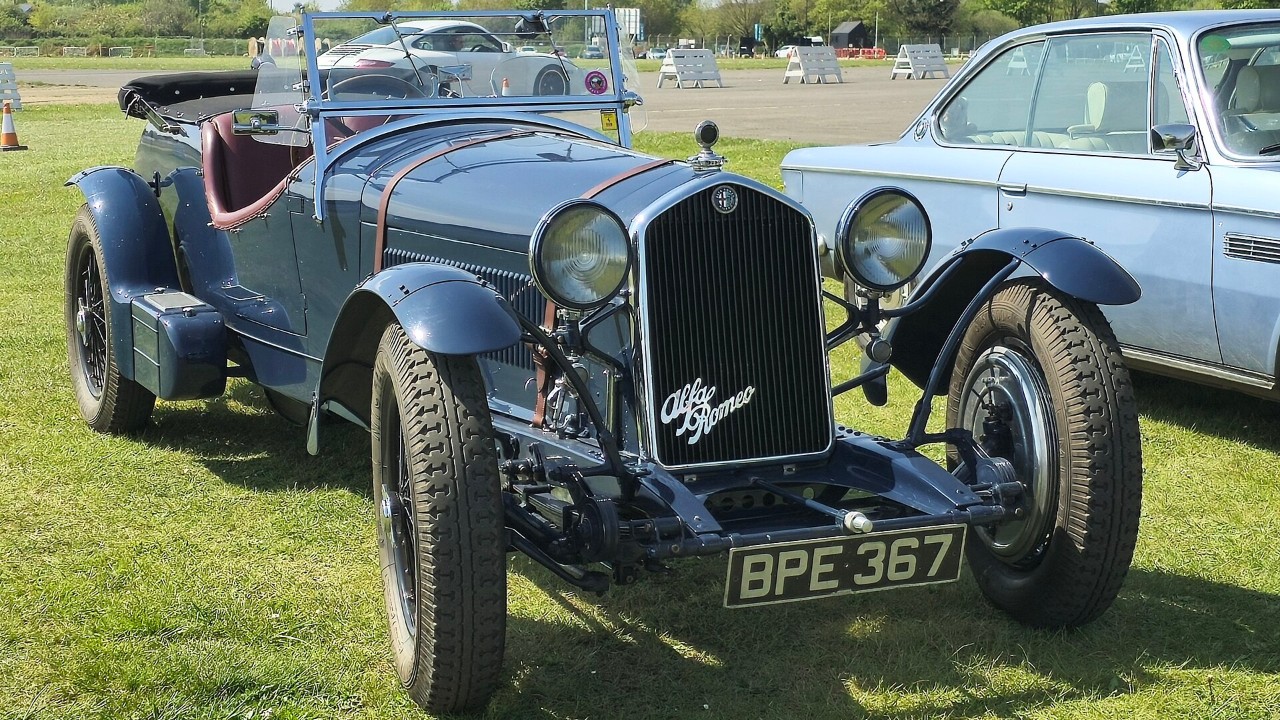
Vittorio Jano designed the 8C’s straight-eight engine, and Alfa Romeo fed it with a Roots-type supercharger. According to Supercars.net, coachbuilders such as Zagato and Touring gave the 2300 its look. Alfa built 188 of them, and the same history notes that each one was different.
The racing record is the reason this car matters. After an unsuccessful Mille Miglia debut in 1931, the 8C 2300 went on to win the Targa Florio. Then it won the 24 Hours of Le Mans four years running, from 1931 to 1934. In doing so, it ended Bentley’s run of success at the race.
Prices match that history. In 2009, Gooding & Company sold a 1933 8C 2300 drophead coupe by Castagna for $4,180,000 at Pebble Beach, as Supercars.net reports. Our take: the 8C 2300 is the car that proved a supercharged road car could also be the best racing car in the world. Very few prewar machines can claim a record like it, and every surviving example has its own story.
2. 1934 Mercedes-Benz 500K
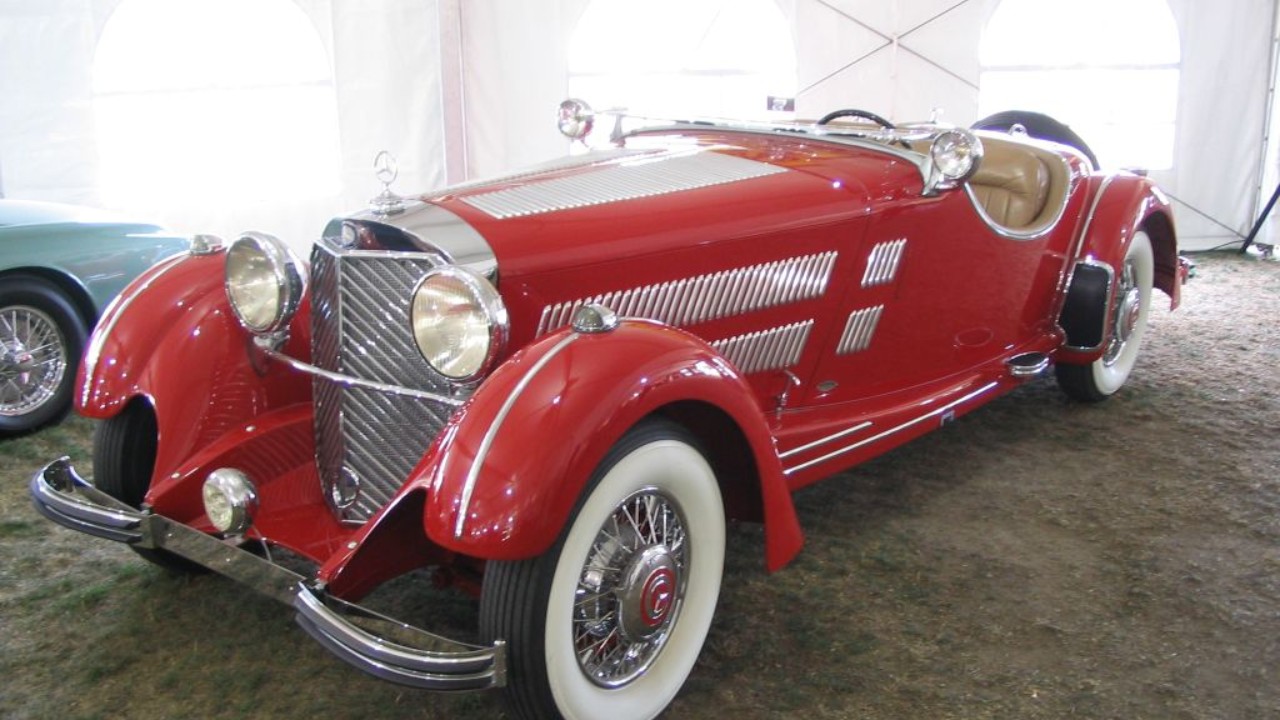
The 500K debuted at the 1934 Berlin Motor Show and stayed in production until 1936. Its 5.0-liter straight-eight made up to 160 horsepower with the supercharger engaged. That was enough to push this heavy luxury car past 100 mph.
The clever part was how the supercharger worked. Instead of running all the time, the Roots blower engaged only when the driver pressed the throttle pedal fully. As a result, the 500K could cruise without the blower and then deliver a burst of extra power on demand. Mercedes built 342 of them at Sindelfingen, including 29 Special Roadsters, the highest-performance version.
In our view, the 500K is the purest example of the supercharger as a luxury feature. It gave buyers grace and presence, plus a hidden turn of speed. It also wore some of the most beautiful bodies of the decade, from cabriolets to the low Special Roadster. For a supercharged car, that mix of elegance and force is hard to beat. The 540K that followed carried the idea further.
3. 1940 Graham Hollywood Supercharged
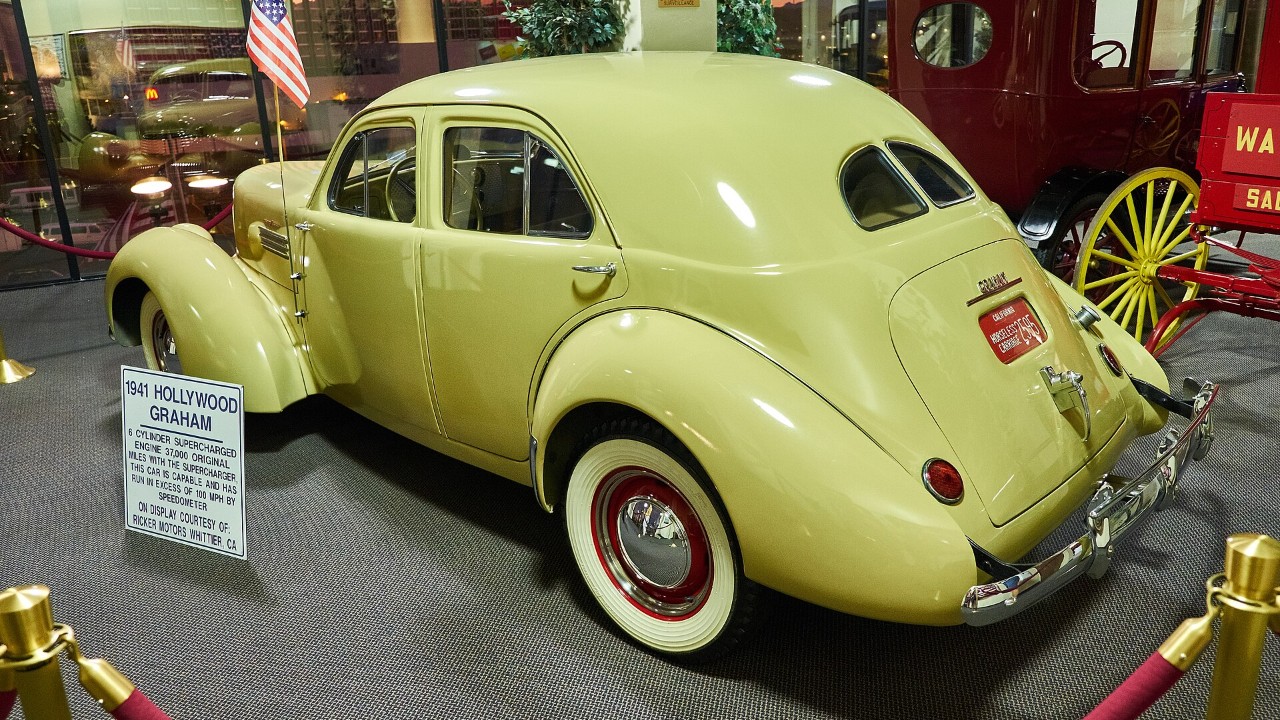
The Hollywood was born from the remains of the Cord 810 and 812. According to Hagerty, Norman de Vaux bought the Cord tooling for just $45,000 and pitched a cheaper version to Hupmobile and Graham. Graham’s Model 109 Hollywood arrived in late 1939. Continental built its supercharged inline six, rated at 120 horsepower.
It was a beautiful idea that went badly. Turning the front-drive Cord into a cheap rear-drive car proved much harder than anyone expected. Hagerty notes that Graham lost $1.9 million in 1938 alone, and the Hollywood line stopped on September 3, 1940. Estimates put production at fewer than 2,000 cars.
Our take: the Hollywood is a rare chance to own Cord-derived styling with a supercharger. According to the same Hagerty article, surviving examples rarely sell for more than about $60,000. If you want one, look for the supercharged version, because a cheaper non-supercharged Model 113 made just 93 horsepower. Either way, it’s a fascinating last gasp from two small automakers.
4. 1987 Toyota MR2 Supercharged
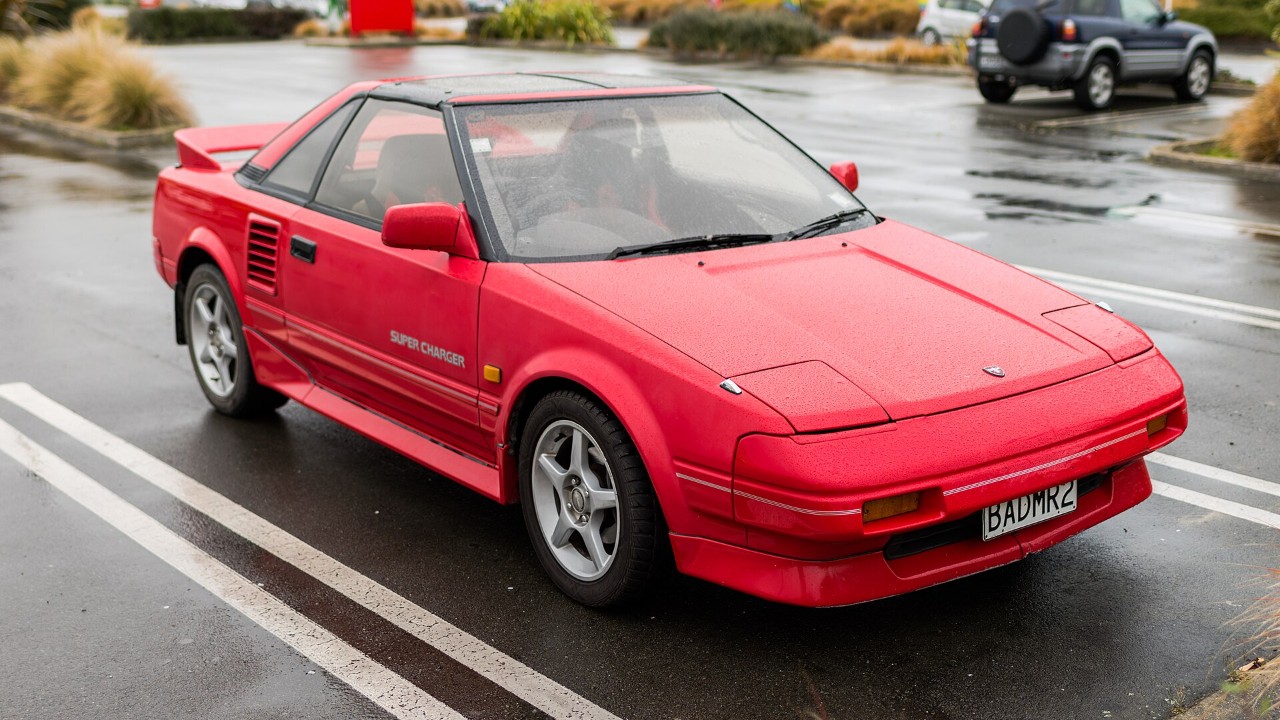
Toyota’s first MR2 was already a lively mid-engine car, and the supercharger made it a genuinely quick one. Toyota introduced the supercharged engine in 1986 in Japan, and U.S. buyers got it for the 1988 model year. The 4A-GZE engine used a small Roots-type supercharger and an intercooler.
Output was 145 horsepower at 6,400 rpm, with 137 lb-ft of torque at 4,400 rpm. That was enough for 0 to 62 mph in 6.5 to 7.0 seconds. The extra hardware added weight, with curb weight rising to as much as 2,494 pounds. Toyota sold the supercharged car only in Japan and North America, though some reached other markets as private imports.
In our view, the supercharged AW11 is one of the best affordable driver’s cars of the 1980s. It kept the light, balanced feel of the original and added real midrange punch. Our earlier piece on how the 1985 MR2 proved balance mattered explains why that matters. If you shop for one, check that the supercharger system is complete and original, since that is what you’re paying for.
5. 1989 Ford Thunderbird Super Coupe
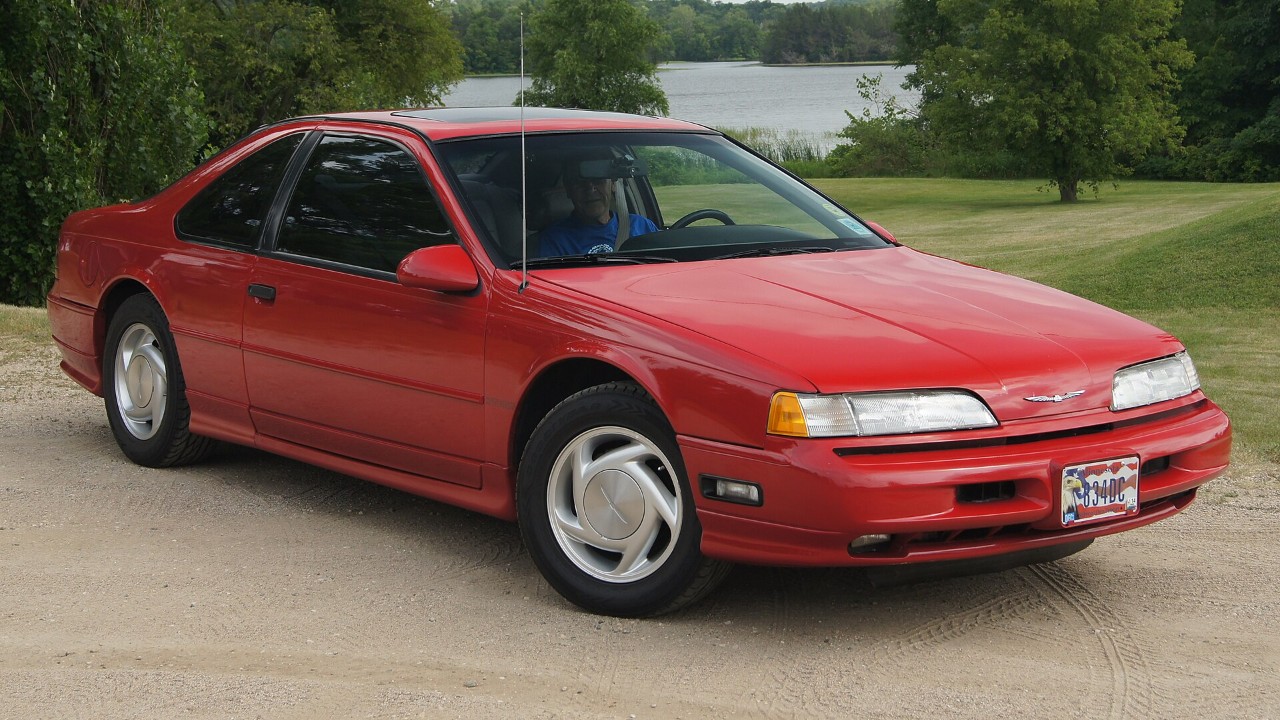
For 1989, the Super Coupe sat at the top of the new Thunderbird range. Its 3.8-liter V6 used an Eaton supercharger with 12 pounds of boost. According to Autoblog, the engine made 210 horsepower. The base price was $19,823. Underneath, the engine was based on Ford’s Essex pushrod V6, so the supercharger did the heavy lifting.
Then the awards came. In fact, Motor Trend named the Super Coupe its 1989 Car of the Year. That was a notable win for a supercharged V6. In our view, it also gave the Thunderbird name fresh credibility.
Our take: the Super Coupe was a smart answer to a hard question. Ford wanted V8-like performance from a six, and it got there with a blower instead of more displacement. Today, the Super Coupe is a reminder that Ford was willing to try something different with one of its oldest nameplates. If you find a clean one, keep it stock, because original examples of these cars are the ones worth talking about.
6. 1992 Buick Park Avenue Ultra
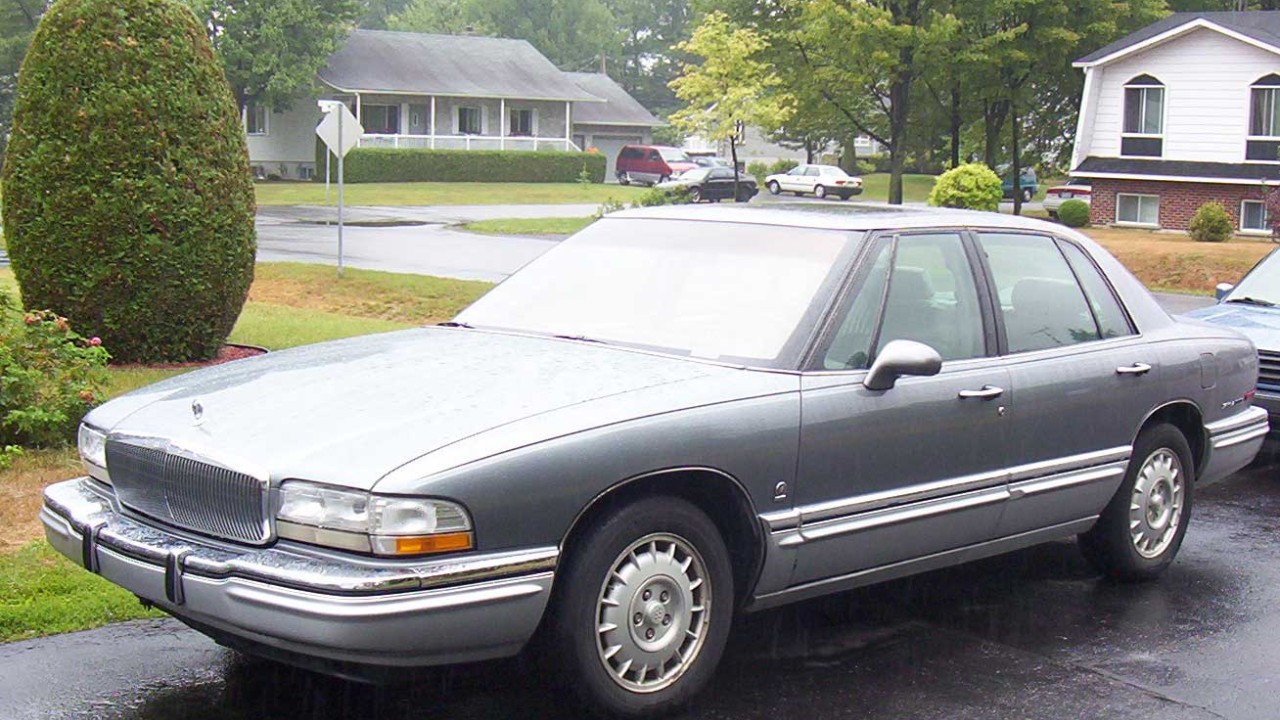
Buick’s Park Avenue Ultra was proof that a supercharger could serve comfort rather than speed. According to Consumer Guide, a supercharged Ultra went on sale for 1992. Its 3.8-liter V6 made 205 horsepower for 1992 and 1993. Then it rose to 225 horsepower for 1994 and 1995, and to 240 for 1996.
Hagerty describes the Ultra as “a supercharged, decadently appointed luxury sedan” with a twin-screw supercharger. It cites an 8.4-second run to 60 mph. Inside, pillow-top seats and dual-zone climate control set the tone. Consumer Guide also notes that the supercharged engine demands premium fuel.
In our view, the Park Avenue Ultra is the most underrated supercharged car on this list. It delivered effortless pace in a big, comfortable sedan that looked nothing like a performance car. If you want another supercharged GM sedan of the era, our story on the years Pontiac built the Bonneville SSEi Supercharged covers its sportier cousin. Buy an Ultra with service records, since Consumer Guide flags intake manifold coolant leaks on 1993-96 3.8-liter engines.
7. 1995 Jaguar XJR X300
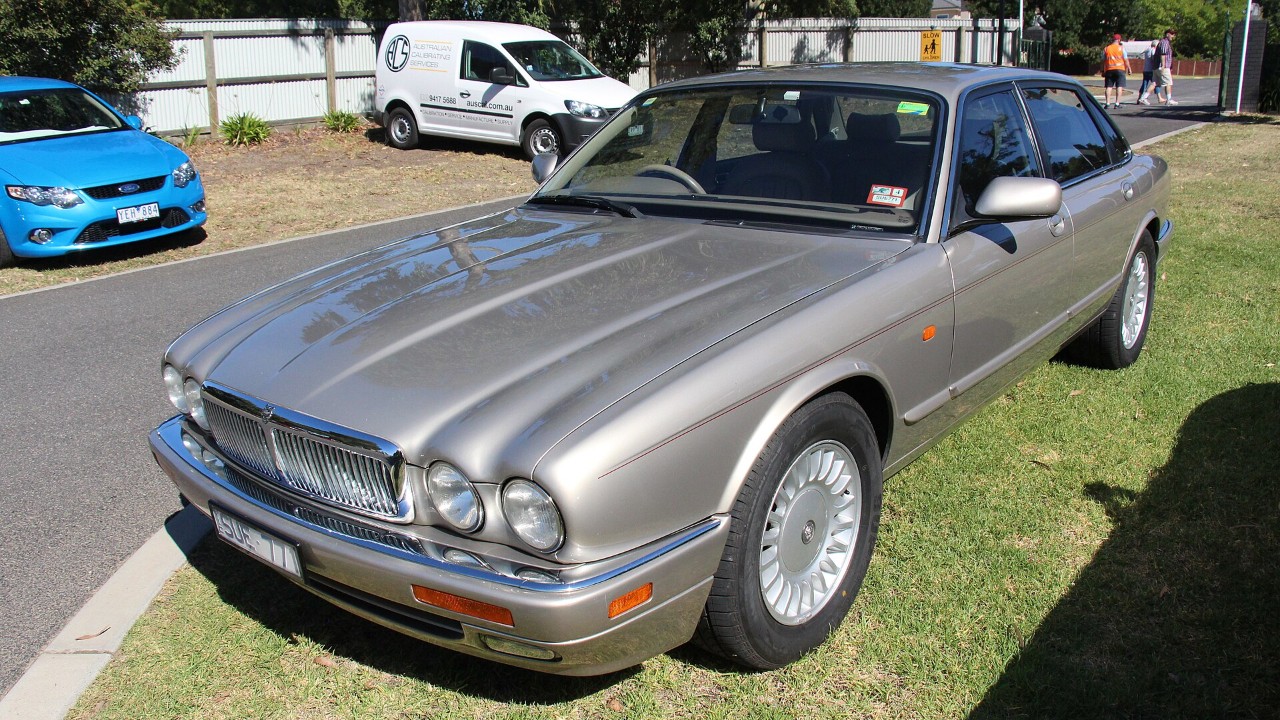
The XJR arrived in 1994 with the X300 generation of the XJ. Its 4.0-liter AJ16 straight six used a compact Eaton M90 supercharger. According to PistonHeads, it made 326 horsepower and 378 lb-ft of torque. In addition, Jaguar electronically limited its top speed to 155 mph.
Most XJRs came with a four-speed automatic, and the guide says the automatic could reputedly reach 60 mph in 6.6 seconds. Manual cars had five speeds and are described as incredibly rare. In Britain, the XJR cost £45,450 new.
Our take: the X300 XJR is a supercharged sports sedan wrapped in one of Jaguar’s most classic shapes. It’s also cheap today, since PistonHeads finds listings for less than £3,000. That low price comes with a warning, though. The guide says X300s routinely suffer from rust in the arches, sills and floors. Buy the best one you can afford, and check the supercharger coupling, which the guide also lists as a known wear item. Also look for cracked exhaust manifolds and leaking coolant hoses, two more faults it flags.
8. 2002 Mini Cooper S R53
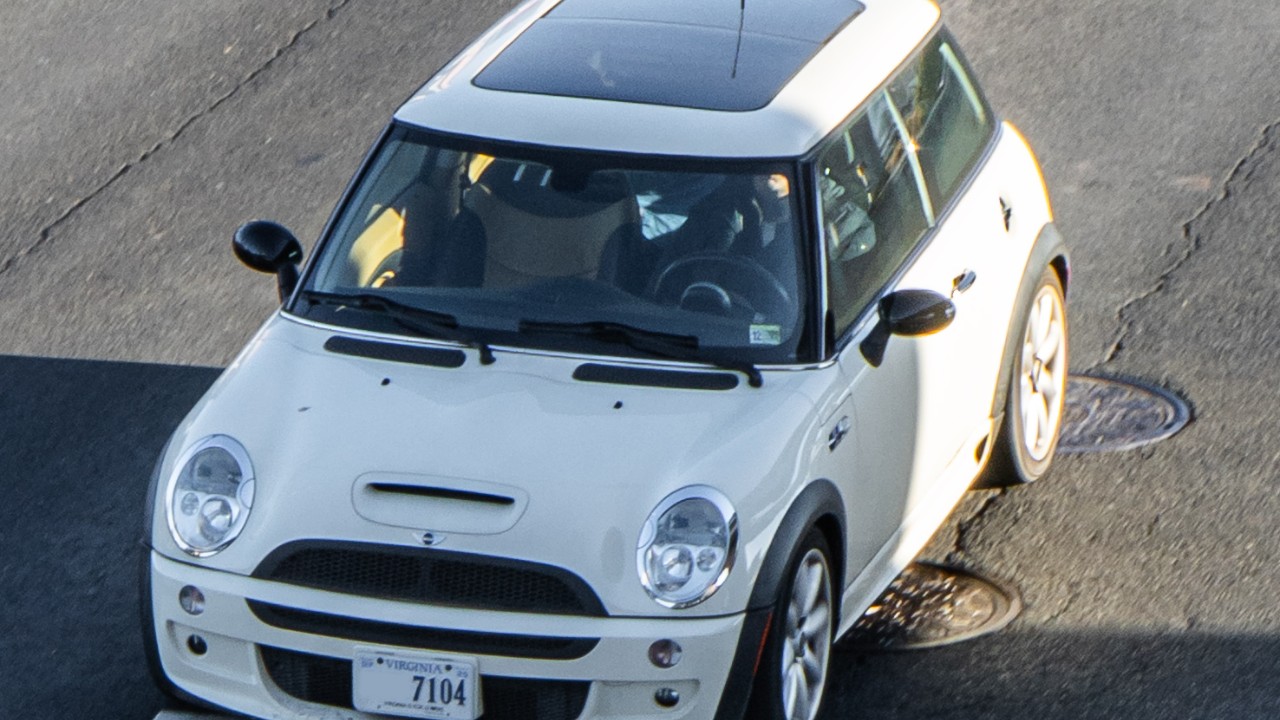
BMW’s new Mini arrived in 2001, and the Cooper S added a supercharger to the 1.6-liter four. According to PistonHeads, the Eaton M45 blower helped early cars make 163 horsepower. A 2004 facelift raised that to 170 horsepower. Early cars ran 0 to 62 mph in 7.4 seconds and topped out at 135 mph.
The R53 used a six-speed manual and front-wheel drive. In Britain, it cost £14,500 new, and a JCW kit raised output to 200 horsepower. At the top of the range, the Works GP of 2006 made 218 horsepower, and only 450 were sold in the UK.
In our view, the R53 is the most fun supercharged car most people can afford. It felt like a go-kart, and it made small cars cool again, as we explained in how the 2002 Mini Cooper made small cars cool again. Buyer advice from the PistonHeads guide: the supercharger is tough, but it may need a rebuild after 100,000 miles. Check the cooling fan, too, because a failed fan resistor can lead to a cracked cylinder head.
9. 2003 Mercedes-Benz SL55 AMG
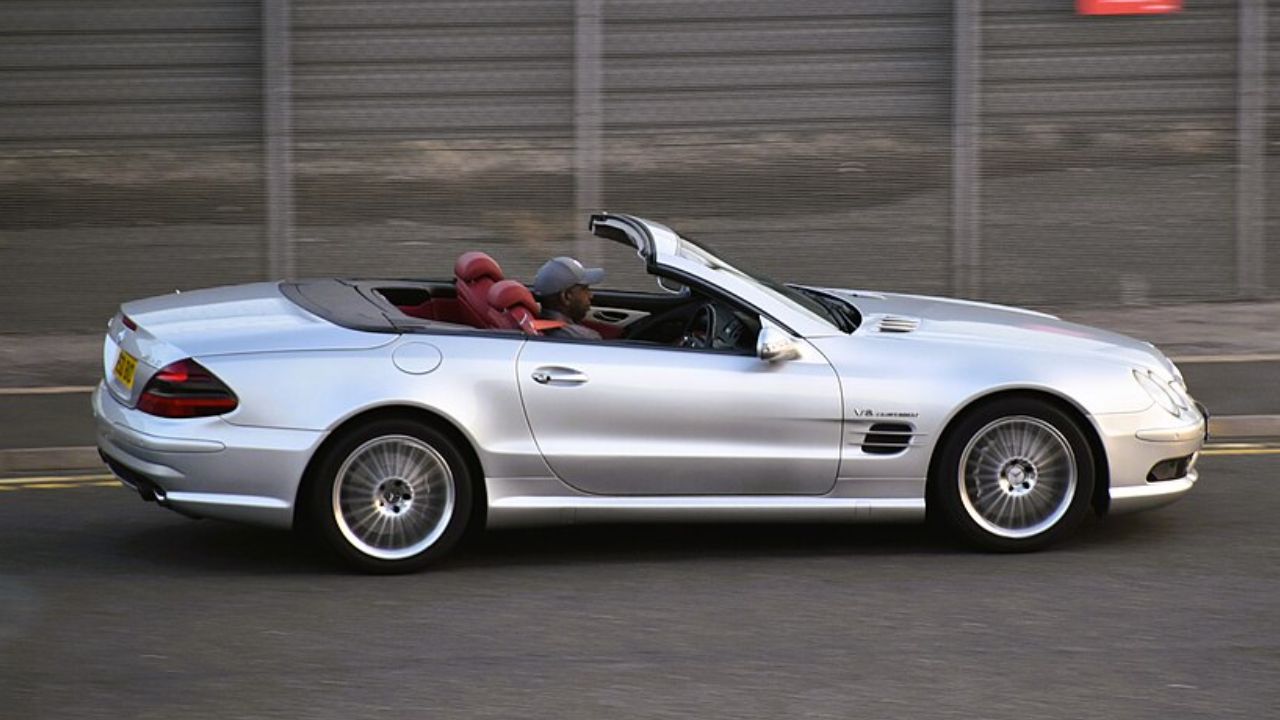
The SL55 AMG brought the supercharger back to the top of the Mercedes range, nearly 70 years after the 500K. Its 5.4-liter V8 used a screw-type supercharger mounted between the cylinder banks. According to Supercars.net, it made 476 horsepower and 700 Nm, about 516 lb-ft, of torque.
Performance matched those numbers. The SL55 ran 0 to 100 km/h in 4.7 seconds, and its top speed was electronically limited to 250 km/h, about 155 mph. A five-speed automatic handled the power, with Formula 1-style paddle switches for manual shifts.
Our take: the SL55 is the modern heir to the 500K, a luxury roadster with a supercharger that turns it into something much faster. It is also far more complex than any older car on this list. It also came with 18-inch wheels and four chrome exhaust tips, so it looked the part. If you buy one, budget for specialist service and get a full inspection first. Done right, though, few cars deliver this much effortless thrust with the roof down.
10. 2005 Chevrolet Cobalt SS Supercharged
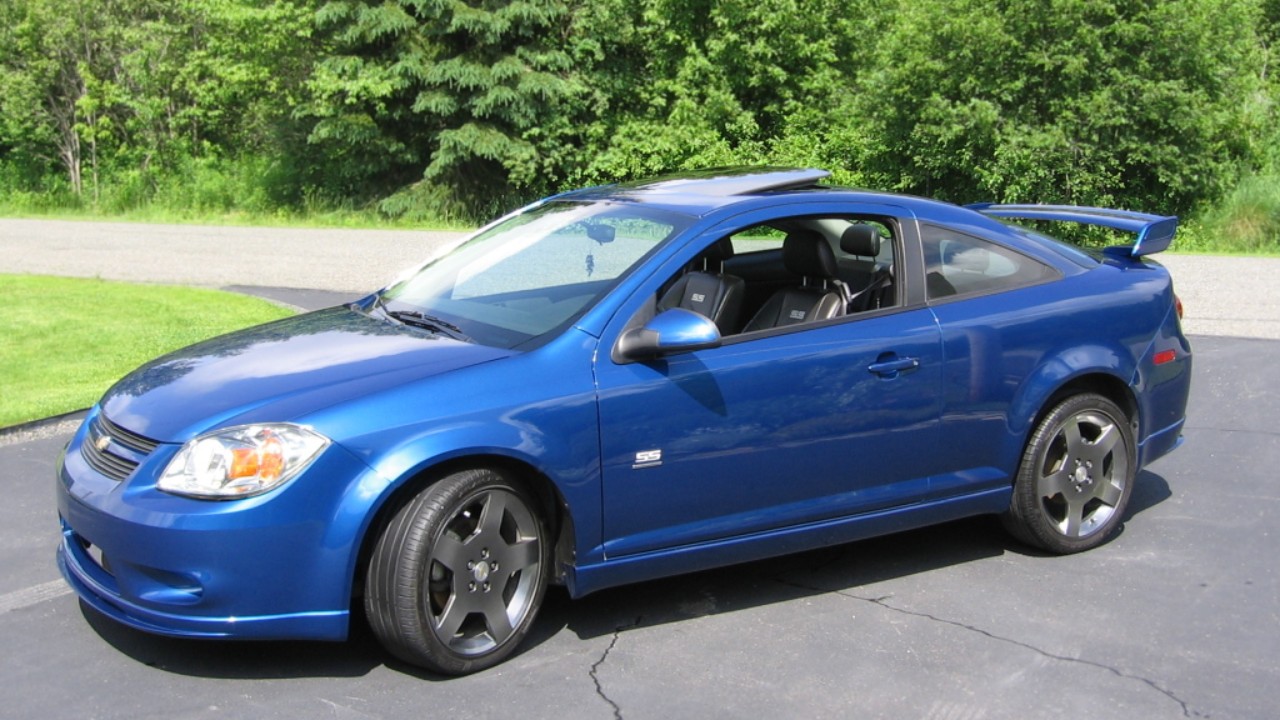
The Cobalt SS Supercharged was a budget hot compact with real engineering. It used a 2.0-liter Ecotec four with an Eaton M62 Roots-type supercharger and an air-to-liquid intercooler. Output was 205 horsepower at 5,600 rpm and 200 lb-ft of torque. A five-speed manual was the only transmission.
Chevrolet offered it only as a coupe, from the 2005 to 2007 model years. An optional performance package added Recaro seats and a limited-slip differential. Then the supercharged engine was gone. It didn’t meet emissions requirements for 2008, so Chevrolet switched the SS to a 260-horsepower turbocharged engine.
In our view, the supercharged Cobalt SS is worth remembering because it showed a mainstream compact could have real performance. It also gave Chevrolet a genuine performance car in the compact class. If you shop for one, look for the performance package with the limited-slip differential, because that’s the version we’d want. The supercharged SS ran for just three model years before the turbo took over.
More from Fast Lane Only