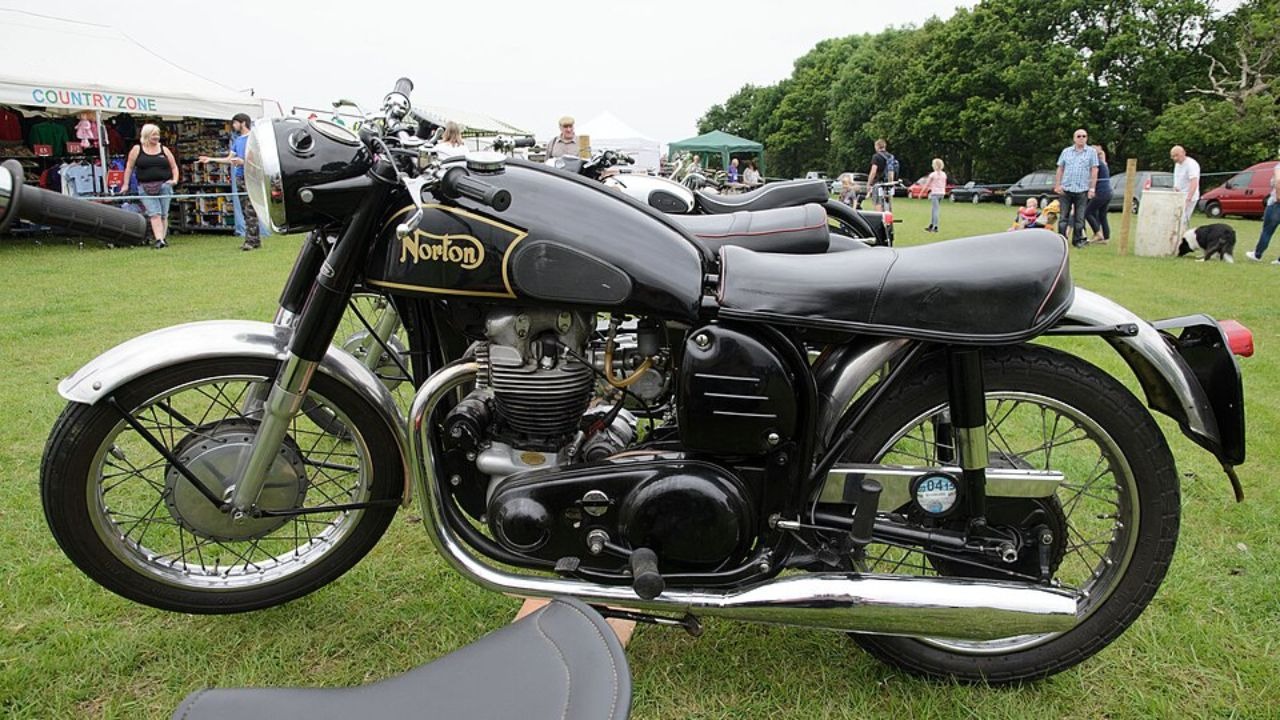
Britain produced some of the most influential motorcycles of the 20th century. From elegant Nortons and fast Triumphs to unusual Brough Superiors and sophisticated Vincents, many became prized collector machines after disappearing from production. These motorcycles combine distinctive engineering, recognizable styling, racing heritage, and limited surviving numbers, making them the kind of British classics enthusiasts are often reluctant to sell.
Brough Superior SS100
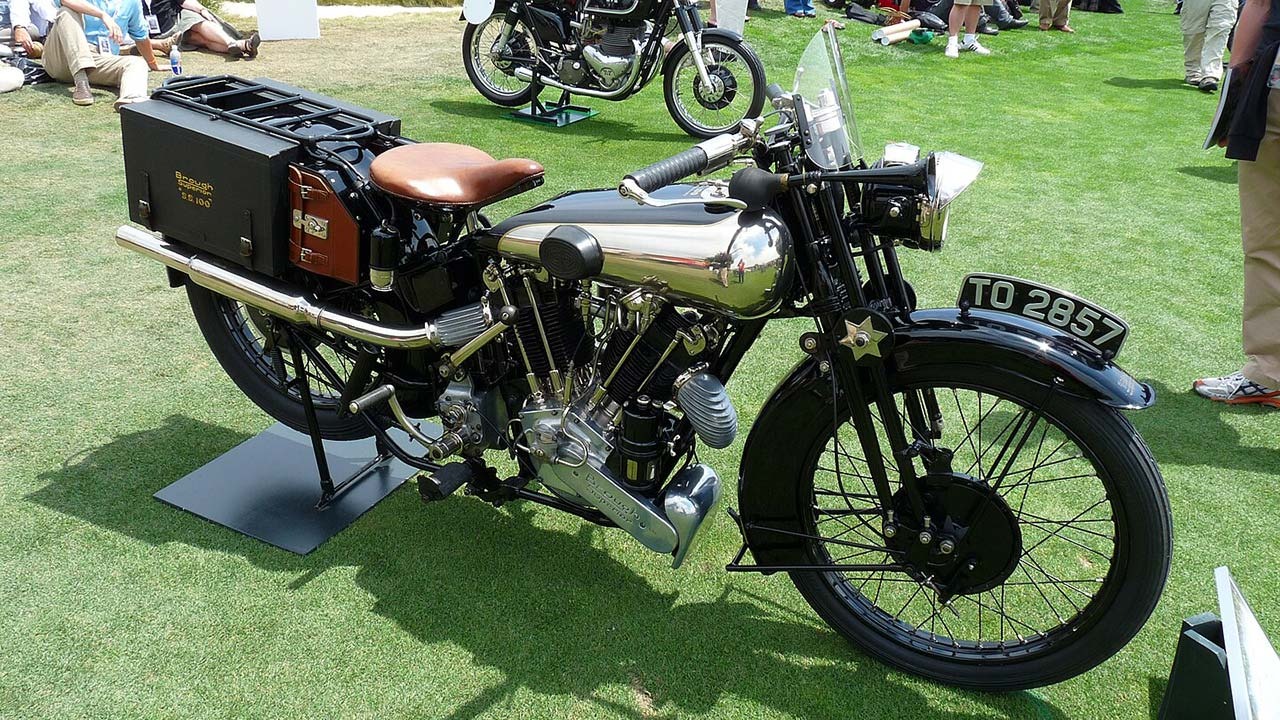
The Brough Superior SS100 became one of Britain’s most prestigious motorcycles during the 1920s and 1930s. Built with powerful engines, high-quality components, and meticulous attention to detail, it earned a reputation as a premium performance machine. Each motorcycle was expensive compared with ordinary bikes of its era. Surviving SS100s are now exceptionally rare, and their combination of craftsmanship and performance makes them highly prized among British motorcycle collectors.
Vincent Black Shadow
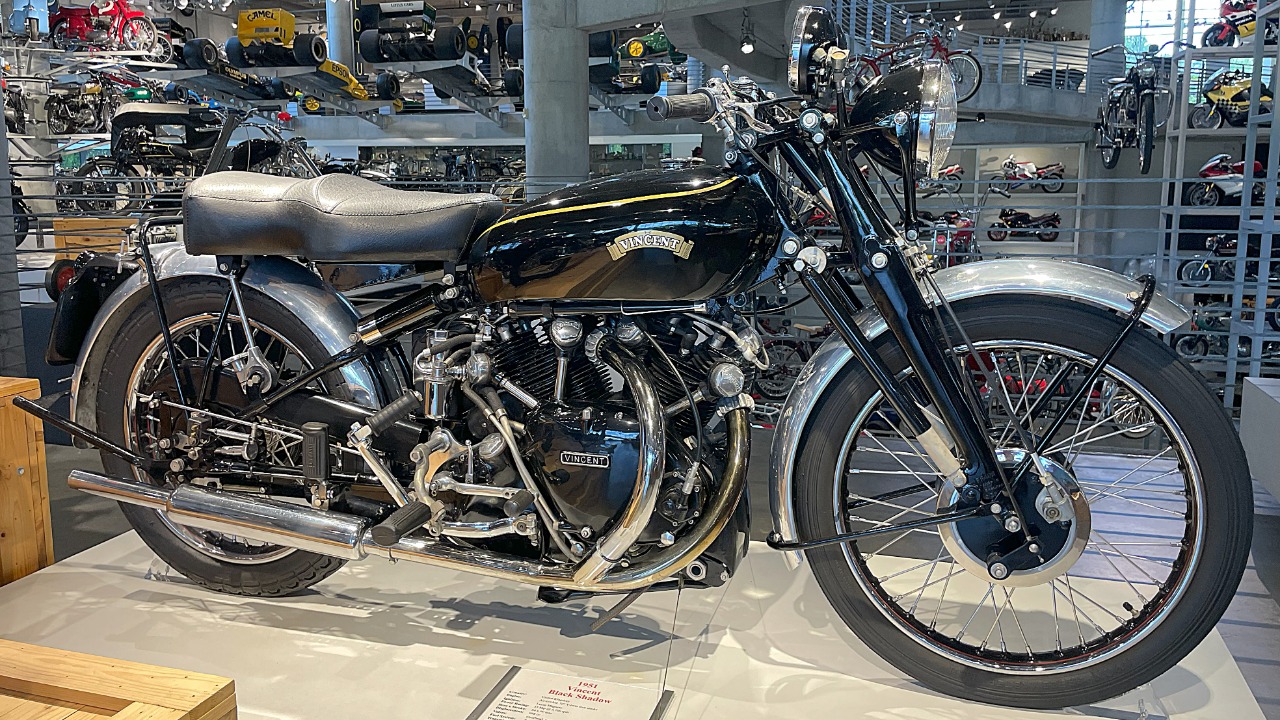
The Vincent Black Shadow was one of the fastest production motorcycles of its era. Its 998cc V-twin engine, advanced chassis design, and relatively low weight gave it exceptional performance for the period. Vincent produced the Black Shadow in limited numbers before the company disappeared from the motorcycle industry. Original examples are now extremely difficult to find, making the Black Shadow one of Britain’s most famous collectible motorcycles.
Vincent Rapide

The Vincent Rapide provided the foundation for the company’s legendary V-twin motorcycles. Its 998cc engine delivered strong performance while the sophisticated frame and suspension gave it impressive road manners. The Rapide was designed as a high-speed touring motorcycle rather than a stripped-down racer. Its limited production and connection to Vincent’s engineering legacy have made well-preserved examples particularly valuable to enthusiasts.
Norton Manx
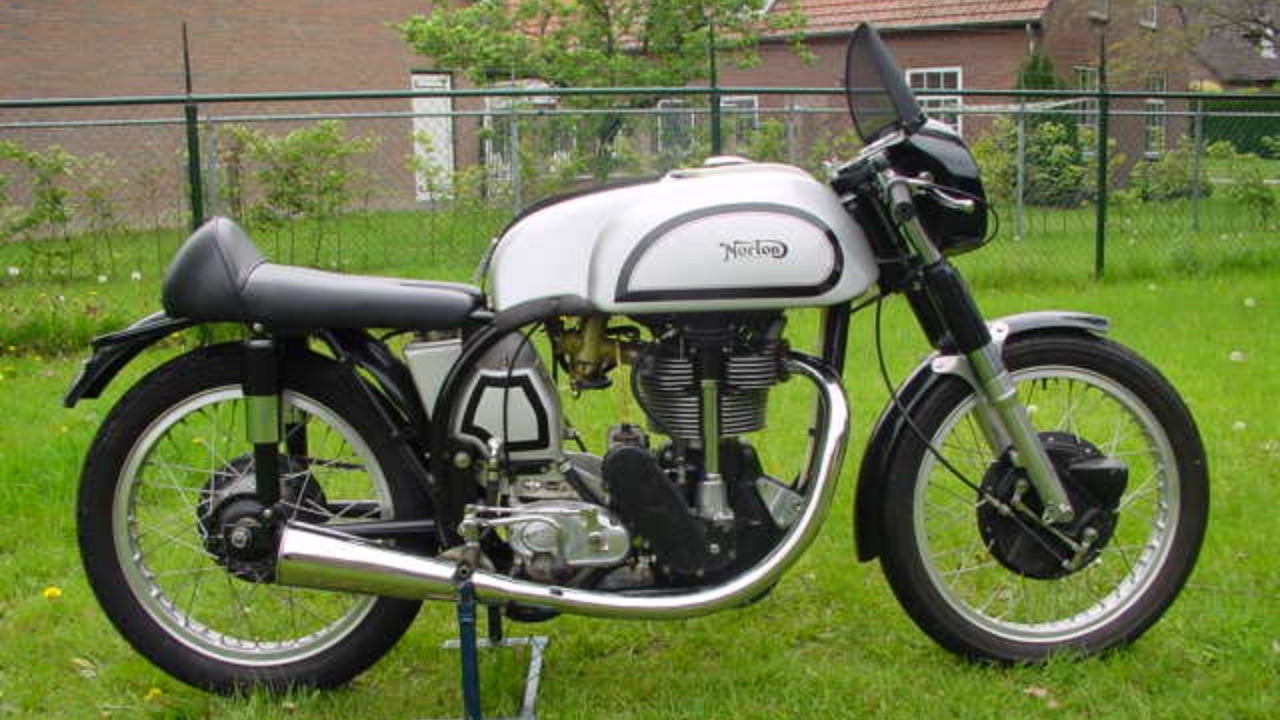
The Norton Manx became one of Britain’s most successful racing motorcycles. Its single-cylinder engine, lightweight construction, and famous Featherbed frame made it highly competitive in road racing. Private racers also relied on Manxes for competition, which helped establish its reputation beyond factory racing. Genuine examples are now highly sought after because the motorcycle represents an important chapter in Britain’s racing history.
Norton Dominator
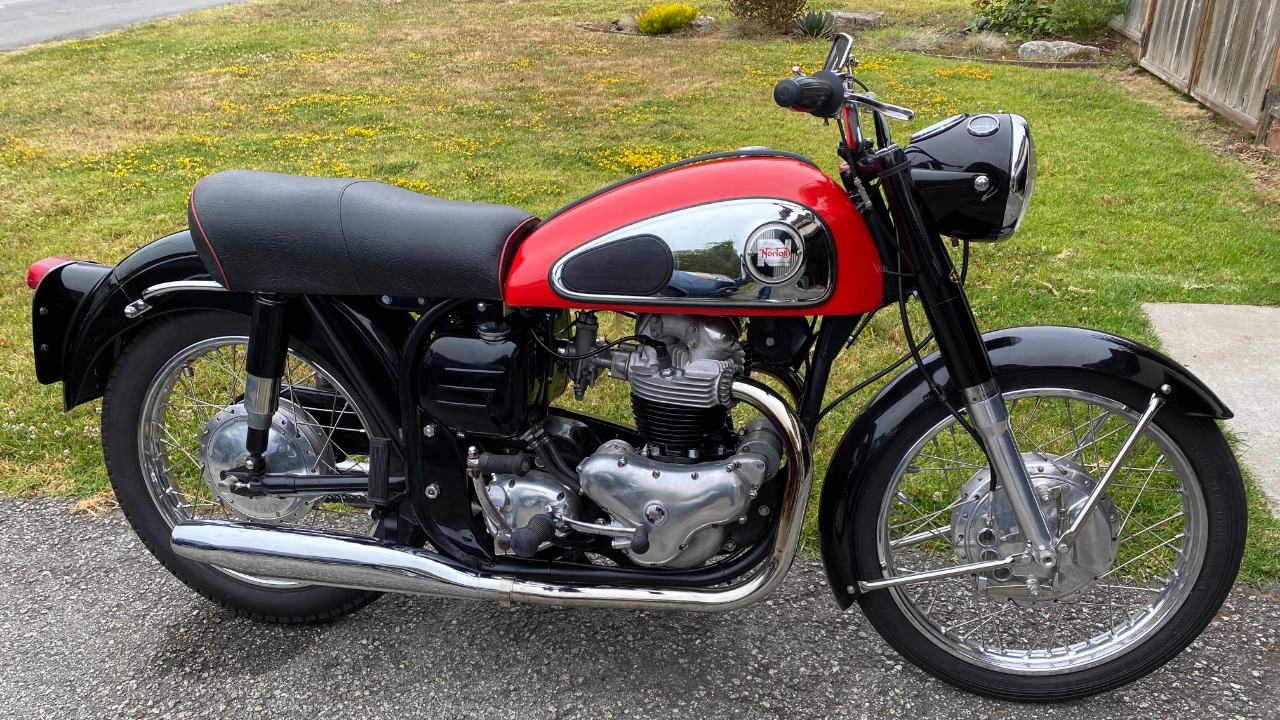
The Norton Dominator introduced a parallel-twin engine to Norton’s road-bike lineup and became an important foundation for later models. Its engine and Featherbed chassis created a strong combination of performance and handling. The Dominator helped demonstrate that British motorcycles could offer both comfortable road manners and serious speed. Collectors appreciate surviving examples for their role in the development of Norton’s famous twin-cylinder machines.
Norton Atlas
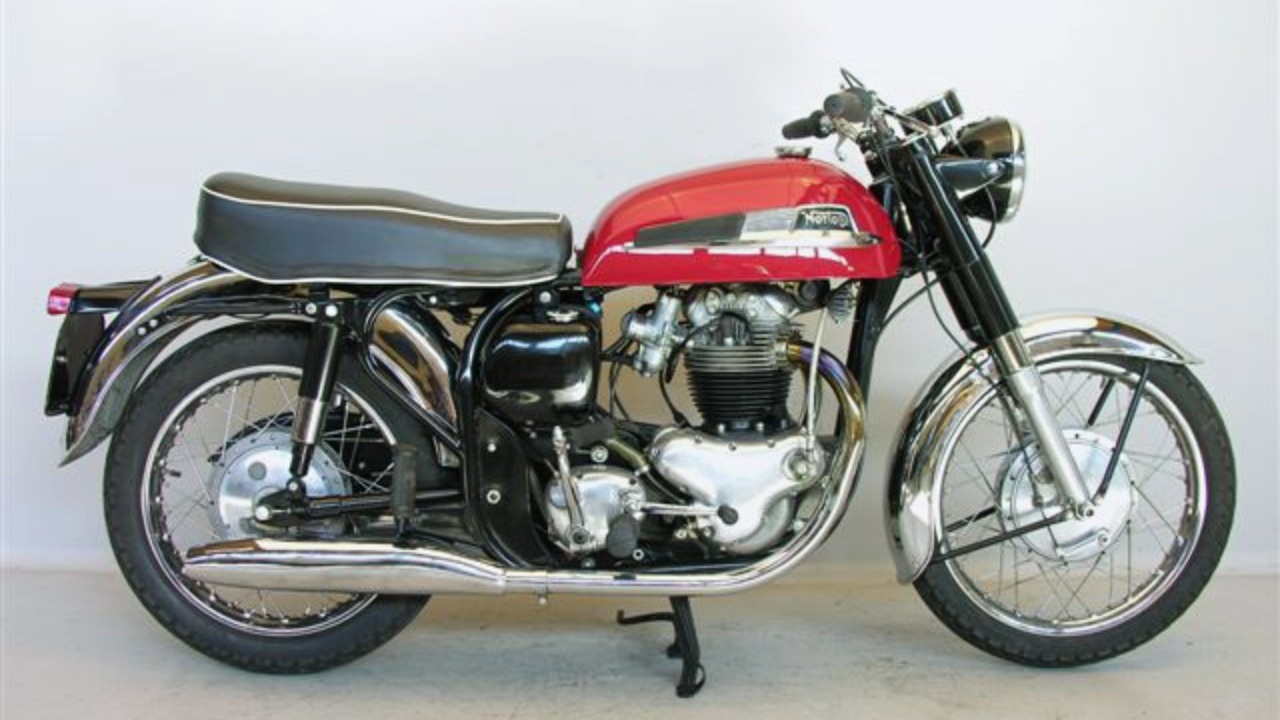
The Norton Atlas used a larger 750cc parallel-twin engine and became one of the company’s most powerful road motorcycles during the late 1950s and early 1960s. Its strong torque and classic British styling made it popular with riders who wanted more performance. The Atlas also influenced later Norton designs. Today, original examples are increasingly interesting to collectors who appreciate Norton’s big-twin era.
Norton Commando
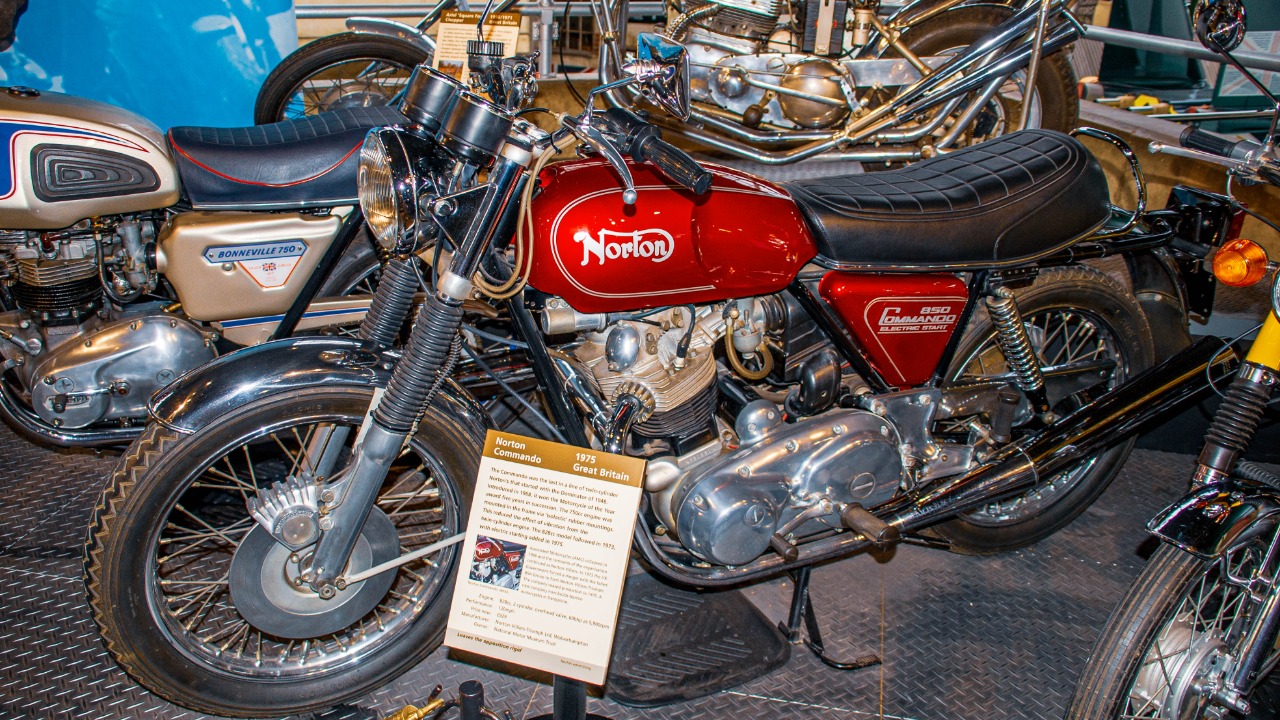
The Norton Commando became one of the most successful British motorcycles of the 1960s and 1970s. Its 750cc parallel-twin engine was mounted using Norton’s innovative Isolastic system, which reduced engine vibration reaching the rider. The combination of strong performance, distinctive styling, and improved comfort made the Commando a standout. Certain early and high-performance versions have become particularly desirable among British motorcycle enthusiasts.
Triumph Bonneville T120
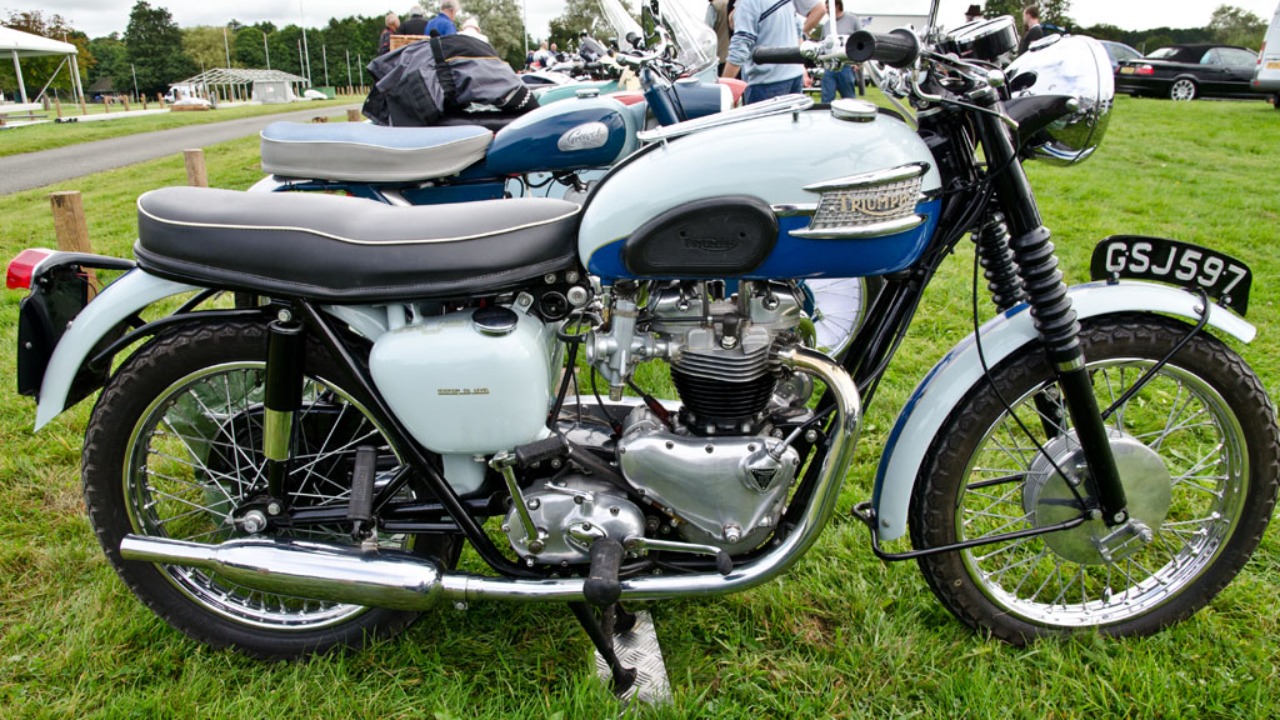
The Triumph Bonneville T120 became an international symbol of British motorcycle performance. Its 650cc parallel-twin engine offered strong acceleration while the compact chassis gave it a sporty character. The Bonneville quickly became popular in both Britain and overseas markets. Original examples remain highly recognizable, and enthusiasts often preserve them because the T120 represents one of Triumph’s most influential classic motorcycle designs.
Triumph Bonneville T140
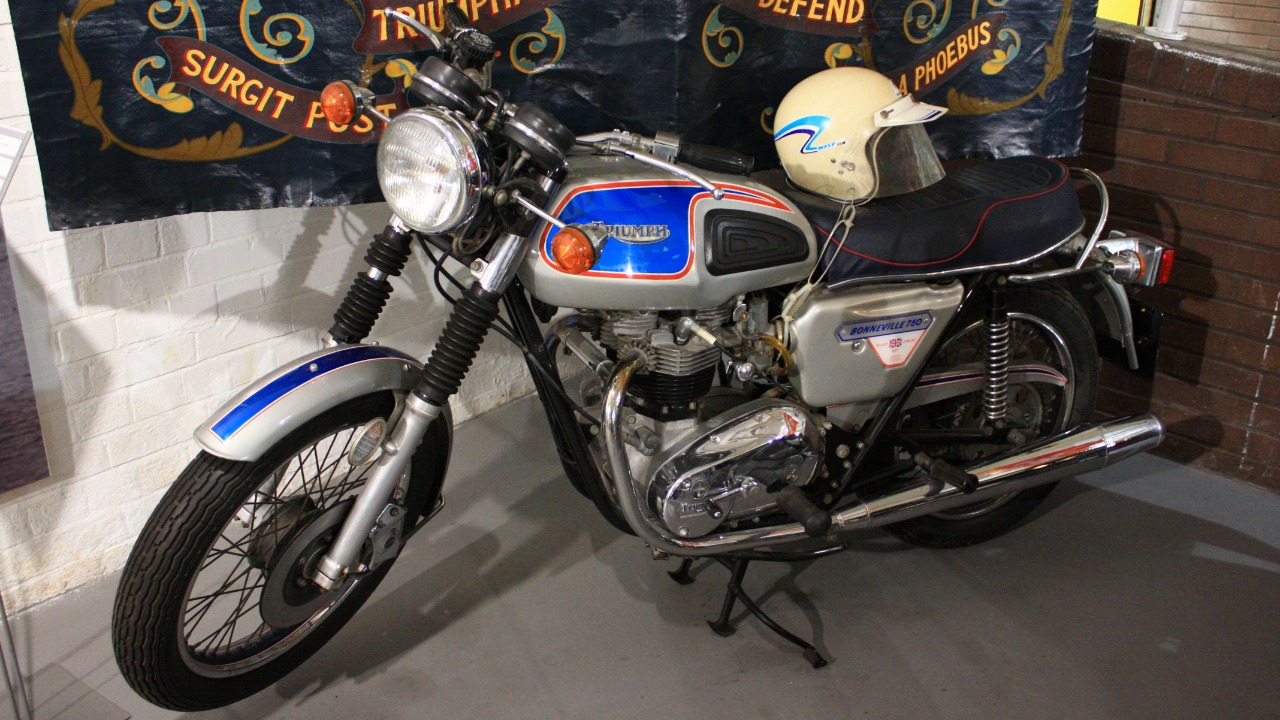
The Triumph Bonneville T140 brought larger displacement and updated equipment to the company’s famous parallel-twin formula. Its 750cc engine provided more torque than earlier Bonnevilles, while the classic styling remained recognizable. Later examples reflected Triumph’s attempts to remain competitive during a rapidly changing motorcycle market. Well-preserved T140s are increasingly interesting because they represent the final generations of Triumph’s traditional large parallel-twin motorcycles.
Triumph Trident T150
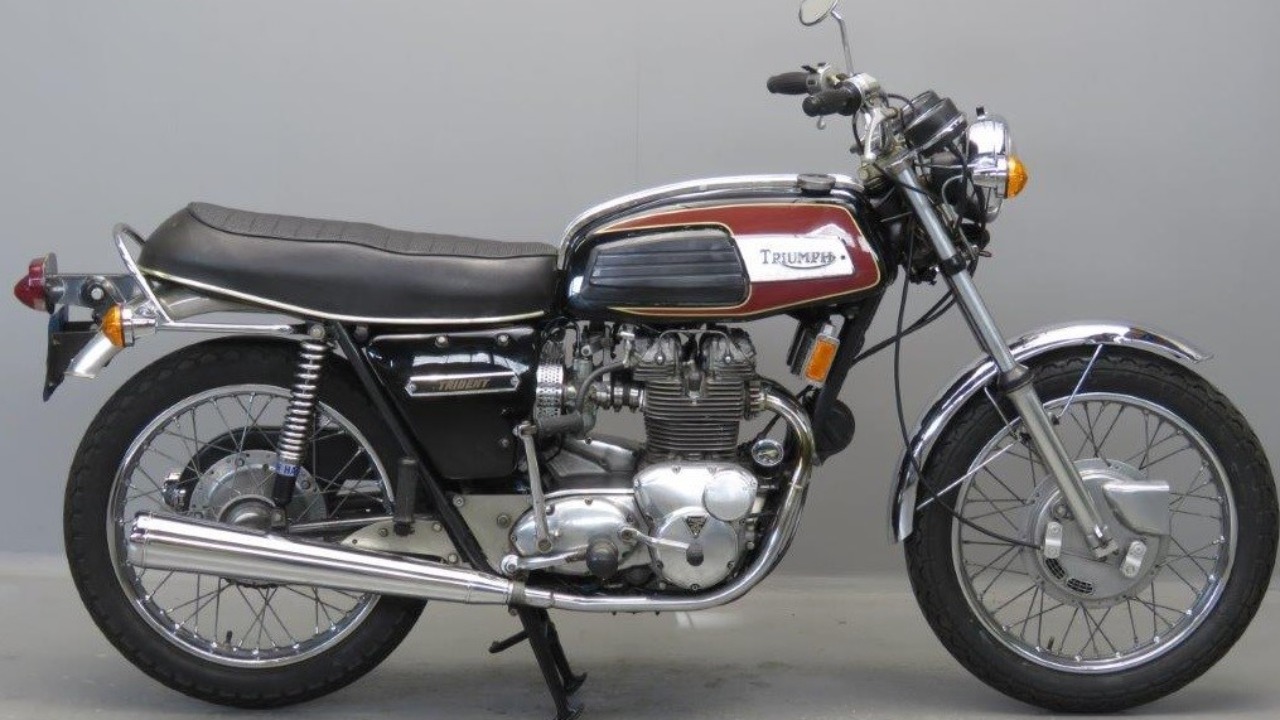
The Triumph Trident T150 was one of Britain’s most distinctive three-cylinder motorcycles. Its 740cc engine offered smoother power delivery and strong performance compared with many contemporary twins. The Trident was technologically important because it showed Triumph moving toward a more sophisticated multi-cylinder design. Although production numbers were not enormous, surviving original examples are increasingly valued for their engineering significance and distinctive three-cylinder character.
Triumph Hurricane X75
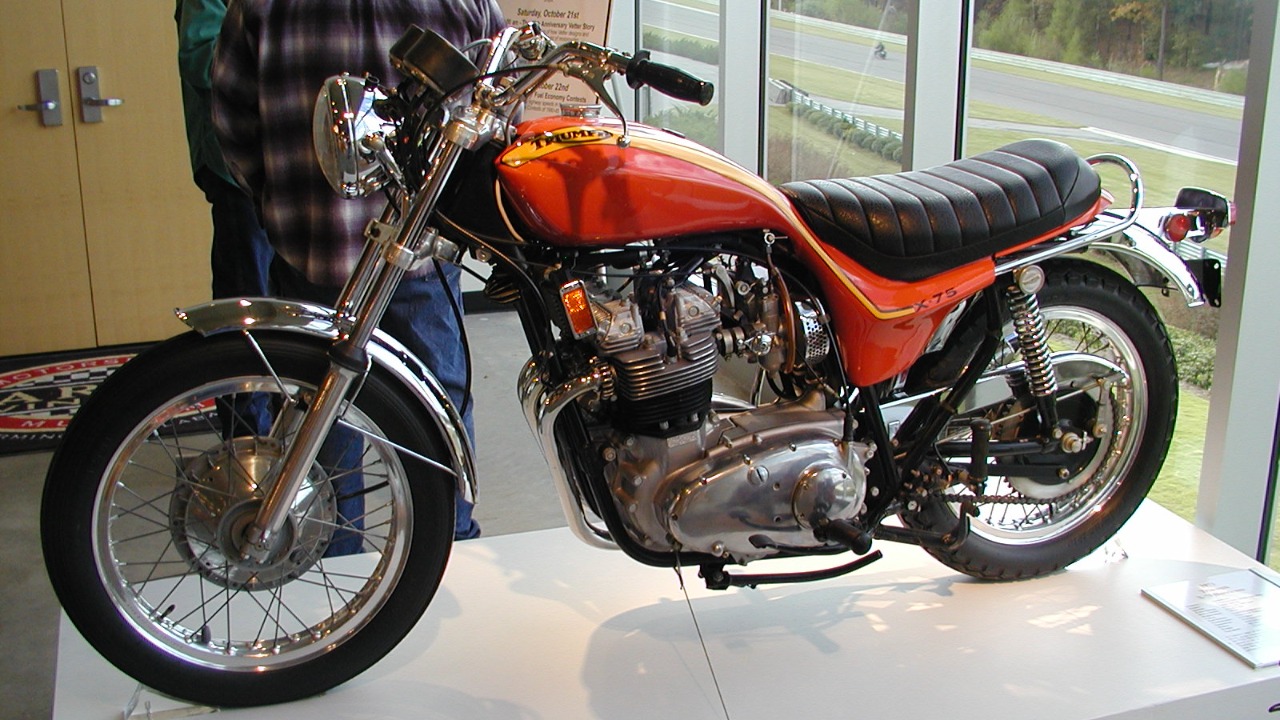
The Triumph Hurricane X75 was a limited-production motorcycle created for the American market. Its distinctive three-cylinder engine and unusual styling gave it a personality unlike ordinary Triumphs. The model was produced for only a short period, leaving relatively few examples. Its unique appearance and rarity have made the Hurricane X75 one of the more interesting British motorcycles for collectors seeking something beyond the familiar Bonneville.
Triumph Daytona T100R
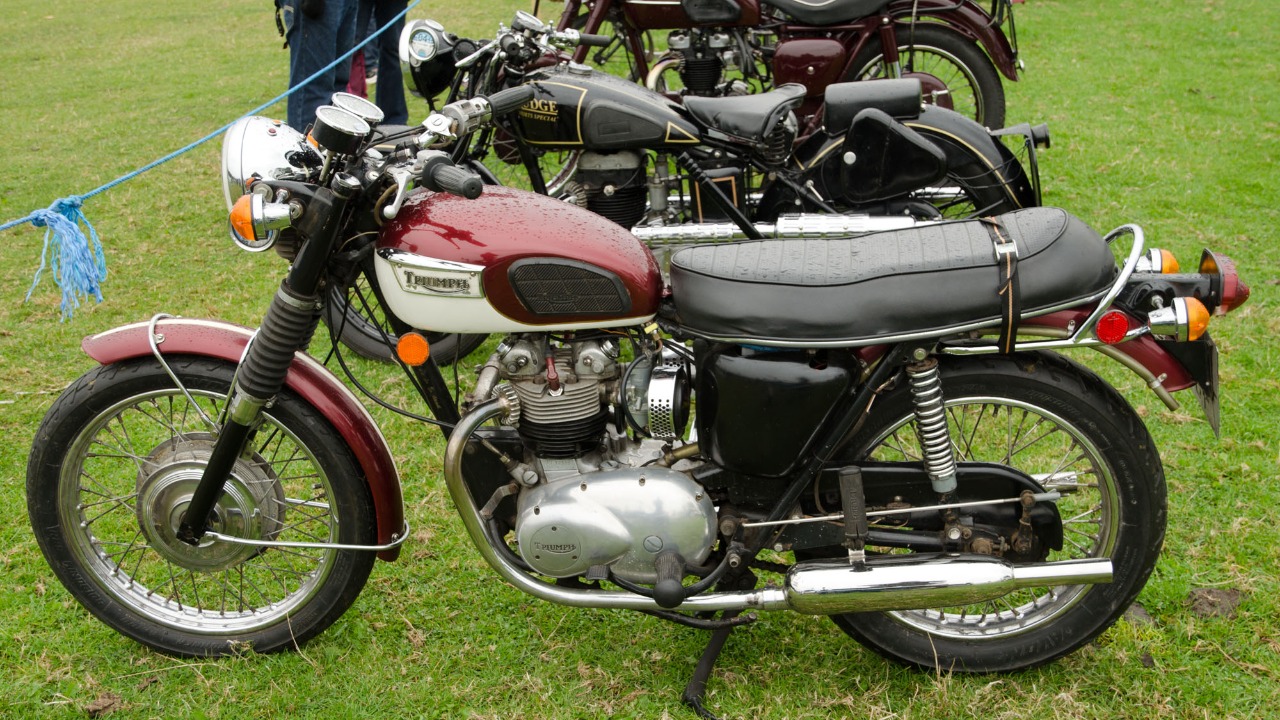
The Triumph Daytona T100R represented the company’s effort to produce a sportier version of its parallel-twin platform. Its 500cc engine and lighter configuration gave it a more performance-focused character than traditional touring-oriented Triumphs. The model is less commonly encountered than the famous Bonneville, which has helped it develop additional interest among collectors. Original examples provide a useful look at Triumph’s smaller-displacement performance motorcycles.
Triumph Thruxton
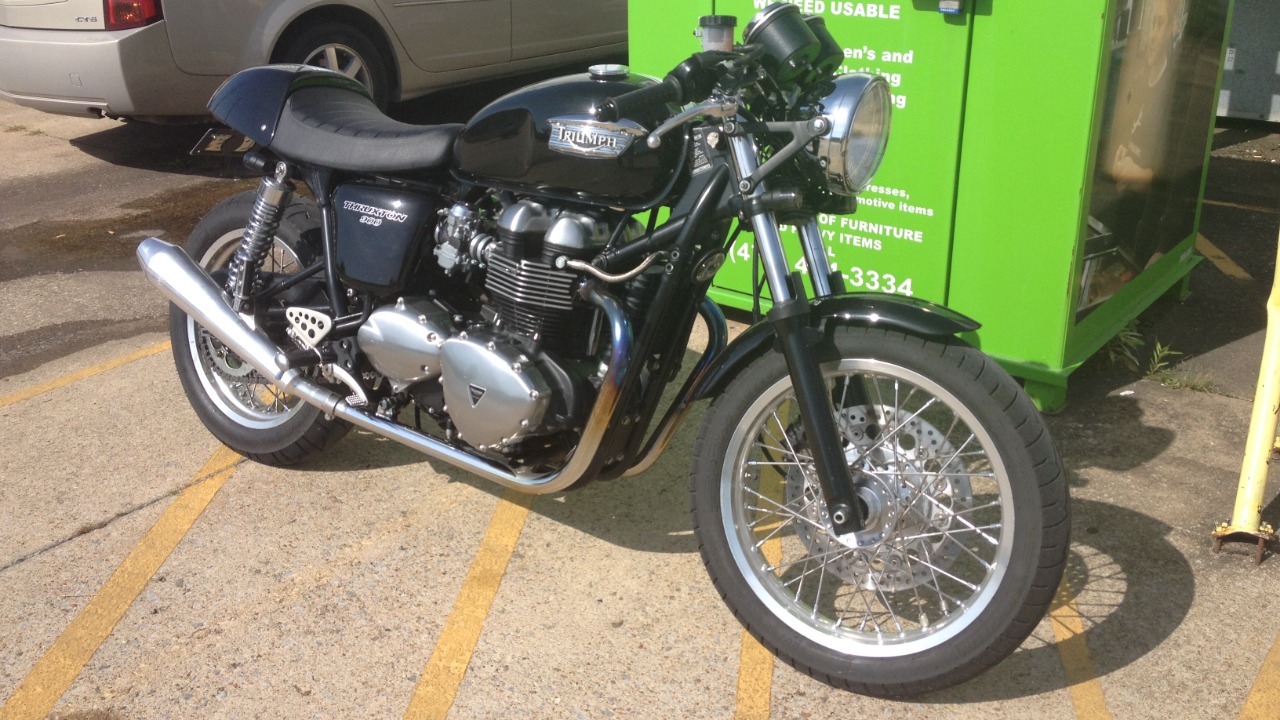
The Triumph Thruxton name became associated with production motorcycles inspired by endurance racing and the famous Thruxton circuit. Early versions were closely connected to Triumph’s sporting identity and offered performance-focused equipment. Their limited numbers and competition-inspired character have made them particularly interesting to collectors. The original classic-era Thruxton is especially significant because it represents Triumph’s connection between road motorcycles and racing.
Ariel Square Four
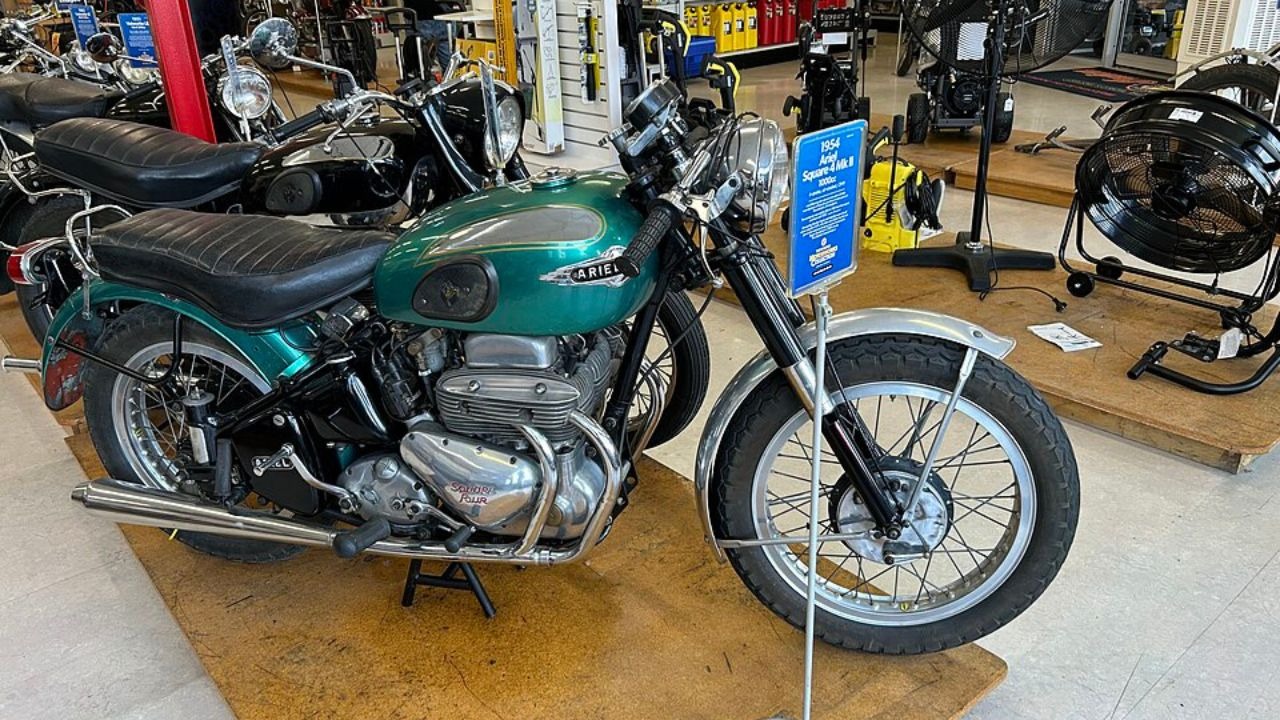
The Ariel Square Four was one of Britain’s most technically unusual motorcycles. Its four-cylinder engine used a compact square arrangement of cylinders, creating a distinctive mechanical layout. The design evolved over several generations and became known for smooth power delivery and sophisticated engineering. Surviving examples are increasingly uncommon, and the unusual engine architecture makes the Square Four a favorite among enthusiasts of historically significant British motorcycles.
AJS Model 18
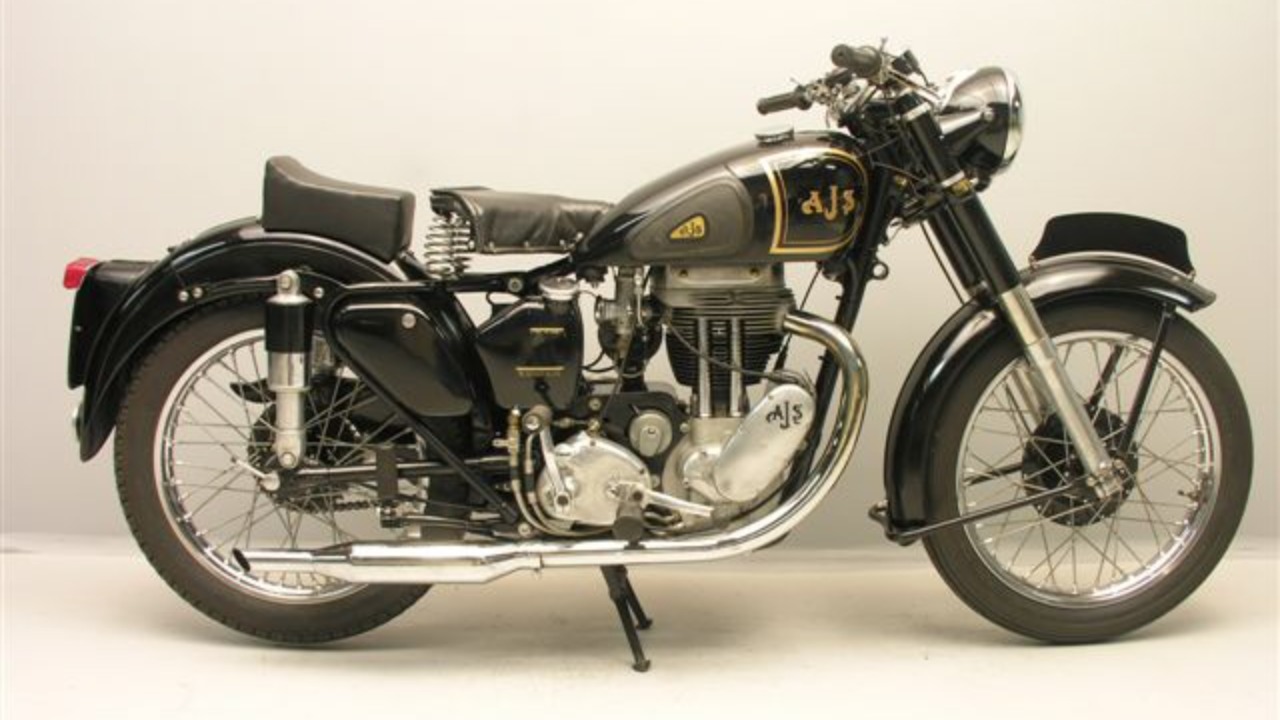
The AJS Model 18 became one of the company’s best-known postwar motorcycles. Its 500cc parallel-twin engine provided useful performance while maintaining the traditional styling associated with British motorcycles. AJS had a long competition history, and that heritage influenced the brand’s road machines. Today, the Model 18 appeals to collectors who appreciate classic British engineering that is less commonly encountered than Triumph or Norton motorcycles.
Matchless G80
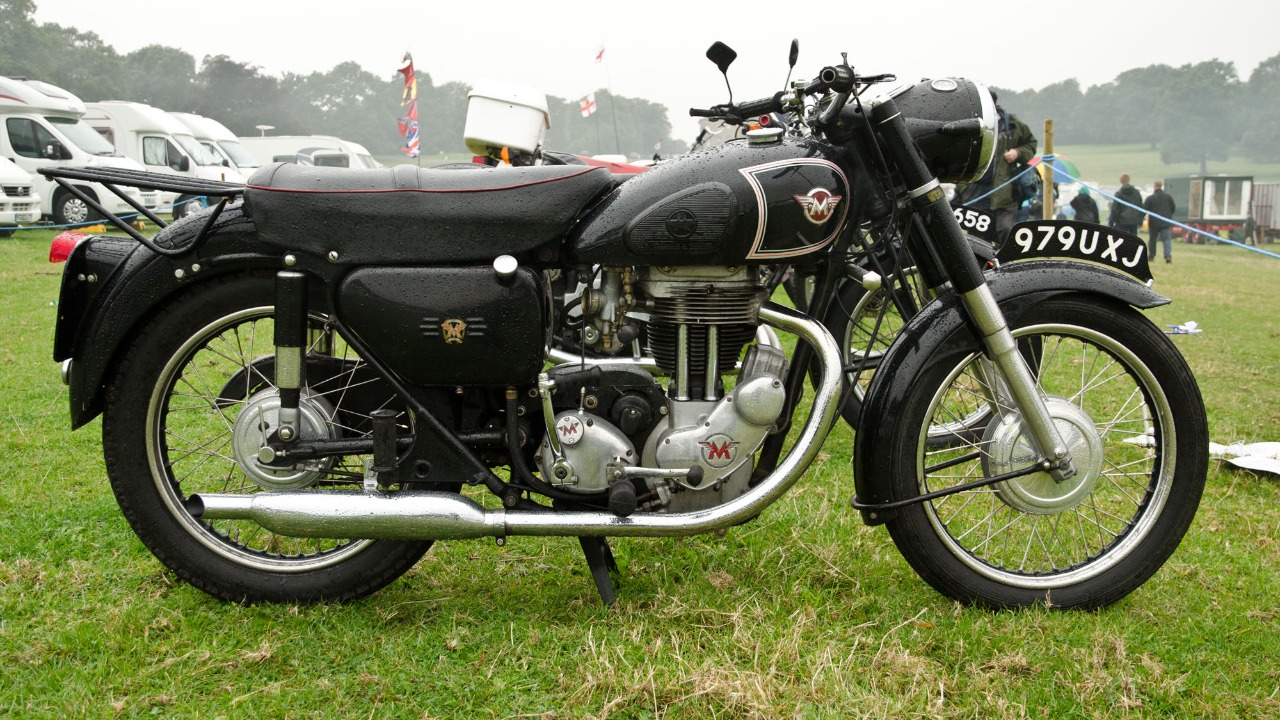
The Matchless G80 was a respected single-cylinder motorcycle with strong connections to British road racing and off-road competition. Its simple engine architecture made it relatively straightforward compared with multi-cylinder machines, while its lightweight character suited sporting use. The G80 became an important part of Matchless’s identity. Original examples are now relatively uncommon, giving collectors another reason to preserve them.
BSA Gold Star
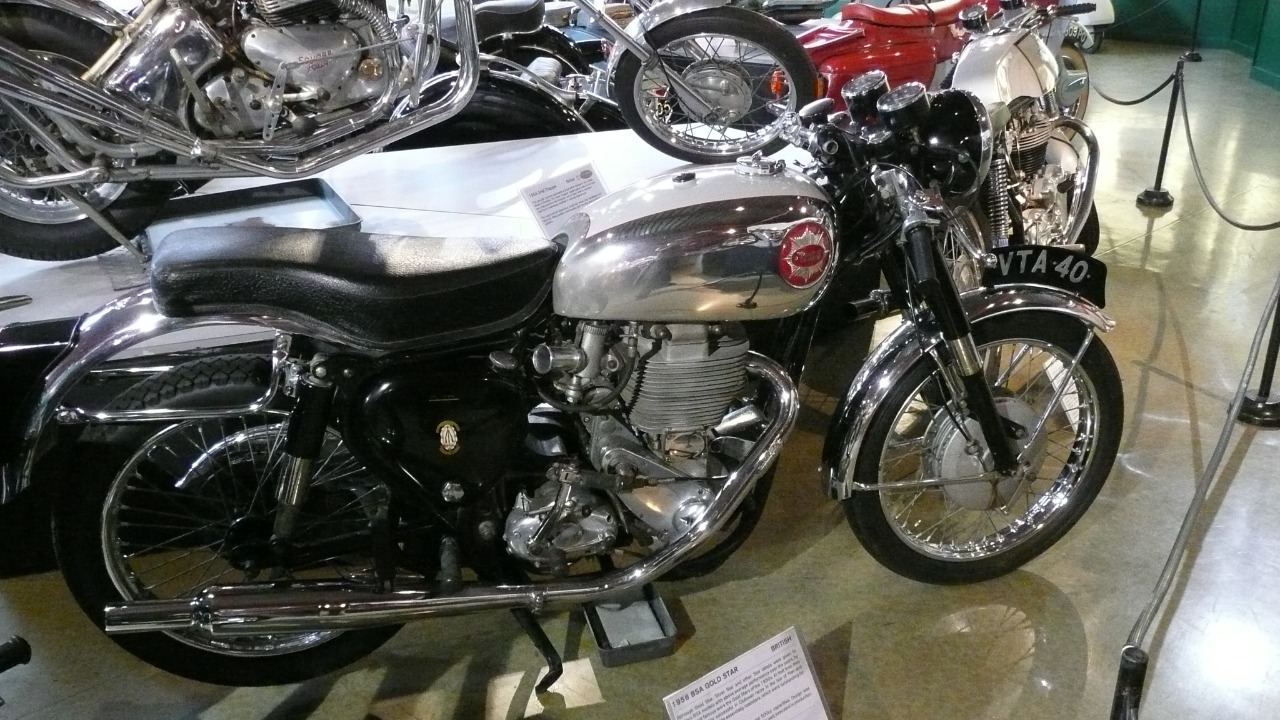
The BSA Gold Star became one of Britain’s most respected high-performance single-cylinder motorcycles. Its strong 500cc engine, lightweight construction, and sporting reputation made it competitive both on the road and in racing. Different versions developed distinct performance characteristics, but the Gold Star consistently represented BSA’s sporting ambitions. Collectors value surviving examples because genuine original motorcycles can be difficult to find.
BSA Rocket Gold Star
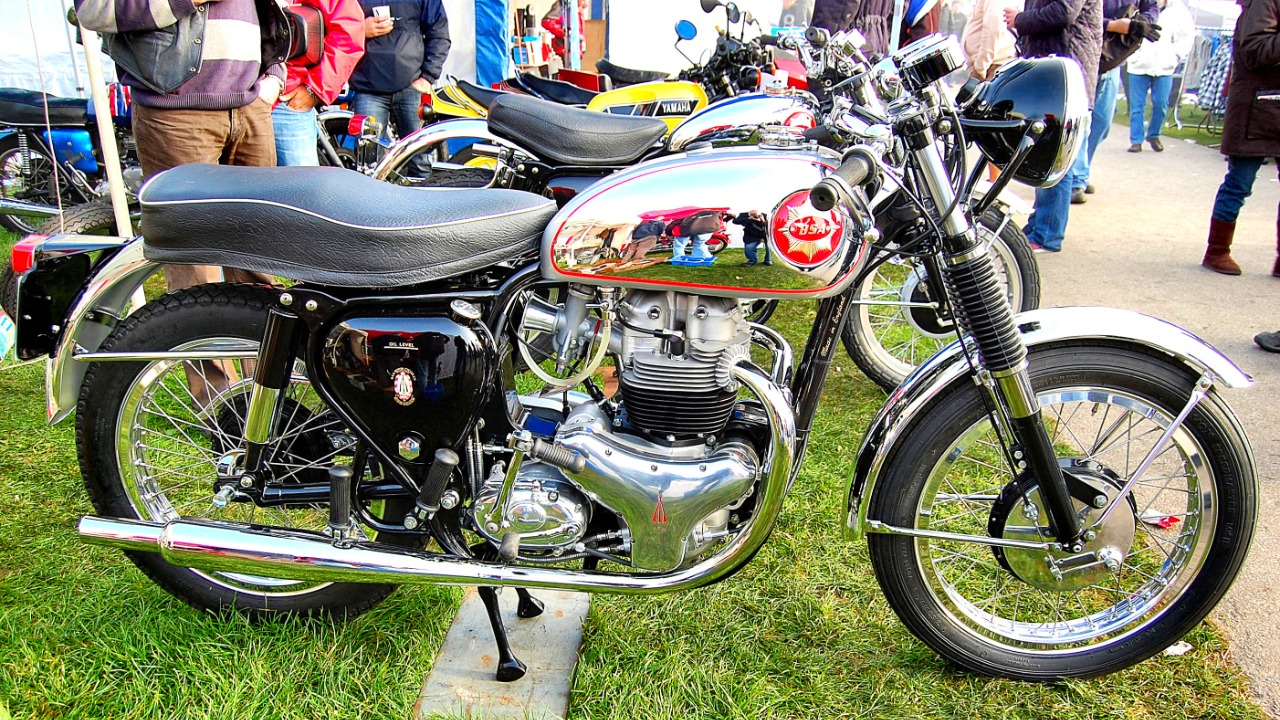
The BSA Rocket Gold Star combined the company’s famous Gold Star chassis with a powerful 650cc parallel-twin engine. This unusual combination created one of BSA’s most desirable performance motorcycles. Production lasted only a short time, and relatively few examples were made. Its combination of rarity, strong performance, and Gold Star heritage makes the Rocket Gold Star particularly interesting to collectors of classic British motorcycles.
Royal Enfield Constellation
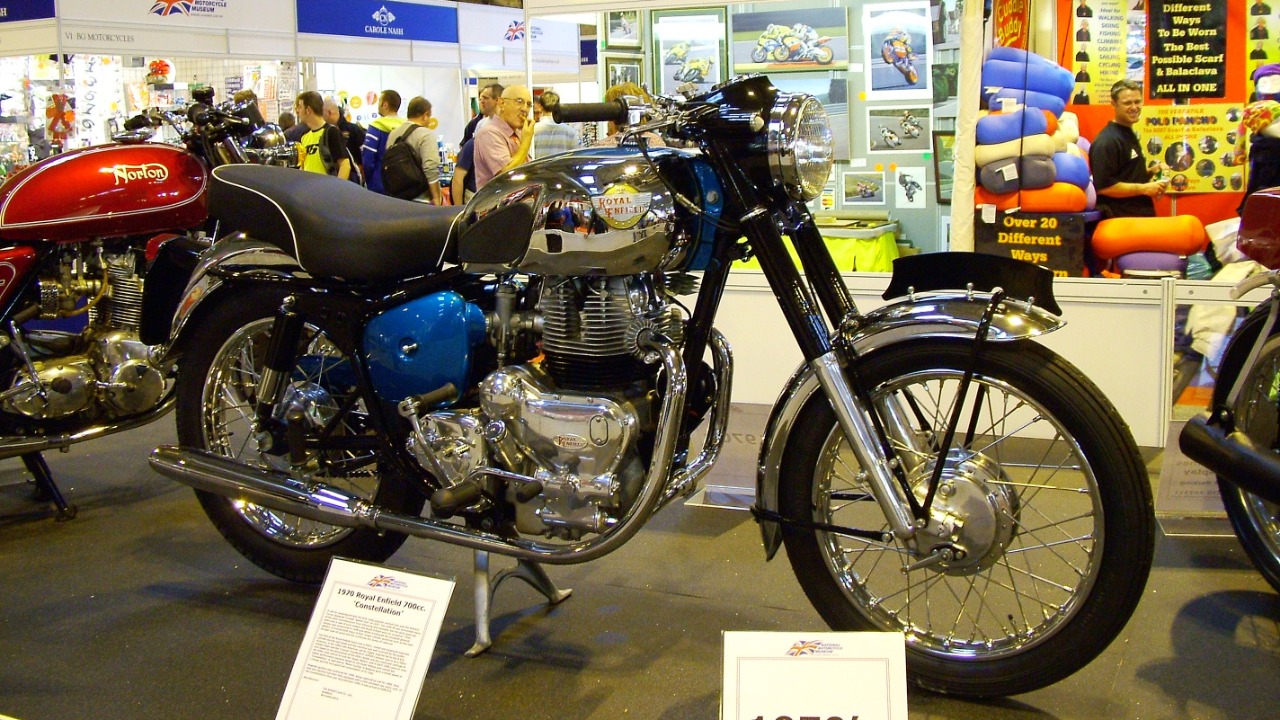
The Royal Enfield Constellation was one of the company’s largest and most powerful British twins. Its 700cc engine gave it strong performance while retaining the traditional appearance of a classic British motorcycle. The Constellation was produced for a relatively limited period, and surviving examples are less common than more famous Royal Enfield models. Its combination of size and old-school engineering makes it appealing to collectors.
Royal Enfield Interceptor 750
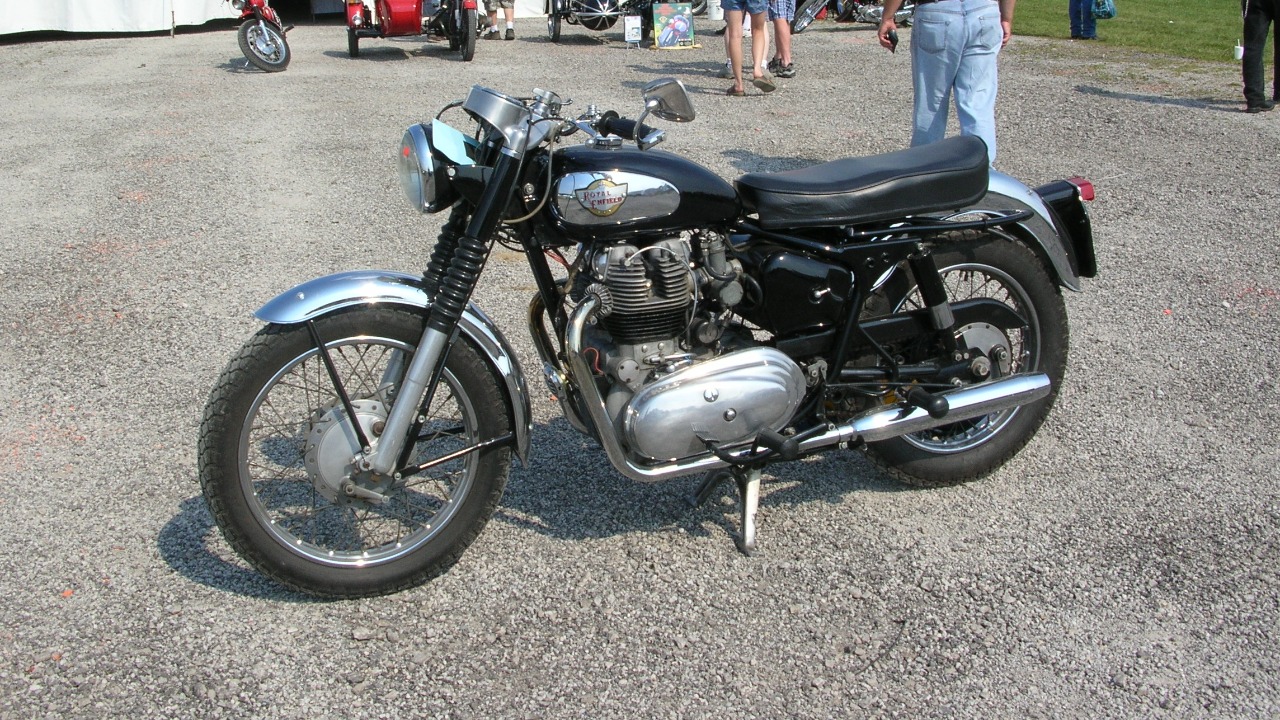
The Royal Enfield Interceptor 750 was developed with the American market in mind and became one of the company’s most powerful parallel-twin motorcycles. Its 736cc engine offered strong performance, while its relatively simple design made it practical for everyday riding. Production ended as the British motorcycle industry entered a difficult period. Today, surviving Interceptor 750s are increasingly appreciated for their rarity and distinctive British-American market history.
More from Fast Lane Only
- Unboxing the WWII Jeep in a Crate
- 15 rare Chevys collectors are quietly buying
- 10 underrated V8s still worth hunting down
- Police notice this before you even roll window down
*Research for this article included AI assistance, with all final content reviewed by human editors.