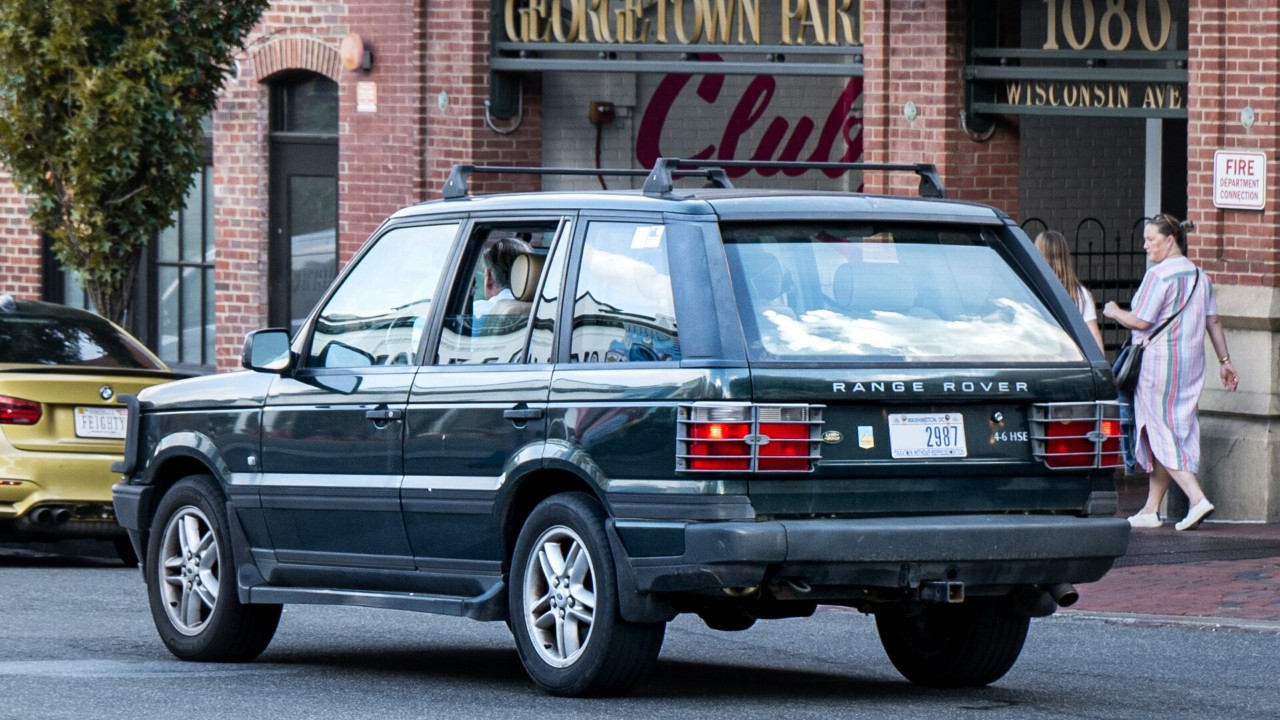
Classic wagons can be some of the most charming vehicles on the road, but nostalgia doesn’t always make them good buys. Some suffered from weak engines, troublesome transmissions, rust-prone bodies, poor build quality, or simply too much complexity for their age. These 19 wagons may look tempting today, but buyers should know what they’re getting into before handing over the money.
Ford Pinto Wagon
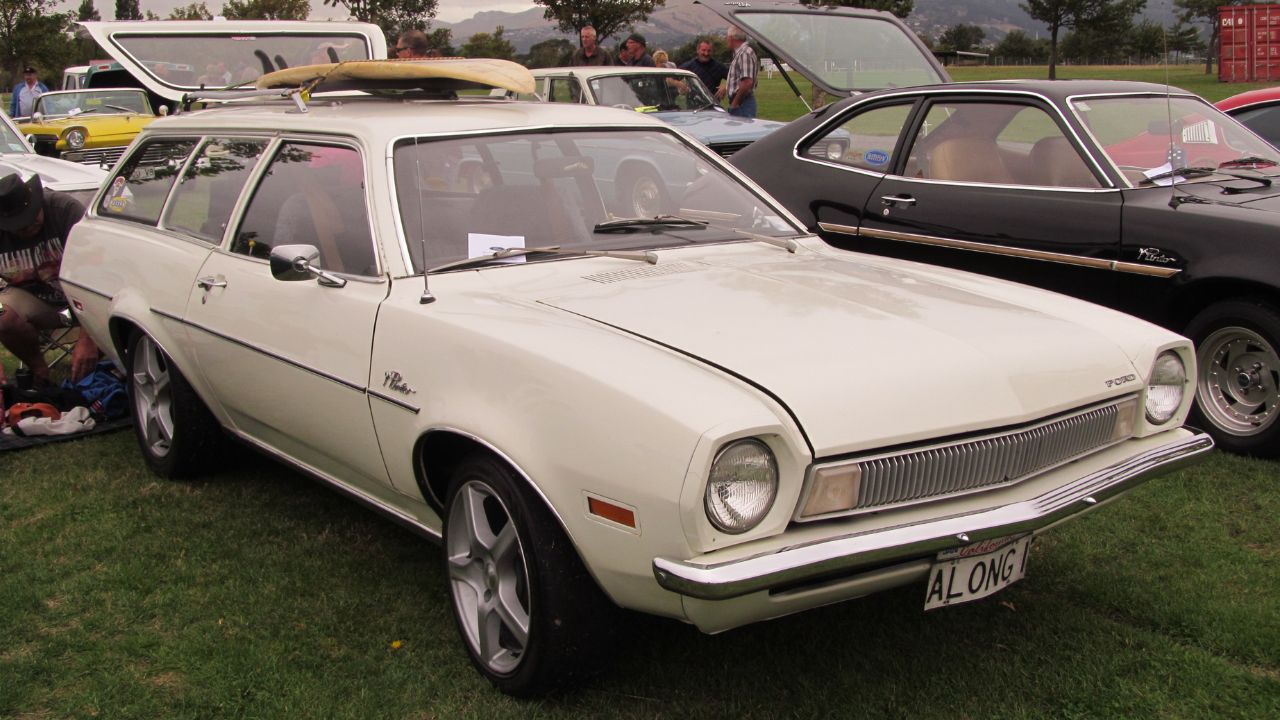
The Pinto wagon offered useful cargo space in a compact package, but its reputation has followed it for decades. Rust, aging components, and the car’s infamous safety history make surviving examples complicated purchases. While restored Pintos can be interesting collectibles, a rough one can require far more money and work than its modest appearance suggests.
Chevrolet Vega Kammback

The Vega Kammback looked modern and practical when it arrived, but its aluminum engine and rust-prone body created serious ownership headaches. Corrosion was a major concern, while engine durability could be disappointing. Clean survivors are now collectible curiosities, but finding a good one is very different from finding a cheap one.
AMC Pacer Wagon
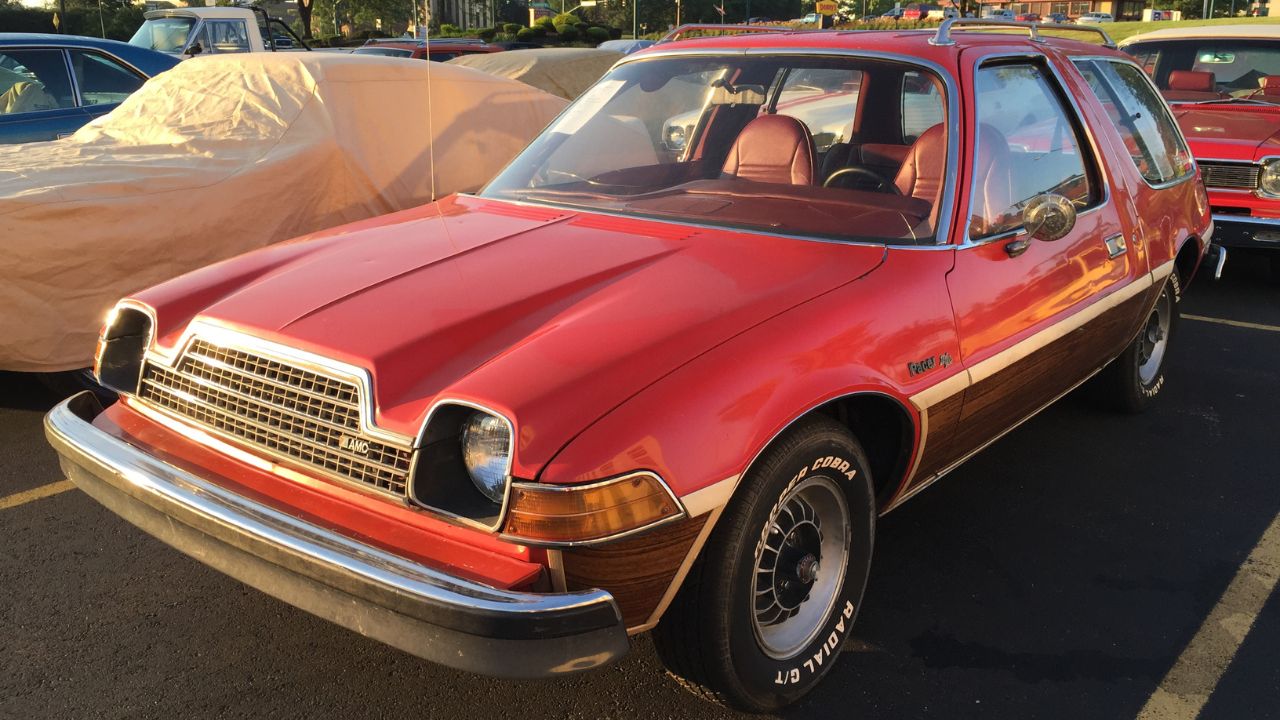
The Pacer Wagon was one of the strangest American wagons ever produced. Its enormous glass area and unusual proportions gave it plenty of personality, but its mechanical and electrical issues could make ownership frustrating. Parts availability can also be a concern today. It is fascinating as a piece of automotive history, but not necessarily the easiest classic to own.
Chevrolet Chevette Wagon
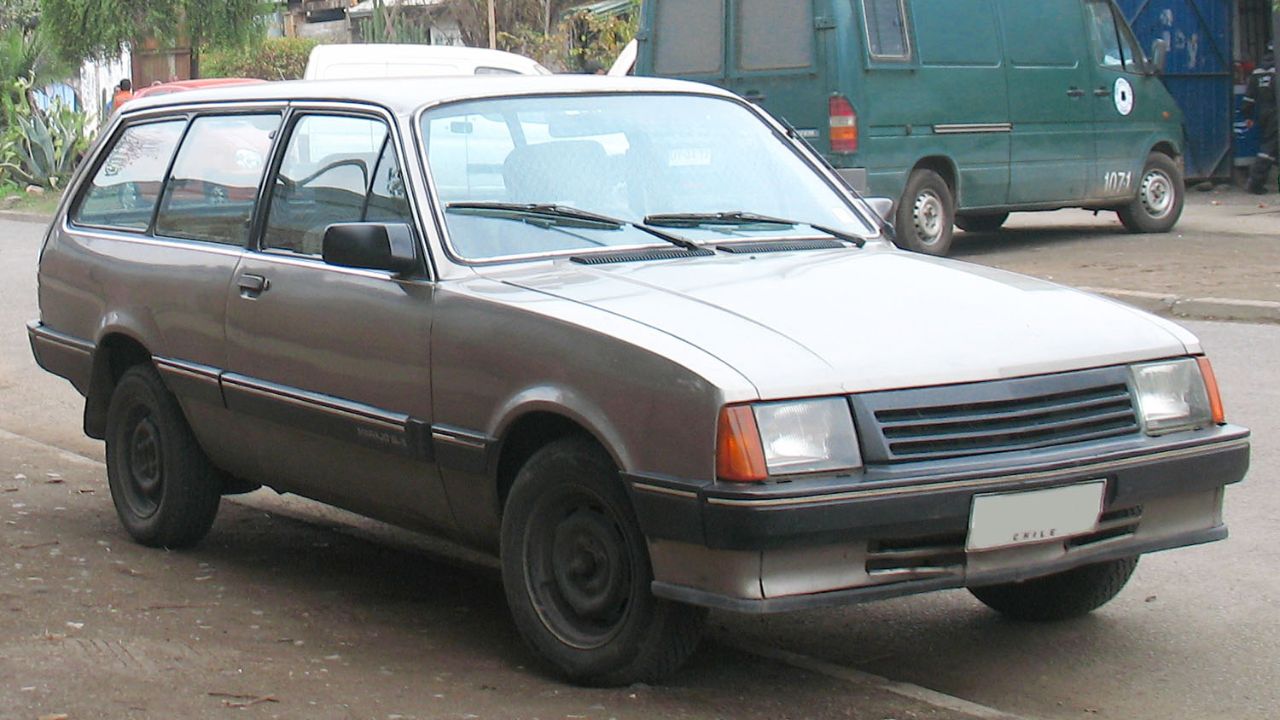
The Chevette was designed around affordability and simplicity, but its modest power and basic construction haven’t aged particularly well. Rust was a serious enemy, and surviving examples can require considerable attention. The wagon version has novelty value today, but buyers looking for a dependable classic should carefully inspect every part of one before committing.
Ford Fairmont Wagon

The Fairmont wagon was practical transportation rather than a performance icon. Its lightweight construction helped fuel economy, but its engines and transmissions weren’t exactly famous for excitement or refinement. Decades of neglect can make these cars difficult to restore economically. A clean example is interesting, but a rough one can become a long-term project.
Mercury Zephyr Wagon
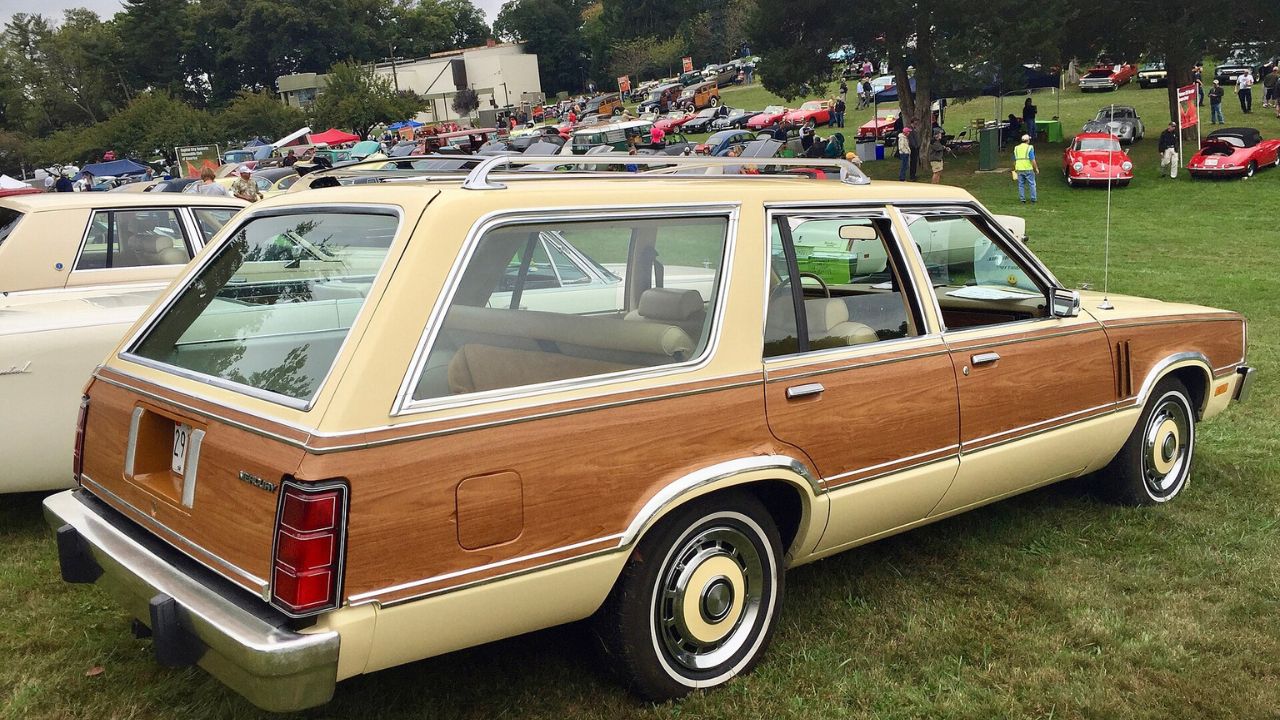
The Mercury Zephyr offered slightly more upscale styling than its Ford counterpart, but age hasn’t necessarily been kind to these cars. Rust, worn interiors, aging suspension components, and basic drivetrains can make restoration surprisingly expensive. Its rarity gives it some appeal today, but rarity alone doesn’t make a classic wagon a smart purchase.
Chrysler K-Car Wagon
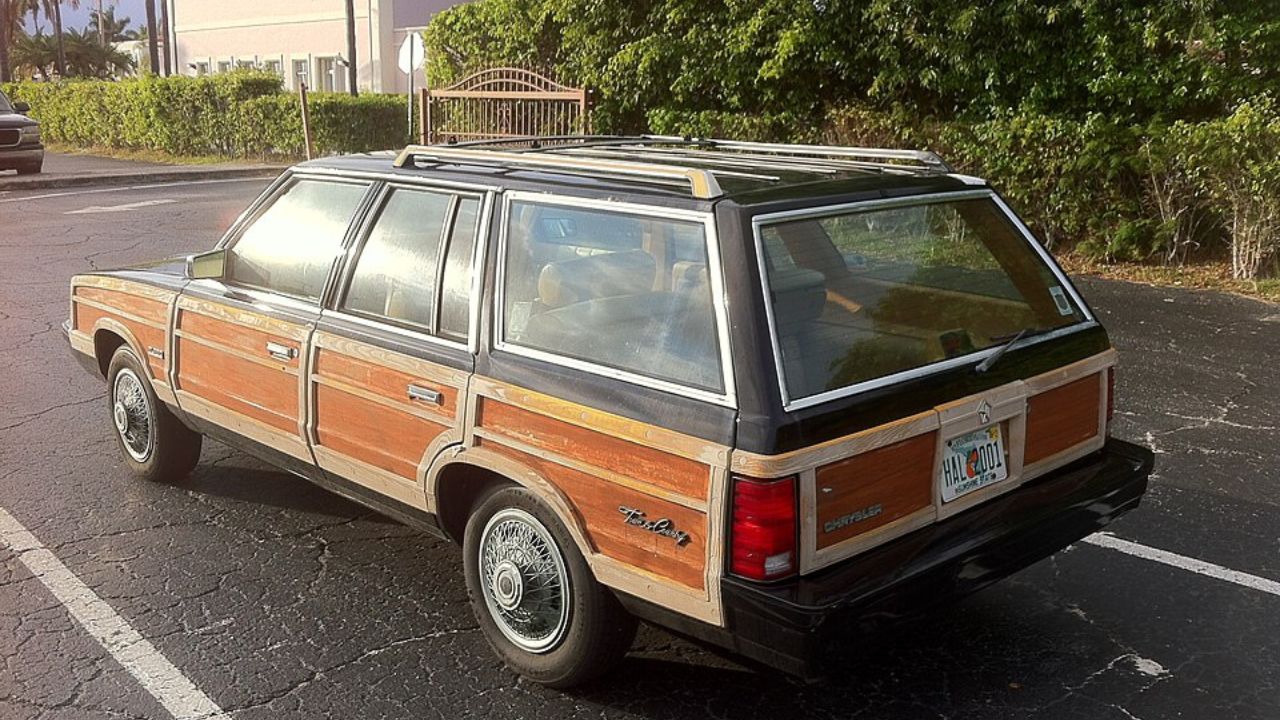
The Chrysler K-car wagon helped keep the company alive during one of its most difficult periods. It was practical and economical, but its front-wheel-drive platform was never designed to become a prized collector vehicle. Surviving examples can be difficult to restore because of deteriorated interiors and missing parts. Nostalgia is probably its strongest selling point today.
Dodge Aries Wagon
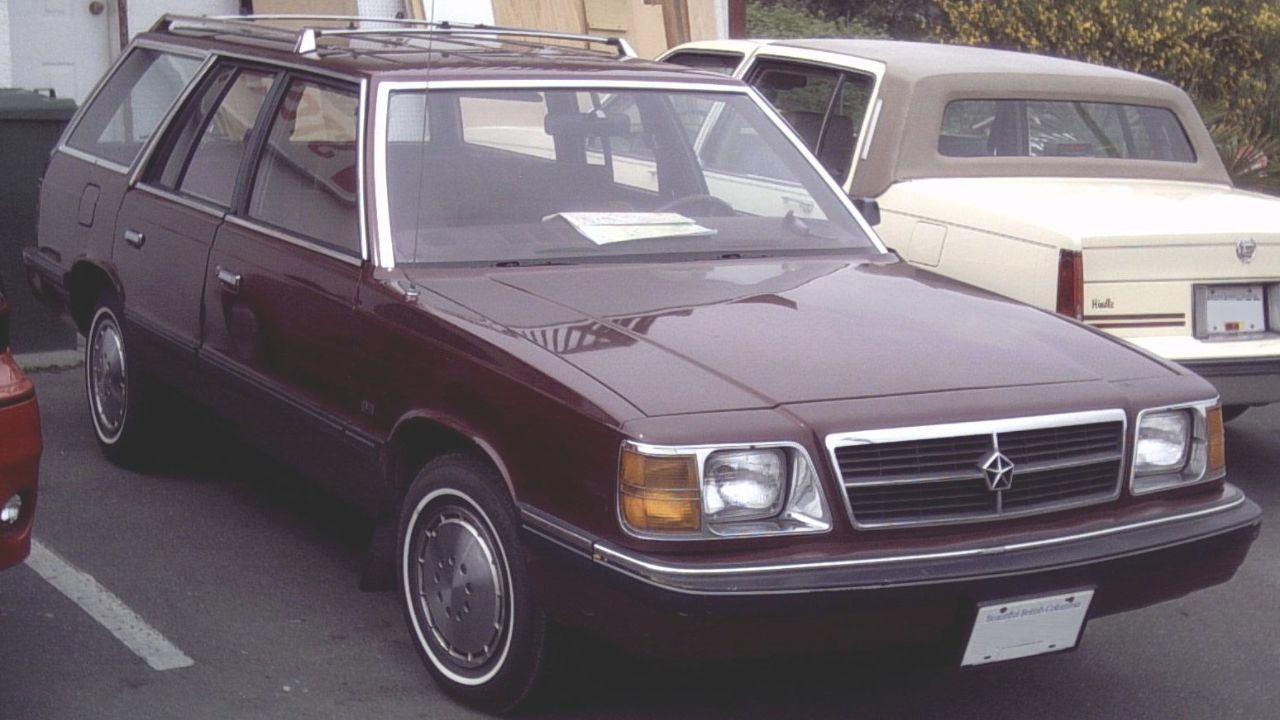
The Dodge Aries wagon was built primarily to provide affordable transportation for families. It accomplished that mission reasonably well, but decades later it doesn’t offer much mechanical excitement. Aging electronics, tired interiors, rust, and neglected drivetrains can make ownership frustrating. Unless the car has strong sentimental value, there are more rewarding classic wagons to pursue.
Plymouth Reliant Wagon
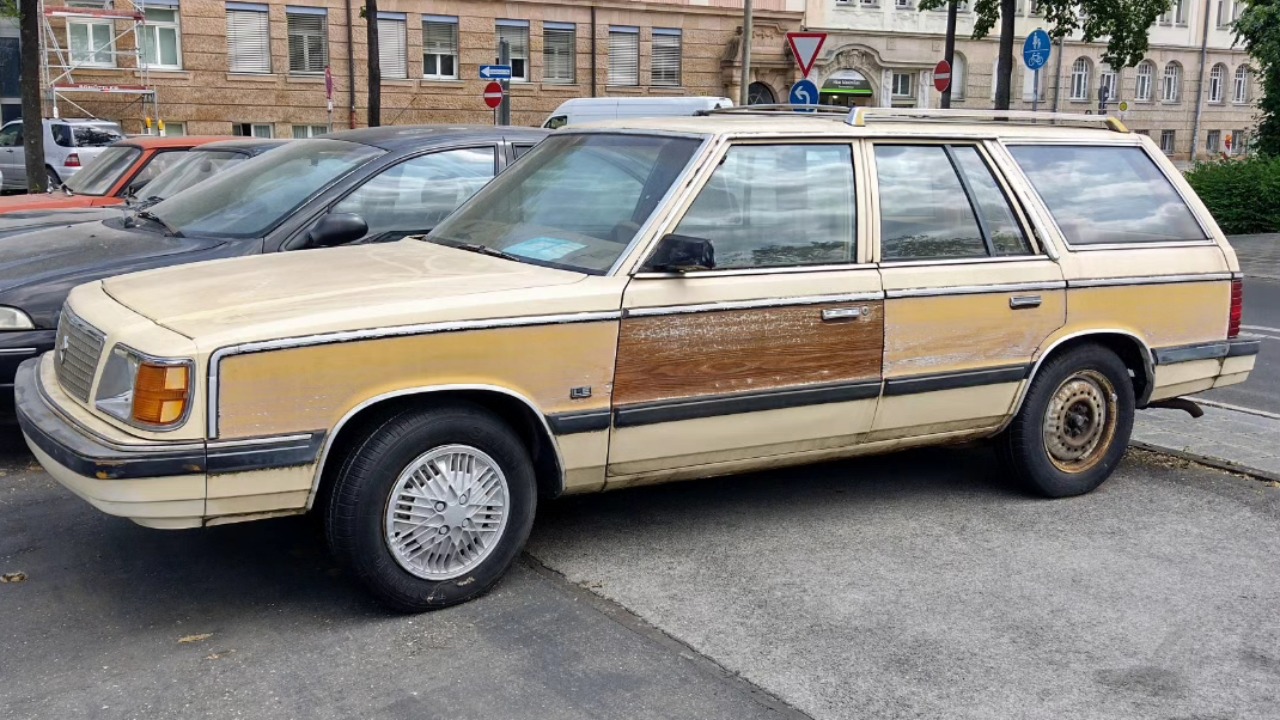
The Plymouth Reliant wagon shared the basic K-car formula with its Dodge sibling. It was inexpensive and practical when new, but its simple construction doesn’t necessarily translate into an enjoyable classic today. Finding replacement trim and interior pieces can be difficult. A beautifully preserved example is unusual, but restoration costs can quickly outweigh its collectible appeal.
Oldsmobile Cutlass Cruiser
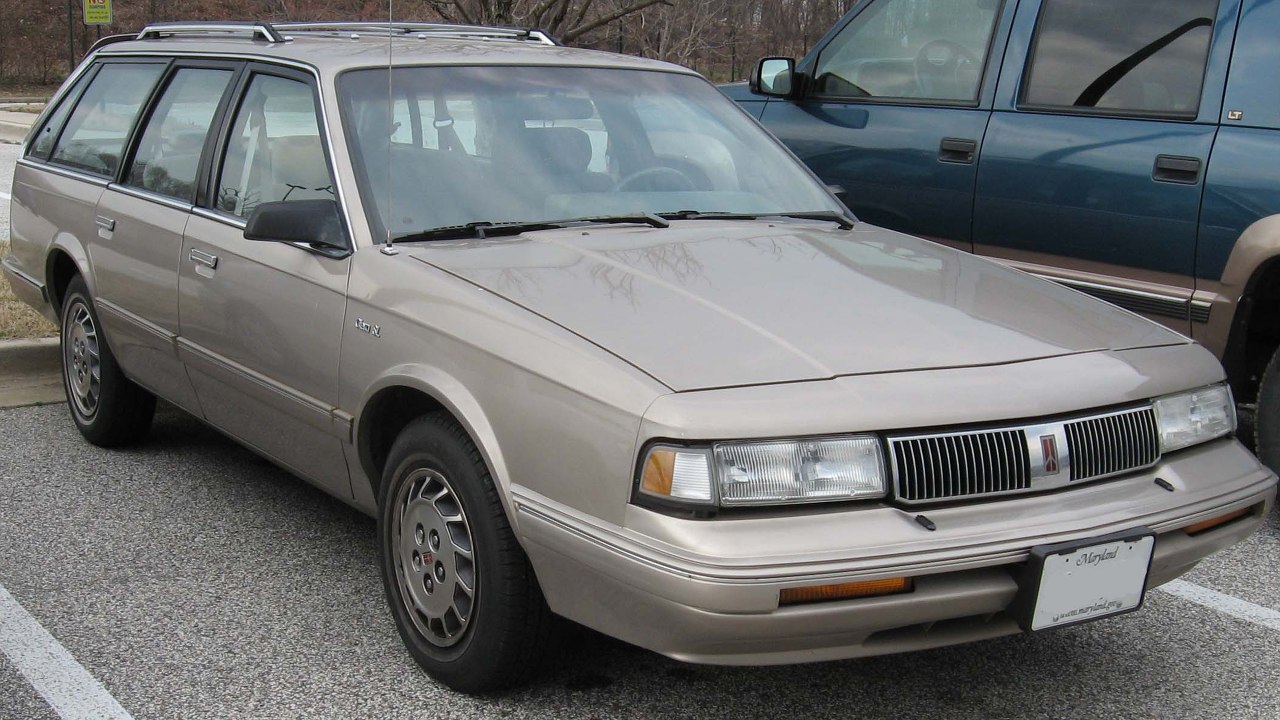
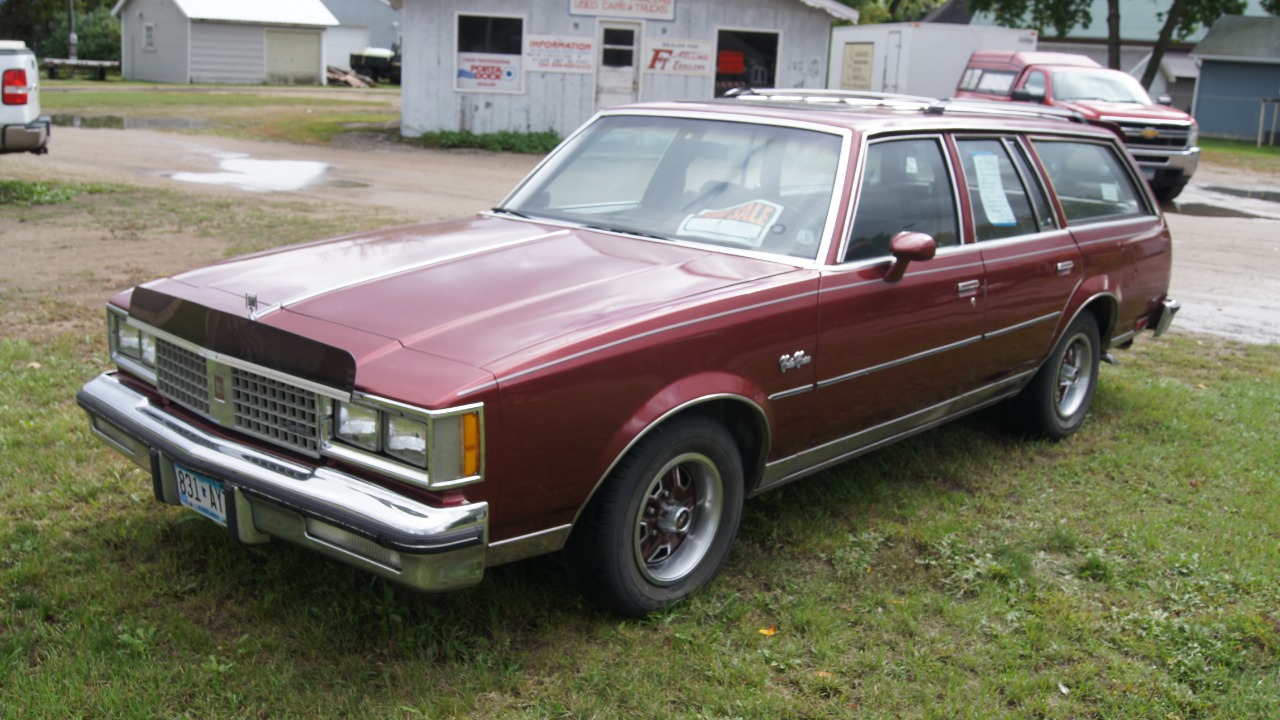
The Cutlass Cruiser looked like a sensible family wagon, but some examples suffered from the typical problems associated with aging 1980s GM cars. Interior deterioration, electrical faults, and drivetrain wear can make restoration difficult. Its styling has nostalgic appeal, yet buyers should be realistic about how much work an old example may need.
Pontiac 6000 Wagon
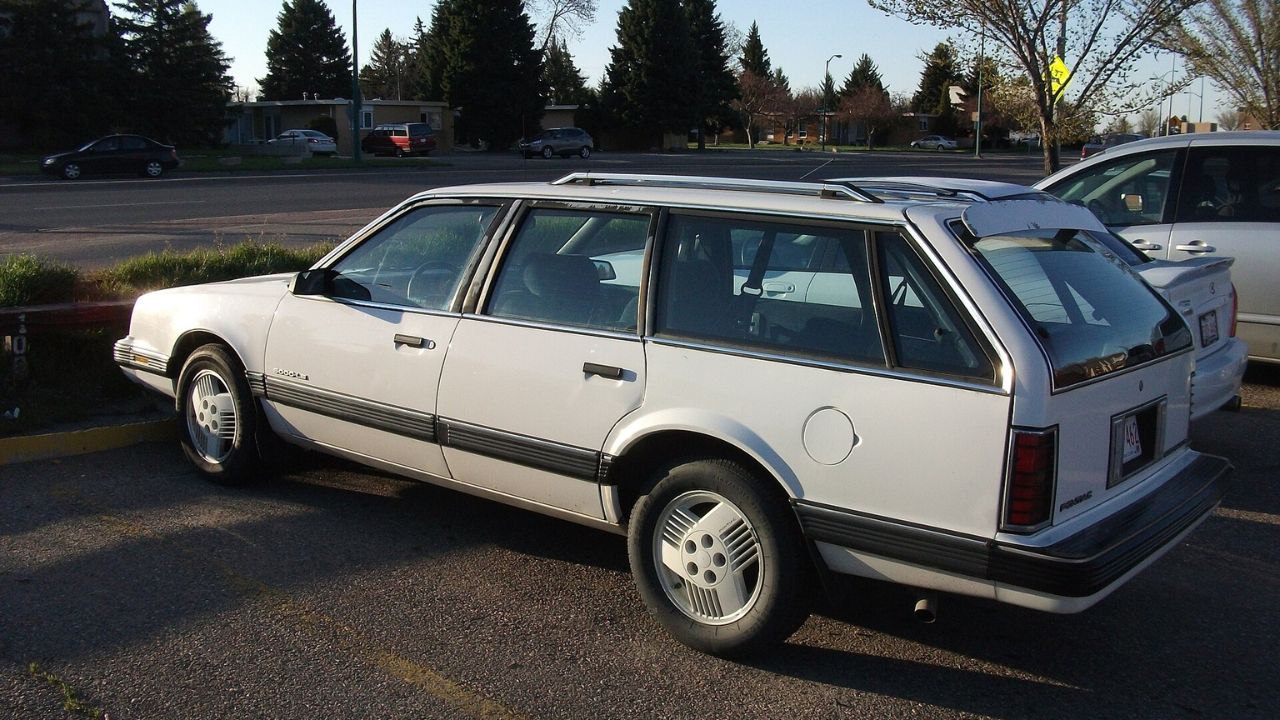
The Pontiac 6000 wagon was a practical family hauler rather than a future collectible. Its front-wheel-drive architecture and ordinary styling made it easy to overlook even when new. Today, surviving examples are uncommon, but age-related problems can make them difficult to keep running. It makes sense mainly for enthusiasts who specifically love forgotten 1980s cars.
Buick Century Wagon
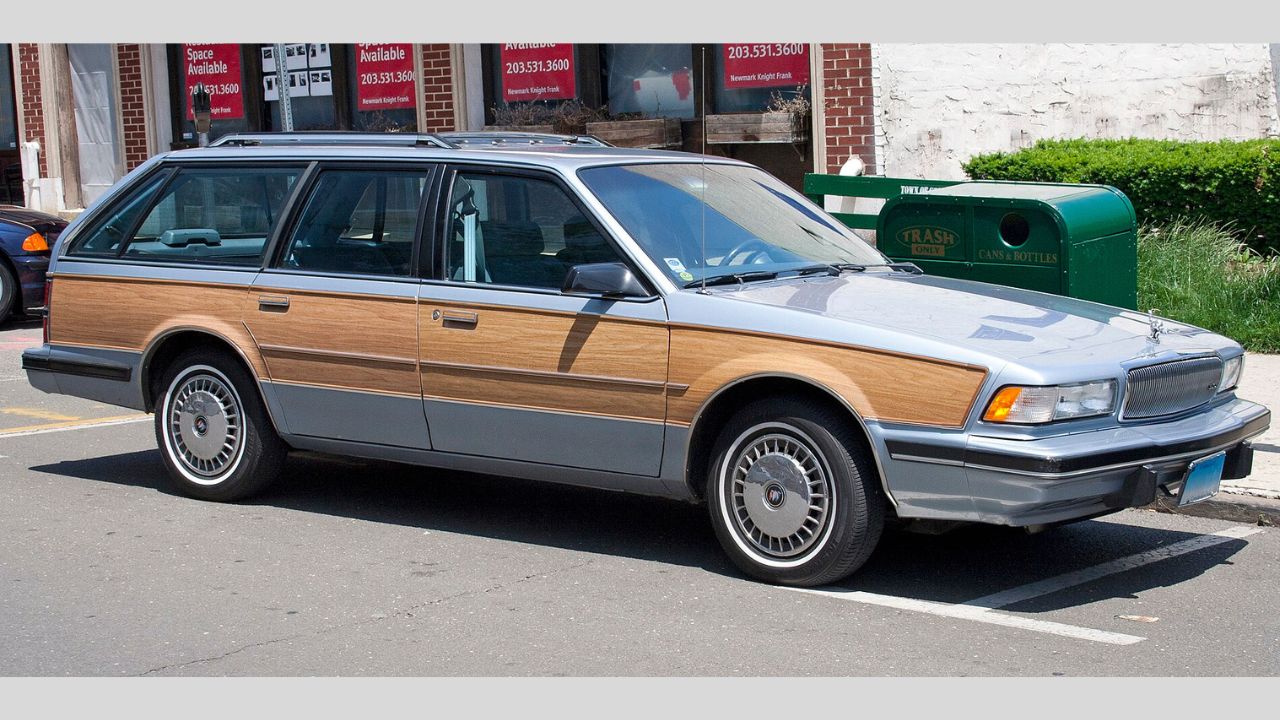
The Buick Century wagon provided plenty of passenger and cargo space, but many examples were driven hard and maintained cheaply. Rust, worn suspension components, tired interiors, and aging electronics can all become problems today. A preserved example has nostalgic charm, but buyers should inspect it carefully rather than assuming an old Buick will automatically be durable.
Ford Taurus Wagon

The Taurus wagon was one of America’s most recognizable family haulers during the 1990s. Its aerodynamic styling once looked futuristic, but its early electronics, transmissions, and aging interior components can create headaches today. Surviving examples are becoming unusual, but that doesn’t necessarily make them desirable. Condition is everything with these forgotten family wagons.
Mercury Sable Wagon
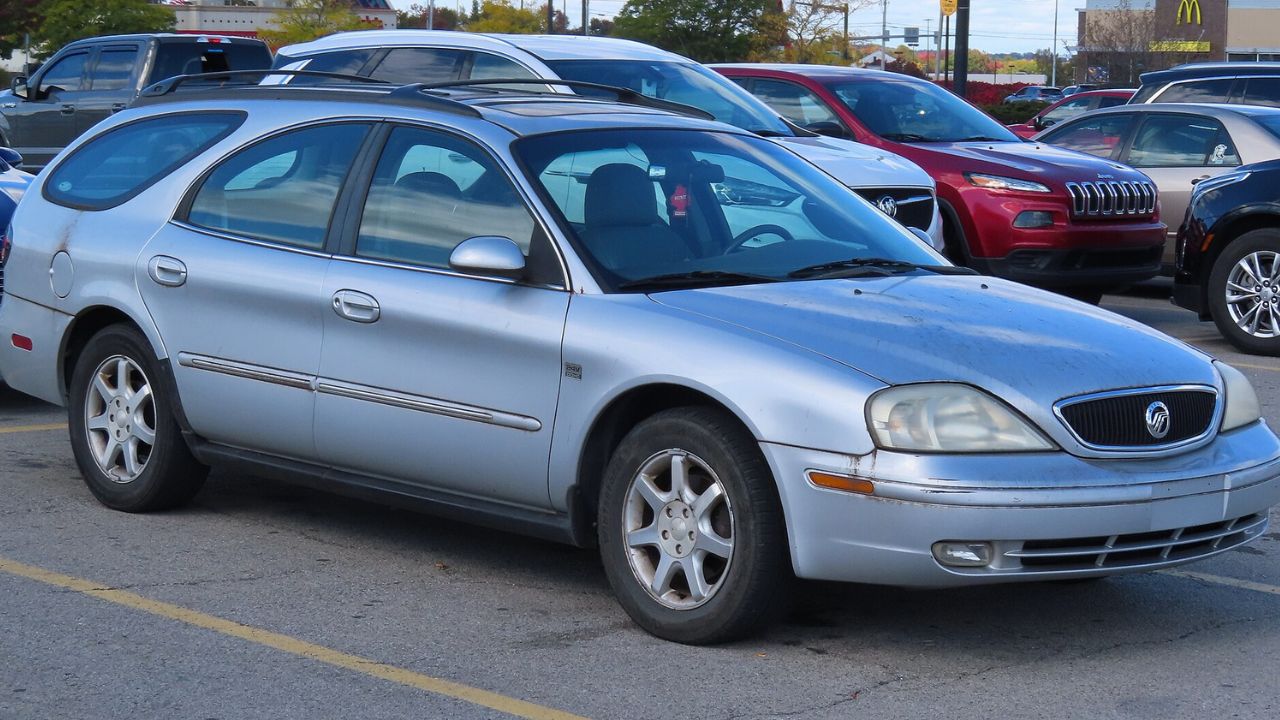
The Mercury Sable shared much of its mechanical foundation with the Taurus while offering a more upscale presentation. Its distinctive aerodynamic body has become a nostalgic reminder of the 1990s, but age-related electrical, transmission, and interior problems can be expensive. A clean survivor is interesting, yet restoring a neglected example may not make financial sense.
Chevrolet Caprice Wagon
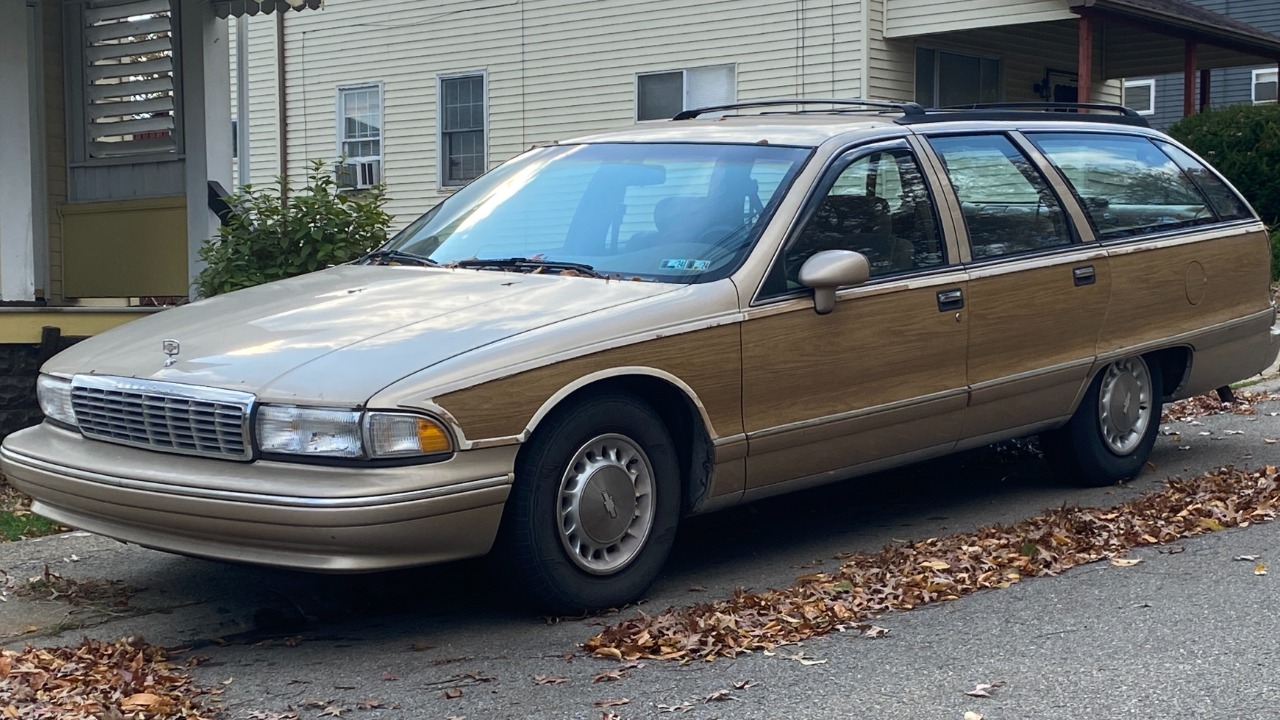
The Caprice wagon has a strong following, particularly among fans of big American cars, but ownership isn’t automatically easy. Its enormous body means there is plenty of sheet metal and trim to maintain, while age brings suspension, cooling, and electrical concerns. A well-preserved example can be excellent, but a neglected one can consume a serious budget.
Oldsmobile Custom Cruiser

The Custom Cruiser combined traditional American wagon styling with a large V8 and plenty of space. That makes it attractive today, but many were used heavily as family and utility vehicles. Rust and worn mechanical components can be significant concerns. Its size also means restoration isn’t necessarily cheap, even when the underlying mechanicals are straightforward.
Buick Roadmaster Estate Wagon
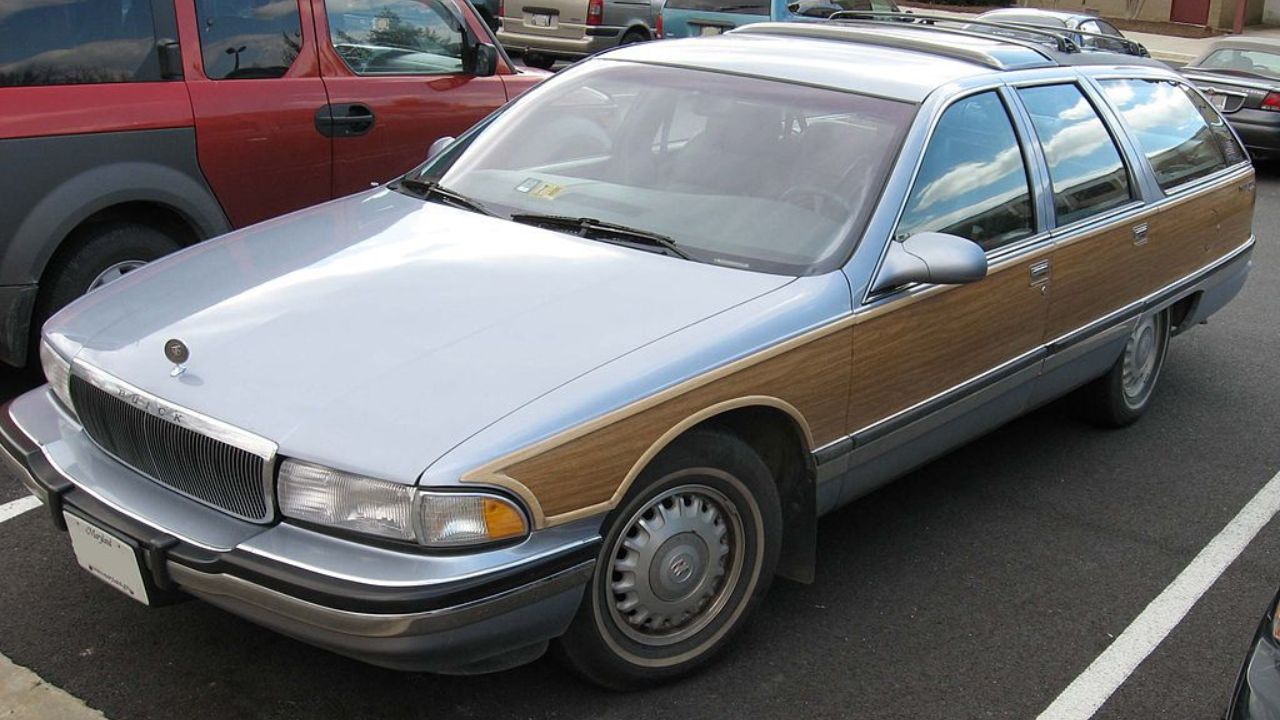
The Roadmaster Estate Wagon is desirable enough that calling it a bad classic would be unfair, but neglected examples can still become expensive projects. Its heavy body, aging electronics, air suspension components, and complex interior equipment require careful inspection. The famous LT1 V8 adds appeal, but buyers should focus on condition rather than simply chasing the name.
Chrysler Town & Country Wagon
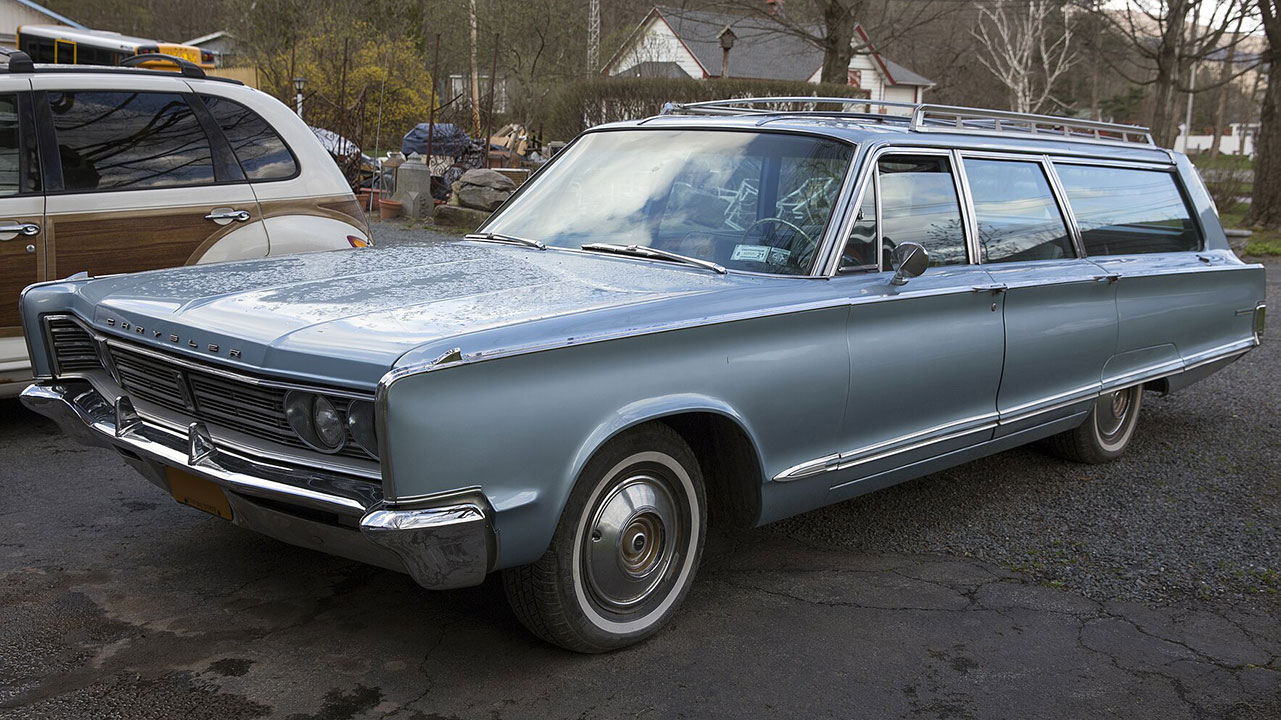
The traditional Chrysler Town & Country name eventually found its way onto less prestigious front-wheel-drive wagons. These later examples offered comfort and practicality but don’t have the same historical significance as the famous wood-bodied cars. Age-related electrical and drivetrain problems can turn an inexpensive purchase into a frustrating project surprisingly quickly.
AMC Eagle Wagon
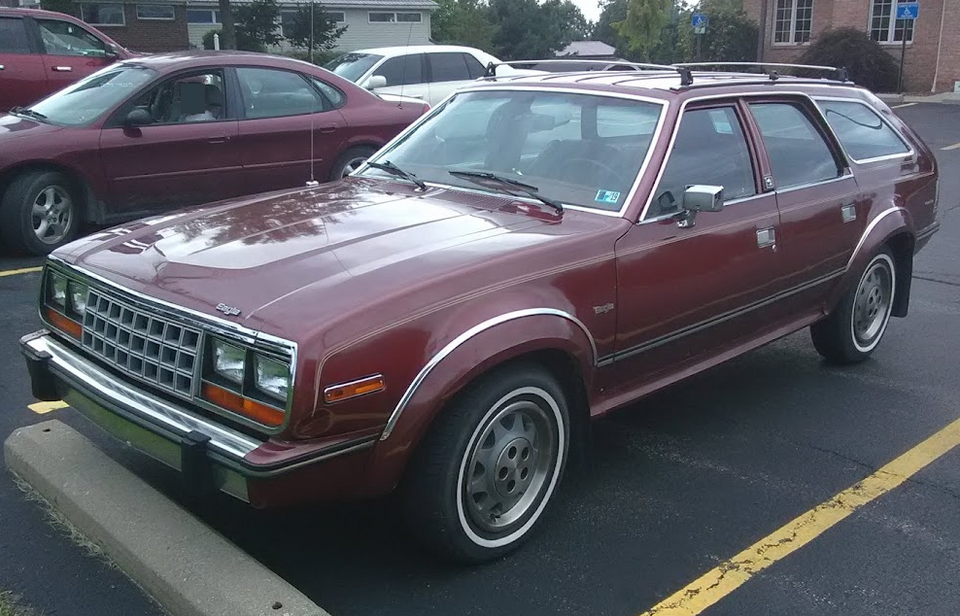
The AMC Eagle Wagon is one of the most interesting vehicles on this list, but interesting doesn’t necessarily mean easy to own. Its four-wheel-drive system adds mechanical complexity, while rust and scarce replacement parts can complicate restoration. A solid Eagle is worth preserving, but buying a cheap, neglected example can become an expensive lesson in automotive archaeology.
More from Fast Lane Only
- Unboxing the WWII Jeep in a Crate
- 15 rare Chevys collectors are quietly buying
- 10 underrated V8s still worth hunting down
- Police notice this before you even roll window down
*Research for this article included AI assistance, with all final content reviewed by human editors.