American automakers experimented with plenty of ideas that seemed strange when they first appeared. Some cars introduced styling, technology, comfort features, or engineering concepts that would become common much later. Others simply arrived before buyers were ready for them. These forgotten American cars may not have sold in huge numbers, but their designs and ideas showed just how far ahead certain manufacturers were willing to think.
Chrysler Airflow

The Chrysler Airflow challenged the traditional upright design of American cars with a streamlined body and more aerodynamic thinking. Its wheels were pushed closer to the corners, while the passenger compartment was moved forward to improve space and weight distribution. Buyers were not immediately comfortable with its radical appearance, but many of its ideas eventually became standard automotive design principles. The Airflow remains one of the clearest examples of an American manufacturer experimenting with the future before the market was ready.
Cord 810
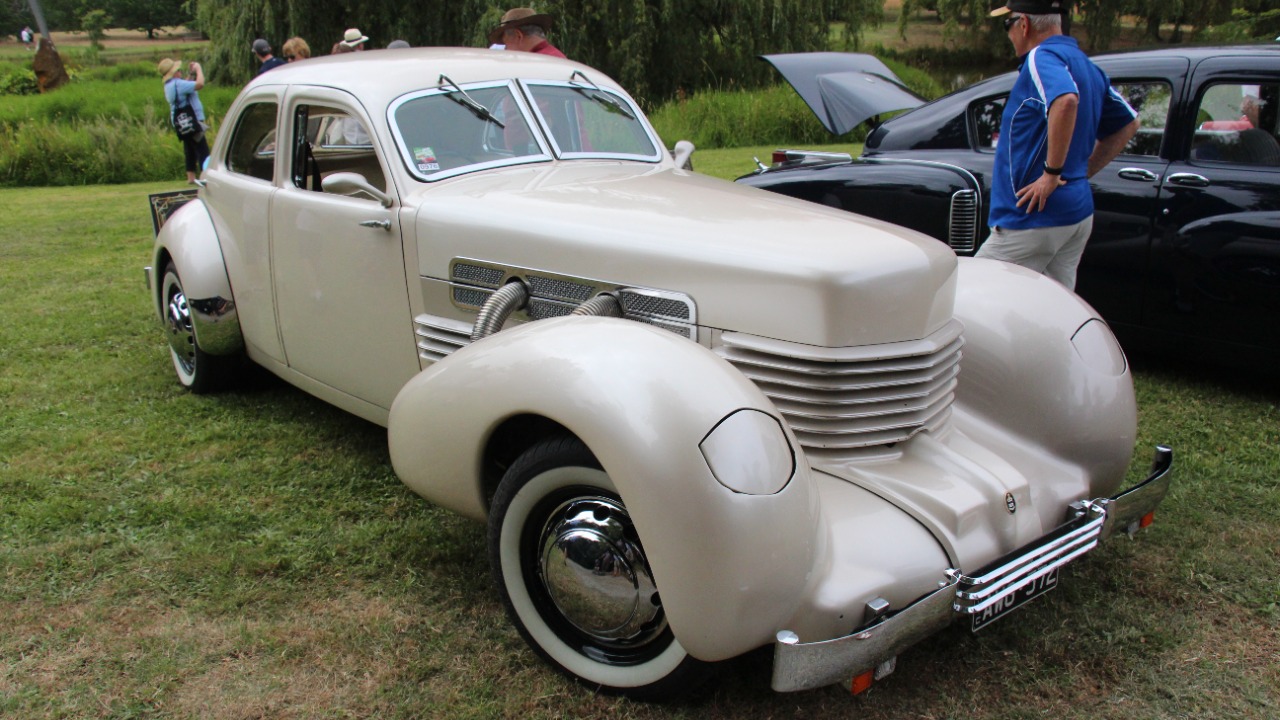
The Cord 810 looked unlike almost anything else on American roads when it arrived. Its low nose, hidden headlights, front-wheel-drive layout, and streamlined body gave it a remarkably modern appearance. The car also featured a supercharged version and an innovative dashboard design. Production problems hurt its reputation, but the underlying concept was far more advanced than many contemporary automobiles. Today, the 810 is remembered as one of the most adventurous American designs of the prewar period.
Tucker 48
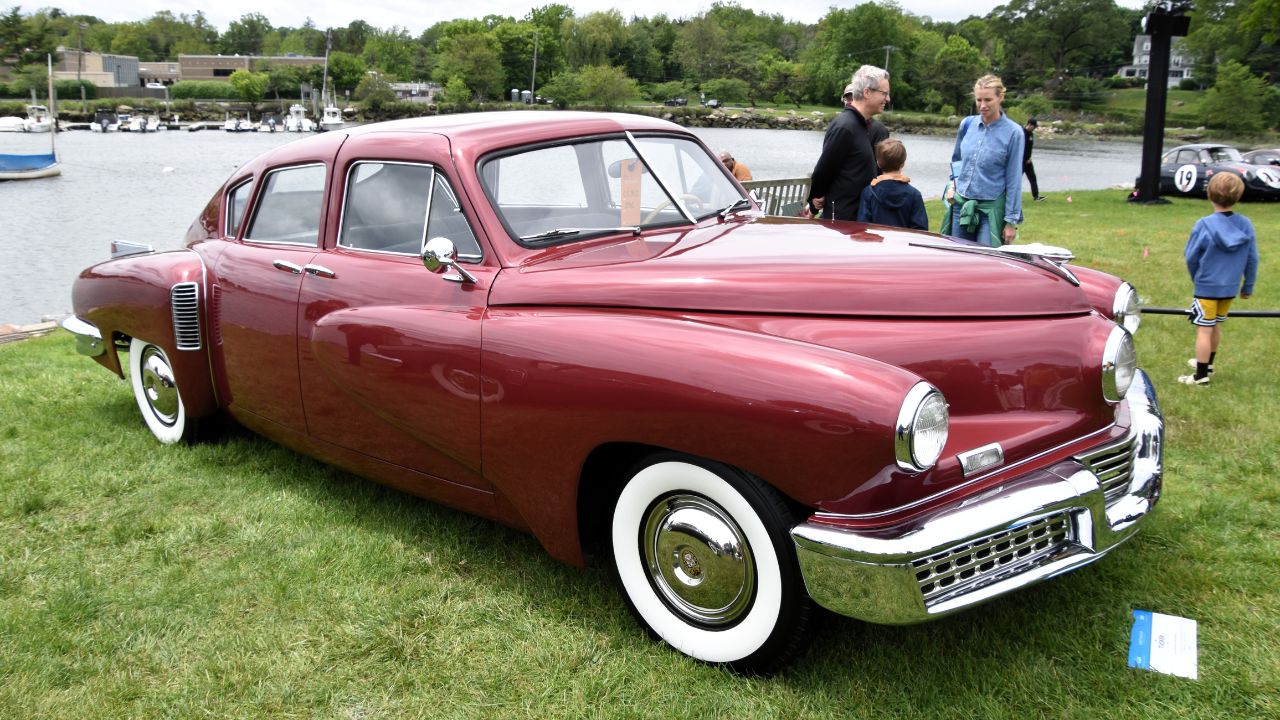
The Tucker 48 was built around ideas that were unusual for the American market at the time. Its rear-mounted engine, independent suspension, padded dashboard, and central headlight were among the features intended to improve safety and driving characteristics. Production lasted only briefly, but the car generated enormous interest. Its limited run made it famous, while its engineering continues to attract attention because several of its concepts would become more common in later decades.
Chevrolet Corvair
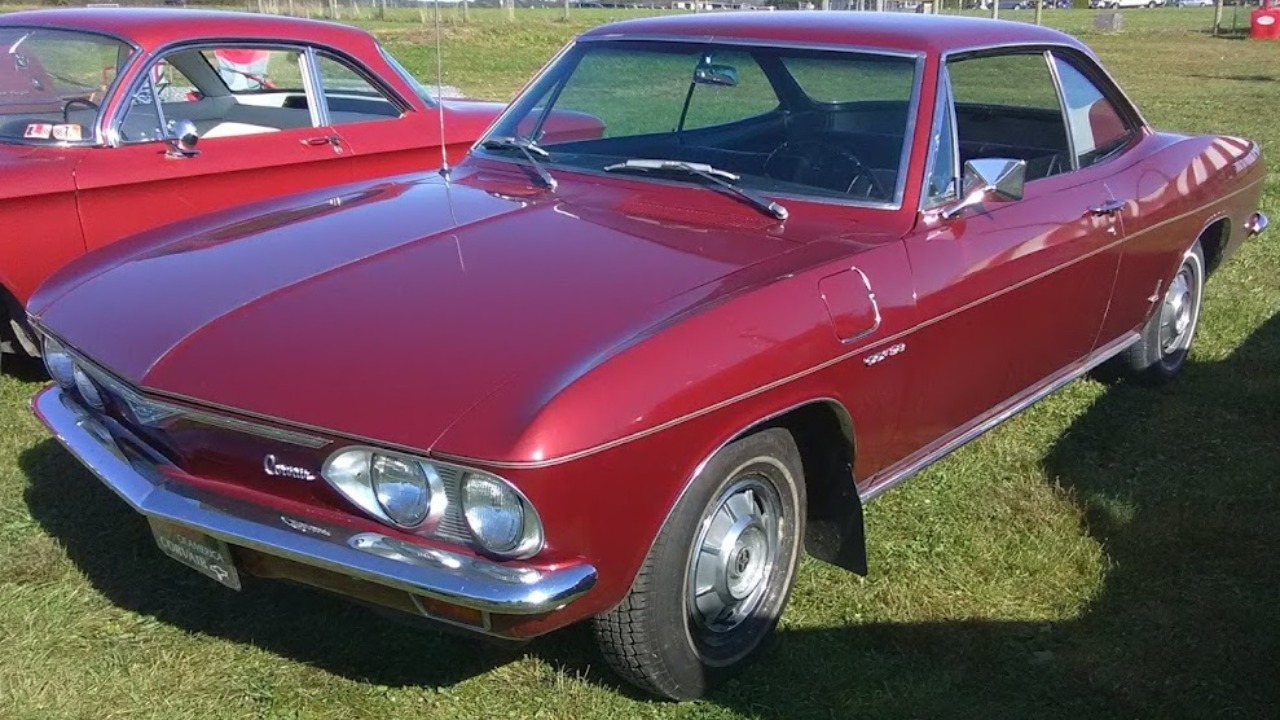
The Chevrolet Corvair was a bold departure from conventional American family cars. Instead of a large front-mounted engine and rear-wheel-drive layout, it used an air-cooled flat-six mounted at the rear. The result was a compact car with unusual packaging and a distinctly different driving character. Chevrolet continued developing the Corvair into multiple body styles, including sporty versions. Its engineering approach was unusual enough to remain memorable long after production ended.
Oldsmobile Toronado
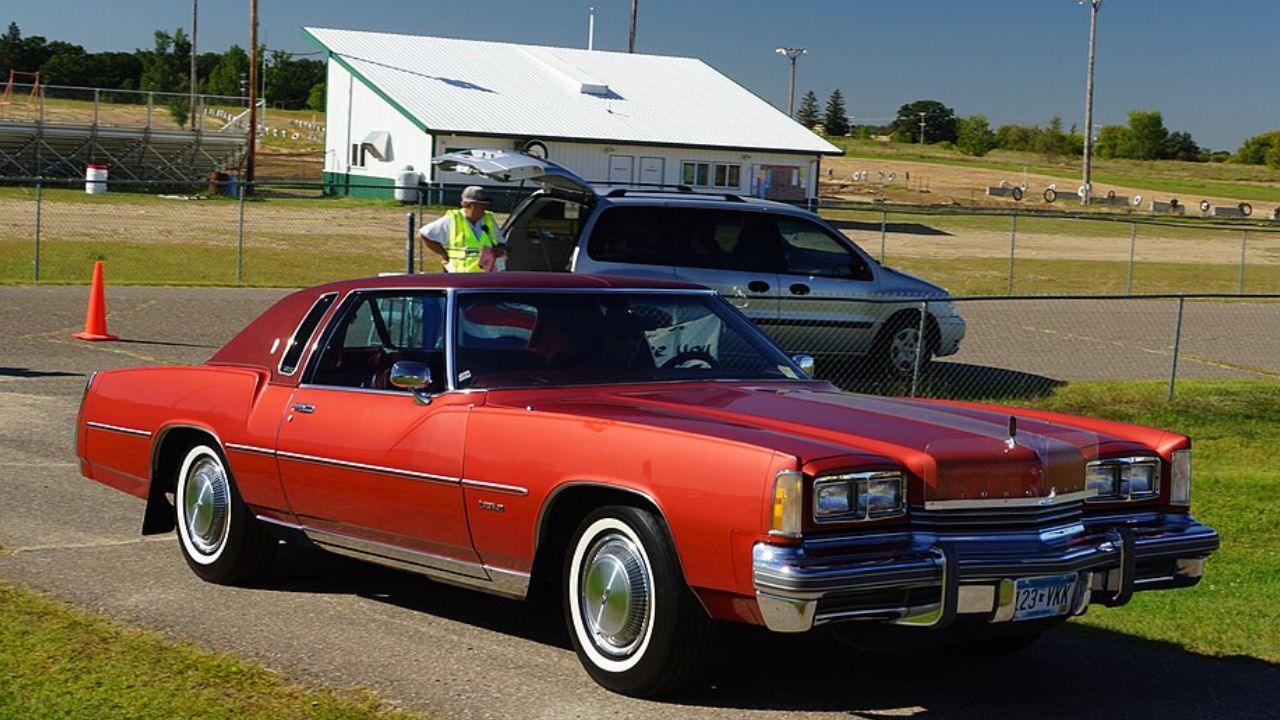
The Oldsmobile Toronado brought front-wheel drive to a large American performance-oriented car at a time when rear-wheel drive dominated the market. Its powerful V8 and dramatic fastback styling made the concept even more unusual. The drivetrain required significant engineering work, but Oldsmobile managed to package the system beneath a full-size body. The Toronado demonstrated that American manufacturers could rethink drivetrain layouts without abandoning the power and comfort buyers expected.
Buick Riviera
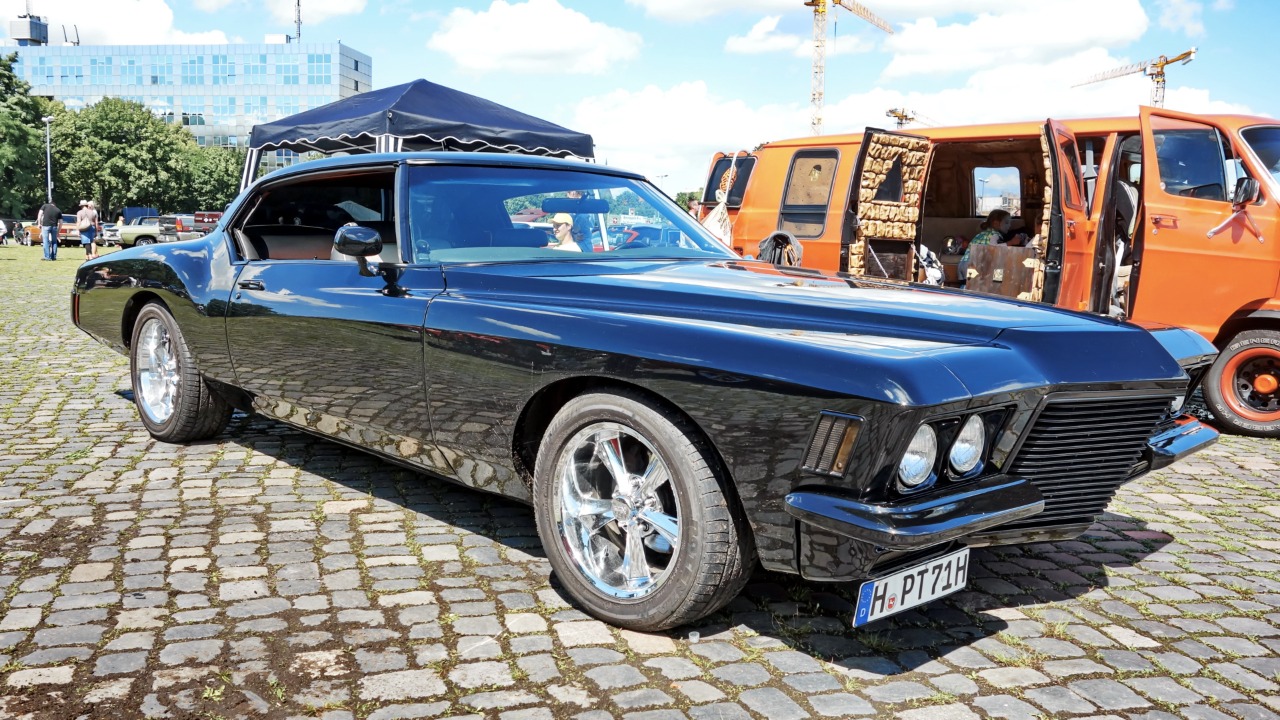
The first Buick Riviera brought a cleaner, more restrained design to the American luxury market. Its slim proportions, frameless side glass, and hidden headlights gave it a sophisticated appearance that stood apart from the enormous chrome-heavy cars surrounding it. The Riviera also demonstrated that a large American luxury car could have a more European-inspired sense of proportion. Its styling influence lasted well beyond the original model and remains one of the strongest examples of Buick thinking differently.
Pontiac Fiero
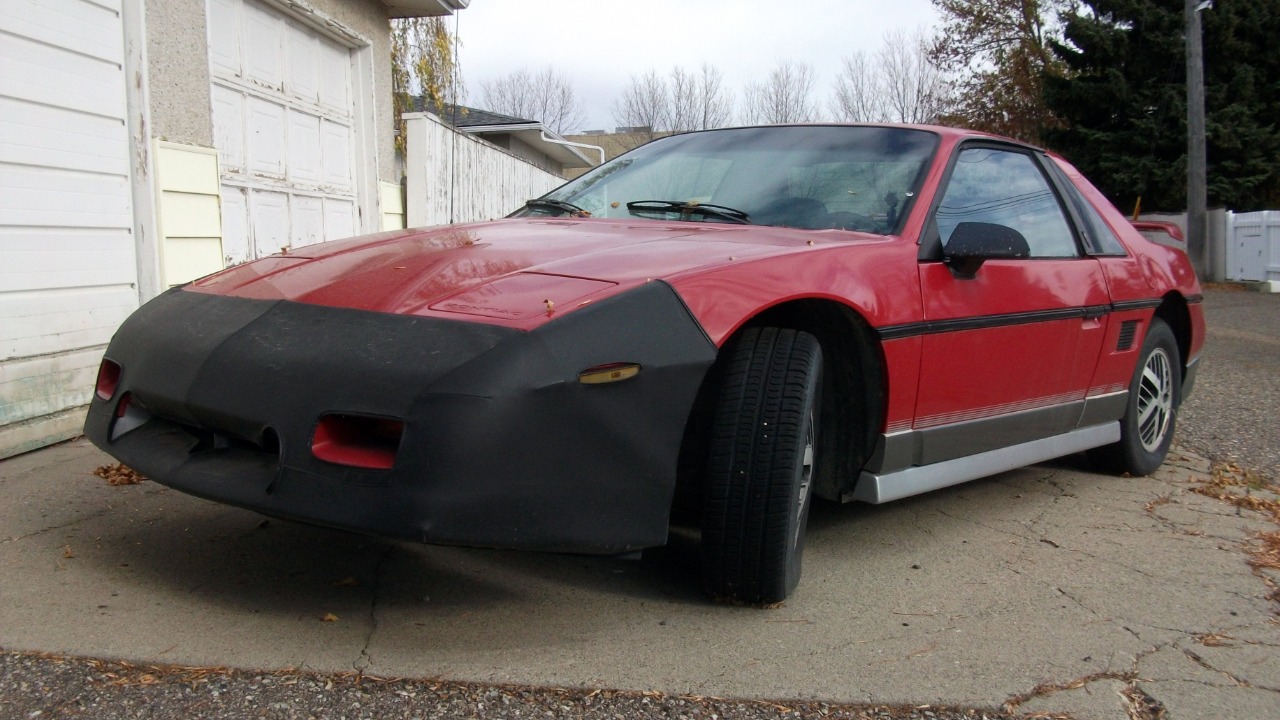
The Pontiac Fiero was unusual because it placed a two-seat sports-car body over a mid-engine layout while remaining relatively affordable. Its transverse engine installation allowed Pontiac to package the drivetrain efficiently, and later versions received stronger performance hardware. The Fiero was never given the development budget of America’s most expensive sports cars, but its basic concept was genuinely interesting. Today, it remains one of the most distinctive examples of Pontiac experimenting outside its usual territory.
Ford Taurus
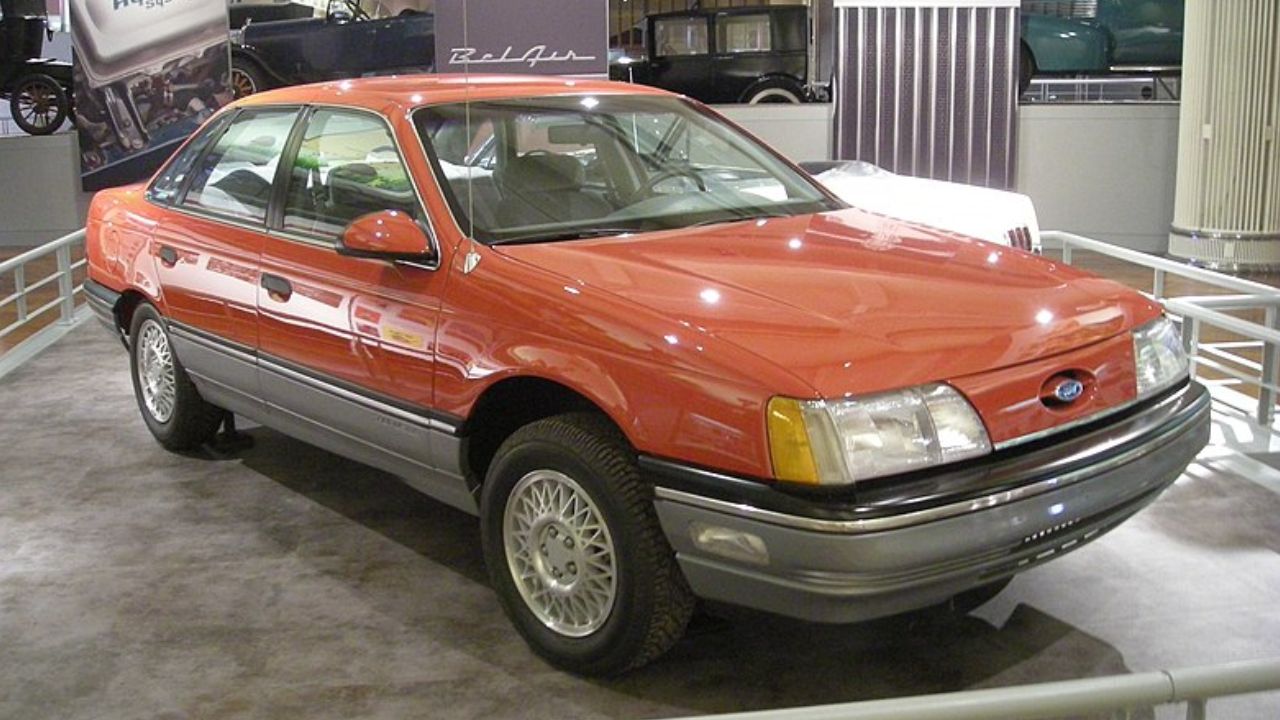
The Ford Taurus helped introduce aerodynamic styling and front-wheel-drive packaging to mainstream American buyers in a major way. Its smooth body looked dramatically different from the boxy sedans that dominated American roads, while the interior layout emphasized space and usability. The Taurus proved that a large domestic automaker could successfully move away from traditional styling without abandoning the family sedan market. Its influence was enormous, with rounded aerodynamic shapes quickly spreading throughout the industry.
AMC Eagle
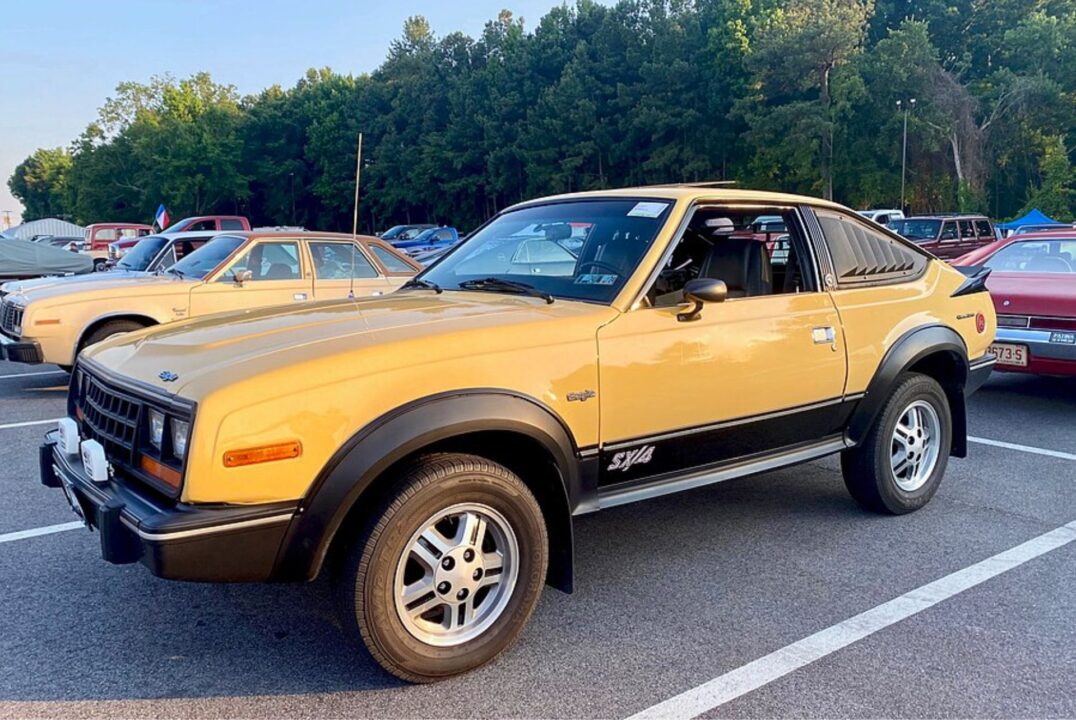
The AMC Eagle blended a passenger-car body with four-wheel drive, creating a formula that looks remarkably familiar today. Its raised stance and available wagon, sedan, and coupe bodies gave buyers more versatility without moving fully into traditional truck-based SUVs. When the Eagle arrived, the idea of an all-wheel-drive family car was unusual in America. Today, its basic concept looks like an early version of the crossover formula that would eventually become mainstream.
Oldsmobile Jetfire
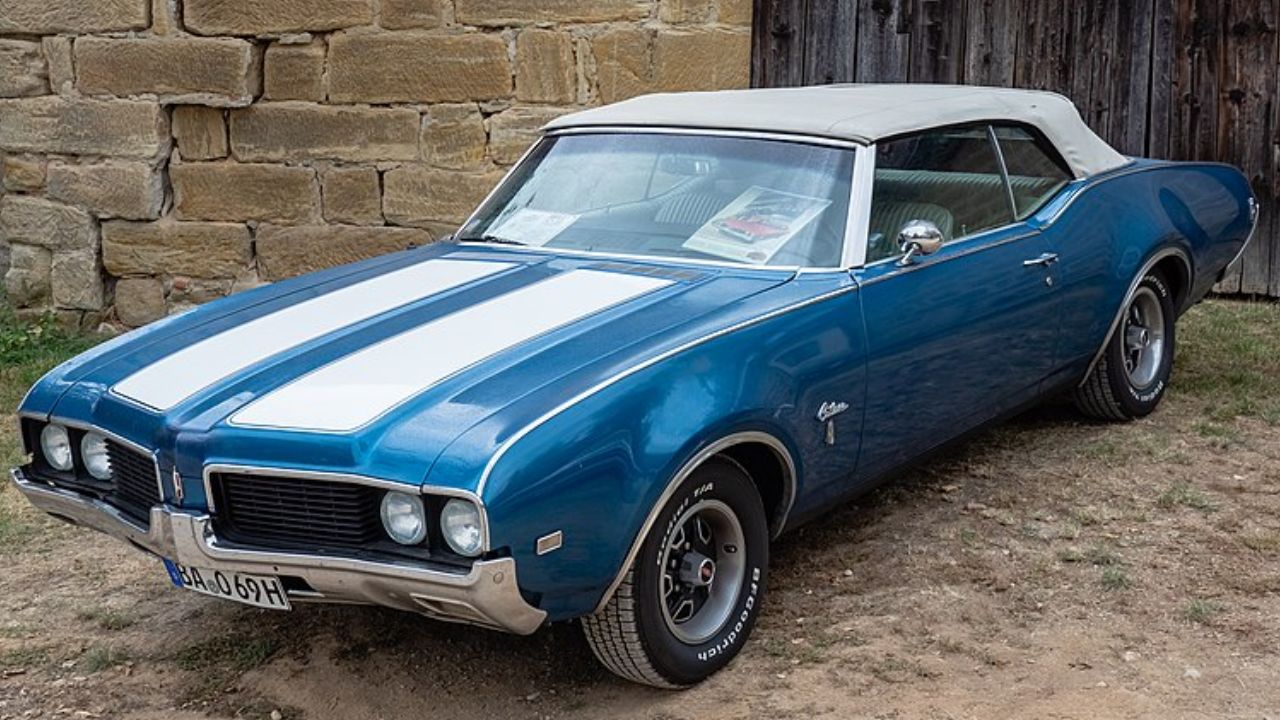
The Oldsmobile Jetfire was one of America’s early turbocharged production cars. Its compact V8 used a turbocharger to increase performance, giving buyers more power without simply relying on a larger engine. The system required specialized maintenance and an unusual fluid arrangement, which contributed to its short production life. Even so, the Jetfire demonstrated that forced induction could be applied to a normal passenger car long before turbocharging became common across the industry.
Chevrolet Vega
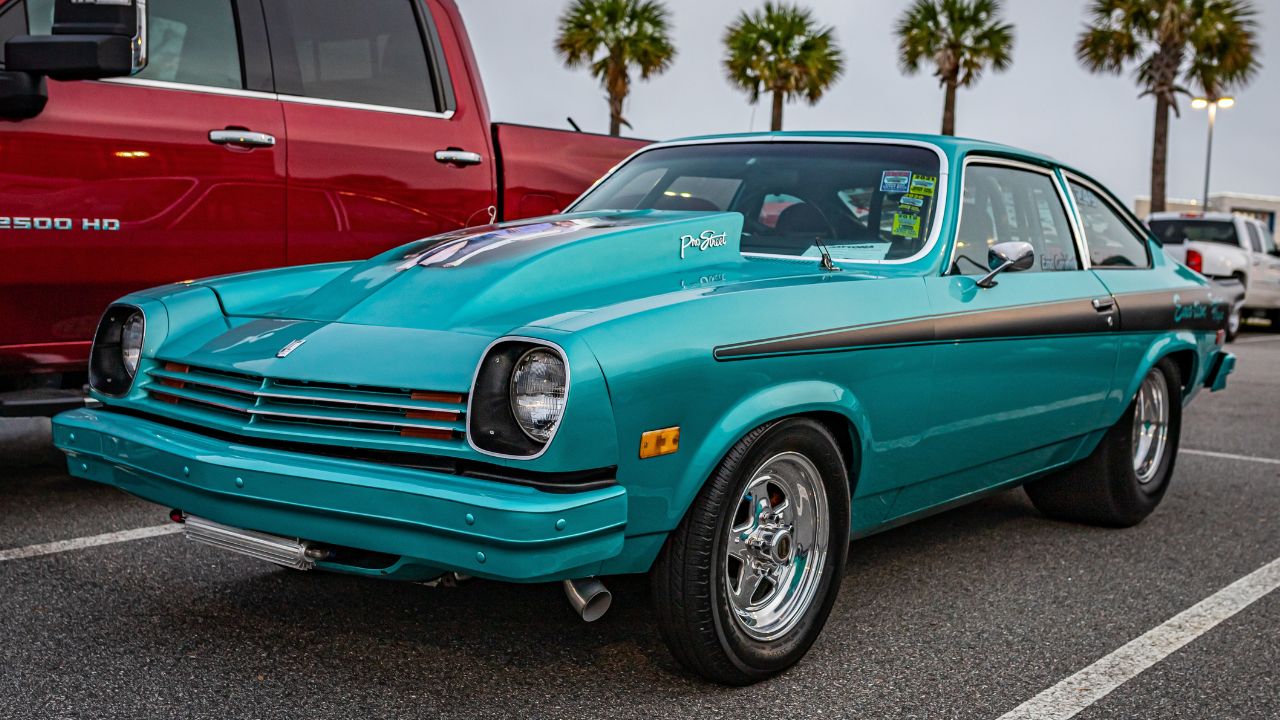
The Chevrolet Vega was designed to compete in the growing compact-car market with a lightweight body and an aluminum engine. Its small size and relatively low weight were significant departures from traditional American engineering. The Vega ultimately developed serious durability and corrosion problems, which overshadowed its more ambitious features. Nevertheless, its basic approach showed Chevrolet trying to reduce weight and improve efficiency at a time when large American cars still dominated the market.
Ford Mustang II
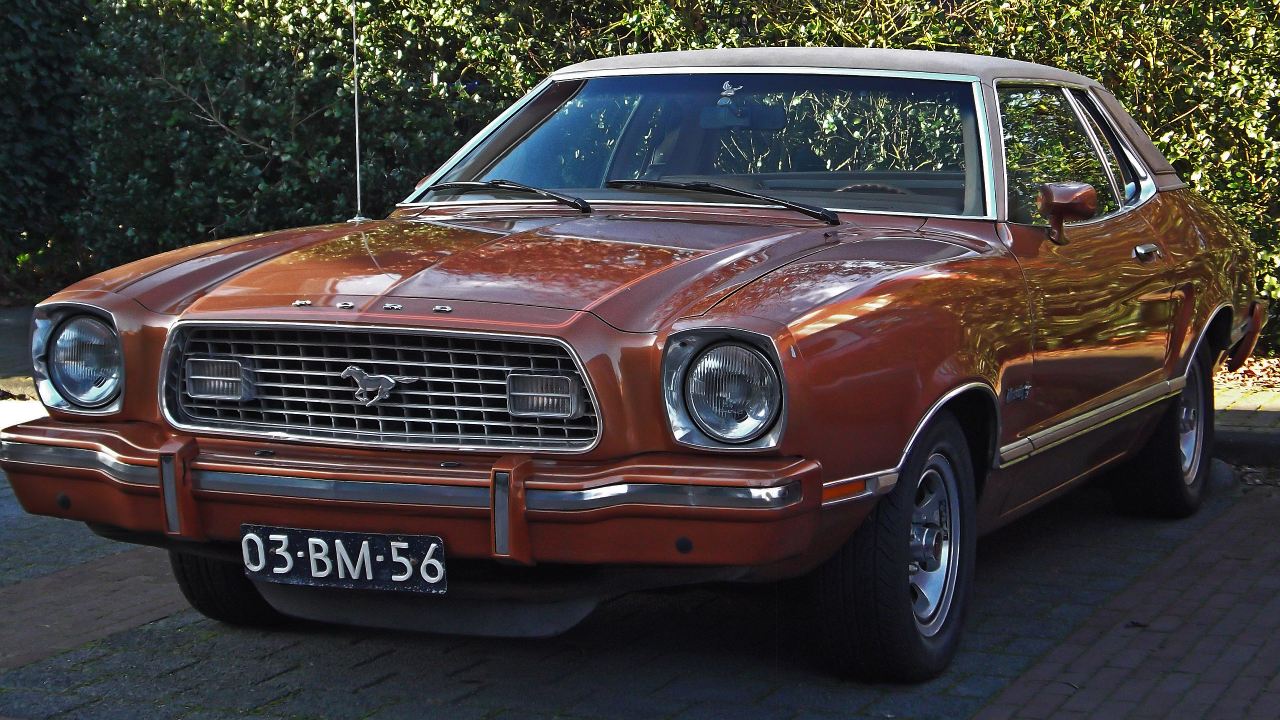
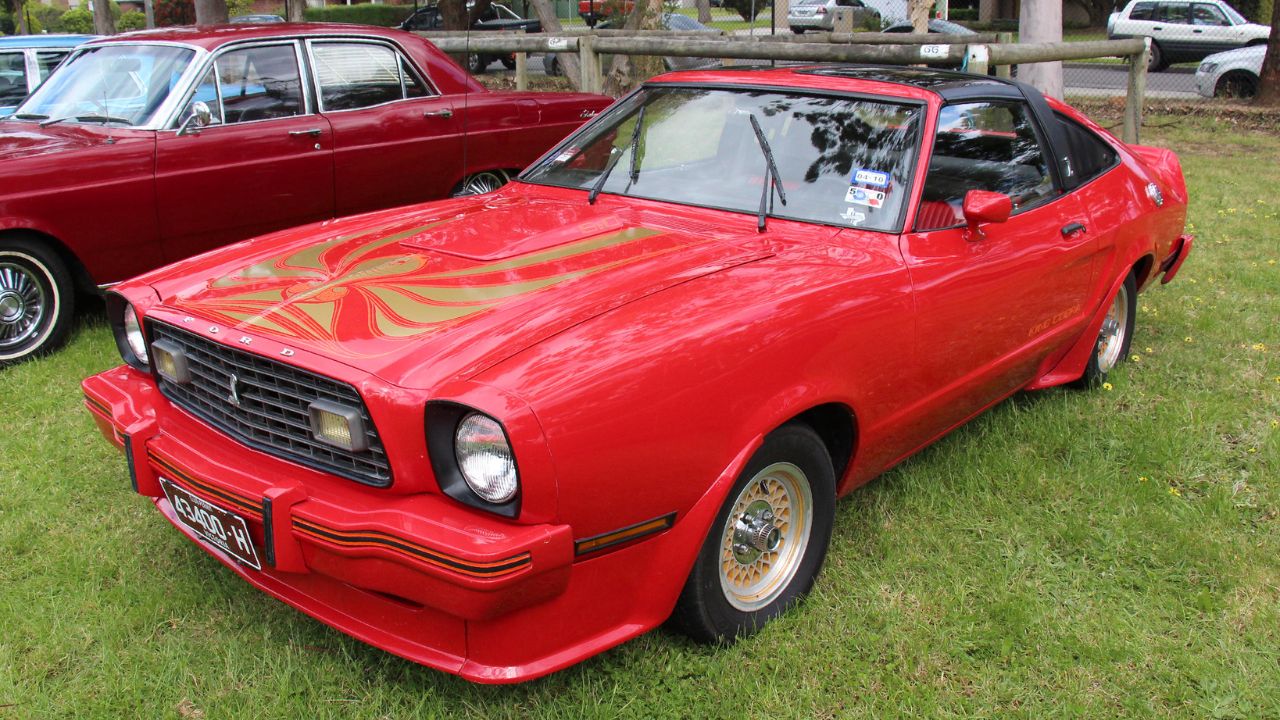
The Mustang II arrived during a period when American buyers were moving toward smaller and more economical vehicles. It was significantly smaller than the earlier Mustang and was designed around changing consumer expectations rather than the muscle-car formula of the previous decade. Its compact proportions and efficient packaging reflected a new direction for American performance cars. Although enthusiasts often debate its place in Mustang history, it clearly anticipated the downsizing trend that would reshape the domestic industry.
Buick Reatta
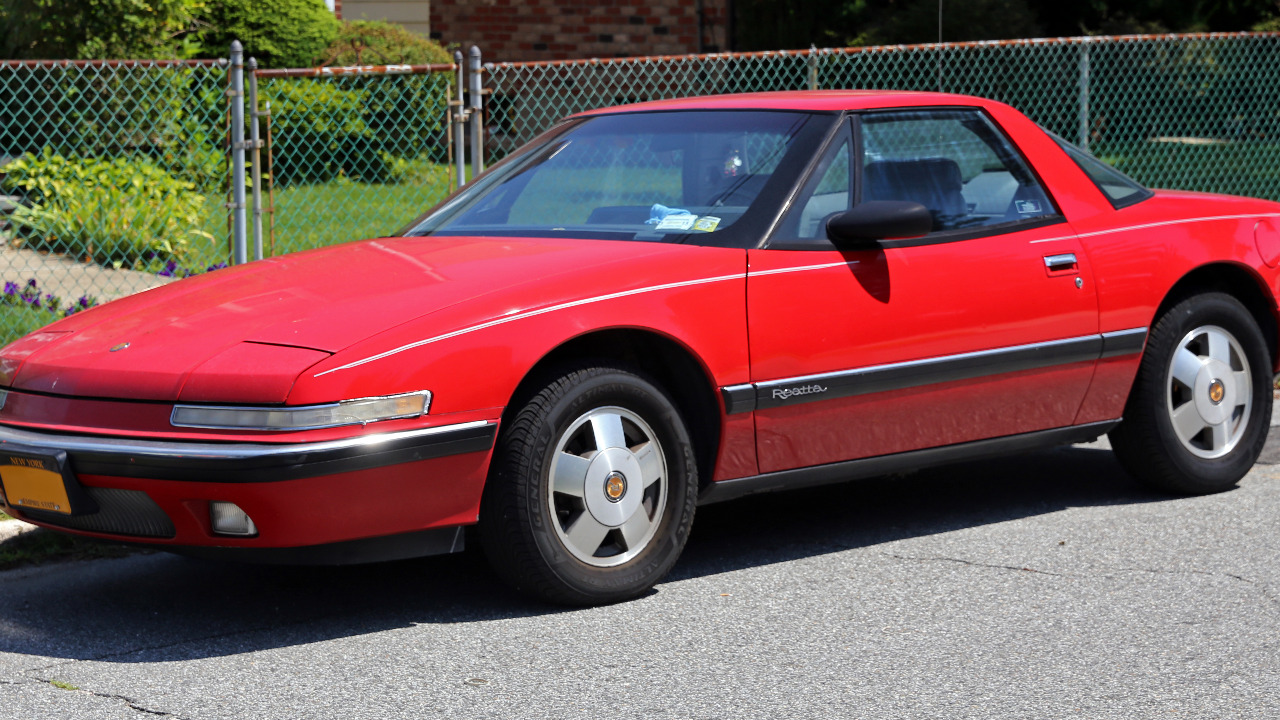
The Buick Reatta was an unusual luxury coupe that combined a relatively compact body with a high level of electronic equipment. Its digital dashboard and touchscreen-based control system were especially notable for the period. Buick also emphasized careful assembly and a more personalized production process than typical high-volume models. The Reatta was expensive and never sold in large numbers, but its emphasis on digital controls and electronic convenience features looks surprisingly modern today.
Cadillac Allanté
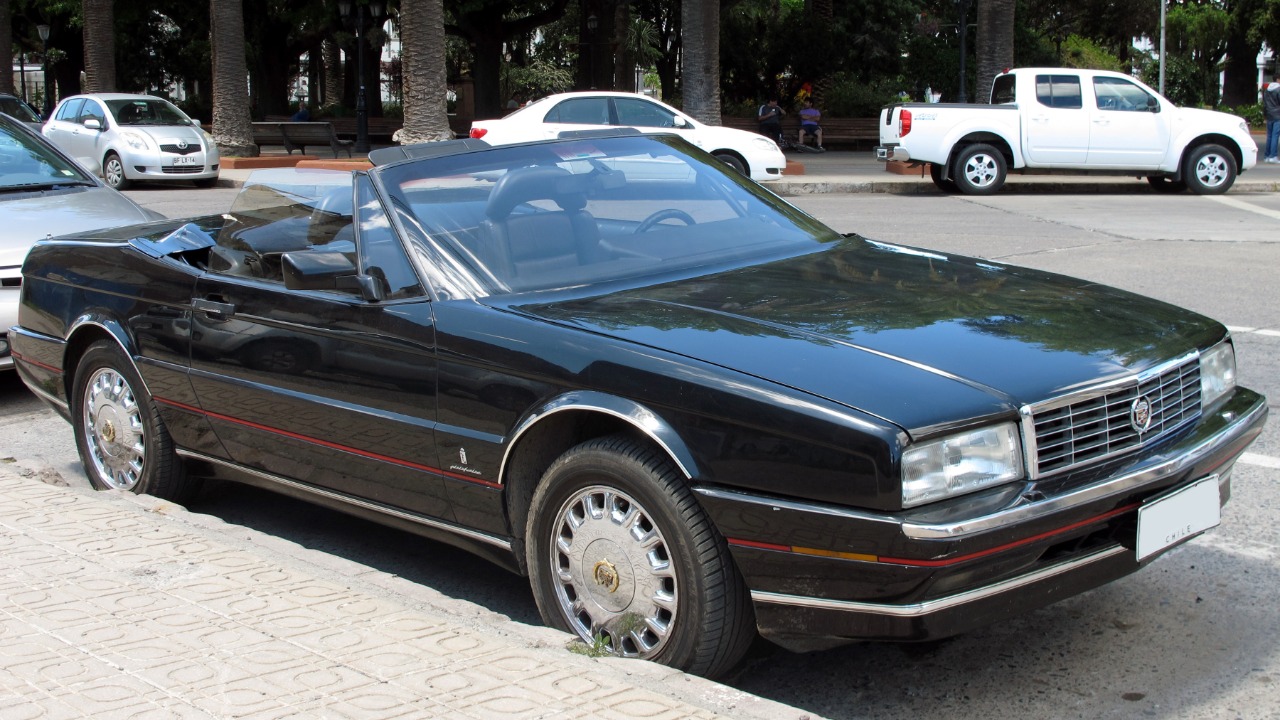
The Cadillac Allanté was an ambitious attempt to give Cadillac a sophisticated two-seat convertible that could compete with established European luxury brands. Its bodywork was designed in Italy and produced by Pininfarina, while the cars were transported to America for final assembly. The logistics were complicated, but the result was visually distinctive. The Allanté demonstrated that Cadillac was willing to experiment with international design and specialized production rather than relying entirely on traditional American luxury-car formulas.
Chrysler Turbine Car
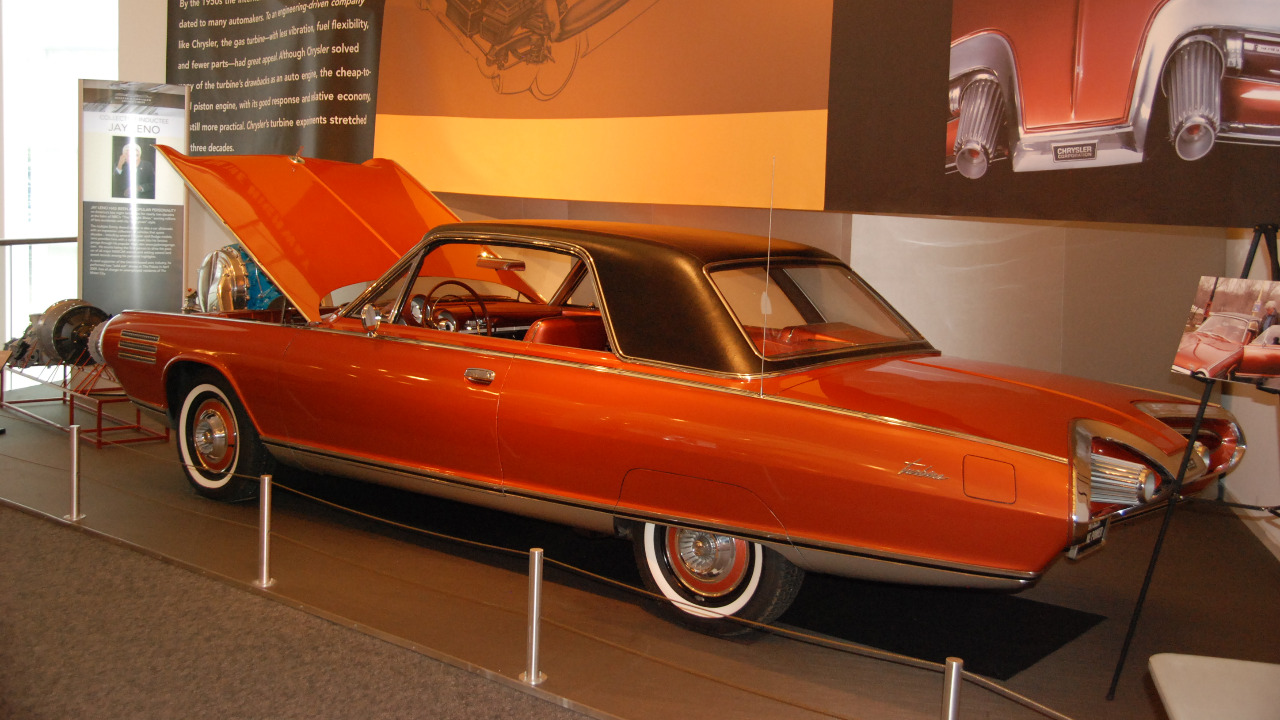
The Chrysler Turbine Car was one of the boldest experiments ever undertaken by an American automaker. Instead of a conventional piston engine, it used a gas turbine that could operate on several types of fuel. Chrysler built a small fleet for a public evaluation program, allowing ordinary drivers to experience turbine-powered transportation. The project never became a production model, but it showed how seriously American engineers once considered completely different approaches to automotive power.
AMC Pacer
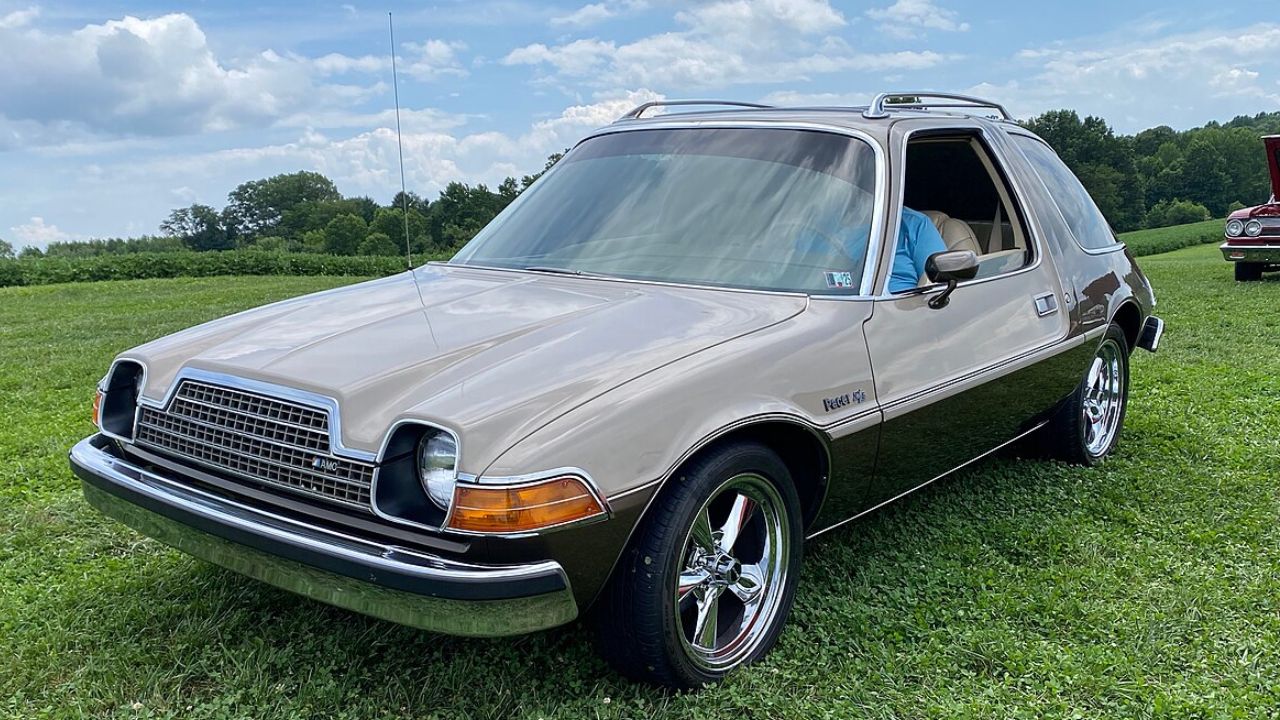
The AMC Pacer was designed around a wide body, large glass area, and compact overall length. Its unusual proportions were intended to improve interior space and visibility while giving passengers a more open cabin. The design was radically different from the boxy American cars of the period, and its unusual appearance made it difficult for buyers to understand. Today, the Pacer is remembered as an example of AMC trying to rethink what a compact American car could look and feel like.
Chevrolet SSR
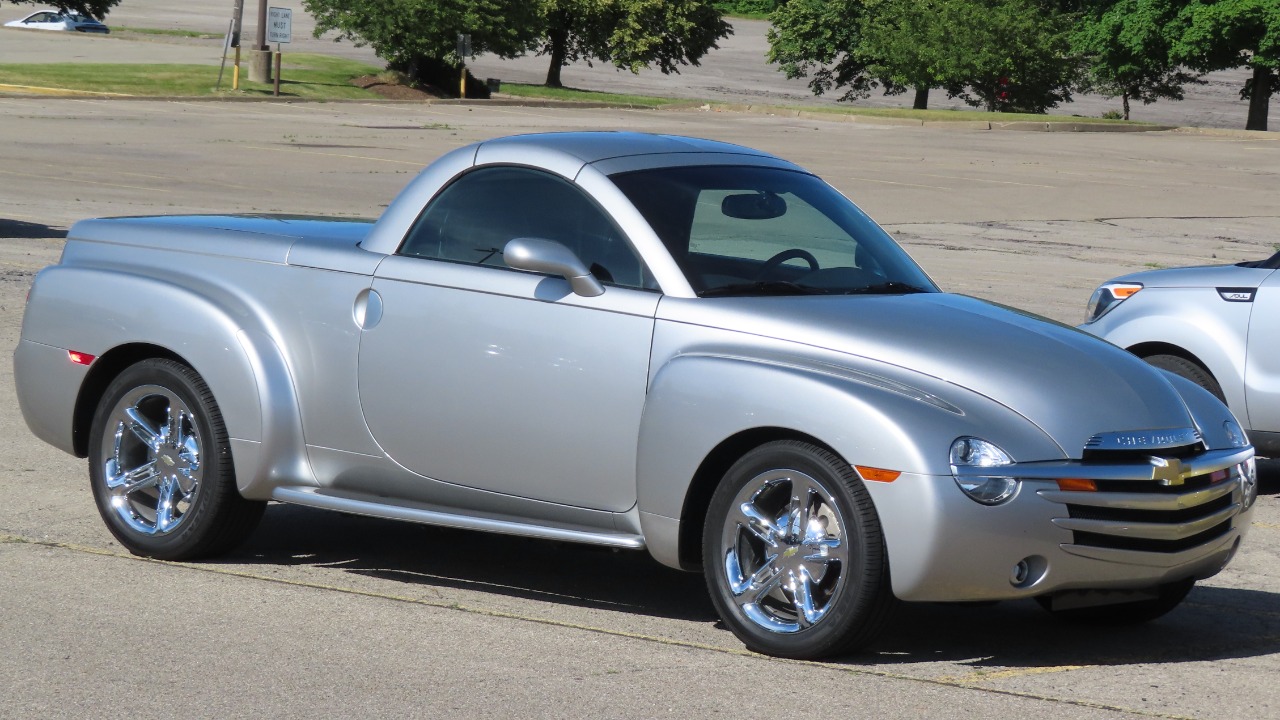
The Chevrolet SSR combined a retro pickup body with a retractable hardtop and a performance-oriented V8. Its unusual combination of pickup practicality, convertible-style openness, and sports-car hardware made it unlike almost anything else in Chevrolet’s lineup. Sales were limited, but the concept anticipated today’s interest in lifestyle vehicles that blur traditional categories. The SSR remains a memorable example of Chevrolet building something purely because it could, rather than because it fit neatly into an existing segment.
Dodge Viper
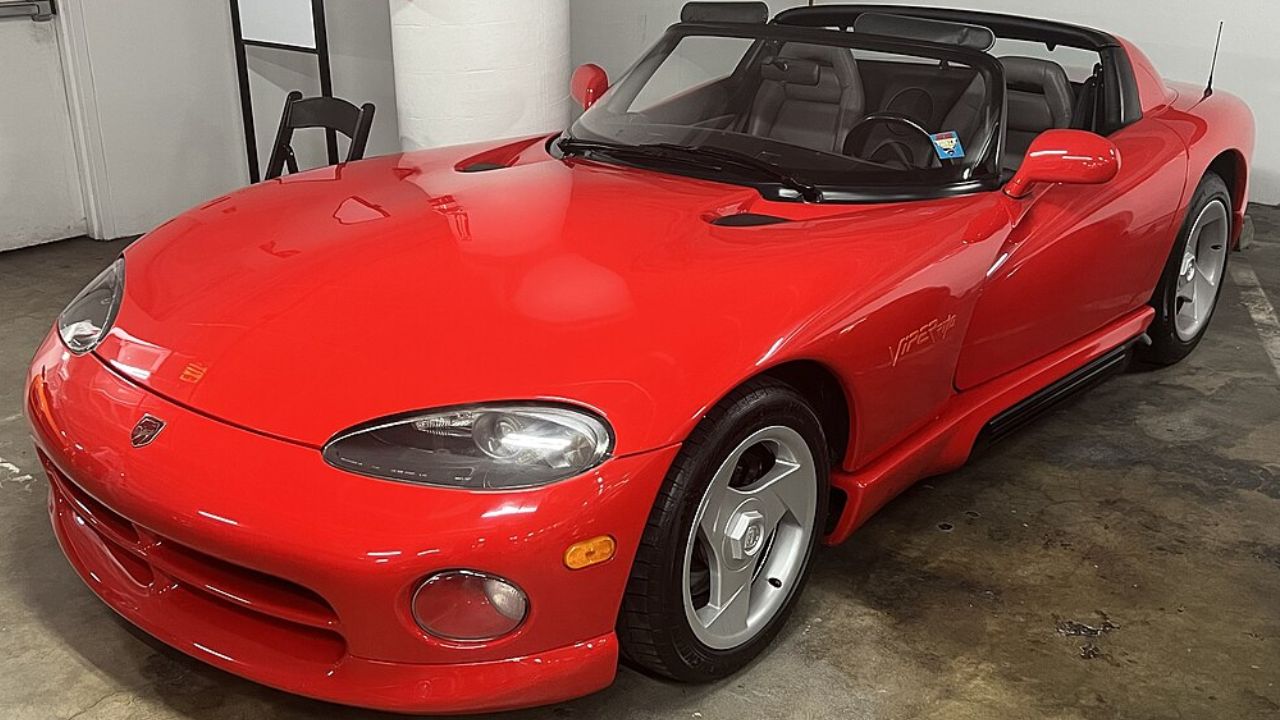
The original Dodge Viper was a radical departure from the increasingly refined sports cars of its era. Its enormous V10, lightweight construction, minimal electronic assistance, and aggressive styling created an experience that emphasized raw mechanical performance. It was not designed to be easy or conventional, and that made it stand out immediately. The Viper also demonstrated that Chrysler could build a serious American sports car around a massive engine without following the usual luxury-oriented formula.
Saturn S-Series
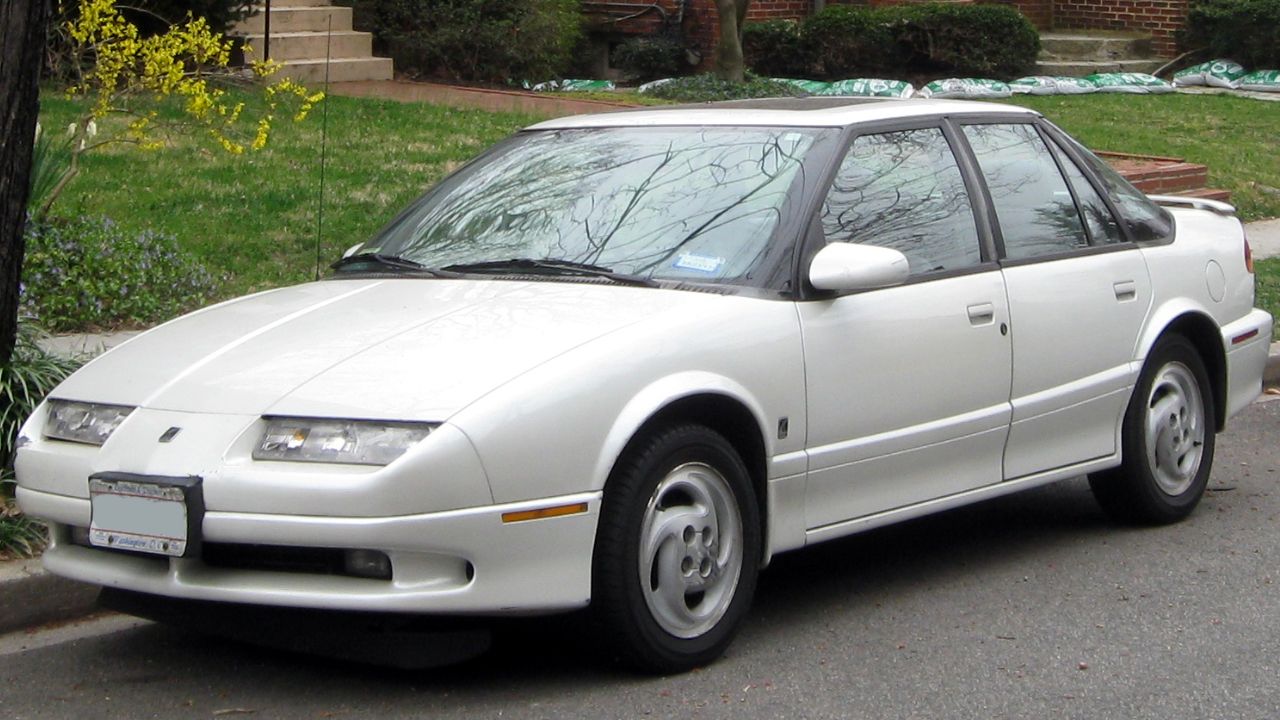
The Saturn S-Series represented a different approach to building and selling an American compact car. Its dent-resistant plastic body panels were designed to reduce visible damage from minor impacts, while the spaceframe structure supported the lightweight body. Saturn also emphasized a different dealership experience and customer-service model. The approach did not transform the industry as intended, but several of its ideas were genuinely unusual for a mass-market American car and remain interesting today.
More from Fast Lane Only
- Unboxing the WWII Jeep in a Crate
- 15 rare Chevys collectors are quietly buying
- 10 underrated V8s still worth hunting down
- Police notice this before you even roll window down
*Research for this article included AI assistance, with all final content reviewed by human editors.