When it comes to American muscle, big-block V8 engines have solidified their place in automotive history. These powerhouses not only defined an era but also left an indelible mark on performance that many modern engines aspire to replicate. While some V8s have remained in the spotlight, several remarkable engines have been overshadowed by their more famous counterparts. Here’s a look at seven forgotten big-block V8s that truly outran everything in their class.
The Chevy 454 LS6: A Powerhouse of Performance
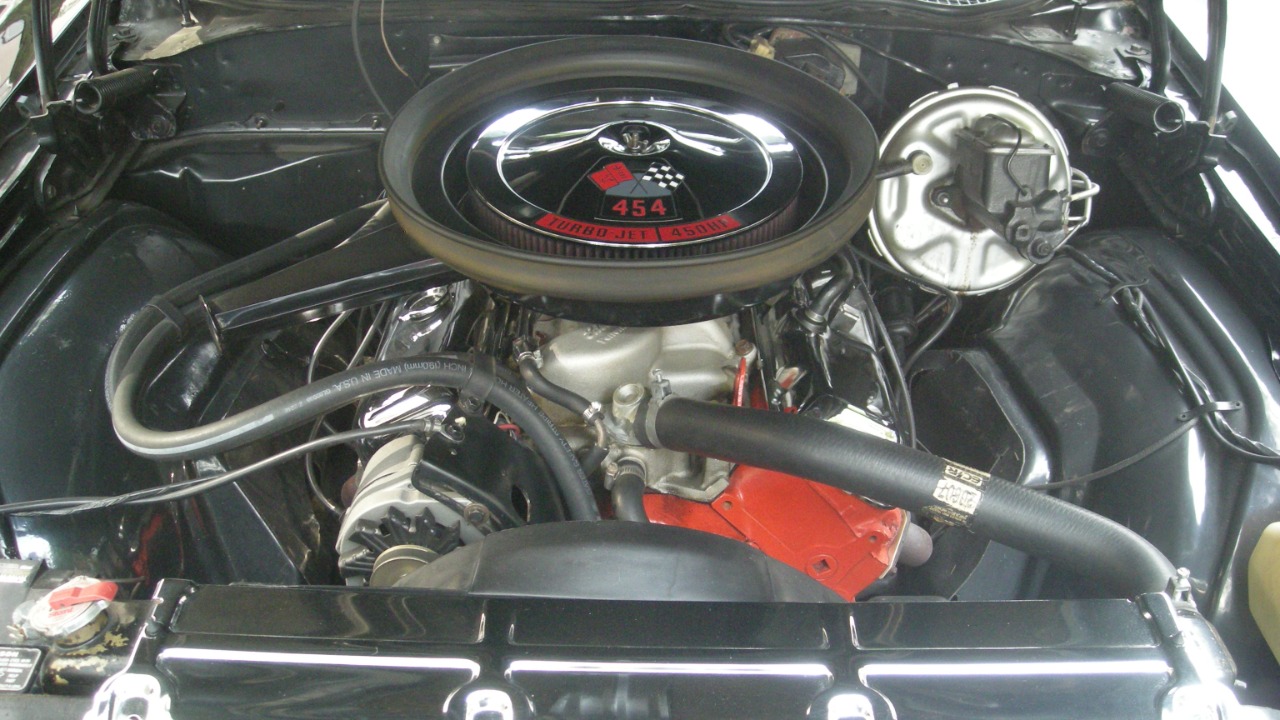
The 1970 Chevrolet 454 LS6 is often regarded as one of the most powerful engines of its time. With a staggering 450 horsepower and 500 lb-ft of torque, this big block was a beast on the road. It was designed for the Chevrolet Chevelle and became synonymous with performance, dominating the muscle car scene. The LS6 featured a high-lift camshaft, aluminum intake manifold, and a Holley carburetor, which all contributed to its impressive performance metrics.
What makes the LS6 particularly noteworthy is how it combined raw power with a surprisingly manageable driving experience. Many drivers appreciated its responsiveness and smooth acceleration, making it a favorite among enthusiasts. Despite being overshadowed by other iconic engines, the LS6 remains a vital part of American automotive history. For a deeper dive into its legacy, you can check out more details here.
The Ford 429 Cobra Jet: The Ultimate Drag Racer
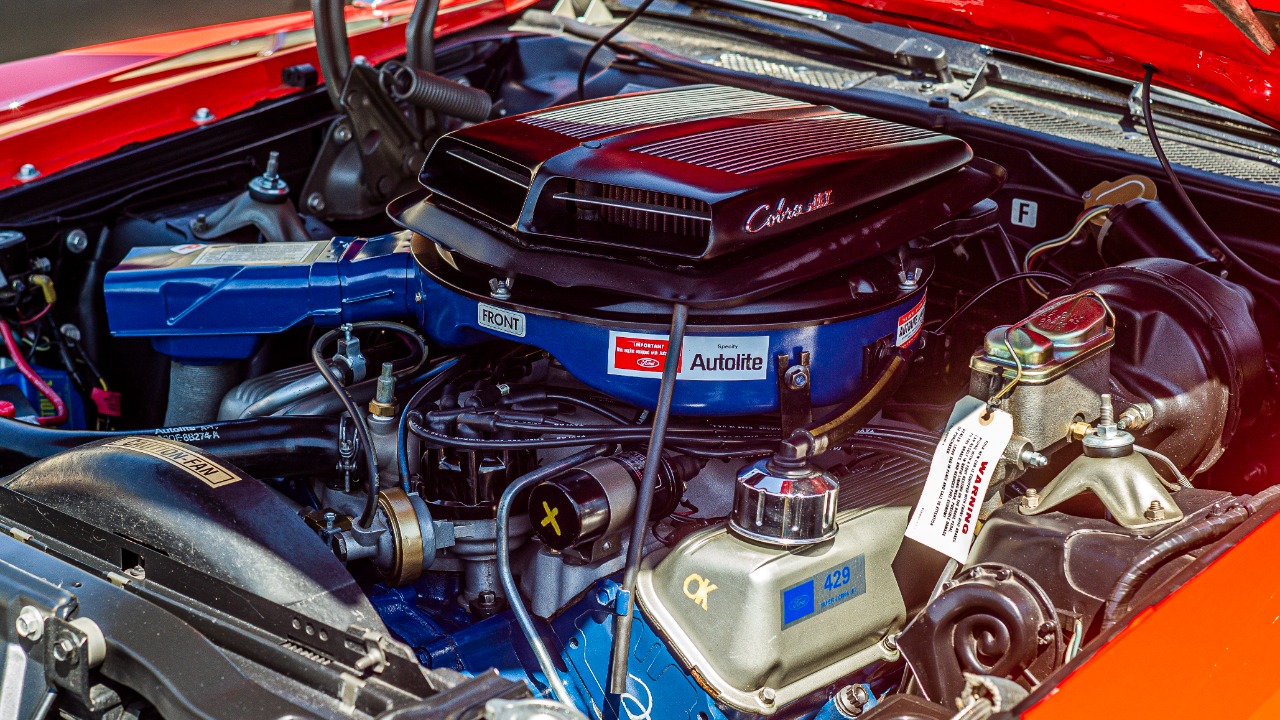
The Ford 429 Cobra Jet made waves in the late 1960s and early 1970s, particularly with its iconic use in the Ford Mustang. Offering 370 horsepower and 480 lb-ft of torque, this engine was specifically designed to excel on the drag strip. Its factory-tuned performance made it a popular choice among racers, and it quickly earned a reputation for being one of the fastest production engines of its time.
With features like a high-performance intake manifold and a specially calibrated carburetor, the 429 Cobra Jet was engineered for speed. Its lightweight design made it an excellent choice for drag racing, and many enthusiasts remember it fondly for its thrilling acceleration. Today, the 429 Cobra Jet is often overshadowed by its smaller siblings, but it remains a significant piece of Ford’s performance legacy. For more insights into its impact on muscle car history, see this article.
The Dodge 440 Six-Pack: A Torque Monster
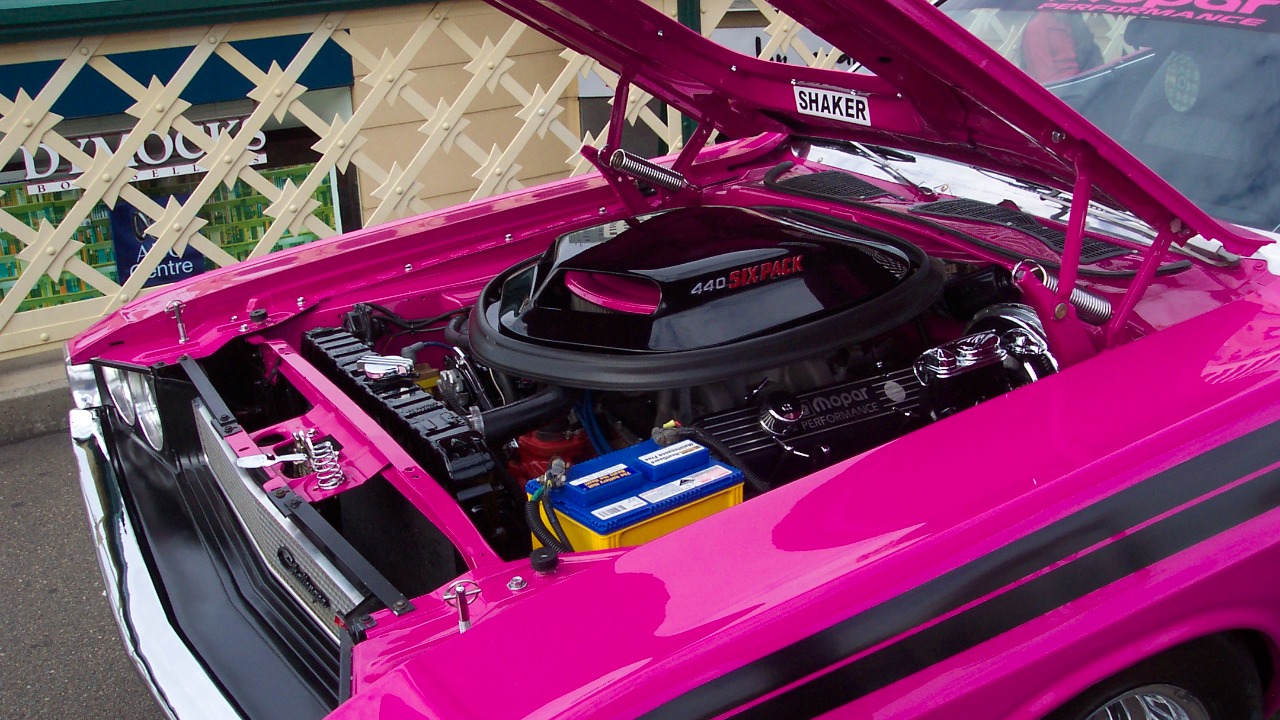
The Dodge 440 Six-Pack is a true torque monster from the late 1960s and early 1970s. This engine featured a tri-carburetor setup, which effectively boosted its power output to 390 horsepower and an astonishing 480 lb-ft of torque. The 440 Six-Pack was renowned for its ability to deliver exceptional low-end power, making it a favorite among drag racers and street enthusiasts alike.
What truly set the 440 apart was its versatility. It could be found in various Dodge models, including the Charger and the Coronet, and consistently outperformed its competition in both speed and durability. Despite being somewhat forgotten in the modern era, the 440 Six-Pack remains a symbol of American muscle, showcasing the peak of Dodge’s engineering prowess. To learn more about its history, you can explore this resource.
The Pontiac 455 HO: The Muscle Car’s Secret Weapon
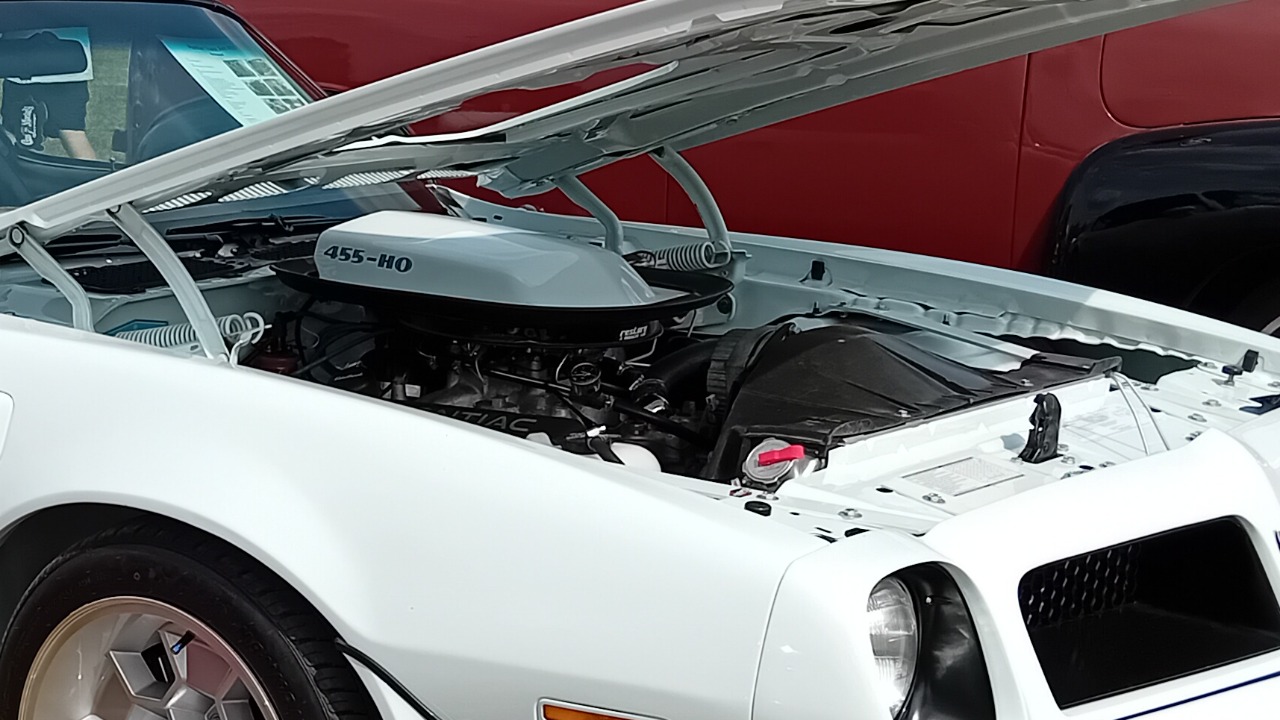
The Pontiac 455 HO emerged in the early 1970s as a muscle car powerhouse. It boasted a robust 360 horsepower and 500 lb-ft of torque, making it a formidable option for anyone seeking speed and performance. Found in models like the Pontiac Trans Am and Grand Prix, the 455 HO was designed for those who demanded a thrilling driving experience.
One of the key features of the 455 HO was its distinctive styling and performance enhancements, which included a high-flow intake and exhaust system. This allowed the engine to breathe more easily and deliver power more efficiently. Despite its impressive specs, the 455 HO often gets eclipsed by other engines, but for those in the know, it remains a hidden gem worth remembering.
The Oldsmobile 455 Rocket: A Smooth Operator
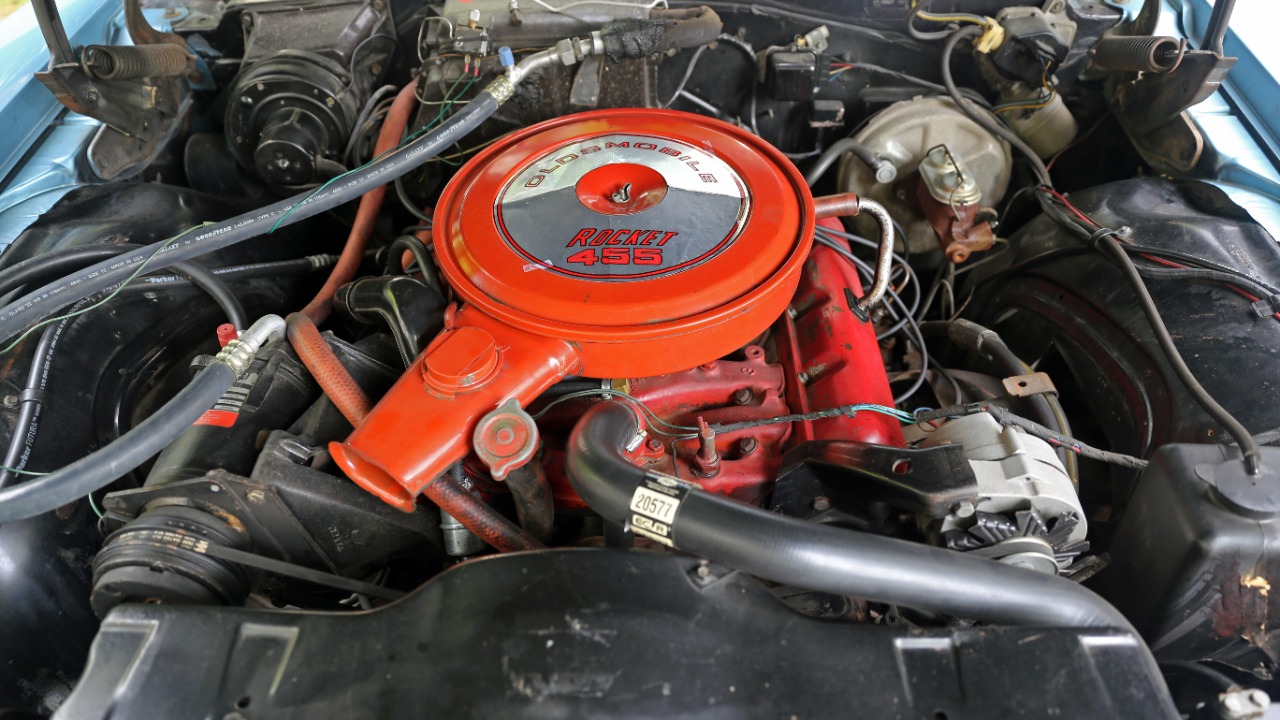
The Oldsmobile 455 Rocket was a standout in the muscle car world, renowned for its smooth operation and robust performance. With an output of 365 horsepower and 500 lb-ft of torque, this engine was designed for those who wanted power without sacrificing comfort. It was featured in popular models like the Oldsmobile Cutlass and Toronado, and its reputation for reliability made it a favorite among enthusiasts.
What I find fascinating is how the 455 Rocket balanced performance and refinement. Its design incorporated a long-stroke configuration, which contributed to its smooth power delivery. This engine was not just about raw speed; it offered a driving experience that was both exhilarating and comfortable. The 455 Rocket may not always receive the recognition it deserves, but it remains an essential part of Oldsmobile’s legacy.
The Buick 455 Stage 1: The Underestimated Contender
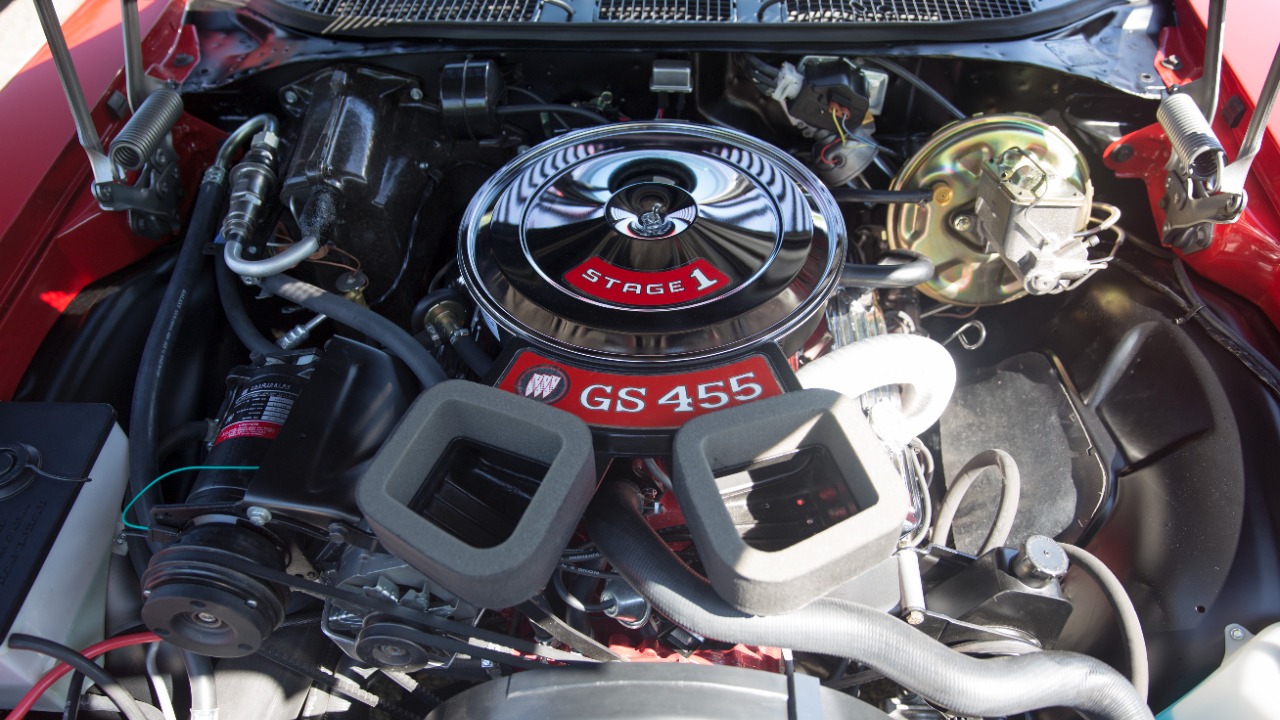
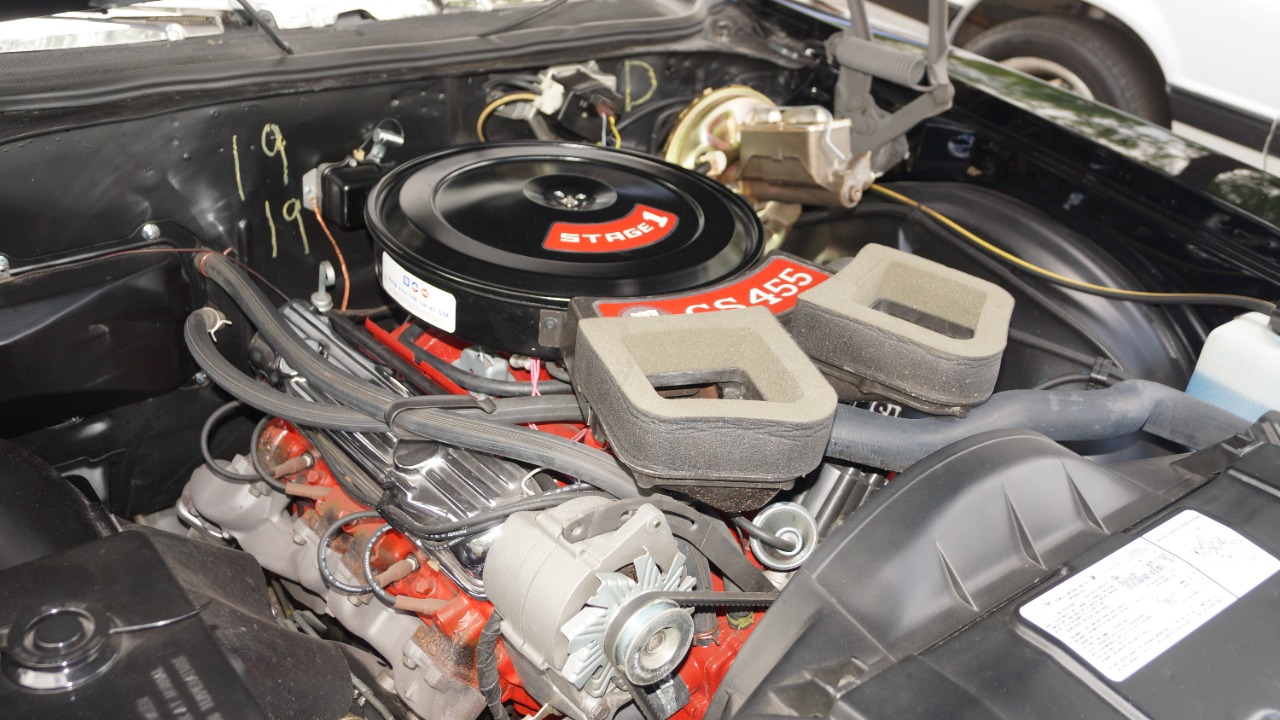
The Buick 455 Stage 1 is often overlooked in the pantheon of muscle car engines, yet it was one of the most powerful options available in the early 1970s. Generating 360 horsepower and 510 lb-ft of torque, this engine was designed for serious performance enthusiasts. It was featured in models like the Buick Skylark and Riviera, showcasing Buick’s commitment to power and speed.
What set the Stage 1 apart was its unique set of performance enhancements, including a high-performance camshaft, carburetor, and exhaust system. This allowed the engine to deliver impressive acceleration and a thrilling driving experience. Despite being overshadowed by more famous competitors, the Buick 455 Stage 1 is a testament to the brand’s engineering capabilities. Its legacy continues to inspire enthusiasts today, and it deserves a spot in the spotlight.
The Chrysler 426 Hemi: The King of the Strip
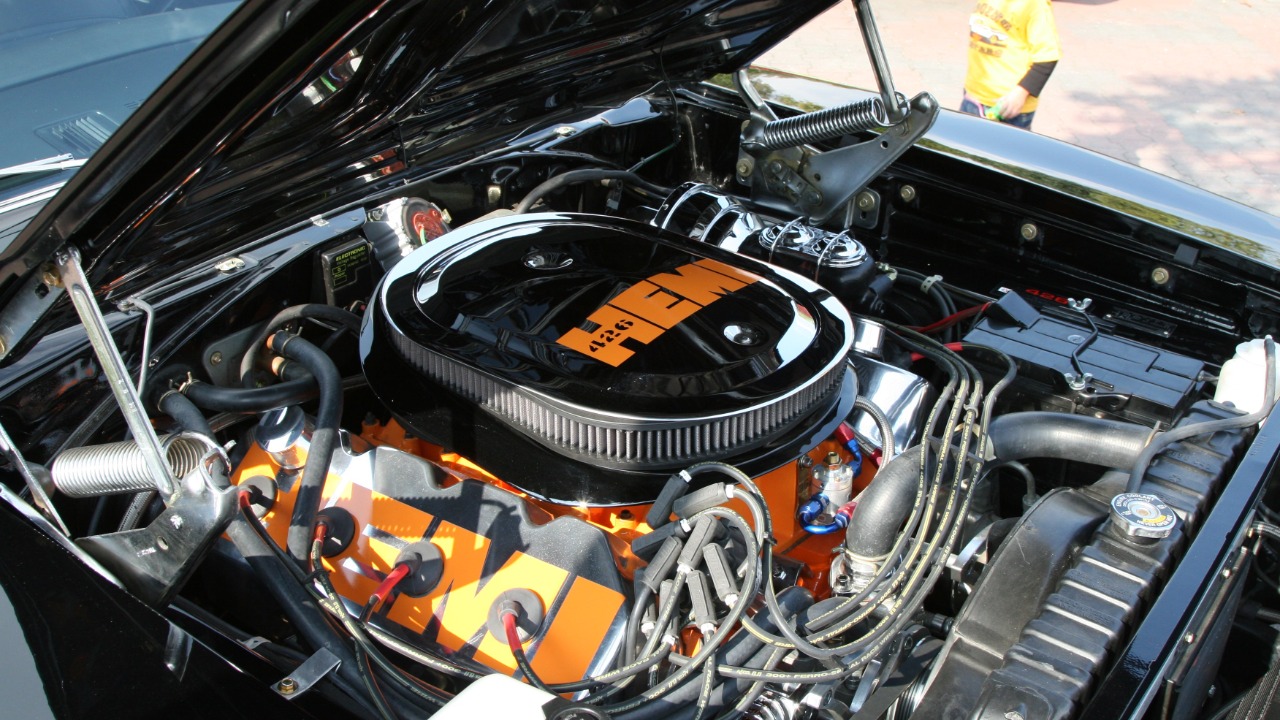
The Chrysler 426 Hemi is perhaps the most legendary big-block V8, known as the king of the drag strip during its heyday in the 1960s and 1970s. With a staggering 425 horsepower and 490 lb-ft of torque, the Hemi became a favorite among racers. Its design featured hemispherical combustion chambers, which maximized airflow and power output, making it a high-performance marvel.
What truly cemented the Hemi’s status was its dominance in motorsports, particularly in drag racing. It powered iconic vehicles like the Dodge Charger and Plymouth Superbird, allowing them to achieve remarkable speeds on the track. Despite its notoriety, the 426 Hemi has often been romanticized, leaving many to forget just how groundbreaking it was. For those interested in understanding the full impact of the Hemi on American muscle, you can check out this video.
More from Fast Lane Only
- Unboxing the WWII Jeep in a Crate
- 15 rare Chevys collectors are quietly buying
- 10 underrated V8s still worth hunting down
- Police notice this before you even roll window down
*Research for this article included AI assistance, with all final content reviewed by human editors.