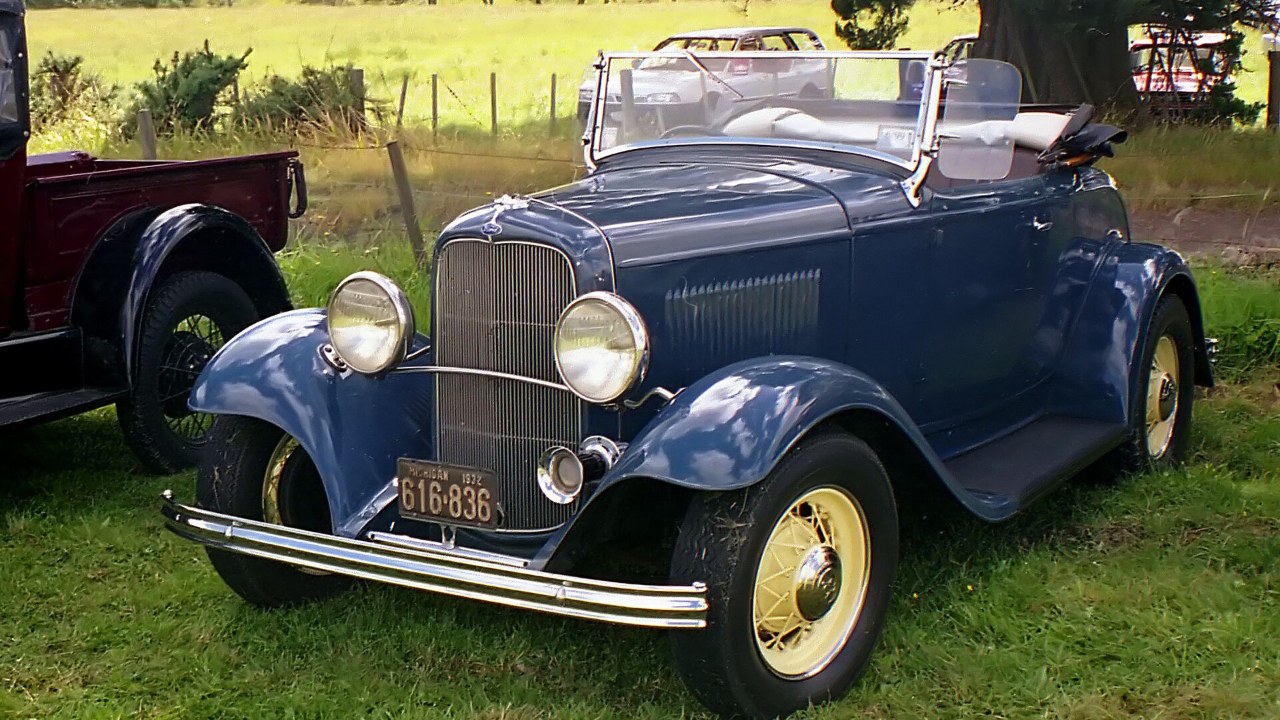
The 1930s opened in the Depression, yet low-priced cars kept gaining features that drivers could feel from behind the wheel. Starting with the 1932 Ford V-8, these nine everyday cars brought eight-cylinder power, smoother engines and independent front suspension within reach of ordinary buyers.
None of them is a rare coachbuilt classic. Instead, each one sold to families, and every entry gives its own engine, price or sales figures with the source linked.
1. 1932 Ford V-8

Ford introduced its Model 18 in March 1932, and with it came what Conceptcarz’s model history calls “the first low-cost V8 engine ever produced.” The V8 cost about $50 more than a comparable four-cylinder Model B.
The 221-cubic-inch flathead in the 1932 Ford V-8 made 65 hp at 3,400 rpm and 130 lb-ft at 1,250 rpm, according to Conceptcarz. A roadster listed at $460, a coupe at $490 and a Tudor sedan at $500. A year later, Ford raised output to 75 hp for 1933.
2. 1931–1932 Plymouth PA
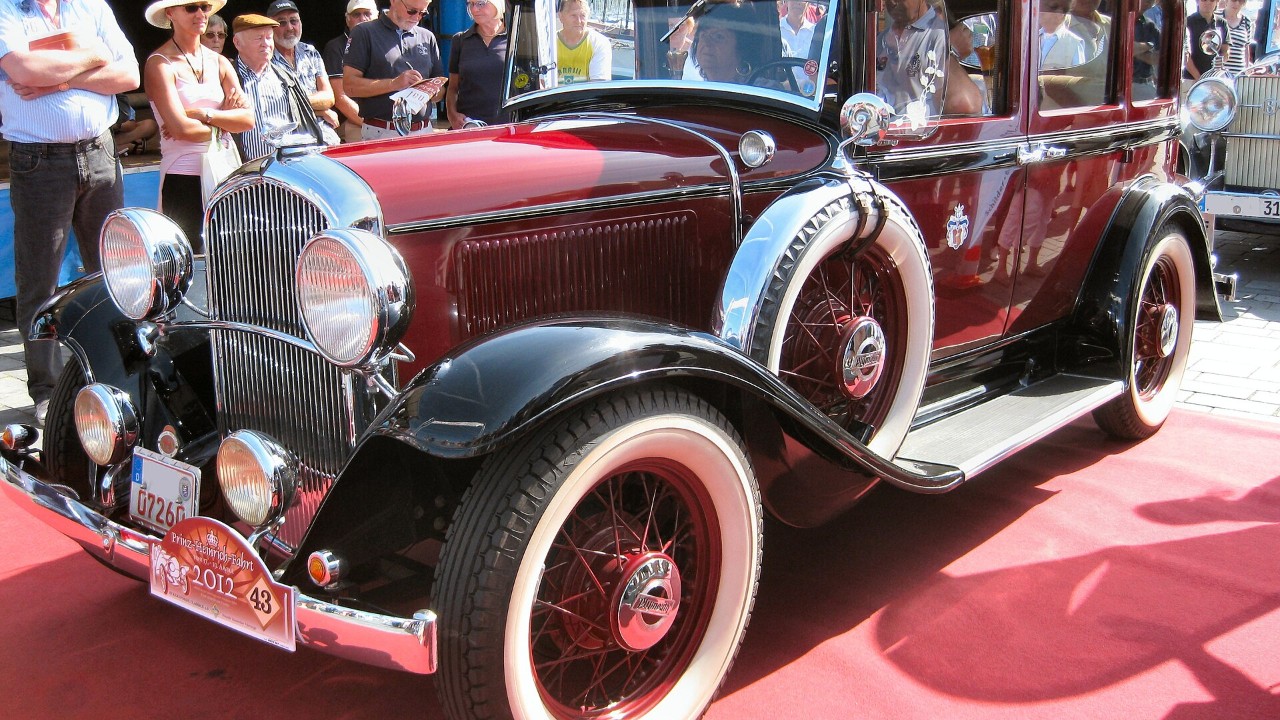
Chrysler introduced Floating Power on its low-priced Plymouth in 1931. The ads promised “the smoothness of an eight—the economy of a four,” and Chrysler spread the idea across its brands in 1932.
The 196.1-cubic-inch four made 56 hp at 2,800 rpm in 1931, Mac’s Motor City Garage reports. Plymouth also fitted four-wheel hydraulic brakes as standard, which Ford and Chevrolet did not offer for some years. Meanwhile, Plymouth climbed from seventh in U.S. production in 1930 to fourth in 1931 and third in 1932.
3. 1933 Plymouth PD
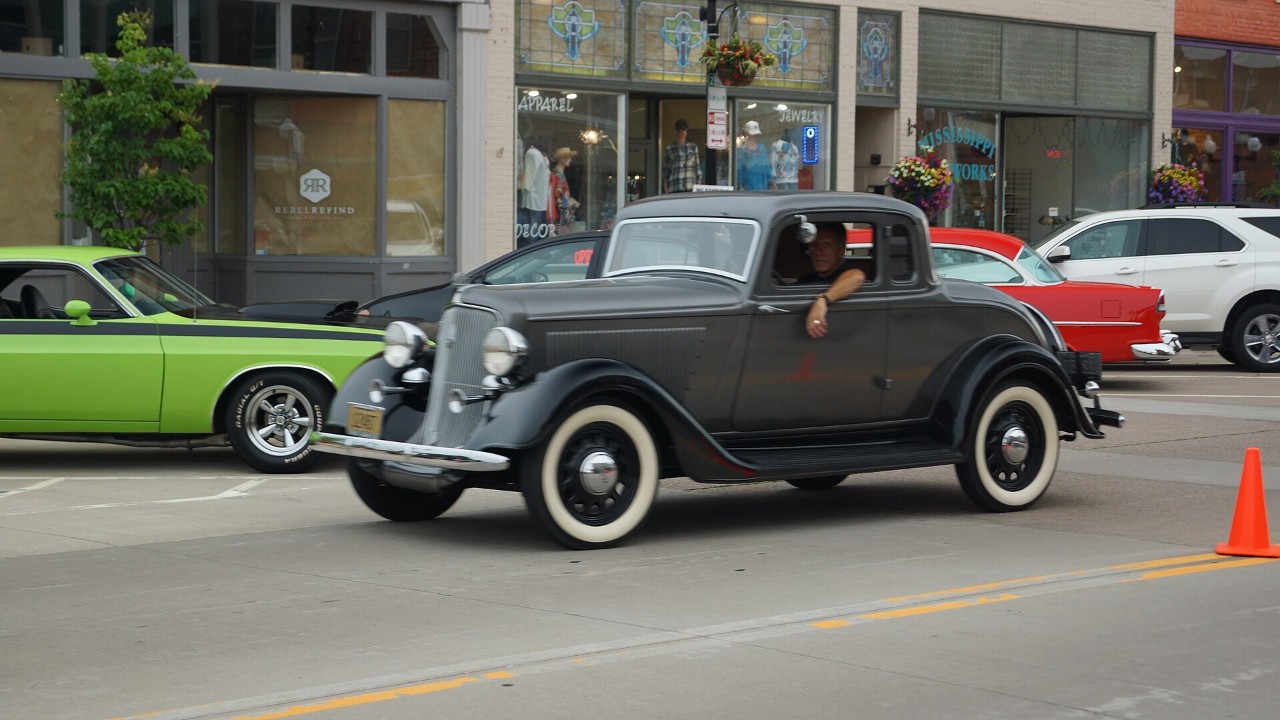
Plymouth’s first six arrived in October 1932 as a 1933 model, and Mac’s Motor City Garage calls it “a bit of a misfire.” The original PC rode a 107-inch wheelbase, shorter than the four-cylinder PB’s 112 inches. So Plymouth soon answered with the PD on a 112-inch wheelbase.
Its 189.8-cubic-inch L-head six made 70 hp, or 76.5 hp with the optional Red Head cylinder head, the same site notes. Plymouth built more than 298,000 cars in 1933. After that, the six stayed in production, with updates and bigger displacements, through 1959.
4. 1934 Chevrolet Master DA
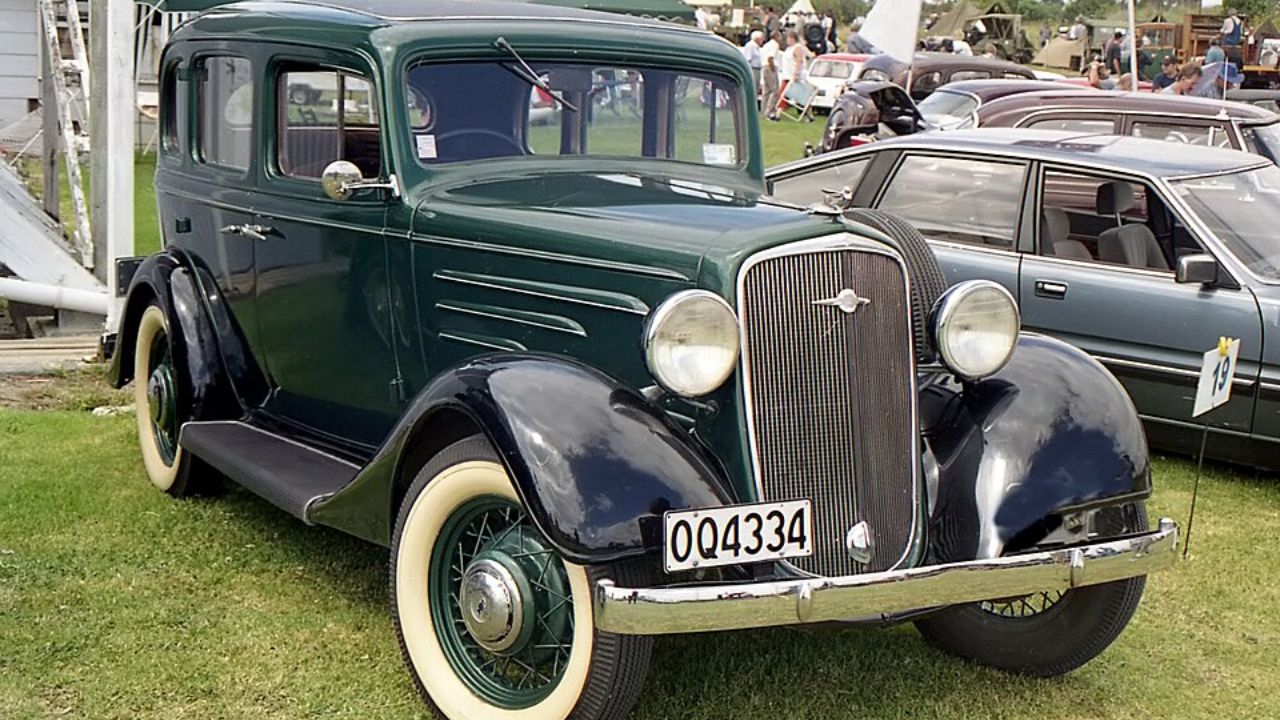
For 1934, Chevrolet’s Master DA rode on Knee-Action independent front suspension with coil springs. At the back, it kept a semi-floating axle.
Its 206.8-cubic-inch six made 80 bhp at 3,300 rpm, Conceptcarz lists. Prices ran from $600 for a business coupe or town sedan to $802 for the sport coupe. As for volume, Chevrolet built 452,412 Master DAs out of 551,191 cars that year.
5. 1933 Pontiac Economy Eight
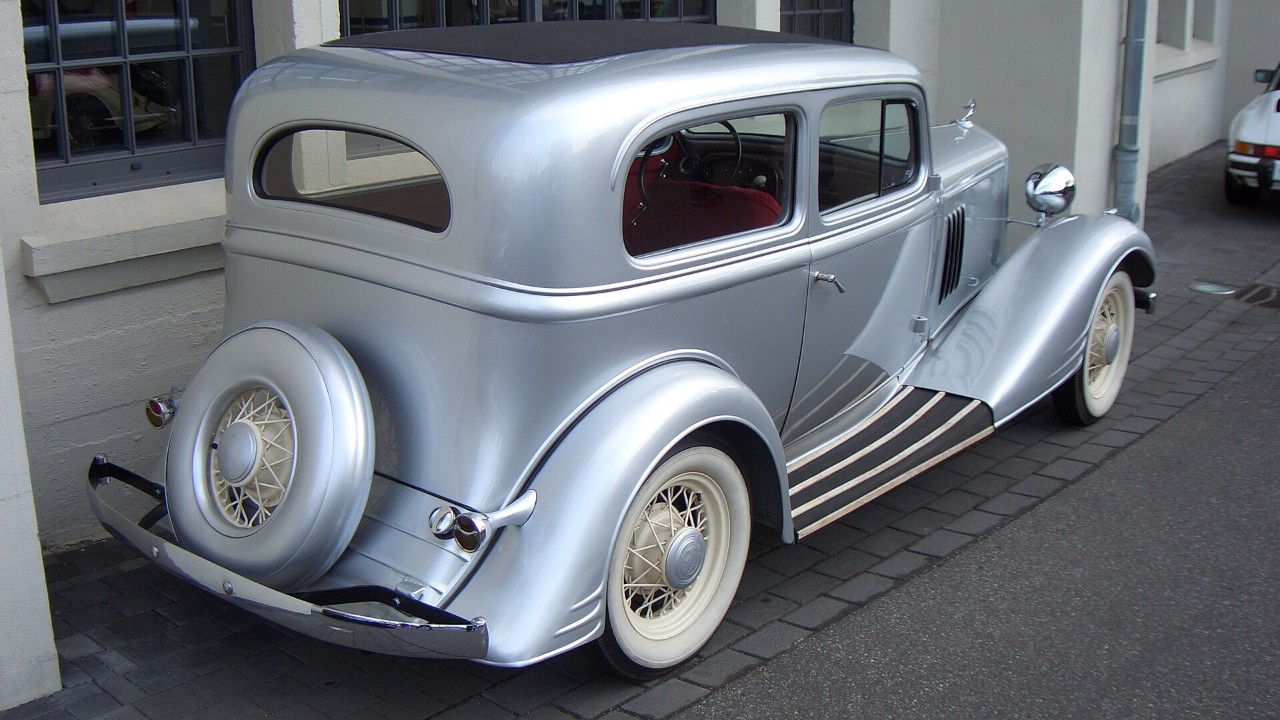
For 1933 and 1934, Pontiac offered only one engine. It was a straight eight, and Pontiac billed the car as “the lowest-priced straight eight on the market.”
The 223.4-cubic-inch L-head made 77 hp at 3,600 rpm and used five main bearings with full pressure lubrication, Mac’s Motor City Garage explains. Sales jumped past 90,000 cars in 1933, more than double the 1932 figure. In addition, the basic design stayed in production for 22 years.
6. 1934 LaSalle Series 350
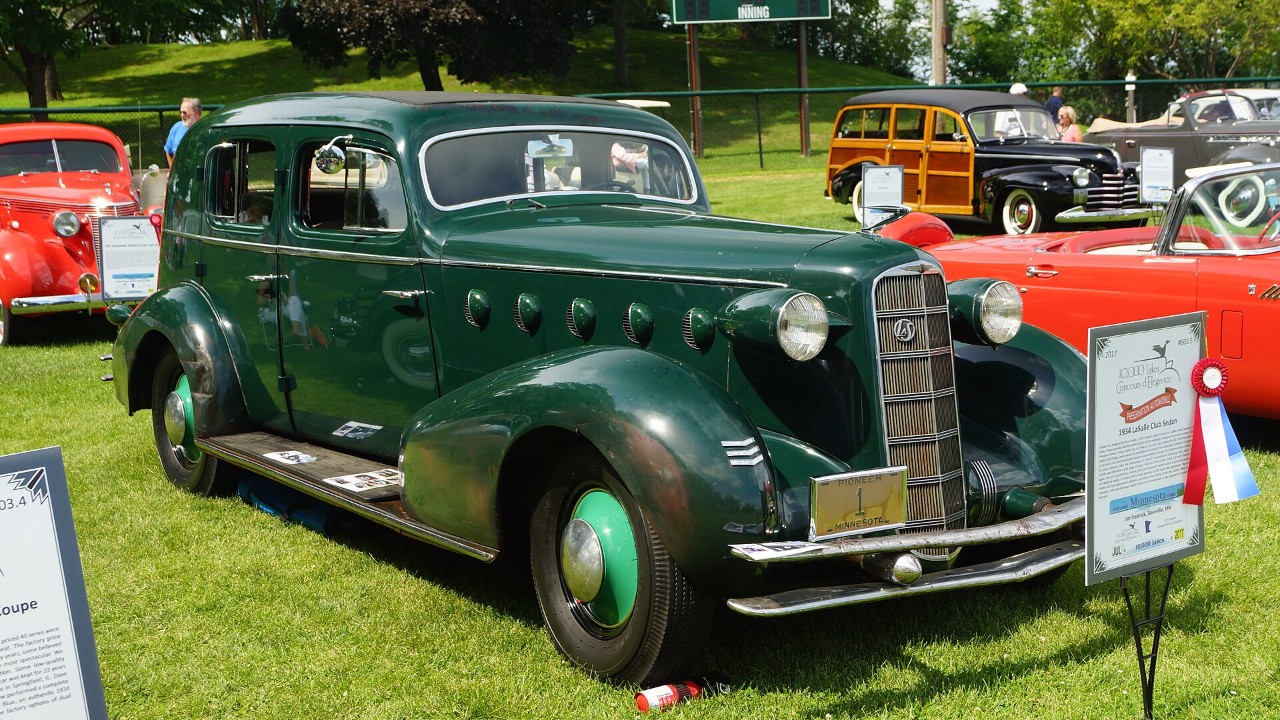
Cadillac’s junior brand arrived in January 1934 with a streamlined new body and an Oldsmobile straight eight. It also had hydraulic brakes and independent Knee-Action front suspension.
The 240.3-cubic-inch engine made 95 bhp at 3,700 rpm on a 119-inch wheelbase, per the Cadillac Database. Bill Rader paced the 1934 Indianapolis 500 in a new LaSalle convertible coupe. Later that year, Harley Earl received design patent No. 94,763 for the front end, dated November 6, 1934. Production estimates range from 7,128 to 7,232 cars, depending on the source.
7. 1935 Packard One-Twenty

Packard built luxury cars, but the Depression pushed it toward a cheaper eight-cylinder model for 1935. The One-Twenty listed from $980 to $1,095.
Its 257-cubic-inch L-head straight eight made 110 bhp at 3,850 rpm, Supercars.net notes. The independent front suspension, nicknamed Safe-T-flex, used parallel arms with coil springs. The same source calls it “the fastest selling car in the post-depression era” and says it saved the company. Its spec table lists production at 24,981.
8. 1934–1940 Nash LaFayette

Nash revived the LaFayette name in 1934 for a stylish companion car. It cost $645, a little more than a Ford or Chevrolet.
That first LaFayette used a 217.6-cubic-inch six rated at 75 hp, Mac’s Motor City Garage explains. For another $20, buyers could add Baker Axleflex independent front suspension, though Nash dropped the option after a year. In 1937, Nash merged the LaFayette with its 400 to cut costs. The last version, in 1940, had a 234.8-cubic-inch L-head six with 99 hp, and the Nash 600 replaced it for 1941.
9. 1936 Dodge D2
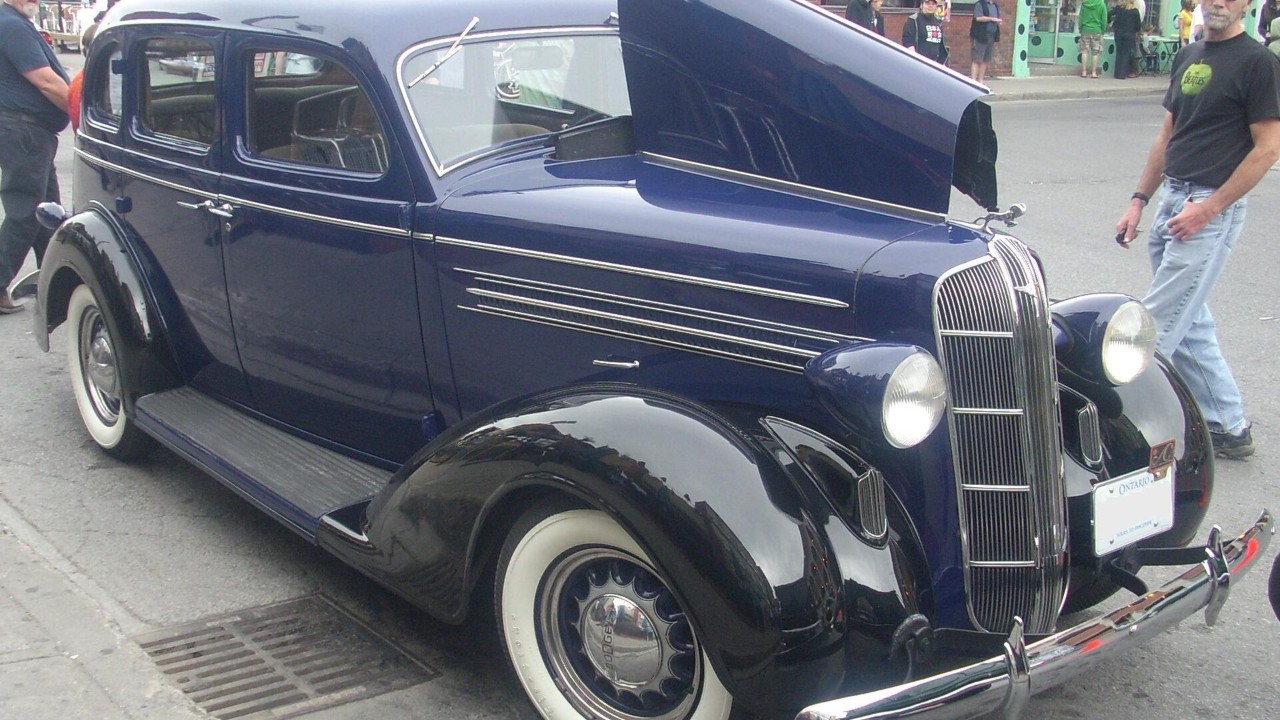
Dodge called its 1936 restyle the “Beauty Winner” series, and buyers responded. The D2 line totaled 265,005 cars for the model year.
The four-door touring sedan accounted for 174,334 of those, Old Cars Weekly reports. Most of the 11 body styles rode a 116-inch wheelbase. They also shared a carryover 217.8-cubic-inch L-head six rated at 87 hp. Inside, buyers found chair-height seats, a large center speedometer and a floor-shifted three-speed manual.
More from Fast Lane Only