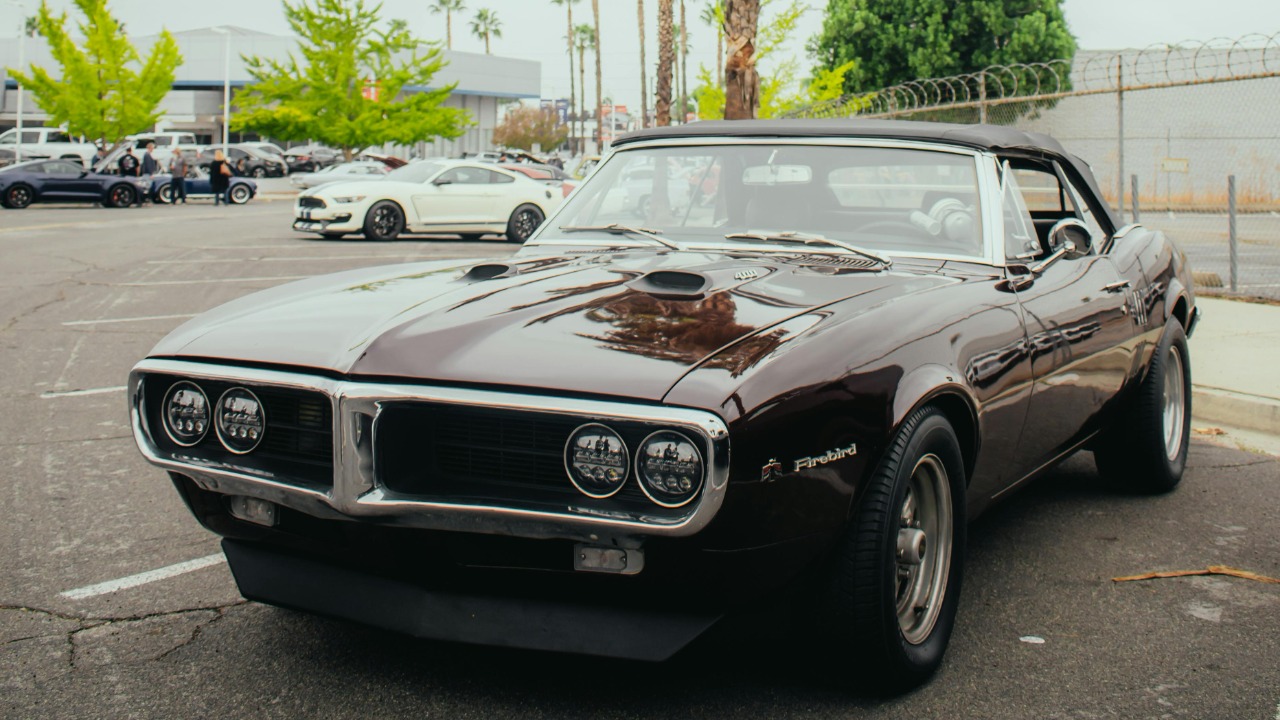
The 1967 Firebird 400 sits at a sweet spot for modern buyers who want real muscle with usable manners. Shoppers today look for clear specs, honest performance, and realistic values, and this first year Pontiac 400 package still checks those boxes when they understand what they are buying.
Collectors and drivers now weigh originality, drivability, and long term value more carefully than ever. The 1967 Firebird 400 rewards that discipline with a blend of factory rated power, period correct hardware, and a market that still leaves room for smart purchases.
How the 1967 Firebird 400 fits into muscle car history
Pontiac positioned the Firebird as a direct answer to pony car rivals and leaned on performance to stand out. The 1967 launch placed the car alongside the Ford Mustang and the Chevrolet Camaro, and the 400 package signaled that Pontiac wanted serious buyers, not only style seekers.
Enthusiasts now view the first model year as a landmark because the Pontiac Firebird 400 combined that new body with big block torque. Community historians describe how Pontiac used the Firebird to respond to the Ford Mustang and Chevrolet Camaro and how the 400 option helped define the car as a true muscle entry. Another enthusiast summary notes that the Pontiac Firebird quickly earned a reputation as a legendary muscle car that collectors and enthusiasts still chase, which reinforces the model’s long term appeal for modern buyers.
Core engine specs that define the Firebird 400
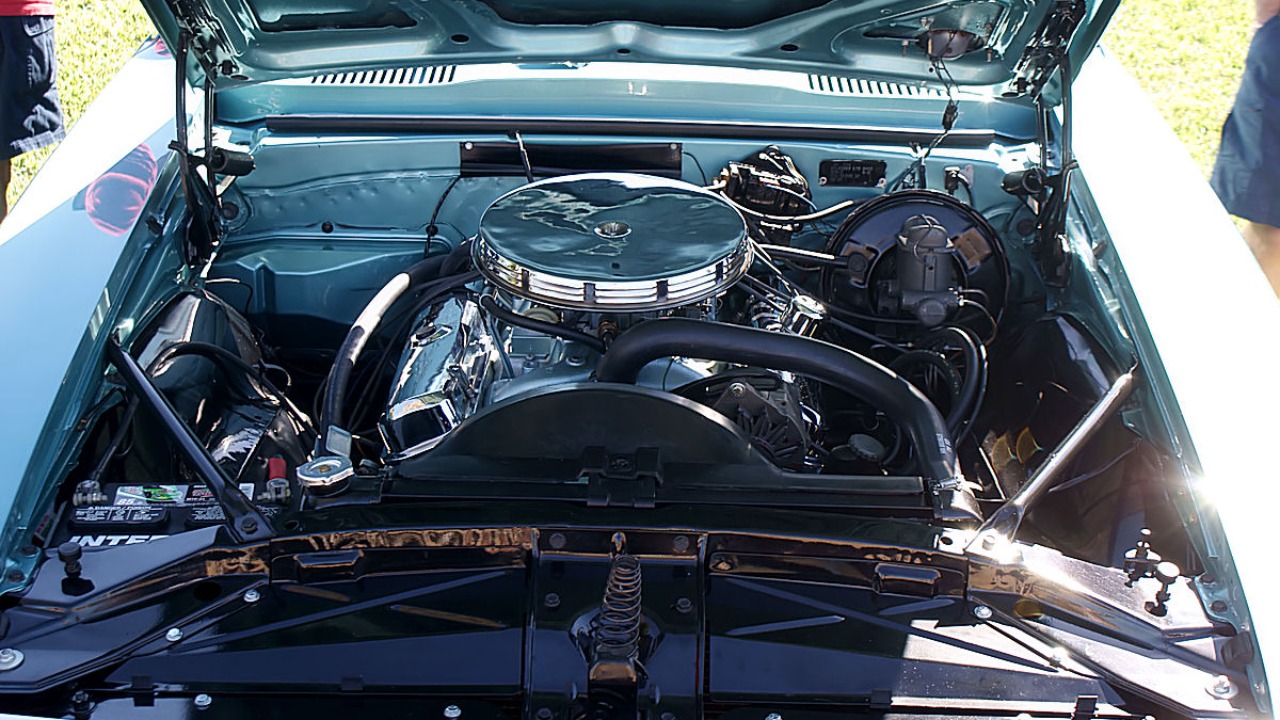
Modern shoppers usually start with the engine, and the Firebird 400 delivers a clear headline figure. Pontiac marketed the car around a 400 cubic inch V8 that promised strong street performance and a distinct step up from the smaller 326 options.
Factory literature described the Pontiac Firebird 400 with 400 cubic inches, a 10.75 compression ratio, and a rating of 325 horsepower at 4800 rpm. That brochure also highlighted dual exhaust and heavy duty suspension, which matter today because they separate a real 400 car from a cosmetic clone. A detailed fact sheet on The Firebird notes that the 400 CID V 8 carried a 325 horsepower rating and hydraulic valve lifters, while the 326 CID “H.O.” version of the Tempest V 8 delivered 285 horsepower, which shows how Pontiac used the 326 and 285 figures to structure the performance ladder for buyers who did not step up to the 400 option, and that information appears in a The Firebird fact sheet.
Chassis, drivetrain, and real world performance
Engine numbers only tell part of the story for modern drivers who want a car they can actually use. The Firebird 400 pairs its big V8 with a straightforward rear drive layout and period correct gearing that still feels honest on current roads.
Technical data for the Pontiac Firebird 400 describes a two door coupé body with a front positioned engine and rear wheel drive. That same specification sheet notes a 400 cubic inch displacement and confirms that Pontiac built the car as a balanced package rather than a stripped drag special. A related entry dated Feb 1, 2020 lists the 1967 Pontiac Firebird 400 with a 3 speed manual gearbox, which matters for buyers who want the more involved driving experience that a manual transmission delivers and who need to verify that a car still carries its original type of gearbox.
How the 400 compares with other 1967 Firebird engines
Buyers today often cross shop different 1967 Firebird engines, and the 400 sits at the top of that original range. Pontiac offered a spectrum that started with a base six and climbed through several V8 options before reaching the 400 and its Ram Air variant.
A recent breakdown of Pontiac Firebird Engine Specs lists the Base and Sprint sixes alongside the 326, the 326 H.O., the 400, and the 400 Ram Air. That table uses the 326 and 400 figures to show how Pontiac scaled power and top speed, with the 400 Ram Air version reaching a reported 108 mph. The same analysis notes how the 400 cars command more attention in the market than the Base or Sprint versions, which helps explain why modern buyers often treat the 400 as the default target when they want a 1967 Firebird with strong long term potential.
Current values and what modern buyers should expect
Market data now plays a central role for anyone considering a 1967 Firebird 400 purchase. Condition, originality, and documentation shape the spread between a driver grade car and a showpiece, and recent reporting gives shoppers a clearer ceiling.
A valuation snapshot for the 1967 Pontiac Firebird 400 tracks prices across condition levels and confirms that well kept examples now sit firmly in serious collector territory. A separate market overview dated Aug 5, 2024 states that a Good Condition 1967 Pontiac Firebird Is Worth Almost $80,000, and that report uses the exact $80,000 figure to underline how far values have climbed for solid cars. That same analysis notes that the 1967 Firebird coupe’s original MSRP now translates to inflation adjusted figures between $26,134 and $32,073, which shows how the market has rewarded the model over time and why modern buyers need to approach each car with careful inspections and realistic budgets.