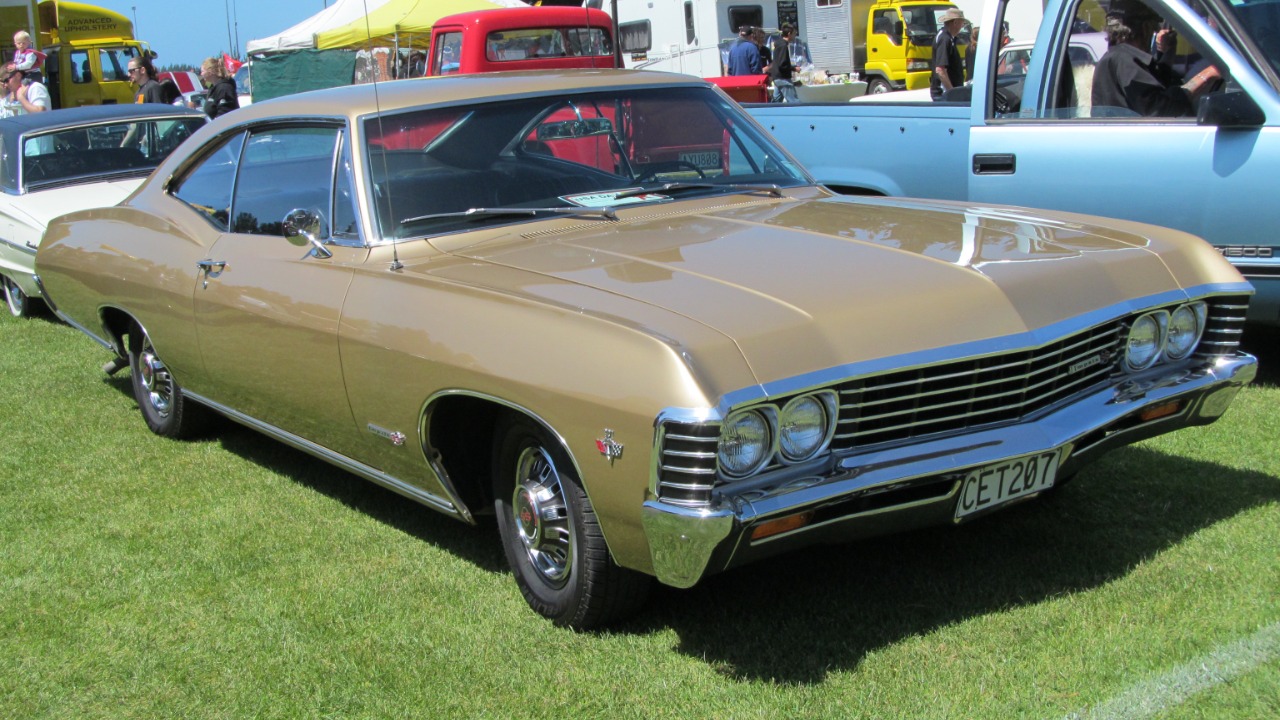
Collectors keep pushing 1967 Impala SS big-block prices higher, and the sharpest gains cluster around a few specific configurations. I focus on how those models moved from used muscle to blue-chip collectibles, and why some trims now outpace the broader classic Chevrolet market.
Why 1967 big-block SS cars climbed faster than the rest
Values for 1967 Impala SS big-block cars rose because supply stayed tight while demand widened beyond traditional Chevy loyalists. Enthusiasts chased full-size muscle with real highway comfort, and the 1967 SS delivered that mix with big torque and clean styling. Collectors also favored the final years of Chevrolet’s classic coke-bottle lines, so they treated 1967 as a sweet spot between early sixties cruisers and later emissions-era compromises.
Price guides tracked that shift as more buyers targeted documented Super Sport cars with original big-block drivetrains. Auction data showed stronger bids for cars with factory performance options, especially four-speed transmissions and higher output engines, compared with small-block or non-SS Impalas. That pattern confirmed a clear premium for authentic SS big-block examples, not just any 1967 Impala.
427-powered SS427 models that surged to the top
The 1967 Impala SS427 models appreciated the most because they combined rarity with Chevrolet’s flagship big-block performance. Buyers recognized that the SS427 package turned a full-size cruiser into a serious muscle car, especially when ordered with the L36 or hotter L72 specification. Collectors also valued the unique SS427 badging and trim, which set these cars apart visually from standard Super Sport models.
Market reports showed that documented SS427 cars with matching-numbers 427 engines commanded the strongest prices among 1967 Impalas. Auction listings highlighted original build sheets and factory codes to verify true SS427 status, and bidders paid a clear premium for that proof. Cars with the higher performance 427 options, four-speed gearboxes, and limited-slip rear axles often led the price charts for this model year.
396-powered SS cars that quietly outpaced expectations
While the SS427 grabbed headlines, many 1967 Impala SS 396 cars delivered some of the sharpest percentage gains. These models started from lower price points, so rising demand for big-block Super Sports pushed their values up quickly. Buyers who could not reach SS427 money often turned to well-optioned 396 cars, which still offered strong performance and the same broad-shouldered styling.
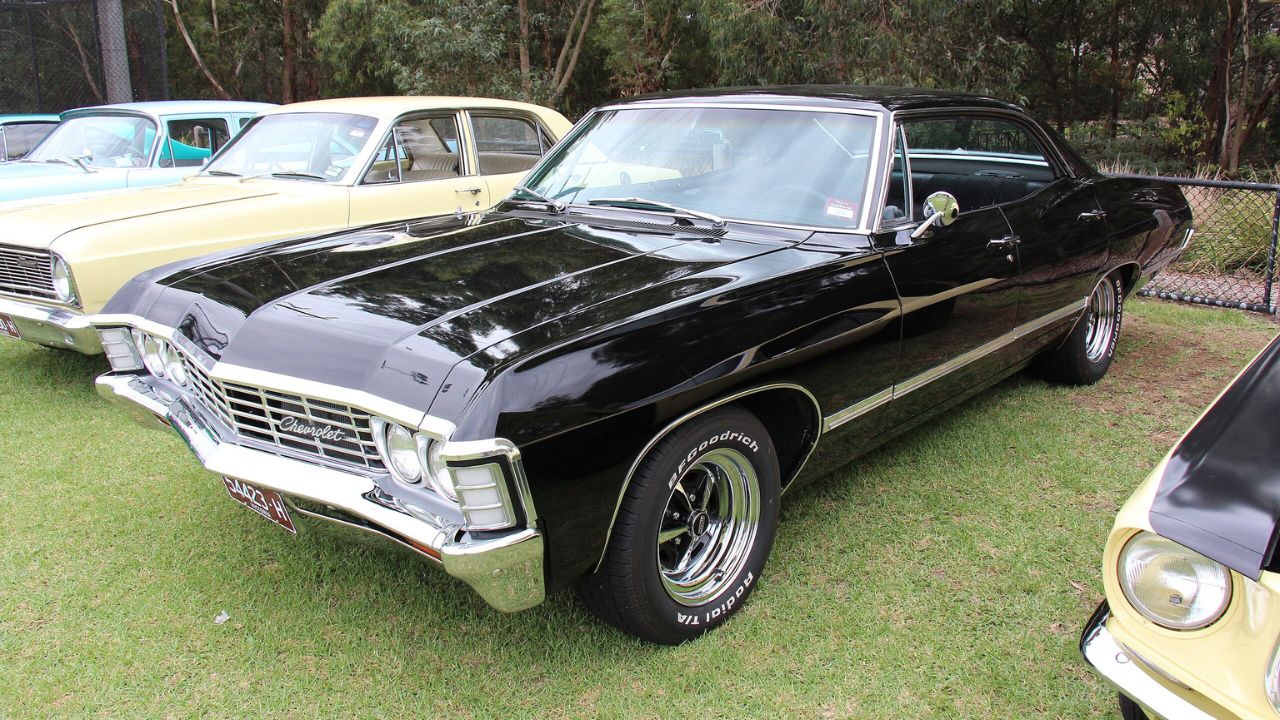
Price guides documented steady appreciation for SS 396 coupes and convertibles with original drivetrains and factory performance options. Cars with four-speed transmissions, bucket seats, and console setups often sold for more than similar automatic cars. As top-tier SS427 prices climbed, many collectors treated clean SS 396 examples as the most attainable entry into the 1967 big-block Super Sport market.
Body styles and options that amplified appreciation
Not every 1967 Impala SS big-block appreciated at the same rate, and body style played a major role. Two-door hardtops and convertibles with big-block engines saw the strongest gains, while four-door and non-SS cars lagged behind. Collectors favored the sportier rooflines and open-air driving experience, so they bid more aggressively on those configurations.
Options also shaped appreciation, especially when they reinforced the performance image. Cars with factory four-speed transmissions, performance rear gears, and heavy-duty cooling packages often sold for more than similarly restored automatics. Original colors that matched period performance tastes, such as bright reds or deep blues, also helped certain cars stand out in auction catalogs and private listings.
Documentation, originality, and the future trajectory
Documentation and originality separated the strongest appreciating 1967 Impala SS big-block cars from the rest of the field. Collectors paid more for cars with factory paperwork, matching-numbers drivetrains, and unmodified interiors. Restorations that followed original specifications closely tended to hold value better than heavily customized builds, even when the customs used high quality parts.
Looking ahead, I expect the best documented SS427 and SS 396 cars to keep leading the market, especially low-mileage survivors. Younger buyers continue to show interest in full-size muscle with real street manners, and that trend supports these cars over time. As more collectors chase a limited pool of authentic big-block Super Sports, the gap between top-tier examples and driver-quality cars will likely keep widening.