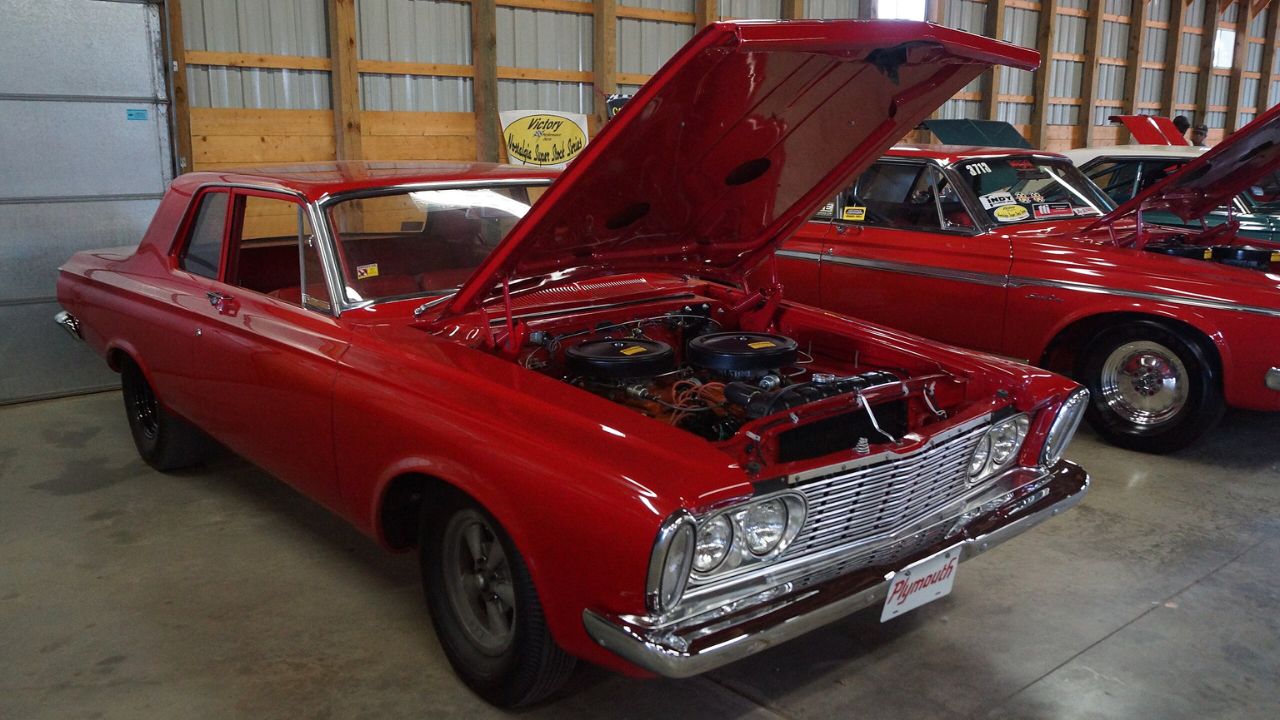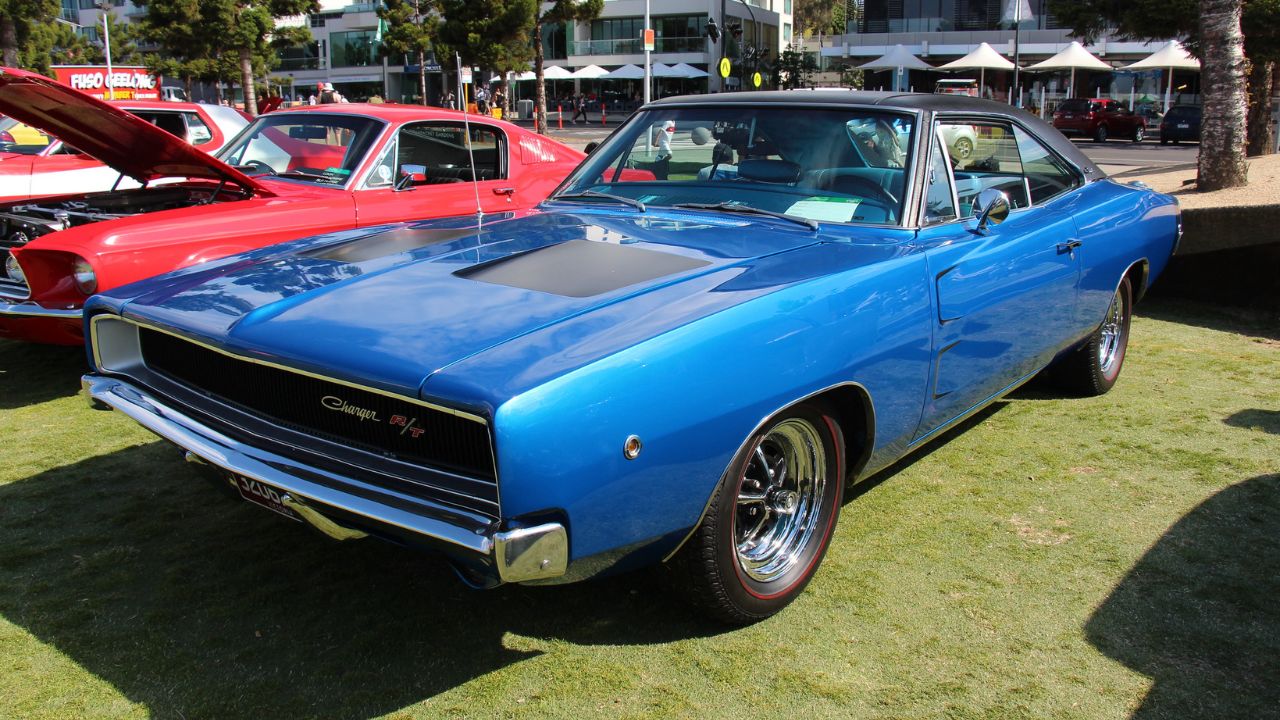
The 1968 Charger R/T and the Plymouth GTX arrived from the same corporate family yet chased different kinds of drivers. One leaned into fastback drama and street presence, the other into refined muscle that still hit hard at the strip. Comparing them today means weighing style, engineering and culture as much as raw performance numbers.
Shared Mopar roots, different personalities
Both cars grew from the same Mopar toolbox, which helps explain why enthusiasts often describe them as mechanically similar but emotionally distinct. The 1968 Dodge Charger R/T and the 1968 Plymouth GTX shared big block power, rear wheel drive and a focus on straight line speed, yet they targeted different buyers inside the same performance orbit. Community debates that surfaced around Dec 24, 2024 framed the choice as one of personal taste, with fans weighing the Charger R/T against the Plymouth GTX for pride of place in the garage rather than for any decisive performance gap.
Later discussions on Dec 26, 2024 echoed that view, stressing that the 1968 Dodge Charger and the 1968 Plymouth GTX stood out as twin pillars of Mopar muscle rather than direct copies. Enthusiasts in those conversations highlighted how the Dodge Charger and Plymouth GTX each delivered big power and bold styling, while still feeling like separate characters within the same lineage. That shared heritage, rooted in Mopar engineering and marketing, still shapes how collectors and drivers compare the two icons today.
Platforms, pricing and the “gentleman’s” angle
Under the sheet metal, both models sat on Chrysler’s intermediate architecture, yet they expressed that hardware in different ways. The Charger R/T used the company’s B body foundation to create a long fastback profile, while the Plymouth GTX applied the same basic bones to a more formal two door shape. Later commentary on Jun 18, 2025 underscored that the B body platform provided a sturdy base for high performance V8s, with Chrysler engineering giving both cars the structural muscle they needed for serious speed.
Plymouth positioned the GTX as an upscale alternative within that shared framework, and period pricing data makes that strategy clear. Reporting from Jan 8, 2007 notes that the base price for the GTX hardtop sat at $3,355, while the Road Runner coupe started at $3,034, a spread that reflected extra comfort and trim. That same profile described how Die hard racer types gravitated toward the cheaper, stripped Road Runner, while buyers who wanted a more dialed in performance car with added civility gravitated toward the GTX.
Engines, drivetrains and braking hardware
Powertrain choices linked the Charger R/T and Plymouth GTX even more tightly, which is why many owners describe them as near twins under the skin. Enthusiast breakdowns from May 8, 2024 explain that the standard engine in the Road Runner was a Road Runner 383 rated at 335 hp, with a 426 Hemi available as an option, while The GTX shared much of that hardware but layered on more equipment and trim. That overlap meant the GTX could deliver similar straight line performance to the Charger R/T when optioned with comparable big block engines.
Factory literature for Dodge performance models shows how the Charger R/T balanced that power with upgraded chassis parts. Documentation for 1968 notes that the Master cylinder and parking brake warning light came as standard equipment, and that Standard drum type brakes for the Charger R/T were heavy duty units with manual adjustment. Those details underline how Dodge engineered the Charger R/T as a complete performance package, not just a big engine in a dramatic body.
Styling, character and the Plymouth contrast
Visual identity often decides the argument between these two cars, even when the spec sheets look similar. Owners who have driven both frequently describe the Charger R/T as the more aggressive shape, with a long nose and sweeping roofline that telegraph speed even at a standstill. A detailed Comparison of 1968 Dodge and 1968 Plymouth GTX cars posted on May 5, 2025 captured that sentiment, with participants noting that Dodge and Plymouth GTX models shared many components, yet The Plymouth might carry slightly different trim and proportions that softened the look.
Brand character also played a role, especially when Plymouth leaned into playful touches that Dodge never adopted. A May 29, 2025 analysis of differences between the two marques pointed out that Dodge Never Had The Meep, Meep Horn, a feature that became closely associated with the Road Runner and by extension with Plymouth’s more lighthearted image. The Plymouth GTX, described there as essentially its version of the Charger, carried that same brand DNA even while chasing a more upscale buyer than the cartoon themed Road Runner.
How the GTX fit between Road Runner and Charger

Plymouth’s lineup strategy in 1968 placed the GTX squarely between bare bones muscle and full luxury performance. The Road Runner delivered Spartan Desig and minimal frills, while the GTX added comfort and equipment without abandoning speed. A May 1, 2014 comparison of the 1968 Plymouth Road Runner and the 1968 Dodge Charger noted that Plymouth spent $10,000 to develop the famous “beep, beep” horn, a figure that highlighted how seriously the brand took its entry level performance image even as it sold more refined models alongside it.
Engine hierarchy reinforced that positioning. Enthusiast explanations from May 8, 2024 stressed that the Road Runner 383 with 335 hp served as the baseline, while the 426 Hemi sat at the top of the option sheet, and The GTX often arrived with more standard equipment and heavier duty components. That structure left the GTX as the “gentleman’s” choice in the Plymouth range, a car that could share a drag strip with a Charger R/T yet feel more polished on the commute home.
Community verdicts: Charger drama vs GTX refinement
Modern Mopar fans rarely treat this as a purely technical debate, instead framing it as a clash of personalities. A May 4, 2025 discussion captured that mood with the opening line Ooooh, tough choice, both are absolute legends of the muscle car era, before describing how the Plymouth GTX was Dubbed the gentleman’s muscle car and the Charger R/T as the wilder looking sibling. That framing matches how many collectors talk about the pair today, with the Charger R/T winning on visual drama and the GTX on understated class.
Other enthusiasts focus on how closely matched the two cars feel from behind the wheel. A Jun 6, 2025 Versus Battle that pitted a Plymouth GTX 440 Magnum against a 1968 Dodge Charger R/T 440 6 pack featured owners who had lived with both, some saying they would happily take either while admitting that the Plymouth GTX sometimes drew fewer crowds despite similar performance. Comments in that thread noted that mechanically pretty much the same described the pair, with only carburetors and minor tuning differences separating one 440 M powered Mopar from another 440 equipped rival.
Why the Charger R/T still pulls ahead in pop culture
On the street and at shows, the Charger R/T often enjoys a higher profile, helped by decades of film and television exposure. That visibility feeds into modern comparisons, where some fans admit that the Plymouth GTX feels underrated despite its credentials. A May 31, 2025 exchange between enthusiasts, including Tom Plemons and Elzariz Ben Israel The, described the 1968 Dodge Charger R/T as a high performance four passenger sports sedan and praised the Dodge Charger as a fun car, while still acknowledging the appeal of the GTX in similar trim.
Broader Mopar focused communities echo that balance, often celebrating both cars as equal legends rather than clear winners and losers. A detailed post from Apr 14, 2025 described how the 1968 Dodge Charger and Plymouth GTX stood out as headline muscle machines from Mopar, each offering big power and bold styling that defined the era. Another discussion from Dec 24, 2024 framed Choosing between the Dodge GTX and the Dodge Charger as a matter of personal preference and style, although the underlying debate clearly centered on the Plymouth GTX when enthusiasts compared trim, engines and heritage.
How owners weigh the choice today
For many current owners, the decision comes down to which car better matches their driving habits and aesthetic taste. Some prefer the Charger R/T for its sweeping lines and the way its fastback profile dominates a parking lot, while others gravitate toward the Plymouth GTX for its cleaner roofline and more formal stance. A Jun 18, 2025 comparison of a 1969 Plymouth GTX and a 1968 Dodge Charger noted that the shared Chrysler platform left both cars with similar road manners, which pushed buyers to focus on styling and brand identity instead of chassis differences.
Online debates that surfaced on Dec 26, 2024 reinforced that idea, with Mopar fans stressing that the Dodge Charger and Plymouth GTX represented two standout interpretations of the same formula rather than direct competitors with clear winners. Another enthusiast thread from Dec 26, 2024 described how the 1968 Dodge Charger and 1968 Plymouth GTX were two standout muscle cars from Mopar, each offering big power and bold styling that still resonate with collectors. That consensus leaves the final verdict where it started, with personal preference deciding whether the 1968 Charger R/T or the Plymouth GTX earns the coveted spot in a modern garage.
What the spec sheets cannot capture
Numbers and options lists tell only part of the story, especially with cars that carry such heavy cultural weight. Factory brochures for 1968 highlight features like the Charger R/T’s heavy duty brakes and the GTX’s richer interior, yet they cannot fully explain why one car might feel more special to a given driver. A detailed 1968 Dodge performance booklet, for example, lists the Charger R/T’s Standard drum type brakes and other hardware upgrades, but owners often talk more about the way the car looks in motion than about its Master cylinder design.
Enthusiast communities fill that gap by sharing lived experience, from long term ownership stories to side by side drives. A May 5, 2025 Comparison of 1968 Dodge and 1968 Plymouth GTX cars featured comments that described the two as essentially the same mechanically, with only slight differences between them, and urged readers to pick whichever one they liked more. Another Mopar focused group from Apr 14, 2025 framed the 1968 Dodge Charger and Plymouth GTX as equal legends, suggesting that the real choice lies not in horsepower charts but in which silhouette and badge make a driver turn back for one more look after shutting the garage door.