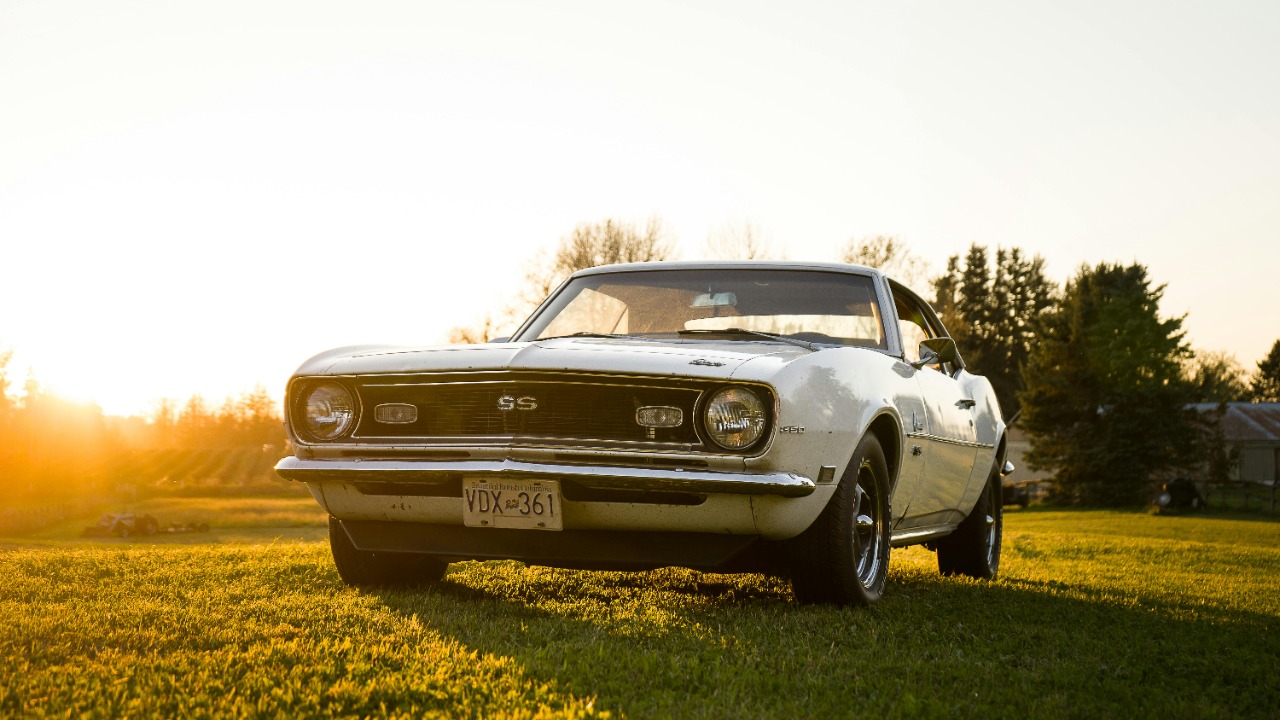
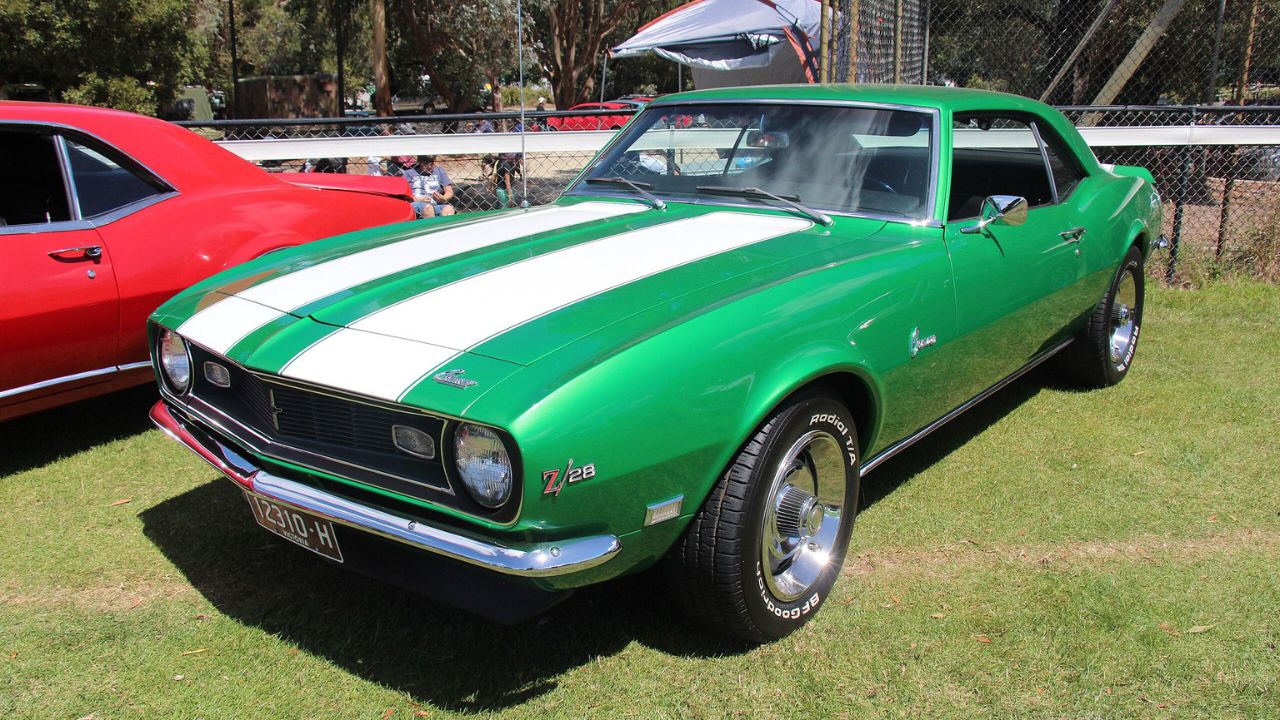
The 1968 Camaro Z/28 sits at a rare intersection of motorsport pedigree, period-correct style, and modern collectability. Anyone shopping for one today needs to balance originality, documentation, and drivability against a market that rewards the best cars and punishes guesswork.
I approach the current Z/28 landscape as a working buyer’s market analyst, focusing on how specification, condition, and paperwork now shape real-world values. With the right preparation, you can separate authentic Trans-Am era hardware from clever clones and pay strong money only when the car truly justifies it.
Understanding what makes a real 1968 Z/28
I start any Z/28 evaluation by confirming that the car actually left the factory as a Z/28, not just a dressed-up base Camaro. Chevrolet built the 1968 Z/28 around the high-winding 302 cubic inch small-block, a close-ratio 4-speed, and mandatory power front disc brakes, so any claimed example without those core features raises questions. Factory Z/28s also carried specific suspension upgrades, including heavier-duty springs and shocks, along with quick-ratio steering that gave the car its Trans-Am character on track and on the street, details that serious buyers still expect to see intact or correctly restored today.
Documentation matters as much as hardware, because many standard Camaros have been converted into convincing Z/28 tributes. I look for original trim tags, matching engine and transmission stampings, and period paperwork such as the Protect-O-Plate or dealer invoices that reference the Z/28 package code. When those pieces line up with the car’s physical features, including the correct 12-bolt rear axle and factory-style dual exhaust routing, the market tends to reward the car with a clear premium over less certain examples, while tribute cars usually trade at a discount even when they look sharp and drive well.
How today’s market prices real Z/28s
Values for 1968 Z/28s now track a clear hierarchy that starts with authenticity and climbs with originality and options. I see driver-quality, numbers-matching cars with older restorations sitting in a middle band, while freshly restored examples with verified drivetrains and strong color combinations command significantly higher prices. Cars that retain original paint, interior, and drivetrain components, even with some patina, often sit at the top of the market because collectors increasingly favor preserved history over perfection, especially when the car still carries its factory 302 and Muncie gearbox.
Options and provenance then add layers of value on top of that baseline. A documented Z/28 with the optional cowl-induction hood, console-mounted gauges, and desirable axle ratios usually outperforms a more basic car in similar condition. Proven race history or long-term single-family ownership can move the needle even further, because buyers trust stories that come with paperwork and period photos. In contrast, cars with replacement engines, missing tags, or vague backstories often stall on the market unless the asking price reflects those gaps, which gives informed buyers leverage if they are comfortable with a less collectible but still enjoyable car.
Spotting clones, tributes, and problem cars
I treat every 1968 Camaro that wears Z/28 stripes and badges as a suspect until the details prove otherwise. Many tribute builds start with a small-block shell, add a 4-speed, front discs, and cosmetic cues, then rely on casual buyers overlooking the missing documentation. Careful inspection of engine pad stampings, casting dates, and axle codes often reveals inconsistencies, especially when the numbers do not align with the car’s build date or known Z/28 specifications. Interior details, such as the correct tachometer redline and steering wheel style, also help separate factory-built cars from later recreations.
Problem cars extend beyond simple clones and include genuine Z/28s with hidden rust, collision damage, or poor-quality restorations. I look closely at the rear frame rails, trunk floor, and cowl area, because these sections often hide corrosion that fresh paint can mask. Panel gaps, overspray, and mismatched fasteners tell their own story about how carefully the car was restored. When a seller cannot provide clear photos of the car in bare metal or detailed invoices for body and paint work, I assume the worst and adjust my offer accordingly, since structural repairs on a unibody Camaro can quickly erase any perceived bargain.
Evaluating condition, originality, and modifications
Condition and originality now carry more weight than ever, because buyers have access to detailed reference material and expect transparency. I break each car into major systems, starting with the body and chassis, then moving through drivetrain, suspension, interior, and electrical. Original sheet metal, including factory spot welds and date-coded glass, supports a stronger valuation than reproduction panels, even when the paint shows age. Under the hood, correct finishes, fasteners, and date-coded components signal a careful restoration, while generic hardware and modern dress-up parts suggest shortcuts that may hide deeper issues.
Modifications can either enhance or hurt value, depending on how reversible they are and how they affect the car’s character. Period-style upgrades, such as bolt-on headers, a period-correct intake, or vintage wheels, usually do not scare informed buyers, especially when the original parts come with the sale. Modern changes, including aftermarket fuel injection, big brakes, or aggressive suspension kits, appeal to drivers who want contemporary performance but often narrow the pool of collectors willing to pay top dollar. I weigh each modification against the car’s documentation and rarity, because cutting into a highly original, numbers-matching Z/28 for modern upgrades usually sacrifices long-term appreciation for short-term enjoyment.
Smart buying strategies in the current Z/28 landscape
I approach the current Z/28 market with a clear plan, because the best cars move quickly while marginal examples linger. Before contacting any seller, I decide whether I want a show-level original, a well-restored driver, or a tastefully modified car, then I set a budget that reflects recent sales for that specific tier. Pre-purchase inspections by marque-savvy specialists now feel essential rather than optional, since a few hours of expert time can reveal issues that online photos and seller descriptions never mention. I also factor in the cost of correcting known weak points, such as worn suspension bushings or outdated bias-ply tires, so the first year of ownership does not bring unwelcome surprises.
Negotiation works best when I combine market data with a detailed understanding of the car in front of me. I use documented flaws, missing paperwork, or non-original components as specific leverage points, rather than making vague complaints about price. Sellers who have done their homework usually respond better to informed, respectful offers that reference comparable cars and recent transactions. Patience then becomes the final tool, because the right 1968 Z/28, with the right documentation and condition, will eventually surface, and buyers who wait for that match tend to enjoy both the driving experience and the long-term value far more than those who rush into the first striped Camaro that appears online.