The 1968 Plymouth GTX 440 marked a turning point for Detroit performance, proving that big-block speed could coexist with genuine comfort and polish. Rather than chasing bare‑bones quarter‑mile times, it refined the “gentleman’s muscle car” formula with sharper styling, a more sophisticated cabin, and a powertrain that delivered both authority and civility. In a segment crowded with stripped‑down bruisers, the 1968 update quietly reset expectations for what luxury‑muscle could be.
Looking back at that model year, I see a car that did more than bolt a 440-cubic-inch V8 into a midsize shell. The GTX 440 integrated upscale design cues, a carefully tuned chassis, and a choice of serious engines to create a package that appealed to buyers who wanted speed without sacrificing dignity, a balance that contemporary enthusiasts still highlight when they describe it as the ultimate “gentleman’s muscle car.”
From brute to “gentleman’s muscle car”
The core shift in 1968 was philosophical: Plymouth and Chrysler leaned into the idea that muscle could be aspirational, not just aggressive. Instead of chasing the bargain-basement formula of the Road Runner, the GTX was positioned as a more mature alternative that wrapped similar performance in a more refined experience. Enthusiast accounts describe the 1968 Plymouth GTX as a “gentleman’s muscle car” that offered a “perfect mix of luxury and raw power,” a framing that captures how the car moved the conversation away from simple straight‑line bragging rights and toward all‑around ownership satisfaction.
That positioning was not accidental. Reporting on the model’s second year notes that what separated the GTX from the Road Runner was its emphasis on luxury and refinement, especially inside the car, where materials and features were aimed at buyers who wanted both performance and reliability rather than a bare‑bones street racer. Descriptions of the 1968 Plymouth GTX as an “Upscale Muscle” entry underline how Plymouth GTX engineers and marketers deliberately targeted drivers who might have otherwise shopped full‑size luxury sedans but still craved the punch of a big‑block engine. The result was a car that helped define a new niche, one where comfort and speed were expected to coexist.
New B‑body design that looked as serious as it drove
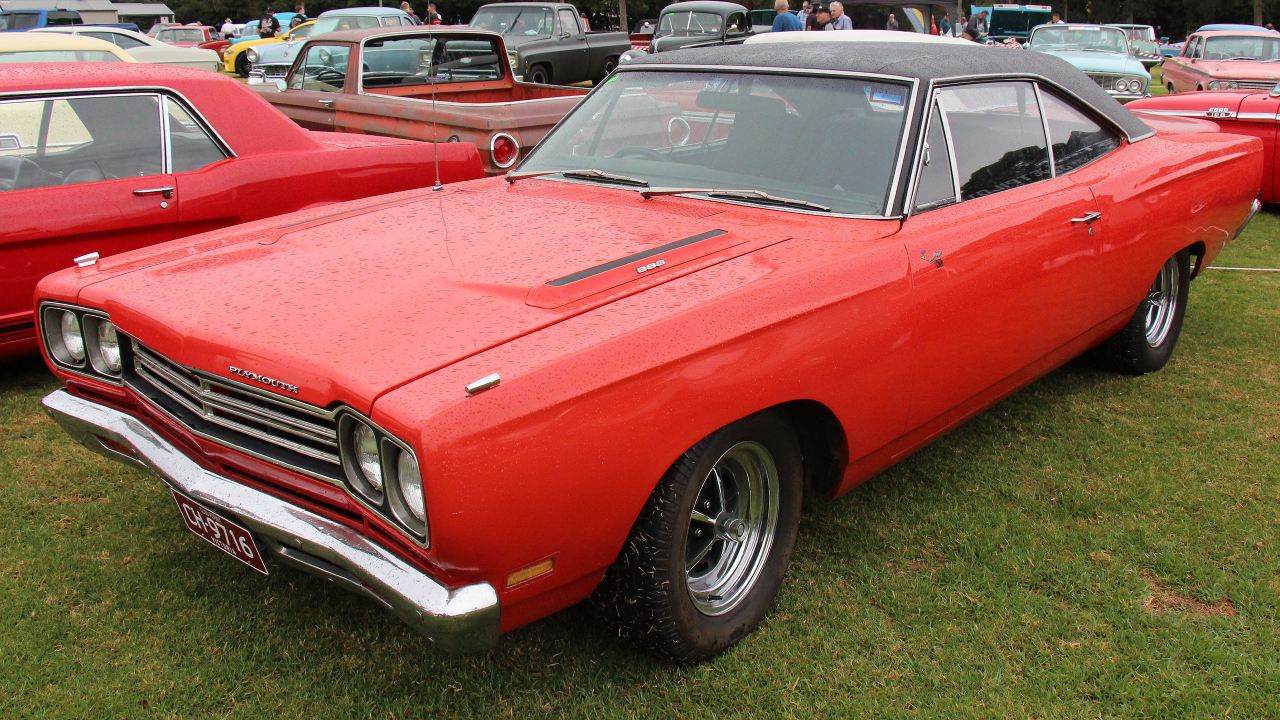
Styling was the most visible signal that the GTX had grown into its luxury‑muscle role. Chrysler introduced major changes in the design of the 1968 Plymouth B‑bodies, and the GTX benefited from a completely new body that looked lower, wider, and more planted than the previous year. Contemporary descriptions emphasize a sleek yet muscular profile with a wide stance, a bold grille, and dual hood scoops, details that gave the car a sense of purpose without tipping into cartoonish aggression. Those scoops, combined with the long hood and short deck proportions, visually announced the power of the 440-cubic-inch engine underneath.
What stands out to me is how cohesive the exterior package was. Reports highlight that the GTX combined aggressive styling cues with elements of luxury, rather than simply tacking on stripes or badges. The wide stance and carefully sculpted lines made the car look expensive, while the bold grille and hood treatment kept it firmly in muscle‑car territory. Enthusiast write‑ups that call out how “Visually, the GTX featured a sleek yet muscular design” and note that “Its” presence on the street was unmistakable reinforce the idea that the 1968 redesign was not just cosmetic. It was a deliberate attempt by Plymouth and Chrysler to make the GTX look like the refined, sophisticated alternative to its more utilitarian siblings.
440 Super Commando power with real-world manners
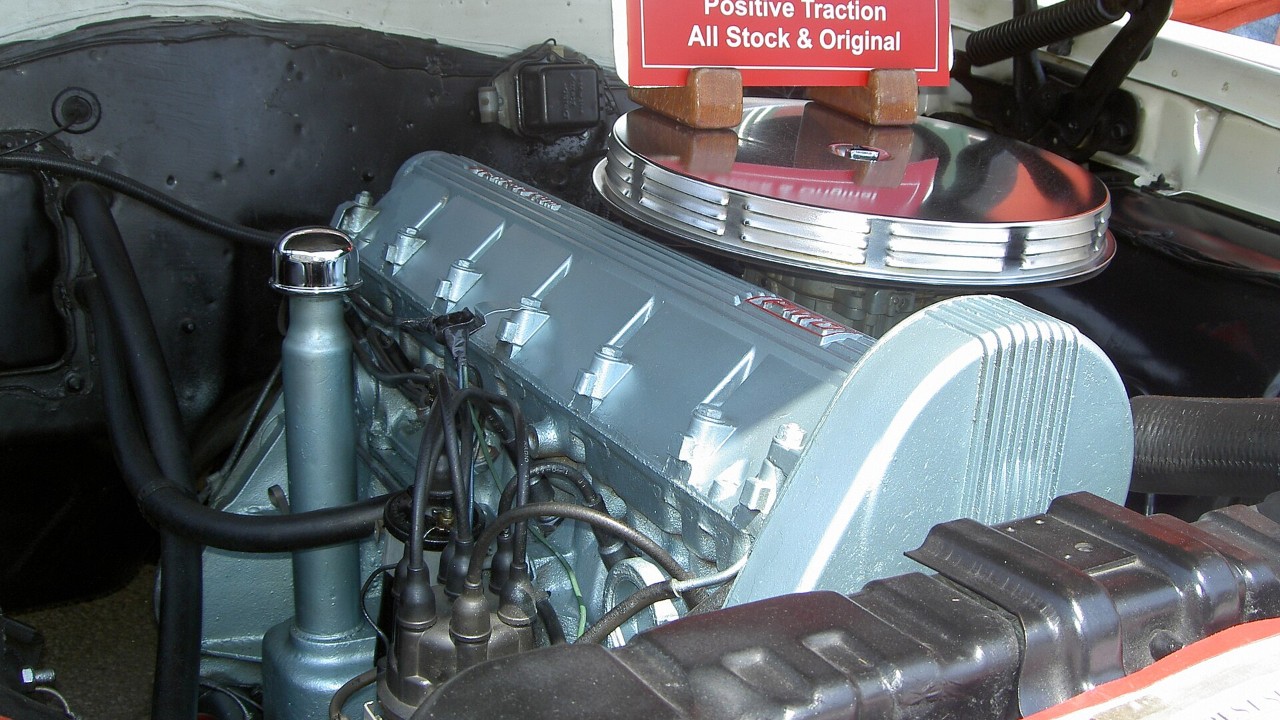
The heart of the 1968 GTX’s refinement was its standard 440-cubic-inch Super Commando V8, which delivered serious performance without the compromises of a race‑spec engine. Under the hood, sources describe the car as coming standard with a 440-cubic-inch Super Commando V8 producing 375 horsepower, a figure that placed it firmly in heavyweight territory while still allowing for smooth drivability and reliability. For buyers who wanted even more, the availability of the legendary 426 HEMI added an extra layer of credibility, but the fact that the 440 was standard shows where Plymouth expected most customers to land.
Enthusiast coverage from Jun 4, 2025, underscores how this engine choice supported the “gentleman’s muscle car” positioning. One detailed account notes that “Under the” hood, the 440-cubic-inch Super Commando with its 375 horsepower gave the GTX effortless acceleration, while the optional 426 HEMI catered to those who prioritized maximum output over comfort. Another report from Jun 16, 2025, introduces the 1968 Plymouth GTX as a refined, sophisticated, and powerful alternative to its Roadrunner sibling, again highlighting how the powertrain was tuned for a broader range of driving than just dragstrip blasts. In practice, that meant a car that could cruise quietly on the highway, then deliver instant torque when the driver dipped into the throttle.
Cabin comfort and “Upscale Muscle” details
Inside the 1968 GTX, the upgrades were just as important as the mechanicals. Accounts of the model’s second year emphasize that “Inside, the GT…” was where the car truly separated itself from the Road Runner, with better materials, more sound insulation, and a richer overall presentation. The goal was to create an environment where a driver in a suit would feel as at home as one in a T‑shirt, a subtle but meaningful shift from the stripped‑down interiors that defined many muscle cars of the era.
Reports that describe the car under the banner of “Upscale Muscle” make clear that Plymouth GTX engineers paid attention to the details that matter in daily use, from more supportive seating to additional convenience features. Enthusiast commentary from Jun 29, 2025, notes that this focus on comfort and refinement appealed to buyers who wanted both performance and reliability, not just weekend thrills. When I look at those descriptions alongside the broader characterization of the 1968 Plymouth GTX as the ultimate “gentleman’s muscle car,” I see a cabin that was designed to back up the exterior promise: a place where luxury cues and muscle‑car intent were meant to coexist rather than compete.
Positioning against the Road Runner and the broader muscle field
The 1968 GTX did not exist in a vacuum. Its closest rival was parked in the same showroom, in the form of the Road Runner, and the way Plymouth positioned the two models says a lot about how the GTX evolved. Coverage of the 1968 Plymouth GTX 440 Super Commando describes it as a refined, sophisticated, and powerful alternative to its Roadrunner sibling, a car aimed at buyers who were willing to pay more for comfort and style. That internal rivalry pushed the GTX to double down on its luxury‑muscle identity, since the Road Runner already owned the budget‑performance niche.
Beyond the Plymouth lineup, the GTX was competing with a wave of mid‑size muscle cars that often prioritized raw numbers over nuance. Enthusiast posts from May 27, 2025, and Jul 19, 2025, that call the 1968 Plymouth GTX a true muscle car heavyweight and the ultimate “gentleman’s muscle car” show how the car carved out a distinct reputation among fans. By pairing the 440-cubic-inch Super Commando and optional 426 HEMI with a sleek yet muscular body and an upscale interior, the GTX offered something that many rivals did not: a sense that you could enjoy big‑block performance without giving up everyday comfort or a touch of class. In that balance, the 1968 updates did more than refresh a model year, they refined what luxury‑muscle meant for an entire generation of drivers.