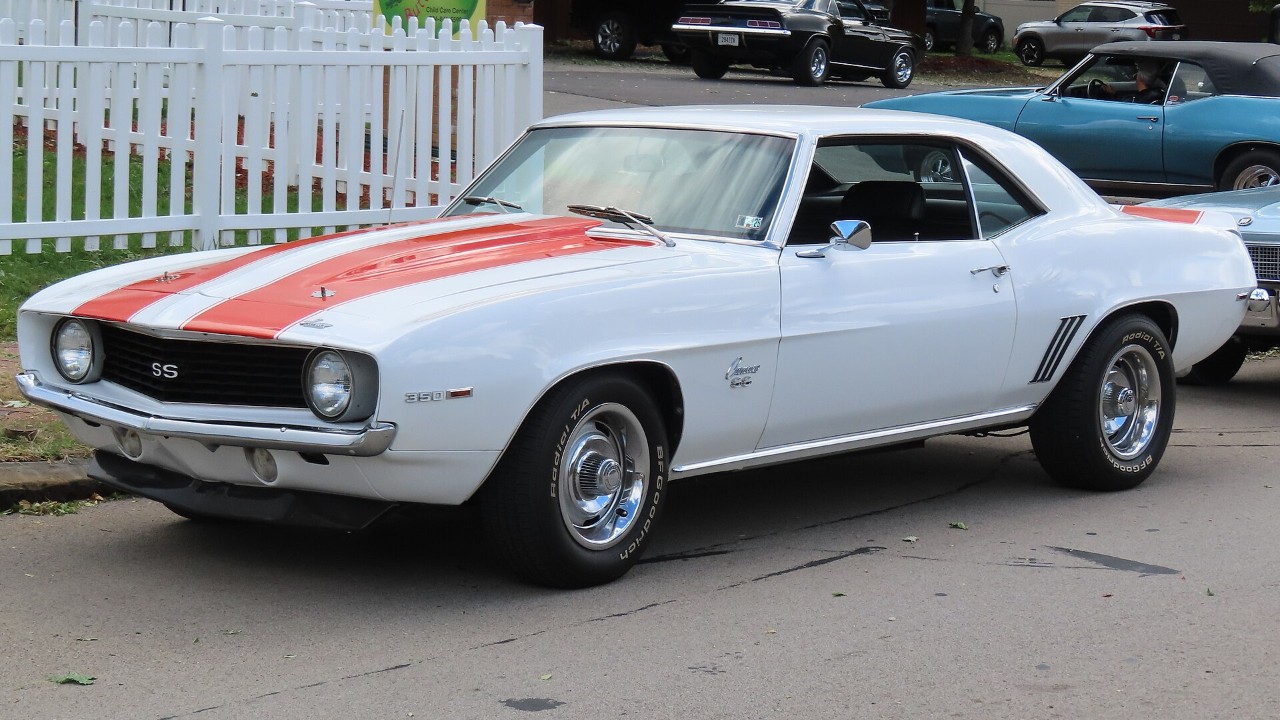
Collectors treat the 1969 Camaro COPO 9560 and 9561 as separate blue-chip assets, not interchangeable muscle cars. You weigh two very different paths to big-block performance, and the details behind each option code now drive six and seven figure decisions.
How COPO orders broke Chevrolet’s engine rules
You first need to understand why these cars exist at all, because that context shapes their value. General Motors leadership limited its performance image by forbidding its Divisions from installing engines larger than 400 CID in mid size and smaller models, so Chevrolet dealers had to work around that corporate ceiling to satisfy serious racers.
Dealers and insiders used the Central Office system, originally meant for fleet paint or trim, to create special Central Office Production Orders that slipped high performance combinations into the Camaro line. The COPO Camaro program used specific Central Office Production Orders 9561 and 9560 to pair the compact body with engines that exceeded the 400 limit, and The COPO Camaro history notes that The COPO 9560 package centered on an aluminum ZL 1 engine while 9561 relied on a different big block configuration.
What separates COPO 9560 and 9561 mechanically
You evaluate 9560 and 9561 first by their engines, because that single choice defines rarity, performance, and long term cost. The COPO 9561 specification used an iron block L72 V 8, a 427ci four bolt main design with high compression that delivered brutal acceleration while still using conventional materials, and one detailed breakdown notes that this COPO 9561 order designation mated a no frills Camaro with GM’s L72 V 8 to create a street friendly but track capable package.
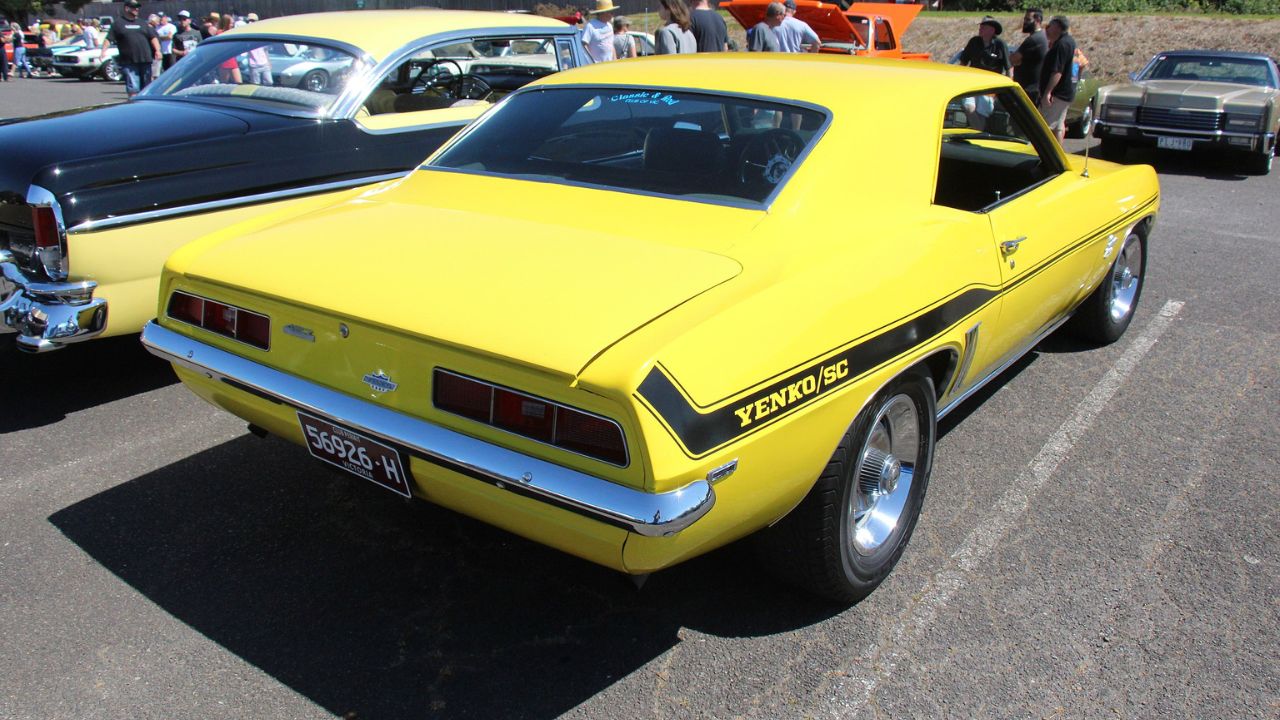
The COPO 9560 combination stepped far beyond that formula, substituting an aluminum ZL 1 version of the 427 that cut weight and pushed performance into near race car territory, and the same historical overview explains that The COPO 9560 engine became known as the ZL 1 and carried a reputation for extreme cost and limited street practicality. A separate technical summary points out that COPO 9561 was basically the same as the 9560 except it got an all iron 427/425hp L72 without transistorized ignition, so you see how Chevrolet built two tiers of firepower around the same displacement but very different hardware.
Production numbers, rarity, and market psychology
You face a classic scarcity equation when you compare these two codes, because both are rare but one sits in a different league. Enthusiast groups describe how the 1969 COPO Camaro is one of the most legendary and rare muscle cars ever built, born from Chevrolet and its secret Centr office performance strategy that kept these builds under the radar of corporate policy.
Historical buyer guides remind you that During the 1969 production year Chevrolet shuffled its regular engine lineup, replacing the base 327 V 8 with a 307, while unofficial choices like the COPO packages quietly served a tiny group of customers, and that context underlines how few buyers even knew these options existed. Broader Camaro production ran into the hundreds of thousands, yet the COPO runs stayed tiny, and one detailed fact sheet notes that only 206 units of a related high performance configuration left the factory, which helps you frame COPO volumes as a fraction of already small performance totals even if exact 9560 and 9561 counts vary by source.
How each COPO drives and presents in the real world
You should picture how these cars feel on the road, because usability influences which code suits your collection. A documented 1969 COPO Camaro finished in LeMans blue with a correct interior and a period transmission shows how a well restored example can function as a turnkey showpiece that still feels like a factory street car, and that specific listing highlights how details like paint quality and interior correctness now matter as much as raw horsepower.
Owners and historians describe the COPO Camaro as an investment grade machine, noting that every COPO Camaro is extremely rare and that the small production runs ensured that every single COPO made ranks among the most valuable Camaros created, so you weigh drivability against preservation with every mile you add. The iron block 9561 cars tolerate regular use better, while the exotic 9560 ZL 1 examples often live as static assets, and that split shapes how you plan insurance, storage, and event appearances.
Key buying considerations for serious collectors
You approach a COPO purchase like a forensic exercise, because documentation and correctness separate seven figure cars from clever clones. The COPO Camaro history notes that The COPO Camaro was produced in limited numbers using Central Office Production Orders 9561 and 9560, so your first task involves verifying that the trim tag, drivetrain stampings, and paperwork align with one of those Central Office Production Orders rather than a later recreation.
Market context also matters, and a detailed 1969 Chevrolet Camaro fact sheet dated Mar 28, 2024 reminds you that GM policy on engines larger than 400 CID shaped the entire performance landscape, which means any documented exception to that rule carries built in historical significance. Enthusiast communities still celebrate these cars, with one group post dated Mar 24, 2025 describing how COPO, Camaro, Chevrolet, and the secret Centr ordering path created a legend that modern collectors now chase, and that ongoing cultural relevance supports long term demand for both 9560 and 9561 examples.