The 1968 Camaro SS arrived as a sharper, more refined evolution of Chevrolet’s first-year pony car. Engineers and designers kept the core formula intact but adjusted styling, performance hardware, and safety features to answer both regulators and rival muscle machines.
I look at how those changes reshaped the SS package, from exterior cues and interior details to engines, suspensions, and production numbers, so the differences from the 1967 launch model become clear for anyone shopping, restoring, or just bench‑racing these cars today.
Styling tweaks that separated 1968 from 1967
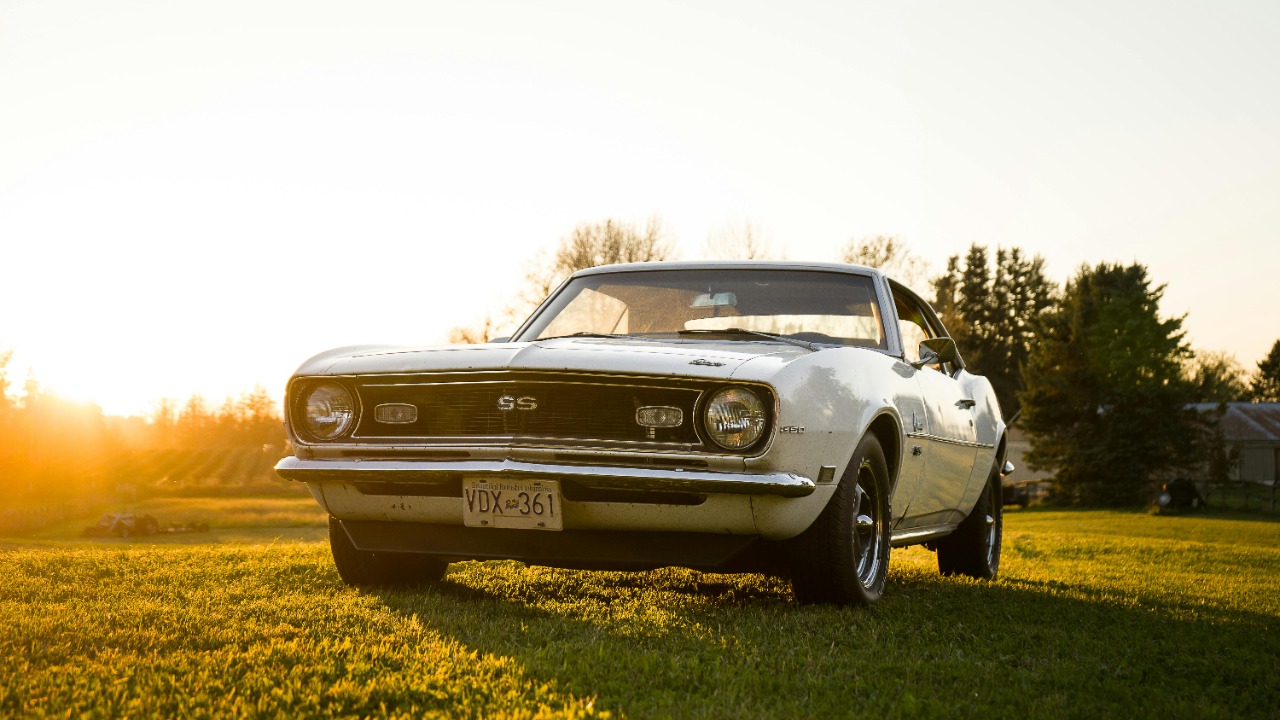
The easiest way to tell a 1968 Camaro SS from the first-year car comes from subtle but deliberate styling changes. Chevrolet removed the vent windows from the doors, so the 1968 coupe and convertible used a single pane of side glass that gave the profile a cleaner, more modern look compared with the 1967 layout. Designers also reshaped the front side marker area and added federally mandated marker lights, which created small but noticeable differences in the front fenders and rear quarter panels when I compare both years side by side. Enthusiasts often use those cues, along with the grille pattern and trim placement, to identify a 1968 SS at a glance, even when badges have disappeared during decades of repainting.
Chevrolet also refined the SS appearance package itself for 1968, so the car projected a slightly more aggressive stance than the original. The SS hood retained its twin simulated intakes, but the striping options and nose details evolved, and the “SS” emblems moved in ways that help distinguish the later car from the 1967 version. Many restorers rely on documented factory trim guides and period photos to confirm correct emblem locations, grille finishes, and wheel styles, because small deviations can signal a clone rather than a genuine Super Sport.
Interior and safety updates that reflected new rules
Inside the cabin, the 1968 Camaro SS looked familiar but complied with tightening safety standards that did not apply when Chevrolet launched the 1967 model. The later car gained side marker lights outside and revised shoulder belt provisions inside, which changed mounting points and hardware compared with the first-year design. Chevrolet also adjusted the dash pad and steering column details to meet evolving regulations, so collectors who chase “date correct” parts often study component changes and option codes to verify that a 1968 SS interior matches its build date and trim tag.
The 1968 model year also brought incremental comfort and convenience improvements that separated it from the original SS, even when both cars carried similar option loads. Buyers could combine the Super Sport package with features like upgraded consoles, auxiliary gauges, and different seat trim patterns that did not always align with 1967 availability. I see those differences show up in factory upholstery charts and option breakdowns, which list specific codes for interior colors, materials, and equipment that help decode whether a given 1968 SS left the factory with a standard interior, a deluxe setup, or additional rally-style instrumentation.
Engine choices and performance changes under the SS badge
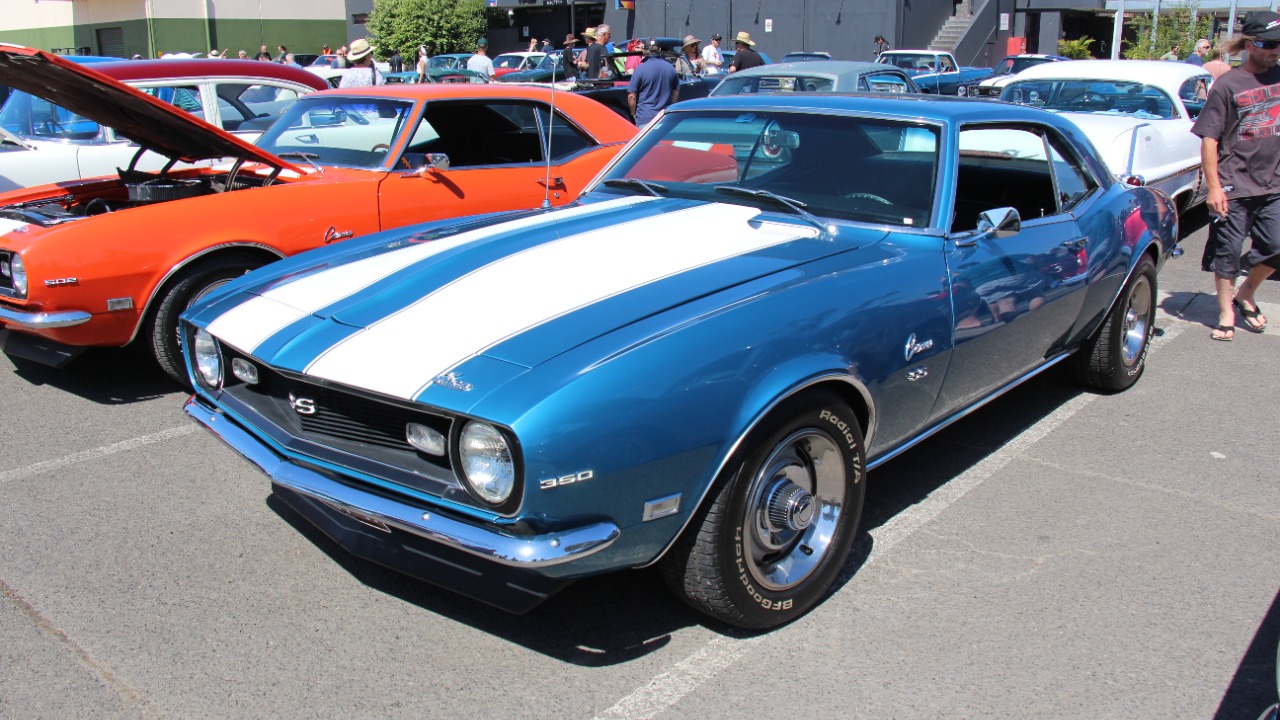
The heart of the Camaro SS package sat under the hood, and the 1968 lineup refined what Chevrolet introduced in 1967. The SS 350 small-block remained the core engine, giving buyers a 350 cubic inch V8 that balanced street manners with strong acceleration, while big-block options continued to push the car into serious muscle territory. Chevrolet adjusted ratings and availability across the two years, so a 1968 SS could carry different horsepower figures and internal updates compared with an otherwise similar 1967 car. Detailed engine charts and drivetrain records list those specifications, including compression ratios, carburetor setups, and transmission pairings that changed as the program matured.
Performance buyers in 1968 also saw the SS badge intersect with more specialized packages that did not exist, or were far rarer, during the first model year. Chevrolet offered combinations that paired the Super Sport hardware with Rally Sport trim, and it also expanded availability of heavy-duty suspensions, axle ratios, and brake upgrades that sharpened the car’s capability beyond the original configuration. Historians often point to production breakdowns and period road tests that document quarter-mile times, gearing choices, and engine codes, which together show how the 1968 SS evolved into a more focused performance package than the 1967 launch car.
Chassis, suspension, and braking refinements
Under the skin, the 1968 Camaro SS benefited from incremental chassis and suspension refinements that responded to both customer feedback and competitive pressure. Chevrolet retained the basic front subframe and rear leaf spring layout from 1967, but engineers adjusted spring rates, shock tuning, and available stabilizer bars to improve handling and ride quality. The SS package continued to include performance-oriented components, yet the tuning for 1968 often delivered better control without punishing harshness, according to contemporary evaluations and later analyses that compare both years on the road.
Braking hardware also saw important shifts that separated the 1968 SS from its predecessor. Disc brakes remained optional, but Chevrolet refined availability and component specifications, which improved fade resistance and pedal feel when owners ordered the right combination of options. Documentation of brake systems and suspension setups for each year shows how the factory gradually strengthened the Camaro’s underpinnings, so a 1968 Super Sport, properly equipped, could stop and corner more confidently than a comparable 1967 example.
Production numbers, rarity, and collector perception
Production figures and option mixes also highlight how the 1968 Camaro SS differed from the first-year model in the marketplace. Chevrolet built the 1967 Camaro as a brand-new entry in the pony car segment, so the SS package represented a bold performance statement in its debut year. By 1968, the company had clearer data on buyer preferences, which influenced how many Super Sport cars it produced, how often customers paired SS hardware with Rally Sport trim, and which engines dominated the order sheets. Researchers rely on factory production records and RPO distribution tables to quantify those shifts, including the relative rarity of certain engine and option combinations that appeared more frequently in one year than the other.
Those production nuances now shape collector perception and values, because rarity and specification often matter as much as condition. A 1968 SS with a particular engine code, transmission, and color combination can command a premium over a more common 1967 configuration, even if both cars share similar mileage and restoration quality. Market guides and auction reports that track value trends and sale results show how enthusiasts weigh the incremental improvements of the 1968 model against the historical appeal of the first-year SS, which keeps debate lively whenever collectors compare these two closely related but meaningfully different Camaros.