Collectors do not value every 1969 Camaro equally, even when the paint shines and the sheet metal looks straight. Specific factory options and packages can swing prices from entry level money into six figure territory, depending on rarity, documentation, and performance potential.
Buyers who understand which codes on a trim tag or build sheet matter most can separate a pleasant driver from a serious investment. The most dramatic value shifts usually trace back to engine choices, performance packages, and a handful of rare option combinations that enthusiasts chase aggressively.
Base cars versus headline packages
Market value for a 1969 Camaro starts with the basic configuration, then climbs sharply as performance and appearance packages stack up. A plain coupe with a small V8 and no major option group usually sits at the bottom of the price ladder, which aligns with guidance that a regular base 1969 Chevrolet Camaro may offer the most affordable entry point for buyers who want the look without the premium. That same analysis notes that the base car may be the best bet for shoppers who do not want to “tear a crater” in their budget, which underscores how far prices rise once desirable options enter the picture.
Owners and appraisers often describe real world spreads that match this pattern. One discussion from Jun 9, 2025, framed a non RS, non SS, non Z28 car with an original but modest engine as a low 20s to high 30s proposition, and the comment stressed that Its not even a 350, which fetches more. That remark highlights how the absence of headline packages and stronger engines keeps values in a lower band, while the presence of those upgrades can move the same body style into a very different market tier.
Big block and specialty engines that reset the price
Engine choice ranks among the most powerful levers on 1969 Camaro values, especially when big block options enter the conversation. Reporting on factory specifications lists four official 1969 Camaro 396 big block options, identified as L34 with 325 hp, L35 with 350 hp, and L78 with 375 hp, along with a further performance variant. Those numbers, 396, 325, 350, and 375, still resonate with collectors who pay clear premiums for cars that retain their original high output engines and correct supporting hardware.
Corporate policy at the time shaped which engines appeared on order sheets and which required back channel work. A fact sheet from Mar 27, 2024, notes that a GM corporate edict barred its Divisions from installing engines larger than 400 CID in mid size and smaller models, which included the Camaro. That rule pushed Chevrolet to rely on special Central Office Production Order arrangements for extreme builds, including the legendary ZL1 cars that used an all aluminum big block. A valuation report from Jan 29, 2025, states that You will Pay Approximately $622,000 for a Good Condition 1969 Camaro ZL1, and explains that Due to the ZL1 rarity, any appearance on the market commands that kind of figure. That single number, $622,000, shows how a specific engine package can move a Camaro from collectible to blue chip status.
RS, SS, and Z/28 packages as value multipliers
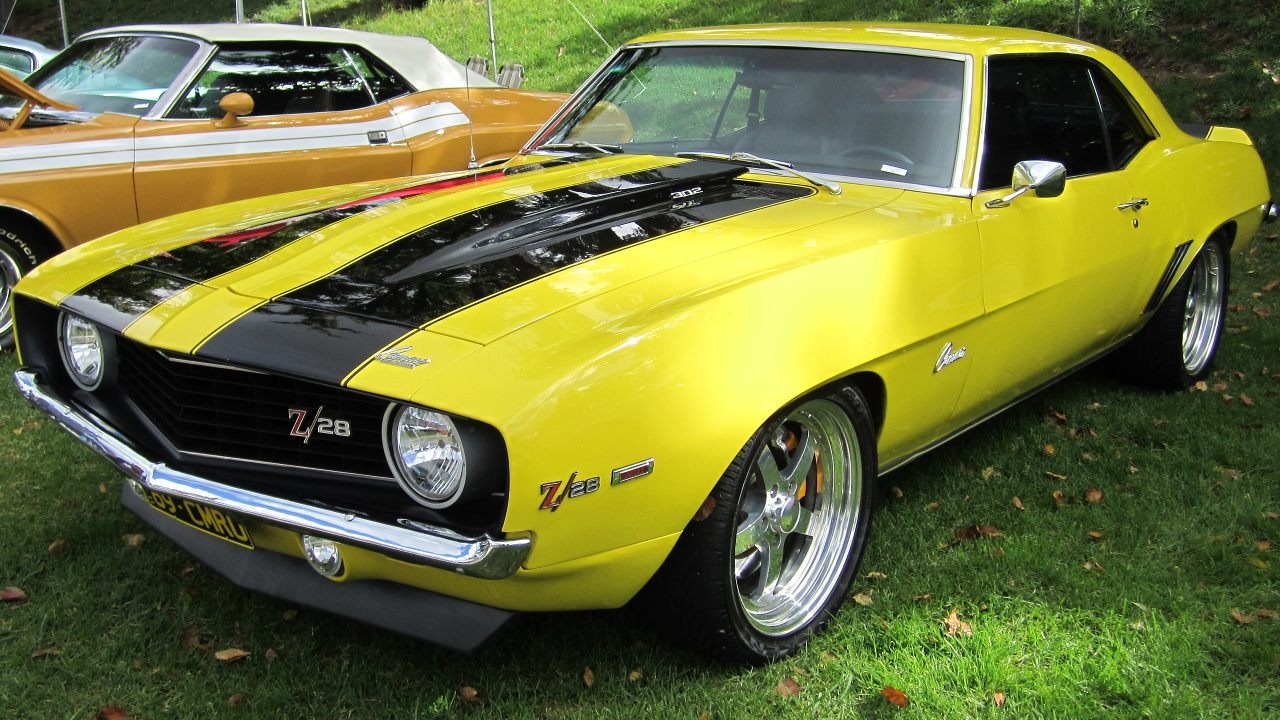
Beyond raw displacement, factory appearance and performance packages create clear price tiers. The Super Sport package, marketed as Chevrolet Camaro SS, bundled a stronger engine with chassis and trim upgrades that modern buyers still prize. An investment overview from Apr 27, 2024, describes the 1969 Chevrolet Camaro SS as a showcase for the Super Sport package and positions it as a significant piece of American automotive history, which helps explain why documented SS cars usually trade well above comparable base models.
The Z/28 package occupies its own lane, especially when combined with other options. A feature from Nov 3, 2020, breaks down how Z/28 badges and trim details distinguish these cars from standard Camaros, and notes that the Z/28 badge placement and related cues matter to authenticity checks. Another report from May 26, 2025, calls the 1969 Chevrolet Camaro Z28 RS a legendary American muscle car and highlights its striking appearance and exhilarating performance, which reflects the market reality that RS equipped Z/28 cars often sit near the top of the regular production hierarchy. Buyers pay for that blend of performance and style, and they discount cars that only mimic the look without the correct codes or documentation.
Rare option combinations that spike prices
Some of the sharpest value jumps come from obscure options that only a small number of buyers selected in period. A community discussion from Jul 3, 2025, points to a Z/28 non RS with headlight washers as a standout example, noting that Only 116 total cars sold with headlight washers and not the RS option across the entire run. That figure, 116, instantly signals rarity, and collectors often pay a meaningful premium when they can verify that a car carries such an unusual configuration from new.
Other rare combinations hide behind subtle sheet metal cues. Coverage from Nov 3, 2020, describes a ZL2 hood fitted to a COPO car and notes the typical COPO stealthy absence of any engine ID hood badge. That detail matters because it helps identify genuine Central Office builds that used heavy duty drivetrains without flashy exterior callouts. The same reporting also references how certain advertising from Nov 3, 2020, pitched This Chevy to both younger buyers and their parents, with Some parents even asking for the sporty styling package or deluxe interior, which hints at how option mixes varied widely. Today, collectors scrutinize those mixes, and they often pay more for cars that pair performance hardware with upscale interiors or unusual color and trim combinations that remain traceable to original paperwork.
Documentation, originality, and modifications
Even the most desirable option list loses impact when documentation falls short. A buyer guide from Feb 22, 2021, advises shoppers that When in doubt, they should hire a professional automobile inspector to give a full report, and later asks Now, for the final question, whether modifications add value to the vehicle. That framing reflects a market where originality and verified history usually carry more weight than bolt on upgrades, especially for high end cars like Z/28, SS, or COPO builds.
Some period correct changes, however, do not always hurt value and can even reassure buyers about drivability. An appraisal discussion of a 1969 RS car notes Modifications such as a TH400 swap from a TH350 and describes that change as not a drawback, since the stronger transmission remains period correct. The same source mentions a Mild cam and H pipe exhaust as mild performance upgrades that stay within the spirit of the car. For investors, the key distinction lies between reversible, era appropriate tweaks and heavy alterations that erase the link between the car and its original build sheet.
How buyers can read options into real money
Translating option codes into market value requires more than memorizing a few famous packages. A valuation overview from Oct 7, 2024, stresses that There are several key factors that can significantly affect the price of a particular Z/28, and adds that One major factor is the car originality and documentation. That same guidance warns that restamped engines or recreated tags can artificially inflate their value, which means buyers must treat unusually cheap “fully loaded” cars with caution.
Broader pricing commentary supports that caution. A piece from Mar 28, 2021, notes that the base 1969 Chevrolet Camaro may be the best bet for budget conscious shoppers, while more exotic versions entrench the car high value. Real world appraisals echo that spread, with one Jun 9, 2025, estimate placing a non RS, non SS, non Z28 car without a 350 engine in the low 20s to high 30s range, while the Jan 29, 2025, ZL1 valuation of $622,000 shows how far the ceiling rises when the right boxes were ticked at the factory. Between those extremes sit the majority of cars, where careful reading of RS, SS, Z/28, 396, and rare option codes can mean the difference between a fair deal and a missed opportunity.