The 1970s were packed with change—emissions rules, fuel crises, and corporate reshuffling. That meant some decent cars got lost in the shuffle. A few of them showed real promise, but either hit the market at the wrong time or never got the attention they deserved. They weren’t flops because they were bad. They just couldn’t get traction before the industry moved on.
1975 Chevrolet Monza 2+2

The Monza 2+2 had clean lines and compact V8 power, but GM released it just as emissions strangled performance. Early versions even had rotary engine plans, which fizzled before launch. A 262-cubic-inch V8 was offered, but output was underwhelming at 110 horsepower. It looked right, but its timing couldn’t have been worse.
1974 Bricklin SV-1
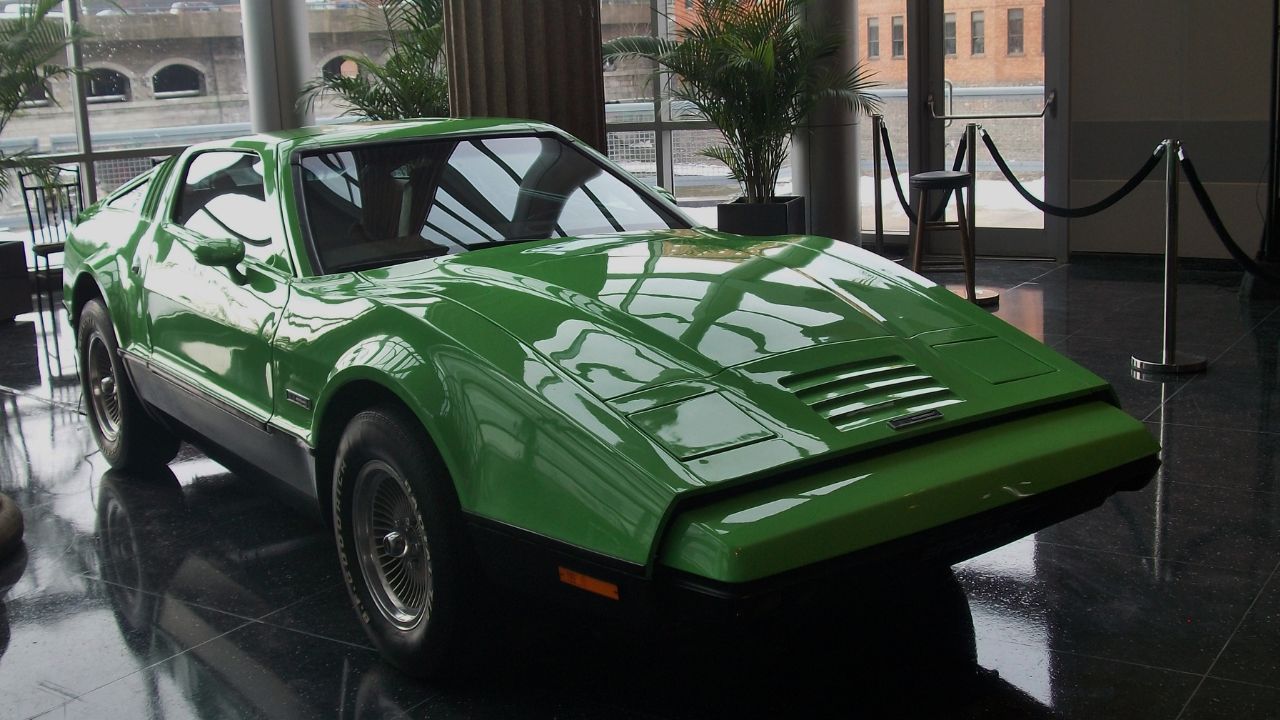
The SV-1 came from Canada with gullwing doors and safety-first marketing. Underneath, it had AMC or Ford V8s, and a fiberglass body that resisted rust. But quality control was a mess, and early buyers dealt with electrical gremlins and poor assembly. Fewer than 3,000 were built before the company collapsed in 1976.
1971 Ford Torino GT SportsRoof

The Torino GT SportsRoof had aggressive fastback styling and optional 429 big-blocks, but Ford didn’t market it with the same muscle car bravado as others. By ’72, the GT badge vanished, replaced by the Gran Torino lineup. It never got the fanfare it deserved before performance models faded into luxury trim.
1970 AMC Rebel Machine

AMC built only one year of the Rebel Machine, and while it packed a 340-horsepower 390 V8, buyers weren’t lining up. Painted white with red, white, and blue stripes, it was hard to miss—but maybe a little too loud for the average driver. AMC dropped it in 1971 and pivoted toward the Matador.
1976 Cadillac Seville

The original Seville was Cadillac’s downsized answer to growing European competition. Built on a Nova platform, it was compact by Cadillac standards but still well-equipped. Some buyers didn’t know what to make of it. Sales were modest at launch, though its clean design eventually influenced GM’s entire luxury strategy.
1976 Dodge Aspen R/T
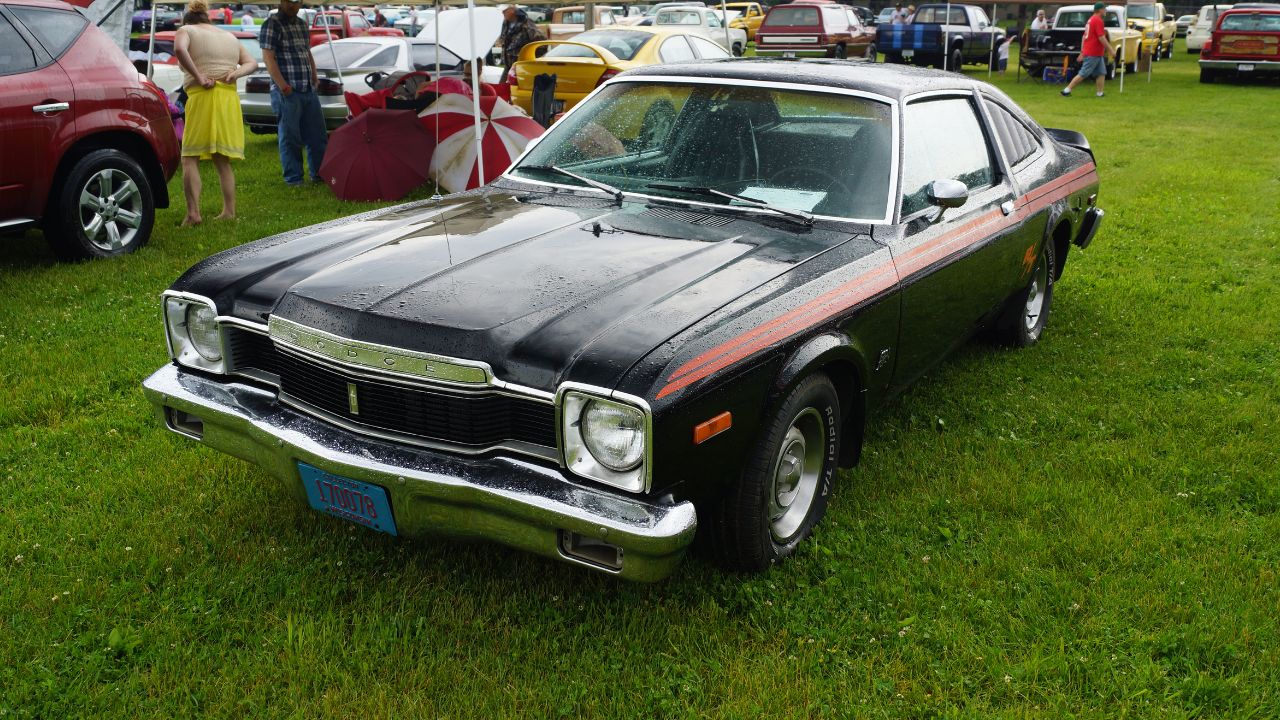
The Aspen R/T looked promising on paper with V8 options, bucket seats, and sporty stripes. But rust issues, recalls, and quality problems sank its reputation fast. Dodge never fully redeemed it, and it faded just as the compact muscle trend started to catch on again in the early ’80s.
1974 Jensen Interceptor III

The British-built Interceptor had American power—Chrysler 440 V8s—and Italian-inspired styling. It was luxurious and fast but pricey and not widely known in the U.S. Fuel crises and the dollar’s collapse didn’t help. It was quietly discontinued in 1976 with fewer than 7,000 units sold during the decade.
1979 Pontiac Phoenix LJ

The Phoenix was intended to replace the Ventura with a more modern, front-wheel-drive layout later in its run. The early rear-drive LJ versions had potential but were forgotten fast. Soft styling, underwhelming engine choices, and a lack of identity made it hard to stand out. Pontiac didn’t keep it around for long.
Like Fast Lane Only’s content? Be sure to follow us.
Here’s more from us:
*Created with AI assistance and editor review.