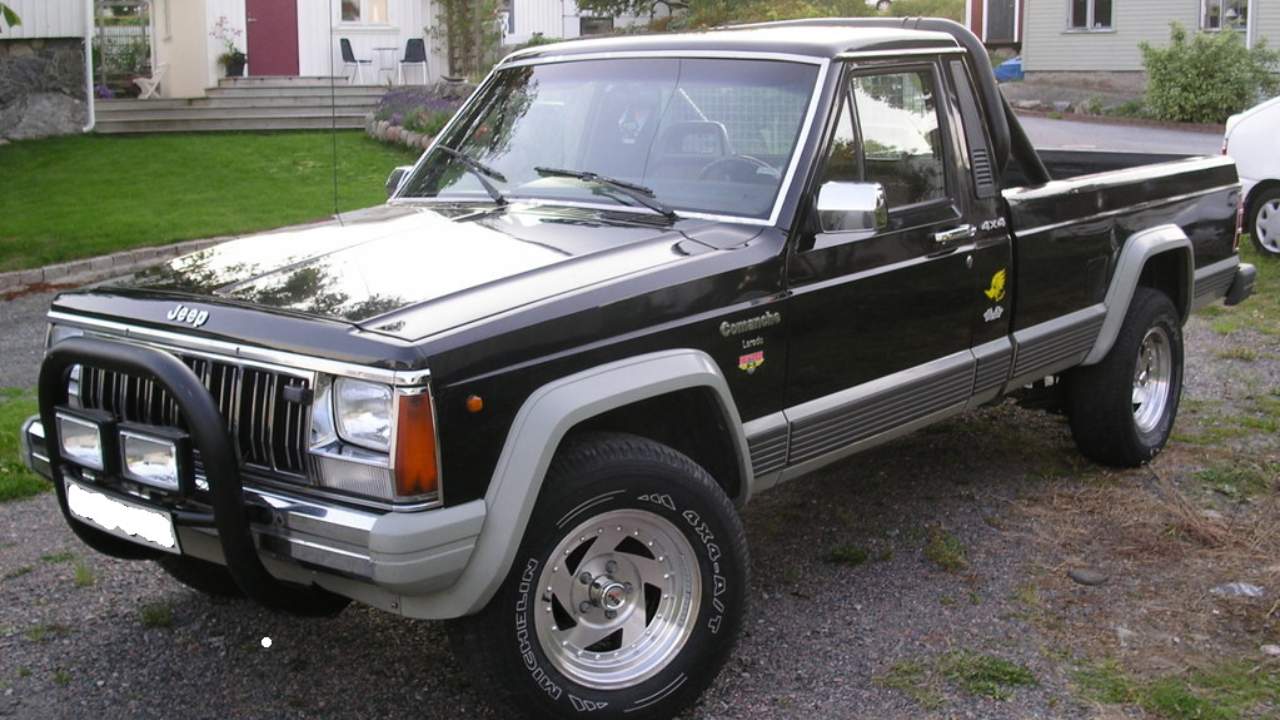
Some muscle cars roared onto the scene for just a year, leaving a lasting mark despite their brief run. These machines packed serious power and style, but vanished due to regulations, costs, or shifting markets. Below, we unpack eight one-year wonders, digging into their specs, production costs, and why they’re still worth chasing for those who know their cars.
1969 Dodge Charger Daytona
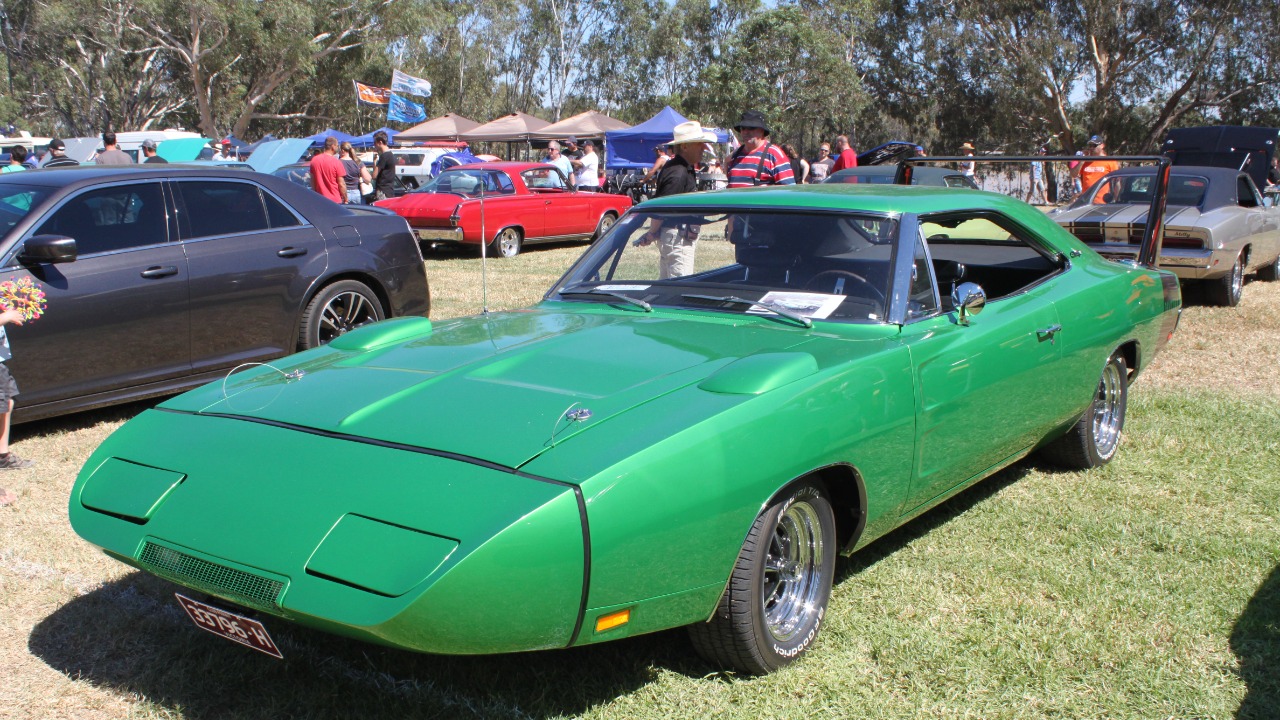
Dodge’s 1969 Charger Daytona was a NASCAR weapon with a 426 Hemi V8, pumping out 425 horsepower. It hit 200 mph, thanks to a 0.28 drag coefficient, nose cone, and huge wing. Only 503 were built, costing $3,800 new (about $30,000 today). Hemi models, just 70 made, are the rarest.
Built to meet NASCAR’s 500-unit rule, it vanished after 1970 due to rule changes. Its aero design shaped future cars, and pristine examples now fetch over $1 million at auction.
1970 Plymouth Superbird
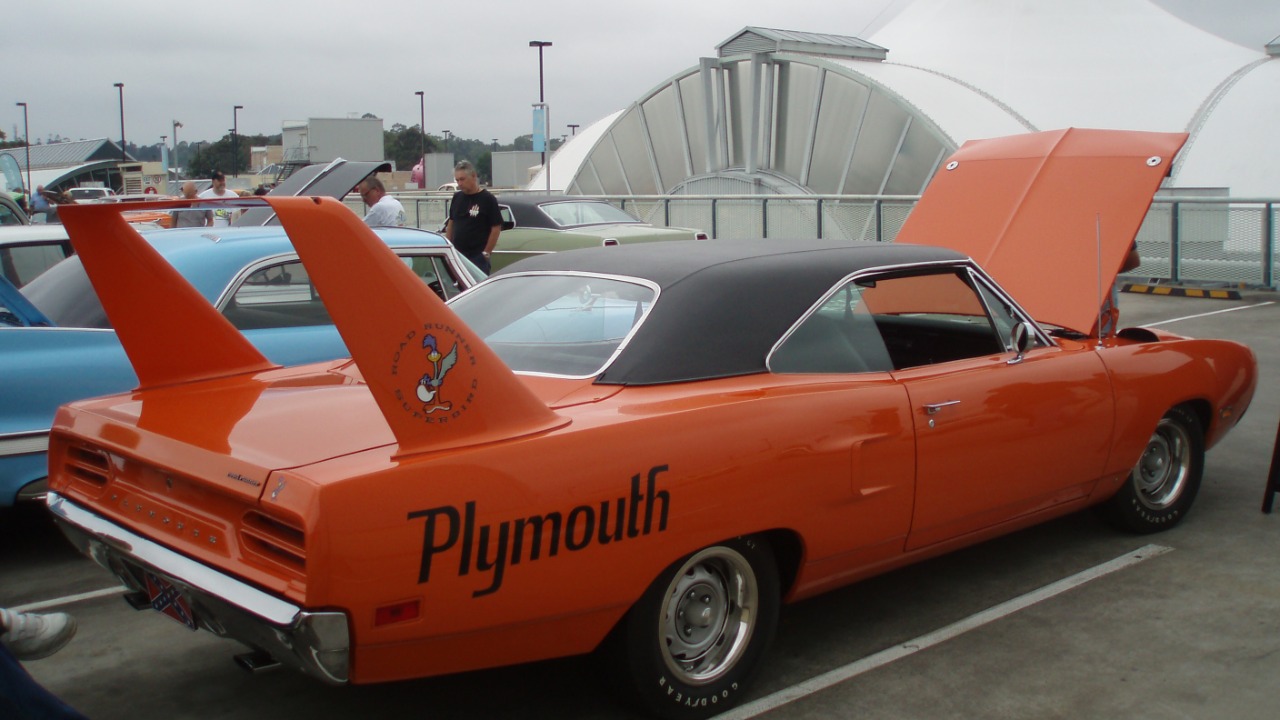
The 1970 Plymouth Superbird, Dodge’s cousin, matched the Daytona’s 426 Hemi V8 and 425 horsepower, hitting 200 mph. Priced at $4,300 (around $33,000 today), 1,920 were made, with 135 Hemi-powered. Its wild wing and nose made it unmistakable, with a 0-60 mph time of 5.5 seconds.
Like the Daytona, it was a NASCAR homologation special, axed after one year due to regulations and market shifts. Hemi Superbirds now sell for $500,000-plus, a nod to their racing legacy.
1970 Chevrolet Chevelle SS 454 LS6

The 1970 Chevelle SS 454 LS6 packed a 454-cubic-inch V8, cranking out 450 horsepower and 500 lb-ft of torque. It hit 0-60 mph in 5.4 seconds, costing $3,500 new (about $27,000 today). Around 4,475 were built, using a 4-barrel carb and 11.25:1 compression.
Emissions rules killed the LS6 after one year, as high-compression engines faded. Its raw power and clean design make it a collector’s prize, with values reaching $200,000 for mint examples.
1970 Ford Torino King Cobra

Ford’s 1970 Torino King Cobra was a NASCAR contender with a 429 Cobra Jet V8, making 370 horsepower. Priced at $3,600 (around $28,000 today), only three prototypes were built. Its aero nose and 4-speed manual hit 0-60 mph in 5.8 seconds, with 385 lb-ft of torque.
Ford scrapped it after NASCAR banned aero cars. Its rarity and racing roots make it a holy grail, with prototypes valued at over $500,000 if they ever surface.
1970 Oldsmobile 442 W-30
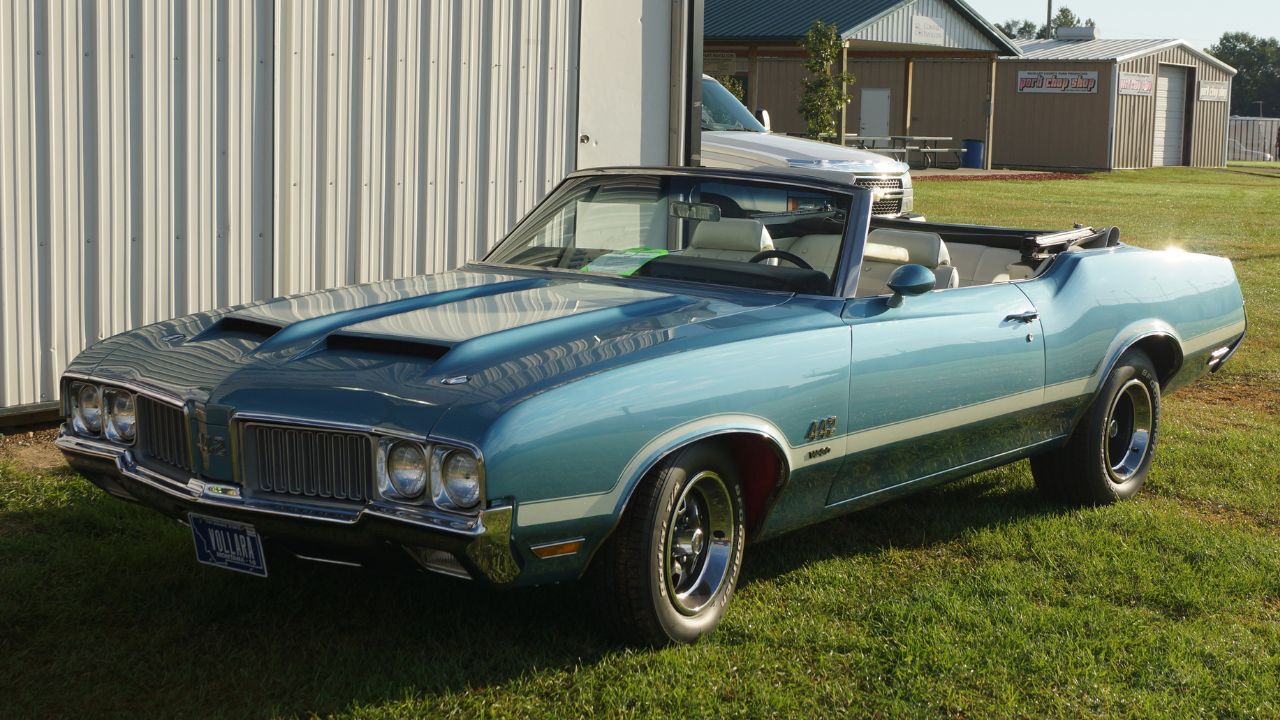
The 1970 Oldsmobile 442 W-30 had a 455 V8, producing 370 horsepower and 500 lb-ft of torque. Costing $3,300 (about $25,000 today), around 1,000 got the W-30 package. It hit 0-60 mph in 5.7 seconds, with a fiberglass hood and aluminum intake saving weight.
Emissions laws and insurance costs ended its run after 1970. Its balanced power and handling make it a collector’s favorite, with clean examples fetching $100,000 or more today.
1971 Pontiac GTO Judge

The 1971 Pontiac GTO Judge featured a 455 HO V8, rated at 335 horsepower and 480 lb-ft of torque. Priced at $3,700 (around $28,000 today), only 357 were made. Its 4-barrel carb and 8.8:1 compression hit 0-60 mph in 6.1 seconds. A Hurst shifter added flair.
Rising insurance rates and emissions rules killed the Judge after one year. Its bold graphics and power make it a standout, with values now hitting $80,000-$120,000.
1969 Mercury Cyclone Spoiler II

The 1969 Mercury Cyclone Spoiler II, built for NASCAR, used a 351 Windsor V8, making 290 horsepower. Priced at $3,500 (about $29,000 today), only 519 were made. Its sleek nose and 4-speed manual hit 0-60 mph in 6.5 seconds, with 385 lb-ft of torque.
Ford’s focus shifted to the Talladega, ending the Spoiler II after one year. Its rarity and aero design push values to $150,000 for pristine examples, a collector’s dream.
1970 Buick GSX Stage 1
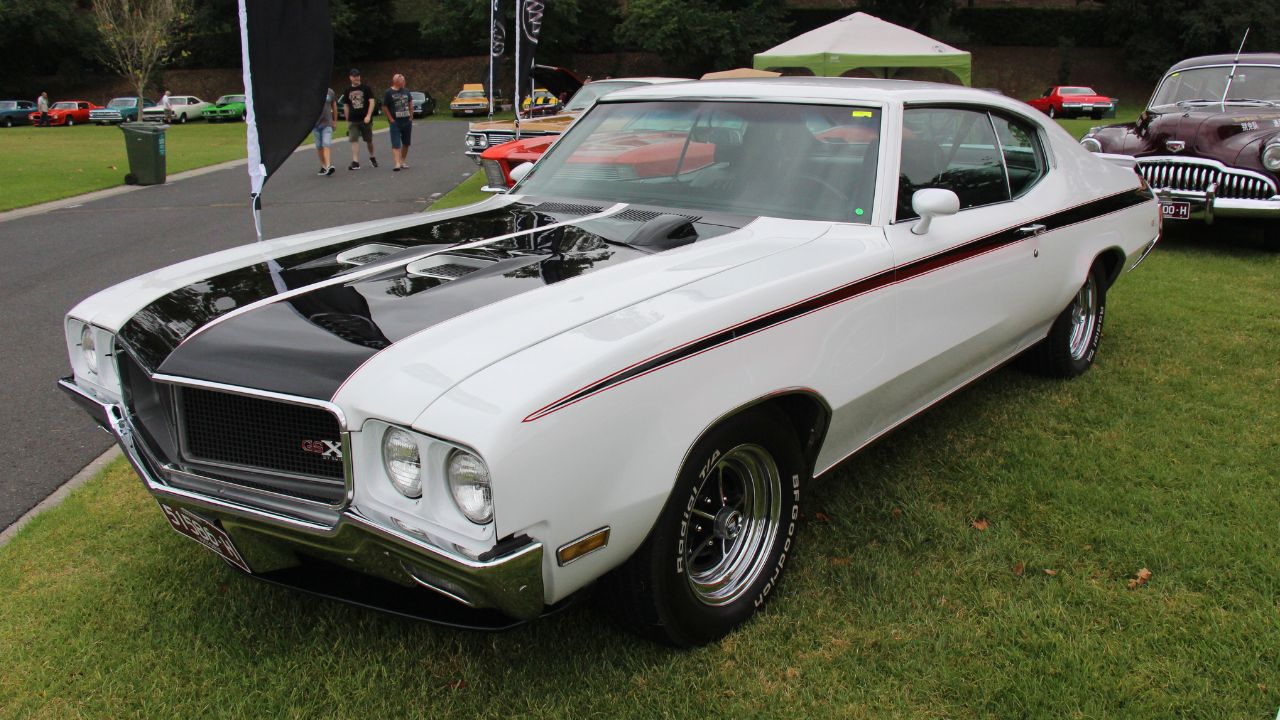
The 1970 Buick GSX Stage 1 had a 455 V8, delivering 360 horsepower and 510 lb-ft of torque. Costing $4,200 (around $32,000 today), only 400 were made. Its 10.5:1 compression and 4-barrel carb hit 0-60 mph in 5.5 seconds, a luxury muscle beast.
Emissions and market shifts ended its run. Its understated looks and brutal power make it a sleeper hit, with clean GSXs now valued at $100,000-$150,000.
Like Fast Lane Only’s content? Be sure to follow us.
Here’s more from us:
*Created with AI assistance and editor review.