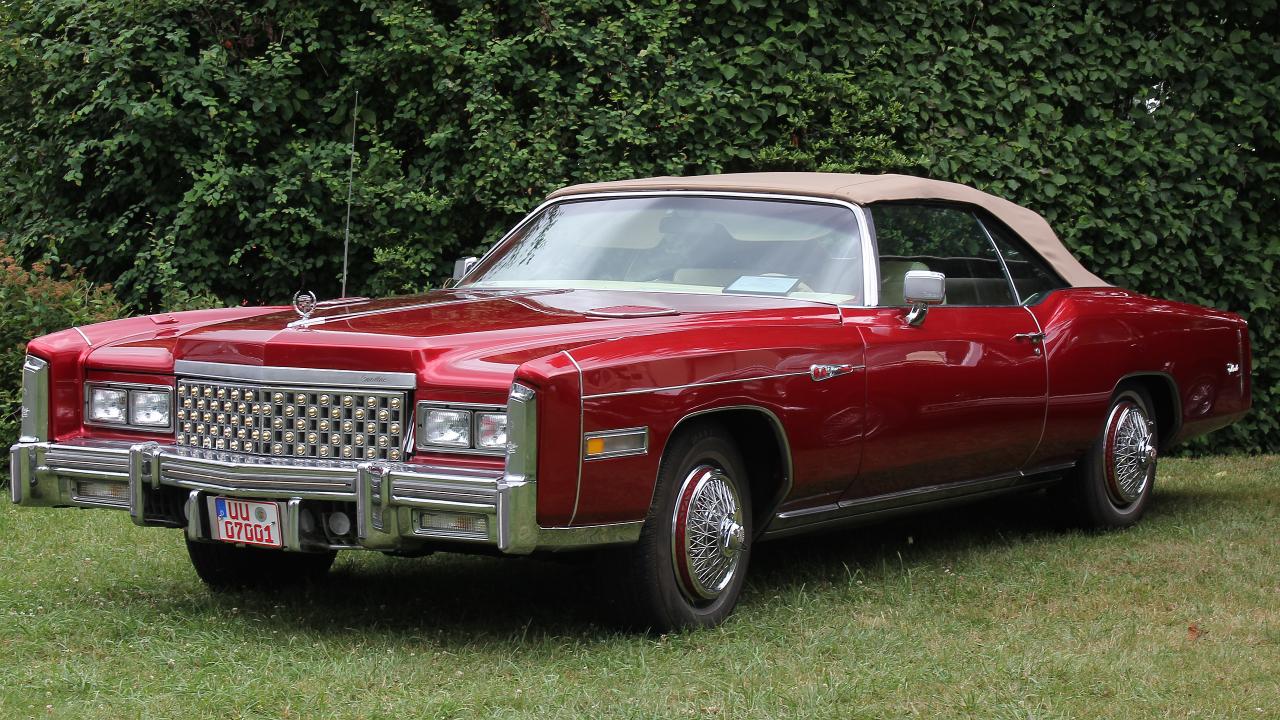
Some American cars were styled for a particular moment, while others seem to improve with age. Their proportions, chrome details, distinctive grilles, and unmistakable silhouettes have become more appealing as modern vehicles have grown increasingly similar. These classics may have looked ordinary or extravagant when new, but time has given them a presence that is difficult to ignore today.
Buick Riviera
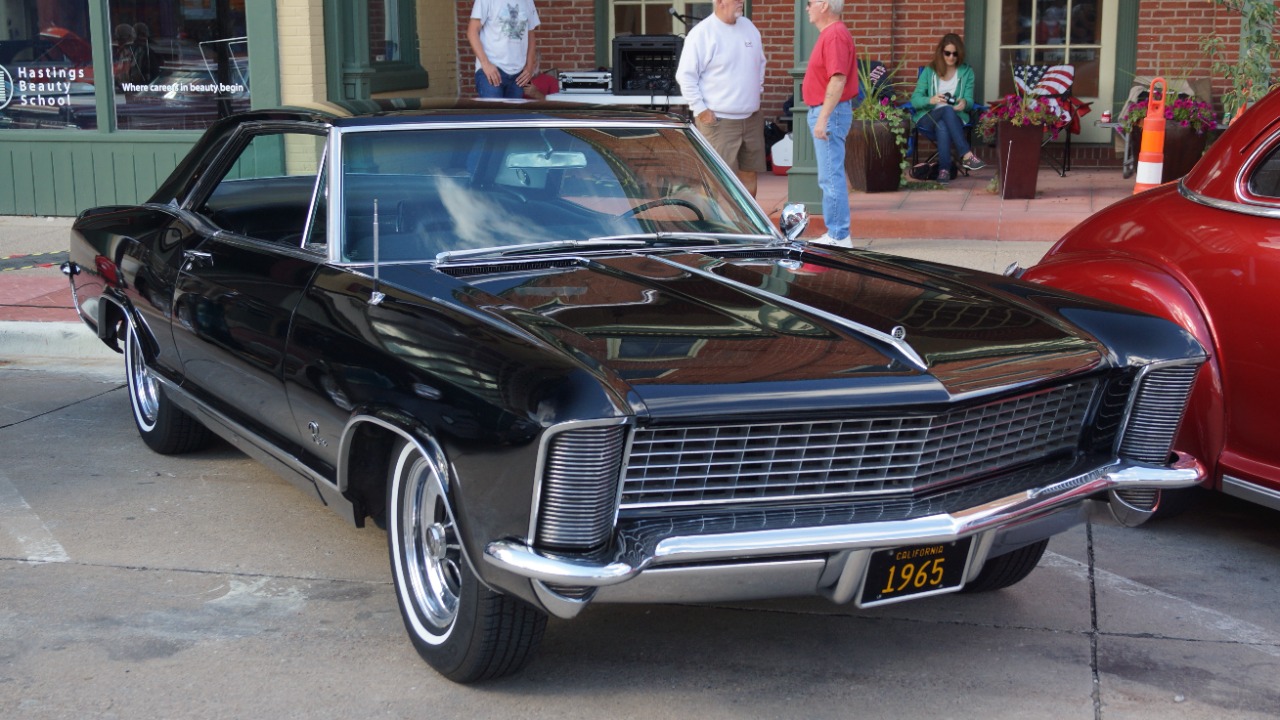
The Buick Riviera remains one of the strongest examples of American personal-luxury design. Its long hood, clean roofline, and carefully balanced proportions gave it a more sophisticated appearance than many larger American cars of the period. The Riviera avoided excessive decoration on some generations, allowing its basic shape to stand out. Today, that restraint makes well-preserved examples especially attractive. It looks like a car designed to be elegant first and flashy second.
Pontiac Firebird

The Pontiac Firebird developed a shape that has aged remarkably well. Its long hood, low roof, and distinctive rear treatment gave it a sporty appearance without relying entirely on exaggerated details. Different generations offered very different interpretations, but the classic versions remain instantly recognizable. The Firebird also benefited from Pontiac’s willingness to give its performance cars a strong visual identity. Decades later, a clean example still looks purposeful rather than simply old.
Ford Torino
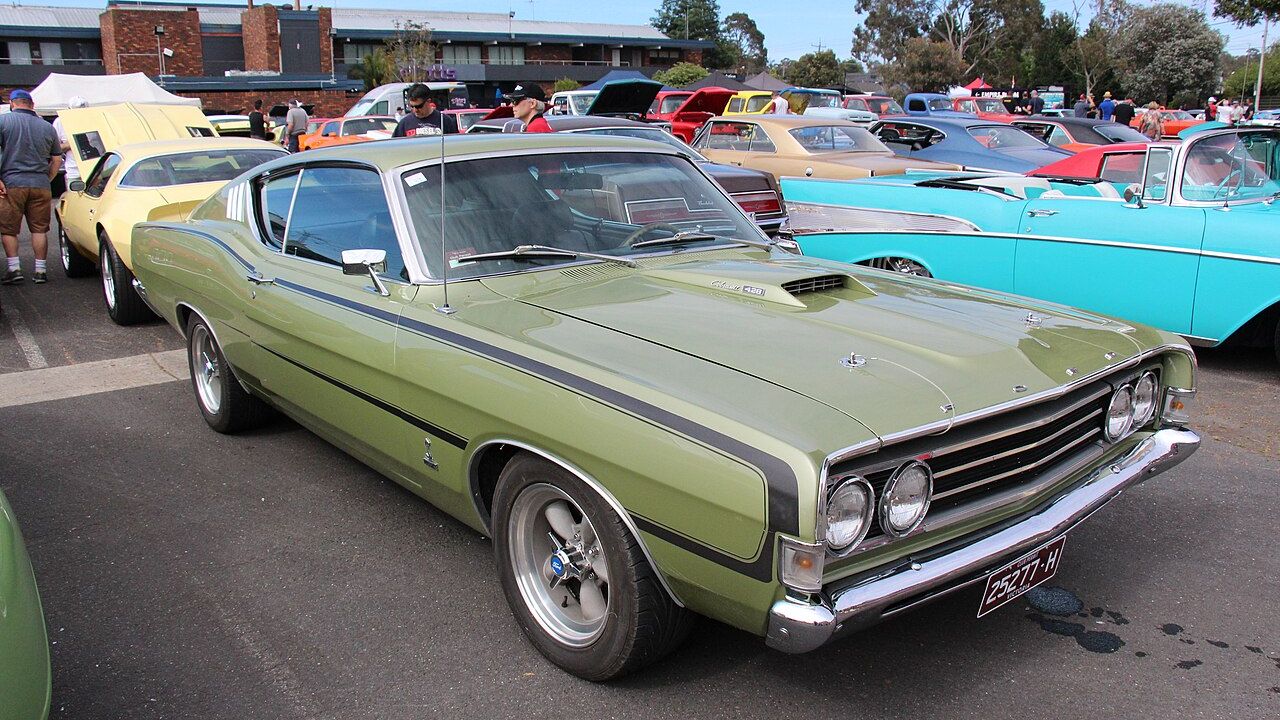
The Ford Torino had several memorable designs, ranging from clean mid-1960s styling to the more aggressive shapes that followed. Its long body and fastback variations gave the car an unmistakable presence, while performance versions added even more visual appeal. The Torino has become increasingly interesting as collectors look beyond the usual Mustang and Camaro choices. Its proportions work particularly well today because they capture the confident, low-slung character of classic American performance cars.
Mercury Cougar
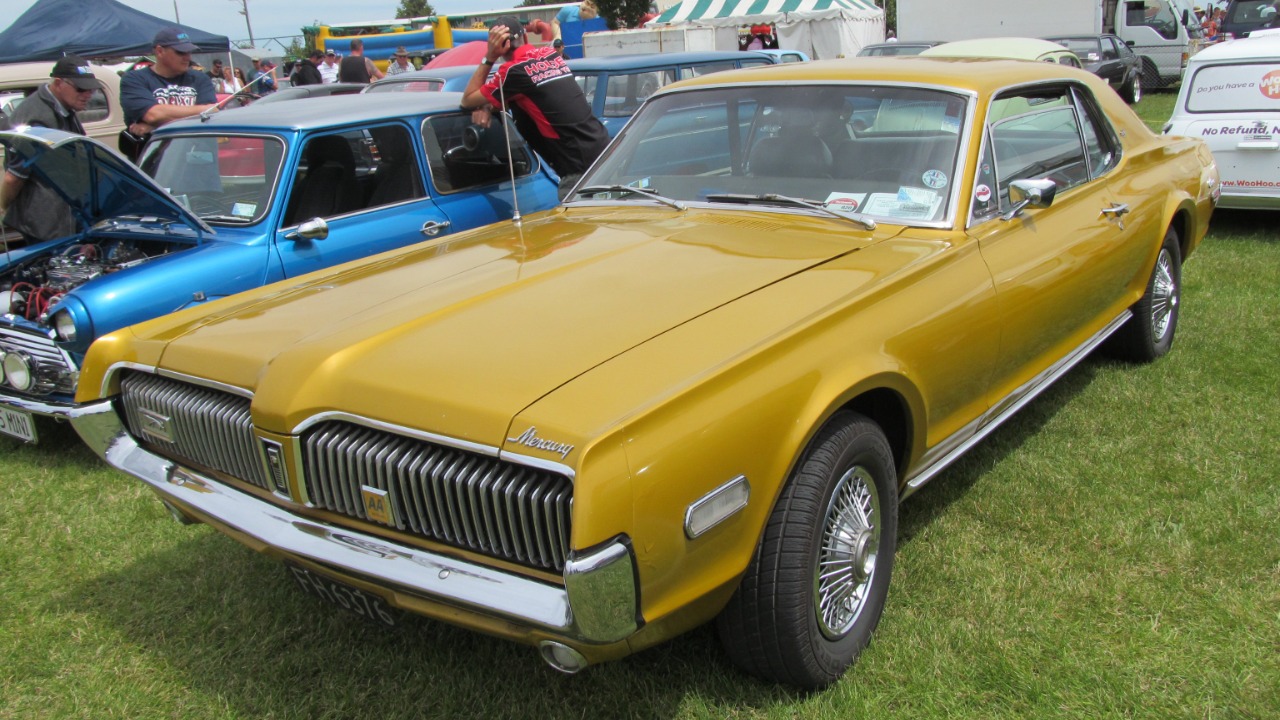
The Mercury Cougar brought a more refined interpretation of the pony-car formula and developed a distinctive identity of its own. Early cars featured hidden headlights, a long hood, and elegant lines that separated them from the Mustang. Later generations became larger and more dramatic. The Cougar’s combination of sporty proportions and upscale details has aged particularly well, making it an appealing classic for someone who wants recognizable American styling without choosing the most obvious performance car.
Oldsmobile Cutlass
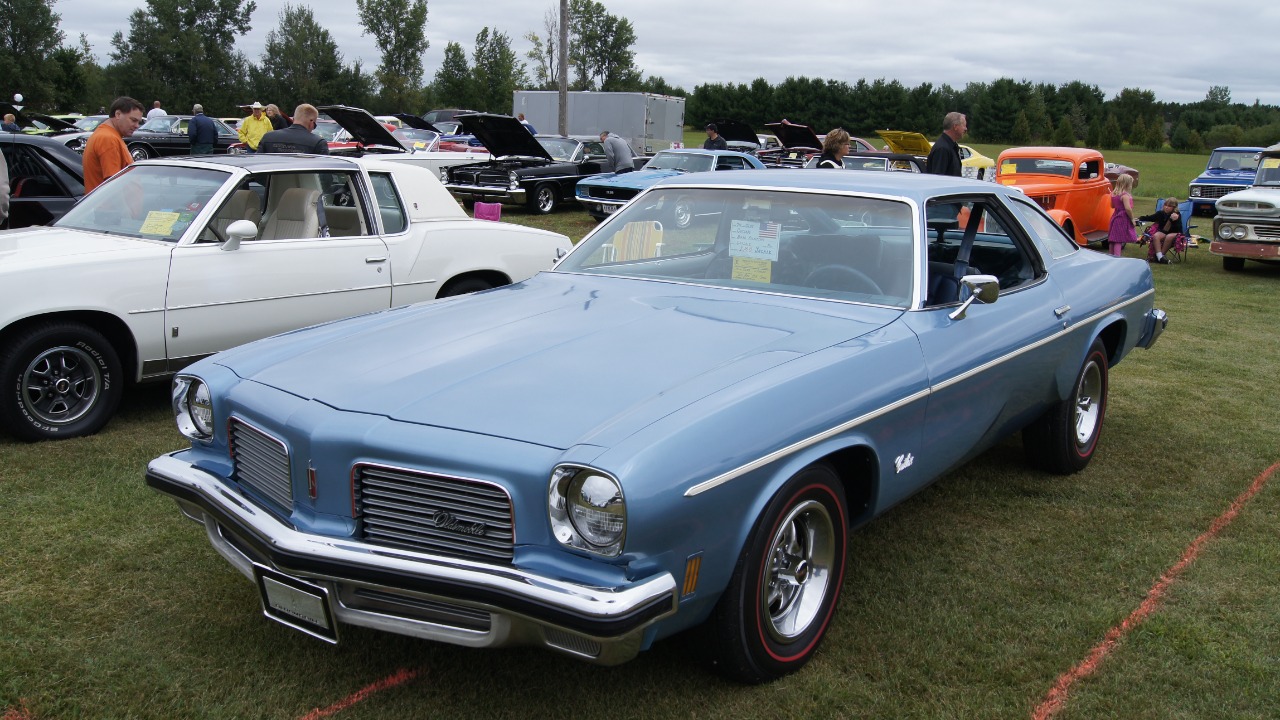
The Oldsmobile Cutlass became one of America’s most familiar midsize cars, but certain generations have gained considerable style appeal with age. Long hoods, formal rooflines, sculpted body sides, and muscular proportions gave the car a strong presence without making it look overly aggressive. Performance versions are particularly desirable, but even ordinary Cutlasses can attract attention today. Their styling captures an era when midsize American cars were substantial without becoming enormous.
Chevrolet Monte Carlo

The Chevrolet Monte Carlo was designed as a personal-luxury coupe, and its proportions still give it plenty of character. Its long hood, spacious cabin, and broad body created a relaxed but confident appearance. Later versions developed more aerodynamic shapes, while earlier cars had a distinctly formal look. The Monte Carlo has benefited from nostalgia and from growing appreciation for large American coupes. Today, a clean example can look far more special than its original positioning might suggest.
Chrysler Cordoba
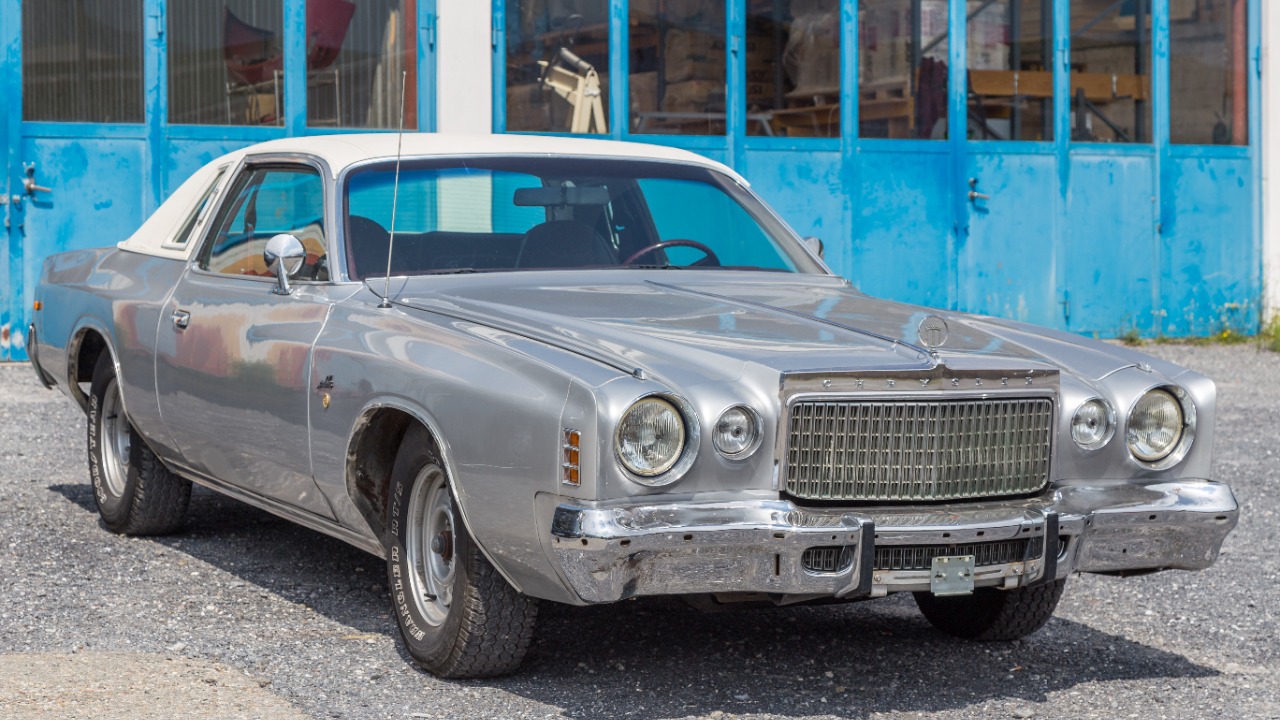
The Chrysler Cordoba represents an era when American personal-luxury cars embraced distinctive styling and comfortable proportions. Its formal roofline, long body, and available plush interiors gave it a presence that is increasingly difficult to find. The famous emphasis on rich-looking trim also became part of its identity. While it was never a traditional muscle car, the Cordoba has aged into an interesting time capsule. Its unusual character makes it stand out among more familiar classic coupes.
Dodge Monaco
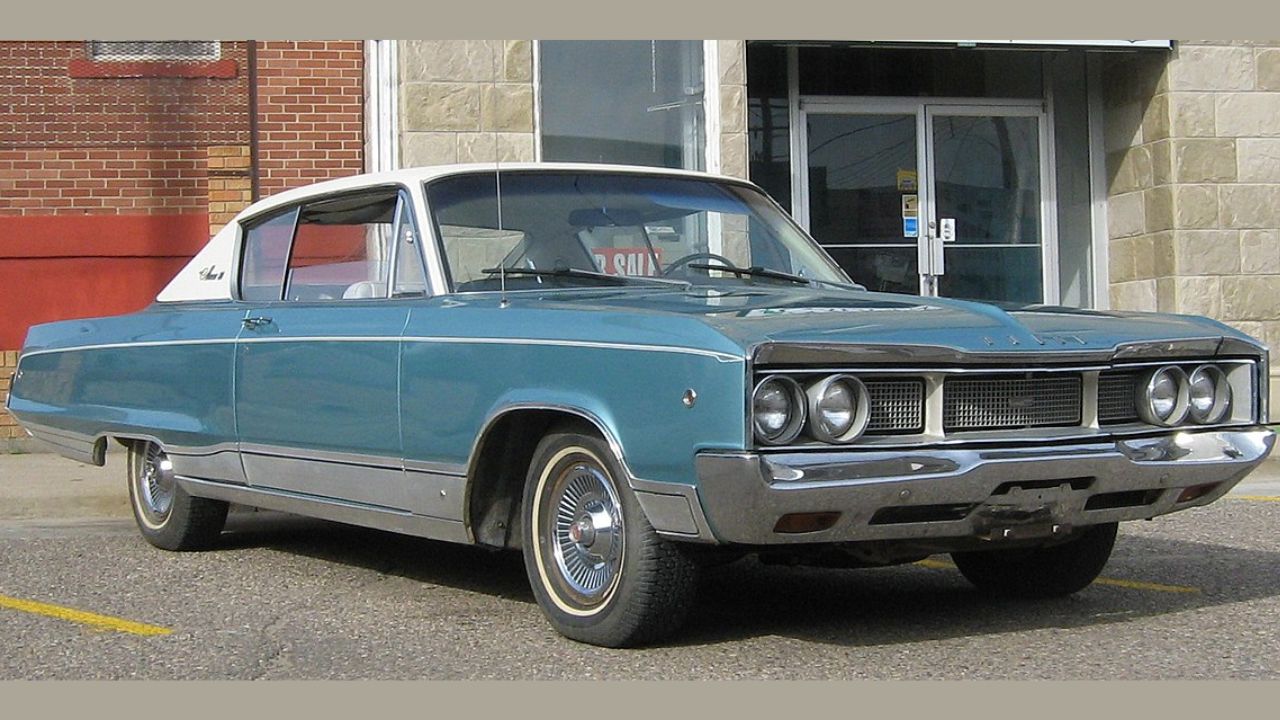
The Dodge Monaco was a substantial American car with the kind of long, wide proportions that have become increasingly unusual. Its imposing grille, broad body, and available V8 power gave it considerable road presence. Some versions became especially recognizable through television and film appearances, adding to their cultural appeal. Today, the Monaco looks less like an ordinary old sedan and more like a snapshot of an era when American manufacturers were comfortable building cars with enormous visual footprints.
Plymouth Fury
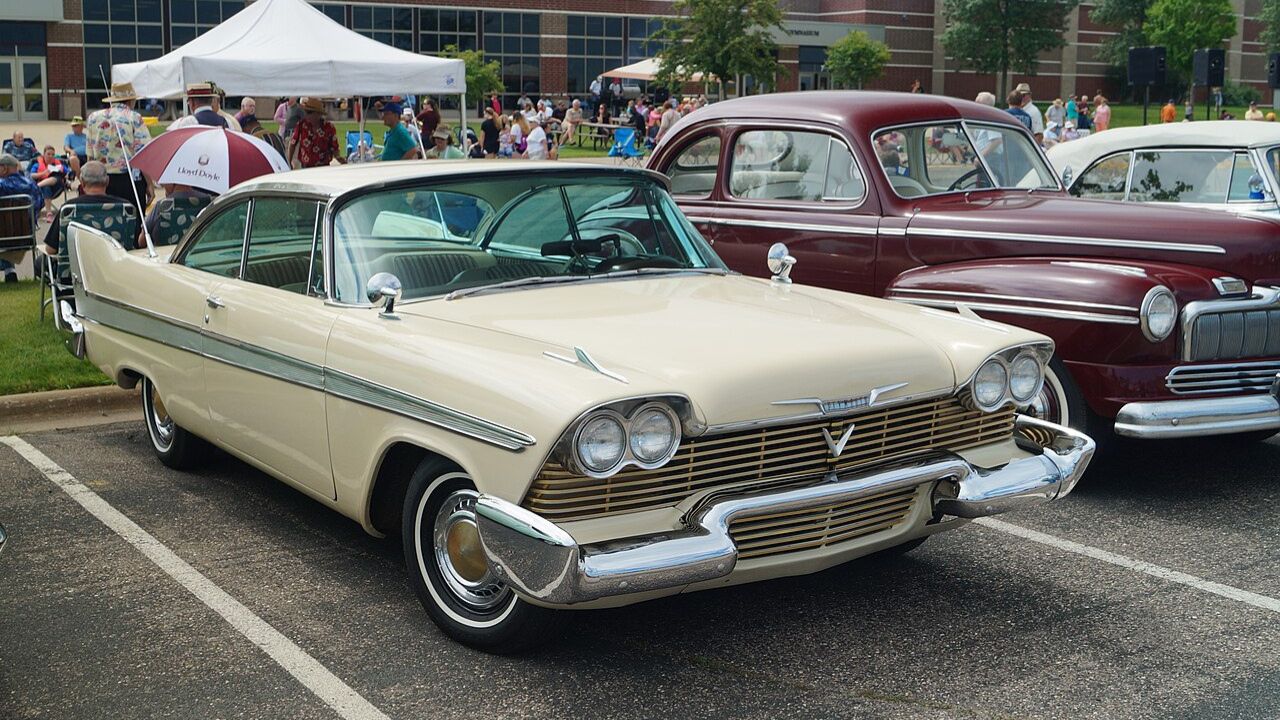
The Plymouth Fury went through numerous design changes, but several generations remain highly recognizable. The early models combined bold styling with the growing performance culture of the 1960s, while later versions became larger and more formal. The Fury’s strong grille treatments and substantial proportions gave it an unmistakable personality. Its presence has only become more noticeable as modern vehicles have adopted smoother, more uniform shapes. A well-kept Fury still looks like it has somewhere important to be.
Chevrolet Nova
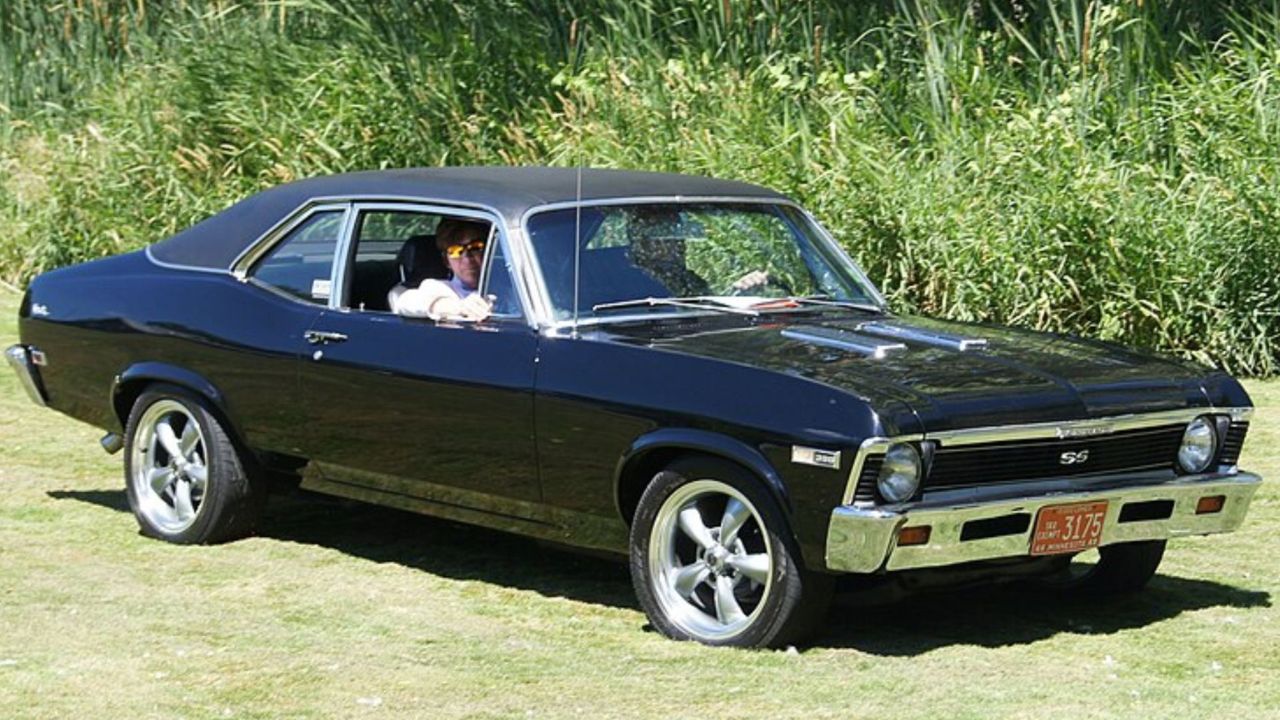
The Chevrolet Nova may not have been the largest or most glamorous Chevrolet, but its compact proportions have aged extremely well. Early rear-wheel-drive models had simple, clean lines that gave them a natural stance. V8 versions added muscle without requiring excessive styling changes. Today, the Nova benefits from being relatively straightforward and recognizable. It can look equally convincing as an original cruiser, a lightly restored classic, or a period-style performance build.
Ford Galaxie
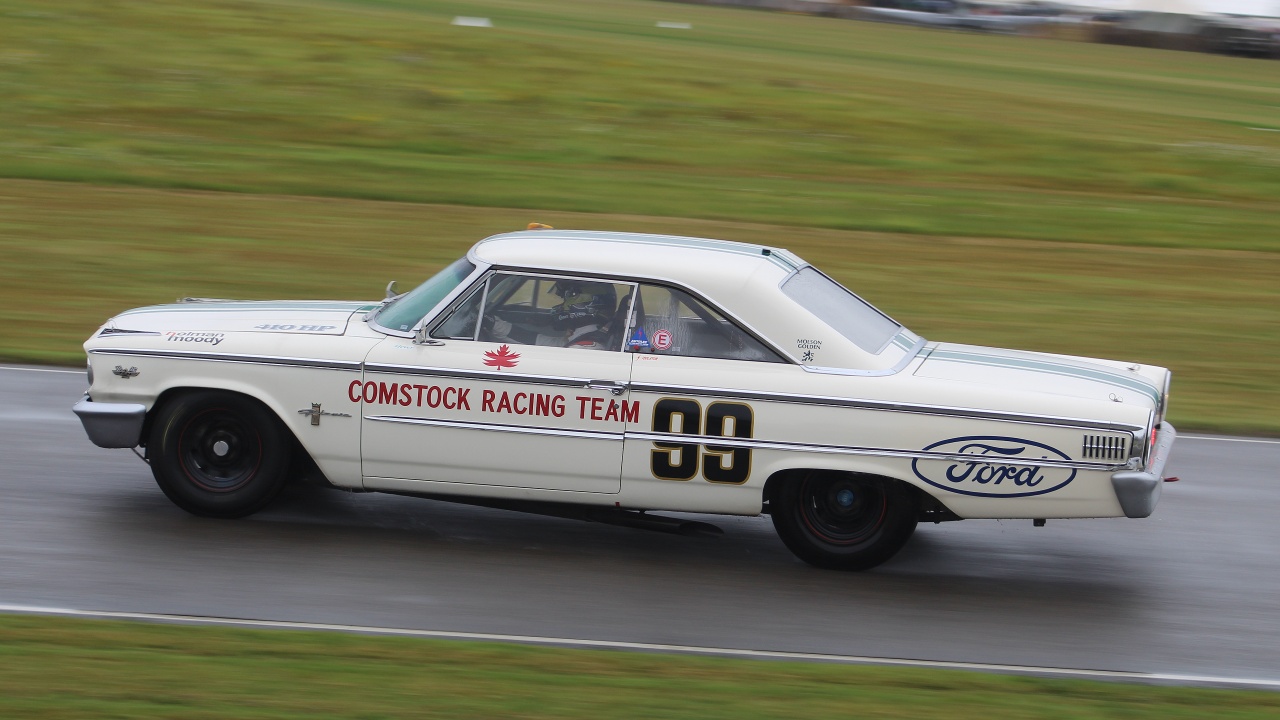
The Ford Galaxie captured the optimism of 1960s American design with broad bodies, strong horizontal lines, and plenty of chrome. Depending on the version, it could look elegant, sporty, or almost imposing. Its full-size proportions also make it immediately recognizable among modern vehicles. Galaxies have become particularly appealing as enthusiasts rediscover large American cars that were once common. Their generous dimensions now make them feel like rolling pieces of automotive history.
Mercury Monterey
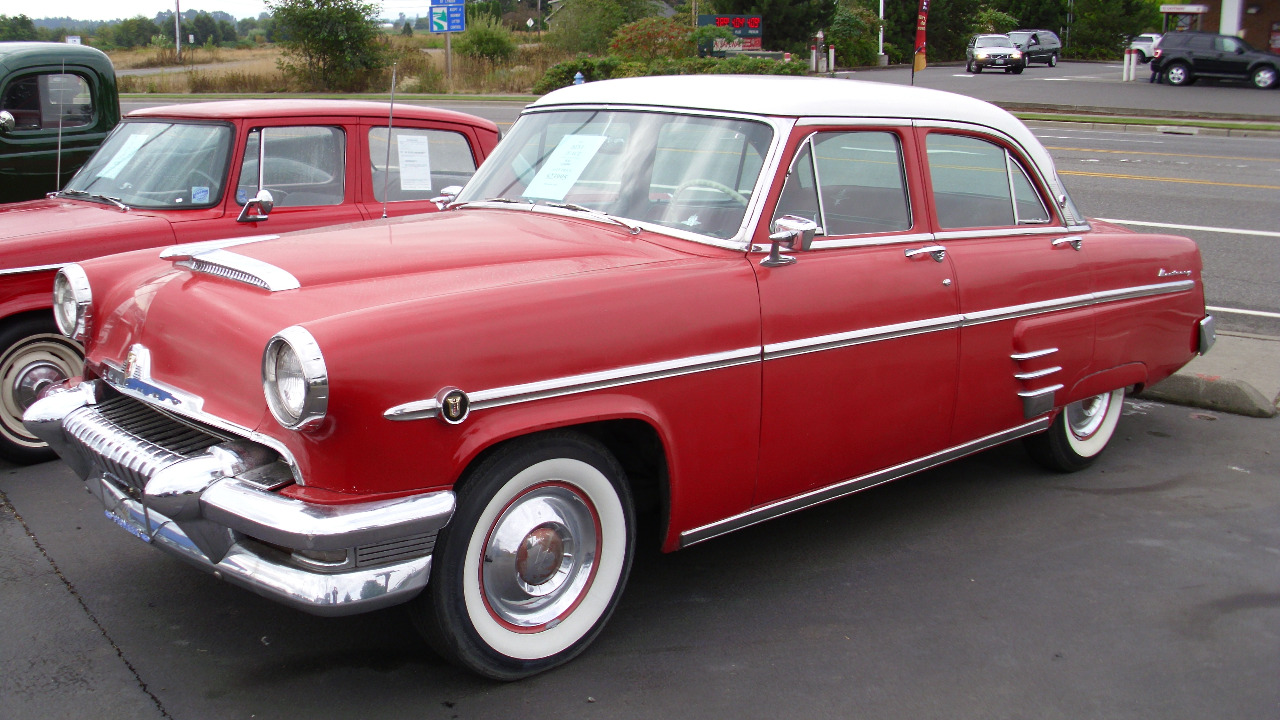
The Mercury Monterey offered a more upscale alternative to Ford’s mainstream full-size cars, and its styling reflected that position. Sweeping body lines, distinctive grilles, and extensive chrome gave the Monterey a polished appearance. Earlier examples are particularly interesting because they capture the extravagant design language of the 1950s without being as predictable as some Cadillac and Chevrolet choices. Today, a restored Monterey can attract attention simply because so few familiar examples remain on the road.
Pontiac Catalina
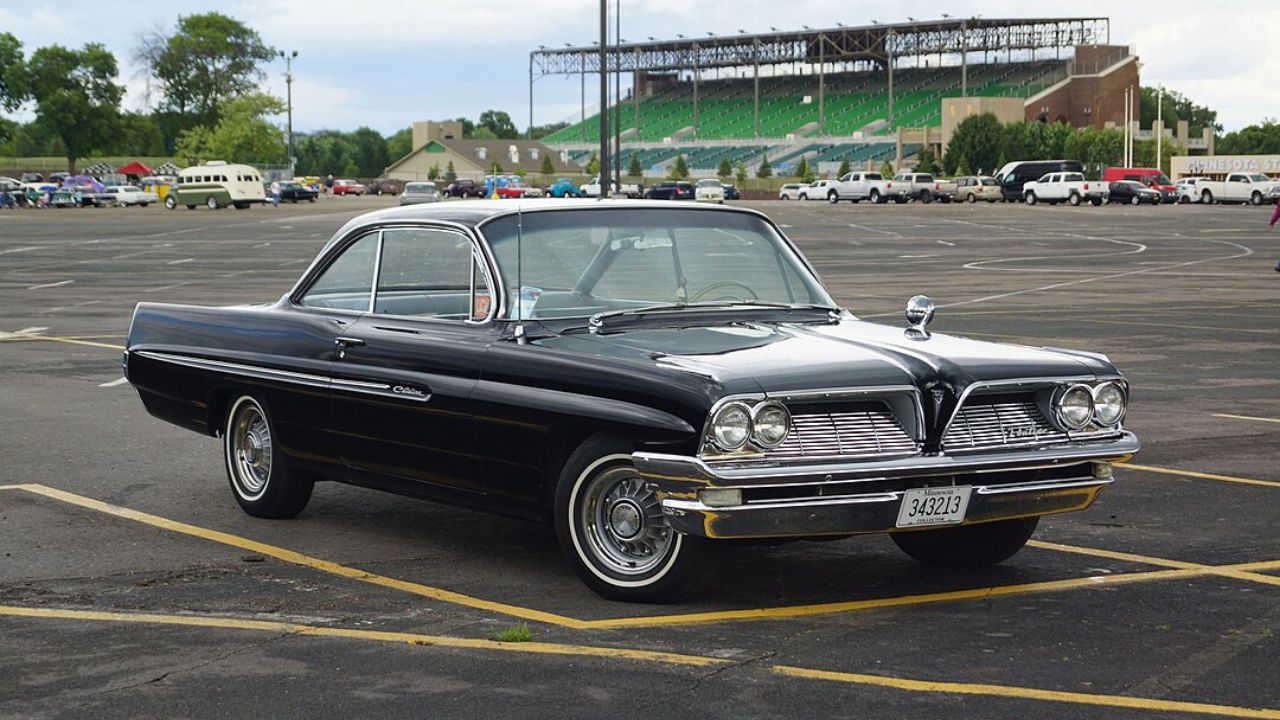
The Pontiac Catalina combined full-size American proportions with the brand’s increasingly performance-oriented styling. Its broad stance, sculpted bodywork, and distinctive grille treatments made it more visually aggressive than many ordinary family cars. Pontiac also offered plenty of engine choices, giving certain Catalinas genuine performance credentials. As large classic cars have become less common, the Catalina’s size and styling have become assets rather than drawbacks. It looks unmistakably like a product of confident American design.
Buick Wildcat
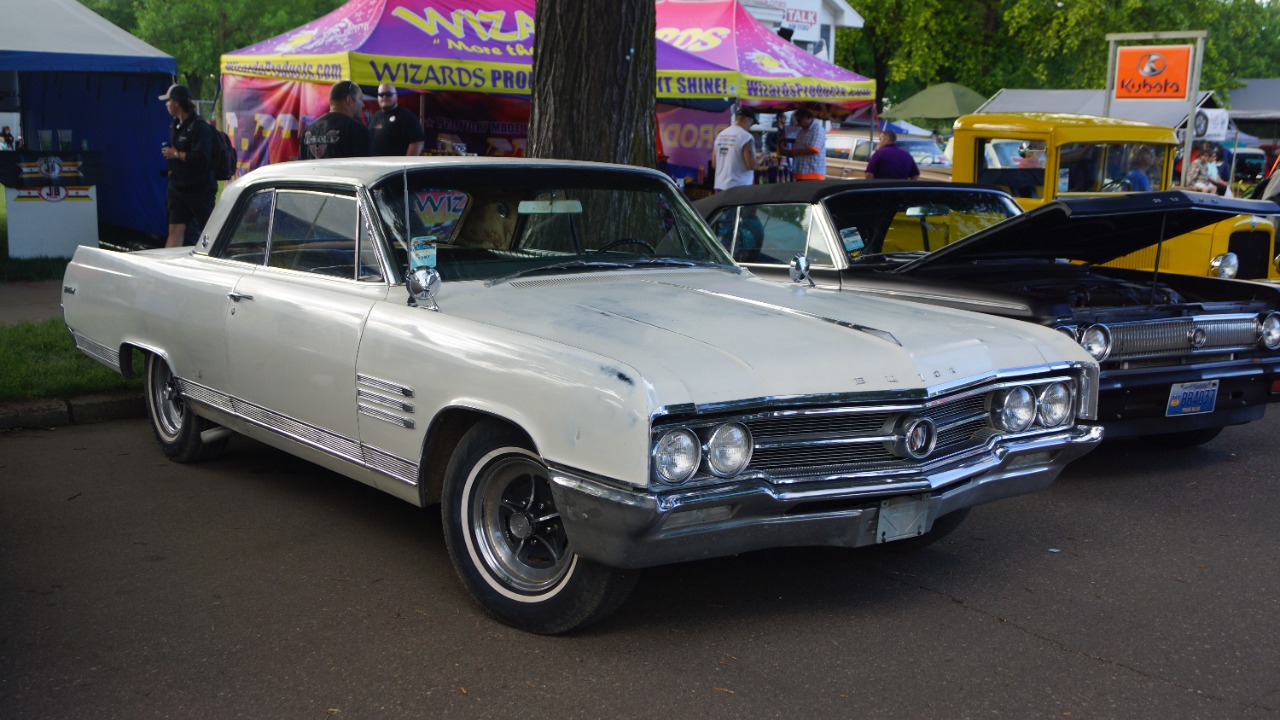
The Buick Wildcat was built to combine luxury with a more powerful and youthful image. Its long hood, formal cabin, and substantial body gave it an imposing stance, while large V8 engines supported the name’s performance theme. The Wildcat never became as common in collector circles as the most famous muscle cars, which makes it more distinctive today. Its blend of elegance and muscle gives the car a visual character that has become increasingly attractive over time.
Oldsmobile Starfire

The Oldsmobile Starfire was a stylish personal coupe that stood apart from more ordinary Oldsmobile models. Its compact proportions, chrome details, and sporty roofline gave it a more youthful appearance than the brand’s largest sedans. The Starfire name has also become increasingly unfamiliar to younger enthusiasts, which adds to its appeal as an overlooked classic. A well-preserved example has enough visual distinction to attract attention without looking like every other American collector car.
Mercury Marauder
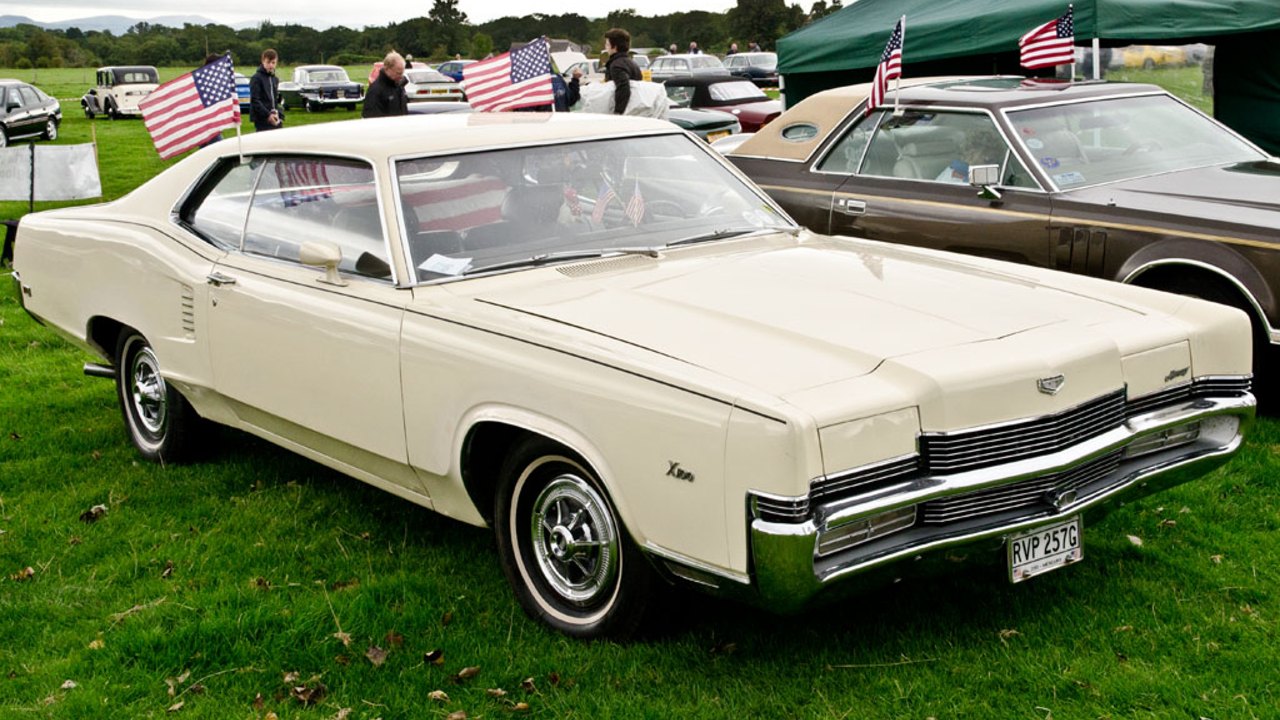
The Mercury Marauder brought a more aggressive personality to Mercury’s full-size lineup. Its fastback-inspired rooflines, broad stance, and strong V8 options gave it a sporty appearance while retaining the substantial dimensions expected from a large American car. The model never reached the popularity of Ford’s best-known performance cars, which helped preserve its rarity. Today, the Marauder looks particularly appealing because it combines full-size proportions with styling that feels considerably more purposeful than a standard sedan.
Chevrolet Corvair
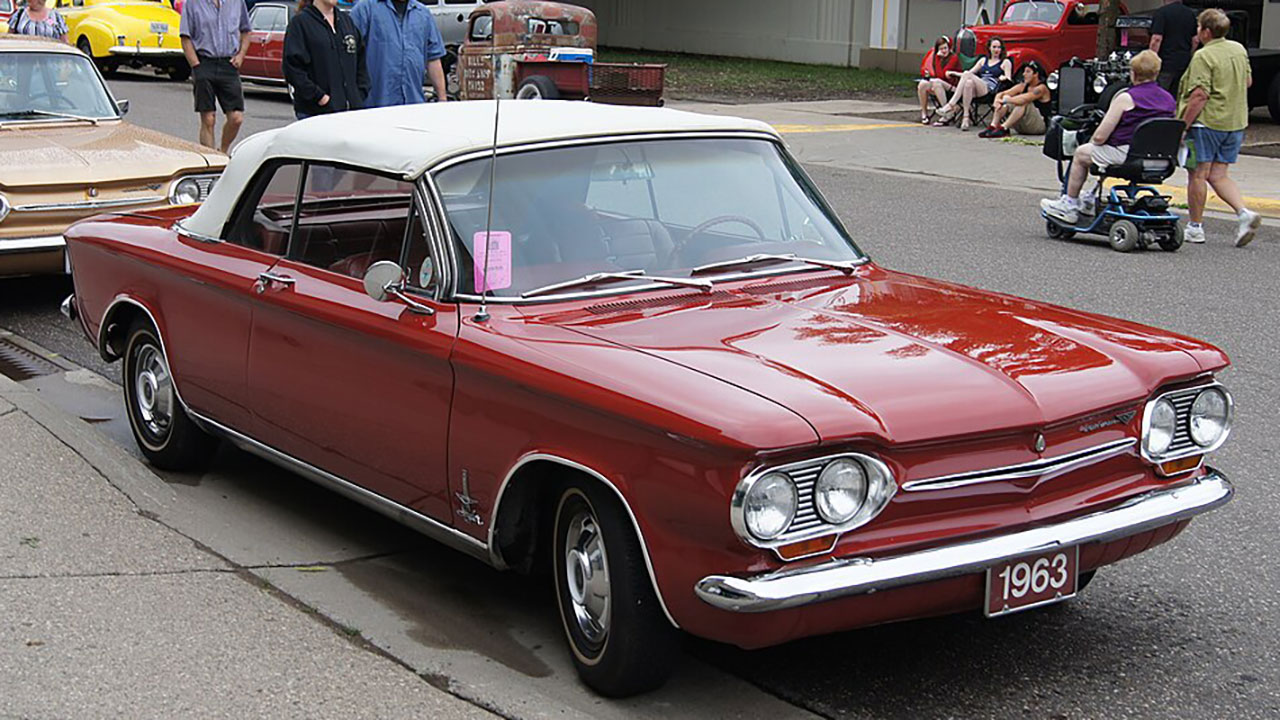
The Chevrolet Corvair looked unlike most American cars of its time. Its rear-mounted air-cooled engine and compact proportions already made it unusual, while its clean bodywork gave it a distinctive appearance. Chevrolet offered several body styles, including sporty versions that added to its appeal. The Corvair’s unconventional design has aged well because it does not rely on the oversized dimensions typical of many American cars from the same period. It remains instantly recognizable without being predictable.
Ford Ranchero
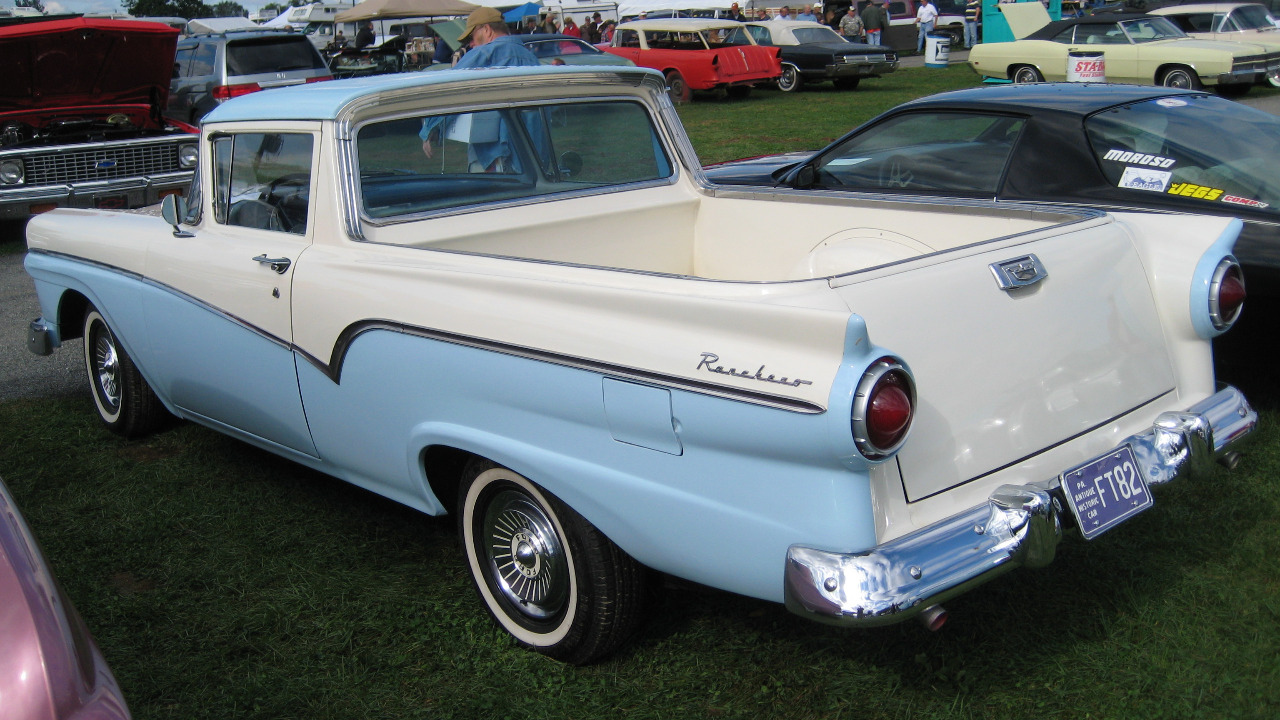
The Ford Ranchero occupies a unique space between car and pickup, and that unusual formula has only become more appealing with age. Its long hood, low stance, and open cargo bed give it proportions that modern vehicles rarely attempt. Different generations ranged from compact utility models to larger performance-oriented versions. Today, the Ranchero has strong visual appeal because it offers something genuinely different. It looks practical enough to work and stylish enough to belong at a classic-car gathering.
AMC Javelin
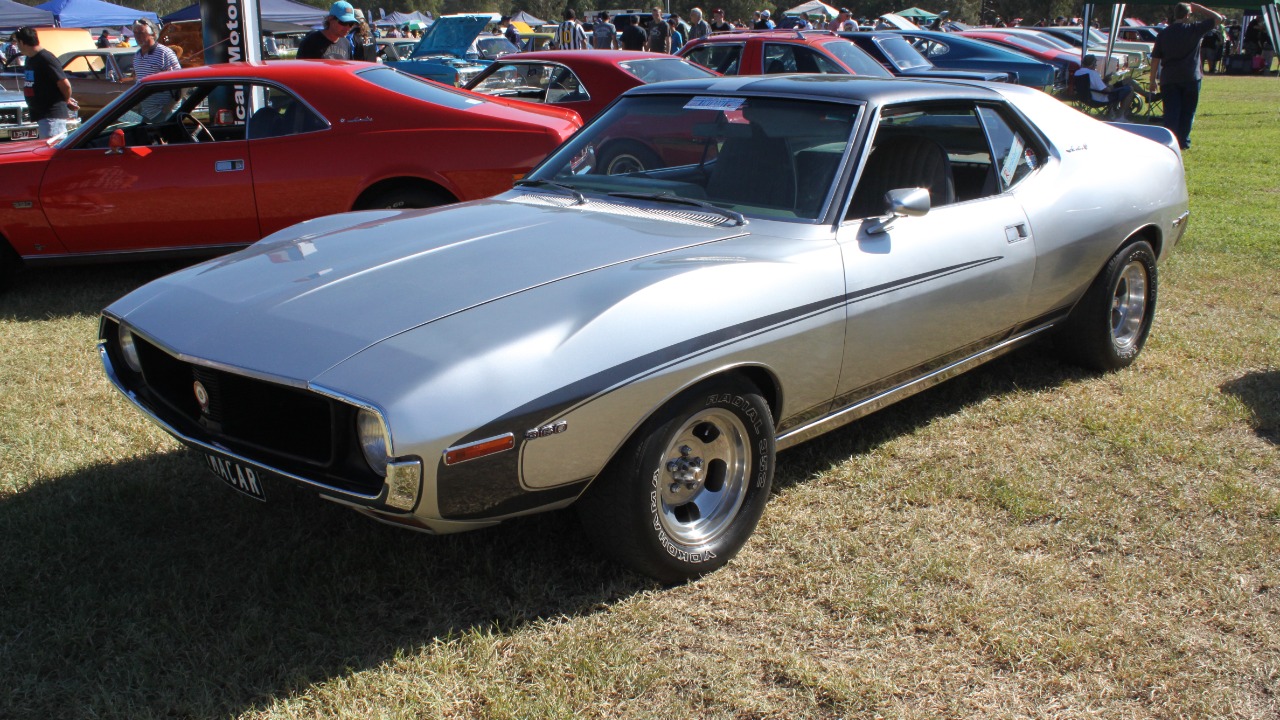
The AMC Javelin proved that a smaller American manufacturer could create a memorable performance coupe with its own visual identity. Its long hood, flowing roofline, and sculpted bodywork gave it a distinctive presence beside Mustangs and Camaros. Performance versions added wider stances and stronger engines without losing the basic shape. As collectors increasingly look beyond the traditional muscle-car choices, the Javelin has become more appreciated. Its styling remains bold without relying on nostalgia alone.
Cadillac Eldorado
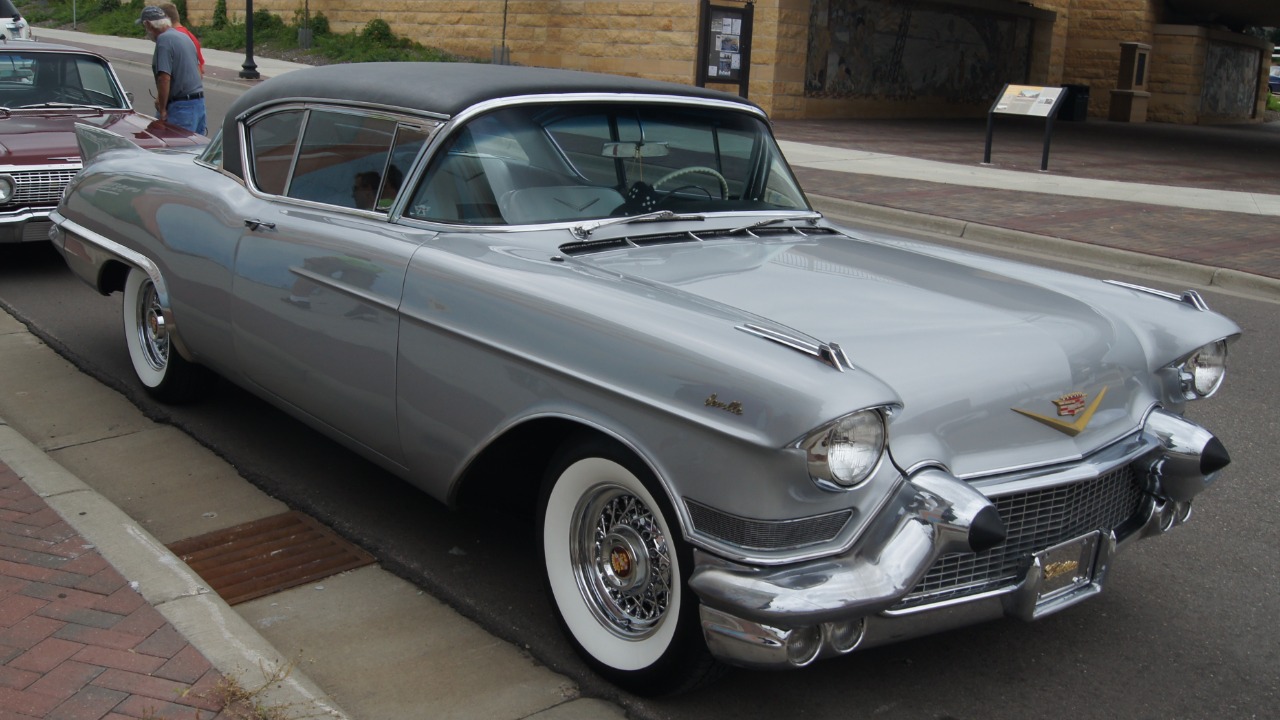
The Cadillac Eldorado has always been dramatic, but time has made its styling even more distinctive. Huge proportions, extensive chrome, sweeping body lines, and, on certain generations, enormous tail fins made it one of America’s most recognizable luxury cars. The Eldorado represented a period when automotive design was willing to take up space and make a statement. Today, that confidence is part of its appeal. Even surrounded by other classics, an Eldorado rarely disappears into the crowd.
More from Fast Lane Only
- Unboxing the WWII Jeep in a Crate
- 15 rare Chevys collectors are quietly buying
- 10 underrated V8s still worth hunting down
- Police notice this before you even roll window down
*Research for this article included AI assistance, with all final content reviewed by human editors.