Japan’s car industry went from tiny kei cars to twin-cam coupes in barely a decade, and every Japanese classic from that run tells part of the story. Some, like the Datsun 240Z and the Toyota 2000GT, became famous around the world. Many others never left home, or they left in small numbers and then slipped out of sight.
That second group is where things get interesting. These cars had Italian bodywork, rotary engines, removable roofs and chain-driven rear wheels. Yet most people walking past one at a show couldn’t tell you what it is.
So this is our list of 12 forgotten Japanese cars we’d keep no matter what someone offered. The “never sell” verdict is our opinion, and so is every take below. The years, engines and production details, however, come from maker history, period specs and specialist sources.
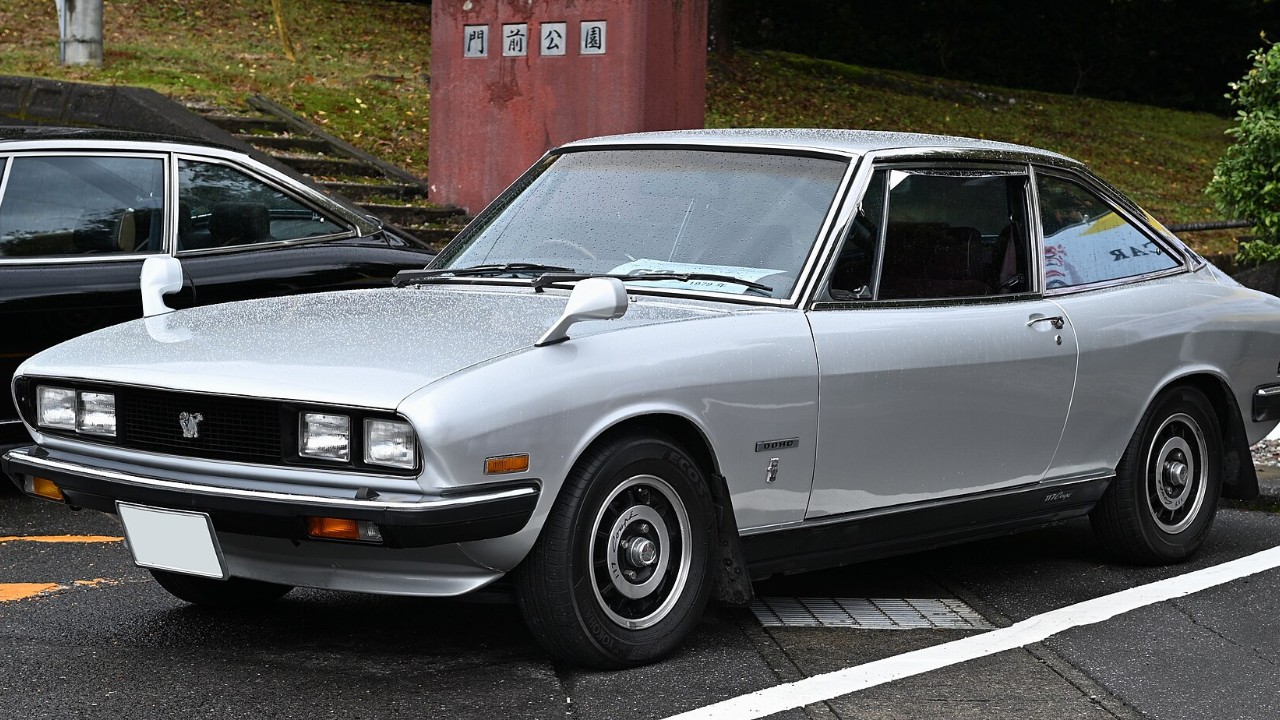
1. 1969 Isuzu 117 Coupé, the Japanese classic in an Italian suit
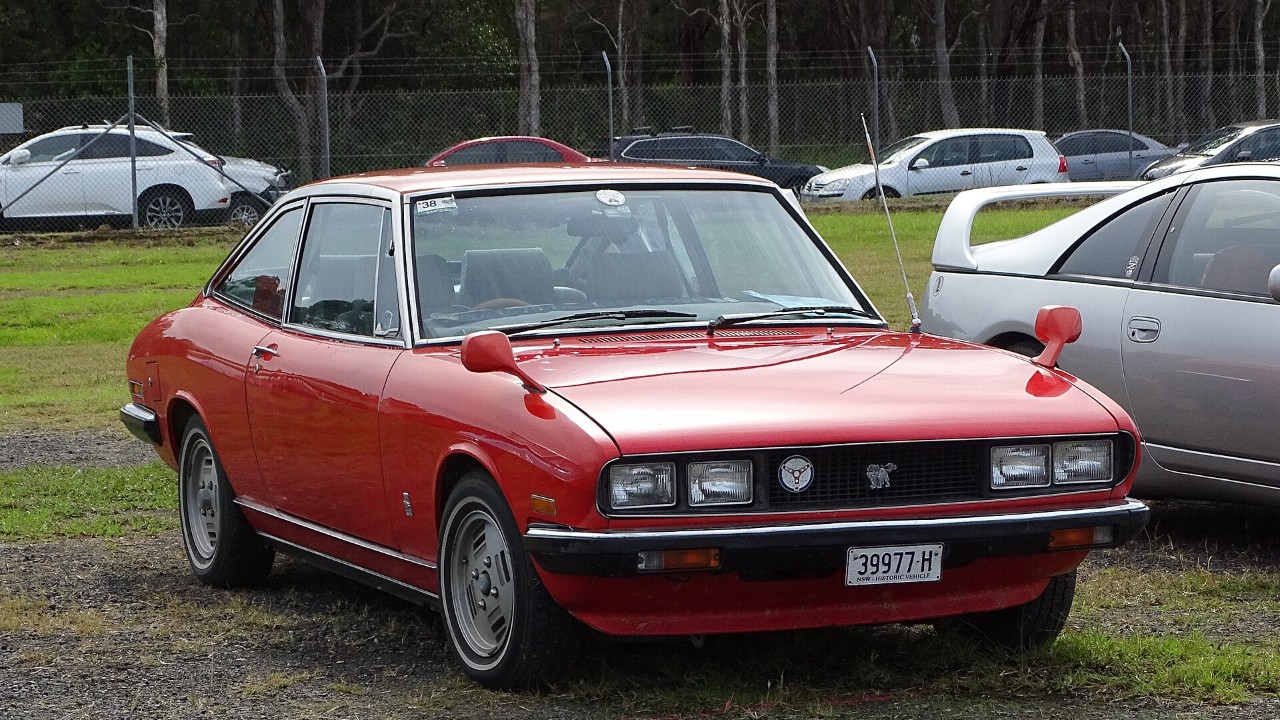
Isuzu turned to Giorgetto Giugiaro, then at Ghia, to shape its new coupe. The result went on sale in 1968 and stayed in production until 1981. Its long hood, thin pillars and delicate tail still look more Turin than Tokyo. In our view, it gave a Japanese maker a shape that could stand next to any European GT of its day.
Early cars are the ones we’d chase. Isuzu didn’t have spare factory capacity at first, so workers built the 117 largely by hand. Output rarely topped about 50 cars a month, according to Japanese Nostalgic Car. By the same count, only about 2,500 sold in the first four years. The launch engine was a 1.6-liter twin-cam borrowed from the Bellett GT-R racer and rated at 120 PS. From 1970, an EC version added Bosch electronic fuel injection.
Later, Isuzu moved to series production and the car became far more common. That’s why a hand-built early 117 feels special. You get Giugiaro’s purest lines and a twin-cam engine in a car almost nobody outside Japan recognizes. Our take: it’s the most beautiful Japanese classic most people have never heard of, and we wouldn’t let it go.
2. 1965 Honda S600 coupe
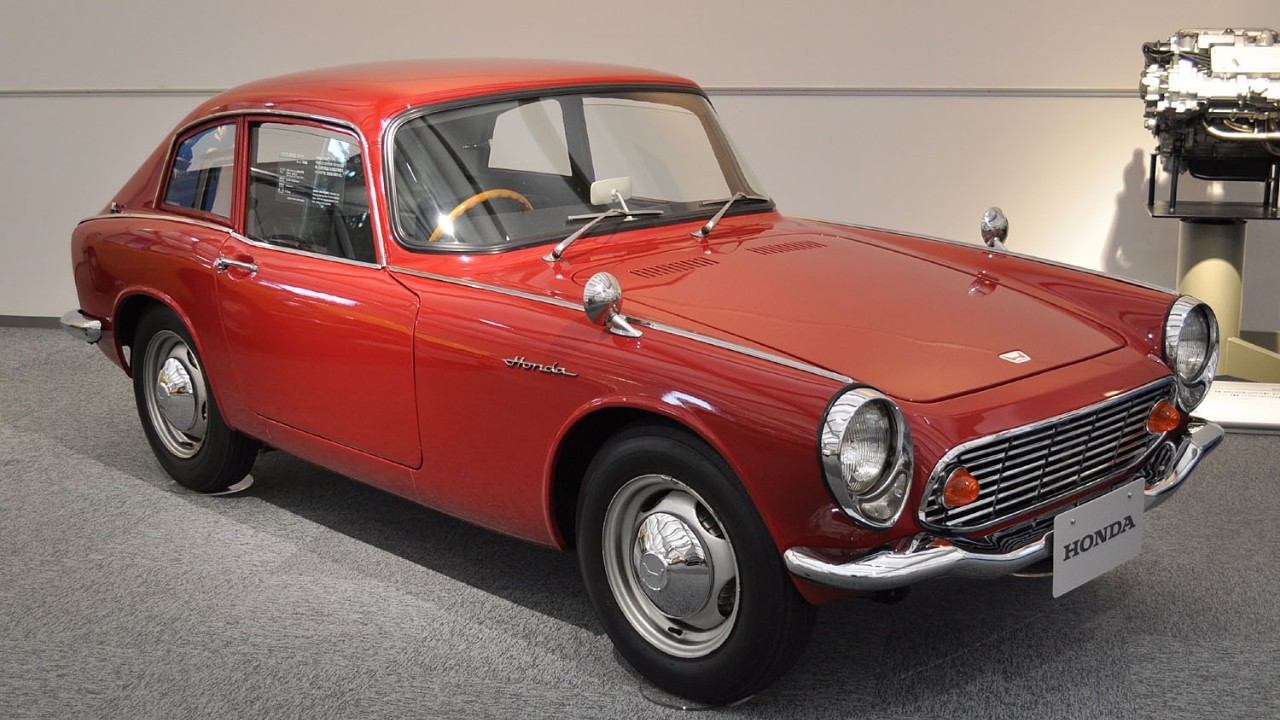
Honda launched the S600 roadster in March 1964 and added a fastback coupe a year later. Hagerty’s history of the car notes its all-aluminum 606cc four-cylinder and a 9,500-rpm redline. The engine also wore four carburetors and two overhead cams, which sounds like a motorcycle spec because Honda built motorcycles first.
The drivetrain follows the same thinking. Instead of a normal rear axle, each rear wheel took its drive through its own chain. Those chains ran in sealed oil-bath cases that also served as trailing arms for the rear suspension. In other words, it’s a tiny sports car engineered by people who had never built one before and didn’t care how others did it.
The coupe is the rarer body. Production figures show 1,800 coupes against 11,284 open cars over three years. Read more in Hagerty’s look at the S600, which also notes a 1965 roadster that sold for $109,200 with fees on Bring a Trailer. We’d take the fixed roof for its fastback shape and its rarity. Then we’d never sell it, because finding another Japanese classic like it would take years.
3. 1970 Mitsubishi Galant GTO MR
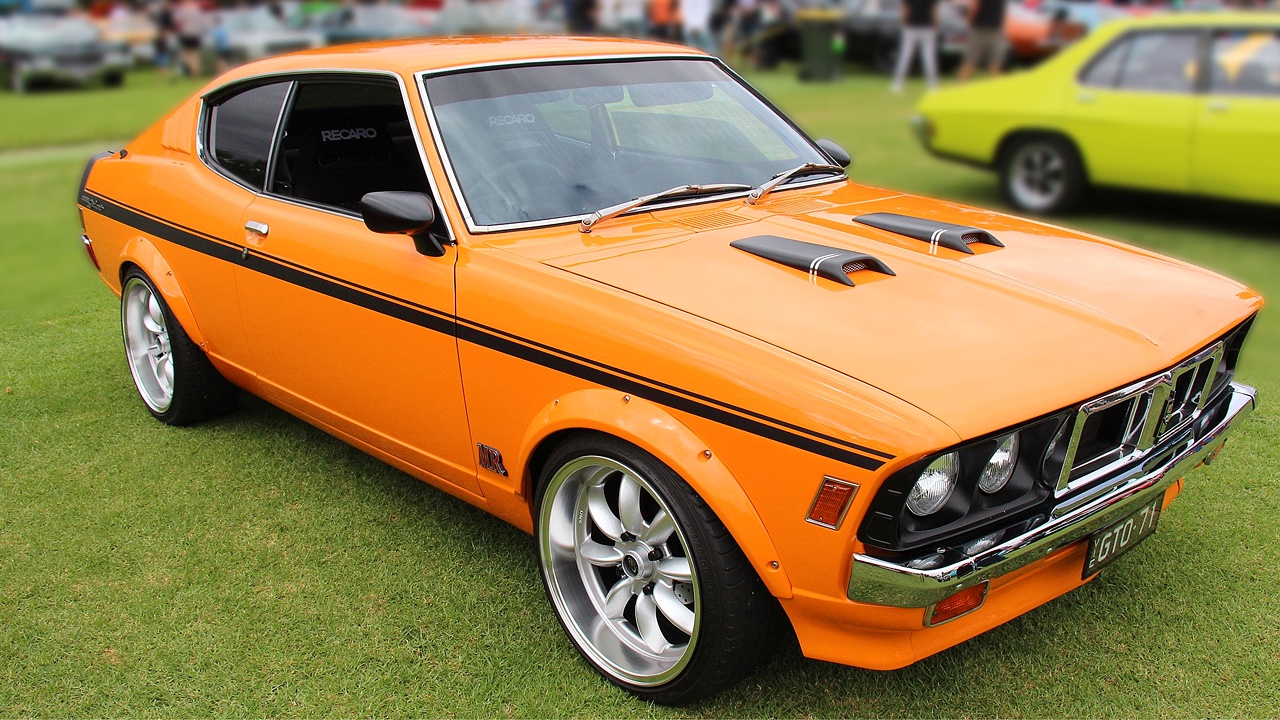
Mitsubishi first showed this car as the Galant GTX-1 at the 1969 Tokyo Motor Show. Sales began in November 1970, with the GTO as the flagship hardtop of the Colt Galant range. Designer Hiroaki Kamisago looked to American muscle cars, including the Mustang, Firebird and Cougar, for its long hood and raised ducktail. The GTO also wore rounded quad headlamps and matching round tail lamps.
The MR was the one to have. It used the 4G32 Saturn twin-cam engine, a 1.6-liter four with twin carburetors and 125 PS. Mitsubishi sold this version only in Japan. Also, the MR had a short life, because tougher emissions rules ended the twin-cam engine in January 1973.
That combination makes it a perfect forgotten car. It looks like a shrunken American fastback, but it revs like a Japanese racer. Very few people outside Japan have ever seen one in the metal. In our view, an original GTO MR is exactly the kind of car you hold onto, since the chance to buy one rarely comes twice. If you want one, expect to search in Japan, because the MR was a home-market car.
4. 1971 Toyota Celica 1600GT

Toyota introduced the first Celica to Japanese buyers in December 1970. It was a stylish two-plus-two coupe with a long list of engine and trim choices. The range ran from the basic ET up to the GT, which had the most powerful engine and a five-speed gearbox. Export buyers could choose the LT, ST and GT, while Japan also got the entry ET and, from 1972, a GTV.
That engine was the 2T-G twin-cam. Toyota’s own UK history of the car says the 2T-G was the strongest unit in the range, producing 115bhp. Meanwhile, American buyers got larger 1.9- to 2.2-liter engines instead, so the twin-cam GT stayed mostly a Japanese and export-market treat. A Liftback body followed in April 1973, according to Toyota’s Celica history.
The Celica sold well, so it isn’t rare in general. The early 1600GT coupe is another story, because most of the cars American enthusiasts remember are later or softer versions. We’d keep one for the way the twin-cam pulls to redline and for the clean, pre-bumper shape. Our take: this is the Japanese classic that explains why the name lasted seven generations.
5. 1972 Mazda Savanna RX-3 GT
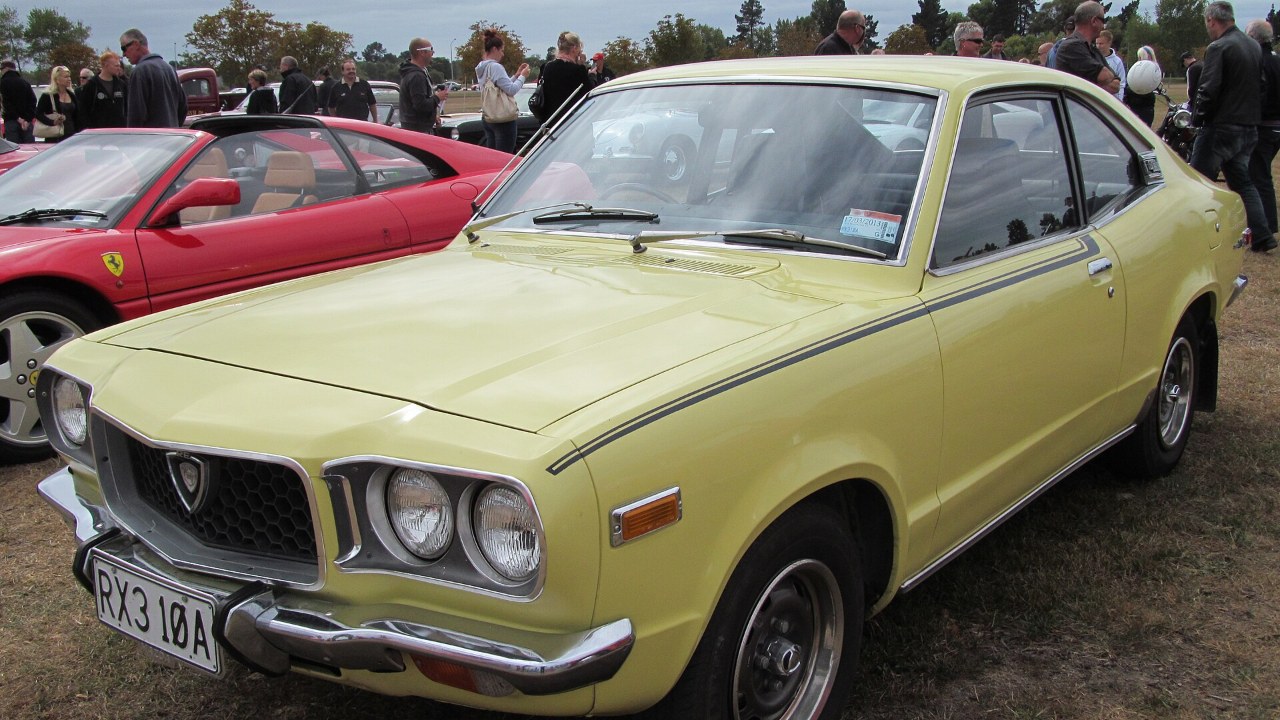
Japanese buyers knew this car as the Savanna, while export markets called it the RX-3. The first Savannas went on sale in September 1971. Then the Savanna GT arrived in September 1972, sold only in Japan, with the 1,146cc 12A rotary rated at 125 PS. That engine pairs two rotor chambers of 573cc each.
Its racing record is the reason we’d never sell one. The Savanna won on its debut at the Fuji 500 in September 1971. At the 1972 Japanese Grand Prix, the Mazdas won the touring car class and stopped the Nissan Skyline GT-R from reaching 50 straight wins. By 1976, the cars had scored more than 100 victories.
The U.S. got the RX-3 too, but federal cars carried softer 90-hp ratings. Mazda built about 930,000 rotary vehicles before the RX-7 arrived, and the RX-3 was the most popular of them. That makes a home-market GT the version to hunt. If the rotary story grabs you, we covered how the 1972 Mazda RX-3 brought rotary performance to new buyers. In our view, the Savanna GT is the rotary that beat Nissan’s best, and that alone makes it a keeper.
6. 1971 Honda Z600
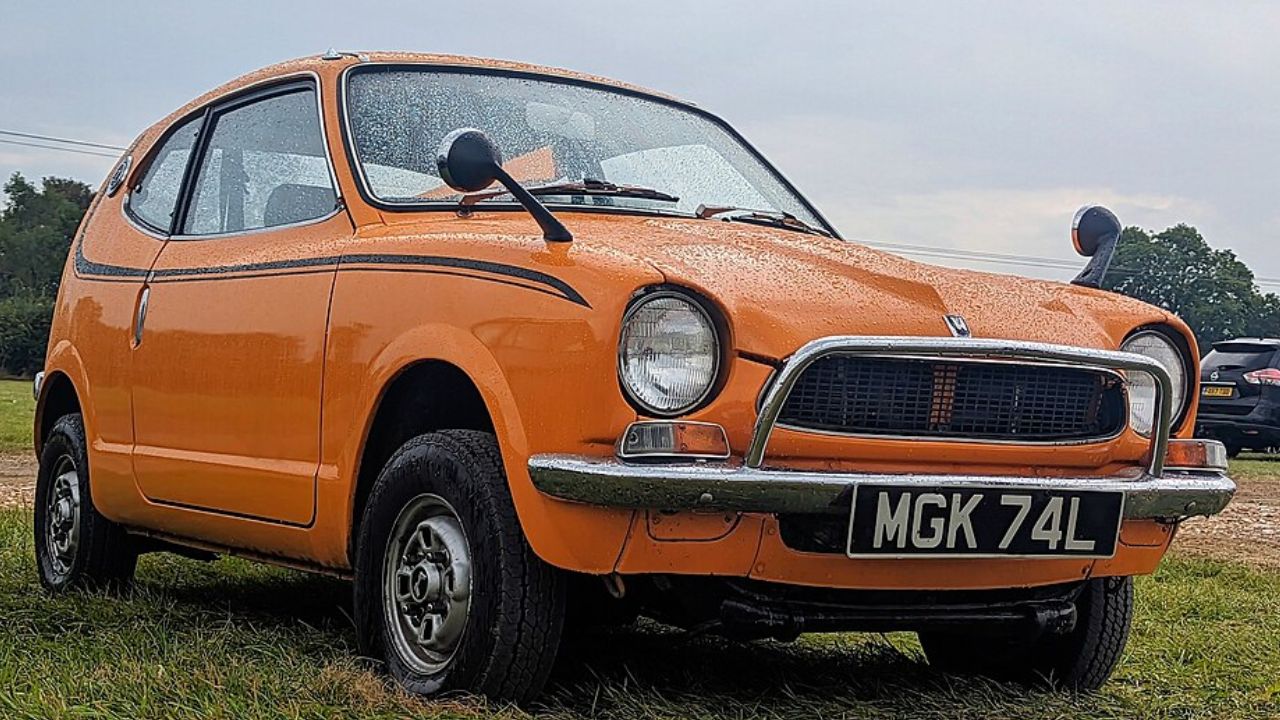
Honda’s Z debuted in October 1970 as a tiny sport coupe. In Japan it was a kei car with a 354cc engine. American buyers got the Z600 instead, with a 598cc engine rated at 36 hp, and Honda sold it in the U.S. for model years 1970 through 1972.
Its party trick is at the back. The rear glass forms a hatch, framed by a thick black plastic surround, and it opens to a shallow cargo area. That frame gives the car its odd, chunky face from behind. Early engines were air-cooled, too, although Honda later moved the Japanese Z360 to water cooling. If you want one, look for a U.S.-market Z600, since the 598cc engine was the only one offered here.
Nobody would call the Z600 fast. But it has more personality per pound than almost anything on this list, and that is the point. A clean one turns heads at shows because people don’t know whether to laugh or ask questions. We’d keep ours for exactly that reason. It’s a reminder that Honda’s road to the Civic and NSX started with cars this small and this cheerful.
7. 1984 Toyota Sprinter Trueno AE86 GT-Apex
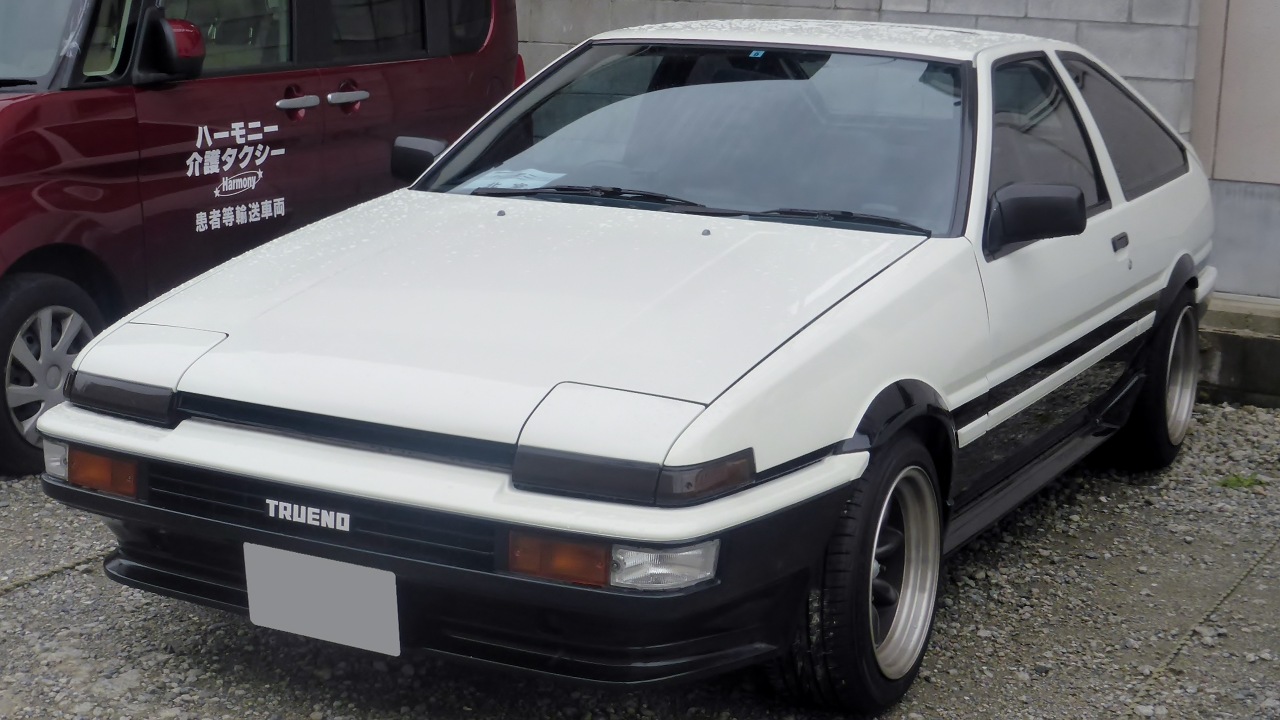
Toyota built the AE86 from May 1983 to July 1987. It came in two versions. The Corolla Levin had fixed headlights, while the Sprinter Trueno had pop-ups. Both used the rear-wheel-drive E70 platform, even though the other Corollas of that generation had switched to front-wheel drive.
The Japanese 4A-GEU engine was a 1,587cc twin-cam with four valves per cylinder, rated at 130 PS. Europe and some other markets got a 124-PS version with 10.0:1 compression. GT-Apex cars added equipment such as brown-tinted glass, sport seats and power mirrors. A limited-slip differential was available on twin-cam manual cars. Keiichi Tsuchiya, the “Drift King,” helped popularize drifting in an AE86 Levin.
Then came the comic Initial D, whose hero drives his father’s Trueno GT-Apex. That story is a big reason prices climbed, and fans even call the premium the “tofu tax.” The AE86 isn’t forgotten in Japan. Outside drift circles, however, most people see an old Corolla. We’d keep a Trueno GT-Apex because it kept rear-wheel drive when the rest of the Corolla line had moved on. In our view, it’s one of the purest driver’s cars Toyota ever sold.
8. 1988 Mitsubishi Starion ESI-R
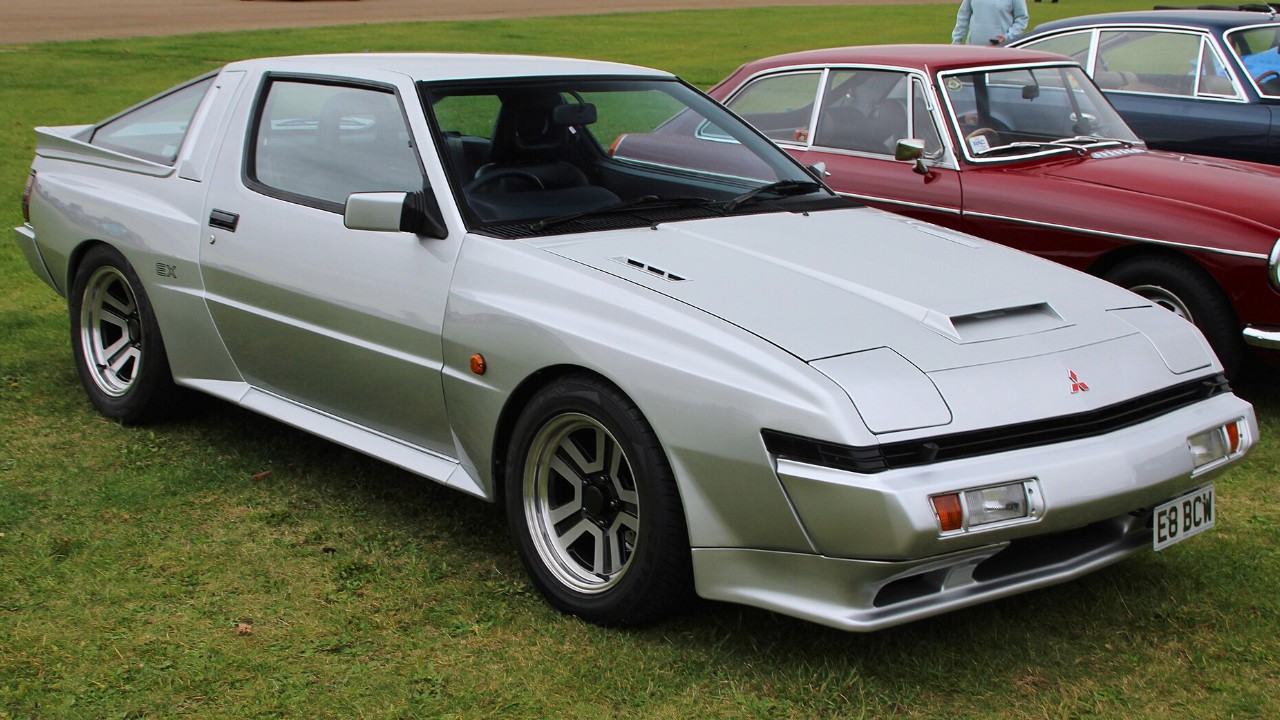
The Starion’s name is a story in itself. Mitsubishi says it is short for “Star of Arion,” after a star and the horse of Greek myth. Some sources, however, claim it came from engineers trying to say “stallion.” Either way, the car ran from 1982 to 1989 as Mitsubishi’s turbocharged rear-drive coupe.
The ESI-R is the widebody version, with flared fenders and an intercooled turbo engine. In the U.S., it used the 2.6-liter G54B four, while most other markets got a 2.0-liter G63B. Chrysler sold a badge-engineered twin, the Conquest, and the widebody Chrysler version wore the TSi name. Production fell from 19,438 cars in 1986 to 10,655 in 1988, then to only 1,961 in 1989.
That last number shows how quickly the car faded. The 2.6-liter engine traded some top-end rev for torque, and reviewers often found it slower than the smaller 2.0. We don’t mind. The boxy widebody shape is pure 1980s, and nobody makes a car like it anymore. In our view, a clean ESI-R is the turbo coupe from that decade we’d hand down rather than sell.
9. 1991 Isuzu Impulse RS
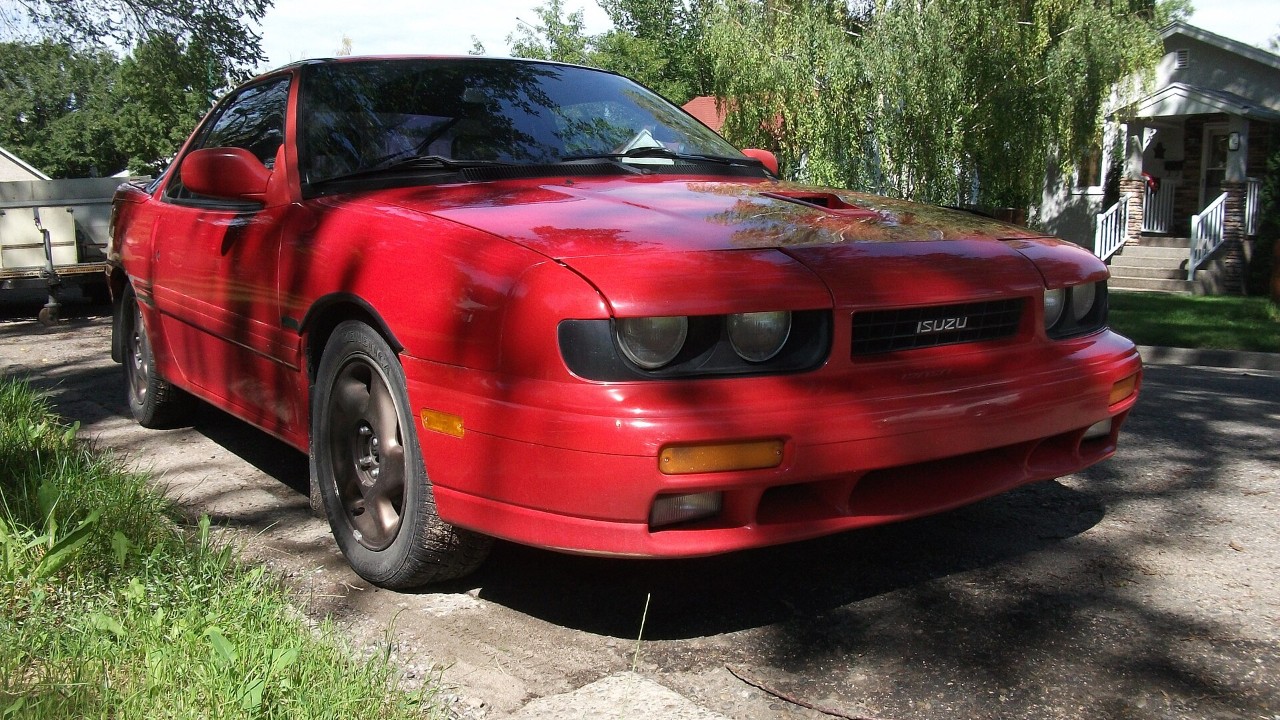
Isuzu launched the second-generation Impulse in the U.S. for the 1990 model year, starting with the XS. It looked like a friendly little hatchback. The 1991 RS hid something serious underneath. Isuzu gave it a 160-hp turbocharged engine and all-wheel drive, with a center planetary differential, a viscous coupling and a viscous rear differential. That’s a lot of hardware for a small coupe.
Every second-generation Impulse also carried a suspension tuned by Lotus. Lotus fitted stiffer dampers, larger sway bars and softer springs. The turbo RS lasted only briefly, too. Isuzu dropped the turbo for 1992, when a 1.8-liter engine became the base unit. Both body styles carried on into 1992, but Isuzu built very few that year.
That short window is why we’d keep one. Most people remember Isuzu for trucks and SUVs, not for a turbo, all-wheel-drive coupe with Lotus-tuned handling. Our story on the Isuzu-built models sold in America shows how wide the brand’s range once was. Our take: an RS in good shape is a sleeper few people will recognize, and that’s part of the fun of owning one.
10. 1991 Nissan Figaro
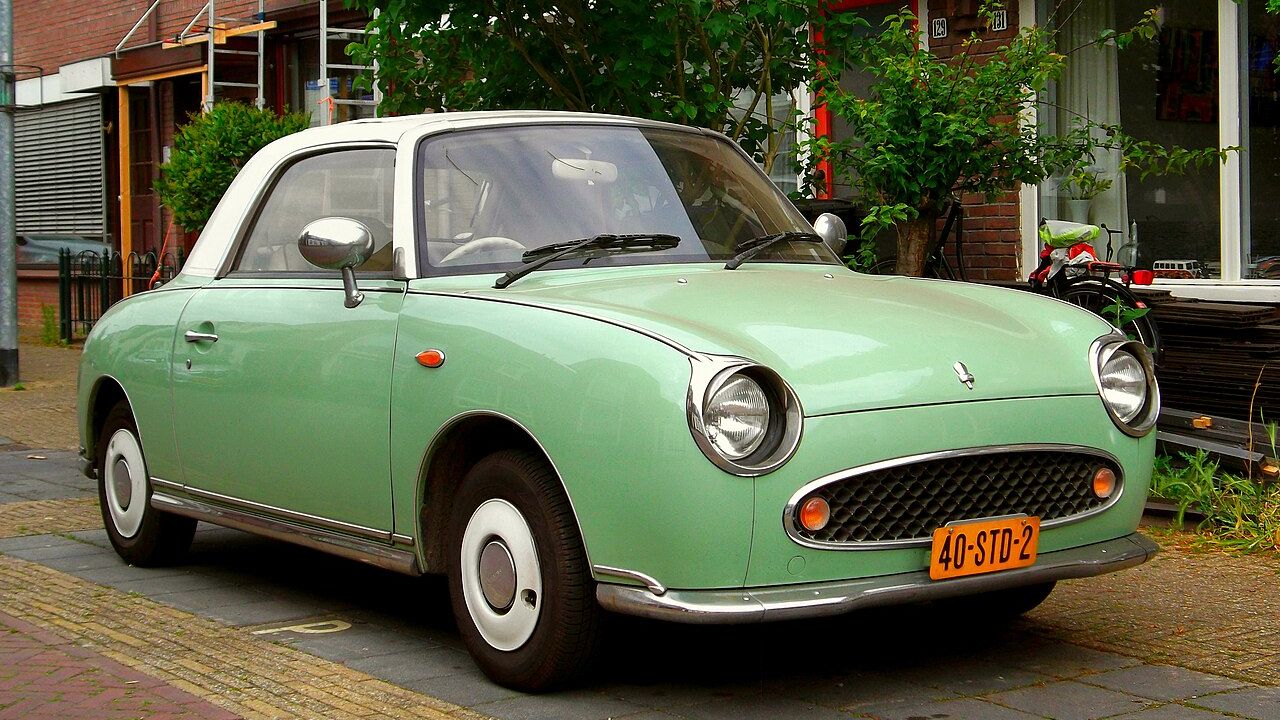
Nissan first showed the Figaro at the 1989 Tokyo Motor Show under the tagline “Back to the Future.” Production began in February 1991. It came from Nissan’s Pike Factory, the special projects group that also built the Be-1, Pao and S-Cargo.
Underneath sat the first-generation March, or Micra, platform. Power came from a 987cc turbocharged engine with 76 PS and a three-speed automatic. Nissan built 20,073 Figaros, all with right-hand drive. The first 8,000 cars were followed by 12,000 more to meet demand. Demand was strong enough that buyers entered a lottery for the chance to get one.
The colors are our favorite detail. Nissan offered four paints, each named after a season: Emerald Green for spring, Pale Aqua for summer, Topaz Mist for autumn and Lapis Grey for winter. Classic Motorsports’ look at the Pike cars covers the whole family. In our view, the Figaro is a rolling piece of design history. Once you own one, selling it would feel like giving away a painting. Every Figaro used the same three-speed automatic, so there’s no manual version to hunt for.
11. 1987 Nissan Pulsar NX SE
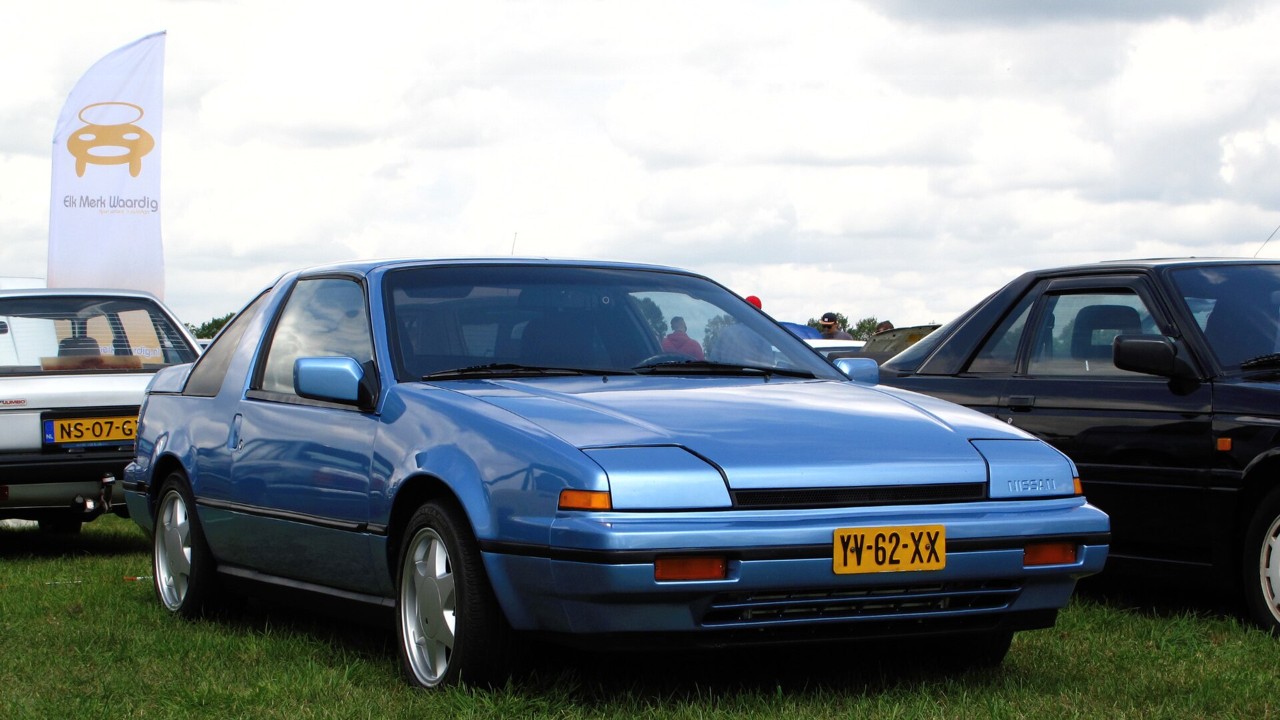
The second-generation Pulsar NX had one body and several personalities. Owners could run it as a coupe, a targa or a convertible by removing panels from its T-bar roof. They could also swap the rear hatch for the Sportbak, a canopy that turned it into a small wagon.
Japan knew the car as the EXA, and North America got it as the Pulsar NX from 1986 to 1990. Much of the design came from Nissan Design International’s studio in San Diego. It even shared its rear side-window angle with the two-door Pathfinder. The SE was the sporty trim, and for 1987 it used the CA16DE twin-cam engine before Nissan moved to a 1.8-liter version.
We’d want an SE that keeps its original Sportbak, because the full set of panels is what makes the idea work. It’s a fun, practical oddity that only the 1980s could produce. Our take: if you find one with all its pieces, keep it. A car that can be a coupe on Monday and a wagon on Saturday deserves a permanent garage spot. Nissan replaced it with the NX coupe in 1991.
12. 1989 Nissan Pao
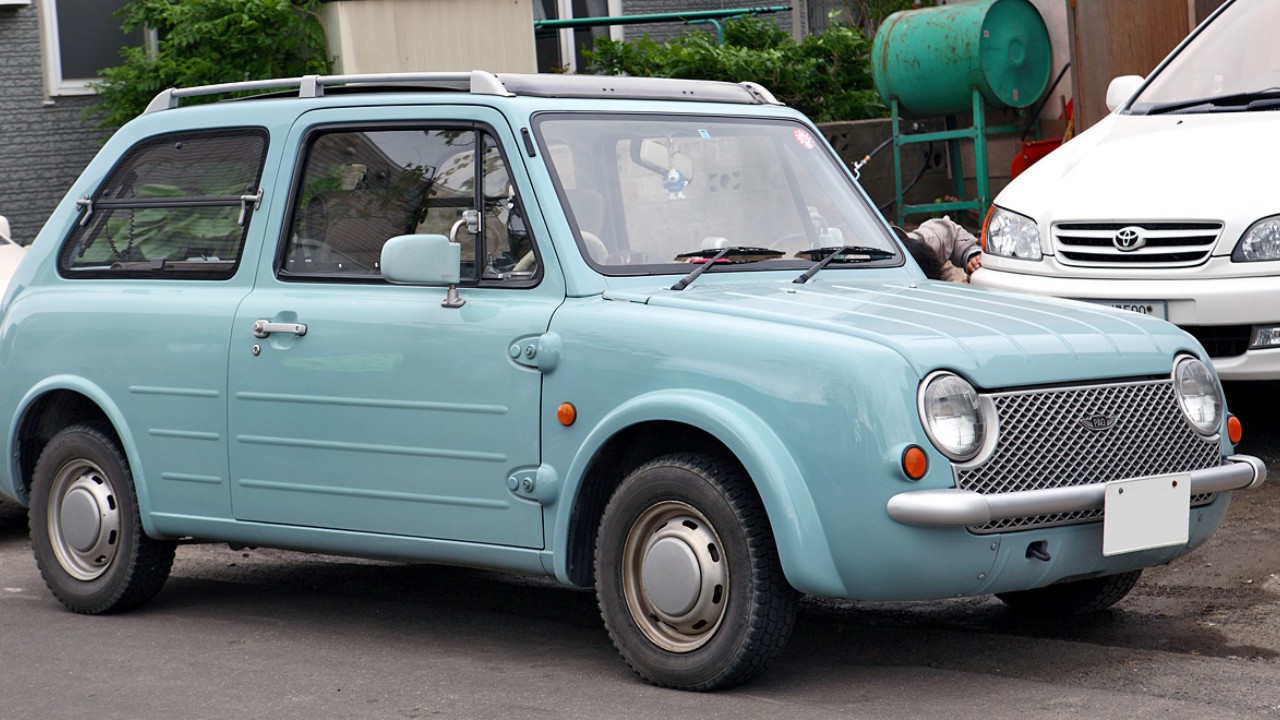
Nissan announced the Pao at the Tokyo Motor Show in October 1987. It reached buyers for 1989, with one unusual rule. Nissan took orders only between January 15 and April 14, 1989, on a first-come, first-served basis.
The styling borrows from several European classics. The external door hinges recall the Mini, the flip-up windows nod to the Citroën 2CV, and the split tailgate echoes the Austin A40 Countryman. Side strakes along the body even recall old woodie wagons. Power came from a 987cc four-cylinder rated at 52 PS, with a three-speed automatic or a five-speed manual. That engine came from the Nissan March. Designer Naoki Sakai, who also worked on the Figaro, usually gets credit for the look.
The Pao is slow, simple and charming in a way modern cars can’t copy. In our view, it’s also the high point of Nissan’s Pike Factory experiment. We’d keep one because it makes every errand feel like a small adventure. Look for a five-speed car, which makes it more fun than the automatic-only Figaro. Like its siblings, it came from the same special-projects group, and the order window closed in mid-April 1989.
More from Fast Lane Only