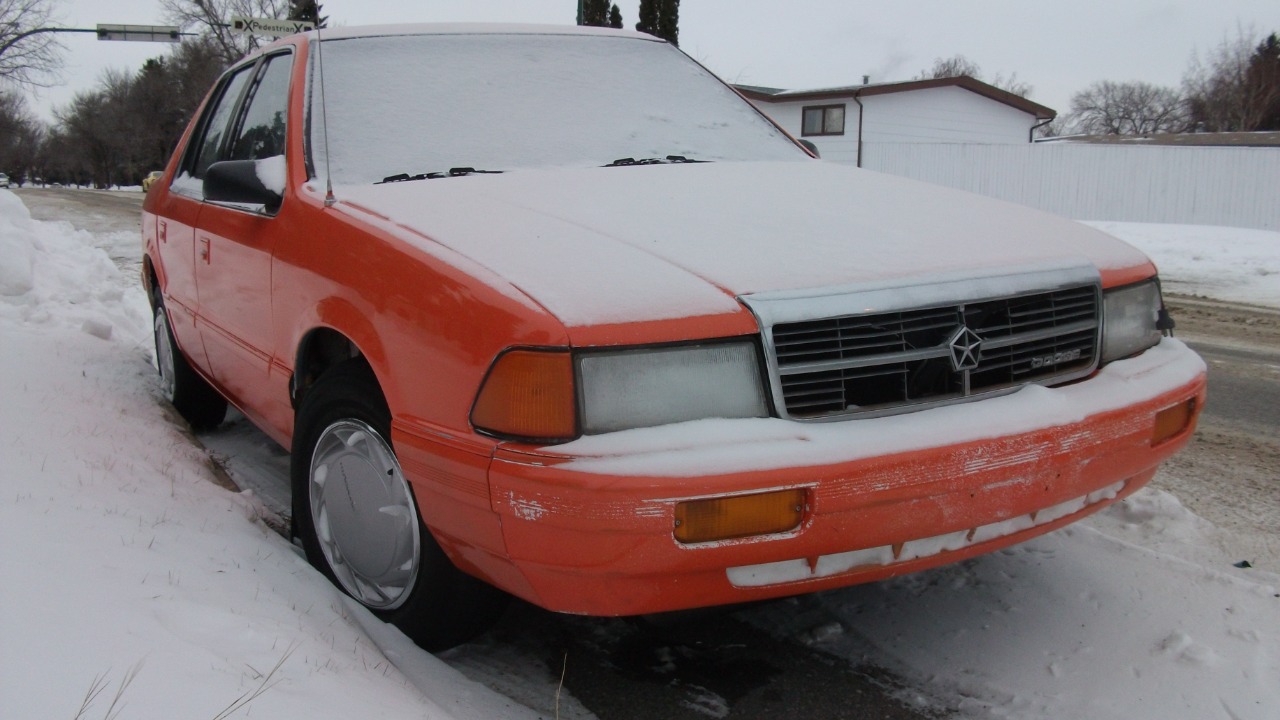
Dodge has built plenty of memorable cars and trucks, but not every model has aged gracefully. Some older Dodges developed reputations for troublesome electronics, fragile components, difficult parts availability, or expensive restoration work. A low purchase price can be misleading when hidden mechanical problems appear later. These eight Dodges can still be interesting classics, but buyers should approach neglected examples with considerable caution.
Dodge Aspen
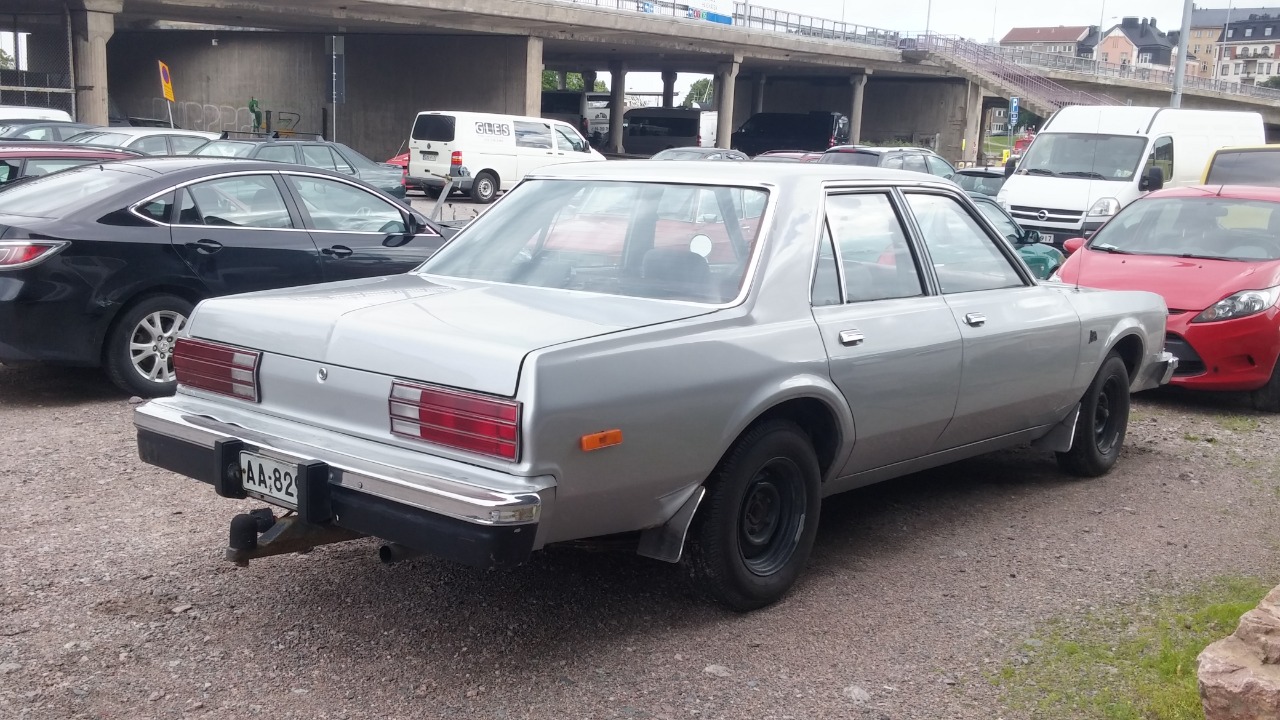
The Dodge Aspen arrived during a difficult period for Chrysler, promising a compact alternative to larger cars. Unfortunately, early examples became associated with quality-control problems involving rust, body fit, and mechanical reliability. The Aspen’s reputation suffered badly during its production years, and surviving cars can require extensive work. Finding a solid example today is difficult, making condition far more important than the relatively affordable purchase price.
Dodge Omni
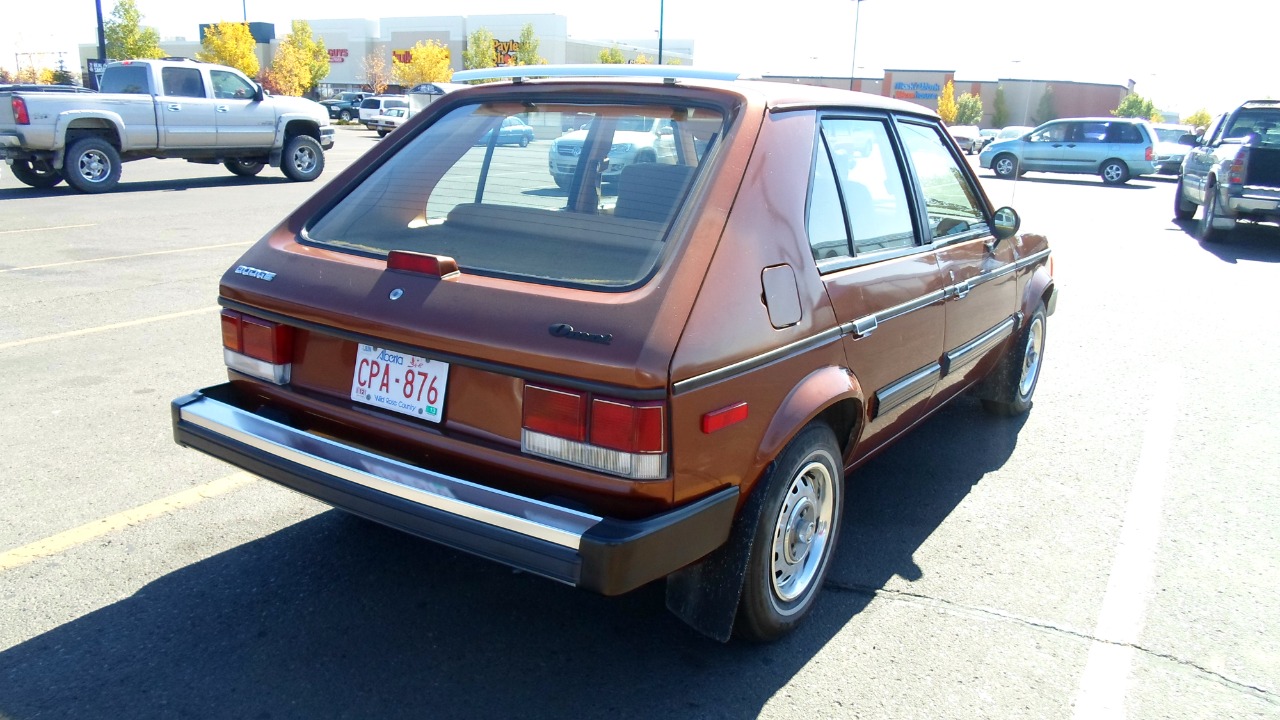
The Dodge Omni gave Chrysler an important entry into the growing front-wheel-drive compact market. Early examples, however, were built during a period when Chrysler was struggling financially and quality could vary considerably. Aging electrical components, cooling systems, and interior materials can create restoration headaches today. While later performance versions are more desirable, an ordinary neglected Omni can become an unexpectedly demanding project.
Dodge Daytona
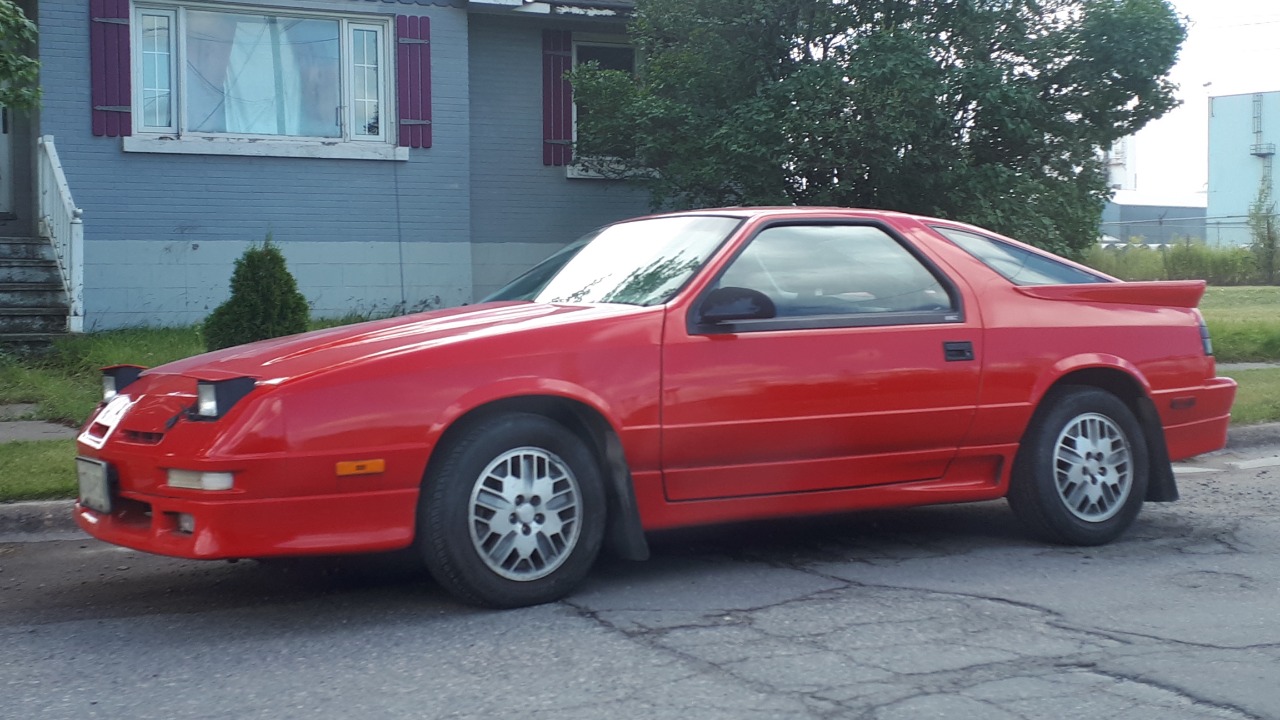
The Dodge Daytona became famous for its dramatic aerodynamic styling and turbocharged performance variants. Those features also mean that surviving examples can contain specialized components that are increasingly difficult to replace. Turbocharger-related hardware, electronics, interior trim, and unique body pieces can all complicate restoration. A cheap Daytona may look tempting, but finding the correct parts and returning a neglected example to reliable condition can quickly become expensive.
Dodge Shadow
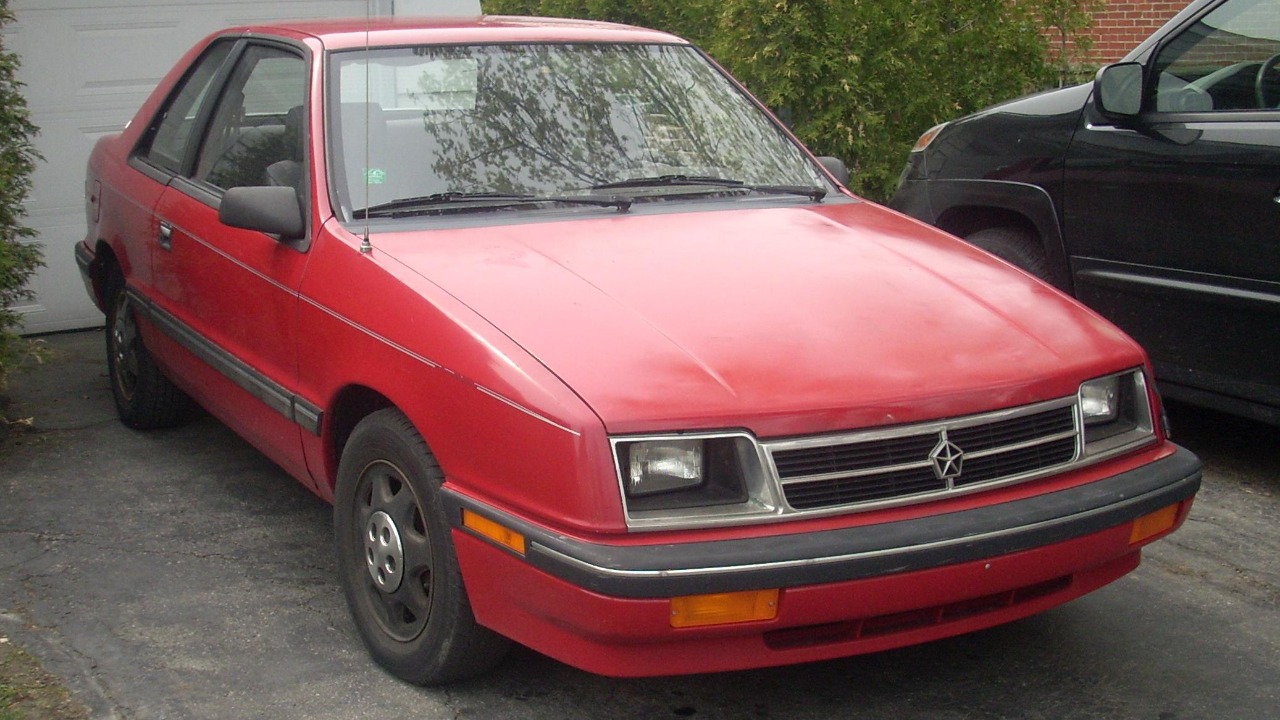
The Dodge Shadow was a practical compact built during Chrysler’s transition toward more sophisticated front-wheel-drive vehicles. Age has not been especially kind to many surviving examples, with deteriorated interiors, electrical faults, cooling issues, and worn drivetrain components becoming common concerns. Their modest market values also limit the financial incentive for extensive restoration. Unless an example has been exceptionally well maintained, ownership can be more trouble than the car is worth.
Dodge Intrepid
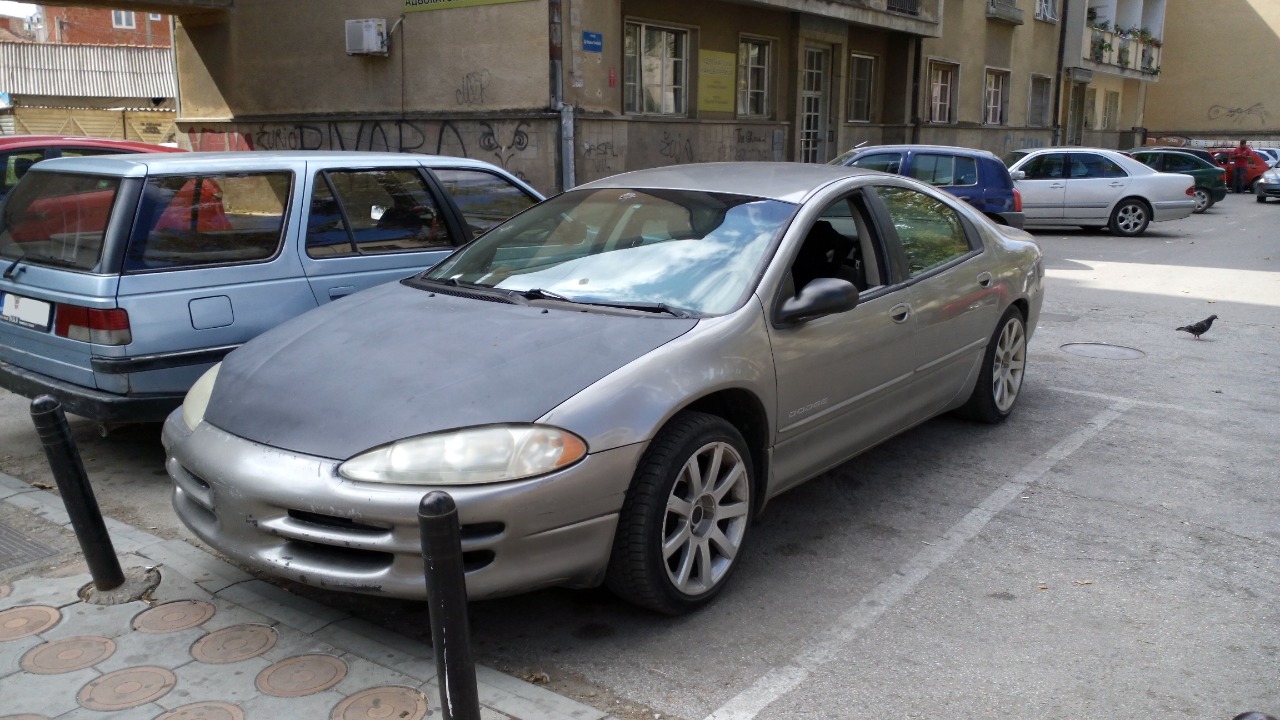
The Dodge Intrepid introduced a modern front-wheel-drive layout and aerodynamic styling to the large-sedan market. Unfortunately, some engines and supporting systems developed expensive reliability concerns as these cars accumulated mileage. Cooling problems, electrical faults, and drivetrain wear can make neglected examples particularly risky purchases. Because replacement costs can exceed the vehicle’s value, buyers should be extremely selective when considering an aging Intrepid.
Dodge Neon
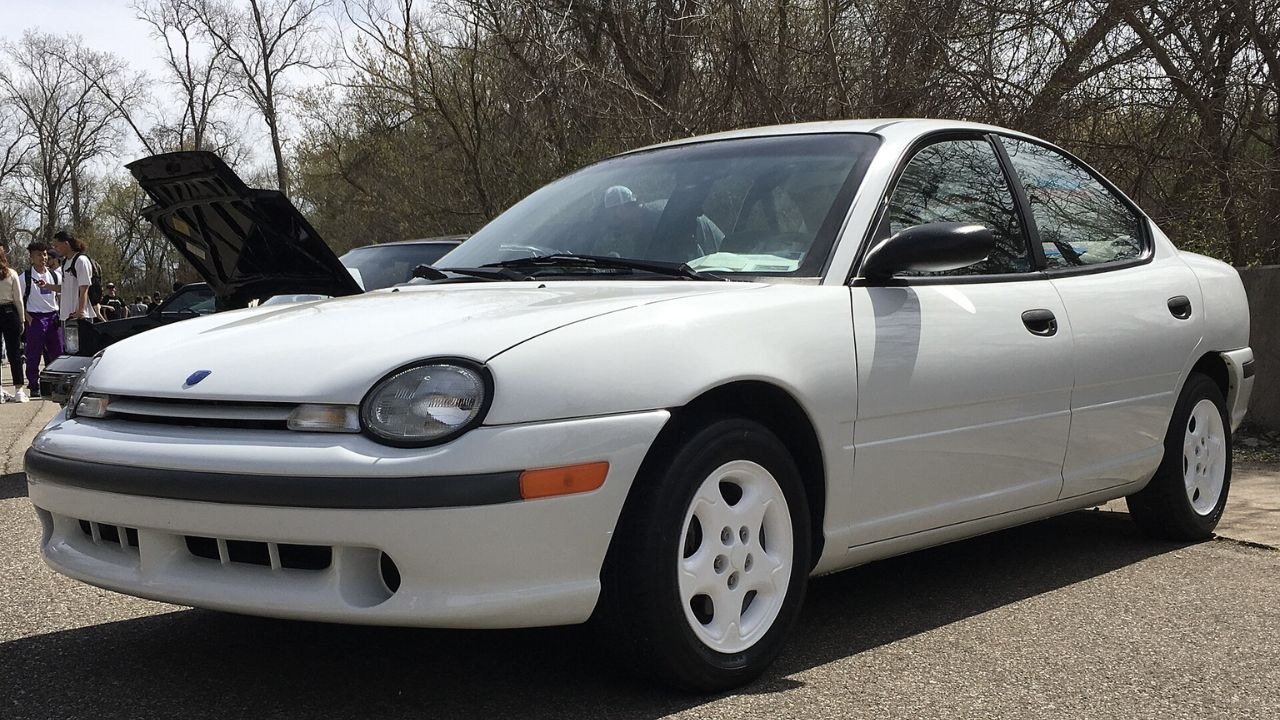
The Dodge Neon became known for its inexpensive price and sporty character, but early examples were not always built to withstand decades of neglect. Cooling-system problems, head-gasket failures, electrical faults, and worn suspension components can become significant concerns on high-mileage cars. The Neon remains an interesting piece of Chrysler history, especially in performance form, but ordinary neglected examples can require considerably more work than their low prices suggest.
Dodge Spirit
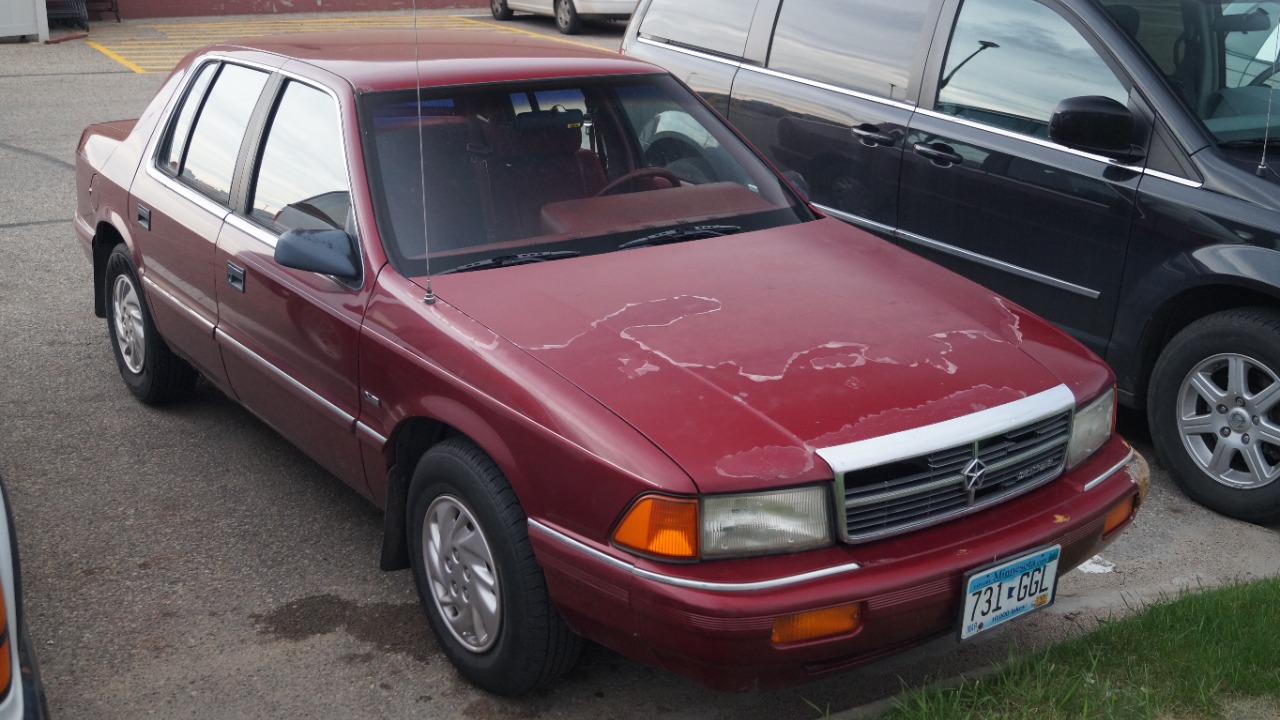
The Dodge Spirit offered practical transportation at a reasonable price, but surviving examples have now endured decades of age and use. Rust, deteriorated rubber components, electrical problems, and worn automatic transmissions can make restoration difficult. The model’s low collector value also makes major mechanical work harder to justify financially. A well-preserved Spirit is interesting, but rough examples are usually better left to dedicated Chrysler enthusiasts.
Dodge Stratus
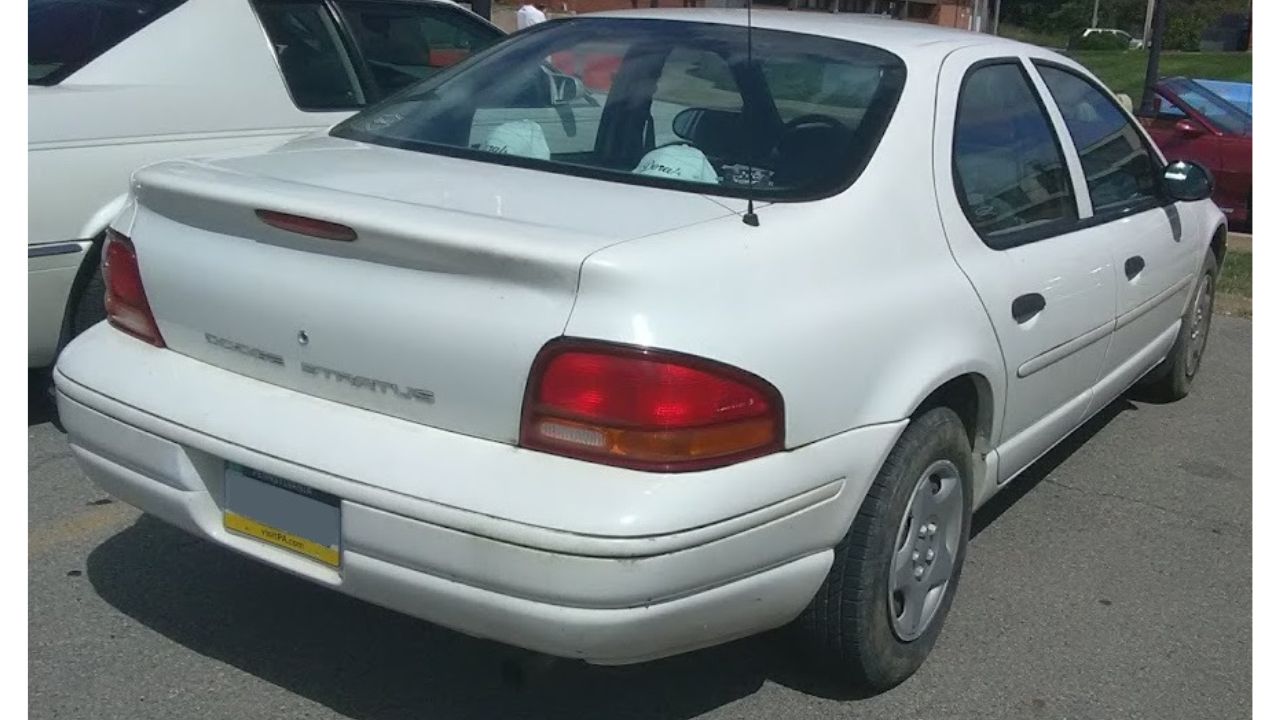
The Dodge Stratus combined family-sedan practicality with Chrysler’s increasingly modern front-wheel-drive architecture. Unfortunately, aging examples can suffer from cooling-system failures, electrical problems, transmission issues, and deteriorating interior components. Some repairs can cost disproportionately more than the vehicle’s market value. While a carefully maintained Stratus can still provide inexpensive transportation, a neglected example is a risky choice for anyone looking for an easy classic-car project.
More from Fast Lane Only
- Unboxing the WWII Jeep in a Crate
- 15 rare Chevys collectors are quietly buying
- 10 underrated V8s still worth hunting down
- Police notice this before you even roll window down
*Research for this article included AI assistance, with all final content reviewed by human editors.