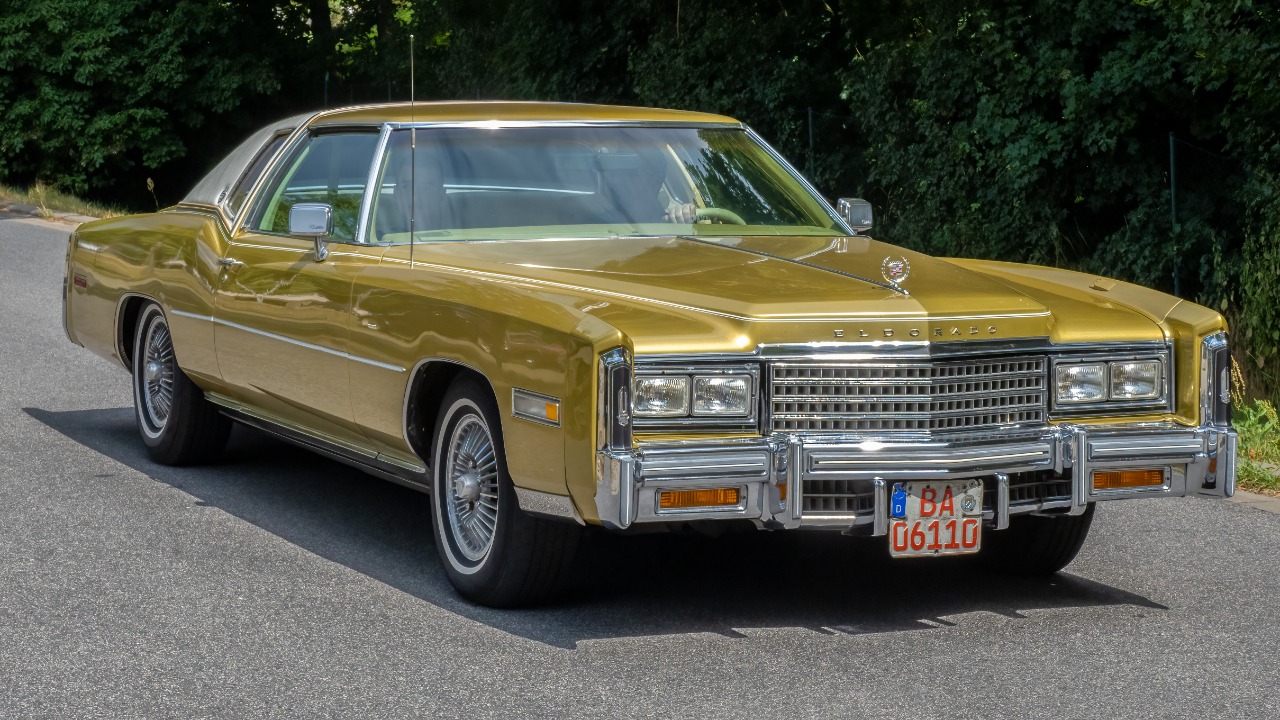
American cars from the chrome-and-tailfin era through the muscle-car years had a knack for making an entrance. Big proportions, bold grilles, long hoods, and distinctive styling gave many of them an unmistakable presence that modern cars rarely match. These classics may be decades old, but their shapes still draw attention at shows, on the street, and anywhere enthusiasts gather.
Chevrolet Impala
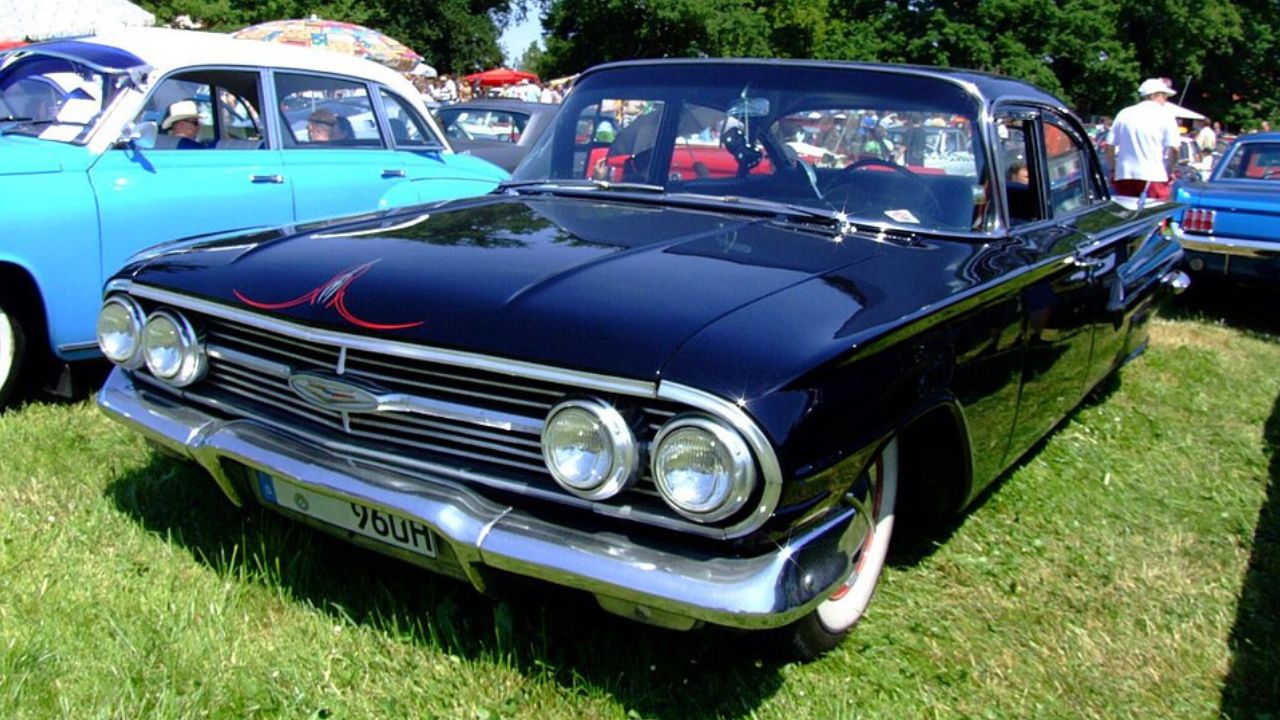
The Chevrolet Impala became one of America’s best-known full-size cars, but its most memorable versions had styling that went far beyond ordinary family transportation. The sweeping rooflines, wide bodies, and carefully shaped trim gave the Impala plenty of presence. Convertible versions are especially eye-catching, while later muscle-era models added a more aggressive character. Even today, a clean Impala can attract attention simply because its proportions belong to an era when American cars were designed to make a statement.
Ford Thunderbird
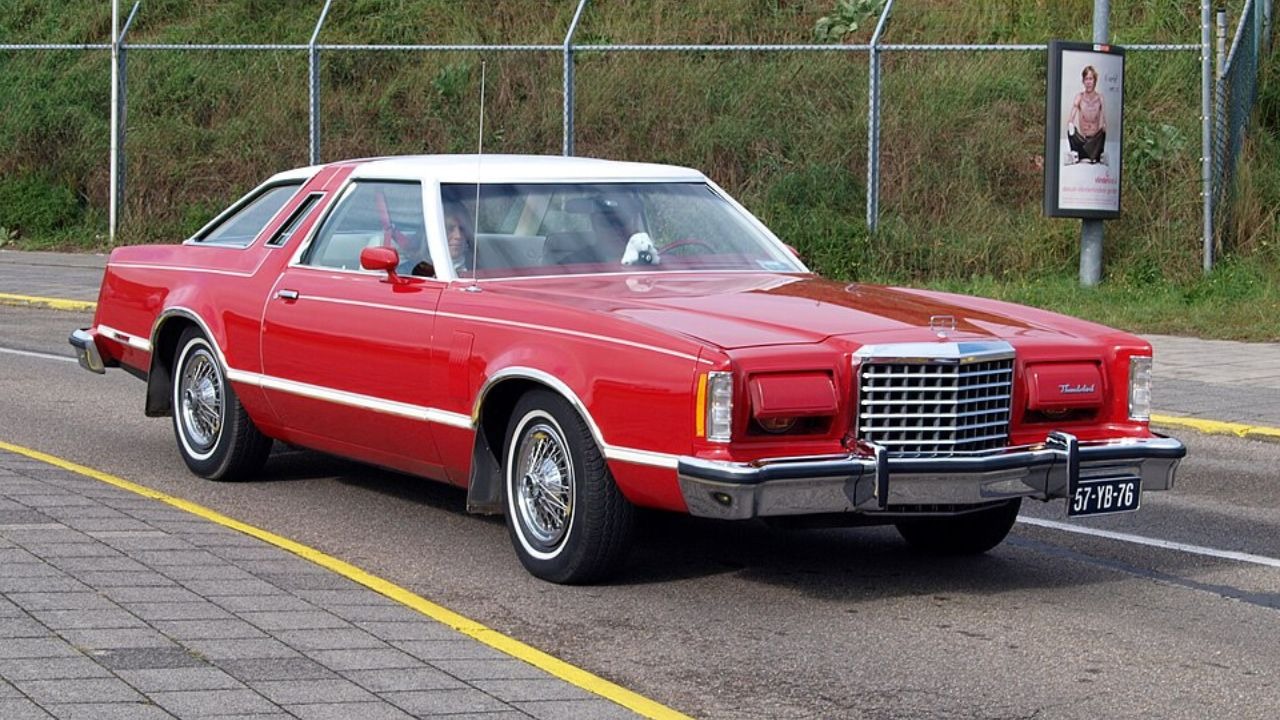
The Ford Thunderbird helped define the personal luxury car in America, combining sporty styling with a more comfortable driving experience. Early examples are especially recognizable for their low profile, rounded fenders, and distinctive rear treatment. Later Thunderbirds became larger and more luxurious while retaining their unmistakable identity. A well-preserved Thunderbird still stands out because few modern cars have anything close to its combination of chrome, long hood, and classic American proportions.
Buick Riviera
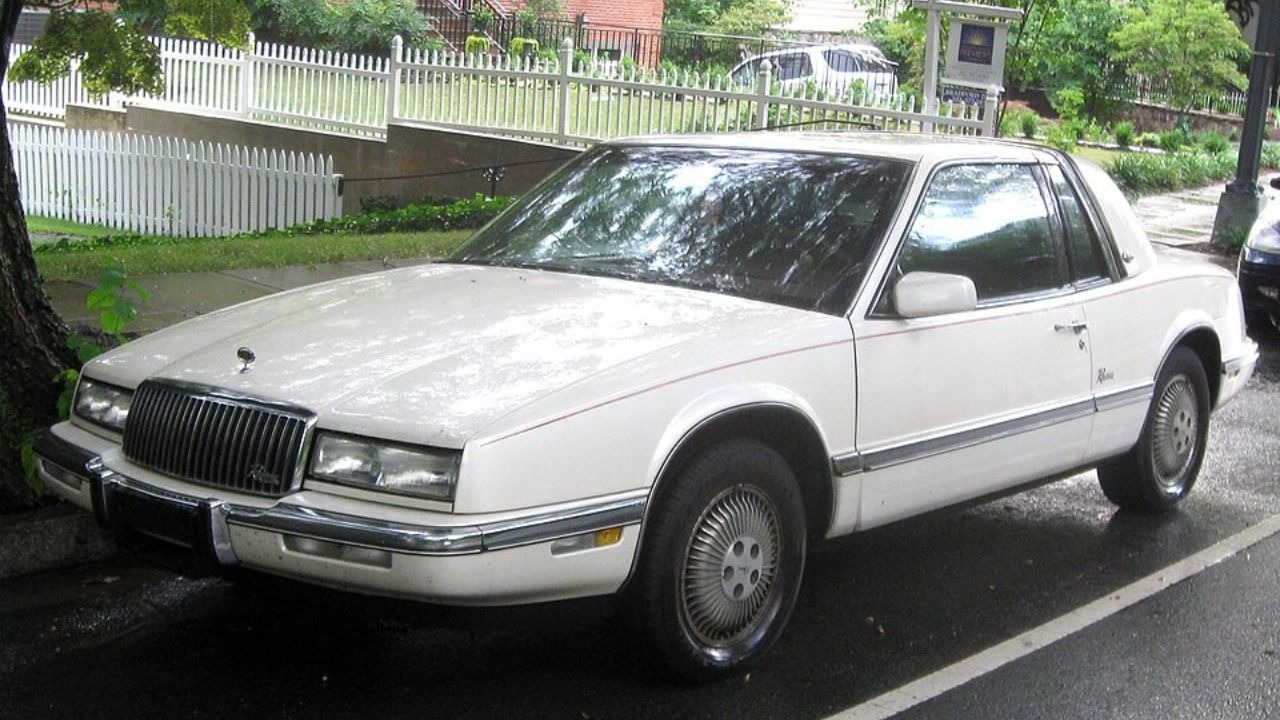
The Buick Riviera brought a more sophisticated look to American luxury cars. Its clean body lines, hidden headlights on early versions, and elegant proportions gave it a different character from the enormous full-size sedans surrounding it. The Riviera also managed to look substantial without appearing overly bulky. Today, its styling has aged particularly well, making a nicely preserved Riviera a regular conversation starter whenever it appears at a classic-car gathering.
Pontiac GTO
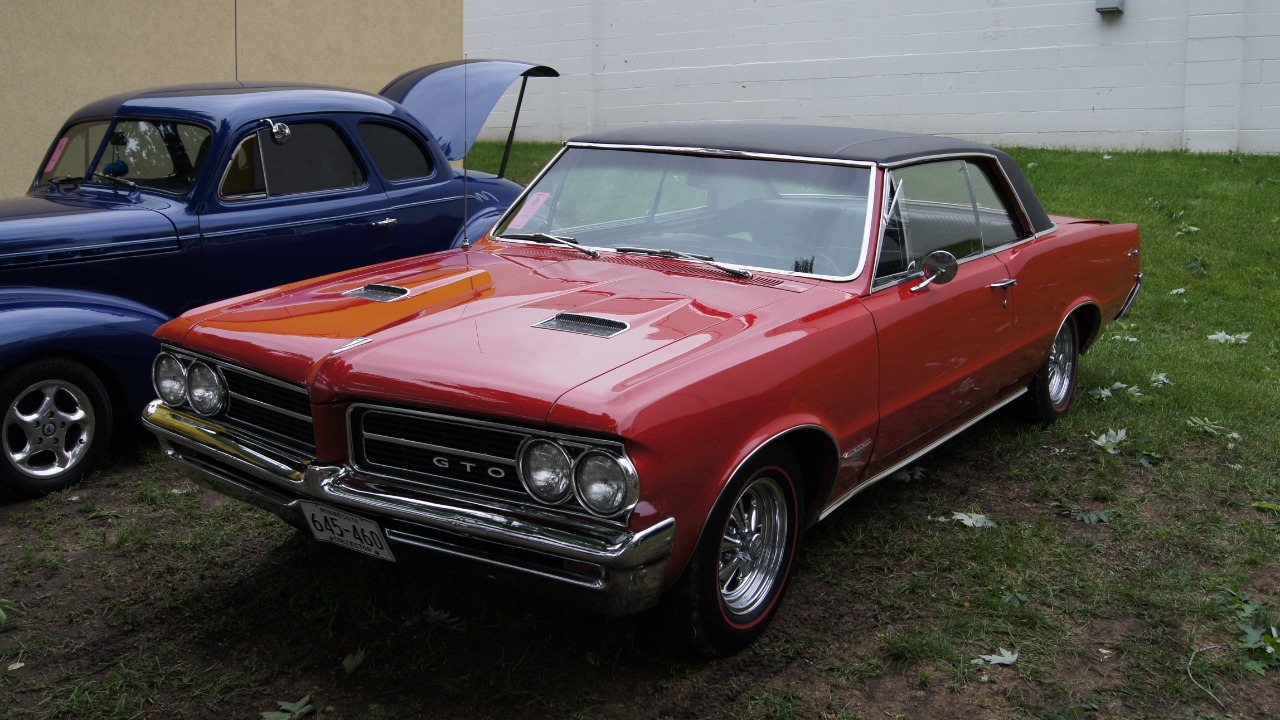
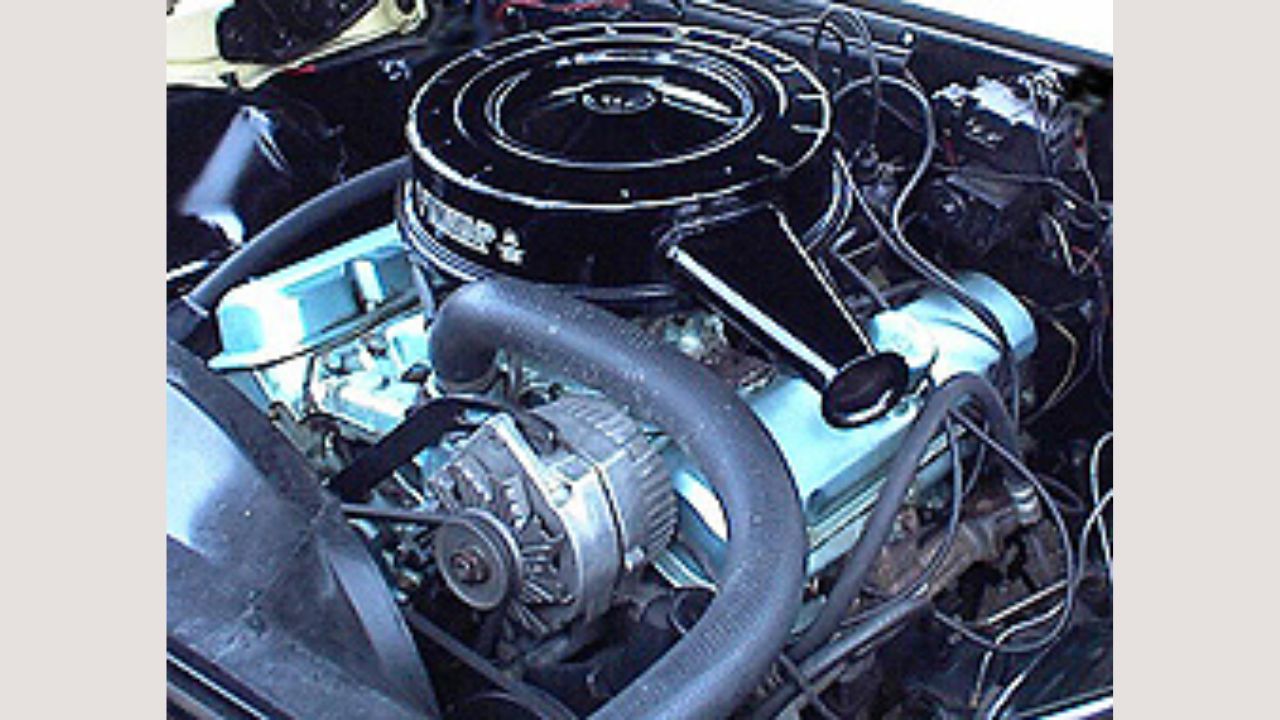
The Pontiac GTO helped establish the formula that would define the classic American muscle car. Its combination of a relatively compact body, powerful V8, and aggressive styling gave it an unmistakable road presence. The GTO’s hood scoops, split grille, muscular stance, and bold badging made it easy to recognize from a distance. Decades later, those same visual cues remain a major part of its appeal, especially when an original or carefully restored example rolls into a car show.
Ford Mustang
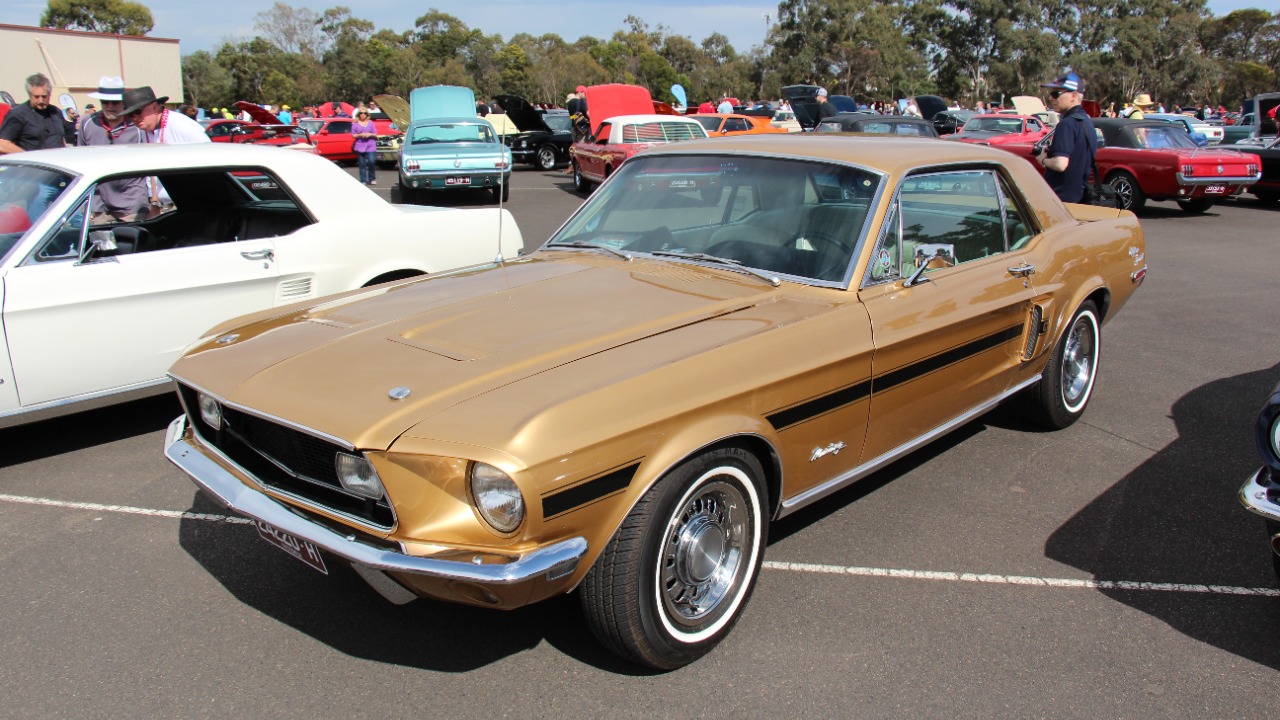
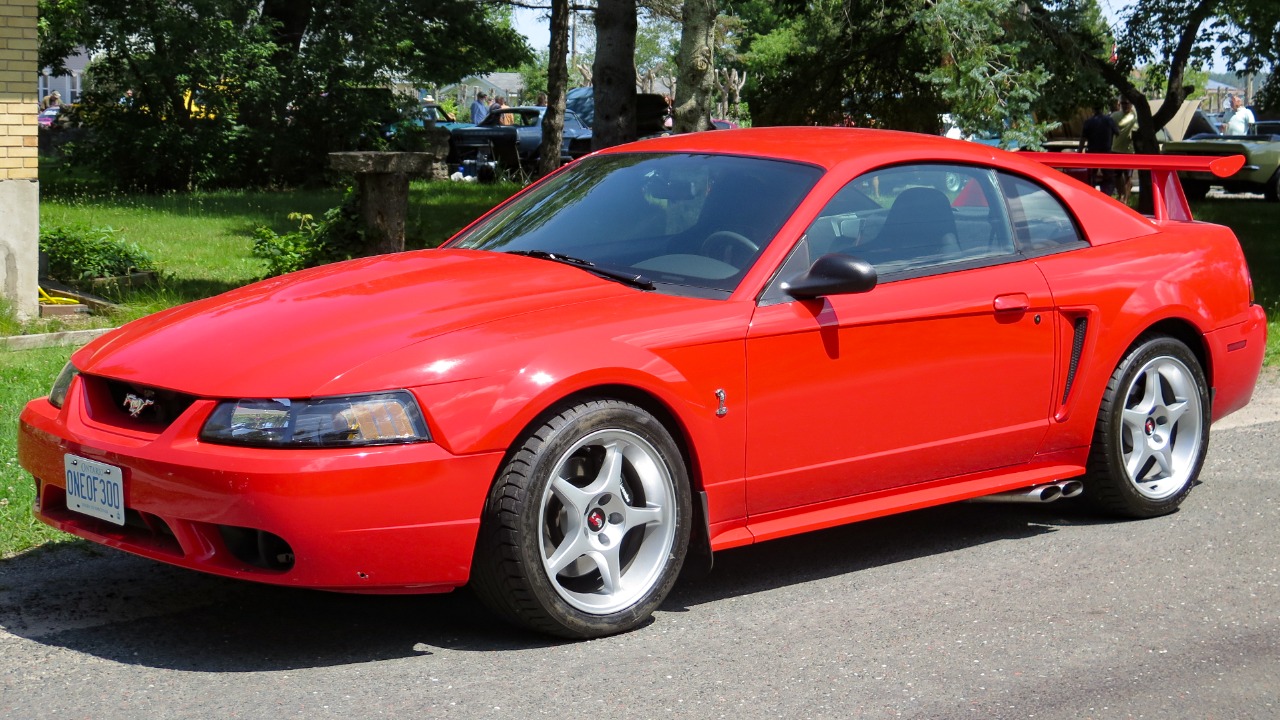
The Ford Mustang changed the American performance-car market almost overnight by combining sporty styling with an accessible price. Its long hood, short rear deck, and compact proportions created a design formula that remains recognizable today. Early Mustangs can attract attention even without flashy modifications because their basic shape has become part of American automotive history. Few cars are as immediately identifiable, and that familiarity is a major reason clean examples continue to draw crowds.
Chevrolet Corvette
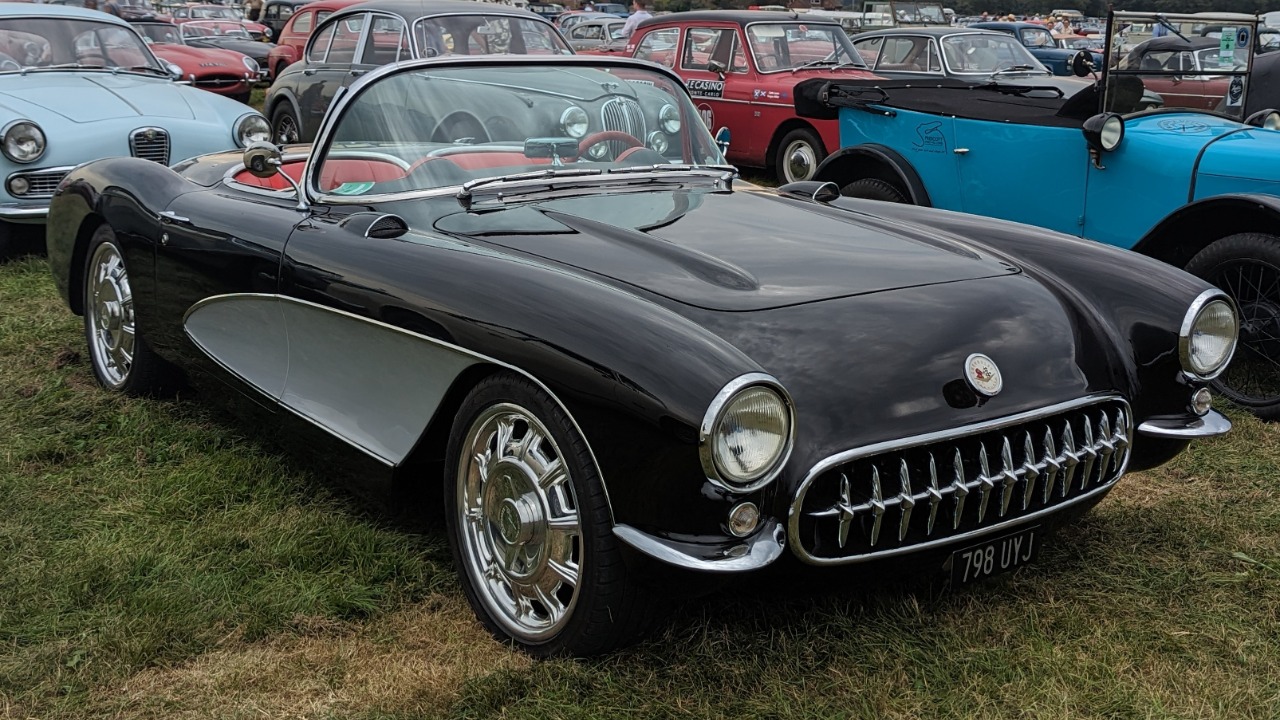
The Chevrolet Corvette has represented American sports-car design for generations. Early models established the basic identity with a low body, rounded fenders, and two-seat layout, while later generations introduced sharper lines and more dramatic proportions. The Corvette has changed considerably over the decades, but older examples still command attention because they look unlike ordinary American cars of their time. A well-kept classic Corvette can easily become the focal point of a gathering.
Cadillac Eldorado
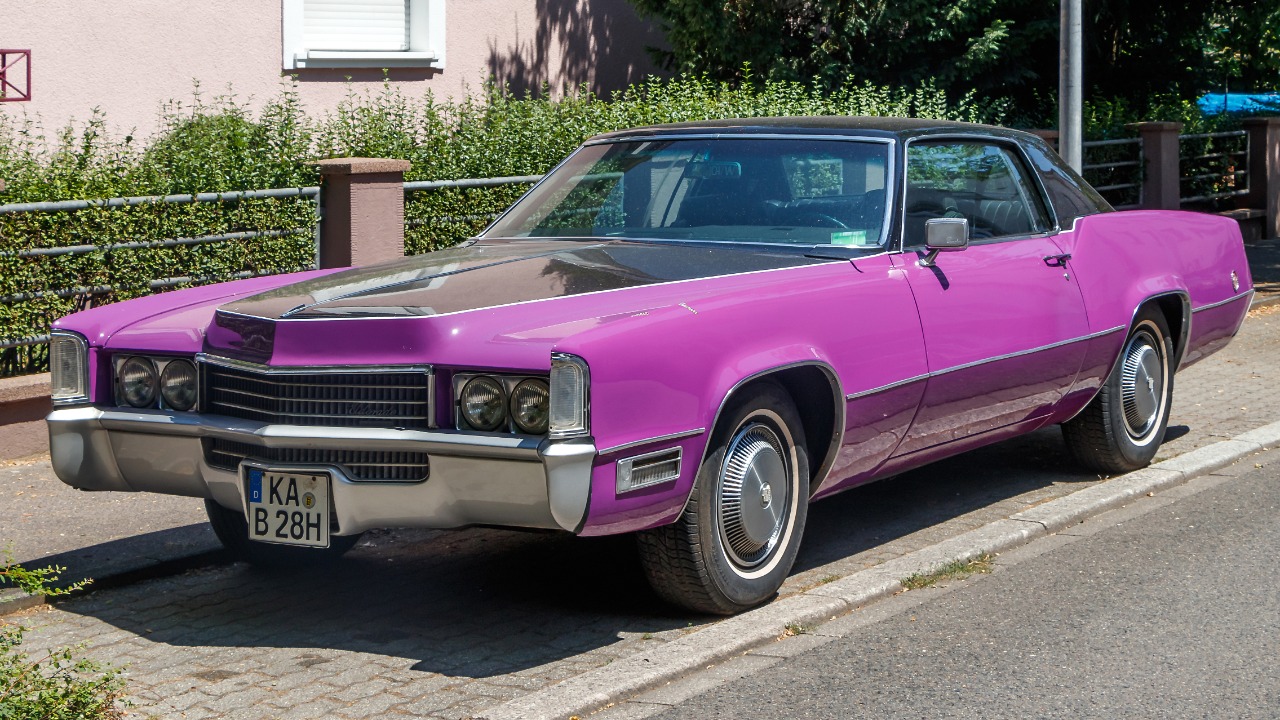
The Cadillac Eldorado represented American luxury at its most extravagant. Large bodies, extensive chrome, dramatic tailfins on certain generations, and carefully styled interiors made the Eldorado a rolling display of postwar optimism. Later versions became smoother and more restrained, but they retained an unmistakable sense of occasion. Seeing an original Eldorado today is difficult to ignore, particularly when its distinctive proportions and brightwork are preserved rather than hidden behind modern modifications.
Dodge Charger
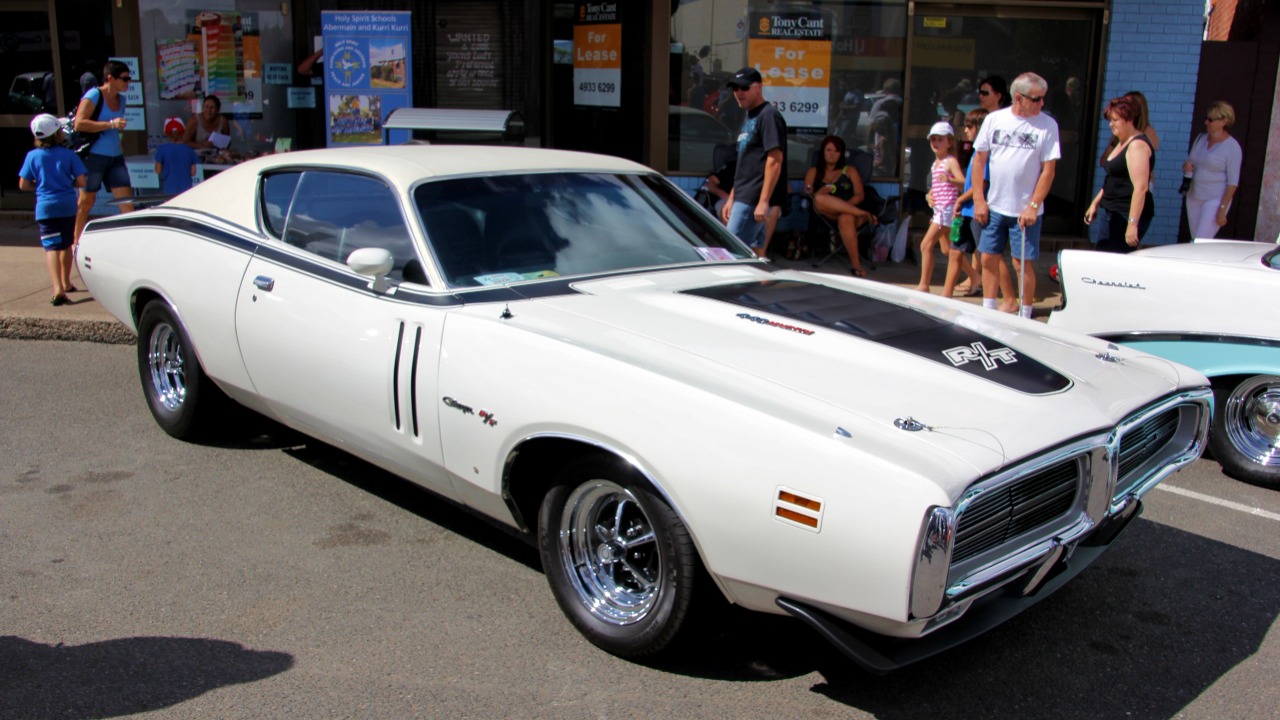
The Dodge Charger became one of the defining shapes of the muscle-car era. Its fastback roofline, wide stance, hidden headlights on certain versions, and muscular bodywork gave it an aggressive appearance even before the engine was started. Different generations have their own visual personalities, but classic Chargers remain especially recognizable. The combination of size, shape, and performance heritage means a clean Charger can attract attention from both serious collectors and people who simply remember seeing one when they were younger.
Plymouth Barracuda
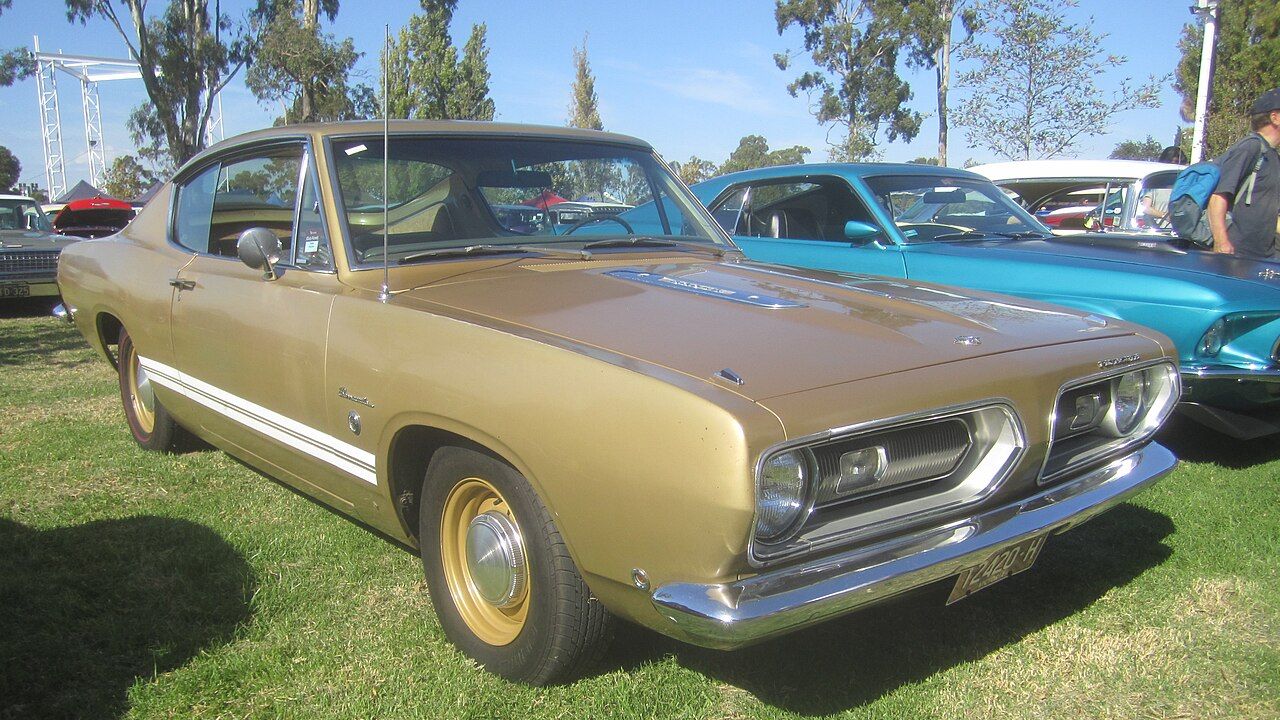
The Plymouth Barracuda started as a compact sporty car and eventually developed into one of the most memorable muscle-era designs. Its early fastback body was distinctive, while later versions became much more muscular and dramatic. The Barracuda’s relatively low production compared with some competitors also adds to its visual appeal today. Whether wearing its original compact styling or the broader shape associated with the later muscle era, a clean Barracuda rarely blends into ordinary traffic.
Oldsmobile 442
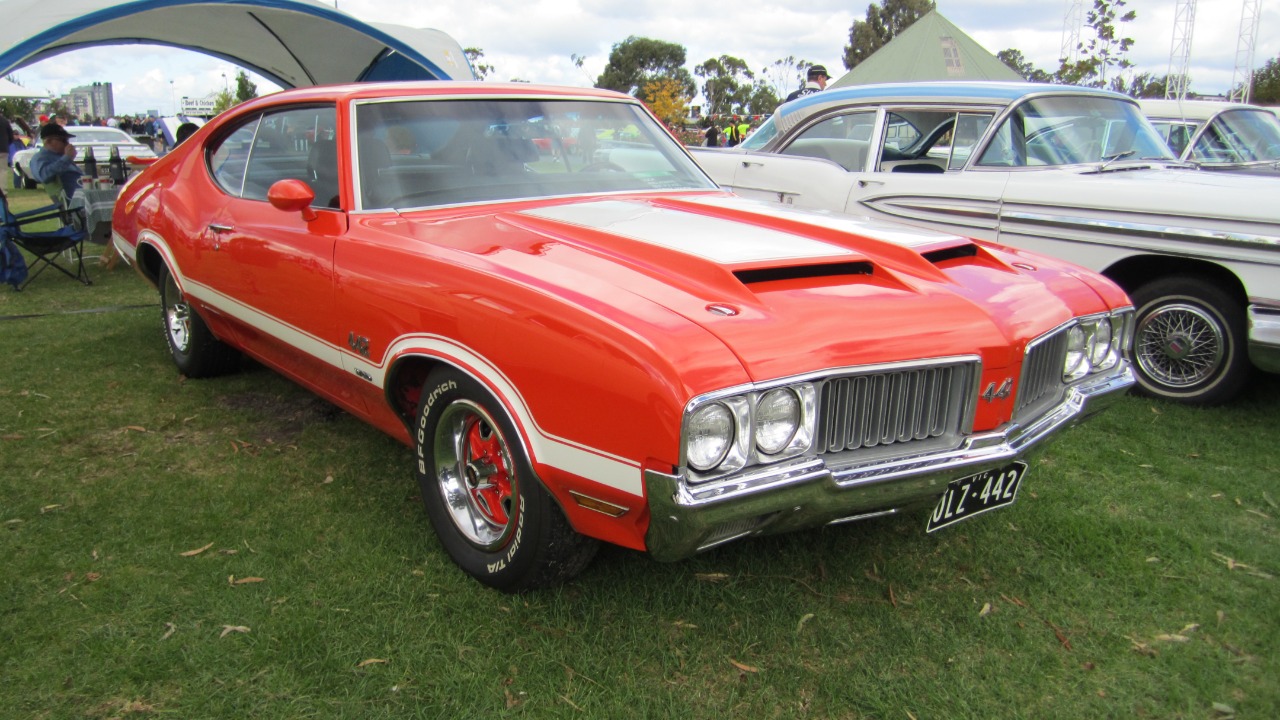
The Oldsmobile 442 combined a relatively understated appearance with serious performance. That balance made it appealing to buyers who wanted muscle without necessarily driving something covered in racing-inspired graphics. The model’s broad stance, hood treatments, and tasteful trim gave it enough visual presence to stand apart. Today, the 442 attracts attention partly because it represents an era when several American manufacturers offered genuinely quick cars that were not always as famous as their Chevrolet, Ford, or Dodge counterparts.
Buick GSX

The Buick GSX was one of the more visually dramatic muscle cars of its time. Bold colors, prominent hood scoops, distinctive striping, and a substantial body gave it a strong presence. Underneath that styling was serious V8 performance, making the GSX more than a cosmetic package. Its relatively limited production also makes seeing one in person unusual. When a restored GSX appears at a show, its combination of bright styling and muscular proportions usually guarantees a crowd.
Pontiac Firebird
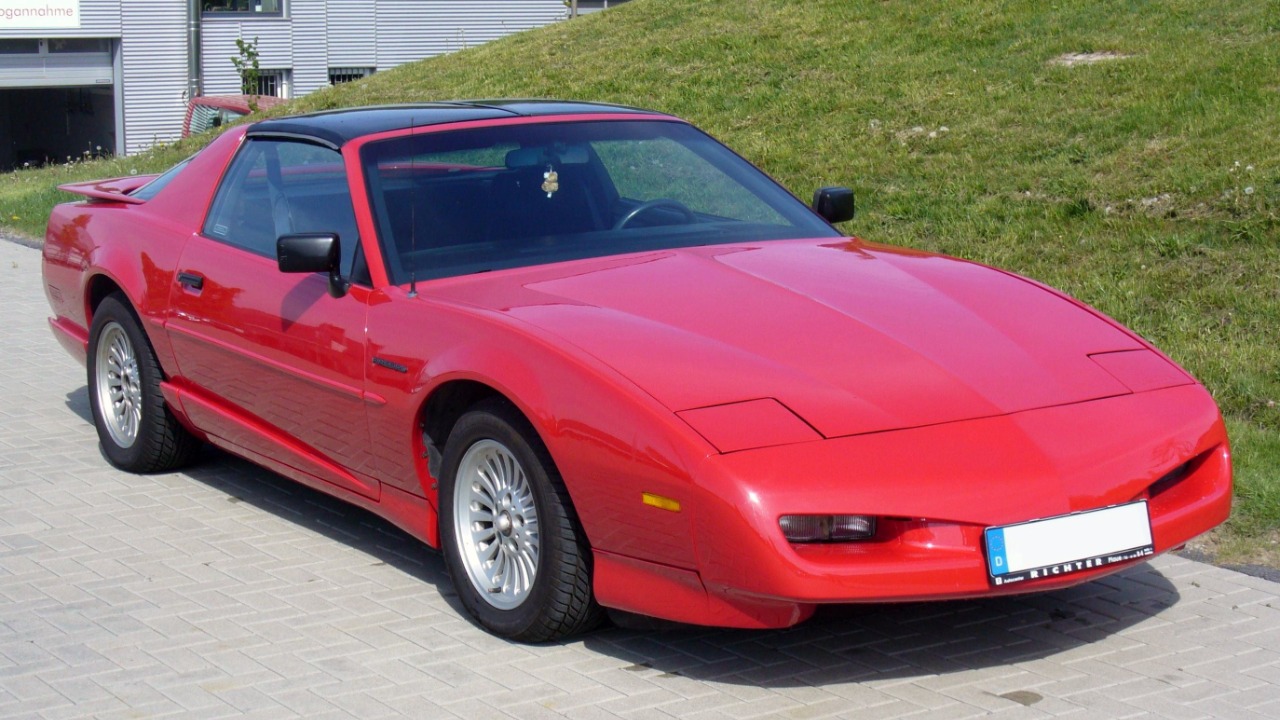
The Pontiac Firebird brought a distinctly sporty personality to the pony-car market. Its long hood, sweeping roofline, and Pontiac-specific front-end styling helped separate it from the Mustang and Camaro. Over several generations, the Firebird gained increasingly dramatic bodywork, but classic examples remain especially appealing because of their combination of performance and style. Trans Am versions are particularly recognizable, although even a standard Firebird can attract plenty of attention when kept in original condition.
Chevrolet Chevelle
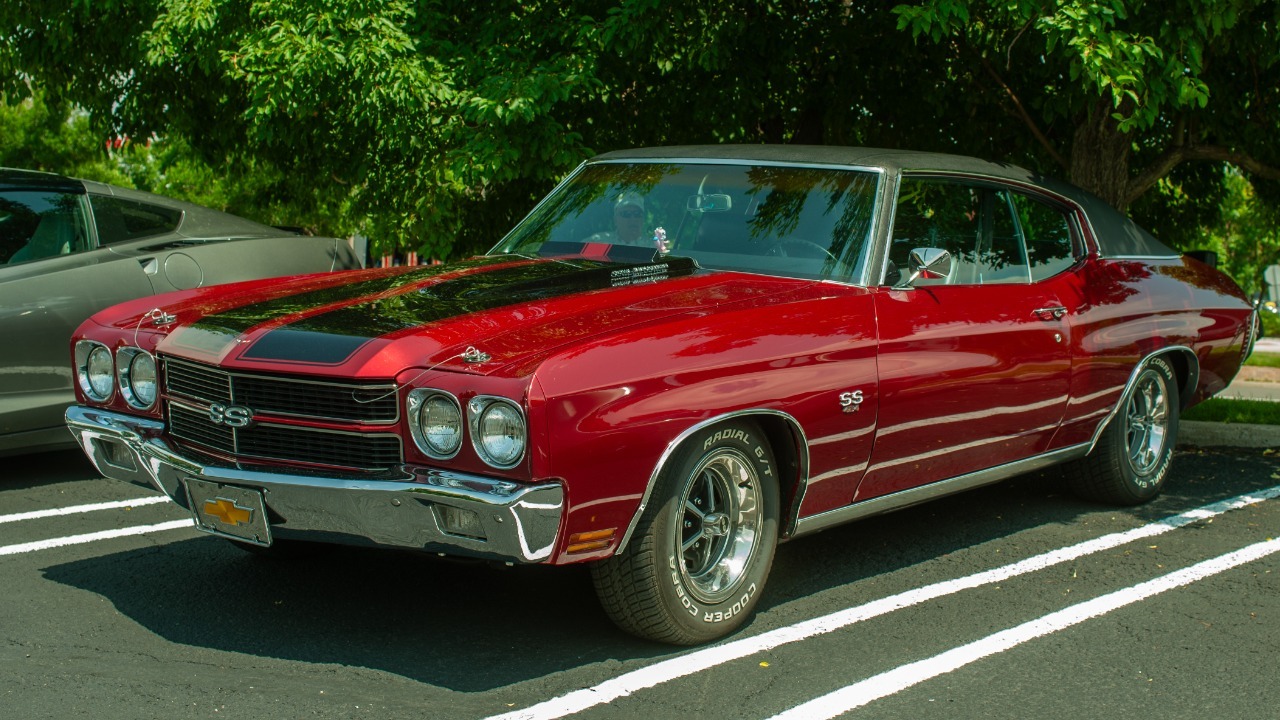
The Chevrolet Chevelle became one of the most recognizable midsize American cars of the 1960s and 1970s. Its clean proportions made it versatile enough to serve as a family car, while high-performance versions transformed the same basic shape into a serious muscle machine. The combination of a broad grille, long hood, and muscular rear quarters still works visually today. A clean Chevelle can attract attention without needing exaggerated modifications or oversized wheels.
Ford Torino
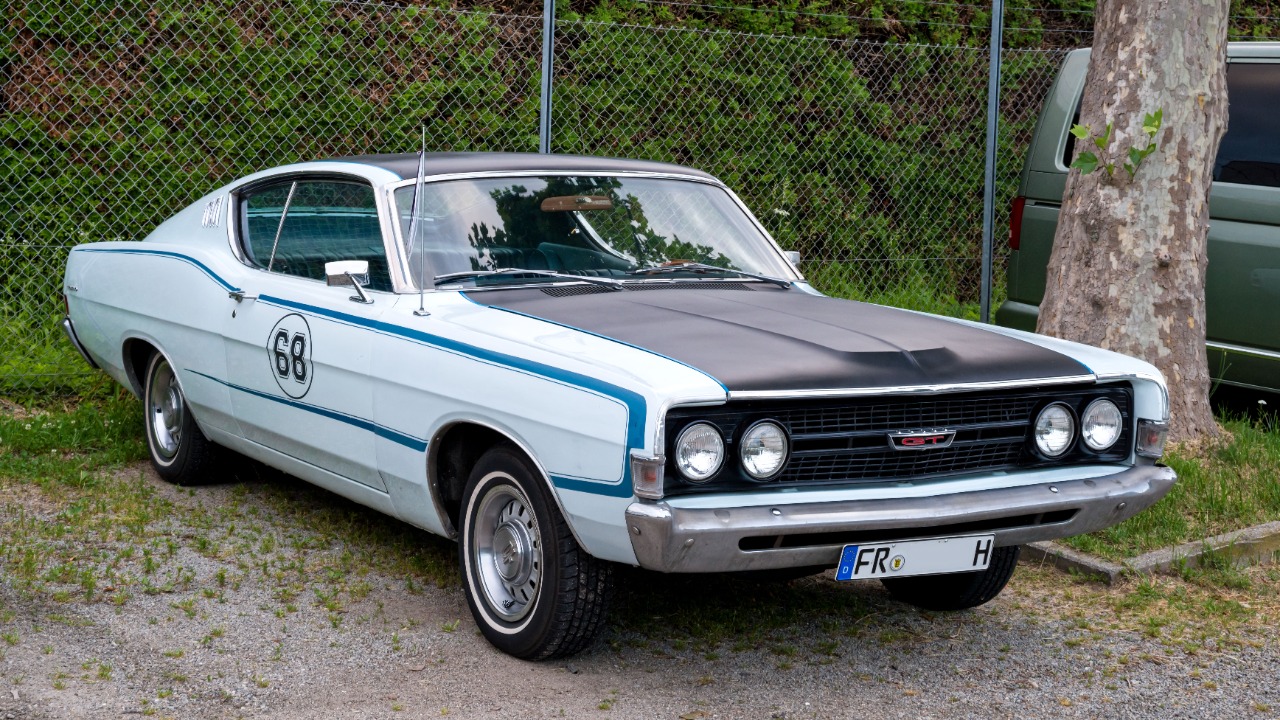
The Ford Torino offered several distinct looks during its production run, but the classic versions are remembered for their long, low bodies and strong presence. Performance models added aggressive grilles, hood treatments, and fastback styling that made them particularly memorable. The Torino also benefited from its connection to NASCAR and Ford’s performance image. Today, a clean Torino can stand out at a show because it represents a period when midsize American cars could be both practical and dramatically styled.
Chevrolet Nova
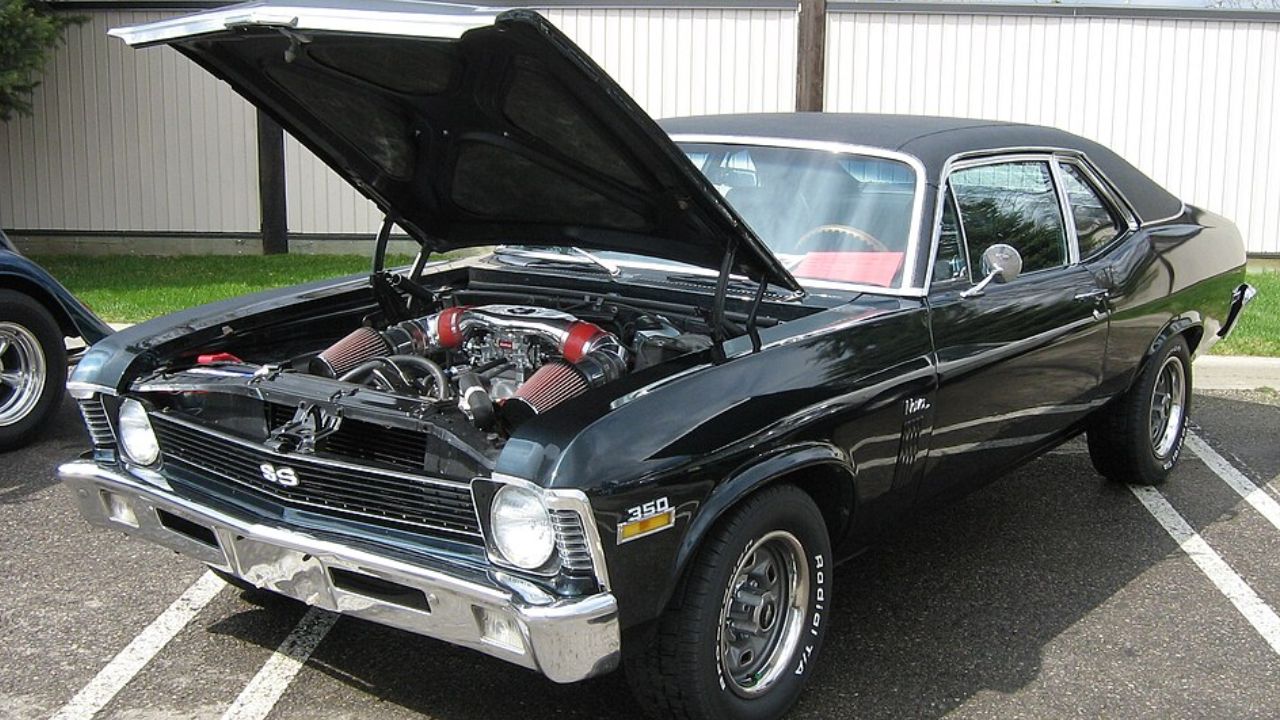
The Chevrolet Nova proves that an American classic does not need enormous dimensions to make an impression. Early compact versions had simple, clean proportions, while later models developed a more muscular appearance. Performance variants are especially sought after, but even ordinary Novas can attract attention because their styling is closely associated with the era. Their relatively straightforward shape also makes a well-restored example easy to appreciate, particularly when compared with today’s increasingly similar-looking sedans.
Mercury Cougar
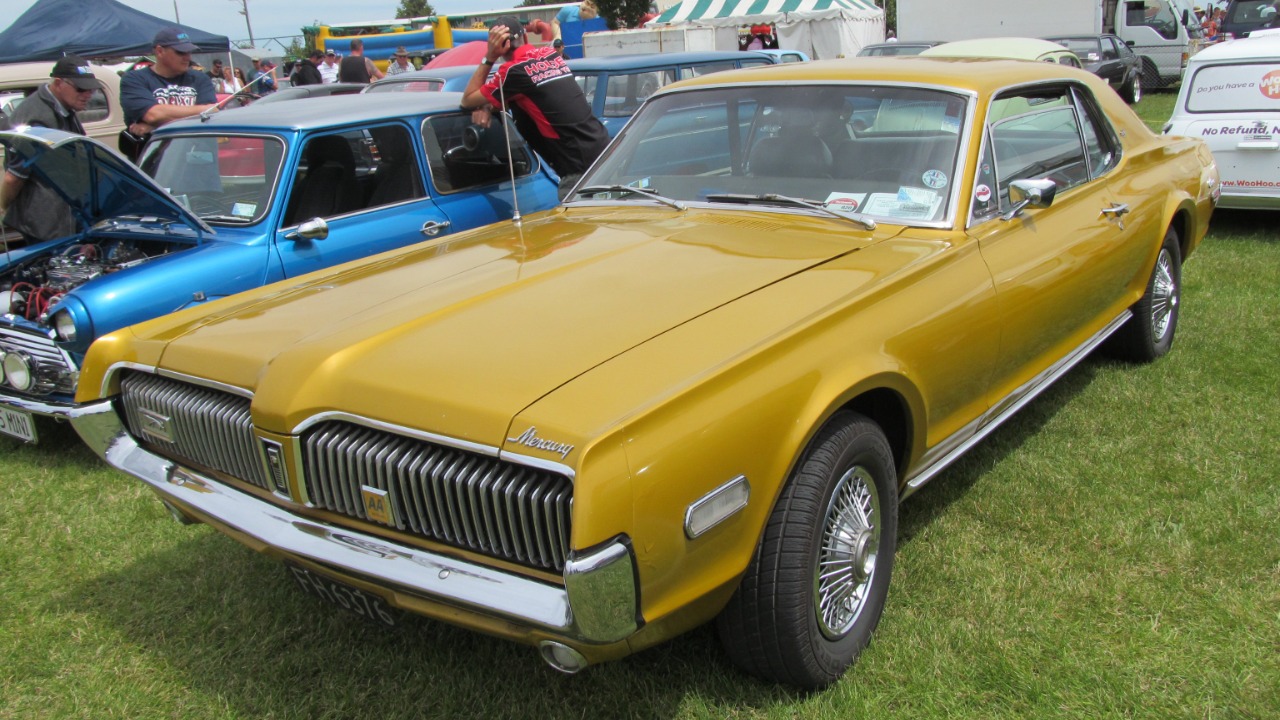
The Mercury Cougar gave Ford’s pony-car formula a more upscale personality. Its hidden headlights, distinctive grille, long hood, and carefully finished bodywork helped it stand apart from the Mustang while sharing much of its underlying architecture. Early Cougars are particularly recognizable because of their unusual front-end design. Today, a clean Cougar can stop people in their tracks because it is familiar enough to recognize but less common than many of the better-known American performance cars from the same period.
AMC Javelin
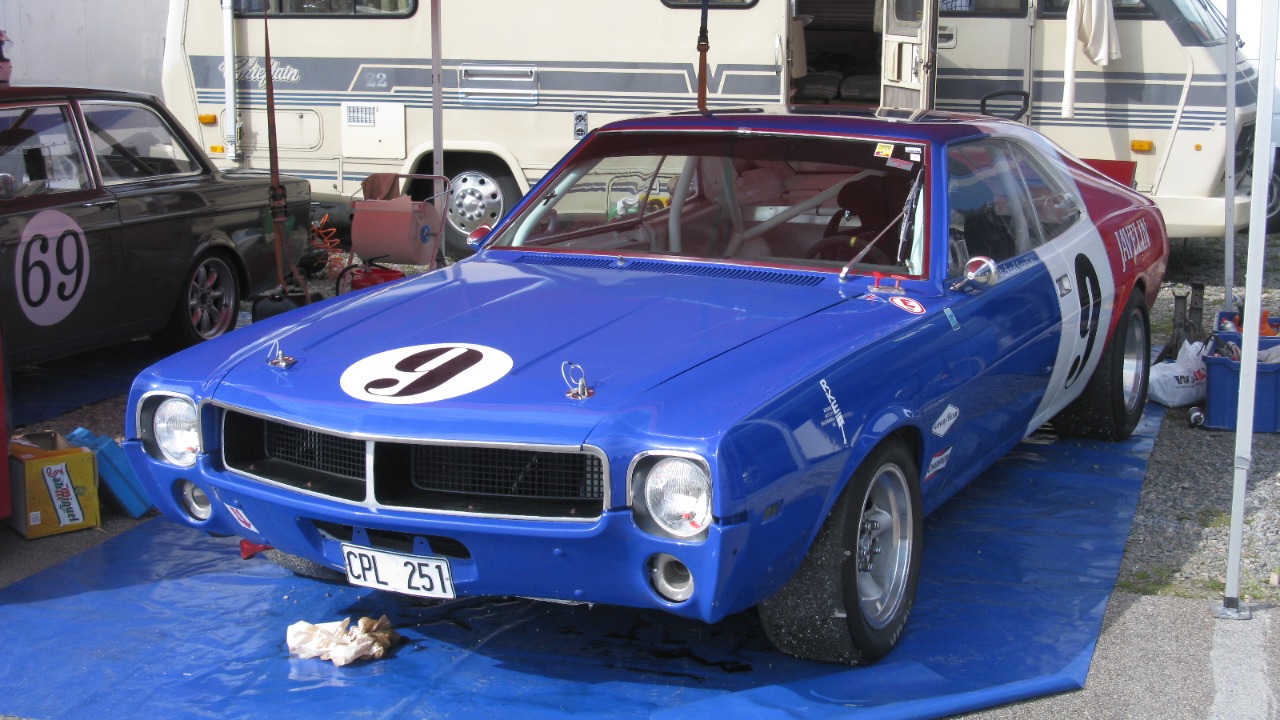
The AMC Javelin brought a different interpretation of the American pony car. Its long hood, fastback roofline, and broad rear quarters gave it a distinctive shape that did not simply copy its larger competitors. Later versions became even more muscular and dramatic. The Javelin’s lower production numbers also mean that seeing one today can be a memorable experience. Its unusual styling and connection to AMC’s independent approach make it particularly interesting at classic-car events.
Lincoln Continental
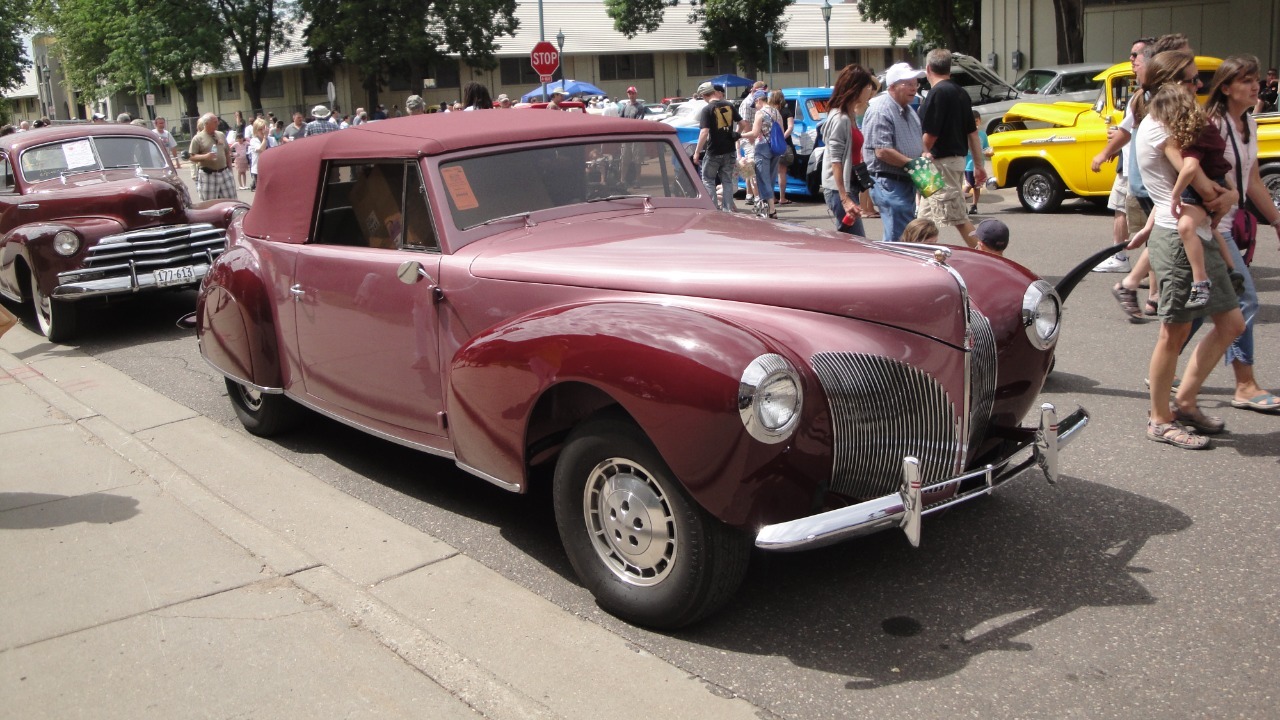
The Lincoln Continental became famous for its combination of size, luxury, and unmistakable styling. Earlier generations featured clean, formal lines, while the 1960s models became particularly recognizable with their slab-sided bodies and rear-hinged doors. The four-door convertible is especially dramatic and remains one of the most memorable American luxury cars ever produced. Even a standard hardtop Continental can dominate a parking lot simply through its scale and carefully restrained design.
Chrysler 300
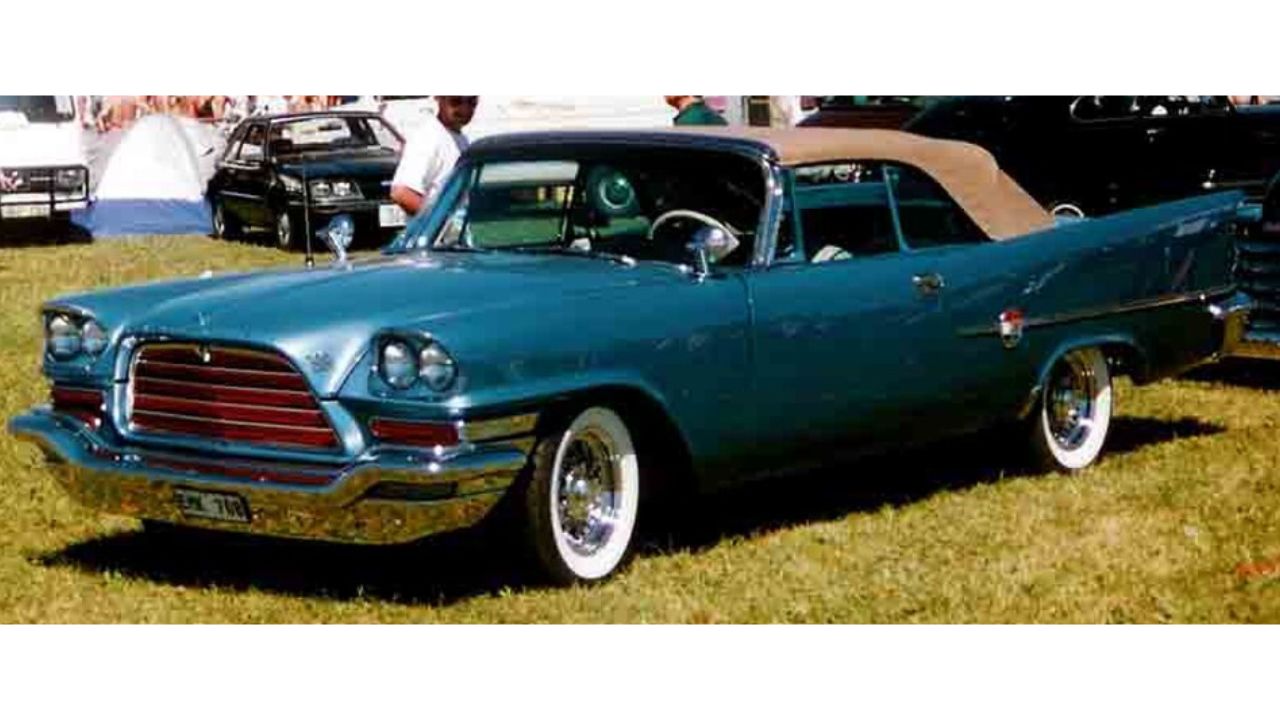
The Chrysler 300 established a reputation for combining luxury with serious performance. Its broad body, formal grille, and powerful engine options gave it a distinctive presence among American cars of the 1950s. Later versions became more refined, but the original 300 letter cars remain particularly memorable. Their styling reflected an era when automakers were willing to experiment with dramatic proportions and powerful engines, making a surviving example an instant focal point at any gathering.
Studebaker Avanti
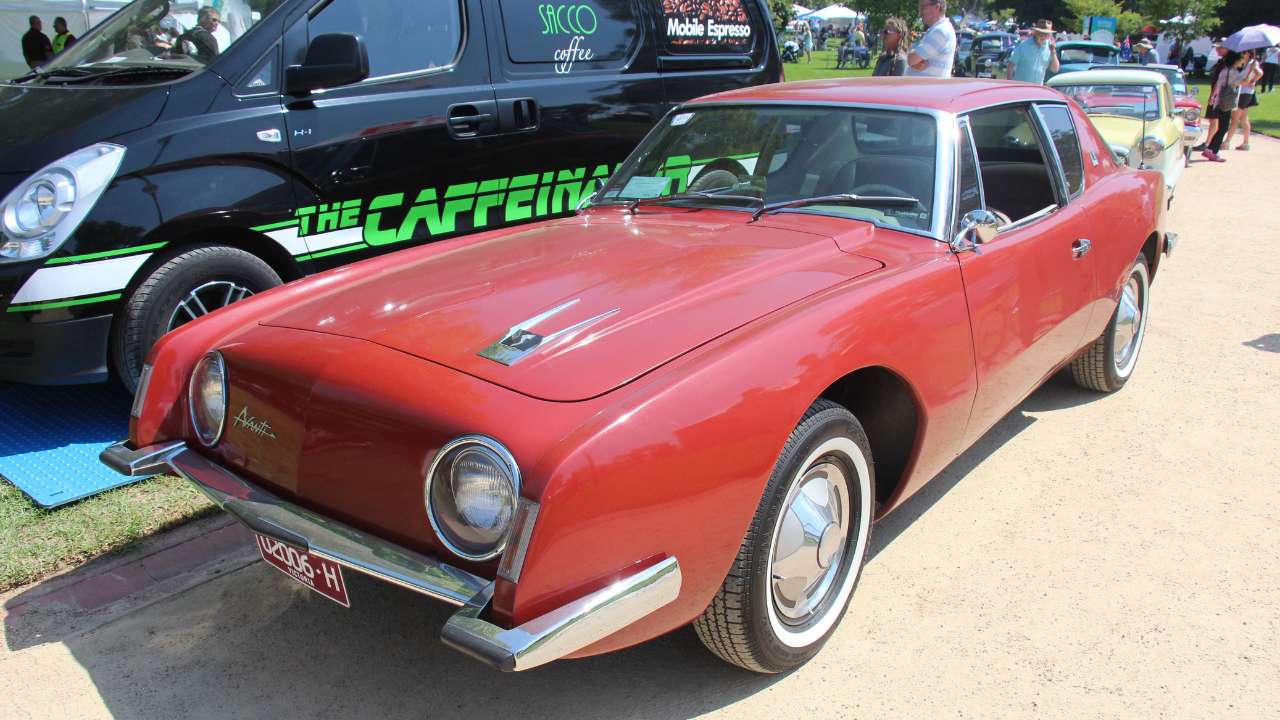
The Studebaker Avanti looked different from almost everything else coming out of Detroit. Its sleek fiberglass body, low nose, fastback roofline, and almost complete lack of traditional chrome gave it a surprisingly modern appearance when new. That unusual design has aged remarkably well. An Avanti still attracts attention today because many people expect a 1960s American car to be covered in bright trim and sharp fins, only to encounter something that looks much more restrained and futuristic.
More from Fast Lane Only
- Unboxing the WWII Jeep in a Crate
- 15 rare Chevys collectors are quietly buying
- 10 underrated V8s still worth hunting down
- Police notice this before you even roll window down
*Research for this article included AI assistance, with all final content reviewed by human editors.