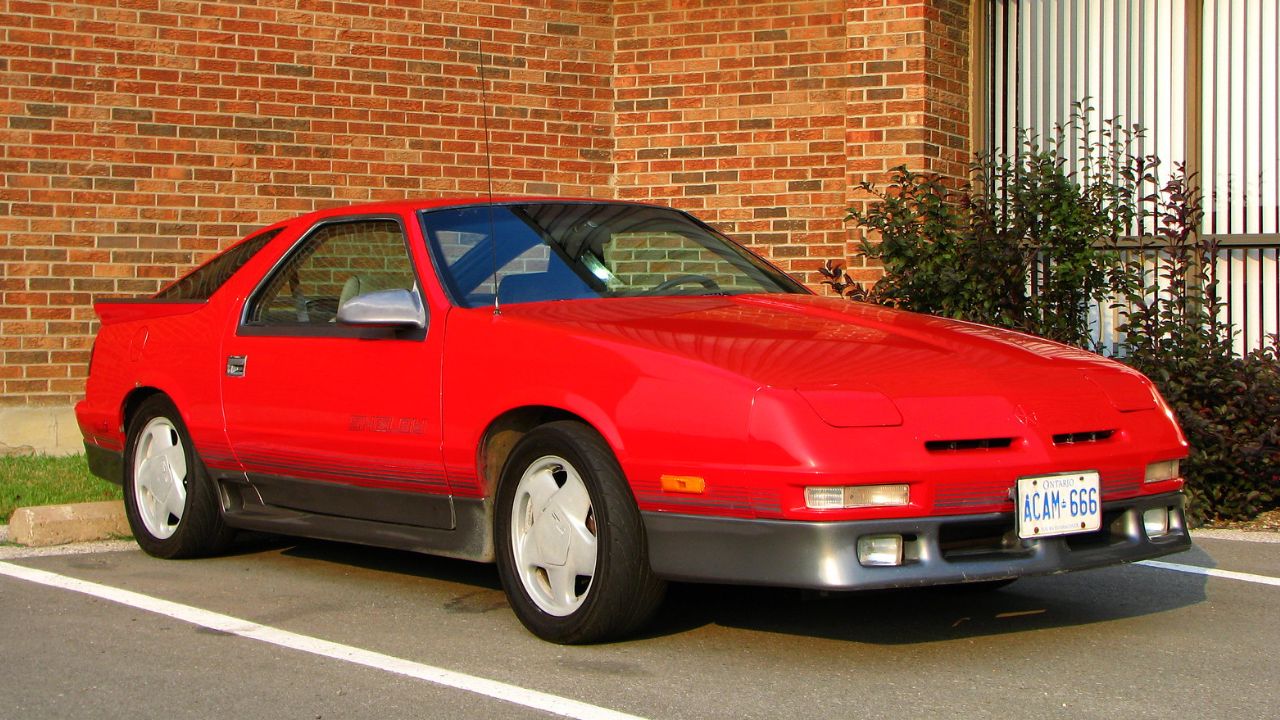
America has produced plenty of performance cars that had the ingredients to become major hits but never quite got the attention they deserved. Some arrived at the wrong time, some carried the wrong badge, and others were simply overshadowed by more famous rivals. These 20 American performance cars deserved a much bigger following.
Ford Taurus SHO
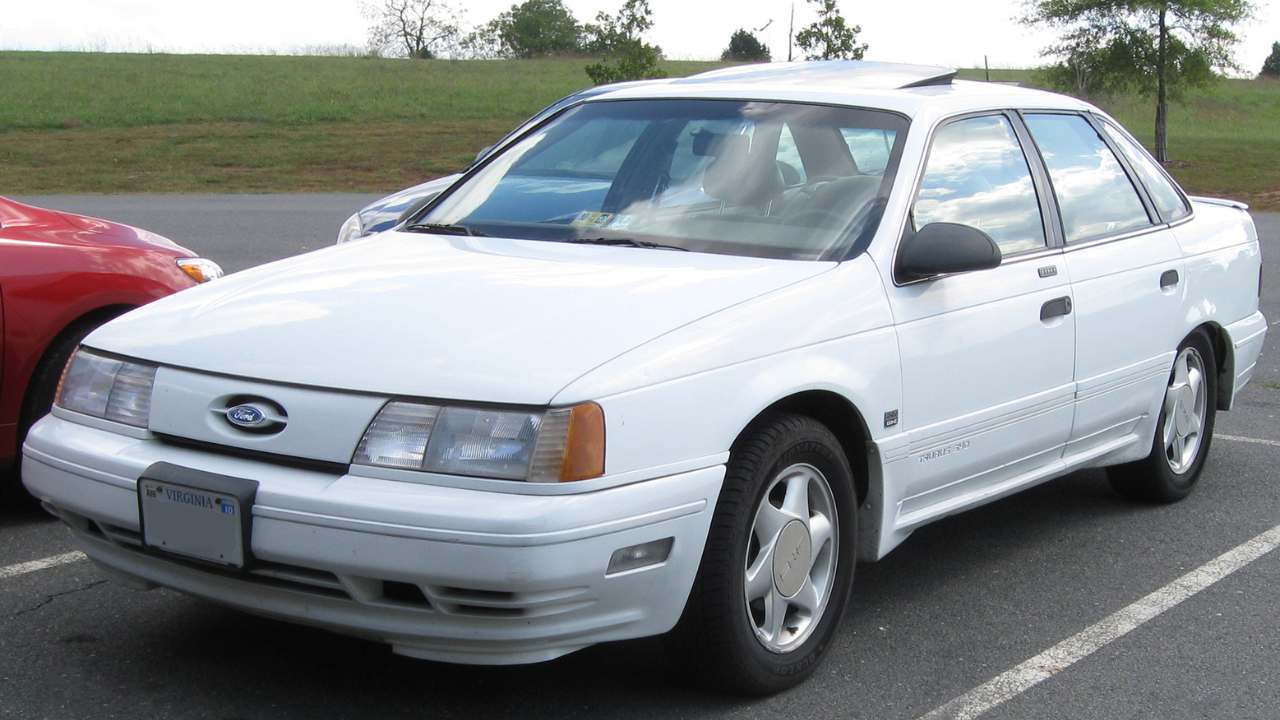
The Ford Taurus SHO was one of the most unexpected performance sedans of its era. Underneath its ordinary-looking family-car body was a high-performance engine and a chassis capable of delivering a surprisingly entertaining drive. The SHO gave buyers something rare: genuine performance without the aggressive appearance of a traditional muscle car. Later versions became even more powerful and sophisticated, but the model never achieved the cultural status of the Mustang. Its combination of practicality and speed makes it one of Ford’s most overlooked performance efforts.
Ford Probe GT
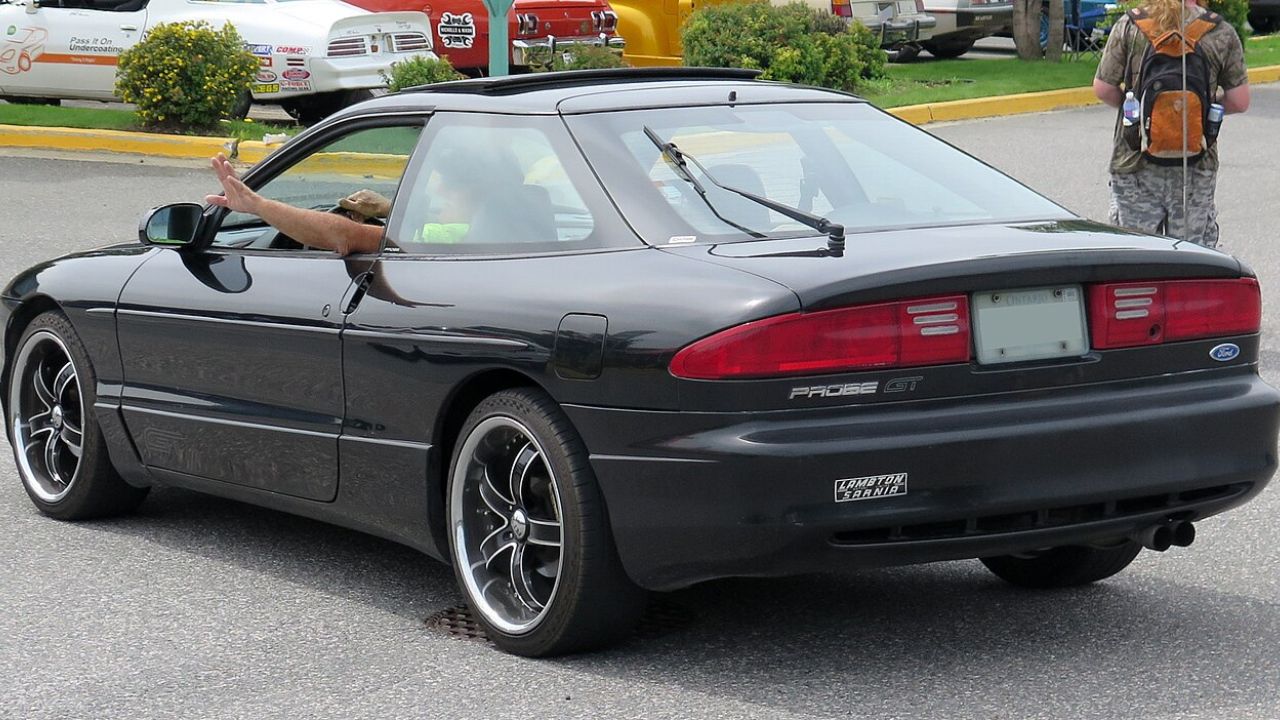
The Ford Probe GT brought turbocharged performance and sporty styling to buyers who wanted something different from the Mustang. Its front-wheel-drive layout made it very different from traditional American performance cars, but the turbocharged engine gave the car plenty of personality. The Probe also looked futuristic compared with many competitors of its time. Despite those strengths, it never became a major enthusiast icon. Today, clean examples are increasingly difficult to find, making the Probe GT an interesting reminder of how adventurous Ford’s performance lineup once was.
Chevrolet Monte Carlo SS
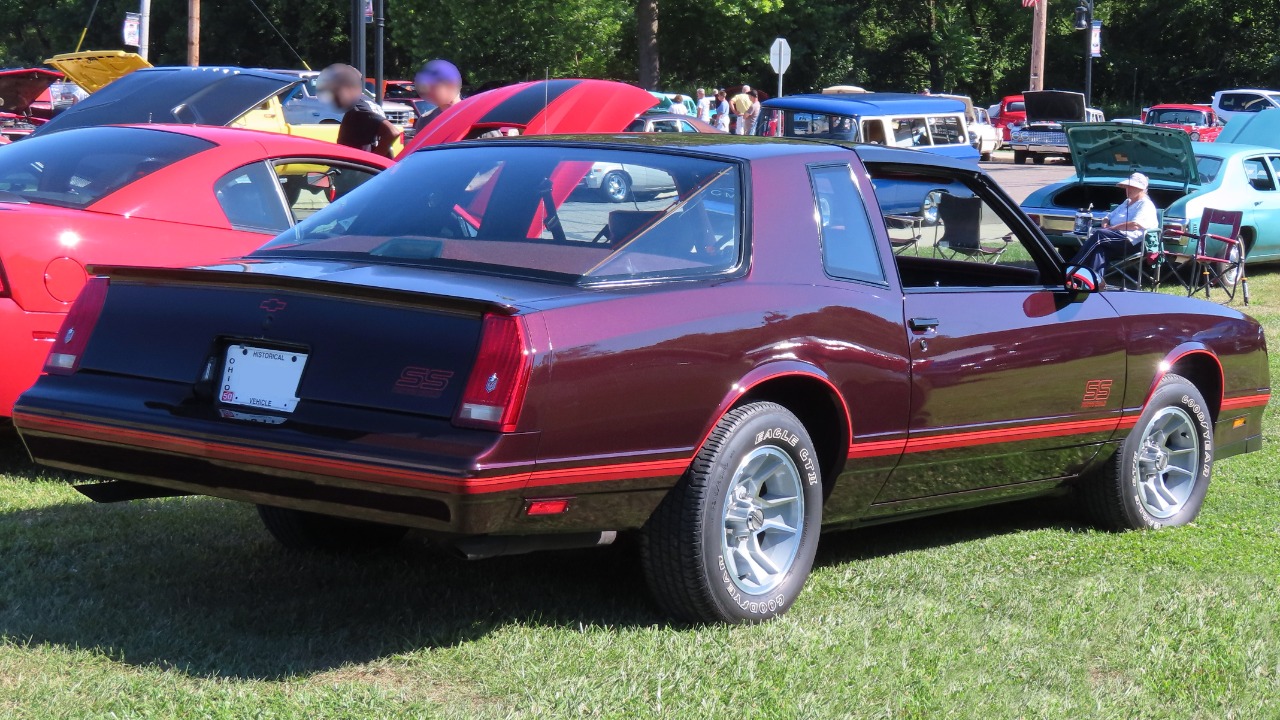
The Chevrolet Monte Carlo SS gave the traditional personal-luxury coupe a performance-oriented personality. Its front-wheel-drive layout and V6 engine were very different from the big-block muscle cars of earlier decades, but the aggressive appearance helped the SS stand apart. The car arrived when American buyers were moving away from traditional two-door coupes, which limited its potential. Still, it became a memorable part of Chevrolet’s lineup. Its combination of NASCAR-inspired styling and everyday usability makes the Monte Carlo SS more interesting than its reputation suggests.
Pontiac Grand Prix GTP
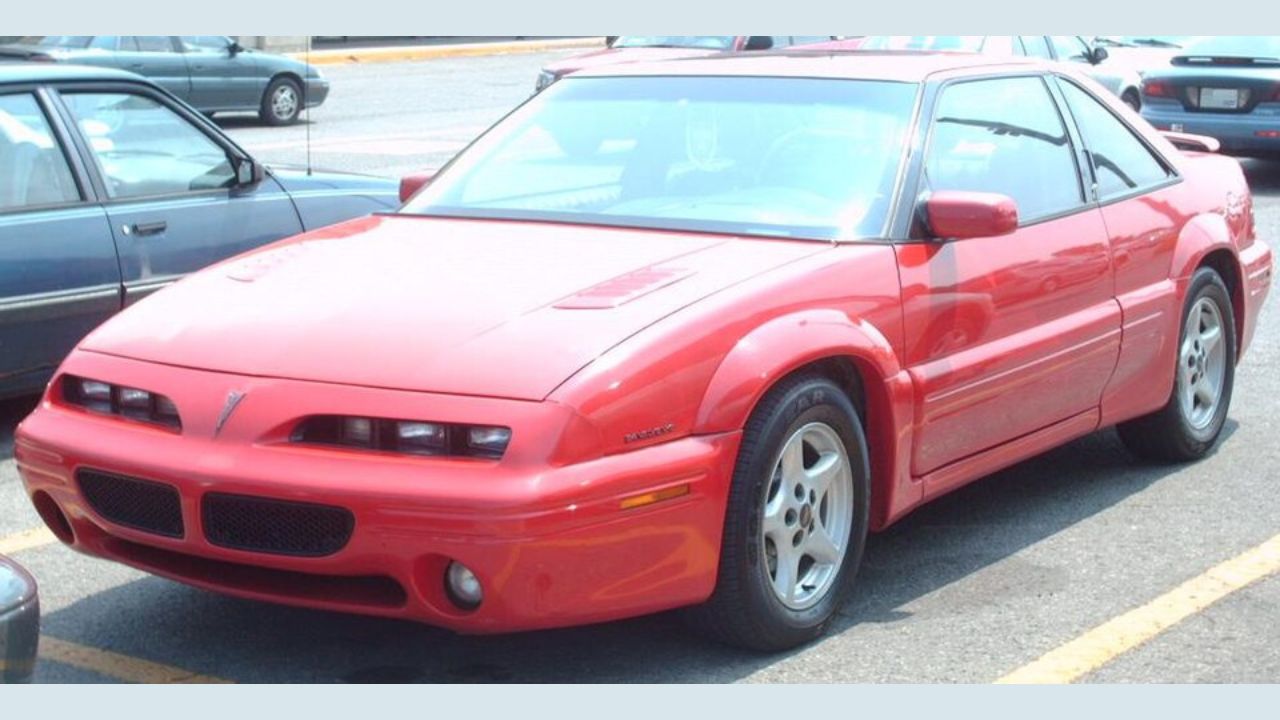
The Pontiac Grand Prix GTP showed that a large front-wheel-drive sedan could still have serious performance credentials. Its supercharged V6 gave it strong acceleration, while the comfortable interior made it practical enough for daily use. Pontiac gave the car an aggressive appearance without turning it into an impractical sports car. The GTP was never as celebrated as the Firebird or GTO, but it offered a different kind of performance. Today, surviving examples provide a good reminder of Pontiac’s willingness to experiment with affordable speed.
Buick Regal Grand National
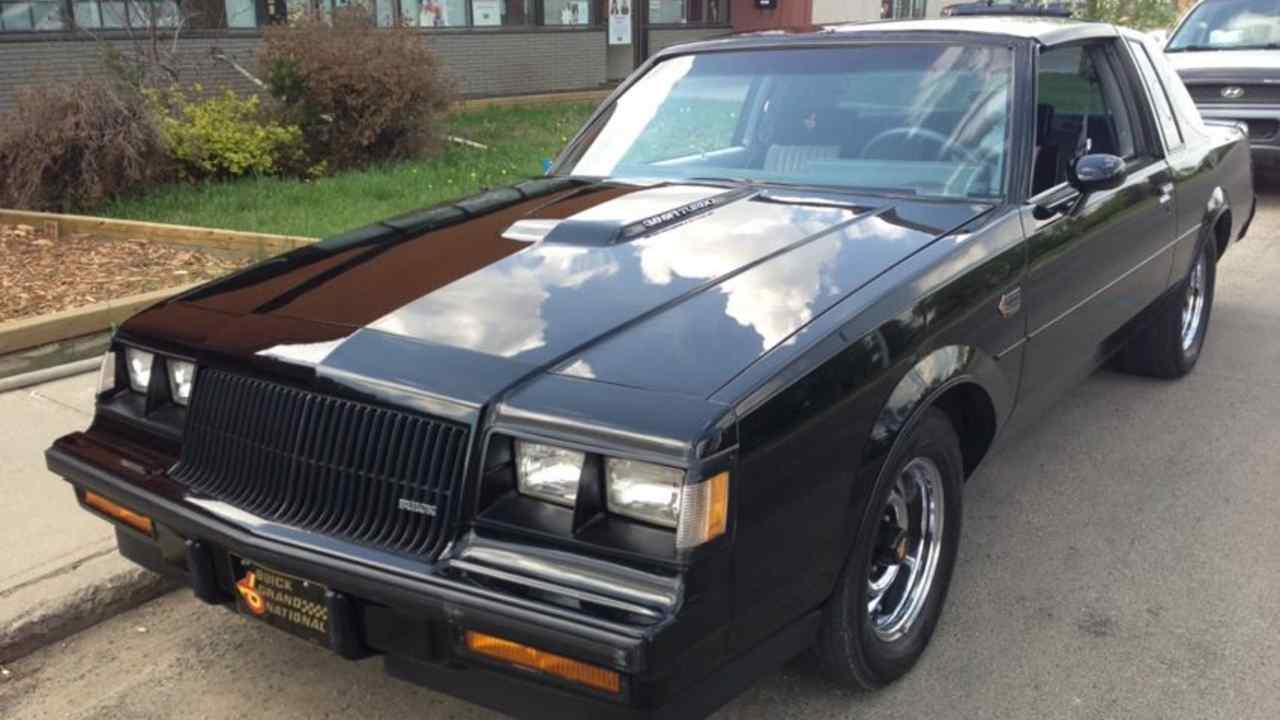
The Buick Regal Grand National eventually became famous, but it still deserved more recognition when it was new. Its turbocharged V6 delivered serious straight-line performance at a time when many American performance cars were struggling with emissions regulations and lower power. The understated appearance made its speed even more surprising. The later GNX became legendary, but the regular Grand National deserves credit for establishing the formula. It remains one of the most memorable examples of an American performance car that looked far less threatening than it actually was.
Oldsmobile Cutlass Calais 442
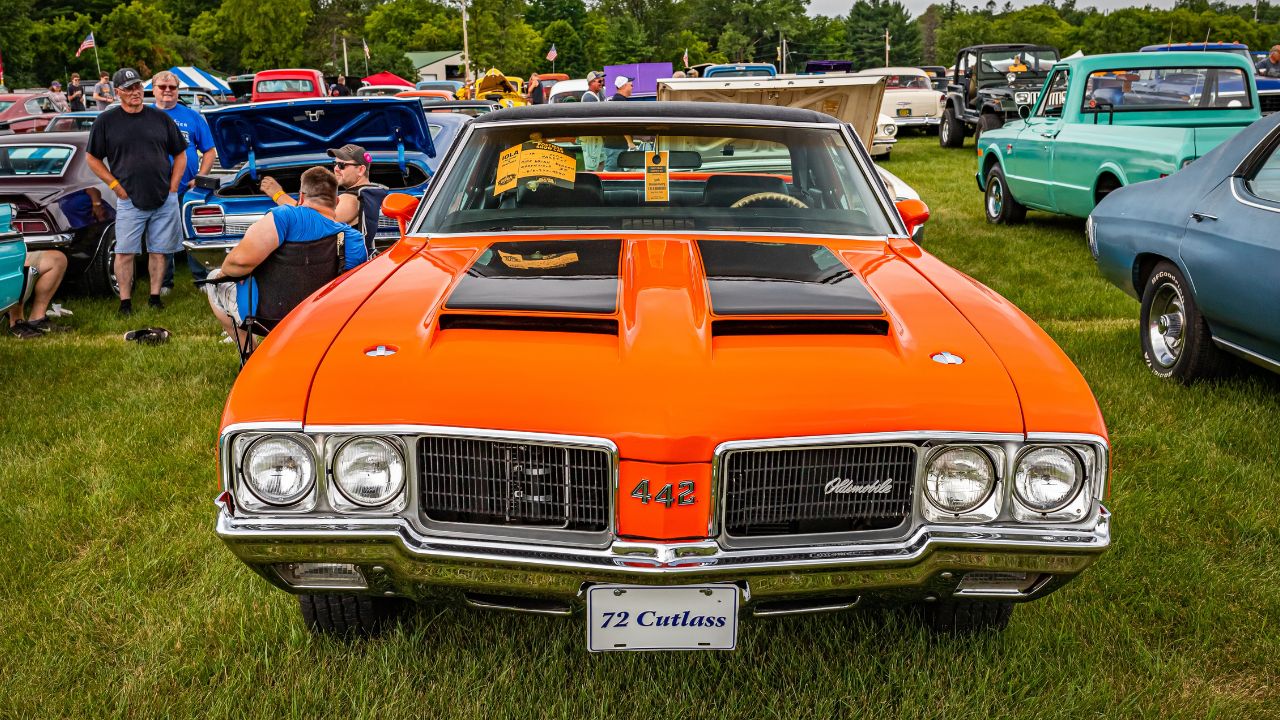
The Oldsmobile Cutlass Calais 442 brought the famous 442 name into a smaller and more modern package. It was not the giant V8 muscle car of the classic era, but it still offered a sportier character than the ordinary versions. The combination of compact dimensions and performance-focused equipment made it interesting during a period when American manufacturers were experimenting with new formulas. Unfortunately, the 442 badge carried enormous expectations from the past. The Calais version never received the same attention, even though it represented an important chapter in Oldsmobile’s performance history.
Pontiac Sunbird Turbo
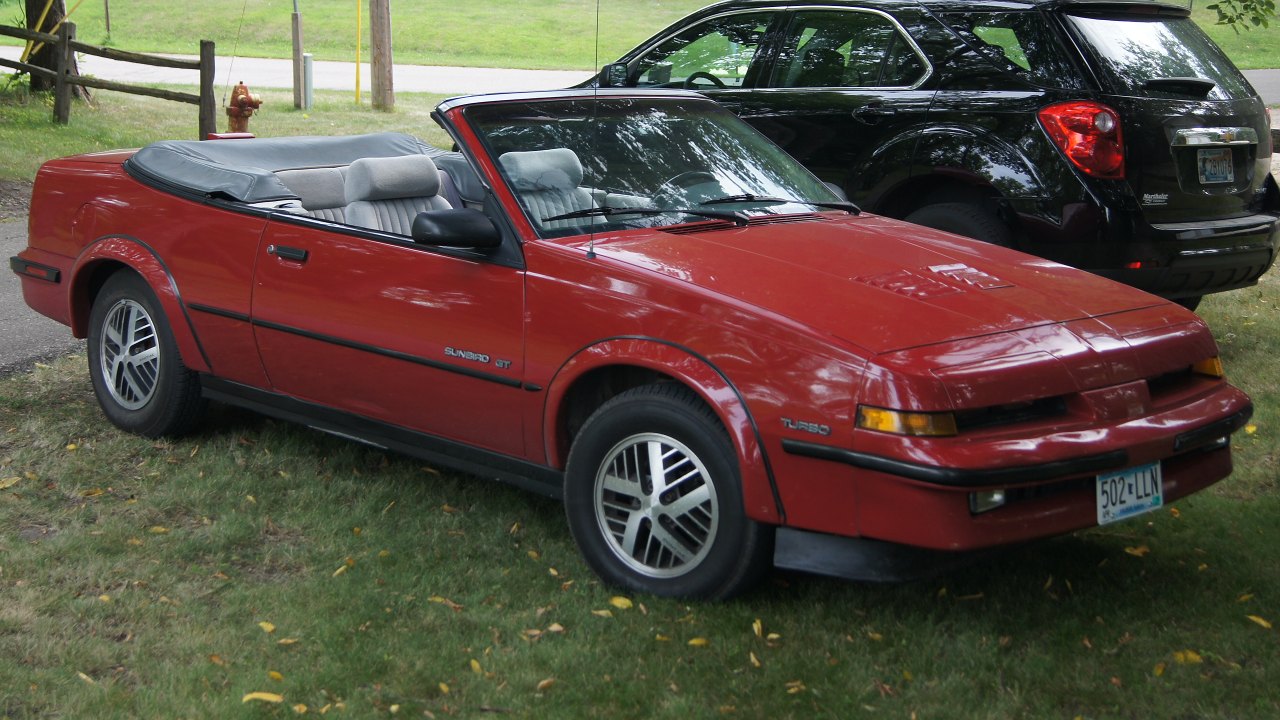
The Pontiac Sunbird Turbo was a surprisingly quick compact from a brand better known for larger performance cars. Its turbocharged engine gave the lightweight coupe enough punch to make it genuinely entertaining, while its styling helped separate it from ordinary economy cars. Pontiac used turbocharging to create an affordable performance option during a period when fuel economy remained a major concern. The Sunbird Turbo never became a major collector favorite, which makes surviving examples particularly interesting today. It is an overlooked part of Pontiac’s turbocharged history.
Buick GNX
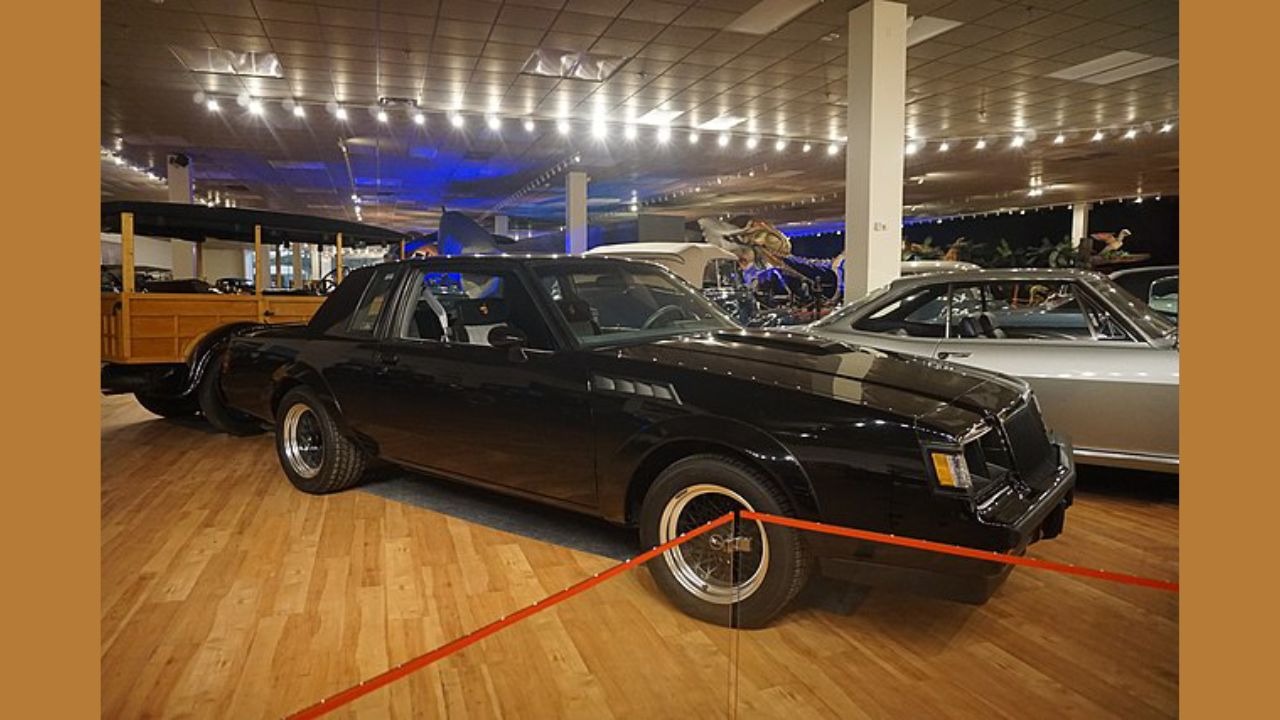
The Buick GNX was expensive and limited compared with ordinary performance cars, but it represented one of the most impressive American performance formulas of the 1980s. Its turbocharged V6 and sophisticated upgrades transformed the Regal into a serious performance machine. The understated exterior made the car even more memorable because it did not look like a traditional muscle car. Although collectors eventually recognized its importance, the GNX was still unusual when new. Today, it stands as one of the defining examples of American turbocharged performance.
Chevrolet Camaro IROC-Z
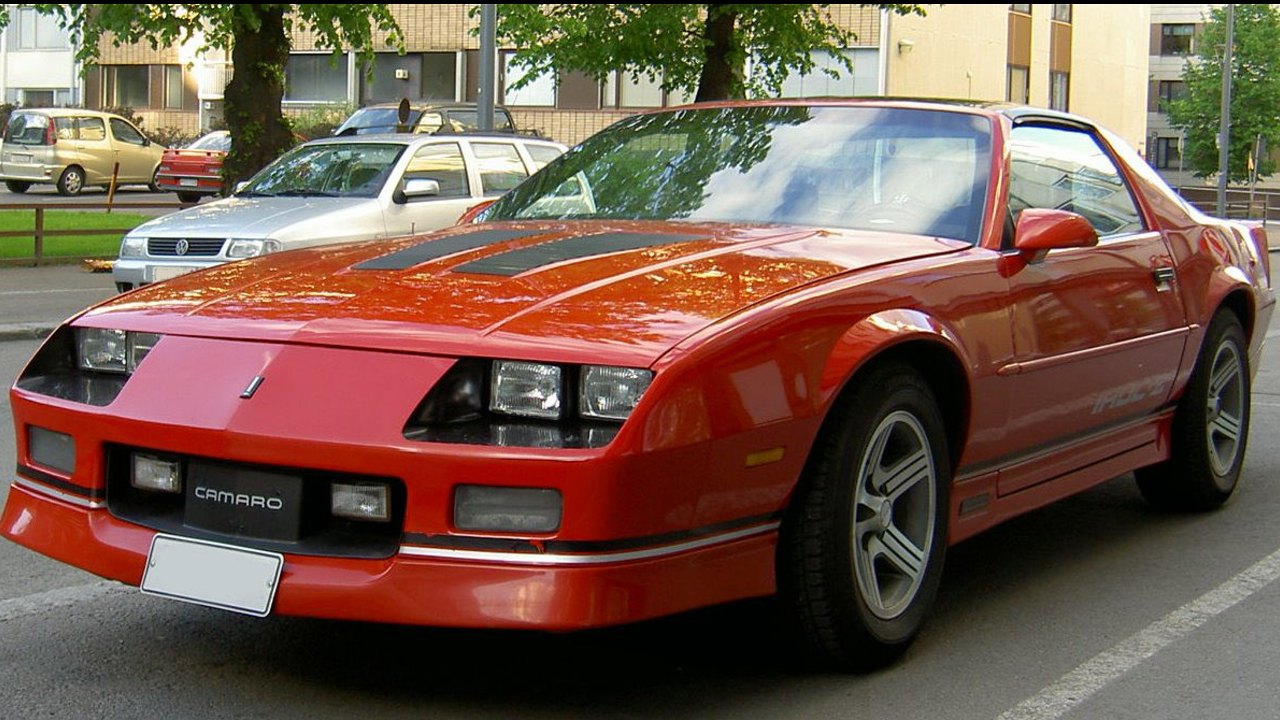
The Camaro IROC-Z helped restore some excitement to the American performance-car market during the 1980s. Its aggressive styling, rear-wheel-drive layout, and available V8 power gave it the personality enthusiasts expected from a Camaro. The IROC connection also gave the car a strong motorsports image. While it became reasonably popular, it never achieved the same long-term collector attention as the first-generation Camaro. Clean, original examples are now increasingly appreciated because they capture the distinctive look and character of 1980s American performance.
Pontiac Fiero GT
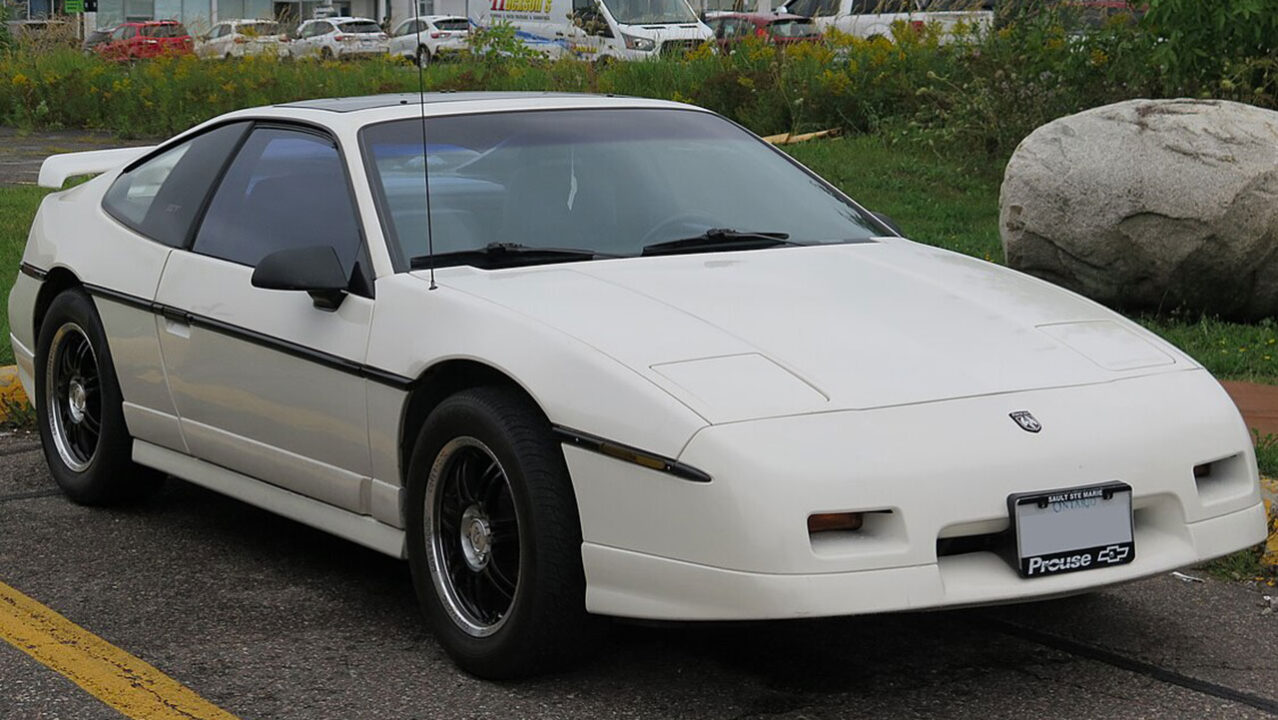
The Pontiac Fiero GT was one of the most unusual performance cars produced by an American manufacturer during the 1980s. Its mid-engine layout gave it a genuine sports-car foundation, while the GT’s fastback styling made it considerably more attractive than the early versions. Pontiac never had the opportunity to fully develop the platform into the sports car it could have become. The Fiero therefore remains a classic example of unrealized potential. Today, good GT examples are becoming more interesting to enthusiasts who appreciate unusual American engineering.
Chevrolet Beretta GTZ
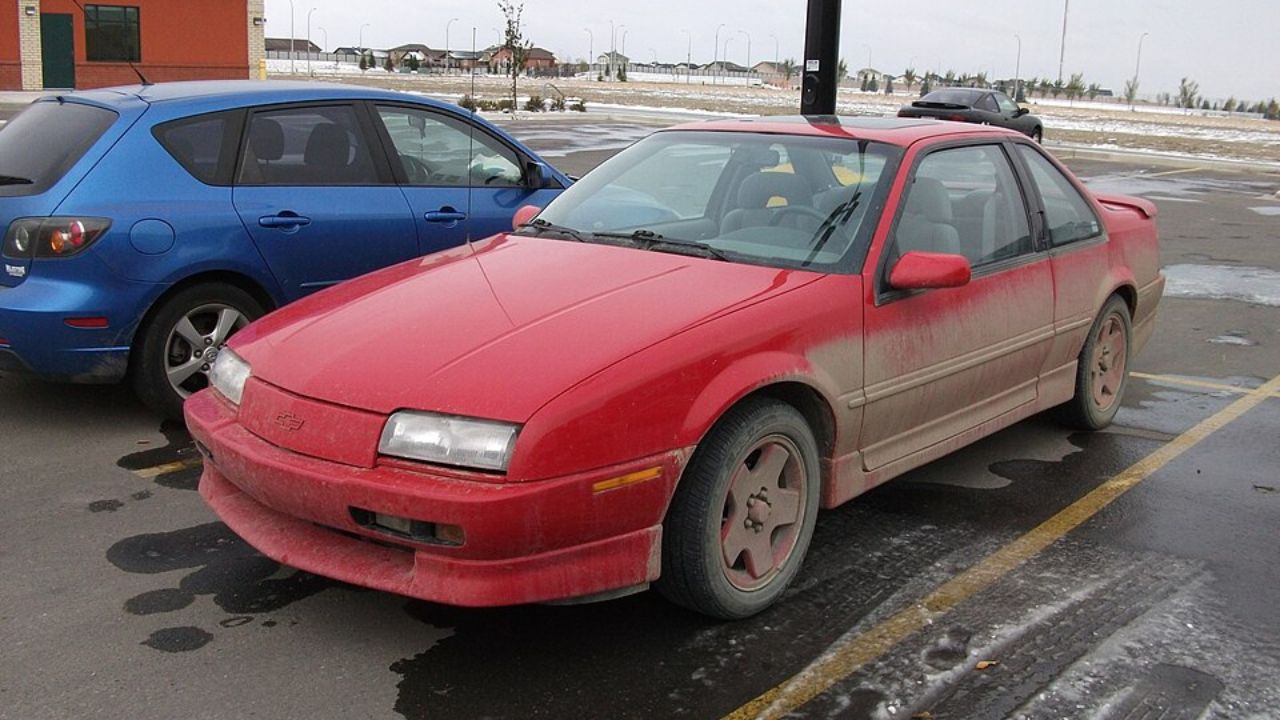
The Chevrolet Beretta GTZ was a sporty compact that tried to give Chevrolet a more exciting alternative to ordinary front-wheel-drive coupes. It featured sportier suspension tuning, aggressive styling, and a performance-oriented engine. The GTZ arrived during a period when affordable sport compacts were becoming increasingly popular, but it never developed the following enjoyed by Japanese competitors. That makes surviving examples increasingly unusual today. The Beretta GTZ may not have been a full-blown sports car, but it represented Chevrolet’s attempt to compete in an important enthusiast segment.
Dodge Daytona Shelby Z
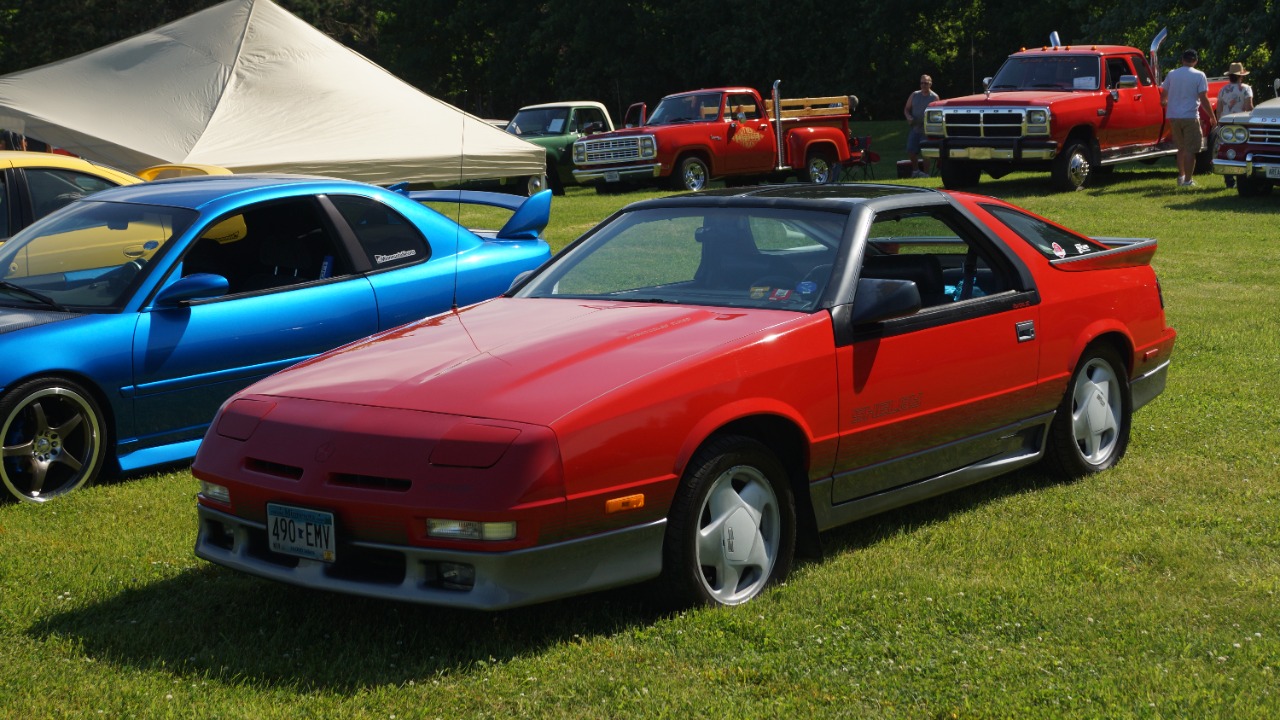
The Dodge Daytona Shelby Z brought turbocharged performance and distinctive styling together in one affordable package. Shelby involvement gave the car additional credibility, while the turbocharged engine helped it stand apart from ordinary Daytona models. Its front-wheel-drive layout was unusual for a performance-oriented Dodge, but the combination worked surprisingly well for the period. The Daytona Shelby Z never achieved the collector status of the later Viper or classic Chargers. Nevertheless, it remains one of Dodge’s more interesting attempts to create a modern performance coupe.
Dodge Shadow Shelby CSX
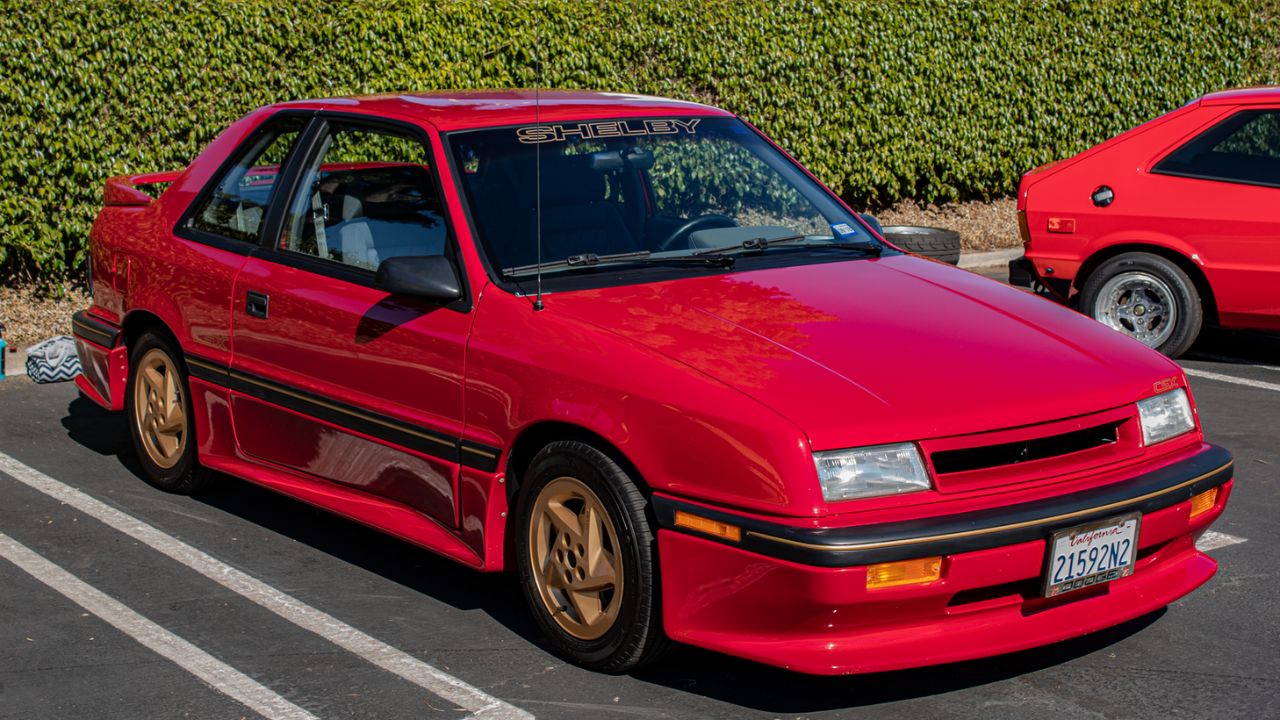
The Dodge Shadow Shelby CSX was a small performance car with far more capability than its modest appearance suggested. Shelby’s involvement helped turn the compact Dodge into a genuinely quick machine, while turbocharged power gave it strong acceleration. Its relatively ordinary shape made the performance even more surprising. Cars like the CSX were easy to overlook when newer and more glamorous sports cars were available. Today, finding an original example can be difficult, giving this little Dodge an interesting place in American performance history.
Chevrolet Cobalt SS
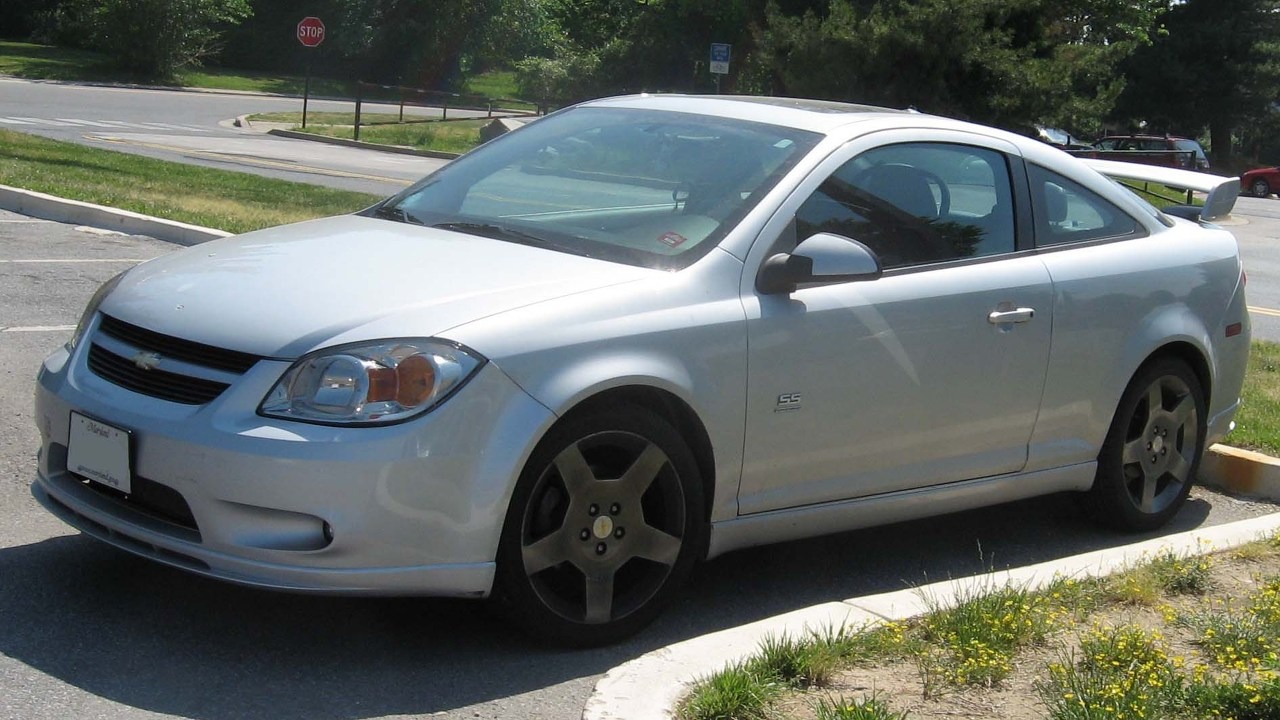
The Chevrolet Cobalt SS proved that an inexpensive compact could deliver serious performance. Depending on the version, buyers could get a supercharged or turbocharged engine, a manual transmission, and suspension tuning designed with enthusiasts in mind. The car developed a reputation for being much more capable than its basic appearance suggested. It never received the same attention as larger American performance cars, but enthusiasts who experienced one understood its appeal. The turbocharged versions in particular have become increasingly interesting to people looking for affordable performance.
Pontiac G8 GXP
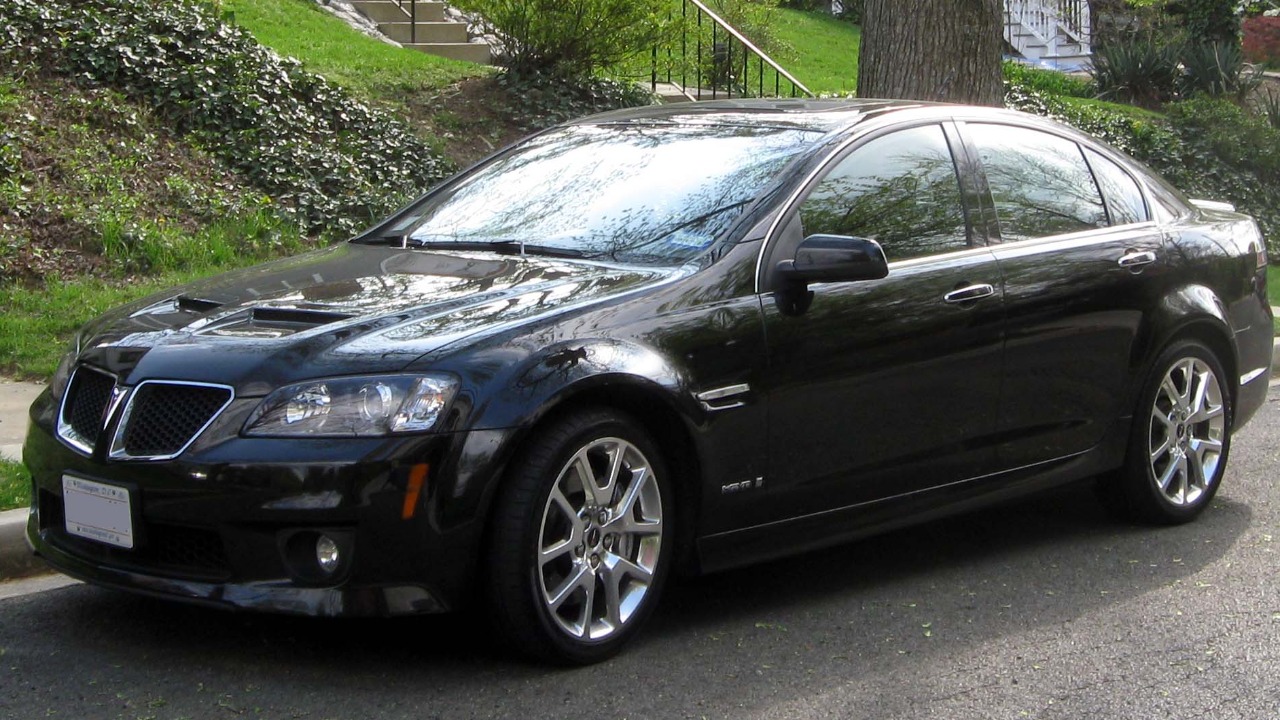
The Pontiac G8 GXP arrived with the ingredients of a future collector favorite: rear-wheel drive, a large V8, and a manual transmission option. It was based on a car developed in Australia and gave American buyers something very different from the typical front-wheel-drive sedan. Unfortunately, Pontiac was discontinued just as the G8 was finding its audience. That timing severely limited its future. The G8 GXP now looks like one of the clearest examples of an American performance sedan that simply arrived at the wrong moment.
Chevrolet SS
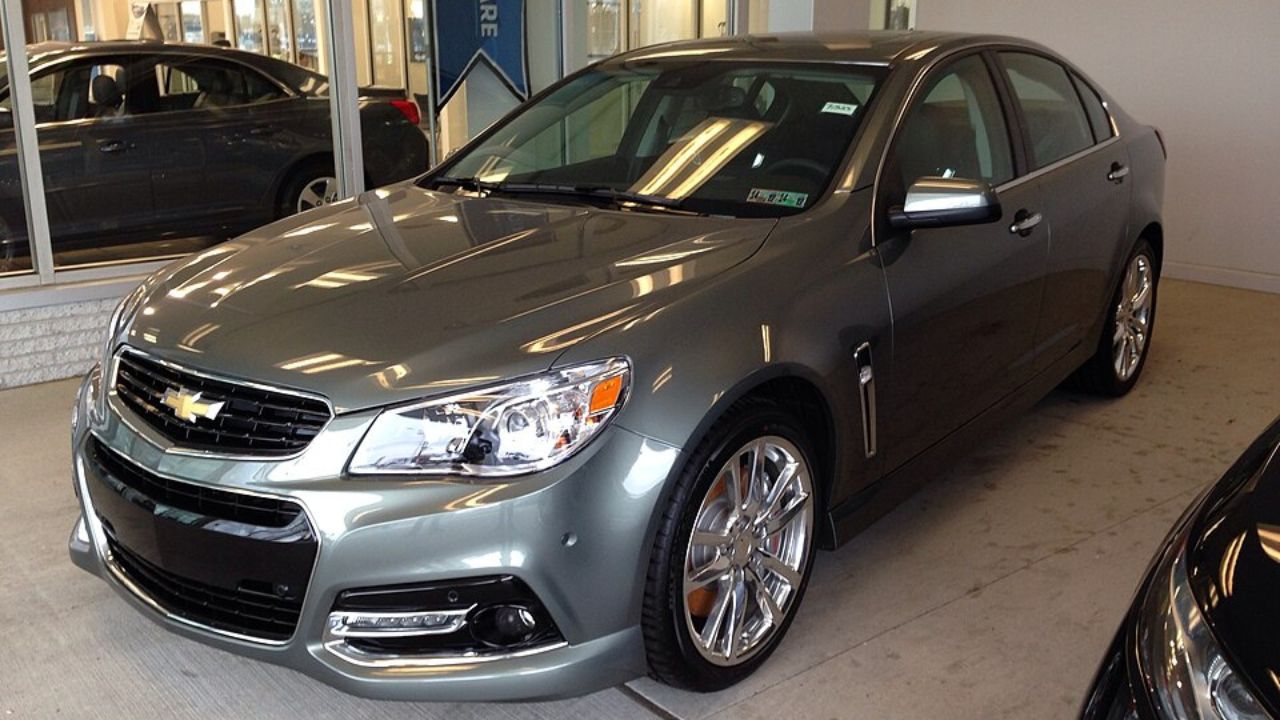
The Chevrolet SS was a rare modern American sedan that combined a large V8 with rear-wheel drive and available manual transmission. It was essentially a performance sedan hiding behind relatively conservative styling. The car was capable of serious acceleration while remaining practical enough for everyday use. Unfortunately, Chevrolet never marketed it as aggressively as enthusiasts hoped, and sales remained limited. Its short production run now makes it an increasingly interesting choice for collectors who want something different from the usual Camaro or Corvette.
Cadillac CTS-V Wagon
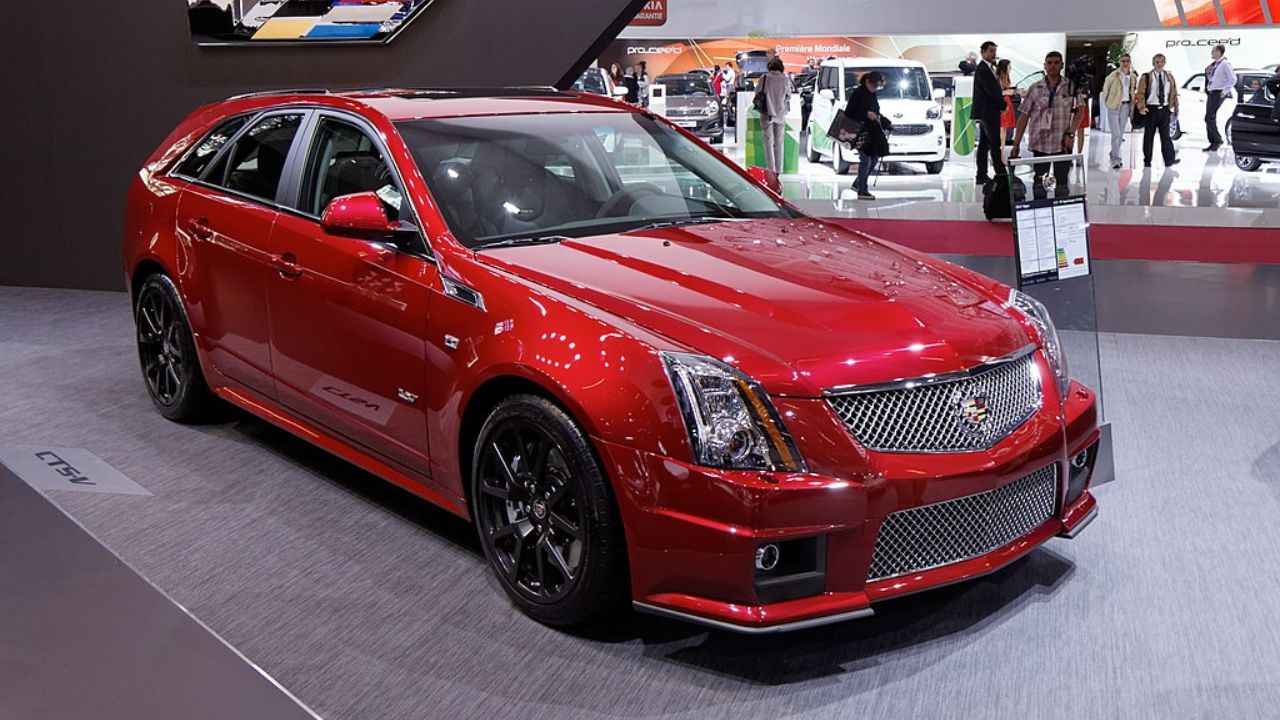
The Cadillac CTS-V Wagon combined supercharged V8 performance with the practicality of a station wagon, creating one of the strangest and most appealing performance combinations from modern America. Its enormous power made it much more than a family hauler, while the wagon body gave it functionality that few rivals could match. Cadillac produced relatively few examples, and demand from enthusiasts eventually made clean cars highly desirable. It deserved more attention when new because it offered something almost no other manufacturer was willing to build.
Chrysler Crossfire SRT-6
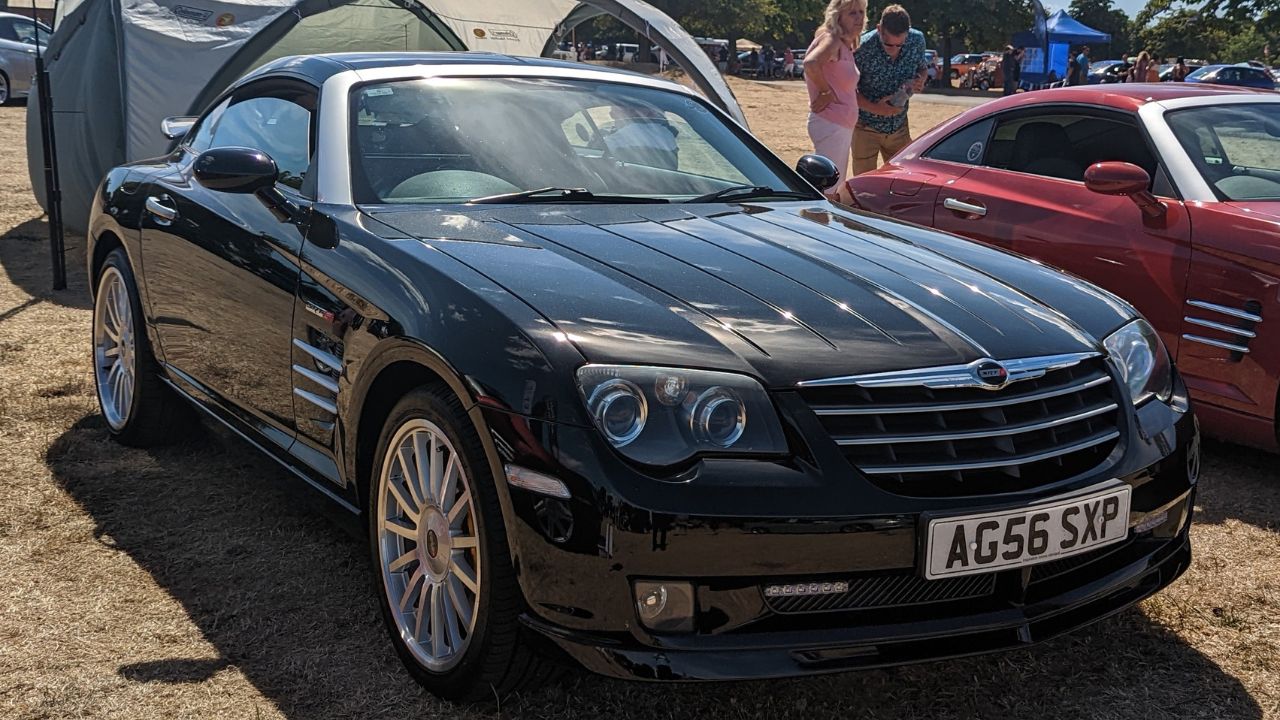
The Chrysler Crossfire SRT-6 was an unusual American-branded performance coupe with strong European engineering underneath. Its supercharged V6 delivered impressive performance, while the rear-wheel-drive chassis gave it a genuine sports-car character. The styling was also distinctive enough to make it difficult to confuse with anything else on the road. Unfortunately, the Crossfire never found a large audience, and the SRT-6 remained particularly uncommon. Today, it is an intriguing choice for enthusiasts who want a performance car that rarely appears at local gatherings.
Chrysler 300 SRT8

The Chrysler 300 SRT8 gave the large American sedan a serious performance upgrade without abandoning its imposing luxury-car character. A powerful V8, rear-wheel drive, and aggressive styling made it considerably more exciting than the ordinary 300. It offered strong straight-line performance while retaining a comfortable interior and spacious cabin. Despite those qualities, it never became as culturally significant as the Challenger or Charger. The 300 SRT8 remains an appealing choice for anyone who wants modern American V8 performance without driving the usual muscle-car shapes.
Cadillac XLR-V
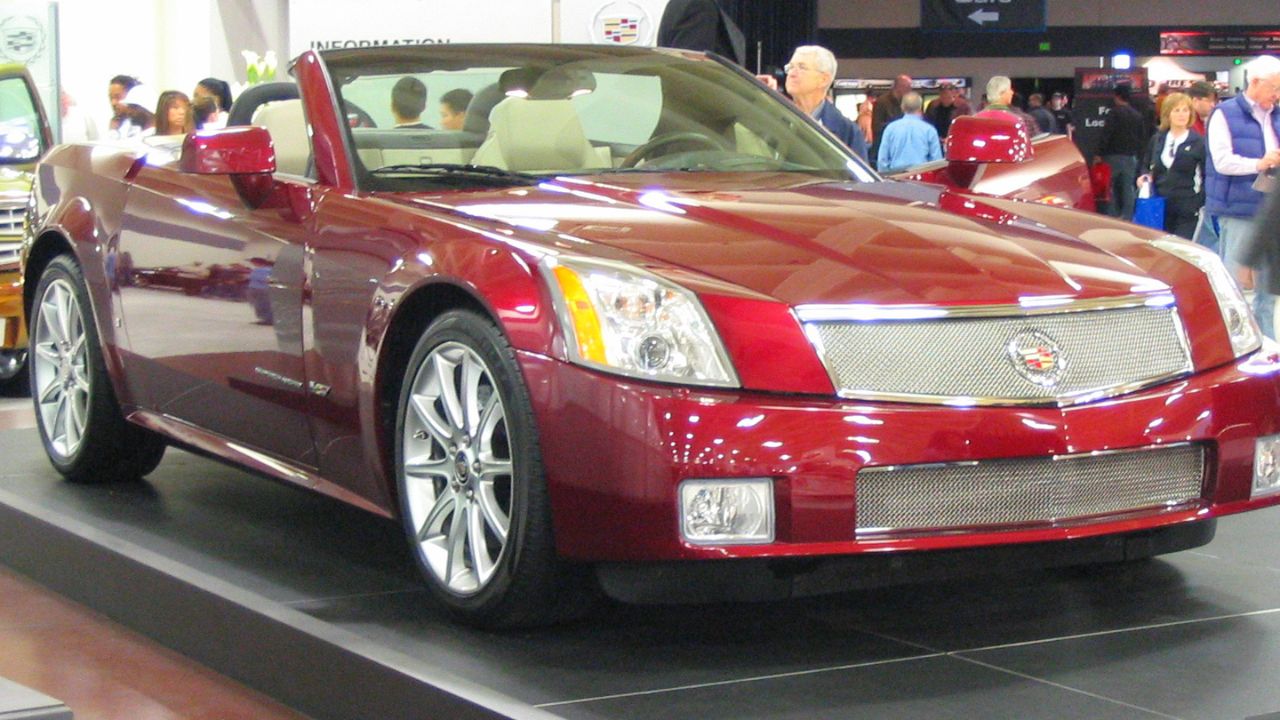
The Cadillac XLR-V was an ambitious attempt to turn Cadillac’s luxury roadster into a genuine high-performance machine. Its supercharged V8 provided serious power, while the retractable hardtop gave it a sophisticated character. The XLR-V also had the benefit of Cadillac’s distinctive styling and premium interior. Production numbers remained low, and the model never achieved the recognition of better-known American performance cars. Today, its rarity and unusual combination of luxury, technology, and performance make it one of the more overlooked modern American performance cars.
More from Fast Lane Only
- Unboxing the WWII Jeep in a Crate
- 15 rare Chevys collectors are quietly buying
- 10 underrated V8s still worth hunting down
- Police notice this before you even roll window down
*Research for this article included AI assistance, with all final content reviewed by human editors.