Vintage Jeeps earned their reputations by doing work that ordinary vehicles simply could not handle. Their simple drivetrains, rugged frames, four-wheel-drive systems, and easily serviced mechanical components made them dependable companions in farms, forests, military operations, and rough terrain. These ten classic Jeeps demonstrate why the brand became almost synonymous with durability.
Willys MB
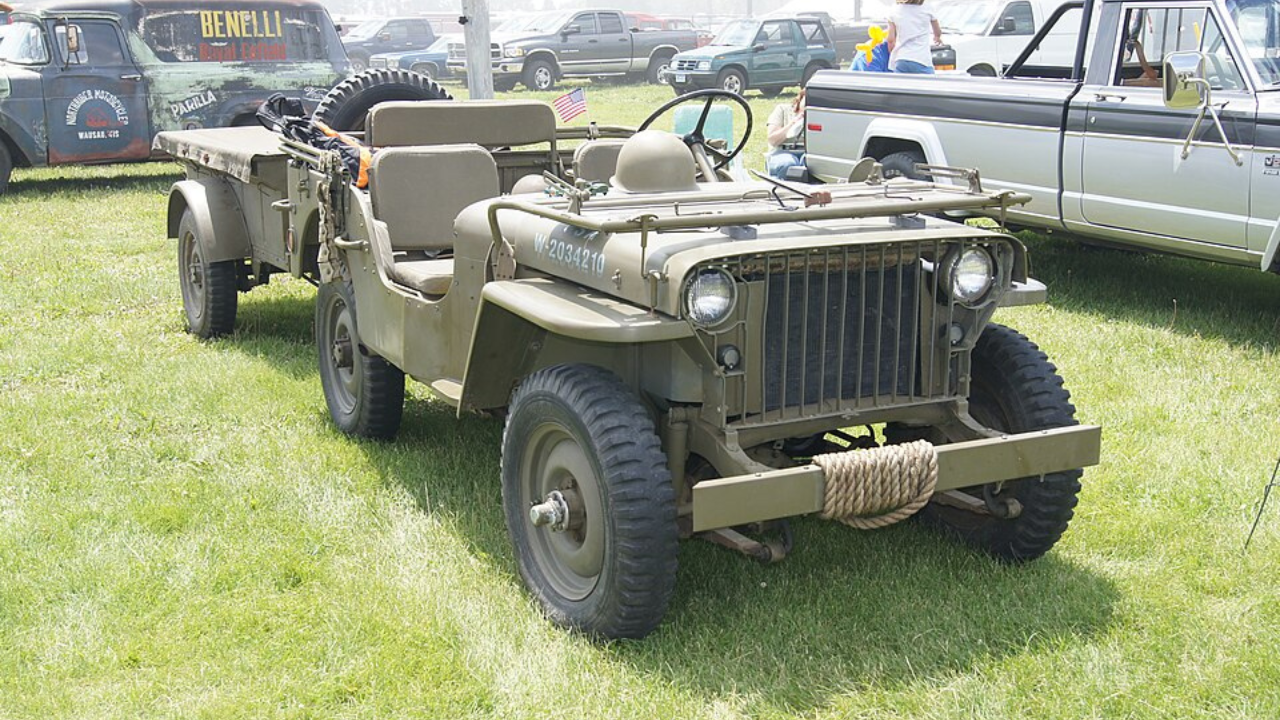
The Willys MB became one of the most important military vehicles of World War II, combining compact dimensions with remarkable off-road ability. Its simple four-cylinder engine, four-wheel-drive system, and lightweight construction allowed it to cross terrain that challenged much larger vehicles. Mechanics could also service its straightforward components without sophisticated equipment. The MB’s reputation for toughness was earned under some of the harshest operating conditions imaginable, establishing the foundation for Jeep’s legendary durability.
Ford GPW
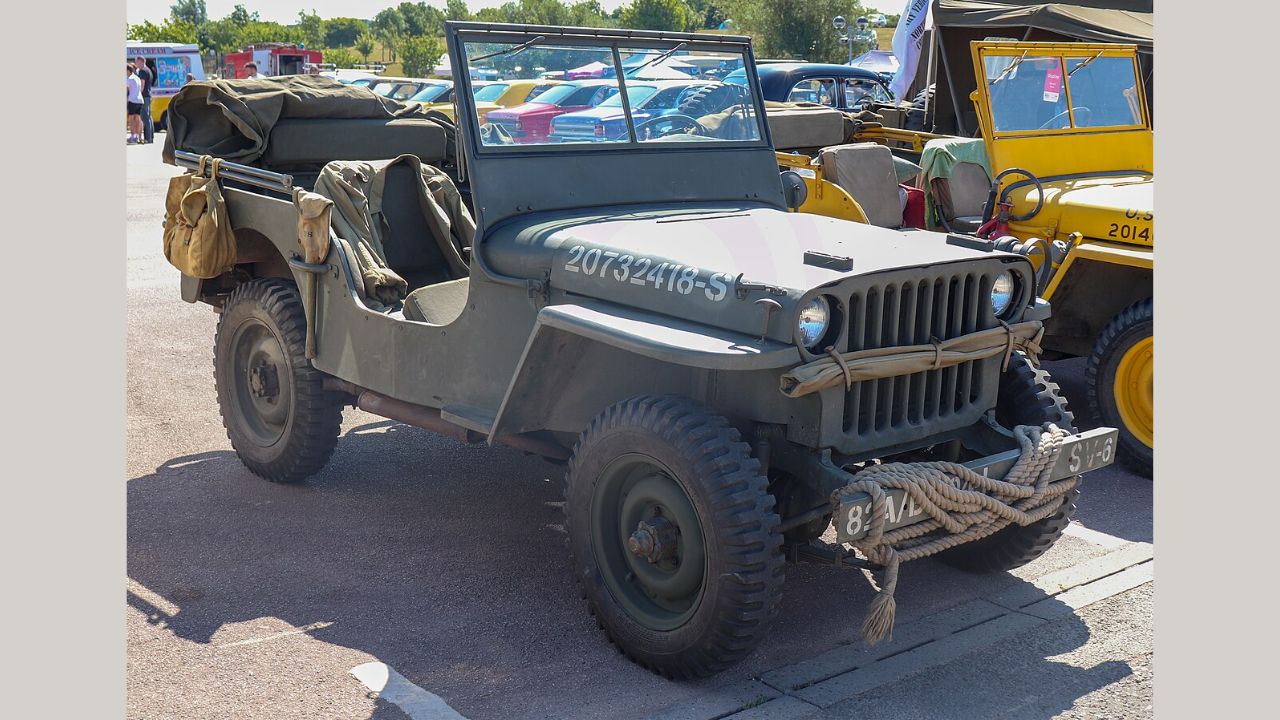
The Ford GPW was Ford’s version of the standardized wartime Jeep and shared much of its rugged mechanical character with the Willys MB. Built for military service, it had to tolerate mud, rough roads, steep trails, and constant use under difficult conditions. Its compact drivetrain and simple mechanical layout made field repairs practical. Thousands were produced during the war, and surviving examples remain highly valued because they represent one of the earliest expressions of Jeep’s unmistakable reputation for toughness.
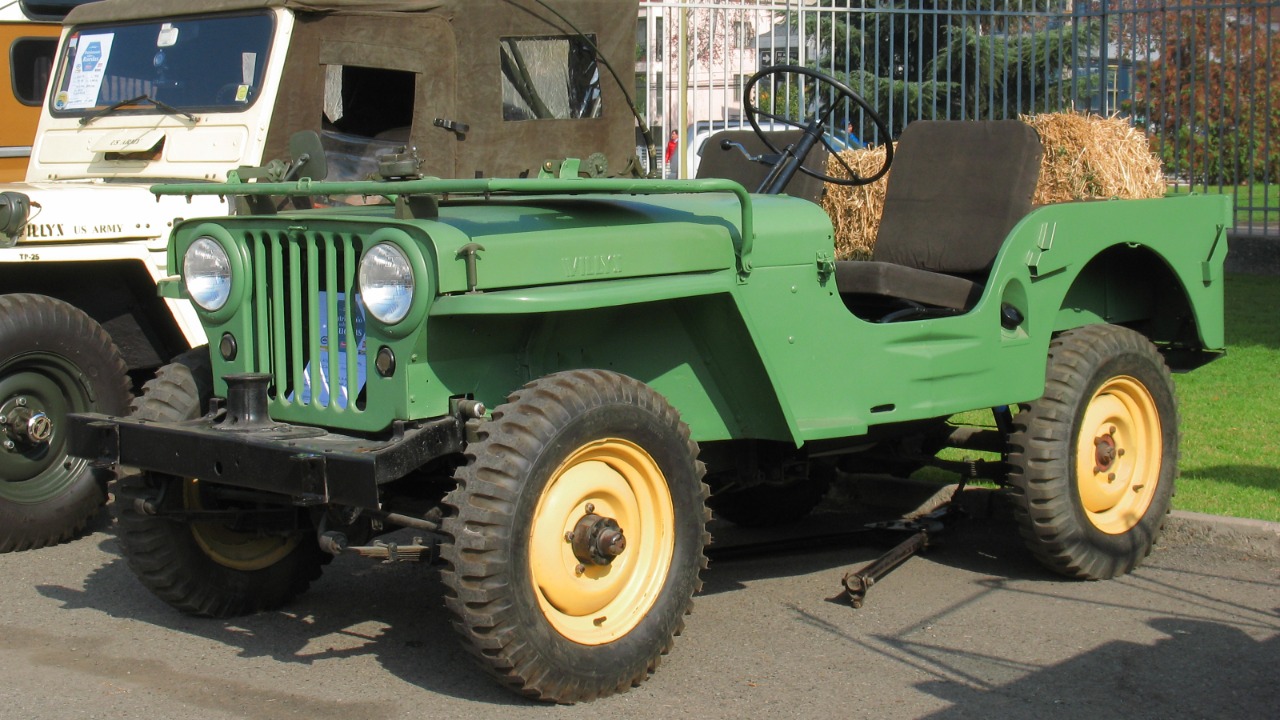
Willys CJ-2A
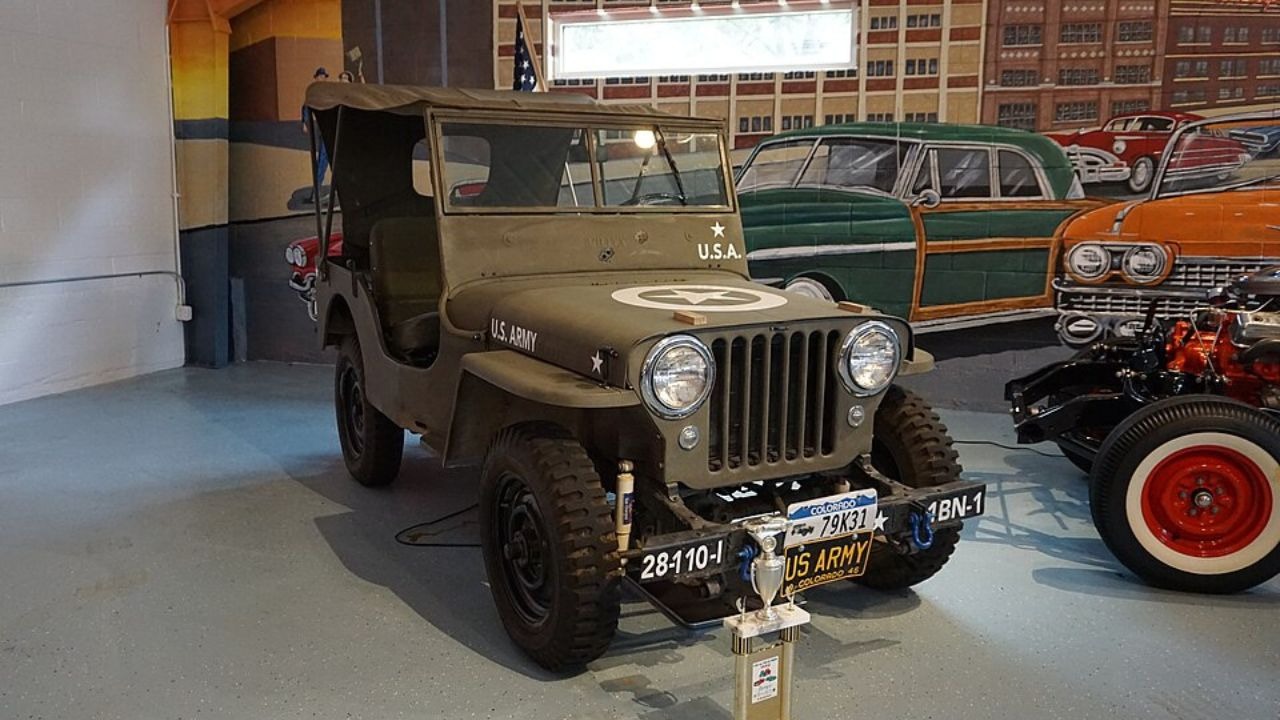
The Willys CJ-2A transformed the wartime Jeep concept into a civilian work vehicle. Introduced after World War II, it became useful on farms, construction sites, ranches, and rural roads where compact size and four-wheel drive were valuable. Its simple mechanical systems were easy to understand and repair, while the rugged chassis could withstand demanding work. The CJ-2A helped establish the civilian Jeep as a practical tool rather than merely a military machine.
Willys CJ-3B
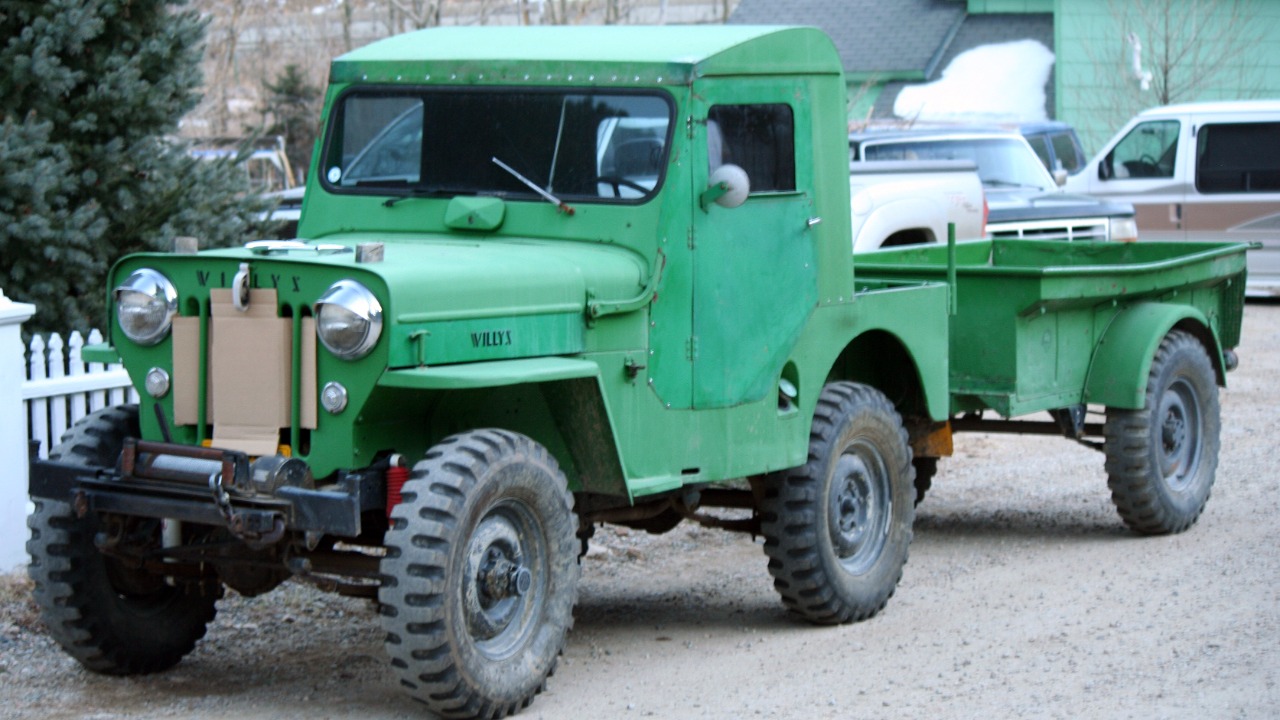
The Willys CJ-3B introduced a taller hood to accommodate the more powerful Hurricane four-cylinder engine. That additional power made the compact Jeep even more useful for agricultural work, hauling, and difficult terrain. Beneath the revised bodywork remained a rugged chassis and straightforward four-wheel-drive system. The CJ-3B’s uncomplicated design allowed owners to keep these vehicles working for years, and many surviving examples still demonstrate how durable the basic Jeep formula could be.
Willys CJ-5
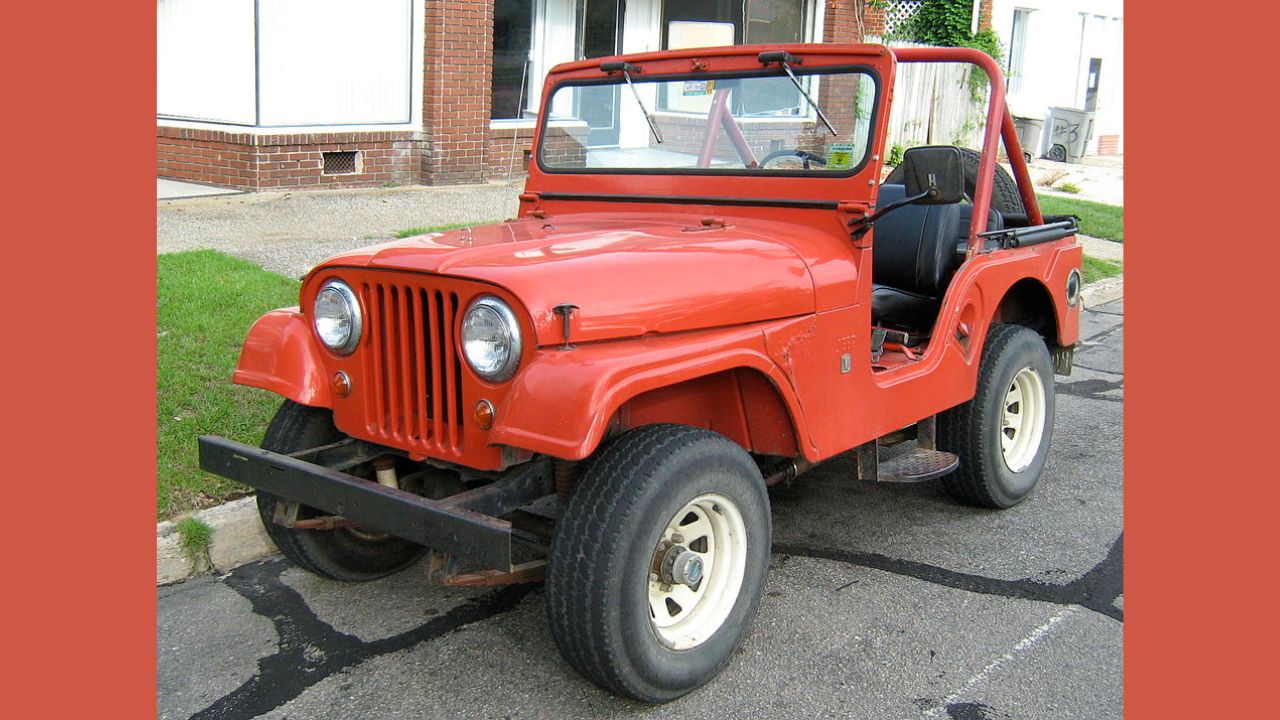
The Willys CJ-5 became one of the longest-lived Jeep designs, remaining in production for decades with continuous mechanical and styling updates. Its compact dimensions, short overhangs, and four-wheel-drive system made it exceptionally capable away from paved roads. Different engines were offered throughout its long production run, but the basic platform remained remarkably durable. Few vintage Jeeps better demonstrate how a simple, well-designed chassis can remain useful across generations.
Jeepster
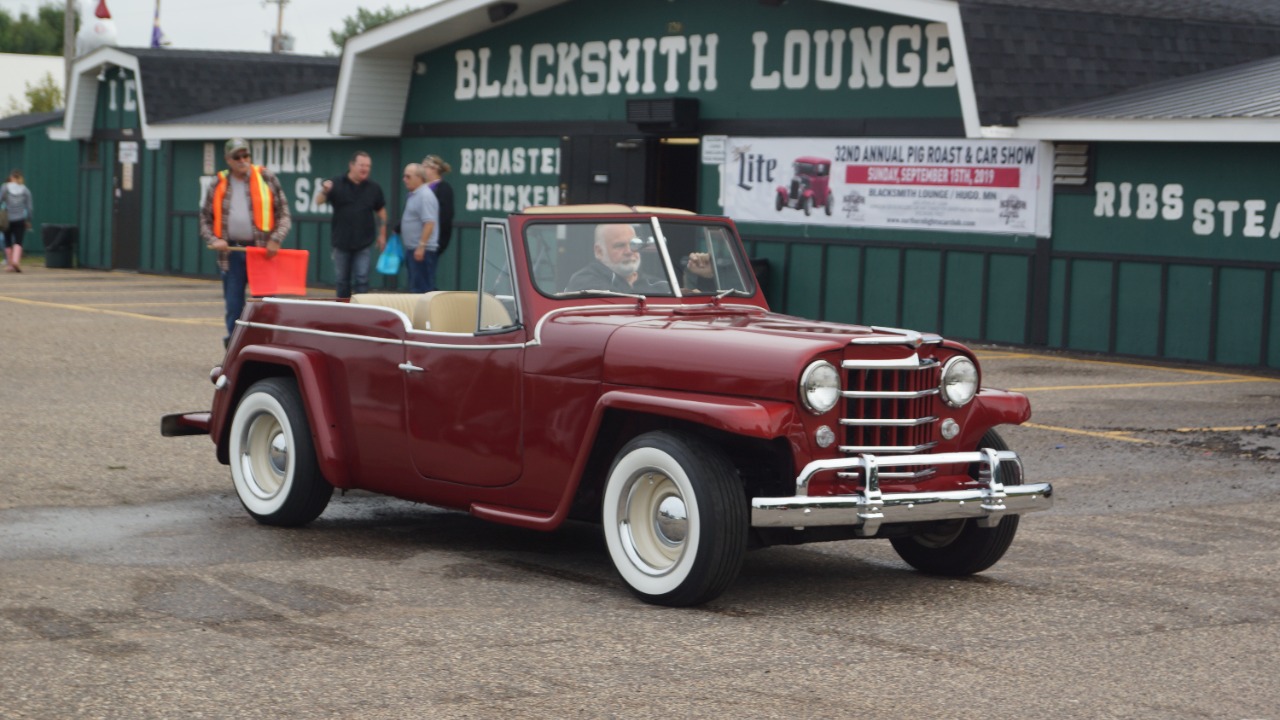
The Jeepster was an unusual attempt to bring Jeep’s rugged identity into a more civilian-oriented vehicle. Introduced soon after World War II, it featured a roadster-style body while retaining useful utility-car characteristics. Later versions received more powerful engines, giving the vehicle stronger road performance than its military predecessors. Although it never became as common as the CJ series, the Jeepster demonstrated that the company’s durable mechanical philosophy could be adapted to a very different type of vehicle.
Jeep Wagoneer
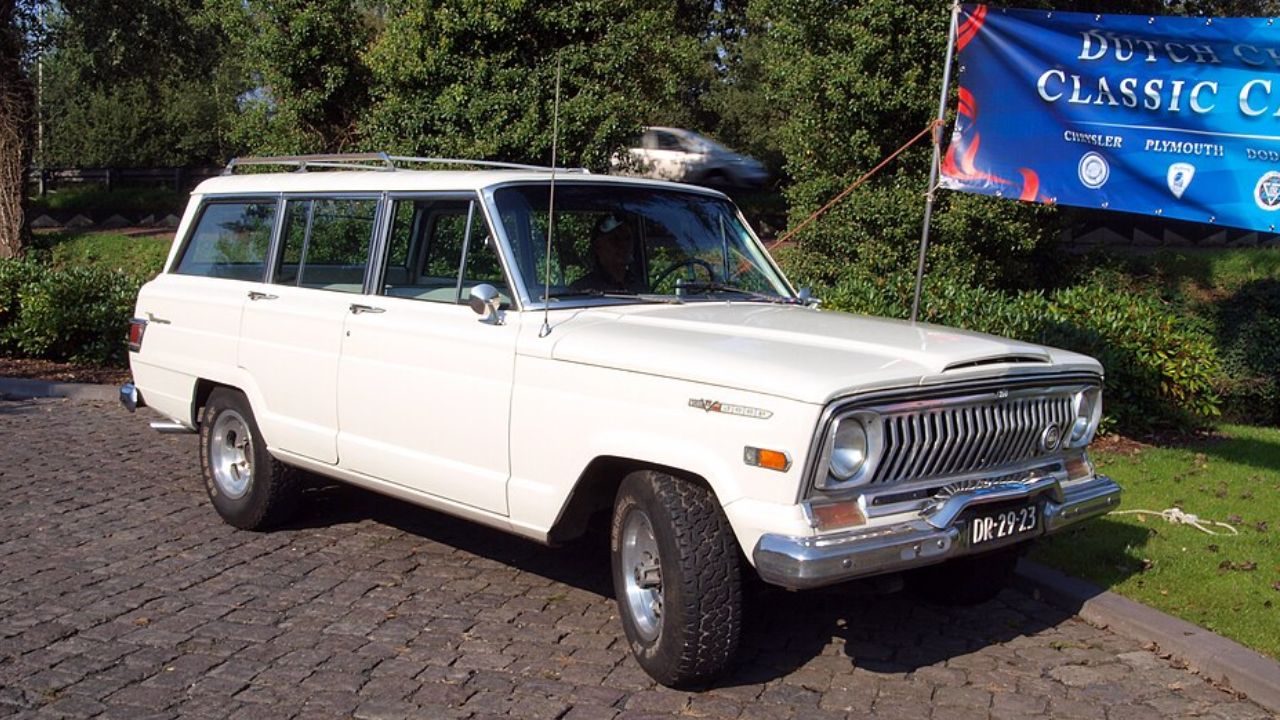
The Jeep Wagoneer helped create the modern sport-utility vehicle concept by combining passenger-car comfort with genuine four-wheel-drive capability. Its body-on-frame construction and available four-wheel-drive systems gave it the strength needed for towing, hauling, and rough-road driving. Large six-cylinder and V8 engines provided substantial power, while its durable chassis supported decades of use. The Wagoneer’s longevity helped establish a formula that would eventually become one of the most important vehicle categories in America.
Jeep Gladiator
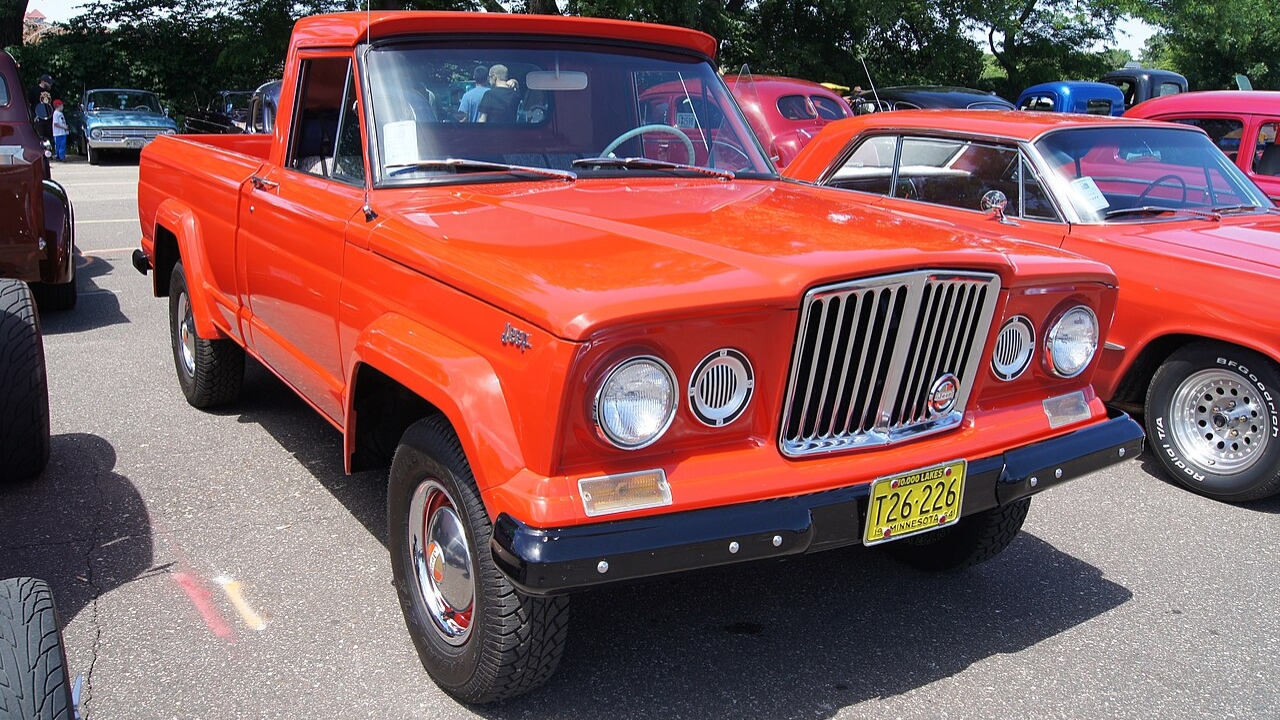
The Jeep Gladiator brought Jeep’s rugged four-wheel-drive engineering into the pickup-truck market. Built on a strong truck platform, it offered useful cargo capacity while retaining the off-road ability associated with the brand. Its conventional construction and robust engines made it suitable for agricultural, commercial, and recreational work. Although it never achieved the production numbers of mainstream pickups, the Gladiator became an important part of Jeep history and demonstrated that its durability could extend well beyond traditional utility vehicles.
More from Fast Lane Only
- Unboxing the WWII Jeep in a Crate
- 15 rare Chevys collectors are quietly buying
- 10 underrated V8s still worth hunting down
- Police notice this before you even roll window down
*Research for this article included AI assistance, with all final content reviewed by human editors.