British cars are often remembered for their distinctive styling, engaging driving character, and occasionally complicated mechanical quirks. Yet plenty of British classics developed strong reputations among the people who worked on them. Some were simple enough to maintain, while others used sturdy engines, straightforward mechanical layouts, or components that could be kept going for decades. These 20 models show a different side of Britain’s automotive history.
Morris Minor

The Morris Minor was designed as practical transportation, and its straightforward mechanical layout helped make it approachable for owners and mechanics. Its compact size, simple suspension, and relatively uncomplicated engine gave it a reputation for being manageable to work on. Parts availability has also helped keep surviving examples on the road. The Minor’s friendly styling gets most of the attention today, but its basic engineering is a major reason so many have remained active in enthusiast circles.
Austin Mini
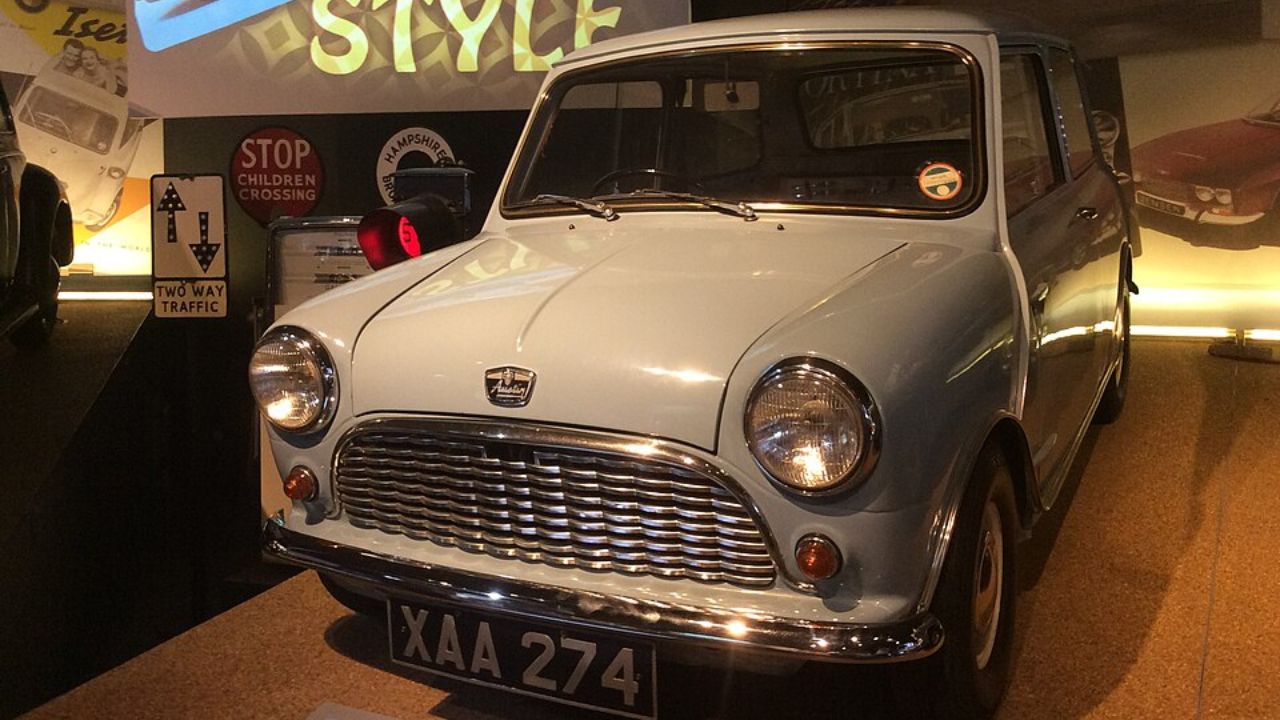
The original Mini packed a remarkable amount of engineering into a tiny package. Its transverse engine and front-wheel-drive layout were innovative, but the mechanical components were compact and accessible enough for experienced mechanics to understand and maintain. The simple design also encouraged generations of owners to modify and improve their cars. A well-maintained Mini can still be a surprisingly dependable little classic, particularly when its mechanical systems are kept in good condition.
Jaguar XJ6
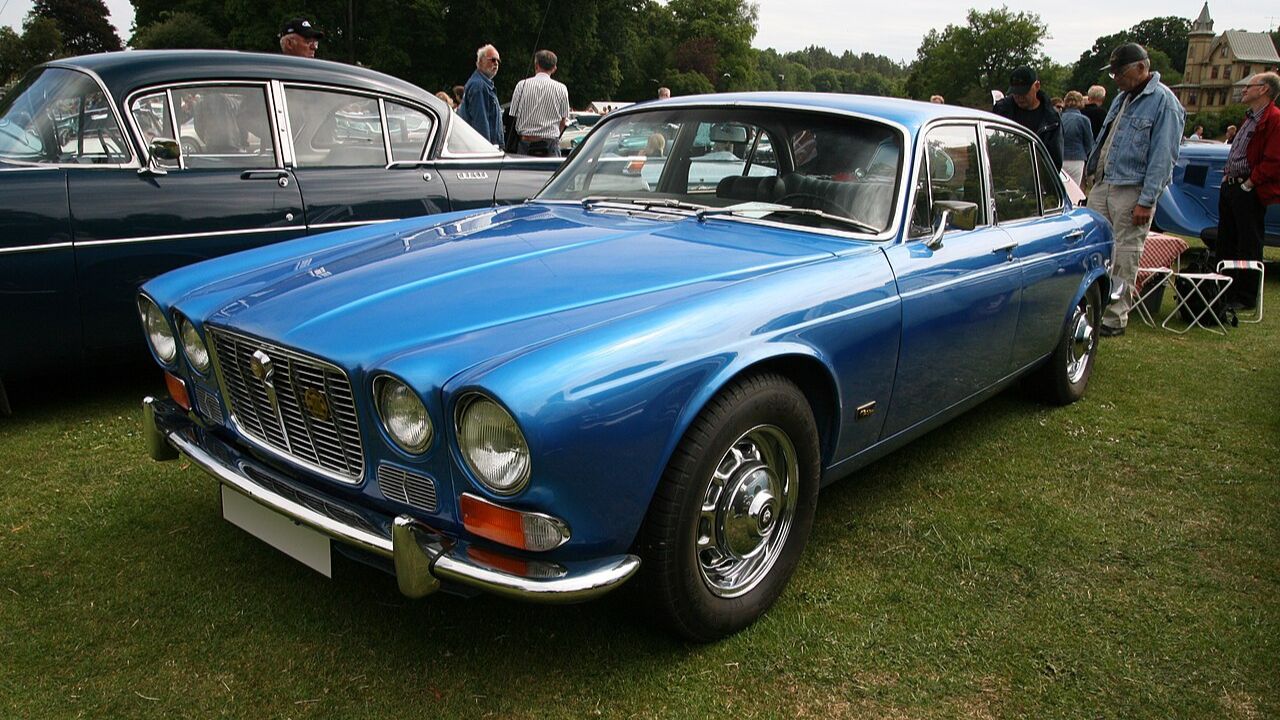
The Jaguar XJ6 brought genuine luxury and strong performance to a relatively sophisticated package. Its famous XK inline-six engine became one of Jaguar’s most recognizable powerplants, while the independent suspension gave the car an impressive ride. The electrical systems could require patience, but mechanics familiar with the cars often appreciated the underlying engineering. A properly maintained XJ6 can still deliver the smooth, effortless character that made Jaguar famous without needing modern mechanical complexity.
Rover P5
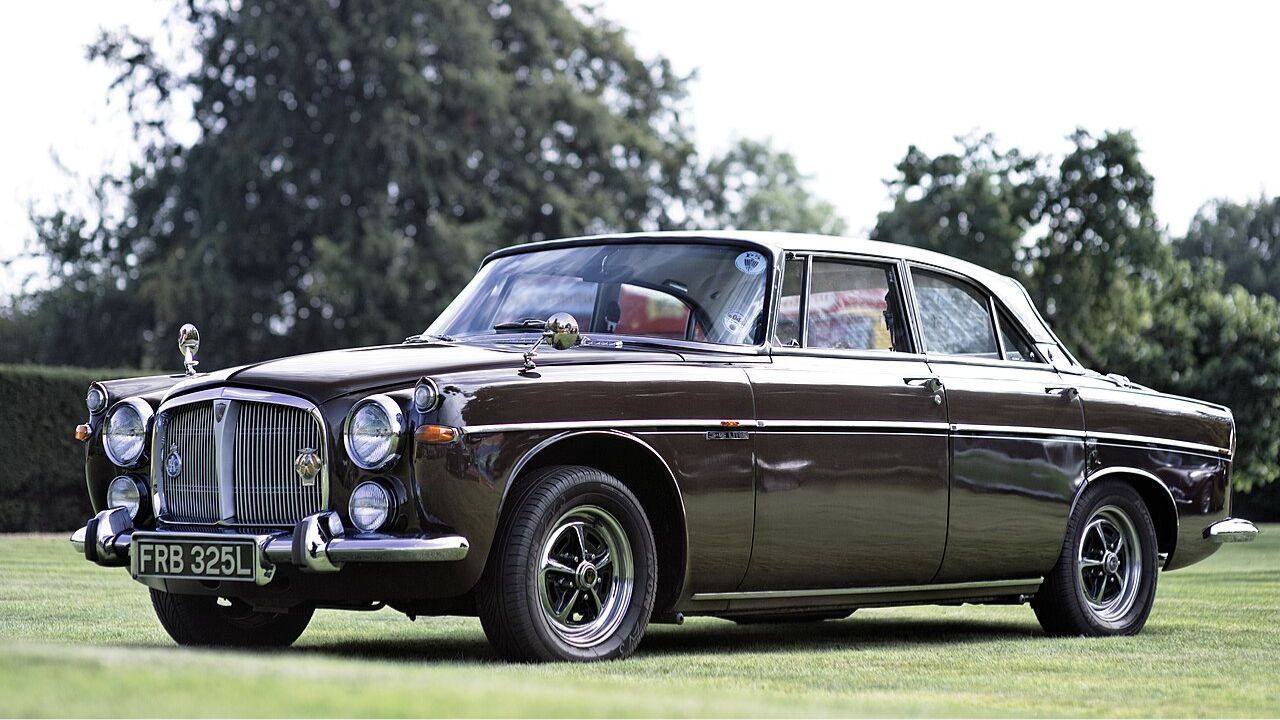
The Rover P5 was built as a substantial executive car and developed a reputation for solid construction and relaxed performance. Later versions used Rover’s lightweight aluminum V8, an engine that became an important part of the company’s history. The car’s mechanical systems were relatively conventional compared with more exotic British designs. Surviving P5s are uncommon today, but mechanics who know these cars often appreciate their straightforward engineering and sturdy construction.
Rover P6
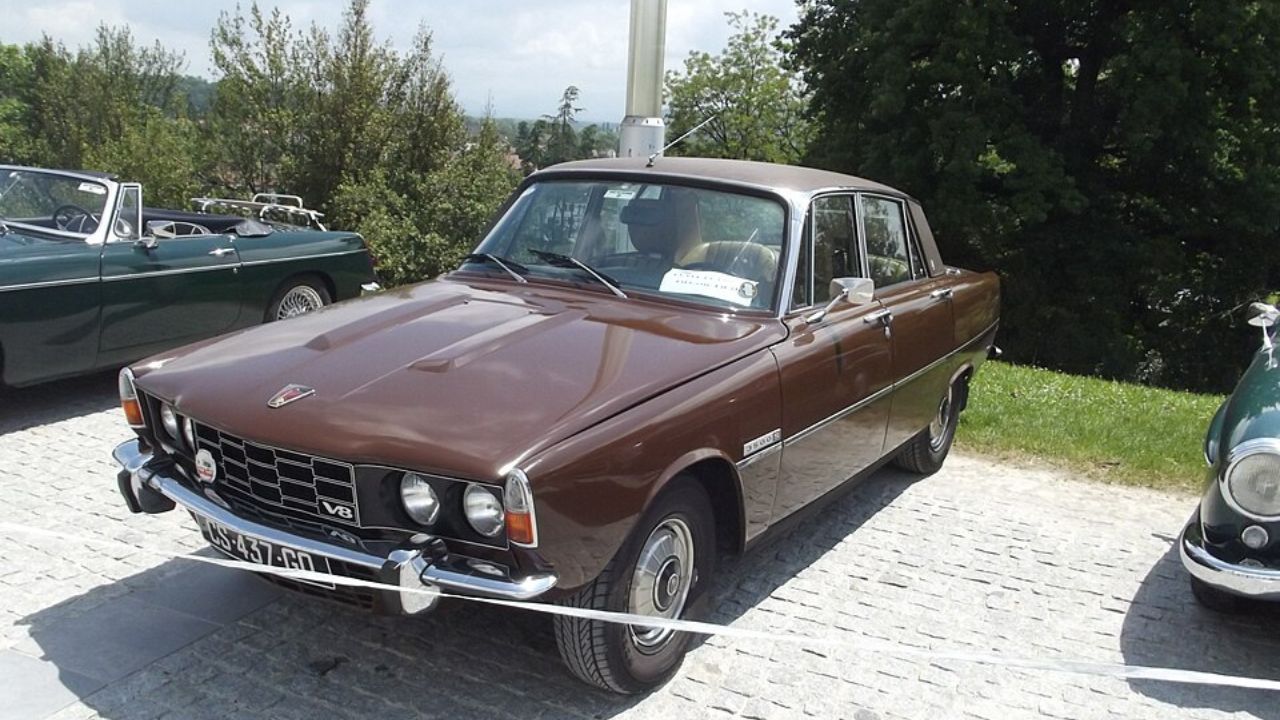
The Rover P6 was an important step forward for British engineering, using a sophisticated suspension design and a body structure that was unusual for its time. The model became particularly interesting when fitted with Rover’s V8, which gave it strong performance while retaining a relatively manageable mechanical package. The P6 does require knowledgeable maintenance, but its engineering has earned respect from specialists. It remains one of the more distinctive British sedans of its generation.
Triumph Dolomite Sprint
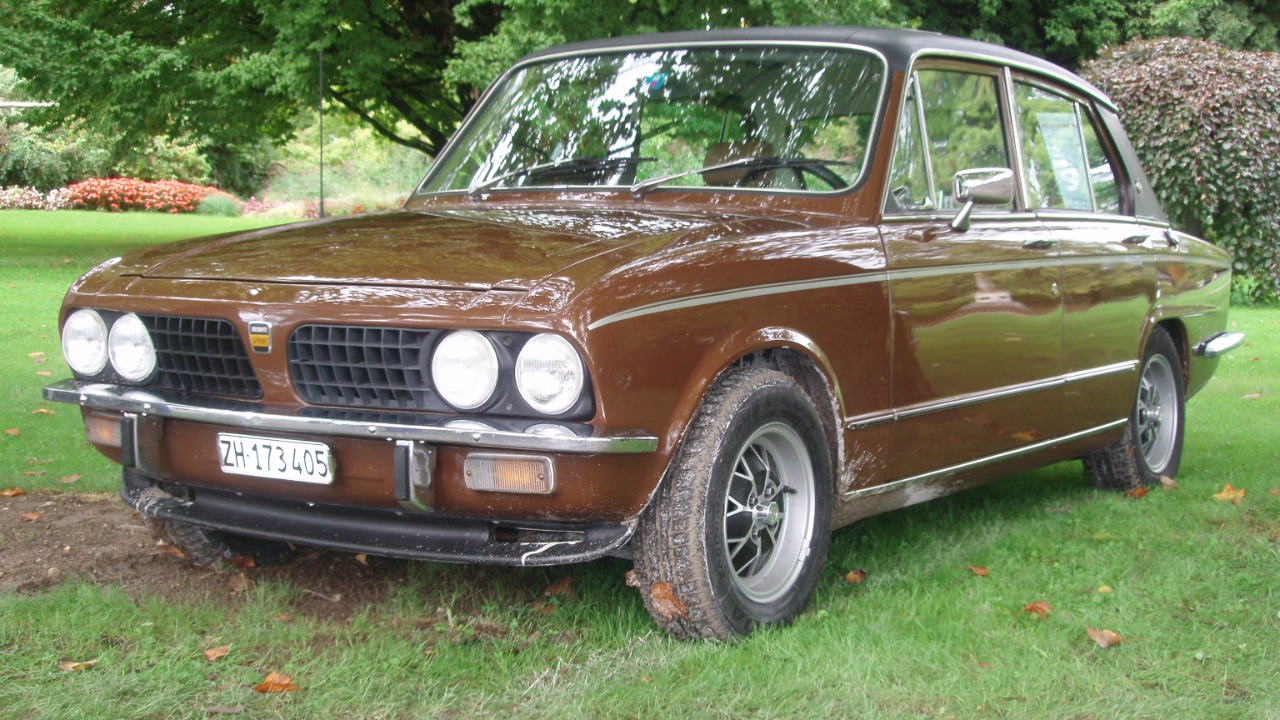
The Triumph Dolomite Sprint combined compact dimensions with a surprisingly sophisticated four-cylinder engine. Its 16-valve design was notable for a mass-produced British car of its period, while rear-wheel drive kept the mechanical layout familiar to experienced mechanics. The Sprint also had enough performance to make the car genuinely entertaining. Today, specialists appreciate examples that have been properly maintained because the combination of clever engineering and conventional drivetrain components makes the car particularly interesting to work on.
Triumph Herald

The Triumph Herald was designed around simplicity and accessibility. Its separate chassis and unusual front-end design allowed mechanics to reach many components without fighting through a tightly packed engine bay. The car’s small engines were not especially complicated, and its compact dimensions made routine work relatively manageable. Heralds have also benefited from decades of enthusiast support. For a British classic, the combination of simple construction and easy access makes the Herald a particularly appealing project.
Triumph Spitfire
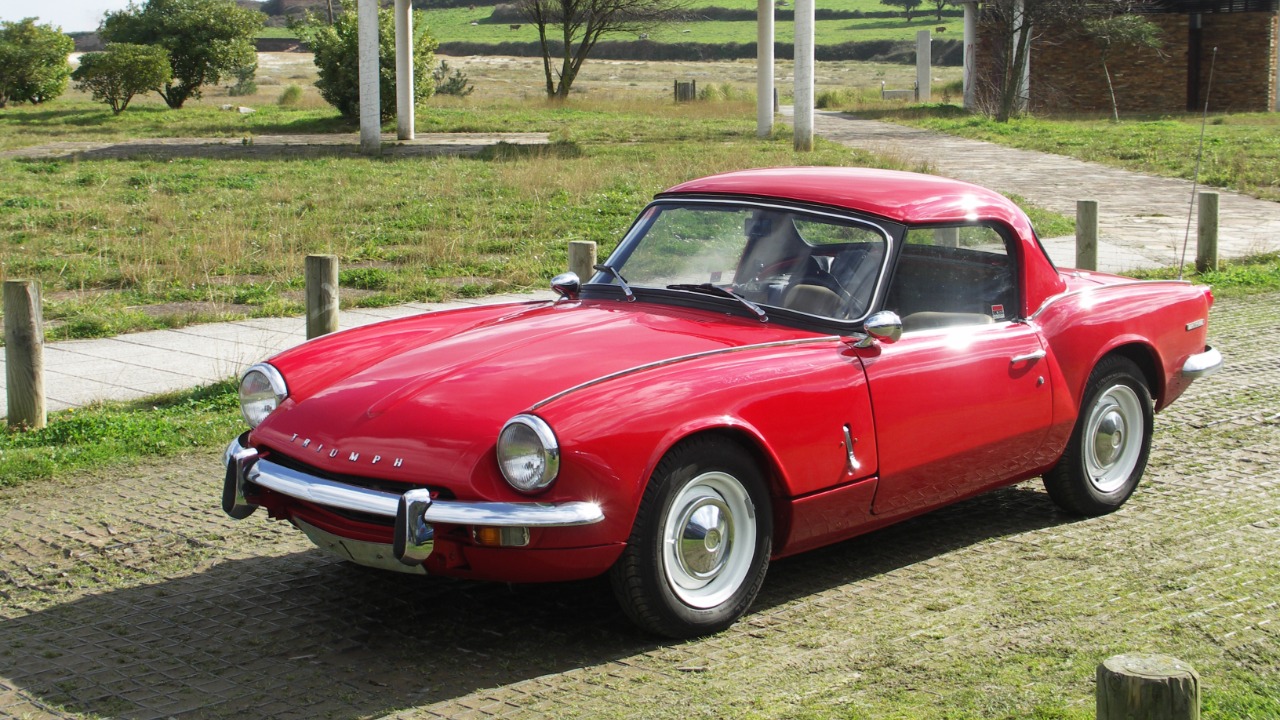
The Triumph Spitfire was built as an affordable sports car rather than an exotic machine, and its relatively simple mechanical layout helped it survive in enthusiast ownership. Its small four-cylinder engine, conventional rear-wheel-drive arrangement, and compact engine bay make many maintenance tasks familiar to experienced mechanics. The car’s independent suspension also contributed to its lively handling. While old examples naturally need careful attention, a properly sorted Spitfire can remain an enjoyable and mechanically approachable classic.
Austin-Healey Sprite
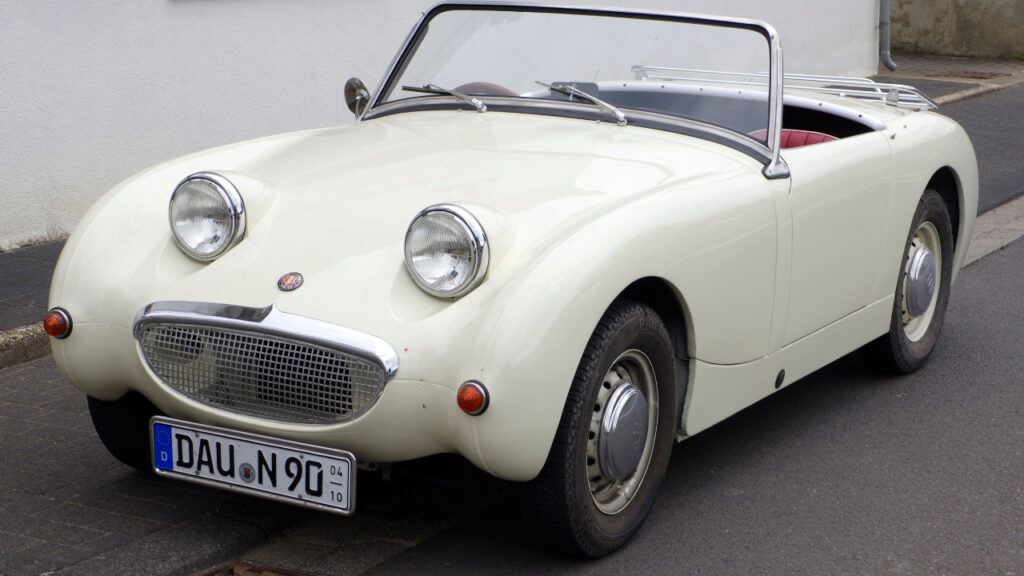
The Austin-Healey Sprite earned the nickname “Frogeye” because of its distinctive headlights, but its mechanical simplicity is just as important to its lasting appeal. The small four-cylinder engine and straightforward rear-wheel-drive layout make it relatively accessible to experienced hobby mechanics. The Sprite’s light weight also means it does not need enormous power to feel entertaining. Its combination of simple construction and huge enthusiast support has helped keep many examples running long after their original owners moved on.
MG MGB GT
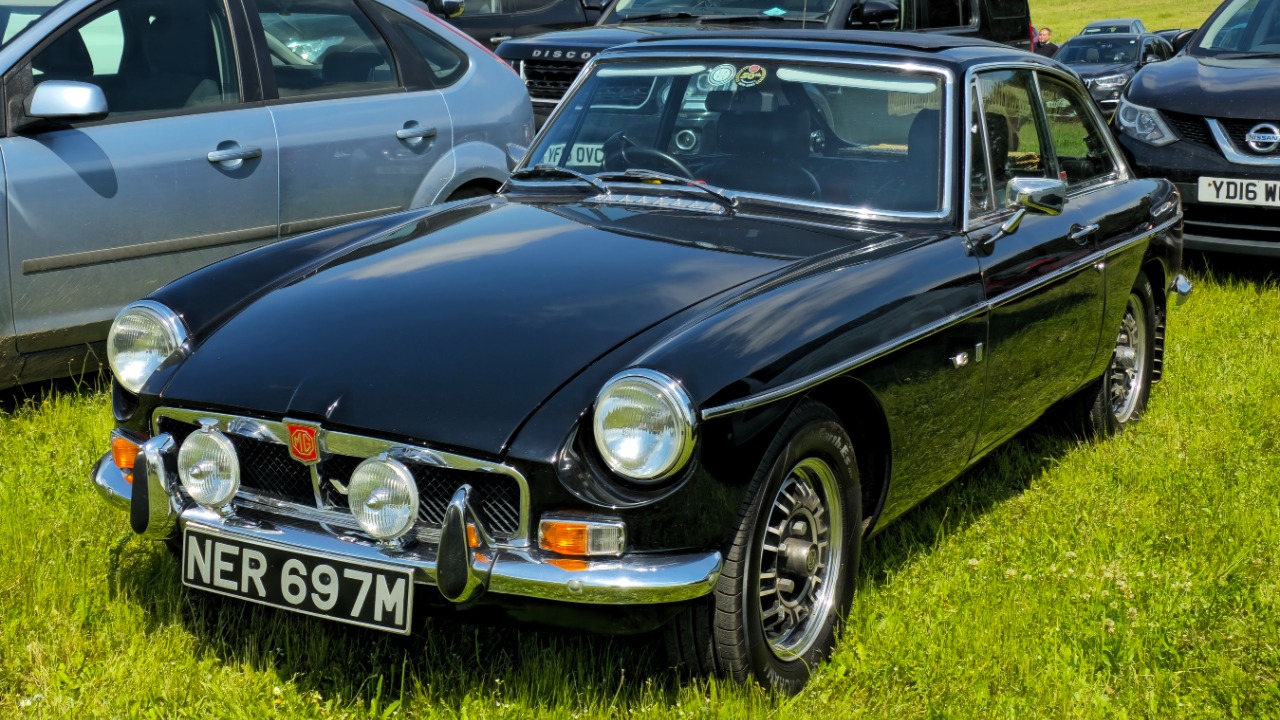
The MGB GT gave the popular MGB sports car a practical fixed-roof body while retaining its familiar rear-wheel-drive mechanical package. Its four-cylinder engine is relatively straightforward, and the model’s enormous enthusiast following has supported a strong supply of replacement parts and technical knowledge. Mechanics who know the cars can usually approach them without the specialized equipment associated with more exotic classics. That accessibility has played a major role in the MGB’s survival.
Jaguar XJ-S
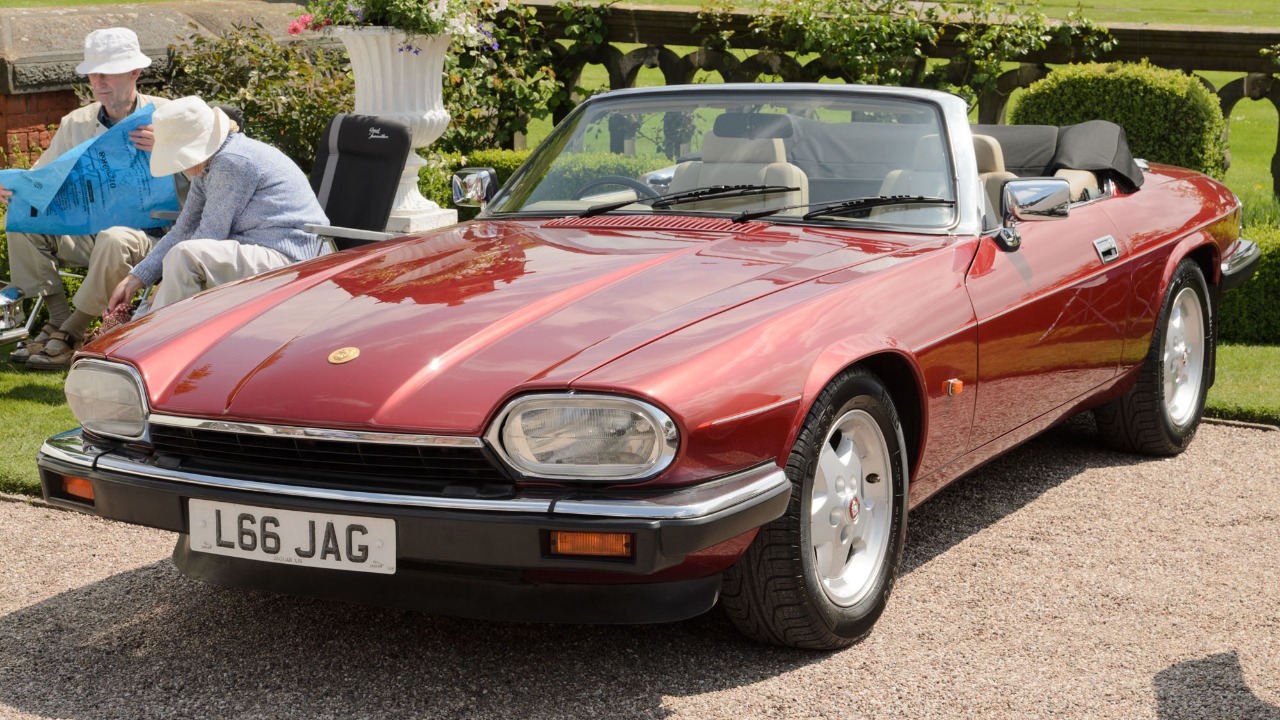
The Jaguar XJ-S was far more sophisticated than many earlier British sports cars, but its long production run gave mechanics decades to become familiar with its systems. The V12 is particularly demanding when neglected, yet it is also a remarkably smooth engine when properly maintained. Later six-cylinder versions offered a simpler alternative. Today, specialists who understand the XJ-S appreciate well-maintained examples because careful servicing can preserve a car that once seemed intimidatingly complex.
Land Rover Series III
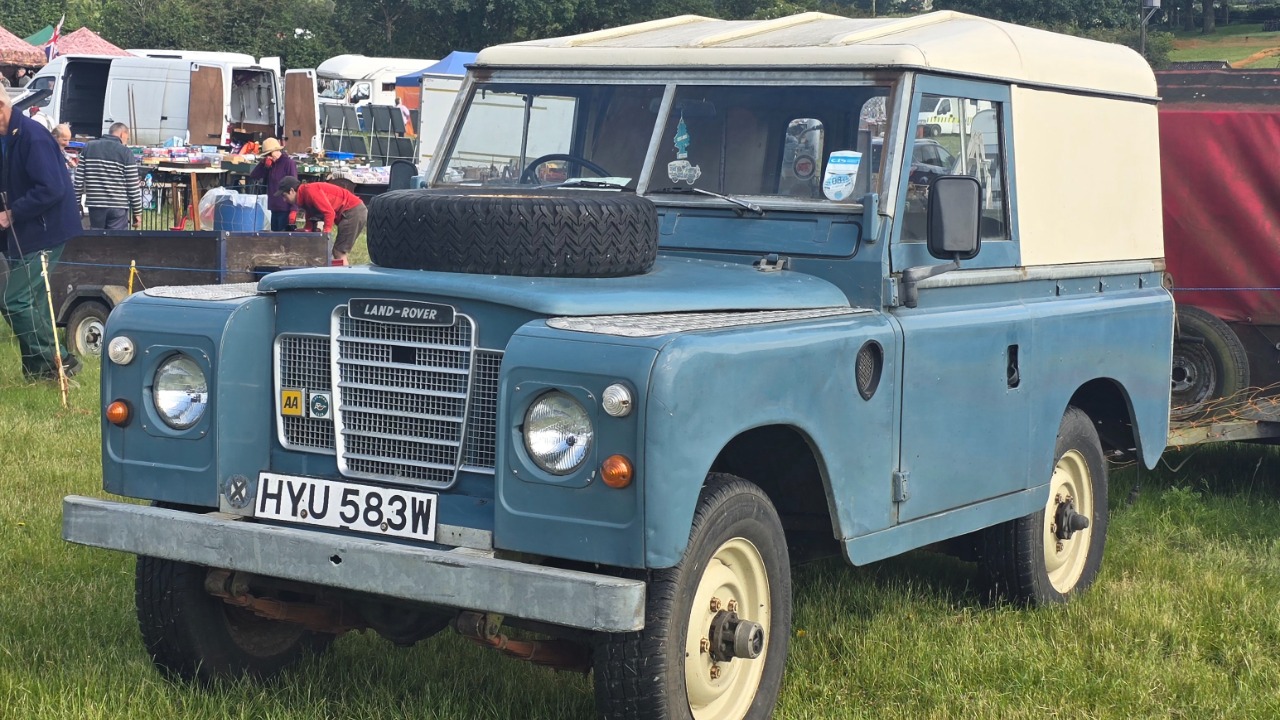
The Land Rover Series III earned its reputation through practical use rather than showroom glamour. Its body-on-frame construction, rugged four-wheel-drive system, and relatively simple mechanical components made it suitable for agricultural work, utility duties, and remote travel. Mechanics have long appreciated the accessibility of many of its components. Even when repairs are necessary, the vehicle’s basic construction is understandable and serviceable. That has helped countless Series III Land Rovers remain useful decades after production ended.
Range Rover Classic

The original Range Rover combined genuine off-road capability with a level of comfort that was unusual for a utility vehicle. Its strong chassis, four-wheel-drive system, and Rover V8 gave it a distinctive mechanical character. The electronics and corrosion can create challenges on neglected examples, but specialists value properly maintained trucks. The Classic’s mechanical foundation also helped establish a long-running reputation for being repairable and adaptable, particularly among owners who use them rather than simply display them.
Ford Cortina
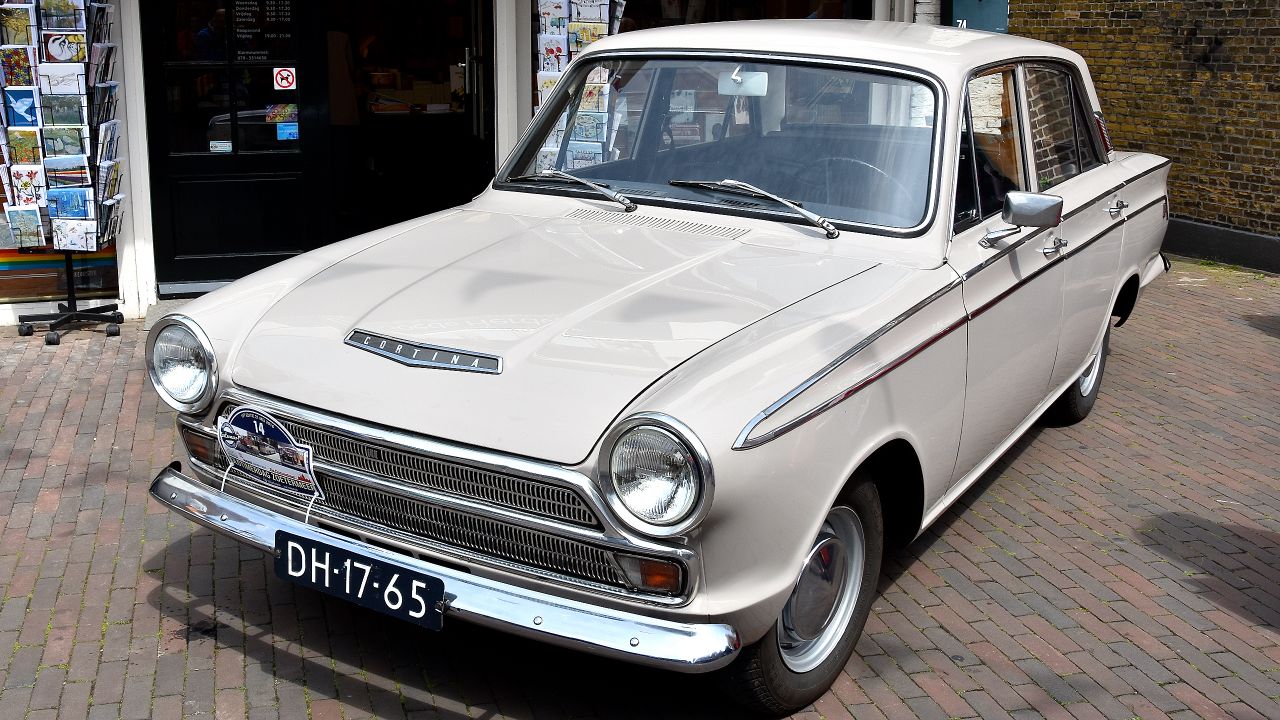
The Ford Cortina became one of Britain’s most familiar family cars, and its widespread use gave mechanics extensive experience with its mechanical systems. The engines and rear-wheel-drive layout were relatively conventional, while replacement parts were plentiful during its long production life. Cortinas were also used extensively as work vehicles, taxis, and fleet cars, proving that they could handle substantial everyday use. Surviving examples benefit from the enormous amount of accumulated mechanical knowledge surrounding the model.
Ford Escort
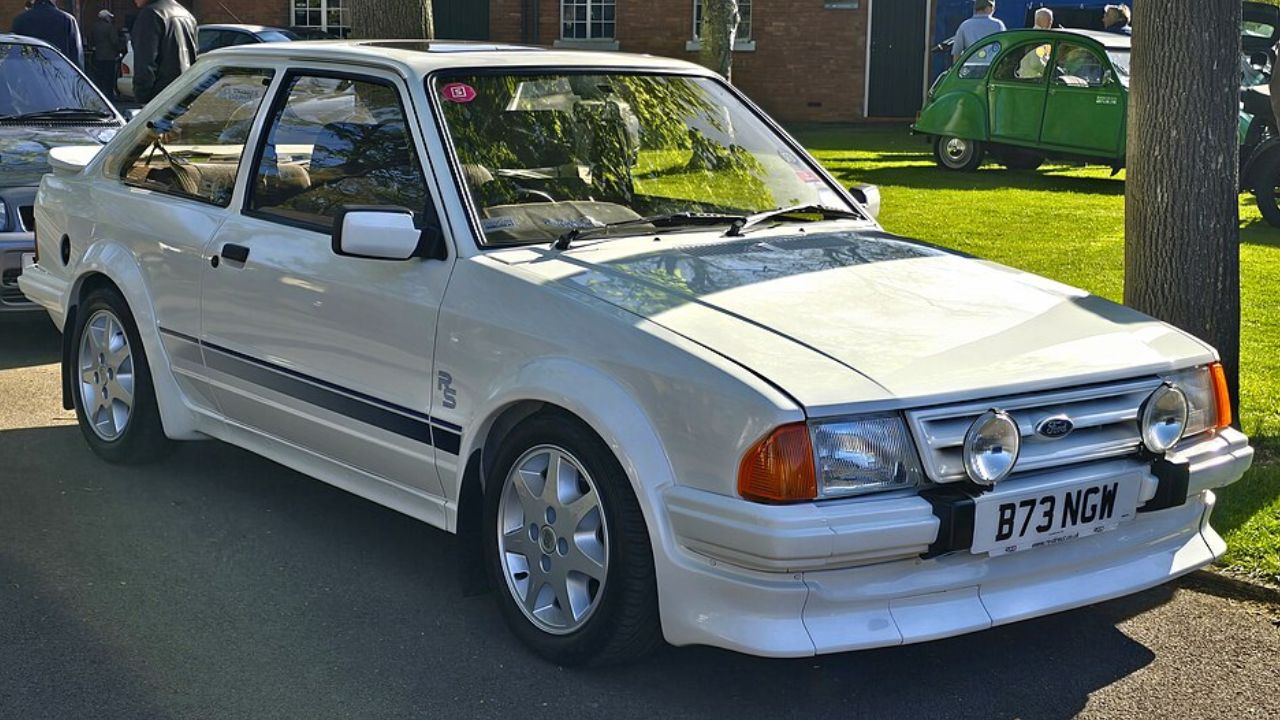
The Ford Escort became a fixture of British roads and motorsport, producing a huge variety of versions during its long production history. Many of its engines and driveline components were relatively straightforward, and the car’s popularity ensured that mechanics became extremely familiar with it. Performance versions remain highly collectible, but ordinary Escorts also deserve recognition for their practicality. Their simple construction helped make them accessible to both professional garages and home mechanics.
Vauxhall Viva
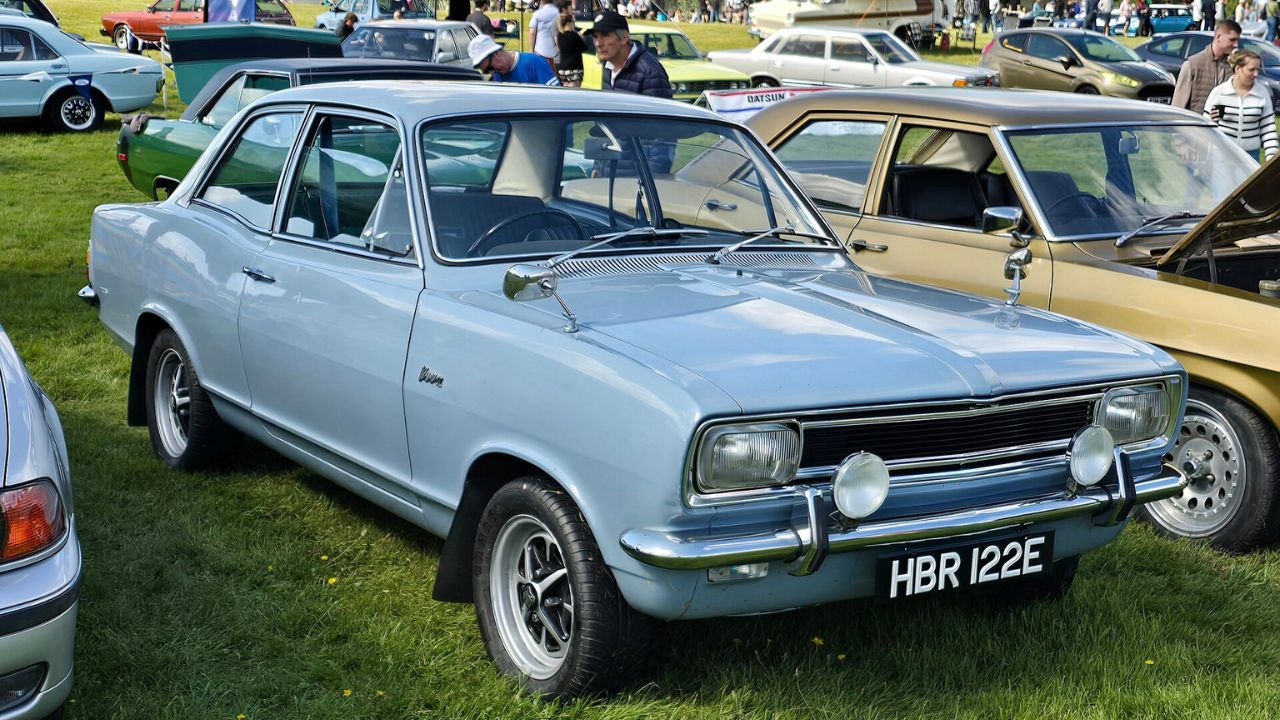
The Vauxhall Viva was a small family car designed to compete in one of Britain’s busiest market segments. Its conventional engineering made it familiar territory for mechanics, while its compact dimensions kept many components accessible. The Viva was produced in several generations, but the basic idea remained focused on affordable everyday transportation. That simplicity is part of its appeal today. A surviving example provides an interesting look at an era when basic mechanical design was often enough for daily transportation.
Vauxhall Chevette
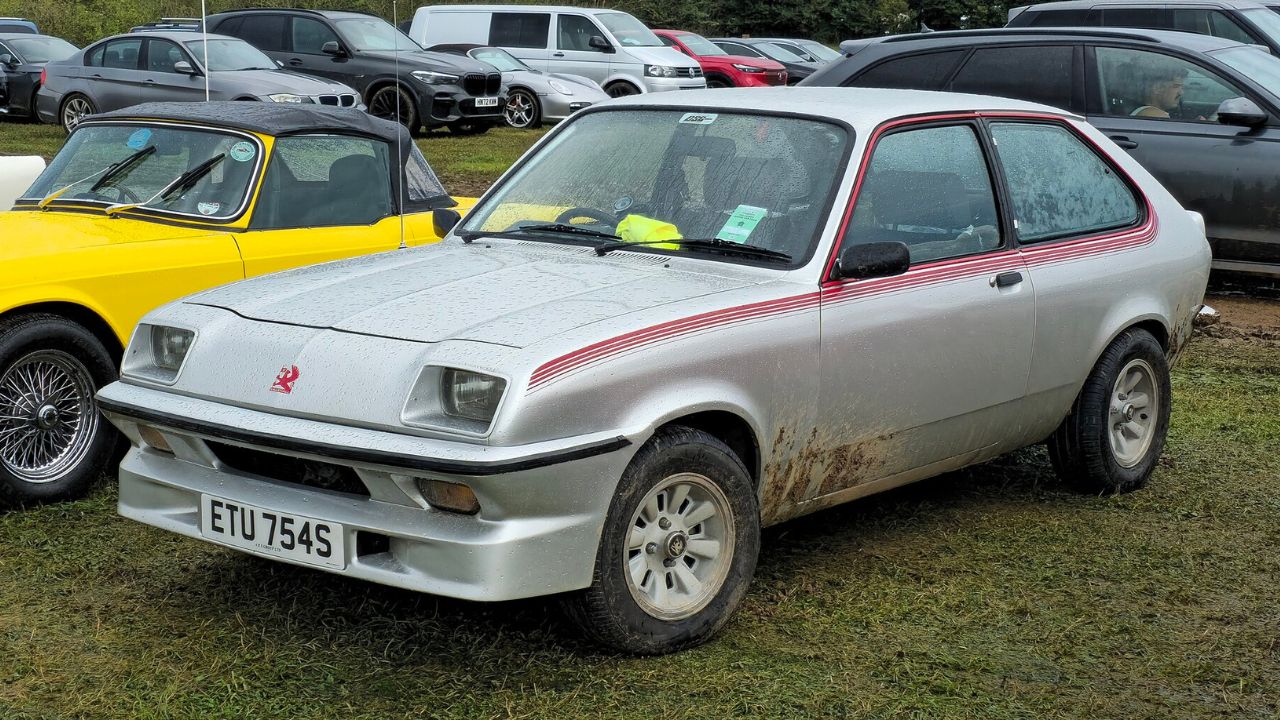
The Vauxhall Chevette combined a compact body with rear-wheel drive, making it mechanically interesting compared with many small front-wheel-drive cars that followed. Its straightforward drivetrain and relatively simple four-cylinder engines made it familiar to mechanics and accessible to enthusiasts. The model also developed a strong motorsport connection, particularly in rallying. That competition history helped demonstrate the underlying strength of the platform and contributed to the Chevette’s continued interest among British classic-car enthusiasts.
Austin Maxi
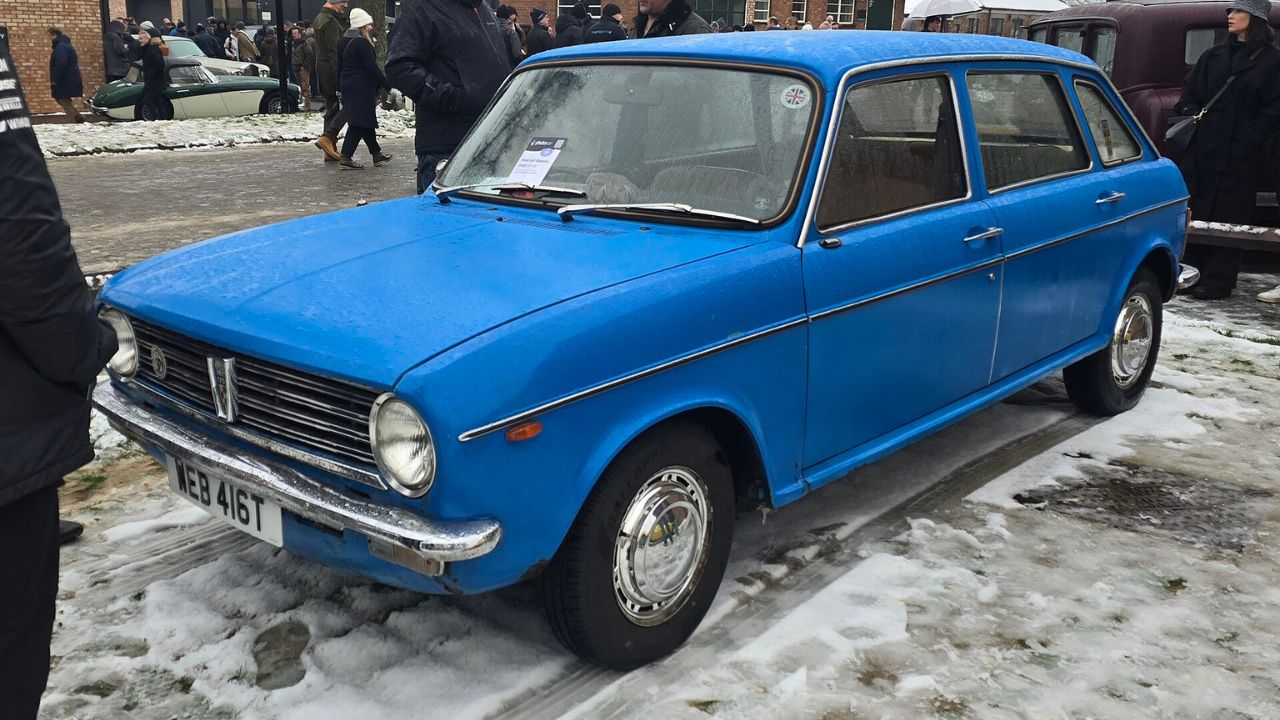
The Austin Maxi was an unconventional family car that introduced practical packaging and a transverse engine layout to British motorists. Its five-speed gearbox was particularly notable for a family car of its era. The Maxi was never considered glamorous, but its engineering was purposeful and relatively straightforward once mechanics became familiar with it. Surviving examples are unusual today, and specialists appreciate them as examples of practical British engineering rather than simply styling exercises.
Morris Marina

The Morris Marina was created as straightforward mass-market transportation, and its conventional engineering made it familiar to countless British garages. Rear-wheel drive, simple suspension, and uncomplicated engines meant mechanics could approach many repairs without elaborate equipment. The Marina was never celebrated for exotic engineering, but that is precisely what makes it interesting as a classic. Its simple construction helped many examples survive years of ordinary use, and the remaining cars now offer a snapshot of everyday British motoring.
Jensen Interceptor
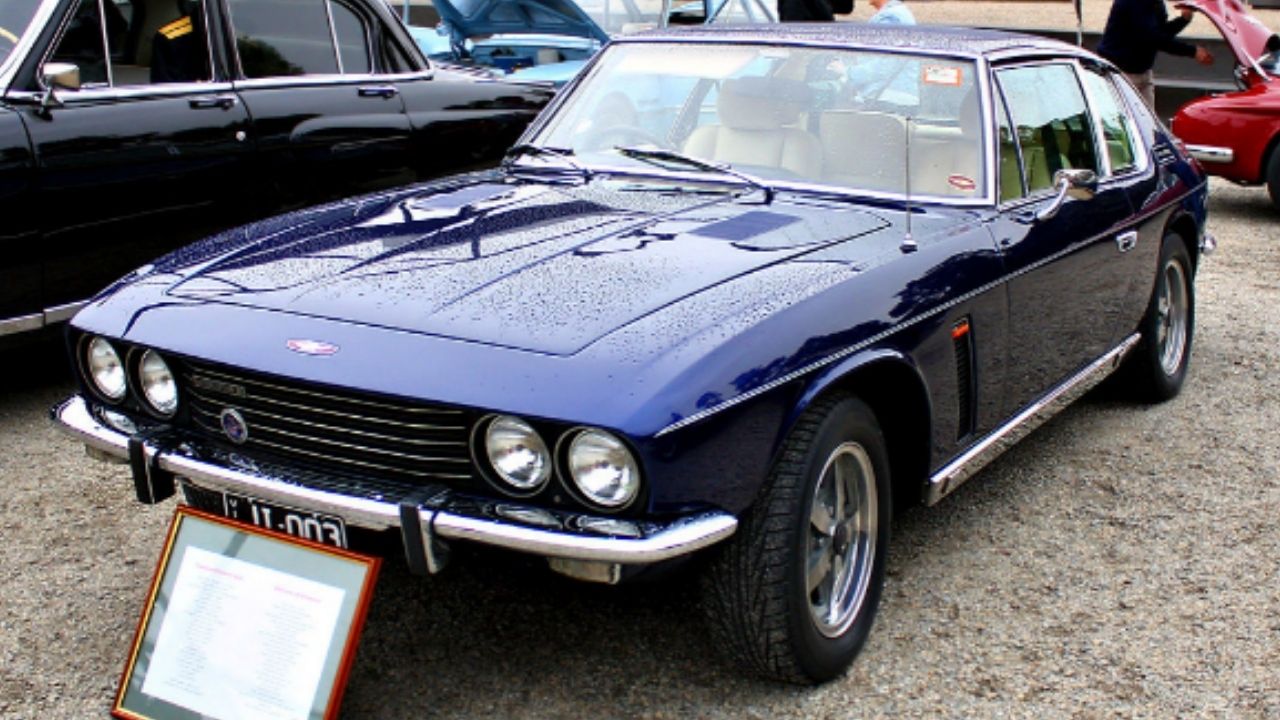
The Jensen Interceptor was considerably more sophisticated and luxurious than the simpler British cars on this list, but its use of a well-known Chrysler V8 gave mechanics a familiar mechanical foundation. The combination of British bodywork and American power created a distinctive grand tourer that could deliver serious performance without relying on a completely bespoke engine. Specialist knowledge remains important, particularly with older electrical and body systems, but the Interceptor’s robust V8 is one reason enthusiasts continue to maintain these rare cars.
More from Fast Lane Only
- Unboxing the WWII Jeep in a Crate
- 15 rare Chevys collectors are quietly buying
- 10 underrated V8s still worth hunting down
- Police notice this before you even roll window down
*Research for this article included AI assistance, with all final content reviewed by human editors.