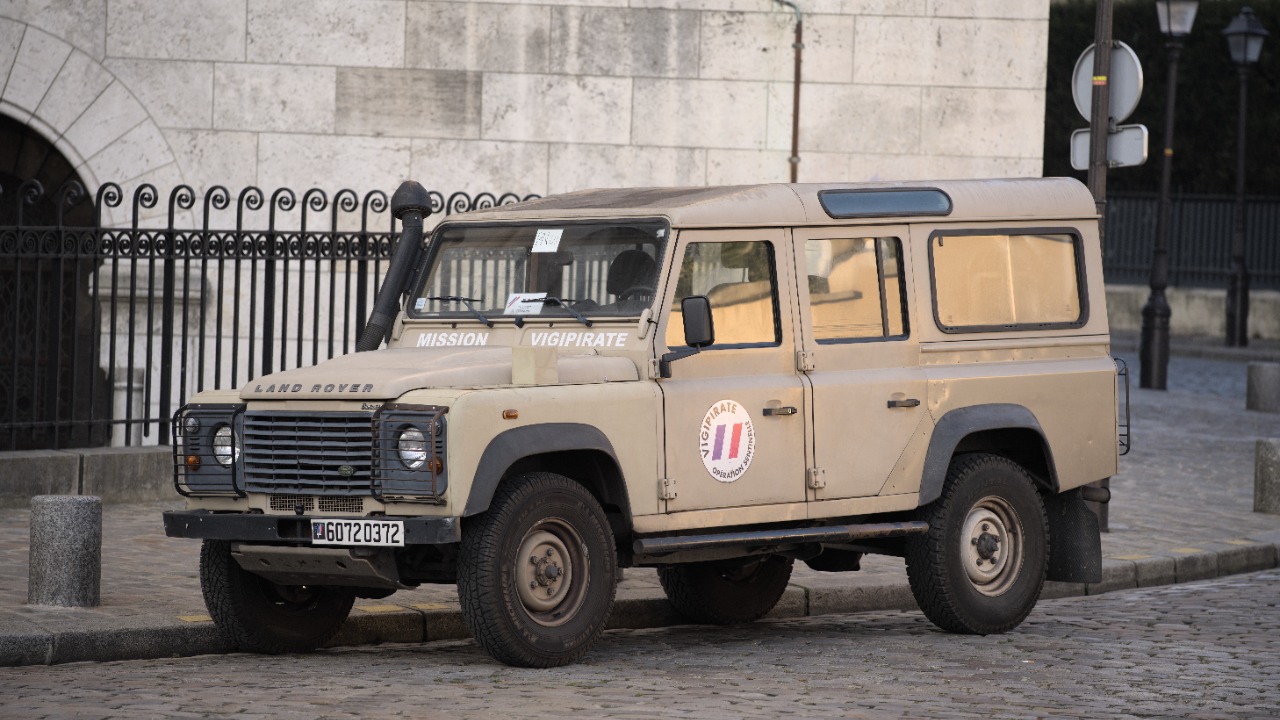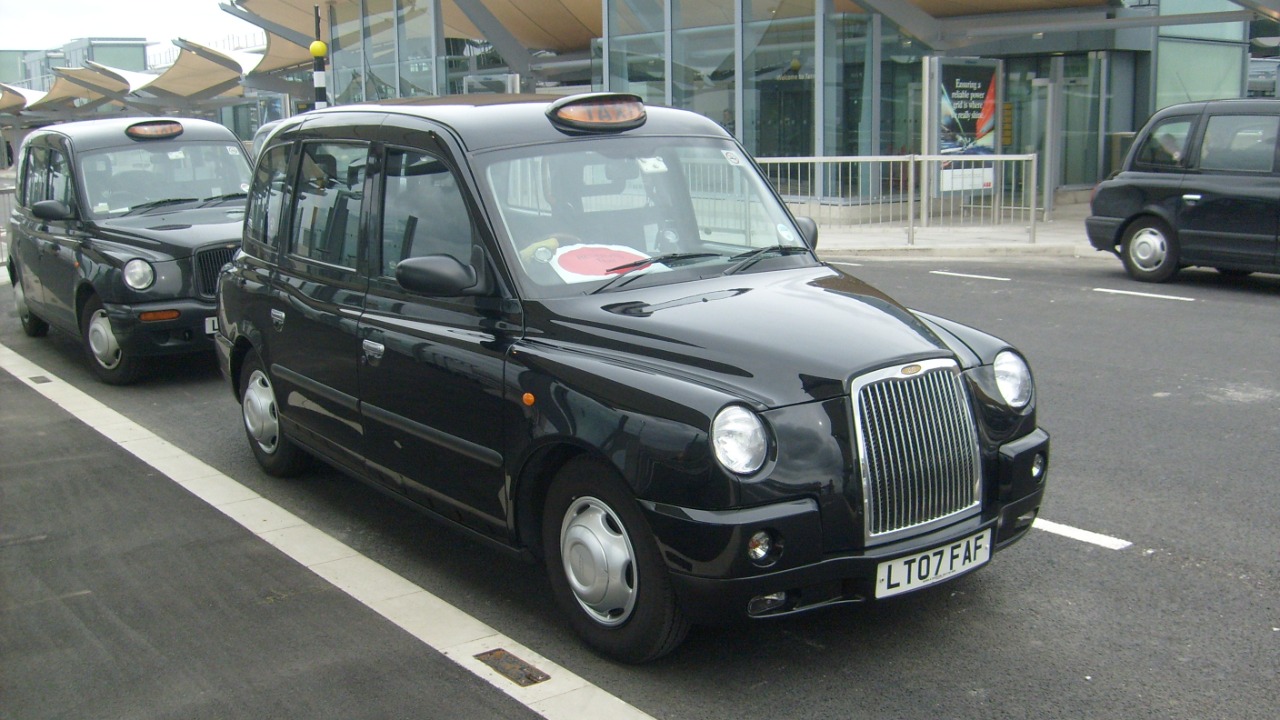
When we think of taxis, we often picture the ubiquitous yellow cab or the iconic London taxi. However, there are numerous rare taxi models that are seldom seen outside their home countries or specific regions. This list will introduce you to seven unique taxi models that many people may have never encountered in person. Each of these vehicles carries its own history and is a testament to the diversity of taxi design around the world.
The Peugeot 404 Taxi
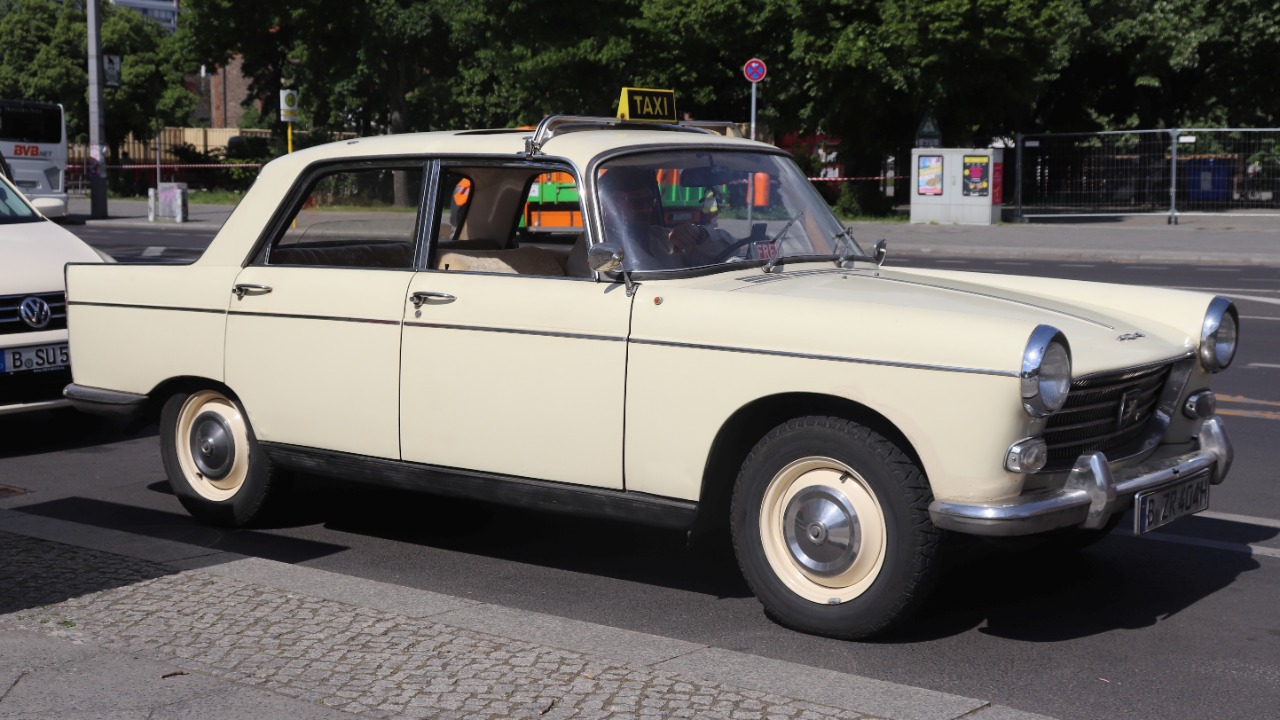
The Peugeot 404 Taxi, produced from 1960 to 1989, is a classic example of French automotive design. While it was widely used in countries like France and Algeria, many people outside of Europe may never have seen one in person. Its robust build and spacious interior made it a popular choice for taxi services. The 404 was known for its reliability and comfort, making it ideal for long-distance travel. Interestingly, the model was also a favorite among local drivers in various African nations, adapted to withstand diverse terrains. The Peugeot 404’s vintage styling and distinctive grille make it a rare sight today, often appreciated by vintage car enthusiasts.
In addition to its aesthetic appeal, the Peugeot 404 Taxi was equipped with practical features tailored for taxi drivers. The rear bench seat accommodated multiple passengers, enhancing its utility in busy urban areas. Its 1.6-liter engine provided decent power for city driving while maintaining fuel efficiency. Today, collectors often seek out well-preserved models, and you can find some at classic car shows or auctions. If you’re interested in the history of public transportation vehicles, learning about the Peugeot 404 is a great starting point.
The London Taxi Company TX4
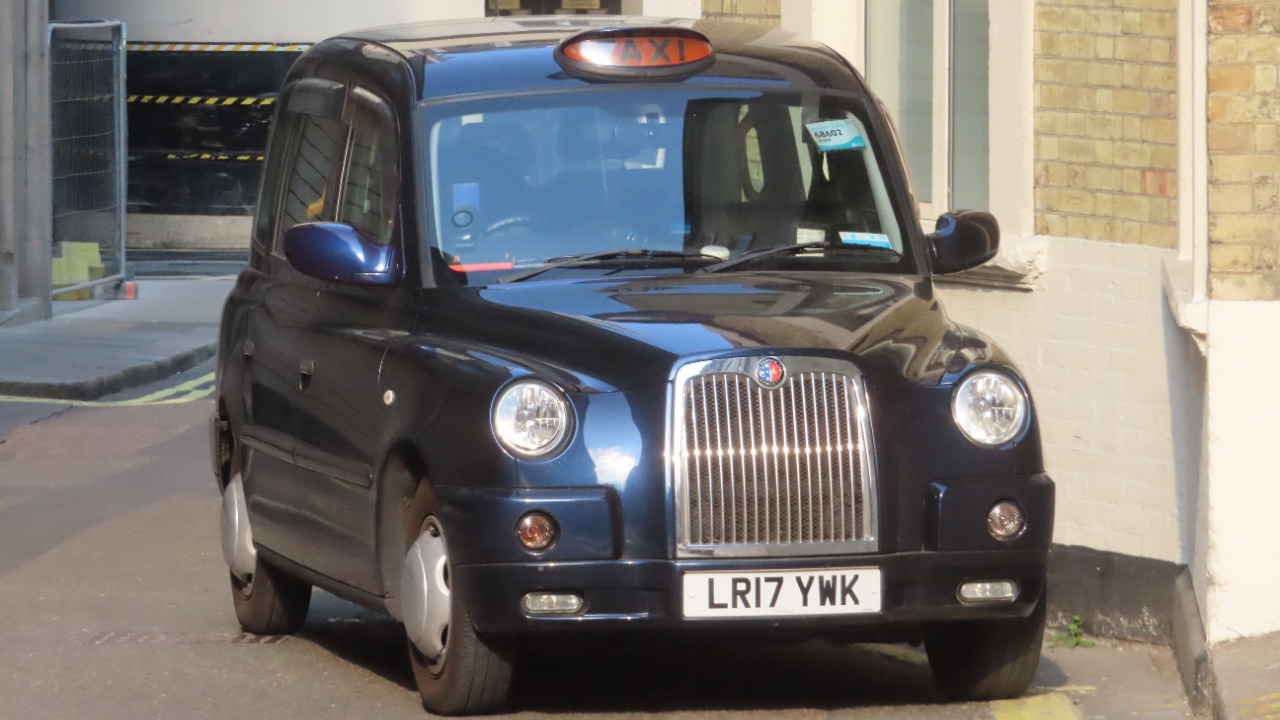
The London Taxi Company TX4 is another iconic taxi model that has become synonymous with the streets of London. Launched in 2006, this vehicle features a unique design that allows for easy passenger access and plenty of legroom. The TX4 is notable for its impressive turning radius, a crucial feature for navigating London’s crowded streets. With a spacious interior, it can comfortably accommodate up to five passengers along with their luggage, making it an ideal choice for tourists and locals alike.
What sets the TX4 apart is its commitment to sustainability; many models are now equipped with eco-friendly engines that reduce emissions. The taxi’s design is also tailored to enhance safety, featuring a raised roofline and a protective partition between the driver and passengers. As a part of London’s transport heritage, the TX4 is more than just a taxi; it’s a symbol of the city itself. If you ever find yourself in London, catching a ride in a TX4 is a must-do experience.
Fiat 600 Multipla
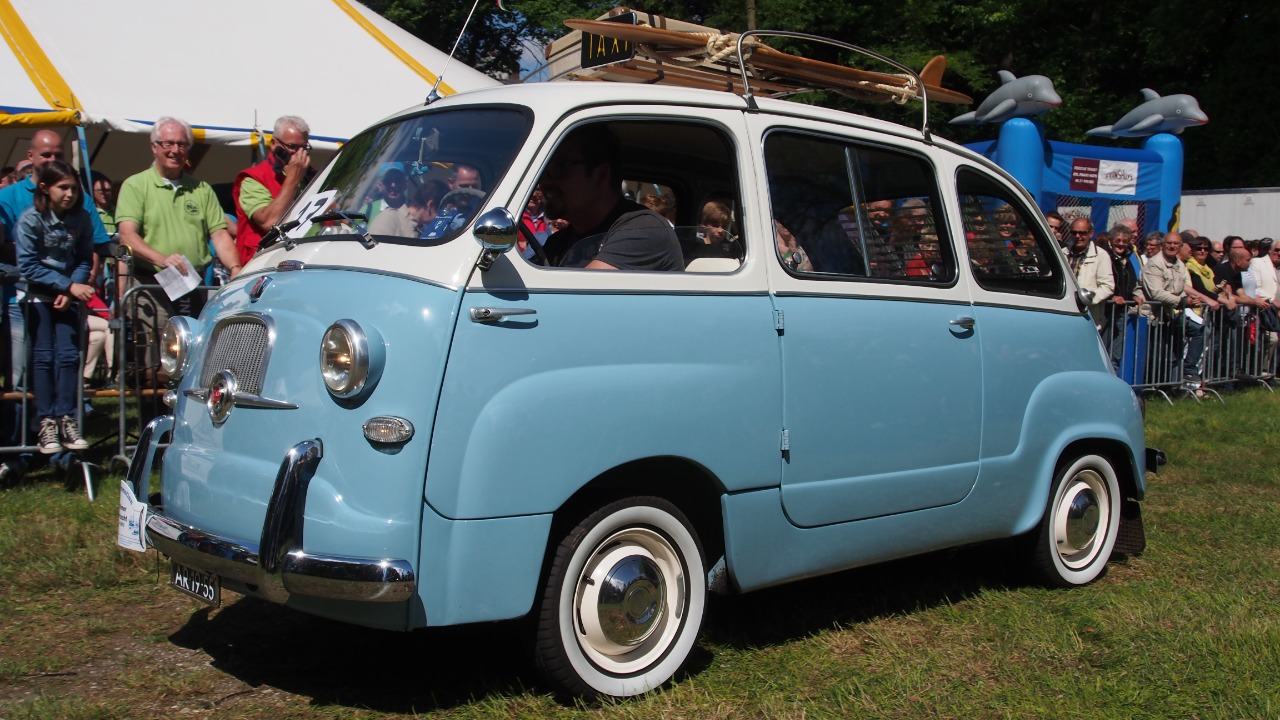
The Fiat 600 Multipla, produced between 1956 and 1969, stands out with its distinctive design and versatility. Originally designed as a family car, it quickly became a popular choice for taxi services in Italy. Its compact size and ability to seat up to six passengers made it ideal for city commuting. The Multipla’s quirky, bulbous shape and large glass windows provide excellent visibility, a feature appreciated by both drivers and passengers. Its small engine, however, is not particularly powerful, which may deter some from considering it for modern taxi services. Still, the Fiat 600 Multipla remains a charming relic of a bygone era, celebrated by collectors and enthusiasts alike.
With a unique configuration, the Fiat 600 Multipla is a great example of how function can merge with style. In cities like Florence or Rome, this model has been a common sight, capturing the spirit of Italian life. Its historical significance is documented in various automotive studies, showcasing how such vehicles adapted to local demands. In essence, the Fiat 600 Multipla represents a piece of cultural history that resonates beyond its utilitarian purpose, making it a fascinating subject for lovers of vintage vehicles.
The Checker Marathon Taxi
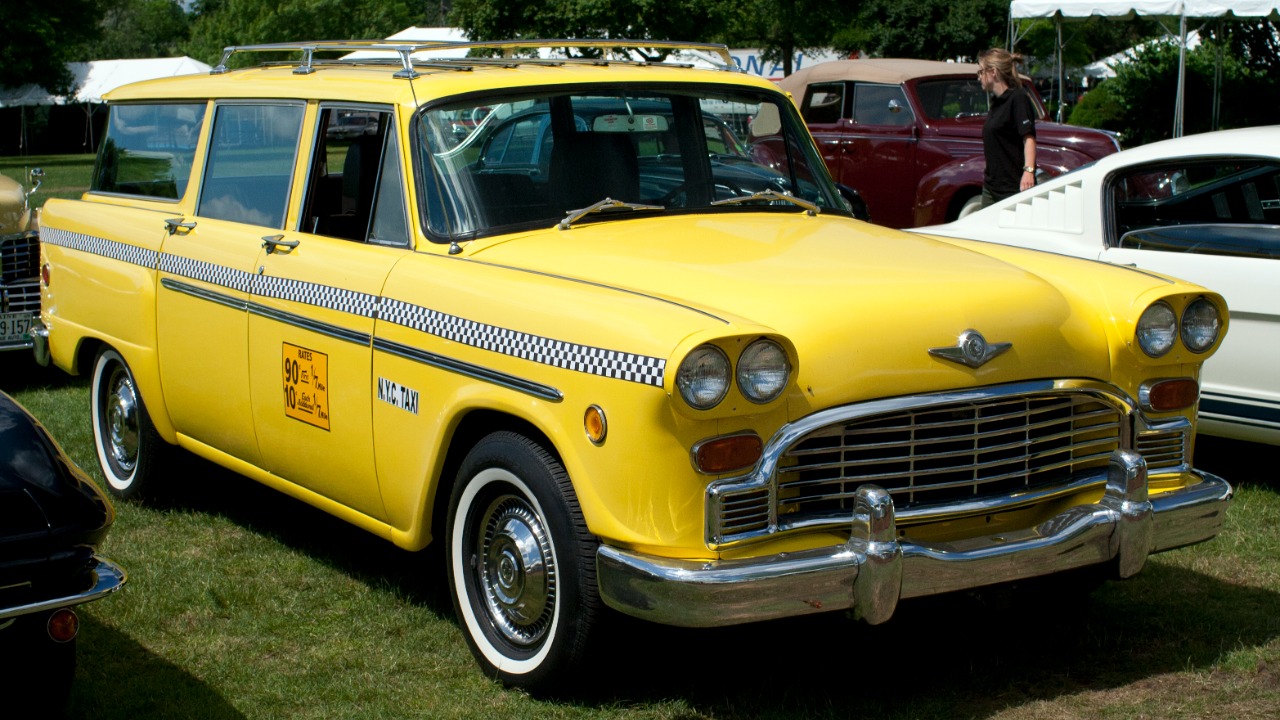
Produced from 1961 to 1982, the Checker Marathon Taxi is an iconic American vehicle that many associate with the streets of New York City. Known for its boxy shape and spacious interior, the Marathon was designed specifically for taxi use. Its distinctive appearance and durability made it a favorite among taxi drivers. The Marathon was equipped with a powerful engine and spacious rear seats, providing comfort for passengers during long rides.
Checker Taxis are now a rarity; many were retired as cities transitioned to more modern models. However, they remain an enduring symbol of New York’s taxi culture. Vintage enthusiasts often seek out these vehicles for restoration, and you can occasionally spot them at classic car shows or themed events. If you’re curious about the history of taxis in America, the Checker Marathon serves as a perfect illustration of how design and practicality can shape urban transportation.
The Nissan NV200 Taxi

The Nissan NV200 Taxi is a modern vehicle that has gained popularity in urban areas, particularly in New York City, where it was officially adopted as the city’s new taxi model in 2013. This compact van offers a spacious interior while maintaining a small footprint, making it ideal for navigating crowded streets. The NV200 is designed with passenger comfort in mind, featuring a low step-in height and ample cargo space, accommodating luggage and strollers with ease.
One of the key advantages of the NV200 is its fuel efficiency, which significantly reduces operational costs for taxi drivers. Its versatile design allows for various configurations, including wheelchair accessibility. As cities strive to adopt more sustainable transportation options, the NV200 is becoming a preferred choice for taxi fleets worldwide. Seeing an NV200 taxi on the road today is a reminder of how public transportation continues to evolve to meet urban demands.
The Mercedes-Benz Vito Taxi
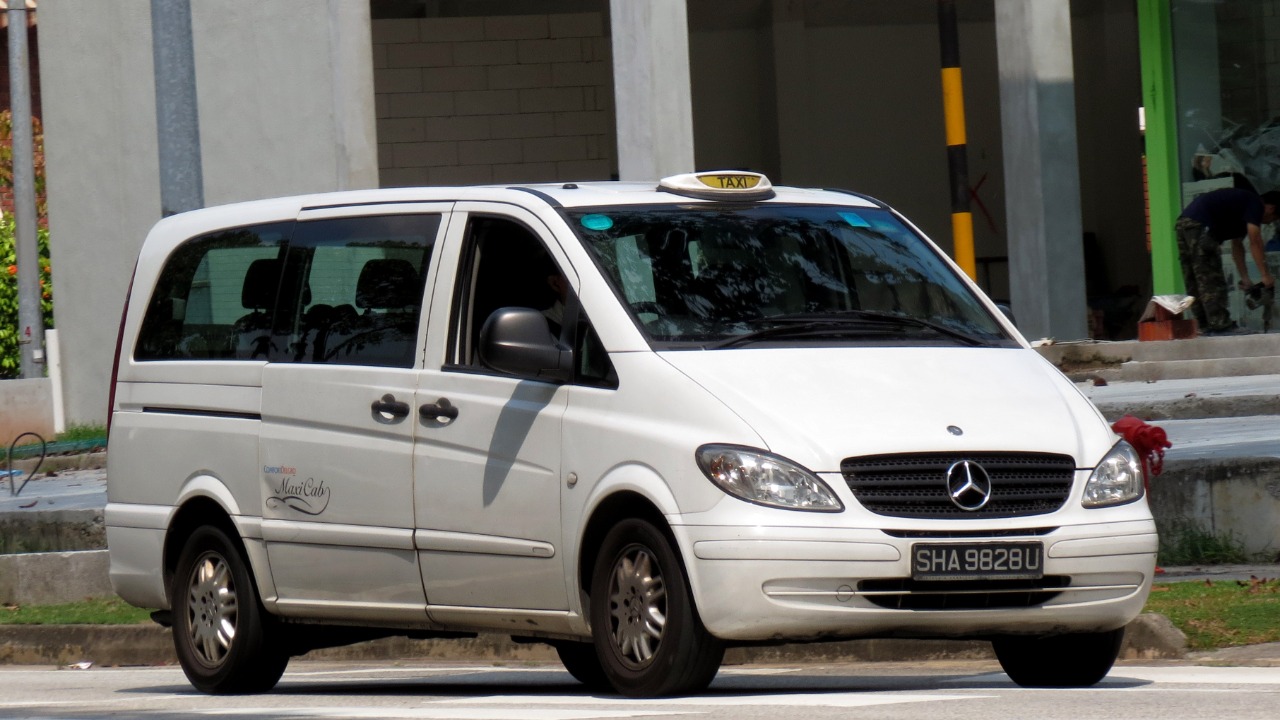
The Mercedes-Benz Vito Taxi is a premium choice for those seeking comfort and luxury in urban transport. Widely used in Europe, this model combines elegance with practicality. The Vito is spacious and can comfortably seat up to eight passengers, making it ideal for group travel. Its smooth ride and advanced safety features, including collision prevention systems, ensure a pleasant experience for both drivers and passengers.
What sets the Vito apart is its array of customization options; taxi companies can tailor the interior to include features such as charging ports and entertainment systems. The Vito is particularly popular in tourist-heavy areas where comfort can significantly enhance the passenger experience. While not as common as traditional taxis, the Mercedes-Benz Vito represents a more upscale approach to urban transport that caters to a discerning clientele.
The Toyota Crown Comfort
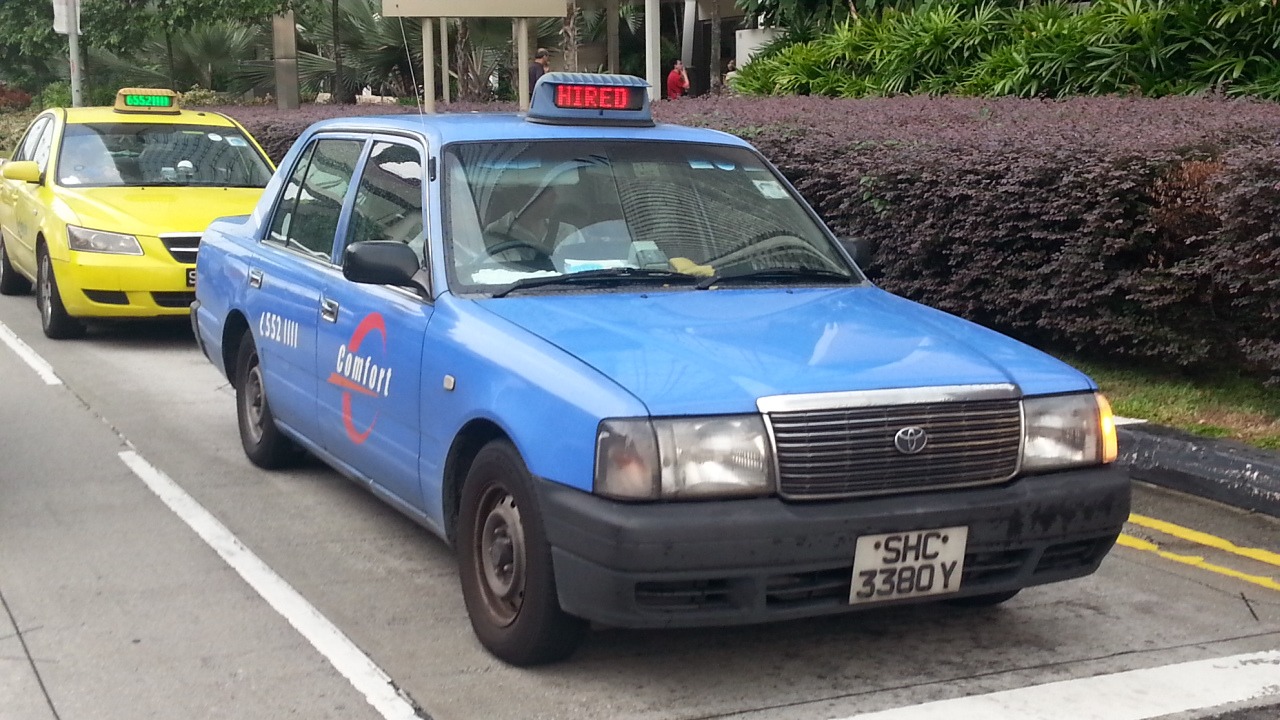
The Toyota Crown Comfort is a unique vehicle primarily used as a taxi in Japan and select Asian markets. Produced from 1995 to 2018, this model is known for its reliability and spacious interior. The Crown Comfort was designed specifically for taxi use, featuring comfortable seating and a generous trunk for luggage. Its boxy shape may not be as aesthetically pleasing as other models, but its functionality is unmatched.
While it may not be common in Western countries, the Crown Comfort epitomizes the Japanese approach to taxi service, focusing on passenger comfort and driver convenience. Many of these vehicles are still operational in Japan’s bustling cities, where they remain a preferred choice for taxi drivers. If you’re intrigued by the global diversity of taxi models, the Toyota Crown Comfort is a significant example of how local needs shape vehicle design and usage.
More from Fast Lane Only
- Unboxing the WWII Jeep in a Crate
- 15 rare Chevys collectors are quietly buying
- 10 underrated V8s still worth hunting down
- Police notice this before you even roll window down
*Research for this article included AI assistance, with all final content reviewed by human editors.