Not every old Buick is a hidden collector gem waiting for a second chance. Some models were built in large numbers, lost much of their appeal over time, or simply cost too much to bring back compared with what a finished example is worth. That does not make these cars worthless, but it does mean a serious restoration can become a difficult financial decision. For many of these Buicks, a solid driver or preservation project makes more sense than a frame-off rebuild.
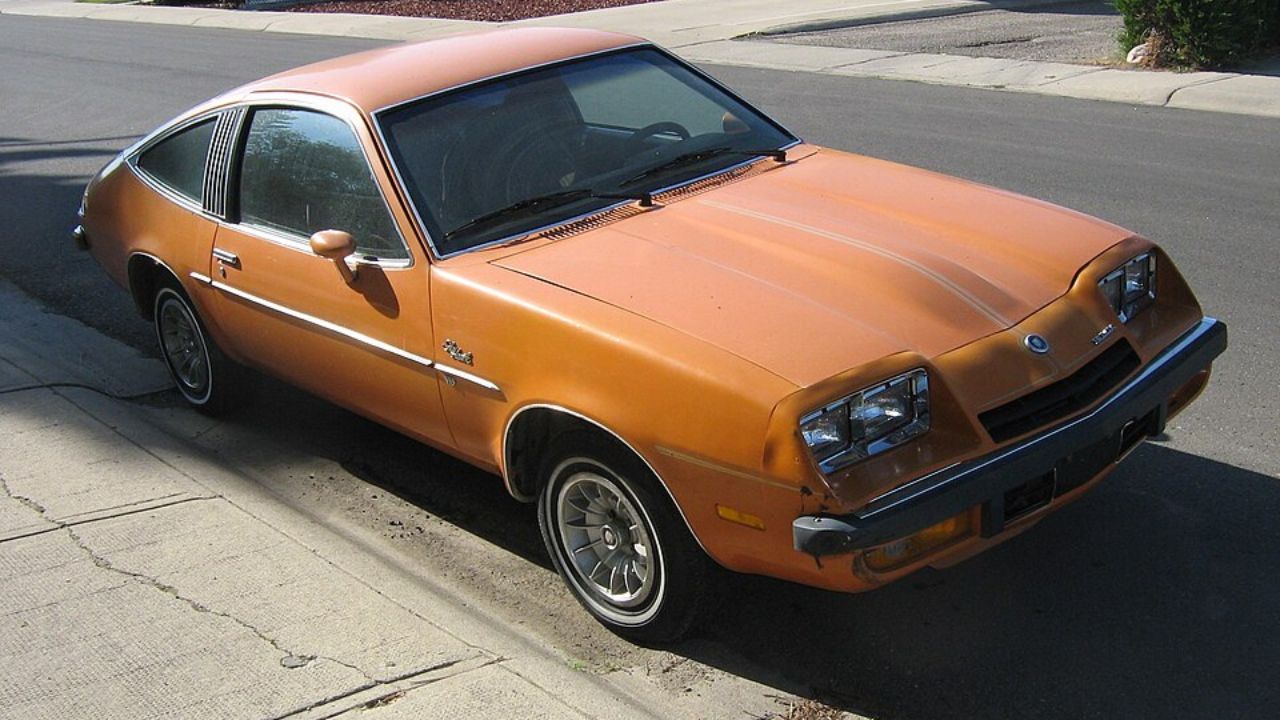
Buick Skyhawk
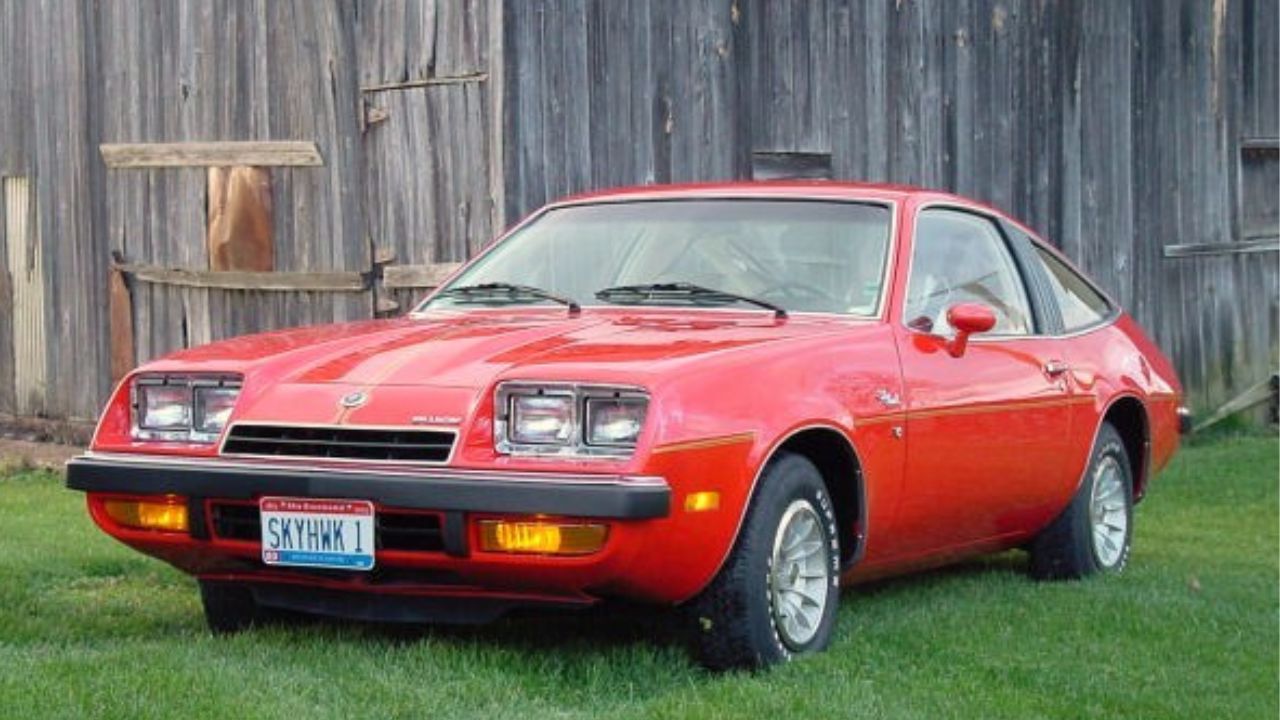
The Buick Skyhawk has some appeal as a small American coupe from an era when Buick was trying to move into a more compact market. The problem is that most examples do not command enough money to justify an expensive restoration. Rust, worn interiors, aging trim and neglected mechanical components can quickly turn an inexpensive project into a costly one. Even a carefully restored Skyhawk may struggle to recover the money invested. Unless the car has unusual history, exceptional originality or sentimental value, preserving a decent example is usually the smarter approach.
Buick Somerset
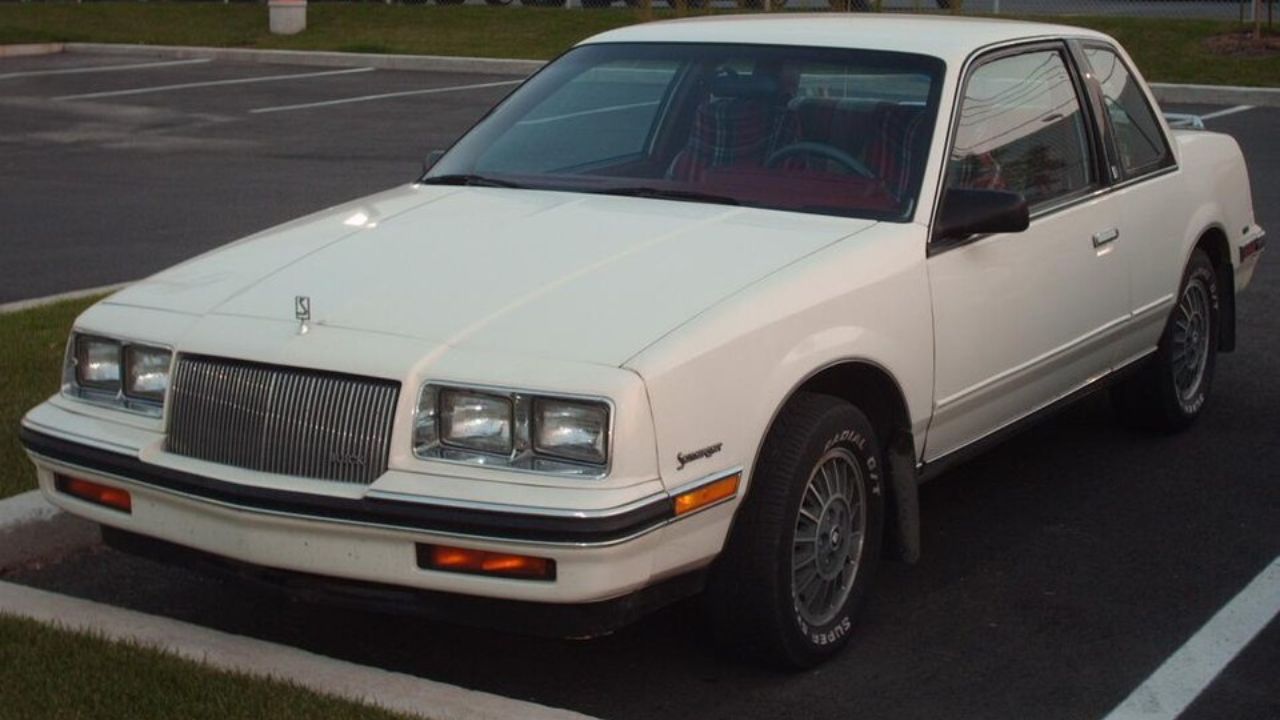
The Buick Somerset represents a period when the brand was moving toward smaller, front-wheel-drive cars, but it has never developed the collector following enjoyed by more distinctive Buicks. Finding replacement trim and other model-specific pieces can also become frustrating as these cars age. A rough Somerset may require considerable body, interior and mechanical work before it becomes enjoyable again. Since clean examples remain relatively affordable, putting serious restoration money into a badly deteriorated car rarely makes financial sense. It can be a fun survivor, but a full restoration is another matter.
Buick Skylark
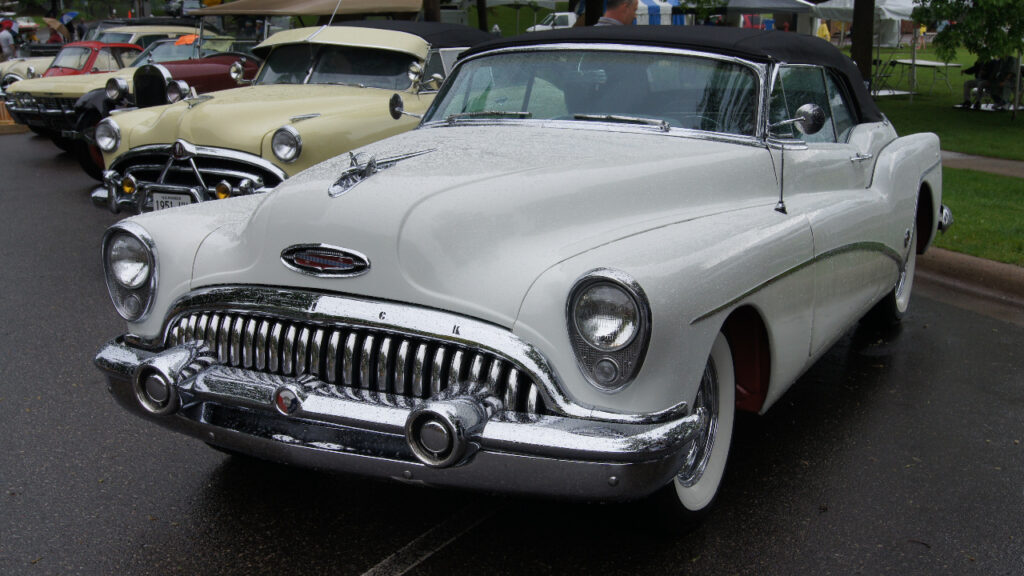
The Skylark name has a strong place in Buick history, but not every generation carries the same collector appeal. Later Skylarks can be particularly difficult to justify as restoration projects because their values remain modest while rust repair, paintwork, interior refurbishment and mechanical rebuilding can become expensive. A rough car can easily require more money than a comparable running example costs to buy. Enthusiasts with a personal connection may still choose to restore one, but buyers looking strictly at investment potential should be careful.
Buick Century
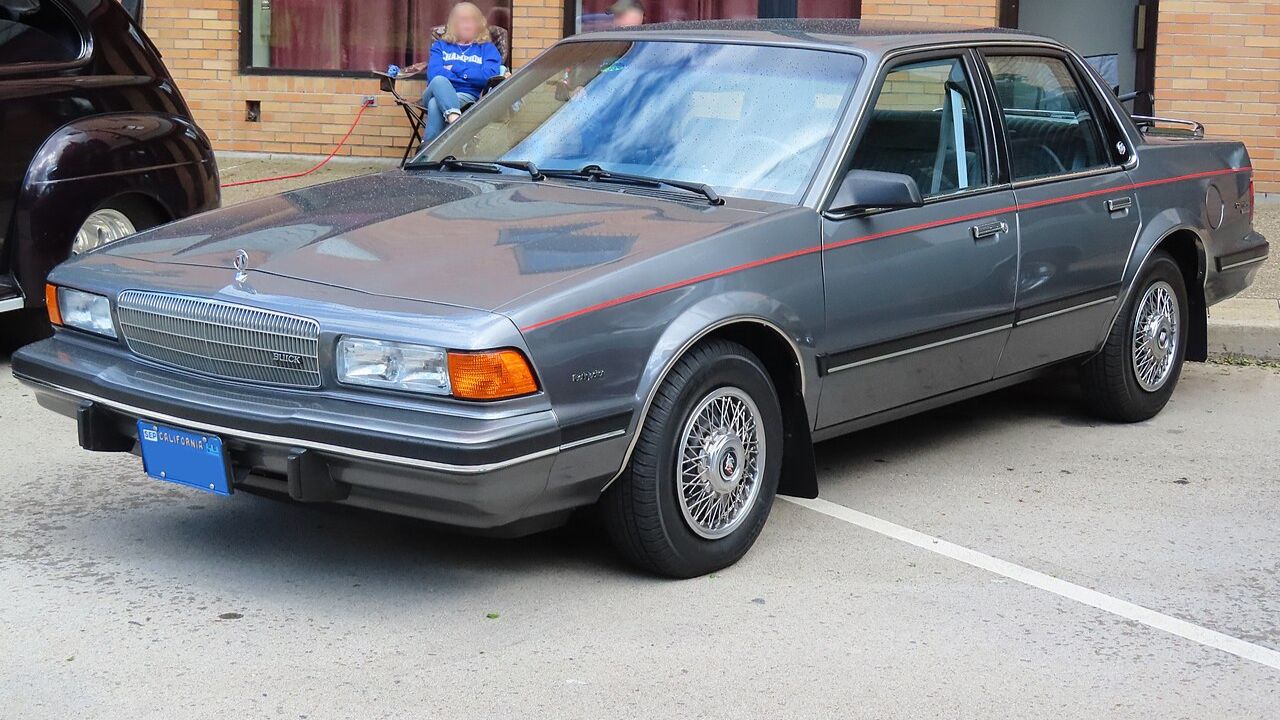
The Buick Century was a familiar sight on American roads for decades, which is part of the reason many examples are still available. That availability also works against restoration economics. There is little incentive to spend tens of thousands of dollars returning an ordinary Century to showroom condition when usable examples can often be found for much less. Later generations are especially difficult to justify as major restoration projects. A clean, original Century can be worth preserving, but a severely neglected example is usually better treated as a parts source or inexpensive driver project.
Buick Apollo
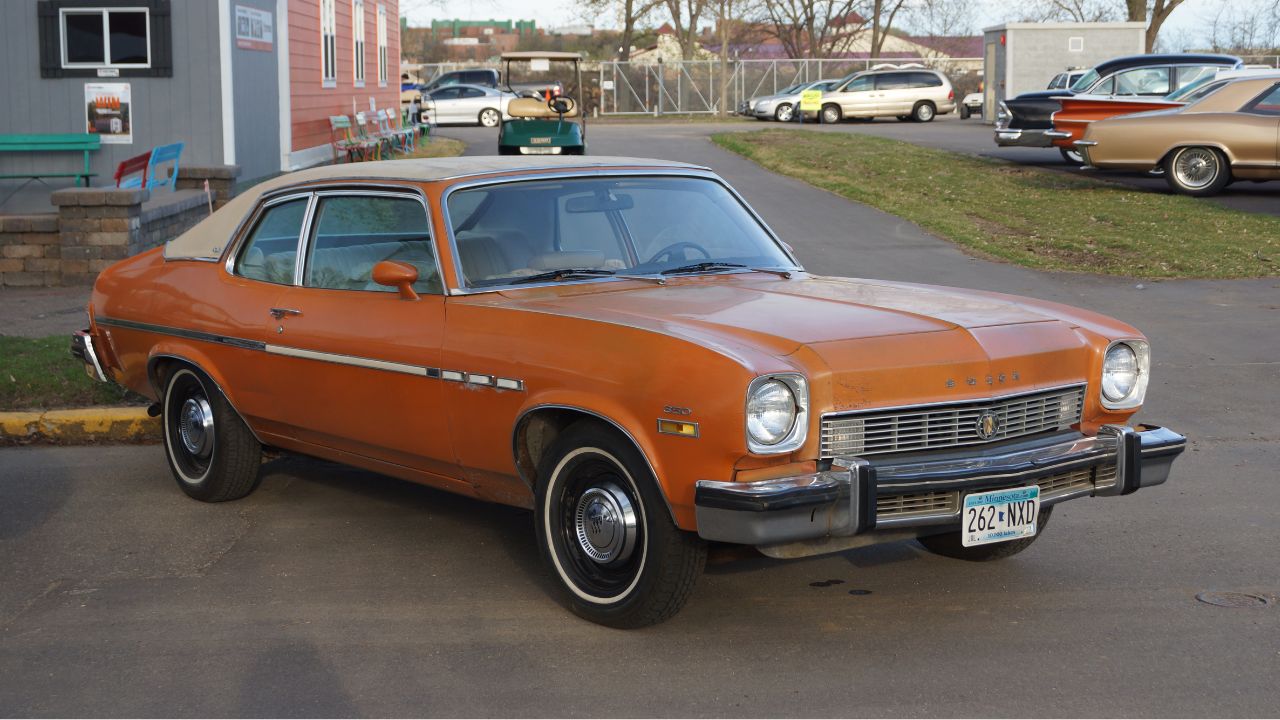
The Buick Apollo is an interesting compact because it sits in an important period of Buick’s history, but its collector market remains relatively small. It shared much of its basic architecture with other GM compact cars, reducing some of the uniqueness that might otherwise make a restoration more attractive. Rust and missing trim can still create major expenses. If a particularly solid Apollo turns up, keeping it original can be worthwhile. Starting with a badly deteriorated shell, however, can quickly turn an interesting old Buick into a money pit.
Buick Somerset Regal
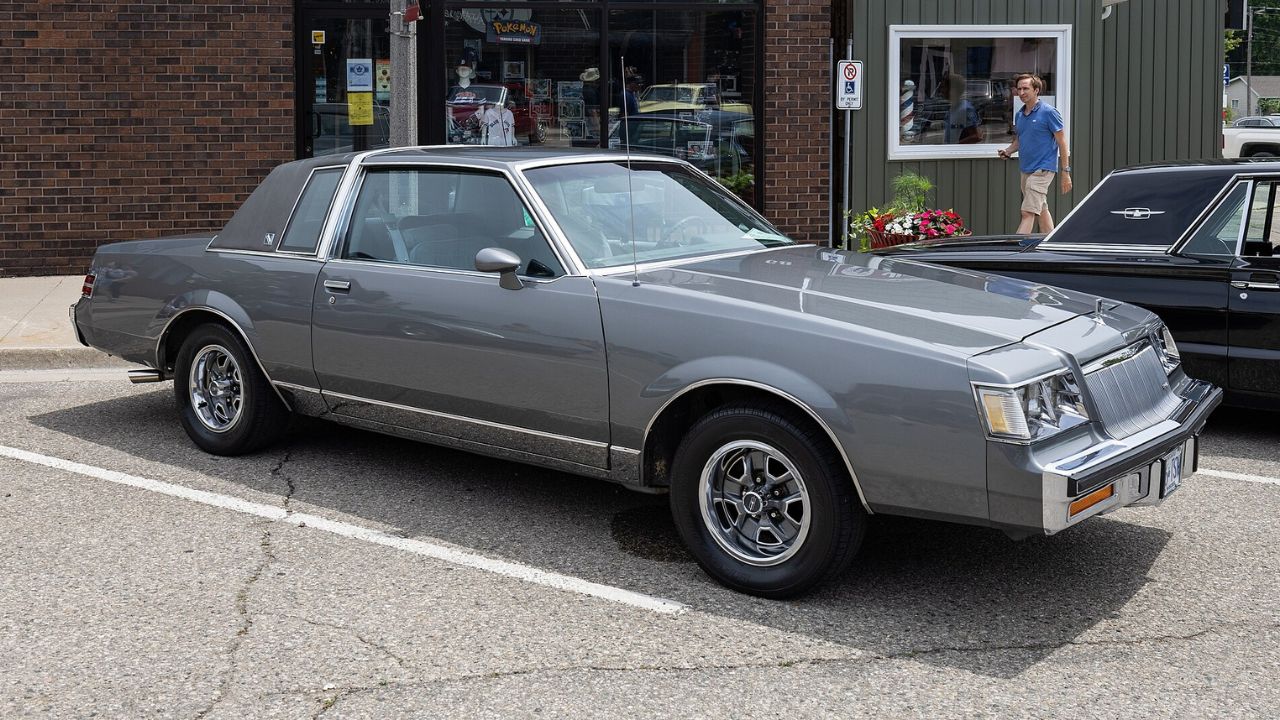
The Somerset Regal has some of the styling cues Buick buyers expected during its era, but it does not have the same enthusiast following as the better-known performance-oriented Regals. Restoration can become complicated when specific interior pieces, exterior trim and other components are missing. These cars also tend to have relatively modest market values compared with the cost of professional body and paint work. A survivor with good originality can be interesting, but rebuilding a rough example from the ground up is rarely an economical proposition.
Buick Century Custom
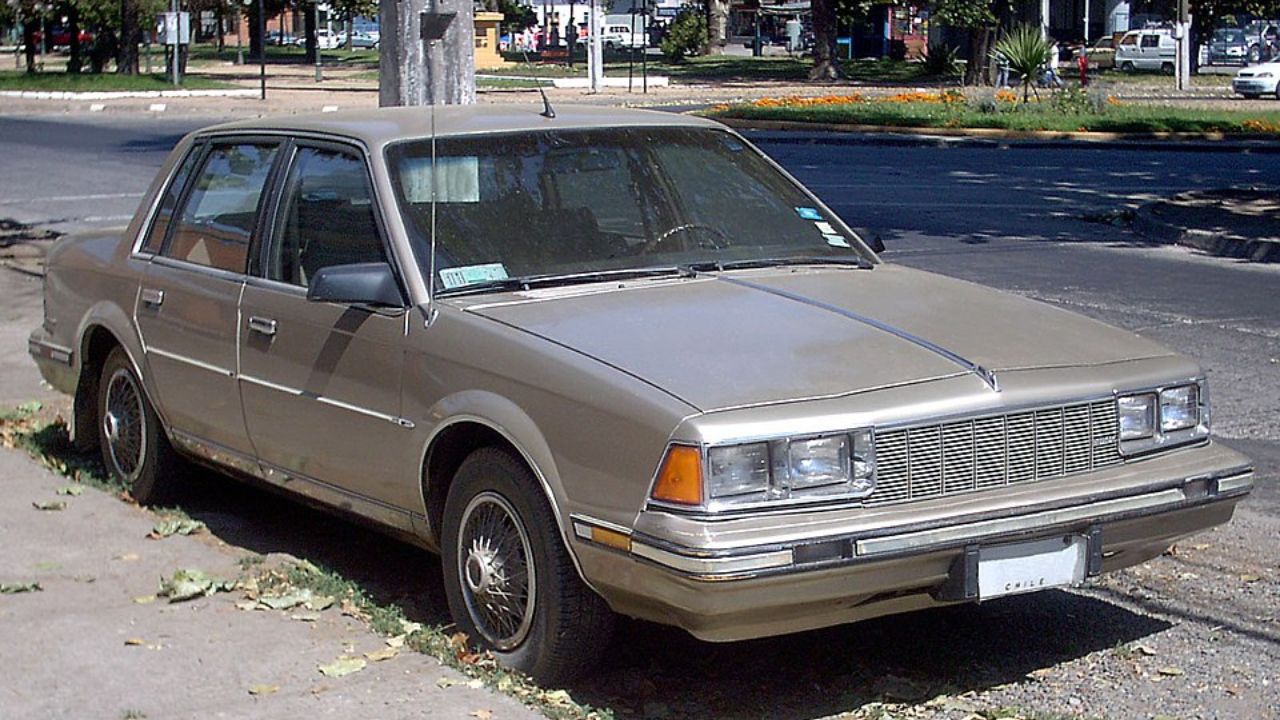
The Century Custom offered Buick comfort in a relatively ordinary package, and that ordinary nature is now part of its problem as a collectible. A rough example may need extensive rust repair, suspension work, drivetrain attention and interior restoration. Those expenses can easily exceed the value of the completed car. The Century Custom makes more sense as a preserved survivor when possible. If the body is already badly compromised, spending heavily on restoration is difficult to justify unless the car has an important personal or historical story.
Buick Skyhawk
Another version of the Skyhawk name deserves caution because small details can make a seemingly cheap project surprisingly expensive. These cars were never generally valued like Buick’s big-block muscle-era offerings, so restoration budgets need to remain realistic. Missing trim, damaged interiors and corrosion can be especially troublesome. A solid Skyhawk that still runs can be enjoyable without being perfect. Buying a rough shell and attempting to recreate a pristine example is much harder to justify when good alternatives remain relatively inexpensive.
Buick Skylark Custom
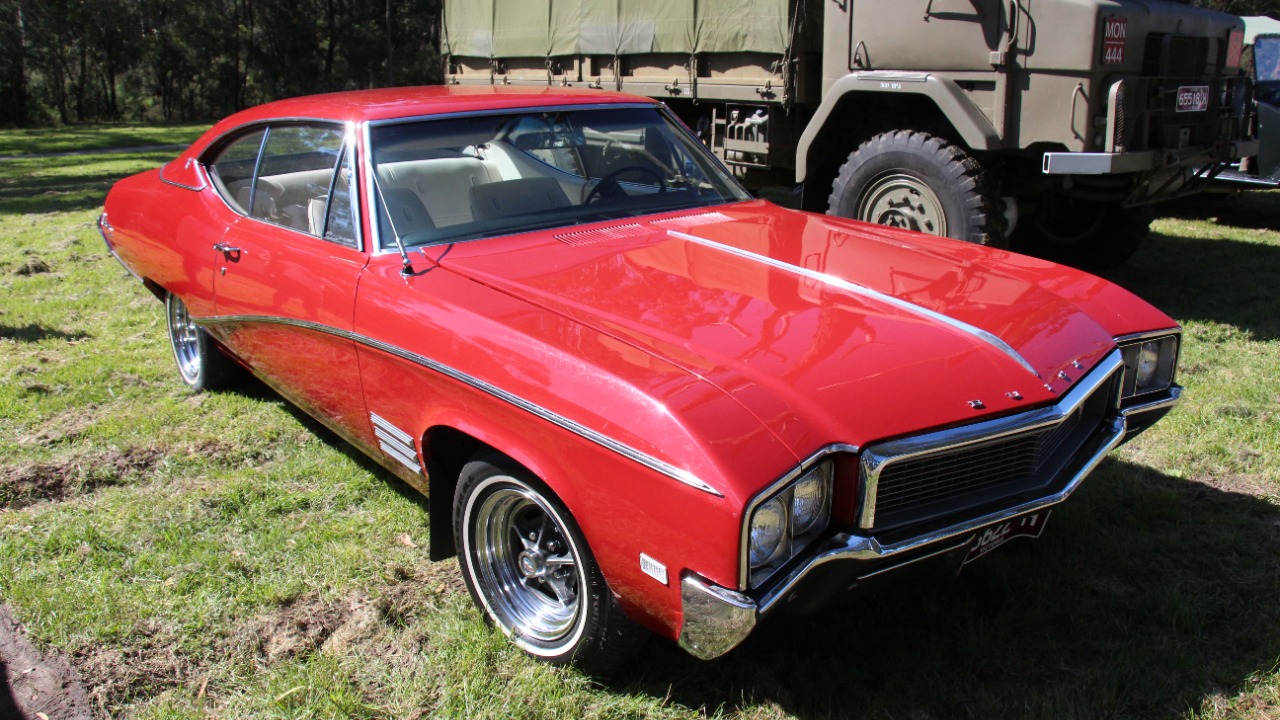
The Skylark Custom sounds more collectible than many ordinary Buicks from the same period, but the badge alone does not guarantee strong values. Many examples were used as everyday transportation for years, leaving behind worn interiors, neglected engines and corrosion. A complete restoration can require extensive parts hunting and professional labor. If the car is unusually original or has desirable equipment, preservation may make sense. Otherwise, putting restoration-quality money into a rough Skylark Custom can leave the owner with a beautiful car worth far less than the project cost.
Buick Century Special
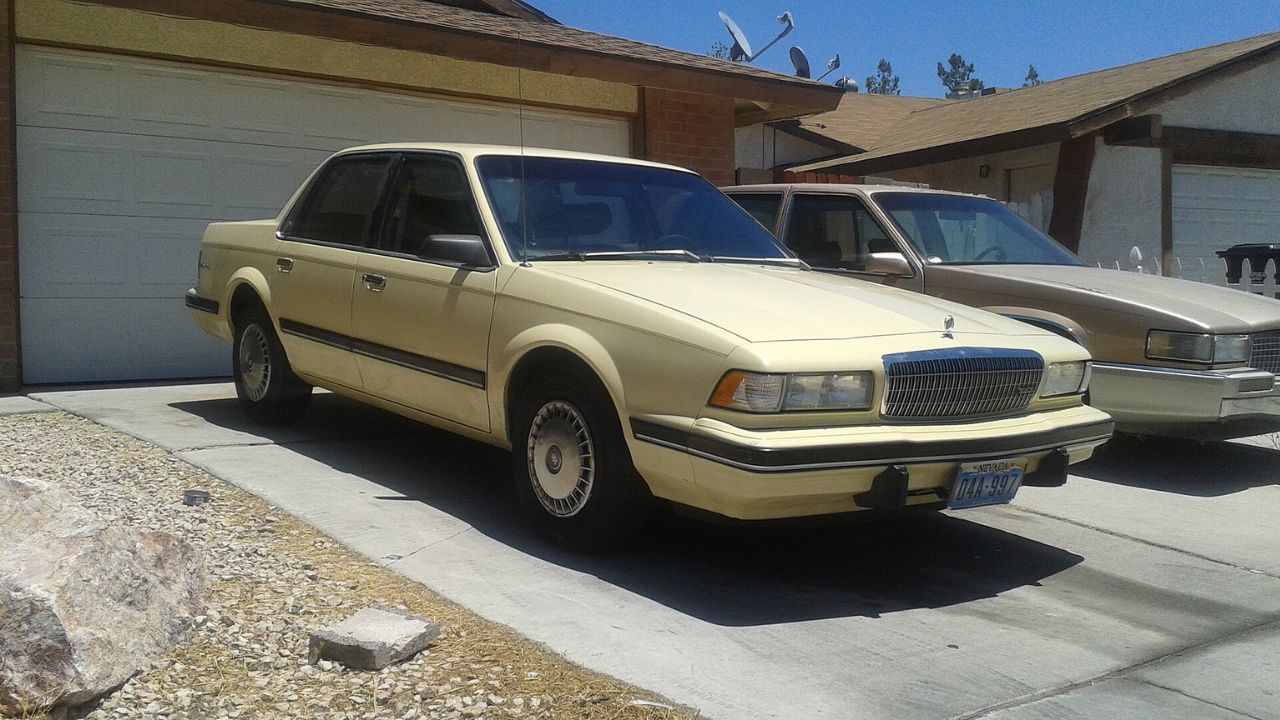
The Century Special was positioned toward buyers who wanted Buick comfort without moving into the brand’s larger and more expensive models. Today, that middle-ground identity can make restoration difficult to justify. It lacks the strong performance reputation of some classic Buicks and does not have the visual impact of the marque’s biggest land yachts. Once a project requires major rust repair, paintwork and interior replacement, the numbers become unfavorable. A clean survivor is more interesting than a heavily restored example in many cases.
Buick LeSabre
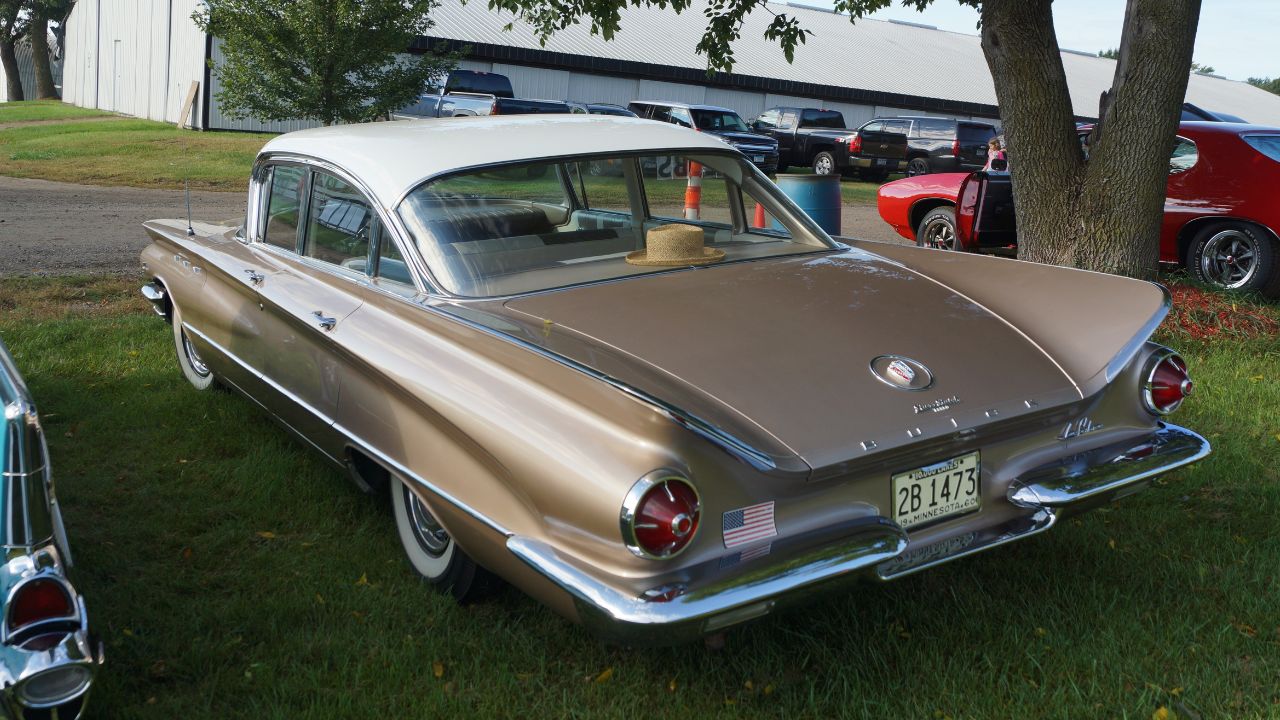
The LeSabre name is one of Buick’s most recognizable, but its long production history means values vary dramatically between generations. Ordinary examples from less desirable periods can be difficult to justify restoring because replacement parts and professional labor cost far more than the finished car may bring. Large bodies also mean that paint and rust repair can become expensive. A particularly well-preserved LeSabre can be worth saving, especially with desirable equipment. A heavily deteriorated ordinary example is another story.
Buick Electra
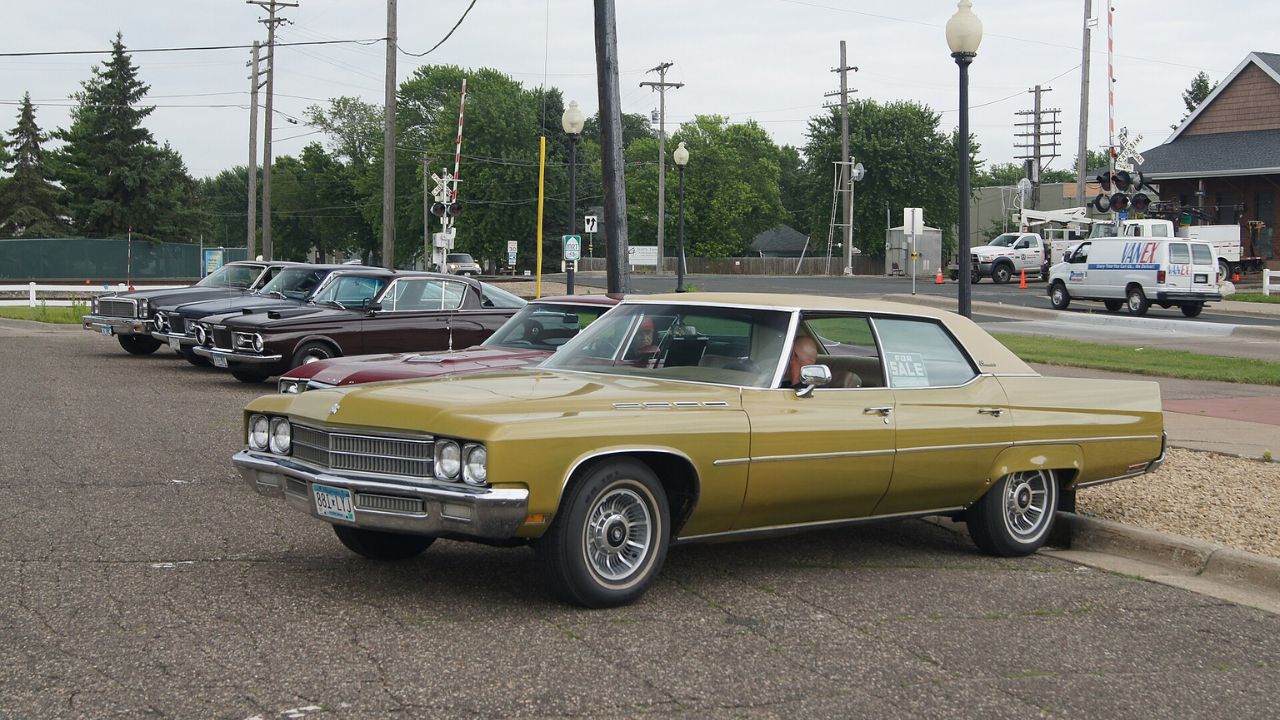
The Electra was once one of Buick’s flagship full-size cars, but not every Electra has developed strong collector demand. Large body panels, extensive chrome and substantial interiors can make restoration surprisingly expensive. Cars that have spent years outside may require significant work before they are even structurally sound. Unless the example has exceptional originality, unusual options or a desirable configuration, restoration costs can quickly outrun its market value. Keeping a good survivor intact is often more sensible than attempting a complete rebuild.
Buick Century Estate Wagon
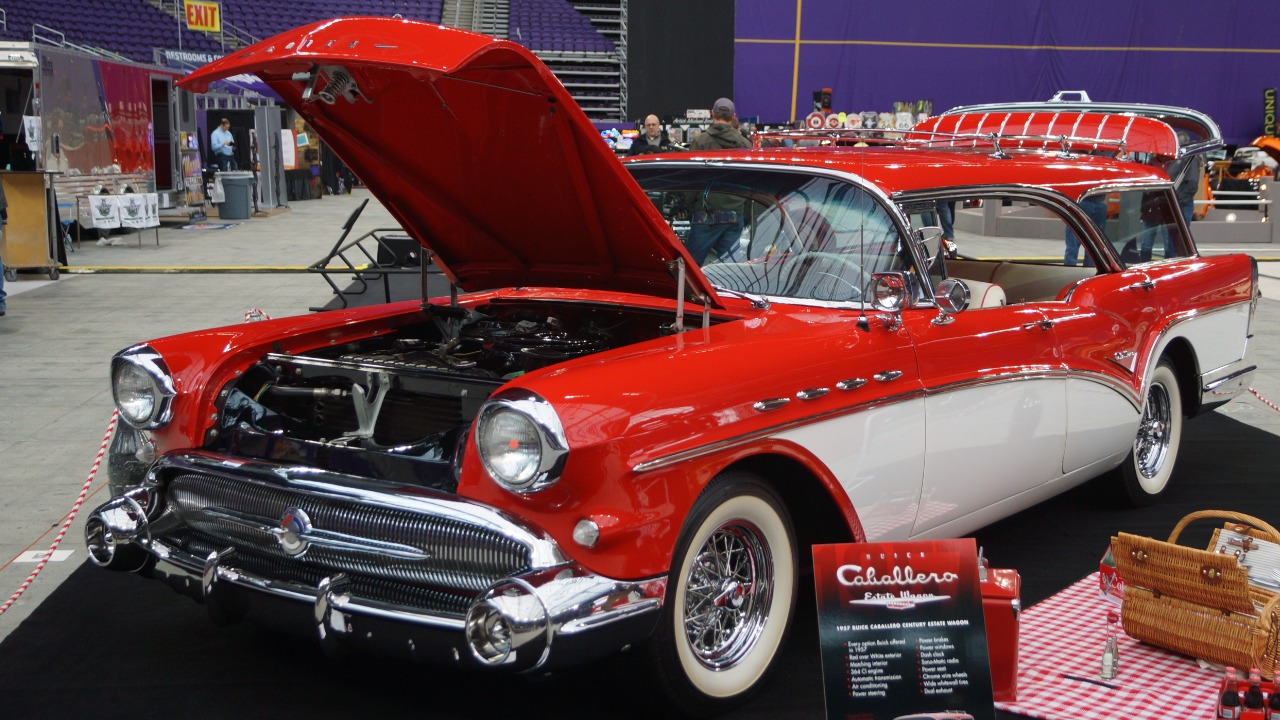
The Century Estate Wagon has some appeal because old American wagons have gained attention from collectors, but rarity alone does not automatically make restoration profitable. A neglected wagon can require extensive floor, roof, tailgate and body repairs, while the interior may need substantial refurbishment. Wagon-specific trim and hardware can also be difficult to replace. If the car is mostly complete and solid, preservation is attractive. A badly rusted example can become expensive enough that buying a better starting point makes far more sense.
Buick Regal
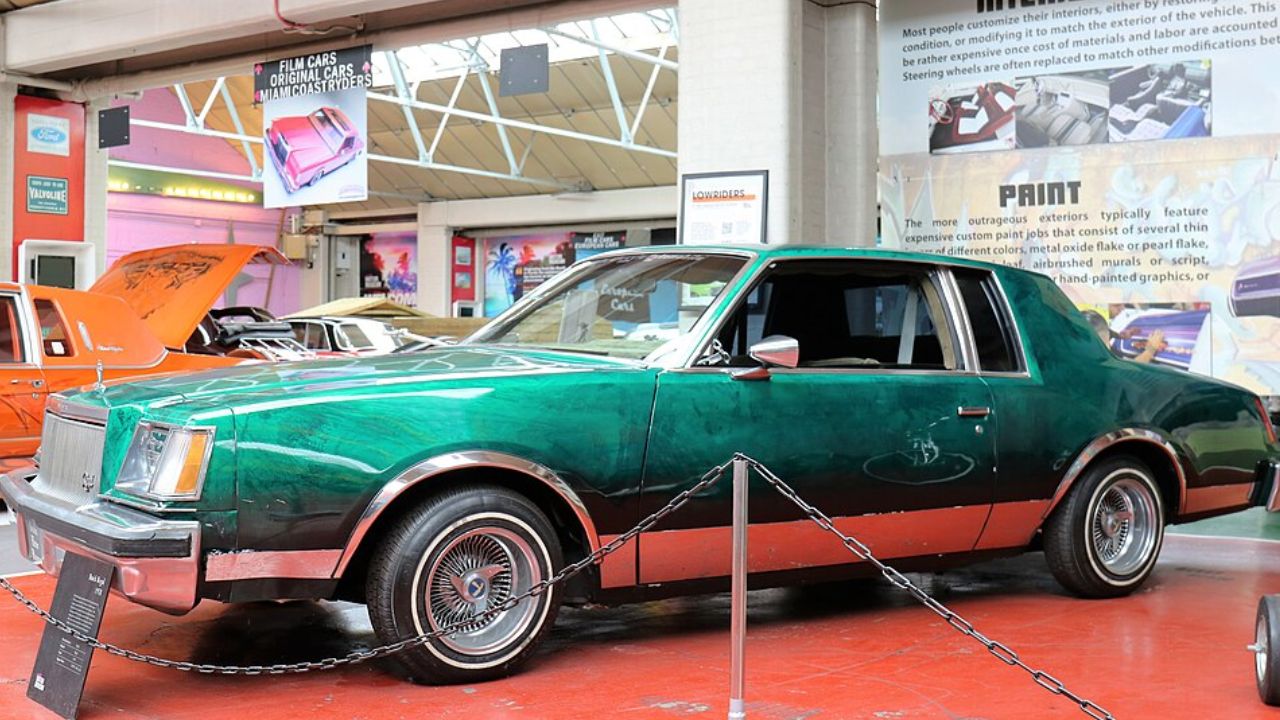
The Regal name is strongly associated with Buick, but only certain versions have significant enthusiast appeal. Ordinary Regals from less celebrated periods can be surprisingly poor restoration investments. Bodywork, paint, interior repairs and drivetrain rebuilding can quickly add up, while a completed car may still have a relatively modest value. Performance-oriented versions are a different proposition, but a base-model Regal with extensive deterioration is difficult to justify as a major restoration. A clean driver is often the better purchase.
Buick Park Avenue
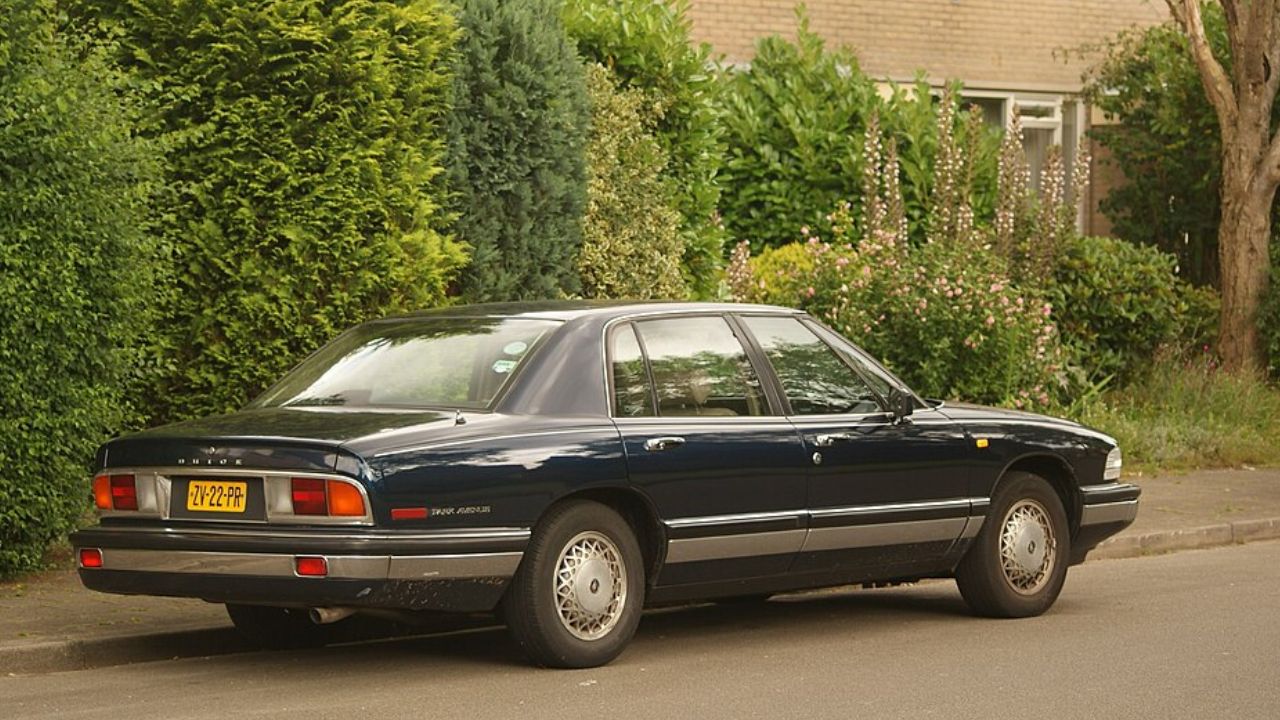
The Park Avenue delivered the quiet, comfortable experience Buick buyers expected, but later examples have little reason to command restoration-level spending. Their values remain relatively low, while deteriorating leather, electronics, suspension components, climate-control systems and bodywork can create a long list of expenses. Even if the car looks impressive after a major refurbishment, the market may not reward the investment. These Buicks make more sense when maintained as affordable cruisers rather than treated as traditional restoration projects.
Buick Riviera
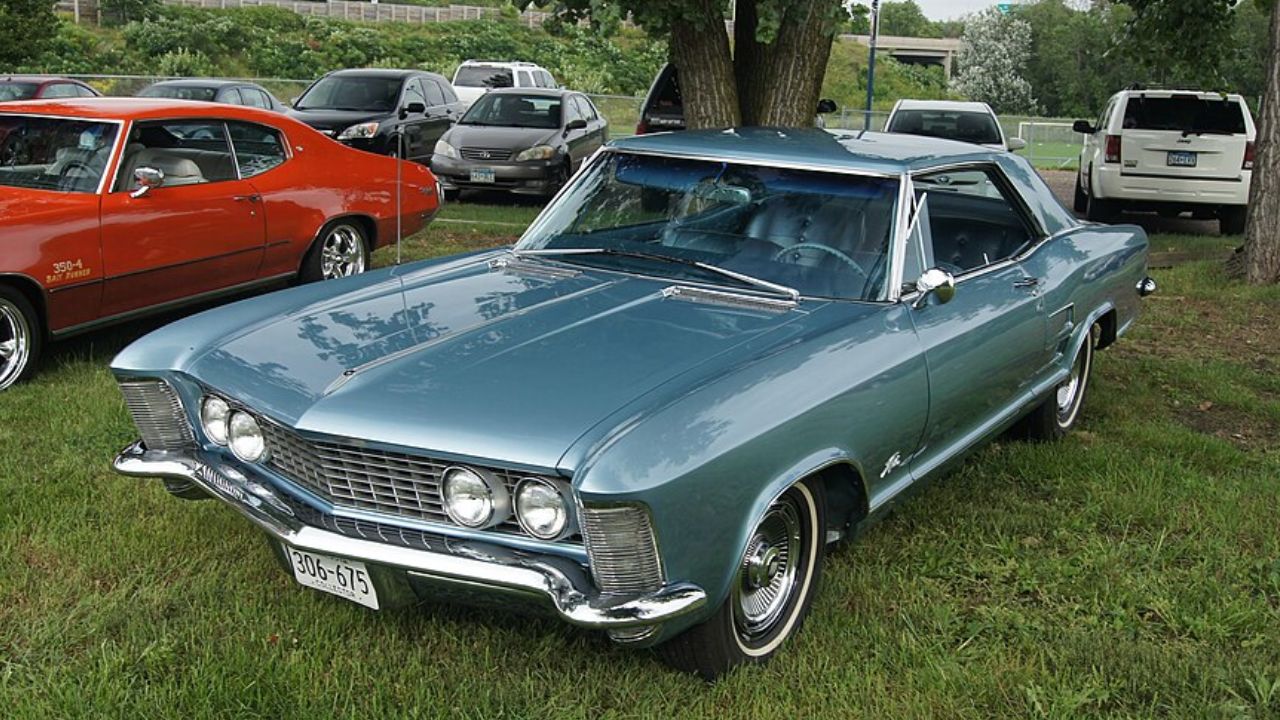
The Riviera is one of Buick’s most recognizable names, but the collector value depends heavily on generation and condition. Some later Rivieras simply do not have enough market value to support a comprehensive restoration. Their complicated interiors, electronics and bodywork can make refurbishment expensive, particularly when a car has been neglected for years. A desirable early Riviera is a different story, but a later ordinary example with extensive damage should be evaluated carefully before committing to a major rebuild.
Buick Regal Limited
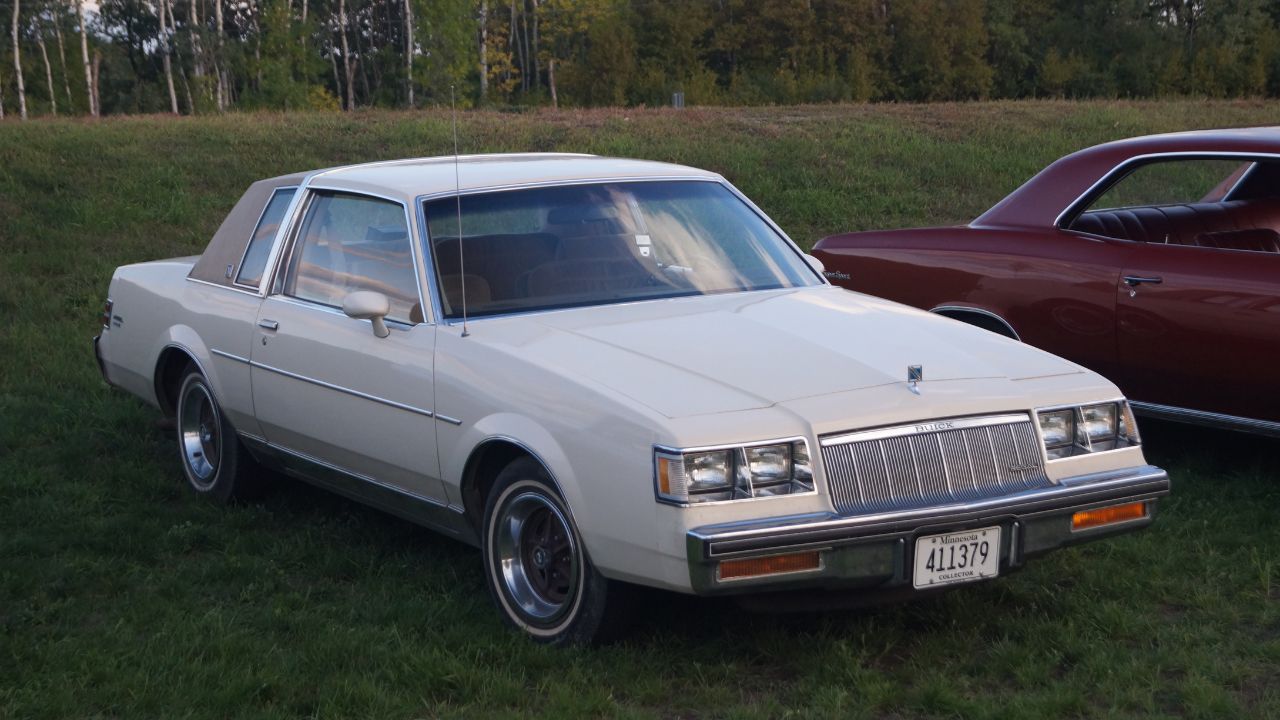
The Regal Limited emphasized comfort and appearance rather than outright performance, which can make a rough example a questionable restoration candidate today. Its special trim may look appealing, but restoring every piece to a high standard can require considerable money. Interior materials, exterior trim and mechanical components all add to the bill. Unless the car has unusually low mileage, excellent originality or documented history, a complete restoration may not be financially sensible. Preserving a decent survivor can offer most of the enjoyment for much less.
Buick LeSabre Limited
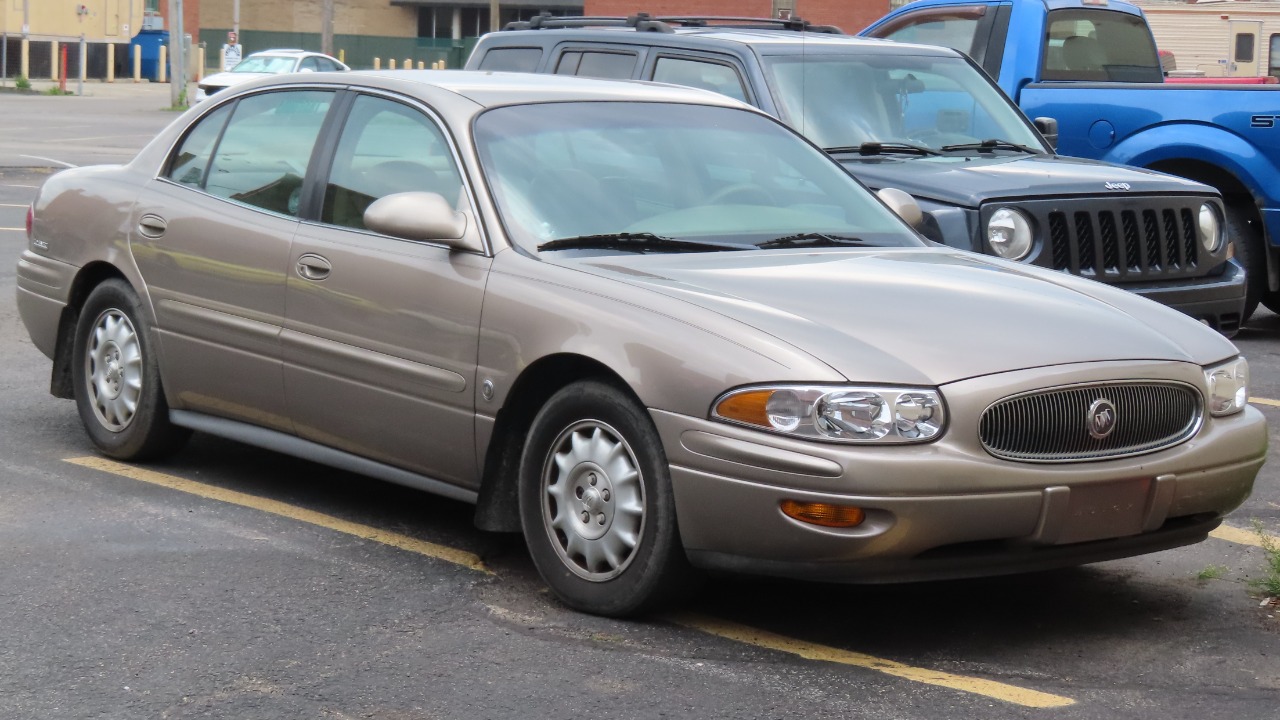
The LeSabre Limited offered more equipment and comfort than a basic model, but that does not automatically translate into strong collector demand. A deteriorated example can require expensive bodywork simply because of its size. Chrome, upholstery, glass, suspension components and mechanical repairs can add up quickly. Owners may also discover that many restoration expenses are difficult to recover when the car is sold. A solid original Limited can be worth keeping, but rescuing a severely neglected one is usually a decision based on passion rather than economics.
Buick Skylark Limited
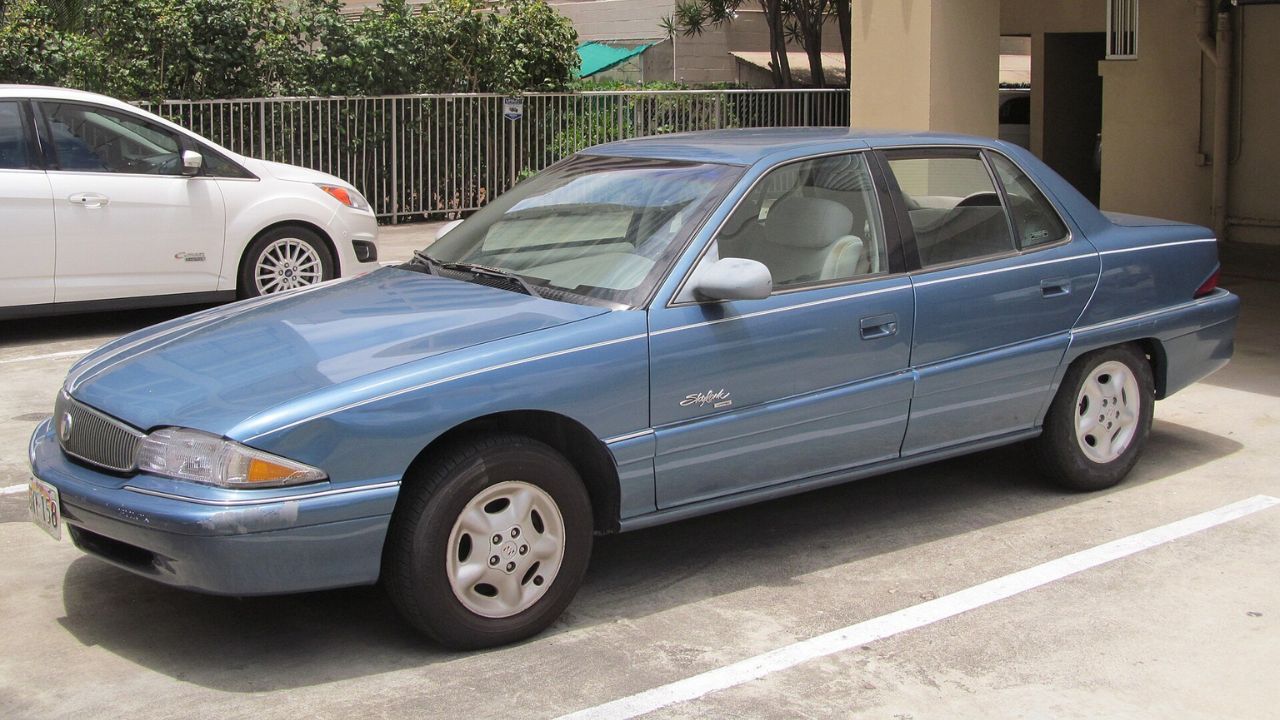
The Skylark Limited can look tempting as a restoration project because the name carries plenty of Buick history. However, many examples were ordinary transportation rather than highly prized collector cars. Years of neglect can leave these cars with rust, tired interiors and mechanical problems that cost far more to repair than expected. If the car is complete and unusually clean, preserving it can be rewarding. When the starting point is a rough shell with missing parts, buying a better example is usually the smarter move.
Buick Century Custom Wagon
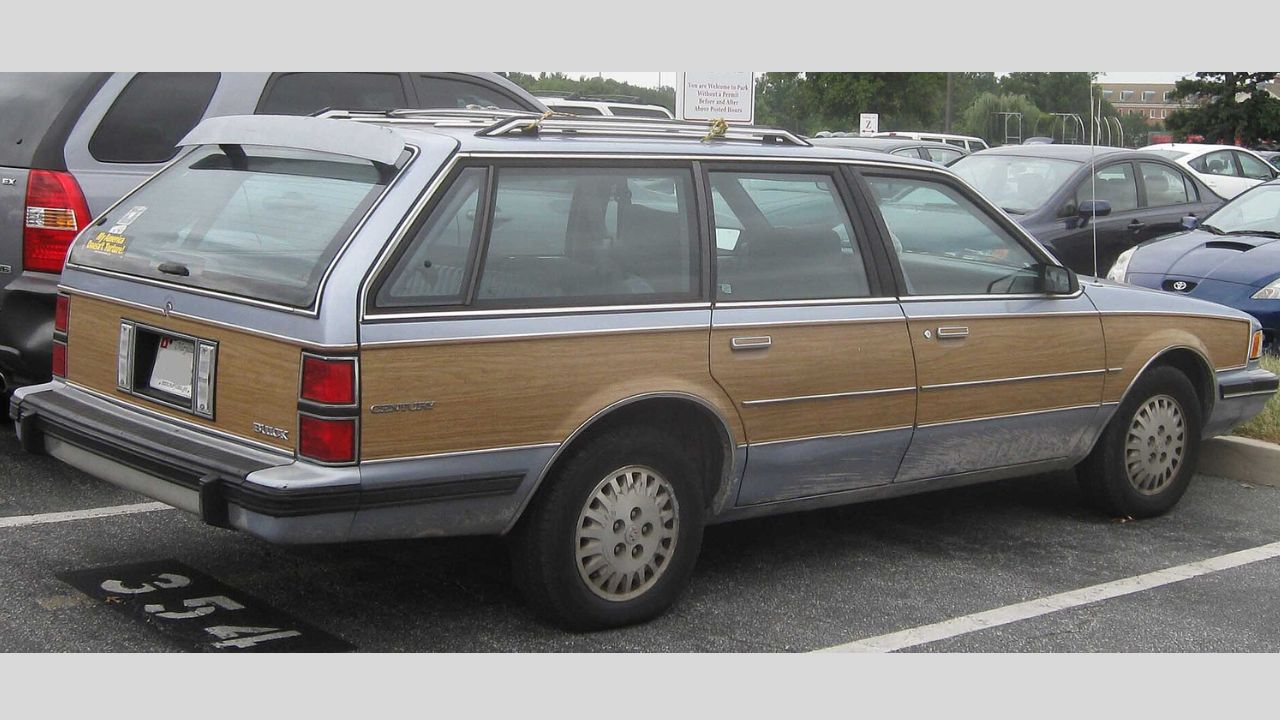
The Century Custom Wagon has some appeal simply because classic wagons have become harder to find, but restoration economics still matter. A neglected wagon combines the usual problems of an old car with the additional challenges of a large body, tailgate hardware and wagon-specific interior pieces. Structural rust can be particularly expensive to repair correctly. Unless the example is unusually solid or historically significant, a full restoration can cost several times what the finished car is worth. A preserved survivor is generally the better bet.
More from Fast Lane Only
- Unboxing the WWII Jeep in a Crate
- 15 rare Chevys collectors are quietly buying
- 10 underrated V8s still worth hunting down
- Police notice this before you even roll window down
*Research for this article included AI assistance, with all final content reviewed by human editors.