Not every American truck became a household name, but plenty of forgotten pickups were far more capable than their modest reputations suggest. Some hauled serious loads, others introduced clever engineering, and a few simply proved remarkably versatile. These trucks may not get the attention of today’s big-name pickups, but they earned their place in American automotive history.
Chevrolet Cameo Carrier

The Chevrolet Cameo Carrier brought a surprising amount of style to the pickup market. Its smooth rear fenders and car-like appearance made it stand apart from conventional work trucks, while the sturdy chassis kept it useful for hauling. The Cameo also helped establish the idea that a pickup could be both practical and stylish. It was an early example of Chevrolet pushing the truck beyond basic utility.
Ford F-1
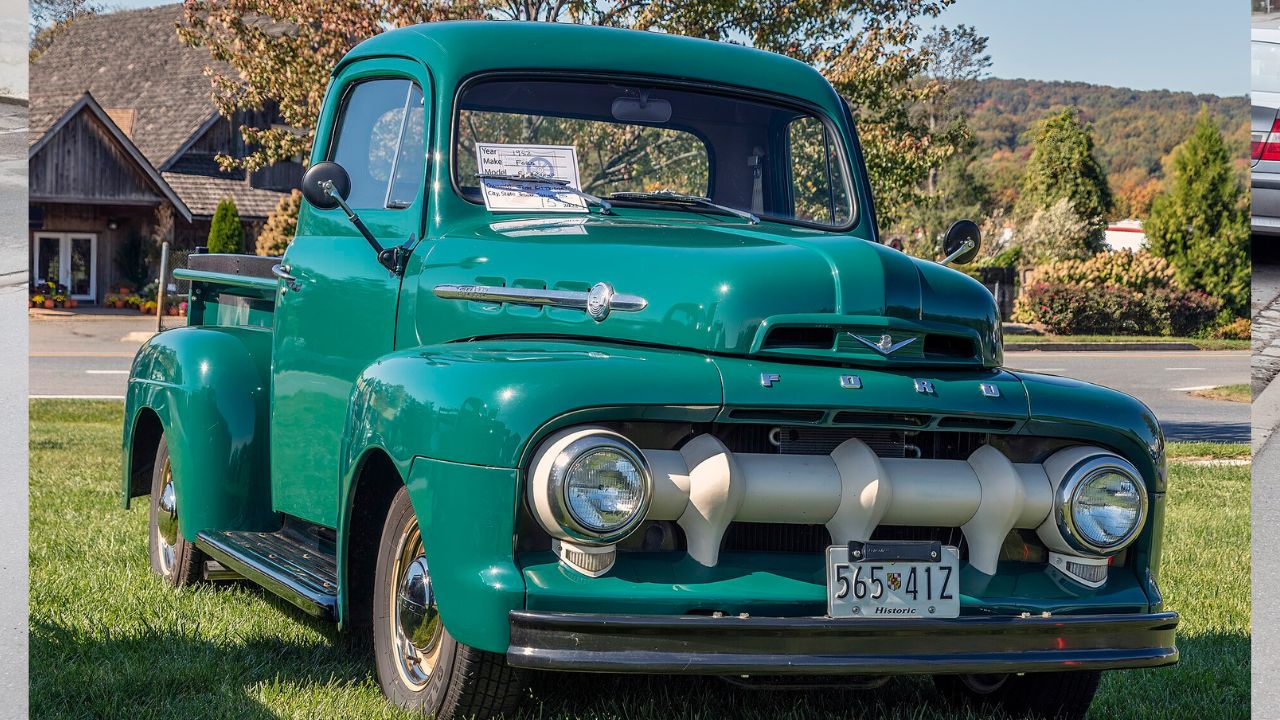
The Ford F-1 helped launch Ford’s postwar F-Series and established a formula that would become one of the most successful truck lines in history. It offered a more comfortable cab than many earlier work trucks while retaining the toughness needed for farm and commercial duties. Its straightforward construction made it easy to understand and maintain. The F-1 laid important groundwork for generations of Ford pickups that followed.
Dodge Power Wagon
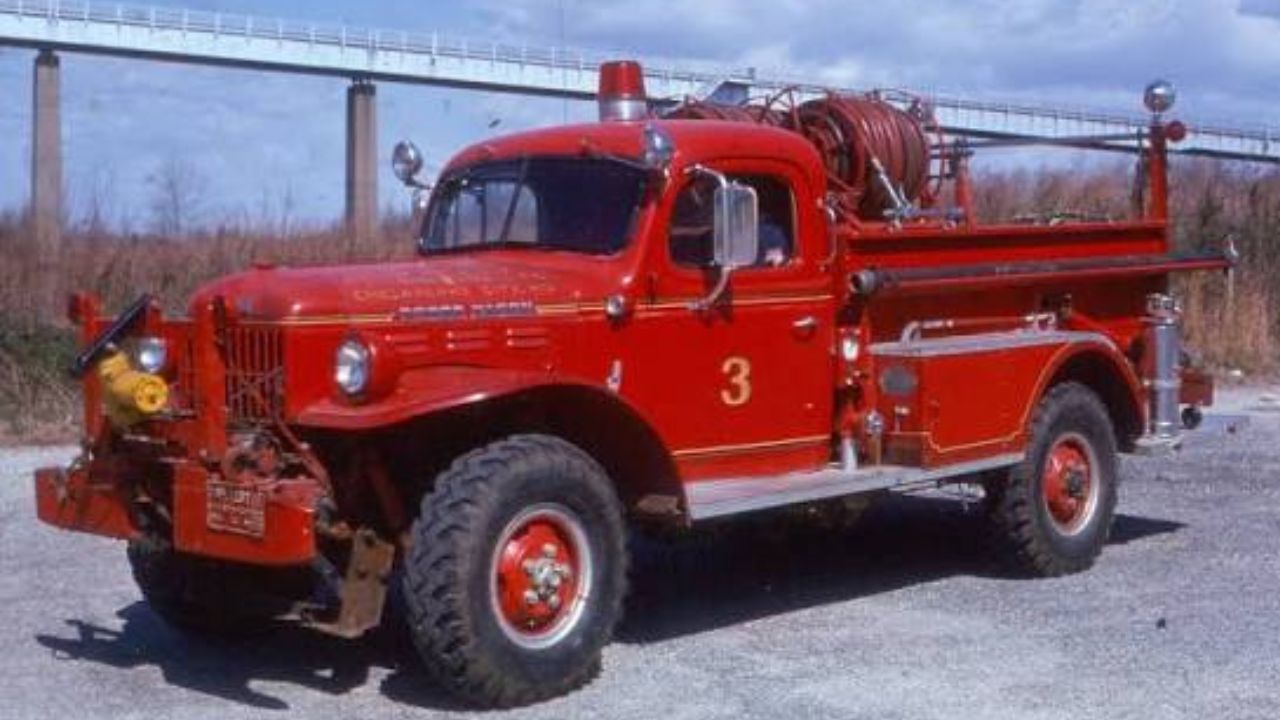
The Power Wagon was built with serious work in mind rather than suburban comfort. Its four-wheel-drive system, sturdy construction, and low-range gearing allowed it to tackle jobs and terrain that ordinary pickups struggled with. Farmers, utility companies, and military users valued its ability to keep working under difficult conditions. Long before modern off-road pickups became fashionable, the Power Wagon was already proving what a truck could accomplish.
GMC 100
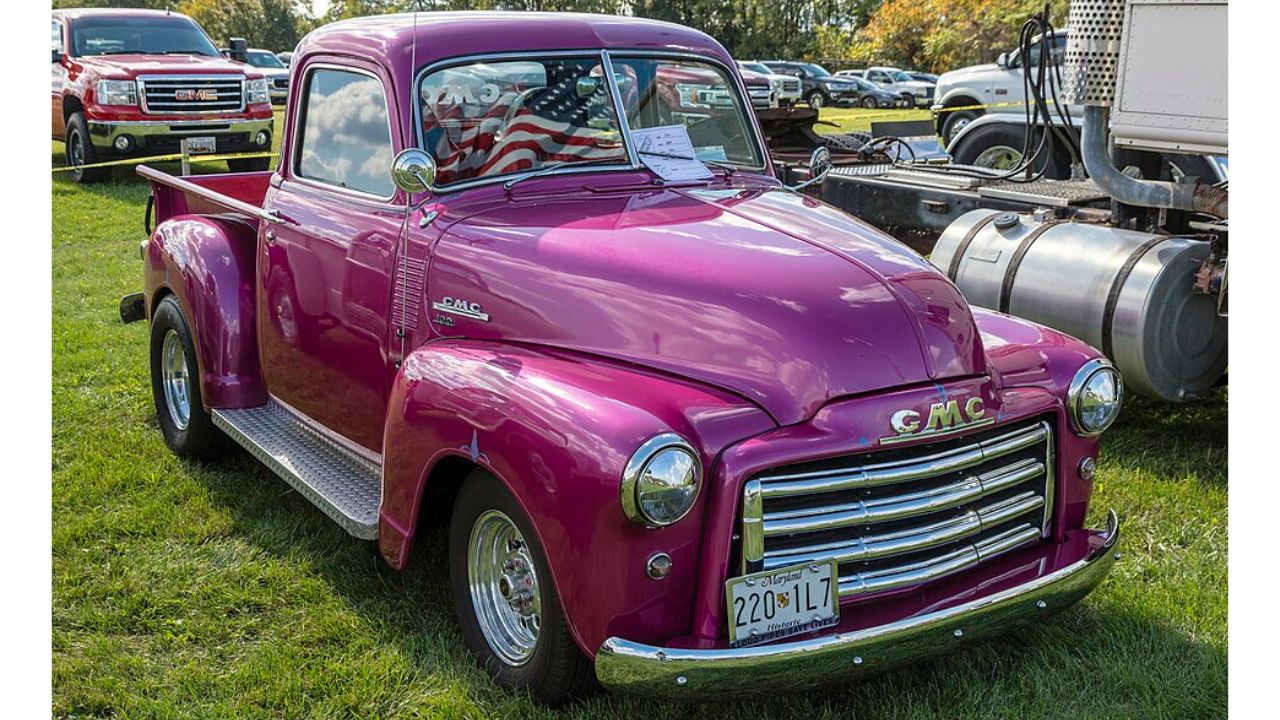
The GMC 100 represented the lighter side of GMC’s traditional truck lineup while retaining the rugged character expected from the brand. Its straightforward construction made it useful for farms, small businesses, and everyday hauling. GMC also gave buyers access to a variety of engines and configurations. Today, surviving examples demonstrate how versatile American pickups could be before comfort and technology became major selling points.
Chevrolet Task Force
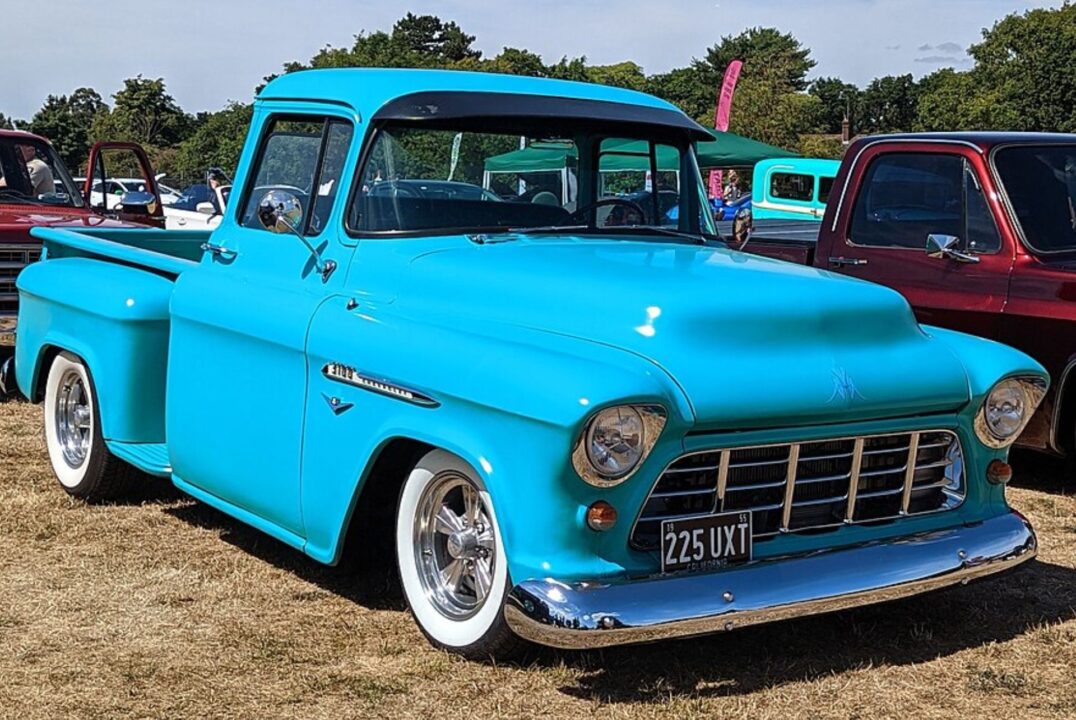
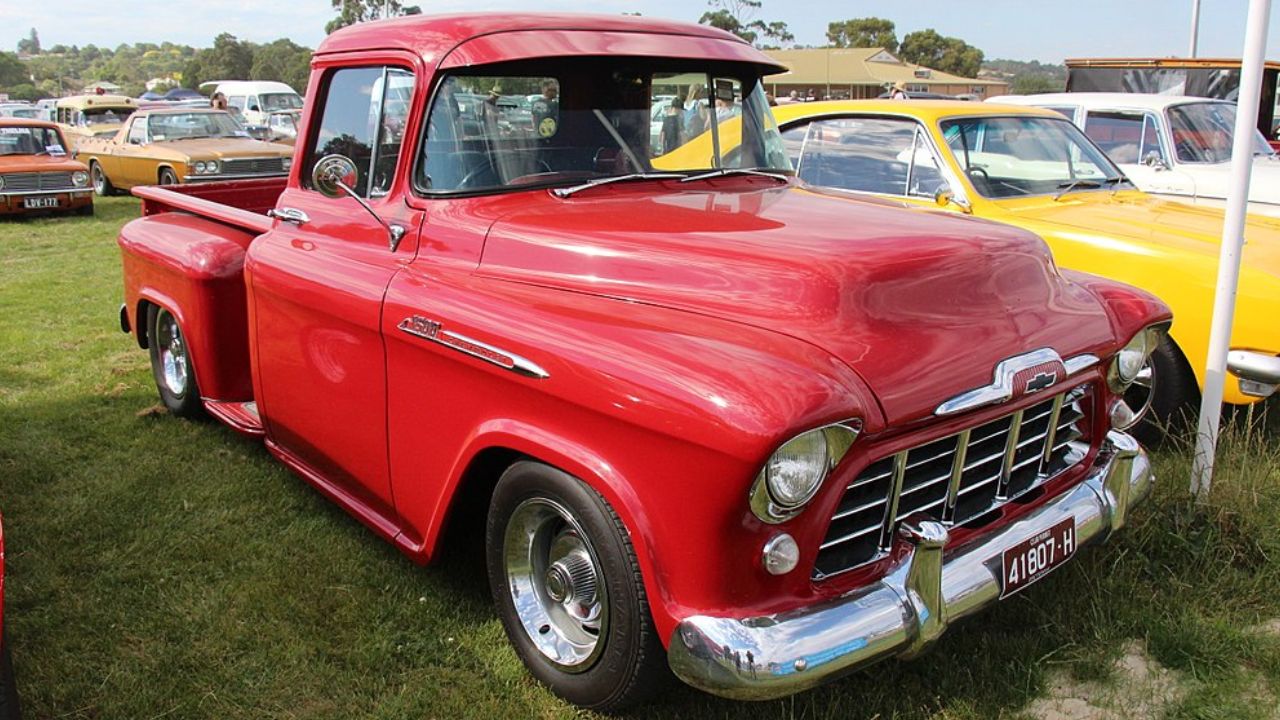
The Task Force generation marked a major step forward in Chevrolet truck design. It introduced a more integrated appearance, improved cab comfort, and stronger engines while maintaining the rugged mechanical foundation buyers expected. The trucks were equally at home on farms, construction sites, and highways. Their combination of style and utility helped shape the image of the classic American pickup.
Ford F-100
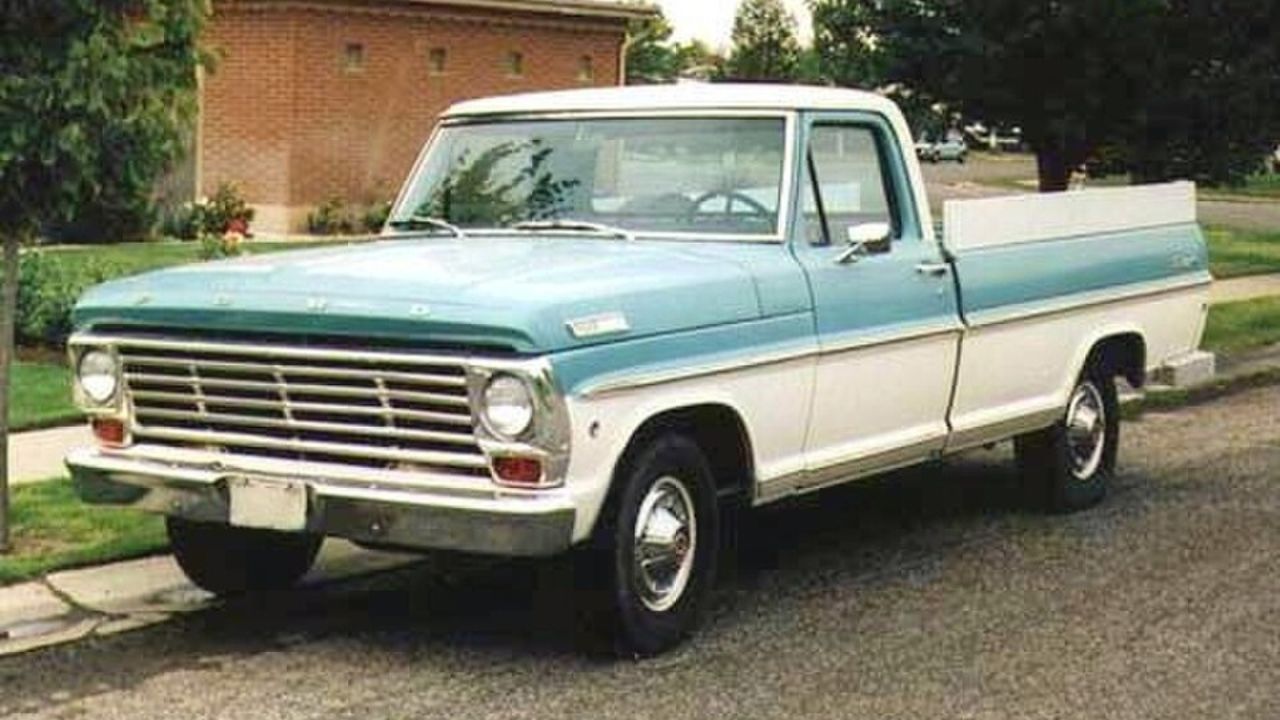
The F-100 became one of Ford’s most important pickups and eventually helped turn the F-Series into an American institution. Its balanced size made it useful for work without being excessively difficult to drive. Different generations offered increasingly powerful engines and more comfortable cabins. The F-100’s ability to serve as both a work truck and a personal vehicle helped change what buyers expected from pickups.
Chevrolet Apache
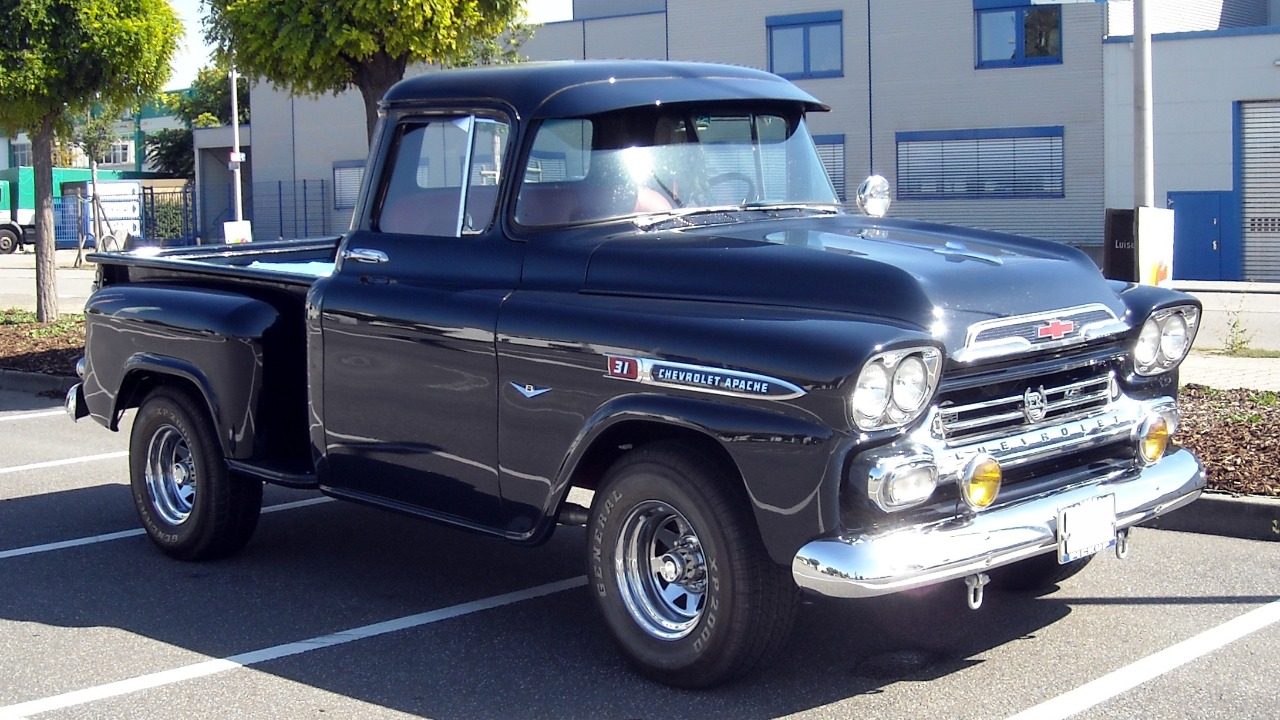
The Apache name became associated with some of Chevrolet’s most attractive classic pickups. Its bold grille, rounded bodywork, and substantial chrome gave it plenty of personality, but underneath was a truck designed for real work. V8 power and multiple configurations made it useful for everything from farming to commercial hauling. The Apache remains proof that a work truck could also become a style icon.
GMC Suburban Carrier
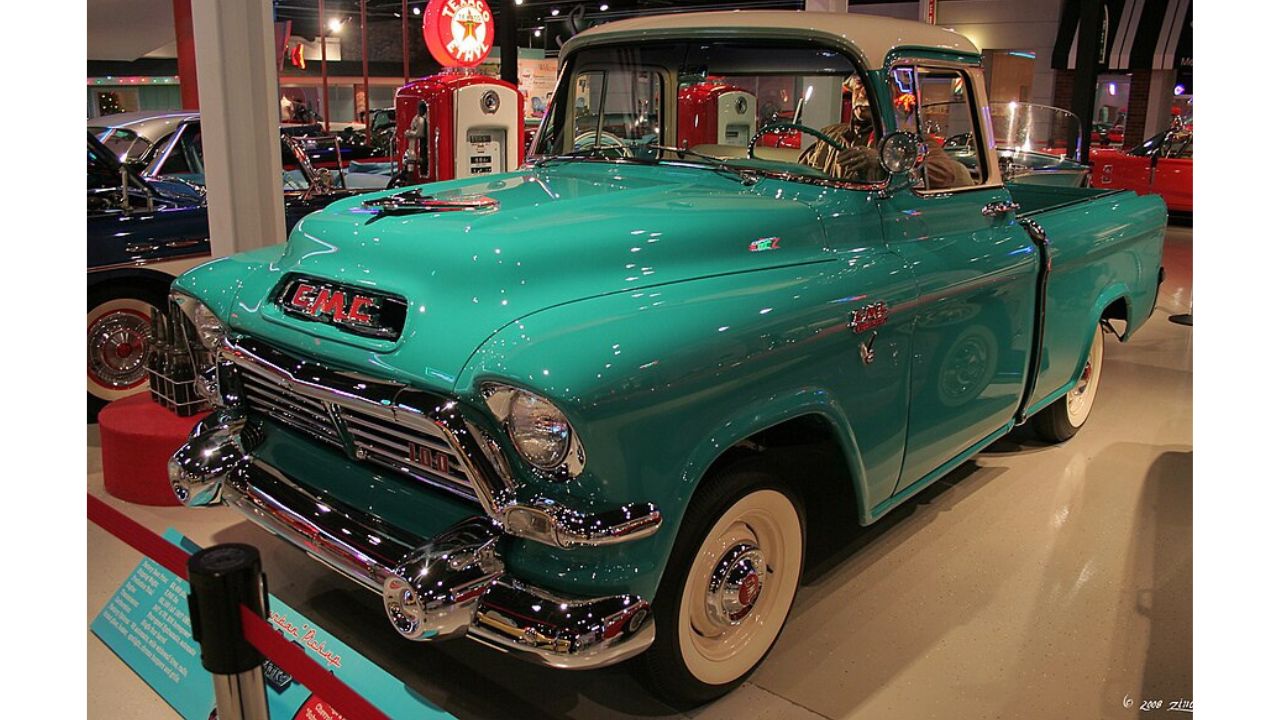
The GMC Suburban Carrier was an unusual combination of pickup utility and enclosed-body practicality. It gave businesses and tradespeople a way to transport equipment while keeping cargo protected from the weather. Its distinctive configuration reflected an era when manufacturers experimented with different ways to make trucks more useful. It may be obscure today, but it showed how much versatility could be built into a commercial vehicle.
Ford Ranchero
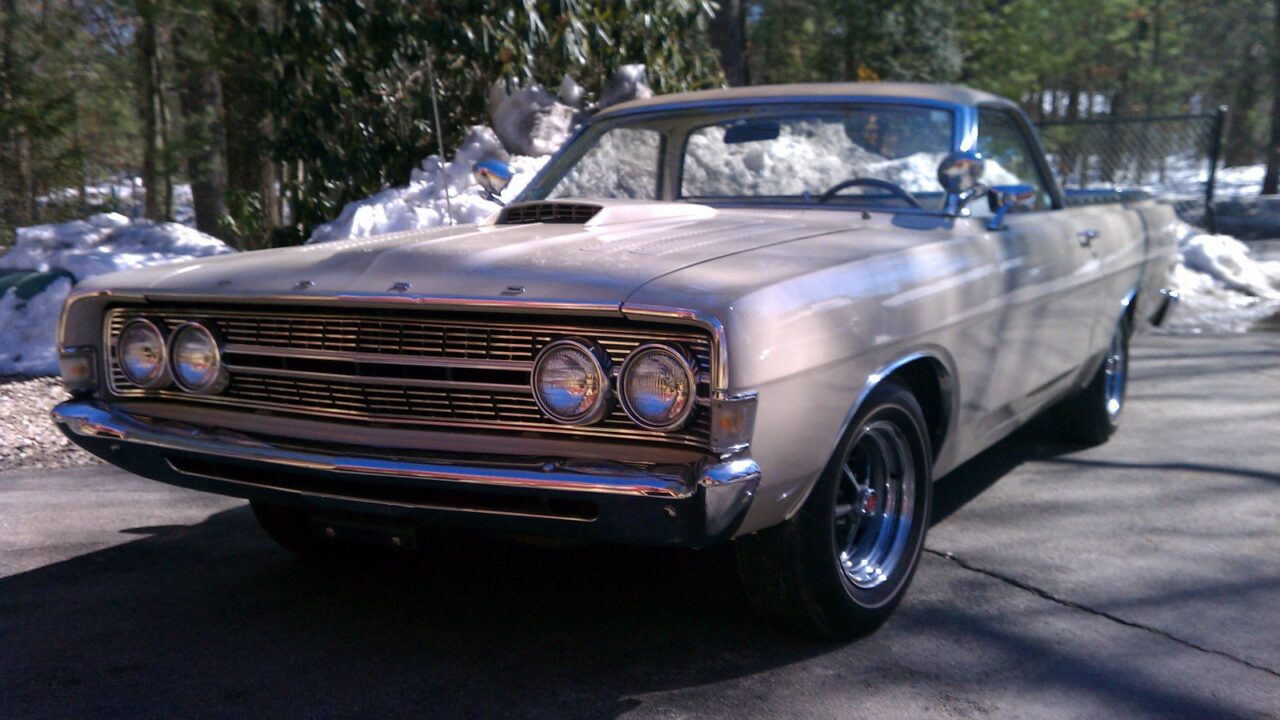
The Ranchero blurred the line between passenger car and pickup in a way that proved surprisingly successful. It offered car-like driving characteristics while retaining an open cargo bed. Buyers could use it for light hauling without giving up the comfort and style of a regular Ford. The concept eventually became an important part of American automotive culture and helped inspire generations of car-based utility vehicles.
Chevrolet El Camino
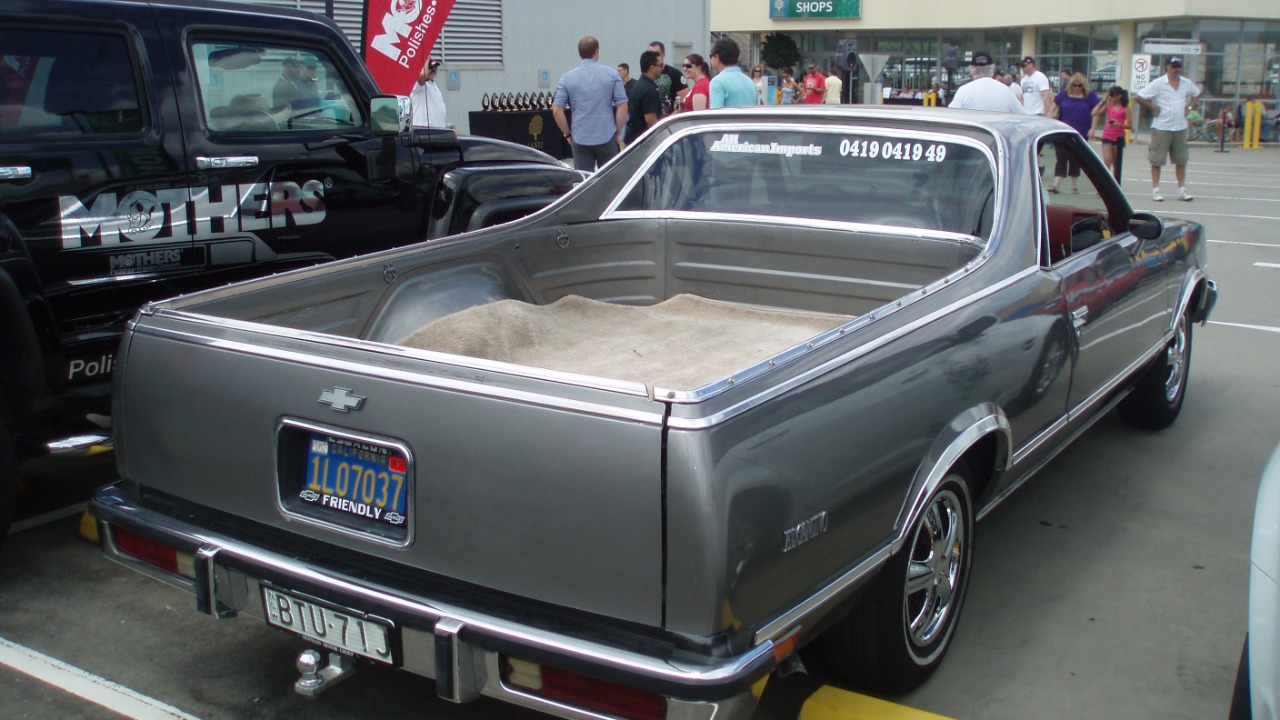
The El Camino took the car-based pickup concept and gave it an unmistakable Chevrolet personality. It could look at home in a suburban driveway while still offering useful cargo capacity. Performance versions later made the model even more interesting, but even ordinary examples demonstrated how versatile the basic formula could be. The El Camino remains one of America’s best-known attempts to combine passenger-car comfort with pickup utility.
Dodge Sweptline
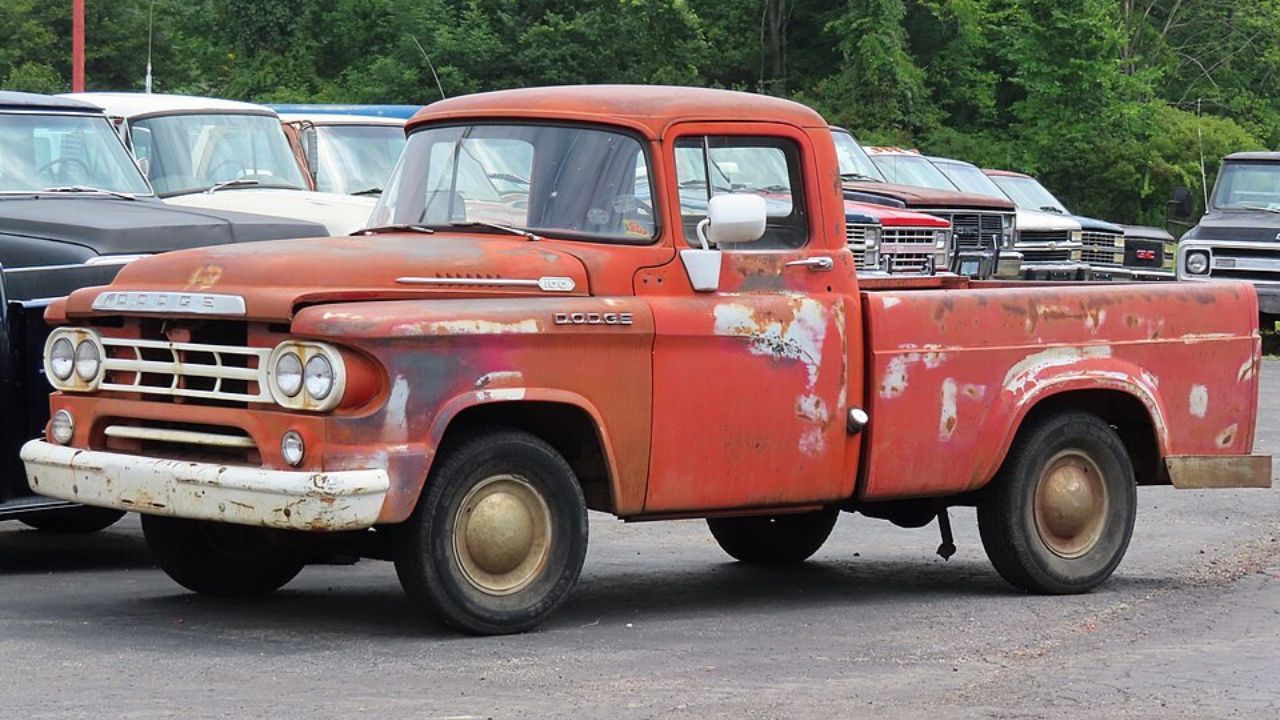
The Sweptline helped Dodge move its pickup styling toward a more modern appearance while retaining traditional truck capability. Its integrated-looking bed sides gave it a smoother profile than earlier pickups, making it attractive to buyers who wanted something more stylish. Available engines and configurations allowed it to handle ordinary work duties. Today, it represents an important transition period in American truck design.
International Harvester Travelall
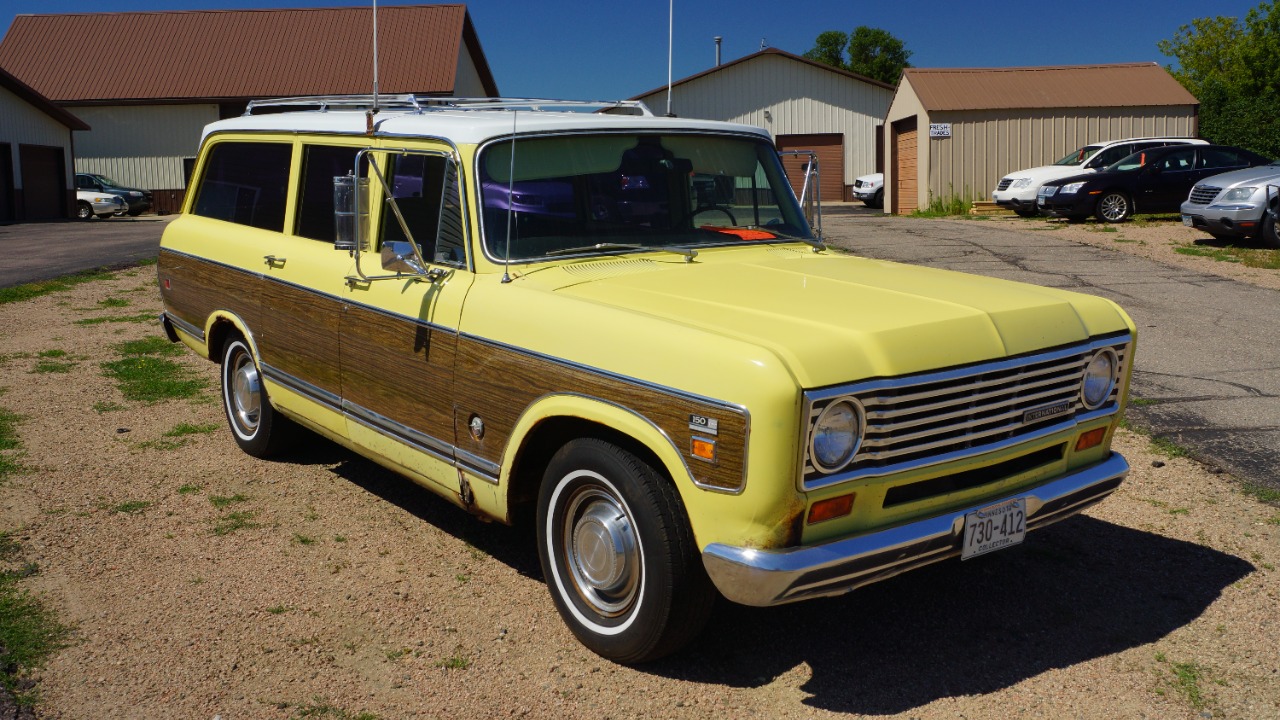
The Travelall was not a conventional pickup, but it deserves recognition for showing how useful a truck-based vehicle could become. Its enclosed body provided substantial passenger and cargo capacity, making it valuable for families, businesses, and rural users. It helped establish the idea that a rugged utility vehicle could also serve as everyday transportation. Its influence can still be seen in modern SUVs.
Studebaker Transtar
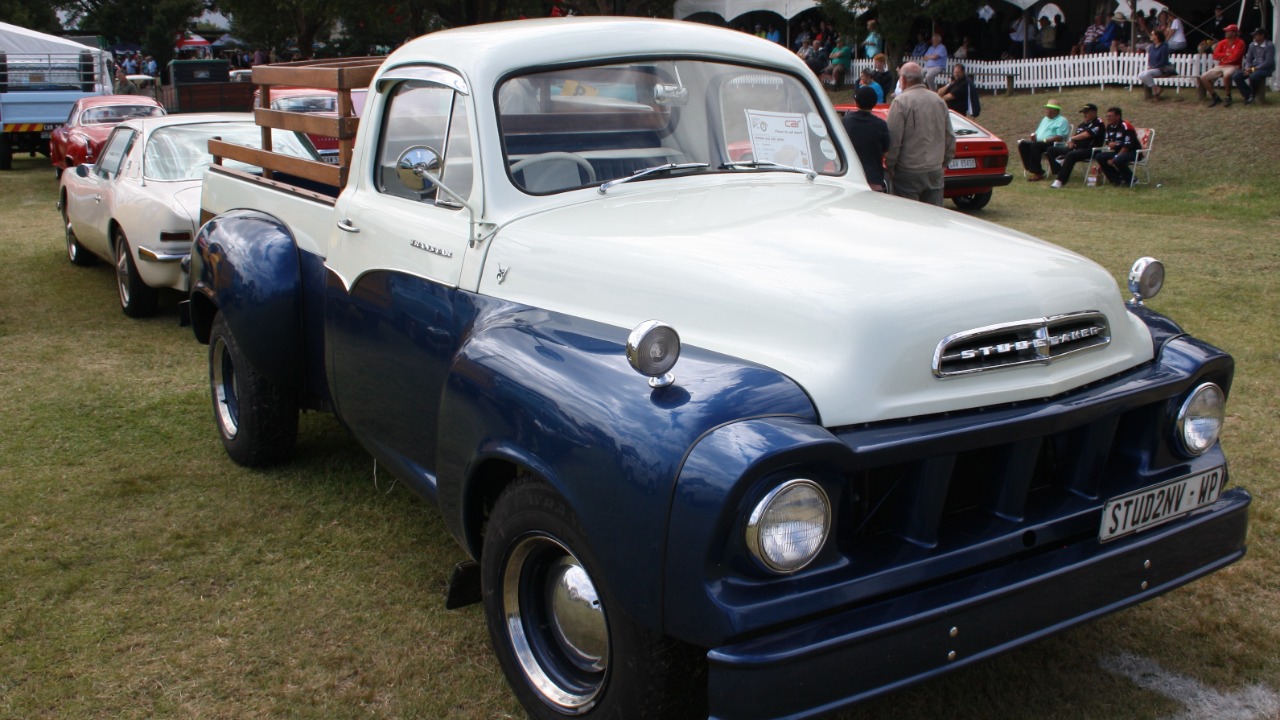
The Transtar demonstrated that Studebaker could build a distinctive and capable pickup despite operating on a smaller scale than Detroit’s biggest manufacturers. Its clean styling and practical design gave it a personality of its own. Some versions also offered powerful engines, making them more capable than their modest image suggested. Surviving Transtars now provide an interesting look at an overlooked chapter of American truck history.
Jeep Gladiator
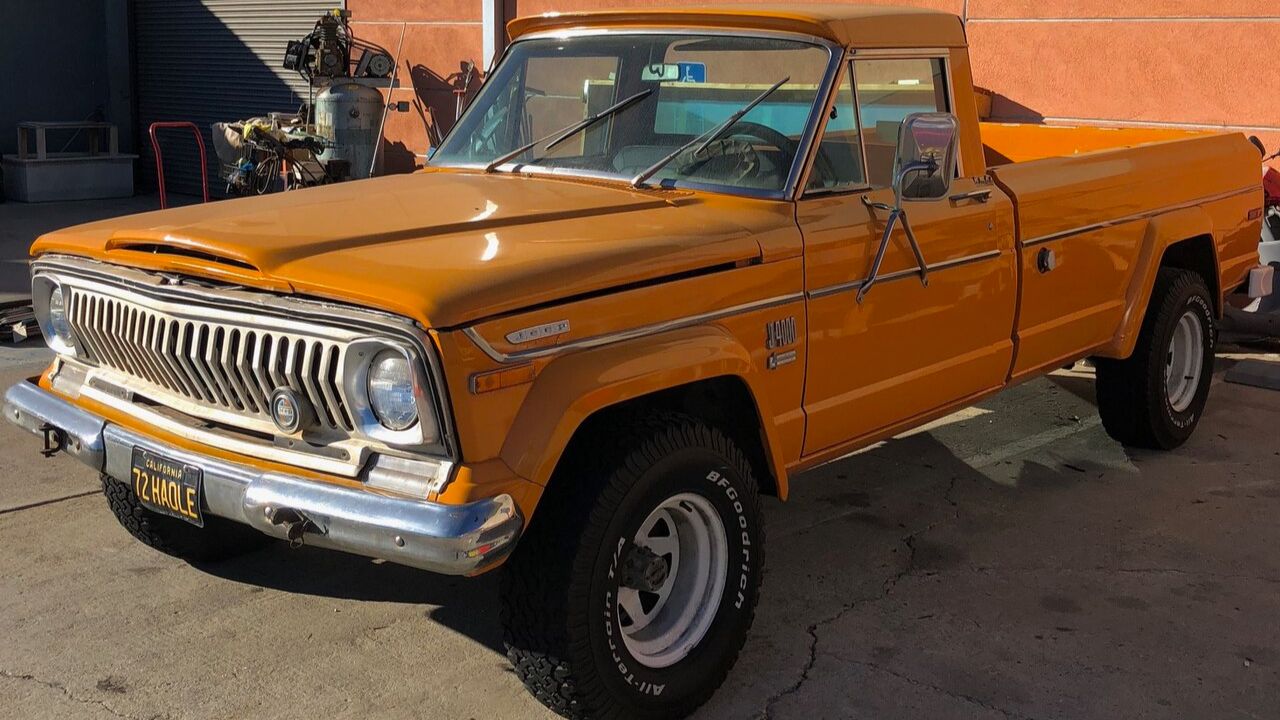
The original Gladiator brought Jeep’s off-road reputation into the pickup market. Its rugged chassis and four-wheel-drive capability made it useful for demanding work as well as recreational driving. Unlike many conventional pickups, it was designed around Jeep’s established utility philosophy. The Gladiator name eventually disappeared for decades, but the original truck showed that Jeep could build a serious pickup long before the modern revival.
Jeep FC-170
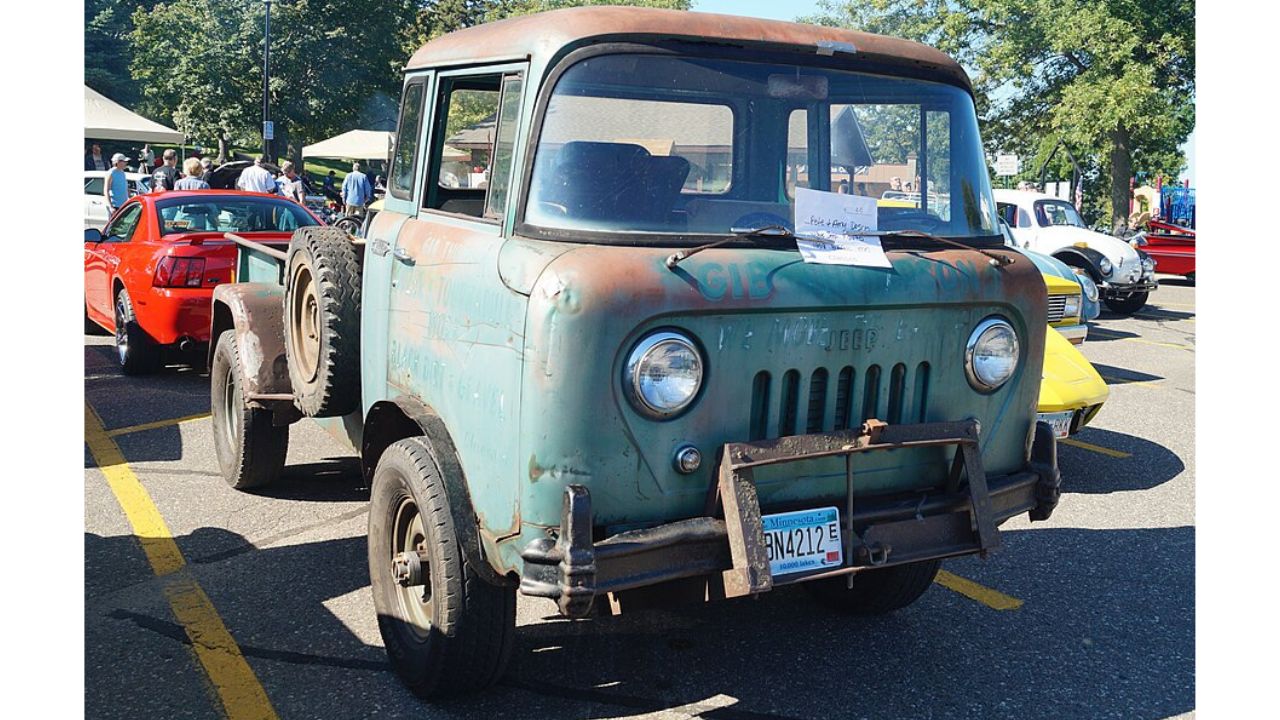
The Forward Control series placed the cab directly over the front wheels, creating a compact truck with an unusually useful cargo area. The FC-170 was especially capable for its size and could be configured for demanding commercial applications. Its distinctive design made it easy to recognize, while its rugged construction allowed it to handle serious work. Today, it is one of Jeep’s most interesting forgotten utility vehicles.
Ford N-Series
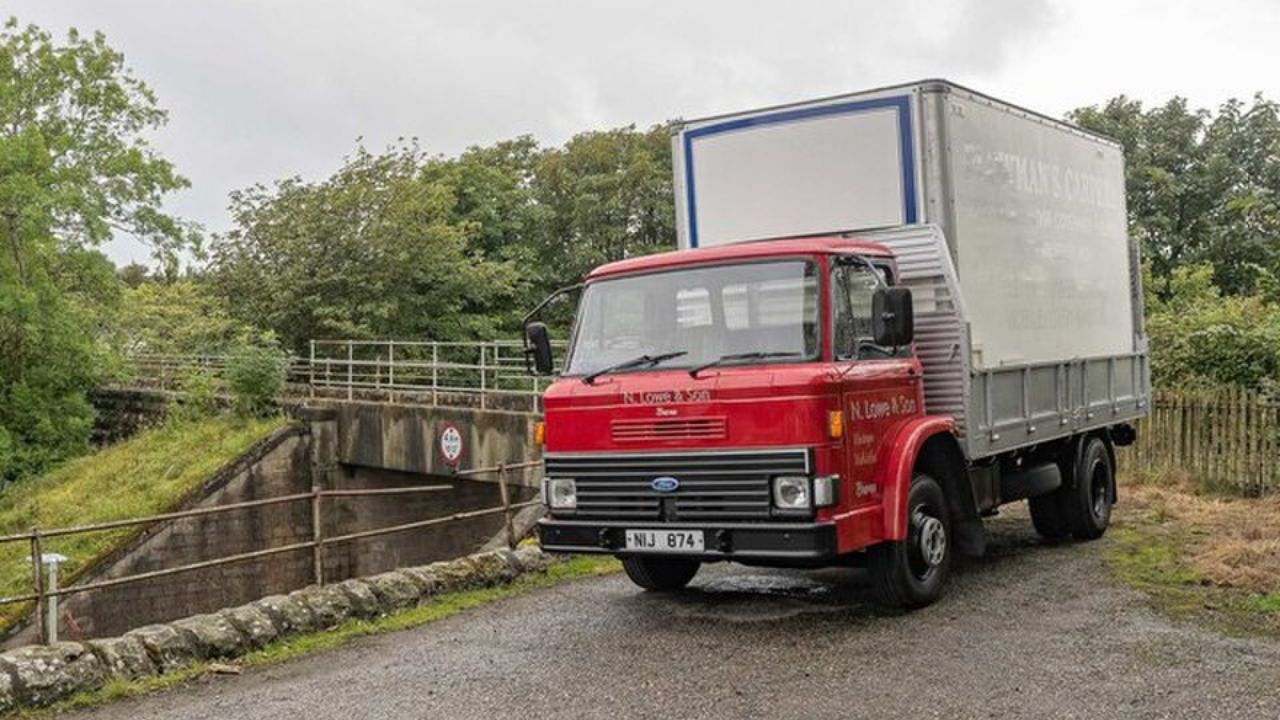
The Ford N-Series pickups brought a more substantial truck presence to buyers who needed something beyond a light-duty F-Series. These trucks were designed for heavier work and were commonly used in agriculture, construction, and commercial applications. Their robust construction made them dependable tools rather than lifestyle accessories. They represent an era when pickup trucks were expected to earn their keep every day.
Chevrolet Corvair 95
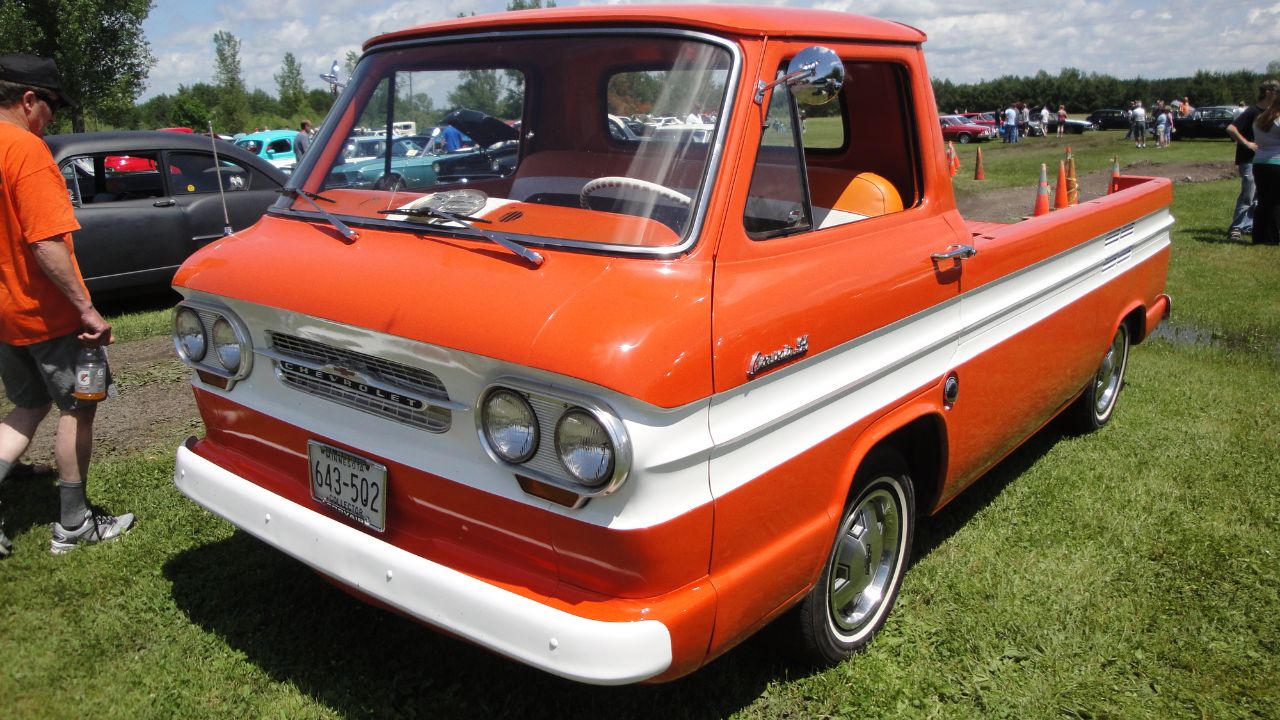
The Corvair 95 showed that Chevrolet was willing to rethink the traditional pickup. Its rear-mounted air-cooled engine allowed for a distinctive cab-forward design that maximized usable space. The compact truck could serve urban businesses particularly well because of its manageable dimensions. Its unusual engineering meant it never became as common as conventional Chevrolet pickups, but it demonstrated considerable creativity.
Ford Bronco
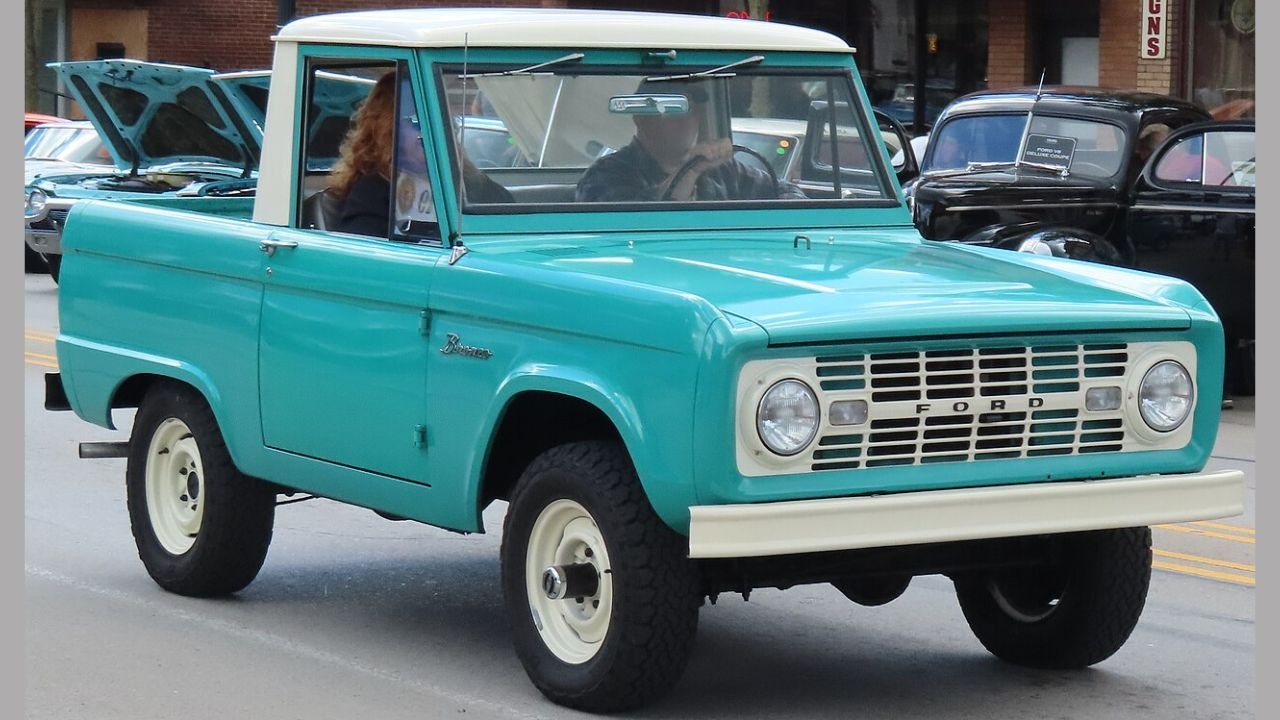
The first Bronco was designed as a compact utility vehicle that could handle rough terrain without becoming excessively large. It offered a simple mechanical layout, short dimensions, and four-wheel-drive capability that made it useful away from paved roads. The Bronco eventually became an icon, but its original purpose was much more practical. It proved that a relatively small American utility vehicle could be genuinely capable.
Chevrolet LUV
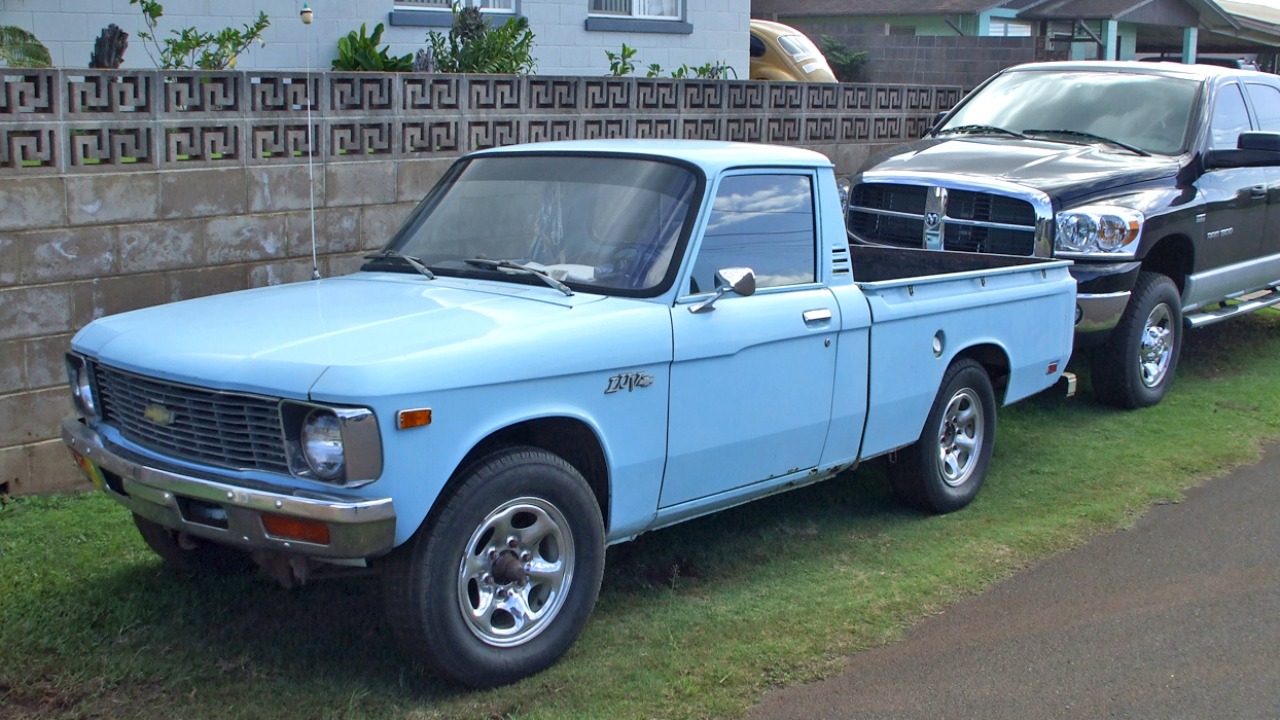
The Chevrolet LUV was one of the more unexpected pickups to wear a Chevrolet badge. Imported from Isuzu, it gave Chevrolet a compact truck option when American buyers were becoming more interested in smaller, economical pickups. Its manageable size and useful bed made it attractive to urban owners and small businesses. The LUV helped demonstrate that the American truck market did not always need full-size dimensions.
GMC Syclone
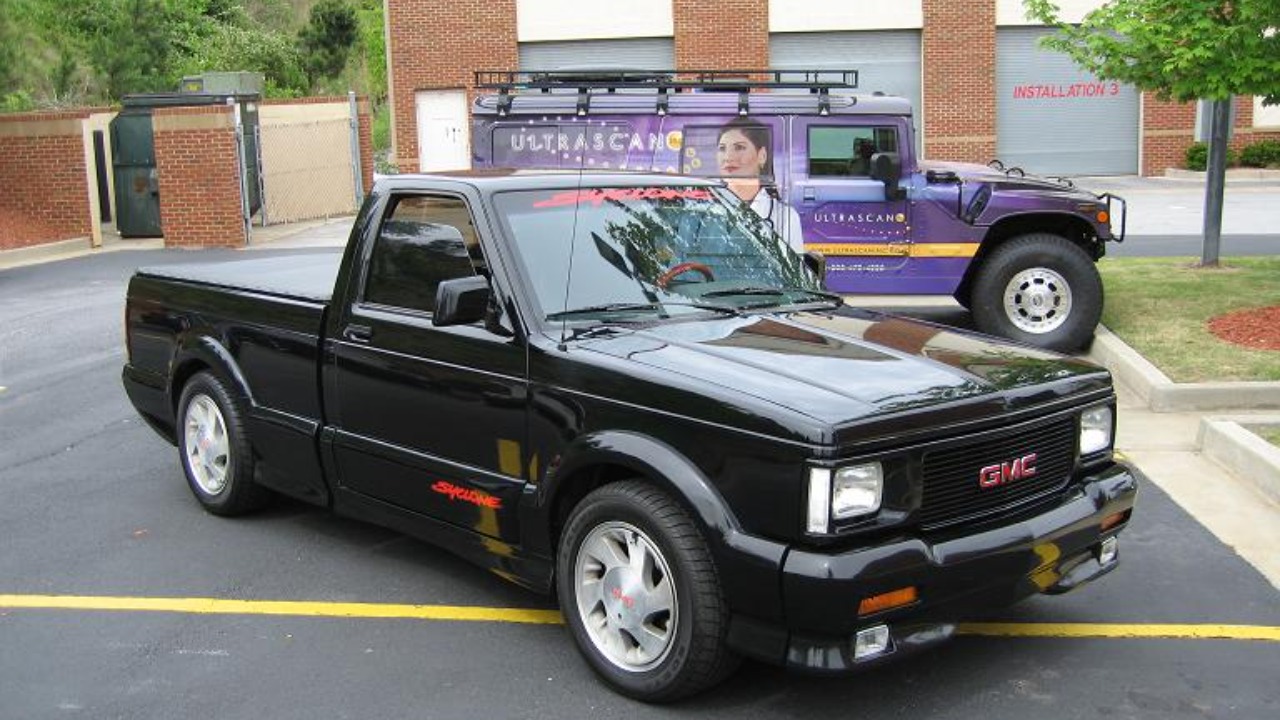
The Syclone completely changed expectations for what a compact pickup could do. Its turbocharged V6, all-wheel drive, and performance-focused setup gave it sports-car acceleration in a small truck body. The concept was unusual enough to surprise the established performance market. Although production was limited, the Syclone proved that a pickup could be engineered for outright speed rather than simply hauling and towing.
More from Fast Lane Only
- Unboxing the WWII Jeep in a Crate
- 15 rare Chevys collectors are quietly buying
- 10 underrated V8s still worth hunting down
- Police notice this before you even roll window down
*Research for this article included AI assistance, with all final content reviewed by human editors.