Some trucks earn a reputation for staying on the road with surprisingly little drama. Their appeal is usually not about extreme horsepower or fancy equipment, but about proven engines, simple drivetrains and mechanical designs that can handle years of regular use. While no truck is completely trouble-free, these models have built strong reputations for durability. For buyers who value long-term ownership and fewer major repair bills, they remain some of the safer choices to consider.
Toyota Land Cruiser
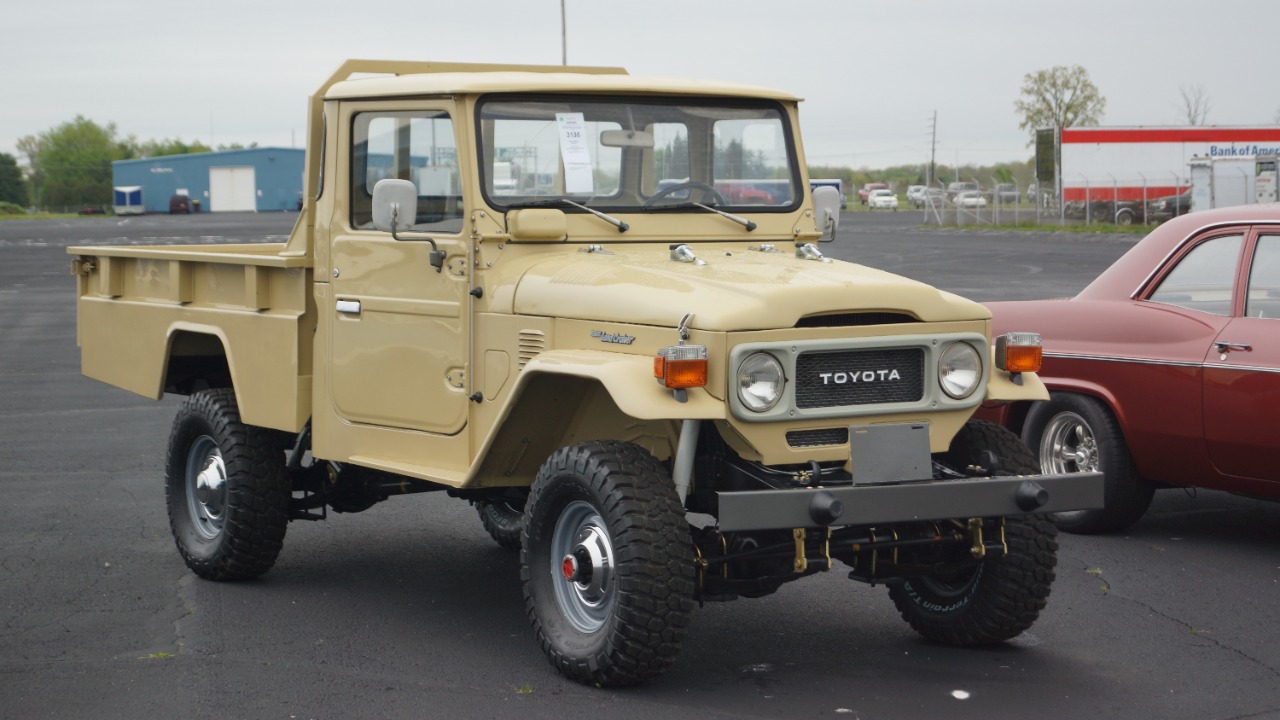
The Toyota Land Cruiser has earned its durability reputation through decades of use in demanding environments around the world. Older models are particularly respected for their sturdy drivetrains, simple mechanical layouts and ability to keep working long after lesser trucks have developed serious problems. They are not inexpensive to maintain, especially when neglected examples need attention, but major mechanical failures are relatively uncommon when routine maintenance is followed. A well-kept Land Cruiser can accumulate enormous mileage while remaining dependable enough for daily driving, towing and off-road work.
Honda Ridgeline
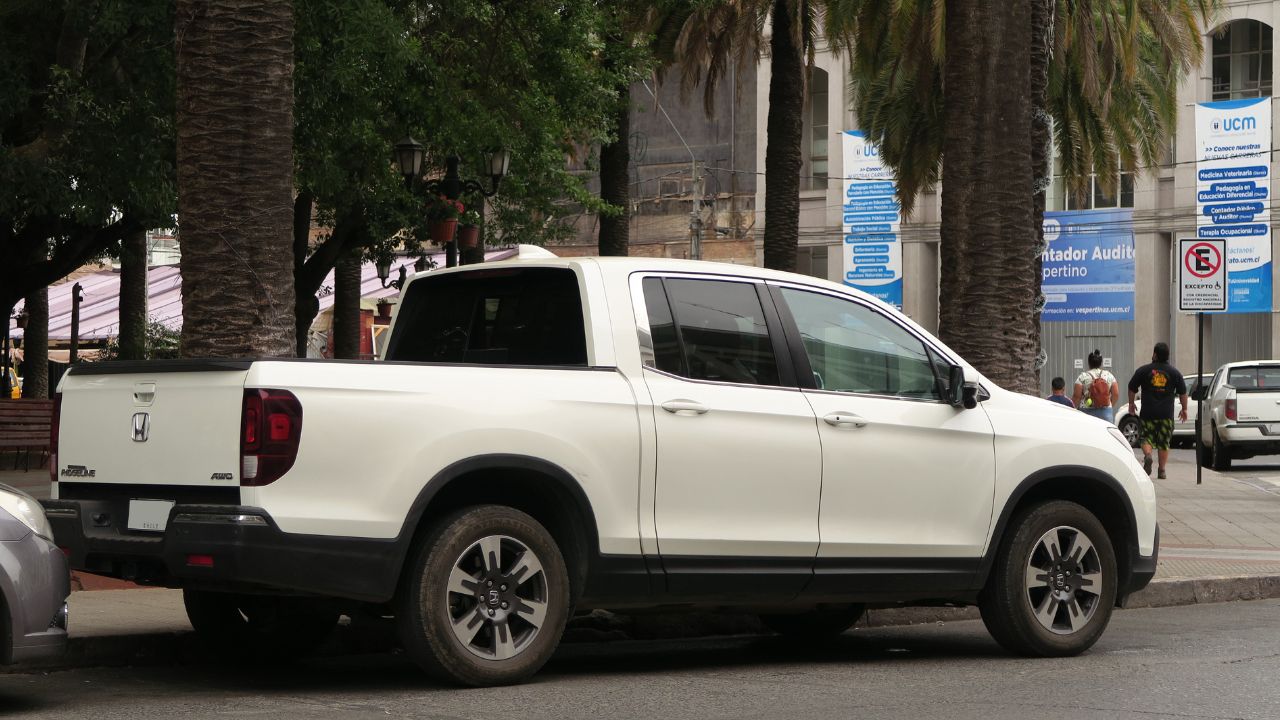
The Honda Ridgeline takes a different approach from traditional body-on-frame pickups, but that has not stopped it from developing a reputation for dependable ownership. Its car-based construction, proven Honda engines and relatively straightforward mechanical design make it appealing to buyers who do not need extreme towing capability. Earlier examples can develop age-related issues, but routine maintenance is generally more important than constant major repairs. For people who use a truck mainly for commuting, hauling smaller loads and occasional utility work, the Ridgeline can be an unusually low-stress choice.
Toyota T100

The Toyota T100 is an older pickup that has quietly earned respect among owners who prioritize longevity. It lacks the size and sophistication of newer full-size trucks, but its relatively simple construction is part of its appeal. Toyota’s engines from this period have proven capable of covering substantial mileage when properly maintained. Rust and age are now bigger concerns than the basic mechanical design. A clean T100 may require normal repairs simply because of its age, but its underlying drivetrain can remain remarkably dependable for years.
Nissan Hardbody
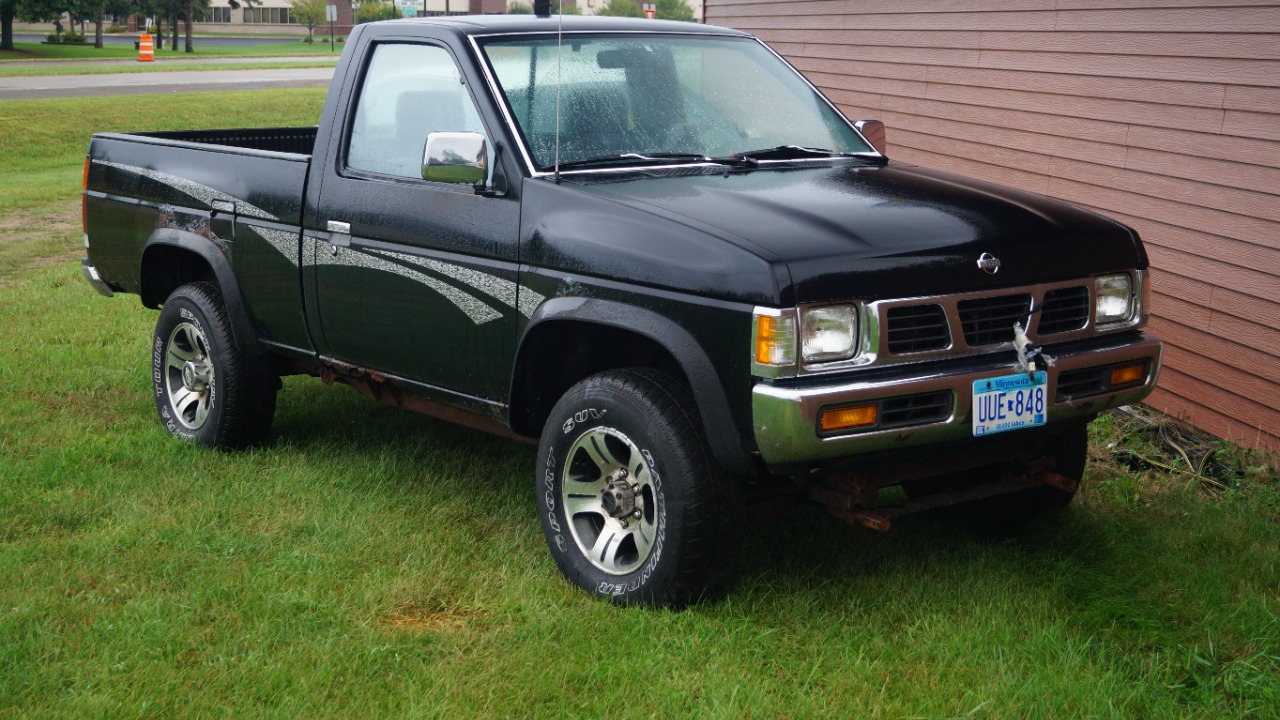
The Nissan Hardbody became famous for being a tough little pickup that could survive years of everyday abuse. Its straightforward engineering and durable engines helped establish the reputation that still follows it today. These trucks are old enough that condition matters more than the badge, with rust, worn suspension components and neglected maintenance becoming the main concerns. Mechanically sound examples can continue working with relatively modest attention. For buyers who prefer simplicity over modern features, the Hardbody remains one of the more convincing long-term pickup choices.
Toyota Tacoma
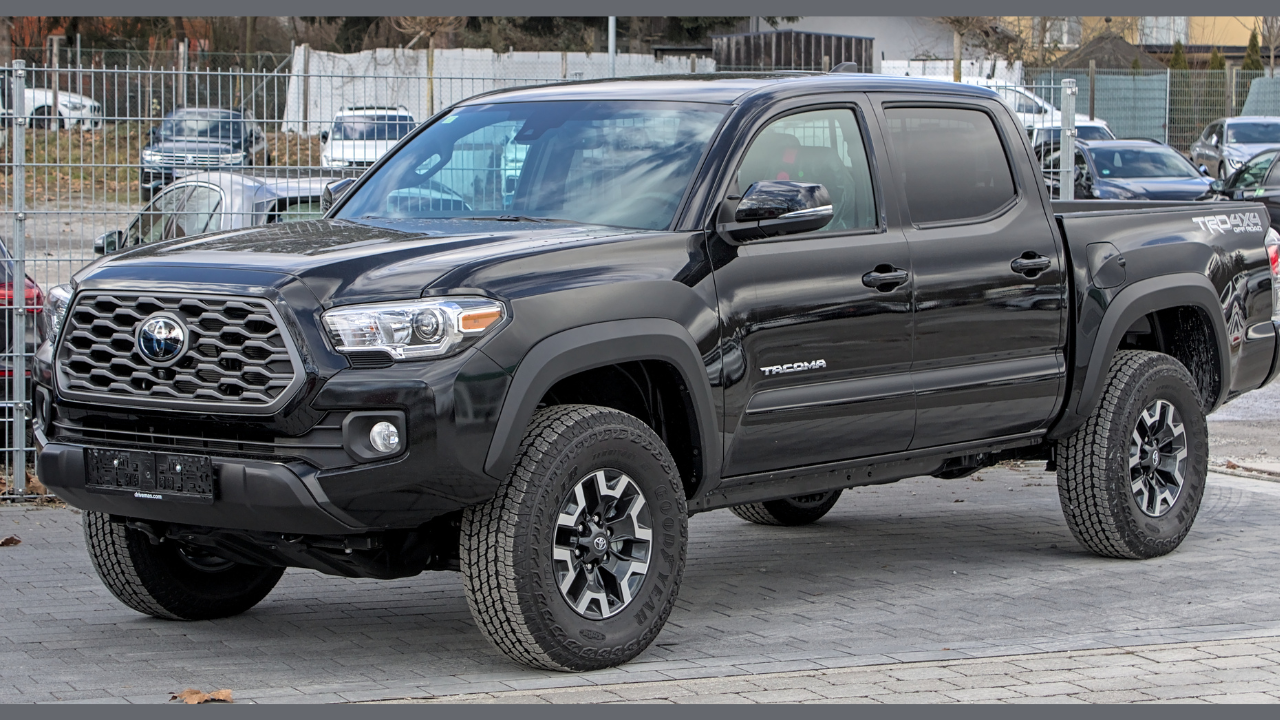
The Tacoma has become one of the best-known names in the midsize truck market, largely because of its reputation for durability. Older generations are especially popular with owners who want a truck capable of handling high mileage without frequent major drivetrain work. Regular maintenance remains essential, and some generations have had specific issues that buyers should investigate before purchasing. Still, the basic combination of Toyota engines, proven transmissions and durable suspension components has helped many Tacomas stay useful for years. A properly maintained example can be an extremely dependable daily truck.
Ford Ranger
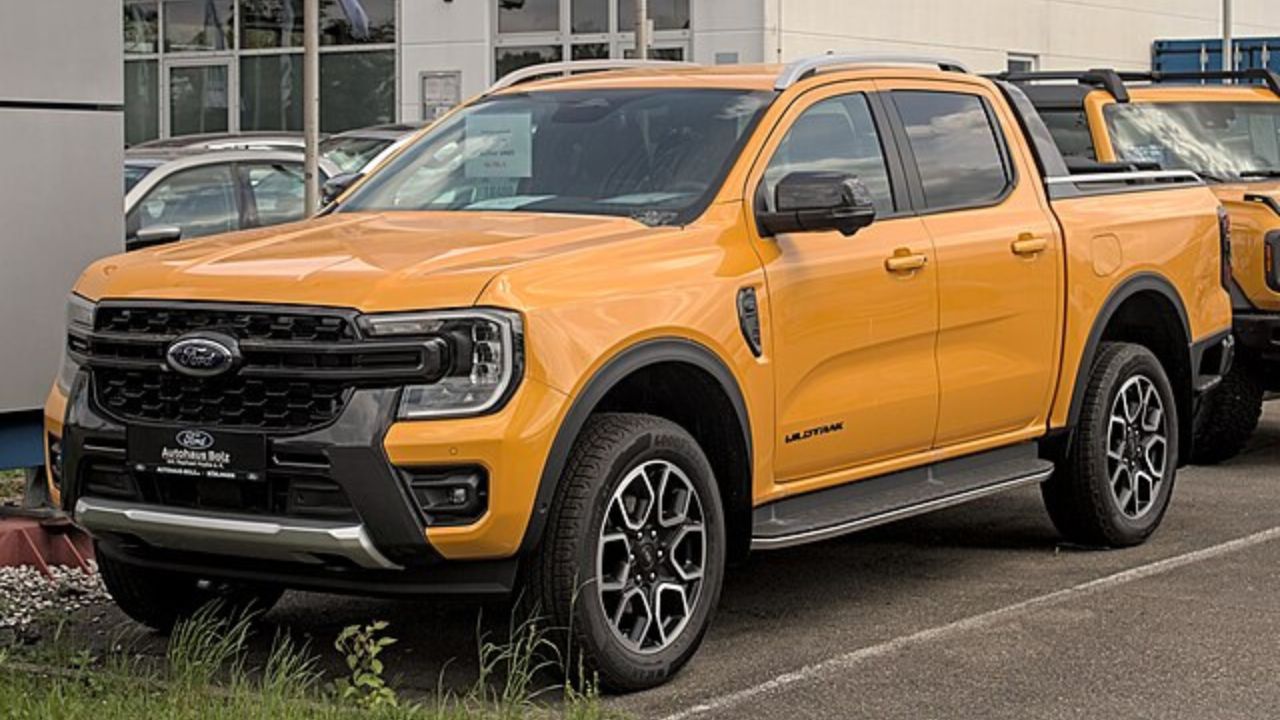
The Ford Ranger has been sold in several generations, but many older versions are known for straightforward mechanical designs that are relatively easy to keep running. Their smaller size also means fewer components than some larger pickups, while widely available parts can help keep repair costs manageable. Age-related rust and neglected maintenance are now bigger concerns with older Rangers. A clean truck with a healthy engine and transmission can nevertheless provide years of inexpensive service without requiring the kind of major repairs associated with more complicated modern vehicles.
Chevrolet Colorado
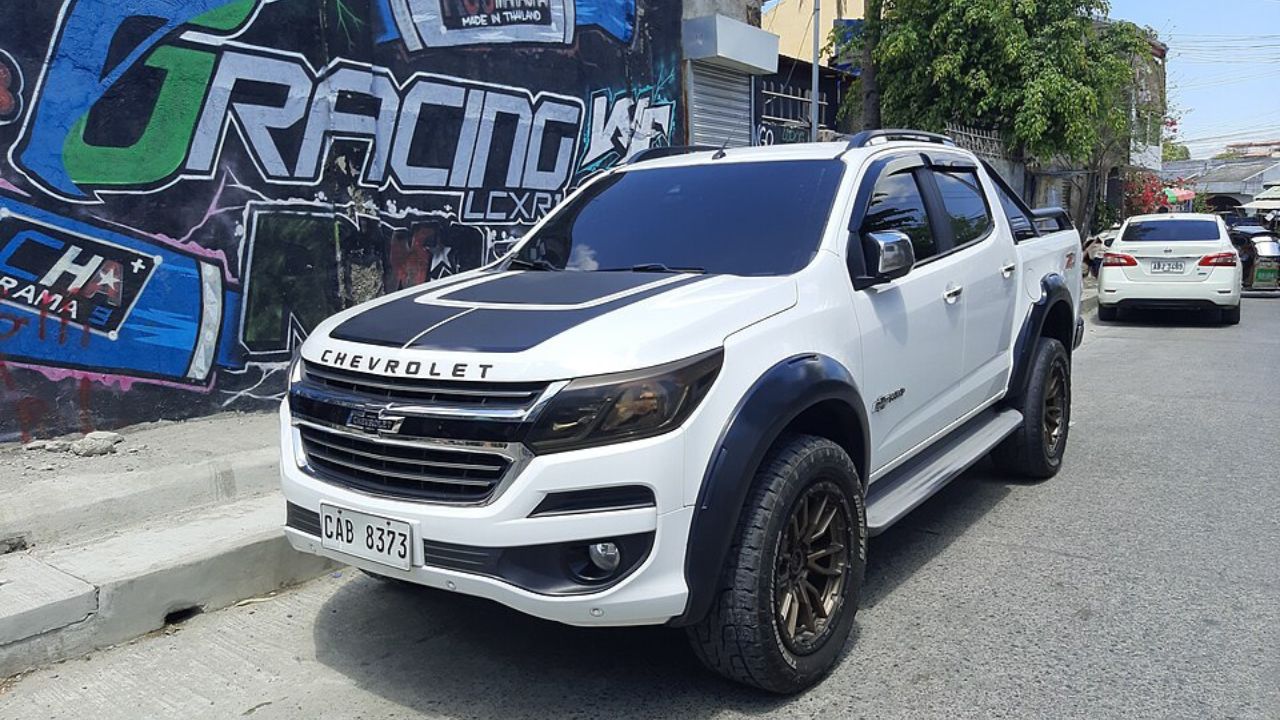
The Chevrolet Colorado has benefited from relatively conventional truck engineering and a broad parts supply. Earlier versions are especially attractive to buyers who want a midsize pickup without excessive complexity. Naturally, individual engines and model generations have different reliability records, so buying based on the specific configuration is important. A well-maintained Colorado can still deliver strong long-term service, particularly when oil changes, cooling-system maintenance and transmission servicing are handled properly. Its familiar GM mechanical components also make repairs easier for many independent shops.
GMC Canyon
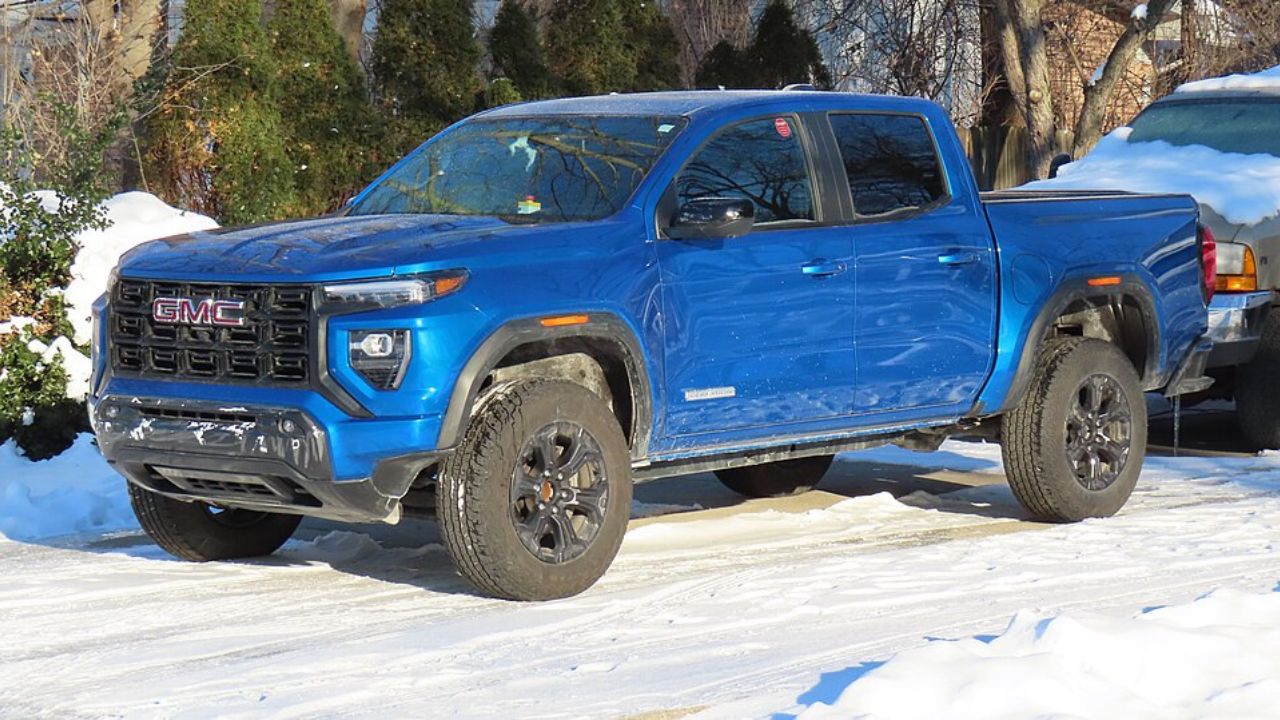
The GMC Canyon shares much of its mechanical foundation with the Colorado, giving it similar advantages for long-term ownership. Its conventional pickup layout makes it familiar territory for mechanics, while parts availability is generally good. Some versions have experienced more problems than others, so a careful inspection is still necessary when buying used. However, a properly maintained Canyon does not necessarily require major mechanical intervention simply because it has accumulated substantial mileage. It is a practical option for owners who want a midsize truck without excessive complication.
Ford F-150
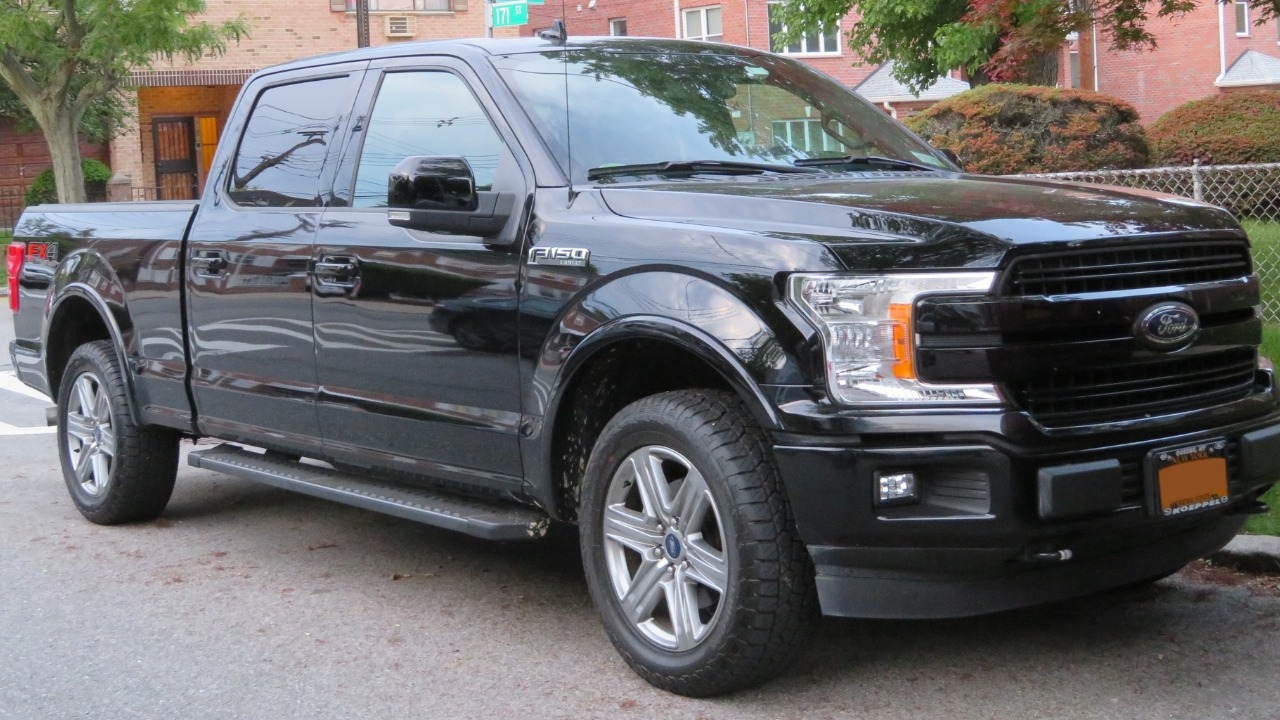
The Ford F-150 has been produced in enormous numbers, and that widespread use has helped mechanics become familiar with virtually every generation. Certain engines have stronger reputations than others, but a properly selected and maintained F-150 can rack up impressive mileage without major drivetrain problems. Parts are abundant, repair knowledge is widespread and independent shops routinely work on them. Its popularity also means there are plenty of used components available. Choosing the right engine and avoiding poorly maintained examples are key to getting the best reliability.
Chevrolet Silverado 1500

The Silverado 1500 has long been a staple of the American pickup market, and its conventional truck architecture makes it relatively straightforward for mechanics to diagnose and repair. Some powertrains are notably more dependable than others, so configuration matters when shopping used. A well-maintained Silverado can cover substantial mileage while requiring mostly routine service and normal wear-item replacement. The availability of parts and mechanic familiarity also helps keep ownership manageable. Its widespread use means finding knowledgeable repair support is rarely difficult.
GMC Sierra 1500
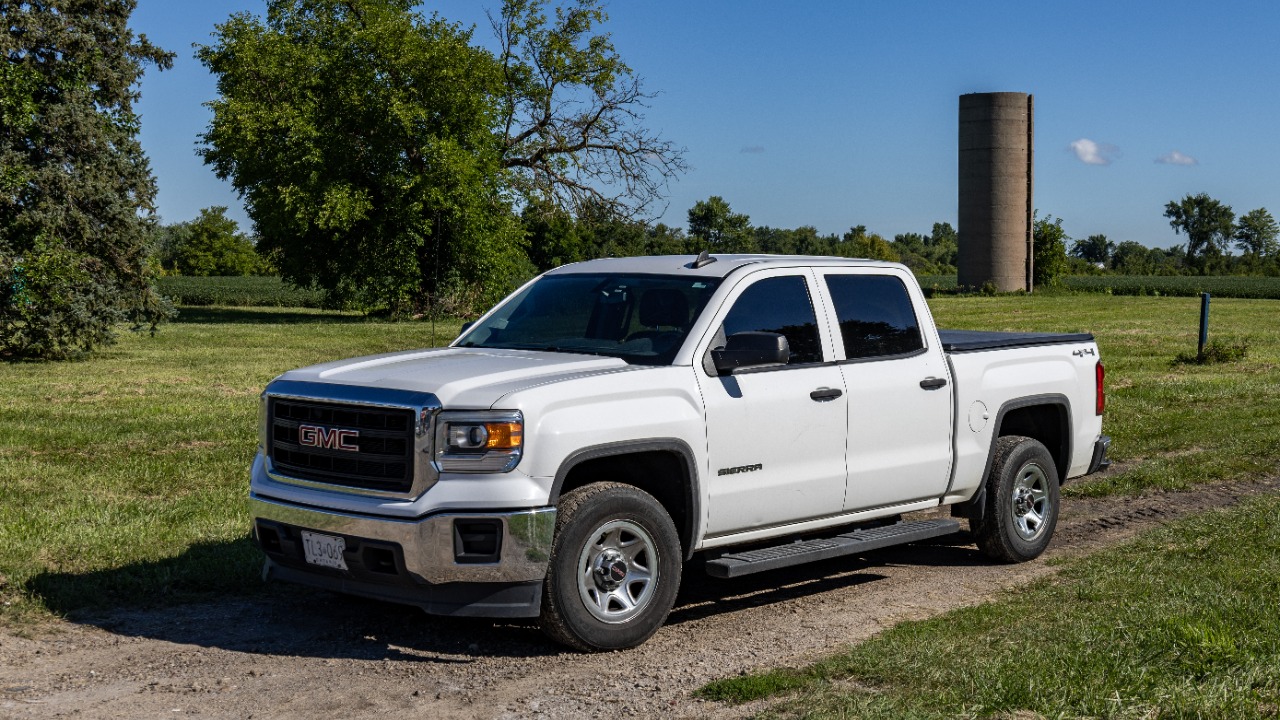
The Sierra 1500 shares much of its mechanical foundation with the Silverado, including several proven engines and transmissions. That commonality gives it an advantage when repairs eventually become necessary because replacement parts and mechanical expertise are widely available. A properly maintained Sierra can remain useful for a very long time, particularly when used within its rated limits. Buyers should still research the specific engine and generation because reliability varies. The strongest configurations, however, can provide a dependable combination of towing ability, comfort and long-term durability.
Nissan Frontier
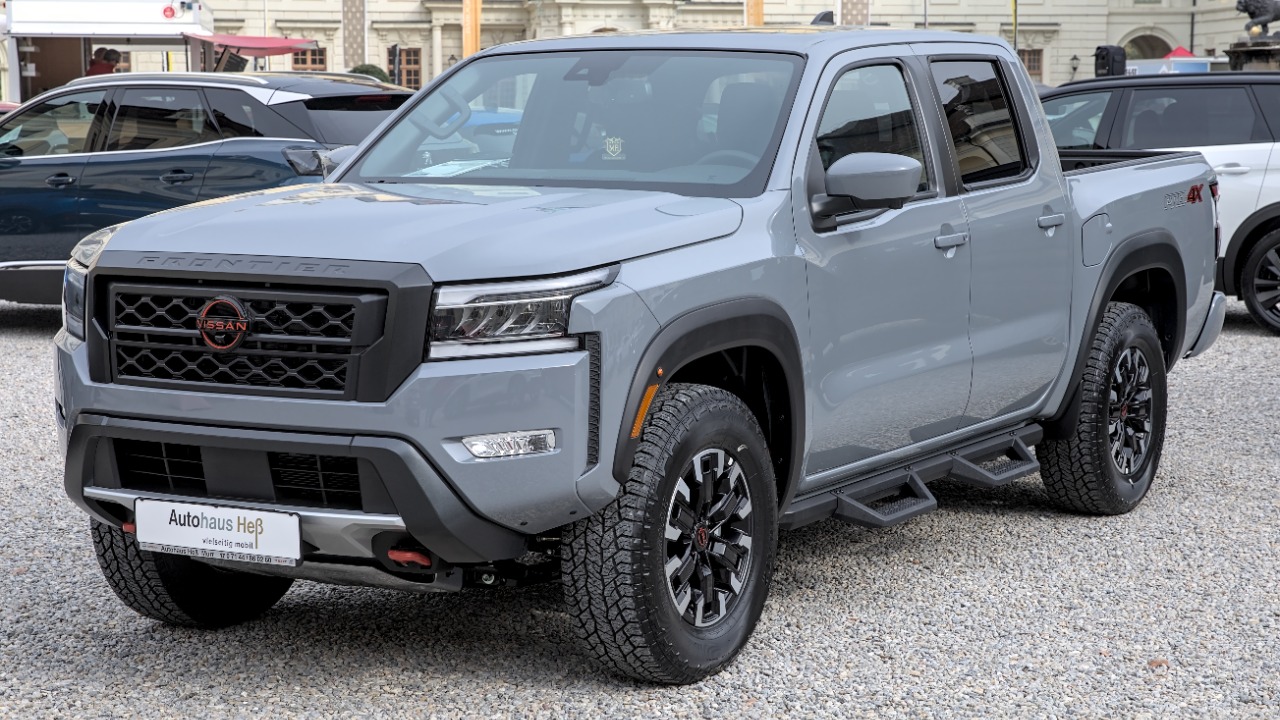
The Nissan Frontier has remained relatively conservative compared with many newer pickups, and that simplicity has helped it develop a strong reputation for durability. Older generations in particular are known for using proven mechanical components rather than constantly adding new technology. Like any truck, maintenance history matters enormously, especially for cooling and transmission systems. A well-kept Frontier can nevertheless cover substantial mileage without needing major engine or drivetrain repairs. Its straightforward design also makes it familiar to independent mechanics.
Chevrolet S-10
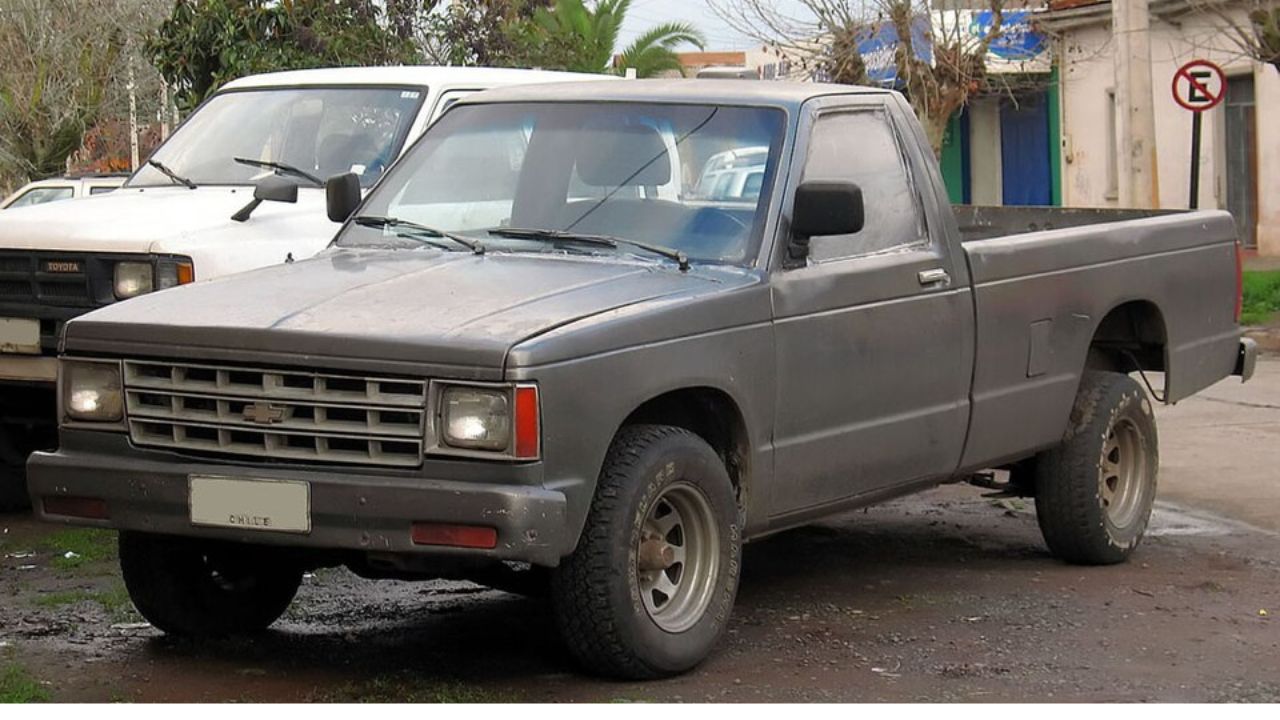
The Chevrolet S-10 was designed as a compact pickup rather than a high-tech luxury truck, and its simple mechanical layout is one reason enthusiasts still appreciate it. Many versions used engines and transmissions that were common across the GM lineup, making parts and repairs relatively accessible. Rust is often a larger concern today than mechanical durability. A solid S-10 with a healthy drivetrain can remain useful long after newer vehicles have accumulated expensive electronic or mechanical problems. It is an appealing choice for someone who values simplicity.
GMC Sonoma
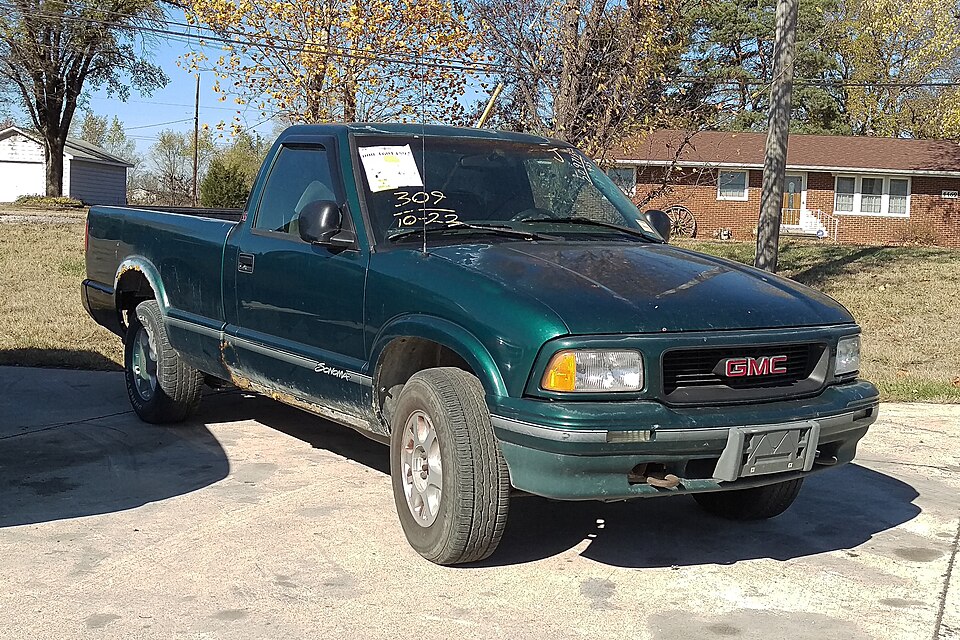
The GMC Sonoma is closely related to the Chevrolet S-10, giving it many of the same durability advantages. Its engines and drivetrains were used across a broad range of GM vehicles, which helped establish a large parts and repair network. Today, finding a clean, rust-free example is more important than finding one with an unusually low mileage figure. Mechanical components can remain serviceable for a long time when maintained properly. The Sonoma’s straightforward construction also makes it easier for many mechanics to diagnose without specialized equipment.
Dodge Dakota
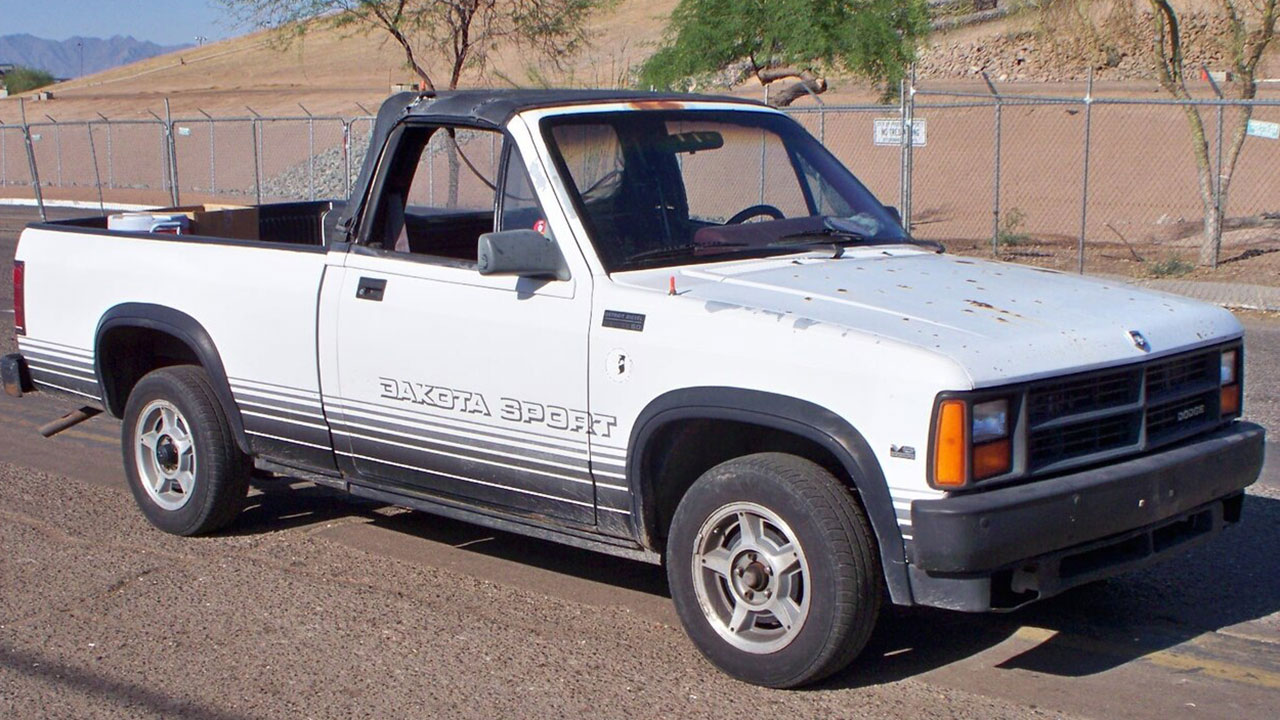
The Dodge Dakota occupied an interesting position between compact and full-size pickups, giving buyers more capability without the size of a large truck. Several generations used familiar Chrysler engines and conventional rear-wheel-drive hardware. While certain engines and years have known weaknesses, properly maintained Dakotas can remain dependable for a long time. Their relatively simple construction is helpful when repairs are needed. A carefully chosen example with a documented maintenance history can provide plenty of useful service without becoming a constant source of major repair bills.
Toyota Pickup
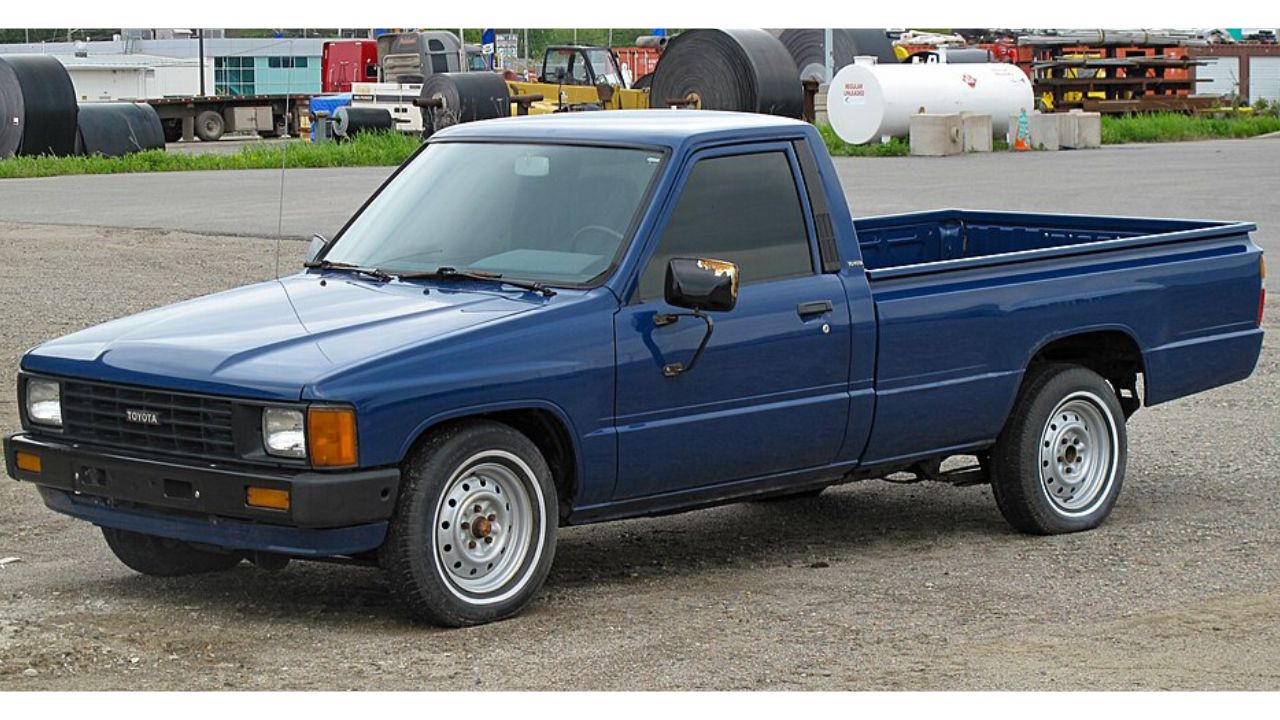
The Toyota Pickup is one of the most respected small trucks ever sold in North America. Its reputation comes from straightforward engineering, durable engines and a chassis capable of handling years of hard use. Today, rust is often the biggest threat to surviving examples, particularly around the frame and body. A structurally sound truck with a healthy drivetrain can be remarkably dependable despite its age. Many owners value these pickups precisely because they do not have the layers of electronics and complexity found in newer trucks.
Ford F-250

The F-250 has been offered with numerous engines and configurations over the decades, so reliability varies significantly by generation. Still, the truck’s heavy-duty construction and widespread use have made many versions durable workhorses. A properly maintained powertrain can handle substantial mileage and demanding workloads without constant major repairs. Buyers need to be particularly careful with heavily abused work trucks, neglected diesels and modified examples. A stock, well-documented F-250 can provide dependable service for years while remaining easy for experienced truck mechanics to understand.
Chevrolet C/K
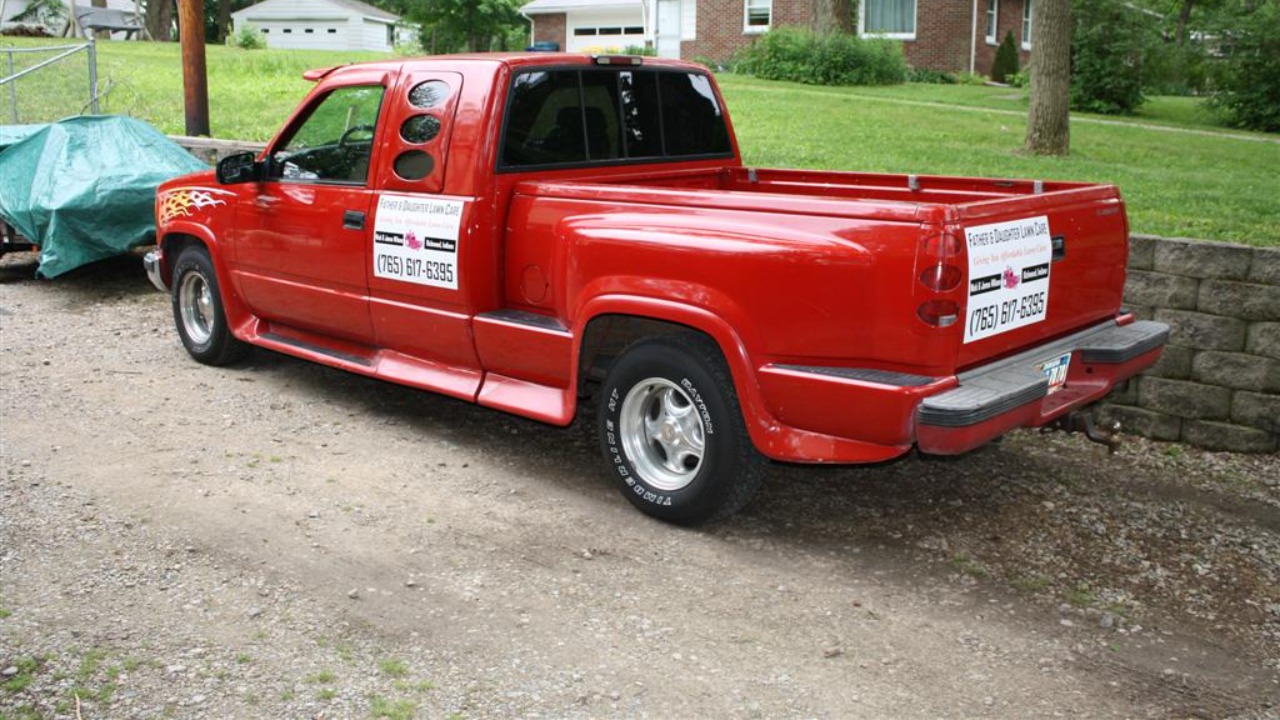
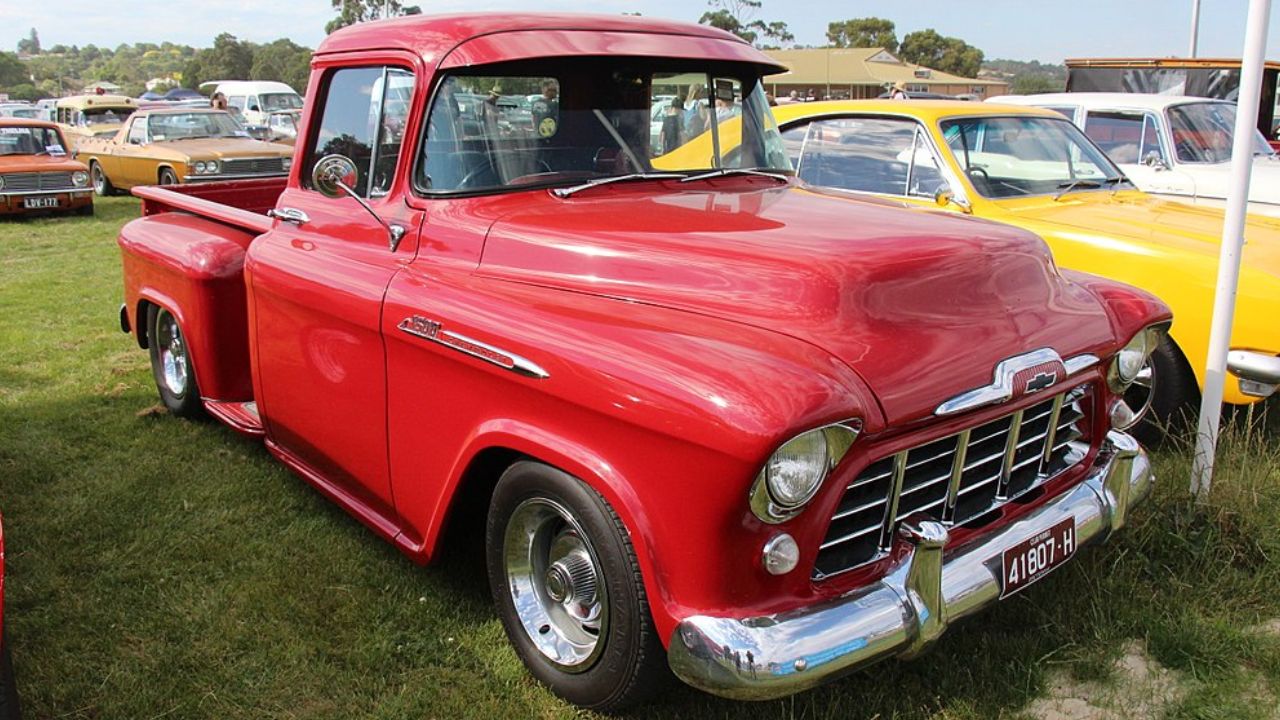
The Chevrolet C/K family became a workhorse for generations of American truck owners, and its reputation for mechanical simplicity remains one of its strongest qualities. Many versions used engines and components that were shared across GM’s passenger-car and truck lines, keeping parts readily available. Age is now the biggest issue, with rust, deteriorated wiring and worn suspension components becoming more common. A structurally solid C/K with a healthy drivetrain can still be an exceptionally dependable truck. Its simple design also makes restoration and maintenance easier than with many newer pickups.
Toyota Tundra
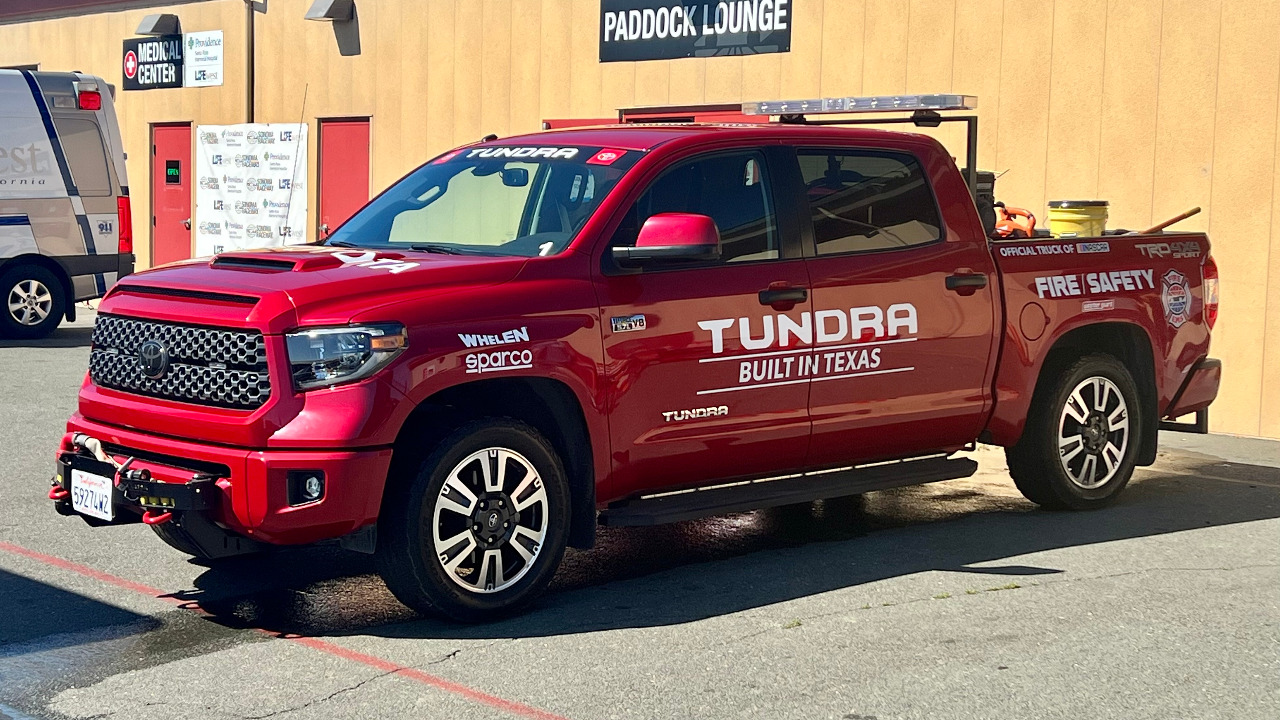
The Toyota Tundra has built a reputation for long-term durability, particularly among owners who keep up with routine maintenance. Earlier generations are especially appreciated for their proven engines and relatively conventional truck construction. Certain known issues have affected specific generations, so buyers should research the exact truck rather than assuming every Tundra is trouble-free. Nevertheless, a properly maintained example can accumulate high mileage while avoiding frequent major engine or transmission repairs. Its combination of capability and Toyota’s established durability reputation makes it a popular long-term ownership choice.
More from Fast Lane Only
- Unboxing the WWII Jeep in a Crate
- 15 rare Chevys collectors are quietly buying
- 10 underrated V8s still worth hunting down
- Police notice this before you even roll window down
*Research for this article included AI assistance, with all final content reviewed by human editors.