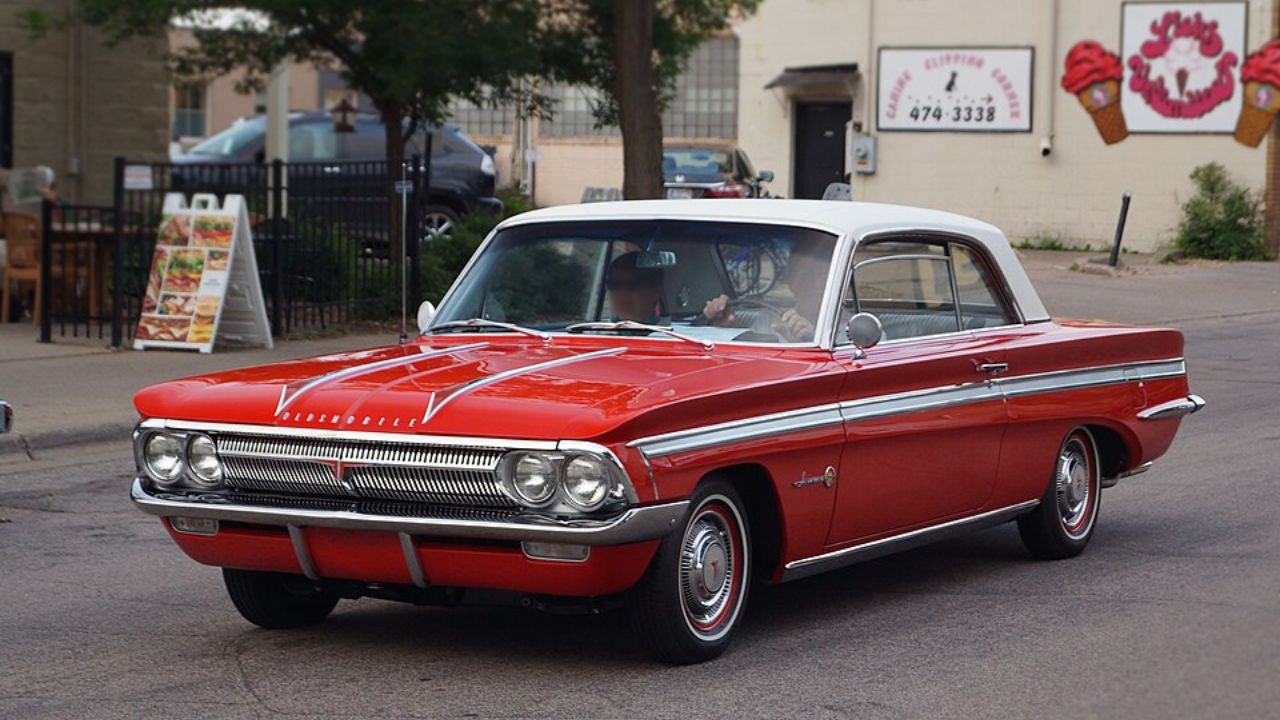
Oldsmobile spent decades sitting between Chevrolet and Cadillac, but that position never meant the brand lacked ambition. Some Oldsmobiles introduced important technology, others delivered serious performance, and many simply showed how good American engineering and styling could become. These are the cars that best demonstrate why Oldsmobile earned such a loyal following.
Oldsmobile 442
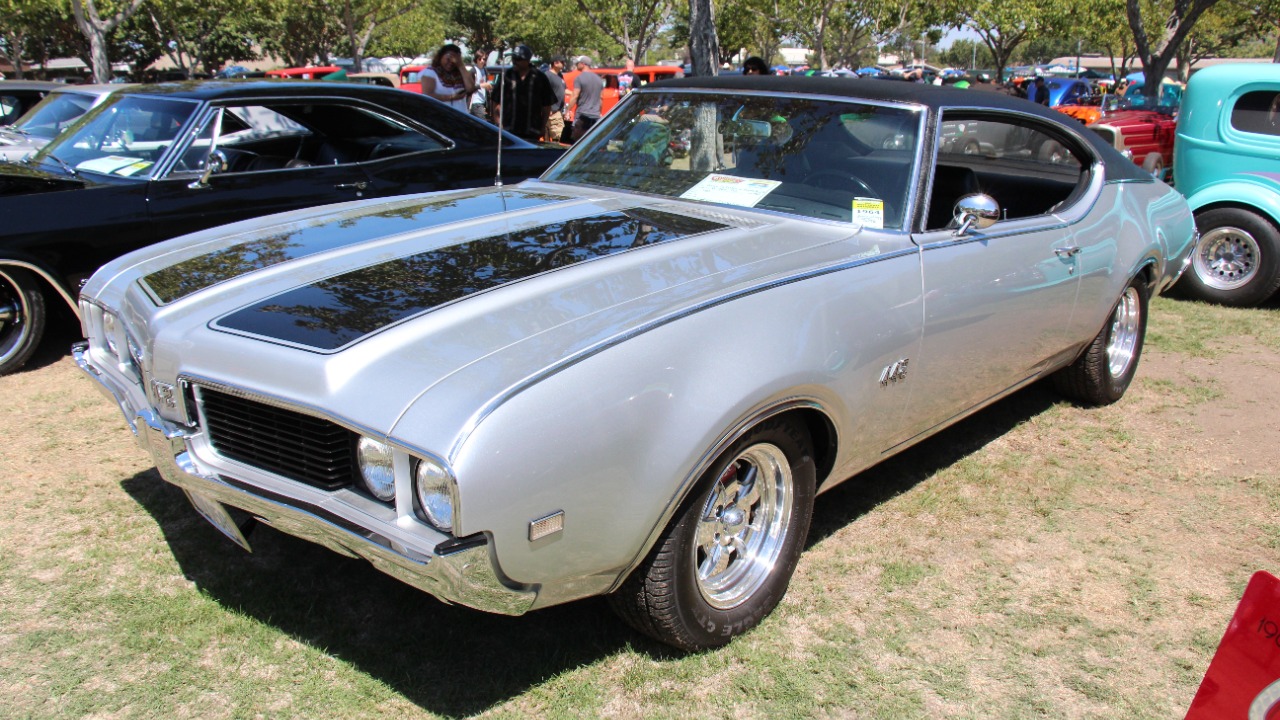
The 442 became one of Oldsmobile’s most recognizable performance cars and proved the division could compete seriously in the muscle-car market. Its combination of a strong V8, rear-wheel drive, and relatively understated styling made it especially appealing to buyers who wanted speed without the flashiest appearance. The 442 also became increasingly sophisticated as the muscle-car era developed, giving Oldsmobile a performance identity that lasted for years.
Oldsmobile Cutlass
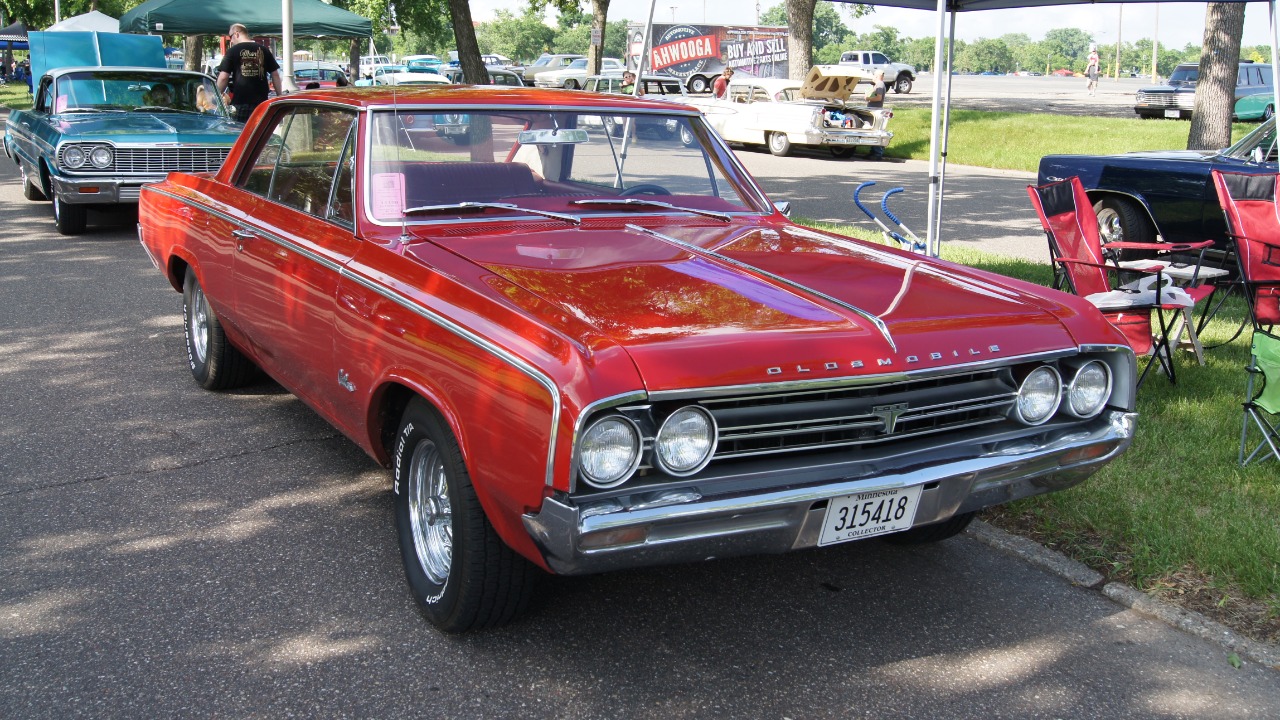
The Cutlass became one of Oldsmobile’s most important nameplates, eventually covering a wide range of coupes, sedans, and other body styles. Its popularity came from a useful combination of attractive styling, comfortable interiors, and available V8 power. During the height of the American performance era, certain Cutlass versions offered enough muscle to keep enthusiasts interested while remaining practical enough for everyday driving.
Oldsmobile 88
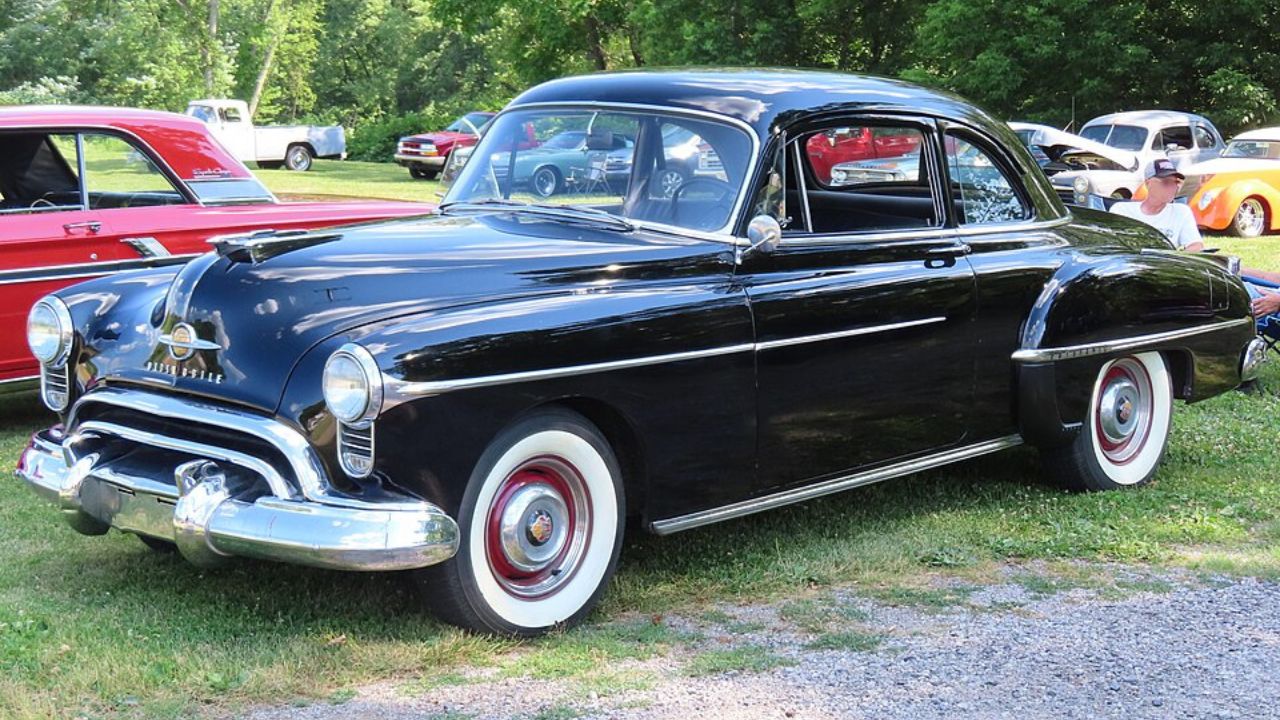
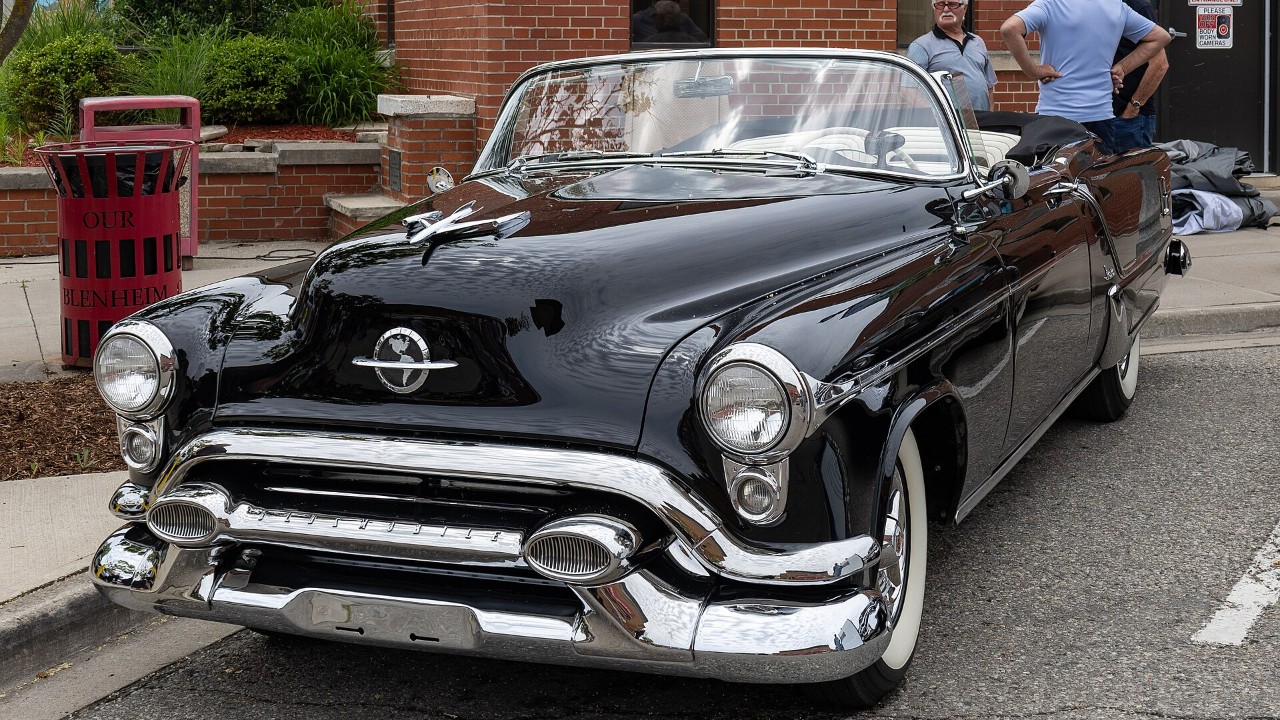
The 88 helped establish Oldsmobile as a serious performance-minded division in the postwar era. Its relatively light body combined with a new overhead-valve V8 to create a surprisingly quick full-size car. That formula helped give Oldsmobile a reputation for building cars that could deliver more performance than their conservative image suggested. The 88 remained an important part of the lineup for decades.
Oldsmobile 98

The 98 represented Oldsmobile at the upper end of its traditional full-size range. It offered generous dimensions, powerful engines, and increasingly sophisticated interiors as the years passed. While comfort was a major priority, the 98 also benefited from Oldsmobile’s willingness to experiment with new technology and engineering. It showed that a large luxury-oriented car did not have to be mechanically dull.
Oldsmobile Starfire

The Starfire gave Oldsmobile a sporty image at a time when buyers were becoming more interested in stylish personal cars. Its sleek proportions and V8 power made it stand out from more conventional family sedans. Later versions became particularly attractive examples of early-1960s American design. The Starfire demonstrated that Oldsmobile could build something visually exciting without moving completely into Cadillac territory.
Oldsmobile F-85

The F-85 marked an important change for Oldsmobile because it brought the brand into the growing compact-car market. Its smaller dimensions made it easier to handle and more economical than Oldsmobile’s traditional full-size offerings. Yet the company still gave buyers V8 power and upscale touches. The F-85 showed that Oldsmobile could adapt to changing consumer tastes without abandoning its established character.
Oldsmobile Cutlass Supreme

The Cutlass Supreme became one of the most successful expressions of Oldsmobile’s personal-luxury strategy. It combined comfortable interiors with attractive coupe styling and a selection of engines that could deliver respectable performance. The model appealed to buyers who wanted something more stylish than a basic family car but less imposing than a full-size luxury automobile. It became a defining Oldsmobile during its peak years.
Oldsmobile Toronado

The Toronado remains one of Oldsmobile’s greatest engineering achievements. Its front-wheel-drive layout was highly unusual for a large American performance-oriented coupe when it arrived. The dramatic styling made the car look futuristic, while the powerful V8 gave it the performance expected from an Oldsmobile. It proved the brand was willing to take major engineering risks rather than simply follow the rest of Detroit.
Oldsmobile Cutlass Calais
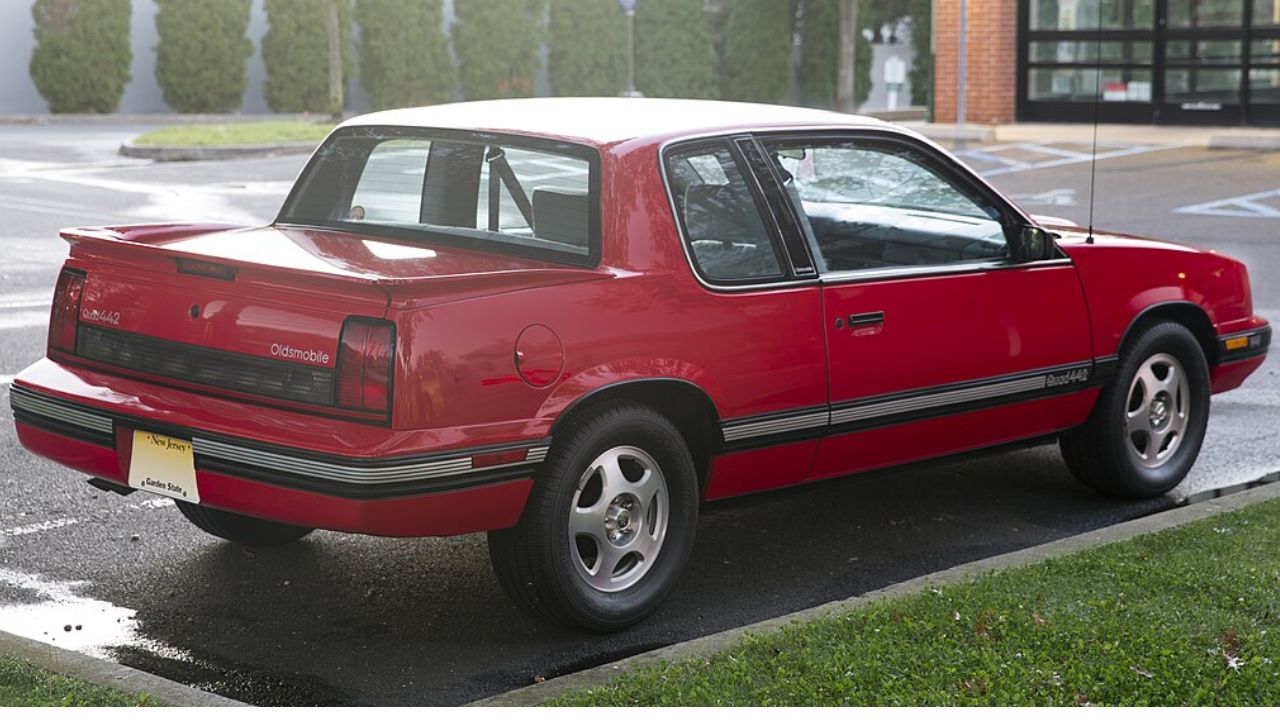
The Cutlass Calais gave Oldsmobile a smaller and more affordable way to attract buyers who still wanted the brand’s familiar styling and features. Sporty versions offered sharper handling and stronger engines, making the model more interesting than its modest positioning might suggest. It showed how Oldsmobile could stretch the Cutlass name across different parts of the market while retaining a recognizable identity.
Oldsmobile Delta 88
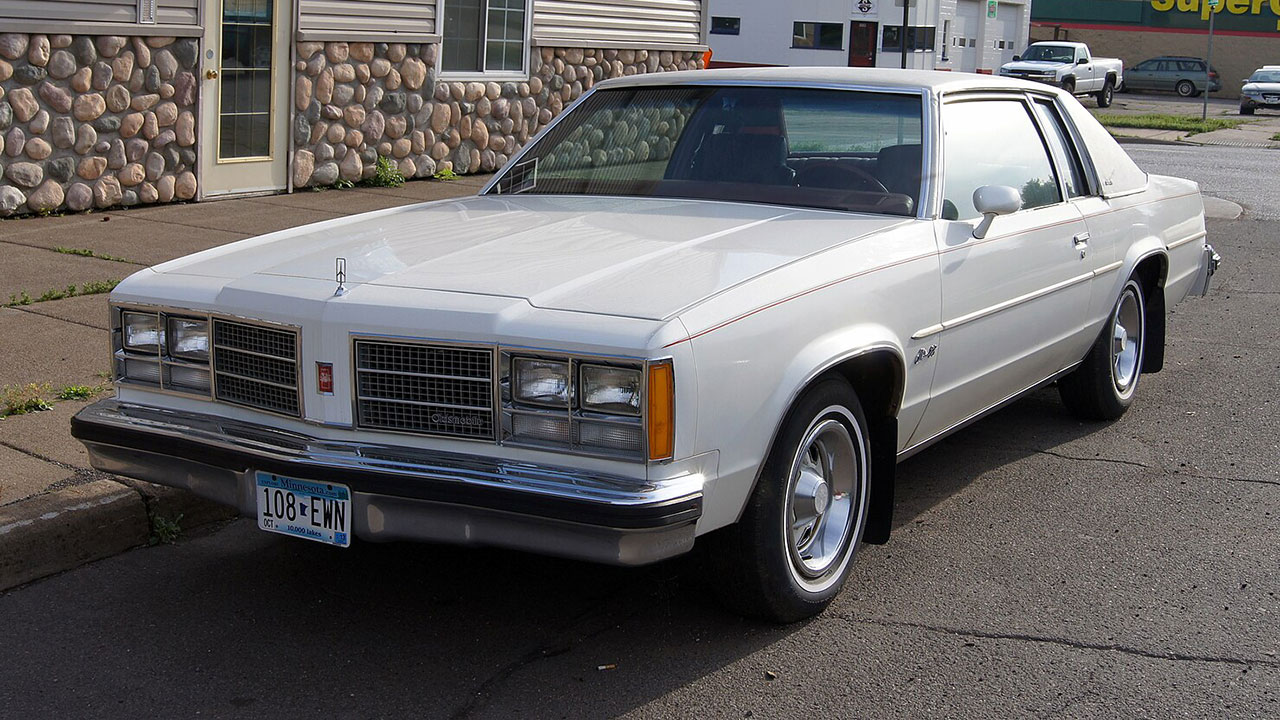
The Delta 88 became a particularly important part of Oldsmobile’s lineup as the traditional full-size car evolved. It delivered the room, comfort, and smooth V8 character buyers expected while gradually becoming more efficient and easier to live with. Its long production history also allowed Oldsmobile to refine the formula repeatedly. The Delta 88 became one of the clearest examples of the brand’s ability to build a dependable everyday cruiser.
Oldsmobile 98 Regency
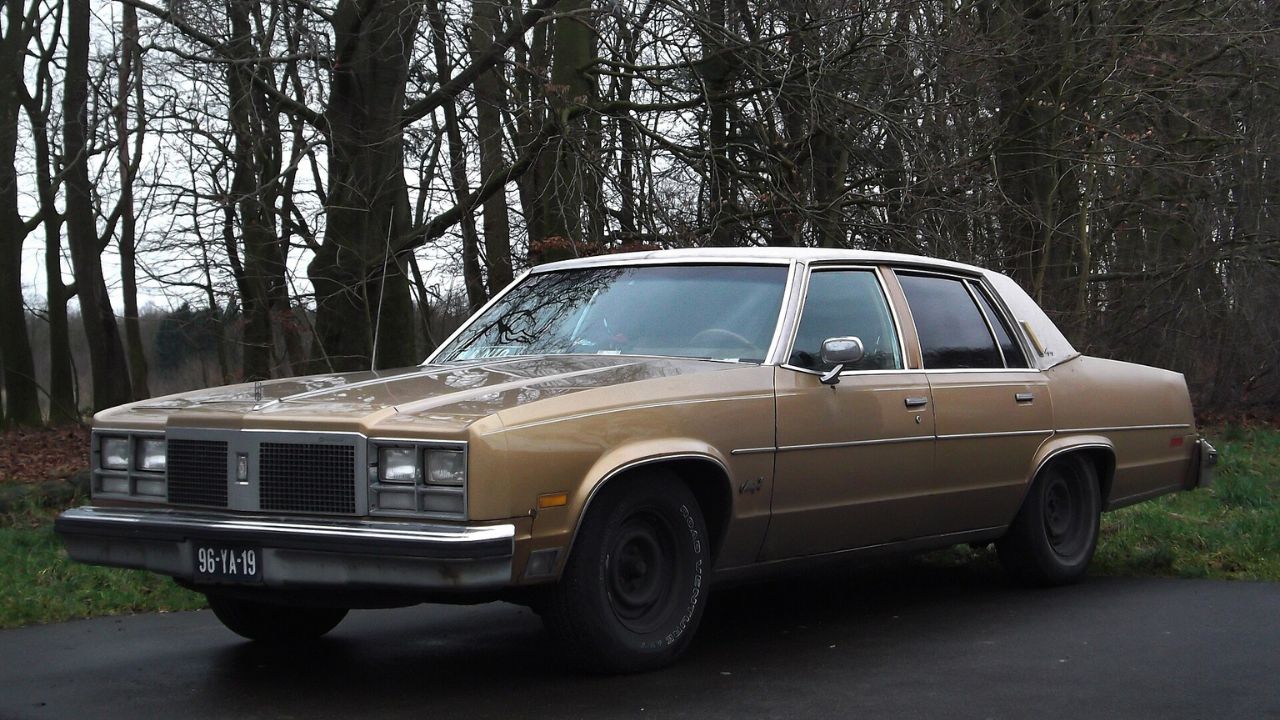
The 98 Regency emphasized the luxury side of Oldsmobile without trying to duplicate Cadillac. Plush interiors, comfortable seats, generous equipment, and smooth powertrains made it an appealing choice for buyers who valued quiet long-distance driving. The model demonstrated how Oldsmobile could create a genuinely upscale automobile while maintaining a slightly more approachable personality than GM’s flagship luxury brand.
Oldsmobile Cutlass Salon
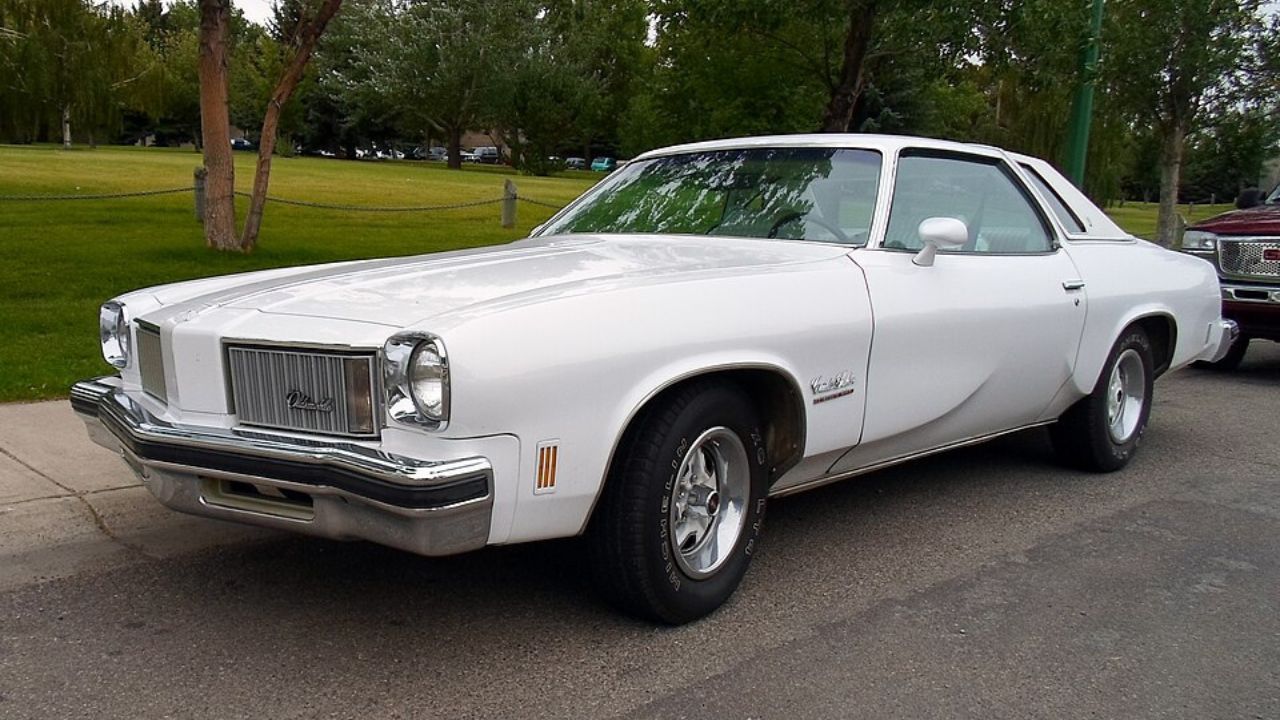
The Cutlass Salon represented an interesting attempt to blend sporty styling with a more formal and comfortable driving experience. Available in different body configurations, it offered buyers a middle ground between traditional family transportation and a performance-oriented coupe. Its styling and equipment reflected the changing preferences of American buyers during the 1970s, when personal luxury was becoming increasingly important.
Oldsmobile Omega
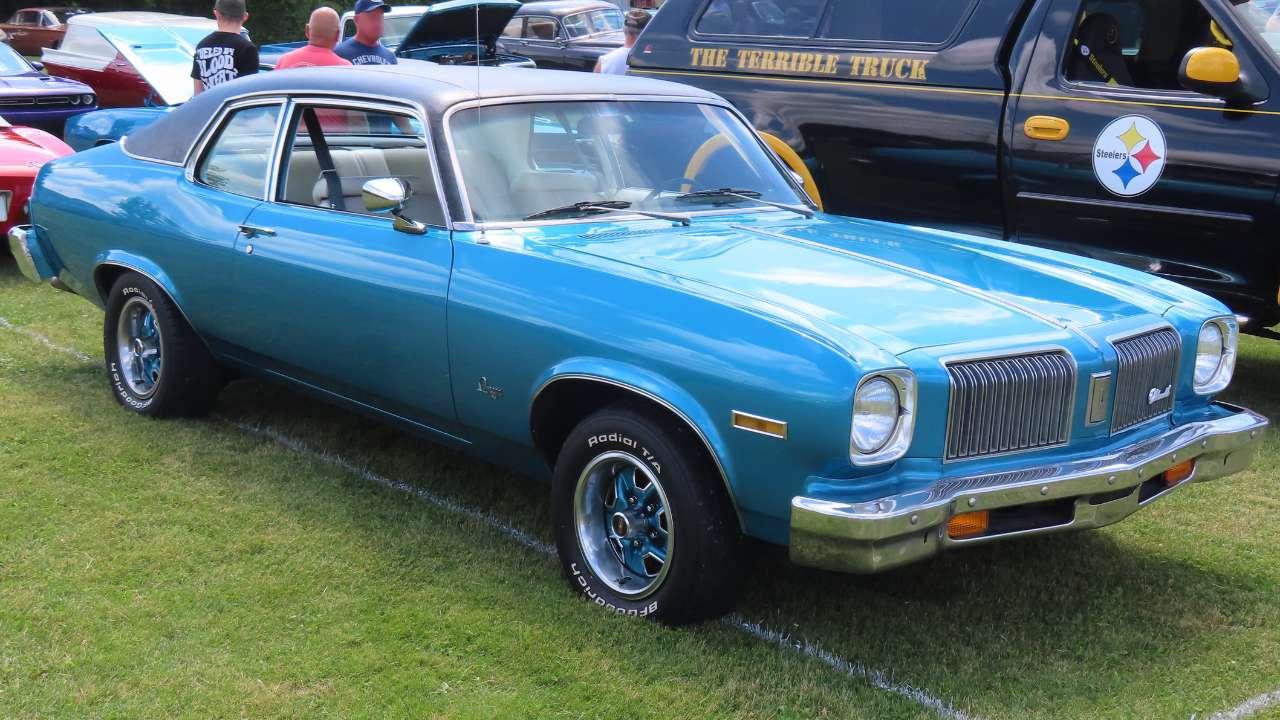
The Omega gave Oldsmobile another compact offering during a period when smaller cars were becoming increasingly important. It shared its basic architecture with other GM compact models but received Oldsmobile-specific styling and equipment. Certain versions offered surprisingly strong performance for their size. The Omega demonstrated how the division continued trying to adapt its traditional image to a rapidly changing American market.
Oldsmobile Cutlass Cruiser
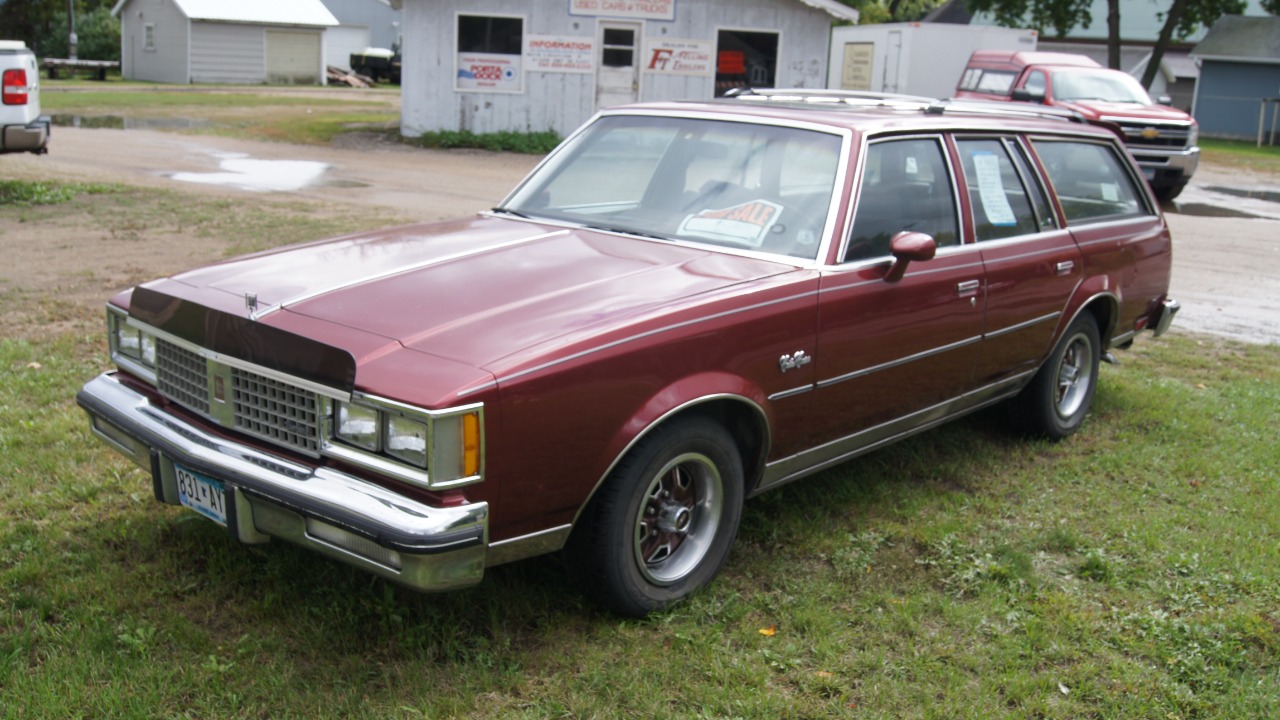
The Cutlass Cruiser showed that Oldsmobile could turn a popular nameplate into practical family transportation without making it completely anonymous. Its wagon body provided useful cargo space while retaining the comfortable character associated with the Cutlass family. The model appealed to buyers who needed versatility but still wanted something with more personality than a basic economy wagon.
Oldsmobile Cutlass Ciera
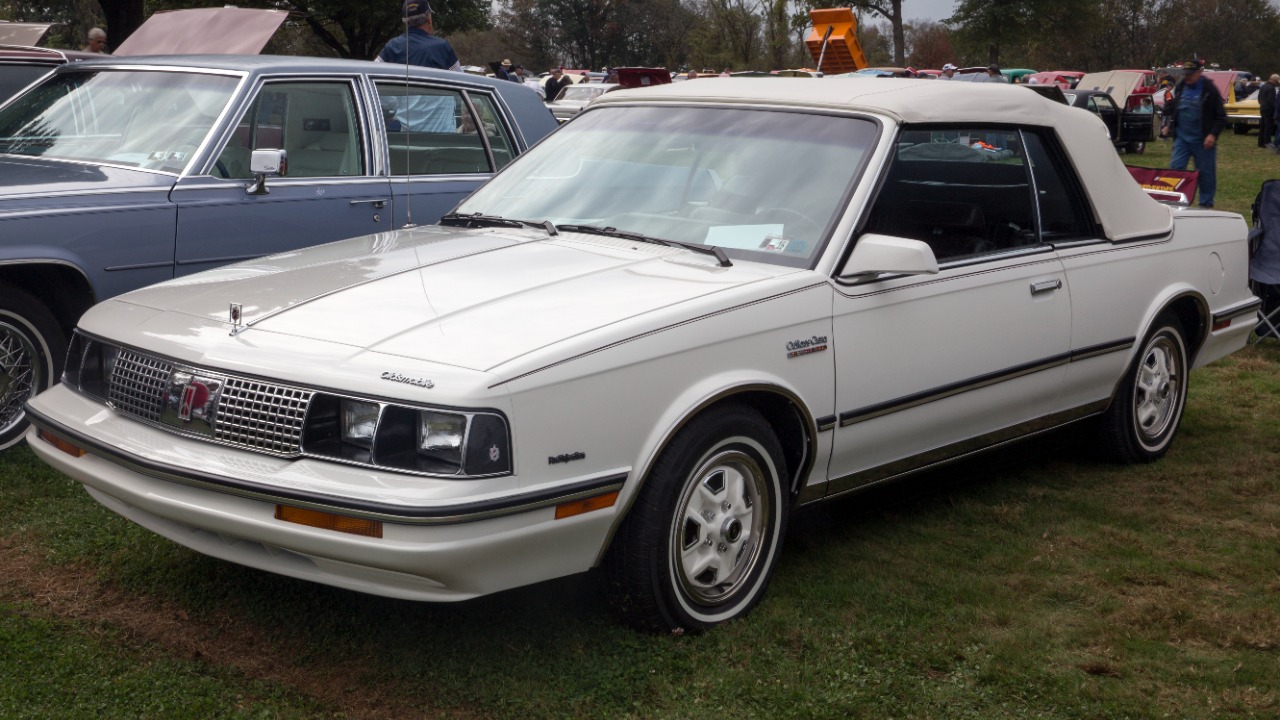
The Cutlass Ciera became one of Oldsmobile’s biggest successes during an era when the American industry was moving toward front-wheel-drive cars. Its comfortable cabin, smooth ride, and practical dimensions made it appealing to families and older buyers alike. It may not have had the muscle-car image of earlier Oldsmobiles, but its enormous popularity showed the brand understood what mainstream customers actually wanted.
Oldsmobile Aurora

The Aurora represented one of Oldsmobile’s boldest attempts to reinvent itself. Its aerodynamic body, sophisticated interior, and powerful V8 gave it a more modern character than many earlier Oldsmobiles. It was designed to compete with increasingly capable import luxury cars while retaining a distinctly American personality. The Aurora demonstrated that Oldsmobile still had the ability to create something genuinely ambitious late in its history.
Oldsmobile Bravada
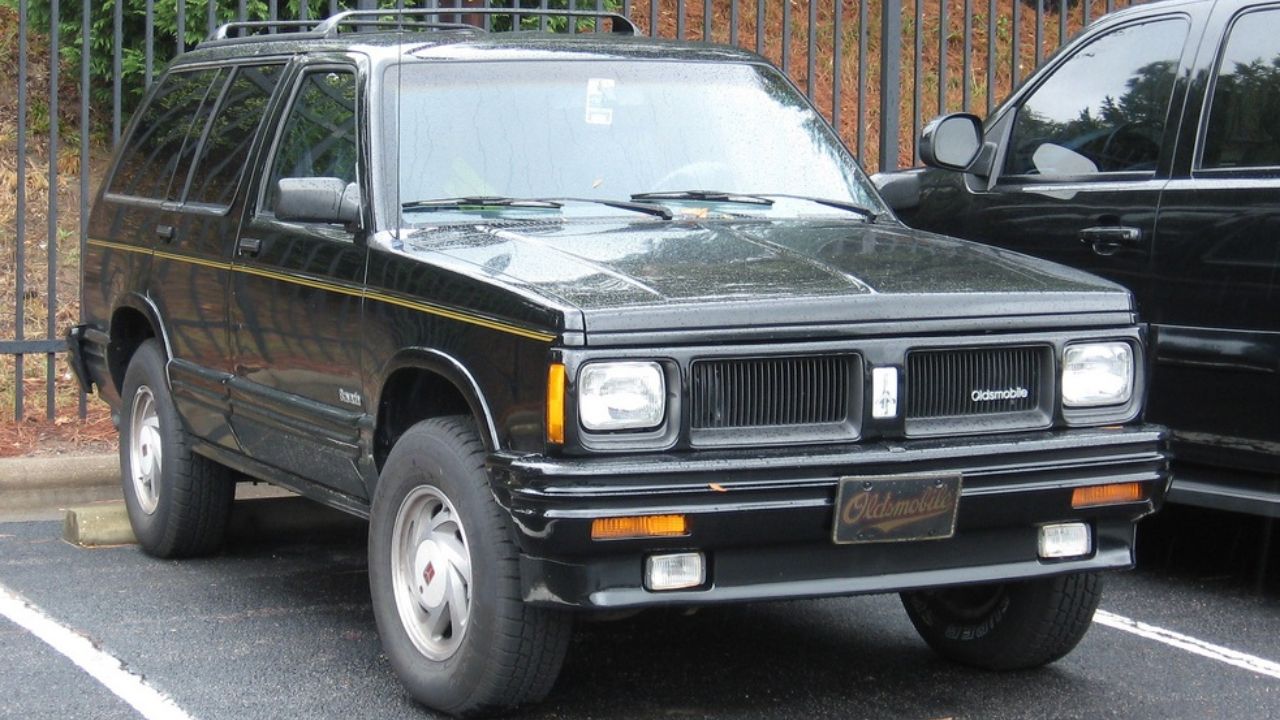
The Bravada brought Oldsmobile into the growing sport-utility market and gave the brand a vehicle that looked considerably different from its traditional sedans and coupes. It combined a truck-based foundation with a more polished interior and Oldsmobile styling. The model helped demonstrate that the division could respond to the growing demand for SUVs while maintaining its emphasis on comfort.
Oldsmobile Silhouette

The Silhouette was part of Oldsmobile’s effort to make the minivan more appealing to buyers who might otherwise choose a traditional family car. Its flexible interior, comfortable seating, and increasingly sophisticated features made it a practical long-distance vehicle. It showed that Oldsmobile was willing to move beyond its traditional sedan lineup and compete in one of the fastest-growing family segments.
Oldsmobile Intrigue
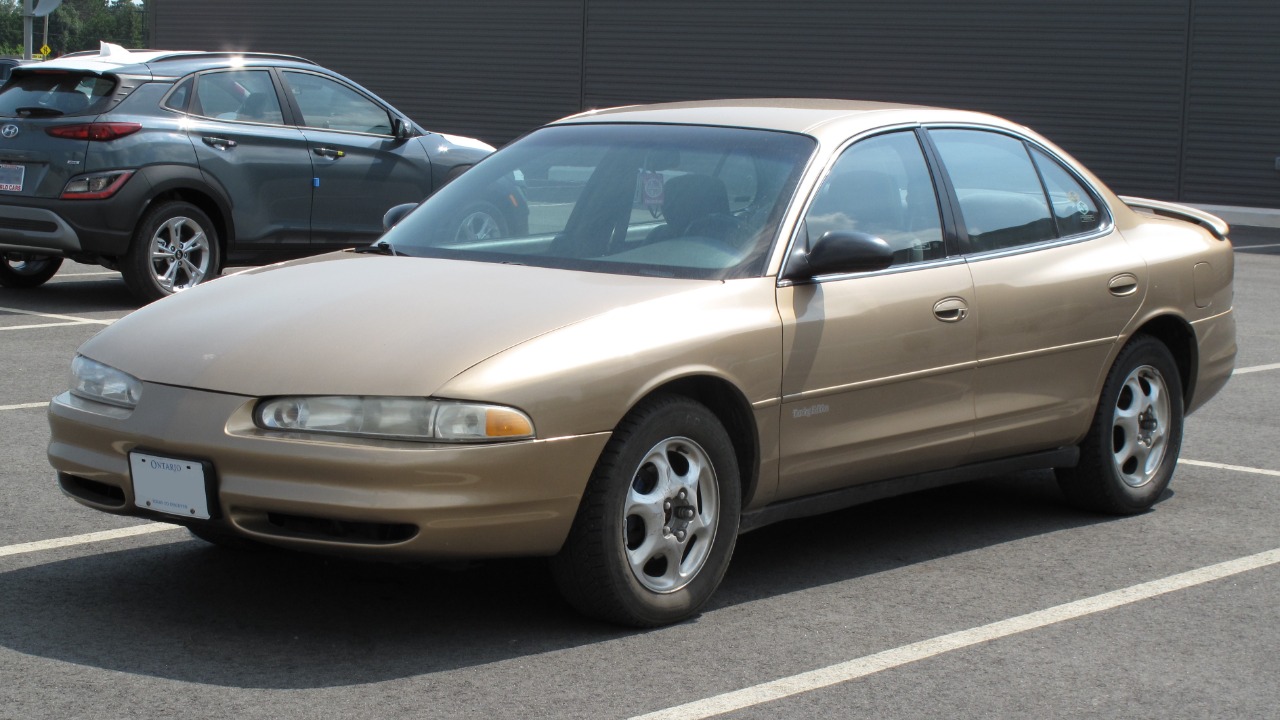
The Intrigue was an important attempt to give Oldsmobile a more contemporary identity. Its rounded styling, front-wheel-drive platform, and available V6 power were aimed at buyers who were increasingly comparing American cars with Japanese and European competitors. Although it arrived during a difficult period for the brand, the Intrigue showed that Oldsmobile could still produce a modern, attractive sedan with its own character.
Oldsmobile Achieva
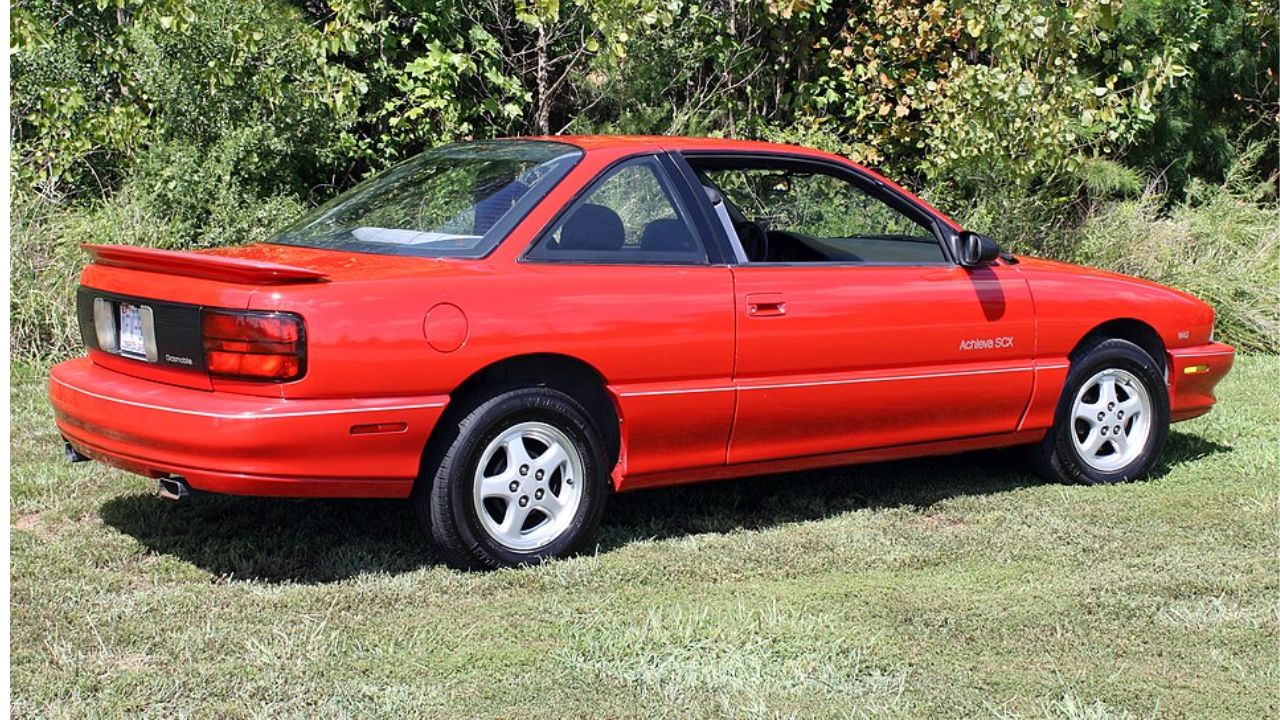
The Achieva represented Oldsmobile’s push toward smaller, more affordable cars during the 1990s. It offered practical dimensions, modern styling, and available performance-oriented equipment in a package that was easier to afford than the brand’s larger models. The Achieva was not a classic in the traditional sense, but it demonstrated Oldsmobile’s willingness to experiment as the American market continued changing.
More from Fast Lane Only
- Unboxing the WWII Jeep in a Crate
- 15 rare Chevys collectors are quietly buying
- 10 underrated V8s still worth hunting down
- Police notice this before you even roll window down
*Research for this article included AI assistance, with all final content reviewed by human editors.