The 1950s produced some of the most charming roadsters ever built. They were usually small, simple, open to the elements, and designed around the basic pleasure of driving. Many had modest power by today’s standards, but their styling, proportions, and character have helped them remain desirable decades later. These roadsters still feel like special machines.
Chevrolet Corvette
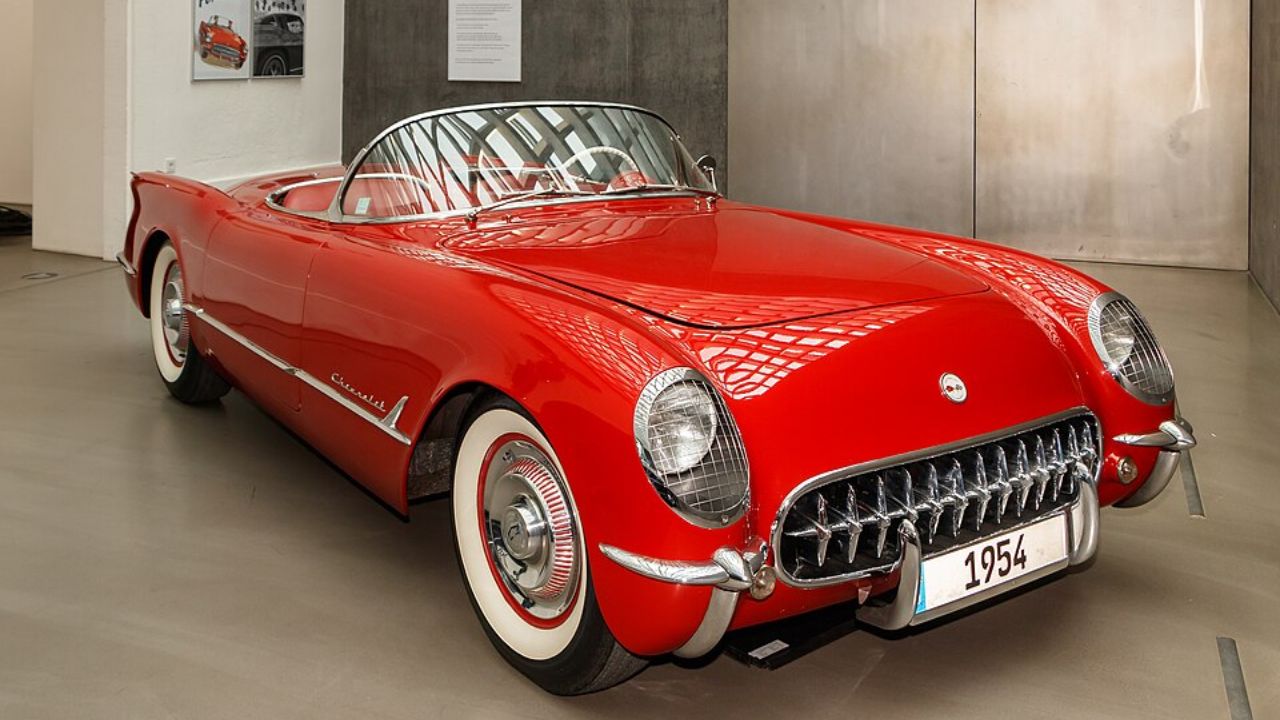
The first-generation Corvette helped establish the American two-seat sports car as a serious category. Its fiberglass body gave it a distinctive appearance, while the compact proportions made it look completely different from Chevrolet’s larger cars. Early Corvettes evolved quickly as Chevrolet improved their engines and performance. Today, the original Corvette remains one of the clearest symbols of America’s fascination with sports cars during the 1950s.
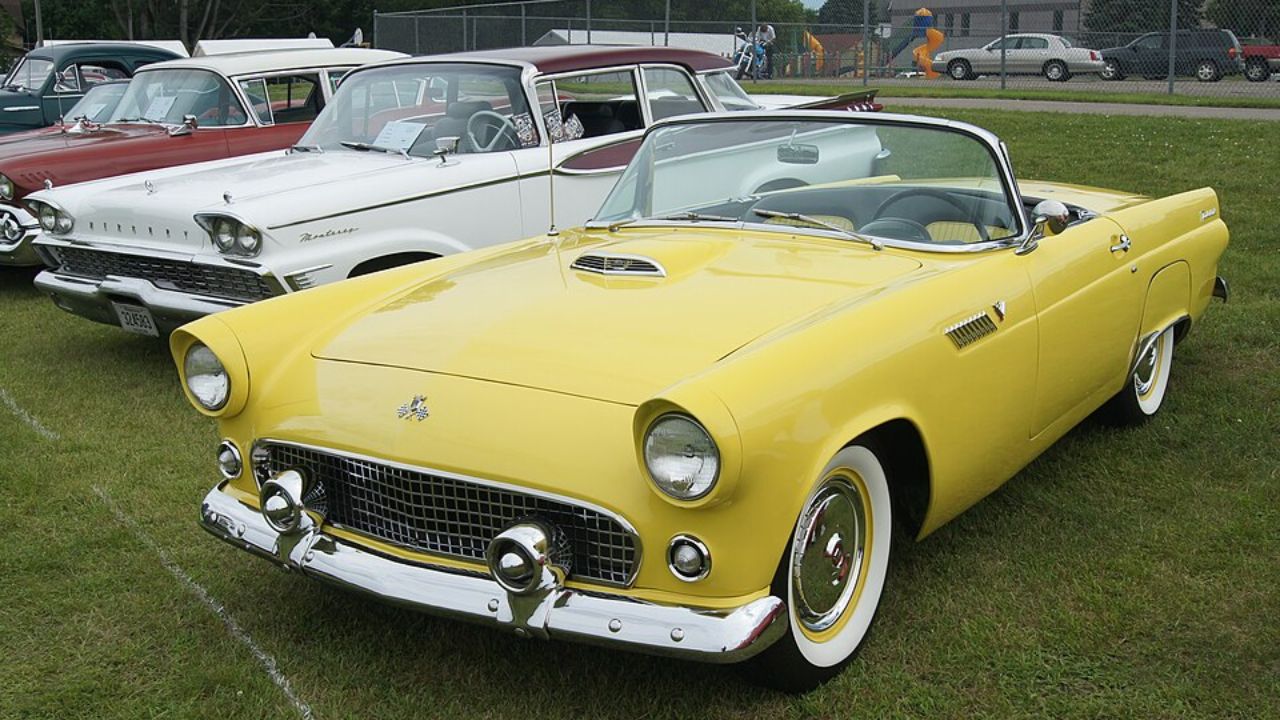
Ford Thunderbird

The original Thunderbird brought a distinctly American interpretation of the roadster formula. It combined two-seat proportions with a comfortable interior and available V8 power, giving it more refinement than many small European sports cars. Its removable hardtop also made it practical for different seasons. The Thunderbird’s clean lines and compact dimensions still make early examples especially appealing at classic-car shows.
Mercedes-Benz 300 SL Roadster
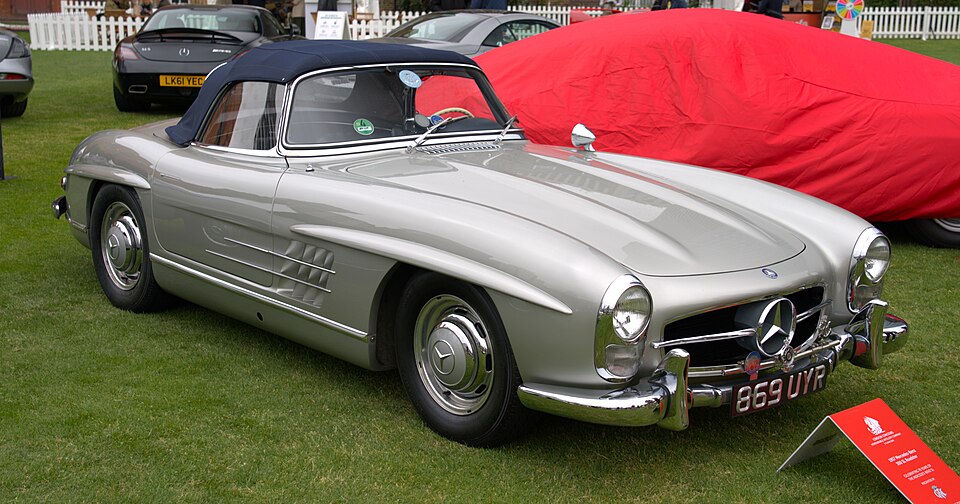
The 300 SL Roadster transformed the dramatic character of Mercedes-Benz’s famous sports car into a more conventional open-top package. Its elegant bodywork, advanced engineering, and powerful straight-six engine made it one of the most sophisticated sports cars of its time. Unlike many simple roadsters, it offered genuine high-speed capability. It remains one of the most celebrated European sports cars from the decade.
BMW 507
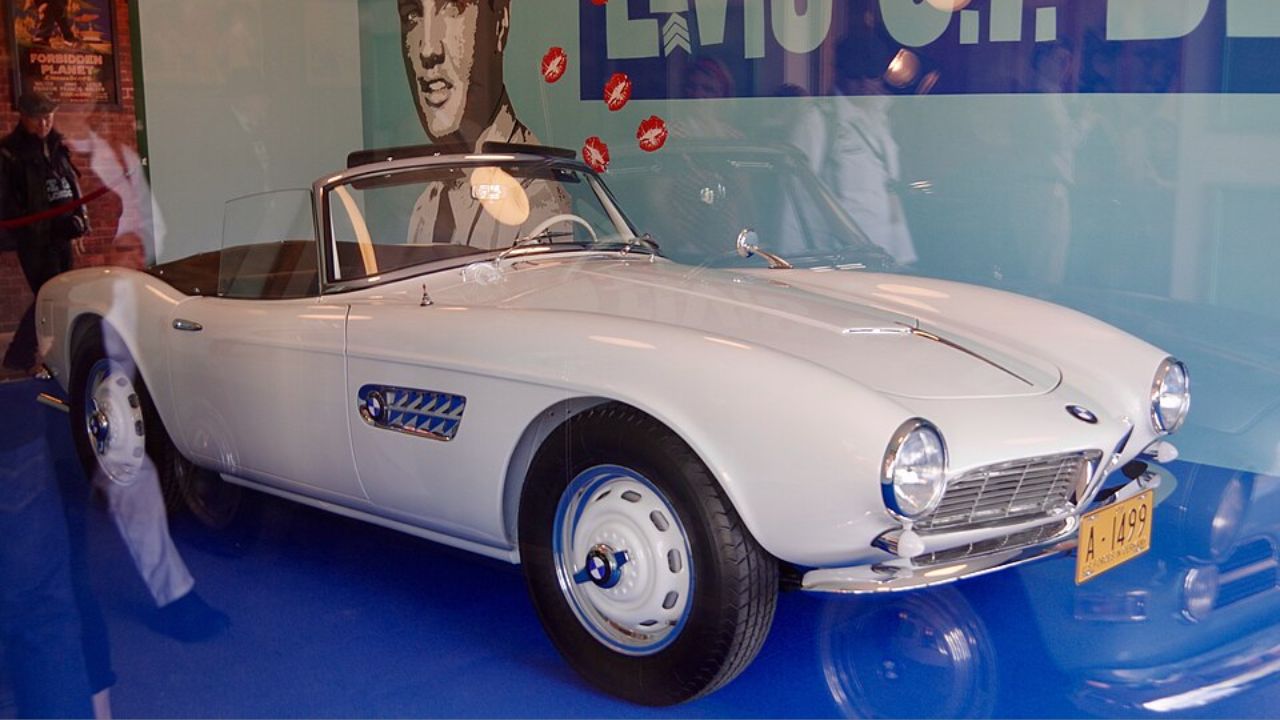
The BMW 507 combined German engineering with elegant Italian-inspired styling. Its long hood, low body, and rounded fenders gave it a graceful appearance that still looks expensive today. A V8 engine provided the performance to match its sporting character. Production was limited, which has made surviving examples highly desirable. The 507 remains one of BMW’s most memorable early sports cars.
Porsche 356 Speedster
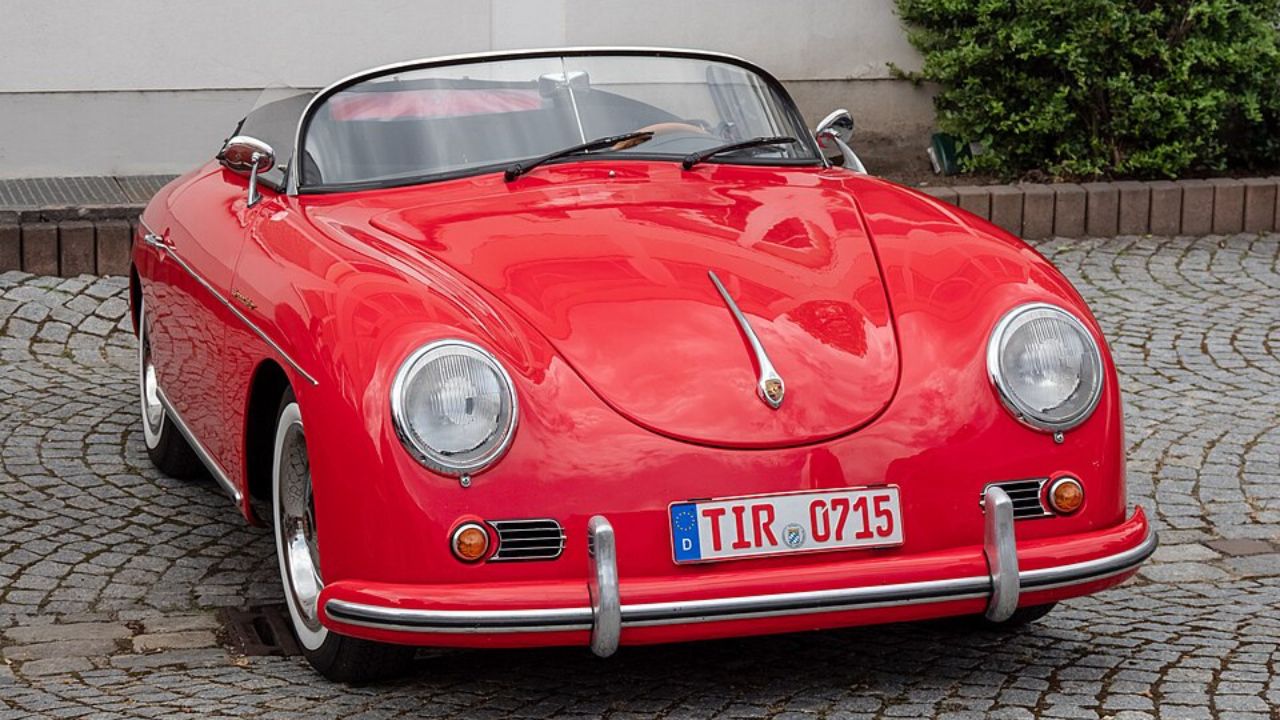
The 356 Speedster became famous for its stripped-down approach to open-air driving. Its low windshield, simple interior, and lightweight construction emphasized the driving experience rather than luxury. Porsche kept the mechanical formula relatively straightforward, giving the car a distinctive combination of modest power and excellent balance. Its proportions remain instantly recognizable and have helped make it one of the decade’s most influential sports cars.
Alfa Romeo Giulietta Spider

The Giulietta Spider showed how much personality could be packed into a small roadster. Designed with elegant Italian proportions, it featured a compact body and lively four-cylinder engine. The car became popular with drivers who wanted something sporty without the size or weight of larger American automobiles. Its simple, graceful shape still gives it a timeless presence among 1950s classics.
Fiat 1100 TV Spider
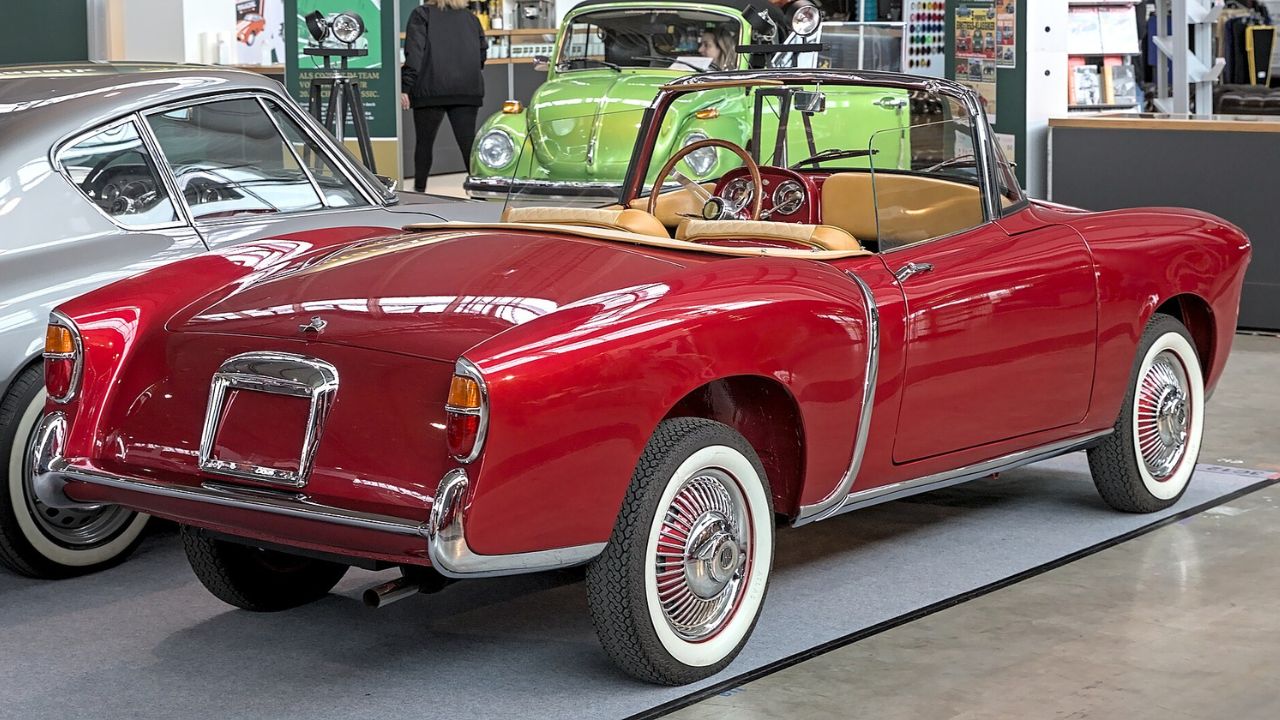
The Fiat 1100 TV Spider offered an affordable way into Italian open-top motoring. Its compact body and streamlined styling gave it an appealing character, while the small four-cylinder engine provided enough performance for enjoyable road driving. It was never intended to be a high-powered sports car. Instead, it represented the lightweight and stylish side of 1950s European motoring.
Lancia Aurelia Spider
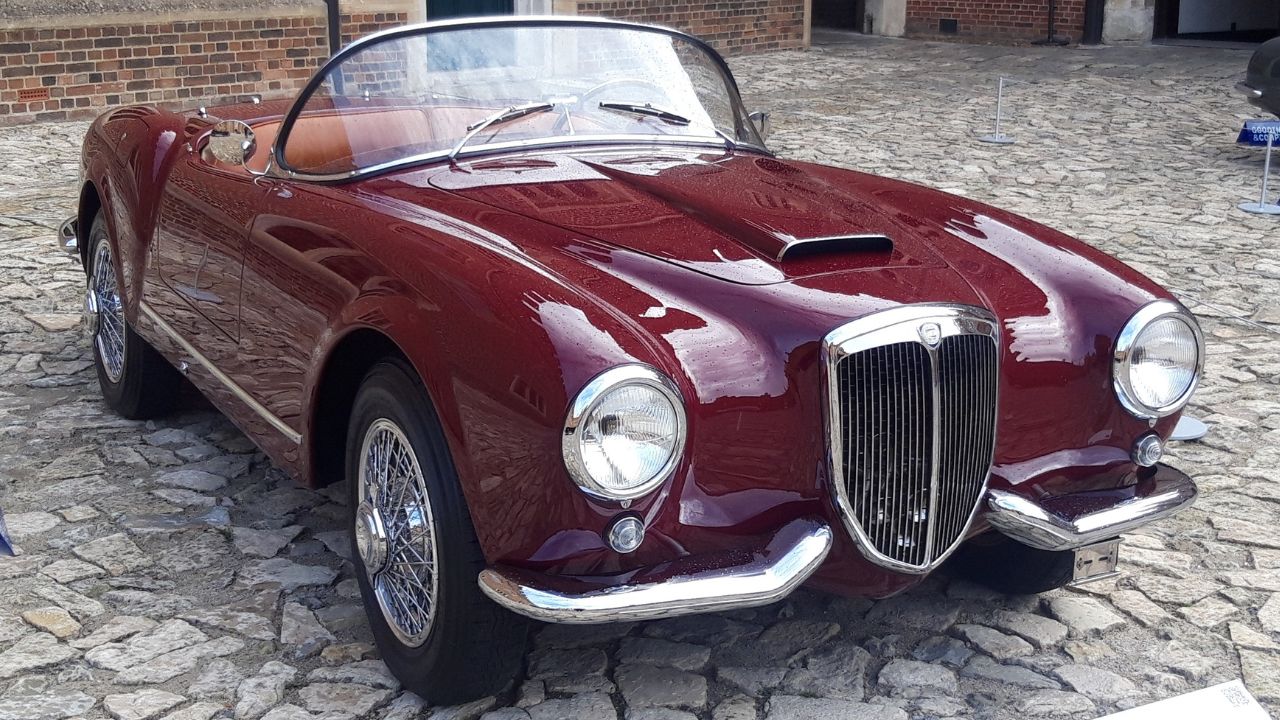
The Lancia Aurelia was already an advanced automobile, and its open-top versions added an especially elegant character. Lancia’s innovative engineering included a V6 engine and sophisticated chassis design that helped distinguish the car from many rivals. The Spider’s restrained styling has aged beautifully. It remains an excellent example of how technically ambitious and stylish Italian cars could be during the 1950s.
Austin-Healey 100
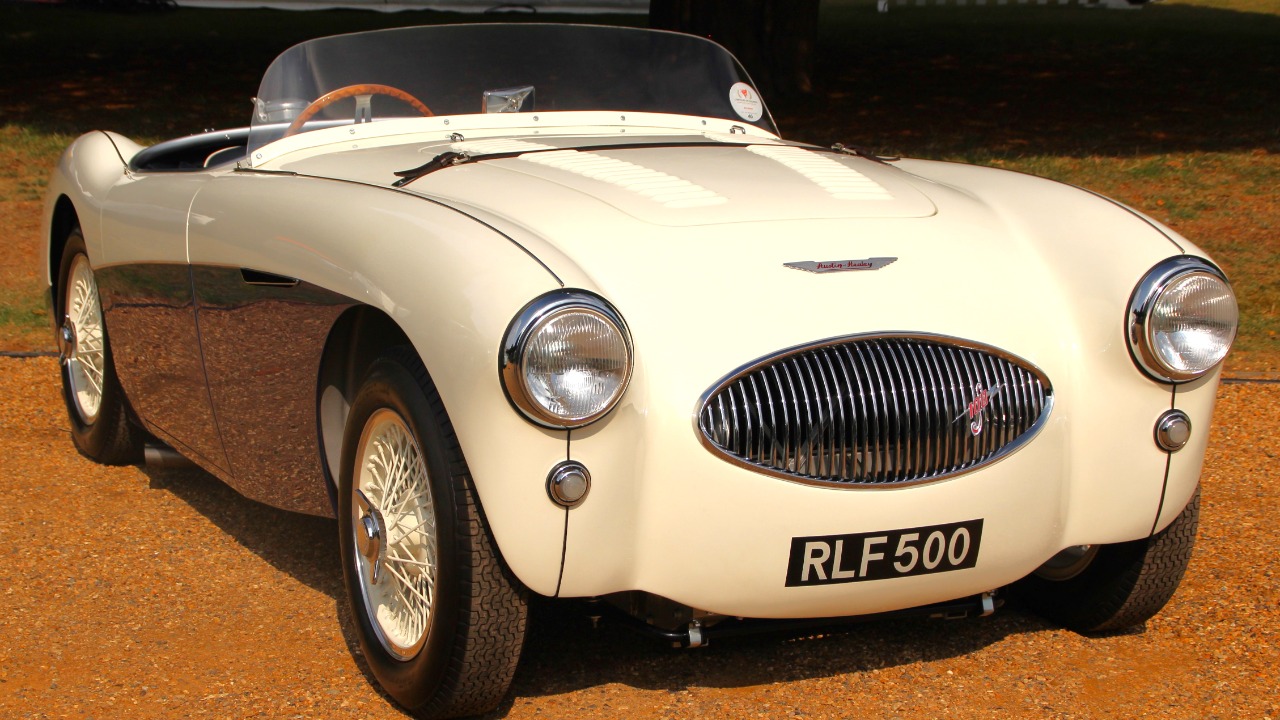
The Austin-Healey 100 helped establish the formula that would make British roadsters so popular around the world. Its low body, simple cockpit, and four-cylinder engine delivered an engaging driving experience without unnecessary complexity. The car looked purposeful without being overly ornate. Its combination of accessible performance and classic proportions helped make the Austin-Healey name famous far beyond Britain.
Daimler SP250
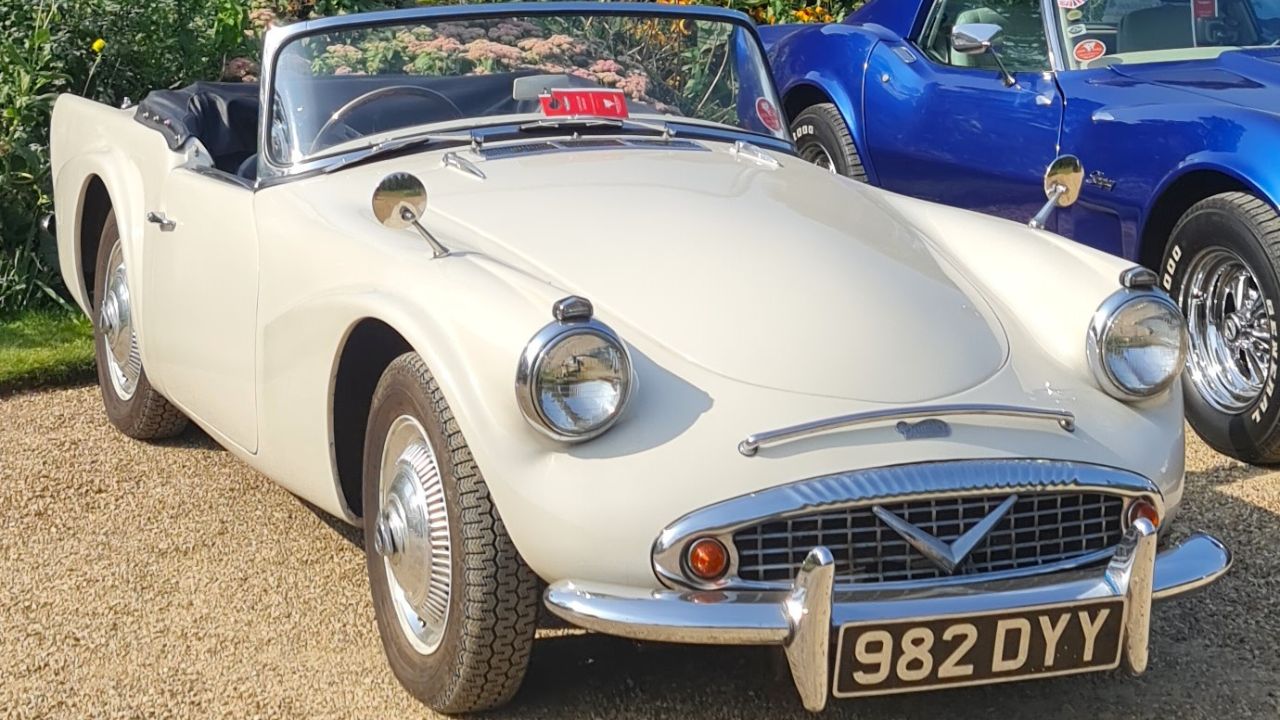
The Daimler SP250 was one of the more unusual British sports cars of the decade. Its fiberglass body gave it a distinctive shape, while its compact V8 engine provided more performance than its appearance might suggest. The car’s design was quirky rather than conventional, which has become part of its charm. Today, the SP250 stands out as a fascinating example of British experimentation.
AC Ace
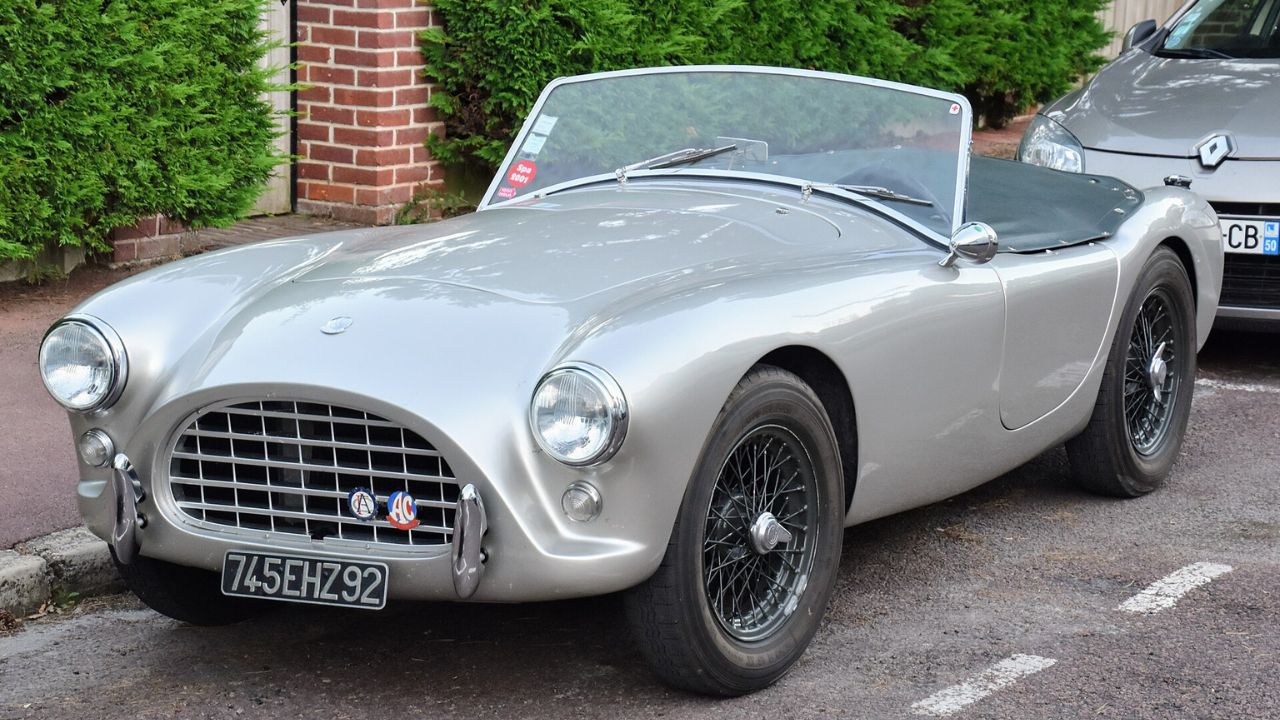
The AC Ace had a simple, lightweight design that made it particularly appealing to enthusiasts. Its graceful bodywork and independent suspension helped give it a more sophisticated character than its modest size suggested. The car later became historically important because its basic design provided the foundation for another famous performance machine. Even without that connection, the Ace remains a beautiful 1950s roadster in its own right.
Morgan Plus 4
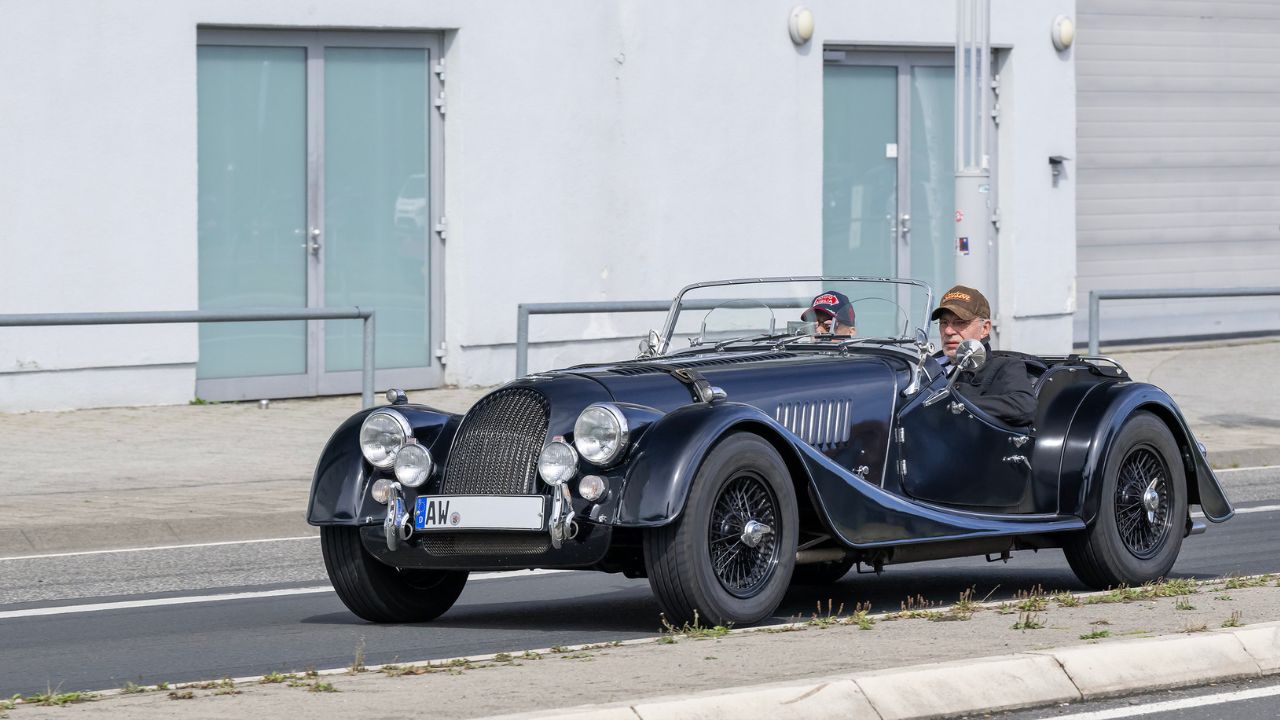
The Morgan Plus 4 retained a traditional approach while much of the automotive industry was moving toward more modern construction. Its separate chassis, lightweight body, and open cockpit gave it a very different personality from mainstream sports cars. The upright styling looked old-fashioned even when new, but that was part of its appeal. It remains an unmistakable expression of classic British motoring.
Triumph TR3
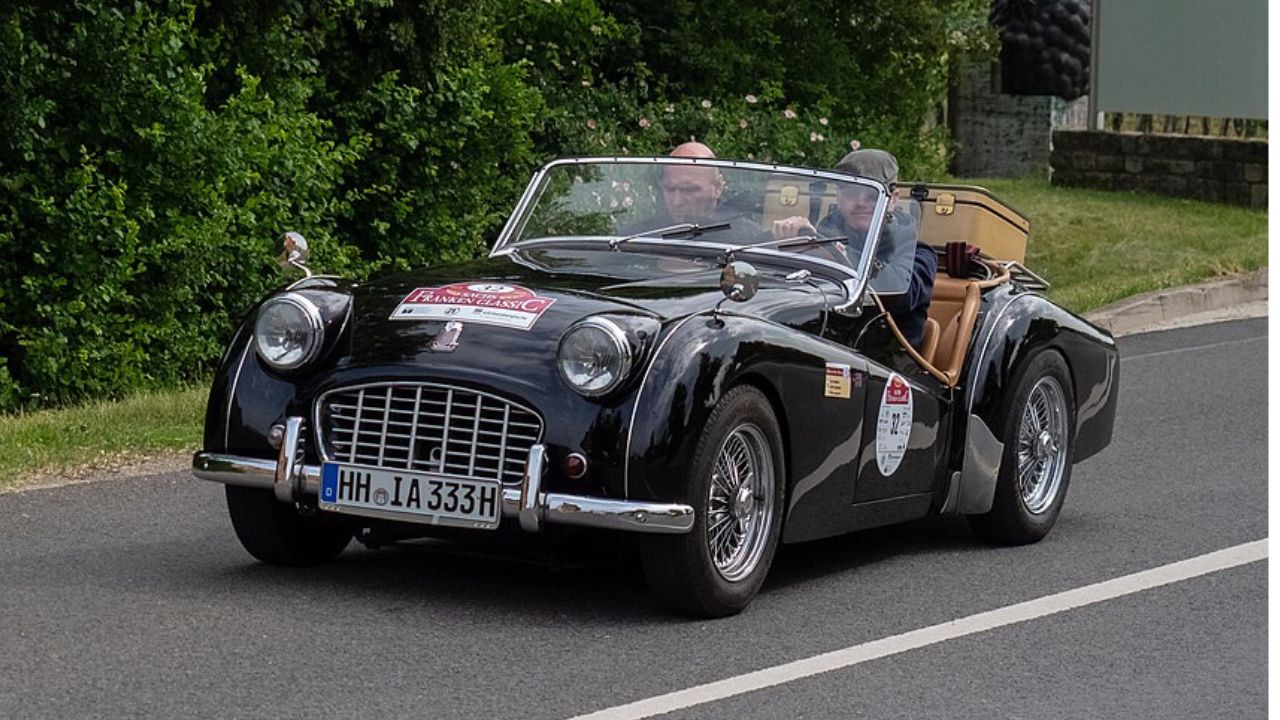
The TR3 brought more performance to the affordable British roadster formula. Its upright grille, cut-down doors, and simple open cockpit gave it a purposeful appearance, while its four-cylinder engine provided lively performance for its size. The TR3 became especially popular in export markets. Its straightforward mechanical character and unmistakable styling continue to make it a favorite among classic-roadster enthusiasts.
Austin-Healey 100-6
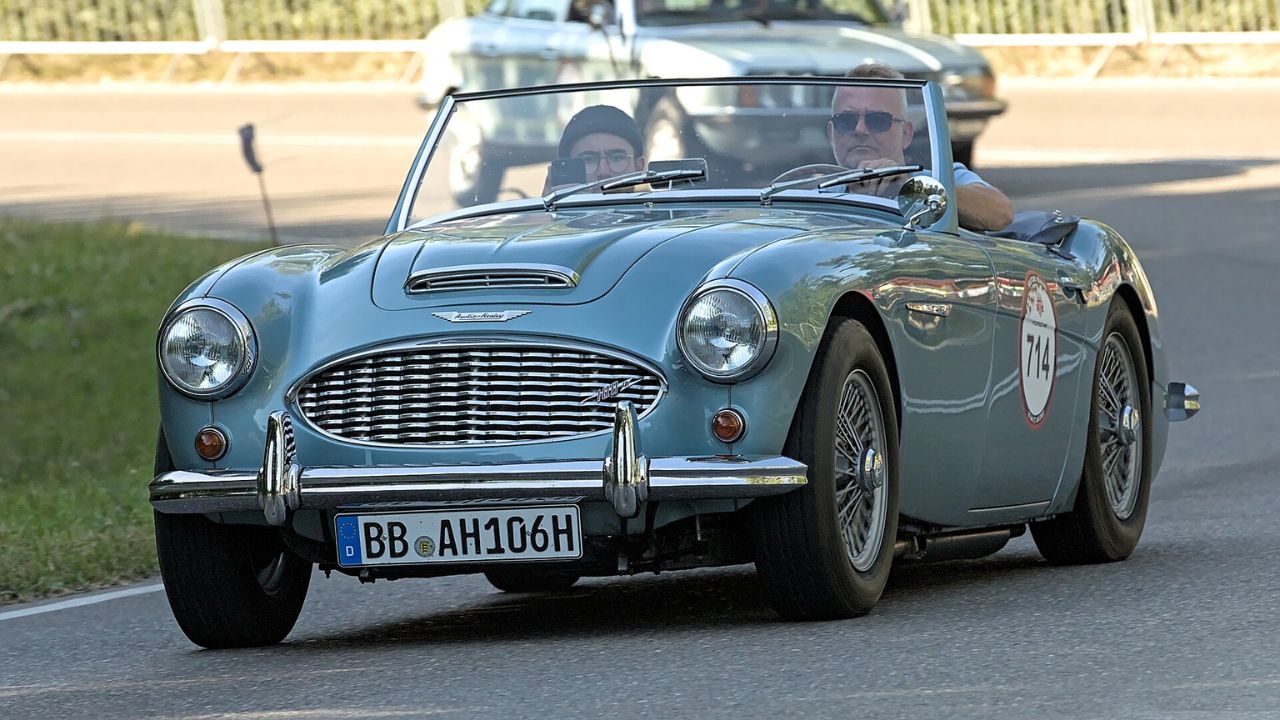
The 100-6 represented a step forward for Austin-Healey, adding a six-cylinder engine to the company’s established sports-car formula. The extra power made it a more capable highway performer while retaining the low-slung character buyers expected. Its styling remained unmistakably British, with a long hood and open cockpit. It captures the point where traditional roadsters were becoming faster and more sophisticated.
Alfa Romeo 1900C Spider
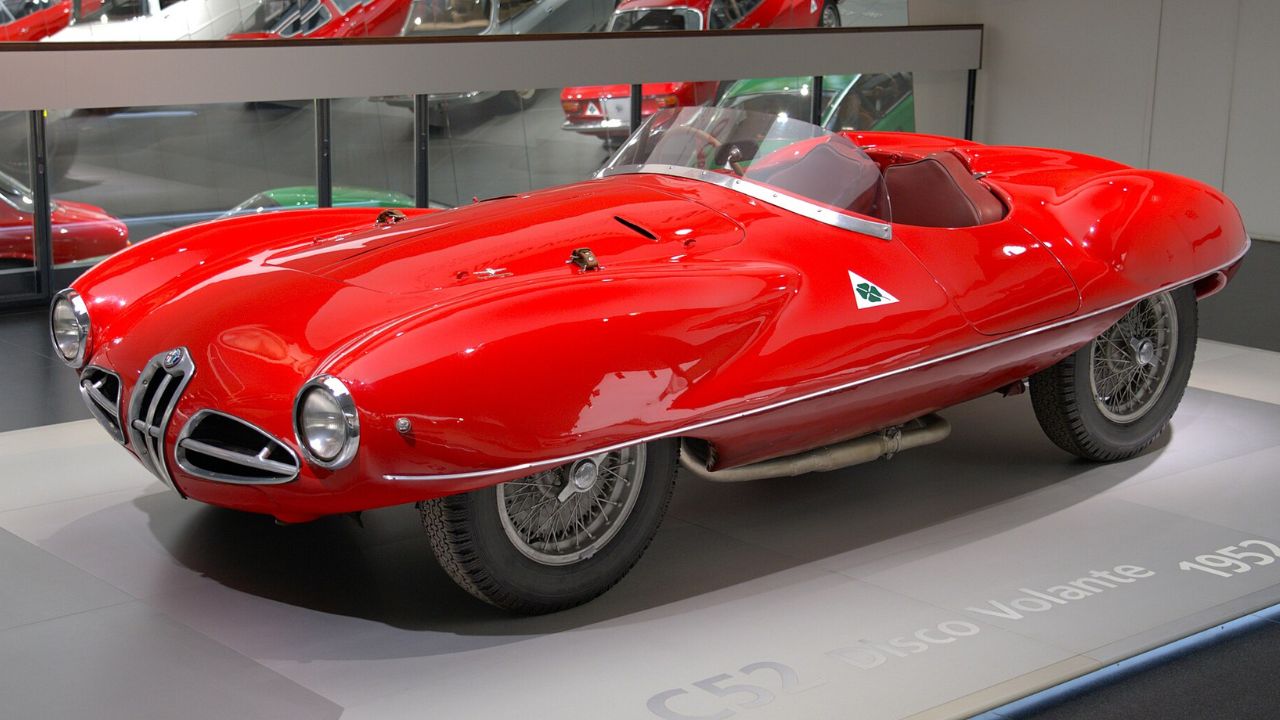
The Alfa Romeo 1900C Spider brought Italian sporting character to a relatively compact package. Its elegant bodywork was complemented by Alfa Romeo’s reputation for responsive engines and enjoyable handling. The car was considerably more refined than many basic open sports cars of the period. Its combination of style and engineering helped establish the qualities that would define Alfa Romeo’s later sports cars.
Porsche 356 Cabriolet
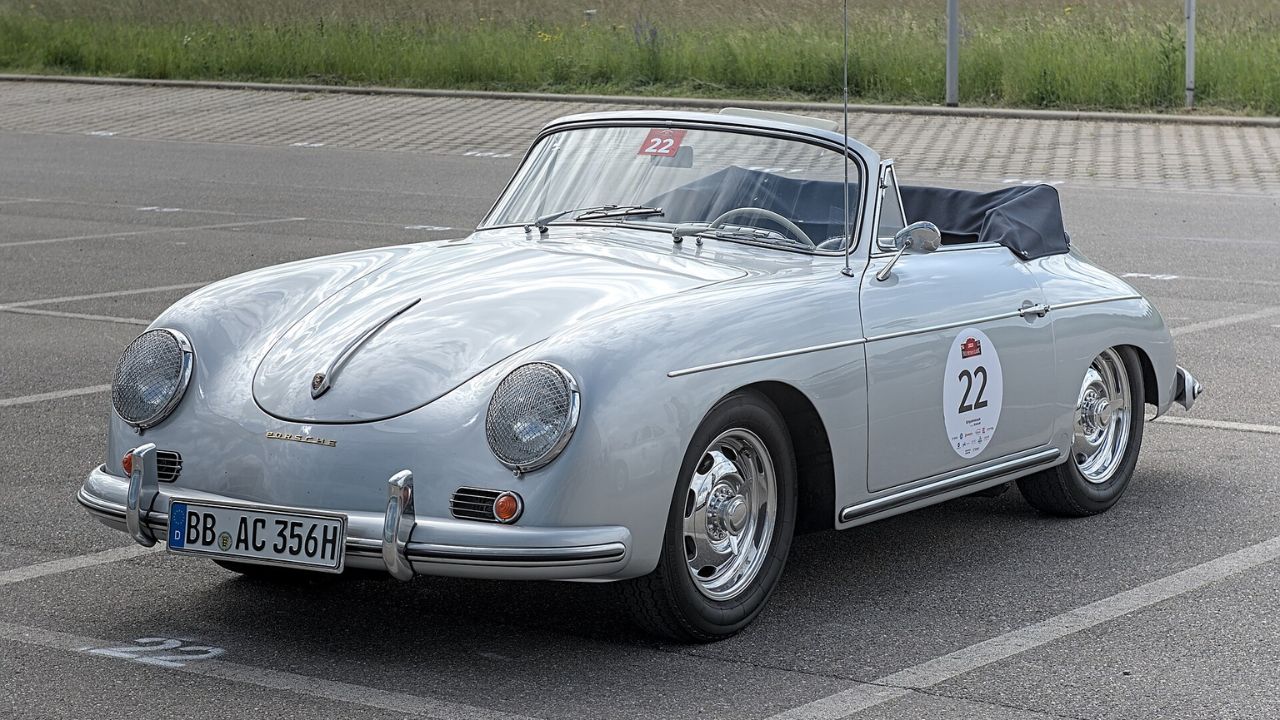
The 356 Cabriolet offered a more comfortable open-air alternative to Porsche’s stripped-down Speedster. It retained the compact rear-engine layout and distinctive styling while providing a more conventional driving environment. The result was a sports car that could be enjoyed on longer journeys as well as winding roads. Its smooth proportions remain a major part of its enduring appeal.
Jaguar XK140 Roadster
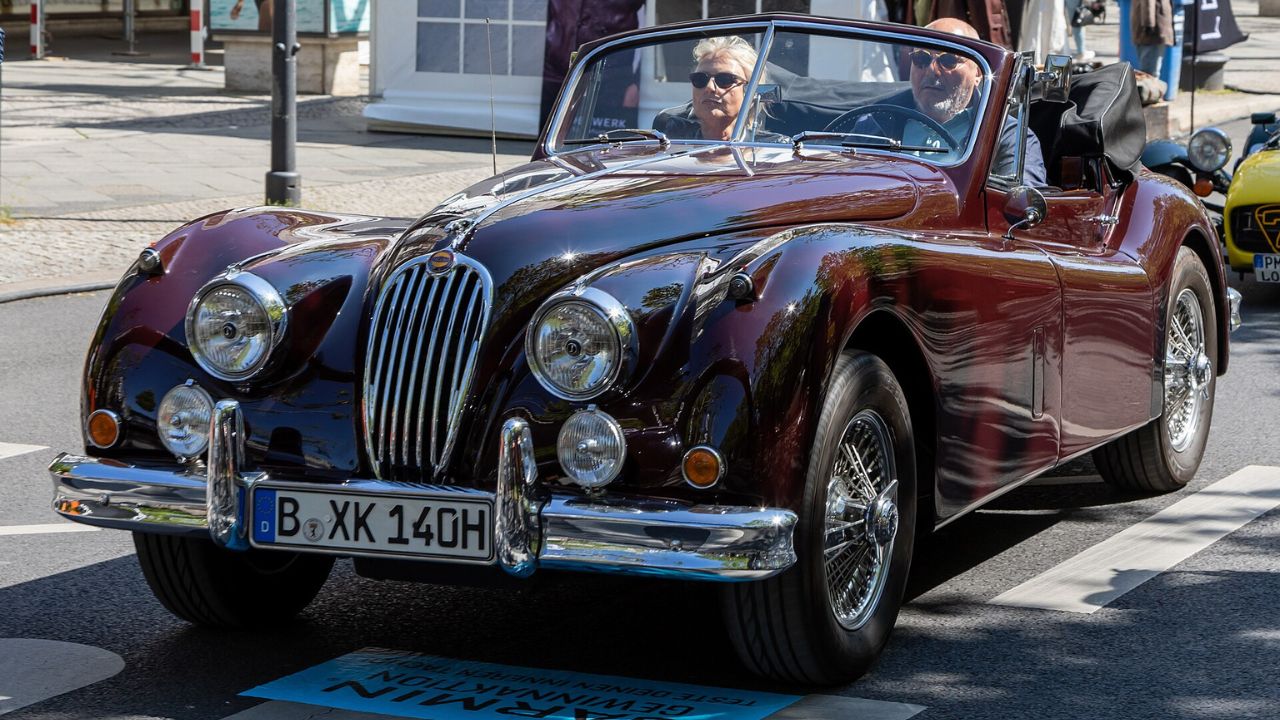
The XK140 Roadster combined British elegance with serious performance. Its long hood, low seating position, and powerful six-cylinder engine gave it the presence of a genuine grand touring sports car. Compared with smaller British roadsters, it offered considerably more performance and luxury. The XK140 still looks special because its design captured the postwar fascination with fast, glamorous European automobiles.
Sunbeam Alpine

The Sunbeam Alpine offered a more approachable take on the British sports-car formula. Its compact body, folding top, and relatively comfortable cabin made it suitable for everyday driving as well as weekend trips. It lacked the extreme performance of some larger sports cars, but that was never its main purpose. The Alpine’s friendly proportions and simple design have allowed it to age gracefully.
MG MGA
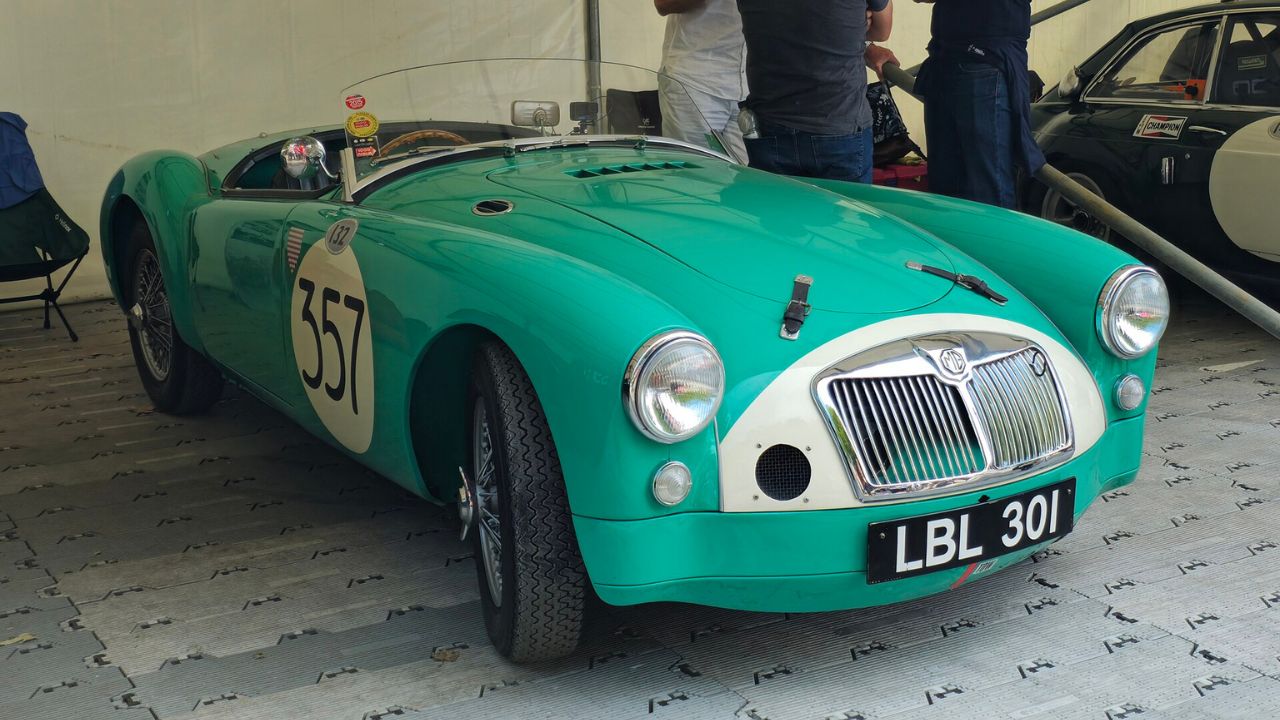
The MGA represented a major styling change for MG, replacing the upright appearance of earlier sports cars with a smoother, more aerodynamic body. Its low profile and curved fenders gave it a modern appearance for the period. The car was also light enough to make modest engine power feel entertaining. The MGA remains special because it helped define the classic British sports-car shape that many enthusiasts still associate with open-top driving.
Chevrolet Bel Air Convertible
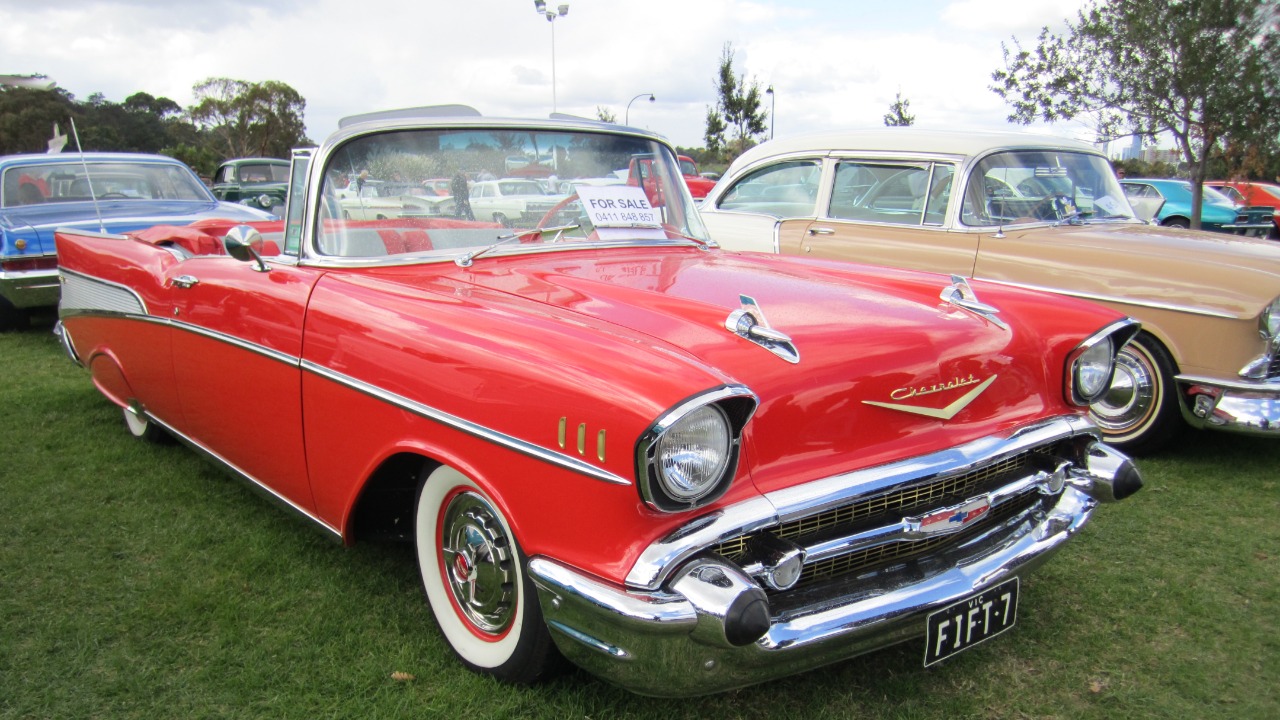
The Bel Air Convertible was not a dedicated sports car, but it captured the open-air spirit of the 1950s better than almost any other American automobile. Its wide body, bright chrome, colorful styling, and available V8 engines reflected the confidence of the era. A well-preserved example feels like a rolling snapshot of 1950s America, making it special for reasons far beyond performance.
More from Fast Lane Only
- Unboxing the WWII Jeep in a Crate
- 15 rare Chevys collectors are quietly buying
- 10 underrated V8s still worth hunting down
- Police notice this before you even roll window down
*Research for this article included AI assistance, with all final content reviewed by human editors.