American performance cars have often been associated with big engines and straight-line speed, but some went further by introducing ideas that competitors took years to match. From advanced engines and lightweight construction to clever suspension and aerodynamic design, these cars showed that American manufacturers could sometimes move the performance game forward in unexpected ways.
Chevrolet Corvette Sting Ray
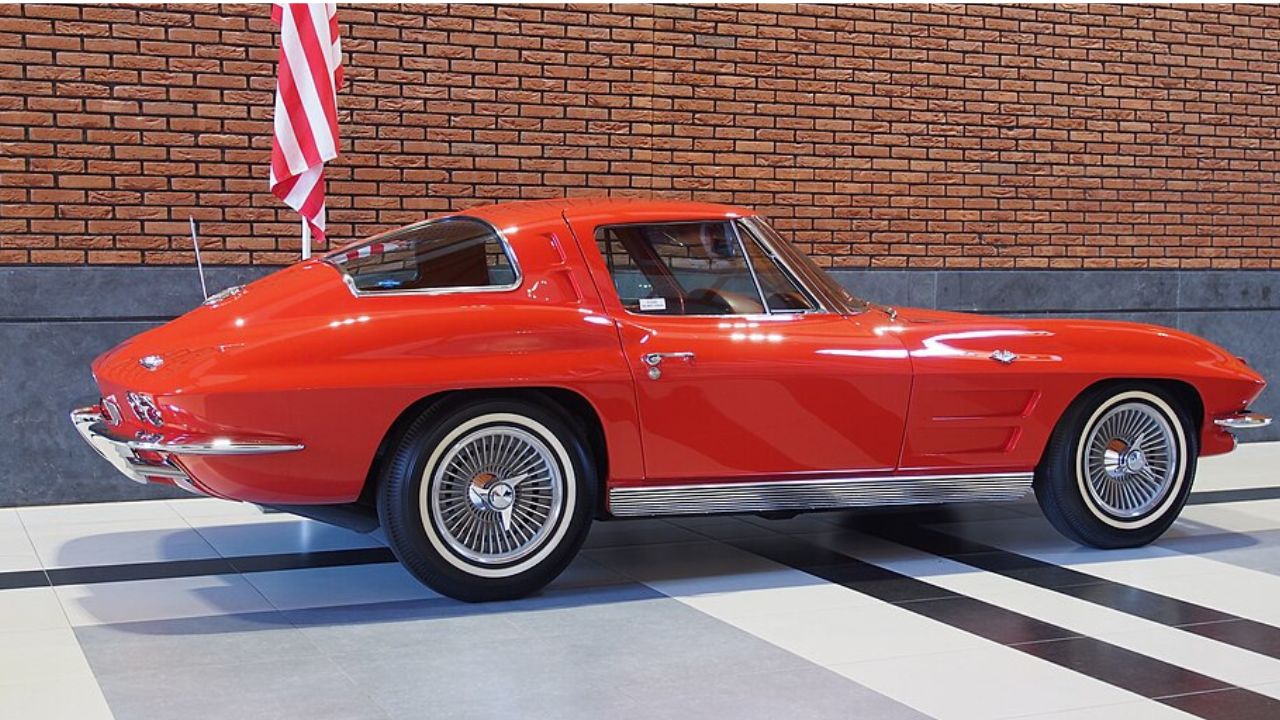
The second-generation Corvette brought a major change in how American sports cars looked and performed. Its independent rear suspension was a particularly important step, giving the Corvette more sophisticated handling than many traditional American performance cars. The Sting Ray also combined a lightweight fiberglass body with increasingly powerful V8 engines. Its design and engineering helped establish the Corvette as a serious sports car rather than simply a powerful American cruiser.
Pontiac GTO

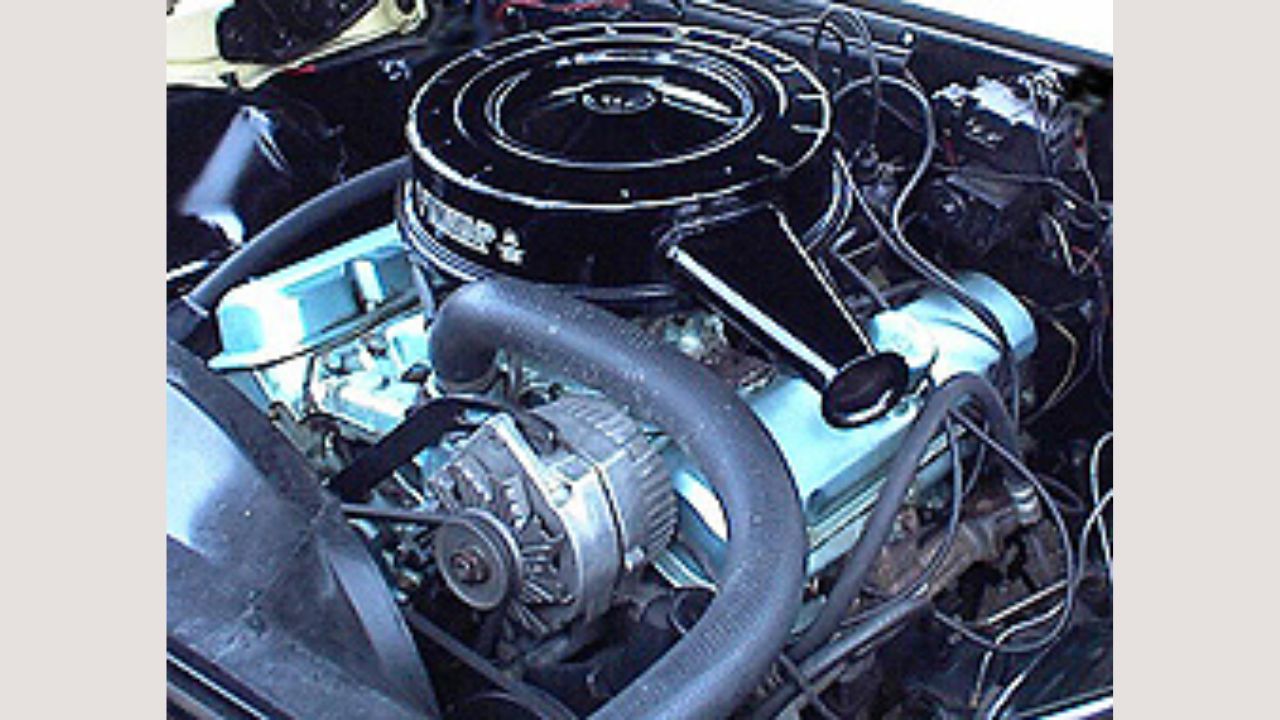
The Pontiac GTO helped turn the muscle-car formula into a major American performance category. Instead of forcing buyers into an expensive full-size performance car, Pontiac placed a large V8 into a relatively manageable midsize package. That combination delivered strong acceleration without requiring exotic engineering. The GTO’s formula was quickly copied across the industry, making it one of the clearest examples of an American performance car that changed what buyers expected from a mainstream coupe.
Ford Mustang
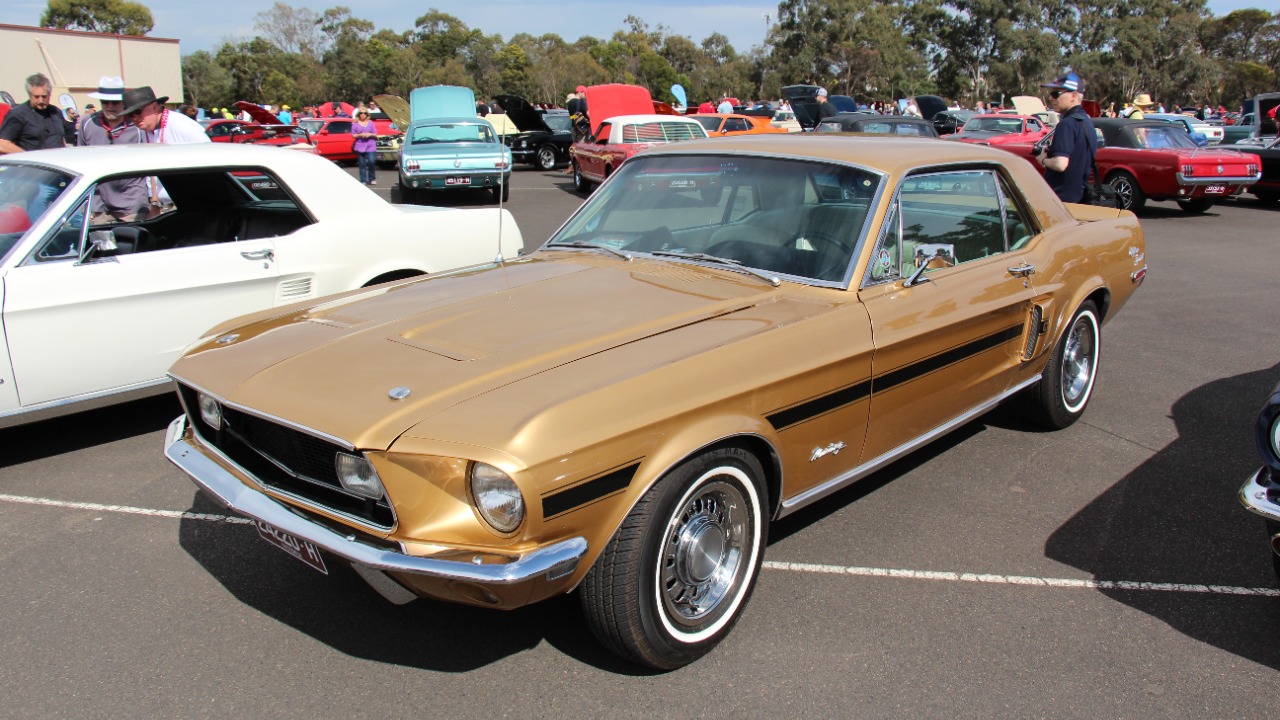
The Ford Mustang transformed the performance-car market by making sporty styling and strong engines accessible to a much wider audience. Its compact dimensions, long hood, and broad range of powertrains created a formula that competitors quickly attempted to copy. The Mustang could be configured as an economical commuter or a serious performance car, giving it unusual versatility. Its influence extended well beyond Ford and helped create an entirely new category of affordable American performance cars.
Chevrolet Camaro Z/28
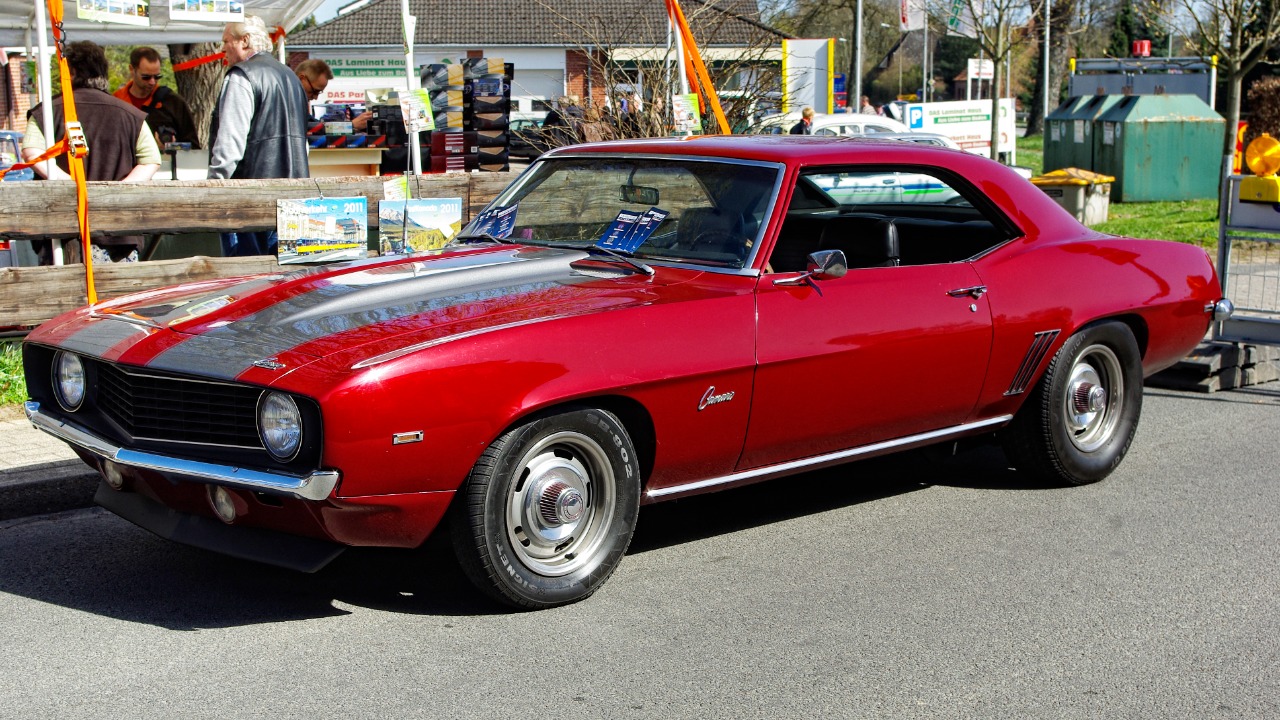
The Camaro Z/28 was developed with road racing in mind, giving Chevrolet a performance car that could do more than accelerate in a straight line. Its high-revving small-block V8, upgraded suspension, and track-focused character made it a serious rival to Ford’s performance Mustangs. The Z/28 demonstrated that an American pony car could be engineered for handling as well as power, helping push the segment toward more balanced performance.
Plymouth Barracuda
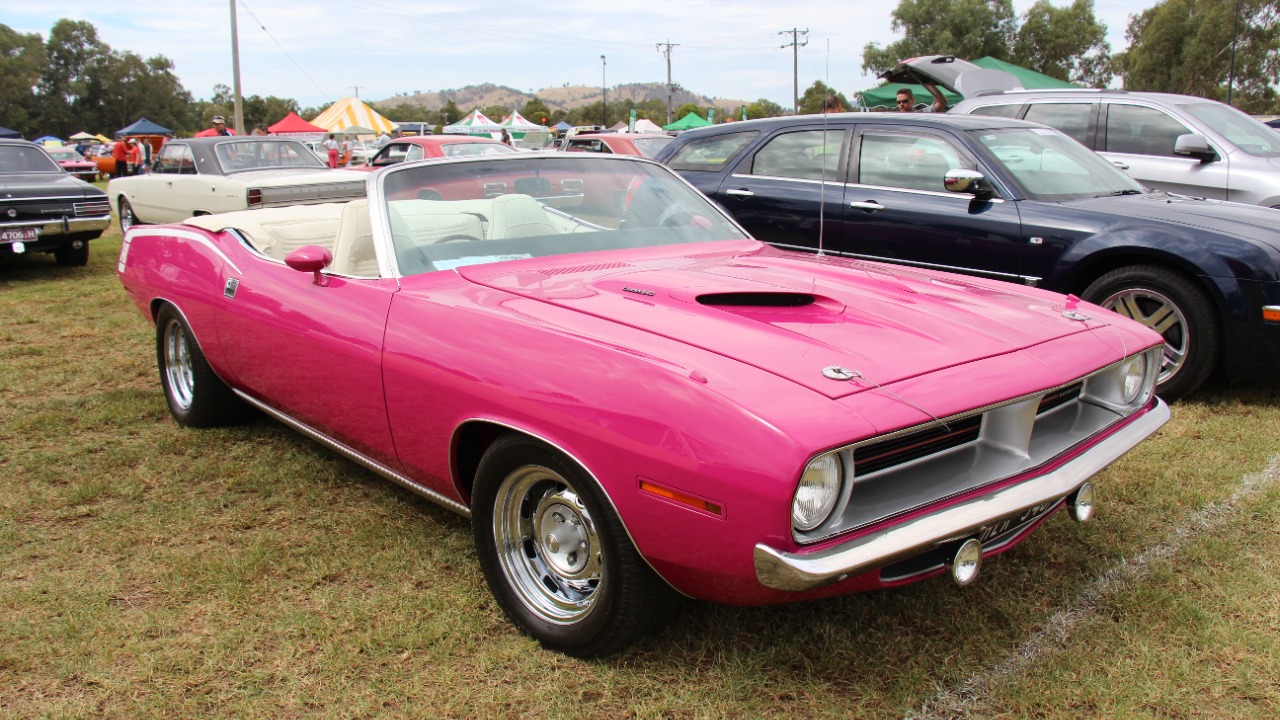
The Plymouth Barracuda arrived just before the Mustang and helped establish the idea of a compact American car with sporty intentions. Its unusual rear-window design gave it a distinctive appearance, while later versions gained increasingly serious performance hardware. The Barracuda evolved into a major muscle-car contender and showed how quickly manufacturers could turn relatively compact platforms into powerful performance machines.
Dodge Viper
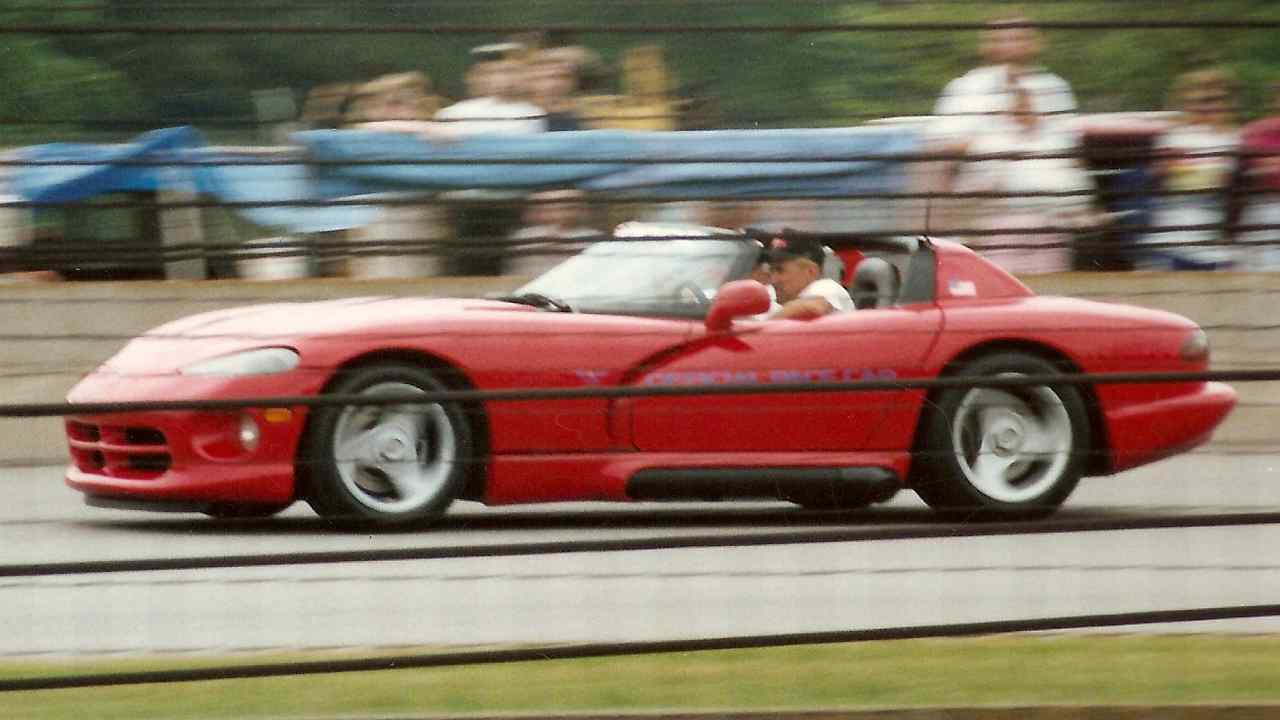
The Dodge Viper was a dramatic departure from the increasingly electronic performance cars of its era. Its huge V10 engine, lightweight construction, and minimal driver aids created a raw driving experience that was unusual even among high-performance sports cars. The Viper demonstrated that an American manufacturer could build a genuinely exotic-feeling machine without relying on traditional European formulas. Its combination of enormous displacement and relatively simple philosophy made it instantly distinctive.
Ford GT40

The Ford GT40 was created specifically to challenge Europe’s most successful endurance-racing machines. Its mid-engine layout, aerodynamic body, and large-displacement V8 represented a very different approach from traditional American front-engine performance cars. Its success at Le Mans showed that American engineering could compete at the highest level of international sports-car racing. The GT40 also helped influence later generations of American performance cars that adopted mid-engine and aerodynamic concepts.
Shelby Cobra
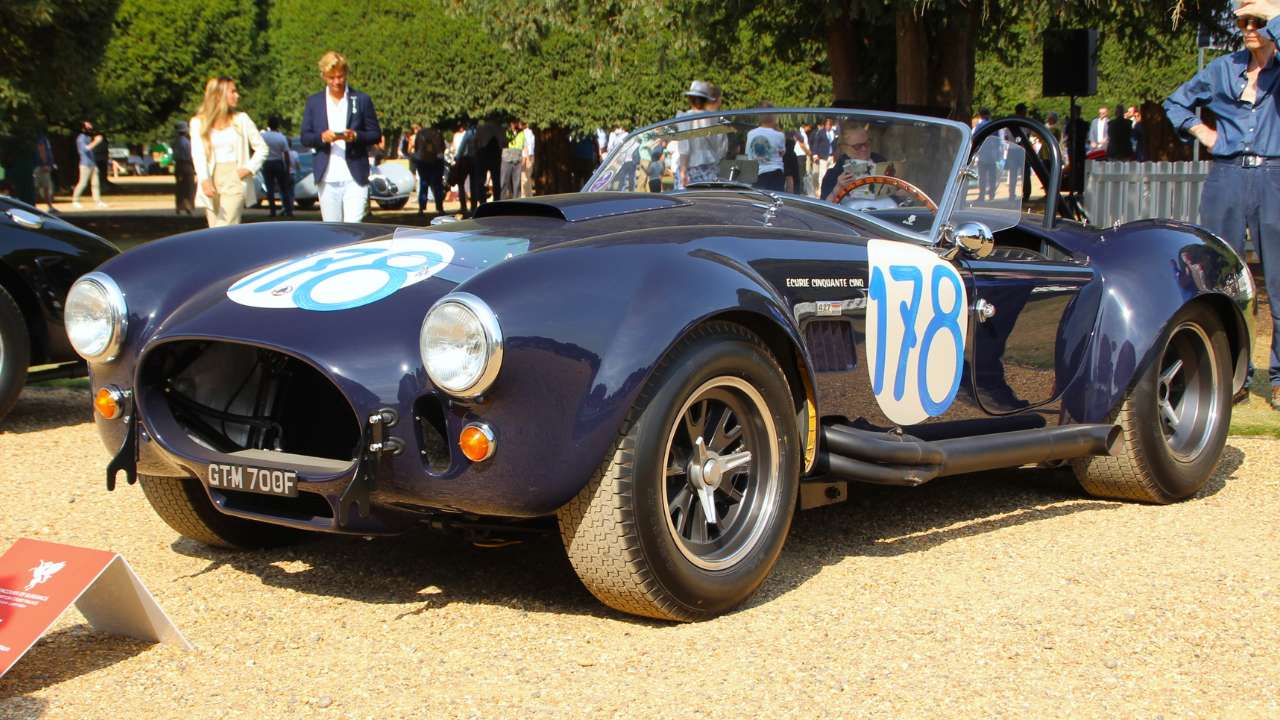
The Shelby Cobra combined an extremely light British sports-car chassis with American V8 power, creating one of the most influential performance hybrids ever built. The resulting car was dramatically faster than its compact appearance suggested. Its lightweight construction meant that enormous power did not need a huge body to make an impact. The Cobra became a symbol of simple but brutally effective performance and demonstrated how combining different engineering approaches could produce something extraordinary.
Oldsmobile Toronado
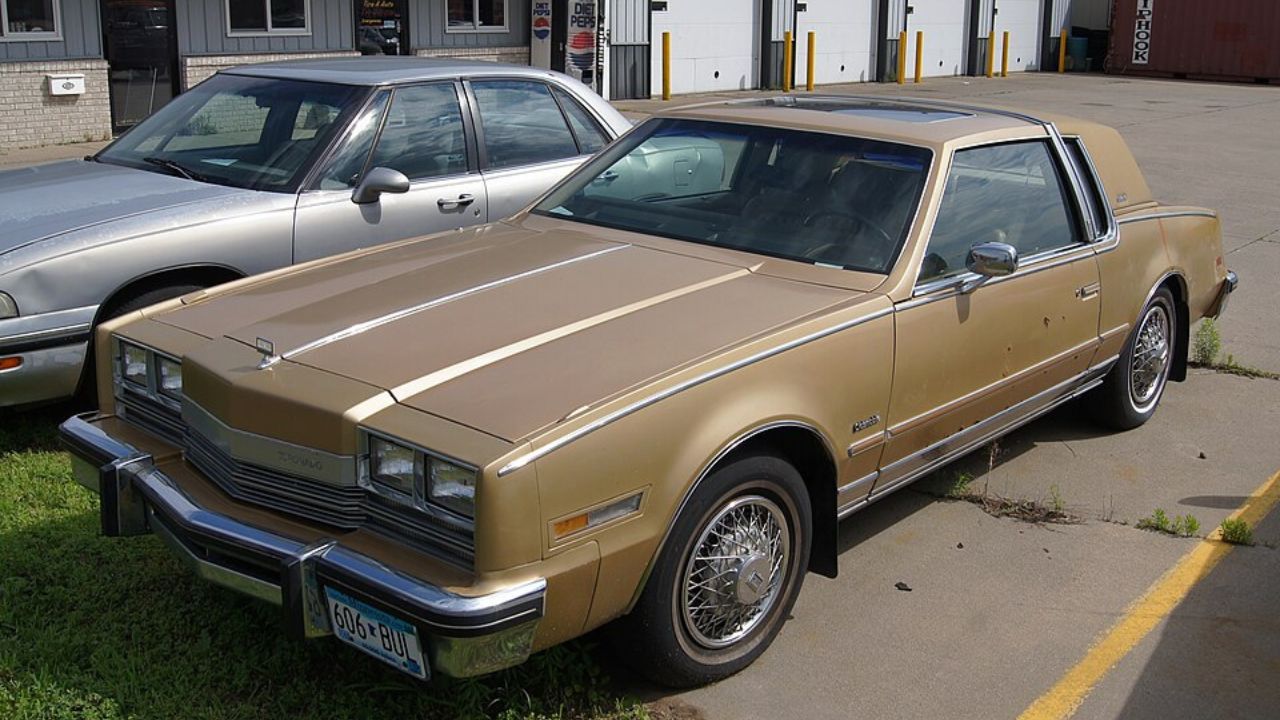
The Oldsmobile Toronado was not a traditional sports car, but its engineering made it one of America’s most important performance-oriented cars of the 1960s. Its front-wheel-drive layout was unusual for a large American car and required a clever powertrain arrangement. The Toronado showed that front-wheel drive could handle substantial V8 power in a full-size package. Its engineering approach influenced the development of later American front-wheel-drive performance and luxury vehicles.
Chevrolet Corvair

The Chevrolet Corvair was radically different from most American cars of its time. Its rear-mounted, air-cooled flat-six engine and compact proportions gave it a European-influenced character that stood apart from conventional front-engine American sedans. Later performance versions demonstrated that the platform could deliver genuine sporting ability. The Corvair’s unusual layout made it an important engineering experiment and showed that Chevrolet was willing to explore alternatives to the traditional American formula.
Buick Grand National
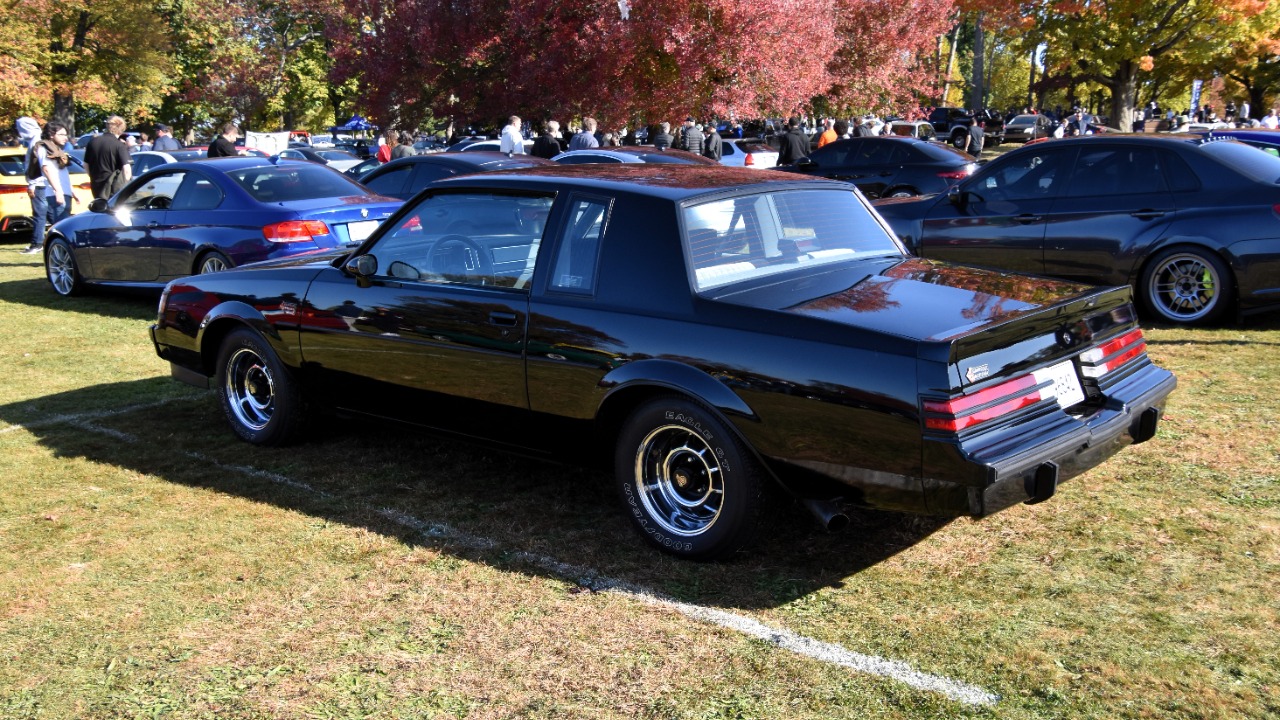
The Buick Grand National showed that serious performance did not always require a large naturally aspirated V8. Its turbocharged V6 delivered strong acceleration while giving the car a relatively understated appearance. The combination surprised many performance enthusiasts during an era when traditional muscle-car formulas were changing. The Grand National helped prove that turbocharging could provide serious street performance and foreshadowed the growing importance of forced induction in American performance cars.
Pontiac Firebird Trans Am
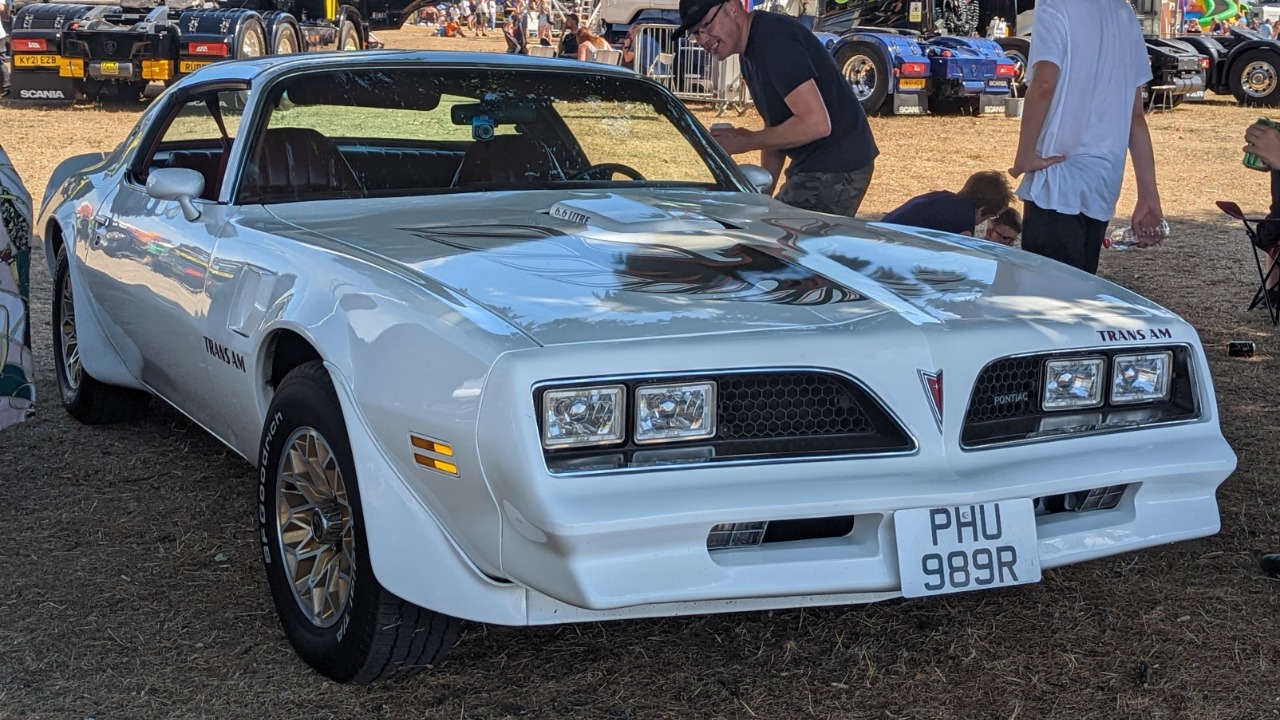
The Firebird Trans Am became one of Pontiac’s signature performance models and developed a strong identity of its own. Its aggressive styling was backed by powerful V8 engines and increasingly sophisticated chassis tuning. Later versions demonstrated that performance cars could remain exciting even as emissions rules and fuel-economy concerns changed the industry. The Trans Am’s combination of visual drama and real performance made it a defining American sports coupe.
Chevrolet Monte Carlo SS
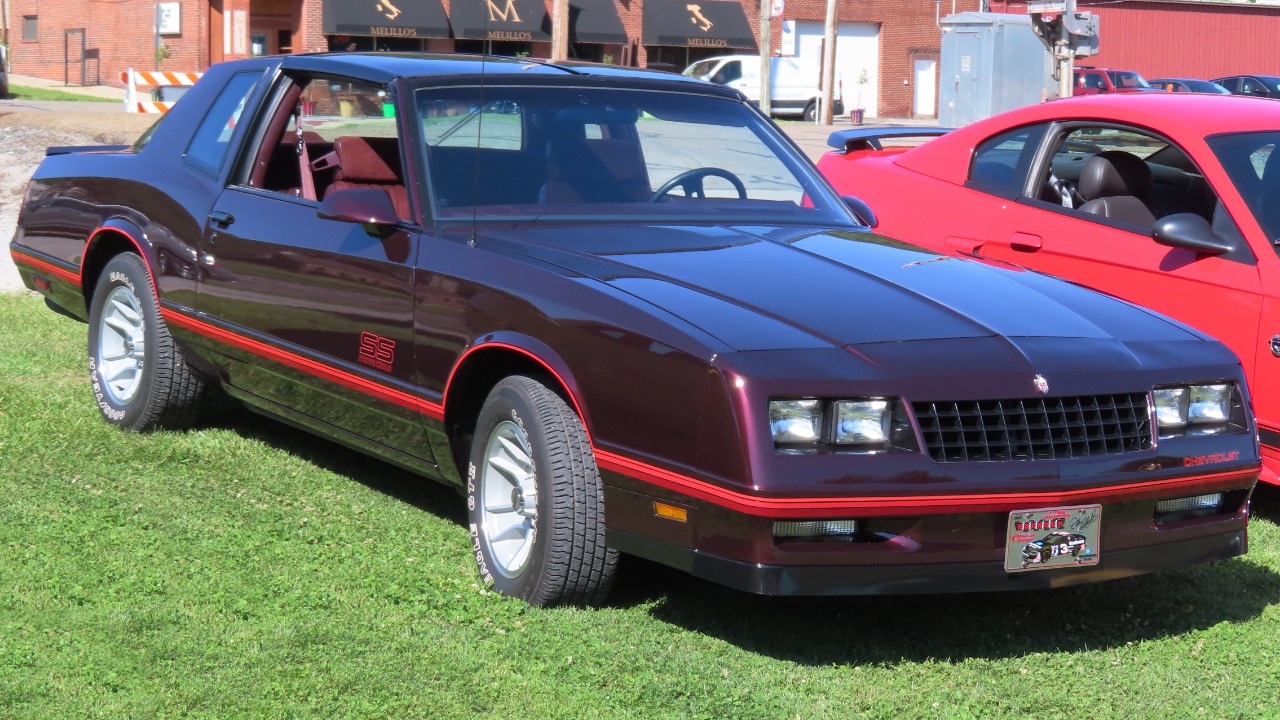
The Monte Carlo SS brought genuine performance back to a familiar personal-luxury coupe formula. Its aerodynamic bodywork, rear-wheel-drive platform, and V8 power gave it a stronger performance character than many American coupes of the period. It also arrived when traditional muscle cars were becoming less common, making its return to rear-wheel-drive performance especially notable. The Monte Carlo SS showed that Chevrolet could still create a sporty package from a practical platform.
Ford Taurus SHO
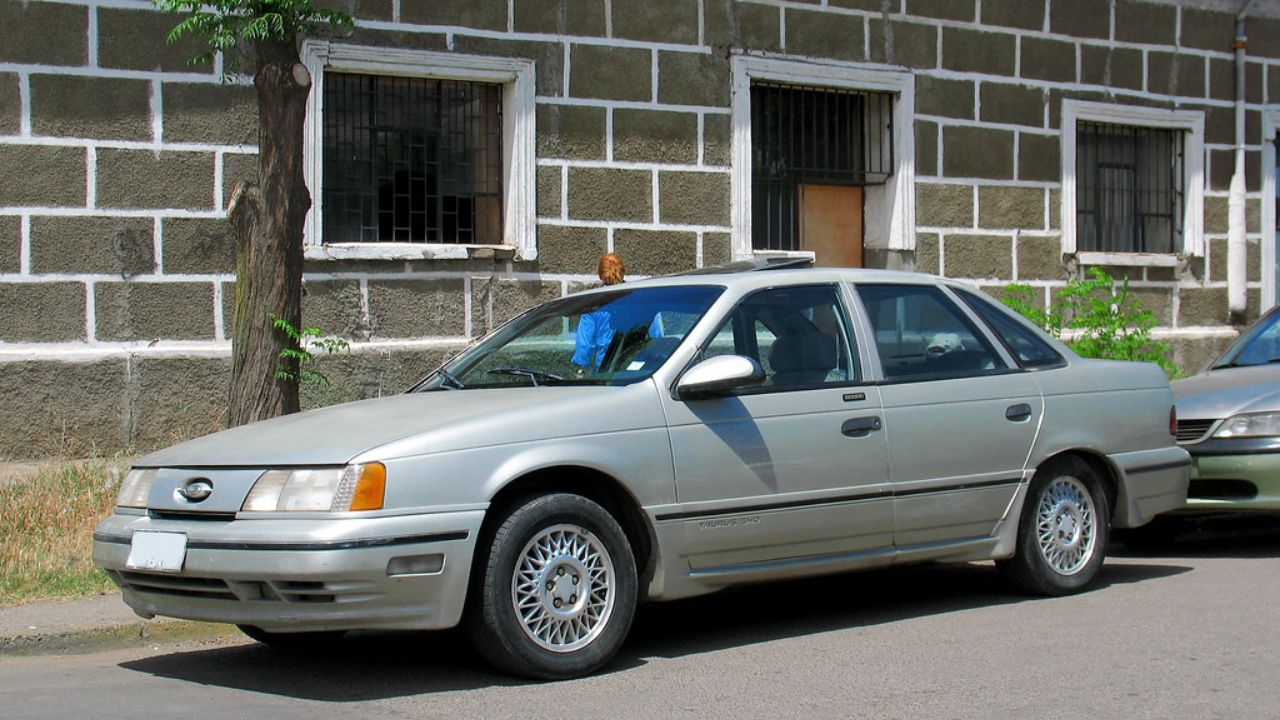
The Taurus SHO was one of Ford’s most interesting performance experiments. Instead of using a large American V8, Ford gave its family sedan a high-revving V6 developed with Yamaha. The result was a surprisingly quick four-door with a very different personality from traditional American performance cars. Its combination of practicality, front-wheel drive, and sophisticated engine technology helped demonstrate that performance could be built into an ordinary family car without turning it into a dedicated sports coupe.
Chevrolet Impala SS
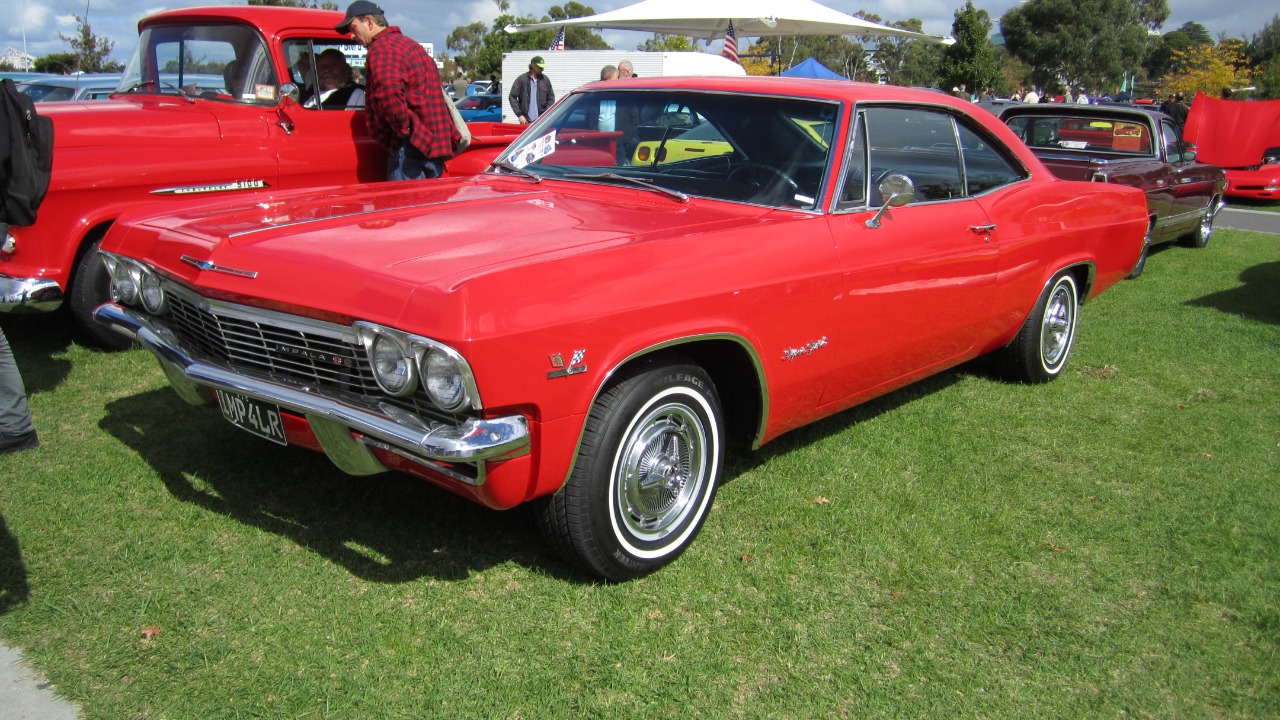
The Impala SS revived the idea of a full-size American performance sedan at a time when the market was moving toward smaller and more efficiency-focused vehicles. Its rear-wheel-drive platform and V8 power gave it genuine muscle-car character while retaining four-door practicality. The Impala SS became particularly interesting because it blended everyday usability with serious performance. It helped keep the traditional American V8 sedan formula alive into the modern era.
Dodge Daytona Shelby Z
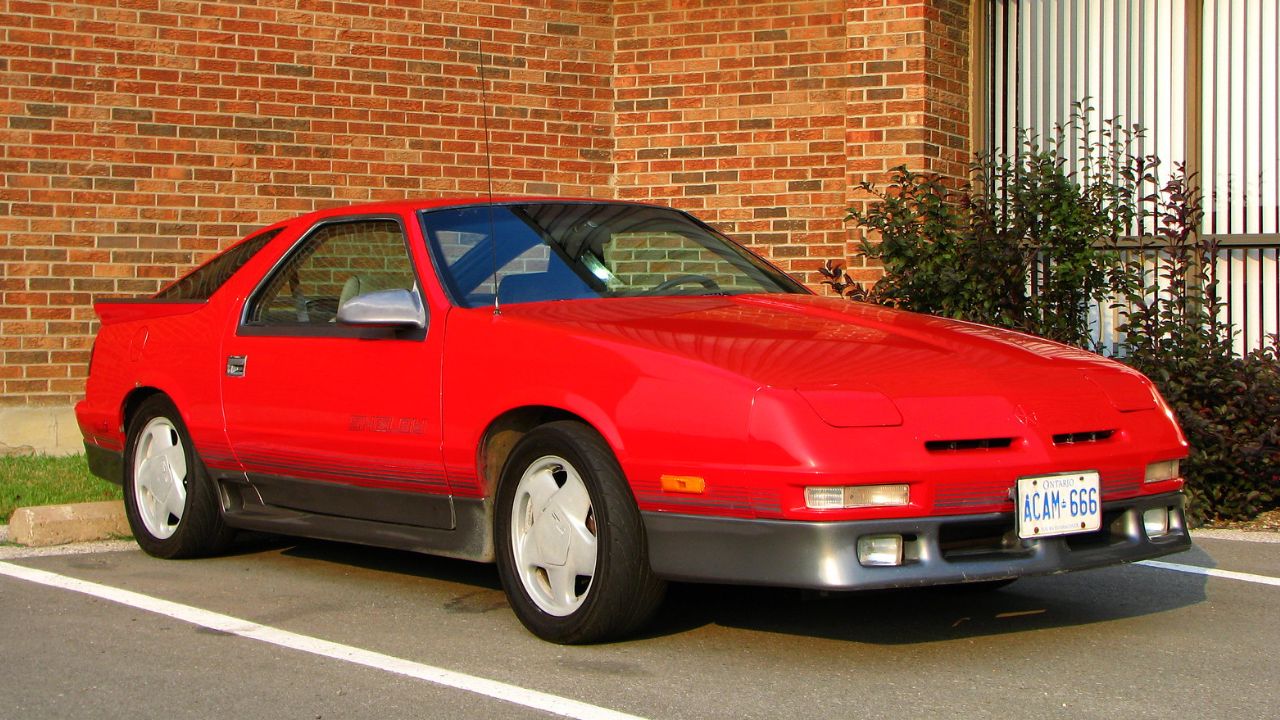
The Dodge Daytona Shelby Z brought turbocharged performance to a front-wheel-drive American coupe at a time when domestic manufacturers were experimenting with new approaches to speed. Its turbocharged engine and sportier suspension gave it considerably more performance than its everyday coupe origins suggested. The Daytona showed that American performance cars could adapt to changing fuel and emissions requirements without completely abandoning the fun factor.
Pontiac Fiero
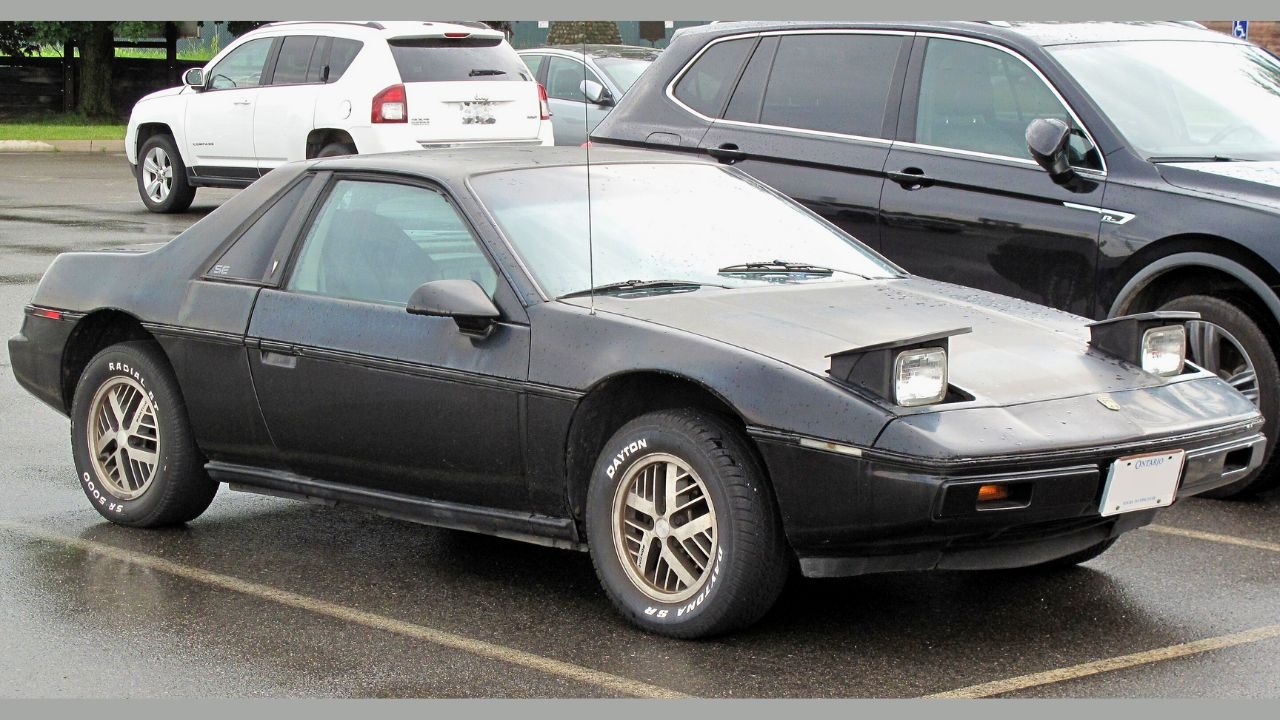
The Pontiac Fiero was one of the most unusual American performance-car projects of its era. Its mid-engine layout gave Pontiac a fundamentally different platform from most domestic sports cars, while the compact body kept the car relatively light. Later performance versions improved its capabilities considerably. The Fiero demonstrated that an American manufacturer could experiment with a mid-engine layout in an affordable production car long before that configuration became common among mainstream performance vehicles.
Cadillac CTS-V
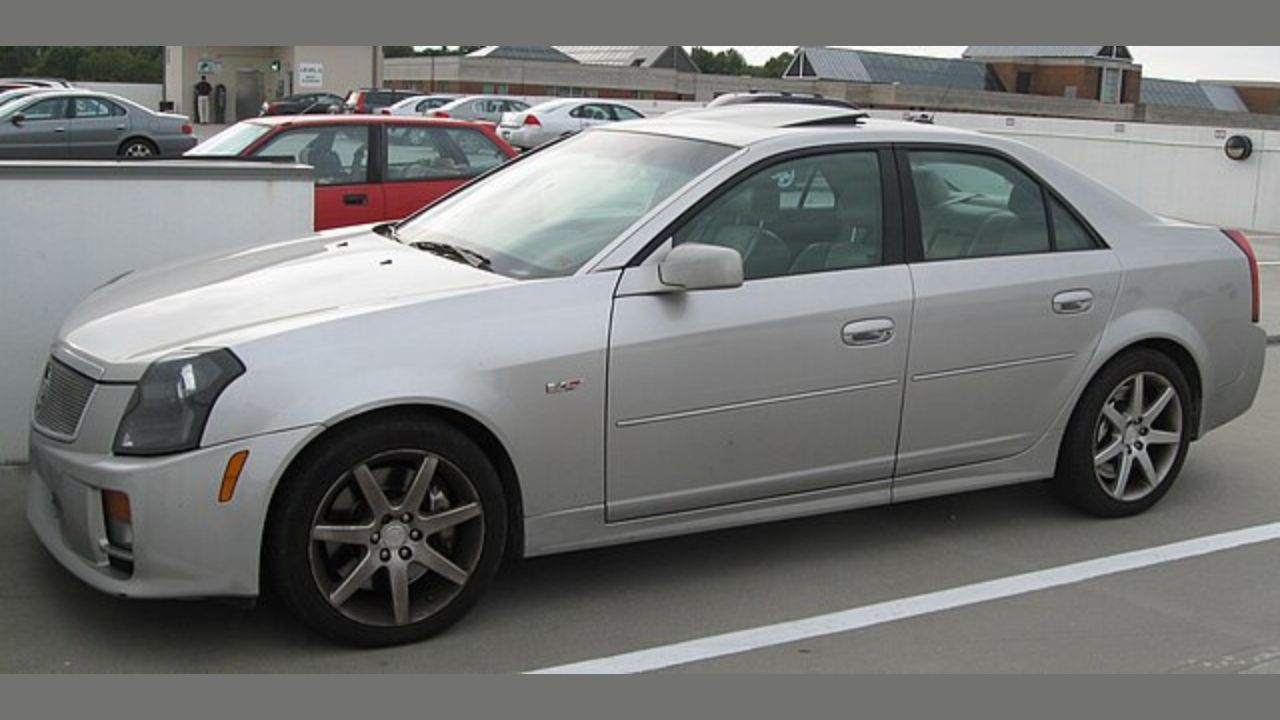
The first-generation Cadillac CTS-V transformed expectations for American luxury sedans. Instead of focusing only on comfort, Cadillac installed a high-output V8 and paired it with a manual transmission, creating a genuine performance sedan. The CTS-V demonstrated that an American luxury car could compete with established European sport sedans on performance terms while retaining a distinctly American personality. It also established a performance direction that would become central to Cadillac’s modern identity.
Chevrolet Corvette ZR-1
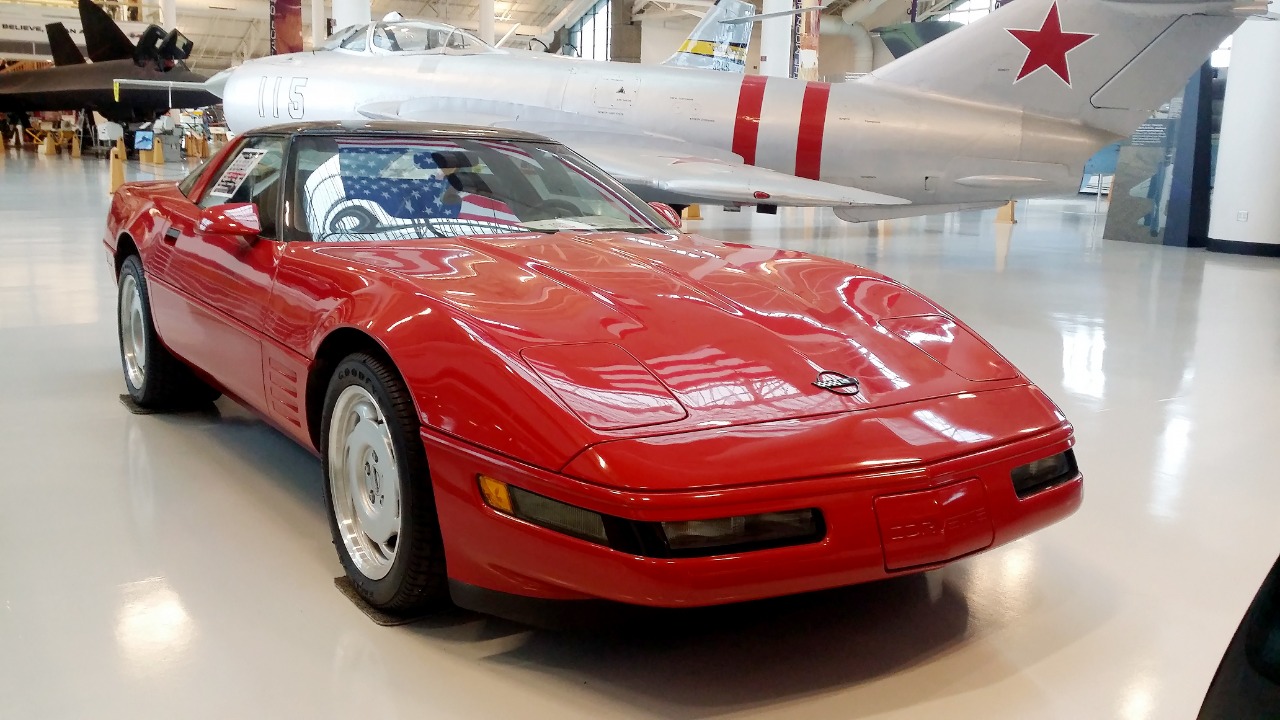
The Corvette ZR-1 pushed the fourth-generation Corvette into a much higher performance bracket. Its Lotus-developed LT5 V8 featured advanced technology and impressive power for the period, giving the Corvette serious international credibility. The ZR-1 showed that Chevrolet could combine American displacement with sophisticated engineering to create a car capable of competing with expensive European sports cars. Its technology made it one of the most technically interesting American performance cars of its generation.
Ford SVT Mustang Cobra
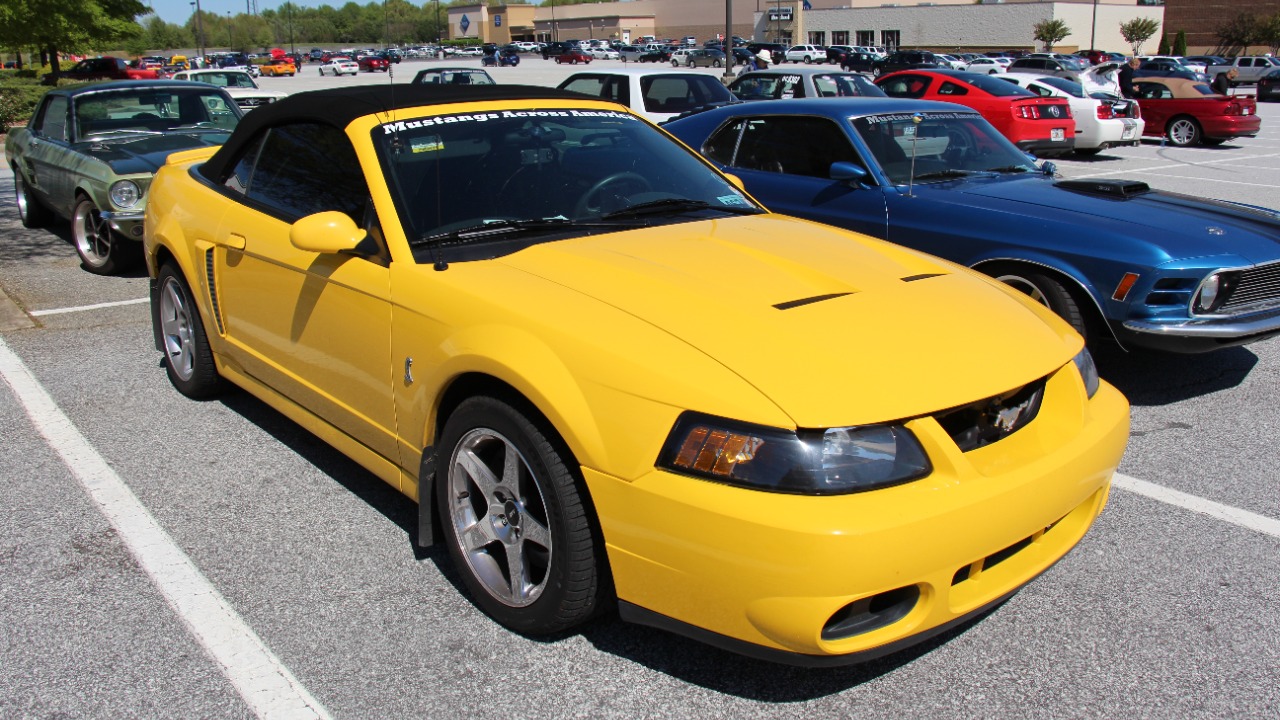
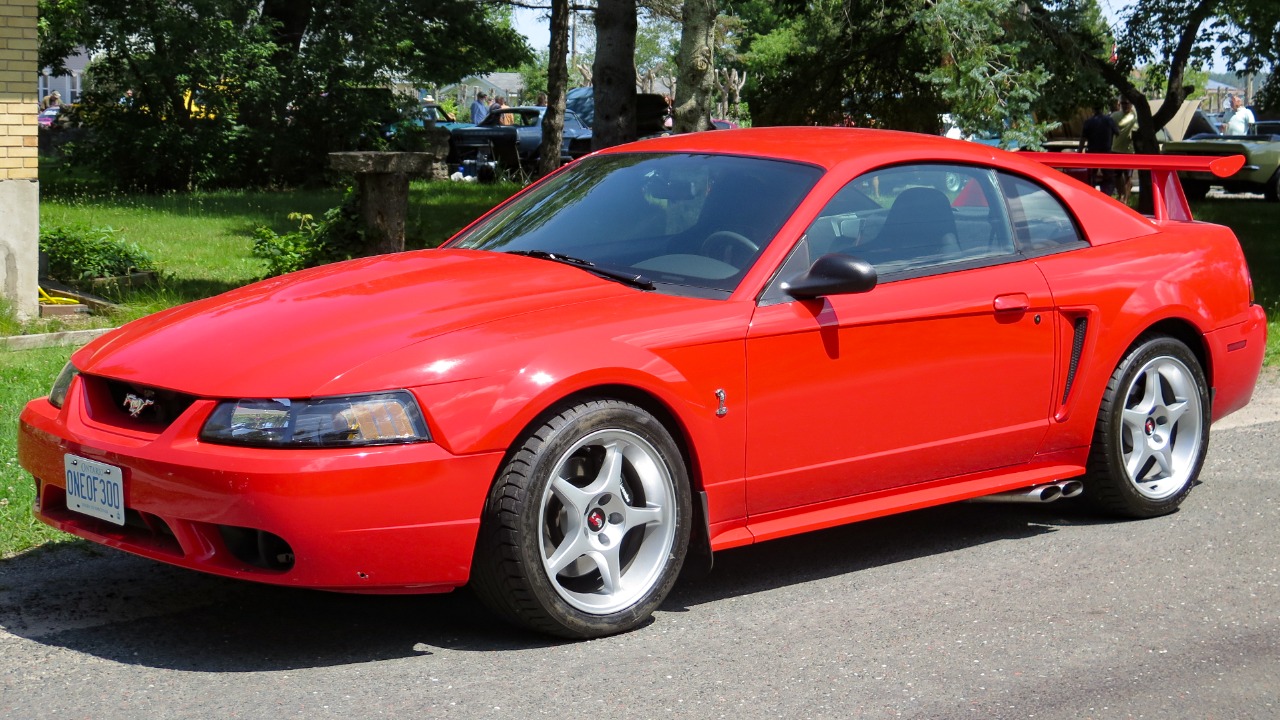
The SVT Mustang Cobra represented a major step in the evolution of the Mustang’s performance credentials. Ford’s Special Vehicle Team upgraded the car with stronger engines, improved suspension components, and a more focused chassis. It demonstrated that the Mustang could offer serious performance without abandoning its relatively accessible roots. The Cobra also helped establish the pattern of factory-built high-performance Mustangs that would become increasingly important to Ford enthusiasts.
More from Fast Lane Only
- Unboxing the WWII Jeep in a Crate
- 15 rare Chevys collectors are quietly buying
- 10 underrated V8s still worth hunting down
- Police notice this before you even roll window down
*Research for this article included AI assistance, with all final content reviewed by human editors.