Some engines seem to have a much bigger tolerance for real-world abuse than others. They get driven hard, spend years in traffic, pull heavy loads, rack up enormous mileage, and still keep doing their jobs. That does not mean they can survive without oil changes or cooling systems, but their basic engineering gives owners considerably more room for error than the average engine.
The engines on this list earned their reputations in everything from family sedans and pickup trucks to luxury cars, sports cars, and work vehicles. Some are famous for simple construction, while others rely on strong internal components and conservative factory tuning. They all share one important trait: when driven regularly and maintained properly, they tend to handle demanding use remarkably well.
Toyota 4A-FE
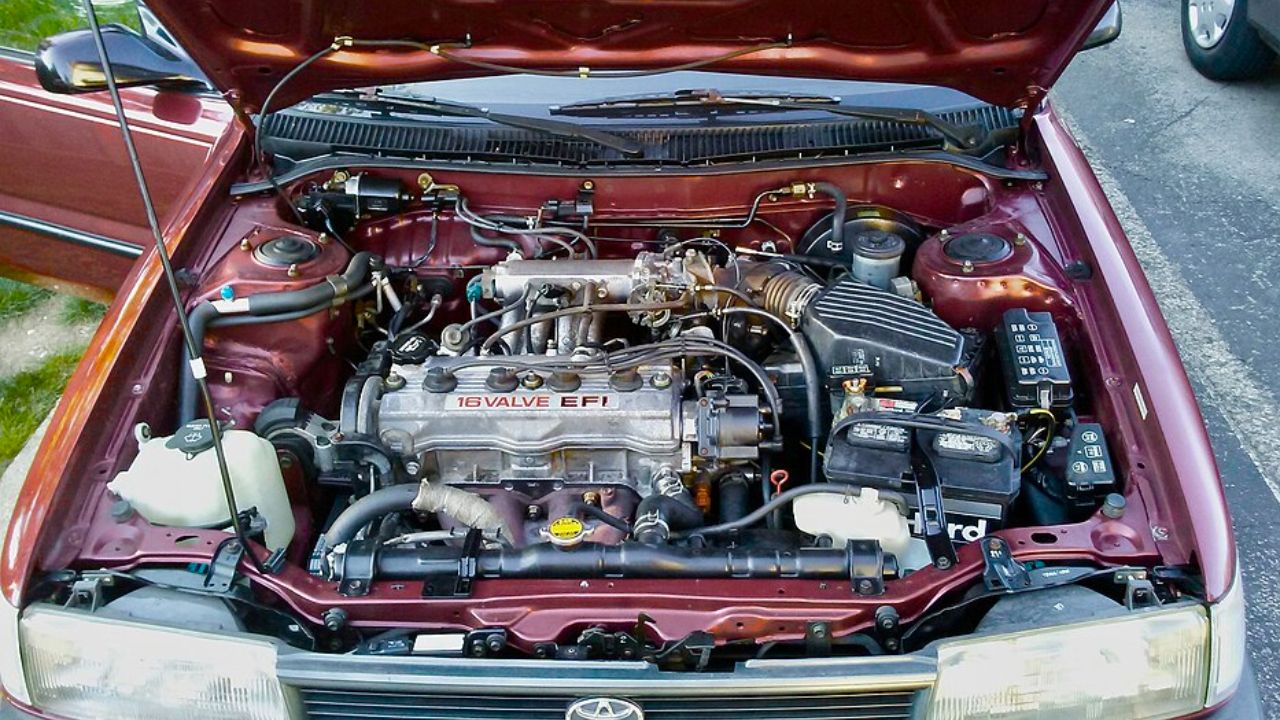
Toyota’s 4A-FE shows that an economy-car engine can be as tough as a truck motor. Built from 1987 into the early 2000s, this 1.6-liter twin-cam four went into Corolla, Sprinter, Carina, and Corona sedans and the Celica, plus the Geo Prizm, a rebadged Sprinter from the GM-Toyota NUMMI venture. Those cars lived as commuters and first cars, where maintenance is often an afterthought.
The formula was simple. A cast-iron block carries an aluminum 16-valve head with belt-driven twin cams, and at roughly 100 to 115 horsepower the engine rarely nears its limits. Valve clearance is set with shims instead of hydraulic lifters, so there are no lifters to fail. Specialists put typical service life at about 300,000 km (roughly 186,000 miles), and Curbside Classic readers report Prizms still running strong past 200,000 miles. Age brings oil burning from tired seals or rings and the odd failed sensor, but those are nuisances, not fatal flaws.
Mercedes-Benz M102

Mercedes-Benz introduced the M102 four-cylinder in 1980 for the W123, where the 2.3-liter version powered the 230 E, CE, and TE, and it stayed in use until 1996. It was built the traditional Mercedes way: a ribbed cast-iron block, a cross-flow overhead-cam head, Bosch K-Jetronic mechanical injection on the 2.3, and a chain-driven camshaft instead of a belt. The 2.3 made 136 metric horsepower.
Its reputation rests on that unstressed, mechanical design. Germany’s Auto Zeitung calls 300,000 km (about 186,000 miles) or more realistic, and British buyer’s guides rank the two-valve 190-series engines among the era’s most durable. The weak spot is the cam drive. Early engines used a single-row chain, upgraded to a duplex chain for the W124, and guides recommend replacing the chain roughly every 60,000 miles. The block was strong enough that Mercedes chose it as the basis for the Cosworth-headed 190 E 2.3-16.
Toyota 22R-E
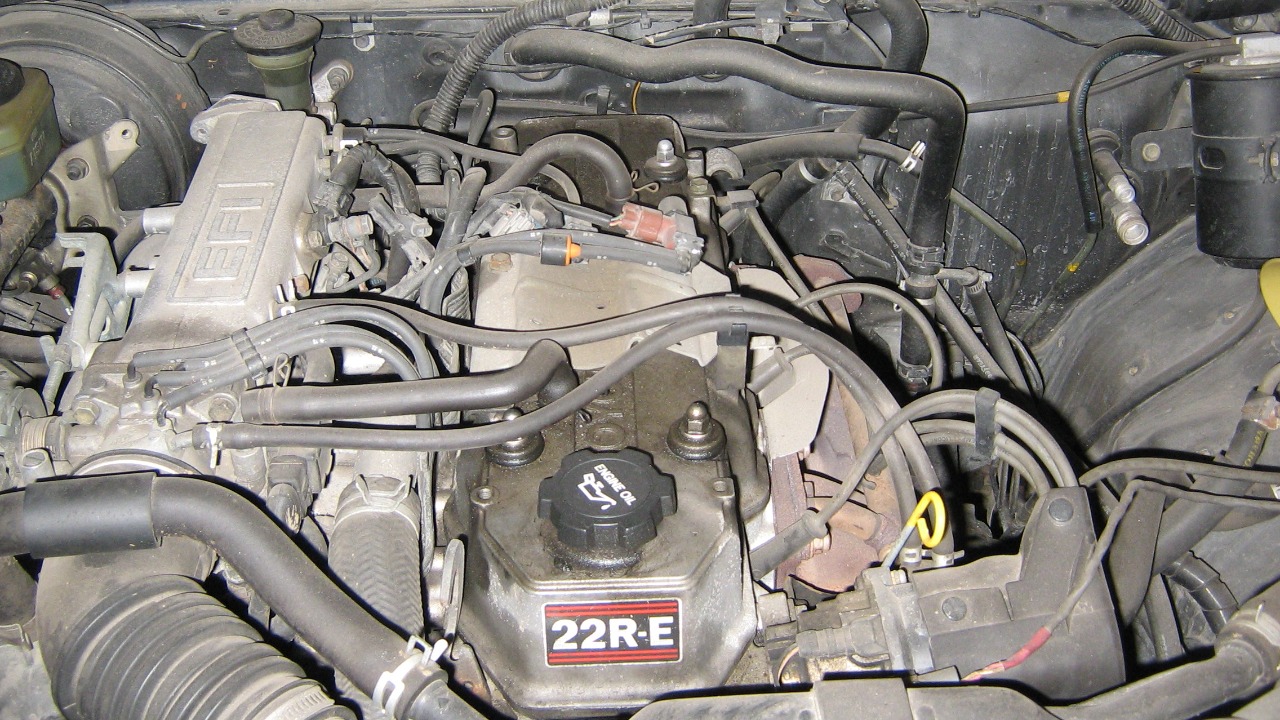
The Toyota 22R-E became a legend by doing something surprisingly unglamorous: powering ordinary trucks and SUVs for an extremely long time. This 2.4-liter four-cylinder appeared in generations of Toyota pickups and 4Runners, where it was routinely exposed to heavy loads, off-road driving, hot weather, and long highway journeys. It was not a powerhouse, but Toyota’s decision to prioritize durability over outright performance gave the engine an enormous advantage when owners started piling on the miles.
Part of the appeal is the engine’s straightforward construction. The 22R-E does not need huge amounts of power to do its job, and its relatively modest output keeps mechanical stresses under control. Timing-chain components and other age-related issues can eventually require attention, particularly on neglected examples, but the underlying engine is remarkably durable. A well-maintained 22R-E can spend decades being worked harder than its horsepower figures suggest.
GM 3800 Series II V6
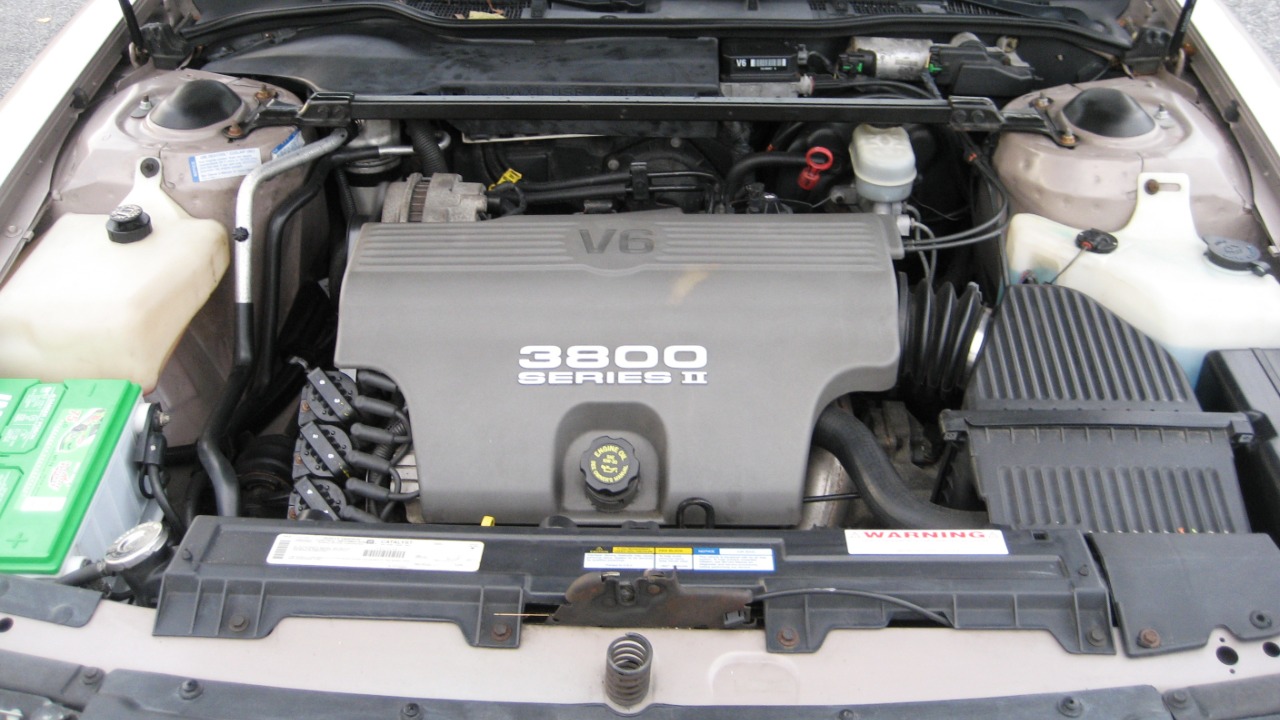
The General Motors 3800 Series II V6 earned its reputation in a very different environment from the big Toyota truck engines. It powered ordinary American sedans, coupes, and family cars, often spending its life dealing with commuting, stop-and-go traffic, long highway trips, and neglected maintenance schedules. The 3.8-liter pushrod V6 was not exotic, and that was exactly the point. Its basic design had been refined over decades, giving the later versions a combination of simplicity, useful torque, and impressive longevity.
The Series II also benefited from conservative factory tuning. In naturally aspirated form, output was modest for a 3.8-liter engine, while supercharged versions demonstrated that the architecture could handle considerably more power. Coolant and intake-related issues are known concerns on certain versions, so it would be wrong to call the engine completely trouble-free. Still, when properly serviced, the 3800 has repeatedly demonstrated that a relatively simple V6 can survive hundreds of thousands of miles of ordinary abuse.
Toyota 20R

Before the 22R-E became the default unkillable Toyota truck engine, there was the 20R. Introduced for 1975, this 2.2-liter four used a cast-iron block, an aluminum head, and a single overhead cam. It powered Toyota pickups and rear-drive Celicas and Coronas until the larger 22R replaced it in 1981. Rated at about 90 horsepower at low, truck-friendly revs, it seldom had to work hard.
Its best feature was a double-row timing chain that Curbside Classic calls essentially bulletproof. Toyota later moved the R-series to a single-row chain, and those engines developed tensioner problems the early ones largely avoided, which is why enthusiasts rate the pre-1983 R engines as the family’s toughest. The 20R’s crankshaft and connecting rods were stout enough to carry over into the first 22R. On many survivors, snow-belt rust has been a bigger enemy than engine wear, and plenty are still in daily use.
Honda F22
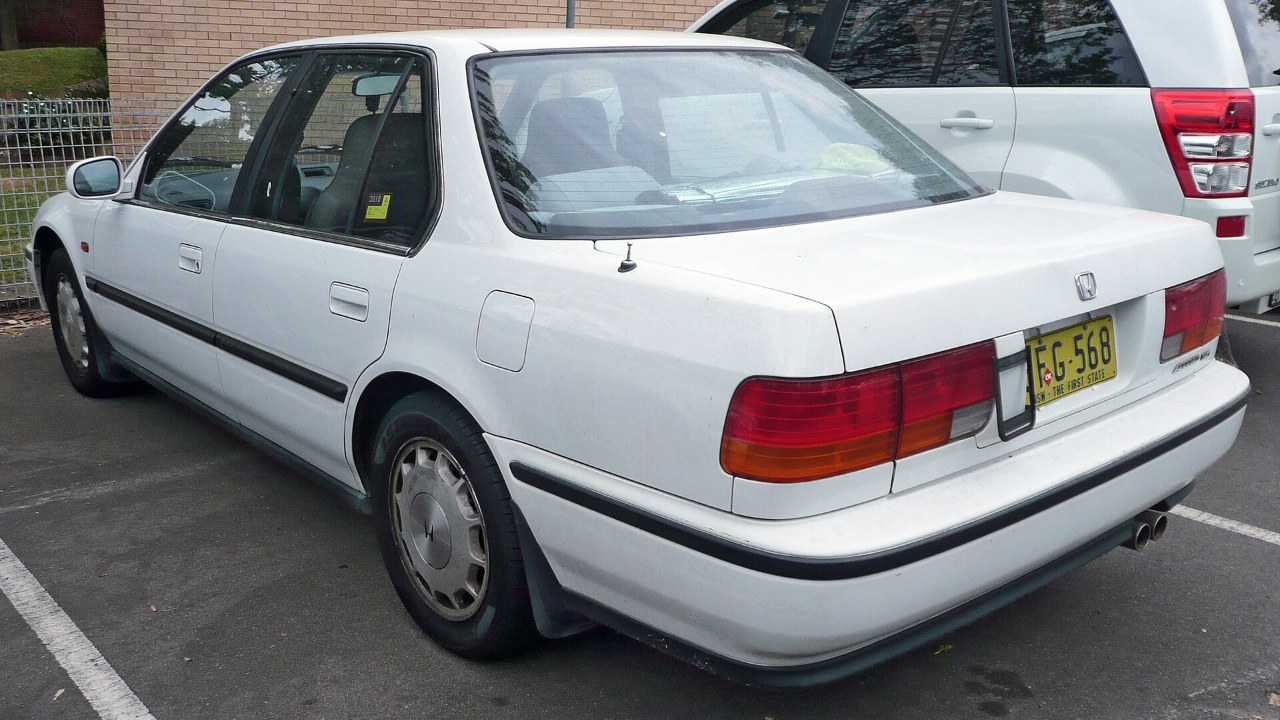
Honda’s F22 arrived with the redesigned 1990 Accord and proved that a refined family-car four could be extraordinarily tough. The 2.2-liter SOHC 16-valve engine made 125 horsepower, or 130 in the EX, and was built with unusual care: a forged steel crankshaft on five main bearings, forged rods and pistons, a deep-skirt block with cast-iron cylinder liners, and twin balance shafts.
The best-known proof is Joe LoCicero’s 1990 Accord. The Maine owner, a former mechanic, bought it in 1996 with about 74,000 miles and passed one million miles in 2011, reporting that the engine and transmission were original. Honda called it the first Accord it had documented reaching that mark and gave him a new 2012 model. His routine was disciplined rather than exotic, reportedly including nine timing belts. That matters, because a snapped F22 belt can bend valves.
Ford 4.6-liter Modular V8
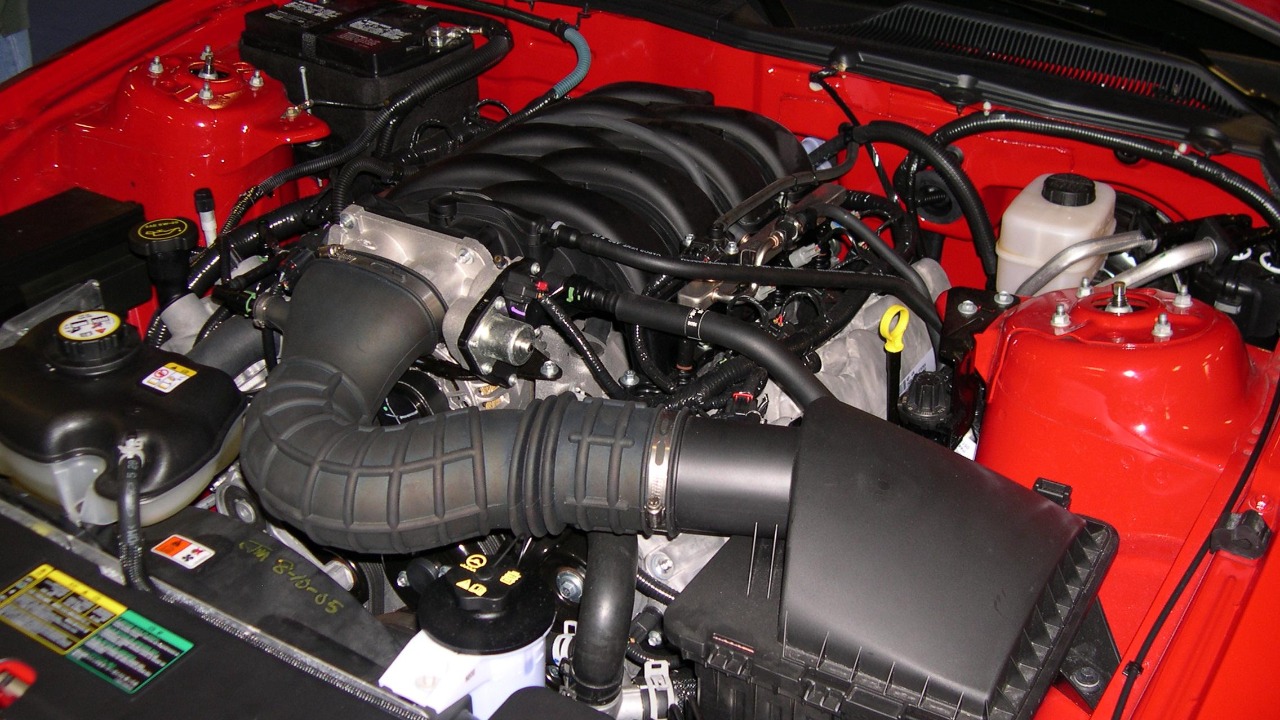
Ford’s 4.6-liter Modular V8 became one of the company’s workhorse engines during the 1990s and 2000s. It appeared in everything from Mustangs and Crown Victorias to police cars, trucks, and large sedans. The two-valve version in particular developed a reputation for taking enormous mileage without requiring constant attention. Police and fleet service provided a particularly demanding test because these engines routinely experienced extended idling, repeated acceleration, high-speed driving, and long service intervals.
The 4.6 was never designed as a delicate performance engine in its everyday applications. Its power output was generally conservative, and the engine was produced in enormous numbers, making parts and service knowledge widely available. Certain versions have their own known weaknesses, including spark-plug thread issues and timing-system concerns, but those problems do not erase the engine’s broader durability record. In a Crown Victoria or similar fleet vehicle, a 4.6-liter Modular V8 could spend years being driven harder than most private cars ever experience.
AMC 258
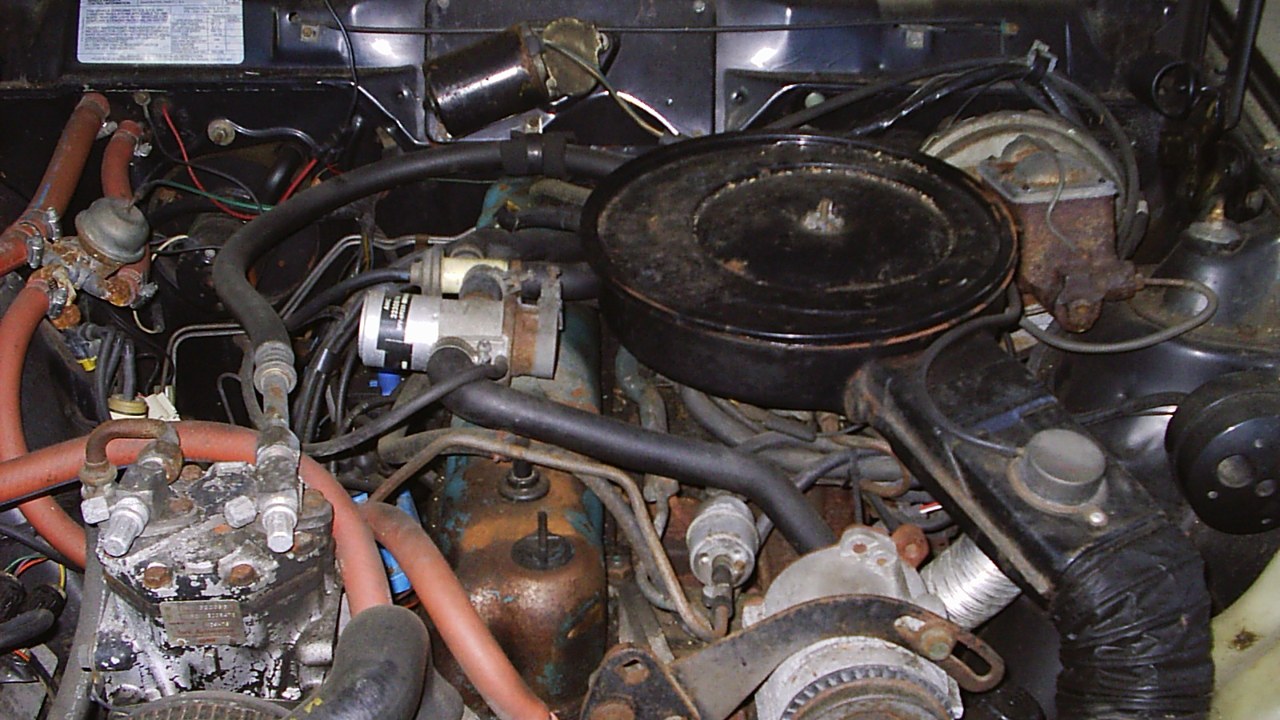
The AMC 258 laid the groundwork for the Jeep 4.0, but it earned a following of its own long before fuel injection. The 4.2-liter inline-six debuted in 1971 as a stroked version of AMC’s 232 and went into J-series pickups and Wagoneers, the CJ from 1972, and the Wrangler YJ through 1990, as well as cars like the Concord.
Its toughness comes from basic engineering. The block and head are cast iron, the crankshaft rides in seven main bearings, and the overhead-valve layout uses hydraulic lifters with non-adjustable rockers. Output was modest, usually 110 to 115 net horsepower in Jeeps, but peak torque arrived at about 2,000 rpm or lower, so the engine rarely needed revving and works well off road. On many examples the real headache is the Carter BBD carburetor and its tangle of emissions vacuum hoses, while the iron bottom end keeps turning.
Chrysler 318
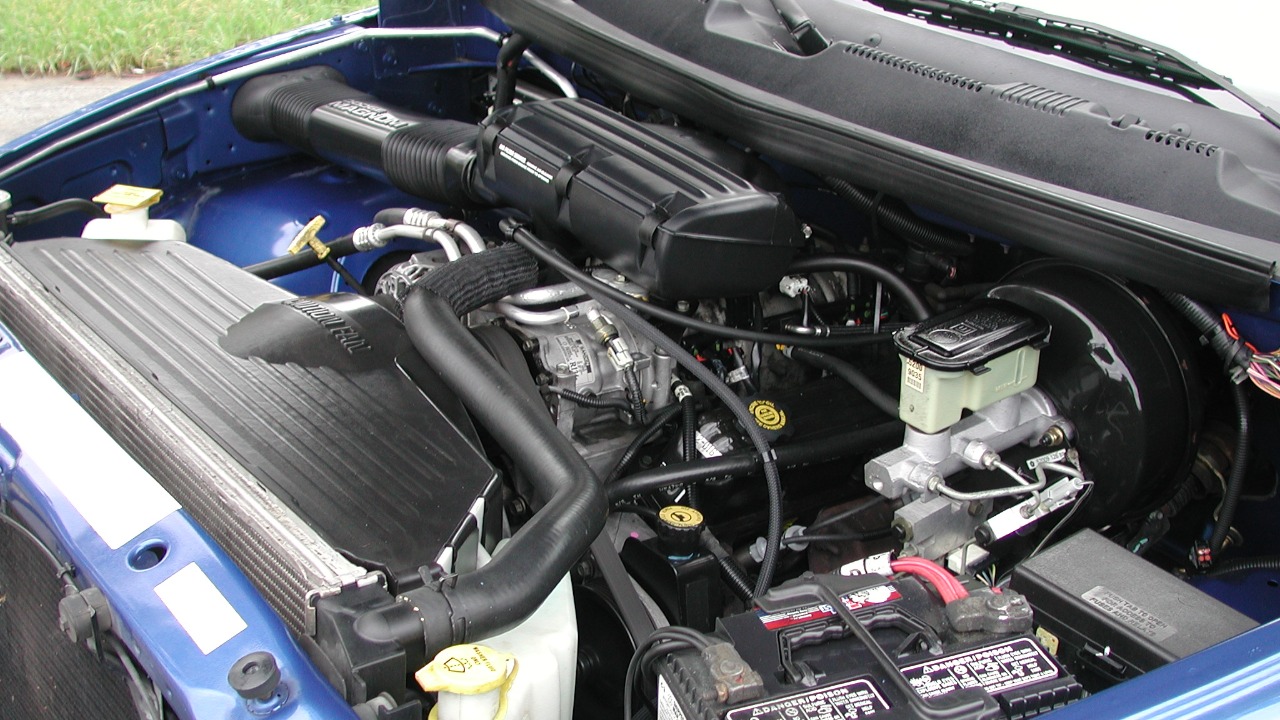
The Chrysler 318 small-block V8 does not receive the same attention as some of the company’s famous performance engines, but its long service history tells a different story. Produced for decades, the 318 became a dependable engine for Dodge, Plymouth, and Chrysler vehicles, including cars, vans, and pickups. It was generally tuned for practical street use rather than maximum horsepower, which helped keep cylinder pressures, temperatures, and internal stresses within reasonable limits.
That conservative nature is a big part of the engine’s appeal. A 318 could spend years moving a family sedan through traffic or working in a pickup without being pushed anywhere near its mechanical limits. Its simple pushrod layout also makes maintenance and rebuilding relatively straightforward. Many examples survived for decades because the engine itself was easy to understand and repair. It may not have the glamour of a high-output Hemi, but for sheer everyday durability, the 318 earned its reputation the old-fashioned way.
Volvo B230 Redblock
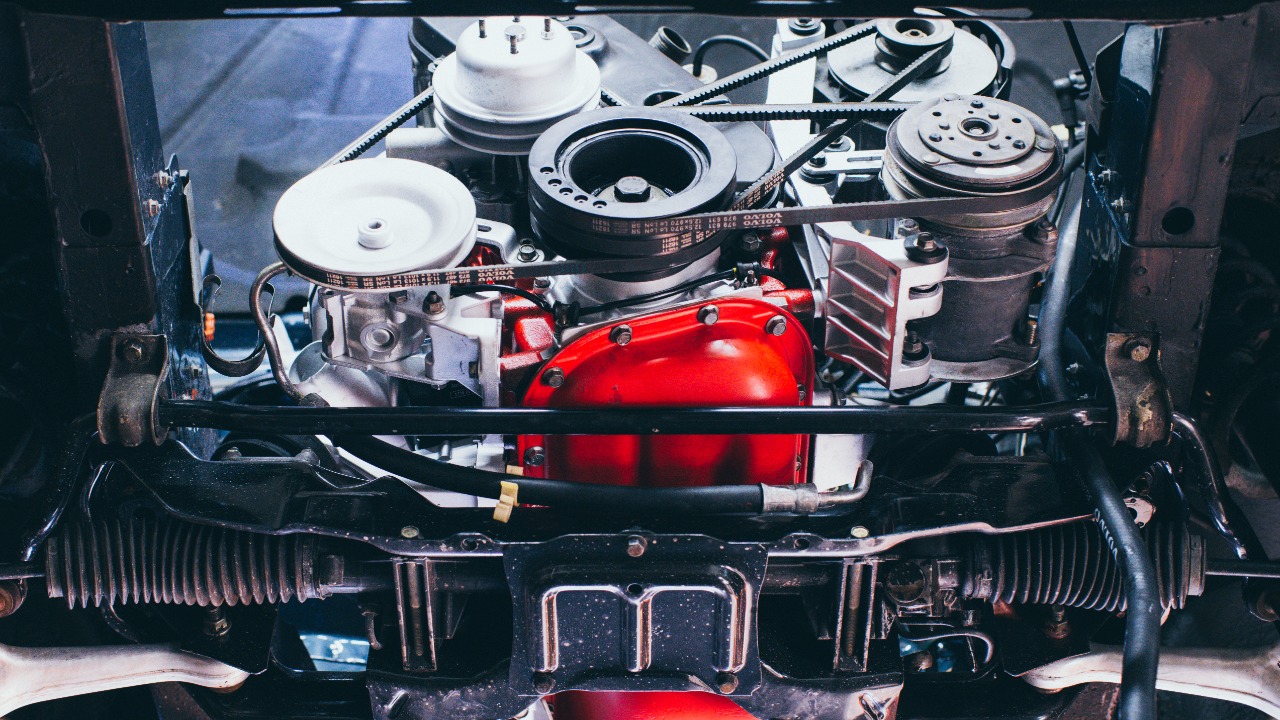
Volvo’s B230 Redblock became famous for surviving the sort of mileage that would have sent many other engines to the scrapyard. Used extensively in the 240, 740, and 940 families, the 2.3-liter four-cylinder was built around a sturdy cast-iron architecture and a relatively straightforward design. These cars were often used as practical daily transportation, but the engine also found a second life among enthusiasts who discovered that turbocharged and modified versions could produce serious power.
The naturally aspirated versions were particularly relaxed in normal use, while turbo models demonstrated how much punishment the basic architecture could withstand when properly prepared. Timing-belt service and cooling-system maintenance remain important, and old Volvo components can develop age-related problems that have nothing to do with the fundamental strength of the engine. Still, the B230 earned a reputation for continuing to run when the rest of the vehicle was already showing its age.
Cummins 6BT
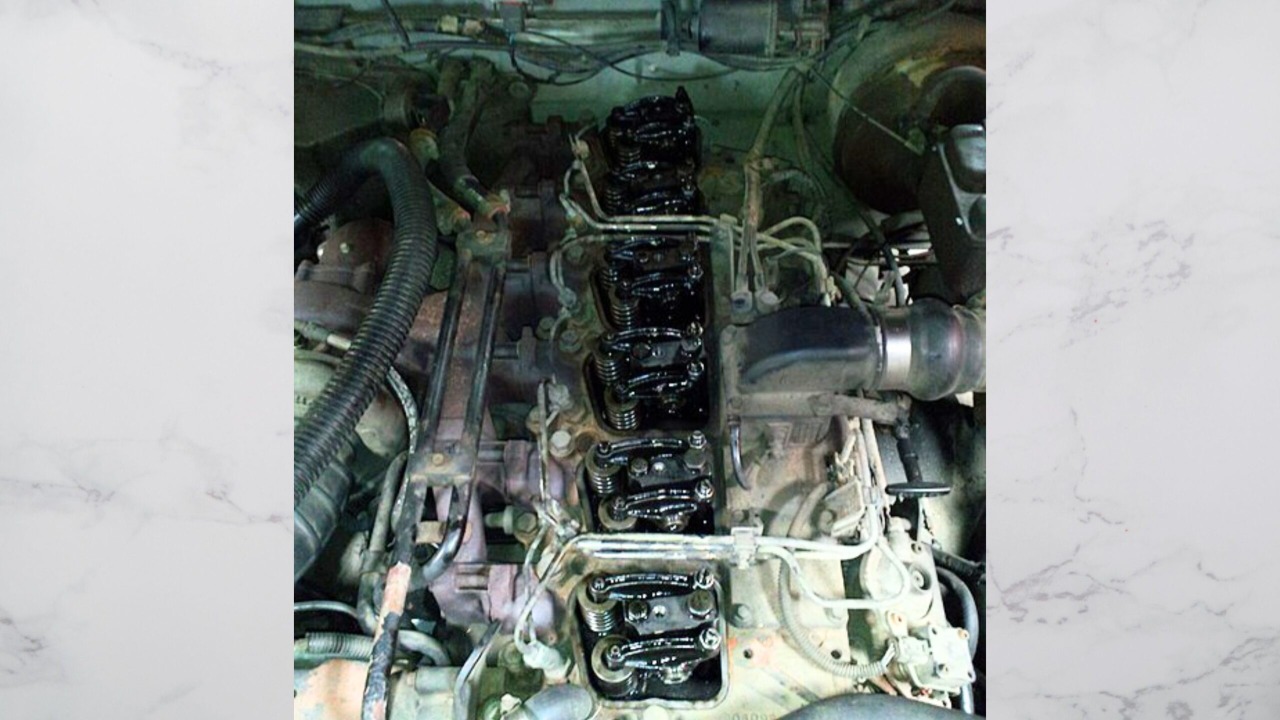
The Cummins 6BT is one of the most recognizable heavy-duty diesel engines ever installed in a pickup. Its 5.9-liter inline-six became closely associated with Dodge Ram trucks, but the same basic engine architecture was also used in commercial and industrial applications. That background matters because an engine designed to work in equipment and commercial environments has very different priorities from one developed primarily for passenger-car refinement.
The 6BT’s inline-six layout, strong cast-iron construction, and mechanical fuel-system versions made it particularly attractive to owners who valued durability and serviceability. It produces enormous low-speed torque without needing a high-revving design, making it well suited to towing and heavy workloads. Turbocharged versions naturally place greater demands on the engine, and neglected examples can develop expensive problems, but the basic architecture has proven capable of handling serious workloads for very long periods.
Volkswagen 1.9 TDI
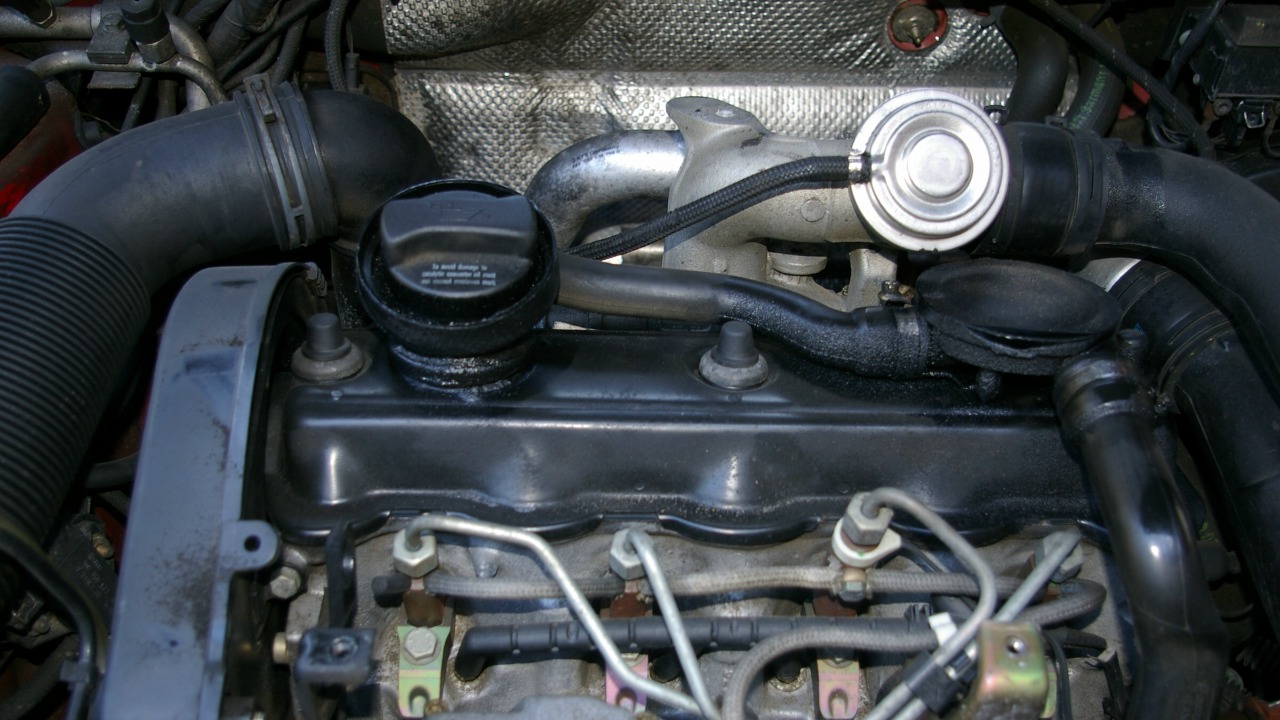
The Volkswagen 1.9 TDI became one of Europe’s best-known long-life diesel engines. Used across a huge range of Volkswagen Group cars, including the Golf, Jetta, Passat, Audi models, and various commercial applications, the 1.9-liter turbo-diesel became known for its fuel economy and ability to accumulate serious mileage. Different versions used different injection technologies, so they should not all be treated as identical, but the family as a whole developed a strong reputation for endurance.
Its low-revving character is a major part of the story. The engine produces useful torque without needing to spin at high engine speeds, which suits both highway cruising and everyday driving. Turbochargers, injection systems, timing belts, and emissions-related equipment can all become expensive as these engines age, particularly when maintenance is ignored. The underlying engine, however, has repeatedly demonstrated that a small diesel can handle long commutes and high mileage without becoming fragile.
BMW M57
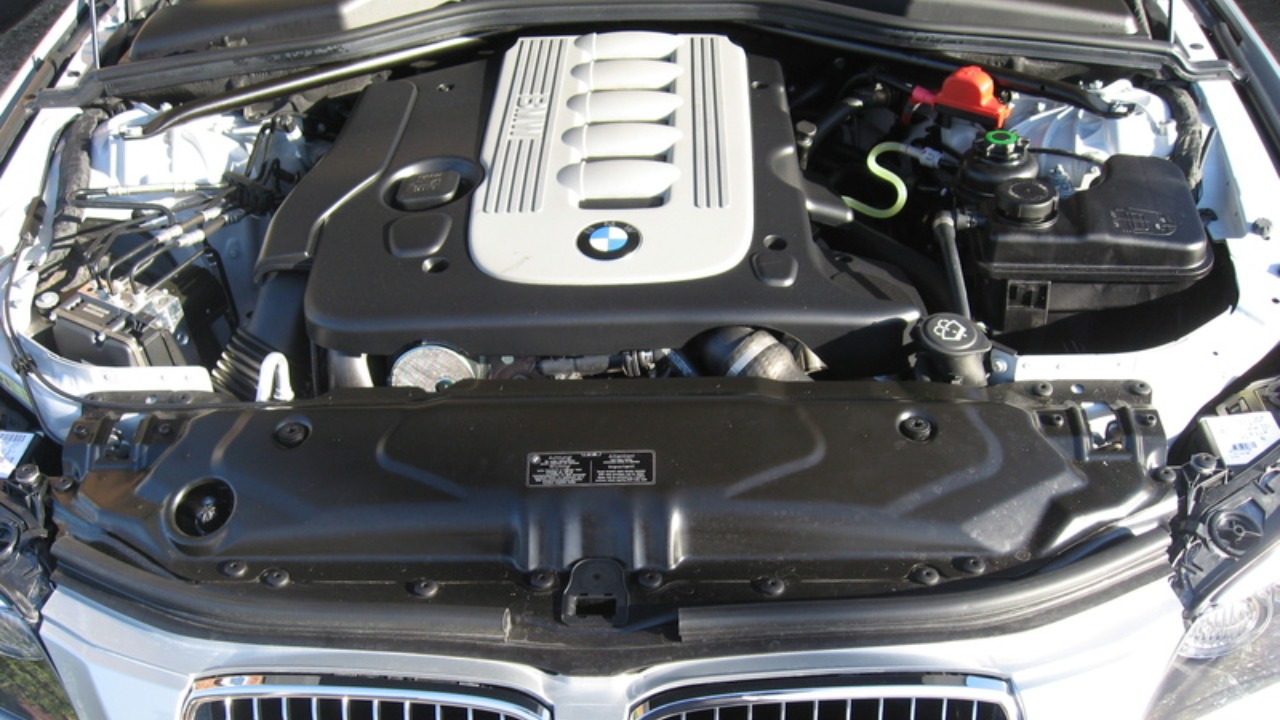
BMW is not always the first name associated with long-term mechanical simplicity, but the M57 diesel deserves serious consideration. This inline-six turbo-diesel was used in numerous BMW cars and SUVs and became known for combining strong torque with impressive mileage potential. It was designed for everything from relaxed highway cruising to heavier SUV applications, giving it a wide operating range.
The M57 also benefited from BMW’s experience with inline-six engines. Its smooth power delivery means that the engine does not need to be constantly pushed to deliver useful performance, while the turbocharged design provides substantial torque at relatively low engine speeds. As with any older modern diesel, ancillary components can become the weak link. Turbochargers, injectors, intake components, and emissions equipment all need attention as mileage rises. The core engine, though, has shown considerable durability when properly maintained.
Toyota 2JZ-GE
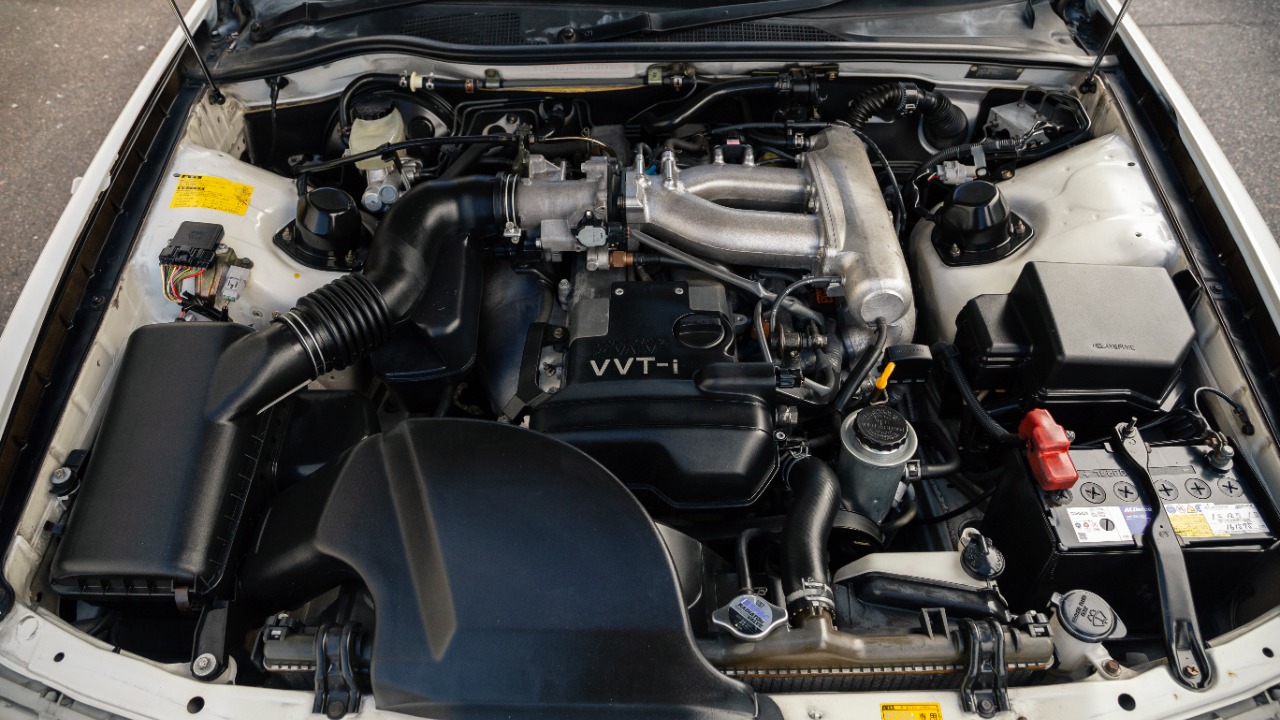
The naturally aspirated Toyota 2JZ-GE sometimes gets overshadowed by the turbocharged 2JZ-GTE, but it deserves recognition on its own. The 3.0-liter inline-six appeared in vehicles such as the Toyota Supra, Lexus GS 300, and Lexus IS 300, giving owners a smooth and durable engine without the added complexity of factory turbocharging. Its cast-iron block and robust construction became especially appreciated once enthusiasts began experimenting with these engines.
The 2JZ’s strength is not limited to drag-strip builds. In standard form, it is a relatively relaxed road engine with a broad torque curve and plenty of mechanical reserve. Timing-belt maintenance is important, and age has become a factor with many surviving examples, but the underlying engine has a long history of high-mileage service. That combination of refinement, strength, and tuning potential explains why the 2JZ name continues to attract attention decades after production began.
Nissan VQ35DE
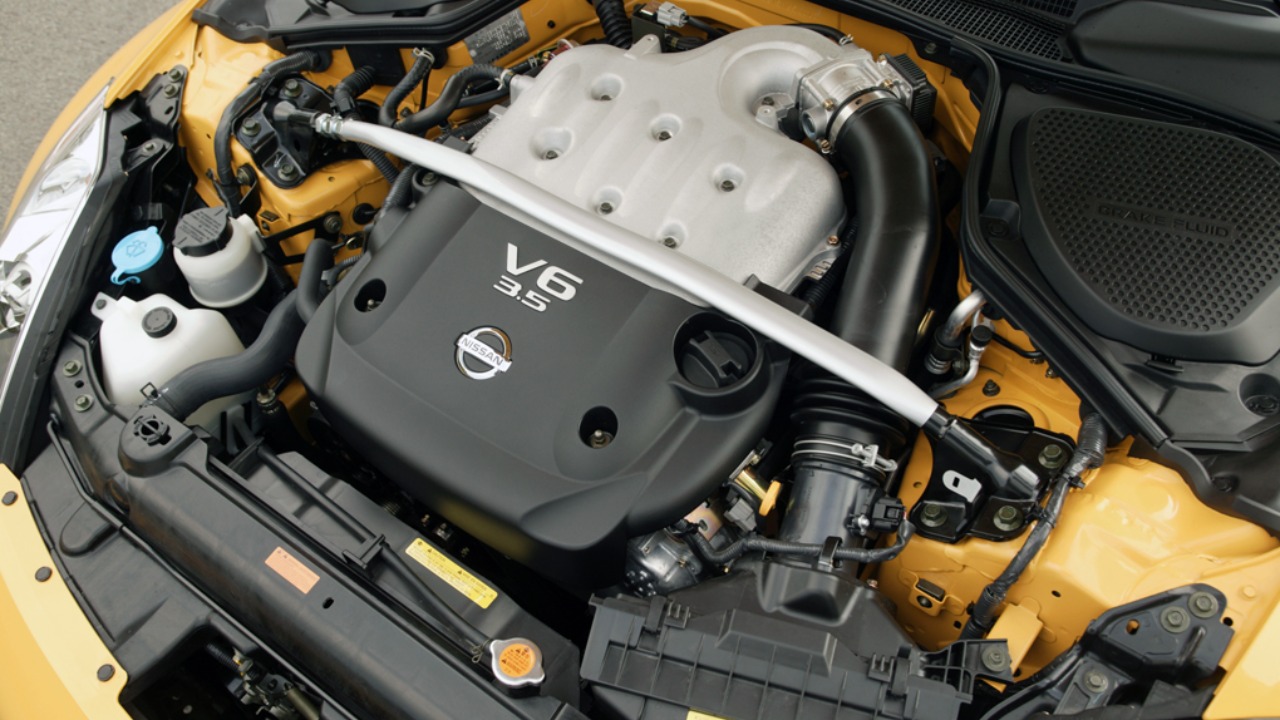
The Nissan VQ35DE powered an enormous variety of vehicles, ranging from family sedans and SUVs to sports cars. That variety is important because it exposed the 3.5-liter V6 to almost every type of driving imaginable. Some owners used it for quiet commuting, while others regularly took advantage of the engine’s performance. The VQ35DE had enough power to make a vehicle quick, but its everyday applications did not require it to operate at the edge of its capabilities.
Its aluminum construction, DOHC layout, and strong midrange torque made it a versatile engine, and millions of miles of real-world use helped establish its reputation. Certain versions can develop oil-consumption, timing-chain, or catalytic-converter-related problems, particularly with age, so the engine is not immune to failure. What separates it from many competitors is the sheer amount of experience accumulated across different Nissan and Infiniti applications. A properly maintained VQ35DE can take a surprising amount of use before its core hardware becomes the problem.
Honda J35
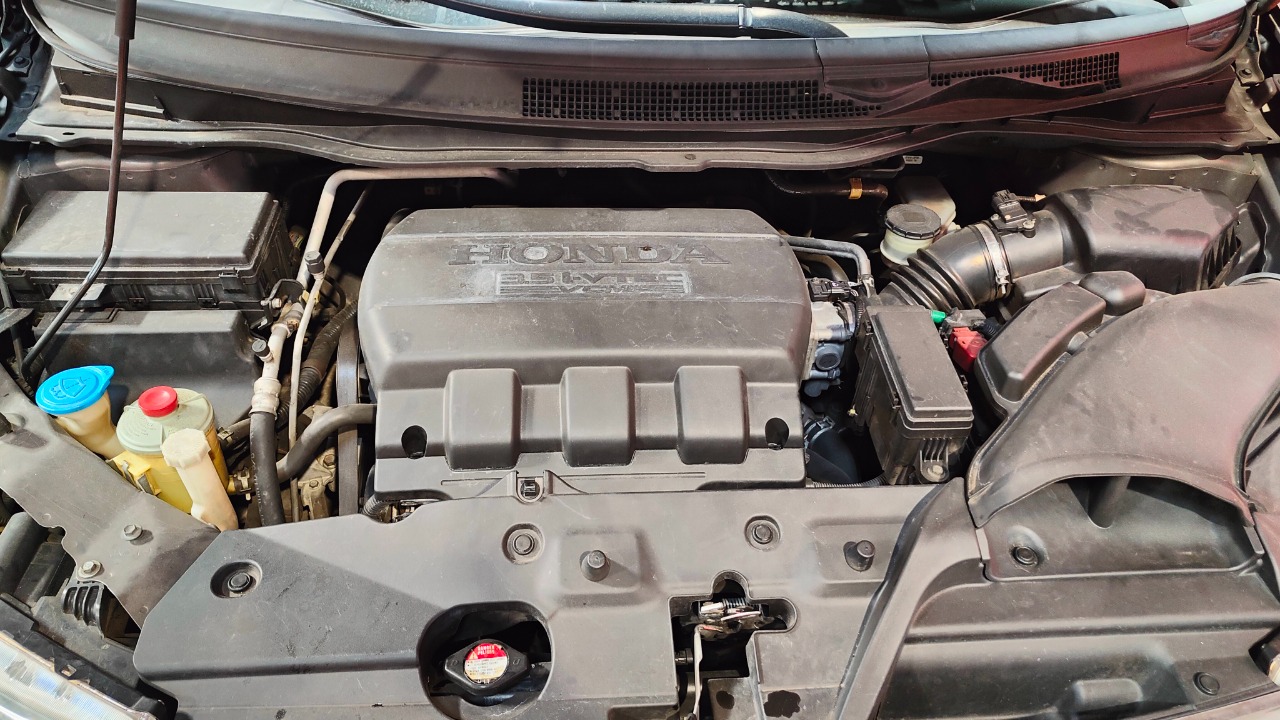
Honda’s J35 V6 has spent years powering vehicles that are rarely driven gently all the time. Found in models such as the Accord, Odyssey, Pilot, Ridgeline, and various Acura products, the 3.5-liter engine has had to handle family hauling, highway travel, stop-and-go traffic, and, in the case of the Ridgeline, practical utility work. Its broad torque curve allows it to move heavier vehicles without constantly operating at high rpm.
The J35 family has several different versions, and they should not all be treated as mechanically identical. Some use cylinder deactivation systems, while others have different valve-train and induction arrangements. Maintenance requirements therefore vary by application. Even so, the basic J-series architecture has a long record of dependable service. Keep the oil level correct, stay on top of timing-belt service where applicable, and deal with cooling or valve-train issues before they grow, and a J35 can accumulate serious mileage while remaining an excellent everyday workhorse.
Mazda BP 1.8
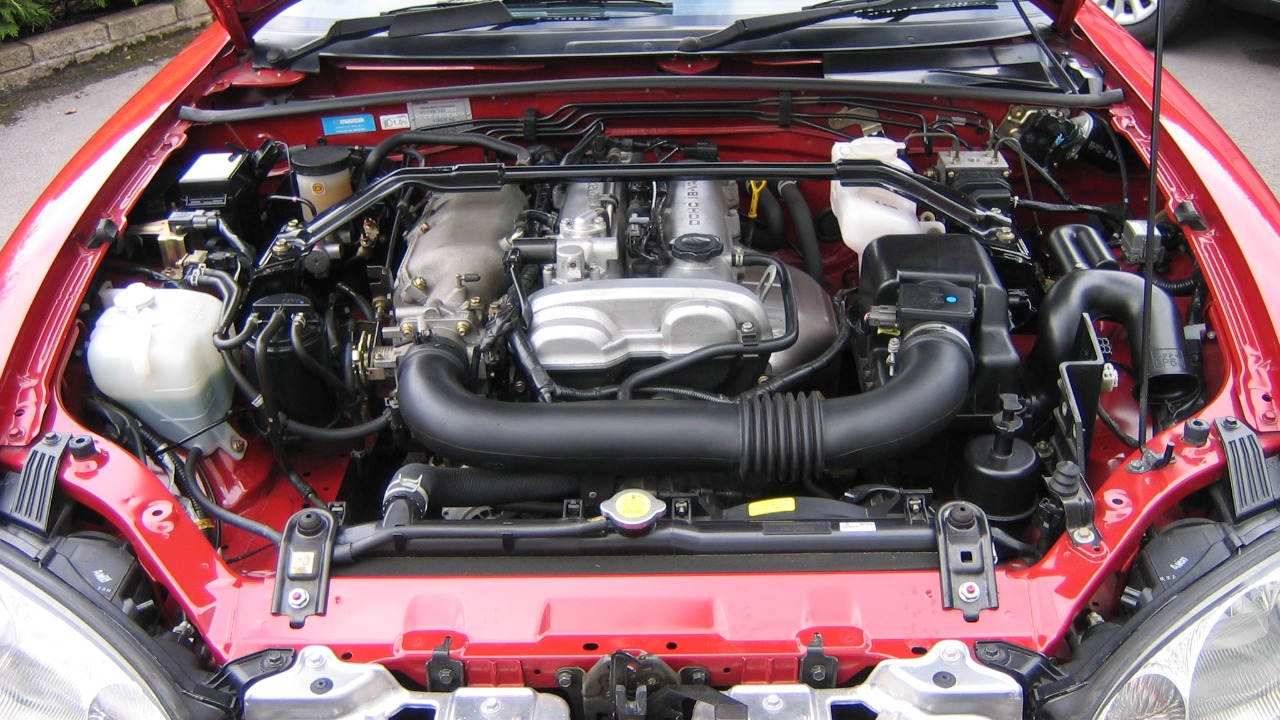
The Mazda BP 1.8-liter four-cylinder may be smaller and less intimidating than many engines on this list, but its reputation among enthusiasts is difficult to ignore. It powered a range of Mazda models and became particularly famous in the first-generation MX-5 Miata. The engine’s relatively simple design and modest output gave it a useful combination of light weight, responsive performance, and mechanical durability.
A small engine does not automatically mean a weak engine, and the BP proved that point repeatedly. In a lightweight car, it does not need huge displacement to provide entertaining performance, which means it can be worked hard without necessarily being subjected to the stresses associated with a large, high-output engine. Older examples naturally require attention to cooling systems, seals, timing components, and rust-related vehicle issues. The engine itself, however, has a reputation for taking regular spirited driving surprisingly well.
Mercedes-Benz M113
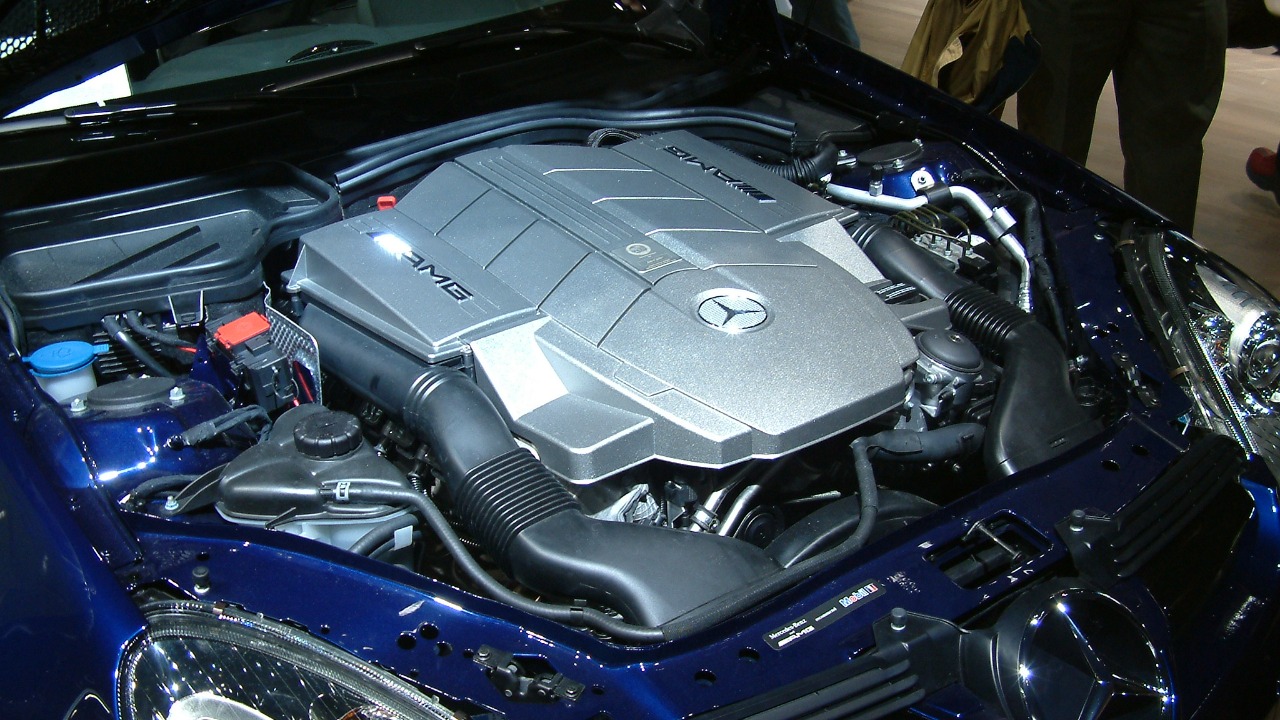
The Mercedes-Benz M113 V8 represents a different approach to durability. Instead of relying entirely on simplicity, Mercedes combined relatively conventional V8 architecture with careful engineering and strong materials. The M113 was used in numerous Mercedes and AMG applications, ranging from sedans and coupes to SUVs. Its smooth delivery and substantial torque meant that drivers could access strong performance without constantly revving the engine to its limits.
The design also avoided some of the complexity associated with later generations of Mercedes V8s. The M113 still has age-related problems, including oil leaks, cooling-system issues, and other components that become inevitable on older vehicles. That is different from saying the core engine is weak. With sensible maintenance, these V8s have demonstrated impressive longevity while continuing to deliver the effortless power that made them so appealing when new.
Ford 5.0 Coyote
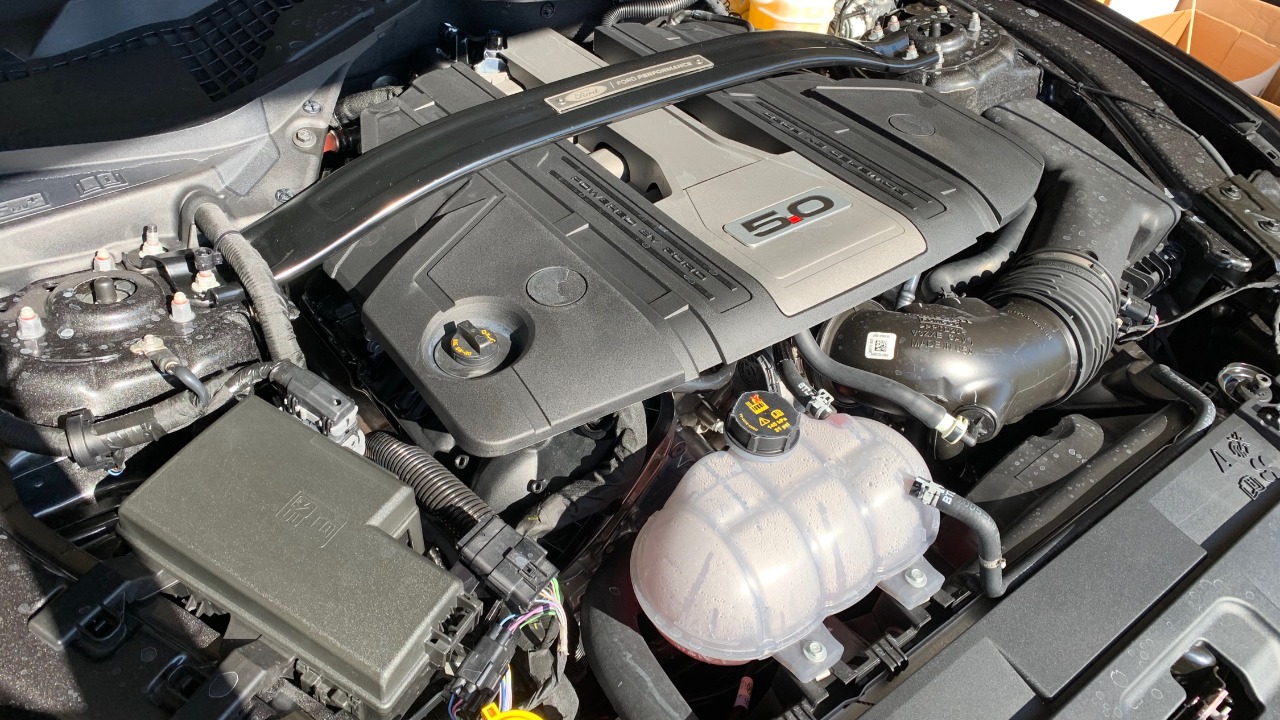
The Ford 5.0 Coyote is one of the newer engines on this list, but it has already demonstrated that modern performance and durability do not have to be opposites. Introduced for the 2011 Mustang GT, the naturally aspirated V8 eventually appeared in other Ford performance and truck applications. It combines dual overhead camshafts, four valves per cylinder, variable camshaft timing, and relatively high-rpm capability, yet it has proven capable of handling both daily driving and repeated performance use.
Part of its appeal comes from the fact that Ford did not build it as a fragile race engine. The engine was designed for mass production and everyday road use while still producing substantial power. Different generations have their own issues, including timing-system and oil-related concerns, so maintenance and model-year differences matter. Still, a healthy Coyote can tolerate everything from quiet commuting to enthusiastic acceleration without feeling like it needs to be treated with kid gloves.
Chevrolet LS3
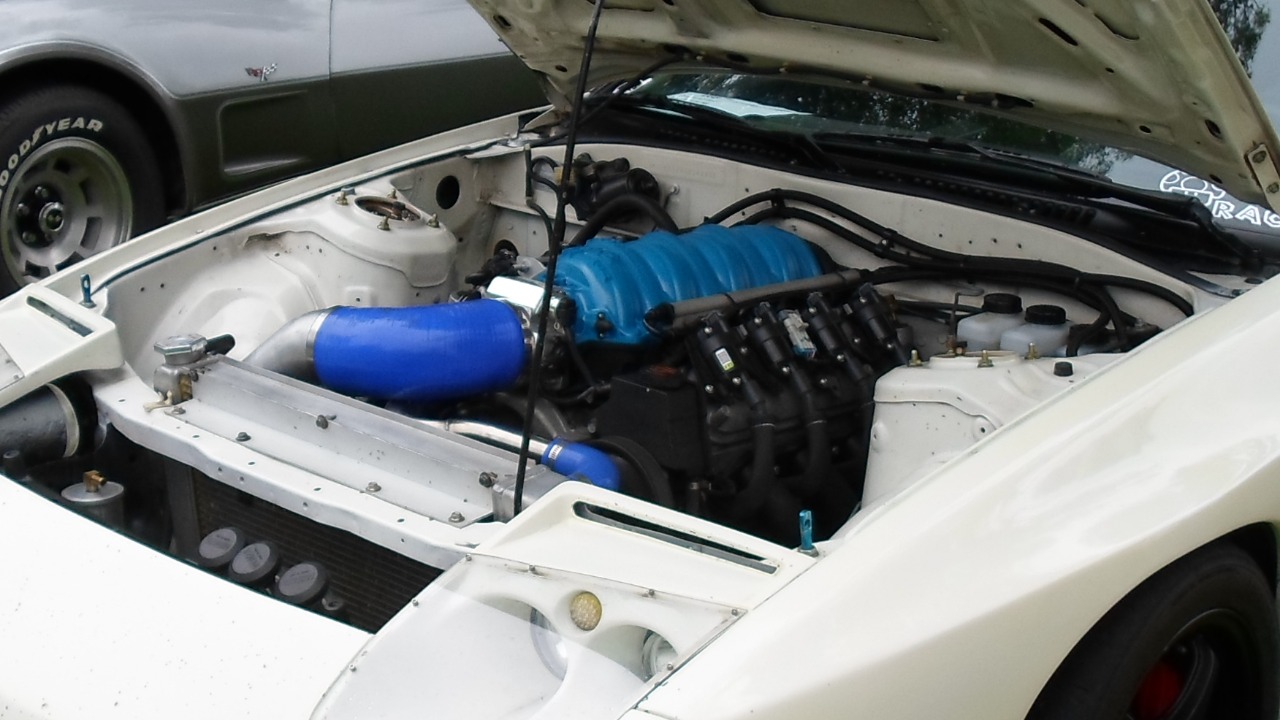
The Chevrolet LS3 demonstrates that a reliable engine does not have to be slow or old-fashioned. This 6.2-liter naturally aspirated V8 became a popular choice in performance cars and crate-engine applications, delivering serious horsepower while retaining the compact pushrod architecture that made the broader LS family so versatile. It has powered Corvettes, Camaros, and countless enthusiast builds, giving it plenty of exposure to hard acceleration and spirited driving.
What helps the LS3 is its relatively simple valvetrain compared with many modern DOHC V8s. There are fewer moving parts up top, the engine is compact for its displacement, and factory versions have enough performance that owners do not need to modify them heavily to enjoy strong power. That does not make an LS3 immune to abuse or poor maintenance. It still needs clean oil, proper cooling, and sensible service. But when those basics are covered, it is one of the engines that can deliver substantial performance without requiring constant mechanical babysitting.