The world of automotive performance has evolved dramatically over the decades, yet one aspect remains largely overlooked: dealer-installed performance packages. These offerings, often tailored to enhance vehicle capabilities at the point of sale, played a significant role in shaping car culture, especially during the muscle car era.
1. The Rise of Dealer-Installed Performance Packages
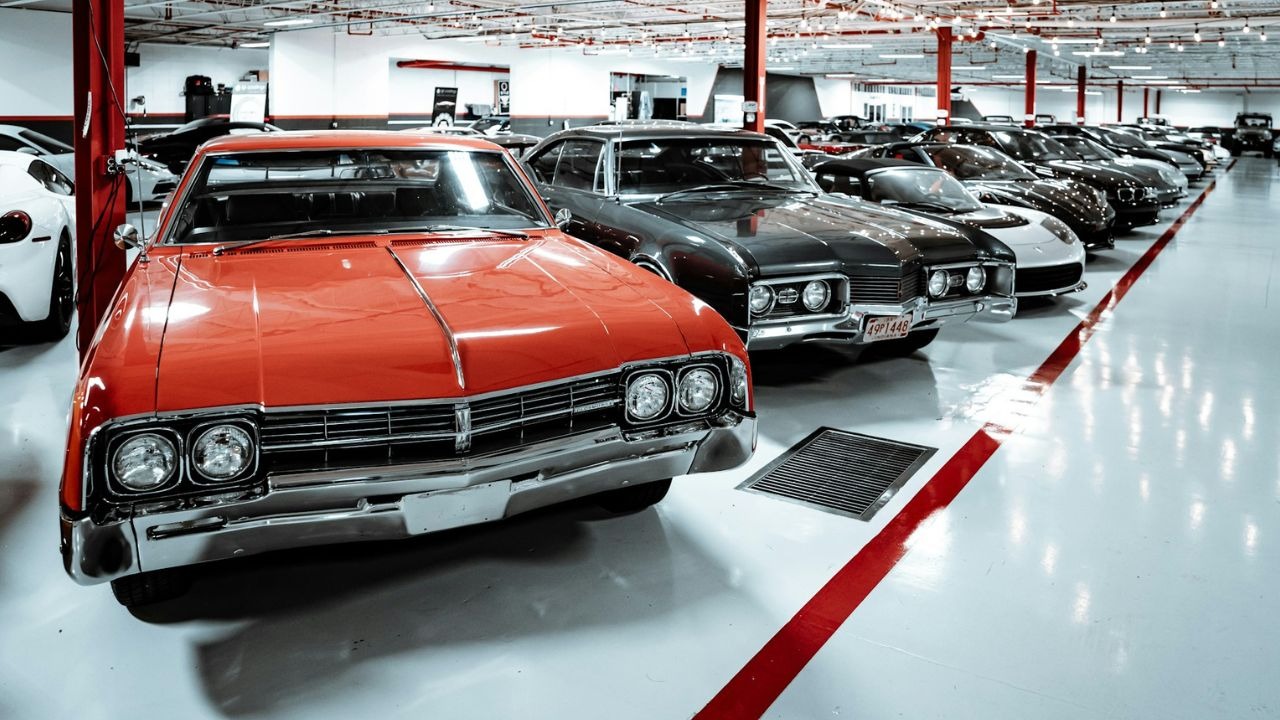
The muscle car boom of the 1960s and 1970s transformed the automotive landscape, leading to a surge in demand for high-performance vehicles. The appeal of speed and power drove consumers to seek out cars that could deliver thrilling driving experiences. This burgeoning interest prompted dealerships to recognize an opportunity: by offering performance packages that enhanced the capabilities of factory models, they could capture the attention of enthusiasts and casual buyers alike. Notably, manufacturers like Ford and Chevrolet began to leverage aftermarket parts, allowing dealers to customize vehicles to meet the growing appetite for speed, style, and individuality.
One of the most iconic examples of this trend is the Shelby Mustang, which saw dealerships modifying the base Mustang with performance enhancements like improved suspension, upgraded engines, and distinctive styling cues. These modifications helped establish a unique identity for the vehicle, appealing to a generation of drivers eager for speed and performance without having to turn to external tuning shops.
2. Key Players in the Market
In the landscape of dealer-installed performance packages, several major automobile manufacturers emerged as pioneers. Ford, Chevrolet, and Dodge were at the forefront, each offering an array of performance enhancements that allowed buyers to personalize their vehicles. For instance, Chevrolet’s famous “Yenko” Camaro package became a legendary option among muscle car enthusiasts, providing significant power upgrades and a distinctive racing aesthetic. Similarly, Dodge’s “Super Bee” packages offered performance upgrades that turned ordinary cars into thrilling road machines.
Moreover, certain dealerships became synonymous with performance enhancements, establishing themselves as go-to destinations for car buyers looking to elevate their vehicles. These dealerships often partnered with aftermarket parts suppliers to develop unique offerings, creating a vibrant market for performance packages. The collaboration between manufacturers and dealerships facilitated a culture of customization that resonated with car enthusiasts. For more insight into how dealerships embraced aftermarket parts, I recommend checking the discussions on StangNet.
3. The Allure of Customization
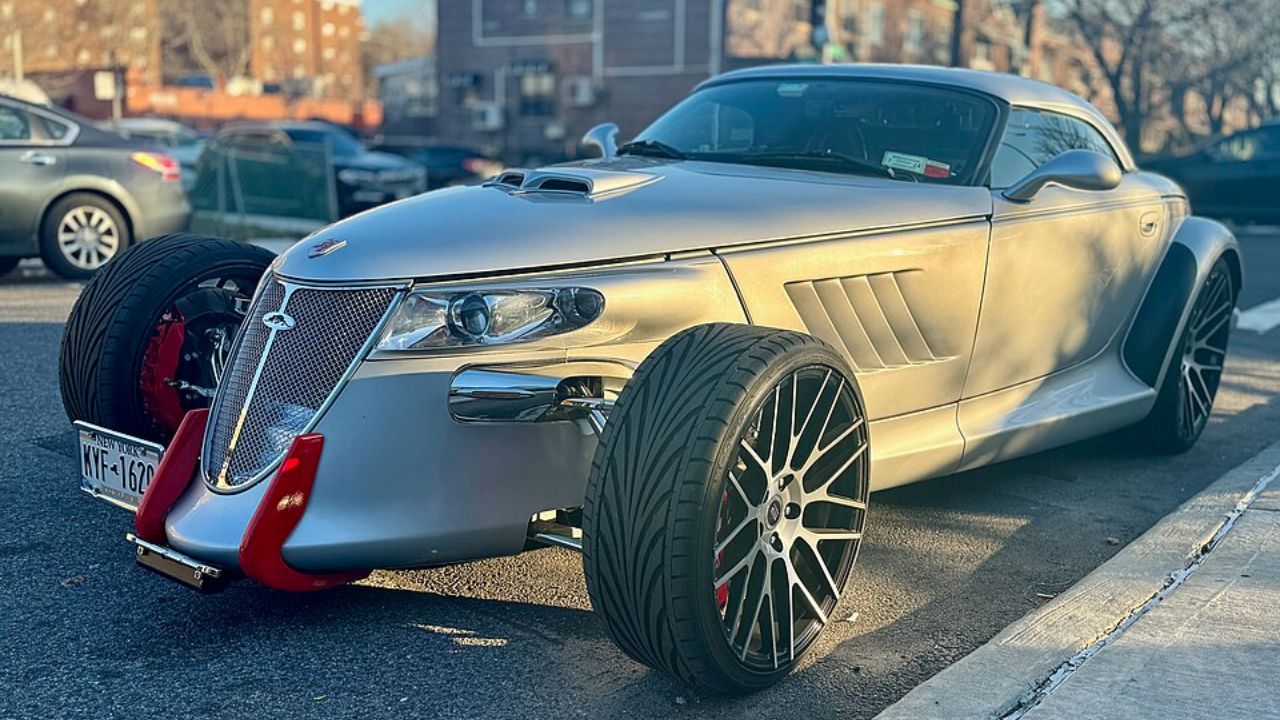
Customization has always been a powerful draw in the automotive world, and dealer-installed performance packages offered a unique avenue for buyers to personalize their vehicles. These packages provided customers with the chance to enhance not just the performance but also the aesthetic appeal of their rides. Popular modifications included body kits, which added aggressive styling, and performance exhaust systems that not only improved sound but also boosted power. For many buyers, investing in these packages was a way to stand out from the crowd and express their individuality.
The cultural significance of customization cannot be overstated. It forged a sense of community among car enthusiasts, fostering a shared passion for performance and style. Car shows, racing events, and local meet-ups became platforms for showcasing custom builds. The impact of this culture on consumer choices was profound, as buyers often sought out vehicles that could be easily modified to reflect their personal tastes. The rise of social media has further amplified this trend, enabling enthusiasts to share their modifications and connect with others who appreciate the art of customization.
4. Regulations and Challenges
As the automotive landscape evolved, so too did the regulatory environment. Changing regulations around emissions and safety began to impact the performance modification market. In the late 1970s, stricter emissions standards were introduced, making it increasingly challenging for dealerships to offer certain performance enhancements without violating legal requirements. This shift forced many dealerships to rethink their approach to performance packages, leading to a decline in the variety of available options.
Additionally, warranty issues often arose from dealer-installed modifications. Customers sometimes faced dilemmas when performance upgrades led to mechanical failures, resulting in disputes over warranty coverage. This dynamic shaped customer perceptions, as many buyers became wary of investing in performance enhancements that could jeopardize their warranty. The tension between maintaining performance aspirations and adhering to regulatory requirements created a complex landscape for dealerships and manufacturers alike.
5. The Decline of Dealer-Installed Performance Packages
The late 1970s and 1980s marked a significant turning point for dealer-installed performance packages. A combination of factors contributed to their decline, primarily the fuel crises and shifting consumer preferences towards more fuel-efficient vehicles. As gas prices soared, the appetite for high-performance muscle cars waned, and many consumers began prioritizing economy over raw power. This shift prompted manufacturers to pivot towards factory-built performance models, which could be marketed as more efficient alternatives to traditional muscle cars.
Moreover, the rise of aftermarket tuning shops created a competitive landscape that diminished the relevance of dealer-installed packages. Enthusiasts began to seek out specialized shops that could offer tailored modifications and performance enhancements that dealerships were unable to match. Case studies from this era illustrate the decline of certain popular packages, as consumers gravitated towards a more standardized approach in automotive production. The transition away from dealer-installed performance packages signaled a new era in the automotive industry, marked by a focus on efficiency and practicality.
6. Resurgence and Modern Implications
In recent years, there has been a notable resurgence of interest in performance packages, fueled by the rise of car enthusiast culture and the influence of social media. Platforms like Instagram and TikTok allow enthusiasts to showcase their builds, fostering a sense of community and inspiring new generations of car lovers. As a result, manufacturers have begun to reintroduce dealer-installed performance options, tapping into the nostalgia of the muscle car era while catering to modern consumer preferences.
Today, many manufacturers offer contemporary dealer-installed performance options. For instance, Ford has revived its Mustang Performance Package, which includes enhancements like upgraded suspension and sport-tuned exhaust systems. This trend highlights how dealerships can once again play a pivotal role in the performance market, offering buyers a pathway to enhanced driving experiences right at the point of sale.
The impact of technology and digital marketing on the future of dealer-installed performance packages is significant. Manufacturers are leveraging data analytics to understand customer preferences better, allowing them to tailor their offerings to meet the demand for customization. As the automotive landscape continues to evolve, the future of dealer-installed performance packages looks promising, with technology and community engagement driving innovation and growth.