Mechanics see a side of classic cars that most owners never do. They see the engines with decades of wear, the transmissions that have survived neglect, the suspension designs that make sense, and the cars that can still be repaired without turning every problem into a major project. That perspective can change the way you look at an old American classic.
Some cars earn admiration because they are beautiful or valuable. Others earn it because a mechanic knows exactly what is underneath the hood and knows that the basic engineering is hard to beat. From Slant Six Mopars and simple Ford Falcons to a rugged Chevrolet pickup and a Rambler built to be fixed at home, these are 11 American classics that tend to earn quiet respect in the shop.
1963 Rambler American 440

The 1963 Rambler American 440 is the kind of car a mechanic can understand in an afternoon. Beneath the body introduced for 1961 sat the unit-construction platform that dated back to the 1950 Nash Rambler, a design AMC kept because it was small, cheap to build, and already proven. Power came from a 195.6-cubic-inch inline six offered in both an old-school L-head version and an overhead-valve version, and a 138-hp two-barrel six joined the option list for 1963. With no V8 in the lineup, there is nothing crowding the engine bay. Transmission choices ran from a three-speed manual and overdrive to an automatic and the new-for-1963 Twin-Stick. AMC built more than 367,000 Americans from 1961 through 1963, so these cars are hardly unicorns. The 440-H hardtop added bucket seats and a console, but underneath it is the same simple, economical compact whose base two-door had undercut the Ford Falcon on price.
1964 Ford Falcon Futura

The 1964 Falcon Futura looks like a modest, dressed-up compact, but mechanics know it as the car that handed its running gear to the Mustang. Hagerty points out that the bits that made the first Mustang go came from the Falcon, and that the V8 Falcon Sprint is nearly identical to it underneath. That means much of what a Mustang specialist knows by heart applies here too. For 1964 Ford offered five engines, from an 85-hp 144-cubic-inch six through the 170 and new 200-cubic-inch Special Sixes up to a 164-hp 260 V8 that was optional across the line. The 109.5-inch wheelbase carried over, and the restyled body grew only slightly. Futura trim brought full carpeting, nicer seats, and chrome side trim, with bucket seats and a console in the Sports Coupe and Sports Convertible, yet none of that complicates the hardware. With 318,961 built that year, the Falcon remains a straightforward rear-drive compact that rarely sends anyone hunting for obscure components.
1966 Plymouth Valiant Signet
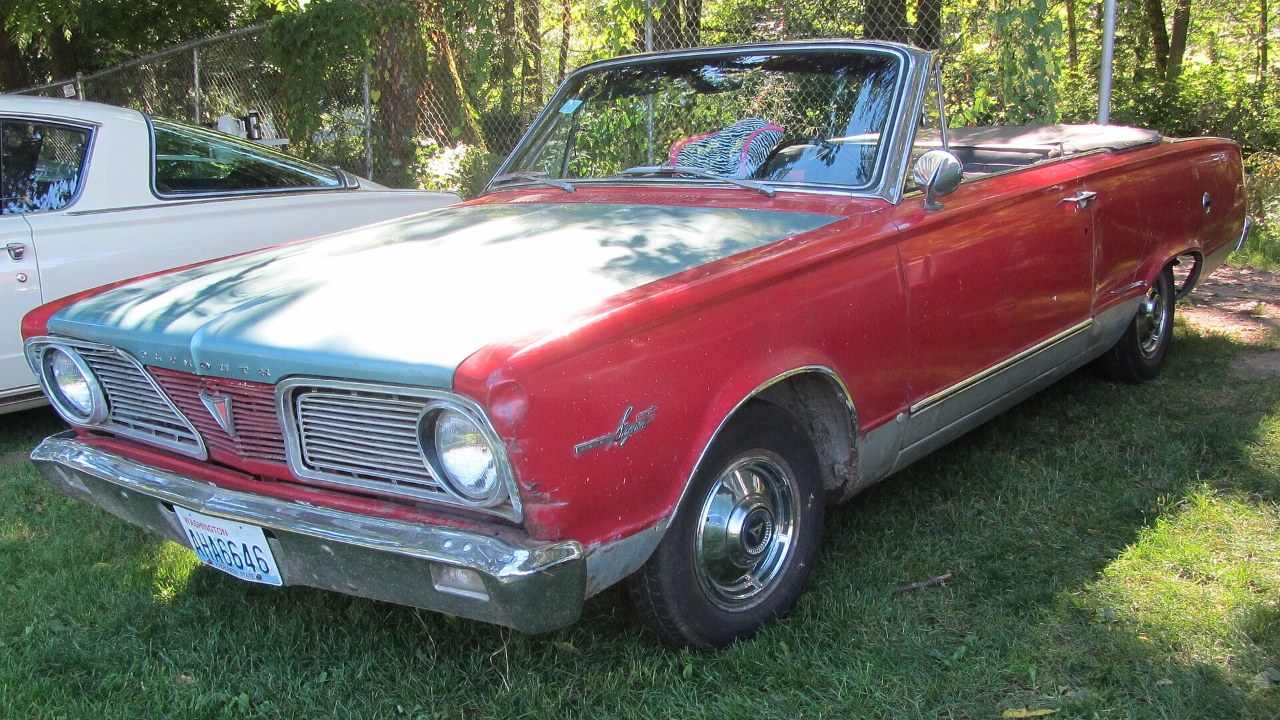
The Signet was the top trim of Plymouth’s Valiant compact, but its real appeal to mechanics sits under the hood. The base 170-cubic-inch Slant Six made 101 hp, the larger 225 made 145 hp, and the 273 small-block V8, offered in the Valiant since 1964, made 180 hp. The Slant Six earns most of the praise. Chrysler leaned it 30 degrees to lower the hood line and allow long, even intake runners, and its deep-skirted block, short and stiff crankshaft, and four main bearings gave it a reputation for running practically forever. Chrysler was confident enough in the design to adapt it for marine, farm, and industrial duty, from outdrives to irrigation pumps. Solid lifters need periodic adjustment, but that is a simple feeler-gauge job rather than a reason to worry. For 1966 the Valiant got refined sheet metal and a split mesh grille, while the proven hardware carried over. Few compacts from the era are easier to keep running, or more forgiving when maintenance has slipped.
1967 Dodge Dart GT
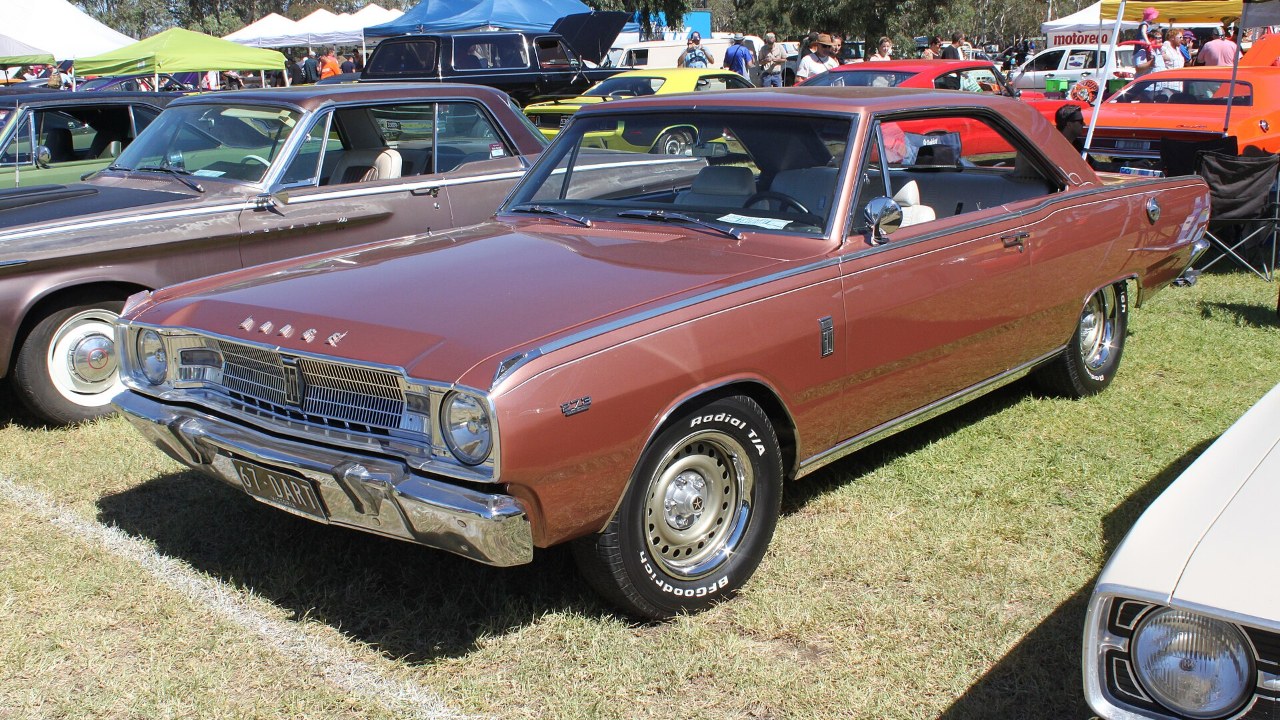
The 1967 Dart GT wore a fresh body from Dodge studio chief Carl Cameron’s team, yet the mechanical package was pure Chrysler common sense. The GT came only as a hardtop coupe or convertible, with the 170-cubic-inch Slant Six standard and a 145-hp 225 six optional. V8 buyers could choose a 180-hp two-barrel 273 or a 235-hp four-barrel version with 10.5:1 compression and a more aggressive camshaft. Front suspension relied on torsion bars, and the $11 Rallye package simply added firmer bars and stiffer rear leaf springs. Power front disc brakes were a $54 option. From a service standpoint, the six and 273 cars make more sense than the late-arriving GTS, since only 457 of those were built and its 383 big-block filled the engine bay so completely that power steering and air conditioning were off the table. A six-cylinder or 273 Dart GT offers easy access, proven Chrysler hardware, and a light compact body that rewards basic maintenance with years of dependable use.
1973 Chevrolet Cheyenne
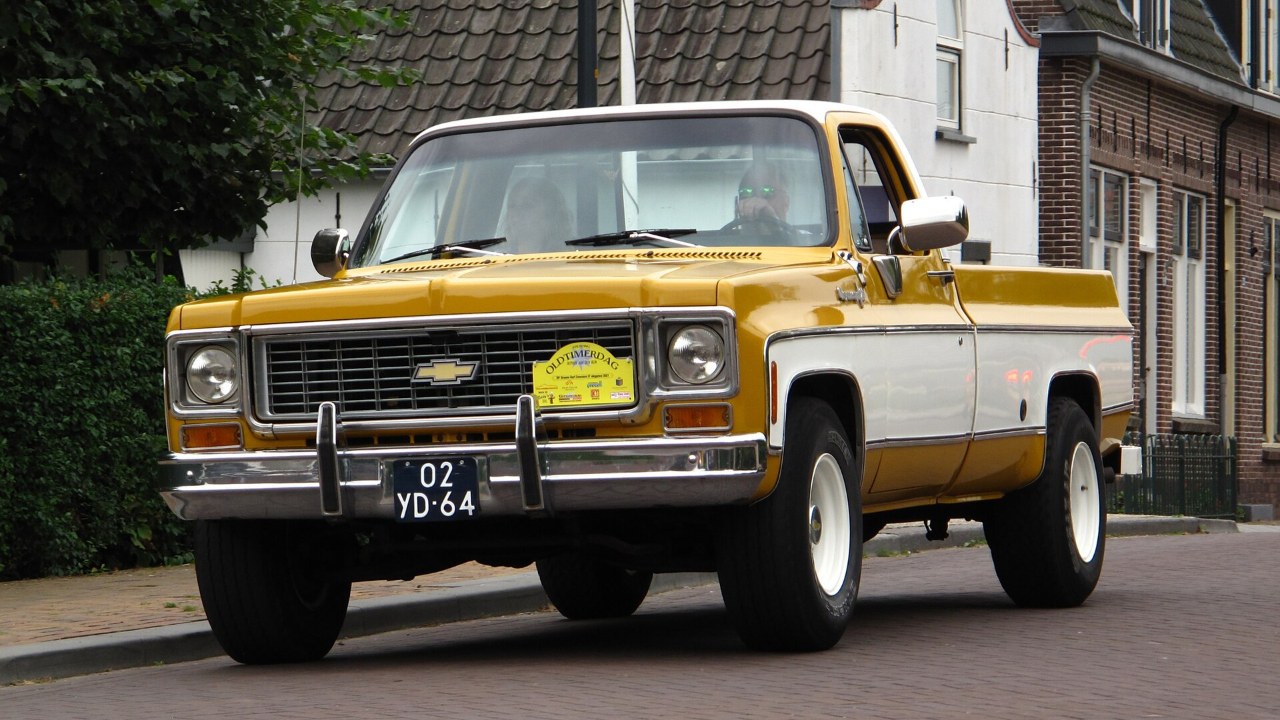
The 1973 Chevrolet Cheyenne launched the truck generation GM called the Rounded Line and owners now call the square body, and mechanics have been wrenching on these pickups ever since. Cheyenne sat above the Custom and Custom Deluxe trims, with the Cheyenne Super at the top, but the hardware underneath was shared across a truck line that sold more than a million examples in its first year. Buyers could pick a 250 or 292 inline six or a 307, 350, or 454 V8, and the 350 made 175 hp and 275 lb-ft. Front disc brakes were standard, two-wheel-drive models used independent front suspension, and both part-time and full-time four-wheel drive were offered. Chevrolet built the basic design through 1987 for C/K pickups and through 1991 for the heavier R/V models, a long run that produced an enormous population of trucks and shared components. These pickups remain favorites for restorations and LS swaps, and the small-block Chevy needs no introduction in any garage.
1970 Plymouth Fury III
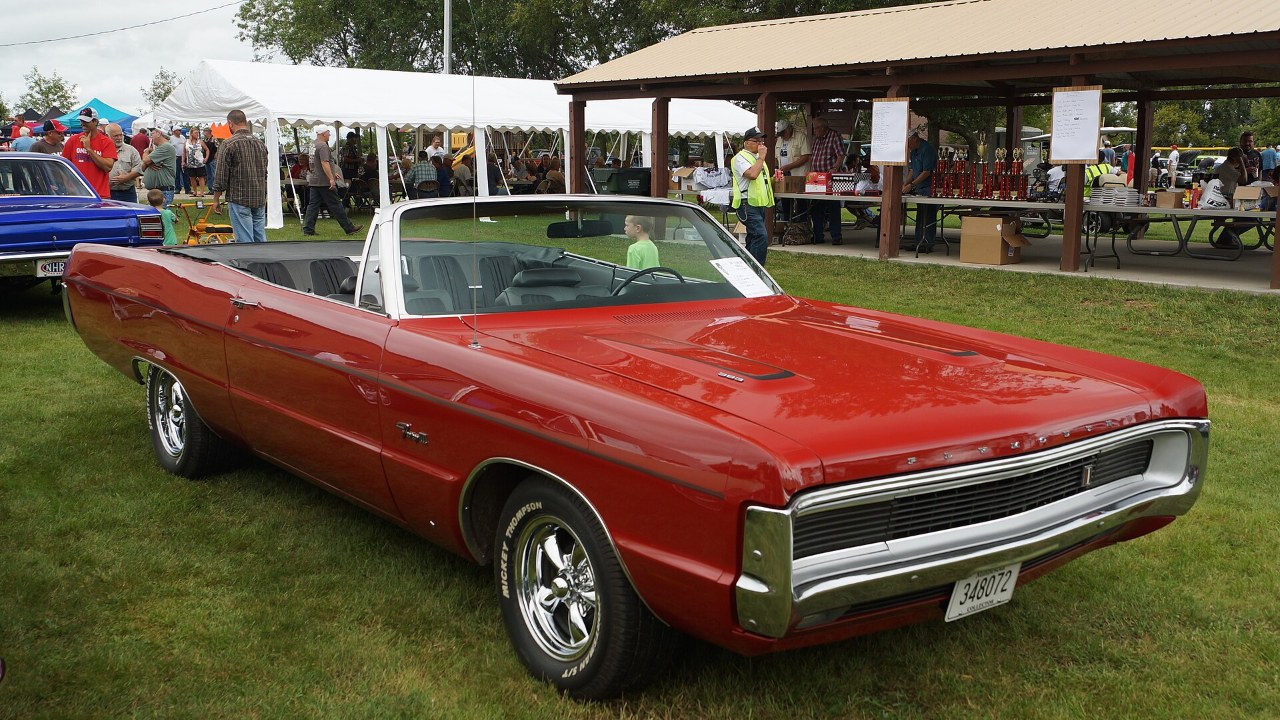
The 1970 Fury III was Plymouth’s mainstream full-size car, and that is exactly why it suits a mechanic. The standard engine was the 230-hp 318 V8, a small-block that has earned a bulletproof reputation thanks to its sturdy iron block and uncomplicated design, plus a habit of tolerating high mileage and less-than-ideal care. Buyers could step up to a pair of 383s or a 350-hp 440 four-barrel, but the 318 is the engine a mechanic hopes to find. The body carried Chrysler’s fuselage styling introduced for 1969, and 1970 brought loop bumpers, a wider rear tread, and new four-door body styles. The Fury III convertible also became the only open full-size Plymouth that year after the Sport Fury convertible was dropped, and no full-size Plymouth convertible followed it. Drivetrain options were refreshingly limited, too: the four-speed was gone, and the three-speed manual was offered only with the 318 and two-barrel 383. That simple, widely shared hardware makes the Fury III an easy big car to sort out.
1969 Dodge Polara
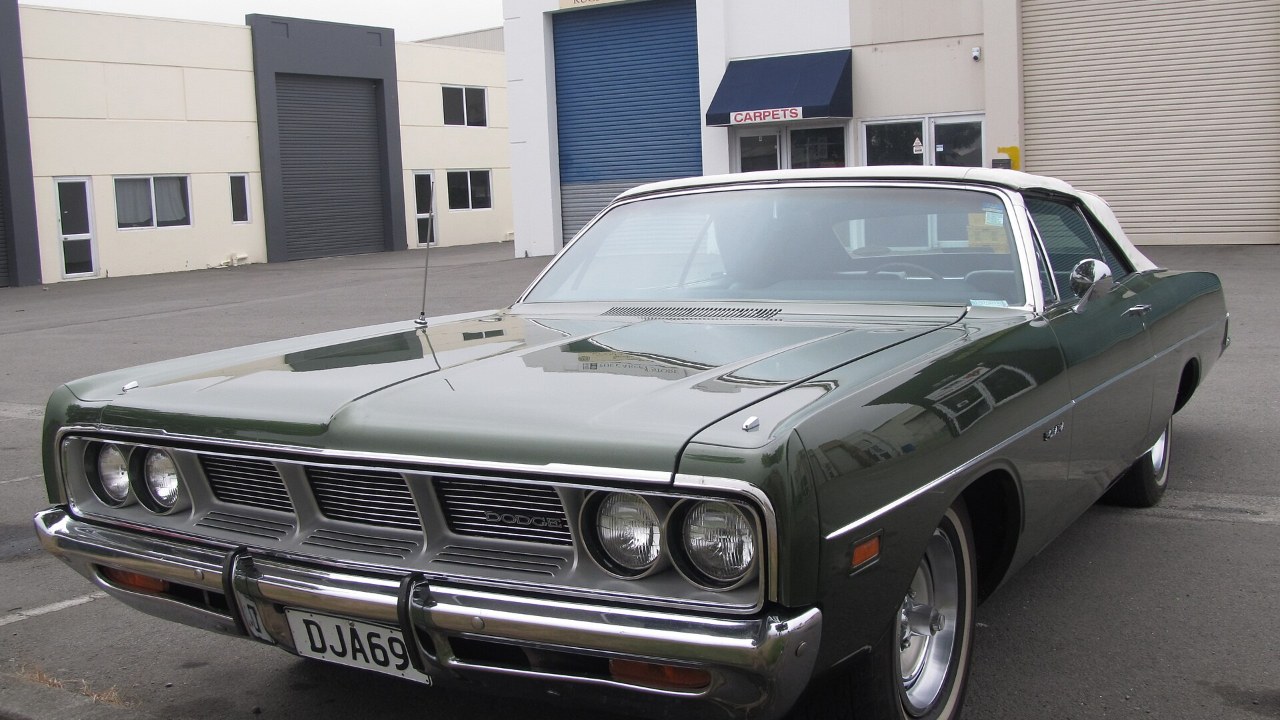
The 1969 Polara was Dodge’s basic full-size car, and its plainness is a selling point in the shop. Dodge redesigned it that year with smoother fuselage styling on a 122-inch wheelbase, and it shared its body, chassis, and assembly line with the pricier Monaco. Chrysler applied the same fuselage approach across its Plymouth, Dodge, Chrysler, and Imperial full-size cars, so a mechanic working on a Polara is dealing with familiar big-car hardware. The standard engine was the 230-hp 318 V8, with 383s rated at 290 or 300 hp and a 375-hp Magnum 440 on the option list. Transmission choices were a three-speed manual, a four-speed manual, or the TorqueFlite automatic. Body styles ranged from sedans and hardtops to a convertible and six- or nine-passenger wagons, and the Polara 500 added a sportier coupe and convertible. A 318 Polara with an automatic is the kind of car that keeps running on basic care, offering full-size space without exotic components that turn parts hunting into a chore.
1966 Ford Fairlane 500
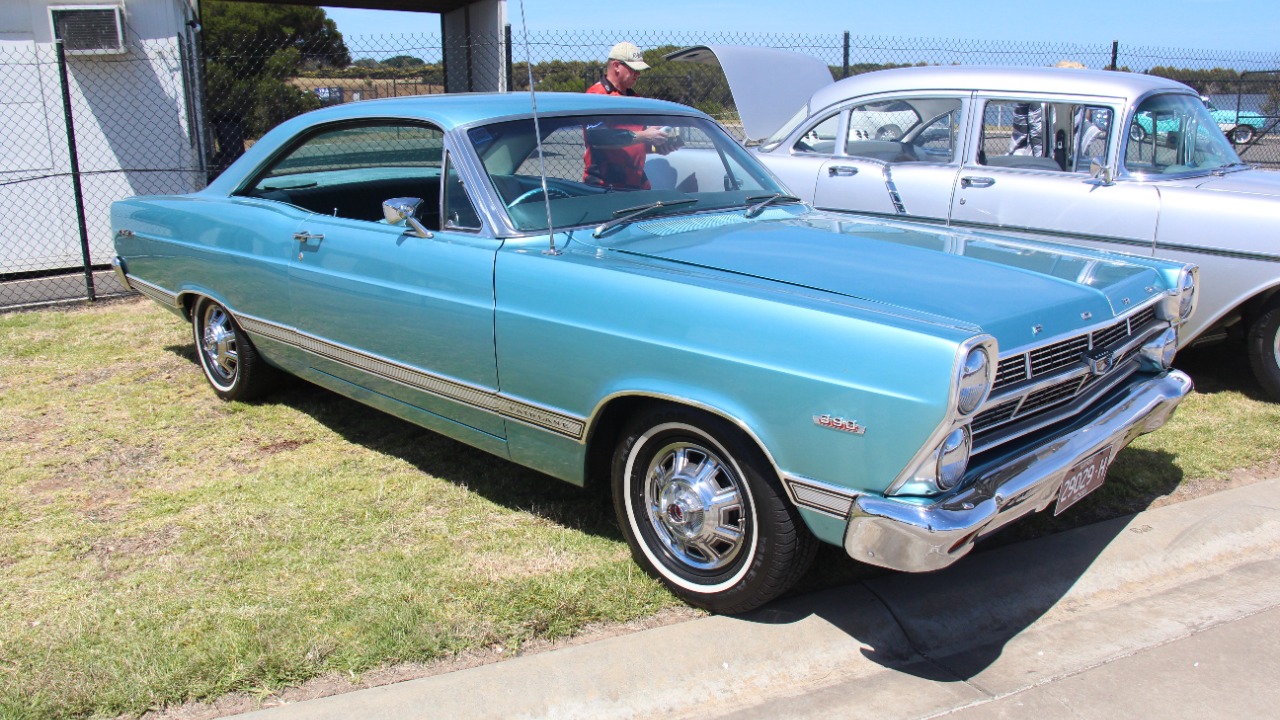
The 1966 Fairlane 500 appeals to mechanics because Ford engineered it to swallow almost anything. The redesigned unit-body intermediate rode a 116-inch wheelbase, with larger front coil springs, a front track widened to 58 inches, and two extra inches between the spring towers so the chassis could accept sixes, small V8s, and the FE big-block. The standard engine was a 120-hp 200-cubic-inch six, the 289 two-barrel made 200 hp, and 390 FE options ran from 265 to 335 hp. Whichever one is under the hood, it is a Ford engine a mechanic has almost certainly seen before. Fairlane production climbed 41 percent over 1965 to more than 317,000 cars, and the 500 two-door hardtop alone accounted for 75,947 of them, with sedans, club coupes, wagons, and convertibles adding many more. Those numbers keep donor cars in circulation. Simple suspension, an engine bay sized for a big-block, and widely produced powertrains make the 1966 Fairlane 500 an easy car to diagnose and keep on the road.
1968 Chrysler Newport Custom
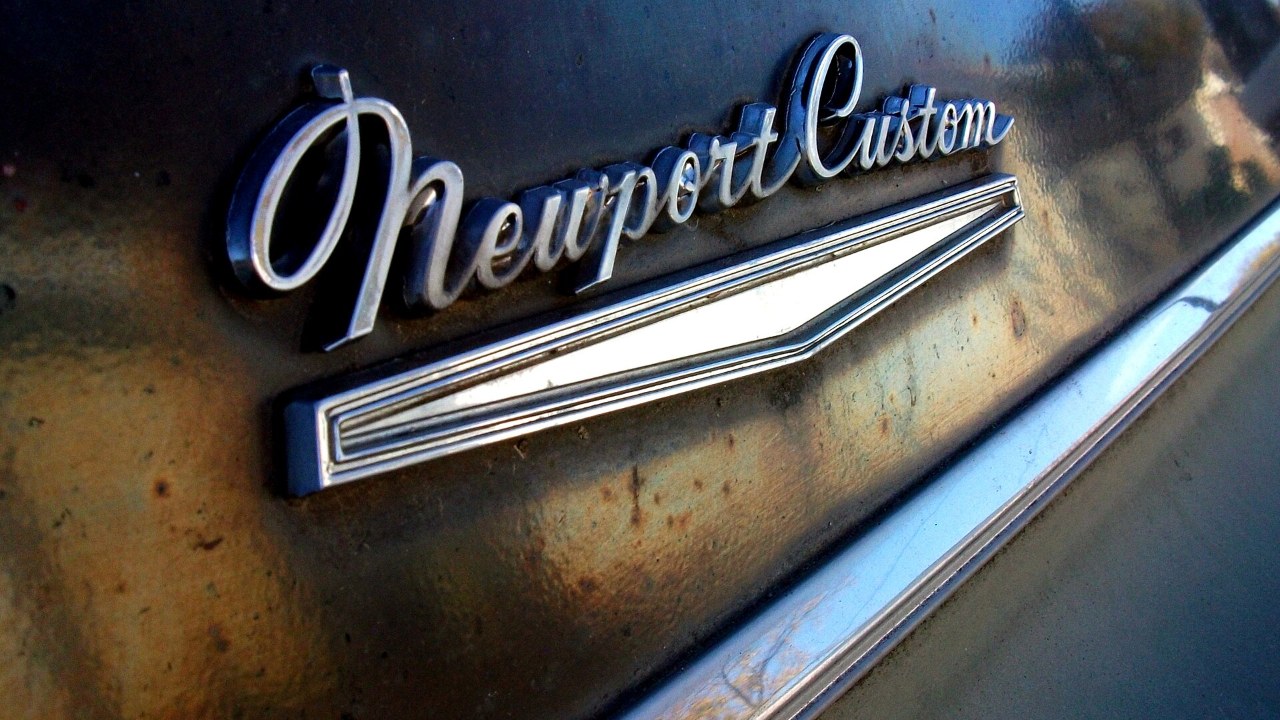
The Newport was Chrysler’s entry-level full-size car, and the Newport Custom, introduced for 1967, added nicer upholstery, armrests, and extra trim without changing the sturdy hardware underneath. For 1968 the standard engine was a 383 V8 rated at 290 hp, with a 330-hp 383 and the 440 TNT available for buyers who wanted more. The big-block 383 is familiar territory for any Mopar mechanic, and here it works at an easy pace in a car with a shipping weight of roughly 3,860 to 3,890 pounds. The Newport rode a 124-inch wheelbase, and the Custom series came as a four-door sedan, a two-door hardtop, or a four-door hardtop, priced from $3,914 to $4,052 when new. Chrysler built 38,716 Newport Customs across those three bodies, and the broader Newport line made up more than half of Chrysler’s sales in the mid-1960s. For mechanics, it is a comfortable big car whose straightforward V8 drivetrain rewards ordinary maintenance instead of demanding specialist tools or rare parts.
1966 Mercury Comet 202
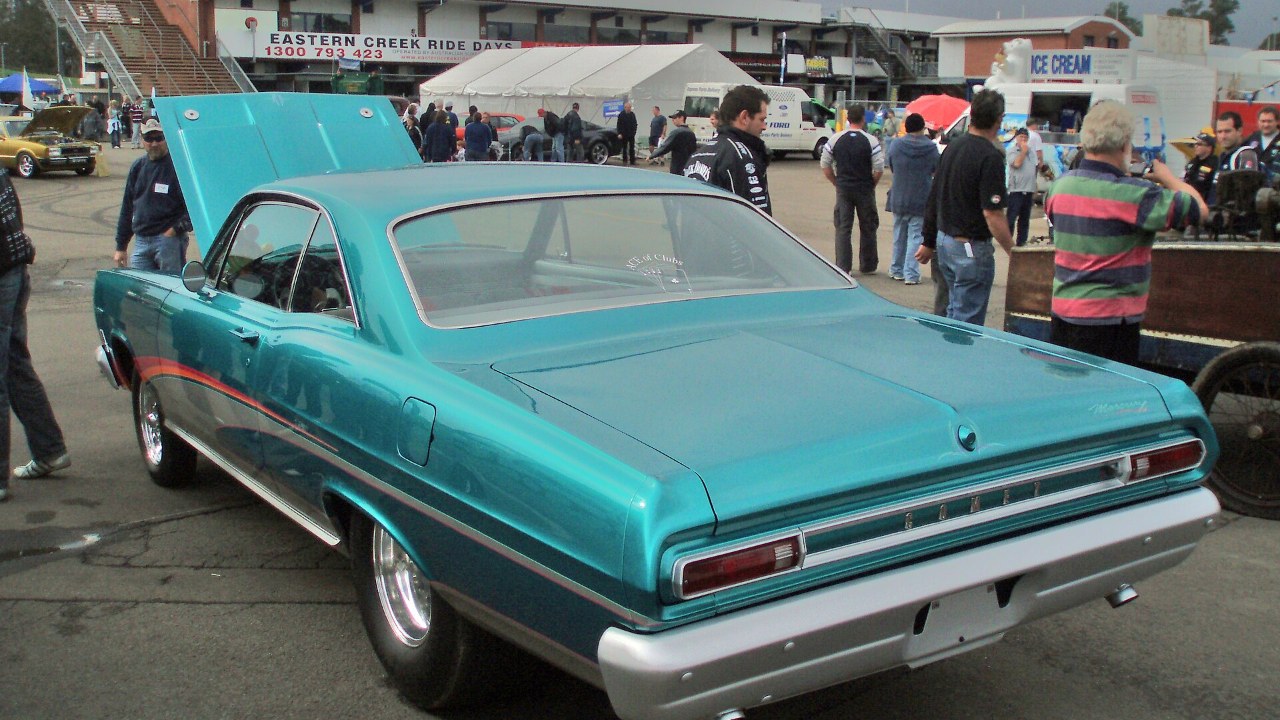
The Comet 202 was the plainest Comet Mercury sold for 1966, and that simplicity is exactly why mechanics like it. That year the Comet grew from compact to intermediate and moved onto the same platform as the Ford Fairlane, riding a 116-inch wheelbase, while wagons used a 113-inch chassis. In practice, that means the 202 shares its basic engineering with one of Ford’s most heavily produced intermediates of the decade. The 202 came as a two-door sedan priced at $2,206 or a four-door sedan at $2,263, and Mercury built 35,964 and 20,440 of them, respectively. Buyers could choose the 200-cubic-inch inline six or step up to Ford’s 289 or 390 V8s, engines that any Ford-savvy technician has handled countless times. Inside, the 202 kept things basic with a bench seat and a column shifter, so there is little in the way of fancy trim or power accessories to troubleshoot. Underneath, it is familiar Fairlane hardware with fewer distractions, which makes it an easy car to keep healthy.
1972 Dodge Dart Swinger
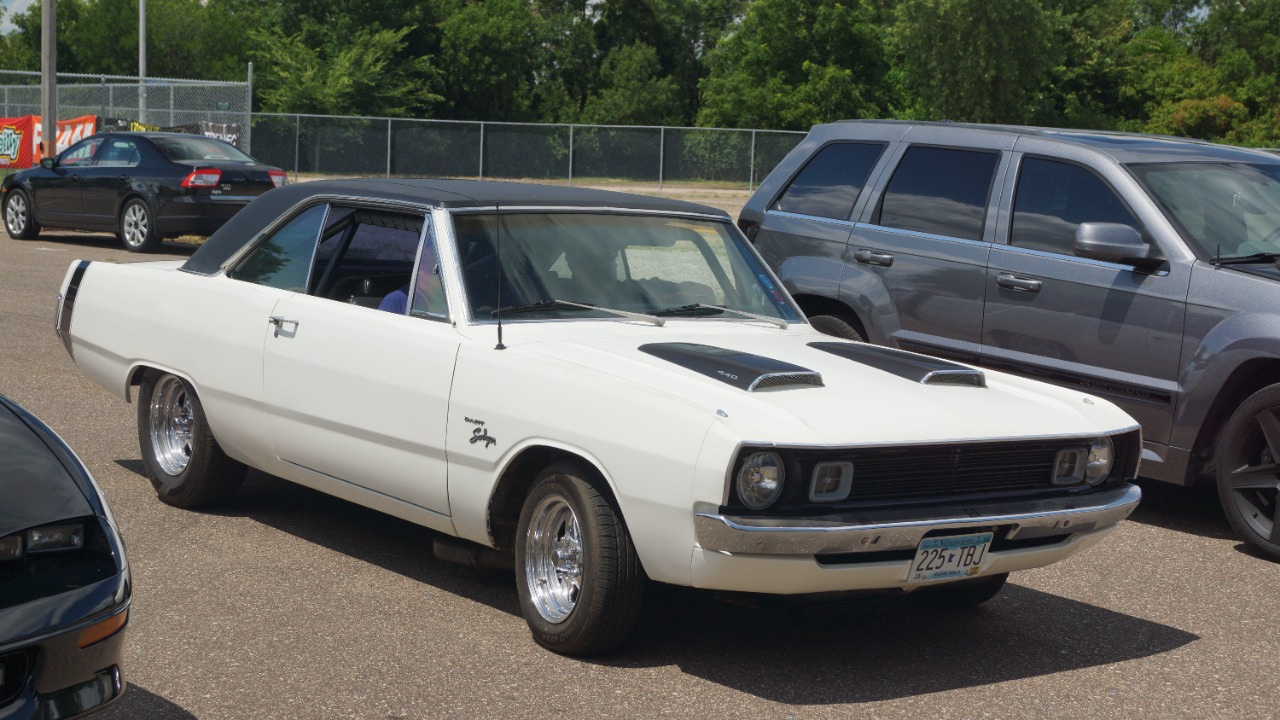
The Dart Swinger was the sporty two-door hardtop in Dodge’s compact A-body family, a sibling to the Plymouth Scamp, and for a mechanic it shows the Slant Six era at its most practical. For 1972 Dodge freshened the Dart with a new grille and surface-mounted side markers, and the instrument cluster was shared with the Valiant, but the proven hardware carried over. The 225-cubic-inch Slant Six was rated at 110 net hp, and the optional 318 V8 made 150 net hp, two engines with a reputation for tolerating abuse and neglect. Most buyers took the column-shifted TorqueFlite three-speed automatic. The Slant Six owes its toughness to a deep-skirted block, a short and stiff crankshaft, and four main bearings, the traits credited for its long service life. The main known drawbacks are wind noise and leaks around the pillarless hardtop side glass. Otherwise, the Swinger is a light, simple compact that keeps running on basic maintenance and familiar Chrysler parts.