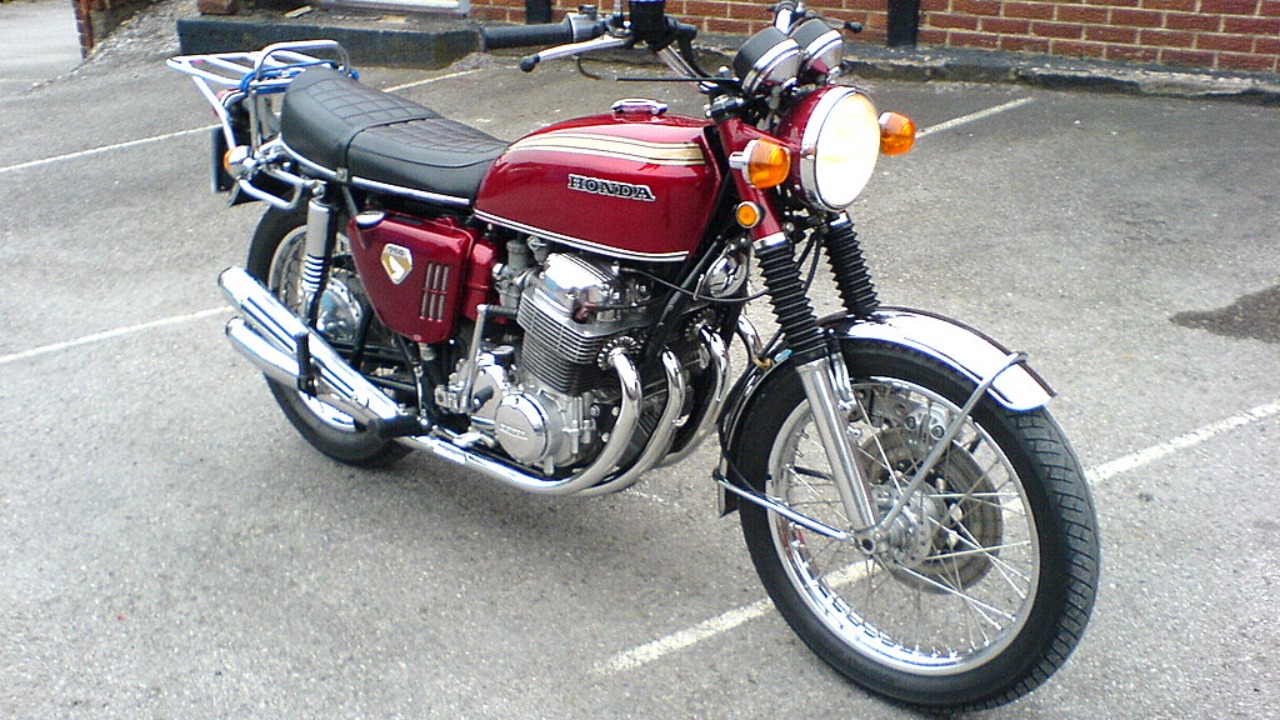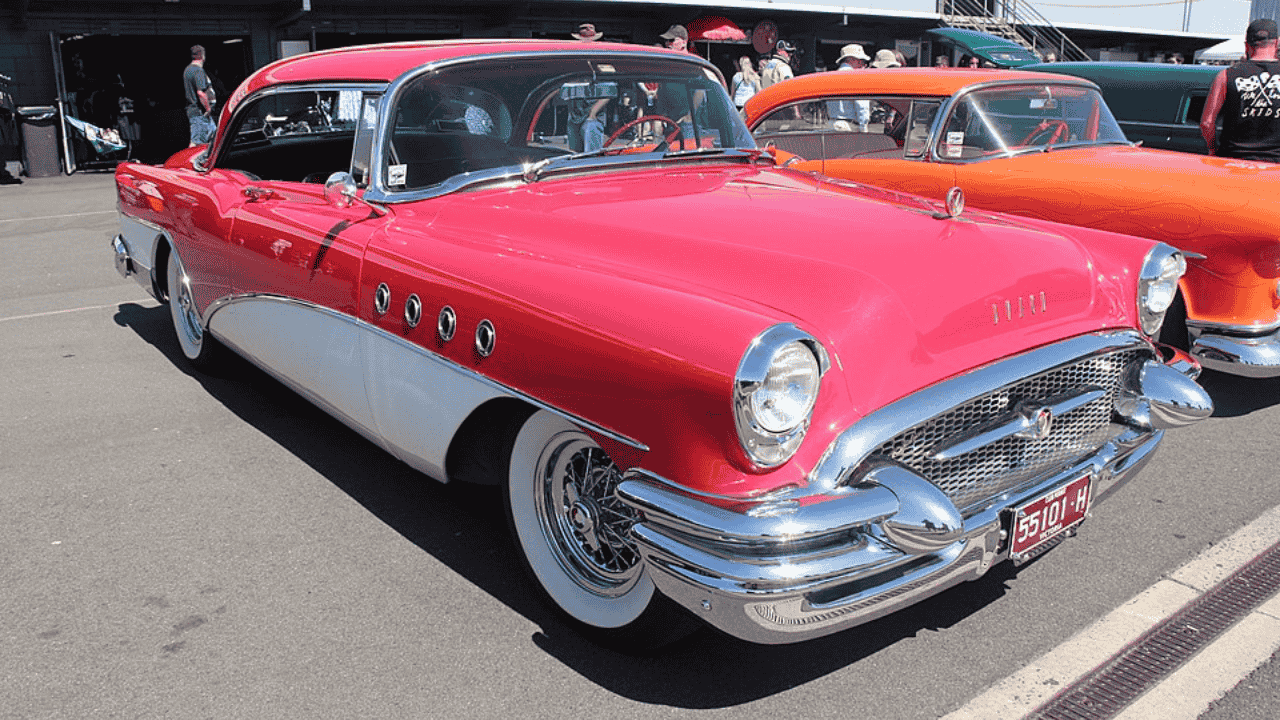
The years after World War II produced some of America’s most memorable cars, from chrome-heavy cruisers to early performance machines that helped shape the decades ahead. Many once filled driveways and used-car lots, but time, neglect, rust, and changing tastes have taken their toll. These 20 postwar classics are becoming increasingly difficult to spot today.
Chevrolet Styleline Deluxe

The Styleline Deluxe represented the new direction Chevrolet took after the war, with smoother bodywork and a more modern look than its prewar predecessors. These cars were once common family transportation, but relatively few have survived in good condition. Finding one today often means encountering a carefully restored example rather than an untouched original.
Ford Custom Deluxe
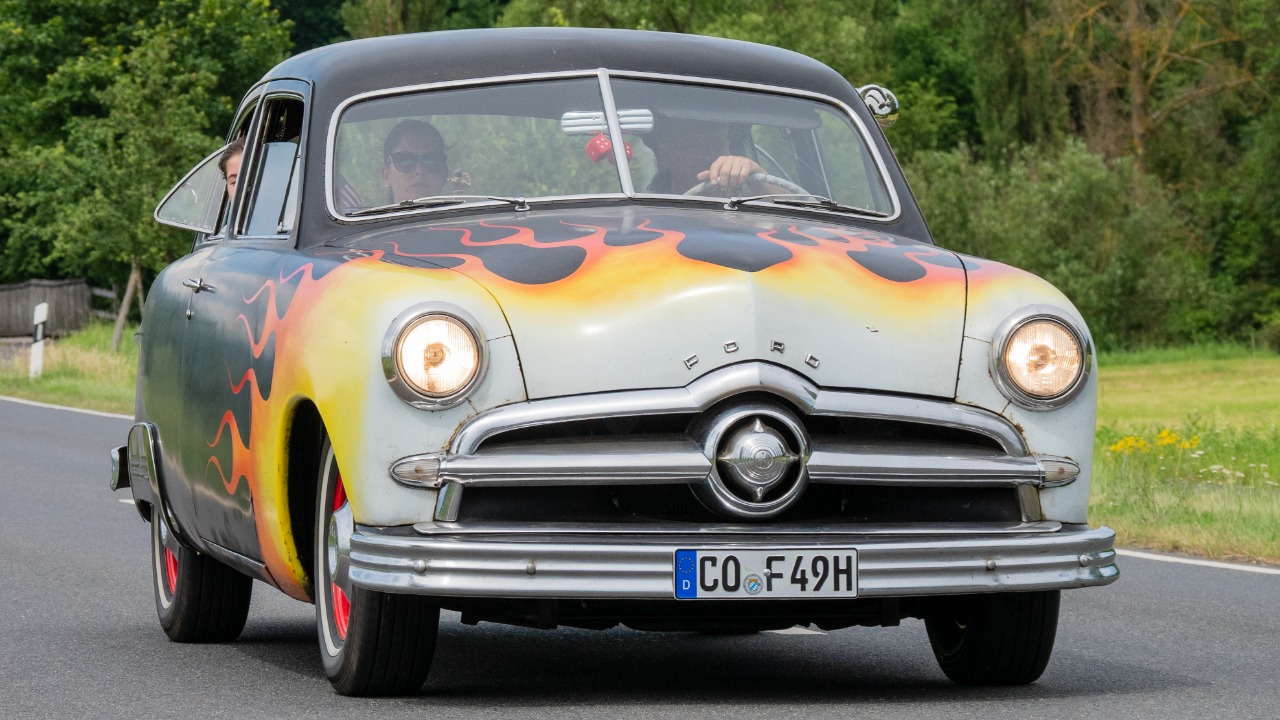
The Ford Custom Deluxe brought postwar styling to buyers who wanted something familiar but modern. Its rounded body, broad grille, and substantial chrome reflected the optimistic mood of the late 1940s. Millions of everyday cars eventually disappeared through ordinary use, making surviving examples surprisingly interesting. A clean Custom Deluxe now offers a direct connection to America’s postwar recovery.
Buick Roadmaster
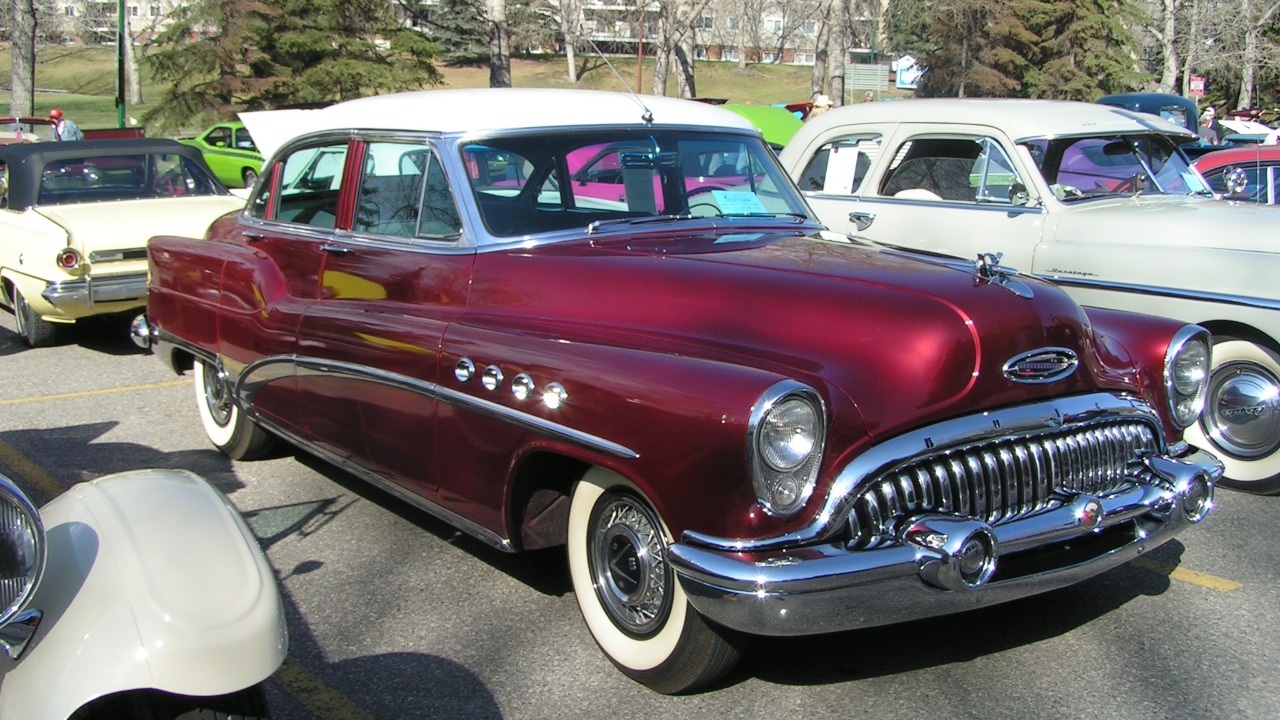
The Roadmaster was one of Buick’s most prestigious offerings during the postwar years. Large engines, extensive chrome, and a comfortable cabin gave it the presence buyers expected from an upper-level American car. These big cars were built to be driven, not preserved, and many eventually succumbed to age. Good survivors are becoming much less common.
Oldsmobile 88
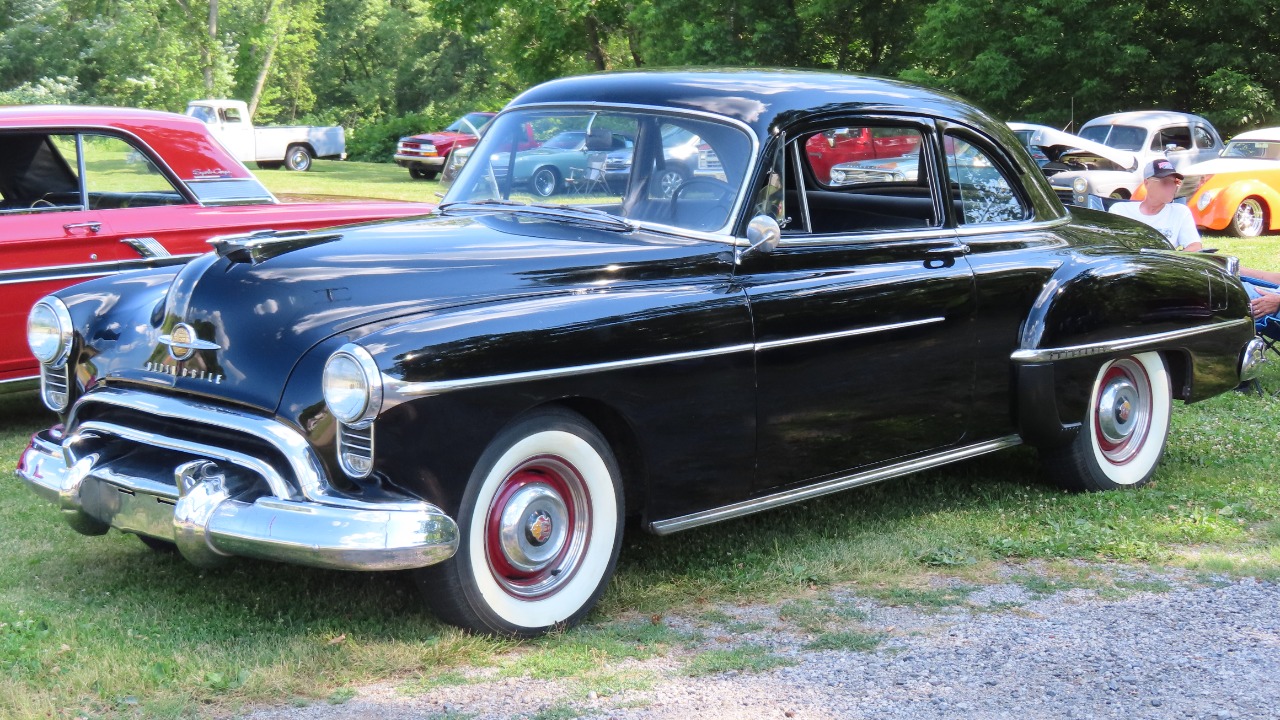
The Oldsmobile 88 helped establish the formula of combining a relatively light body with a powerful V8. That made it an important step toward the performance cars that followed. Early examples are particularly interesting because they represent the beginning of Oldsmobile’s performance reputation. Time has made surviving cars increasingly valuable to collectors.
Pontiac Chieftain
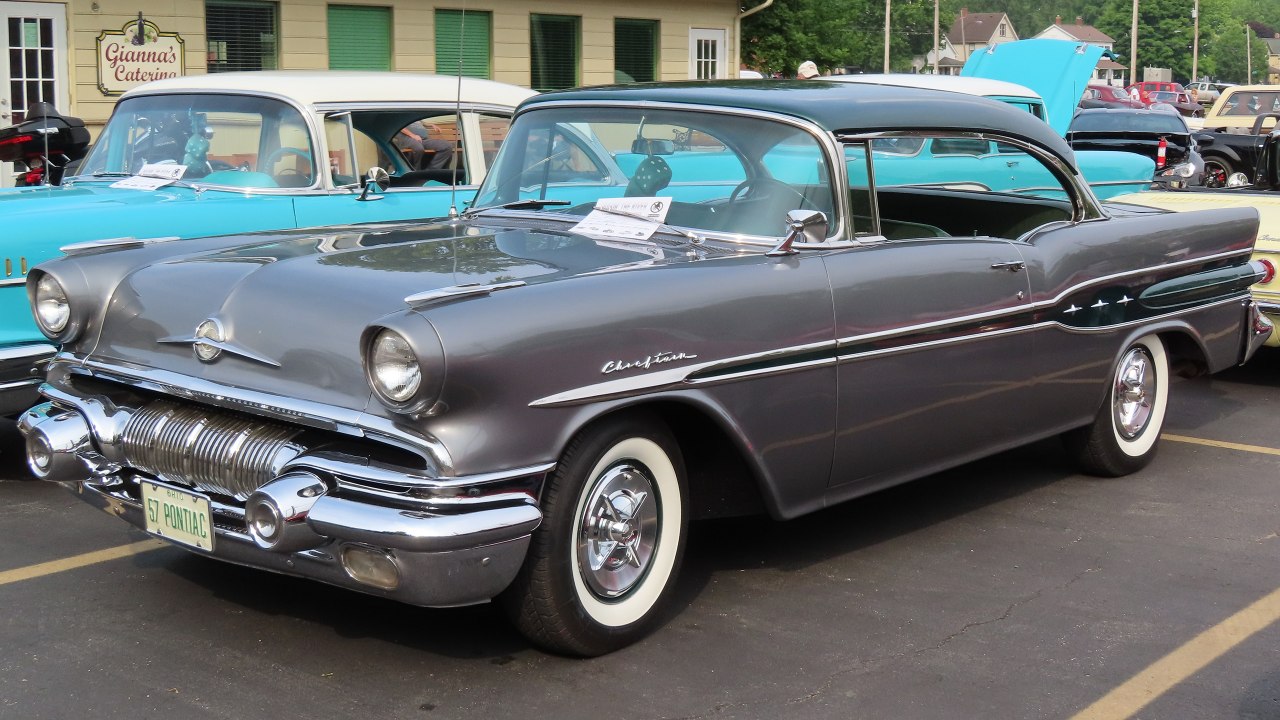
The Chieftain captured the flashy personality of early postwar Pontiac with its wide body, abundant chrome, and increasingly ambitious styling. It was once ordinary transportation for American families, which meant few owners thought about preserving one. Today, original examples can be difficult to locate. Their distinctive period details make them especially appealing at classic-car events.
Chrysler Windsor
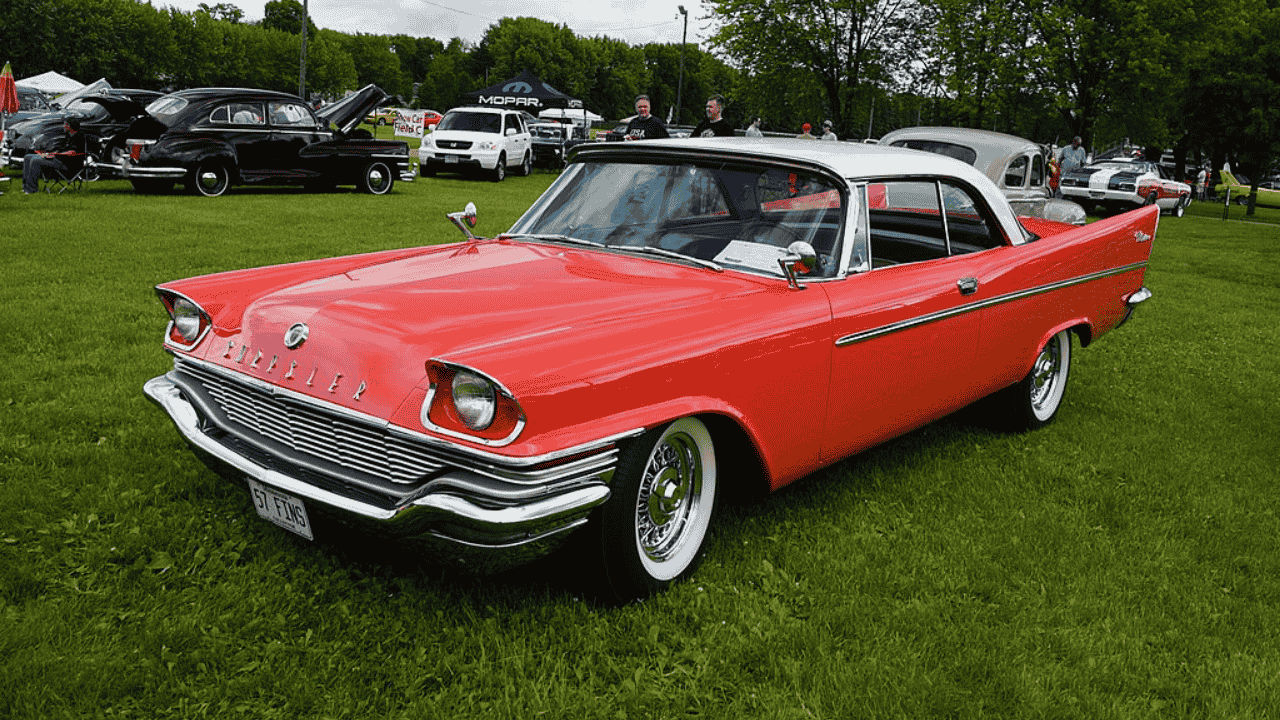
The Windsor combined Chrysler’s postwar engineering with the increasingly elaborate styling that defined American cars during the 1950s. Its substantial proportions and chrome-heavy appearance made it unmistakably American. Many were used hard for decades and eventually disappeared from the road. Surviving examples now provide a fascinating glimpse at everyday upper-middle-class motoring.
DeSoto Firedome
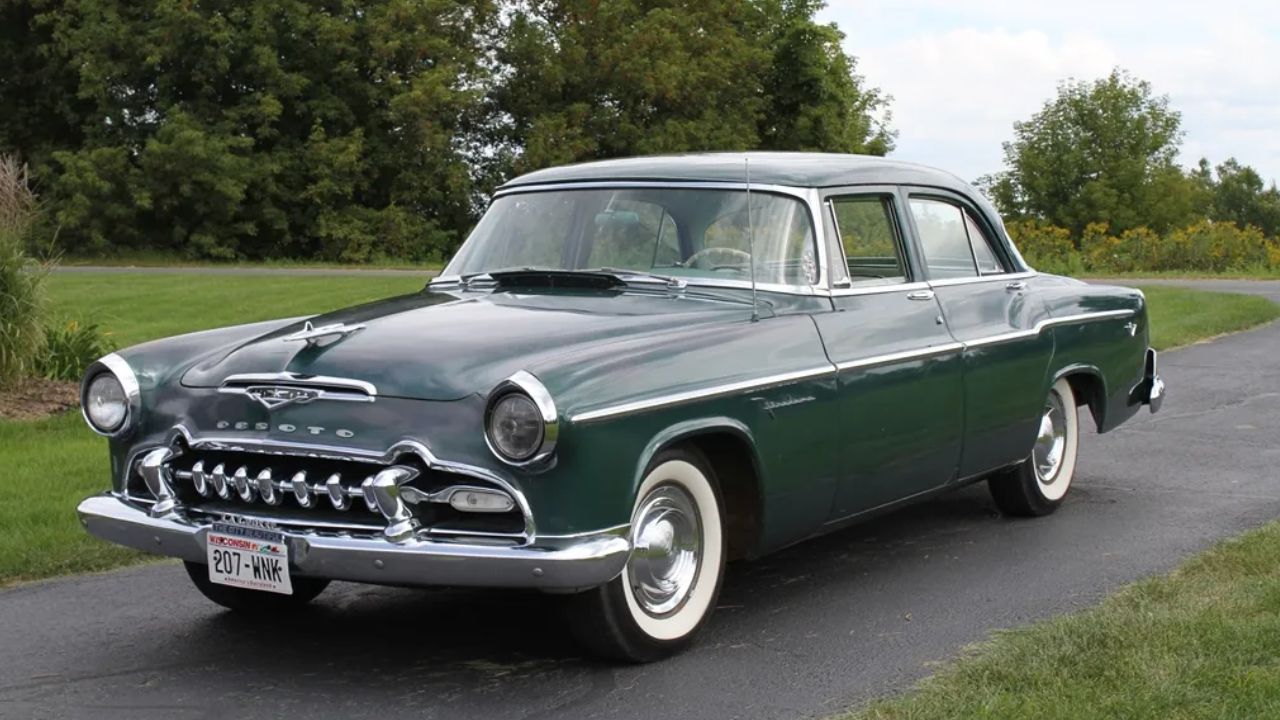
The Firedome helped give DeSoto a strong identity during the 1950s. Its V8 power and bold styling made it more than just another family sedan, while the chrome and dramatic bodywork reflected the era’s obsession with visual impact. DeSoto disappeared decades ago, and its cars have become considerably harder to find as a result.
Mercury Eight
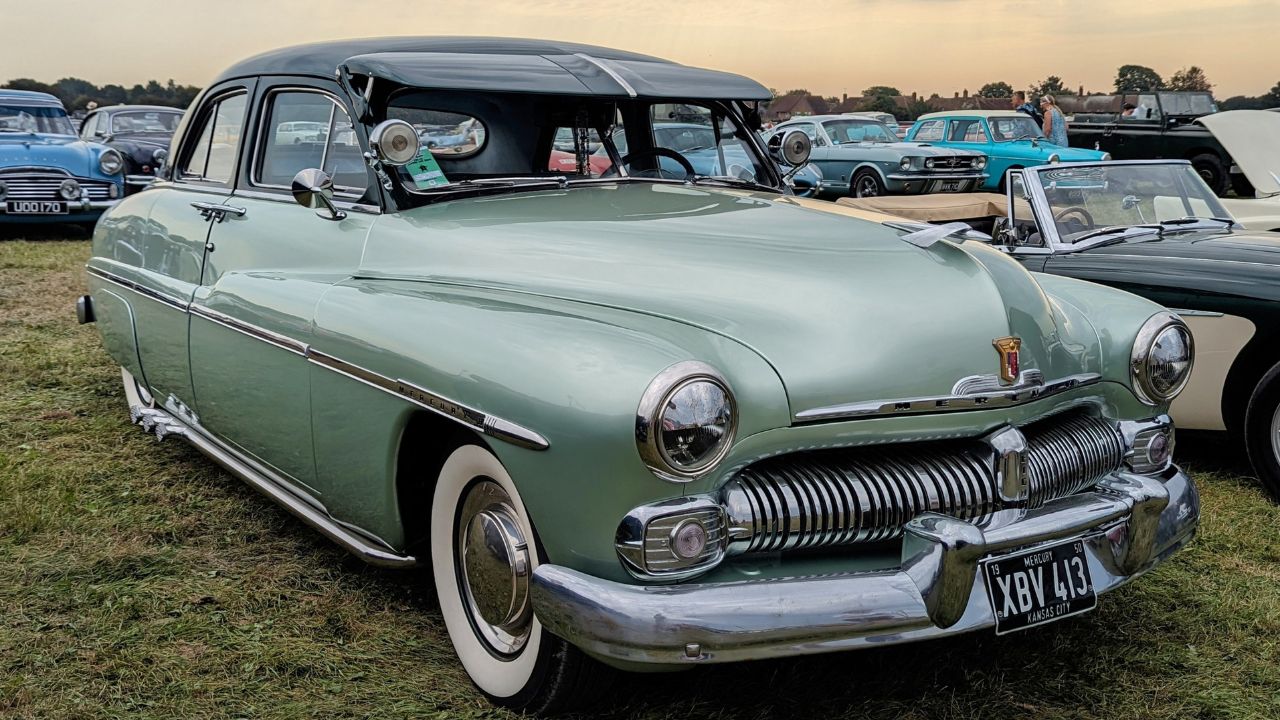
The Mercury Eight occupied an interesting space between Ford and Lincoln, offering buyers more size and style without moving into full luxury-car territory. Postwar examples carried the smooth lines and heavy chrome associated with the period. Because Mercury cars were often treated as everyday transportation, relatively few survived decades of changing tastes and mechanical wear.
Nash Ambassador
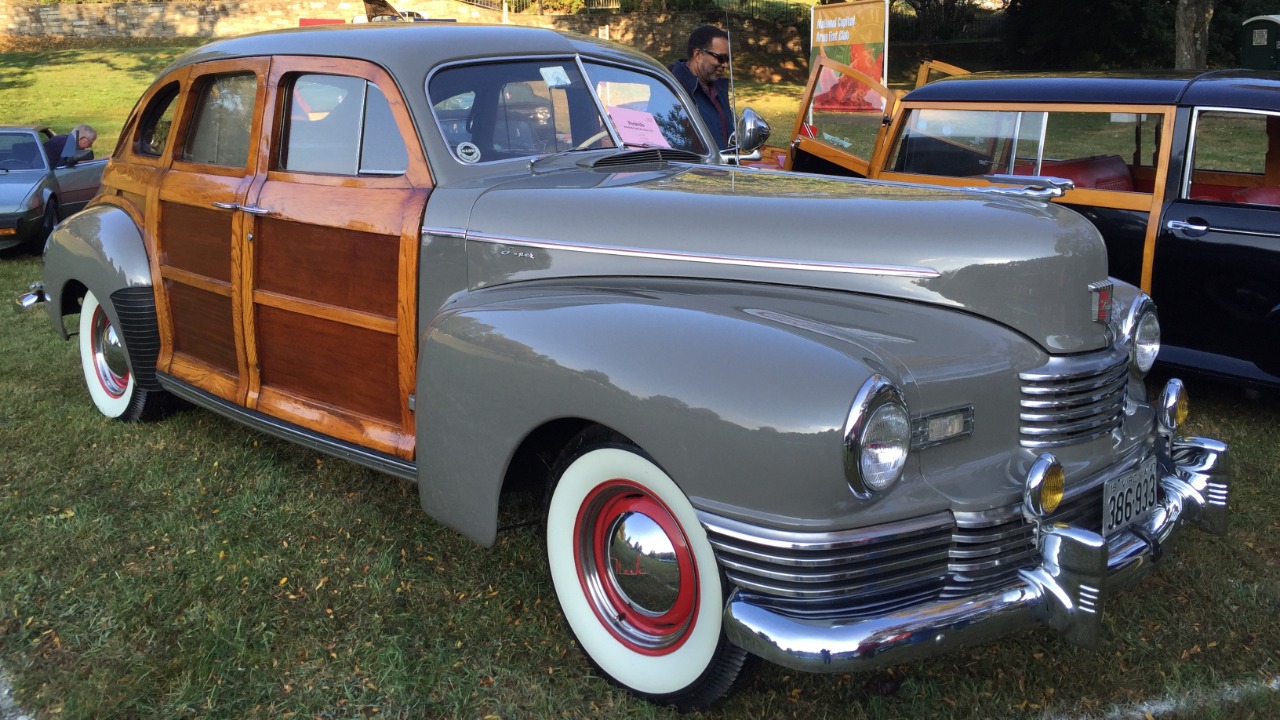
The Nash Ambassador stood apart from conventional American cars with its unusual styling and practical engineering. Its enclosed front wheels and spacious interior gave it a distinctive appearance that still looks different today. Nash eventually disappeared as a brand, and surviving Ambassadors have become much harder to encounter. Collectors appreciate them precisely because they aren’t another predictable 1950s cruiser.
Studebaker Champion
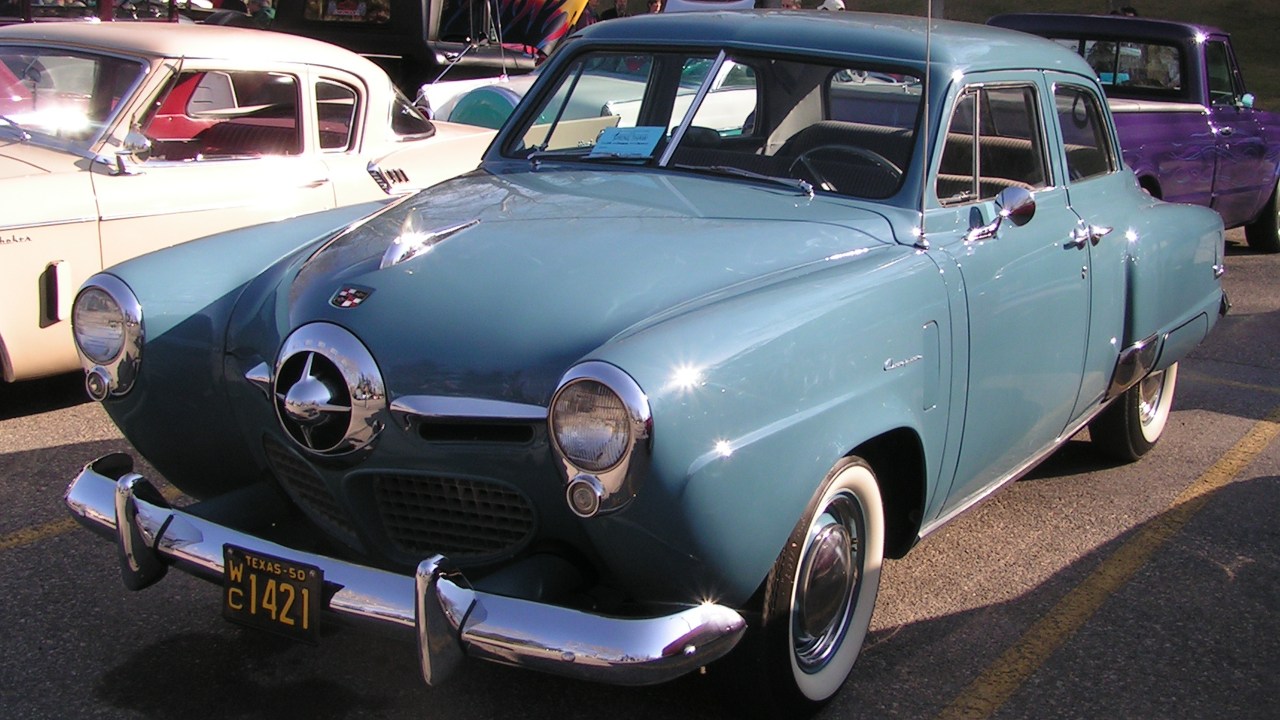
The Champion was one of Studebaker’s important postwar models and helped the company compete with much larger manufacturers. Its streamlined design looked modern and distinctive compared with many rivals. Studebaker’s eventual decline meant its cars became increasingly scarce. Today, a well-preserved Champion can attract attention simply because so few remain on the road.
Packard Clipper
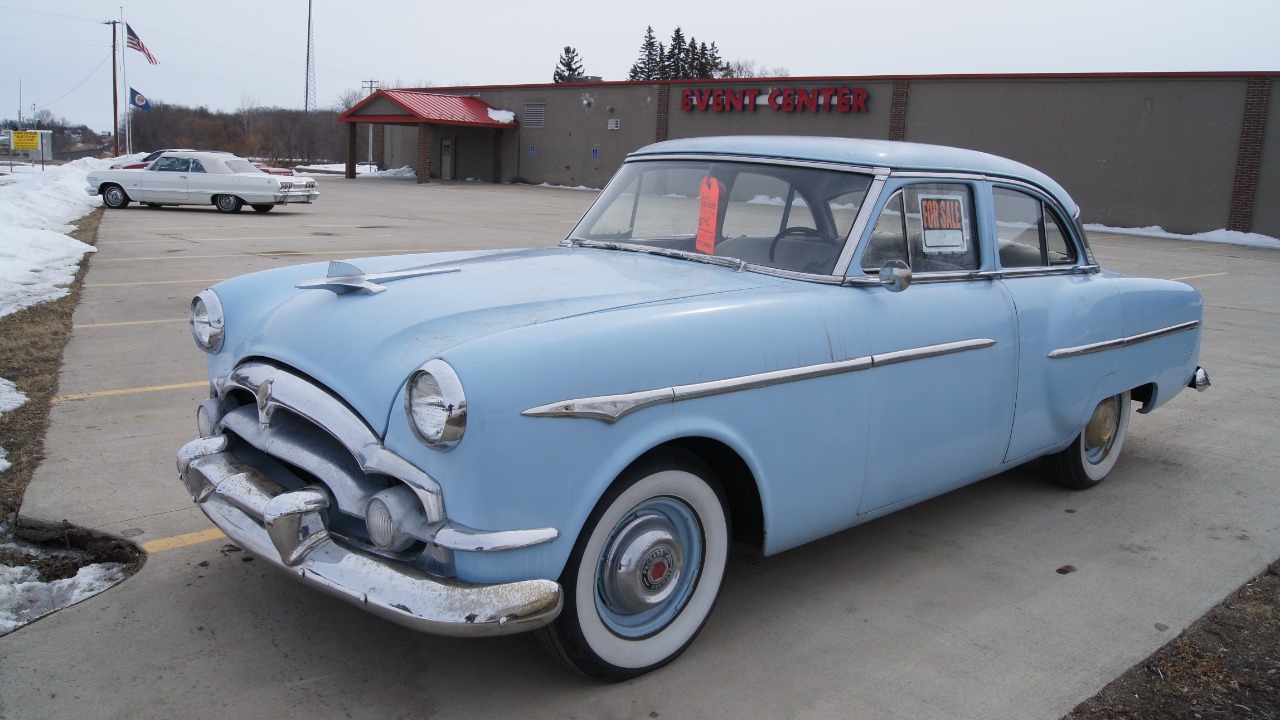
The Clipper represented a major styling change for Packard and became one of the company’s most recognizable postwar cars. Its clean bodywork looked more modern than the bulky designs that followed later in the decade. Packard’s eventual collapse ensured that many Clipper examples disappeared. Surviving cars now offer a reminder of when Packard was still a major American luxury name.
Hudson Commodore
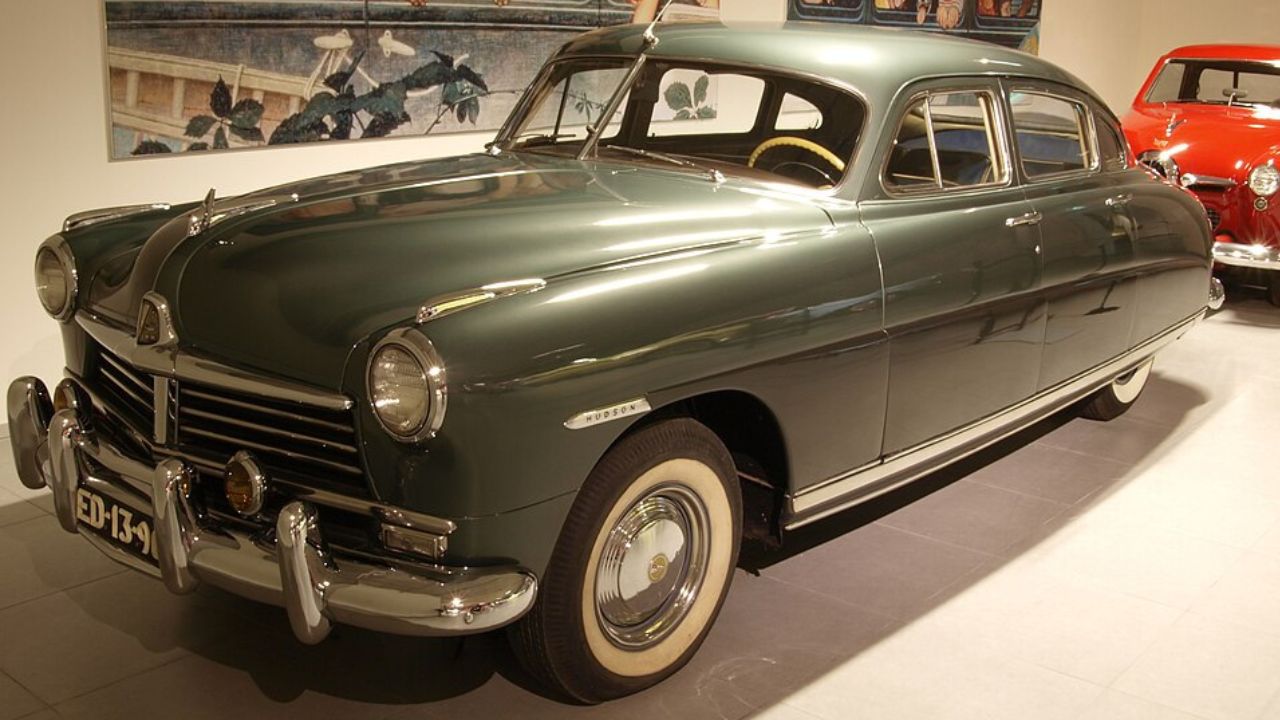
The Hudson Commodore had a distinctive low-slung appearance that separated it from many competitors. Hudson’s innovative body construction also gave its cars a different character on the road. The company eventually became part of American Motors, and Hudson-badged cars gradually disappeared from everyday traffic. Today, the Commodore is one of those postwar classics that enthusiasts rarely see outside dedicated collections.
Kaiser Special
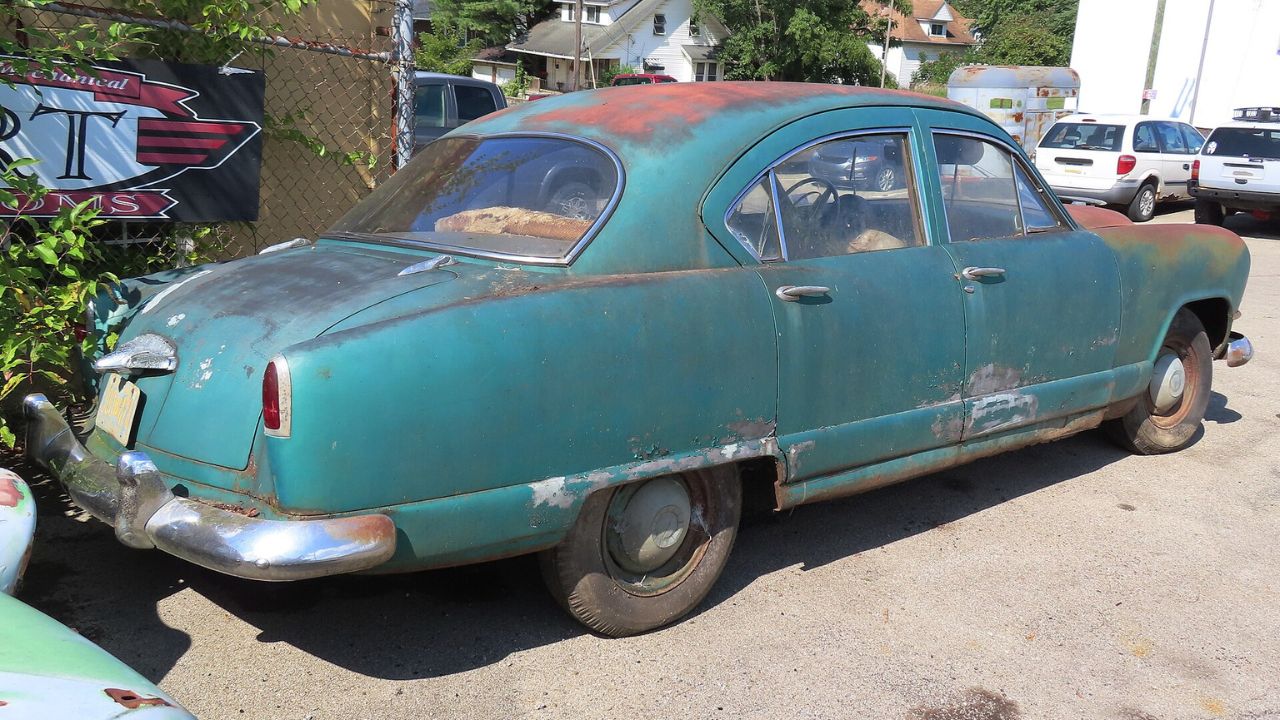
The Kaiser Special came from a company that tried to establish itself in the difficult American market after the war. Its streamlined design gave it a modern appearance, while its unusual history makes surviving examples particularly interesting. Kaiser never achieved the staying power of Detroit’s major manufacturers, so its cars became scarce relatively quickly.
Lincoln Cosmopolitan
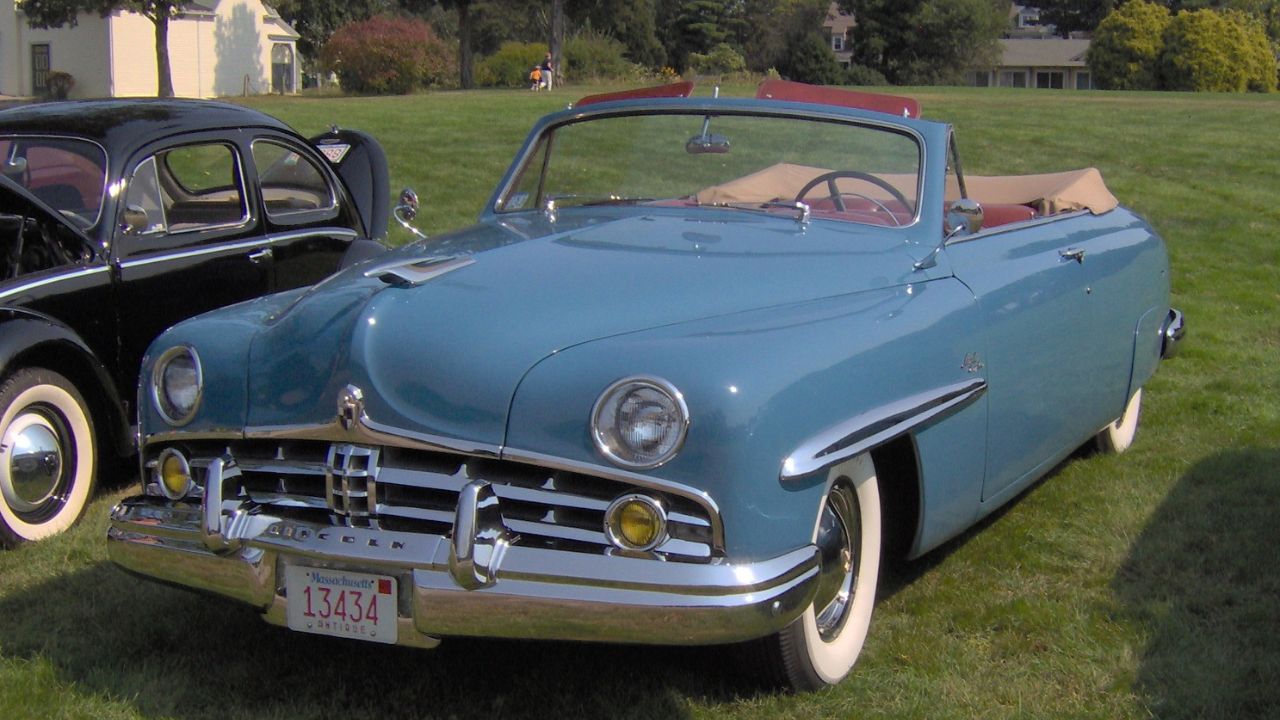
The Cosmopolitan represented Lincoln’s postwar return to full-scale luxury-car production. Its long body, imposing grille, and generous use of chrome gave it the presence expected from a premium American automobile. Many large luxury cars were eventually discarded because of their size and maintenance costs. Today, a surviving Cosmopolitan can be an impressive sight.
Cadillac Series 62
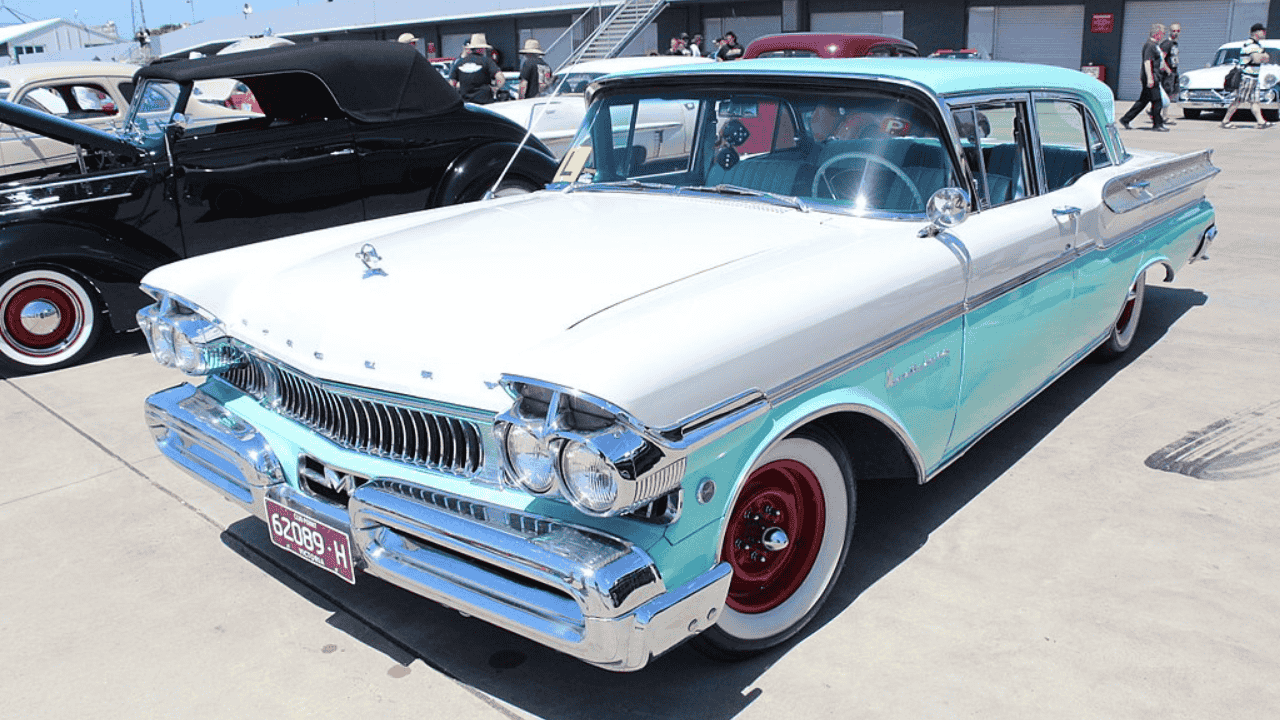
The Series 62 became one of Cadillac’s defining models during the postwar period. Its dramatic styling, large V8, and growing tailfin presence captured the confidence of 1950s America. Although Cadillac produced plenty of them, decades of use and restoration losses have reduced the number of surviving cars. Particularly original examples are becoming increasingly desirable.
Ford Crestline
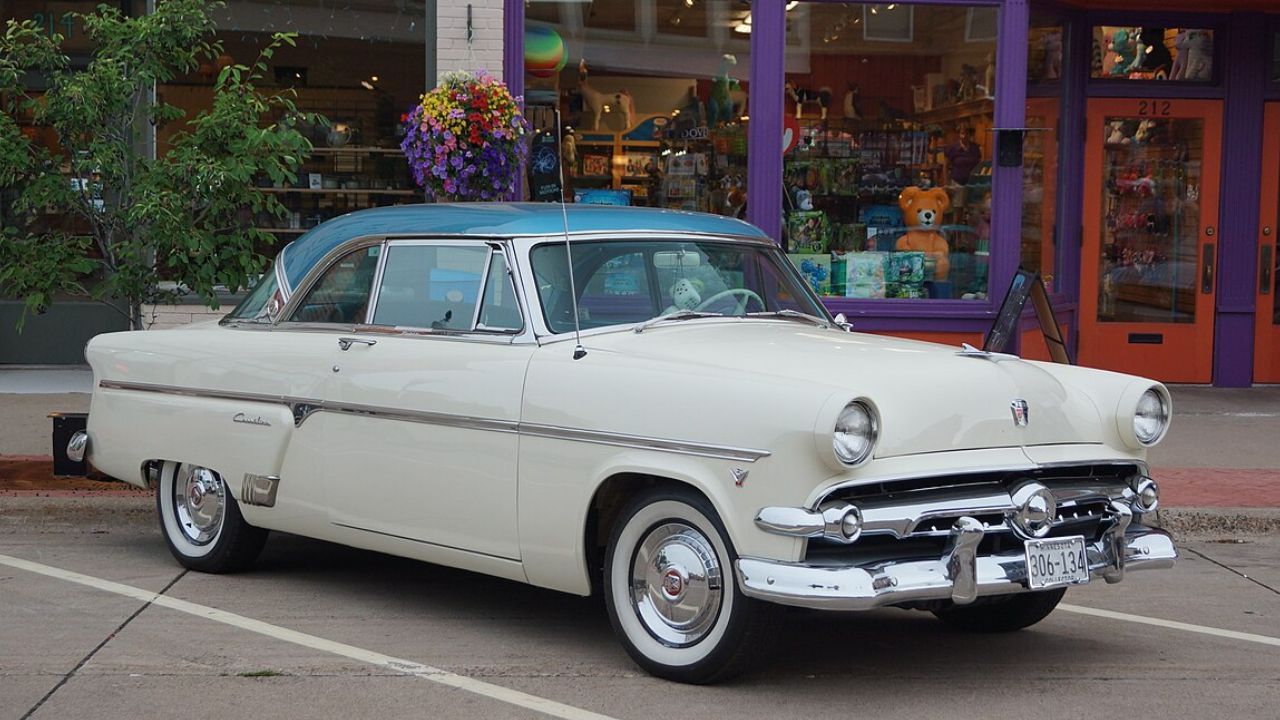
The Crestline was Ford’s top passenger-car series during the early 1950s and represented the company’s push toward more stylish postwar automobiles. Chrome trim, two-tone paint, and V8 power gave it plenty of visual appeal. These cars were once familiar on American roads, but their numbers have steadily declined. Good survivors now stand out at shows.
Mercury Monterey
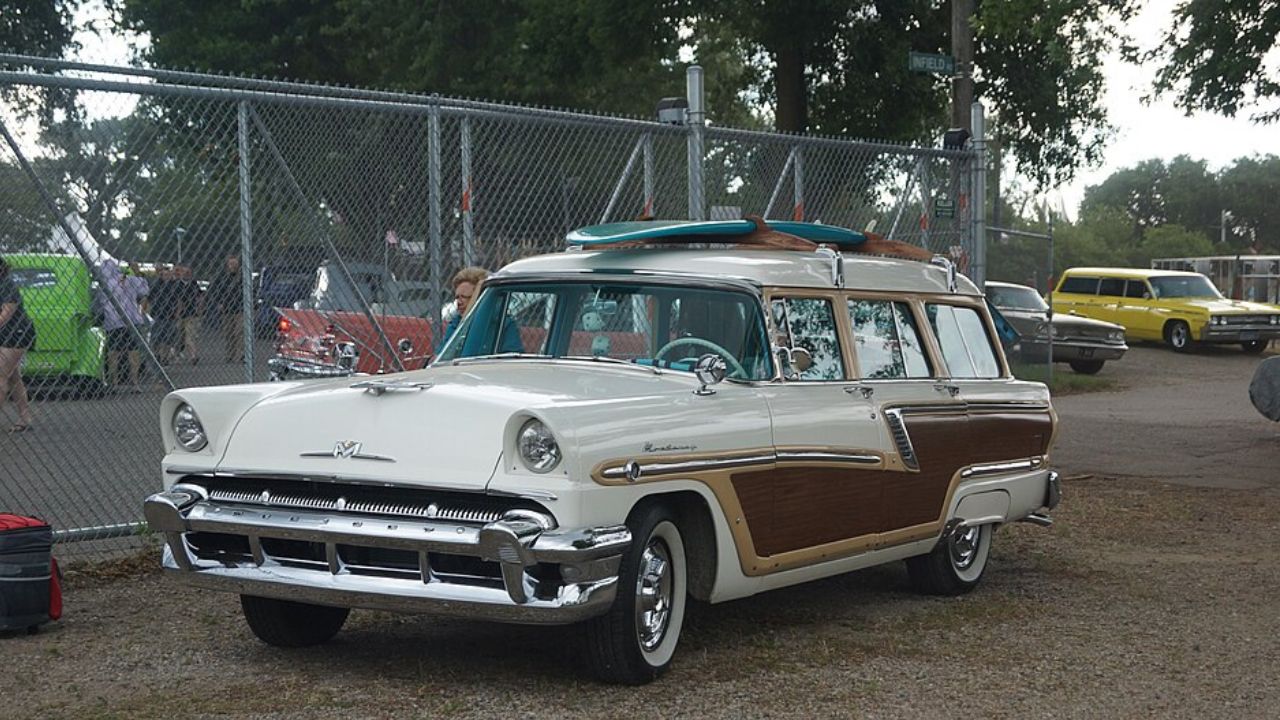
The Monterey became one of Mercury’s signature models as the brand developed its own identity between Ford and Lincoln. Its larger dimensions and richer trim made it appealing to buyers who wanted something more substantial. Many examples disappeared through ordinary wear and rust. Finding a well-preserved early Monterey today can take considerably more effort than expected.
Plymouth Cranbrook
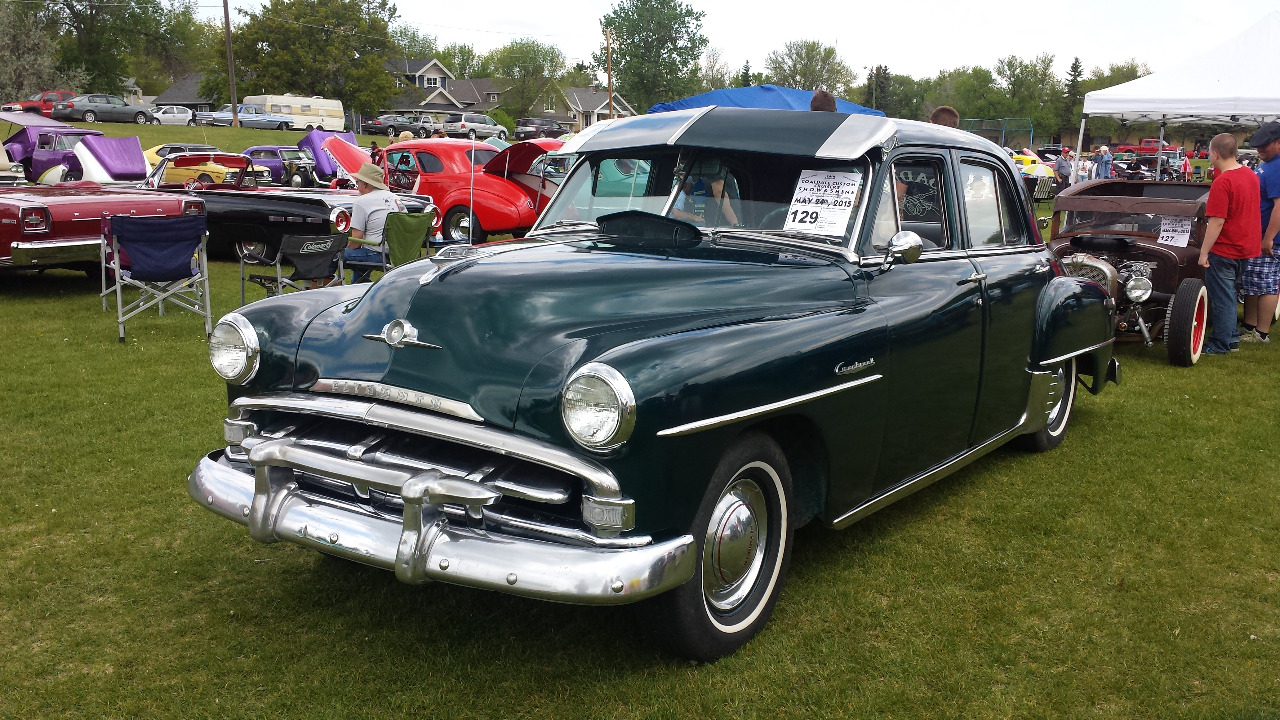
The Cranbrook was a mainstream Plymouth that helped move the brand into the postwar era with rounded styling and improved comfort. It wasn’t marketed as an exotic collector car, which is exactly why so many disappeared. Ordinary family cars rarely received careful preservation. Surviving Cranbrooks now have an understated charm that makes them increasingly interesting to collectors.
Chevrolet Bel Air
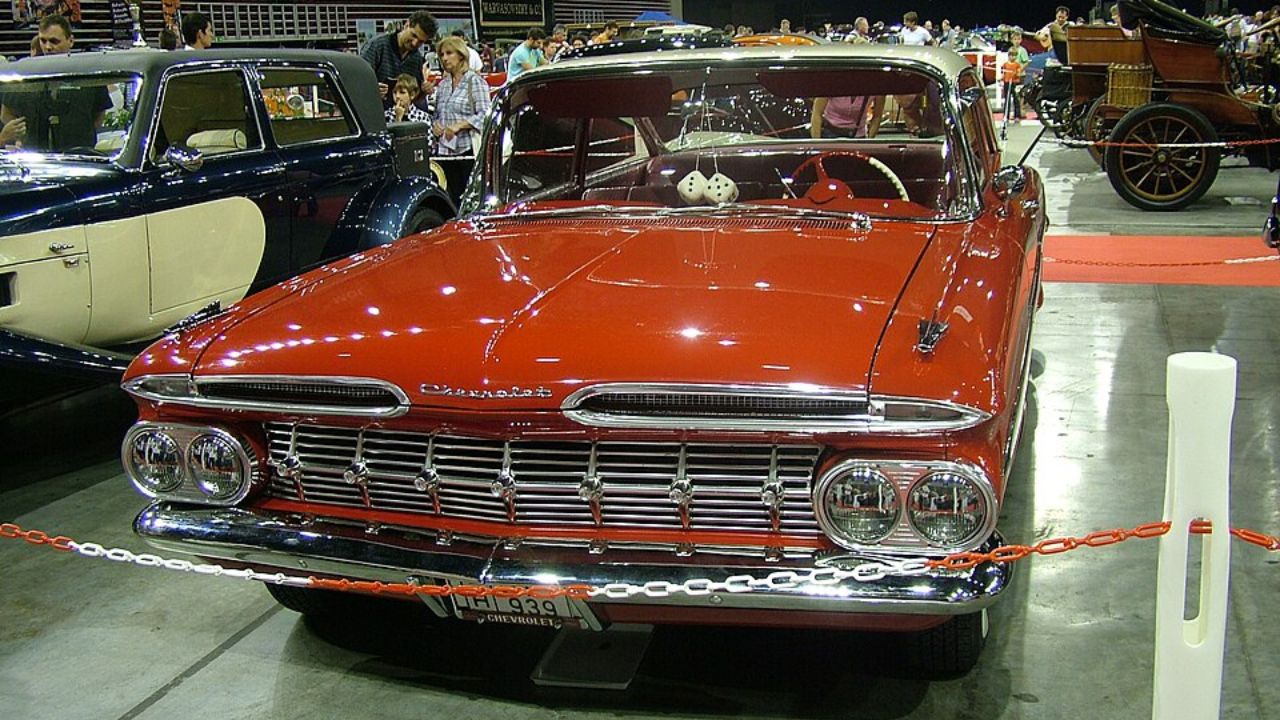
The Bel Air became one of America’s best-known classics, but early postwar examples are much less common than the famous later cars. Their restrained styling captures Chevrolet before the chrome explosion of the late 1950s. Many were simply used up and discarded. Today, an early Bel Air can provide a fascinating look at the beginning of America’s 1950s car culture.
Ford Victoria
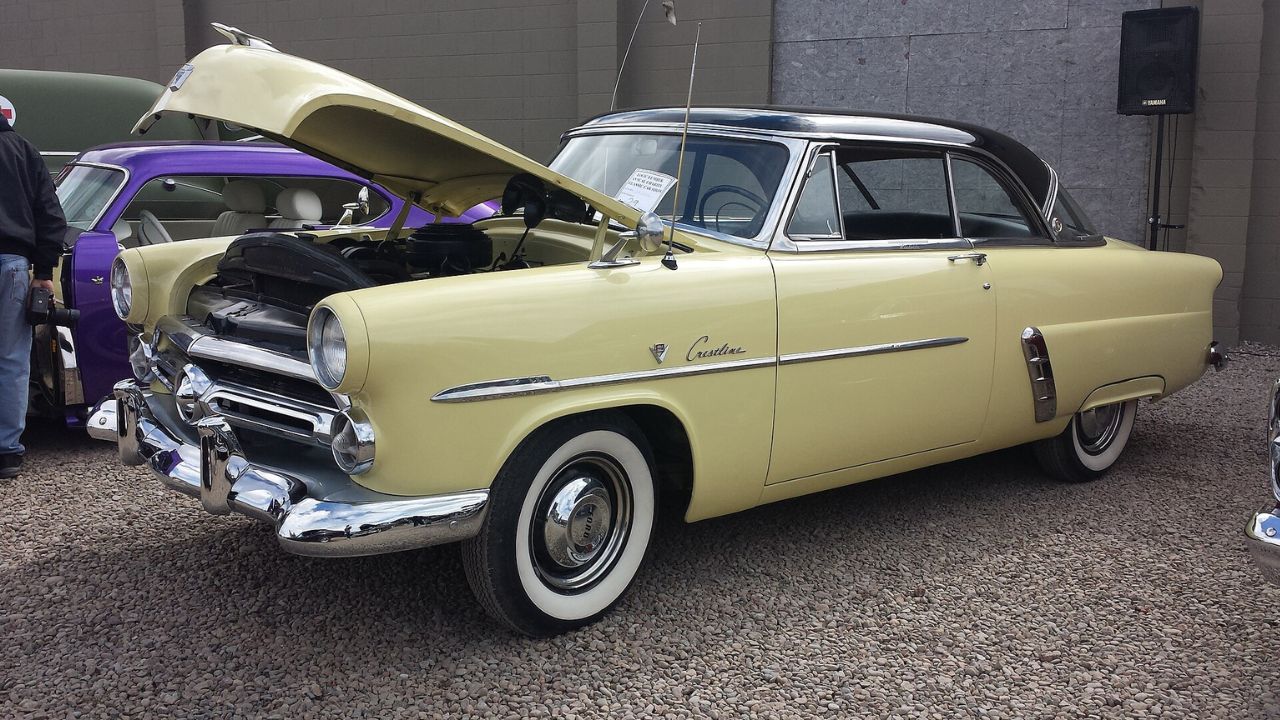
The Ford Victoria offered buyers a stylish hardtop-inspired body without moving into luxury territory. Its clean roofline and postwar proportions gave it a more upscale appearance than a basic Ford sedan. As with many ordinary cars of the period, preservation wasn’t a priority for most owners. Surviving Victorias have consequently become much harder to spot.
More from Fast Lane Only
- Unboxing the WWII Jeep in a Crate
- 15 rare Chevys collectors are quietly buying
- 10 underrated V8s still worth hunting down
- Police notice this before you even roll window down
*Research for this article included AI assistance, with all final content reviewed by human editors.