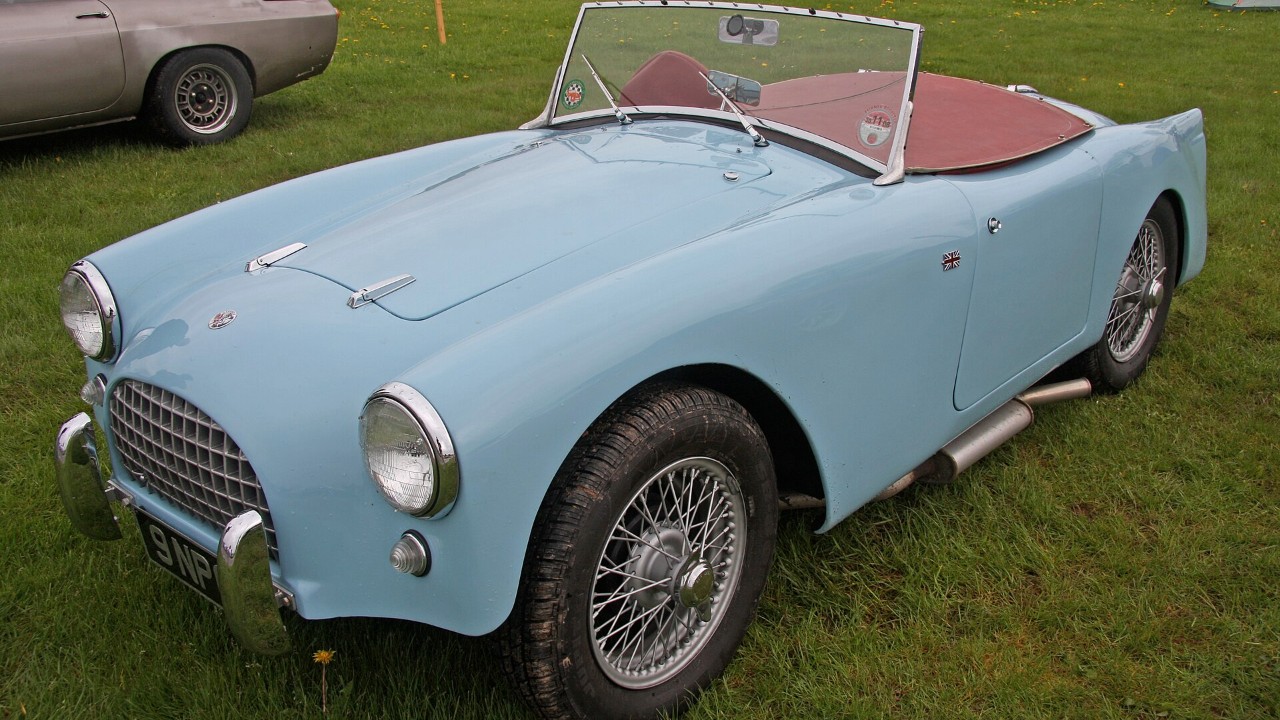
In 1960, a Turner Sports Mk1 cost £645 in kit form, and it came with something the Austin-Healey Sprite didn’t have: a proper boot lid. That small fiberglass roadster came from a tiny shop in Wolverhampton. It is also a good example of how many British sports cars never got the attention that MG, Triumph and Austin-Healey enjoyed.
Britain’s sports-car boom after World War II made those names famous. Meanwhile, a long list of small makers, kit builders and short-lived specials vanished almost as quickly as they arrived. Some had clever engineering, some had racing pedigree, and some simply ran out of money.
These nine are our picks for the British roadsters that deserved a better fate. The verdict is our opinion. The history, engines and production figures behind each pick come from marque histories, museum records and specialist reviews.
1. 1952–1954 Allard K3
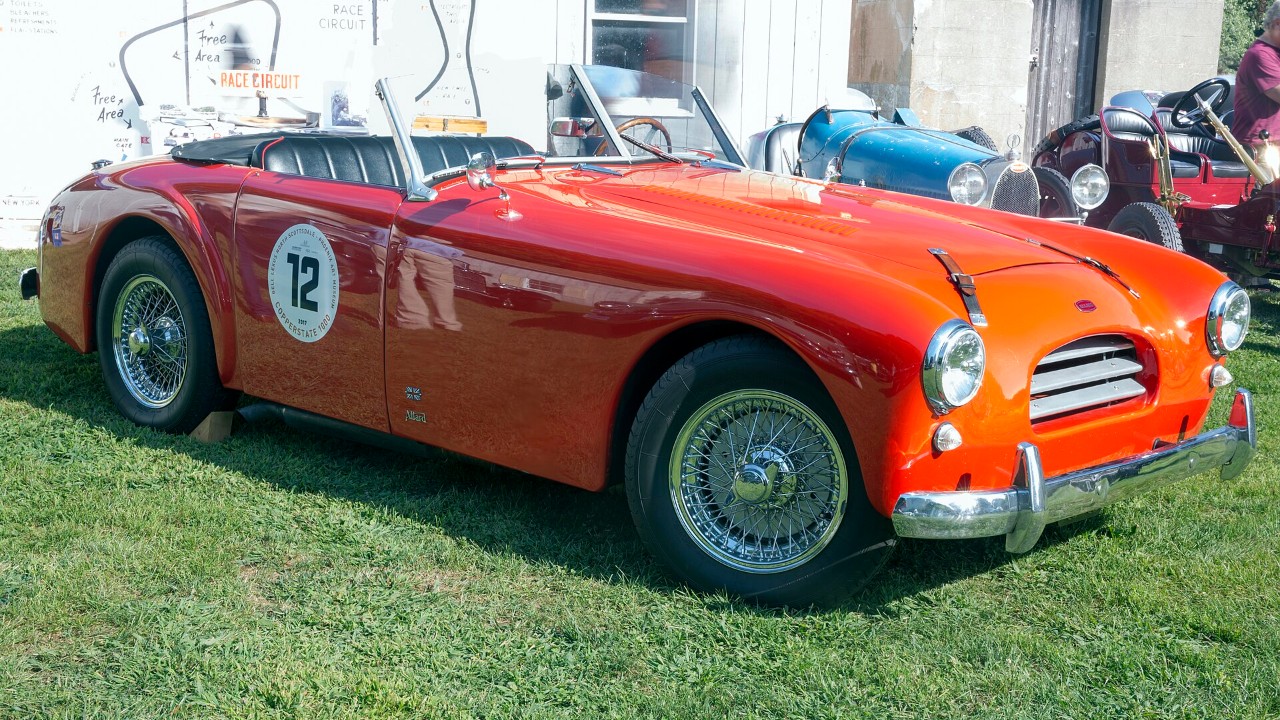
Allard built the K3 as a more comfortable road car on its proven competition chassis. According to Bonhams’ history of the model, the K3 rode on a J2X-type frame with stiffened tubular construction and a De Dion rear axle. Allard made only 62 of them between 1952 and 1954.
The United States was the main market, and that is where the plan went wrong. The K3 cost $5,300 there, nearly $1,300 more than a Jaguar XK120. As a result, sales were sluggish. The Bonhams car, for example, shipped to America set up for Chrysler power but without an engine. Later, it got an Oldsmobile Rocket V8.
In our view, the K3 deserved better because it was a genuine attempt to turn a race-bred chassis into a grand touring roadster. It simply landed in the same showroom as the Jaguar, and the Jaguar was cheaper. With only 62 made, the K3 is a car most enthusiasts have only read about. That alone makes it a strong candidate for a list of forgotten roadsters. We also think the design deserved a second chance at a lower price.
2. 1949–1950 Healey Silverstone
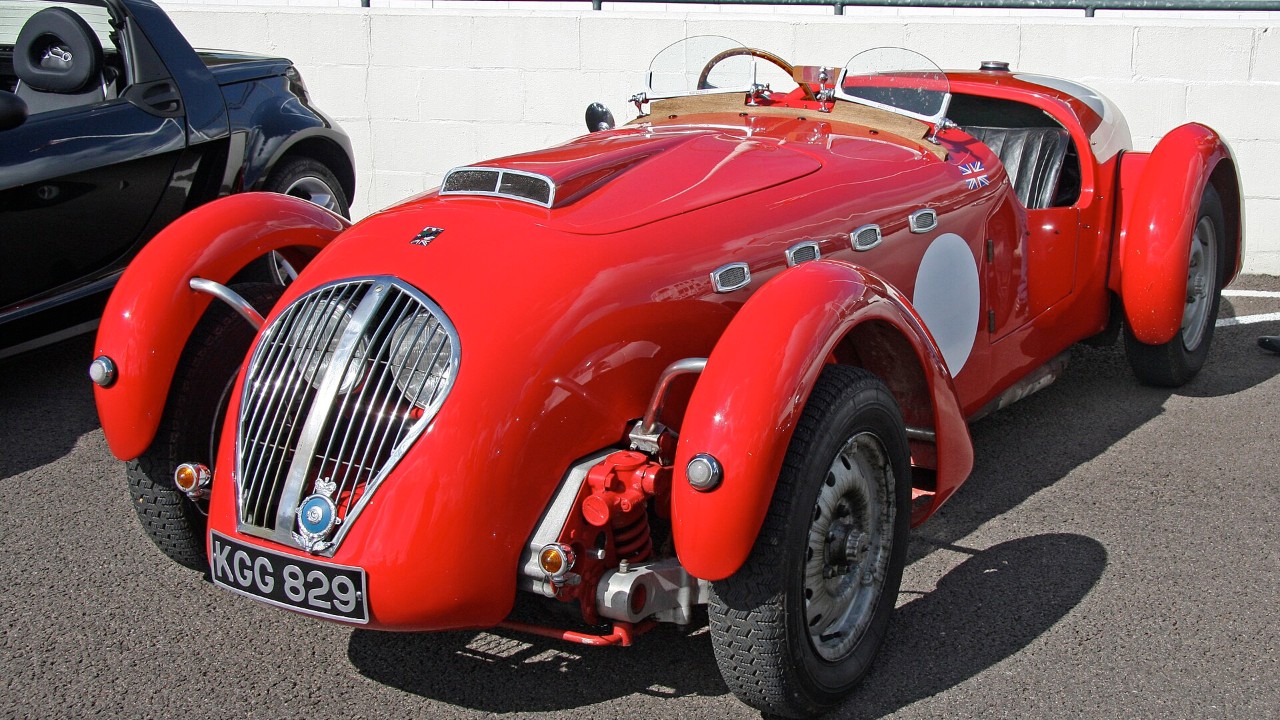
Donald Healey built the Silverstone as a car you could drive to the track, race and drive home. According to Classic & Sports Car, he wanted a dual-purpose road and race car that cost under £1,000. The reason was tax, because the British government had raised duties on luxury cars above that price.
The recipe was simple. A 2.5-liter Riley engine made 104 bhp and drove through a four-speed manual. The light body made the most of that power, and Healey himself won his class in the 1949 Alpine Rally in one. Only 105 examples were built.
Our take: the Silverstone was a smart answer to a tax rule, and it paved the way for the Healey name to become famous. Yet the later Austin-Healeys stole all the attention. The car Classic & Sports Car featured had a fine story of its own. Its second owner, Cecil Winby, was a friend of Donald Healey. That fully restored 1950 car carried an estimate of £160,000 to £180,000 at Silverstone Auctions in 2014. So collectors clearly rate it now. If you want one, expect to buy at auction and to check its racing history carefully.
3. 1959–1961 Berkeley B95
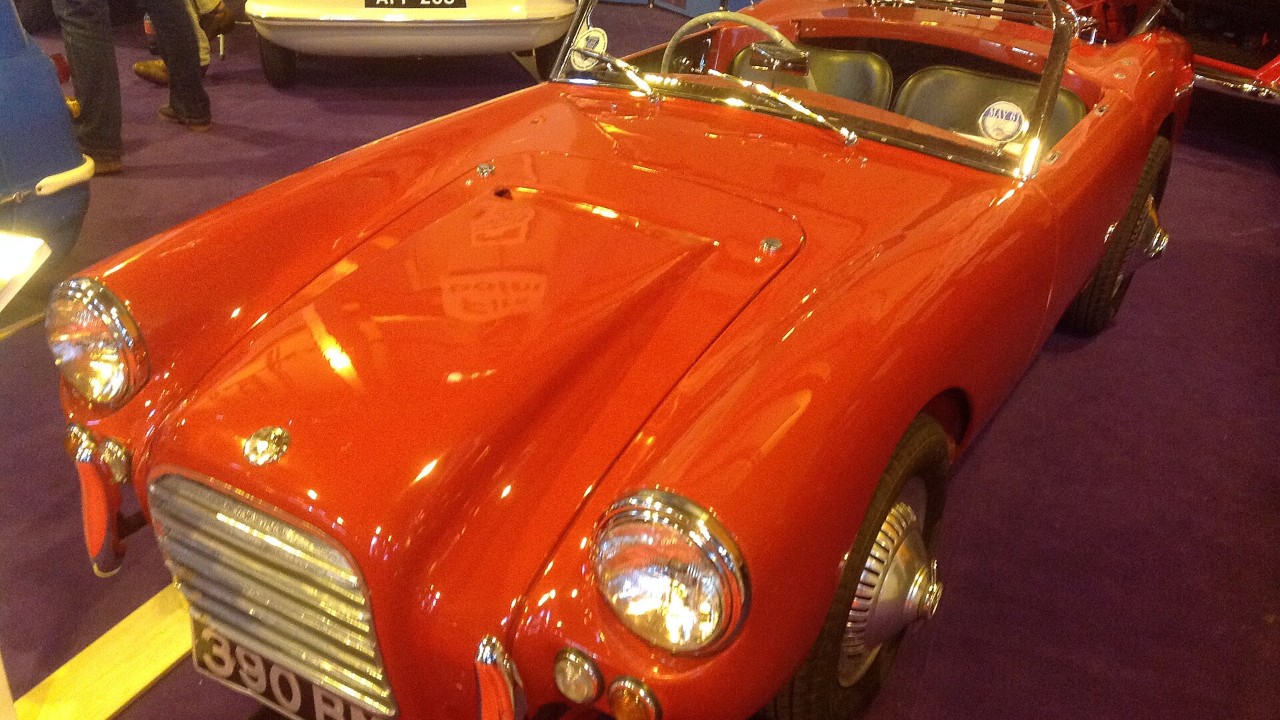
Berkeley came from an odd partnership. Designer Laurie Bond drew cheap cars, and Charles Panter owned Berkeley Coachworks, a major caravan builder that knew how to work fiberglass. Together, they started with tiny two-stroke sports cars, beginning in 1956 with a 322cc British Anzani engine making 15 bhp. Berkeley had sold more than 2,000 of its Sports models by the spring of 1959. Then, in March 1959, they launched the B95 with a 692cc Royal Enfield twin.
That four-stroke engine made 40 bhp in the B95 and cost £627 new, according to Hagerty UK. The B105 version made 50 bhp and could reach 100 mph. Unfortunately, the timing was terrible. The microcar market was falling by late 1959, and warranty claims from an earlier three-cylinder engine had hurt Berkeley’s name.
Then the caravan market collapsed, which closed Berkeley Coachworks and ended car production. The last cars sold in 1961, after roughly 4,100 vehicles in all. In our view, the B95 was the moment Berkeley finally had a real engine, and it arrived just as the money ran out. That is about as unlucky as a small carmaker can get.
4. 1961–1964 Reliant Sabre
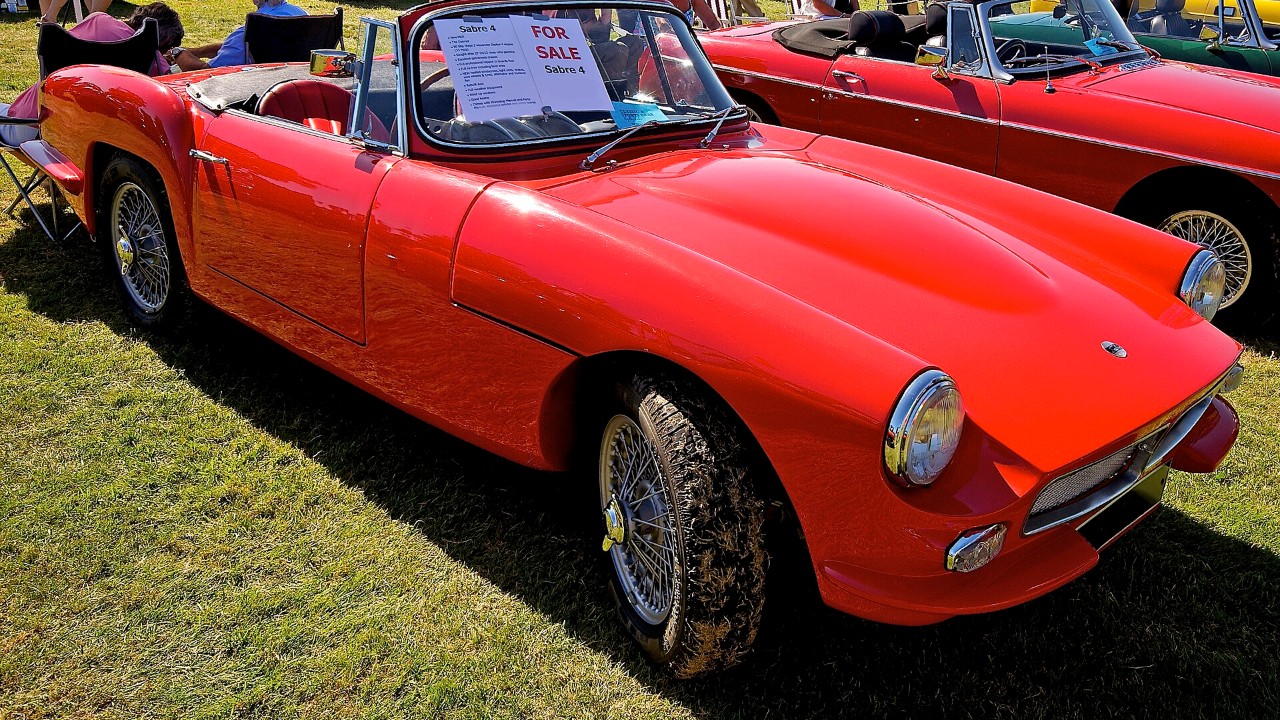
The Reliant Sabre began as an export project for Israel. Reliant engineered a fiberglass sports car and its frame for Autocars, Israel’s first automaker, which sold it as the Sabra. According to the Lane Motor Museum, Reliant built the first 100 Sabras at its Tamworth factory and exported them to the United States.
The Sabra used a 1,703cc Ford Consul four rated at 61 hp, a ZF four-speed gearbox and a body made by Ashley Laminates. After the Sabra found modest success, Reliant sold its own version in Britain as the Sabre. In fact, the museum calls it Reliant’s first of many four-wheeled sports cars. Autocars kept building the Sabra in Israel from 1960 to 1969, long after Reliant moved on.
That is the part people forget, because Reliant is mostly remembered for three-wheelers. Our take: a British roadster that began as Israel’s first sports car, and sold first in America, deserves far more attention than it gets. The museum estimates that only about 100 Sabras survive worldwide, so the Sabre’s sister car is a real rarity too.
5. 1961–1967 Ginetta G4
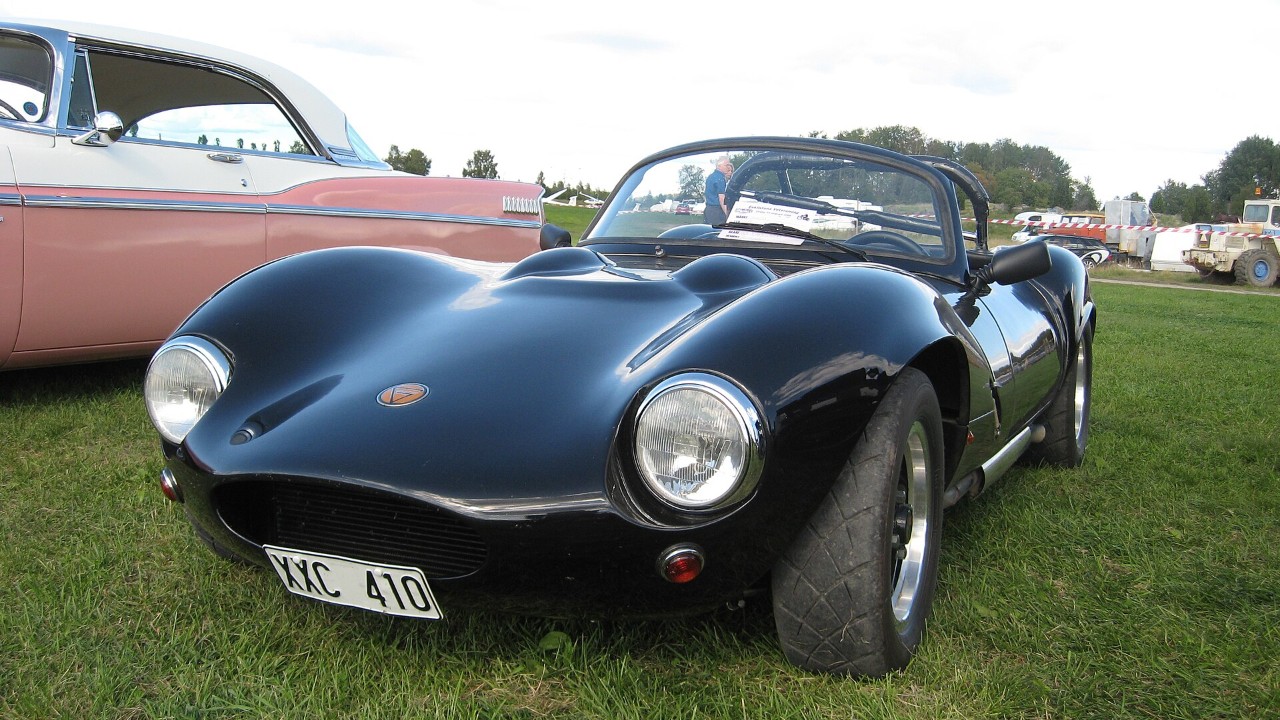
The Walklett brothers ran an agricultural and structural engineering business in Suffolk before they built cars. Ivor Walklett’s first project was a special built on a prewar Wolseley Hornet. That hobby grew into Ginetta, and the G4 became the model that made the name. According to Hagerty, the first cars sold as kits in the early 1960s with a 997cc Ford 105E engine from the Anglia.
Ginetta kept improving it. The Series 2 arrived in late 1962 with a 1.5-liter Cortina GT engine, and the Series 3 followed in 1966. Under the fiberglass body sat a tube frame, double-wishbone front suspension and a live rear axle. The whole nose tilted forward for engine access. However, Hagerty warns that the car is so tiny that taller drivers should try one first.
The G4 was meant for the road, but it found its real calling on the track. It often beat more expensive and more powerful cars in British club and national racing. In our opinion, that giant-killer record should have made it as famous as a Lotus Seven. If you’re shopping in the U.S., expect most G4s to be race cars.
6. 1959–1960 Turner Sports Mk1
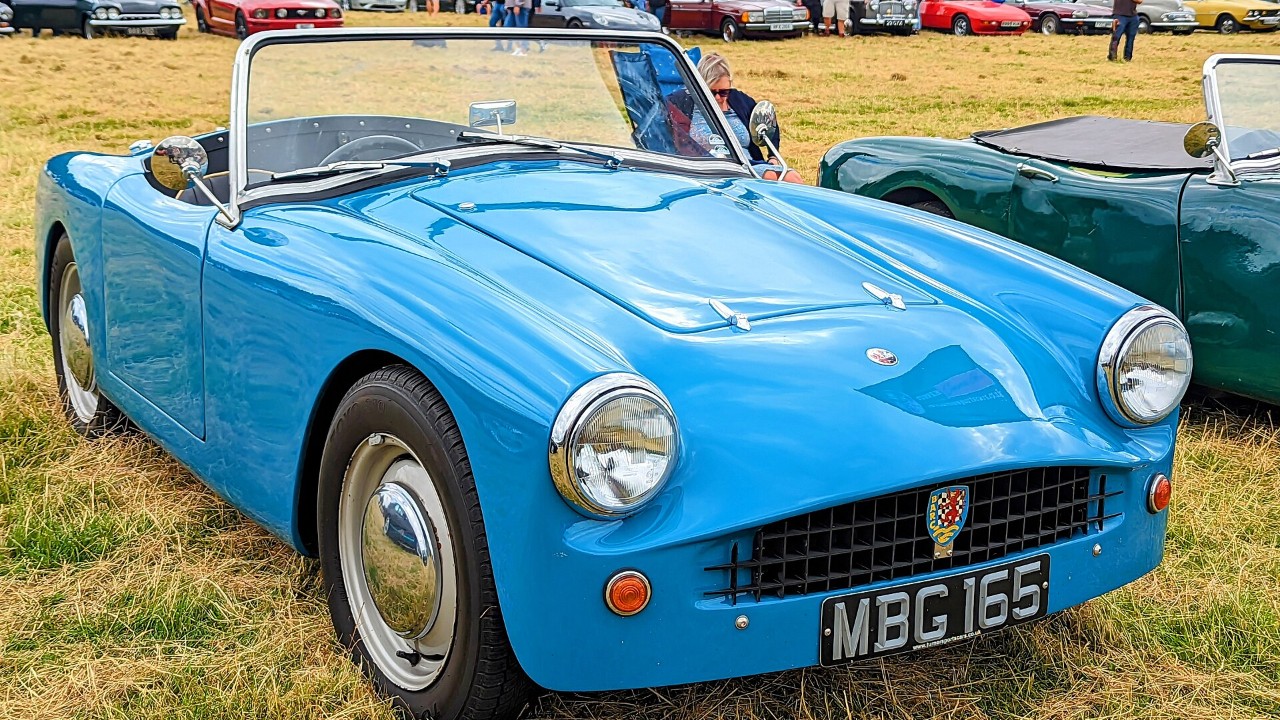
Jack Turner built sports cars in Wolverhampton, and the Turner Sports Mk1 was his third significant model. According to British Race Car, it reached the British market in late 1959 with a BMC A-series four. The body was almost entirely fiberglass, with aluminum door skins. Underneath sat a tubular steel frame built on two main tubes, with Austin A35 parts at the front. Turner had already sold about 170 of the earlier 950S.
Pricing was the problem. In 1960, the car cost £645 as a kit or £815 complete with a standard Austin engine. Meanwhile, Austin had launched its own Sprite, which soured relations and pushed up the engine prices Turner paid. The Mk2 replaced the Mk1 within a year, with Triumph Herald front suspension and a choice of Ford, Austin or Coventry Climax power.
Our take: the Turner Sports was a better-equipped rival to the Sprite, built by a tiny company that depended on its competitor for engines. That is a tough position for any carmaker. Mk1s turn up in vintage racing, too, and one won the under-one-liter class at the 2006 Pittsburgh Vintage Grand Prix.
7. 1957 Fairthorpe Electron Minor
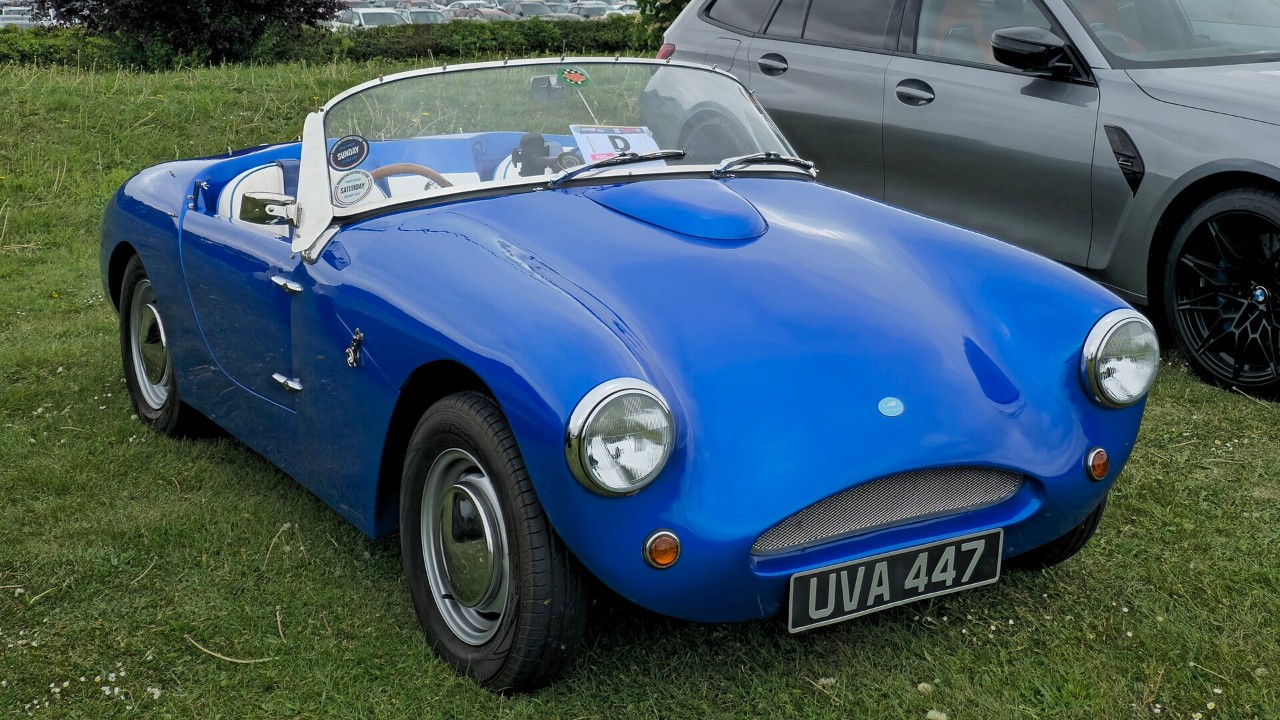
Few car companies had a founder like Fairthorpe’s. Air Vice-Marshal Don Bennett commanded the RAF’s Pathfinder force in World War II. He later flew the first commercial airliner out of Heathrow and served as a Member of Parliament. Then he started building cars in Buckinghamshire, beginning with a model called the Atom.
The Electron Minor became his most popular model, with almost 300 made, according to Moss Motoring. Fairthorpe sold its cars as kits, built largely from Standard-Triumph parts. Early sports cars used Standard 10 power. Later models moved to engines from the Triumph Herald, Spitfire, Vitesse and GT6.
In our view, Fairthorpe deserved better because it gave home builders a light, simple roadster with off-the-shelf mechanicals that were easy to find. Instead, the company faded and closed in the mid-1970s. Later attempts, such as the TX GT, never found the same audience, and Moss Motoring describes that car’s debut as disappointing. For a man who led a wartime bomber force, building small kit cars was an unusual second act. Even so, the Electron Minor was its biggest success.
8. 1980 Triumph TR8 convertible
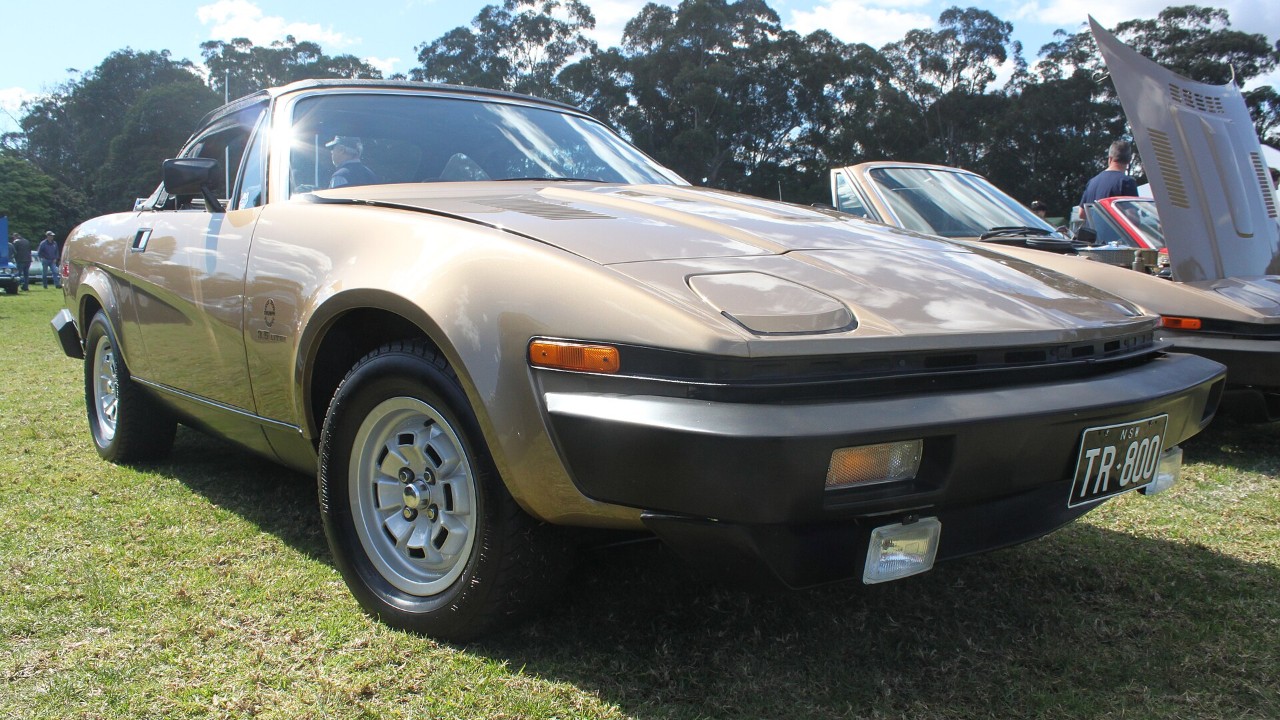
The TR8 was the TR7 that Triumph fans had been waiting for. British Leyland dropped the Buick-derived Rover 3.5-liter V8 into the wedge-shaped body. Then it sold most of them in the United States and Canada. We’ve written about how the TR7 broke tradition and divided enthusiasts, and the V8 car was the answer to many of those complaints.
It arrived too late, though. According to Just British’s buyer’s guide, the TR8 sold for around $11,000 in North America. Today, by the guide’s estimate, nice examples cost around $10,000. The same guide estimates that about 1,000 convertibles and 200 coupes survive.
Our take: a light British convertible with a V8 should be a collector favorite. Yet by the guide’s figures, a nice TR8 costs about what one did new. That makes it one of the best values on this list. You also get a V8 sports car that British Leyland built through its Jaguar, Rover and Triumph division. If you’re buying, make sure you’re getting a genuine TR8, because very few real ones exist outside North America.
9. 1967 Sunbeam Tiger Mk II
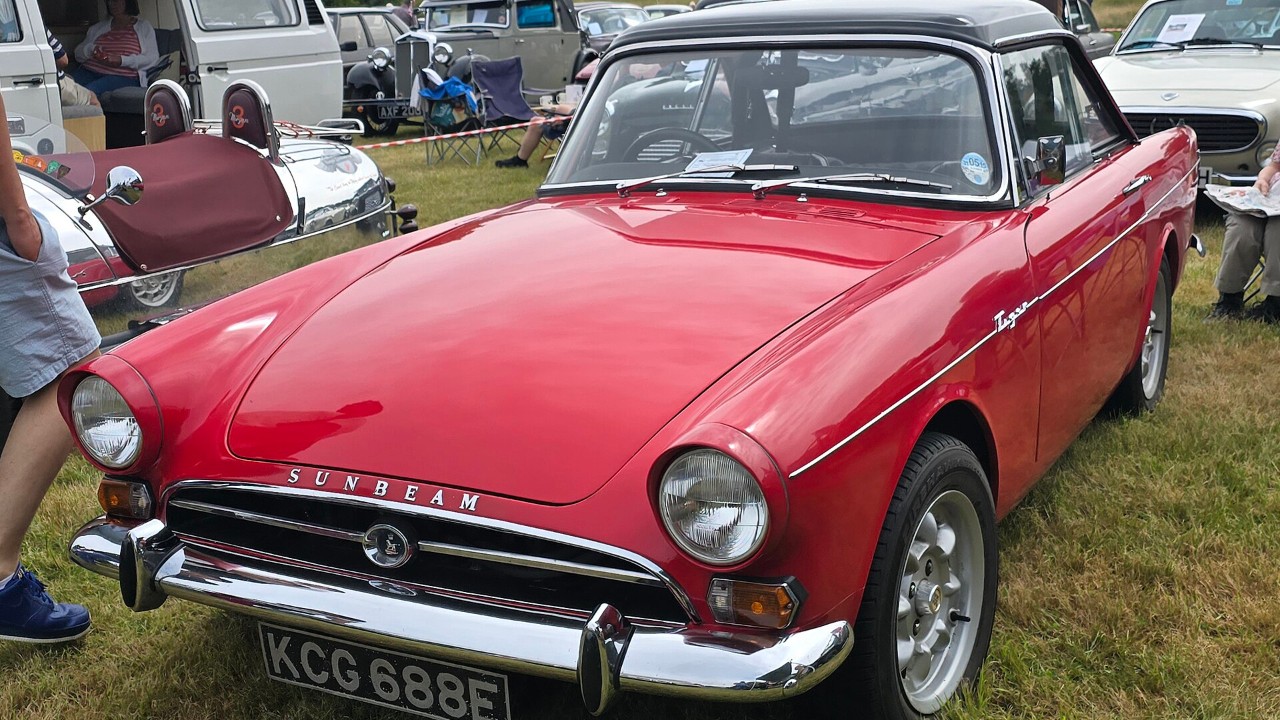
The Sunbeam Tiger put a Ford V8 into the small Alpine roadster. The final Mark II went further, with a 289-cubic-inch V8 rated at 200 horsepower. According to Hagerty, that engine replaced the 260-cubic-inch V8 of the Mark I and IA.
The Mark II had a short life. Hagerty counts only 532 built for 1967, which makes them the rarest and most valuable Tigers. The base price was $3,634 when new. All told, the Tiger ran from 1964 through 1967, and production totaled just over 7,000. So the Mark II makes up only a small slice of an already small run.
We’ve covered how British charm met V8 power in the 1967 Sunbeam Tiger. In our view, the Mk II deserved a longer run, because it was the best version of the idea just as the idea ended. If you’re shopping, insist on documentation that proves it is a real Mark II rather than an earlier car with a swapped engine. It closes our list with Hagerty’s count of only 532 Mark II cars.
More from Fast Lane Only