Some postwar classics have become obvious collector cars, while others quietly gained value without receiving the same attention. Many were once ordinary family cars, stylish cruisers, or practical imports that owners never expected to become desirable. Today, condition, originality, rarity, and growing nostalgia can make certain overlooked models worth considerably more than their original owners might imagine.
Chevrolet Bel Air
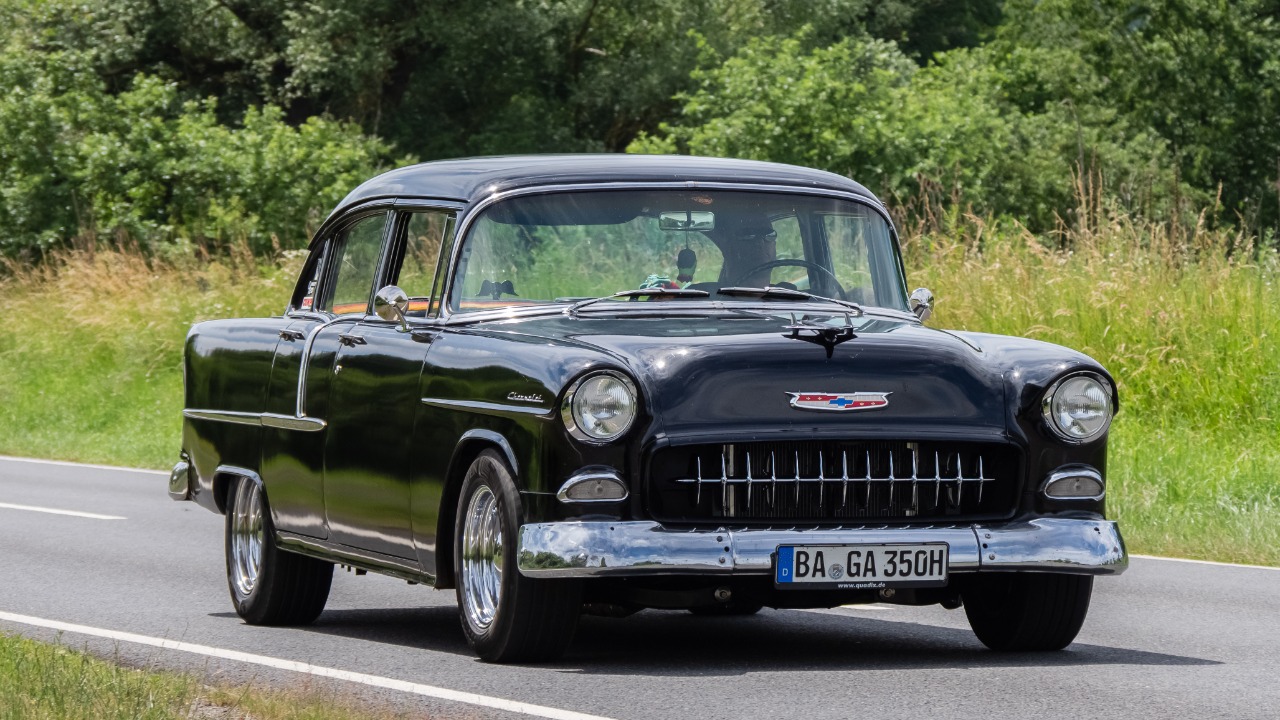
The Chevrolet Bel Air became one of America’s most recognizable classics, but not every owner realizes how much certain versions can be worth. Two-door hardtops, convertibles, and especially well-preserved examples attract considerably more interest than ordinary sedans. The iconic styling also gives the car broad appeal beyond dedicated Chevrolet collectors. Cars with original engines, desirable colors, and intact trim can command strong prices, particularly when they have escaped extensive modifications or questionable restorations.
Ford Fairlane

The Ford Fairlane occupied an important position in Ford’s postwar lineup and offered buyers a wide range of body styles and engines. Today, certain Fairlanes are considerably more collectible than their modest reputation suggests. Hardtops, convertibles, and performance-oriented versions are particularly interesting. Their combination of classic proportions and relatively approachable size gives them broad enthusiast appeal. A clean, original Fairlane can therefore be worth much more than someone might expect from an old Ford sitting in a garage.
Pontiac Bonneville
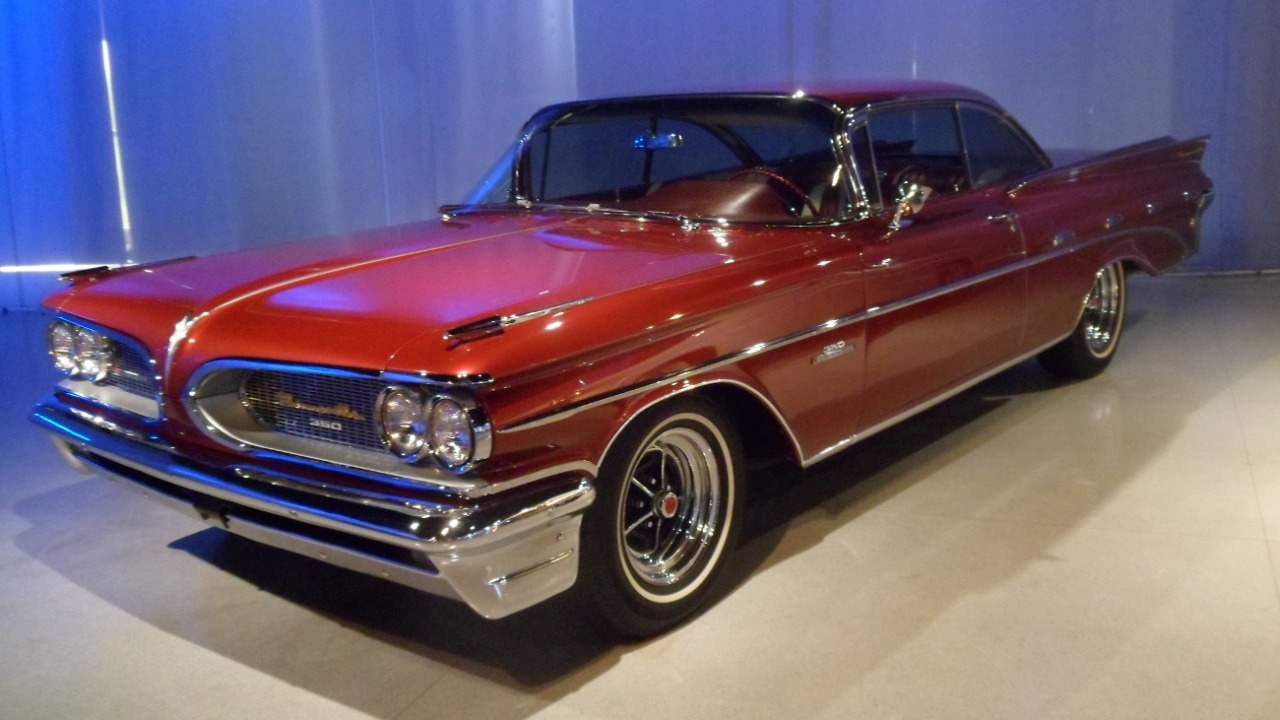
The Pontiac Bonneville represented the more luxurious side of Pontiac and became known for generous dimensions, distinctive styling, and increasingly powerful engines. Certain convertibles and early examples have developed strong collector interest because they capture the exuberance of postwar American motoring. Original interiors and unusual factory options can add further appeal. A neglected Bonneville may not be especially valuable, but a well-preserved example with desirable equipment can be a significant classic hiding in plain sight.
Buick Riviera
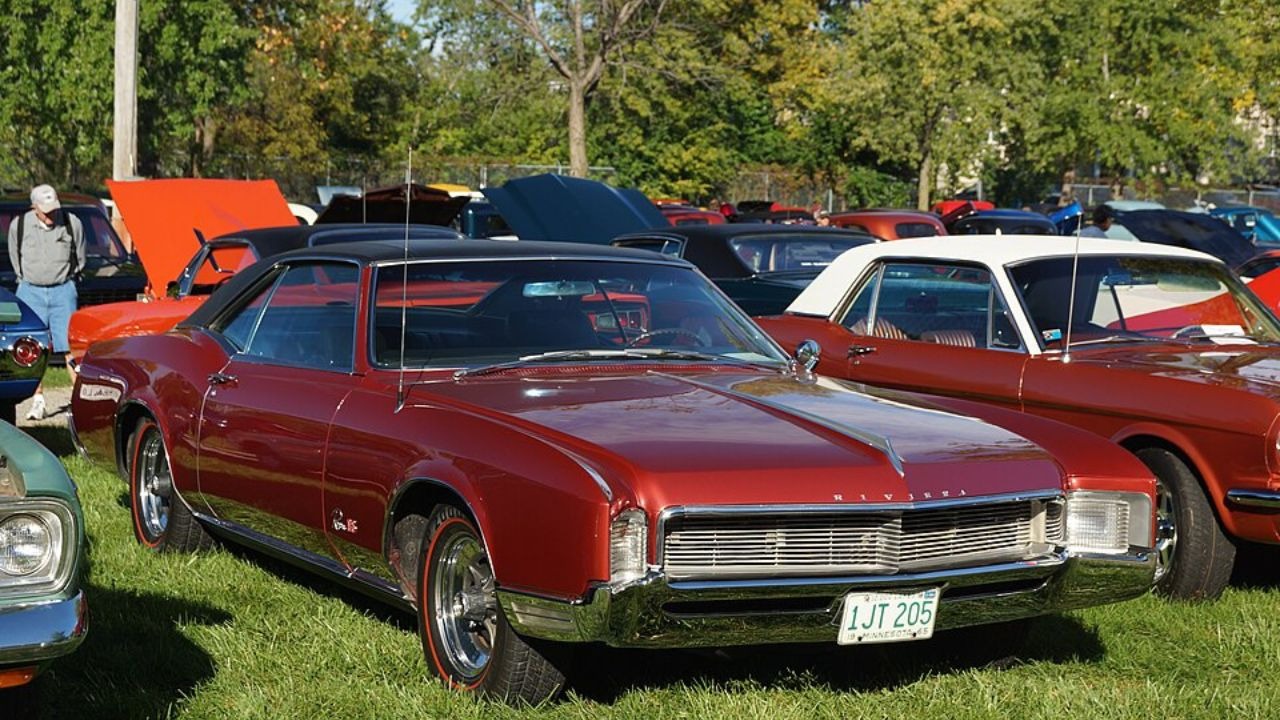
The Buick Riviera brought sophisticated styling and personal-luxury appeal to Buick’s lineup. Early examples in particular have become sought after for their clean proportions and distinctive design. The Riviera also appealed to buyers who wanted something more stylish than a conventional full-size sedan without moving into a dedicated sports car. Original examples with attractive interiors and unmodified drivetrains are increasingly interesting to collectors. Its elegant appearance has aged particularly well, helping good cars retain strong appeal.
Mercury Monterey

The Mercury Monterey often gets overlooked beside better-known Ford products, but it represents an important part of postwar American automotive design. Large engines, generous interiors, and distinctive Mercury styling made it a premium choice without reaching Lincoln territory. Convertibles and well-equipped hardtops are especially appealing today. Because fewer have survived in excellent original condition, a complete Monterey can attract collectors looking for something different. Its relative obscurity can actually make a good example more interesting.
Studebaker Hawk
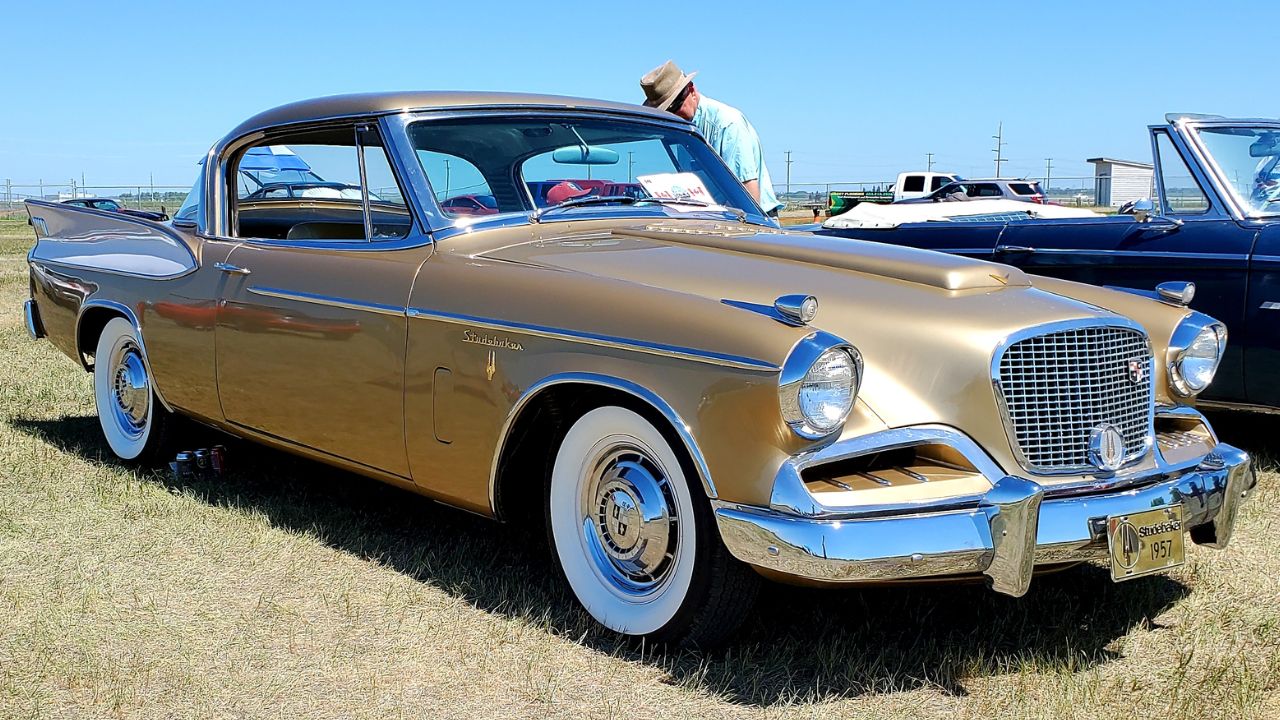
The Studebaker Hawk was one of the company’s most memorable postwar designs. Its sleek roofline and European-influenced proportions gave it a very different appearance from many American cars of the period. Different Hawk versions offered varying levels of performance and equipment, creating a wide range of collector interest. Clean examples can be surprisingly valuable because Studebaker’s smaller production numbers mean fewer have survived. The Hawk’s distinctive styling also makes it easy to recognize at any classic-car gathering.
Hudson Hornet
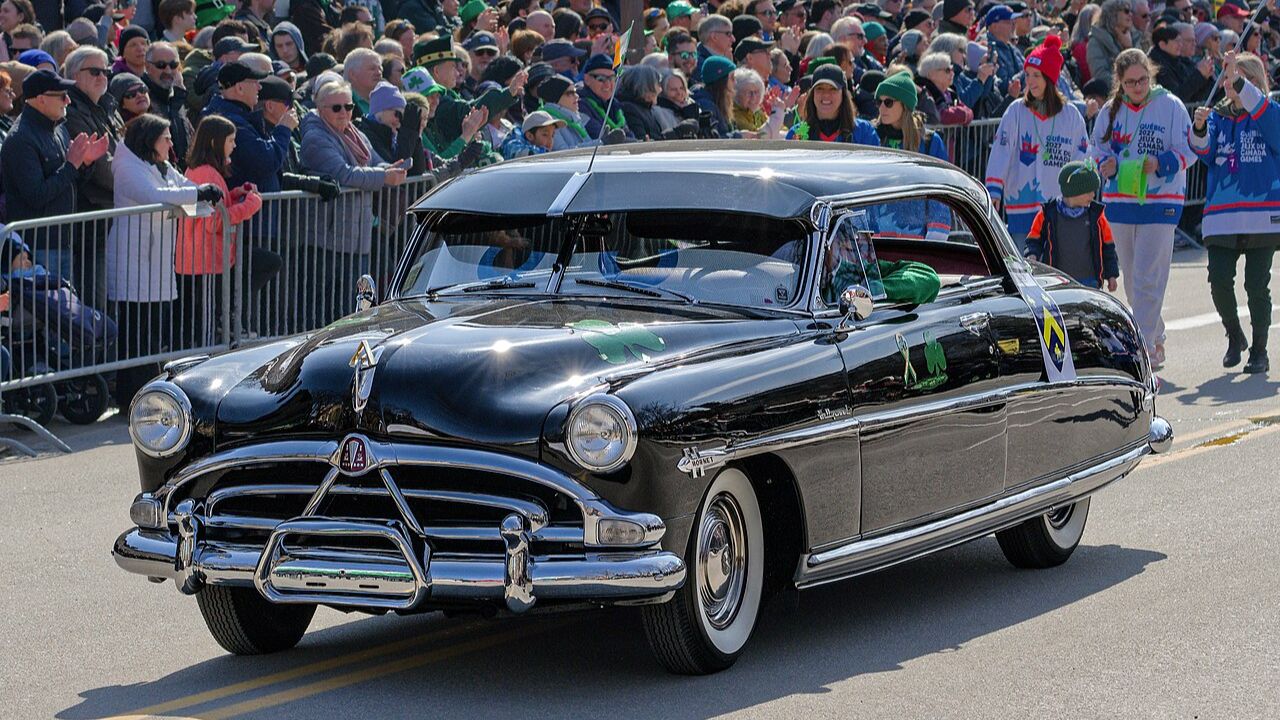
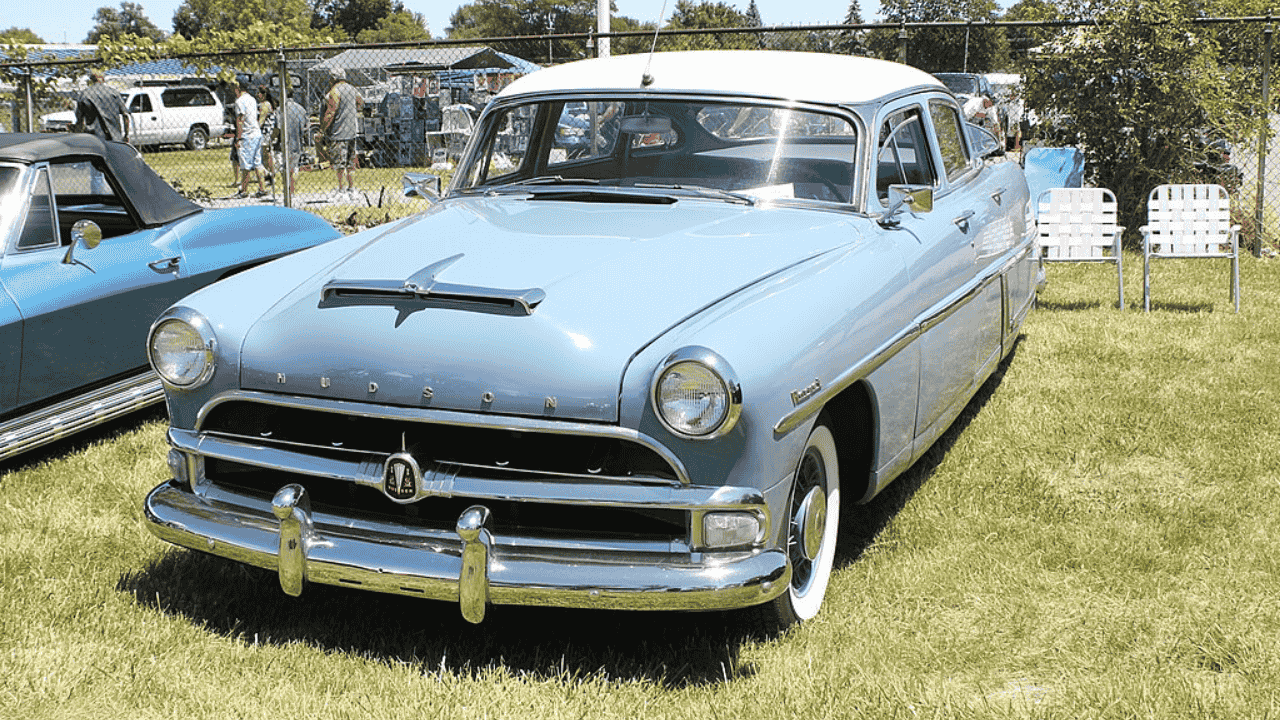
The Hudson Hornet earned a legendary reputation in early stock-car racing, but its importance extends beyond competition. Its distinctive step-down construction gave it a low center of gravity and unusual handling characteristics for a large American car. Today, original Hornets are appreciated for their engineering, styling, and racing connections. Cars with documented history or desirable configurations can command serious money. Even ordinary survivors are becoming harder to find as the number of intact examples continues to shrink.
Nash-Healey

The Nash-Healey was an unusual collaboration between an American manufacturer and British sports-car expertise. Its elegant body, relatively low production, and international background make it a fascinating postwar collectible. Unlike more common American cars of the same period, the Nash-Healey was aimed at buyers interested in genuine sporting character. Surviving examples are scarce, and restoration can be expensive, but complete original cars can be valuable. It is one of those classics whose rarity is easy to underestimate.
Kaiser Darrin
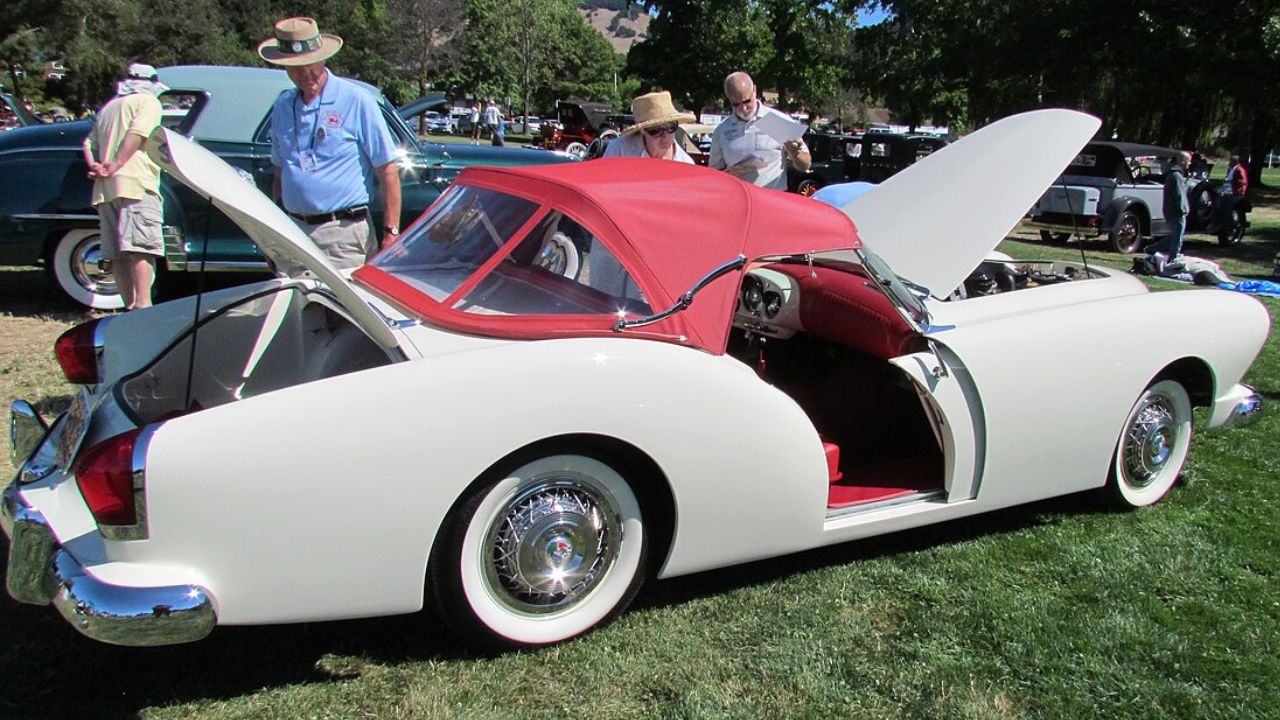
The Kaiser Darrin was an ambitious American sports car with styling by Howard “Dutch” Darrin. Its fiberglass body and unusual sliding doors gave it an identity unlike almost anything else produced in the United States at the time. Production was extremely limited, which has made surviving examples highly desirable. The car also represents an interesting moment when American manufacturers were experimenting with lightweight sports cars. Its unusual construction and scarcity have helped push good examples well beyond ordinary used-car territory.
Oldsmobile Starfire
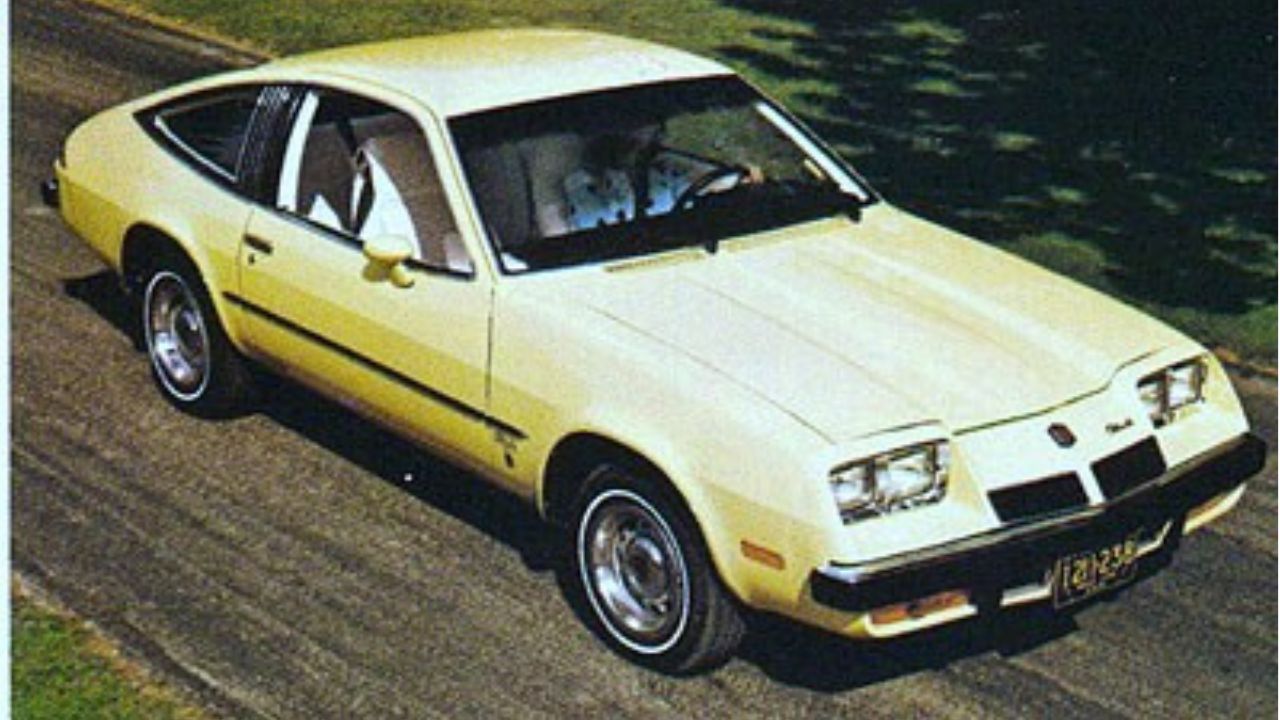
The Oldsmobile Starfire combined the brand’s V8 performance with a more distinctive personal-luxury presentation. Its chrome-heavy styling and upscale interior captured the spirit of early 1960s American motoring. Convertibles and particularly well-preserved examples have become more interesting to collectors as fewer survive. The Starfire does not receive the same attention as an Oldsmobile 442, but that can make it an appealing alternative. A clean example can be much more valuable than its original everyday-car image suggests.
Ford Thunderbird
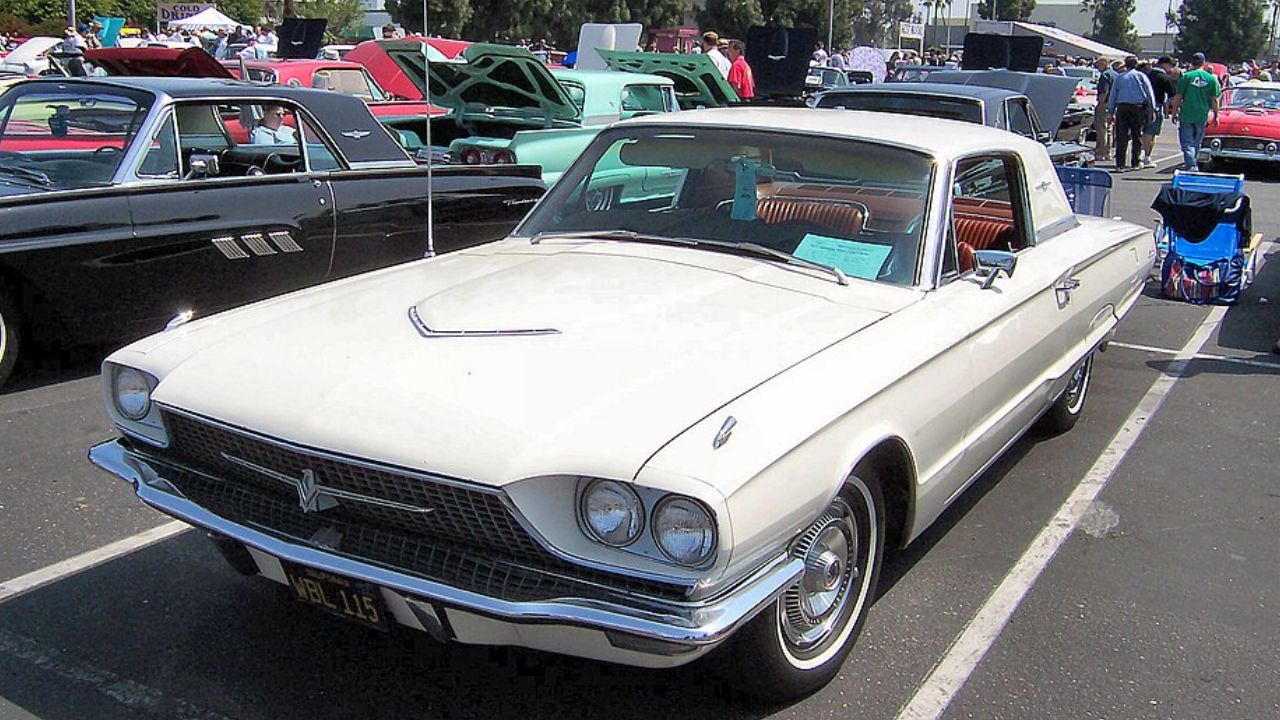
The Thunderbird has long been recognized as a collectible, but some owners may still underestimate the value of certain generations and configurations. Early two-seat cars are particularly desirable, while later models can also attract collectors when they have unusual options or exceptional originality. The Thunderbird’s importance in American automotive history gives it broad recognition. A well-preserved example with its original equipment, trim, and documentation can therefore be worth substantially more than a similar-looking ordinary used car.
Chrysler Windsor
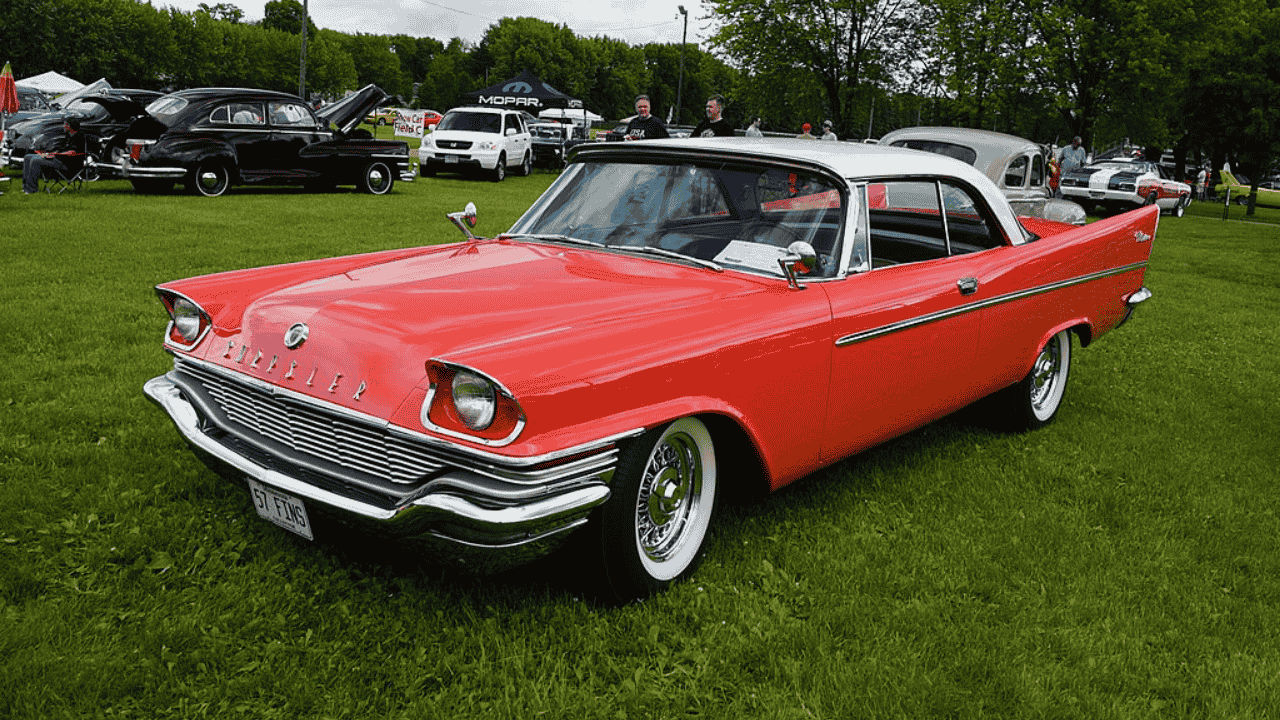
The Chrysler Windsor was positioned as a more accessible Chrysler, but that does not make it uninteresting to collectors. Its postwar styling, V8 power, and upscale character capture a period when American manufacturers were rapidly redefining the family car. Convertibles, hardtops, and unusually original examples are the most interesting. Because many ordinary Windsors were used up and discarded, survivors in excellent condition are becoming increasingly uncommon. That scarcity can give an overlooked Chrysler surprising collector appeal.
Packard Caribbean
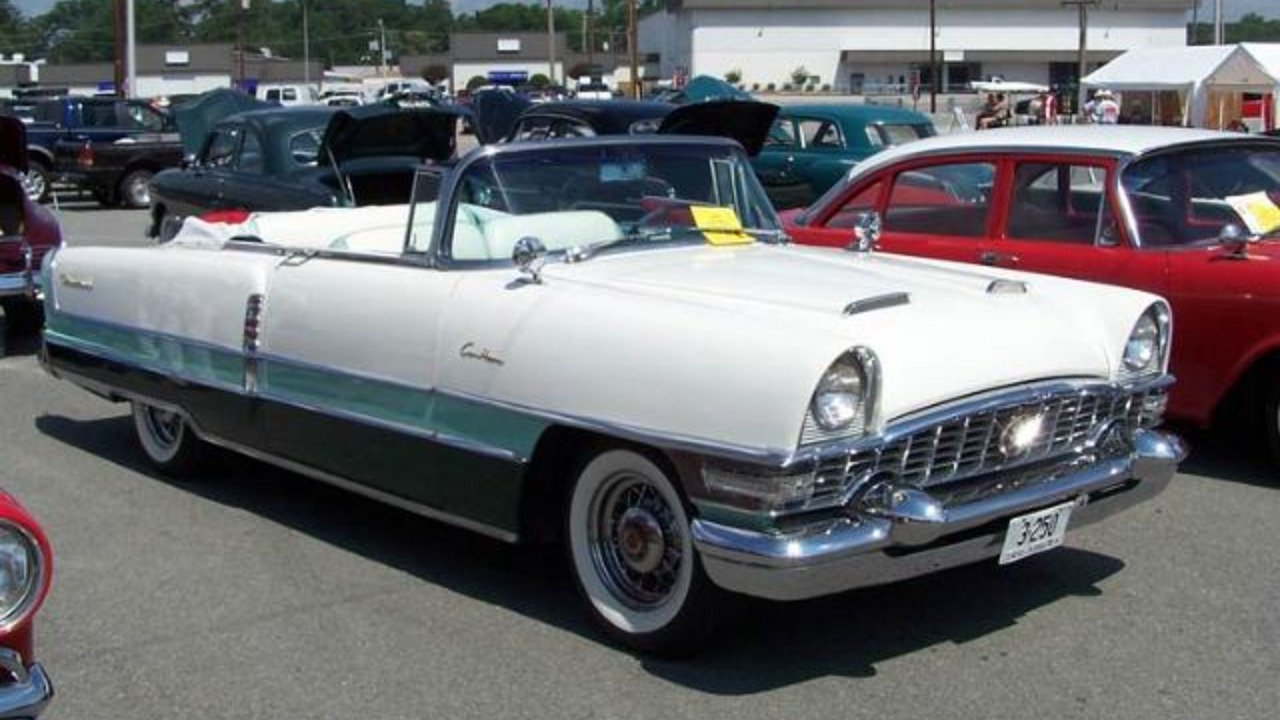
The Packard Caribbean was one of the company’s most glamorous postwar offerings. Its bright colors, distinctive trim, powerful engine, and luxurious interior made it stand apart from ordinary Packards. Convertibles are especially desirable, while hardtops can also attract serious collectors. The Caribbean represents Packard during its final years as an independent luxury manufacturer, adding historical importance to its styling and equipment. A genuine, correctly restored example can therefore be worth far more than its old-fashioned appearance might suggest.
Mercedes-Benz 190 SL
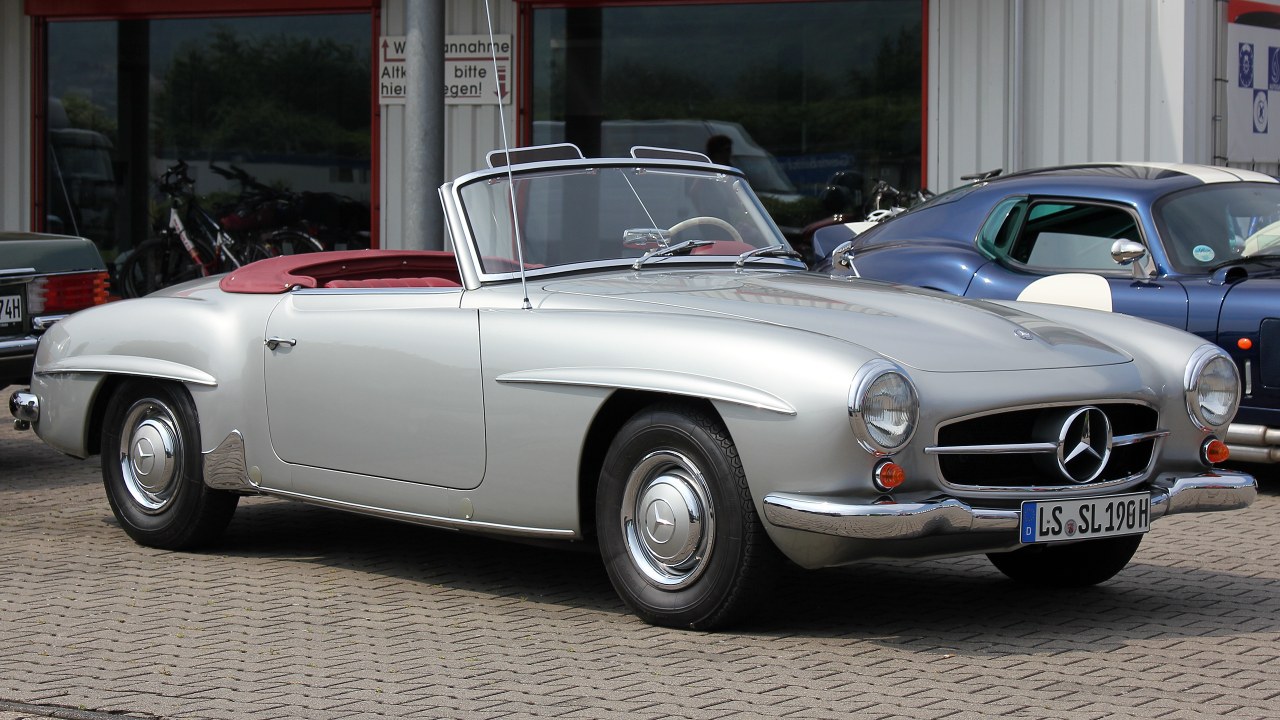
The Mercedes-Benz 190 SL offered open-top luxury in a smaller and more approachable package than the company’s larger sports cars. Its elegant styling and connection to Mercedes-Benz’s postwar performance heritage have made it increasingly desirable. Original examples can be especially valuable when they retain the correct interior, engine, trim, and bodywork. Although it was once simply an expensive European roadster, today’s collectors recognize the 190 SL as an important part of Mercedes-Benz history.
Volkswagen Karmann Ghia
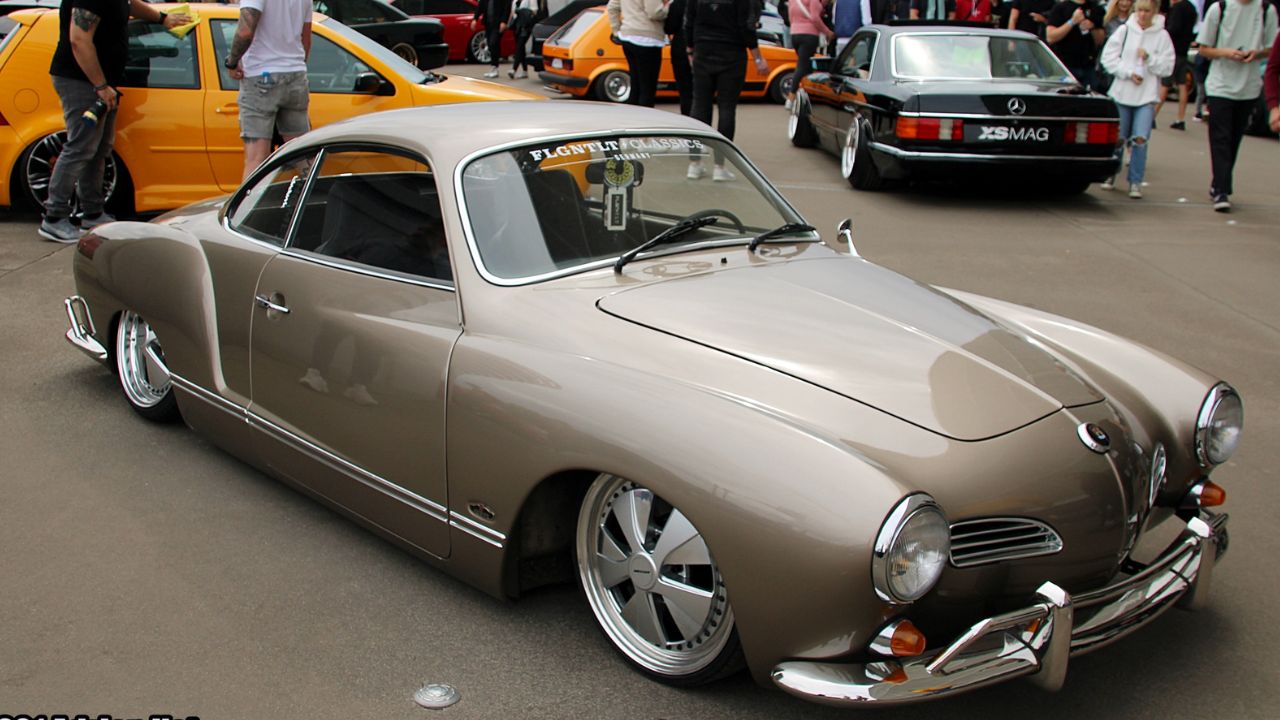
The Karmann Ghia was never intended to be a high-performance sports car, but its combination of Volkswagen mechanical simplicity and Italian-influenced styling gave it lasting appeal. Coupes and convertibles have both developed strong enthusiast followings. Original bodywork and clean interiors can make a major difference in value, especially because rusty examples can be expensive to restore properly. What was once an affordable stylish commuter has gradually become a desirable collectible with a much stronger market than many owners expected.
Volvo P1800

The Volvo P1800 became famous for its elegant styling, unusual durability, and connection with television’s “The Saint.” Its reputation for longevity also helped distinguish it from many contemporary European sports coupes. Early cars and well-preserved examples are increasingly sought after, particularly when they retain original mechanical components and trim. The P1800 has also benefited from Volvo’s broader enthusiast following. A car that once looked like an interesting old coupe can now represent a substantial collectible.
Fiat 124 Spider
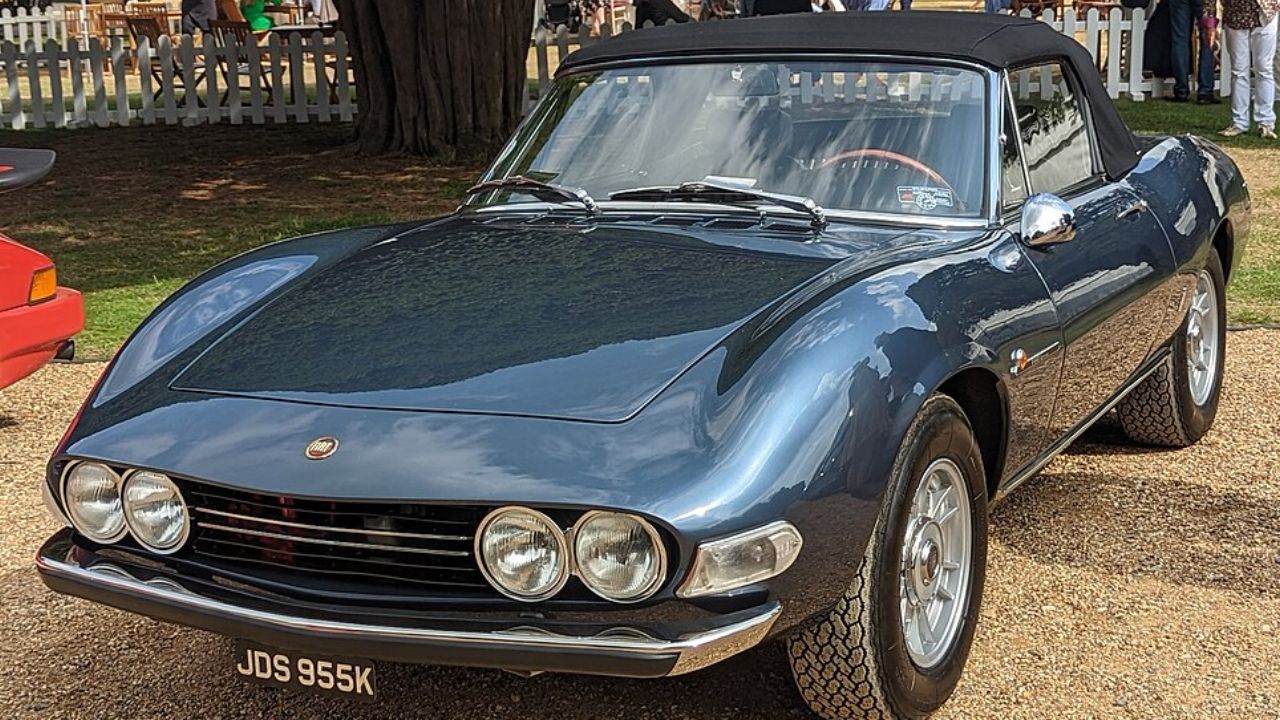
The Fiat 124 Spider brought Italian styling and rear-wheel-drive roadster character to a relatively accessible price point. Its attractive proportions and Pininfarina design helped it remain desirable long after production ended. Later versions also benefited from mechanical updates and the continued popularity of lightweight European convertibles. Rust and neglected maintenance can hurt values considerably, but clean examples are increasingly appreciated. Owners who bought one simply as an inexpensive fun car may be surprised by today’s collector interest.
BMW 2002
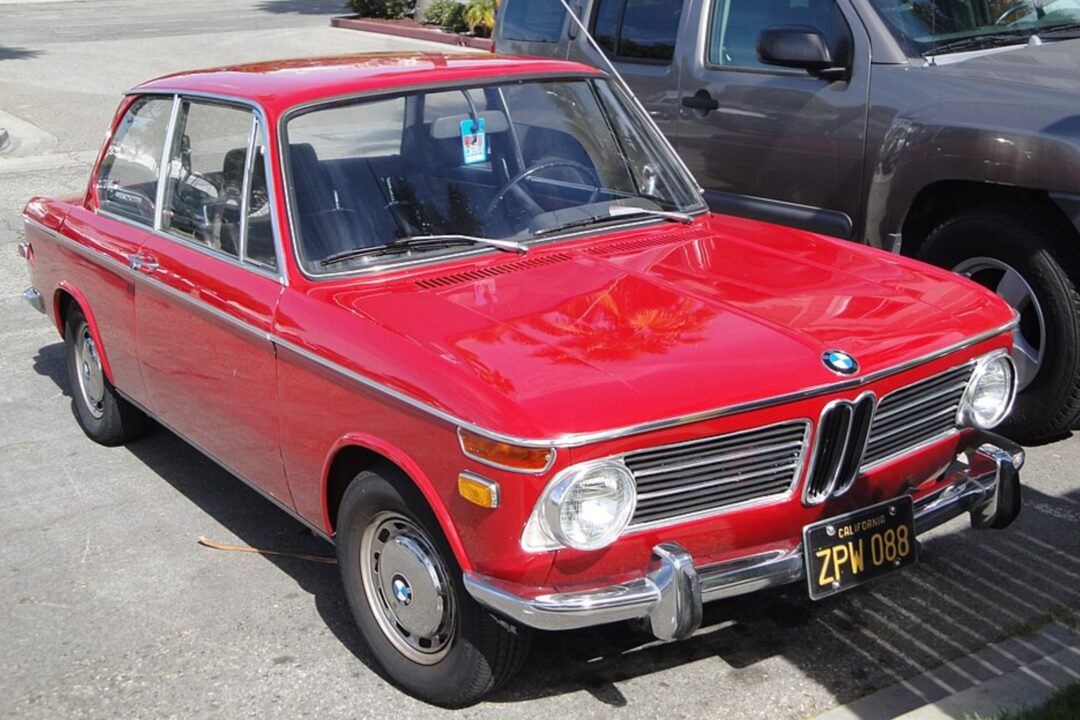
The BMW 2002 helped establish the company’s reputation for building compact cars that combined everyday practicality with engaging handling. Its simple two-door shape and rear-wheel-drive layout have aged extremely well. Clean, original examples are increasingly difficult to find because many were modified, raced, or used as inexpensive enthusiast cars. Special versions are even more desirable. The 2002’s growing reputation among collectors means an ordinary-looking survivor can be worth substantially more than it once was.
Saab 96
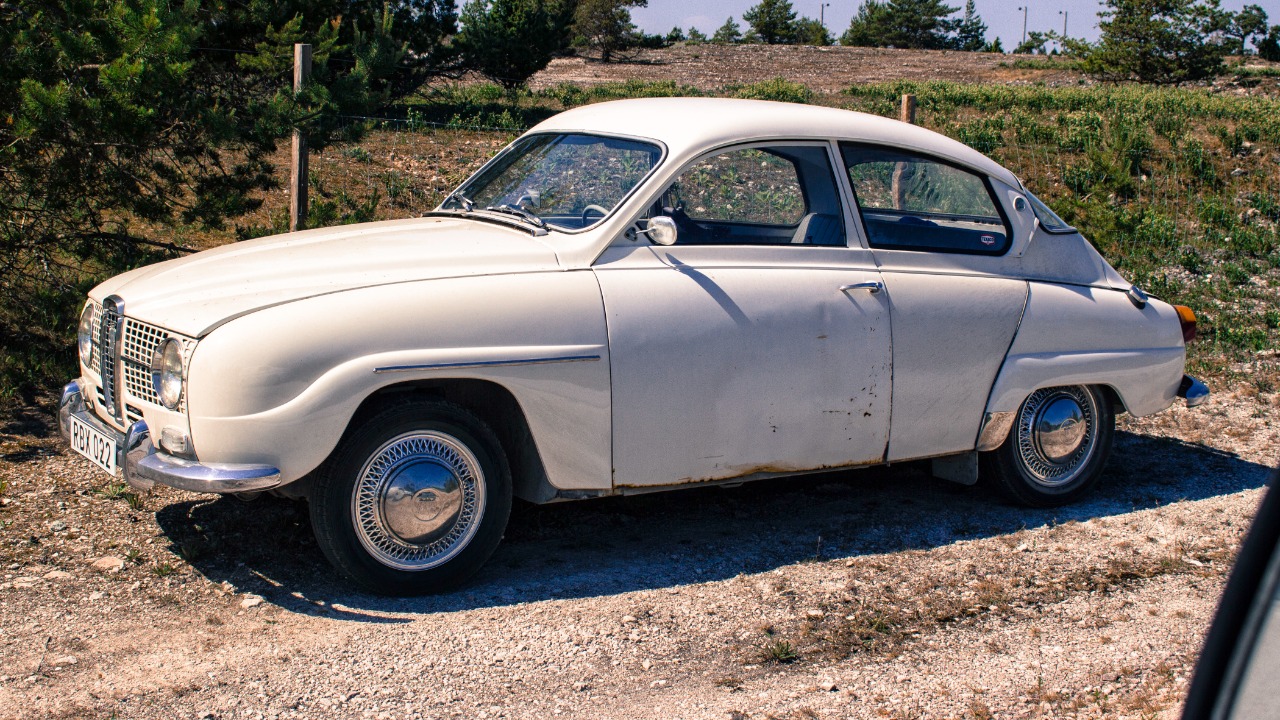
The Saab 96 is an unusual postwar classic that has developed a dedicated following because of its distinctive design and engineering. Its front-wheel-drive layout and unusual V4 engine in later cars gave it a personality unlike most European competitors. Saab’s rally success also adds another layer of historical interest. Because many were simply used as practical transportation and then discarded, good survivors are relatively uncommon. A clean original example can therefore attract far more attention than its humble origins suggest.
Alfa Romeo Spider
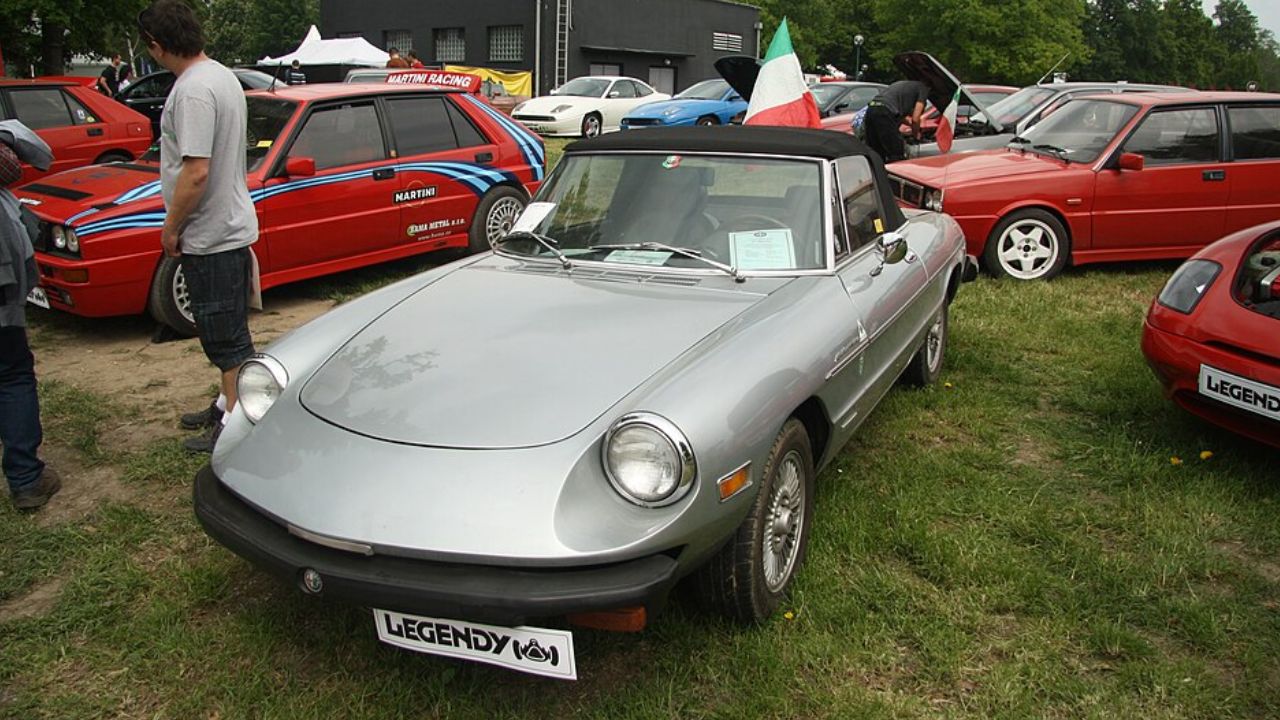
The Alfa Romeo Spider became one of the best-known Italian convertibles of its era, helped by its elegant styling and long production history. Different generations have their own collector appeal, with early cars and carefully preserved examples attracting particular interest. Rust and neglected mechanical systems can make restoration expensive, so condition is crucial. A solid Spider with original details can be considerably more valuable than a rough project. Its timeless shape has also helped keep demand alive among younger enthusiasts.
More from Fast Lane Only
- Unboxing the WWII Jeep in a Crate
- 15 rare Chevys collectors are quietly buying
- 10 underrated V8s still worth hunting down
- Police notice this before you even roll window down
*Research for this article included AI assistance, with all final content reviewed by human editors.