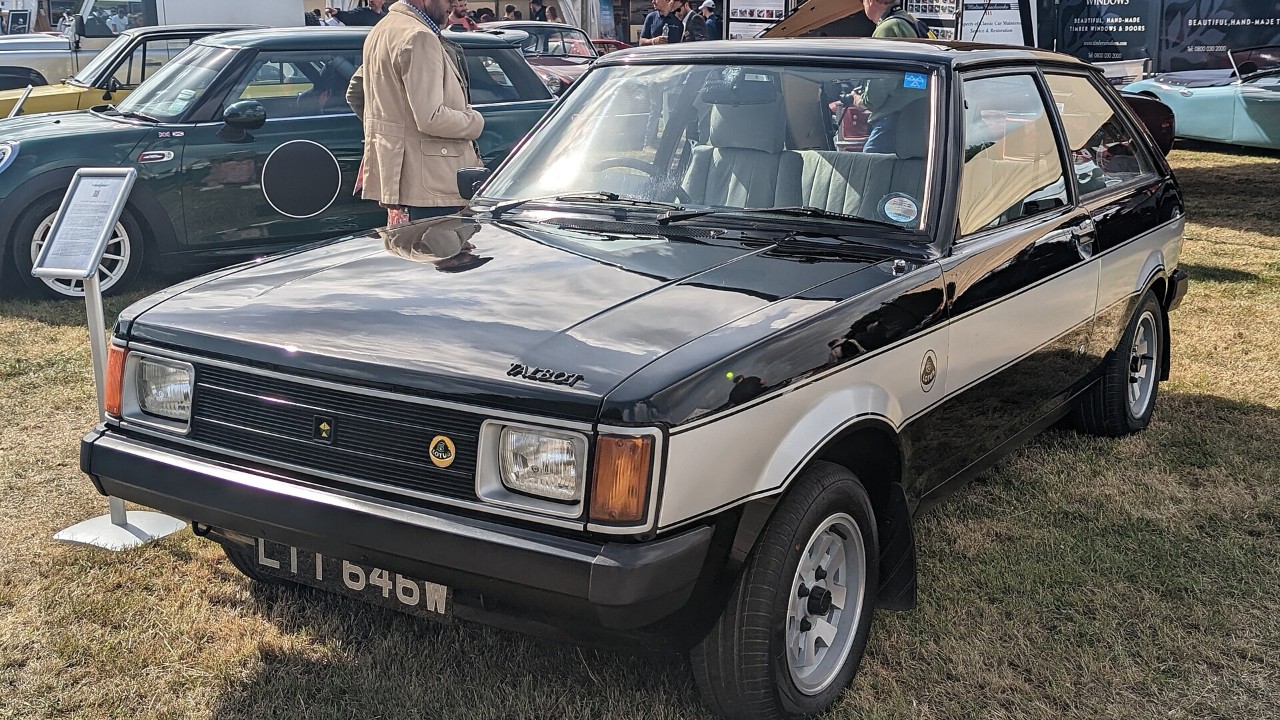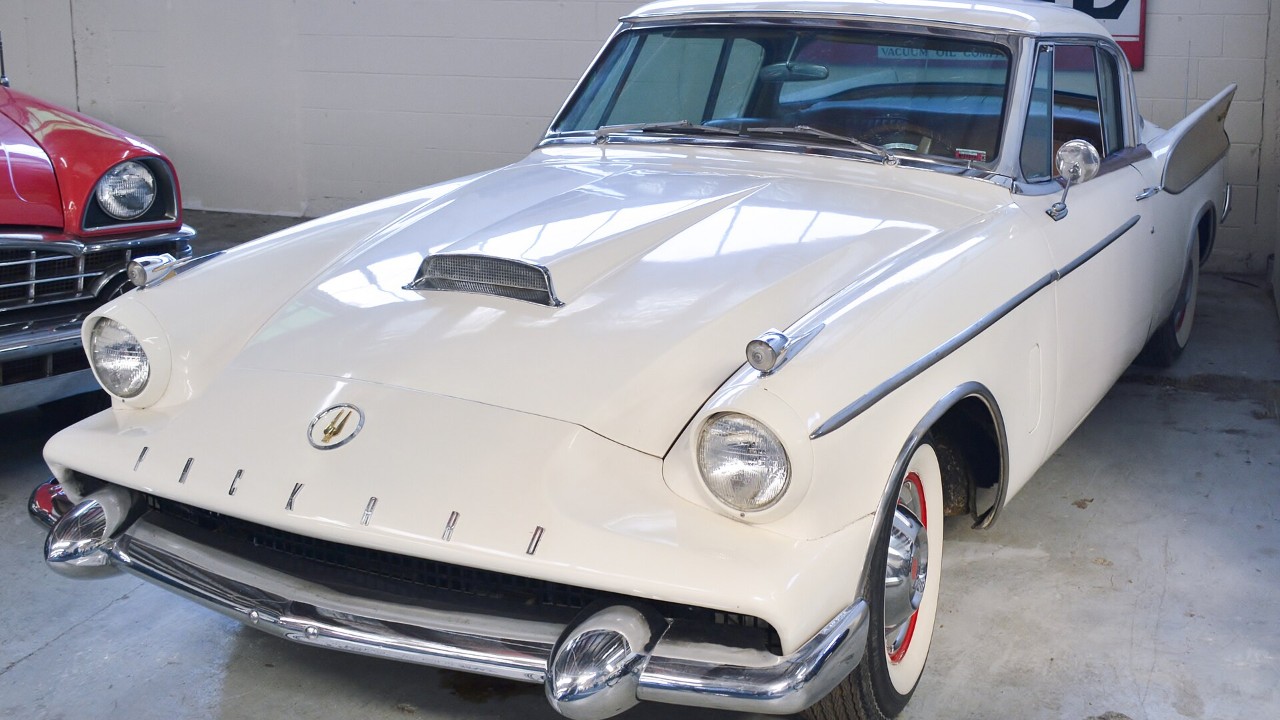
The 1958 Packard Hawk wore a fish-mouth grille and a fake spare tire on its trunk lid, and few people took it seriously. Yet under the hood sat a supercharged V8. That gap between image and speed runs right through the 1950s and 1960s.
Back then, plenty of quick cars hid behind chrome, a luxury badge or a plain family-car body. Some were sold to bankers. Others looked like the sedan your neighbor drove to church. Meanwhile, the real performance story often lived on an option sheet that most buyers never read.
These twelve are our picks, from the Packard Hawk to the Dodge 330 Max Wedge, for classic cars that were faster than their reputation suggested. The verdicts are our opinion, and the figures come from period road tests, factory ratings and model histories. Each one, in our view, deserves more credit for what it could do on the road.
1. 1956 Chrysler 300B
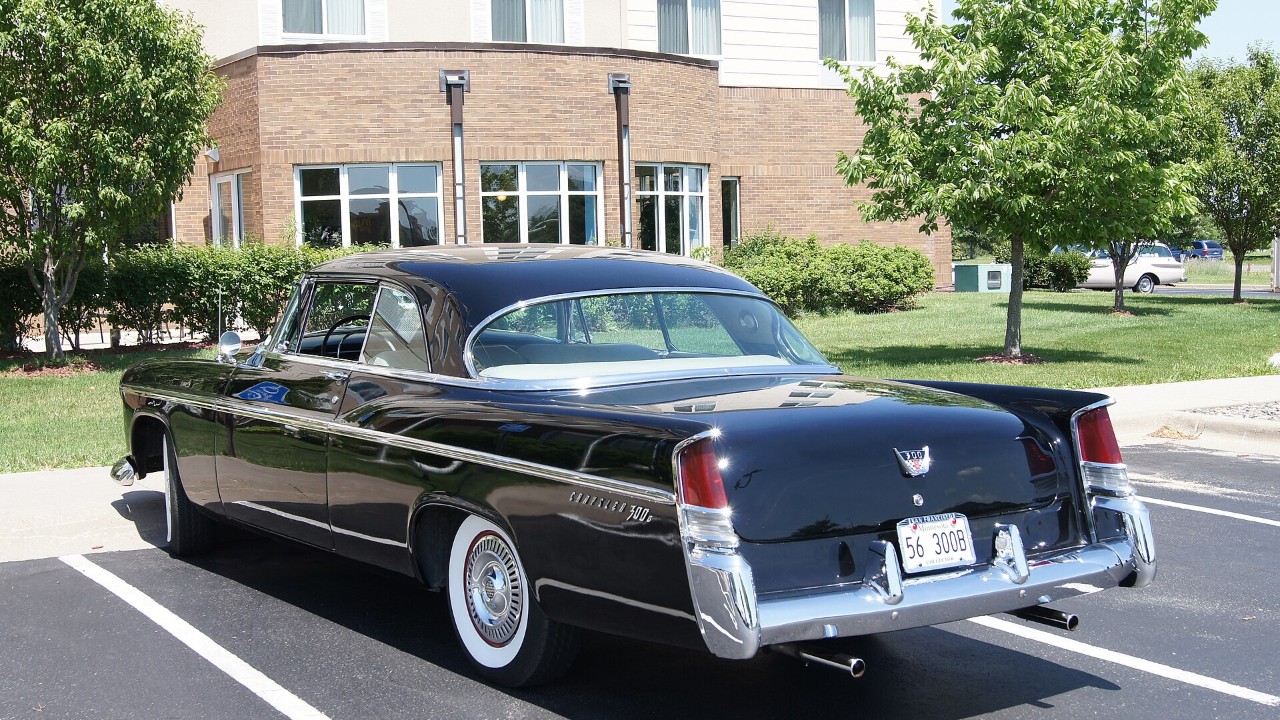
The 300B looked like a well-dressed Chrysler hardtop for a successful executive. However, it was built around a Hemi. According to Street Muscle’s history of the Chrysler 300, the 354-cubic-inch V8 came in two versions, rated at 340 or 355 horsepower.
That top rating mattered. In fact, the 355-horsepower engine made the 300B the first American car to reach one horsepower per cubic inch, the same source says. It also had a top speed of 140 mph, and the car found real success in NASCAR racing. Buyers who skipped the hotter engine got 340 horsepower, which was plenty for 1956.
Our take: plenty of people credit a smaller, cheaper car with that one-horsepower-per-inch milestone. Chrysler got there in a car that looked like it belonged outside a country club. That’s the whole appeal of the 300B, and it’s why we put it first. If you want to surprise a car-show crowd, park one and explain the numbers. A 140-mph luxury hardtop from 1956 is a story most visitors won’t expect, and the Hemi under the hood backs every word of it.
2. 1958 Chrysler 300D
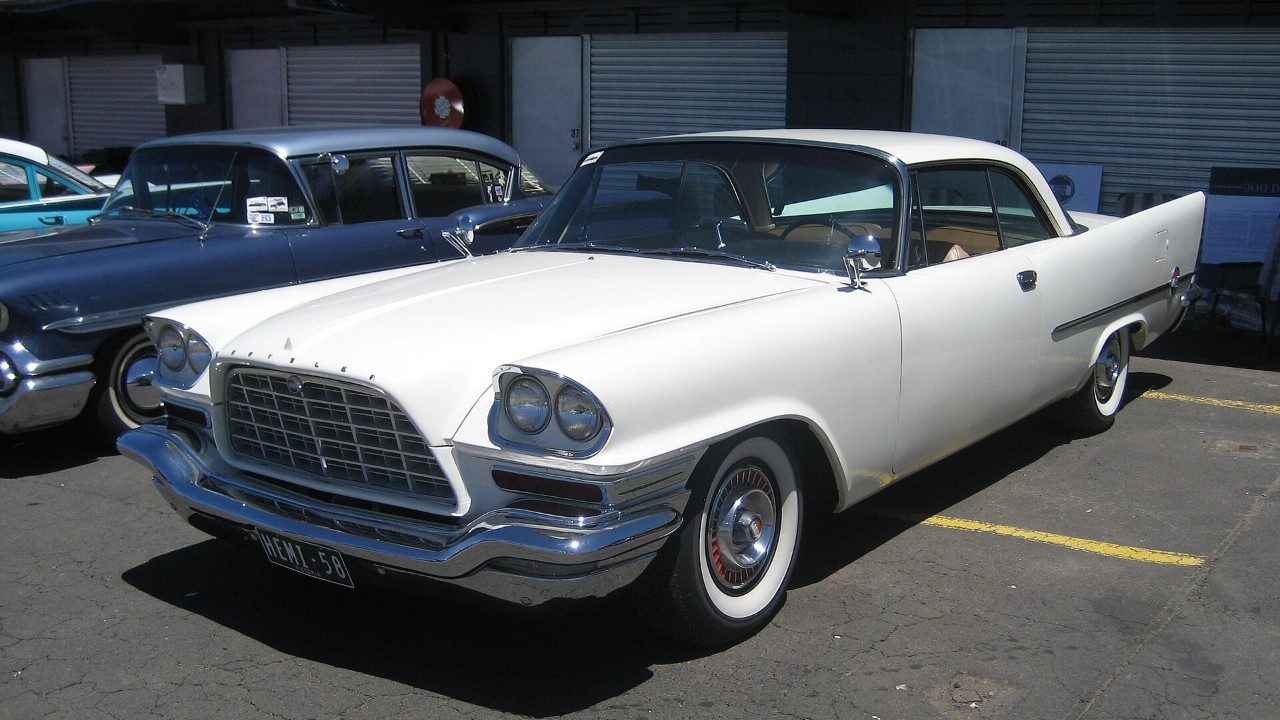
By 1958, the letter car had grown into the 392 Hemi, and output climbed to 380 horsepower. Chrysler also tried something few people remember. According to Street Muscle, a Bendix “Electrojector” electronic fuel injection system raised output to 400 horsepower in a handful of cars.
Electronic fuel injection in 1958 sounds like science fiction, yet it was on a Chrysler order form. Even so, most people saw the 300D as just a long, finned Chrysler. Very few of them knew that the same body carried a 380-horsepower Hemi. That gap between looks and muscle is exactly what this list is about.
In our view, the 300D is the most underrated letter car of all. It sits between the record-setting 300B and the dramatic 300G, so it gets overlooked. Yet with that standard Hemi, it was a genuinely quick car for the late 1950s. The Electrojector cars are the curiosities, and the standard four-barrel cars are the ones you’ll actually find and drive. If one turns up for sale, we’d want to see how its owner has kept the Hemi breathing, because a healthy 392 is the whole point of this car.
3. 1961 Chrysler 300G
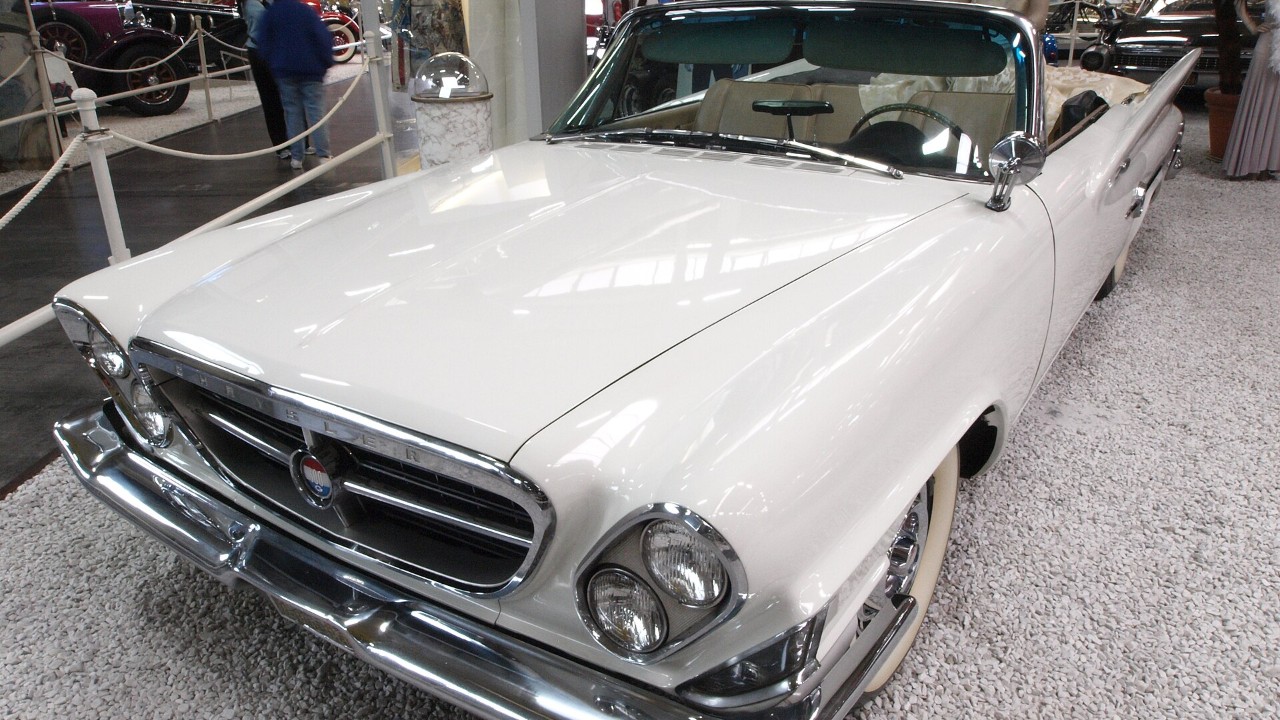
The 300G looked like a showboat, with canted fins and stacked headlights. Underneath, though, it was a highway weapon. According to Old Cars Weekly, its standard “Long Ram” 413 made 375 horsepower and 495 lb-ft of torque. The 30-inch ram tubes boosted mid-range torque by up to 10 percent.
The numbers back up the looks. Car Life measured 0 to 60 mph in 8.4 seconds and a top speed of 131 mph. Better yet, a 300G with the 2.93:1 axle won the NASCAR Flying Mile Championship at Daytona with a two-way average of 143.0 mph. Another 300G won the NASCAR Standing Mile Championship at 90.7 mph. Chrysler built just 1,280 hardtops and 337 convertibles, and the hardtop listed at $5,411. Buyers who wanted more could order a solid-lifter “Short Ram” 413 rated at 400 horsepower.
Our take: a car this heavy and this ornate shouldn’t run 143 mph, but it did. That’s why the 300G earns its spot. It was a luxury car on the outside and a top-speed record car on the inside. If you ever get the chance to drive one, find a long road and let the ram tubes do their work.
4. 1958 Packard Hawk
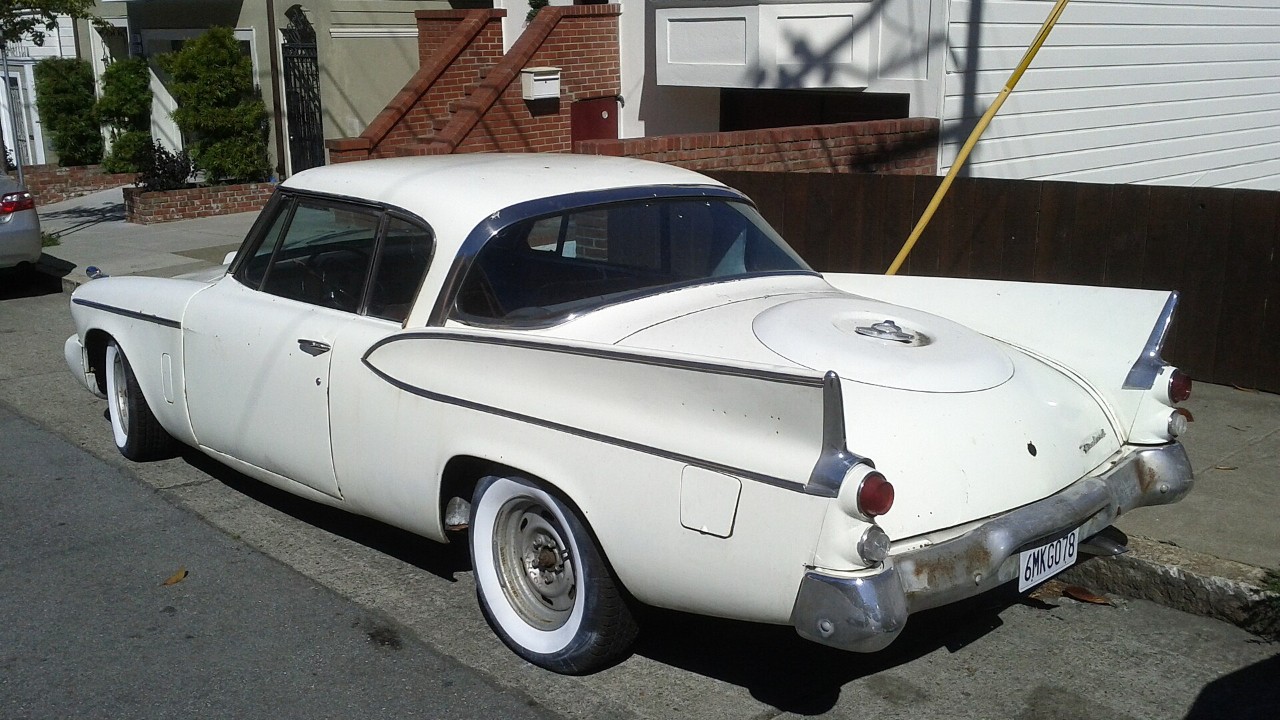
The last Packard was really a Studebaker Golden Hawk in a different suit. It had a long, low “catfish” grille, gold Mylar in the fins and a simulated spare tire on the trunk. According to Hagerty, it also carried the supercharged 289 V8, rated at 275 horsepower.
That engine moved a 3,470-pound Packard Hawk with real authority. However, the price worked against it. The Packard Hawk listed at $3,995, well above the $3,282 Golden Hawk, and Packard built only 588 of them. By comparison, Studebaker sold 878 Golden Hawks that year. Then the Packard name was gone, so the Hawk became the brand’s last word.
In our view, few cars from 1958 hid their speed better than the Packard Hawk. Most people saw the odd nose and the leather interior and assumed it was a boulevard car. Instead, it had a blower and a strong V8 that suited a long highway. Packard fans have plenty of grander cars to choose from, as our list of forgotten Packards that outclassed their price range shows. The Packard Hawk is the one with a surprise under the hood.
5. 1963 Studebaker Lark Daytona R2
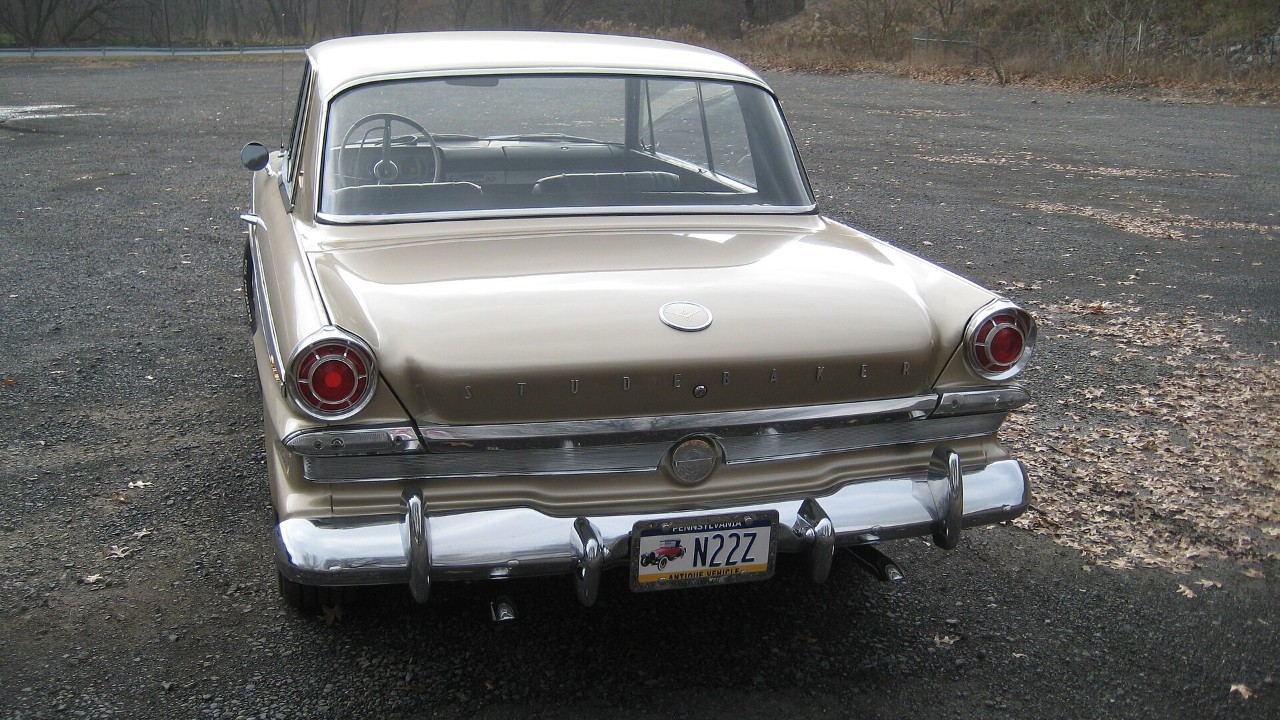
The Lark was Studebaker’s compact, a sensible car from a struggling company. For 1963, however, buyers could order the R1 and R2 versions of the 289 V8 that powered the Avanti. The R2 added a Paxton supercharger. According to Street Muscle’s look at the Super Lark, just 325 R2-powered Larks were built, and only 53 of those had the full performance package.
That package included power front disc brakes, a limited-slip differential and a 160-mph speedometer. Andy Granatelli, then a vice president at Paxton, also took supercharged Larks and Avantis to the Bonneville Salt Flats. There, they set U.S. Auto Club speed records in several classes.
Our take: nobody expected a Lark to run with the big-name V8 cars, and that’s exactly why we love it. The Daytona badge sounded sporty, but the car looked like a modest compact from South Bend. A supercharged R2 Lark with disc brakes is the rare Studebaker that could embarrass a much bigger car at a stoplight. Sadly, the South Bend plant closed in late 1963, so the experiment ended quickly. Studebaker stopped building cars altogether in March 1966.
6. 1962 Pontiac Catalina Super Duty
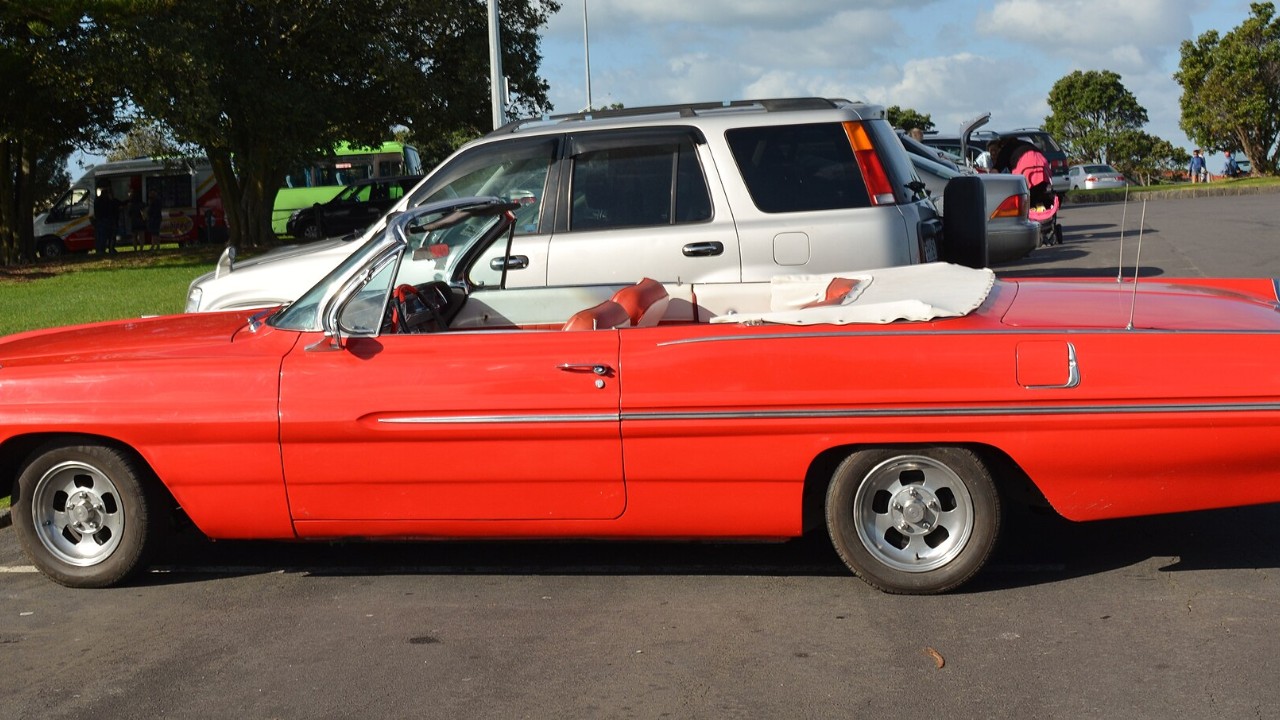
The Catalina was Pontiac’s entry-level full-size car. Yet the 1962 Super Duty version was a factory race car with a license plate. According to Hagerty, its 421 V8 carried a factory rating of 405 horsepower at 5,600 rpm. However, actual output was rumored to be closer to 460, with about 425 lb-ft of torque.
Pontiac also put the car on a diet. Stamped aluminum replaced steel for the hood, fenders, inner fenders, radiator support and bumpers. As a result, the aluminum front end trimmed about 200 pounds from a car that typically weighed 3,500 pounds. Then, in January 1963, GM reaffirmed its stance against factory-backed racing, and Pontiac told dealers to reject orders for 421 Super Duty cars.
In our view, this is the purest sleeper on the list. It looked like a family Pontiac, but it was built to win at the drag strip and on NASCAR ovals. Pontiac’s rejection of new orders in 1963 makes every surviving car more interesting. By then, the full package cost just under $4,000, according to Hagerty. We’d take any surviving 1962 example over a dozen fancier Pontiacs.
7. 1963 Mercury Marauder 427
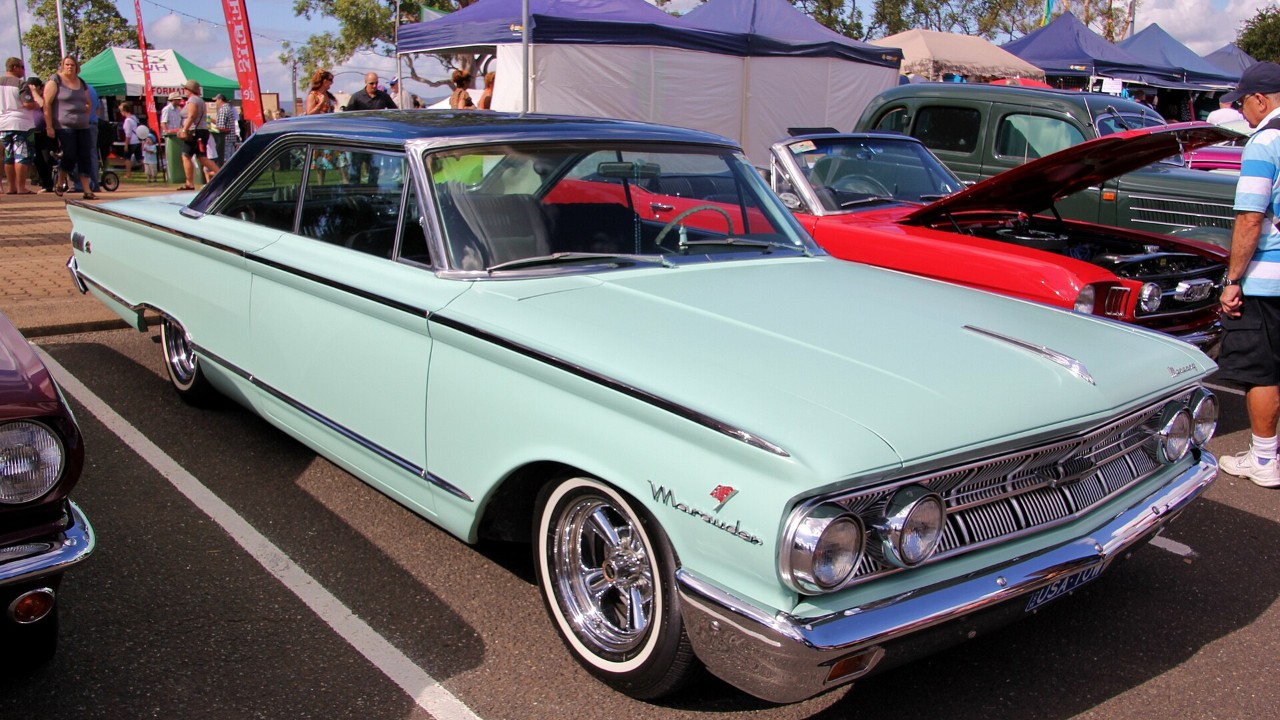
Mercury’s big cars were known for comfort and chrome. Then, midway through 1963, Ford Motor Company added two 427 V8s to its full-size lineup. Before that, the top choices were 406s rated at 385 and 405 horsepower. According to Street Muscle, the Q-code 427 made 410 horsepower with one four-barrel. Meanwhile, the R-code version made 425 horsepower with two four-barrels.
Mercury paired those engines with a new semi-fastback roof inspired by NASCAR, which it called the Marauder. Ford’s own version, the Sports Hardtop, got the same idea. Mercury built 2,317 S-55 Marauders that year, but no solid factory records show how many got a 427.
Our take: a big Mercury with a race-bred 427 is about as far from its sleepy image as a car can get. Most people see the chrome and the Breezeway styling cues and think of a comfortable cruiser. In reality, an R-code Marauder carried the same engine that Ford took racing. If you find one with paperwork proving its engine, you’ve found something special, because the records are so thin. Without that proof, we’d treat any claimed 427 car with healthy caution.
8. 1965 Chrysler 300L
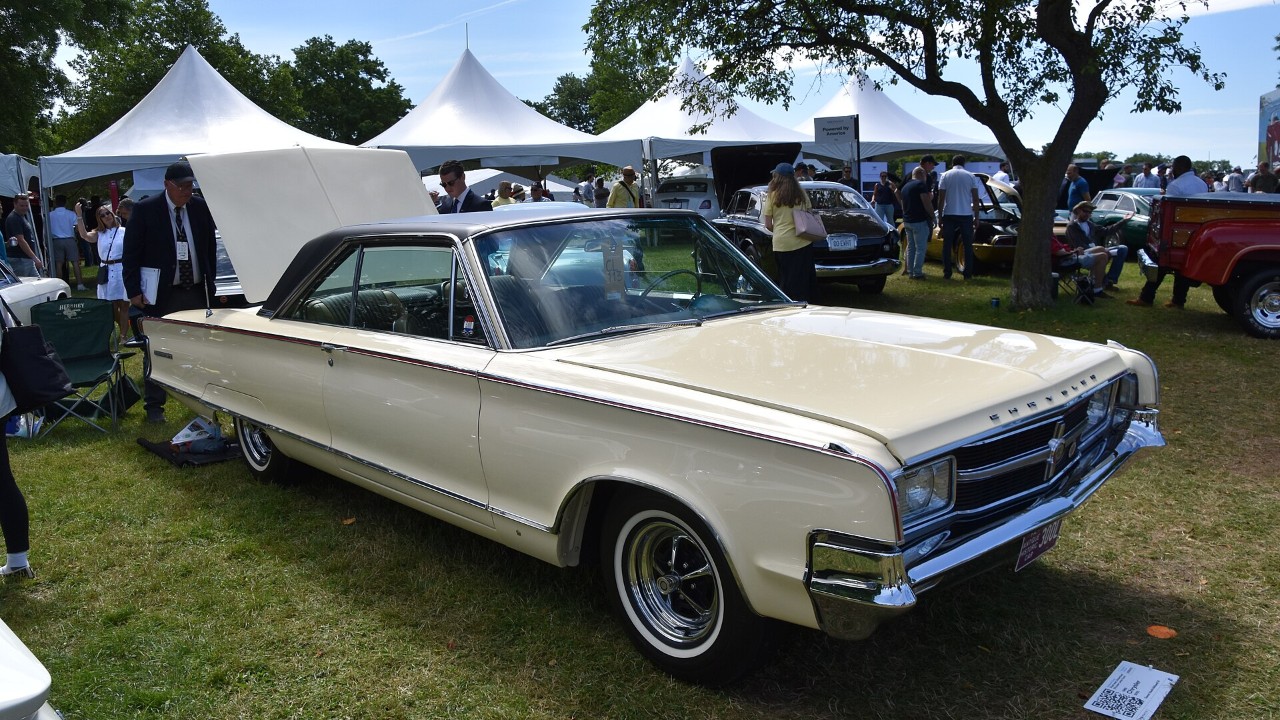
The 300L closed the letter-car series, and by then the big Chrysler had gone softer in the public eye. Even so, it carried a 413 V8. According to Street Muscle, Chrysler rated that engine at 360 horsepower for 1965, down from earlier letter cars.
Production was small. Chrysler built 2,405 hardtops and 440 convertibles, so most people never saw one on the road. Without the fins of earlier letter cars, the 300L looked more like a sedate executive car. That look hid a 360-horsepower V8 and a car built for long, fast highway miles.
In our view, the 300L is the letter car people forget when they talk about Chrysler performance. It lacked fins and wild ram tubes, and so it lacked drama. Yet a 360-horsepower big Chrysler was a serious highway runner in 1965. We covered why it closed an era in our piece on the 1965 Chrysler 300L, and its speed is a big part of that story. If you want a letter car you can drive often, this is the one we’d shop for first. It’s the quiet finale of a loud series.
9. 1966 Ford Galaxie 500 7-Litre
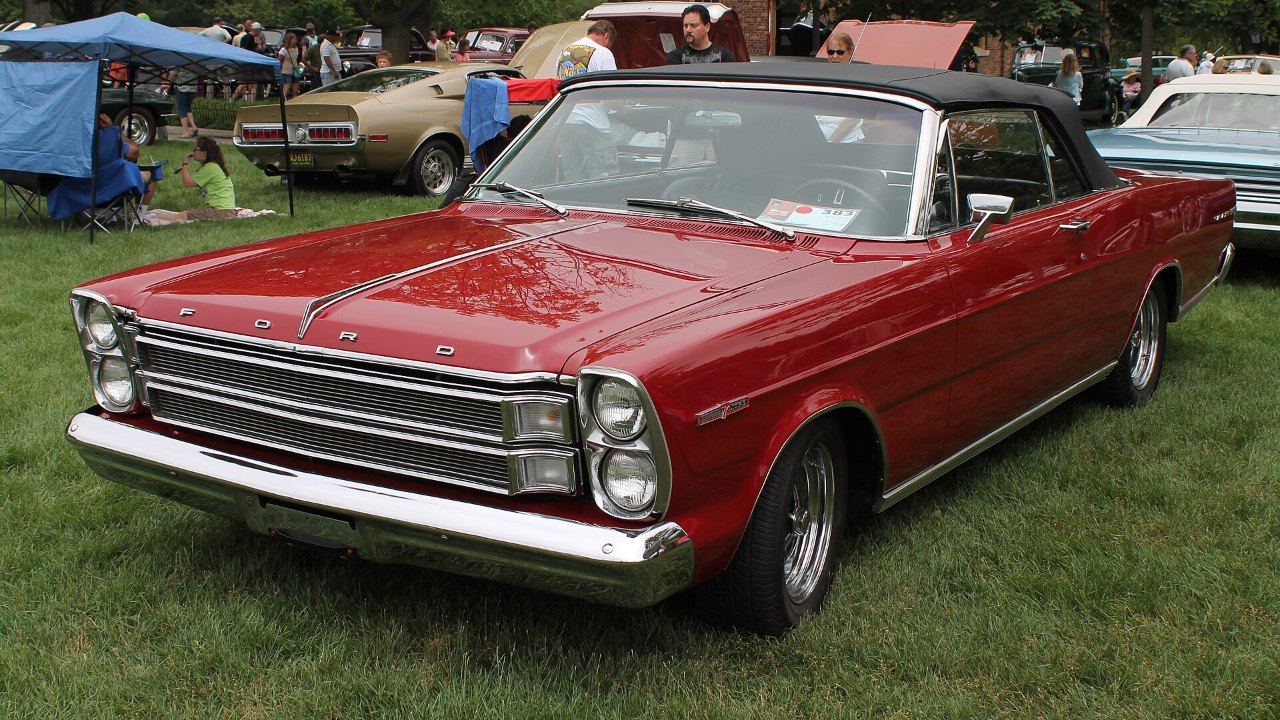
The 7-Litre looked like a dressed-up Galaxie 500 XL, with special badges and a wood-grain steering wheel. However, it came standard with a 428 V8. According to Old Cars Weekly, the engine made 345 horsepower and came with a C6 automatic and power disc brakes.
Buyers could also order 410- and 425-horsepower 427s, which required a four-speed. In a CARS magazine test, a four-speed 7-Litre convertible ran the quarter-mile in 15.8 seconds at 82 mph. That’s quick for a 4,059-pound open car. Even an automatic hardtop ran 16.8 seconds at 84 mph. Ford built 11,174 7-Litres, including 2,368 convertibles. Only two of those convertibles got the 425-horsepower 427 with a four-speed. Then, for 1967, the 7-Litre became an option package instead of its own model.
Our take: the 7-Litre is the full-size Ford that people underestimate most. It looked like a comfortable cruiser built for a long weekend away. In reality, the standard 428 and disc brakes made it one of the most capable big Fords of the decade. We’d take a four-speed 7-Litre convertible over almost any other Galaxie.
10. 1957 Ford Fairlane 500 Supercharged 312
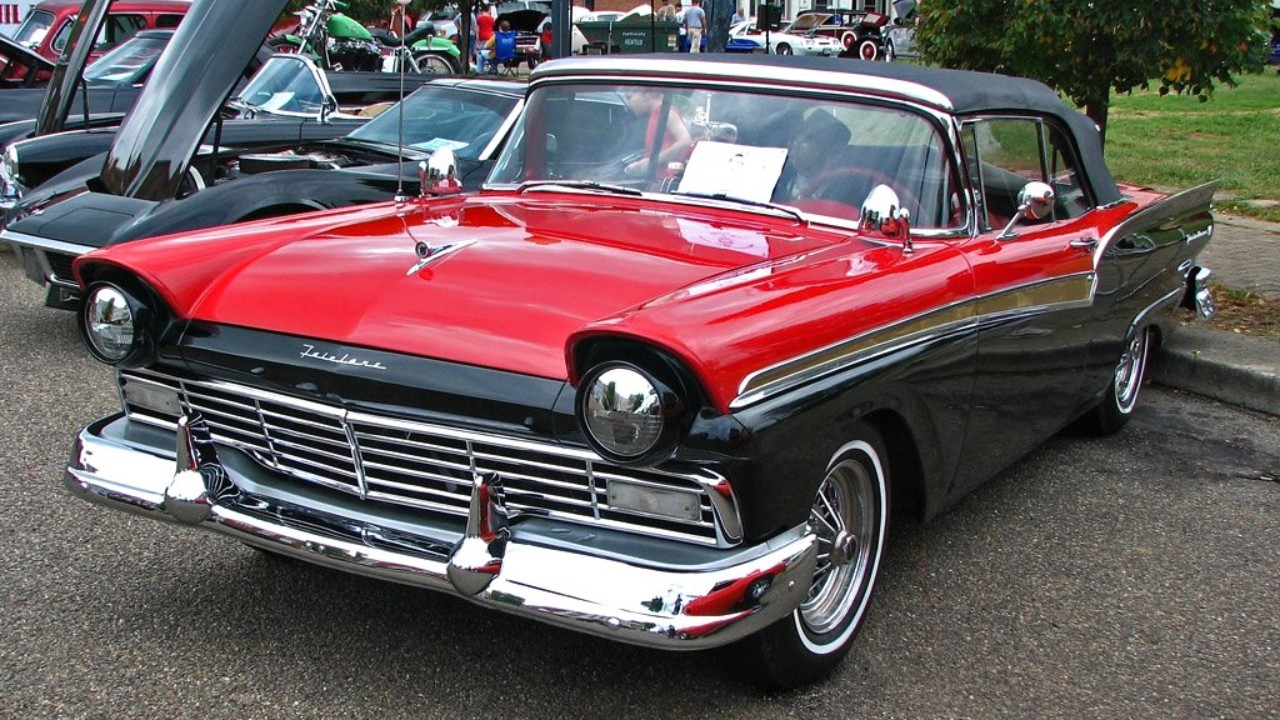
The 1957 Fairlane 500 was Ford’s top family sedan. Few buyers knew it could carry a supercharger. According to RM Sotheby’s, the 312 V8 came in three forms that year: 245 horsepower, 270 horsepower and a supercharged 300 horsepower. Ford advertised the blower as “available in any series.”
The supercharged engine used a McCulloch-Paxton centrifugal unit. RM calls it the most powerful engine Ford put in a passenger car in 1957. Also, according to Silodrome, Ford built it to homologate the supercharged engine for NASCAR, and it made 439 lb-ft of torque at 2,600 rpm. Ford first built 15 competition cars, which ran at the Daytona Beach Speed Trials in 1957.
Our take: most supercharged 312s went into Thunderbirds, which already had a sporty image. That’s why the Fairlane version is the bigger surprise. It looked like a family sedan, yet it carried the strongest engine Ford sold that year. If you find one, check the chassis number for the leading F that marks a real supercharged car. A genuine F-code Fairlane is a rare and rewarding find.
11. 1962 Chevrolet Bel Air 409
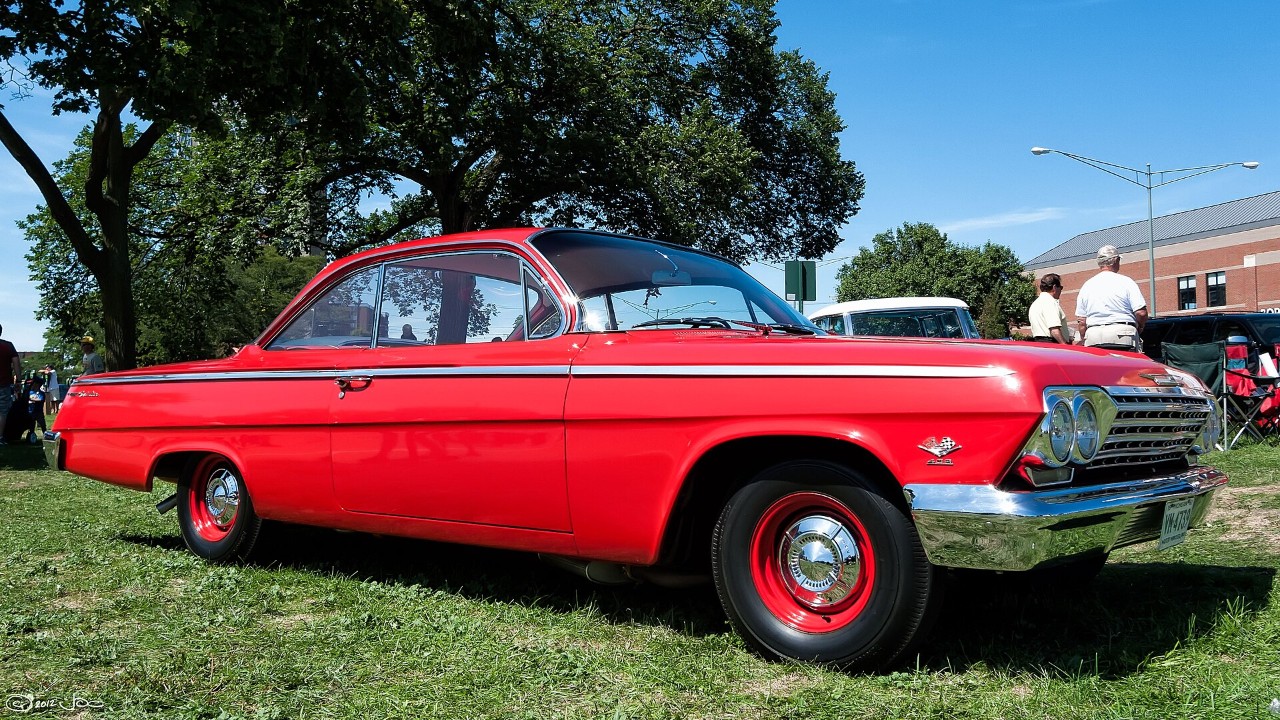
The Bel Air name meant a comfortable family Chevrolet in 1962. Yet it could carry the hottest engine Chevy sold. According to GM Heritage, the 409 V8 in the company’s own Bel Air bubbletop makes 409 horsepower. It uses solid lifters and a manual transmission.
That combination was quick. GM Heritage says the car was capable of a 12.2-second quarter-mile, and its car is priced at $3,152. A car just like it appeared on the cover of the Beach Boys’ album 409, so its fame spread well beyond the drag strip. Chevrolet offered five V8s in its 1962 full-size cars, and the 409 sat at the top of that list.
In our view, the Bel Air 409 is faster than its badge suggests. The name says family car, while the 12-second time says drag strip. That makes a 409 Bel Air bubbletop one of the smartest buys of 1962. If you shop for one today, ask for proof that the 409 is original, because the engine is the whole story. A documented car is well worth the extra wait.
12. 1963 Dodge 330 Max Wedge
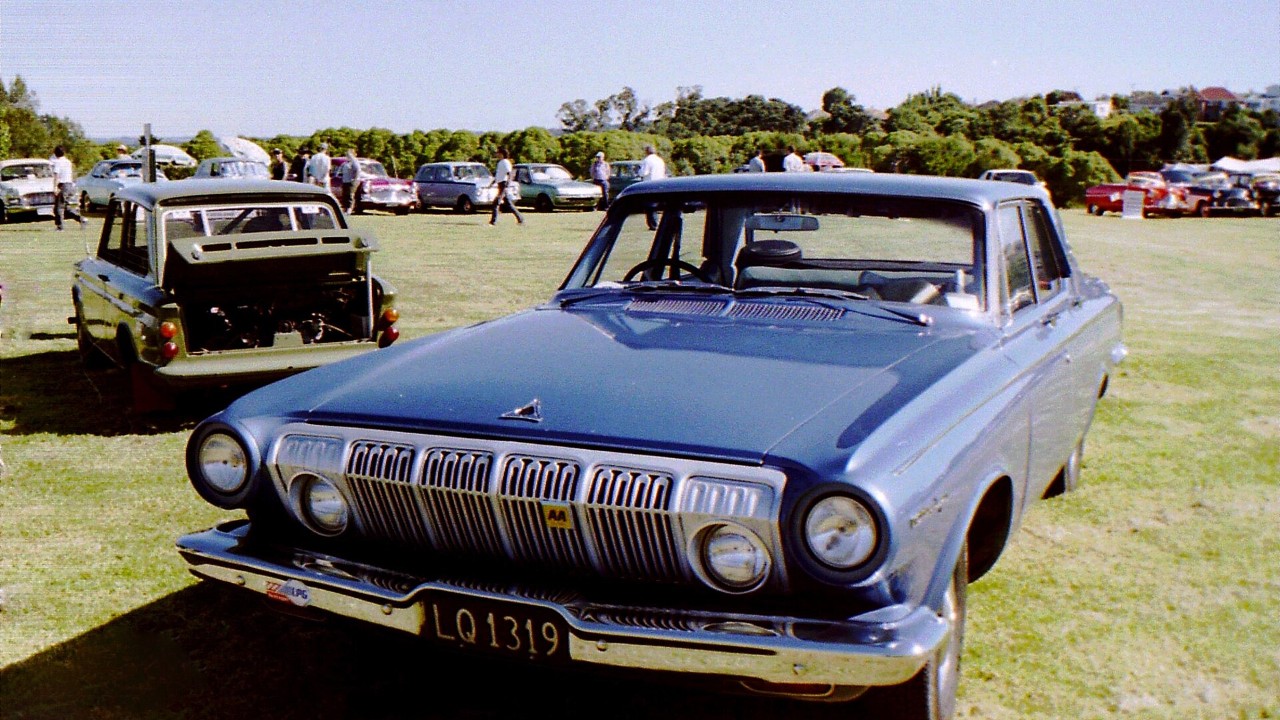
The Dodge 330 was a plain, low-trim sedan. Then Dodge offered the Max Wedge 426 for it. According to EngineLabs, the 415-horsepower version added $445 to a $2,245 Dodge 330 two-door, for a total of $2,690. A 425-horsepower version ran 13.5:1 compression and a 320-degree cam.
Those engines turned a budget Dodge into a drag-strip winner. In fact, lightweight Dodge 330s and Plymouth Savoys ran the quarter-mile in the low 12s at about 116 mph, the same source says. Dodge called its version the Ramcharger. The hotter 425-horsepower engine also made 480 lb-ft of torque. Before that, in 1962, the Max Wedge 413 had already turned these plain B-body cars into drag racers.
Our take: the 330 Max Wedge is the definitive plain-wrapper car of its era. It had a body you could mistake for a fleet sedan. Yet on a drag strip, few cars of 1963 wanted to line up next to it. Our look at the Dodge 426 Max Wedge engine goes deeper into the hardware. For a car that cost $2,690 with the 415-horsepower engine, that 12-second speed is the fact worth remembering.
More from Fast Lane Only