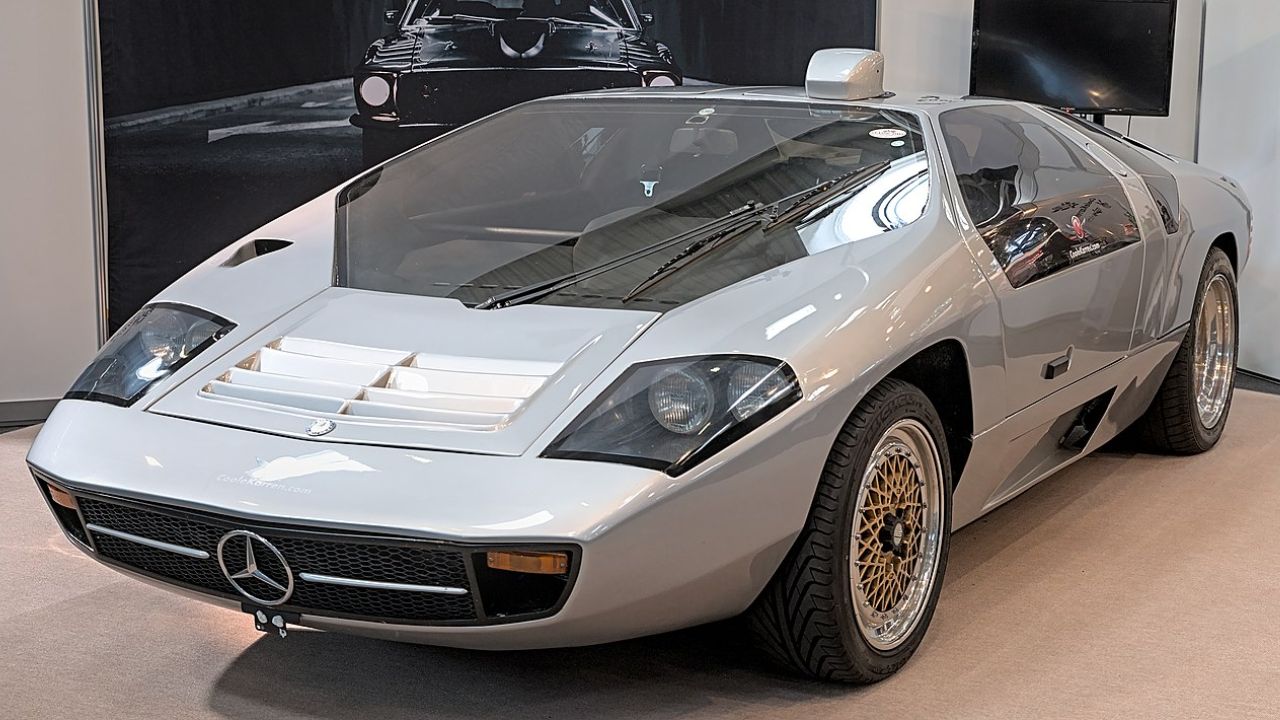
Sports cars do not have to be million-dollar exotics to be rare. Plenty of interesting performance cars were produced in small numbers, sold in limited markets, or simply disappeared as owners stopped preserving them. These machines often have fascinating designs and serious performance credentials, yet most drivers have never encountered one outside a photograph. Here are 20 rare sports cars that are especially easy to miss in the real world.
Iso Grifo
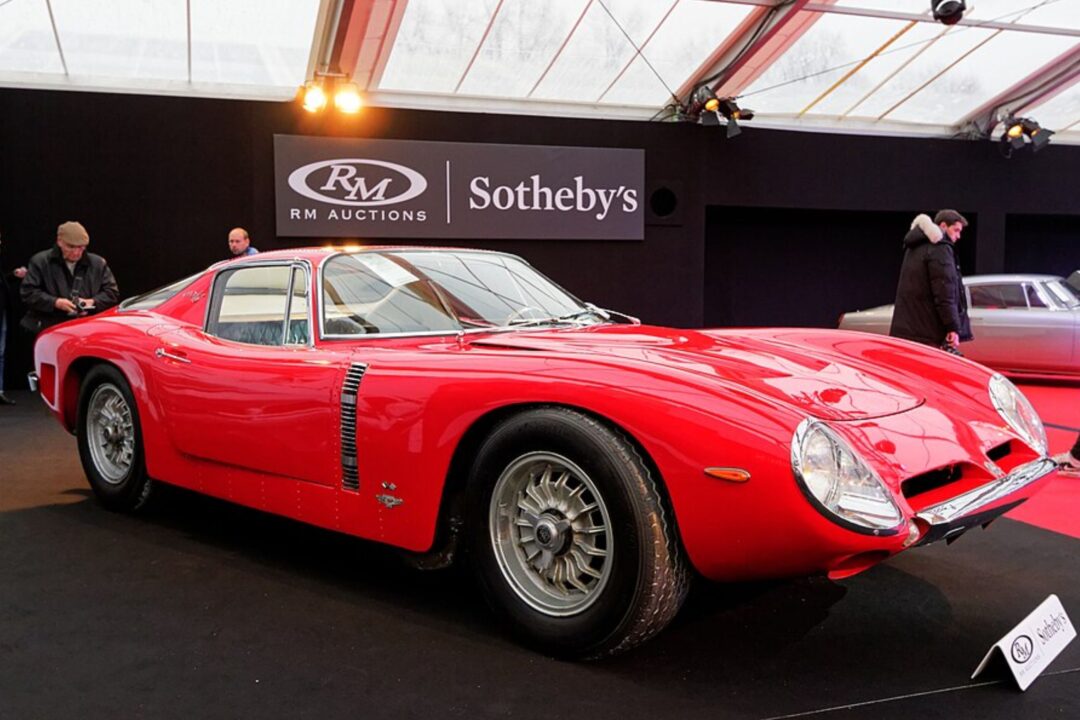
The Iso Grifo combined Italian styling with American V8 power, creating one of the most interesting grand touring cars of its era. Its sleek body was designed by Giorgetto Giugiaro, while different versions used engines from Chevrolet and Ford. Production remained limited, so surviving examples are rarely encountered outside major collections and specialist shows. The Grifo’s long hood, low roof, and aggressive stance make it instantly recognizable to enthusiasts who know what they are looking at.
Jensen Interceptor

The Jensen Interceptor was a British grand tourer with an unusual combination of elegant styling and American muscle. Its large glass rear hatch and powerful Chrysler V8 gave it a personality unlike most European sports cars. Jensen produced relatively few Interceptors compared with mainstream performance cars, and many have disappeared over the decades. A well-preserved example is difficult to overlook, especially because its unusual proportions make it stand apart from more familiar British classics.
De Tomaso Mangusta
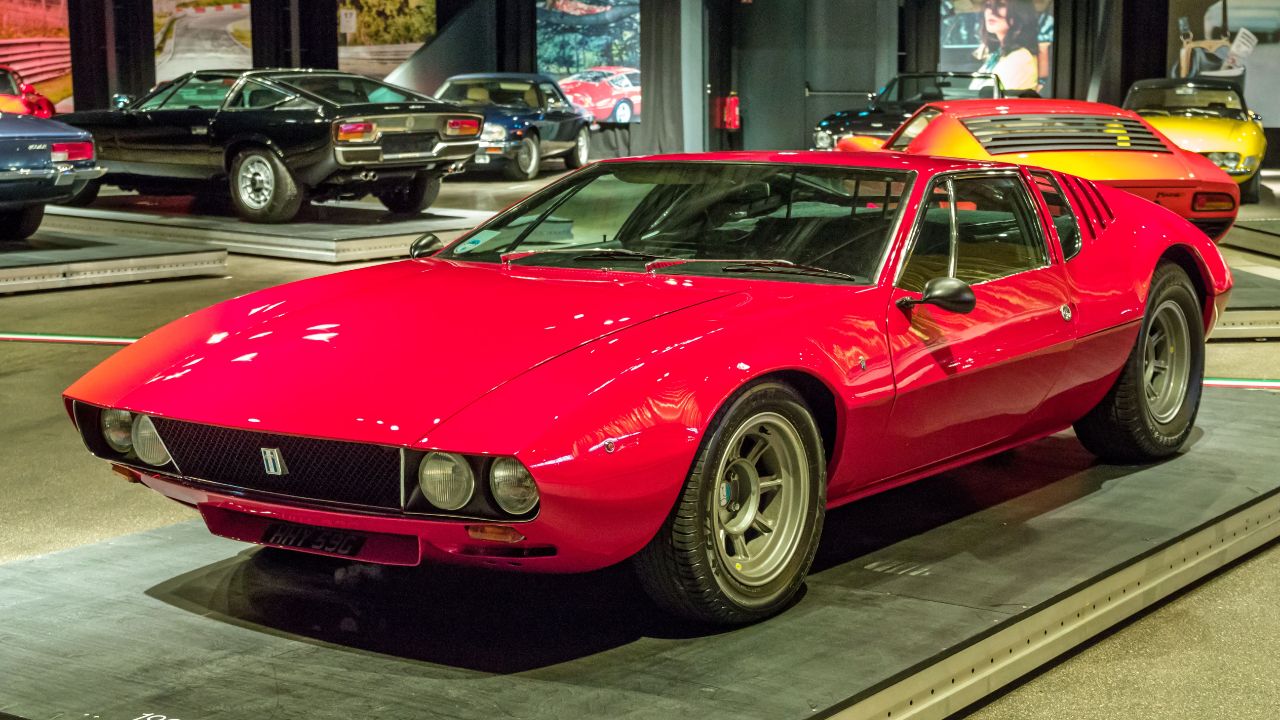
The De Tomaso Mangusta was one of the Italian marque’s most dramatic early sports cars. Its sharp bodywork and unusual gullwing-style engine covers gave it a memorable appearance, while a Ford V8 provided the power. Production numbers were modest, making the Mangusta far less common than the later Pantera. Today, seeing one in person is a rare event, and its distinctive shape can make even knowledgeable enthusiasts stop for a closer look.
Monteverdi 375 L
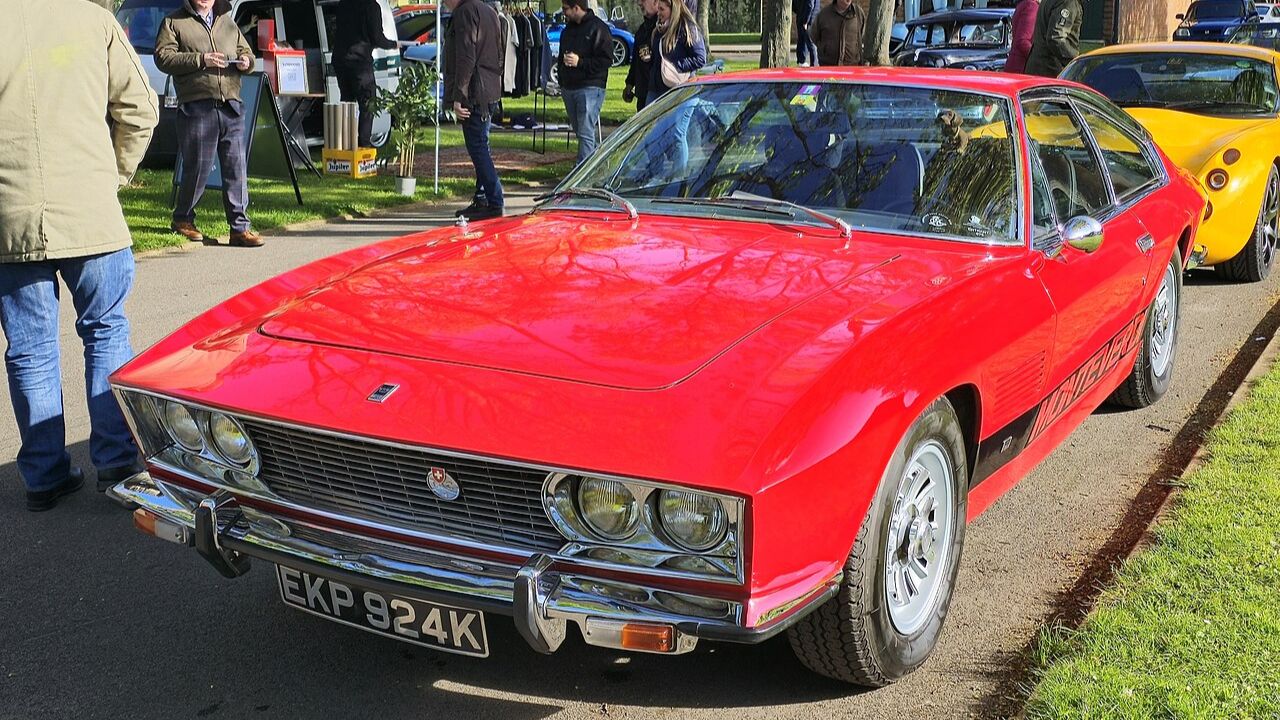
The Monteverdi 375 L was a Swiss-built grand tourer that combined European craftsmanship with American V8 power. Its elegant bodywork gave it a sophisticated appearance, while the Chrysler engine provided the performance expected from a serious GT. Monteverdi produced these cars in very small numbers, leaving relatively few survivors. Because the brand never achieved the recognition of Ferrari, Porsche, or Maserati, the 375 L remains a particularly unusual sight at classic-car gatherings.
Bricklin SV-1
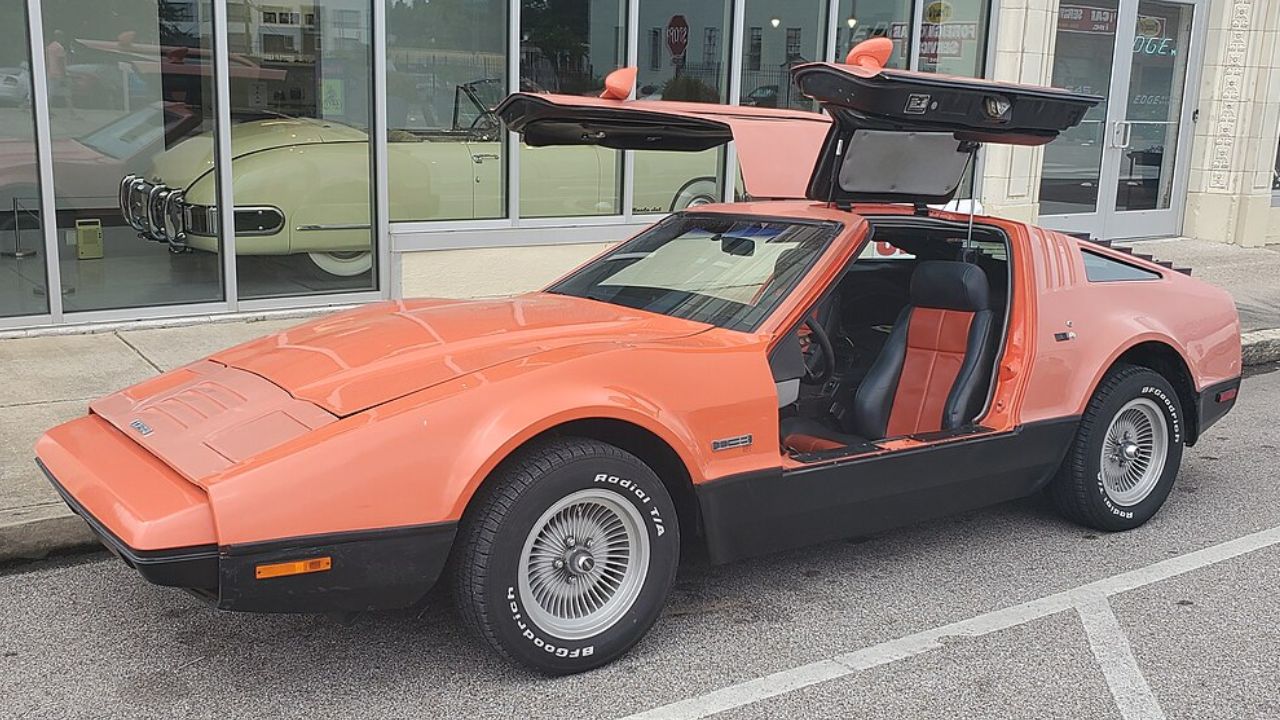
The Bricklin SV-1 was an unusual Canadian sports car that attempted to combine performance with safety-conscious design. Its gullwing doors and distinctive wedge-shaped body immediately separated it from conventional sports cars. The project had a short production run, which makes surviving examples relatively uncommon today. The SV-1 is especially memorable because its design looks unlike most other American performance cars from the 1970s, making an encounter with one a genuine curiosity.
Bitter CD
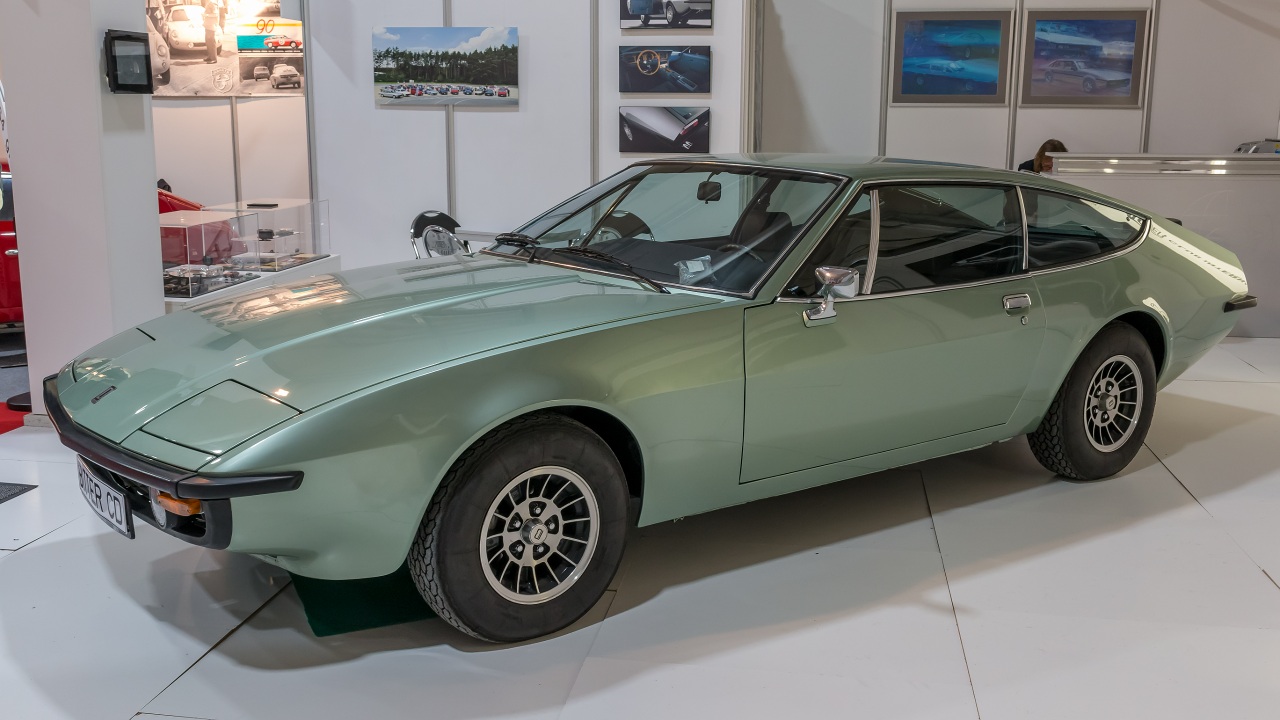
The Bitter CD was a German grand tourer created by former racing driver Erich Bitter. Its sleek Italian-influenced styling covered a chassis and mechanical package derived from Opel components. Production numbers were extremely low, and the car was never widely sold outside a handful of markets. That makes surviving examples unusual even among European car enthusiasts. Its long hood, low roof, and fastback profile give it a distinctive presence that can be difficult to identify at first glance.
Ginetta G15

The Ginetta G15 was a tiny British sports car that placed a great deal of character into a remarkably small package. Its rear-mounted engine and lightweight construction gave it an unusual driving personality, while its compact body helped make it agile on narrow roads. Ginetta produced the G15 in limited numbers, and many examples have passed through enthusiast ownership over the decades. Its miniature proportions make it especially easy to overlook in photographs but unforgettable when seen in person.
TVR Tasmin
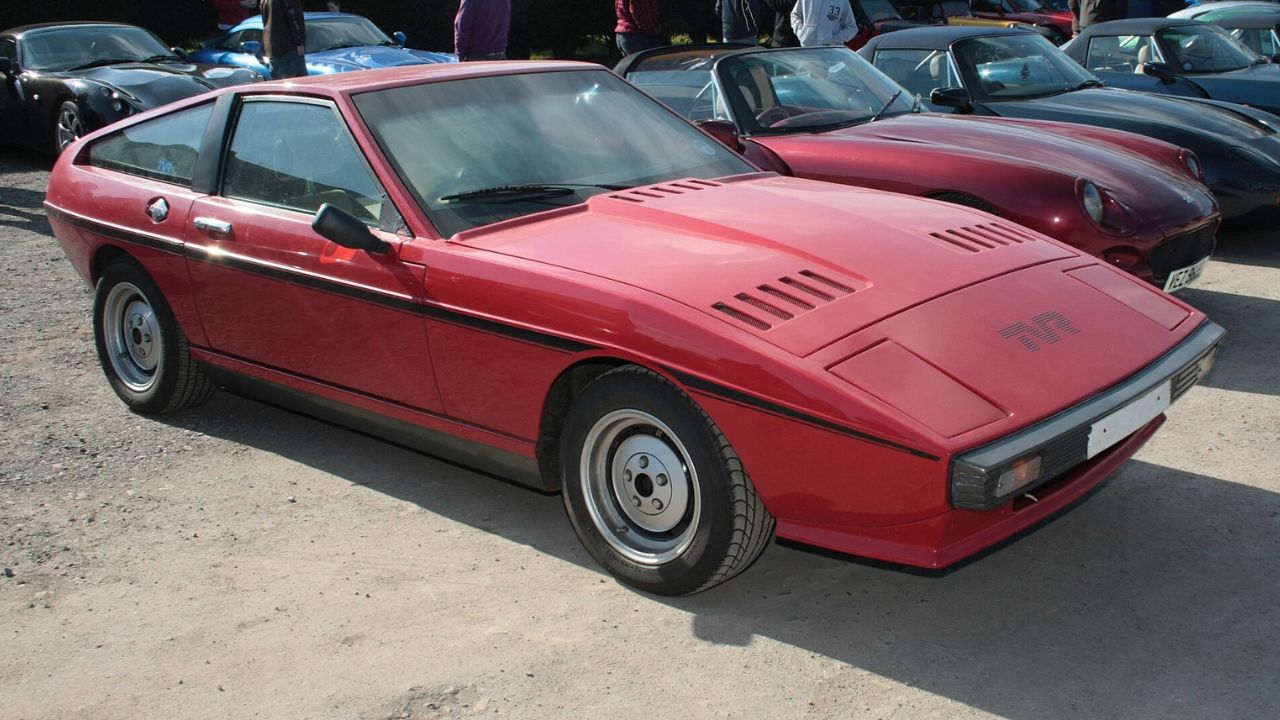
cropped and plates cleared by uploader Mr.choppers, CC-BY-SA-2.0 / Wiki Commons
The TVR Tasmin marked a new design direction for the British manufacturer, using sharp wedge-shaped styling instead of the rounded forms associated with some earlier TVRs. It was available in several configurations and offered strong performance for its time. Limited production and TVR’s relatively small international presence kept the Tasmin from becoming a familiar sight. Today, its angular bodywork and unusual proportions make a surviving example instantly interesting at a gathering.
Marcos GT

The Marcos GT was one of Britain’s most unusual sports cars, with a remarkably low roof and long, narrow body. Its distinctive styling came from a small specialist manufacturer rather than a major automaker, which helped keep production numbers low. Different engines were used throughout its life, but the unusual shape remained its biggest calling card. A Marcos GT can look almost unreal when parked beside more conventional sports cars from the same period.
Lancia Stratos

The Lancia Stratos became famous through rallying, but the road-going version is extraordinarily rare compared with ordinary performance cars. Its compact wedge-shaped body was designed around a mid-mounted engine and was built to satisfy homologation requirements. The short wheelbase and dramatic proportions give it an appearance unlike almost anything else from the 1970s. Even serious car enthusiasts may only encounter a Stratos at a major collection or specialist event.
Lamborghini Jalpa
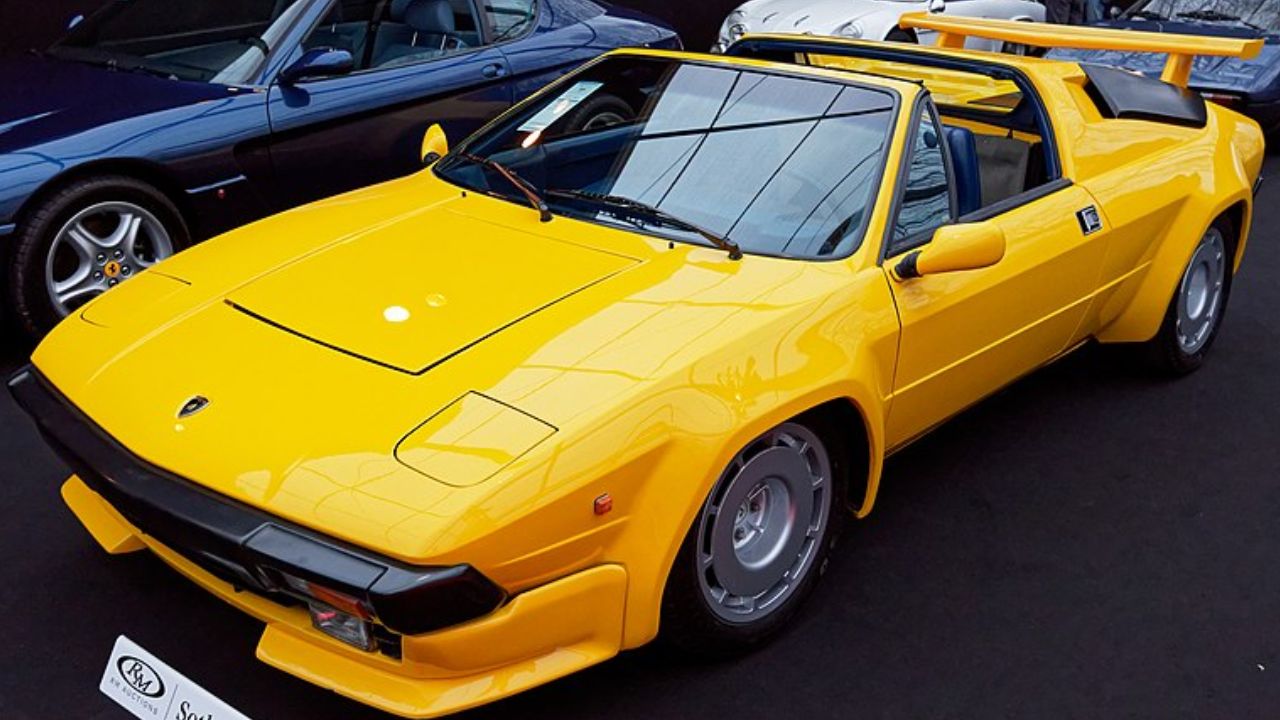
The Lamborghini Jalpa lived in the shadow of more famous Lamborghinis, which is part of why it remains relatively unfamiliar. It was a V8-powered mid-engine sports car with sharp styling and a removable roof section on certain versions. Production numbers were much lower than those of more mainstream sports cars, and many examples have ended up in private collections. A Jalpa can easily surprise people who recognize the Lamborghini badge but have never seen this particular model.
Maserati Merak
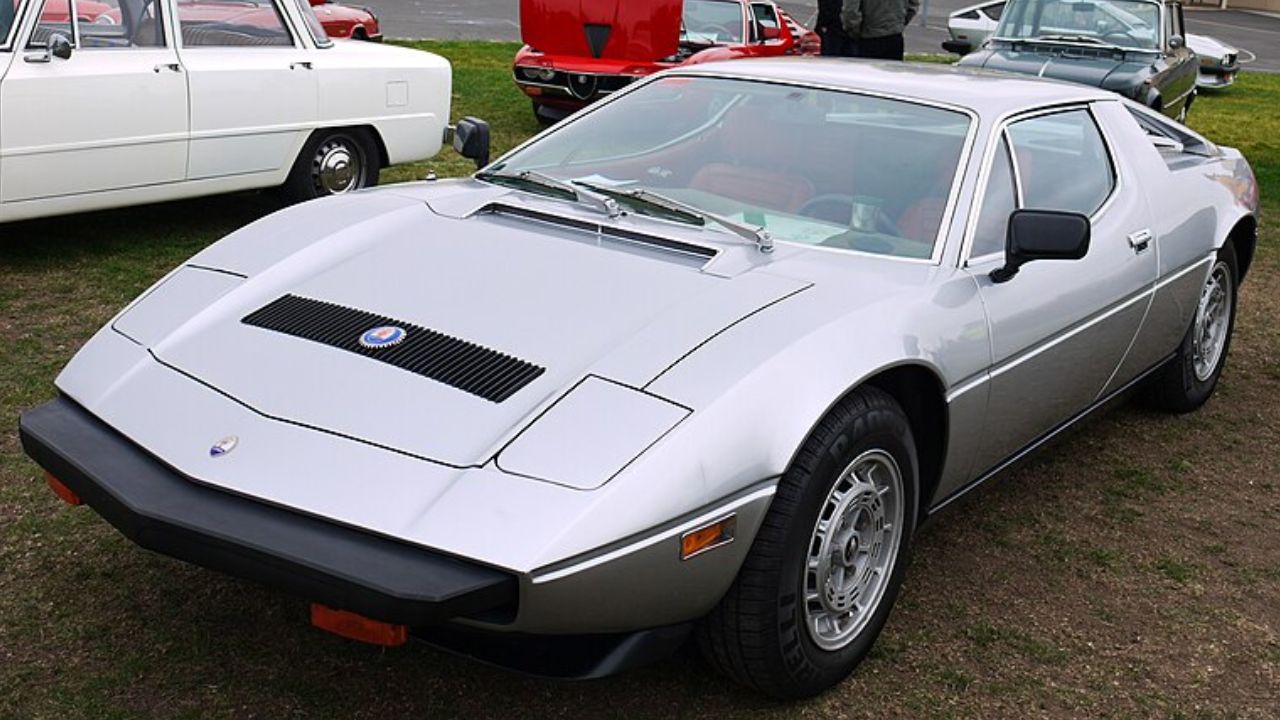
The Maserati Merak offered a more compact alternative to the company’s larger mid-engine sports cars. Its sleek body, glass engine cover, and flying-buttress rear design gave it a strong visual identity. The Merak used a Maserati V6 and shared some architecture with the Bora, but it was produced in relatively small numbers. Surviving cars are now uncommon enough that seeing one outside a specialist collection can be a memorable experience.
Saab Sonett III
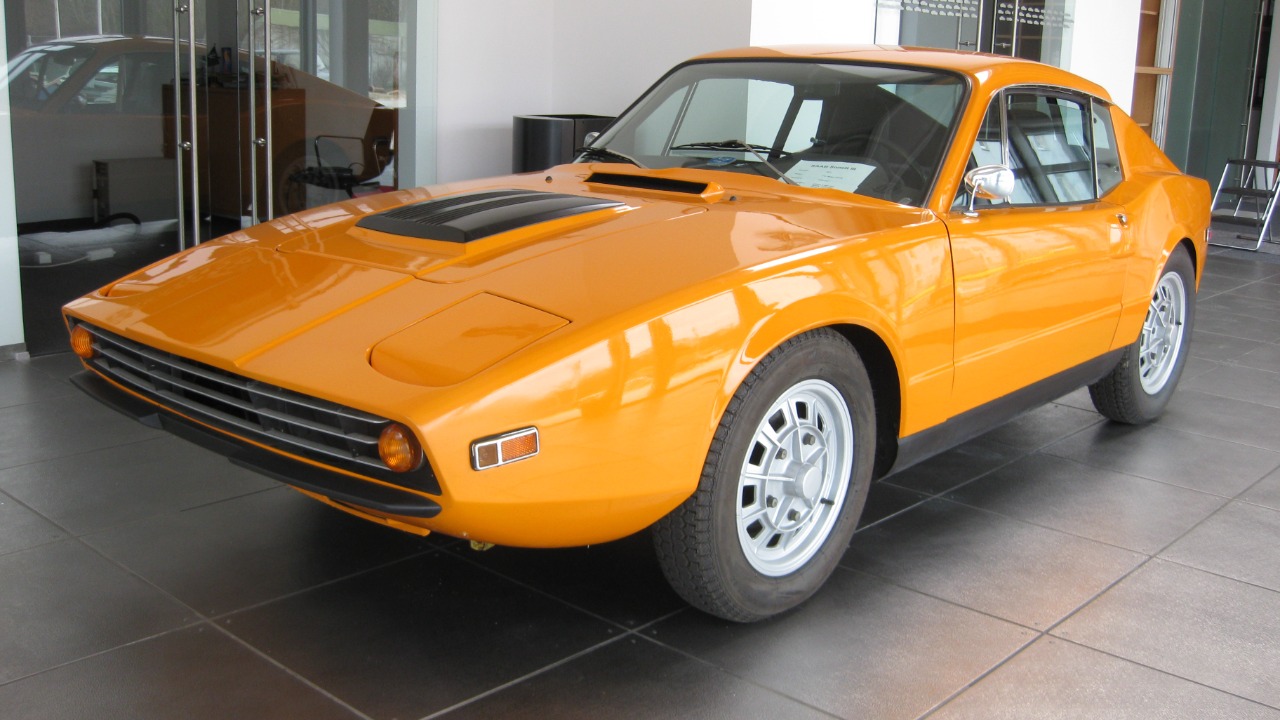
The Saab Sonett III was a small Swedish sports car with styling that looked unlike most European performance cars of its time. It combined front-wheel drive with a lightweight fiberglass body and a relatively compact engine. Saab produced only a limited number of Sonetts, and the model never became a major sales success. Its unusual wedge shape and distinctive proportions make it an easy car to remember once you have actually seen one.
Renault Alpine GTA
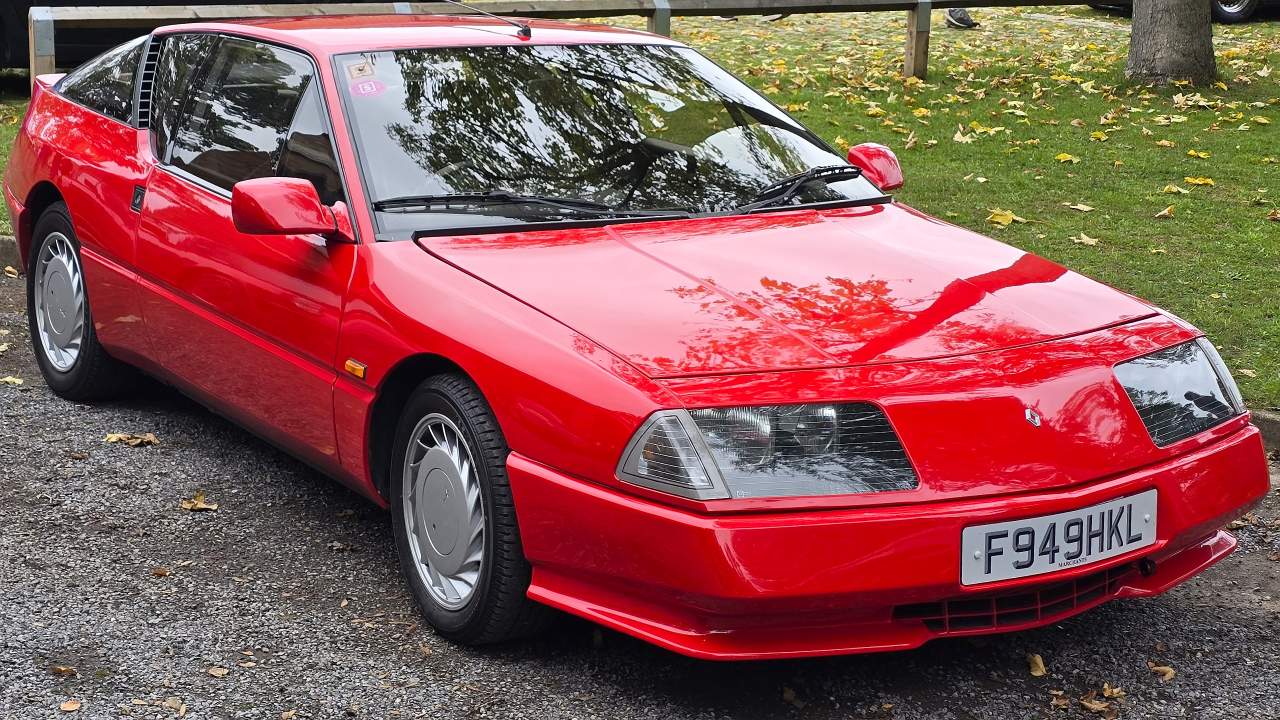
The Renault Alpine GTA was a lightweight French grand tourer with a rear-mounted V6 and fiberglass bodywork. Its aerodynamic shape gave it a sleek appearance, while turbocharged versions offered considerably more performance than the styling initially suggested. Alpine was never a mass-market sports-car brand, especially outside Europe, so the GTA remains unfamiliar to many enthusiasts elsewhere. A clean example today can easily be mistaken for a much newer sports car.
Venturi 200
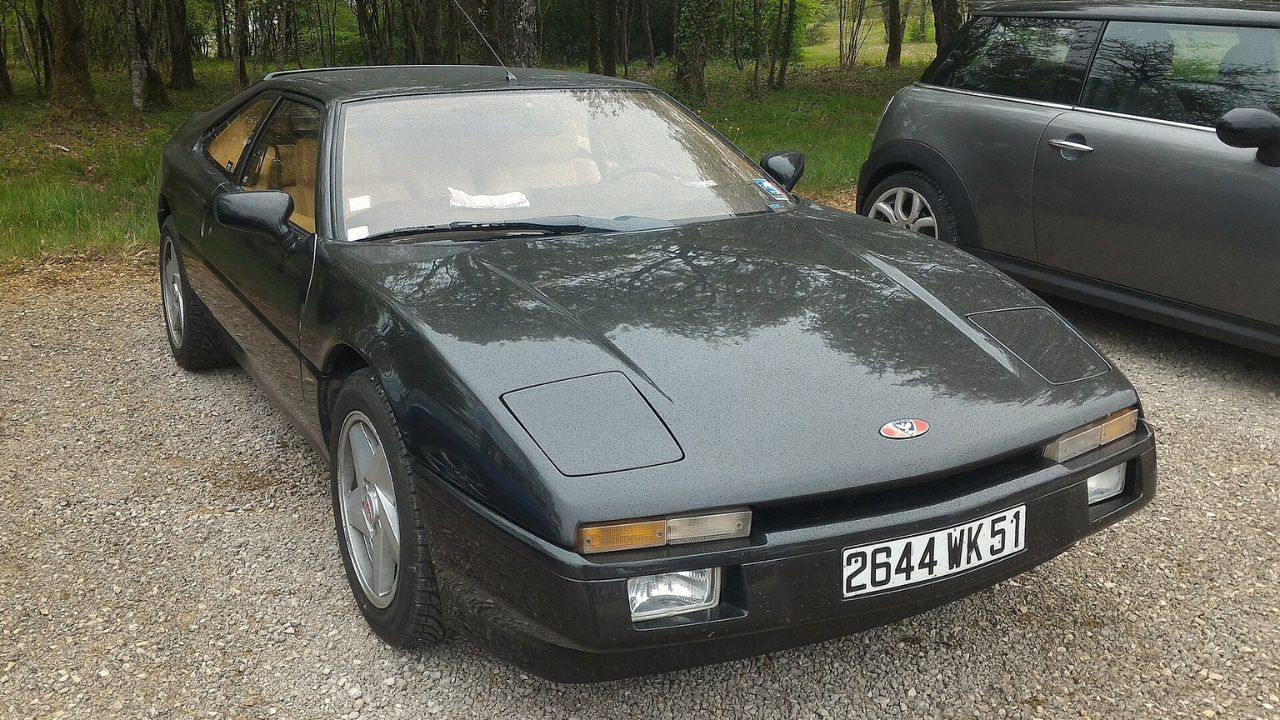
The Venturi 200 came from a small French manufacturer that specialized in low-volume performance cars. Its mid-engine layout and turbocharged powertrain gave it genuine sports-car credentials, while the understated styling avoided the visual drama associated with many Italian exotics. Venturi built cars in small numbers, and the brand had limited exposure outside France and neighboring markets. As a result, spotting a 200 in person remains a rare experience even for dedicated sports-car fans.
Vector W8
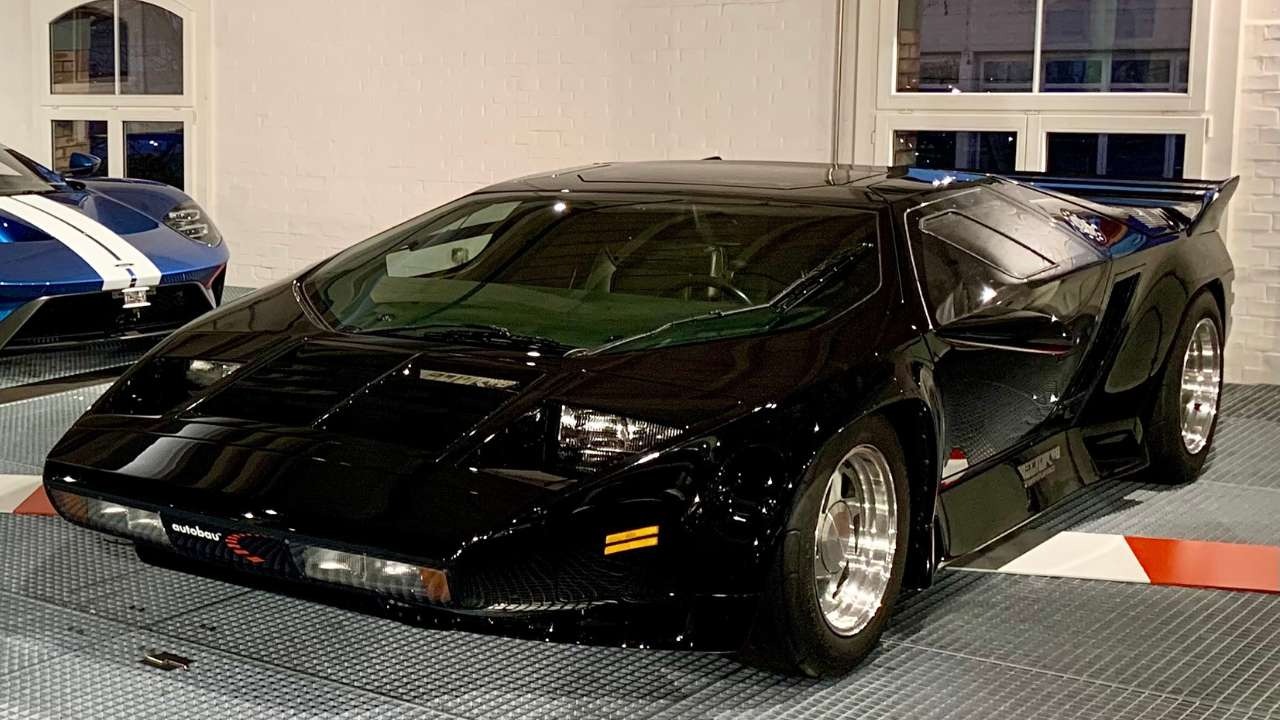
The Vector W8 was an American supercar that looked more like a futuristic concept car than a production vehicle. Its sharp bodywork, extremely low roofline, and complicated powertrain reflected the company’s ambition to compete with the world’s most exotic manufacturers. Production was tiny, and the W8 never became a familiar sight even among wealthy performance-car buyers. Today, its angular styling and rarity make it one of the most recognizable low-volume American supercars.
Cizeta-Moroder V16T
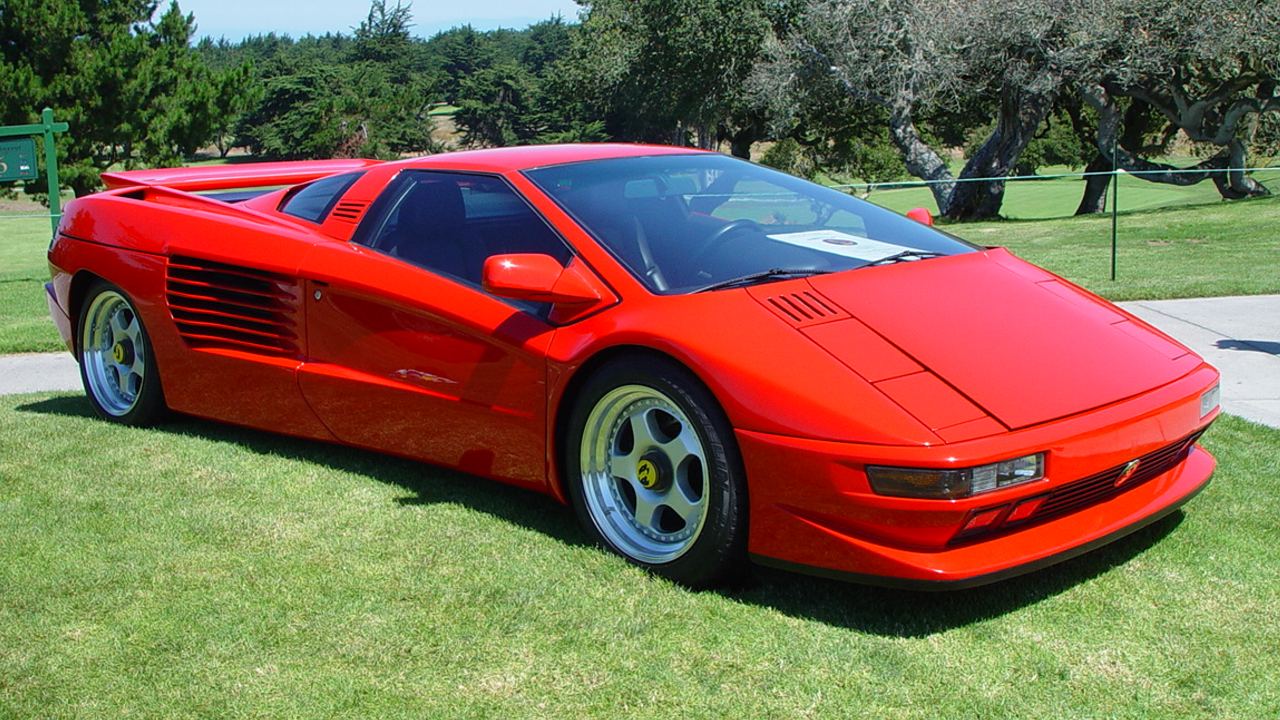
The Cizeta-Moroder V16T was one of the strangest supercars of the early 1990s. Its styling came from Marcello Gandini, while the unusual powertrain used two V8 banks combined into a 16-cylinder engine layout. Production numbers were extremely small, making the car exceptionally difficult to encounter. Its pop-up headlights, broad body, and dramatic proportions already make it unusual, but the story behind its development makes a real example even more fascinating.
Isdera Imperator 108i
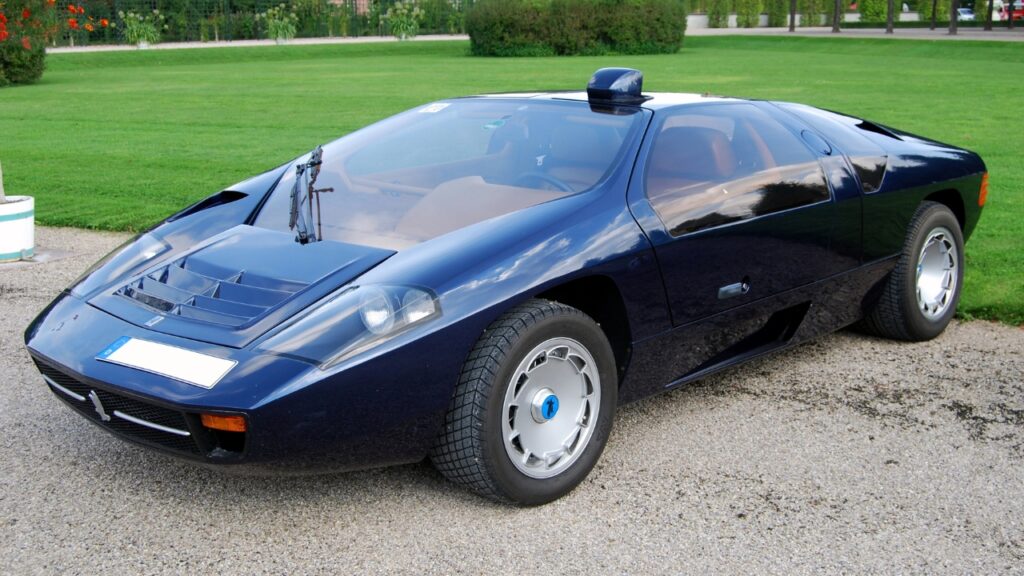
The Isdera Imperator 108i was a hand-built German supercar produced in extremely small numbers. Its unusual design featured a low roofline, covered rear wheels, and a distinctive periscope-style rear-view mirror. Mercedes-Benz engineering influenced its development, but Isdera remained a tiny independent manufacturer. Because so few were produced, most enthusiasts will never see one outside photographs or specialized collections. Its strange combination of futuristic styling and handcrafted construction makes it especially memorable.
Vector M12
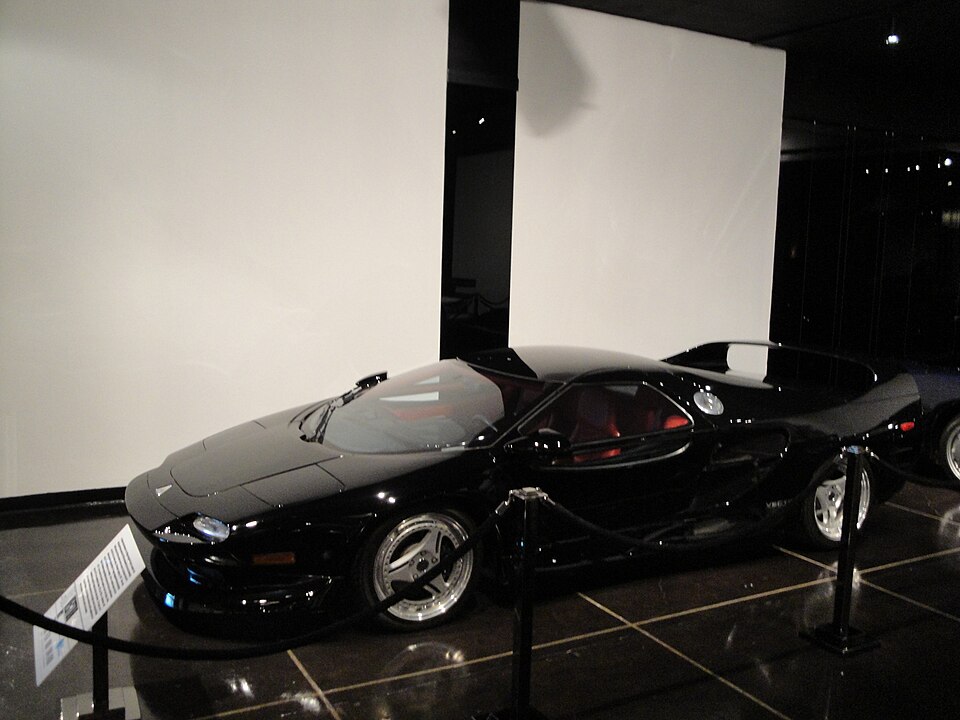
The Vector M12 followed the earlier W8 and represented another attempt by the American company to build an exotic performance car. Its styling retained the dramatic wedge shape associated with Vector, while the mechanical package differed significantly from its predecessor. Only a small number were built, leaving the M12 far rarer than almost any mainstream sports car. Seeing one in person is particularly unlikely because even many enthusiasts are more familiar with the W8.
Dodge Viper RT/10

The original Dodge Viper is far more recognizable than most cars on this list, but early RT/10 examples are still surprisingly uncommon in many places. Its enormous V10, open-top body, side-exit exhausts, and minimal driver aids gave it a very different character from contemporary sports cars. Early examples are increasingly collectible, and many have been carefully preserved. Spotting one today can still stop a crowd because its proportions and aggressive design remain unmistakable.
More from Fast Lane Only
- Unboxing the WWII Jeep in a Crate
- 15 rare Chevys collectors are quietly buying
- 10 underrated V8s still worth hunting down
- Police notice this before you even roll window down
*Research for this article included AI assistance, with all final content reviewed by human editors.