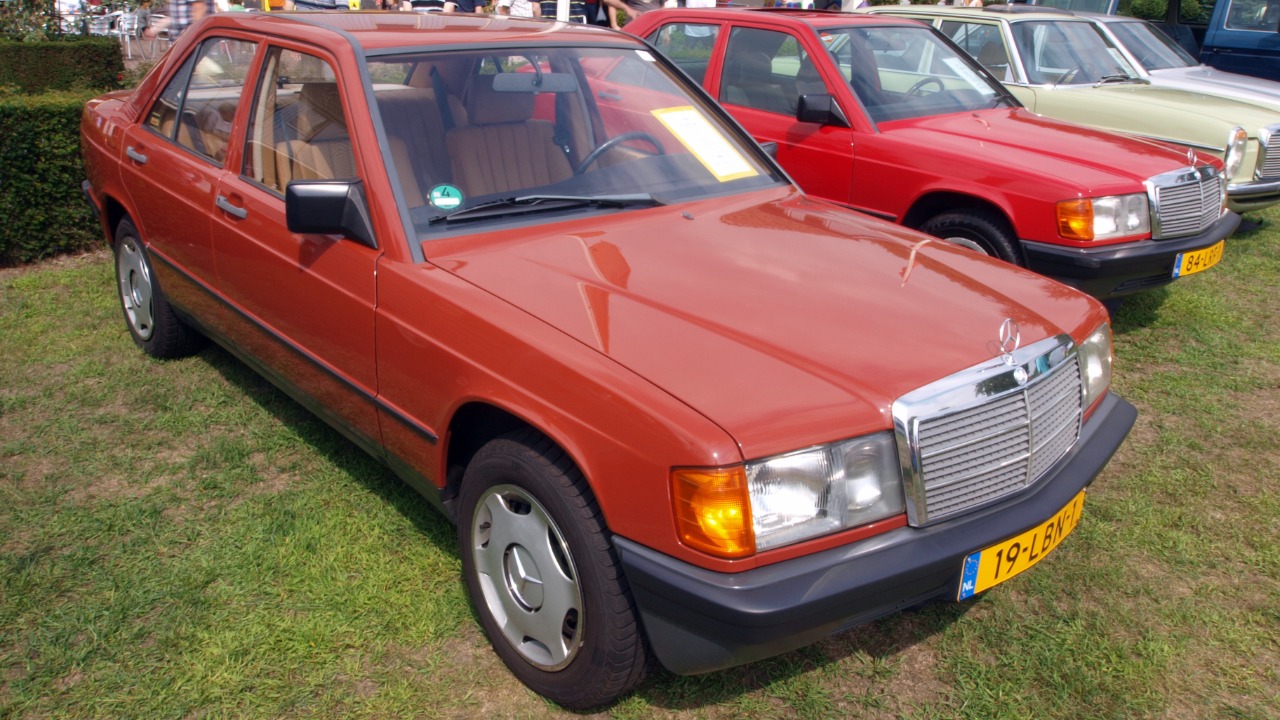
The 1980s produced cars that once seemed ordinary, affordable, and easy to overlook. Decades later, several have become desirable collector cars as enthusiasts rediscover their performance, styling, and engineering. Some have already climbed sharply in value, while others remain surprisingly attainable. These seven 1980s classics show why yesterday’s used cars can become tomorrow’s collectibles.
Buick Grand National
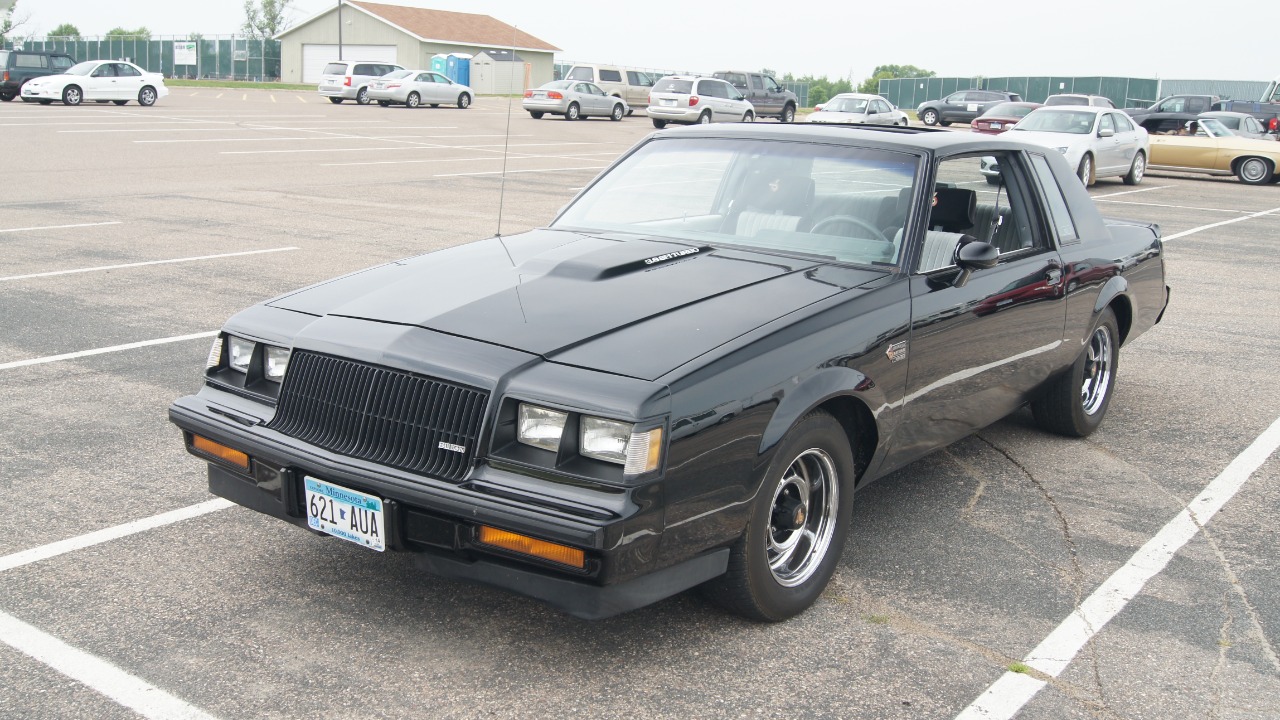
The Buick Grand National transformed an ordinary-looking personal luxury coupe into one of America’s most intimidating performance cars. Its turbocharged V6 delivered serious acceleration while the blacked-out styling gave it an unmistakable presence. The 1987 model became particularly desirable, with its 245-hp engine and impressive quarter-mile performance. The limited-production GNX pushed the formula even further and became one of the decade’s most valuable American performance cars.
Toyota Supra
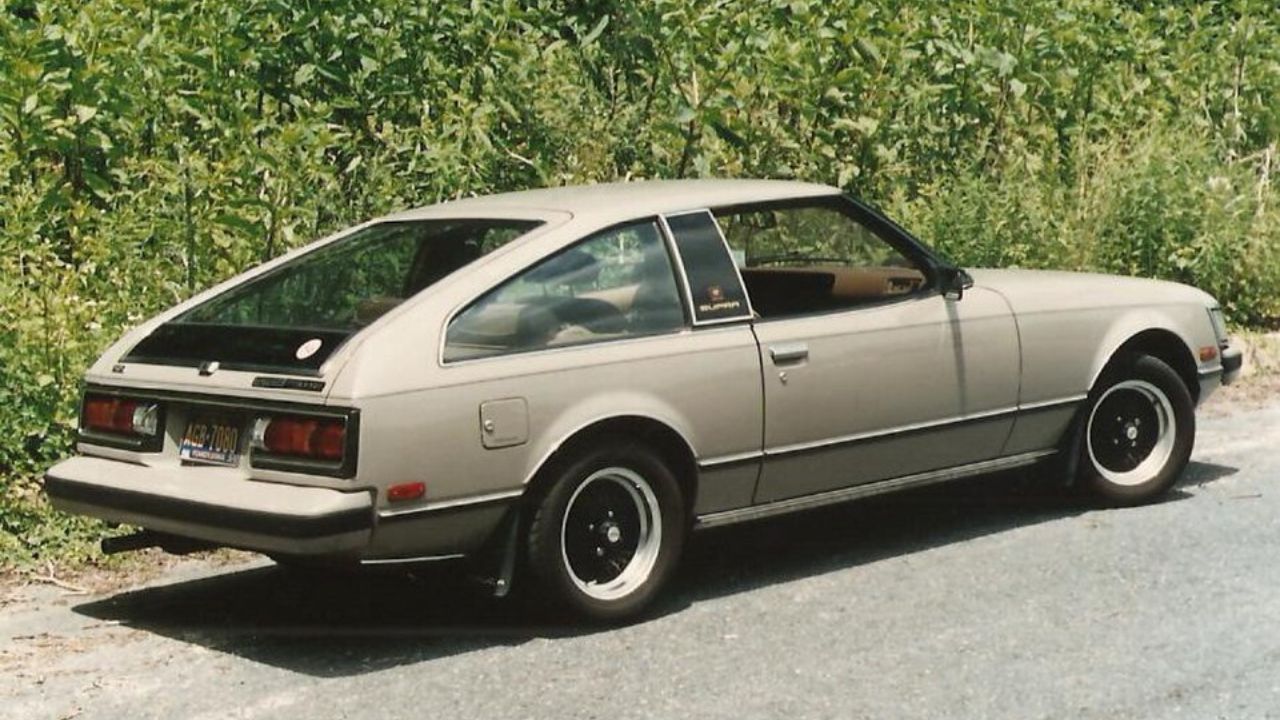
The second-generation Toyota Supra turned the Celica-based formula into a much more serious performance machine. Its 2.8-liter inline-six, rear-wheel drive, and available five-speed manual transmission gave it genuine sports-car credentials. Clean examples are increasingly difficult to find, especially as collectors recognize the importance of the model in Toyota’s performance history. Hagerty’s current data shows strong values for well-preserved early Mk II examples, with top-condition cars reaching significantly higher prices.
Porsche 944
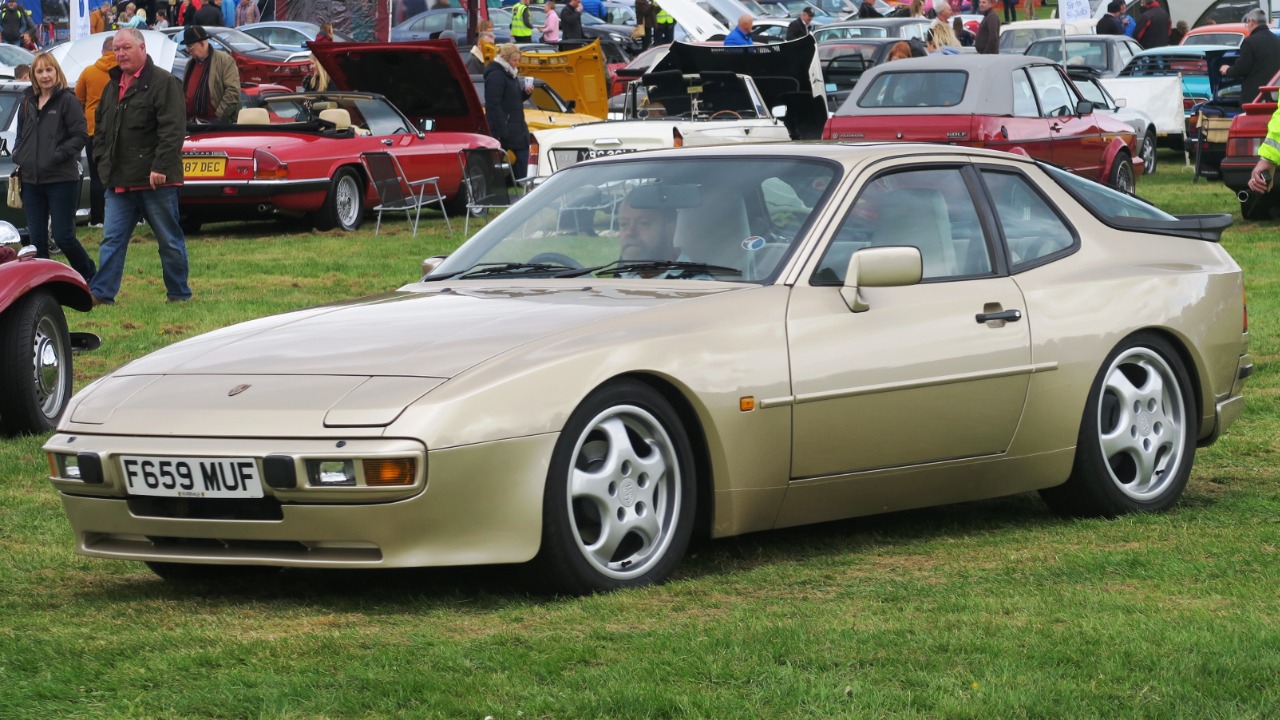
The Porsche 944 was once considered the affordable Porsche, but collectors have increasingly recognized how good its balance and handling really were. Its front-engine, rear-transaxle layout gave it excellent weight distribution, while the four-cylinder engine kept the car relatively light. Turbo, S, and S2 versions are especially desirable. Even standard examples have attracted renewed attention as enthusiasts look beyond the traditionally expensive 911.
BMW M3
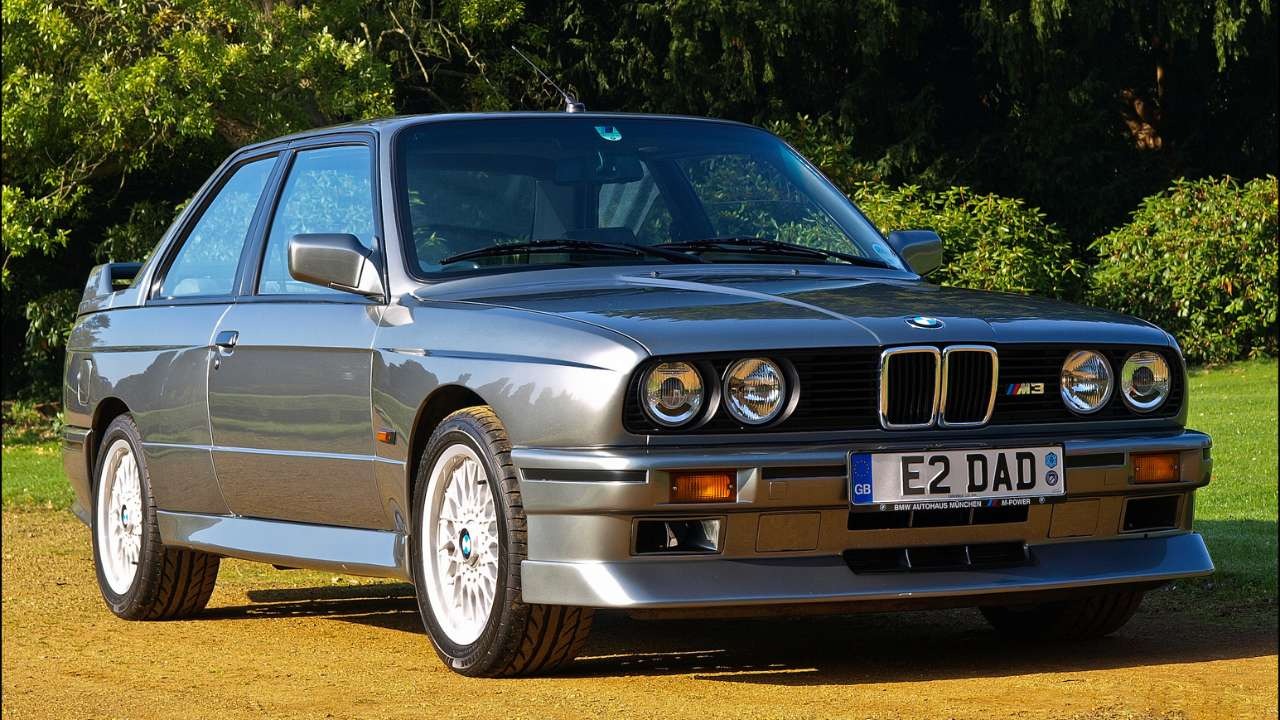
The first-generation BMW M3 became one of the defining performance cars of the 1980s. Developed from BMW’s motorsport program, it combined a high-revving four-cylinder engine, rear-wheel drive, and carefully developed suspension in a lightweight package. Its racing success gave the road car enormous credibility, while limited production helped create long-term collector demand. Hagerty reports that E30 M3 values have risen substantially, with special editions commanding particularly strong prices.
Mercedes-Benz 190E
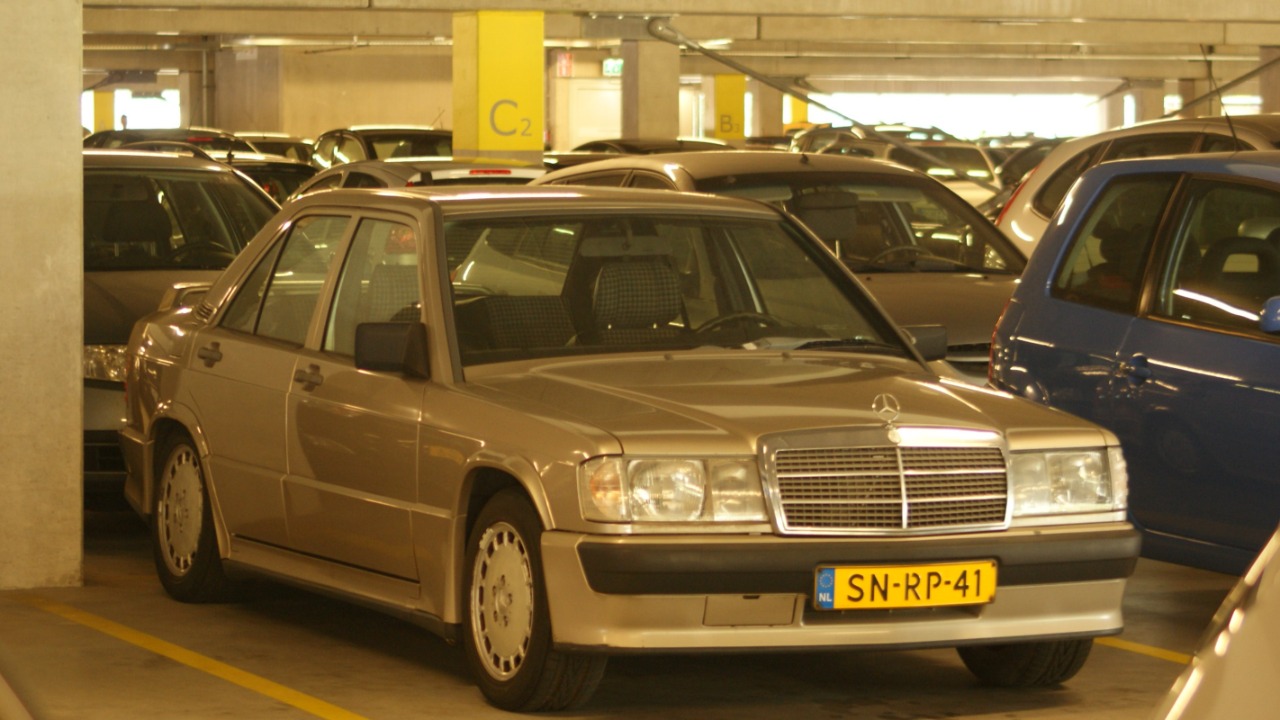
The Mercedes-Benz 190E introduced a smaller, more compact Mercedes formula without abandoning the company’s emphasis on engineering quality. Its solid construction, sophisticated suspension, and understated styling helped it age remarkably well. High-performance versions such as the 190E 2.3-16 and 2.5-16 have become particularly interesting to collectors because of their motorsport connections. Even ordinary examples can attract attention when preserved in original condition.
Ford Mustang GT
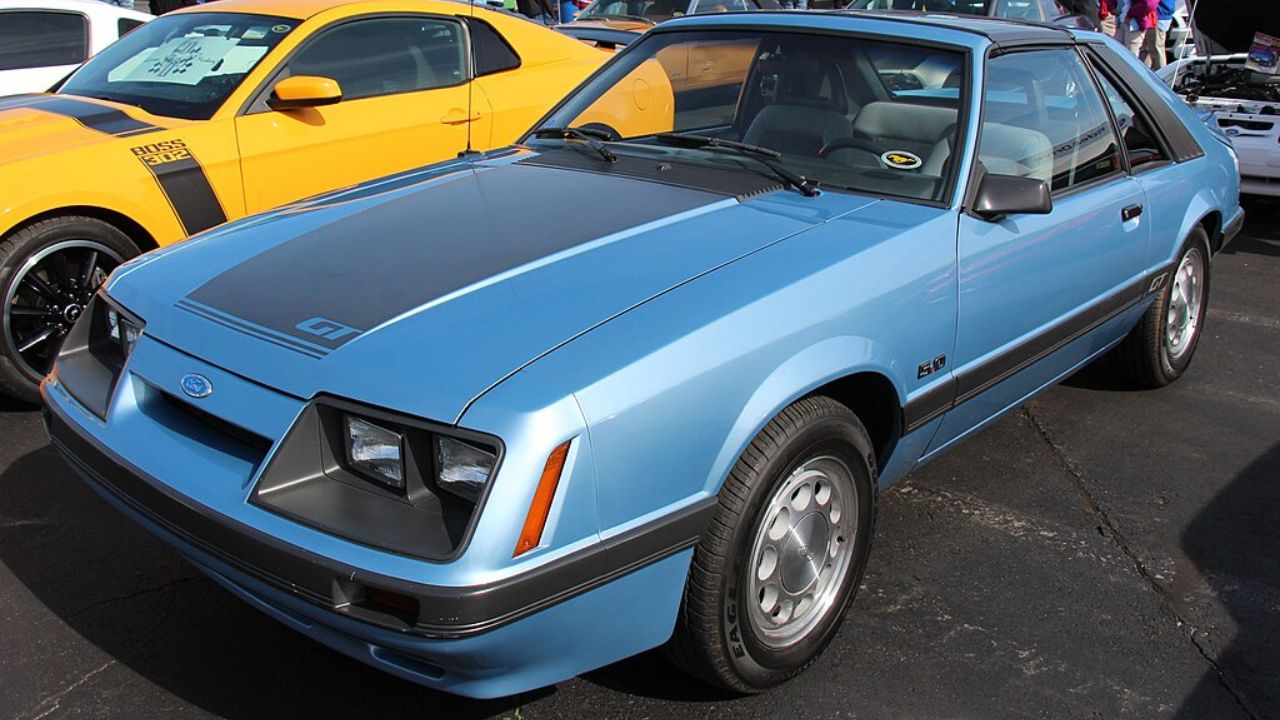
The Fox-body Ford Mustang GT became one of the most influential American performance cars of the decade. Its combination of rear-wheel drive, a V8 engine, relatively low weight, and enormous aftermarket support made it an accessible performance machine. Many examples were modified, raced, or simply worn out, leaving clean original cars increasingly desirable. Hagerty’s RADindex has identified the Fox-body Mustang among the important enthusiast cars of the 1980s and 1990s.
Toyota Celica Supra
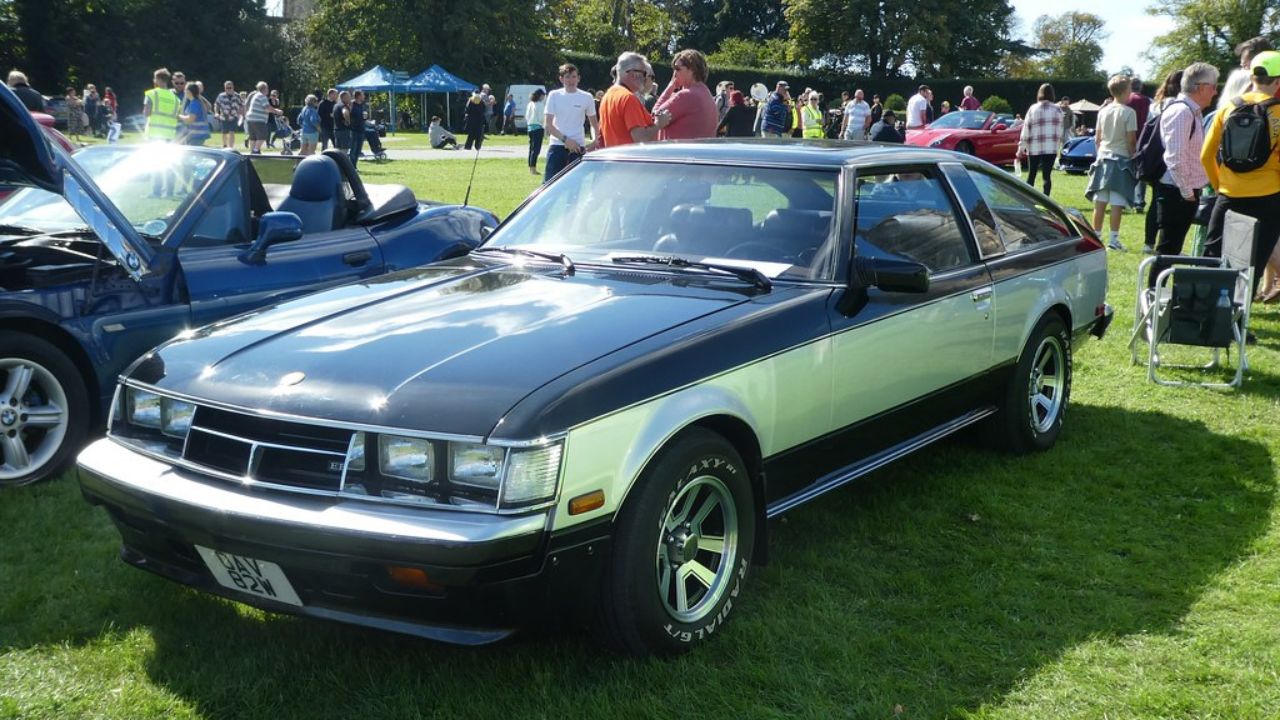
The Toyota Celica Supra helped establish Toyota as a serious player in the international sports-car market. The second-generation model introduced in 1982 brought a more sophisticated design, a 2.8-liter DOHC inline-six, and substantially stronger performance than the earlier Celica Supra. Its combination of Japanese reliability and rear-wheel-drive performance has made surviving examples increasingly attractive to collectors. Today, excellent cars can command prices far beyond what their original owners might have expected.
More from Fast Lane Only
- Unboxing the WWII Jeep in a Crate
- 15 rare Chevys collectors are quietly buying
- 10 underrated V8s still worth hunting down
- Police notice this before you even roll window down
*Research for this article included AI assistance, with all final content reviewed by human editors.