bMechanics see plenty of vehicles come through their shops, so they know which designs tend to hold up and which ones can become expensive headaches. Their experience often gives them a different perspective from buyers focused on styling, gadgets, or showroom appeal. These vehicles stand out for straightforward engineering, useful drivetrains, durable construction, or parts that are generally easier to find and work with.
Toyota Corolla
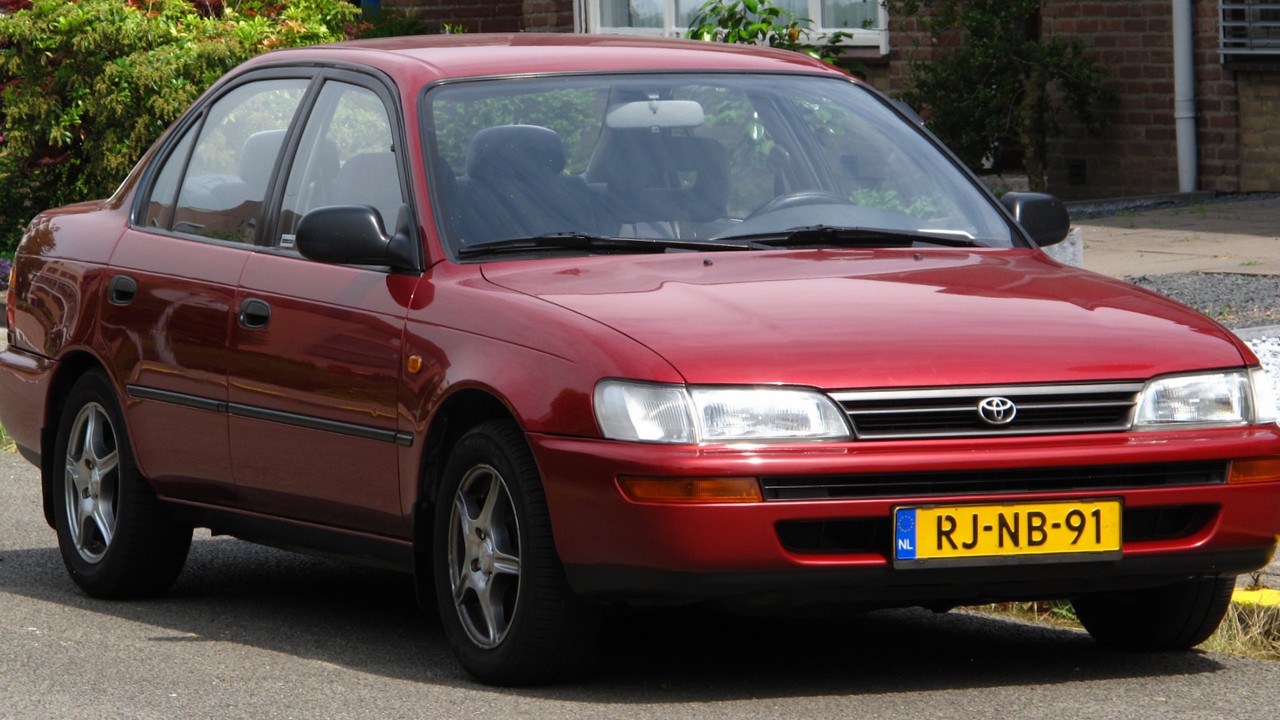
The Toyota Corolla has built its reputation on simple transportation that does not demand constant attention. Older generations used straightforward engines and conventional mechanical systems that many independent mechanics know well. Parts availability has also helped keep older examples running long after their original owners moved on. For someone who spends every day repairing cars, a Corolla can make sense because its basic design leaves fewer complicated systems to cause trouble.
Honda Accord
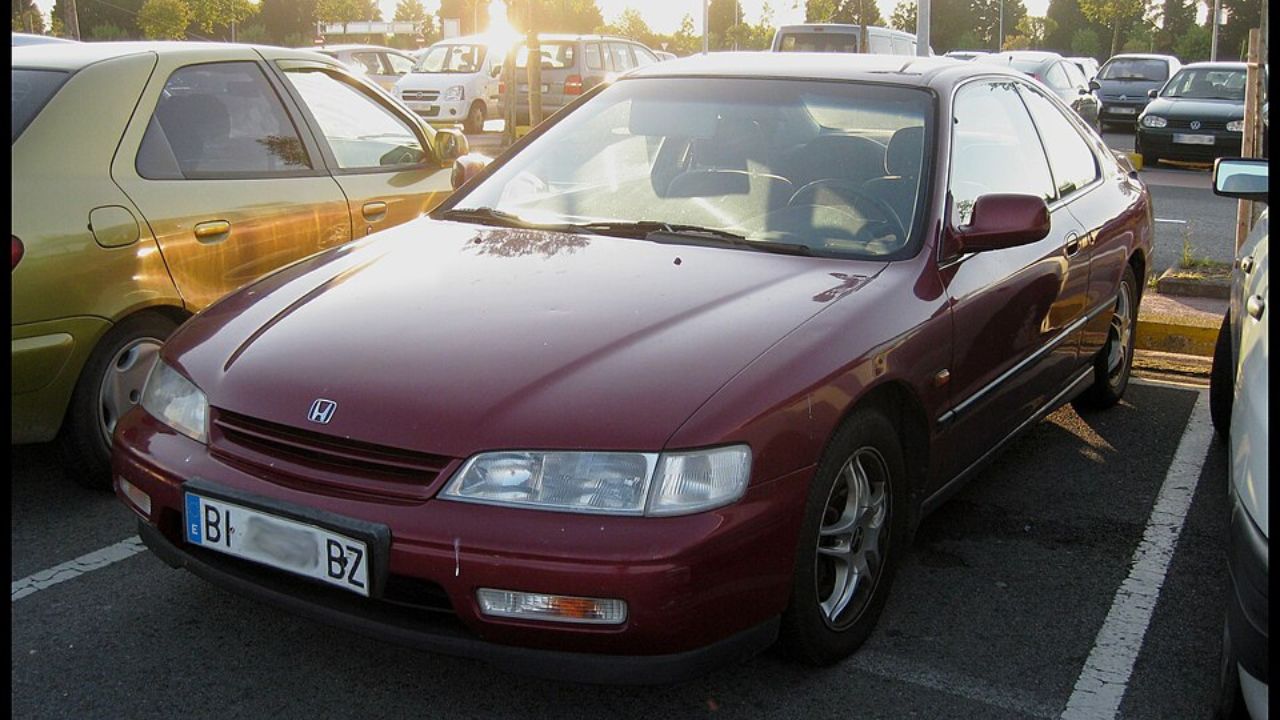
The Honda Accord has remained popular for decades because it combines everyday practicality with generally proven mechanical components. Older Accords are particularly familiar to independent repair shops, making diagnosis and maintenance relatively straightforward. Their engines can deliver long service lives when properly maintained, while the cars are comfortable enough for regular commuting. A mechanic buying one for personal use would likely appreciate having a vehicle that is familiar rather than mysterious.
Toyota 4Runner
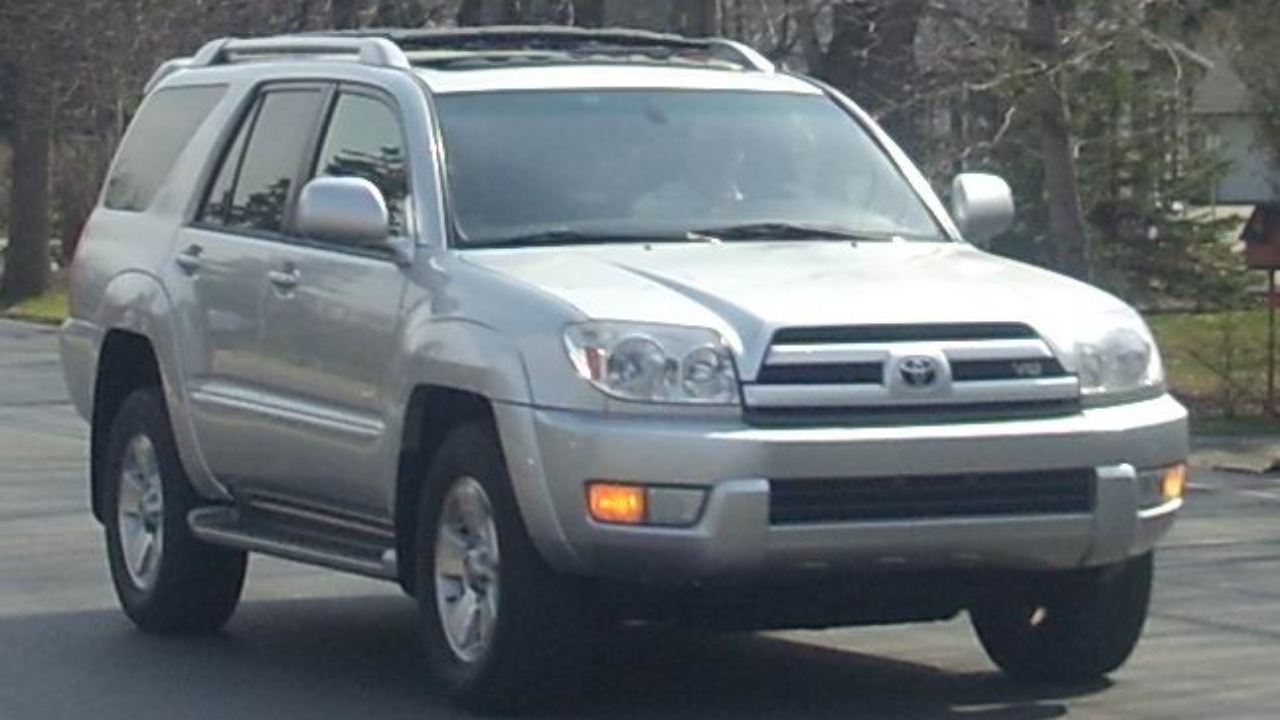
The Toyota 4Runner has long appealed to people who want a sturdy SUV without giving up everyday usability. Earlier generations used body-on-frame construction and durable four-wheel-drive systems, giving them a reputation for handling demanding conditions. Mechanics also appreciate vehicles with proven drivetrains and widespread parts availability. A well-maintained 4Runner can be useful for work, travel, or family duties while avoiding some of the complexity found in newer luxury SUVs.
Ford Crown Victoria

The Ford Crown Victoria earned its reputation through years of service as a police car, taxi, and fleet vehicle. Its traditional body-on-frame construction and rear-wheel-drive layout make it mechanically familiar to many technicians. The V8 powertrain was widely used across Ford’s lineup, helping keep parts and knowledge readily available. For a mechanic who wants an inexpensive, straightforward personal vehicle, the Crown Victoria offers a combination of durability and easy familiarity.
Toyota Tacoma

The Toyota Tacoma became a favorite among owners who wanted a midsize pickup with a reputation for long-term durability. Earlier generations were built around relatively straightforward drivetrains and sturdy chassis designs. Mechanics also tend to appreciate trucks that have been sold in large numbers because parts, service information, and repair experience are easier to find. A properly maintained Tacoma can handle commuting, hauling, and outdoor use without requiring excessive complexity.
Honda Civic
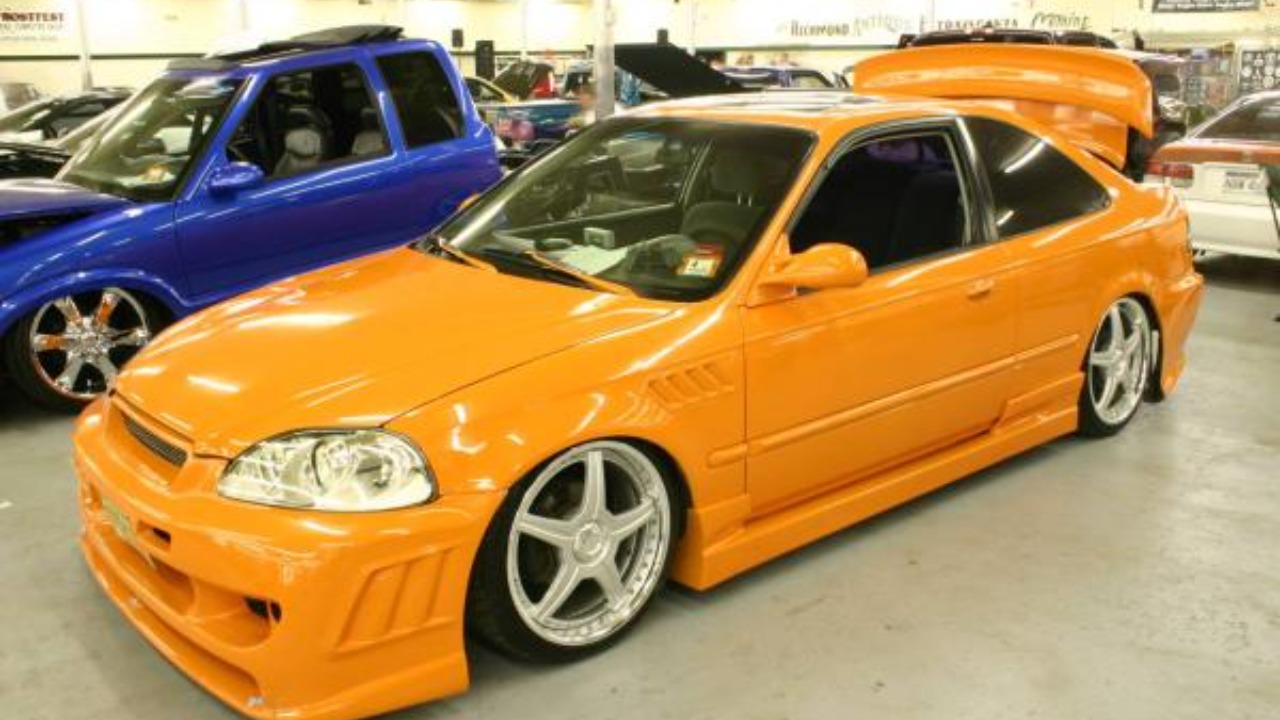
The Honda Civic is another vehicle that mechanics often know inside and out. Its compact size, efficient engines, and relatively simple mechanical layout make many generations approachable to repair. Older Civics also have a huge aftermarket and enthusiast community, which can make parts and technical information easy to locate. For a mechanic, that combination can be valuable because owning a vehicle does not have to mean learning an entirely new system every time something needs attention.
Lexus LS 400

The Lexus LS 400 showed that a luxury car could combine advanced engineering with remarkable attention to durability. Its V8 engine and drivetrain were developed with long-term reliability in mind, while the car’s construction was exceptionally solid for its era. Mechanics who know these cars often appreciate their engineering quality. Although the LS 400 has more equipment than a basic commuter car, its underlying mechanical durability makes it an interesting choice for someone who values build quality.
Ford F-150
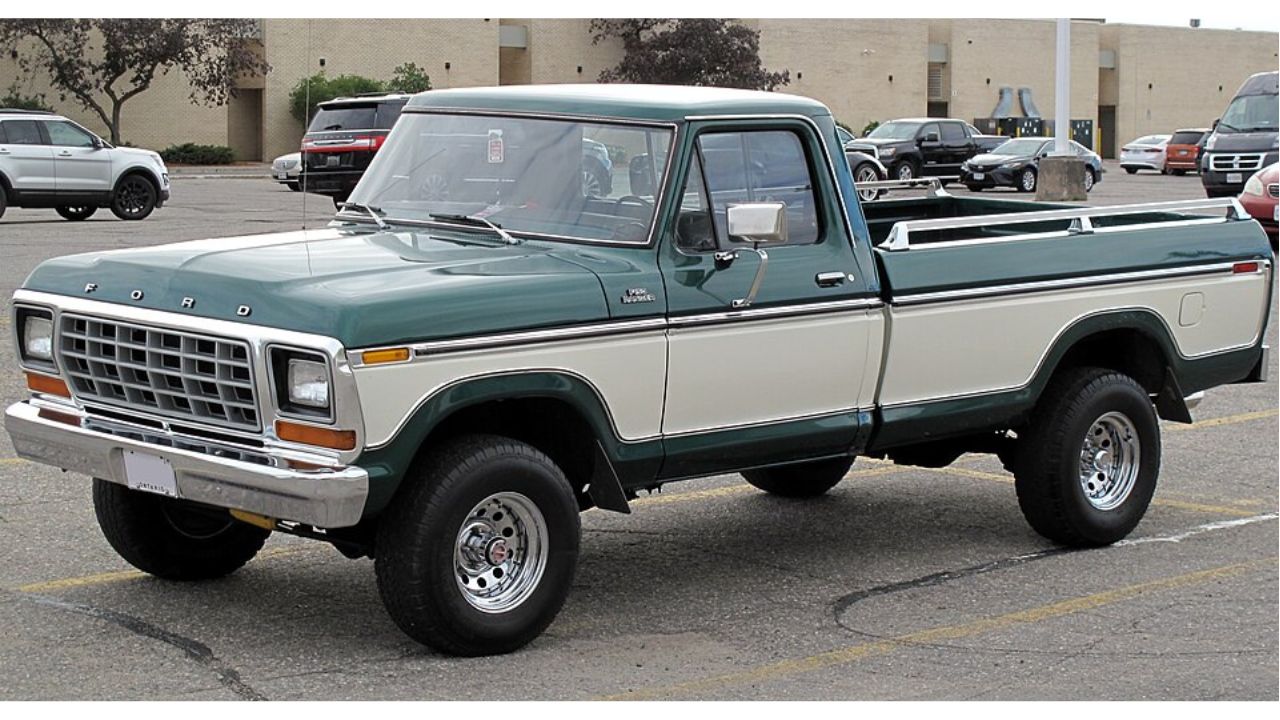
The Ford F-150 is one of the most familiar pickups in North America, and that familiarity can be a major advantage for a mechanic. Generations of F-150s have used widely supported engines, transmissions, and chassis components. Parts are generally easy to source, and technicians have extensive experience diagnosing common issues. For personal use, the F-150 also provides the practicality of a truck without requiring a specialized commercial vehicle.
Chevrolet Silverado
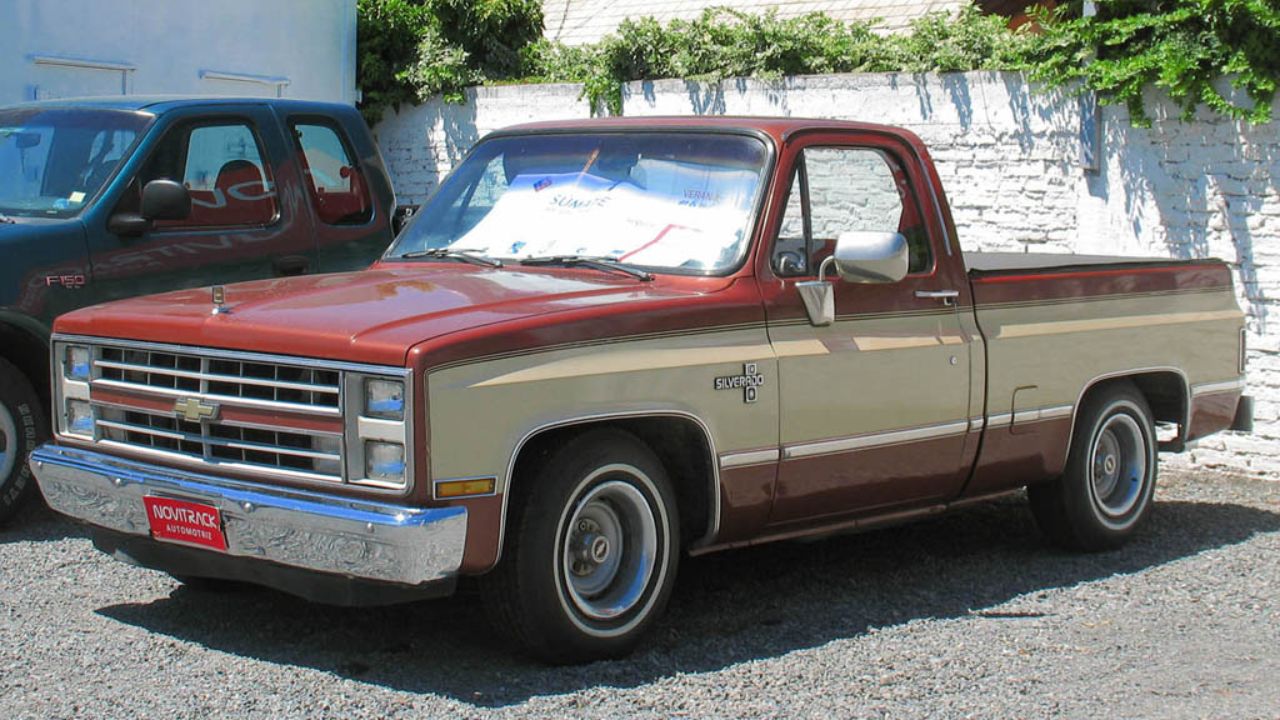
The Chevrolet Silverado has become a staple of American truck ownership, giving mechanics plenty of experience with its major systems. Its body-on-frame construction and broad engine lineup offer configurations for commuting, hauling, towing, and work. Because so many have been sold, replacement parts and repair knowledge are widespread. A mechanic choosing a Silverado may value that familiarity as much as the truck’s capability.
Subaru Outback
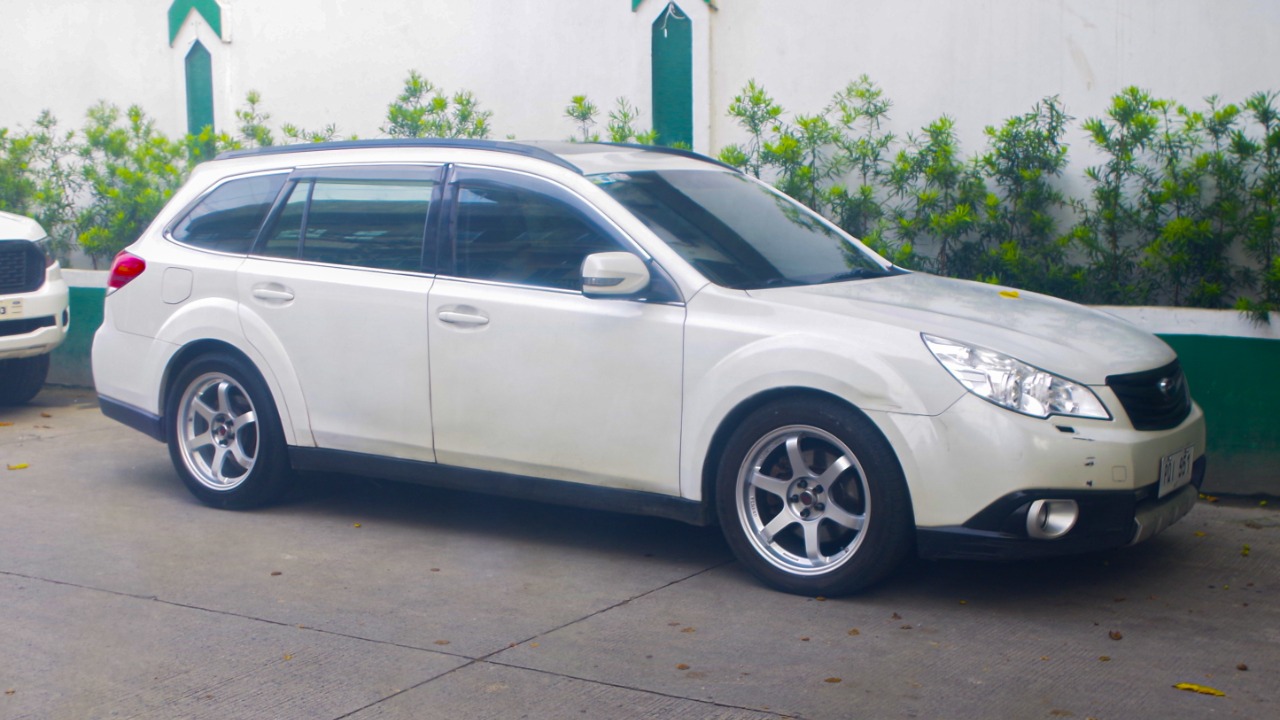
The Subaru Outback combines wagon practicality with the traction benefits of standard all-wheel drive. Its popularity has created a large network of independent shops familiar with its engines, drivetrains, and suspension systems. The Outback can also handle daily commuting, bad weather, and light outdoor use without needing a large SUV. For a mechanic who wants one vehicle to cover several roles, its practical layout can make plenty of sense.
Mazda MX-5 Miata

The Mazda MX-5 Miata is appealing for a completely different reason. It is relatively lightweight, mechanically straightforward, and designed around the driving experience rather than excessive equipment. Its compact engine bay and simple rear-wheel-drive layout make it approachable for enthusiasts who enjoy doing their own work. Mechanics who like cars may also appreciate the Miata because maintaining one can be part of the fun rather than simply an expense.
Jeep Wrangler
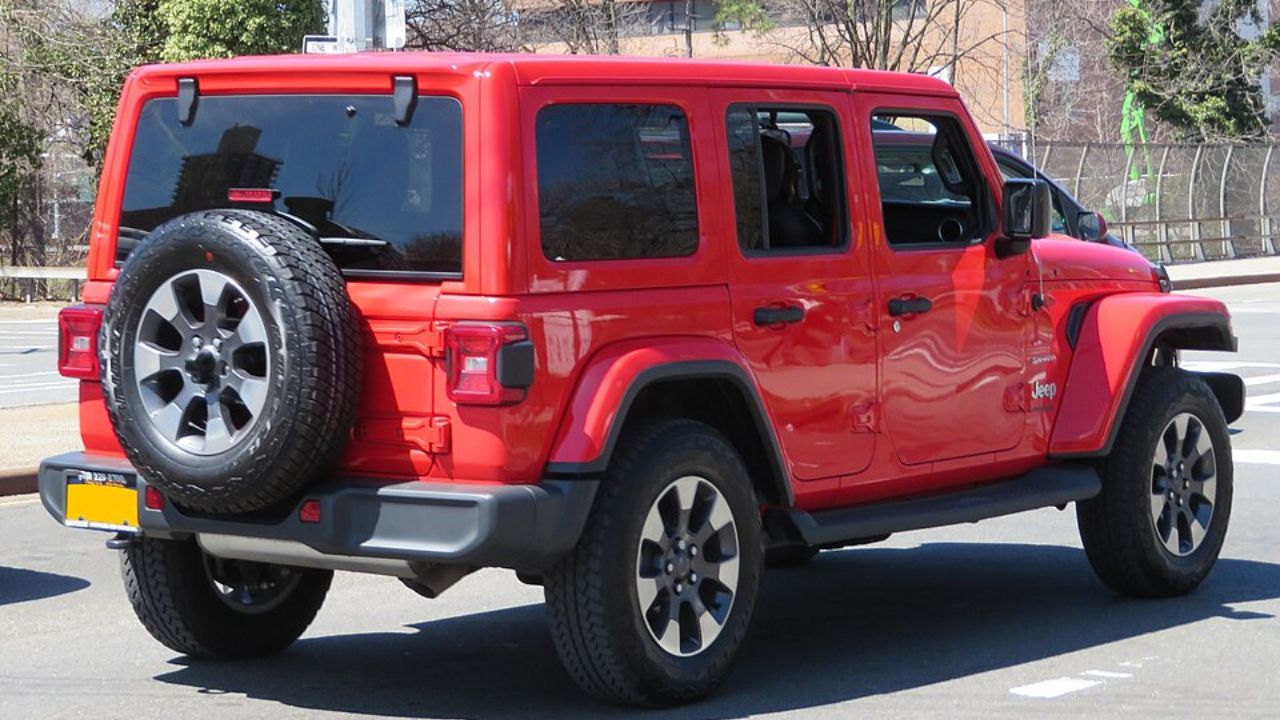
The Jeep Wrangler remains popular with people who value simple four-wheel-drive capability. Earlier generations were built around rugged chassis designs and mechanical systems that have become familiar to countless mechanics and enthusiasts. Its enormous aftermarket also makes parts and repair solutions easy to find. A mechanic who wants an off-road vehicle can appreciate the Wrangler’s combination of proven hardware, widespread knowledge, and a design that is relatively easy to modify.
Nissan Frontier
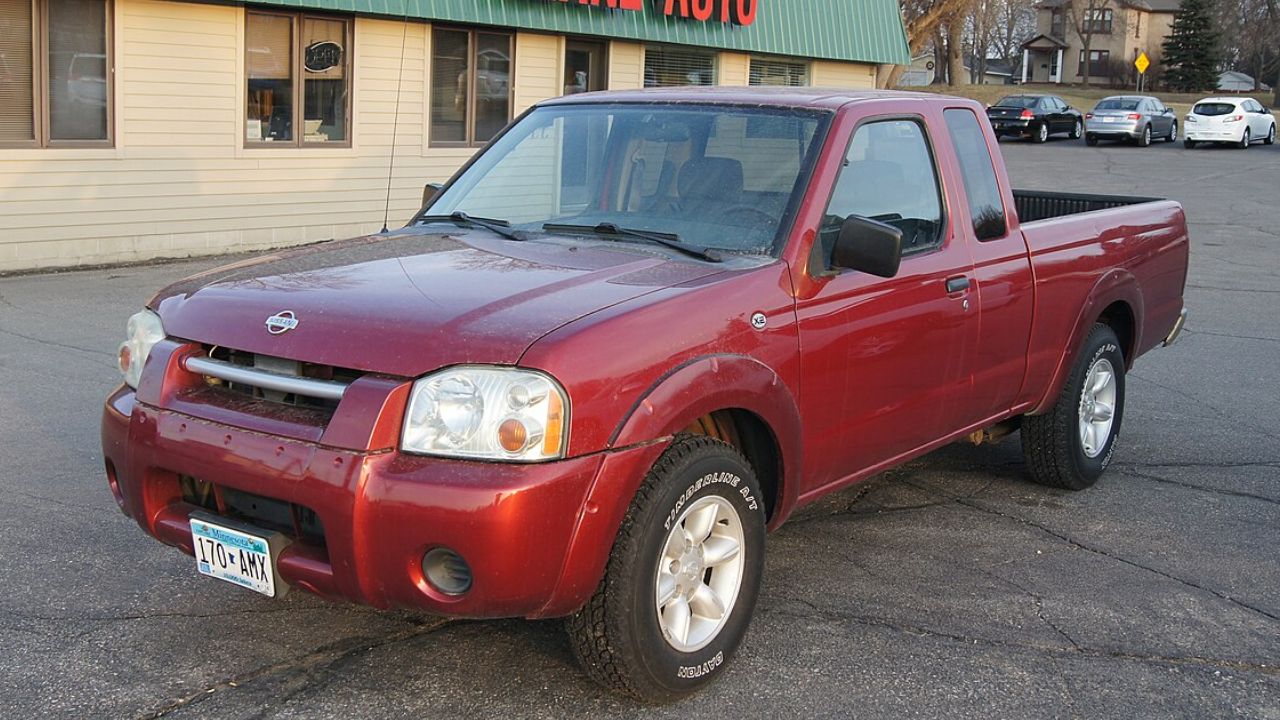
The Nissan Frontier has generally followed a straightforward approach to the midsize pickup market. Older generations used conventional body-on-frame construction and proven powertrains, making them familiar to independent technicians. The truck also offers useful cargo and towing capability without the size of a full-size pickup. For a mechanic looking for practical transportation that can handle work and recreation, the Frontier provides a relatively uncomplicated package.
Chevrolet Tahoe

The Chevrolet Tahoe combines a traditional truck platform with SUV practicality, making it useful for towing, hauling, and family transportation. Its widespread use has given mechanics extensive experience with its engines, transmissions, suspension, and electrical systems. Earlier generations were particularly straightforward compared with today’s technology-heavy SUVs. A mechanic who needs a large vehicle may prefer something with a long history of established repair knowledge rather than a completely new platform.
Ford Ranger

The Ford Ranger has spent decades serving owners who want pickup capability without full-size dimensions. Older Rangers were relatively simple, compact, and easy to work on, which helped them become popular among tradespeople and DIY owners. Their mechanical layout is familiar to many technicians, while parts availability remains strong. A mechanic who wants a small truck for errands, tools, or light hauling could find the Ranger difficult to replace.
Toyota Camry
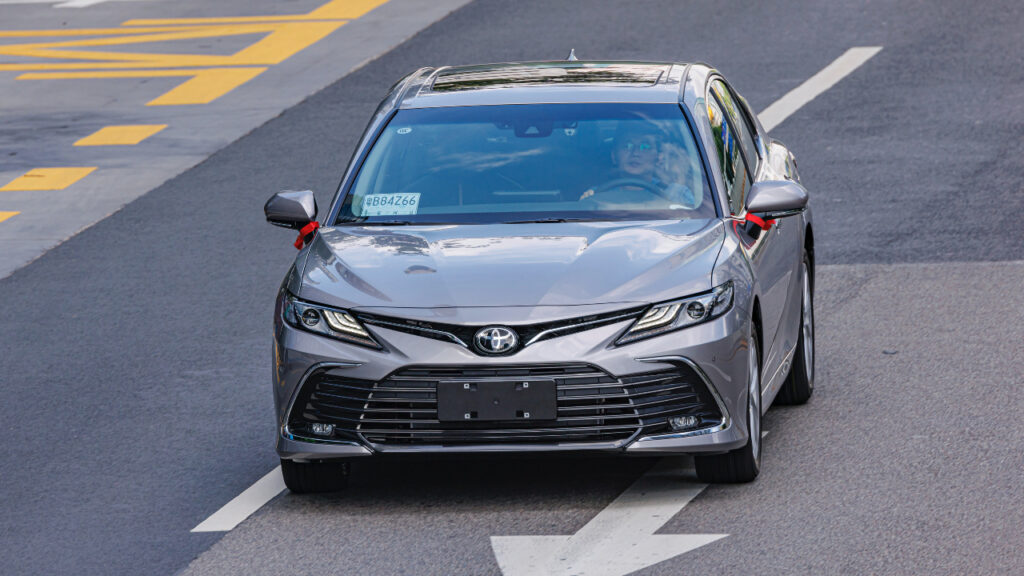
The Toyota Camry has become one of the most common midsize sedans on the road, and that gives mechanics plenty of experience with its various generations. Many versions emphasize conservative engineering and practical ownership rather than high performance. That can be a major advantage for someone who wants predictable maintenance and readily available parts. The Camry may not be exciting, but its familiarity is precisely what makes it attractive as personal transportation.
Chevrolet Express
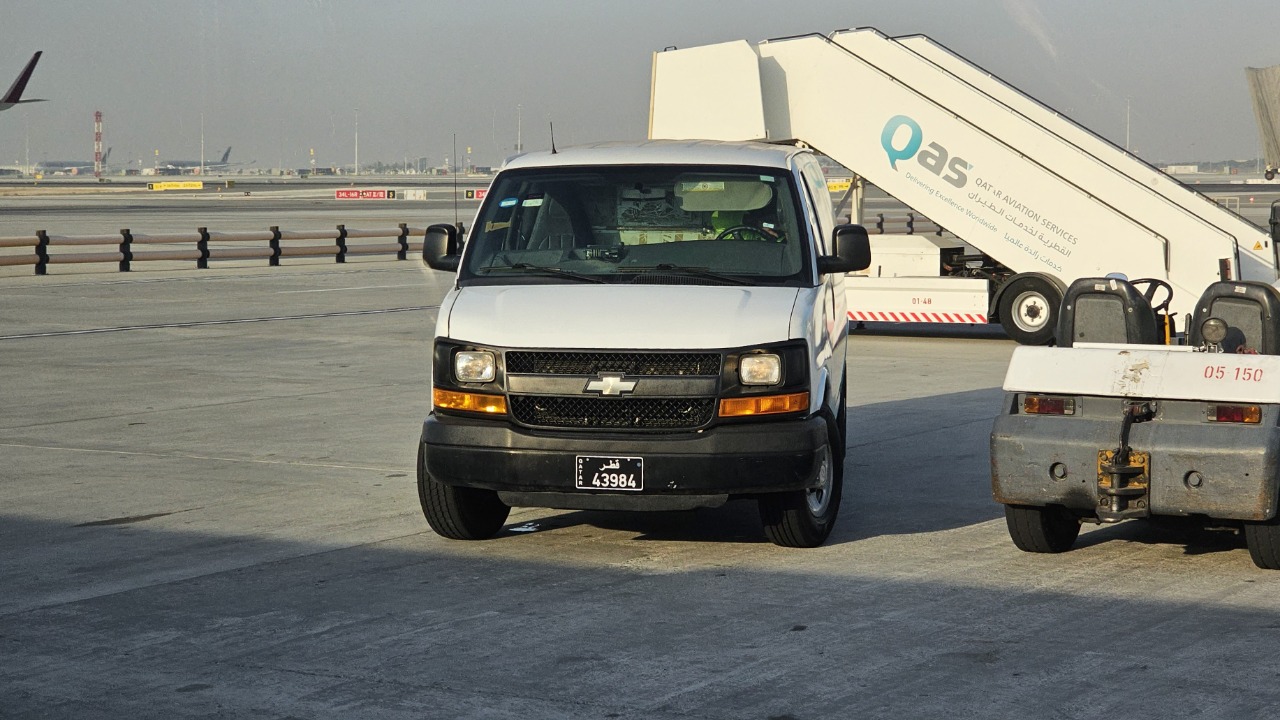
The Chevrolet Express is built around a simple idea: provide a durable platform for moving people or equipment. Its traditional rear-wheel-drive layout and truck-based construction have made it a common choice for businesses, tradespeople, and fleets. Mechanics are familiar with its powertrains and chassis because of its long production history. For someone who needs maximum practicality rather than flashy technology, the Express can be an extremely useful personal work vehicle.
Toyota Land Cruiser
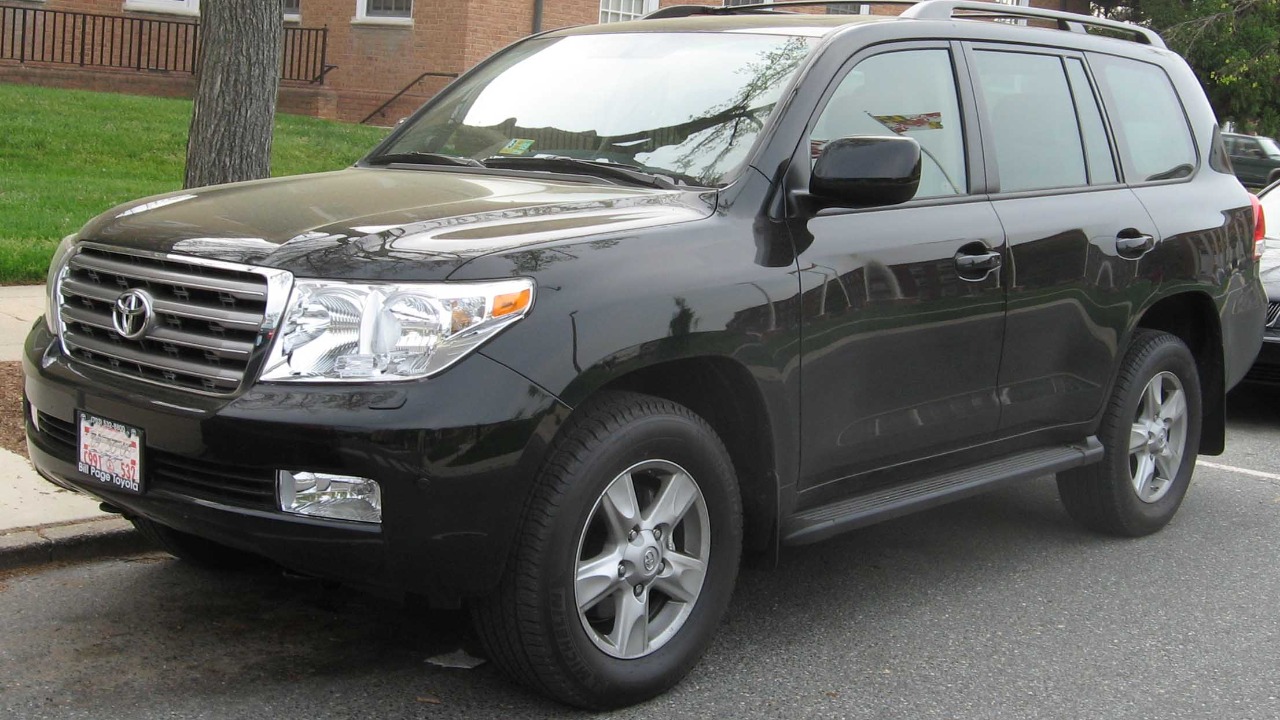
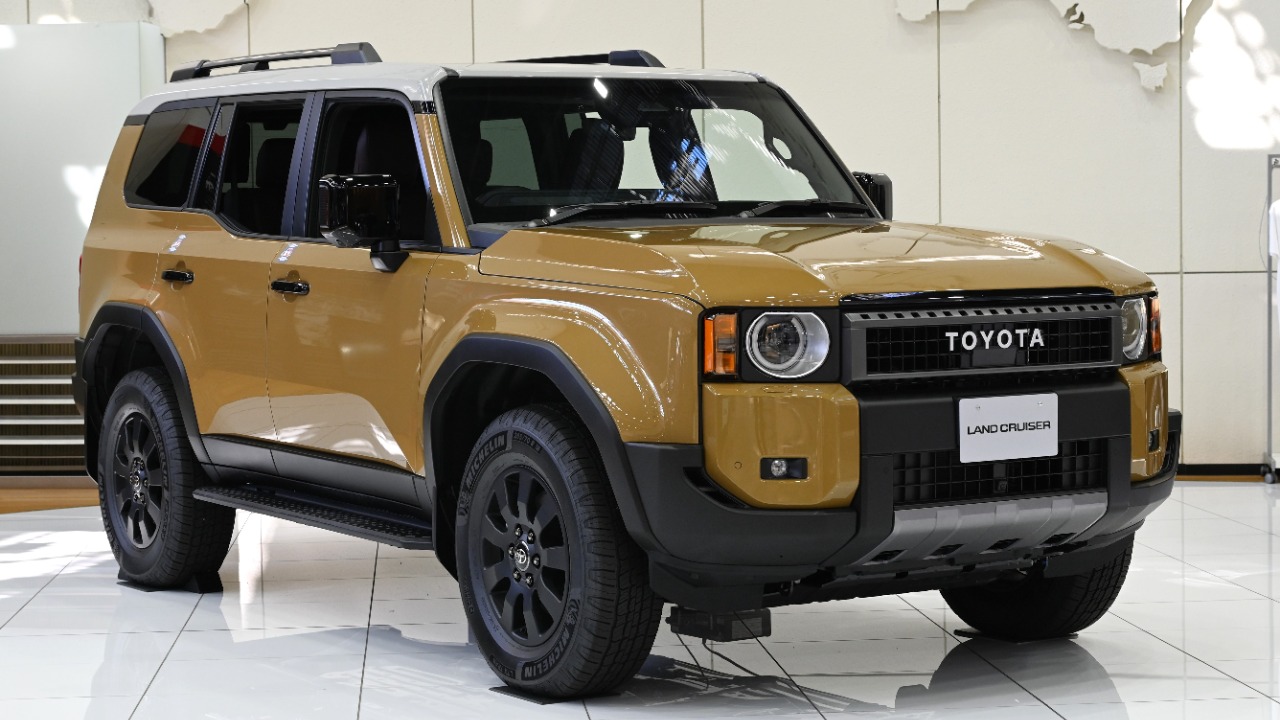
The Toyota Land Cruiser has earned a worldwide reputation for surviving difficult conditions. Older generations were built with robust drivetrains, sturdy four-wheel-drive systems, and construction designed to tolerate serious use. Mechanics who work on them often encounter examples that have accumulated enormous mileage. For personal ownership, the appeal is straightforward: a well-maintained Land Cruiser can provide both everyday transportation and serious off-road capability without relying on delicate technology.
Volvo 240
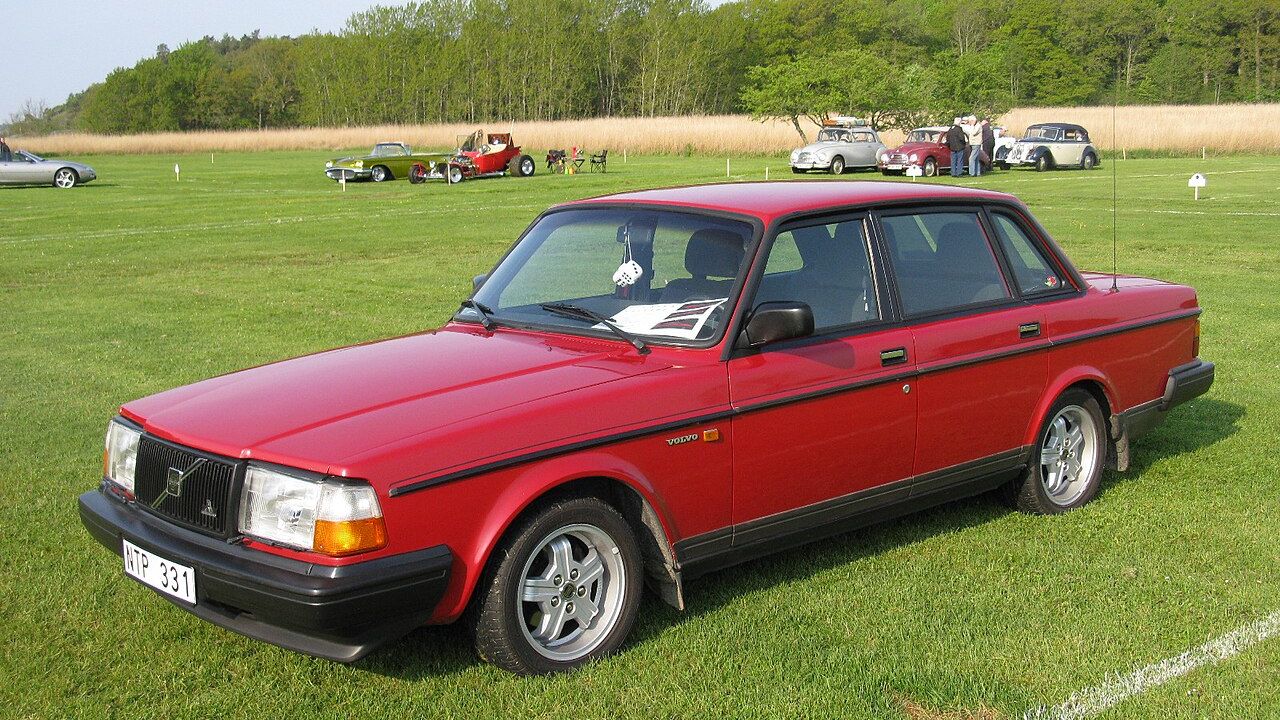
The Volvo 240 is a classic example of a car whose straightforward engineering became part of its appeal. Its boxy construction, durable drivetrain options, and relatively accessible mechanical layout helped it earn a reputation for longevity. Mechanics familiar with older European cars often appreciate how much of the vehicle can be understood and serviced without modern diagnostic equipment. A clean 240 can therefore be both practical transportation and an enjoyable old-school project.
Mercedes-Benz W123
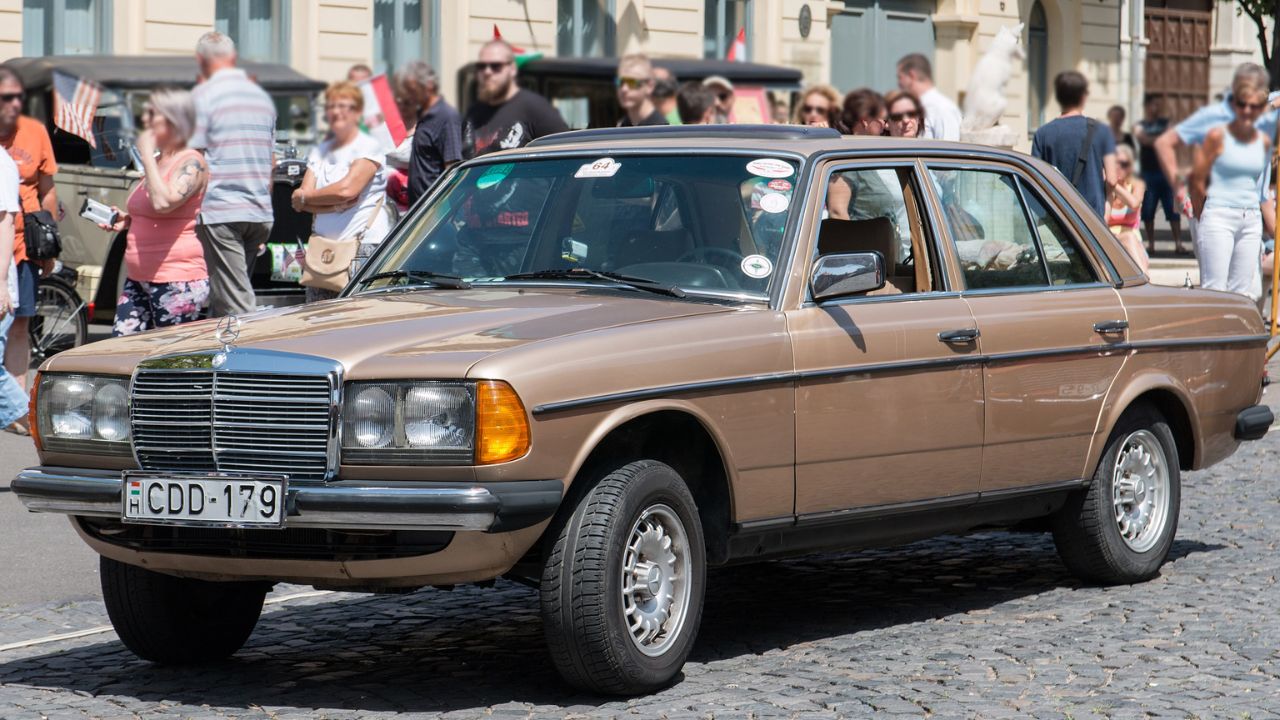
The Mercedes-Benz W123 was engineered with a strong emphasis on durability and long-term use. Its diesel versions became particularly famous for accumulating enormous mileage, while the rest of the car was built with a level of solidity that owners came to appreciate. Mechanics who understand the platform can keep these cars running for decades. For someone who values old-fashioned construction and proven mechanical systems, a good W123 can be a compelling personal vehicle.
More from Fast Lane Only
- Unboxing the WWII Jeep in a Crate
- 15 rare Chevys collectors are quietly buying
- 10 underrated V8s still worth hunting down
- Police notice this before you even roll window down
*Research for this article included AI assistance, with all final content reviewed by human editors.