Farm trucks rarely get the attention given to muscle cars or flashy pickups, but they have always had a job to do. Hauling feed, pulling trailers, carrying tools, and crossing rough fields demanded simple machines that could take years of punishment. These trucks earned their reputations the old-fashioned way, by working hard and staying useful long after newer models arrived.
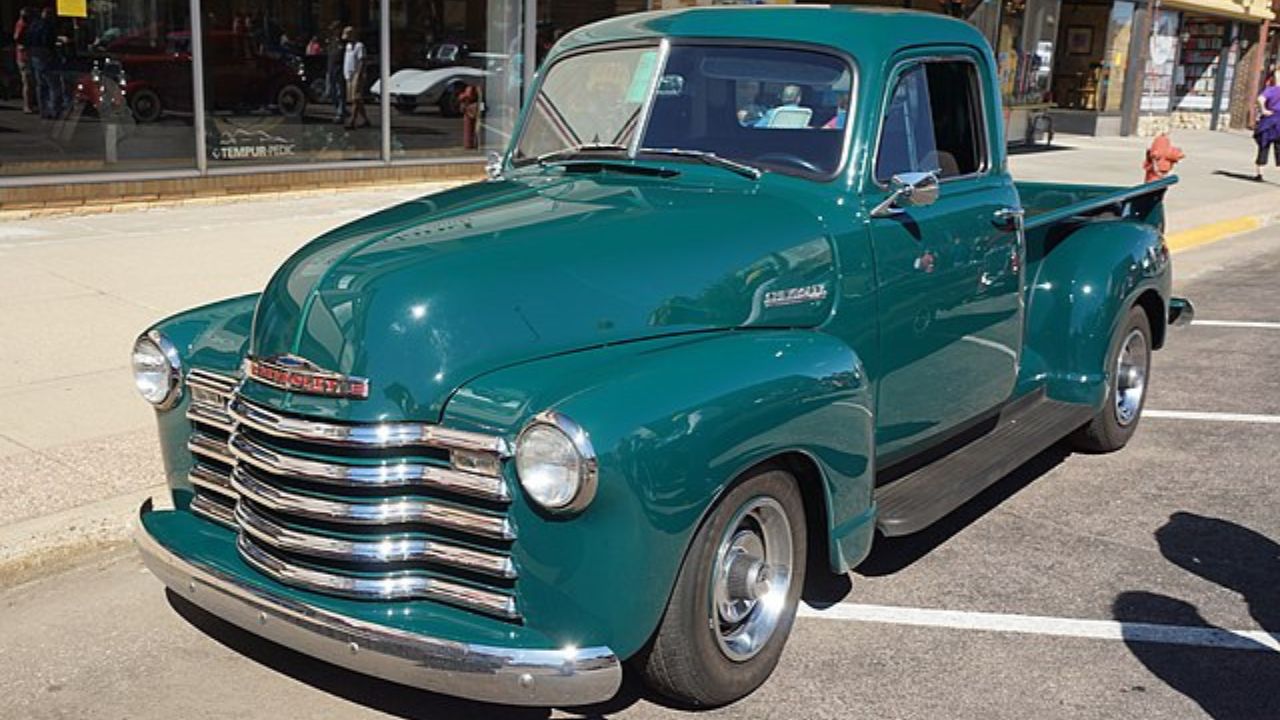
Chevrolet 3100
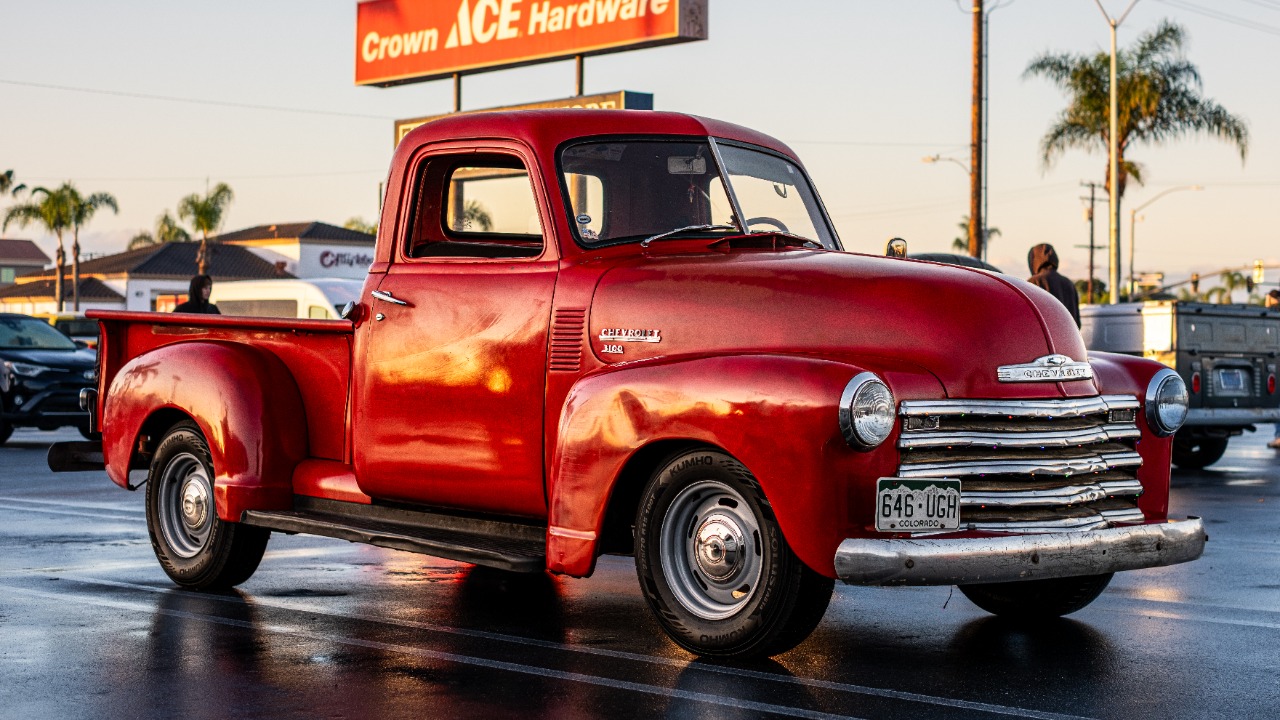
The Chevrolet 3100 became one of the most recognizable American farm trucks of the postwar era. Its simple construction, dependable engines, and useful bed made it a natural choice for farmers and small businesses. These trucks were rarely treated gently, yet many stayed in service for decades. Their straightforward mechanical design also made repairs manageable, which helped owners keep aging examples working long after their original warranties had become irrelevant.
Ford F-1
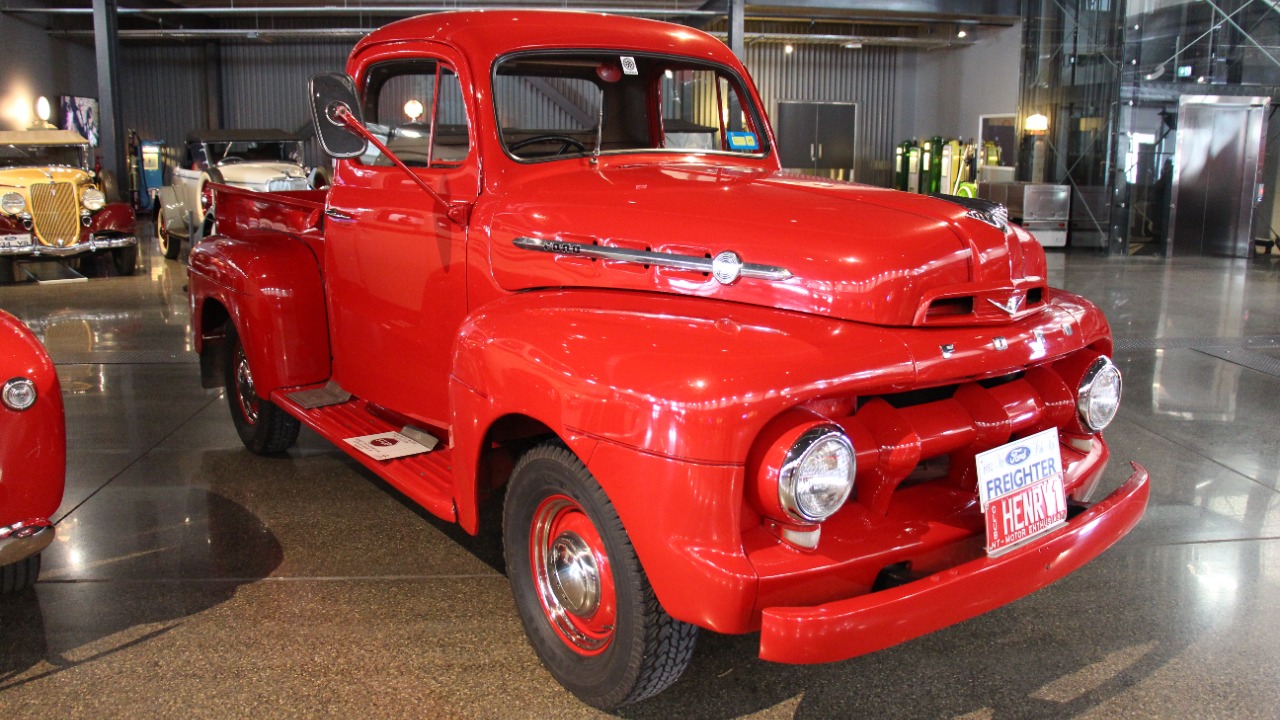
The Ford F-1 was among the first generation of Ford’s dedicated postwar F-Series pickups. It was designed around basic utility rather than comfort or luxury, making it well suited to farms and rural businesses. Its sturdy frame and simple mechanical systems could handle regular hauling and rough roads. Many were eventually replaced by newer pickups, but the survivors demonstrate why early F-Series trucks became such enduring fixtures on American farms.
Dodge Power Wagon
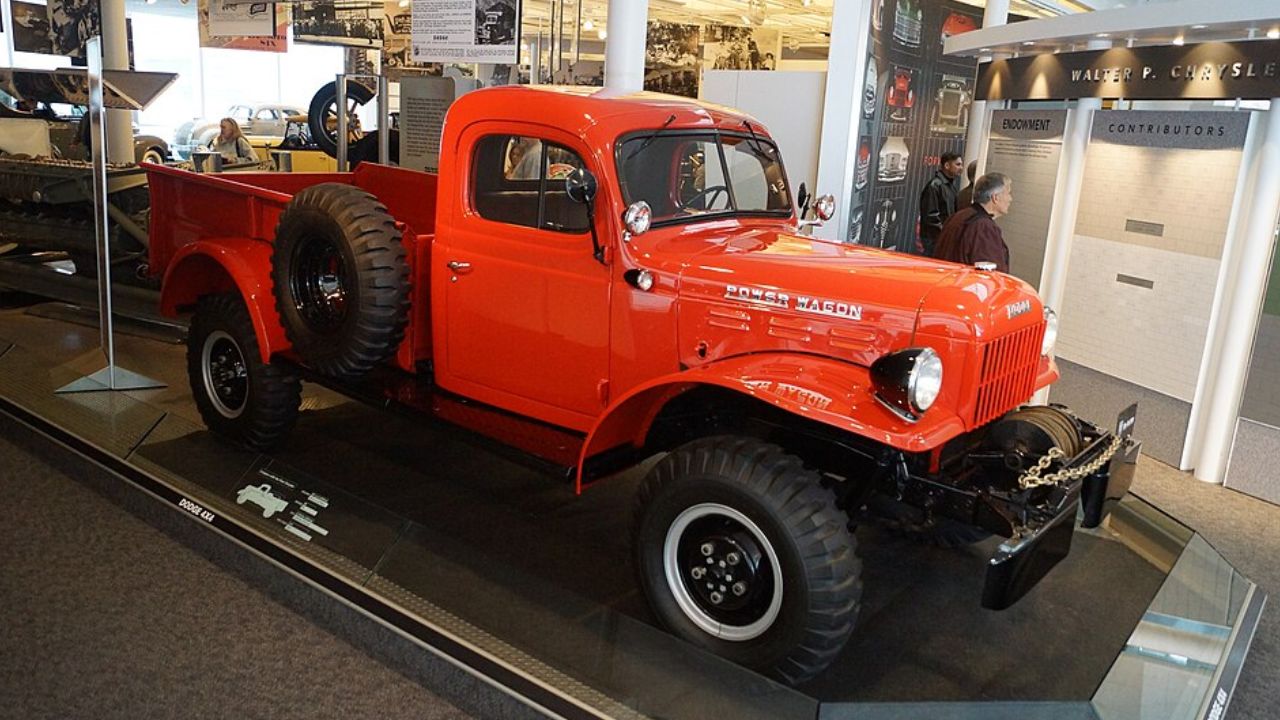
The Dodge Power Wagon brought military-inspired toughness to civilian work. Its four-wheel-drive system and heavy-duty construction made it especially useful for farms, logging operations, construction sites, and rural roads where ordinary pickups could struggle. It was not designed to be delicate or sophisticated. Owners valued it because it could reach places other trucks could not and keep working under difficult conditions. That reputation has made the Power Wagon one of Dodge’s most respected work trucks.
International Harvester R-Series
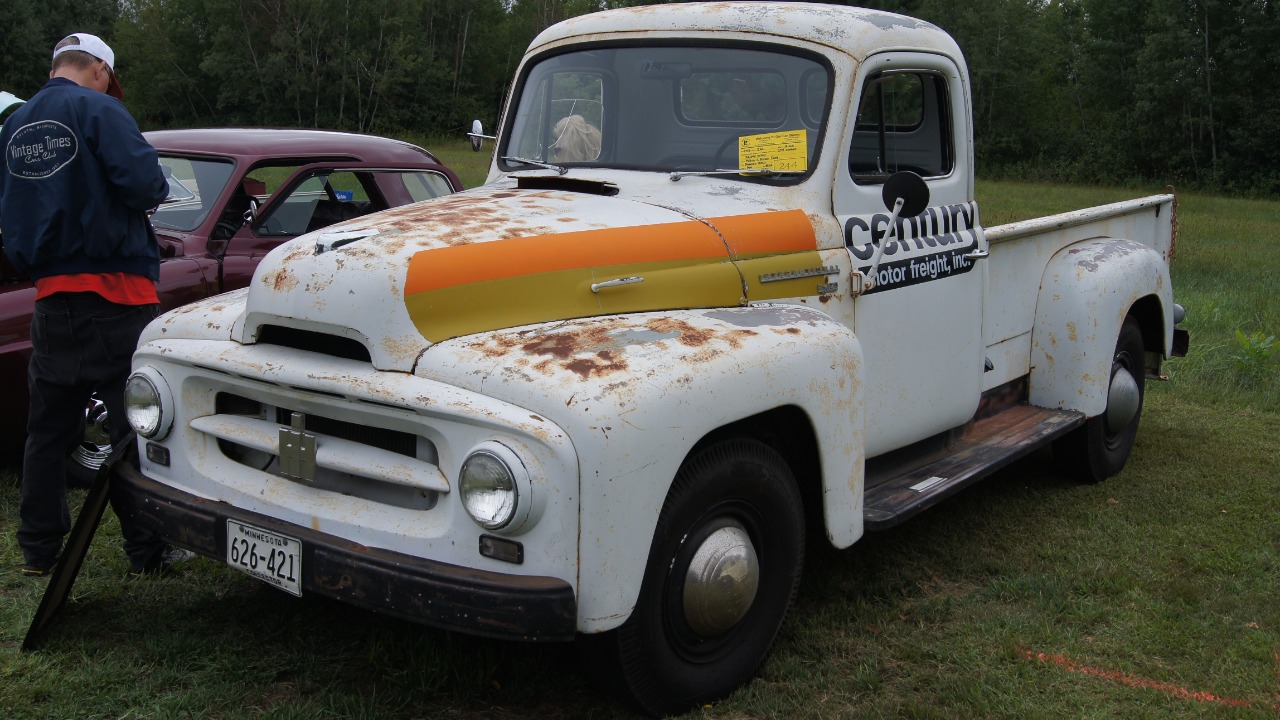
The International Harvester R-Series became a familiar sight on farms during the postwar years. International built its trucks with commercial-duty thinking, giving them sturdy frames and practical mechanical components. Farmers could use them for hauling crops, equipment, and supplies without worrying about unnecessary features. Their simple design also made them appealing to owners who preferred vehicles that could be repaired with familiar tools and mechanical knowledge.
GMC FC-Series
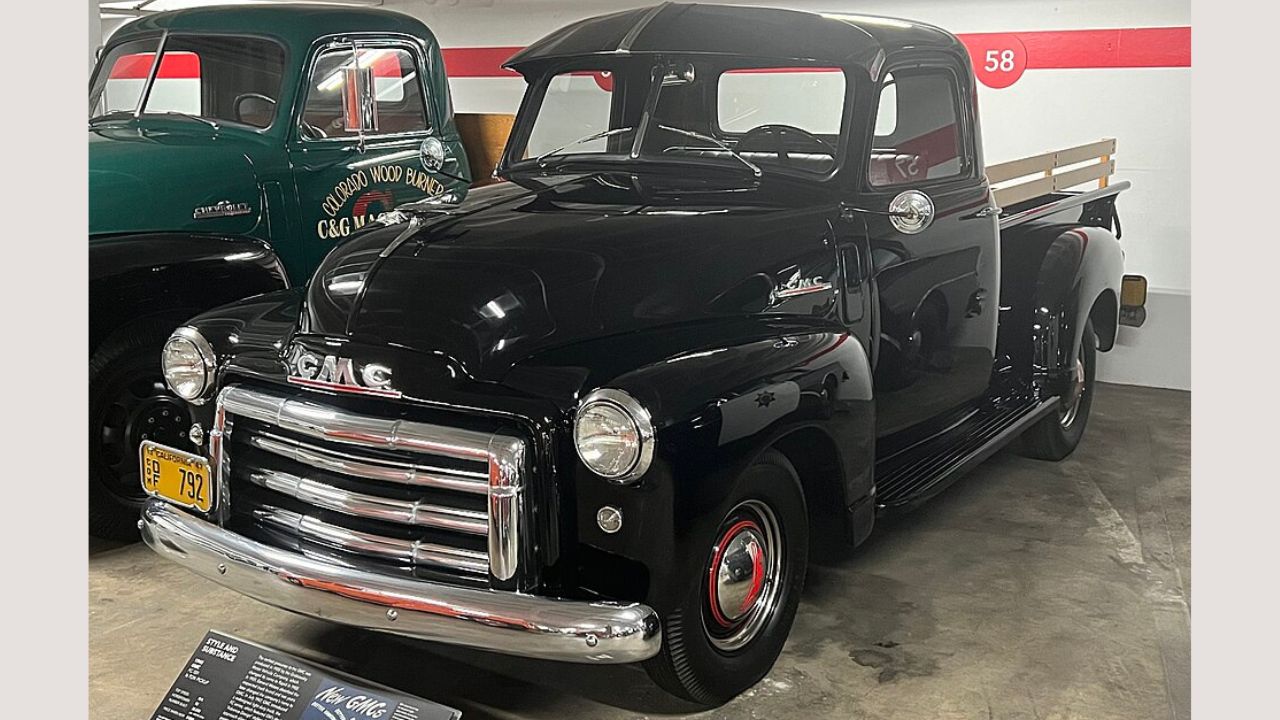
The GMC FC-Series stood out because of its forward-control design, which placed the cab over the front portion of the chassis. That unusual layout created a compact truck with useful cargo space and excellent visibility. Farmers and businesses could take advantage of its maneuverability in tight areas. Although the design never became as common as conventional pickups, surviving FC-Series trucks remain memorable examples of GMC experimenting with a very practical approach to light-duty work.
Chevrolet Cameo
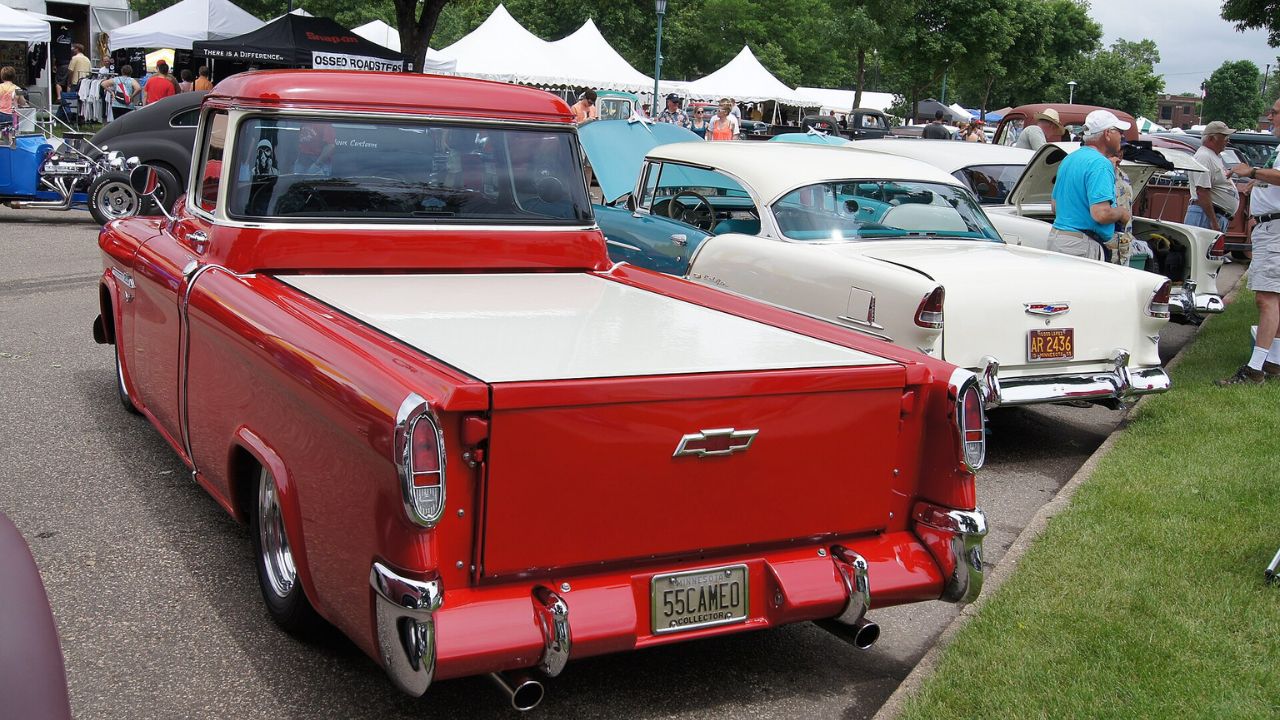
The Chevrolet Cameo brought a surprising amount of style to the working pickup market. Its smooth rear fenders and car-inspired appearance made it different from the usual boxy farm truck, but underneath it remained a useful Chevrolet pickup. Farmers could still use it for hauling and everyday work, while buyers appreciated its distinctive appearance. The Cameo’s combination of practicality and unusual styling helped make it an important early example of the lifestyle pickup.
Ford F-100
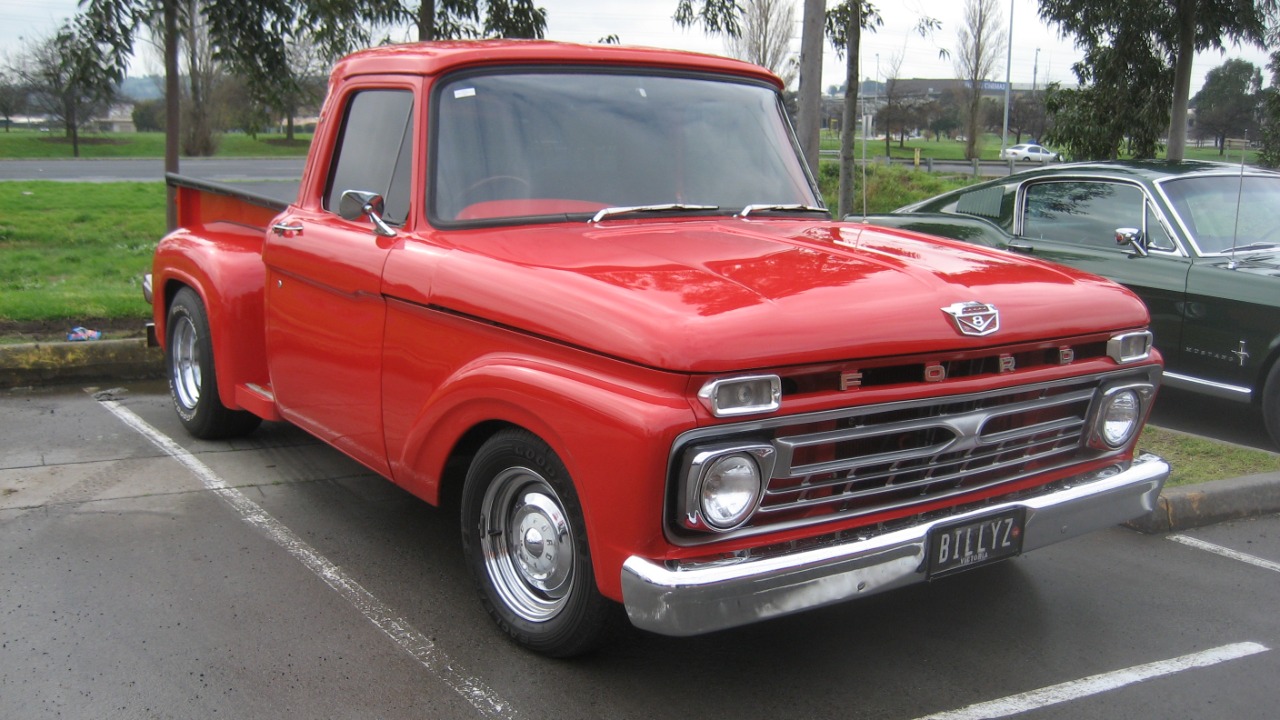
The Ford F-100 became one of the most familiar farm trucks in America because it offered a useful balance of size, capability, and simplicity. Generations of farmers used F-100s for hauling equipment, pulling trailers, and handling chores around the property. The trucks were generally straightforward to maintain, with mechanical systems that independent shops knew well. Their enormous popularity also helped ensure a steady supply of parts and knowledge for keeping older examples alive.
Chevrolet Task Force
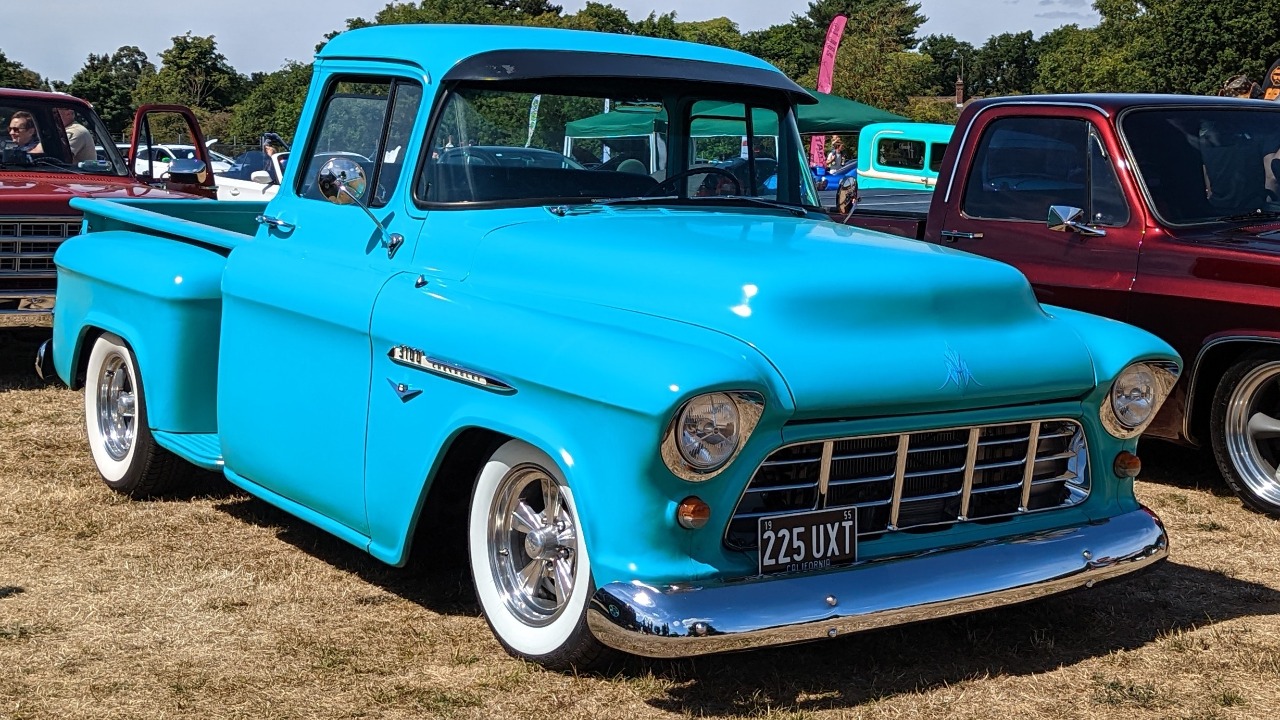
The Chevrolet Task Force series represented a major styling change for Chevrolet pickups while retaining the practical qualities farmers expected. Its wider cab and updated appearance made it more comfortable than earlier work trucks, but the basic mechanical formula remained straightforward. These trucks could spend their lives hauling supplies and equipment without needing much more than regular maintenance. Today, restored examples are popular, but their original working purpose is what made them tough in the first place.
GMC Blue Chip
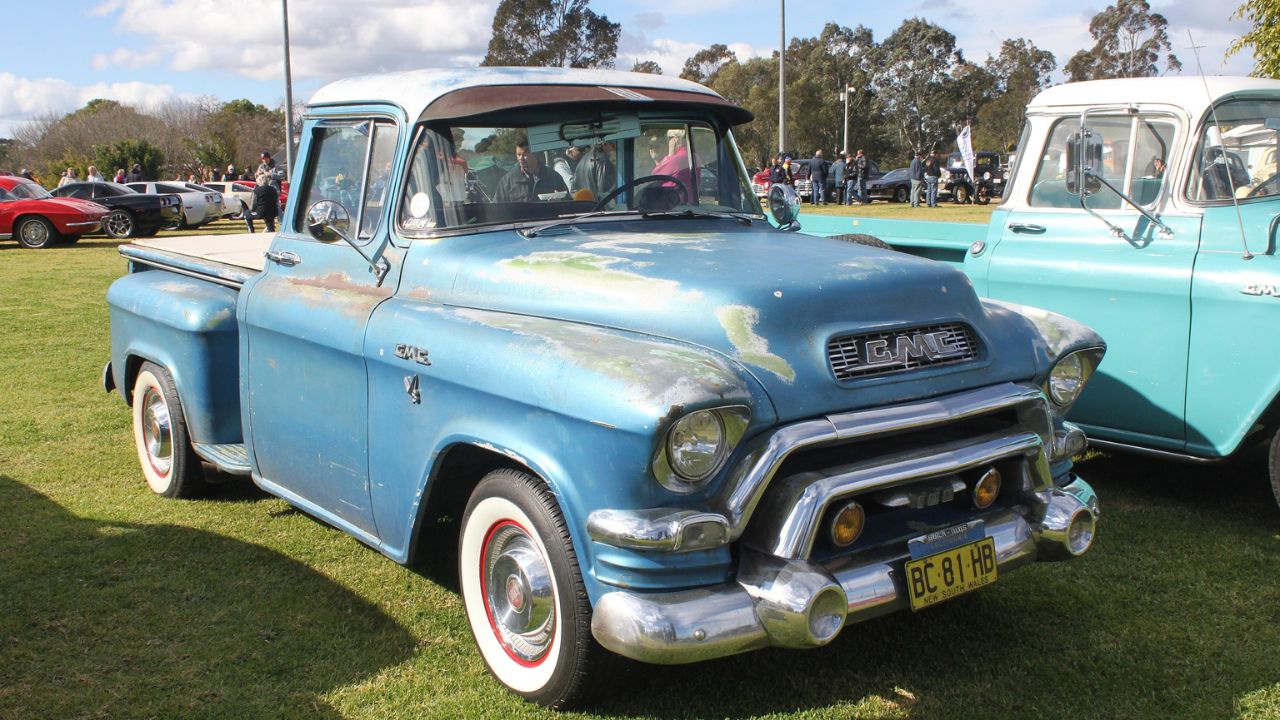
The GMC Blue Chip trucks were built during a period when pickups were becoming more comfortable without giving up their working ability. They offered stronger engines and updated styling while maintaining sturdy frames and traditional rear-wheel-drive layouts. On farms, they could handle everything from hauling hay to transporting tools. Their relatively simple construction allowed owners to keep them running for years, making surviving examples a reminder of how much work older pickups were expected to handle.
Studebaker Transtar
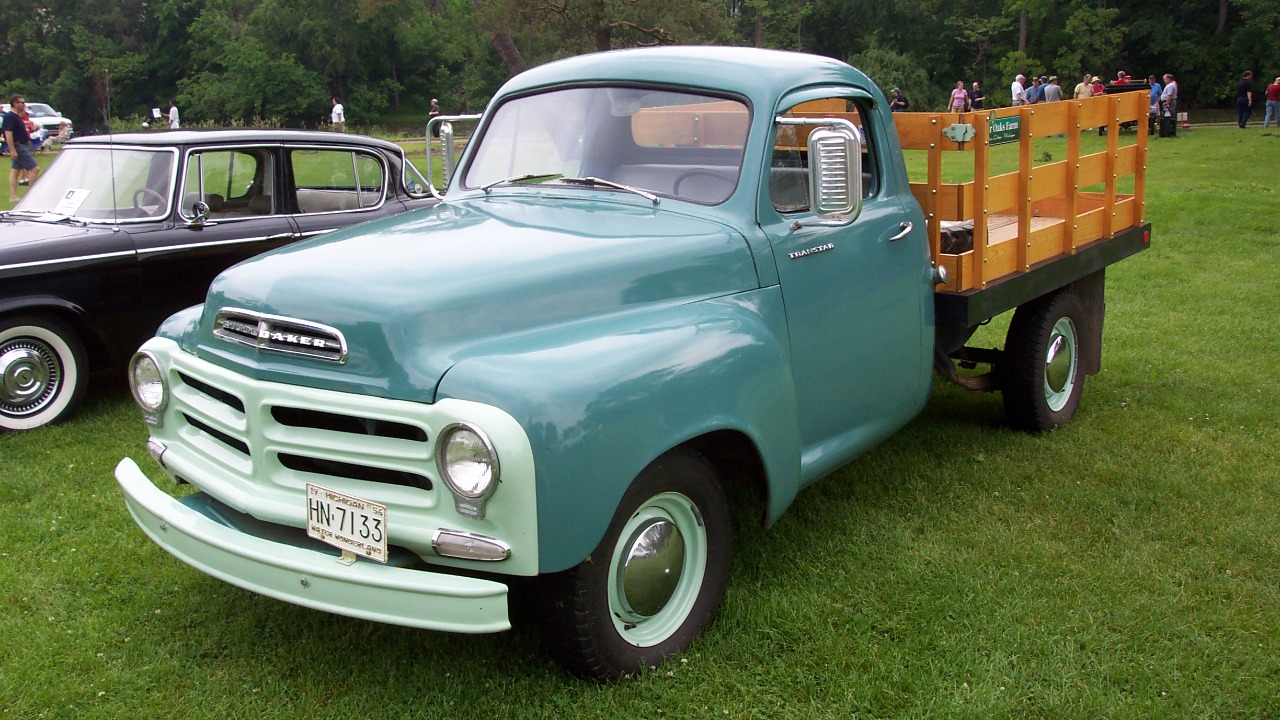
The Studebaker Transtar was an unusual choice compared with the dominant Ford and Chevrolet pickups, but it offered serious utility. Studebaker’s independent approach to truck design gave the Transtar a distinctive appearance and solid work-oriented construction. These trucks could be used for farm chores, deliveries, and general hauling. Because Studebaker eventually disappeared from the American market, surviving Transtars are much less common, making them particularly interesting to enthusiasts who appreciate overlooked workhorses.
Jeep Gladiator
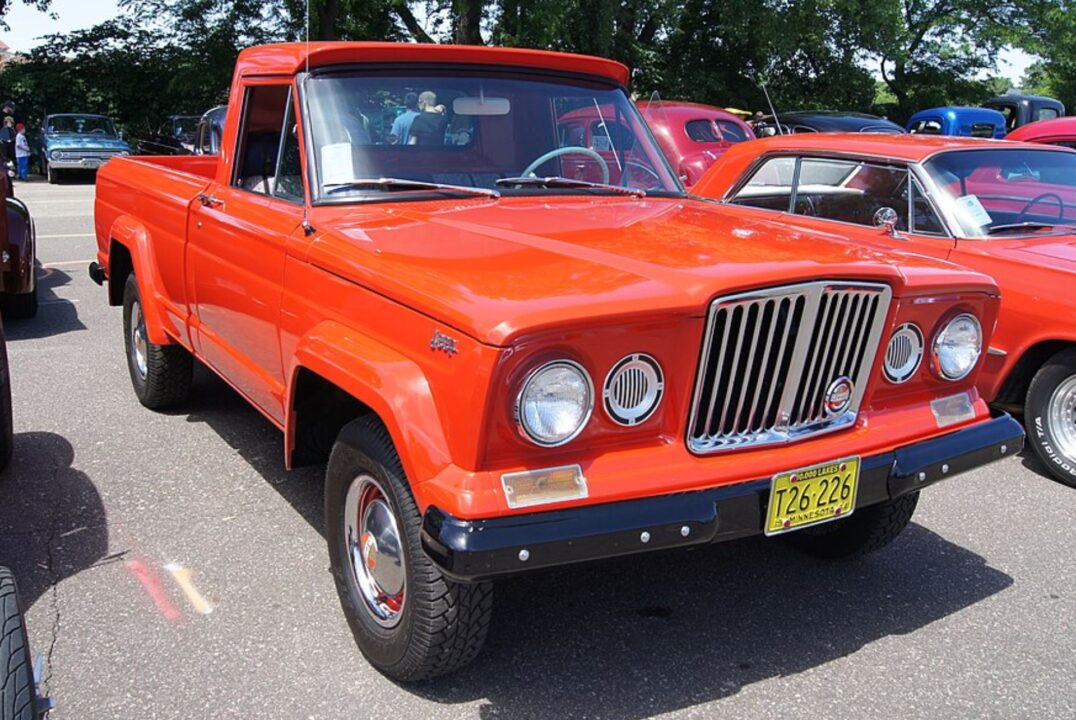
The original Jeep Gladiator brought four-wheel-drive capability and a strong off-road reputation into the pickup market. Farmers could use it for chores that took place far beyond paved roads, while its truck bed made it practical for carrying tools and supplies. Its rugged chassis and traditional four-wheel-drive hardware suited rural environments particularly well. The Gladiator helped establish Jeep as a serious pickup manufacturer long before the name returned to the modern truck market.
Ford Ranchero
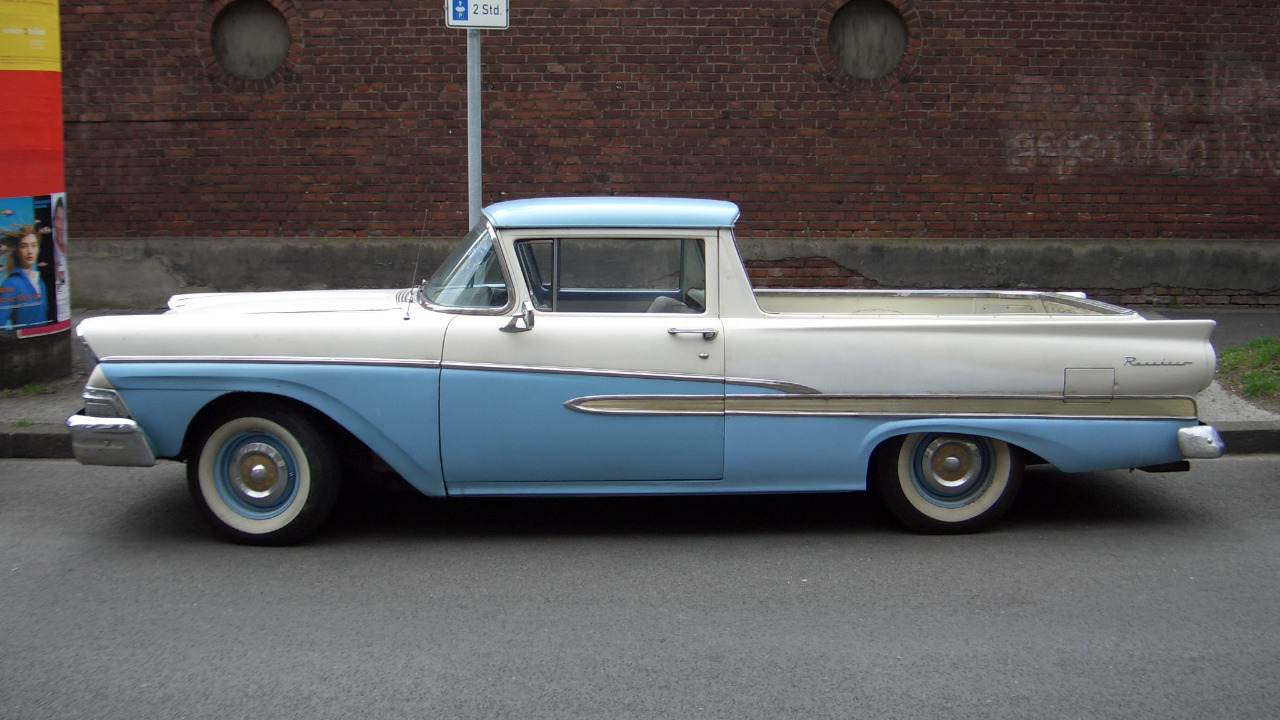
The Ford Ranchero was not a conventional pickup, but it became surprisingly useful around farms and rural properties. Its car-based chassis gave it easier road manners than a traditional truck while still providing an open cargo bed. Farmers could use it for lighter hauling, feed runs, tools, and everyday transportation. Its unusual combination of car comfort and truck utility made it one of the most distinctive American work vehicles of its era.
Chevrolet LUV
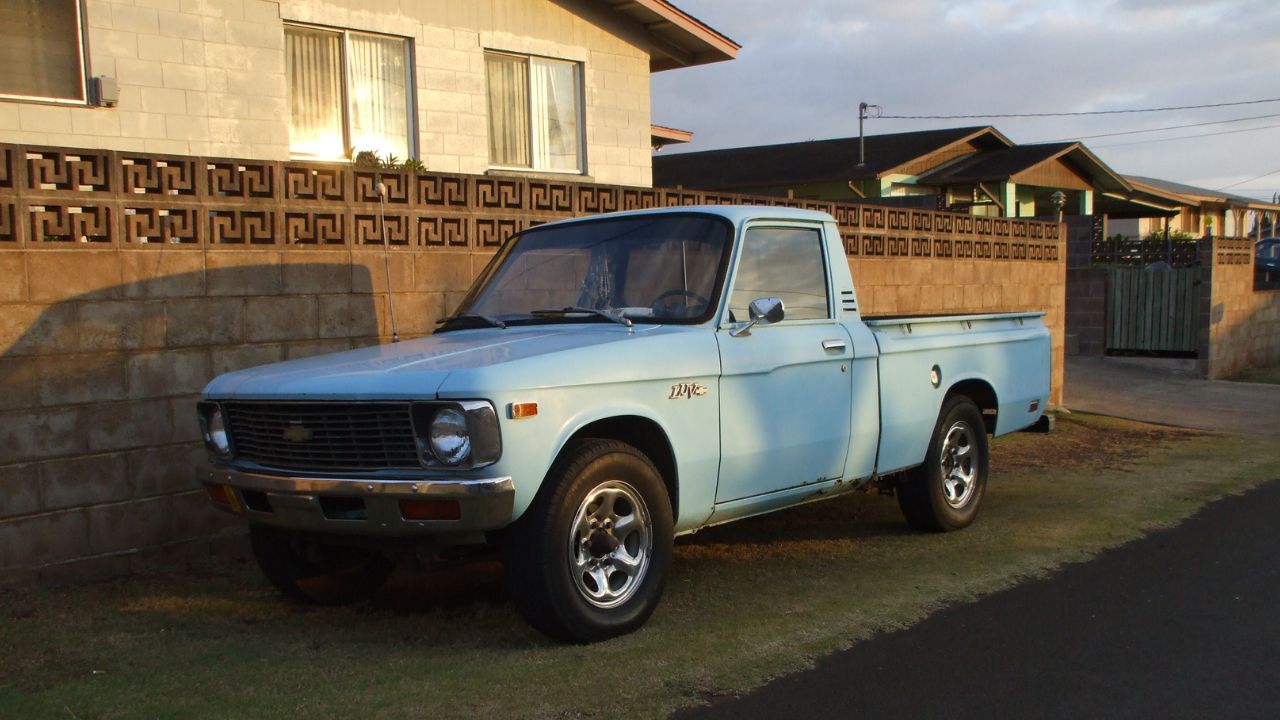
The Chevrolet LUV arrived when smaller pickups were becoming increasingly useful for buyers who did not need a full-size truck. Its compact dimensions made it easy to maneuver around barns, fields, and narrow rural roads. Despite its smaller size, it could handle many everyday farm tasks while using less fuel than a full-size American pickup. Its straightforward design helped make it a practical little workhorse for owners who valued efficiency as much as carrying ability.
Ford Courier

The Ford Courier gave American buyers a compact pickup option that could handle everyday work without the size and fuel demands of a full-size truck. Its manageable dimensions were especially useful around smaller farms and properties where space could be limited. The Courier was not designed to replace heavy-duty pickups, but it proved capable enough for many routine chores. Surviving examples now show how important compact trucks became to rural owners.
GMC Sprint
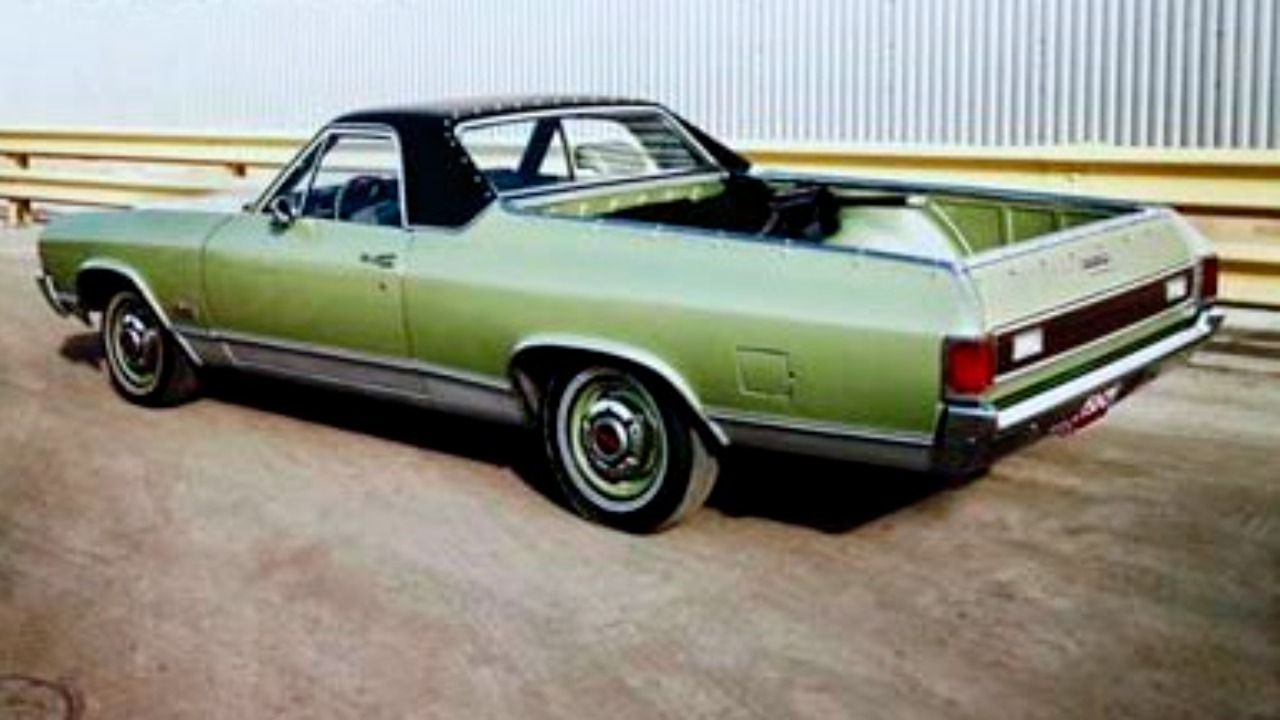
The GMC Sprint was the company’s answer to the growing popularity of car-based pickups. It combined a passenger-car feel with an open cargo area, making it useful for lighter farm duties and everyday transportation. Later versions gained more serious performance hardware, but the basic idea remained practical. A farmer could use one for smaller loads while enjoying easier road manners than a conventional heavy-duty truck.
International Harvester Scout
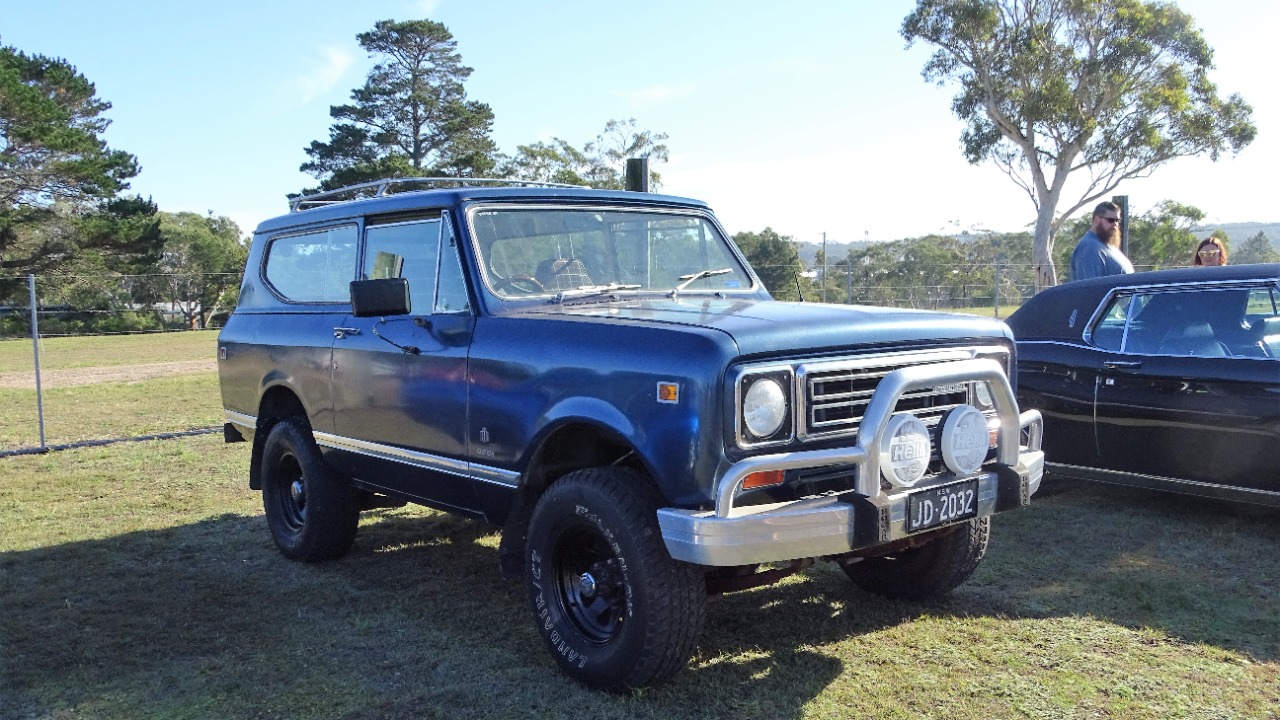
The International Harvester Scout was primarily an off-road utility vehicle, but its pickup-style configurations made it useful for farms and rural properties. Its compact size allowed it to reach muddy fields, trails, and narrow paths where larger trucks could be inconvenient. The Scout’s rugged construction and simple four-wheel-drive system helped it survive demanding environments. Many were used hard rather than preserved, which makes clean surviving examples increasingly interesting today.
Jeep FC-150
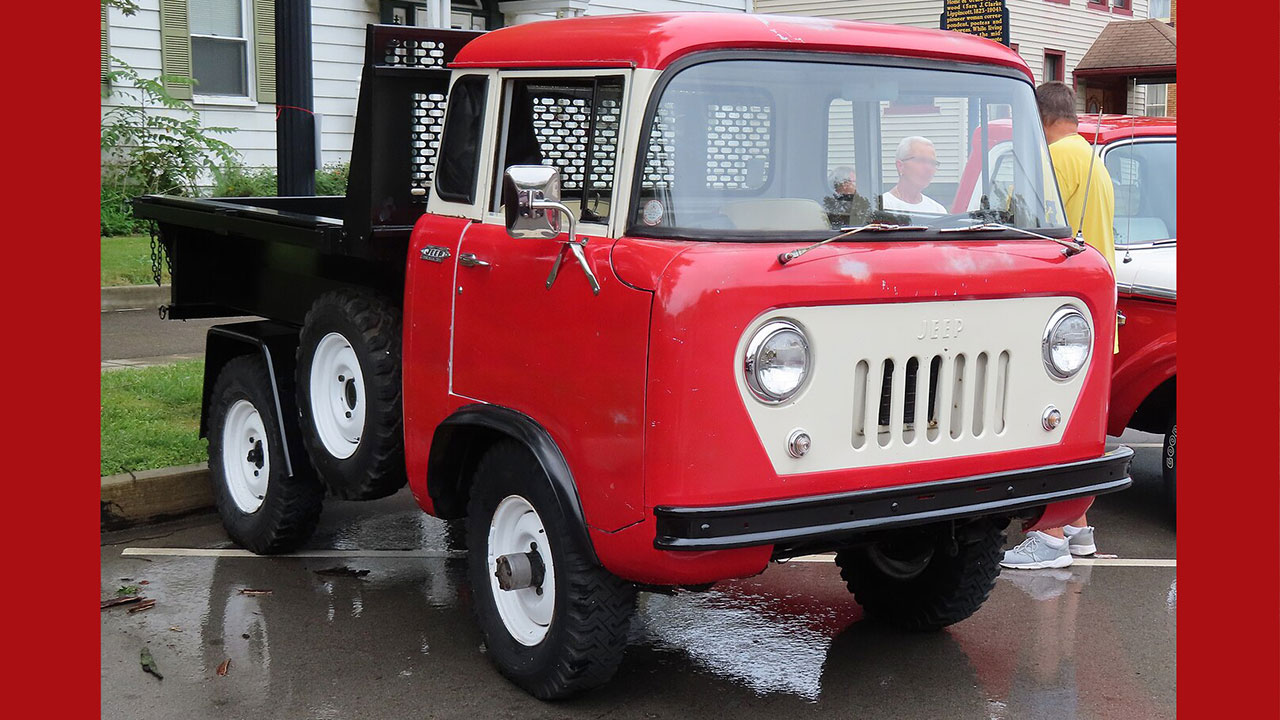
The Jeep FC-150 combined a compact four-wheel-drive chassis with a forward-control cab that maximized the available cargo area. Its small size made it particularly useful around farms, where narrow lanes and tight working areas could make larger trucks cumbersome. The truck was never as common as a Ford or Chevrolet pickup, but its rugged mechanical layout gave it plenty of practical ability. Owners valued it as a small truck that could go almost anywhere.
Chevrolet Apache
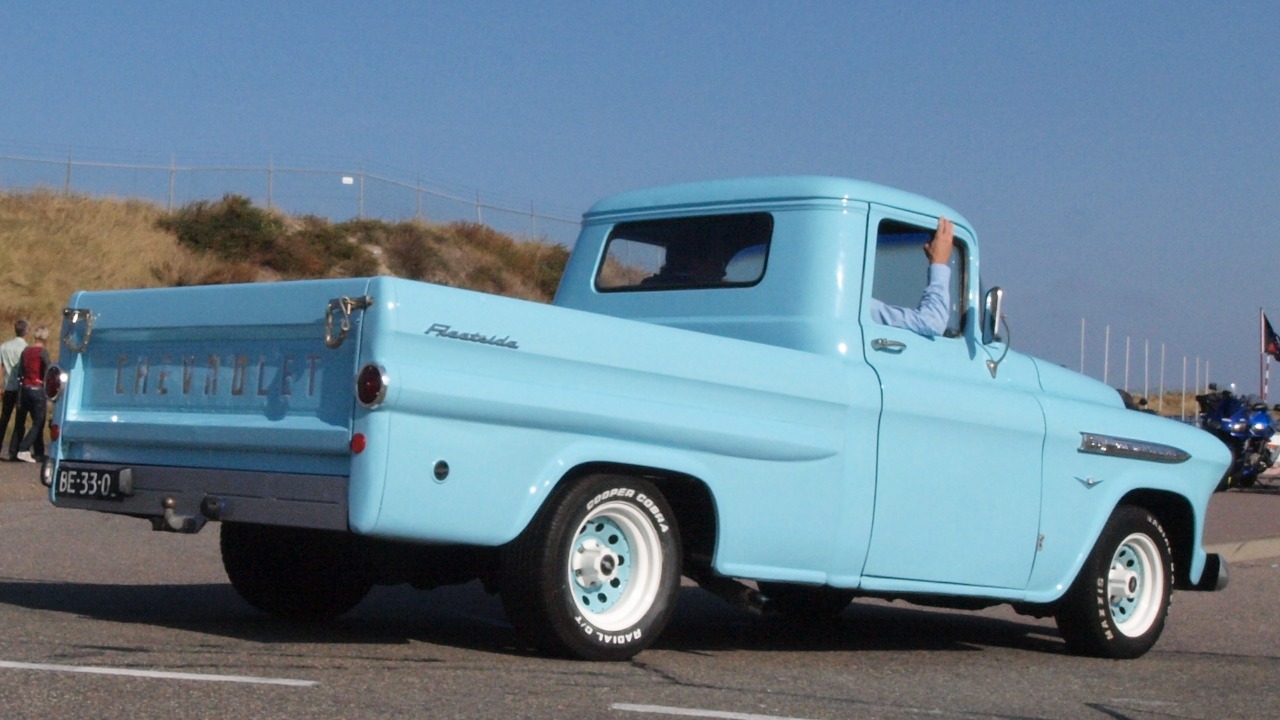
The Chevrolet Apache was part of the Task Force generation and became a familiar sight on farms across the country. Its bold grille and rounded bodywork gave it a distinctive look, but its real purpose was hard work. Farmers used these trucks for hauling supplies, carrying tools, and moving equipment around their properties. Their sturdy construction and uncomplicated mechanical systems allowed many to remain useful long after newer pickups had replaced them in showrooms.
Ford F-600

The Ford F-600 stepped beyond the normal light-duty pickup into genuinely heavy work. Its larger chassis and greater payload capacity made it useful for farms that needed to move substantial loads, equipment, or trailers. Unlike lighter pickups, it was designed with commercial-duty work in mind. Many F-600s spent years doing exactly what they were built for, and their survival today reflects the durability required from trucks that were expected to earn their keep every day.
Chevrolet Loadmaster

The Chevrolet Loadmaster represented the heavier end of Chevrolet’s postwar truck range and was built for demanding commercial and agricultural work. Its larger frame and heavy-duty components allowed it to carry loads that would overwhelm ordinary pickups. Farms with substantial equipment or livestock operations could put such a truck to work year after year. These vehicles were tools first and transportation second, which is precisely why surviving examples have such a strong reputation for toughness.
More from Fast Lane Only
- Unboxing the WWII Jeep in a Crate
- 15 rare Chevys collectors are quietly buying
- 10 underrated V8s still worth hunting down
- Police notice this before you even roll window down
*Research for this article included AI assistance, with all final content reviewed by human editors.