Some vehicles seem to exist outside the normal timeline. Their styling, interiors, engineering, or overall character can make them feel as though they arrived from a completely different decade. Even when they were sold alongside modern vehicles, these unusual machines often looked and felt remarkably old-fashioned. From rugged utility vehicles to eccentric family cars, each one captured a particular era so strongly that it never quite seemed to leave it behind.
Volkswagen Beetle
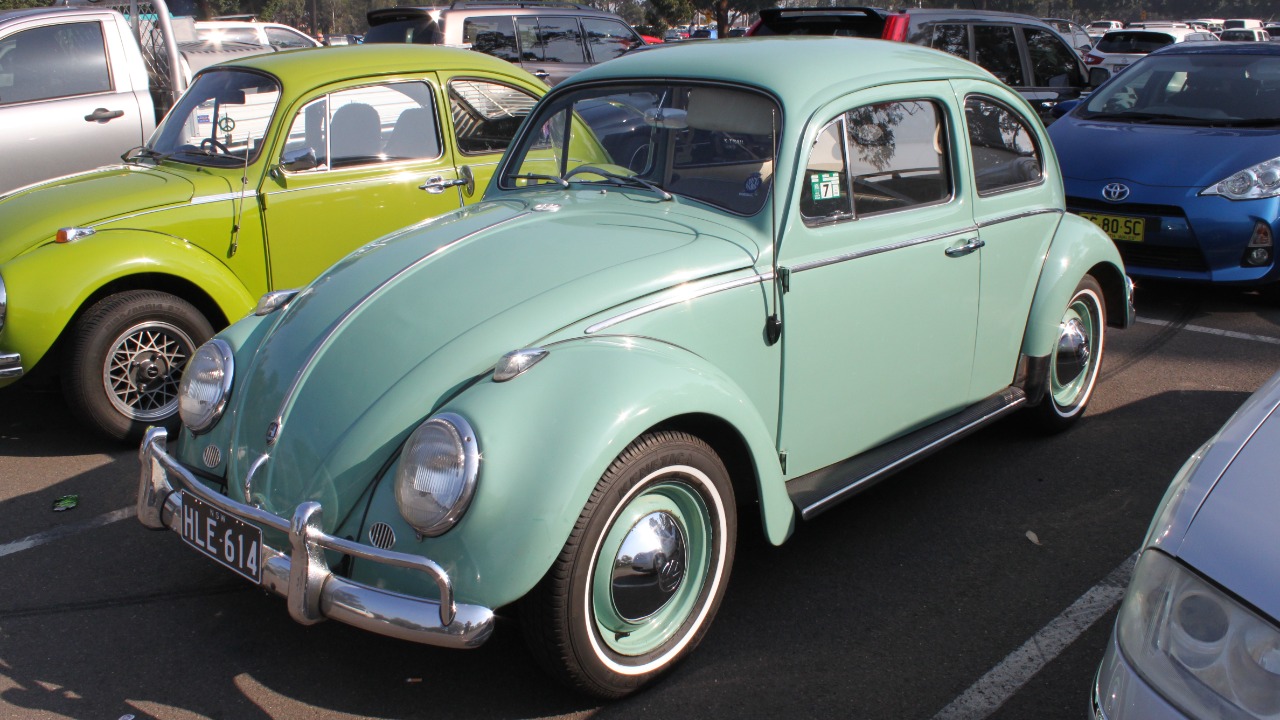
The Volkswagen Beetle carried an unmistakable prewar design philosophy deep into the modern automotive age. Its rounded body, upright windshield, separate-looking fenders, and simple cabin made it look dramatically different from the increasingly angular cars around it. The Beetle’s basic layout also remained remarkably consistent for decades, helping preserve its old-fashioned character. Even as safety equipment, comfort features, and performance standards changed, the Beetle retained the same distinctive personality. Seeing one today can feel like finding a small piece of an earlier automotive world still operating normally.
Jeep CJ
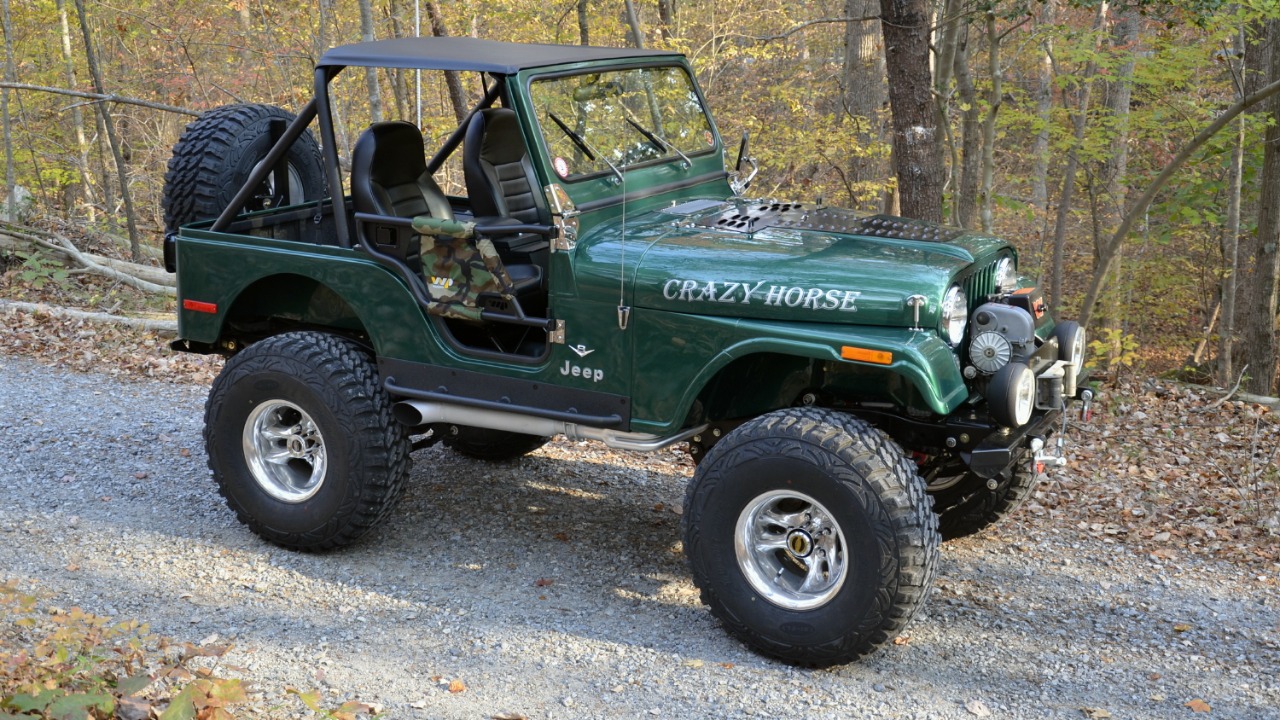
The Jeep CJ remained closely tied to the original military-inspired utility vehicle formula long after most manufacturers had modernized their off-roaders. Its upright windshield, exposed hinges, removable body panels, simple dashboard, and rugged four-wheel-drive system gave it an unmistakably old-school character. There was little attempt to make it feel like a luxury vehicle. Instead, the CJ prioritized durability and basic utility. Even when newer SUVs offered more comfort and refinement, the CJ continued to feel like a working machine designed around a much earlier idea of transportation.
Checker Marathon
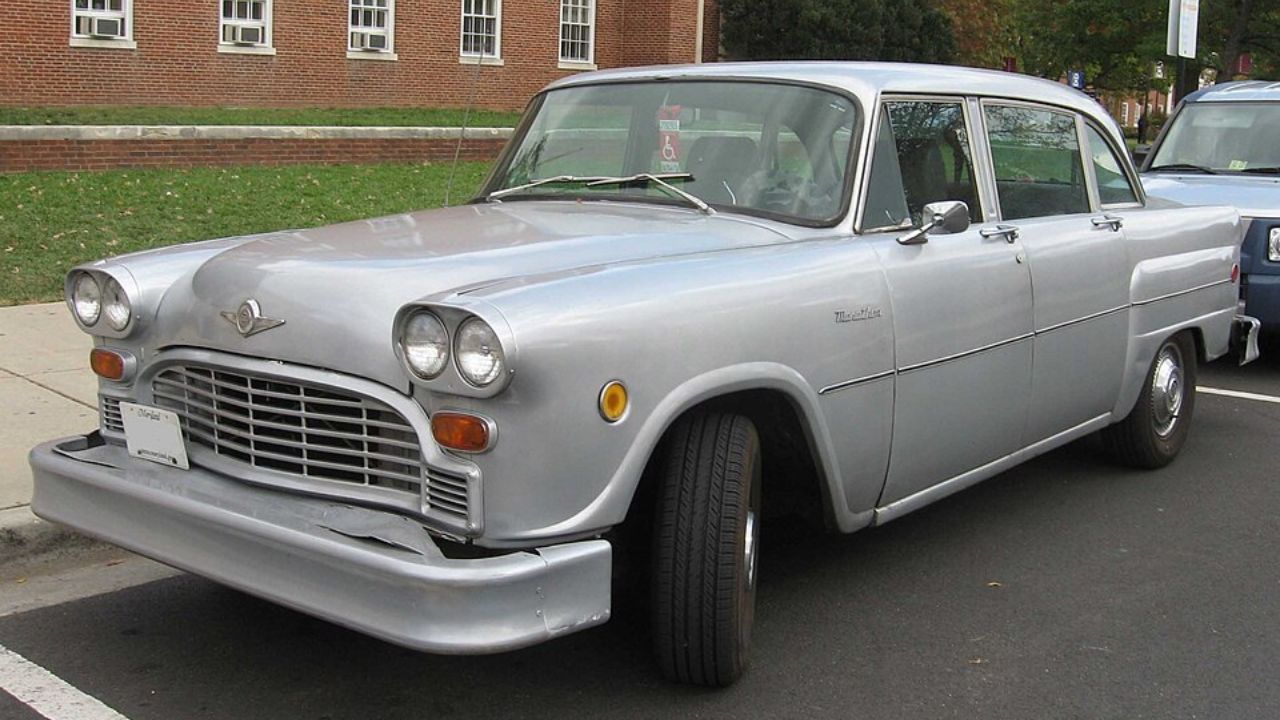
The Checker Marathon looked like it had been designed specifically to resist changing fashion. Its tall body, upright proportions, enormous cabin, and traditional sedan shape remained familiar for years while other American cars became dramatically more streamlined. Taxi versions were particularly recognizable, but the Marathon was also available to ordinary buyers. Its basic appearance made it feel like a vehicle from an earlier decade even when it was still relatively new. Few American cars maintained such a strong connection to the classic era of big, upright sedans.
Citroën 2CV
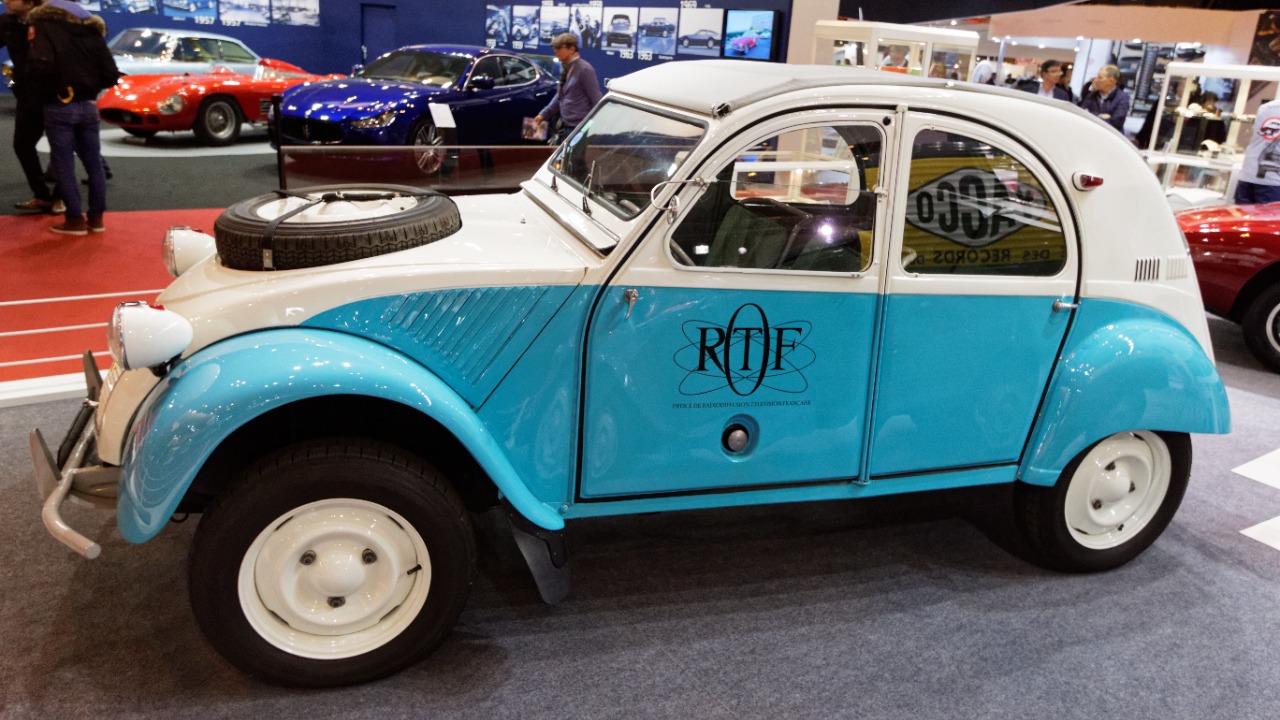
The Citroën 2CV was intentionally designed around simplicity, affordability, and practicality rather than conventional automotive sophistication. Its tall, narrow body, soft suspension, basic interior, and unusual proportions made it seem almost untouched by modern design trends. The car remained in production for decades, allowing its early philosophy to survive far longer than expected. Even as European vehicles became faster, quieter, and more technologically advanced, the 2CV continued doing things its own way. Its charm comes largely from how completely it ignored the usual march toward complexity.
Land Rover Series III
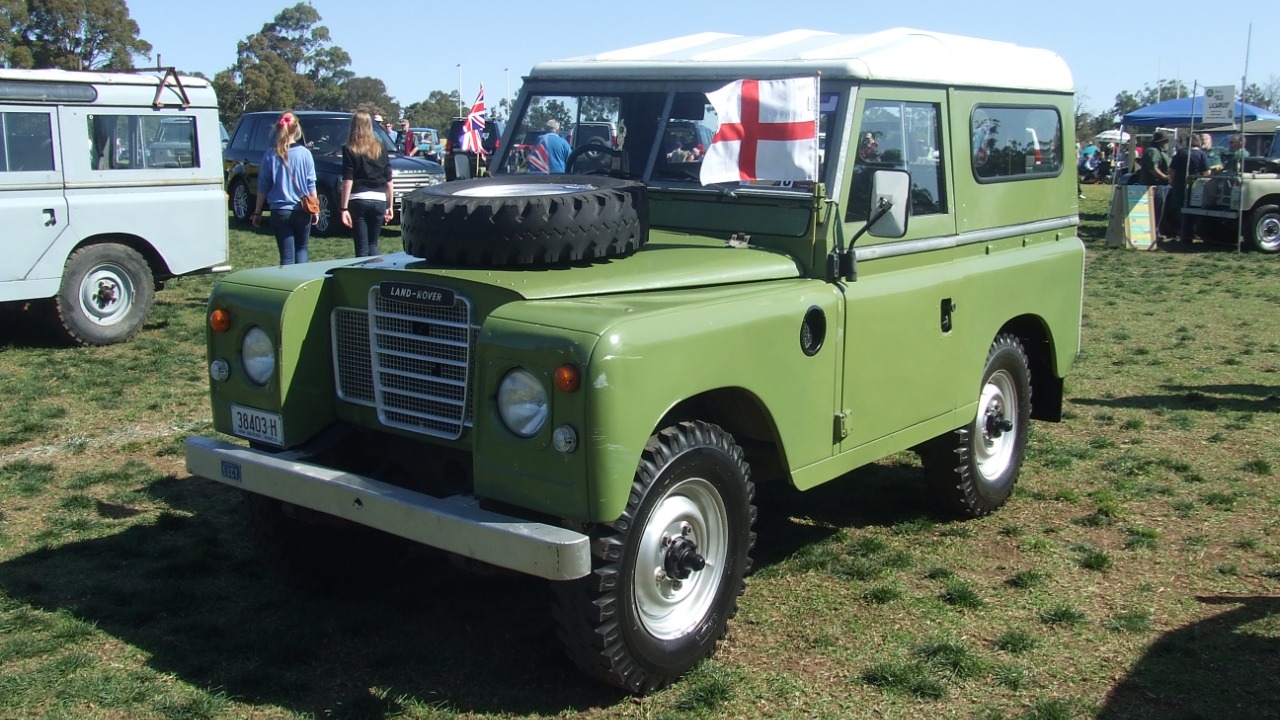
The Land Rover Series III looked and felt like a machine from an earlier generation because it essentially preserved a rugged utility philosophy long after most SUVs became more civilized. Its upright body, flat panels, exposed hardware, basic cabin, and utilitarian controls emphasized function above comfort. The vehicle was perfectly suited to farms, remote roads, and demanding off-road work. Driving one provides an experience that feels very different from modern SUVs. There is little isolation from the mechanical process, which makes the Series III feel distinctly old-school.
Mercedes-Benz G-Class

The Mercedes-Benz G-Class has undergone enormous mechanical and technological development, but its basic exterior shape has remained remarkably recognizable. The upright windshield, squared body, exposed door hinges, and flat sides preserve the visual language of an older off-road vehicle. Modern versions can be extremely luxurious and powerful, yet they still look like descendants of a much simpler machine. That contrast is part of the G-Class’s appeal. It can contain modern technology underneath while continuing to appear as though its designers never received the memo about rounded SUV styling.
Morgan Plus 4
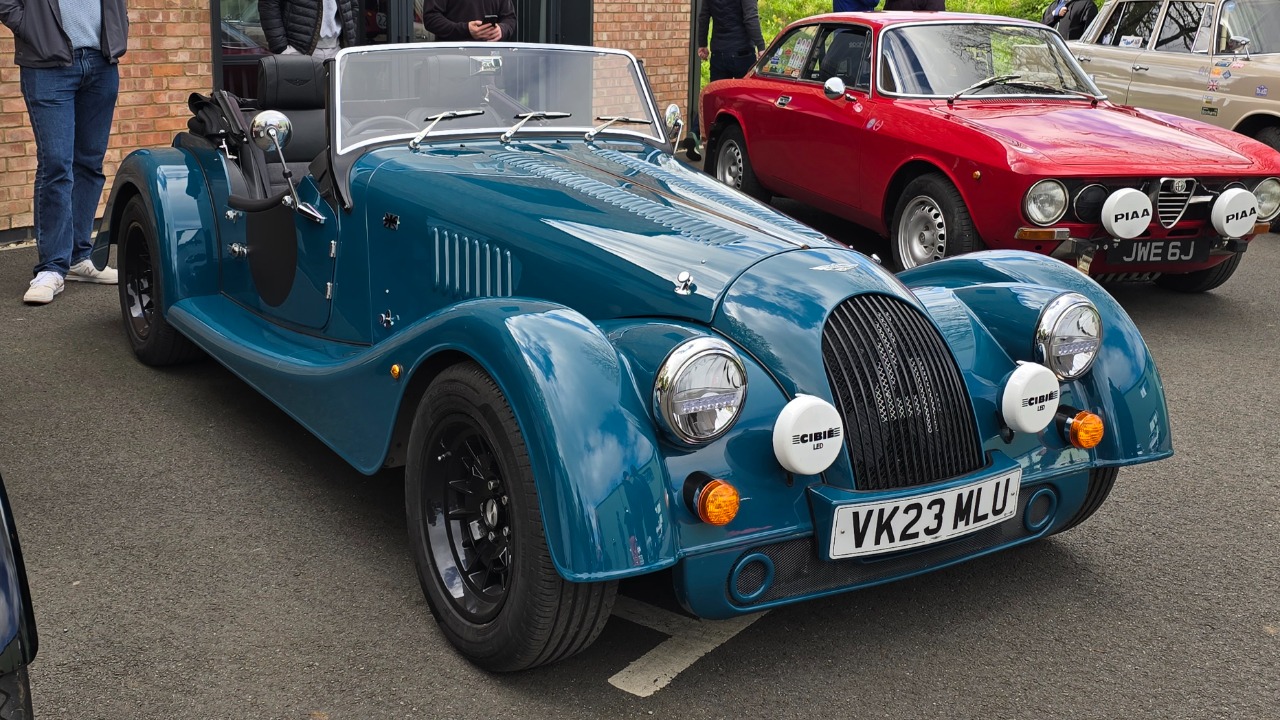
The Morgan Plus 4 has always seemed to exist in its own automotive timeline. Its upright grille, separate front fenders, low body, exposed wheels, and traditional proportions preserve the appearance of a classic British sports car. While the underlying engineering has evolved, the visual formula has changed remarkably little. Modern vehicles increasingly rely on aerodynamic shapes and integrated bodywork, making the Morgan look even more unusual by comparison. It feels less like an old car recreated today and more like an old design that simply refused to disappear.
Fiat 500
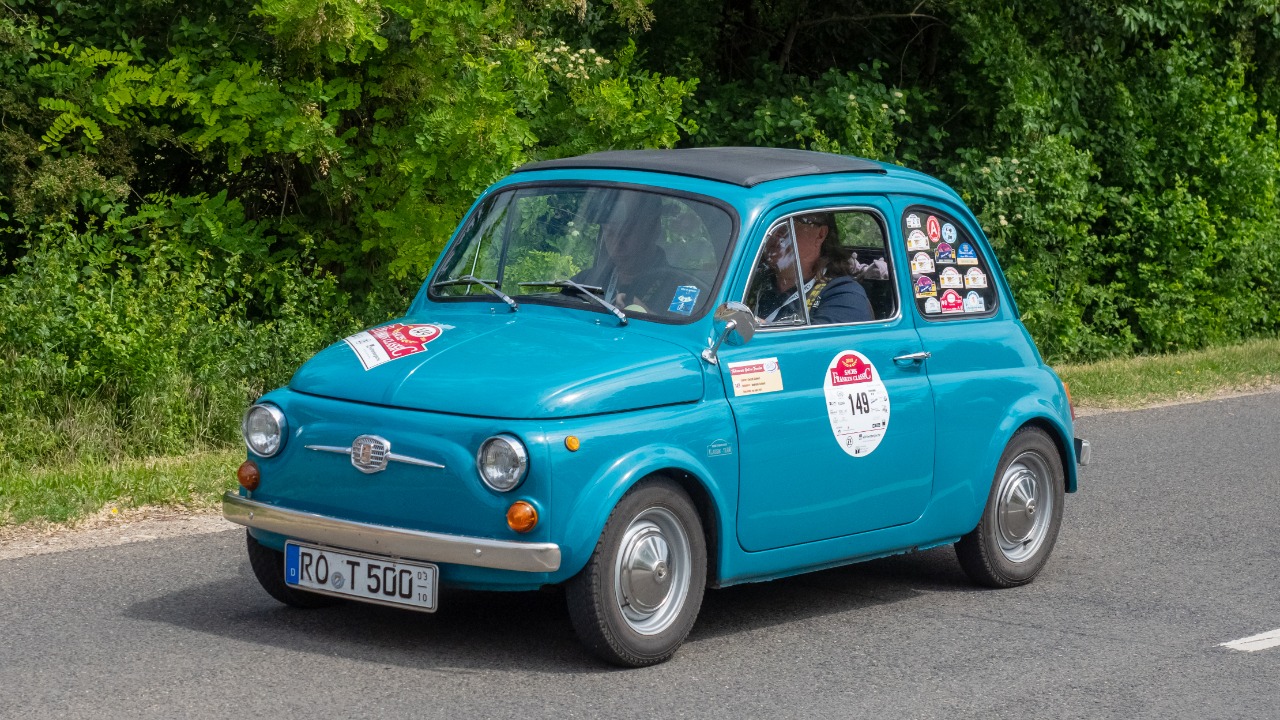
The original Fiat 500 became a symbol of postwar European motoring, with its tiny dimensions and cheerful proportions reflecting an era when inexpensive transportation mattered more than power or luxury. Its compact cabin, simple controls, and small engine made it dramatically different from modern vehicles. Later versions of the classic 500 retained that unmistakable character. Even parked among contemporary city cars, the original looks almost miniature. Its simplicity gives it a strong sense of place in automotive history and makes it feel permanently connected to mid-century Europe.
Renault 4
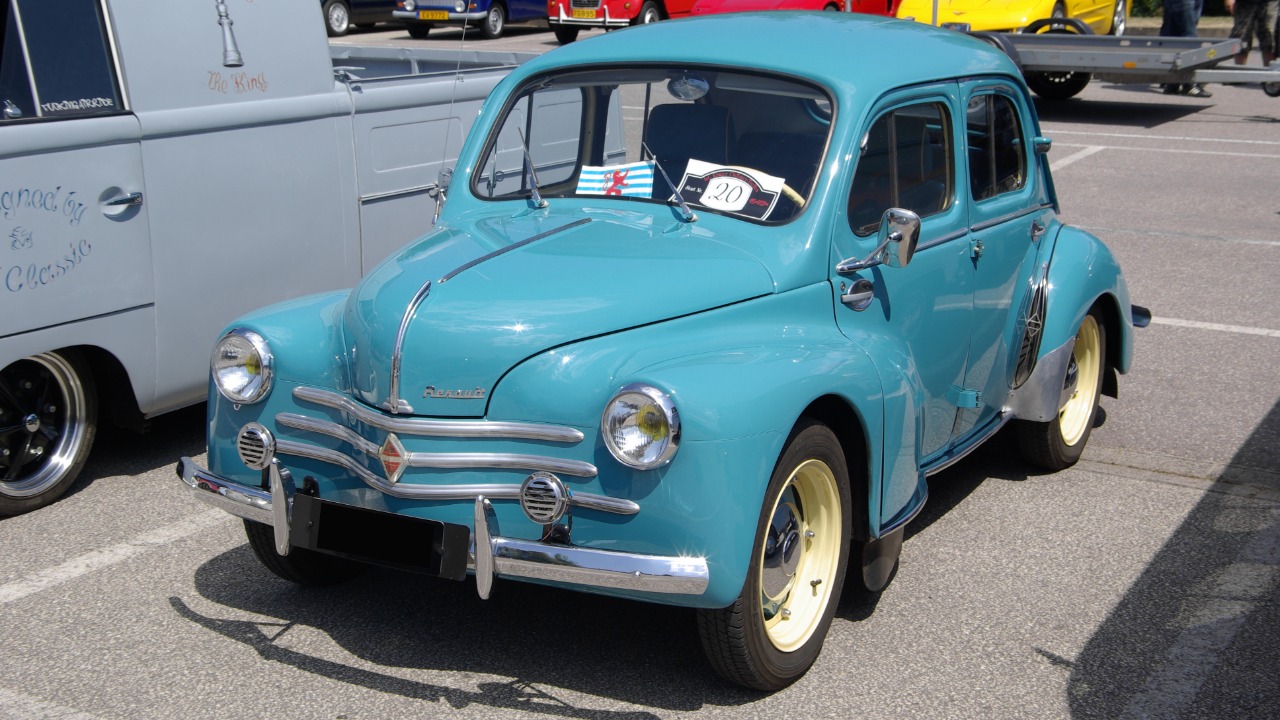
The Renault 4 was designed as practical transportation for ordinary people, and its straightforward shape reflects that mission. Its tall body, simple interior, modest mechanical layout, and useful hatchback made it versatile without being complicated. The car remained in production for decades, allowing its basic philosophy to survive while surrounding vehicles became increasingly sophisticated. Even today, the Renault 4 looks remarkably different from modern hatchbacks. It has the appearance of a machine designed when practicality and repairability mattered more than screens, luxury materials, or high-output engines.
AMC Eagle
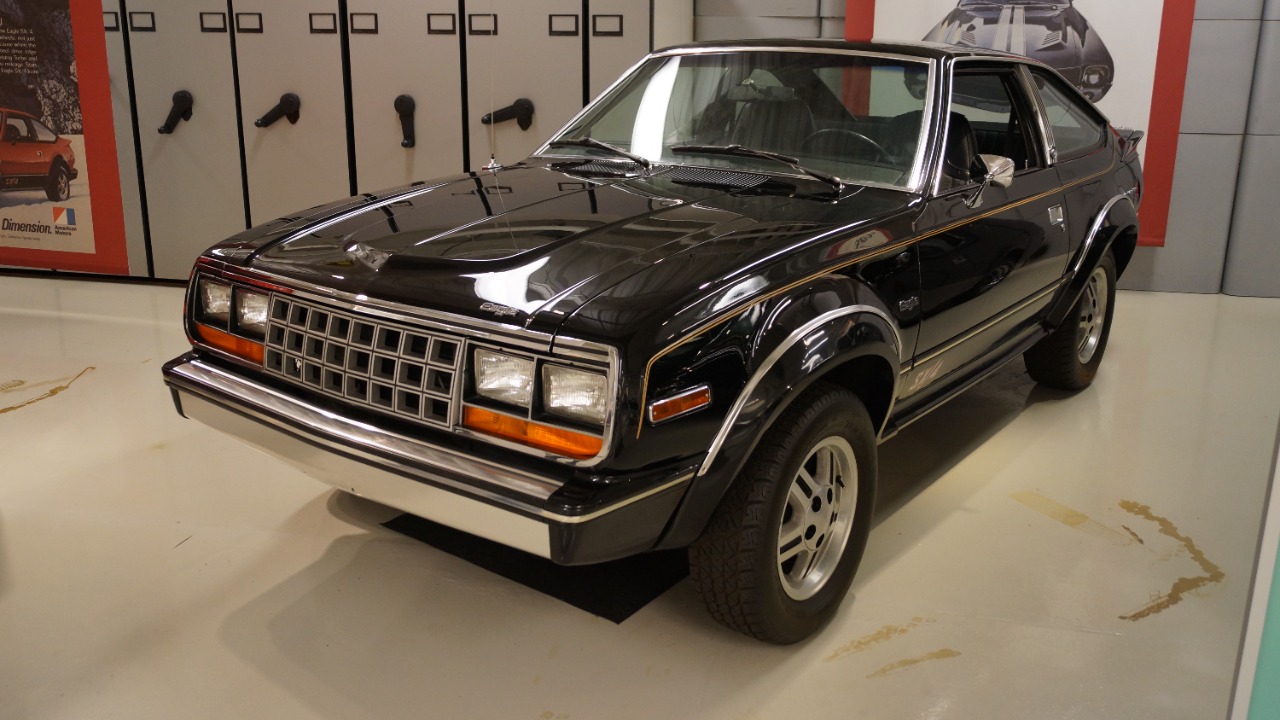
The AMC Eagle blended passenger-car comfort with four-wheel-drive capability years before crossover SUVs became mainstream. Its raised ride height, traditional wagon body, and rugged drivetrain made it look unusual when new. Modern crossovers adopted the same basic idea but usually with smoother styling and more sophisticated interiors. The Eagle therefore feels like an early glimpse of the future wrapped in the styling of an older American wagon. That unusual combination makes it one of the most interesting examples of a vehicle caught between two automotive eras.
Subaru Brat
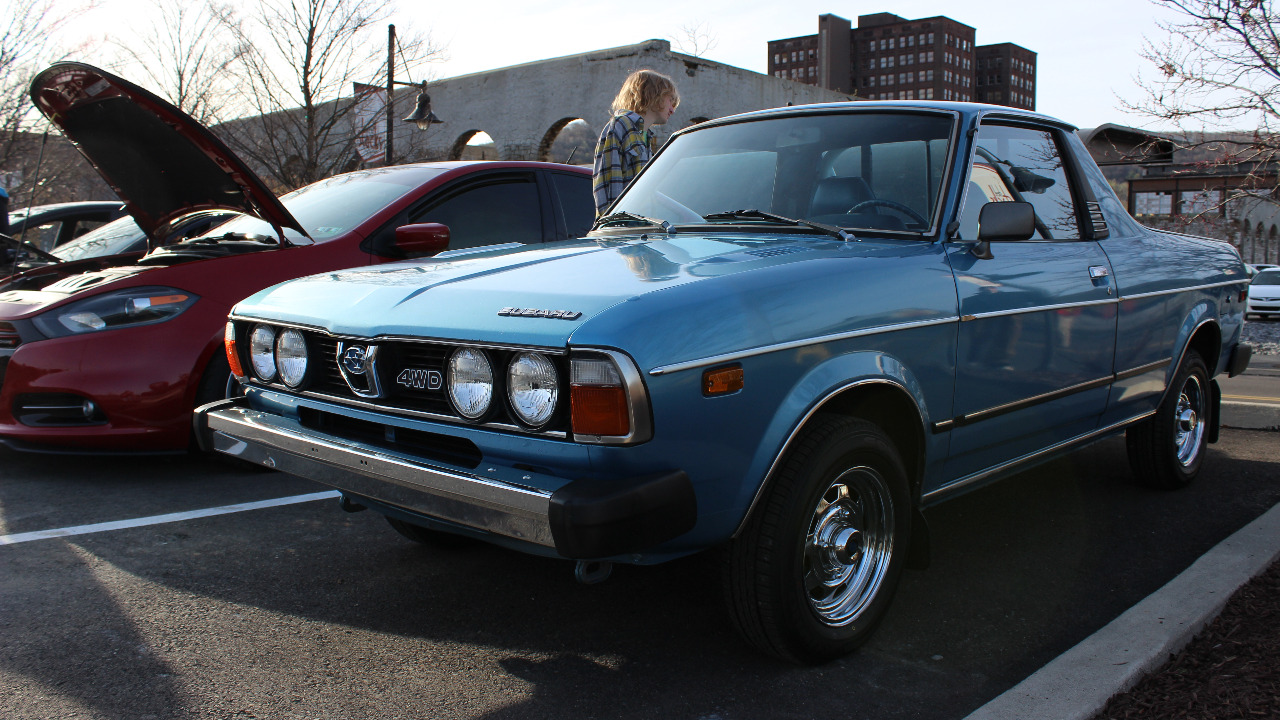
The Subaru Brat looked like a small pickup but was built around the practical requirements of a compact car. Its four-wheel-drive system, small dimensions, and unusual rear jump seats gave it a personality unlike almost anything else. The design reflected a period when automakers experimented freely with vehicle formats instead of following today’s familiar categories. Its compact proportions and straightforward cabin now make it feel particularly old-fashioned. The Brat is a reminder that small utility vehicles once had far more unconventional designs than they do today.
Volkswagen Type 2
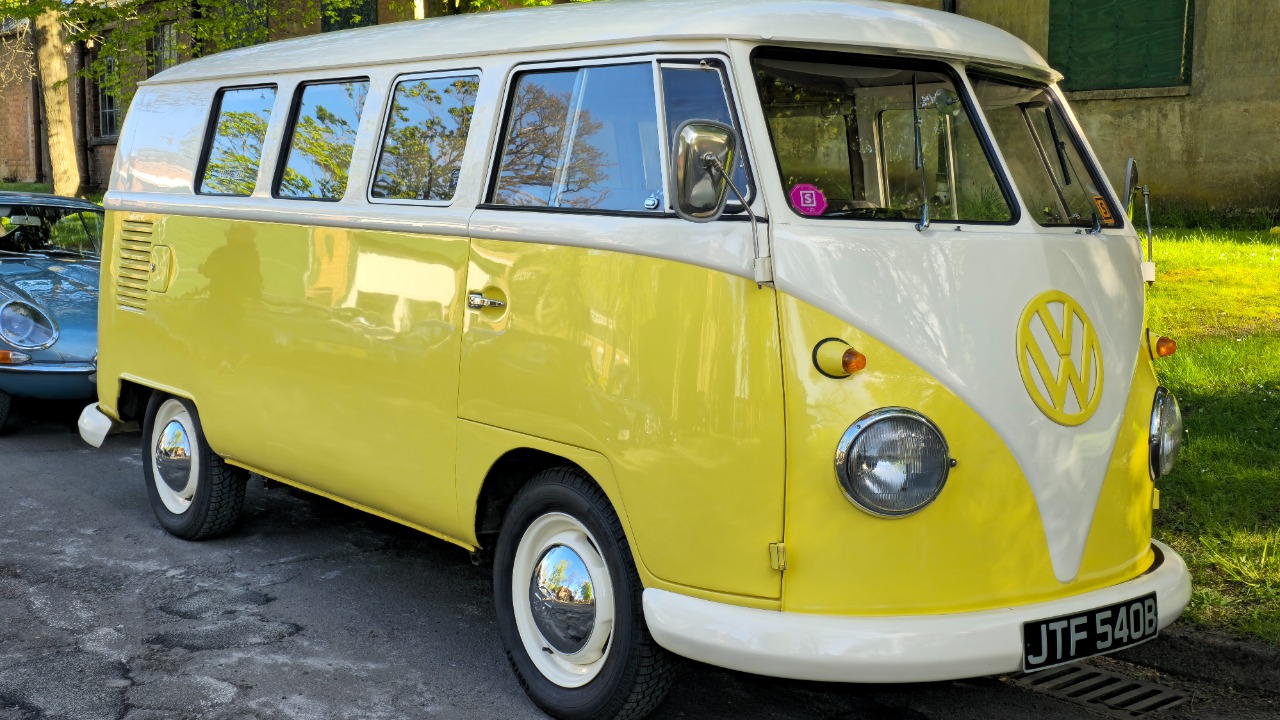
The Volkswagen Type 2 became one of the defining shapes of the 1960s and 1970s, and its visual identity remains strongly tied to that period. Its flat front, large windows, boxy body, and simple interior were designed around practical transportation rather than aerodynamic refinement. Whether configured as a van, camper, or utility vehicle, it looked unlike ordinary cars. Modern vans are far more powerful and comfortable, but few have the same instantly recognizable character. A Type 2 can make an entire parking lot feel decades older simply by being there.
Suzuki Samurai
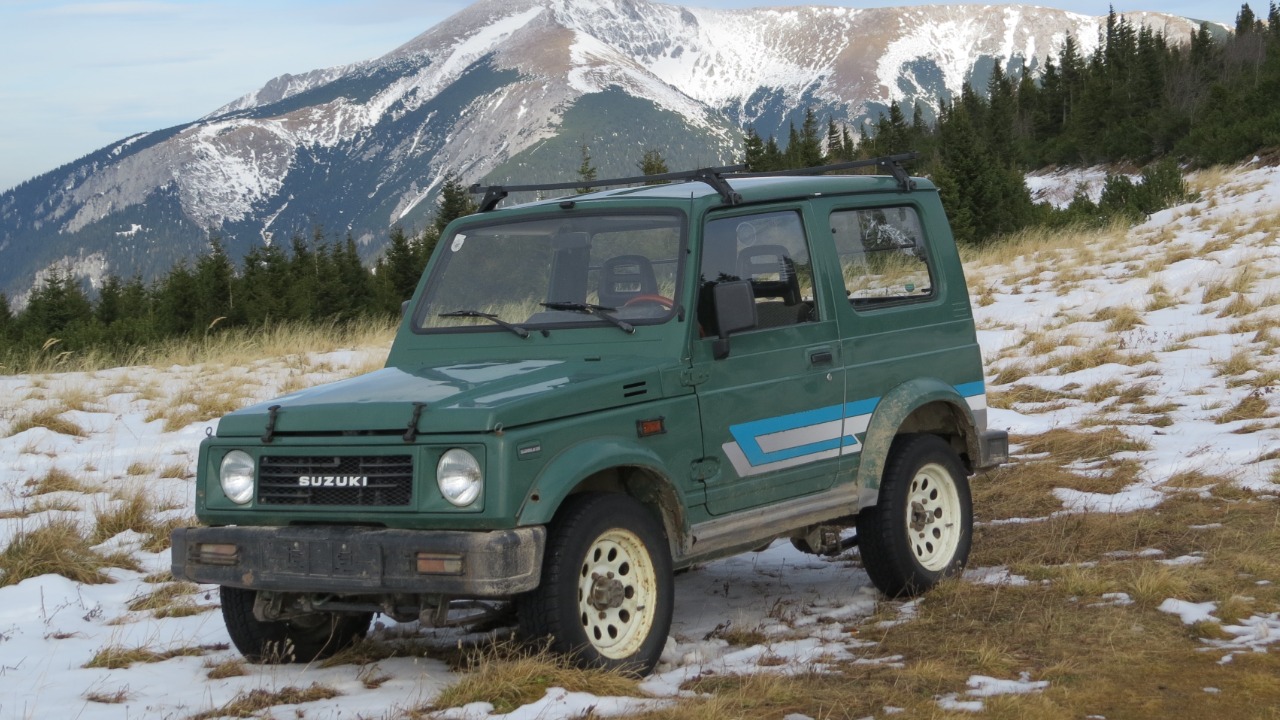
The Suzuki Samurai brought a compact, lightweight approach to four-wheel-drive motoring that looked increasingly unusual as SUVs grew larger. Its upright body, narrow track, simple interior, and traditional four-wheel-drive layout gave it the feel of a small utility vehicle rather than a modern family SUV. The Samurai’s dimensions were particularly striking beside larger trucks and sport-utility vehicles. It was basic, but that simplicity was part of the appeal. Even today, it feels like a vehicle from a time when off-road capability did not require a huge body.
Toyota FJ40 Land Cruiser
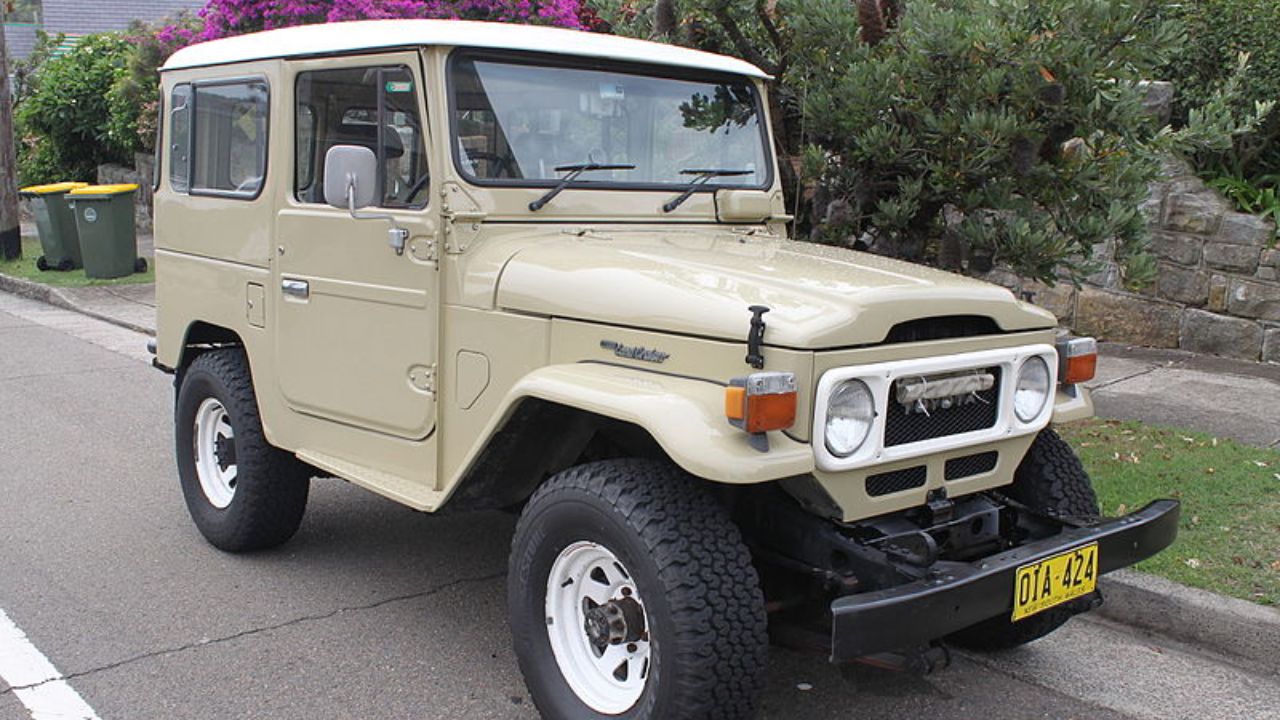
The Toyota FJ40 Land Cruiser retained the visual language of a rugged utility vehicle long after the SUV market began shifting toward comfort. Its upright windshield, round headlights, flat body panels, and simple cabin gave it a distinctly old-fashioned appearance. Underneath, its reputation for durability helped make it a trusted vehicle in demanding environments around the world. Modern Land Cruisers are much more sophisticated, but the FJ40 feels almost timeless because its design was focused so heavily on utility. It looks like it could still belong on a remote trail decades ago.
Ford Econoline
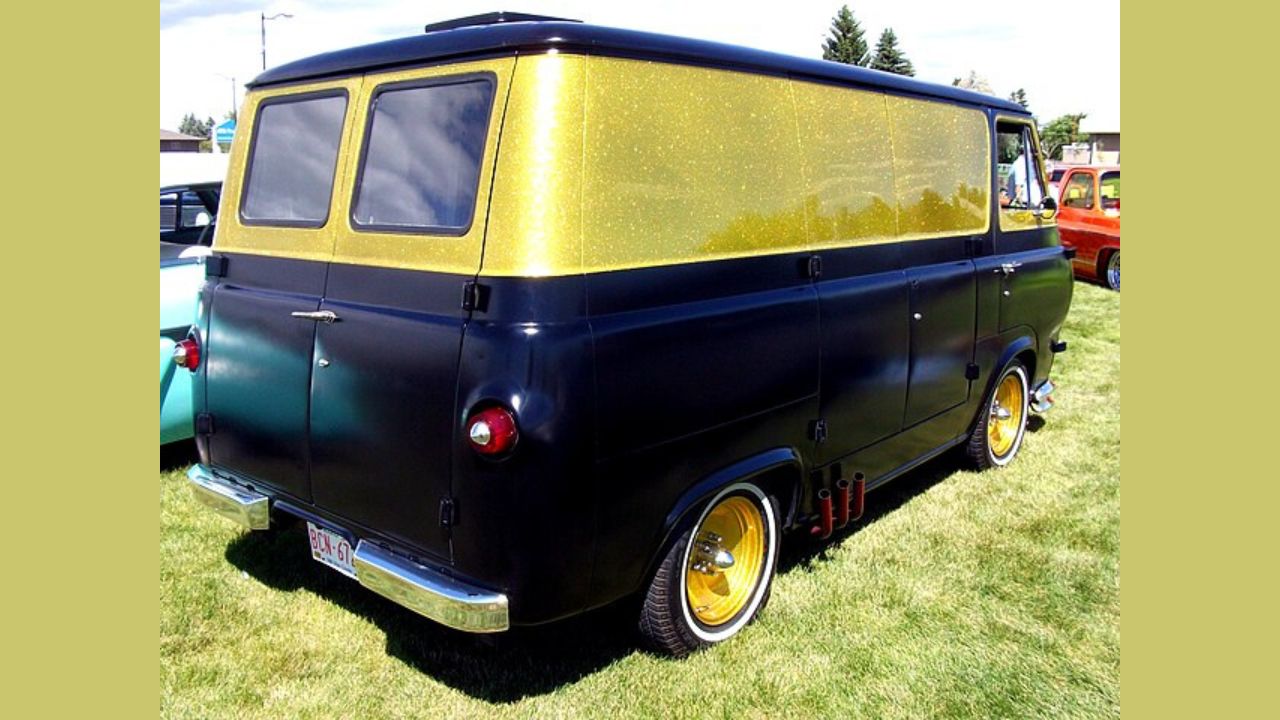
The early Ford Econoline looked remarkably different from modern vans because of its compact cab-forward design and simple commercial-vehicle proportions. Its flat nose and upright body gave it a functional appearance that emphasized cargo space rather than aerodynamic styling. Inside, the emphasis was similarly practical. There was little attempt to disguise its commercial roots. As modern vans became larger, smoother, and more comfortable, the early Econoline’s simple shape became even more distinctive. It looks like a direct product of an era when vans were primarily tools rather than lifestyle vehicles.
Chevrolet Suburban
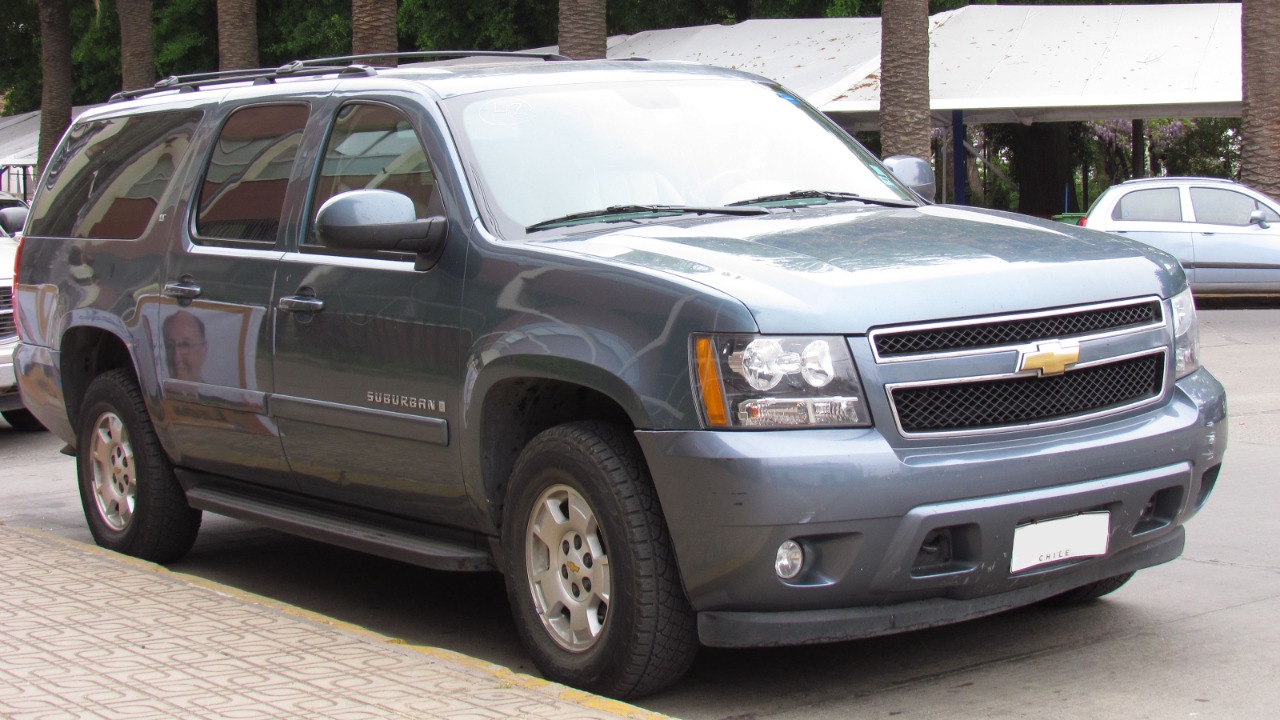
The classic Chevrolet Suburban represents an earlier idea of the full-size family vehicle, when large utility vehicles were simple, spacious, and designed primarily around carrying people and equipment. Earlier generations featured boxy bodies, simple interiors, and traditional truck-based construction. Modern Suburbans have become considerably more refined, but the older versions feel almost industrial by comparison. Their tall bodies and straightforward proportions communicate their original purpose immediately. A well-preserved classic Suburban can look like it belongs to a completely different automotive landscape.
Ford Bronco
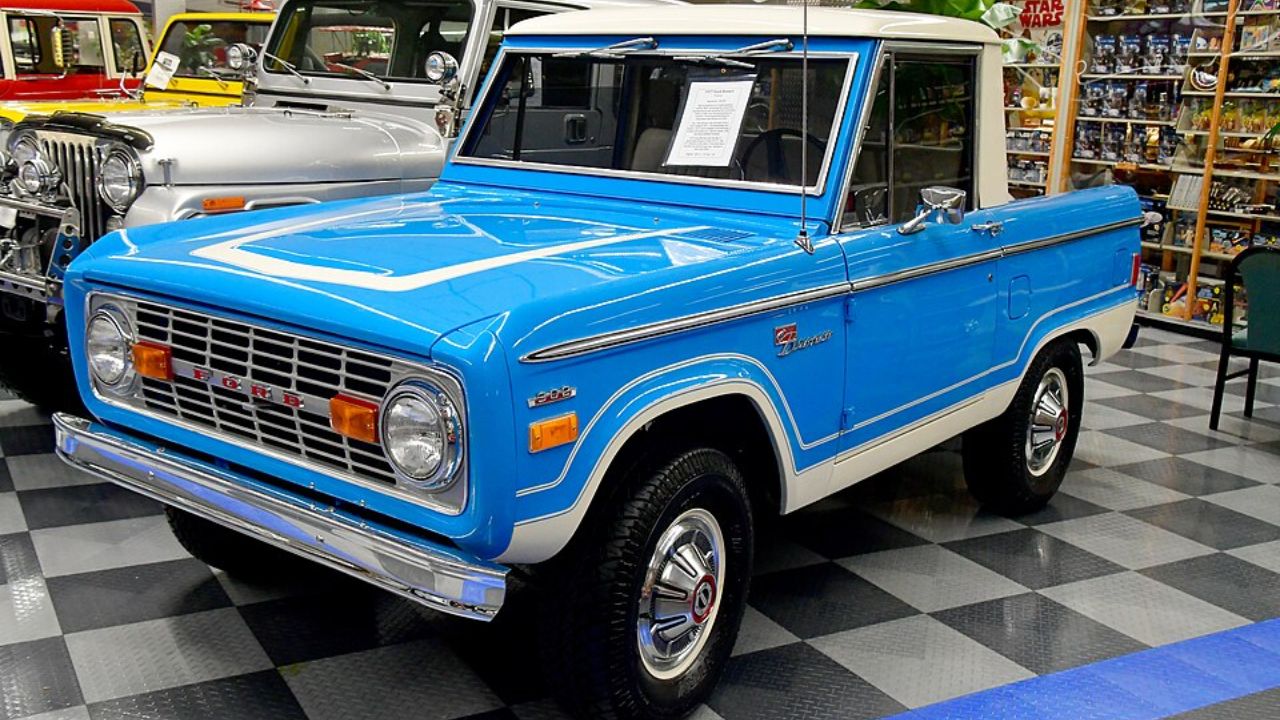
The early Ford Bronco had a remarkably straightforward design that reflected the original purpose of compact sport-utility vehicles. Its upright body, simple cabin, short wheelbase, and rugged four-wheel-drive system gave it a distinctive utilitarian appearance. There was little unnecessary decoration, and many examples could be configured for open-air driving. Modern Broncos deliberately borrow some of that visual language, but the original still feels more mechanical and basic. Its proportions and construction provide a strong reminder of how simple off-road vehicles once were.
Peugeot 504
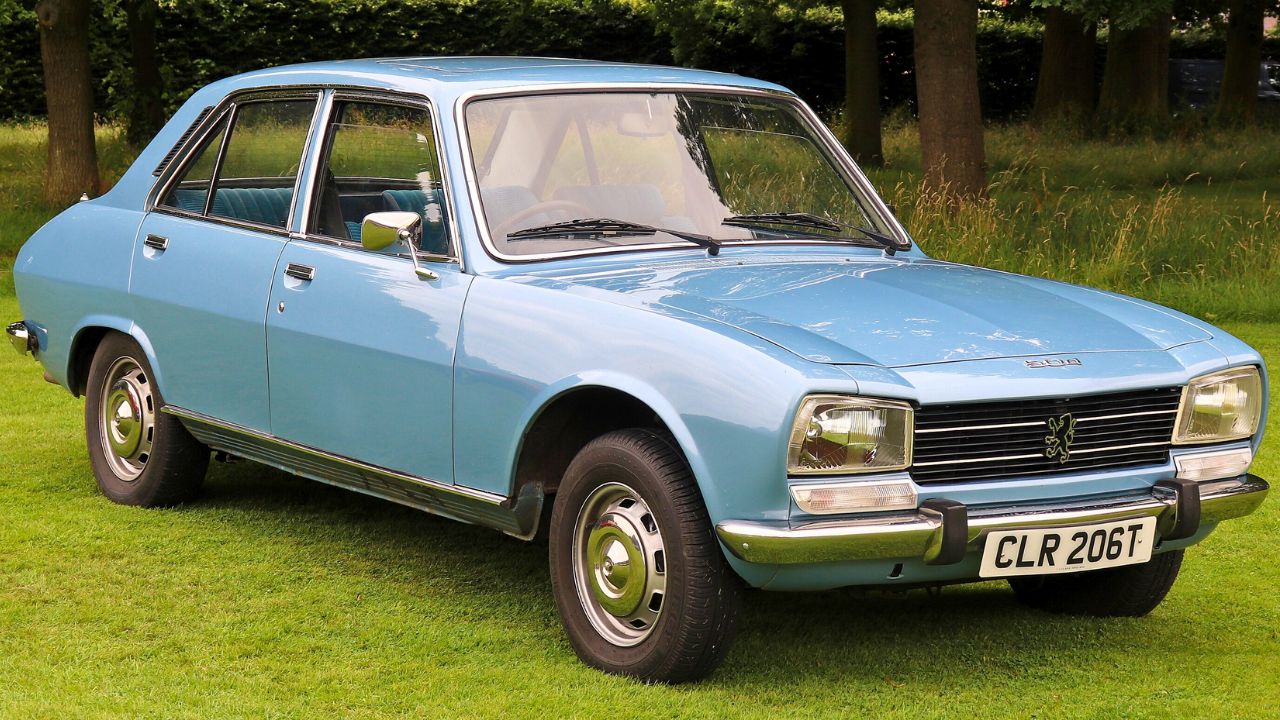
The Peugeot 504 had a reputation for durability, but its appearance also makes it feel strongly connected to the automotive world of the 1960s and 1970s. Its upright greenhouse, thin pillars, simple grille, and restrained body lines were typical of an era before aggressive styling became common. The design was conservative without being bland. In many markets, the 504 became a dependable everyday vehicle and workhorse. Seeing one today can be surprisingly jarring because its clean, simple proportions contrast so sharply with modern cars.
Lada Niva

The Lada Niva has remained remarkably faithful to its original concept of a compact, affordable four-wheel-drive vehicle. Its boxy body, upright windows, simple interior, and short overhangs give it an unmistakably old-fashioned appearance. Unlike many modern SUVs, it was not designed around luxury or road-focused refinement. Its rugged character has allowed the basic formula to remain relevant for decades. Even newer examples can look like they belong to an earlier automotive era, which is exactly what makes the Niva so distinctive.
Chevrolet El Camino
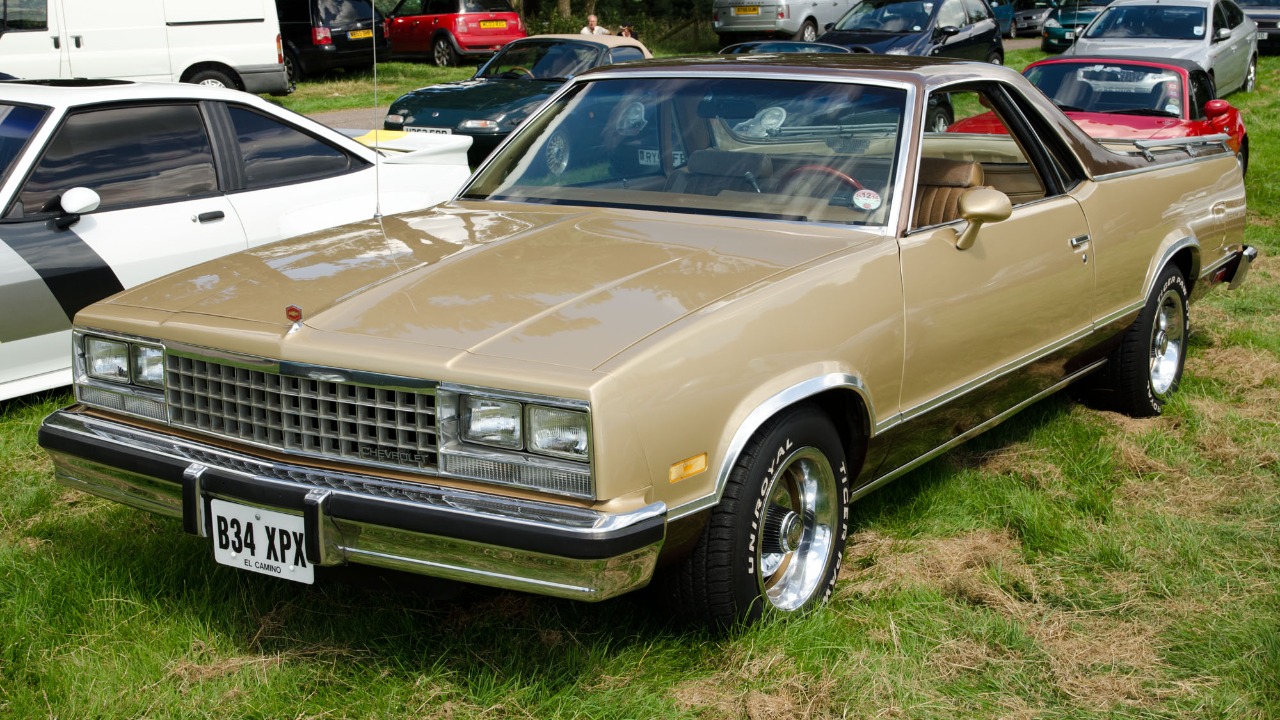
The Chevrolet El Camino combined a passenger-car front end with an open pickup bed, creating a vehicle format that feels increasingly unusual today. Its styling changed considerably over the years, but classic examples retained the proportions and chrome-heavy details associated with traditional American cars. The El Camino was never simply a truck or a coupe, and that ambiguity gave it lasting character. Modern vehicles tend to occupy clearly defined categories, making the El Camino’s unusual combination feel like a snapshot from a period when automakers were more willing to experiment.
More from Fast Lane Only
- Unboxing the WWII Jeep in a Crate
- 15 rare Chevys collectors are quietly buying
- 10 underrated V8s still worth hunting down
- Police notice this before you even roll window down
*Research for this article included AI assistance, with all final content reviewed by human editors.