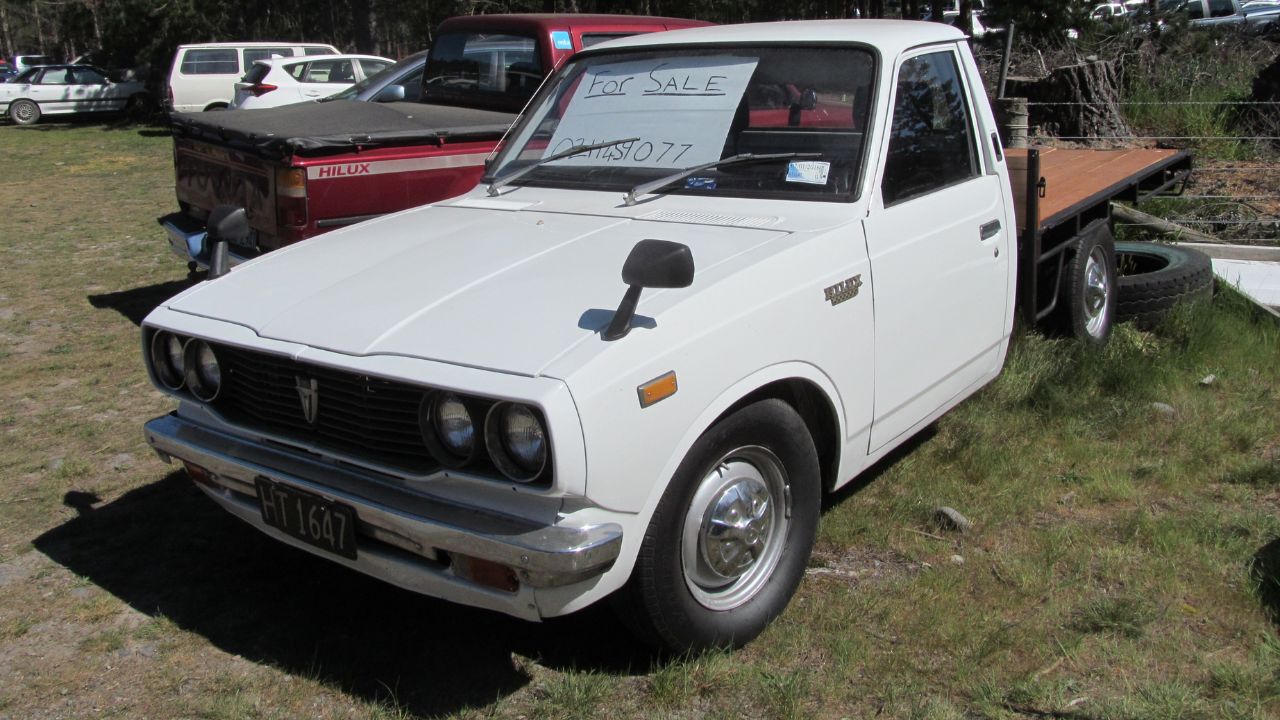
Vintage pickups have a reputation for doing more than hauling cargo. Their simple mechanical designs, strong frames, and unmistakable styling created trucks that owners could depend on for decades. Many have become deeply personal possessions, especially when they remain in original condition or carry years of memories. These 20 pickups are particularly difficult for owners to let go.
Chevrolet 3100
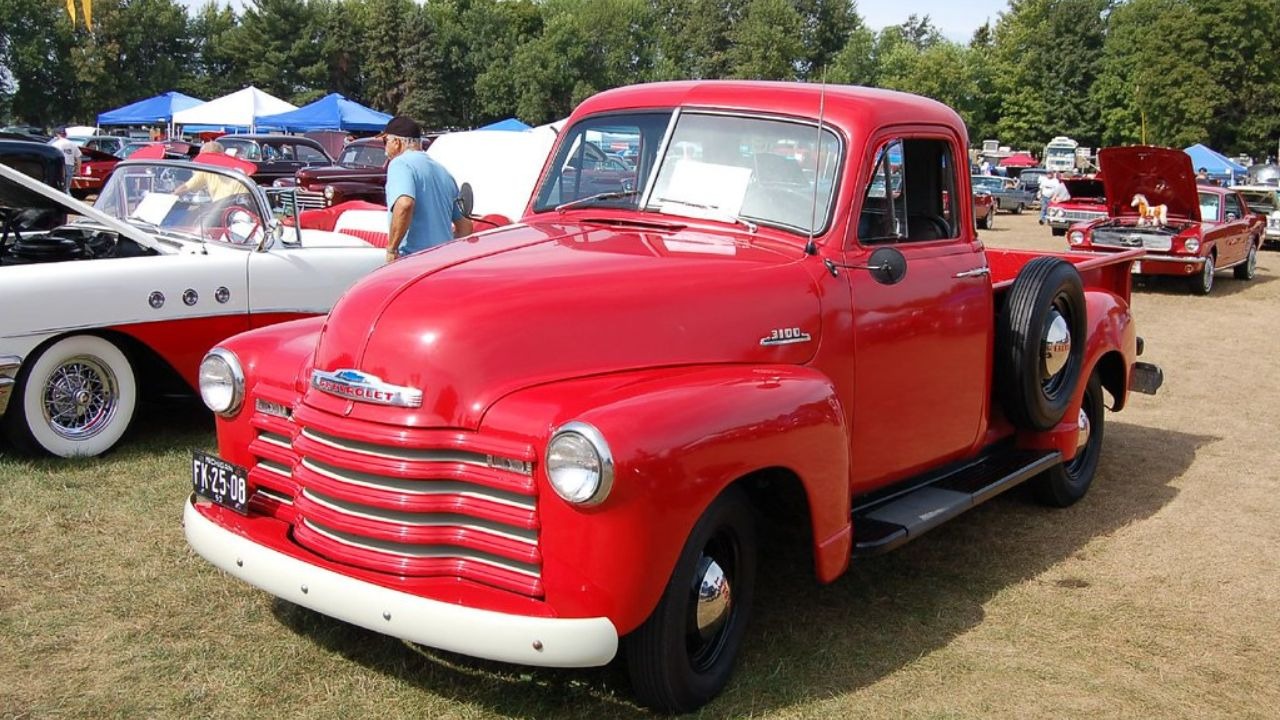
The Chevrolet 3100 became one of the defining American pickups of the postwar era. Its rounded styling, simple construction, and dependable inline-six engines made it popular with farmers, tradesmen, and everyday drivers. Today, the 3100 has become a favorite among collectors and traditional hot-rodders. Owners often keep them because the truck combines useful proportions with one of Chevrolet’s most recognizable vintage designs.
Ford F-100
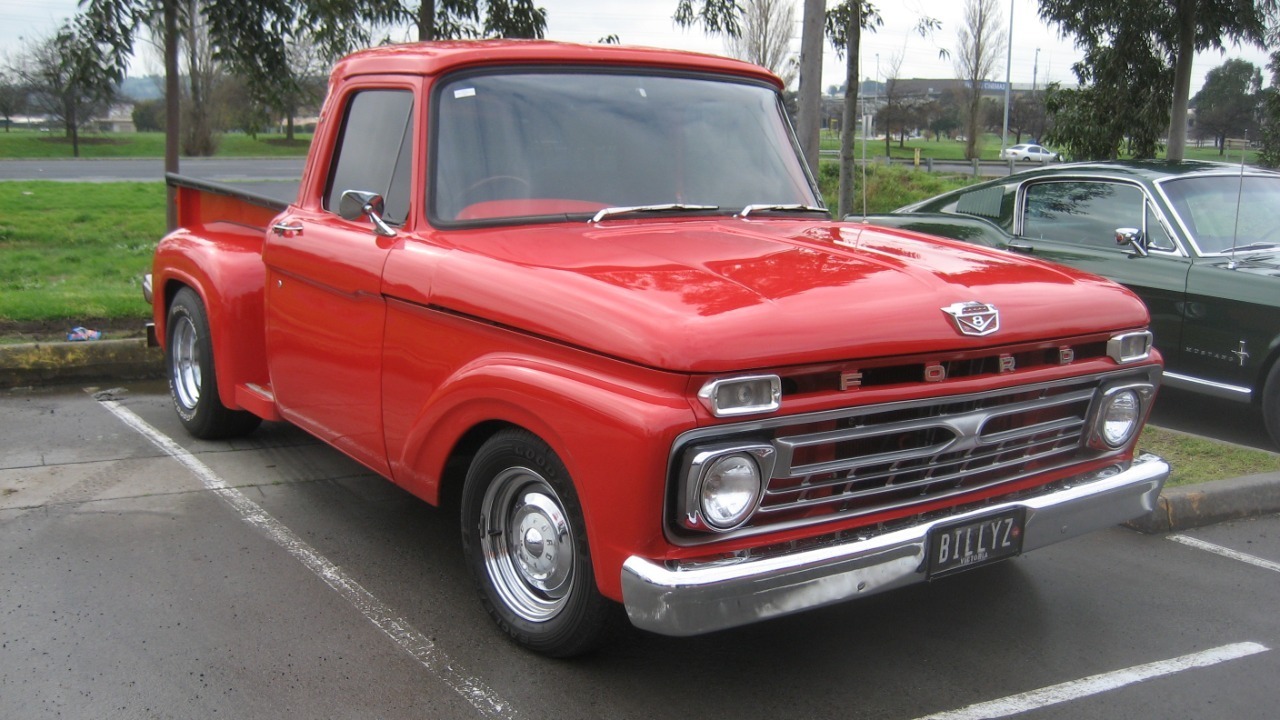
The Ford F-100 became one of America’s most important pickup trucks after replacing the F-1 name in 1953. Its strong frame, straightforward mechanical design, and wide range of engines helped establish the F-Series as a long-term success. Vintage F-100s remain popular because they can be restored, modified, or simply preserved. Many owners value them for their connection to an era when pickups were uncomplicated working machines.
Dodge Power Wagon
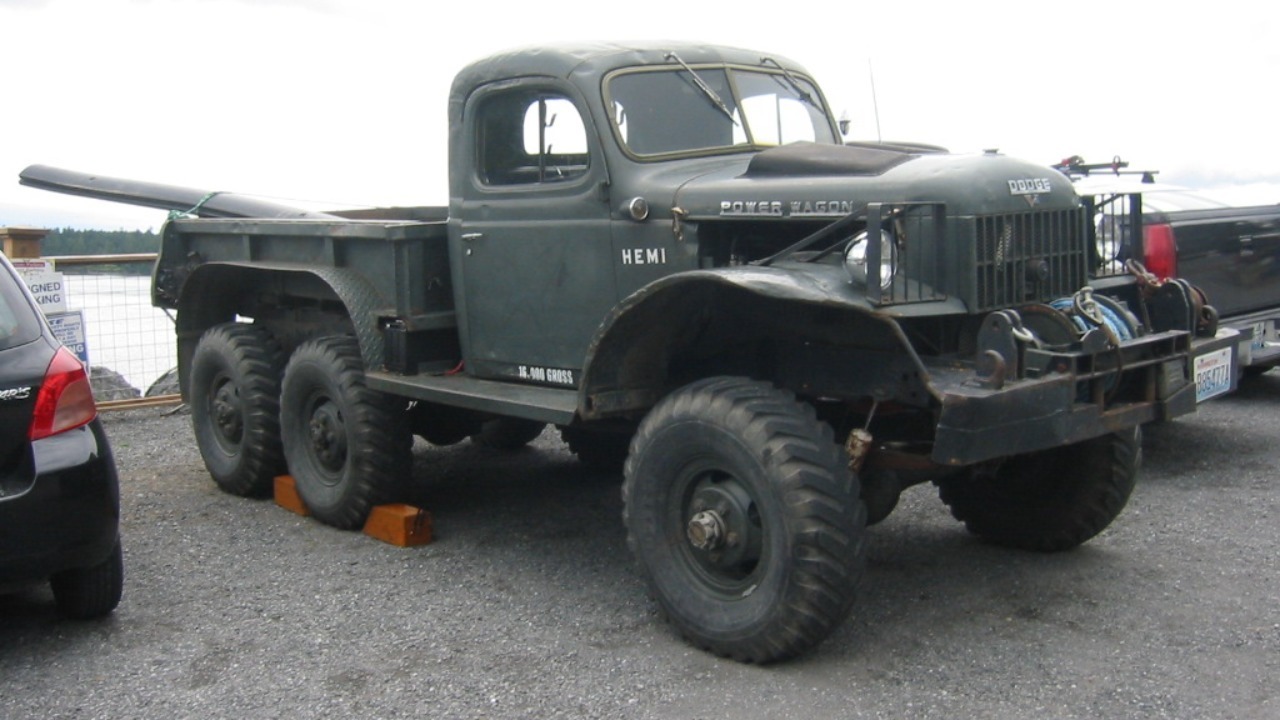
The Dodge Power Wagon earned its reputation through rugged construction and serious off-road ability. Derived from military truck engineering, it brought four-wheel-drive capability to civilian buyers and became particularly useful for farms, construction sites, and remote work. Its distinctive appearance and mechanical toughness have made surviving examples highly desirable. Owners often view a well-preserved Power Wagon as much more than an old work truck.
GMC 100
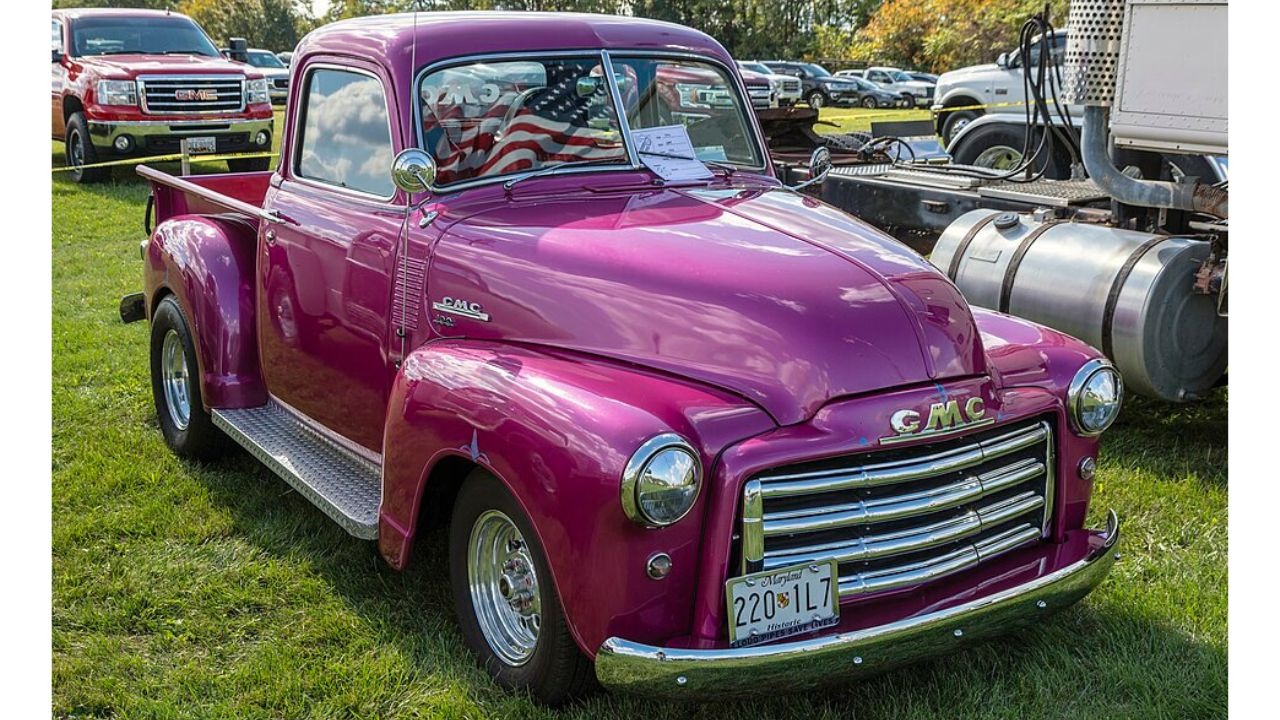
The GMC 100 was closely related to Chevrolet’s half-ton pickups but carried its own GMC identity and styling details. It offered practical dimensions, strong engines, and the straightforward construction expected from a working truck. Today, the GMC 100 appeals to collectors who want something slightly less common than a Chevrolet. Its combination of vintage styling and useful proportions makes it an easy truck for owners to become attached to.
International Harvester R-Series
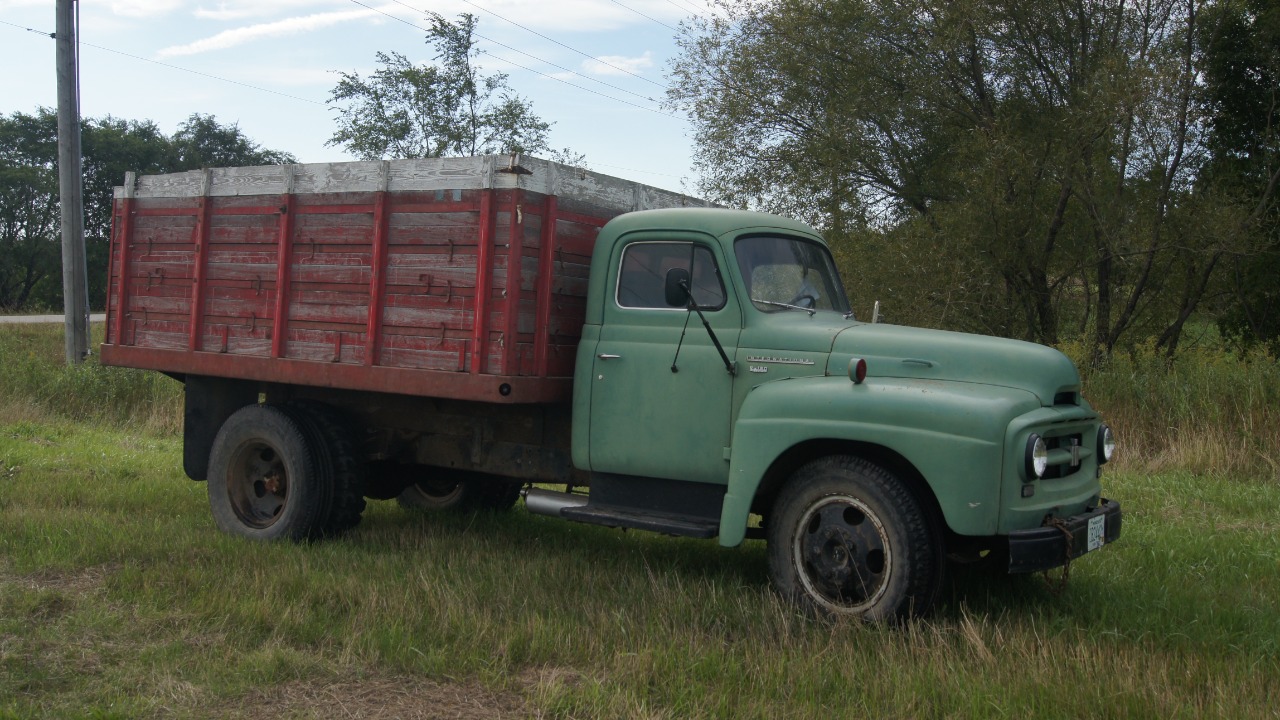
The International Harvester R-Series represented a major styling change for International’s pickup lineup during the 1950s. Its distinctive front-end design and durable construction gave it a strong presence on farms and job sites. These trucks were built for practical work rather than luxury, which is part of their appeal today. Owners who preserve an R-Series often appreciate its unusual styling and connection to International Harvester’s agricultural heritage.
Ford F-1
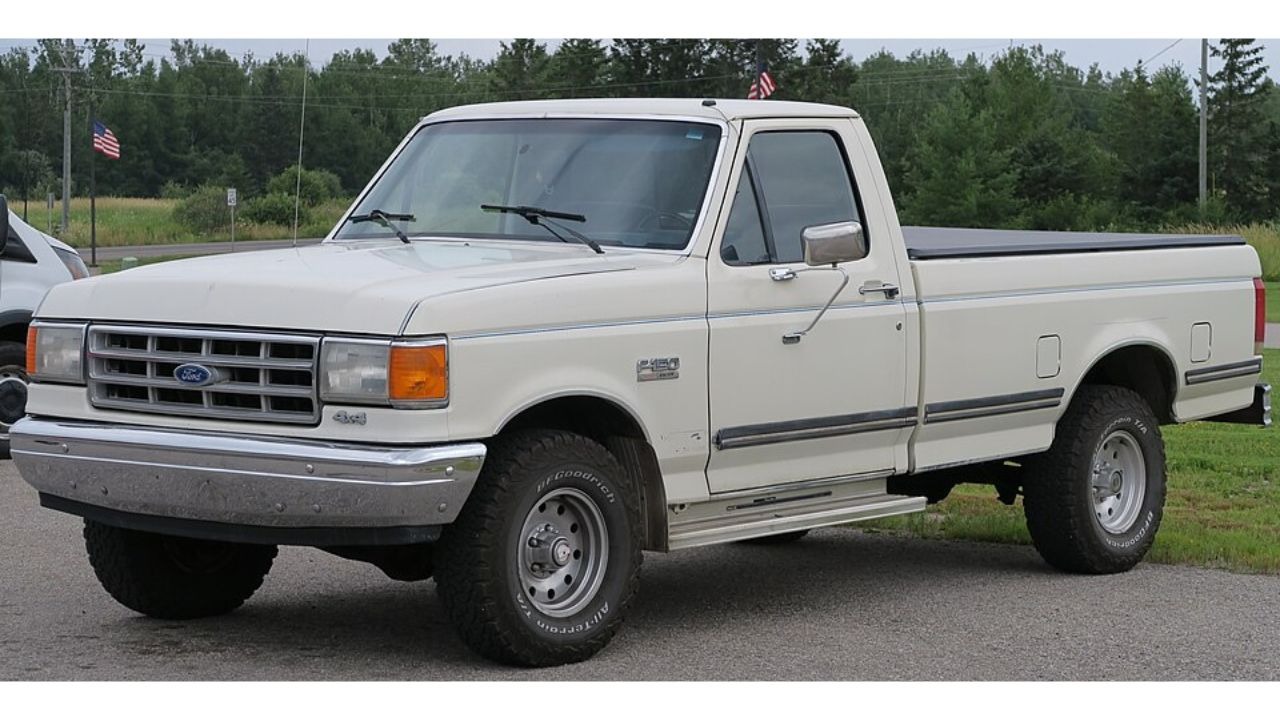
The Ford F-1 was the first generation of Ford’s F-Series pickup line, introduced for the 1948 model year. It brought a more modern integrated design and improved cab compared with earlier Ford pickups. Its simple mechanical layout and classic postwar styling have made it a popular restoration project. Owners often hold onto F-1s because they represent the beginning of one of America’s longest-running truck families.
Chevrolet Cameo Carrier
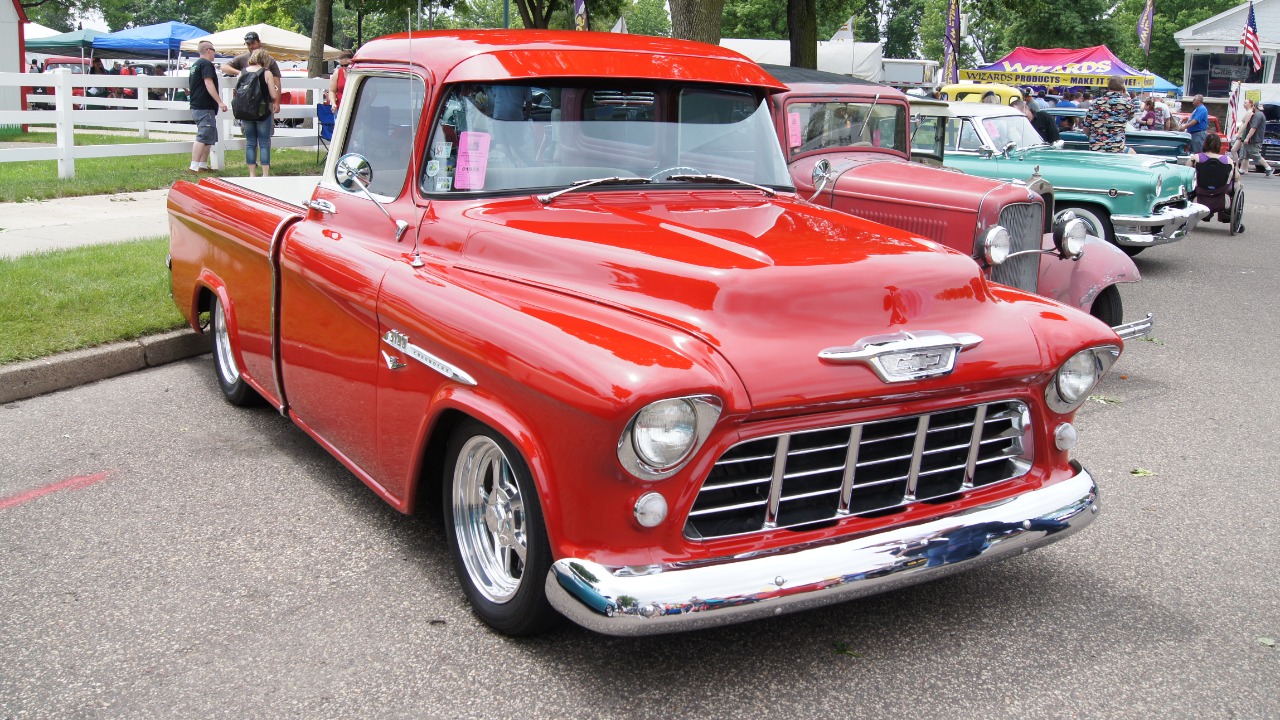
The Chevrolet Cameo Carrier brought an unusually stylish approach to the pickup market. Introduced in the 1950s, it combined a conventional pickup chassis with a smooth rear body design that gave it a car-like appearance. The unusual styling made the Cameo more distinctive than ordinary work trucks. Today, surviving examples are prized for their rarity and unique appearance, making them difficult for collectors to part with.
Ford Ranchero
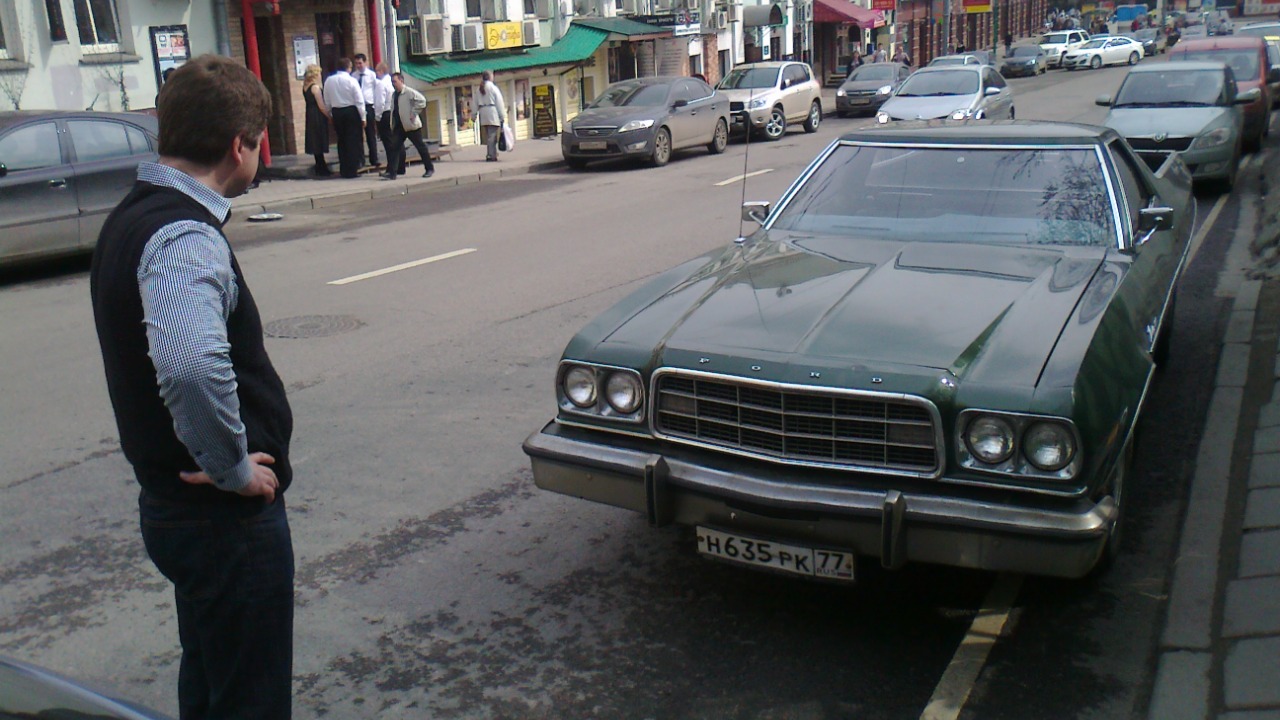
The Ford Ranchero blurred the line between a pickup and a passenger car. Its car-based platform offered a cargo bed while retaining much of the comfort and styling of a traditional Ford automobile. The unusual combination created a vehicle unlike conventional body-on-frame pickups. Owners often keep vintage Rancheros because they are practical enough for light hauling while offering the distinctive character of an early American car-based utility vehicle.
Chevrolet El Camino
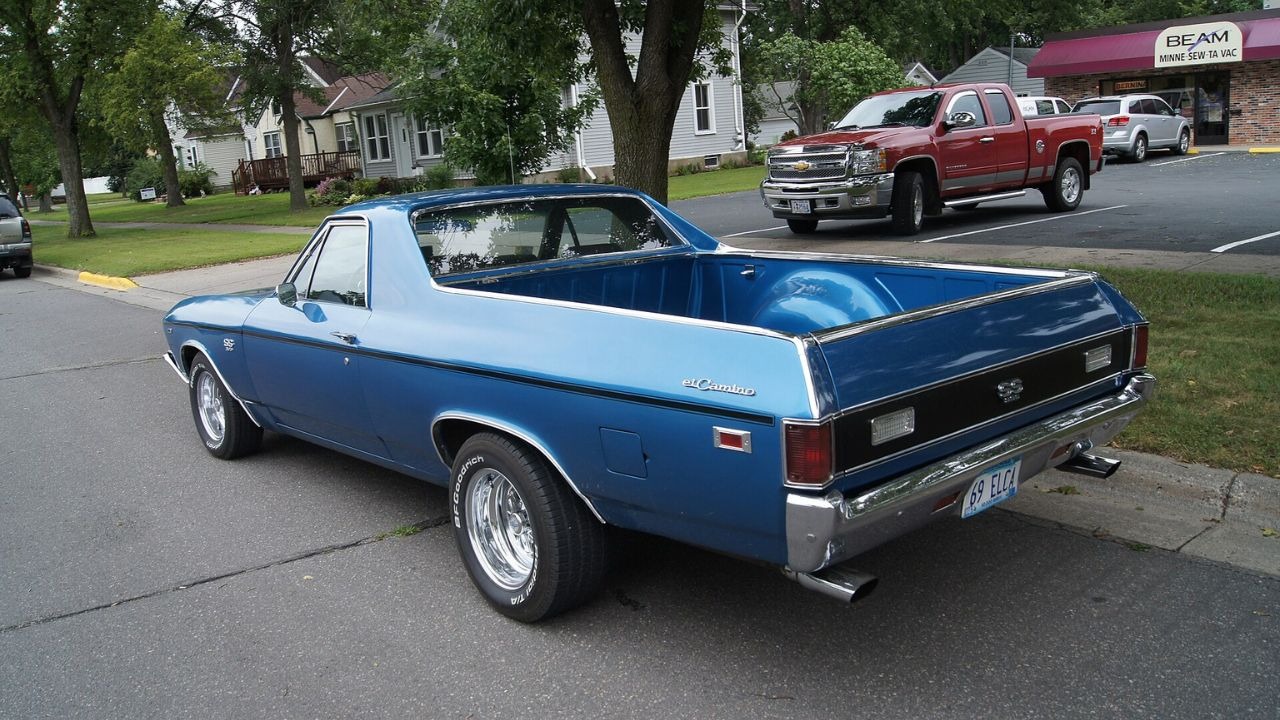
The Chevrolet El Camino became one of America’s best-known car-based pickups. It combined passenger-car handling and styling with a useful rear cargo bed, creating a formula that remained popular for decades. Performance versions later added another layer of appeal. Vintage El Caminos are especially attractive to collectors because they can serve as cruisers, show cars, and practical weekend vehicles while retaining a design that is immediately recognizable.
Willys Jeep Pickup
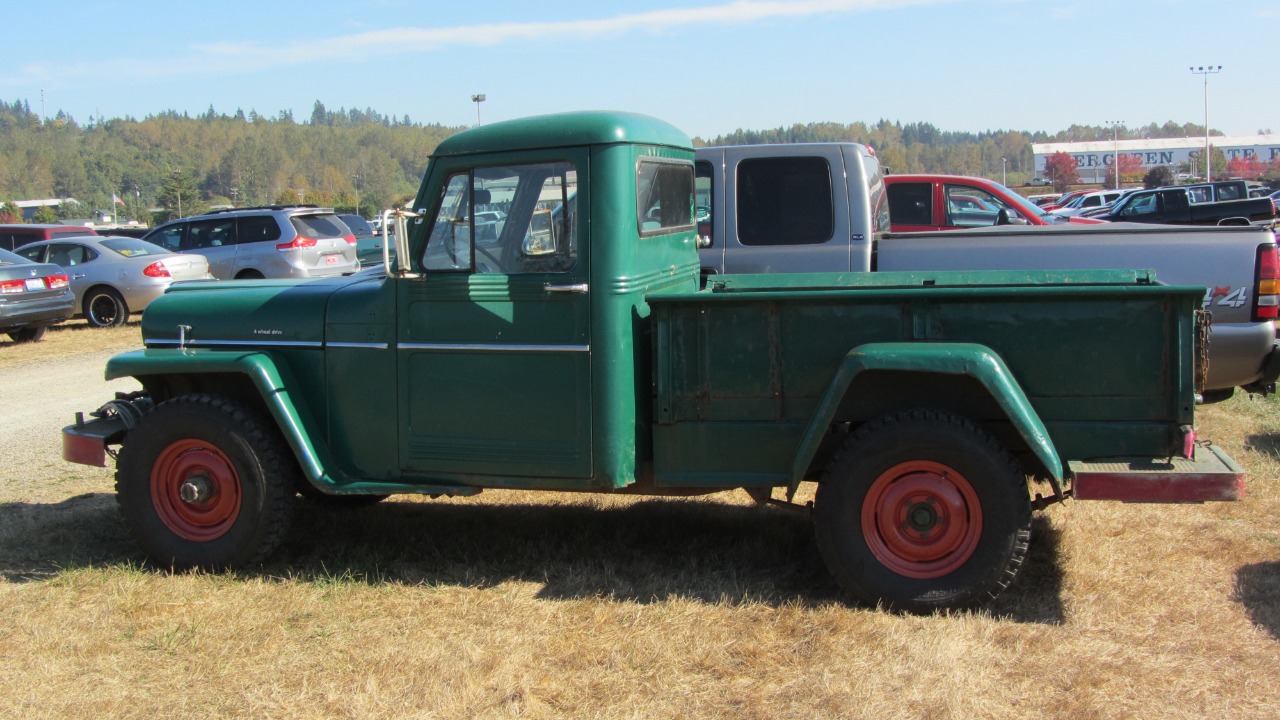
The Willys Jeep Pickup brought Jeep’s rugged engineering into a traditional pickup format. Four-wheel-drive capability made it useful in conditions where ordinary two-wheel-drive trucks struggled. Its compact dimensions and distinctive styling also separated it from larger American pickups. Surviving examples are increasingly interesting to collectors because they represent an important period in the development of civilian four-wheel-drive trucks.
Studebaker E-Series
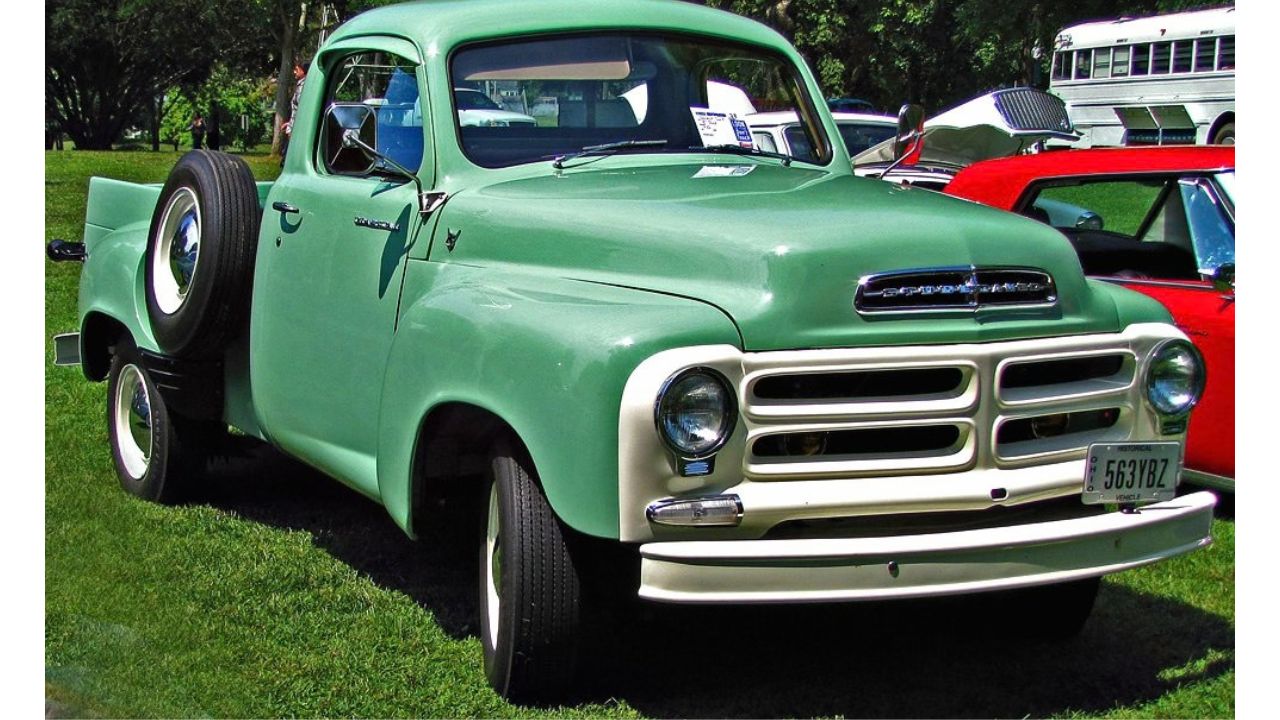
The Studebaker E-Series pickups were known for their distinctive styling and independent approach to truck design. Studebaker often avoided simply copying the larger manufacturers, giving its trucks an identity of their own. The E-Series combined useful hauling ability with unusual bodywork and strong period character. Owners who preserve these trucks often appreciate their rarity and the fact that they look different from the more common Chevrolet and Ford pickups.
Chevrolet Apache
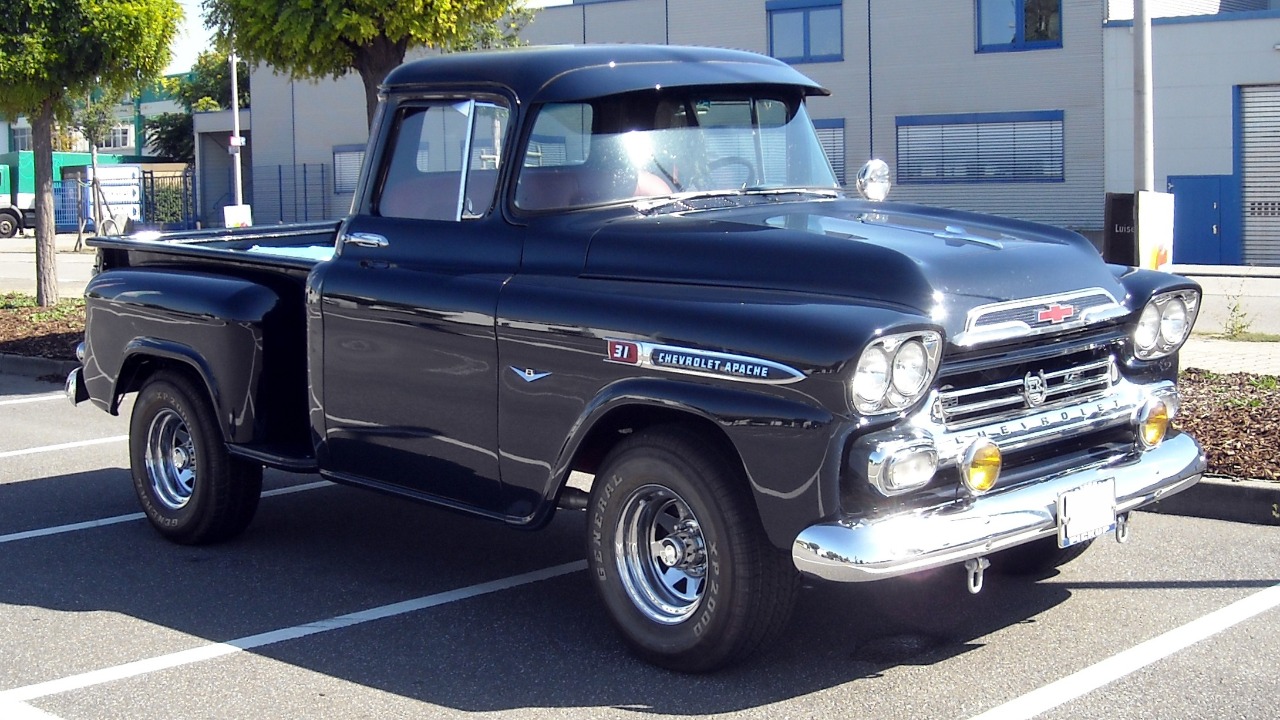
The Chevrolet Apache name became associated with Chevrolet’s Task Force-era pickups of the late 1950s. These trucks introduced smoother styling, improved interiors, and increasingly powerful V8 engines. Their combination of chrome details and straightforward mechanical construction made them attractive both as working vehicles and later as collector trucks. A clean Apache can be difficult for an owner to sell because it captures the visual character of Chevrolet’s late-1950s truck design.
Ford F-250
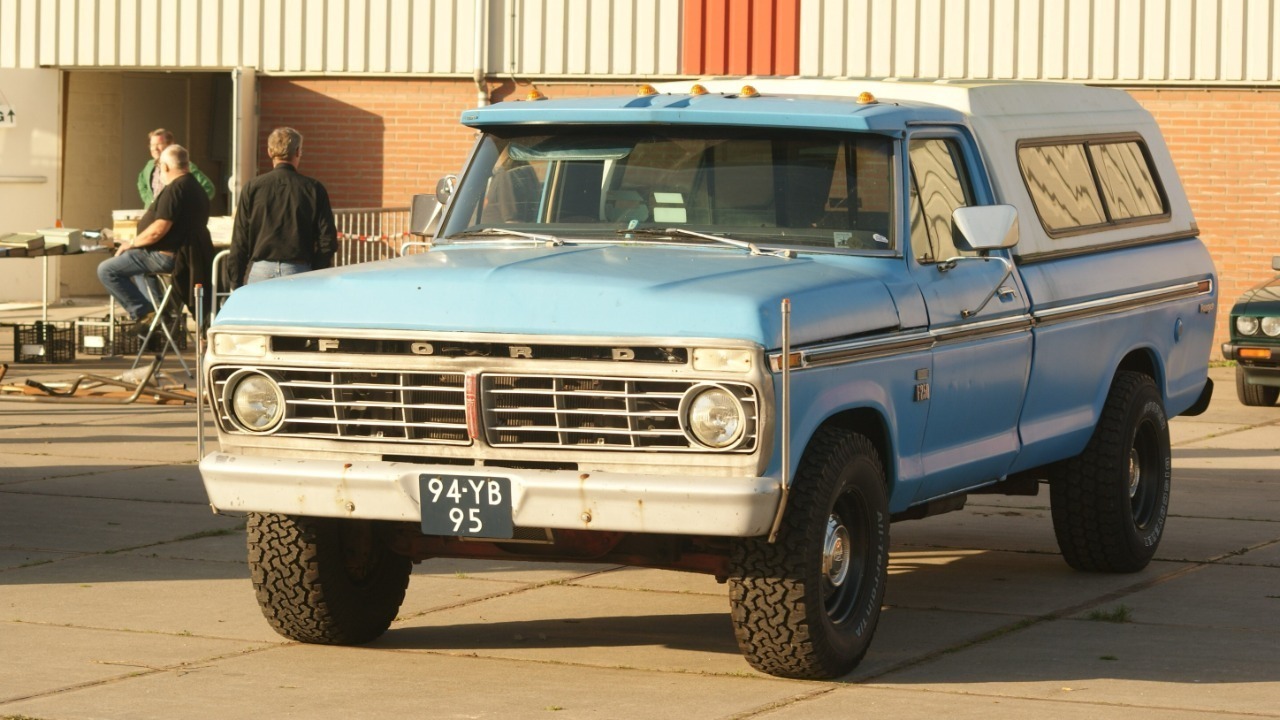
The Ford F-250 provided more capability than the lighter F-100 while retaining the straightforward design that made early F-Series trucks popular. Its stronger chassis and higher payload capacity made it useful for serious work. Vintage examples are now valued for their rugged appearance and mechanical simplicity. Owners who have maintained one for decades often see it as a dependable part of the family rather than simply an old truck.
Chevrolet C10
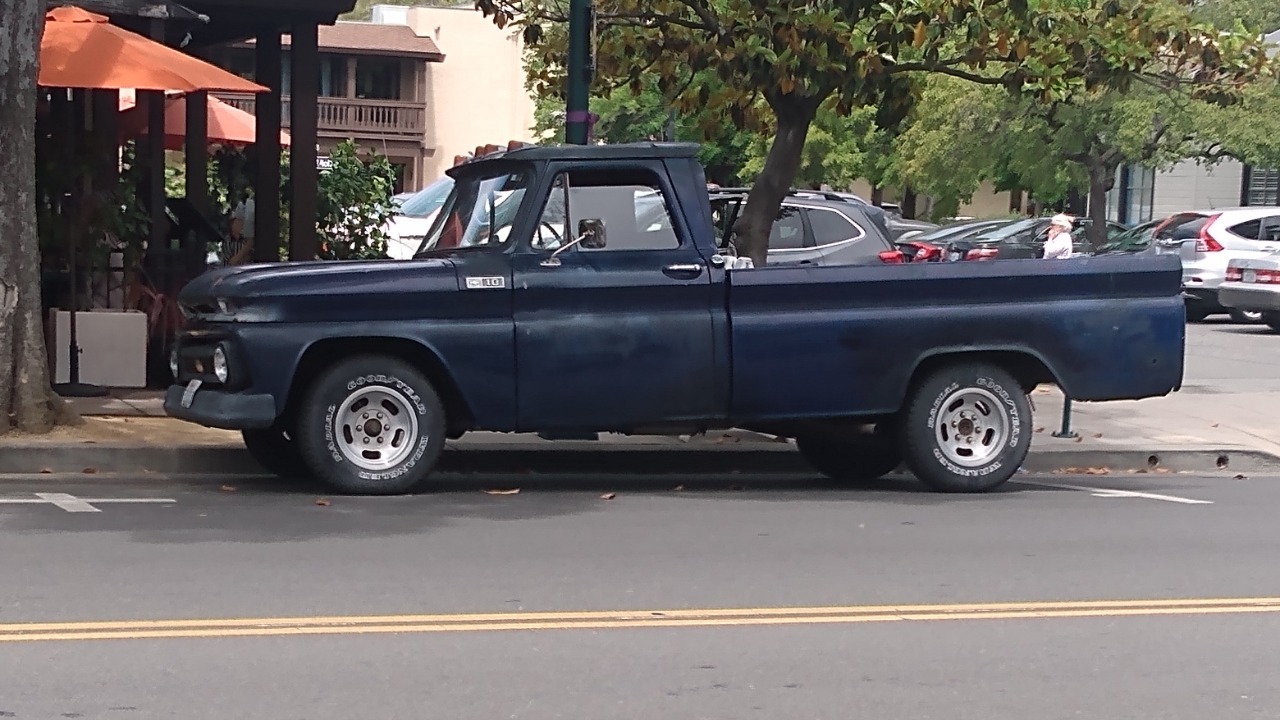
The Chevrolet C10 became one of the most recognizable American light-duty pickups of the 1960s and 1970s. Its clean body lines, rear-wheel-drive layout, and wide range of engines made it popular with both workers and enthusiasts. Today, C10s are among the most commonly customized vintage pickups, but original examples remain especially appealing. Owners often hold onto them because the basic design works equally well as a cruiser or working truck.
Ford F-350
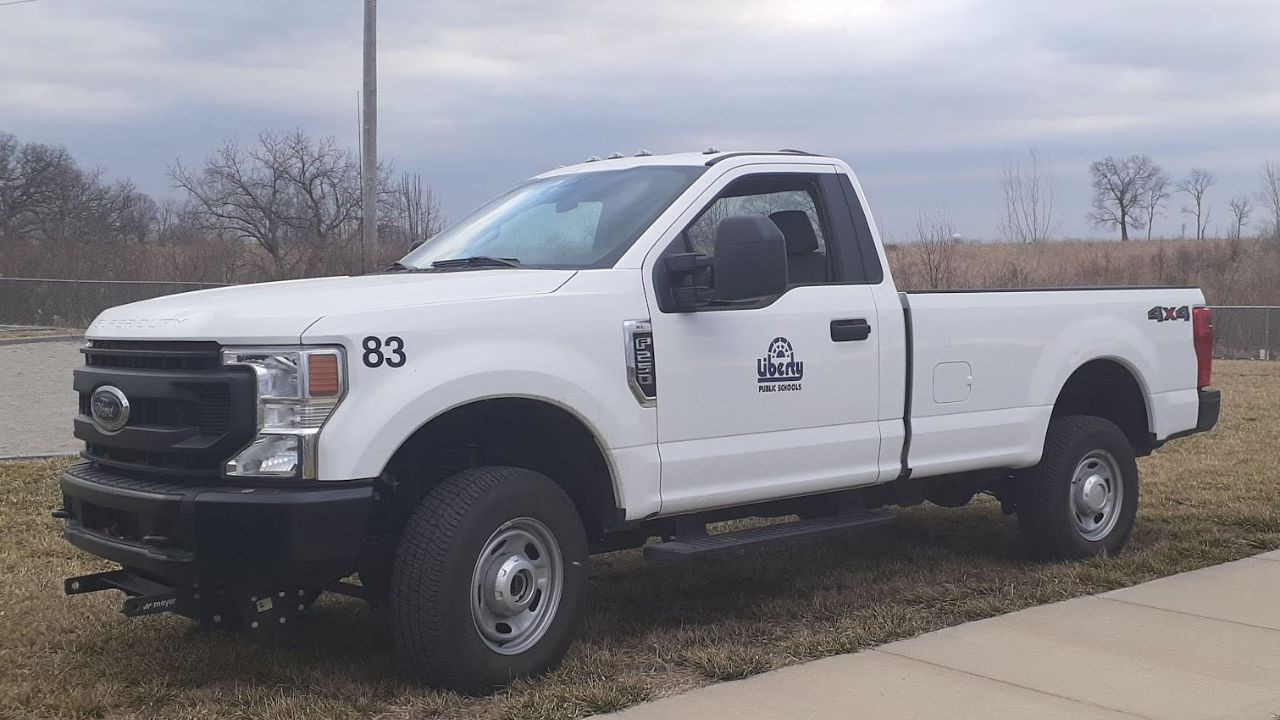
The Ford F-350 offered significantly more capability than Ford’s lighter pickups. Its stronger construction made it suitable for demanding hauling and towing duties, while its traditional styling gave it the unmistakable appearance of a classic Ford truck. Surviving examples can be surprisingly collectible when they retain original equipment. Owners often keep them because heavy-duty vintage pickups are becoming increasingly difficult to find in usable condition.
GMC K1500
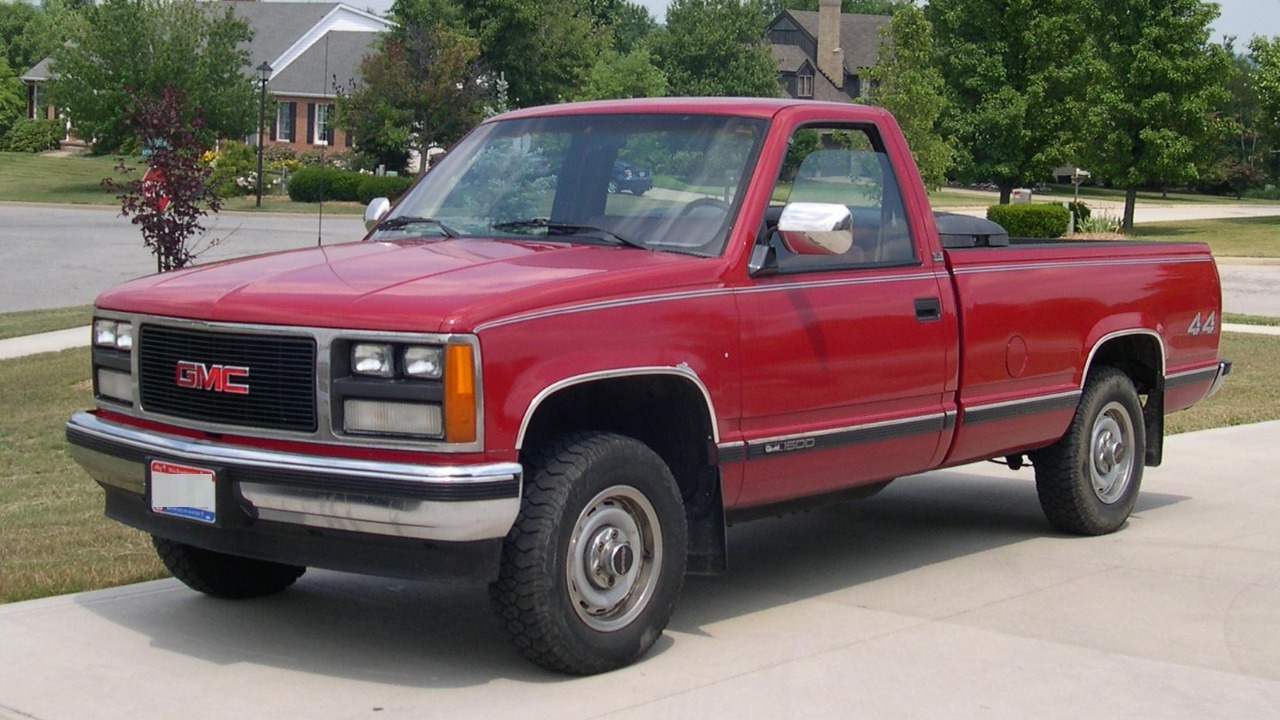
The GMC K1500 brought four-wheel-drive capability to GMC’s half-ton pickup range. Its combination of a strong chassis, V8 power, and practical dimensions made it useful in both rural and recreational settings. Vintage K1500s have developed a strong following because they can be restored without losing their original working-truck character. Owners often appreciate their ability to handle rough conditions while still being comfortable enough for regular driving.
International Harvester Scout 80
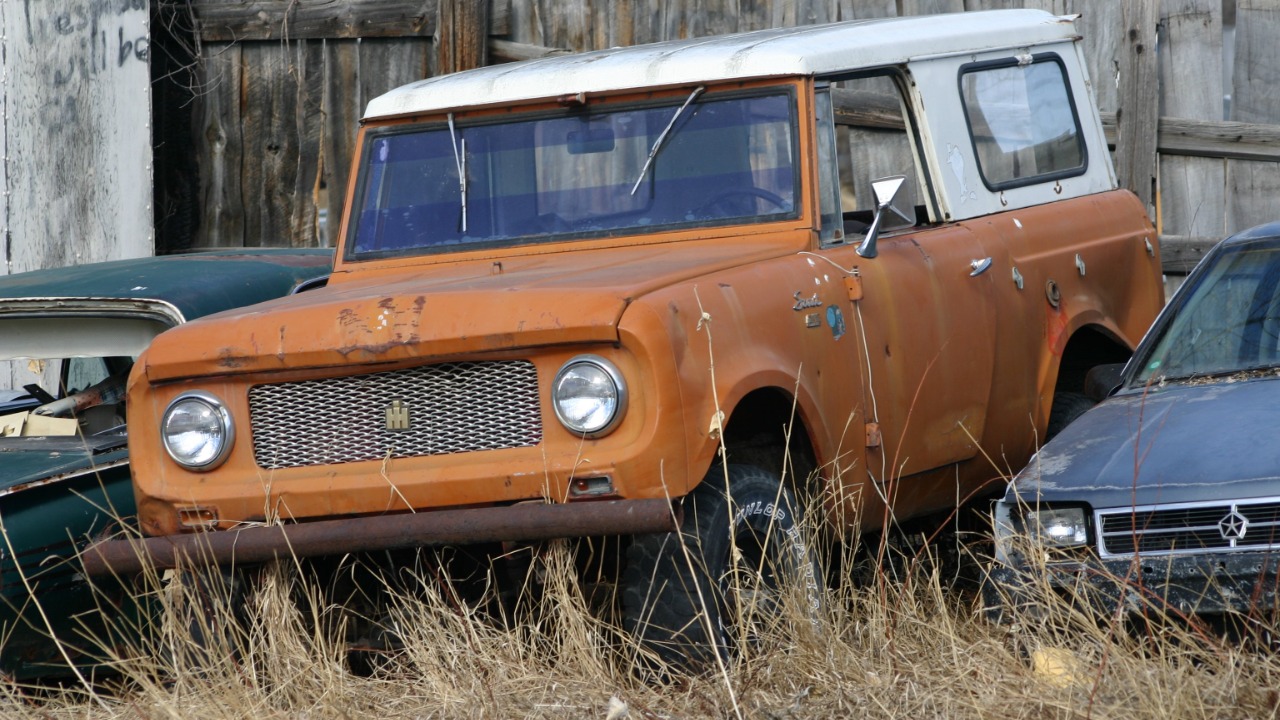
The Scout 80 was primarily an off-road utility vehicle rather than a conventional pickup, but its open cargo area and compact proportions gave it strong utility appeal. International Harvester designed it as a versatile alternative to traditional farm and work vehicles. Its simple construction and four-wheel-drive system have made surviving examples popular among vintage off-road enthusiasts. Owners often keep them because few modern vehicles offer the same combination of simplicity and character.
Dodge D100
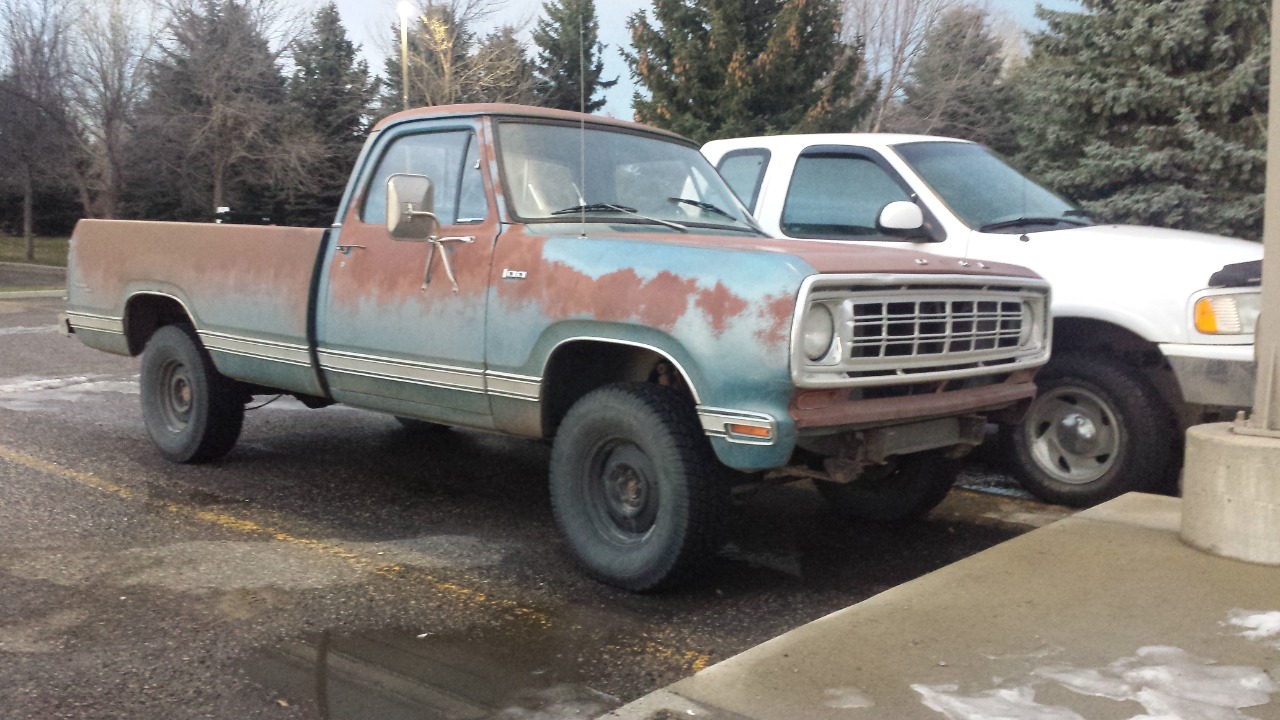
The Dodge D100 was a lightweight pickup that combined simple construction with increasingly powerful engines as the years progressed. Its styling changed significantly across generations, but the basic formula remained focused on practical utility. Vintage D100s have become popular with collectors and custom builders because they offer a different alternative to the more common Ford and Chevrolet trucks. A well-preserved example can be difficult to replace once an owner becomes attached to it.
Toyota Hilux
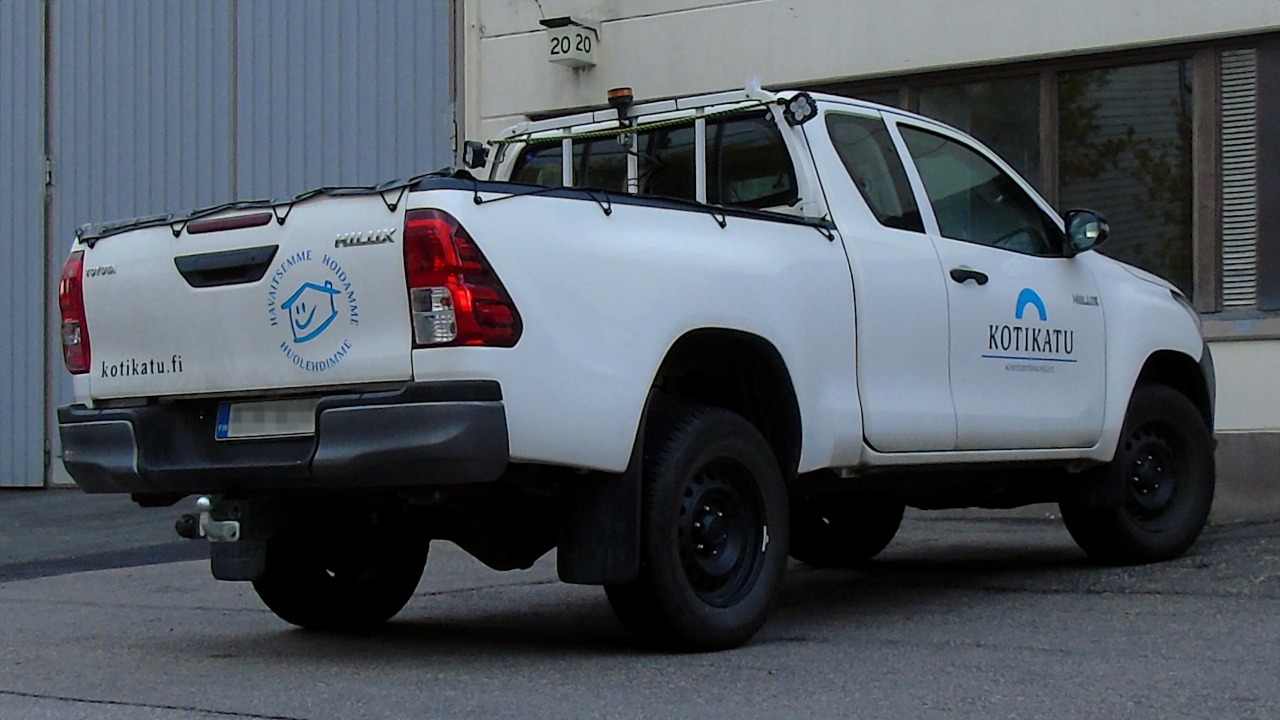
The early Toyota Hilux established a reputation for compact dimensions, mechanical simplicity, and impressive durability. It offered an alternative to large American pickups and became especially useful in markets where smaller trucks were better suited to local roads and working conditions. Vintage examples have developed a strong following because their straightforward engineering makes them relatively easy to maintain. Owners often keep them because early Hilux pickups have become increasingly difficult to find in original condition.
Datsun 620
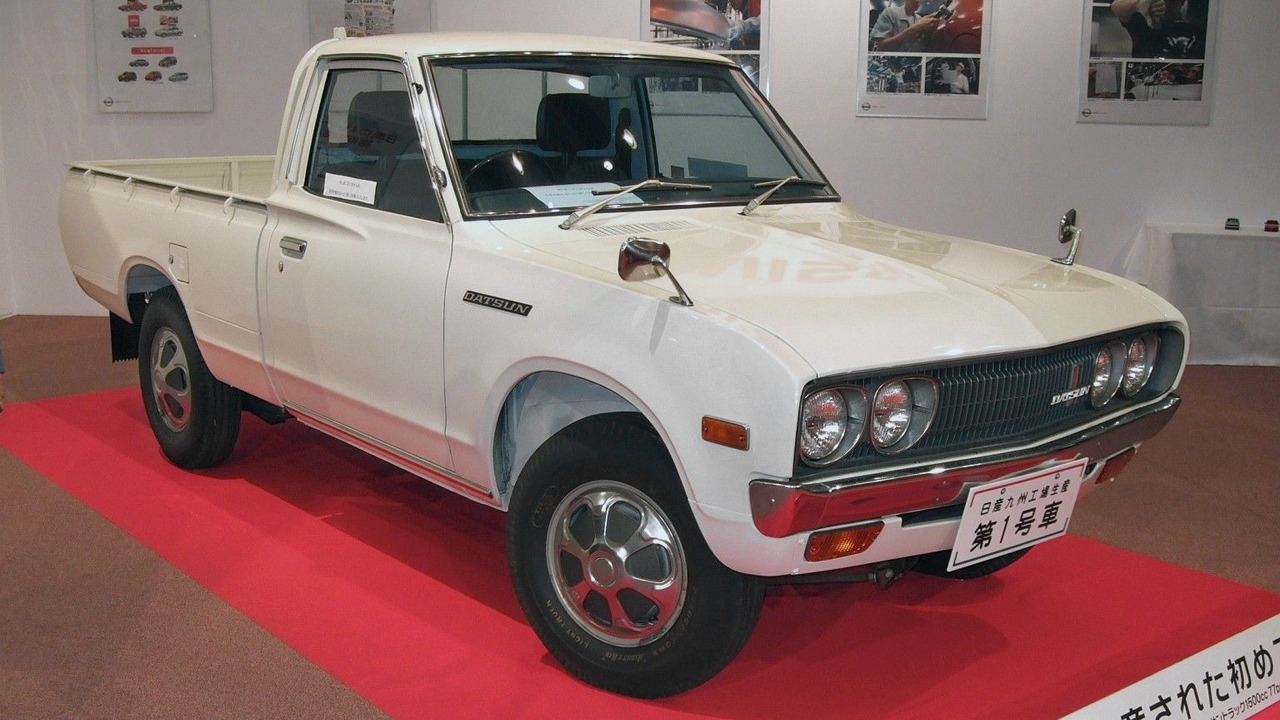
The Datsun 620 became one of the best-known compact pickups of its era. Its smaller size, efficient four-cylinder engine, and practical cargo bed made it popular with buyers who did not need a full-size American truck. The distinctive body styling also gave it considerable personality. Today, clean 620s are sought after by collectors who appreciate compact vintage pickups, and owners often refuse to sell well-preserved examples.
More from Fast Lane Only
- Unboxing the WWII Jeep in a Crate
- 15 rare Chevys collectors are quietly buying
- 10 underrated V8s still worth hunting down
- Police notice this before you even roll window down
*Research for this article included AI assistance, with all final content reviewed by human editors.