Pontiac rolled out the Firebird on February 23, 1967, and the Pontiac Firebird nameplate stayed in production until 2002. Across those years, it carried everything from an overhead-cam six to a turbocharged V6 that paced the Indianapolis 500.
Most people remember the screaming-chicken hoods and the movie fame. But some Firebirds hid heavier hardware than their image suggested, such as forged pistons, round-port heads, a cross-drilled crank and lazy two-barrel V8s that barely broke a sweat. Others simply kept their engines in such a mild state of tune that they never had to work hard.
These are our picks, twelve Firebirds that seem made to pass 300,000 miles. That verdict is our opinion, not a promise about any one car, because care matters more than any badge. The engines, ratings and production counts below, however, come from Firebird histories, club records and period tests.
1. 1967 Pontiac Firebird 326
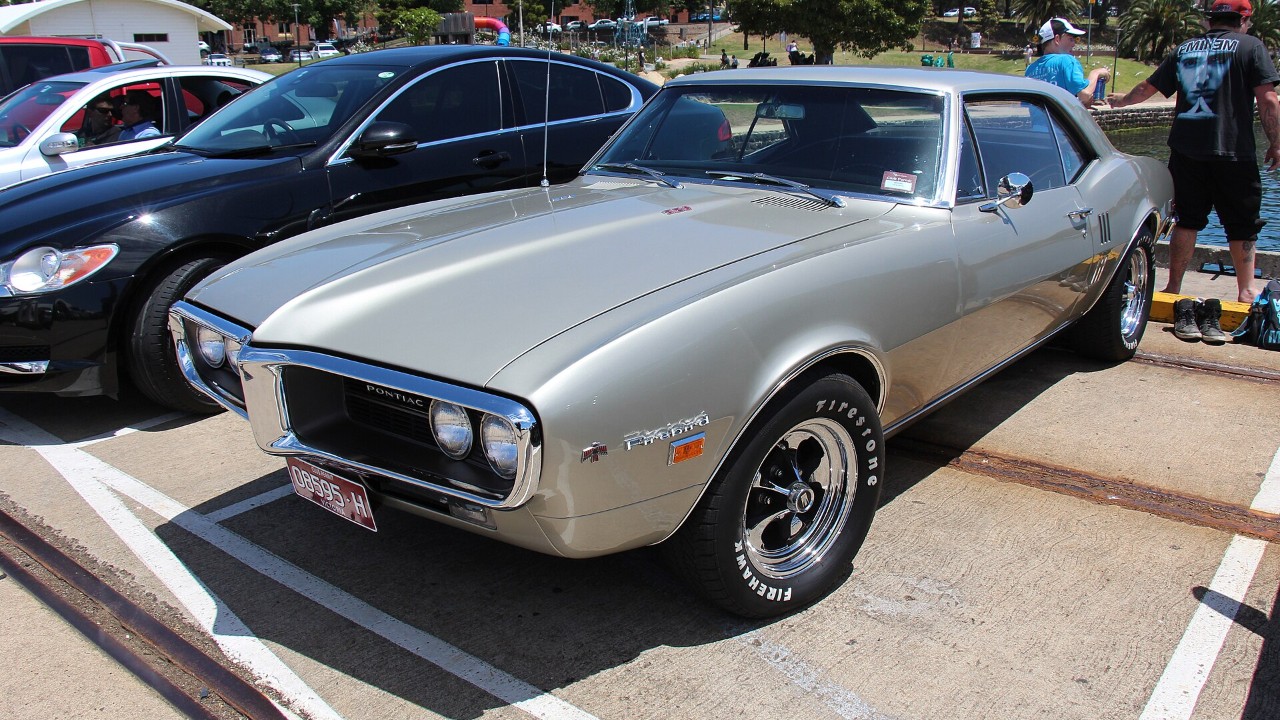
When the first Firebirds reached showrooms, buyers could pick from five engines. The middle choice, the two-barrel 326 V8, made 250 hp and cost just $95.04 over the base six, according to the first-generation Firebird club’s history. That price made it the default V8 for ordinary buyers.
The numbers show how popular it was. Pontiac built 82,560 Firebirds for 1967, and 40,121 of them carried the 326 V8. By comparison, only 18,632 got the 400, and just 65 left with the 400 Ram Air. In other words, almost half of all first-year cars used this soft-spoken engine.
In our view, that’s exactly why the 326 makes this list. A two-barrel V8 with modest power rarely gets pushed to its limits, so it lives an easy life. The first Firebird also had a wild side, as our look at why the 1967 Firebird scared its drivers explains. Yet the 326 car is the one we’d trust for a long commute. If you shop for one, remember that Pontiac built more than twice as many 326 cars as 400s, so you can afford to be picky about condition.
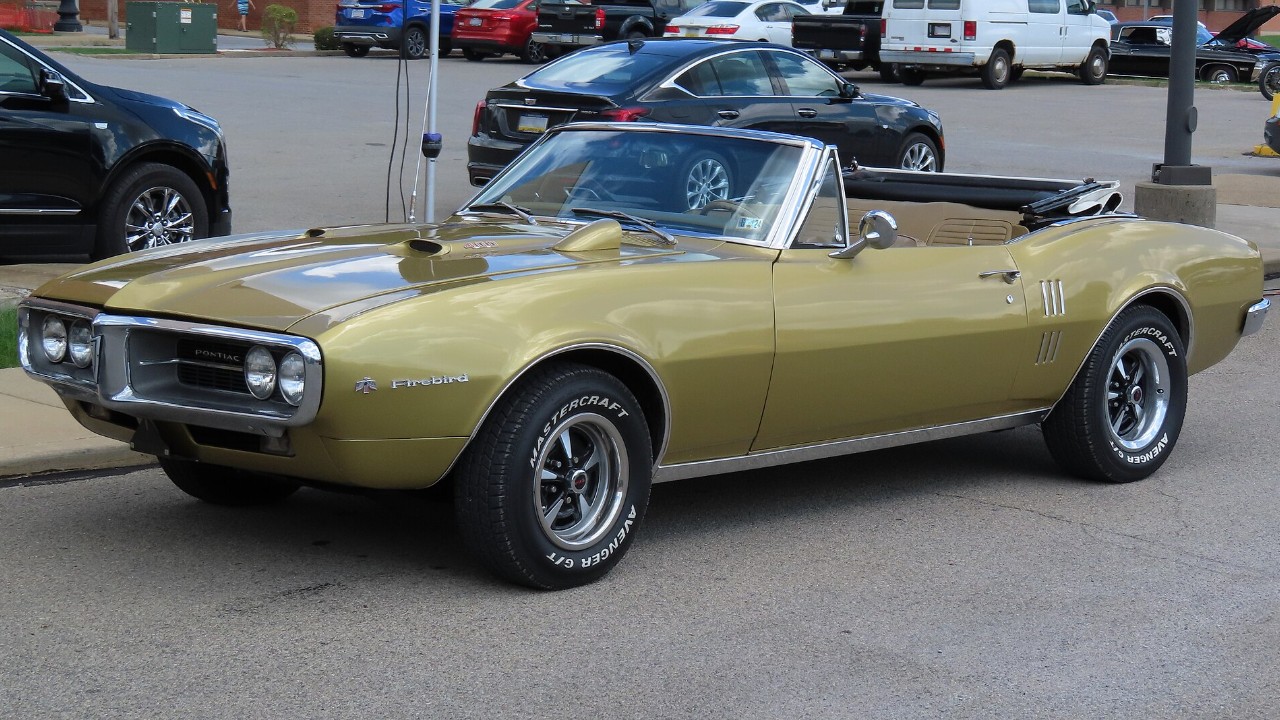
2. 1968 Pontiac Firebird 350 convertible
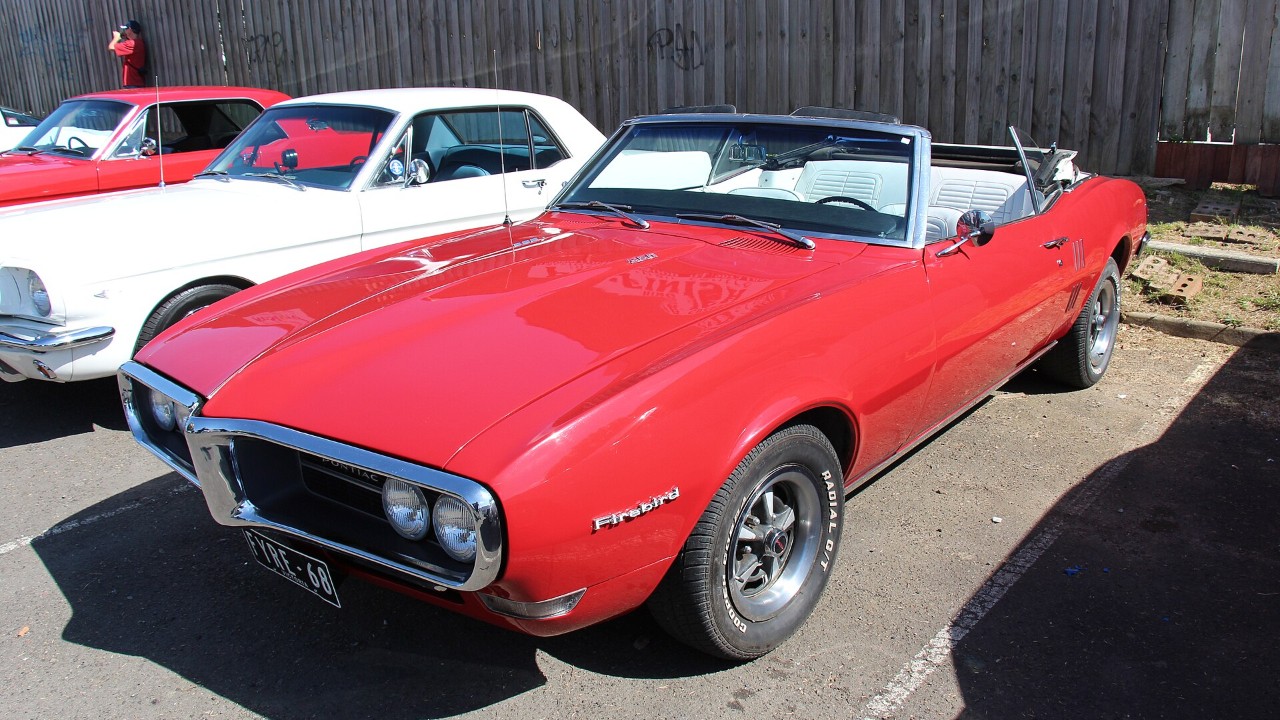
For its second year, the Firebird lost the 326 and gained a 350. That label hid a small fib, because the engine actually displaced 354 cubic inches. In two-barrel form, it made 265 hp, a little more than the engine it replaced.
The convertible matters here too. Pontiac offered both a hardtop and a convertible from 1967 through 1969. After that, the soft top disappeared, and the second-generation car never had one at all. So a 1968 convertible belongs to a short window.
Our take: the 1968 350 sits in a sweet spot. It has more torque than the 326 but none of the stress of the high-output engines. Also, the 1968 lineup added a 350 HO with a revised cam, rated at 320 hp, for buyers who wanted more. We’d still choose the plain two-barrel, though, because a gentle cam and small carburetor suit a car that spends its life cruising with the top down. Before buying, though, check the floors and the top frame, because rust there costs more to fix than any engine work.
3. 1968 Pontiac Firebird Ram Air 400 hardtop
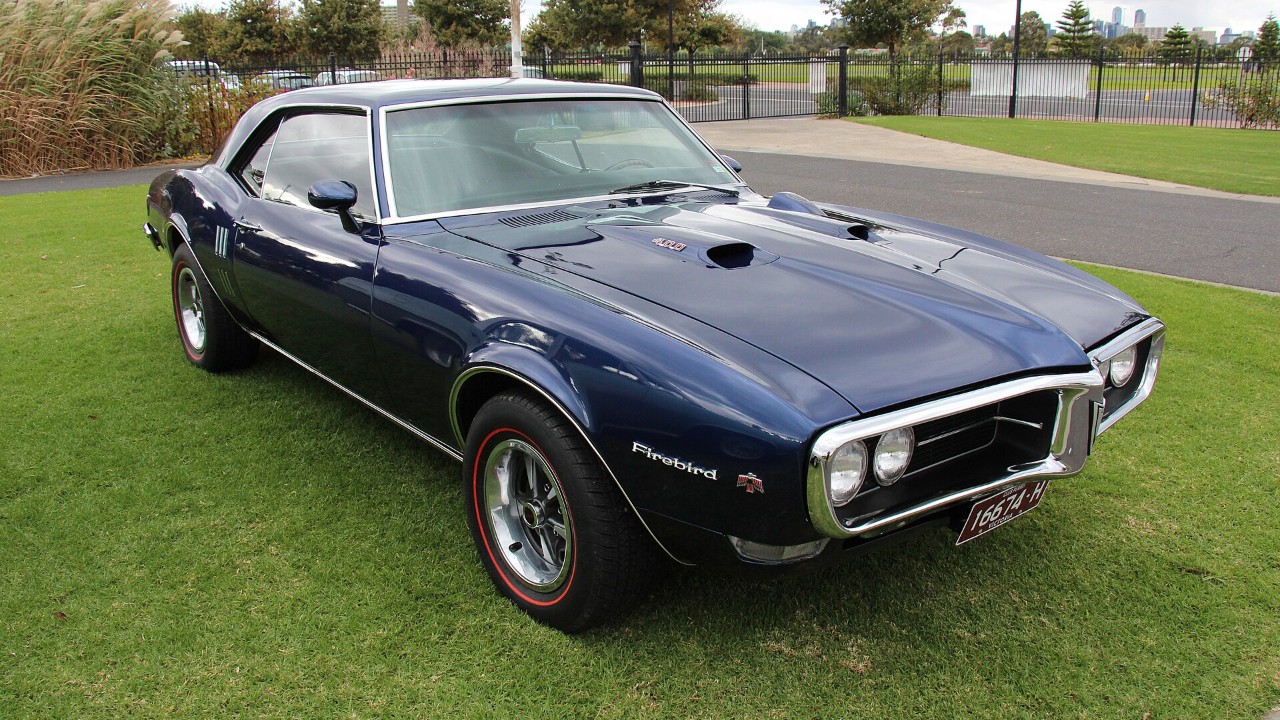
The Ram Air 400 changed in the middle of the 1968 model year. On March 1, 1968, Pontiac replaced the L67 Ram Air engine with the Ram Air II, rated at 340 hp. The update brought revised heads with round exhaust ports, a higher-lift cam, forged pistons and a forged crankshaft.
Those forged parts are the reason this hardtop earns a spot. Factory engines of the era usually relied on cast pieces, so forged internals signal a motor built for punishment. At the same time, the earlier 400s had a quirk worth knowing. All 1967 and 1968 400 engines used throttle restrictors that stopped the carburetor’s secondaries from opening fully.
We think the Ram Air II is one of the toughest early Firebird engines Pontiac built. It was designed for high revs, yet it carried the hardware to survive them. Still, a car this strong has usually lived a hard life, so check the paperwork. If you’re buying one, confirm the engine codes and ask for proof of the original block, since real Ram Air cars command a premium and clones exist.
4. 1973 Pontiac Firebird 400
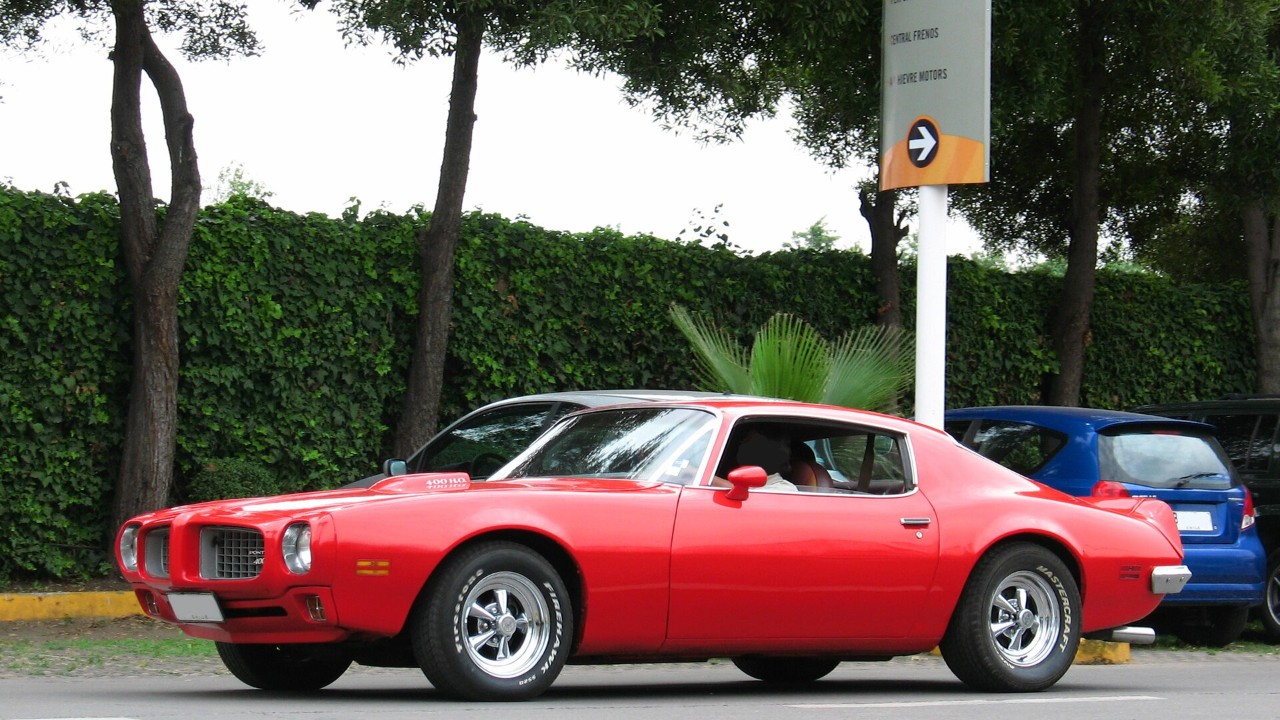
By 1973, emissions rules had squeezed Pontiac’s big engines hard. The round-port 455 HO of 1971 and 1972 was gone, according to the Firebird history archive at tran-zam.com. Instead, the Formula added a four-barrel 400 rated at 230 hp, while the 455 and the new Super Duty 455 sat above it.
That lower rating is part of the appeal. A big 400 with modest compression turns slowly, makes torque low in the rev range and rarely gets stressed. Pontiac also built only 46,313 Firebirds in total that year, so a 1973 car is far less common than the later disco-era Trans Ams.
The 1973 car brought sturdier front hardware as well. Pontiac moved the grille forward to make room for reinforced bumper mounts, which new federal impact rules required. In our opinion, a lazy 400 inside that heavier nose makes a car that could cruise for decades. Before buying one, though, check which 400 is actually under the hood. The period histories we checked list the 1973 400 as a 230-hp four-barrel and mention no H.O. version, so trust the build sheet over the badges.
5. 1974 Pontiac Firebird Formula Super Duty
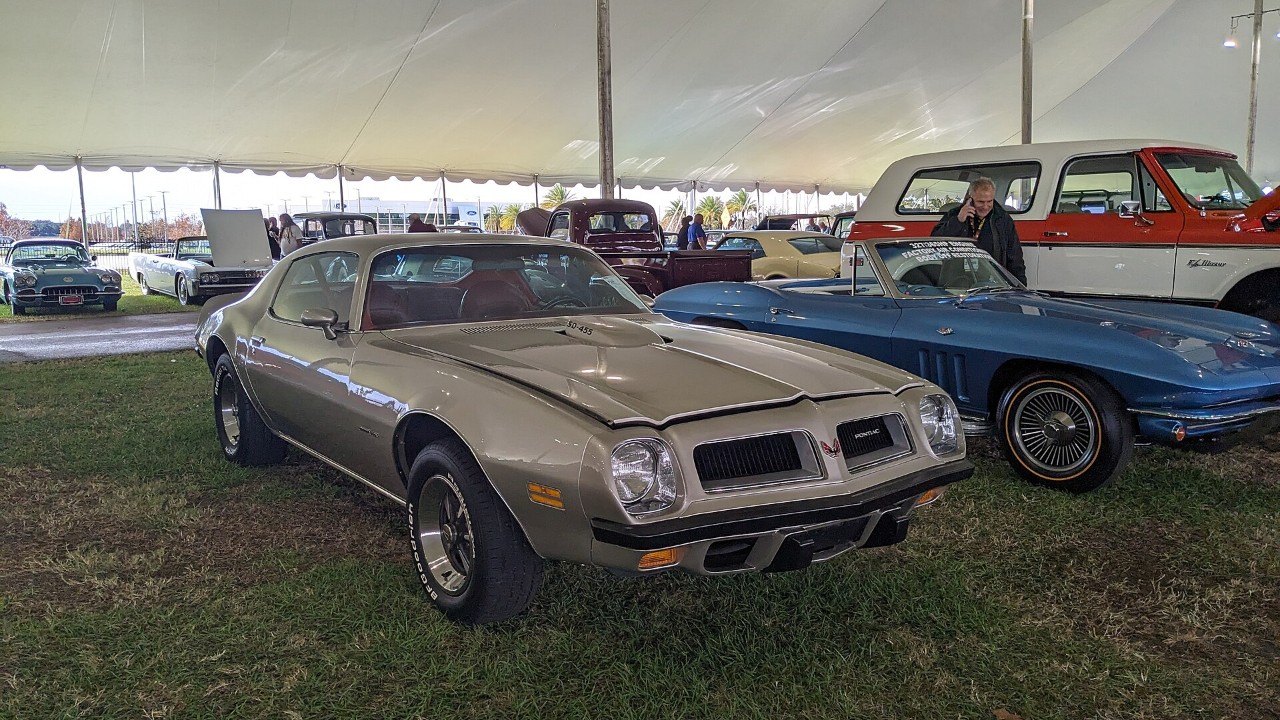
The Super Duty 455 arrived for 1973 with forged pistons and round exhaust ports, and it went only into the Formula and the Trans Am. For 1974, Pontiac rated the SD-455 at 290 hp. Early versions had carried a 310-hp rating until camshaft changes for emissions brought it down.
The Formula version is the rare one. According to tran-zam.com’s 1974 production tables, Pontiac built 943 Trans Ams with the SD-455 that year, but only 58 Formulas. Every Formula SD also used the Trans Am’s shaker hood scoop. We covered that tiny run before in our story on the 58-car Formula SD-455.
Why does it belong here? Pontiac engineered the Super Duty for racing-grade loads, so on the street it rarely came close to its limits. In our view, that headroom is what overbuilt really means. The 1974 car also gained a new sloped nose with black rubber bump strips for the federal 5-mph bumper rules. As a result, the body is tougher in parking-lot knocks than the earlier cars. Today, though, the Formula SD is more likely to sit in a collection than to rack up miles.
6. 1975 Pontiac Firebird Esprit
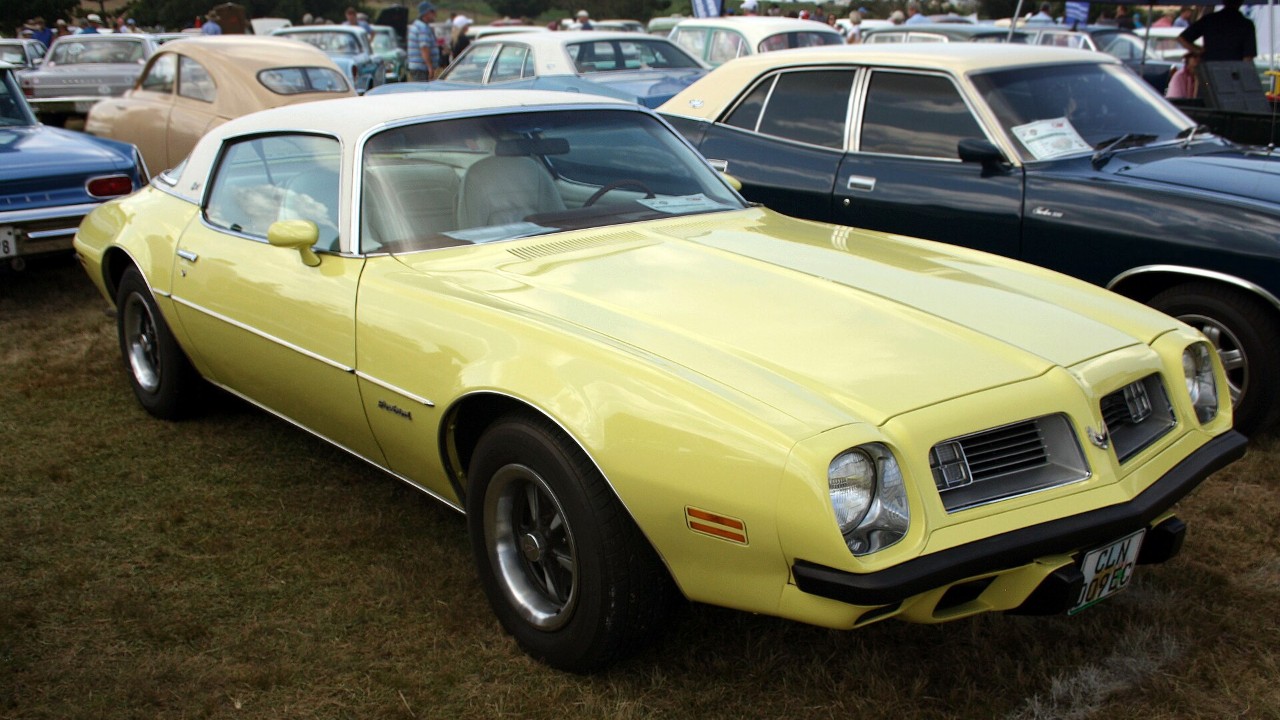
The Esprit was the Firebird for buyers who wanted comfort, not stripes. For 1975, its drivetrain matched the base car. The L22 six came standard, and the only option was the L30 350 two-barrel V8, according to tran-zam.com’s 1975 model-year page.
Pontiac sold plenty of them. The company built 84,063 Firebirds that year, almost double its 1973 total, and 20,826 were Esprits. Every 1975 Firebird also gained a catalytic converter and lower compression, so none of them made big power. In addition, the 1975 cars wore a larger wraparound rear window, which makes them easy to spot. That was also the year the Trans Am outsold the Formula for the first time, with 27,274 sales.
Here’s why we like the Esprit for the long haul. Low compression and a two-barrel carburetor make a forgiving engine. That combination forgives a missed tune-up better than a high-strung motor does. We’d look for a 350 car with its original paperwork, then budget for rubber parts and bushings rather than engine work. It isn’t fast, but it seems happy to keep going.
7. 1985 Pontiac Firebird Trans Am HO
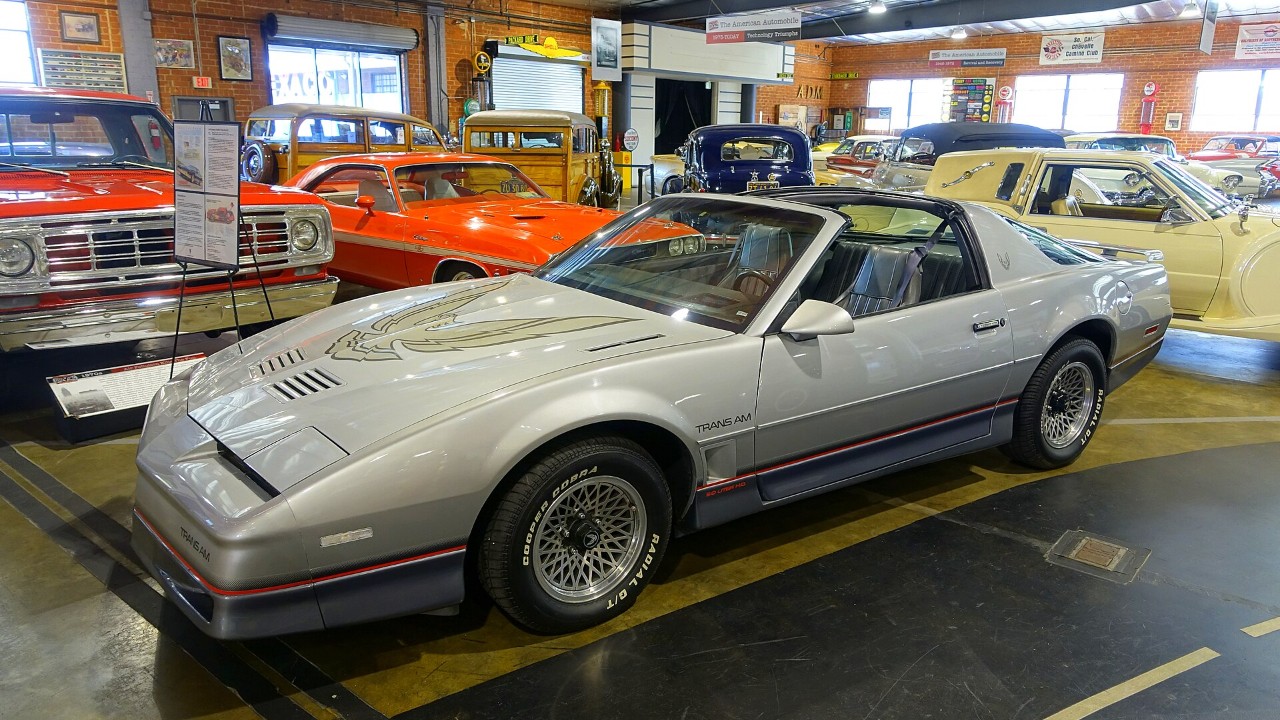
The third-generation Trans Am offered three V8s for 1985. Buyers could choose the carbureted LG4 305 at 145 hp, the L69 305 H.O. at 190 hp, or the new LB9 Tuned Port Injection 305 at 210 hp. That year also brought a flat hood with functional nostrils and a standard rear wing.
The H.O. was the enthusiast’s carbureted choice. It used a four-barrel carb and a more aggressive tune than the LG4. However, it also had a known weakness. Pontiac dropped the L69 in 1986 because of fuel vapor-lock problems, and only 26 Trans Ams got it that year before the engine disappeared.
So why include it? In our opinion, the 305’s bottom end is sturdy, and the H.O.’s problems sat mostly in the fuel system rather than inside the engine. A sorted car with fresh fuel lines and good heat shielding can run for a long time. Aerodynamics helped too. The 1985 Trans Am recorded a drag coefficient as low as 0.29 with Aero wheels, so it didn’t have to work hard on the highway. If you buy one, check the fuel lines and heat shields first.
8. Pontiac Firebird Formula 305
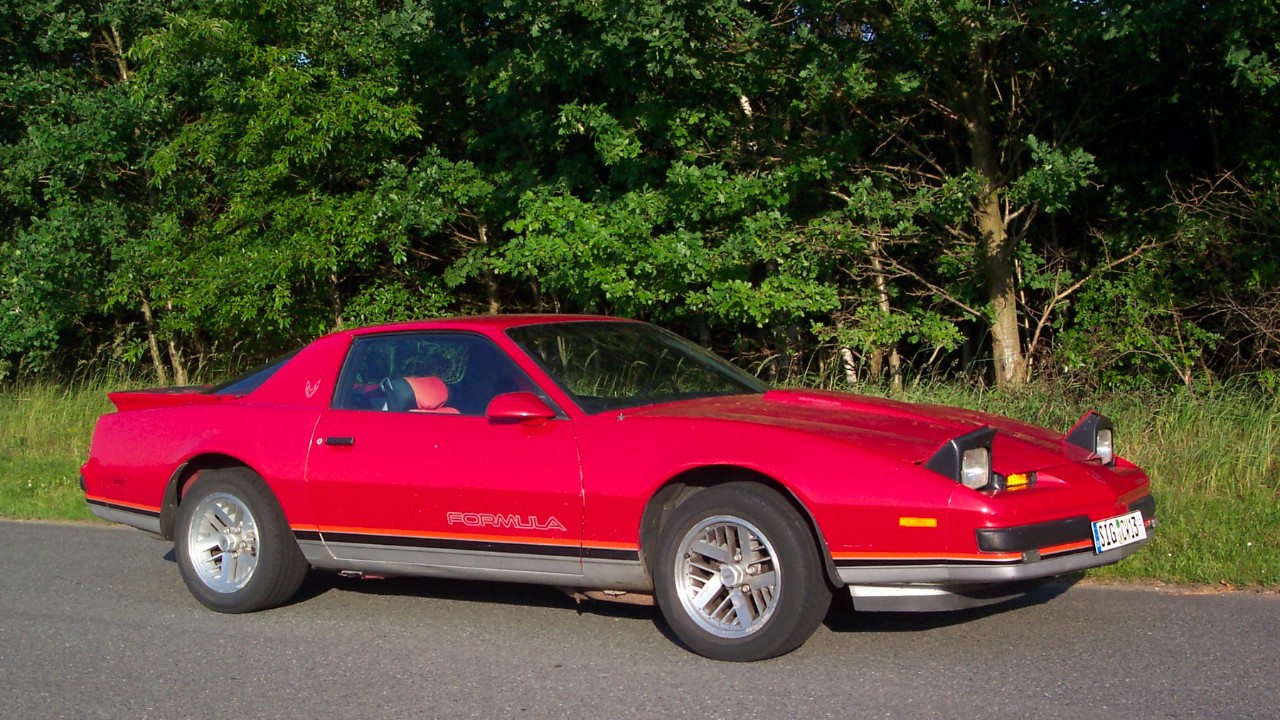
Pontiac brought the Formula name back during the third generation. The idea was simple: Trans Am power without the Trans Am’s wings and body cladding. Buyers could order the carbureted LG4 305 at 145 hp or the LB9 305 with Tuned Port Injection. That injected engine made 205 hp in 1986 and 1987, then 225 hp with the N10 dual exhaust in 1989.
The Formula’s plain body is part of its charm. Without the heavy ground effects, there’s less trim to crack, rattle or fall off. Meanwhile, parts for the 305 small-block remain easy to find.
Our take: the Formula 305 is the Firebird to buy if you plan to drive it every day. Its engine runs in a relaxed state, especially in carbureted form. Also, the simple styling hides wear better than a Trans Am’s graphics do. We think it’s the sleeper of the third generation, and it makes a strong case for itself among long-distance Firebirds. Look for one with service records and a clean, rust-free floor, since the body usually tells you more than the odometer.
9. 1989 Pontiac Firebird Trans Am Turbo Indy 500 Pace Car
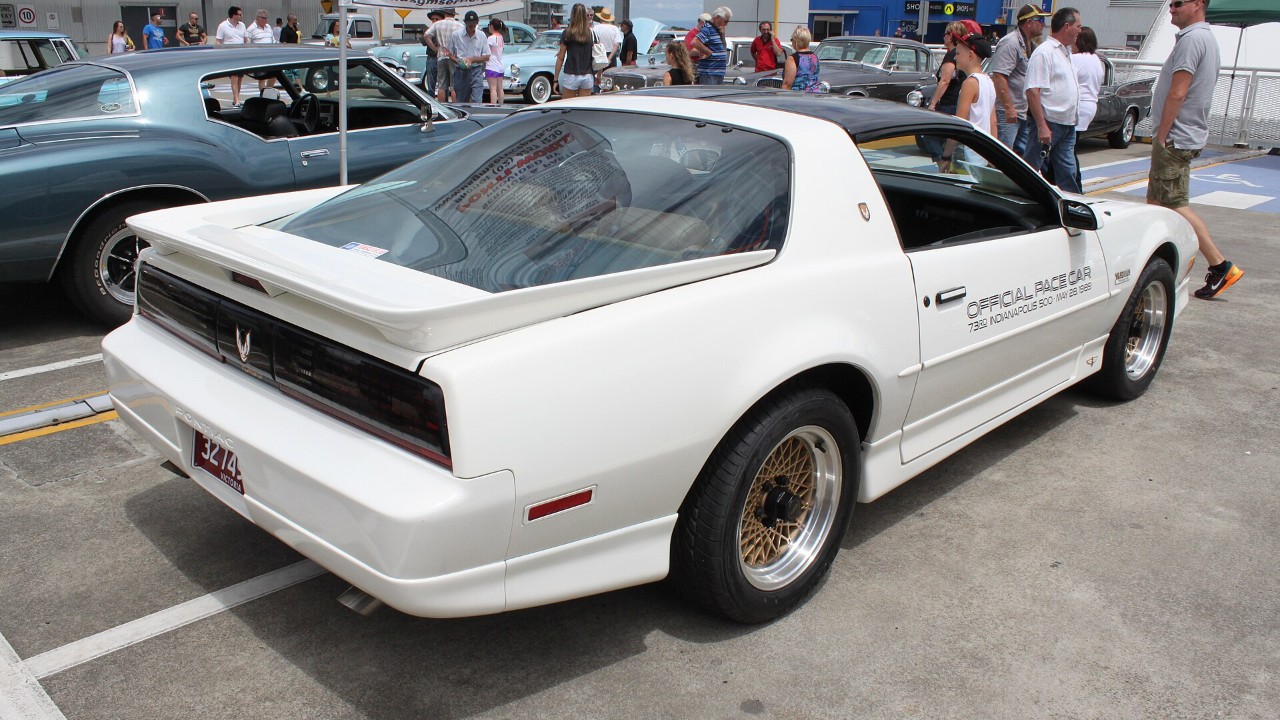
For the Firebird’s 20th anniversary, Pontiac borrowed the turbocharged 3.8-liter V6 from the Buick Grand National. PAS, Inc. built the engines at its plant in City of Industry, California, according to the Turbo Trans Am registry’s history. Pontiac rated it at 250 hp, though the same history says it made about 301 hp on GM’s dyno.
The car paced the 73rd Indianapolis 500 on May 28, 1989. Pontiac built 1,555 of them, and three served as official pace cars. Another 162 “Festival” cars handled VIP and parade duty at the track.
The engineering explains its place here. PAS fitted a cross-drilled crankshaft, stainless-steel headers and a bigger intercooler than the Grand National used. It also adapted different cylinder heads and pistons to make the V6 fit. In our view, that’s a long list of heavy-duty parts for a run of just 1,555 cars. Then there’s the performance. Car and Driver ran 0-60 mph in 4.6 seconds, yet the car still returned 24 mpg on the highway. Today, most survivors live as collector cars, so they rarely see daily miles.
10. 1992 Pontiac Firebird V6
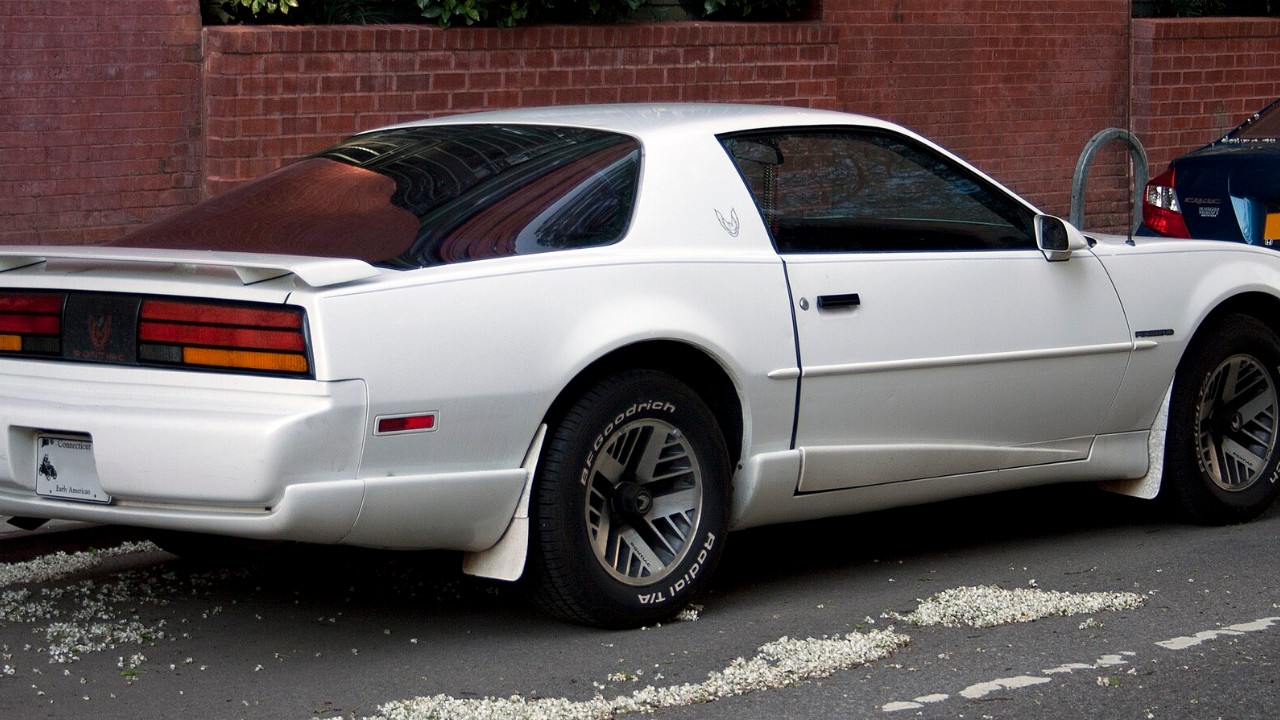
Not every long-runner wears a V8. From 1990, the base Firebird used a 3.1-liter V6 with multi-port fuel injection. That engine carried the entry-level car through the end of the third generation, and 1992 was the last year of the body style.
Pontiac didn’t just coast into that final year, though. For 1992, it added bonding agents to the body to reduce squeaks and rattles, a quiet fix that suits a car meant for daily use. The final year also brought a new Jamaica Yellow paint color and a greyish beige interior.
In our opinion, the V6 Firebird is the most underrated car on this list. It was the cheapest way into a Firebird. Its fuel-injected V6 also runs without the heat and stress of a big V8. That doesn’t make it exciting. But a simple, low-stress engine in a body that Pontiac had spent a decade refining seems built to keep going. If you want one, find a clean late car and budget for suspension bushings and weatherstripping first.
11. 1994 Pontiac Firebird Trans Am GT 25th Anniversary
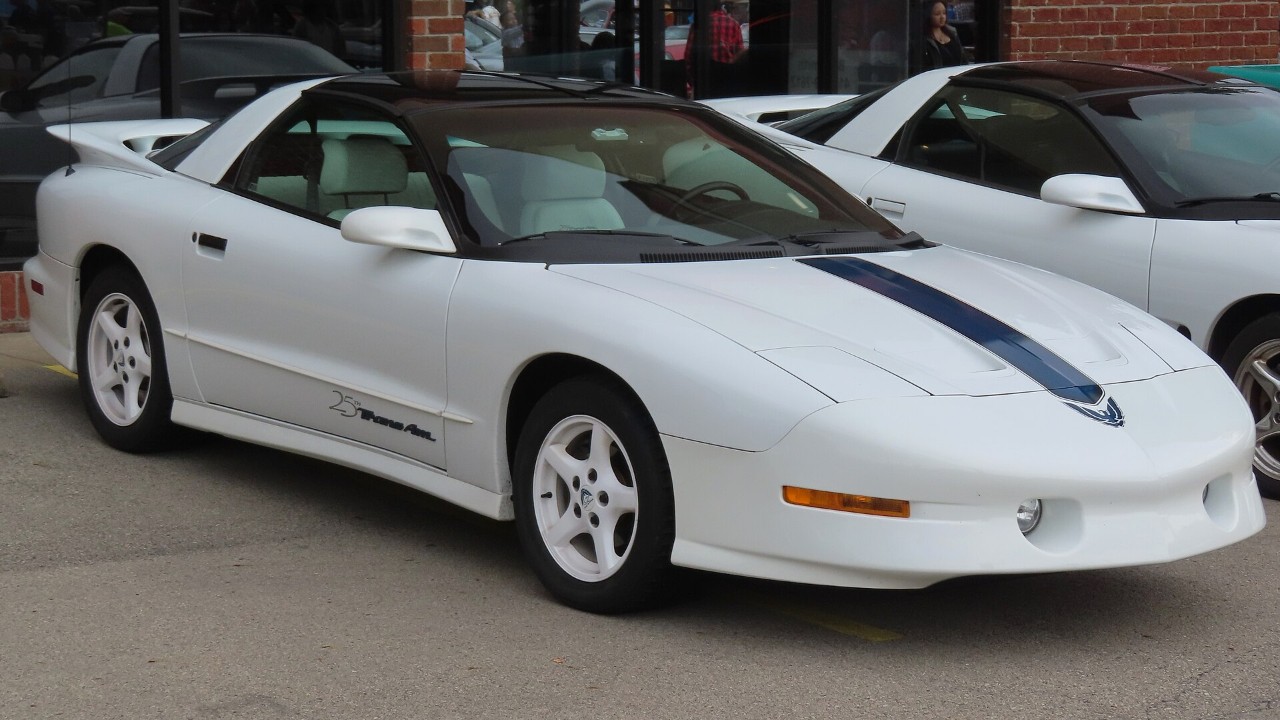
The fourth-generation Firebird arrived in 1993, and the 5.7-liter LT1 V8 became the only engine in the Formula and Trans Am through 1997. For 1994, Pontiac marked the Trans Am’s 25th birthday with a special edition. It came in white with a single dark blue center stripe, white 16-inch five-spoke wheels, and white leather seats and door trim.
Buyers could order the anniversary car as a coupe, a T-top or a convertible. That year also brought the Trans Am GT package, a 1994-only option. GT cars got 245/50ZR16 tires and a 155-mph speedometer, while regular Trans Ams made do with 235/55R16 tires and a 115-mph gauge. Most 1994 Trans Ams left the factory with the GT package.
Why do we rate it so highly for longevity? The LT1 is a pushrod V8 with a simple design and a huge parts supply. We’d look for one with records of cooling-system and ignition work, then expect it to keep running for years. In our view, it’s the best mix of modern reliability and old-school Firebird flair.
12. 1995 Pontiac Firebird Trans Am convertible
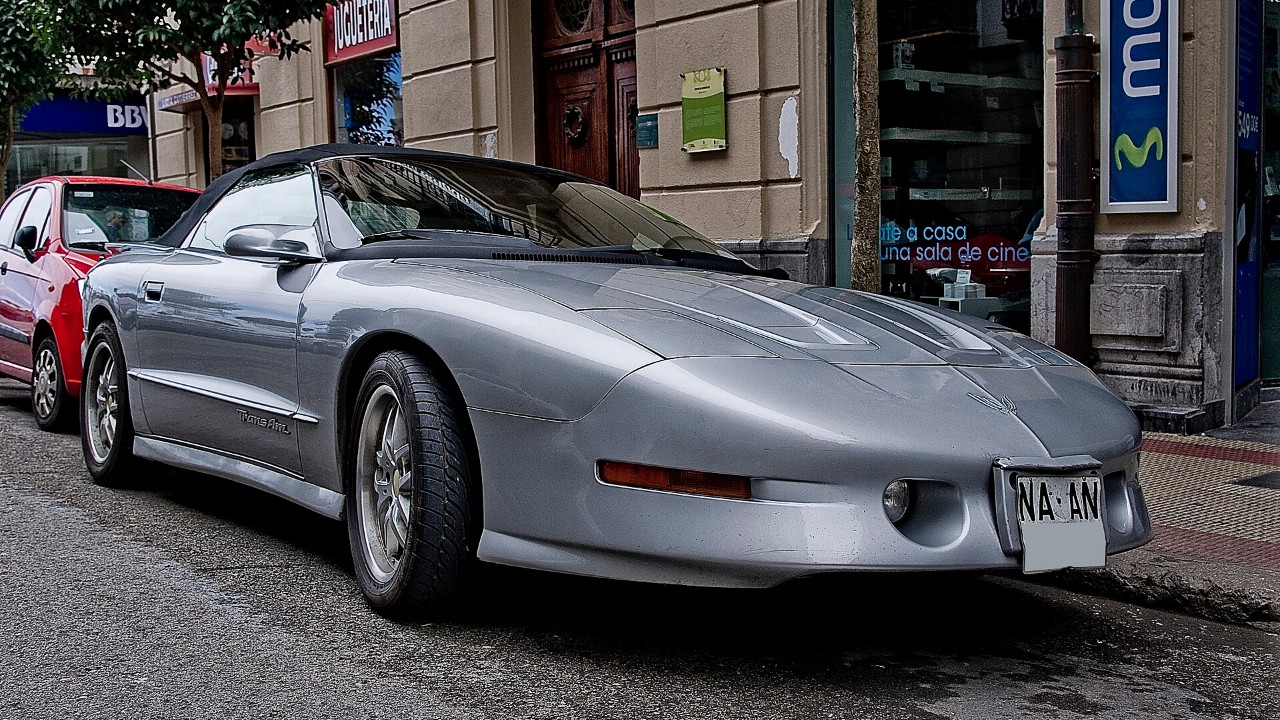
Fourth-generation Firebird convertibles arrived for 1994, the first factory soft-top Firebirds of that generation. By 1995, the Trans Am convertible had settled in, and Pontiac kept improving the car underneath. The LT1 also remained the only Trans Am engine through 1997. That year, traction control became available on LT1 cars, controlled by a console switch.
Other 1995 changes refined the car. LT1 engines got a vented Opti-Spark distributor, and every Trans Am gained a 155-mph speedometer and Z-rated tires. The year also had a quieter footnote, because 1995 was the last year of OBD-I diagnostics on the F-body. As a result, these cars are simpler for home mechanics to work on than later models.
Our take: a 1995 Trans Am convertible combines the stout LT1 with the open-air appeal of the first-generation cars on this list. It’s a car you can drive every summer for decades. Look for a clean top and dry carpets, then check the cooling system. After all, Pontiac kept building the fourth-generation Firebird through the 2002 model year.
More from Fast Lane Only