The 2001 Corvette Z06 marked a turning point for America’s sports car, shifting it from a fast street machine into a factory package that could survive serious track work. Instead of chasing only peak horsepower, Chevrolet engineered the C5-based Z06 around stiffness, cooling, and control, creating a car that enthusiasts still treat as a dependable track companion a quarter century later. It was the first modern Corvette that felt purpose built to run hard all day without flinching.
From Fixed Roof Coupe to factory track weapon
The foundation of the 2001 Z06’s durability was its structure. Chevrolet based the car exclusively on the Fixed Roof Coupe, or FRC, body style, which provided better torsional rigidity than the standard hatchback configuration. That stiffer shell meant the suspension could do its job more precisely, with less flex soaking up energy and introducing unpredictable behavior when the car was loaded up in fast corners, as detailed in technical breakdowns of the Fixed Roof Coupe.
Chevrolet then layered in track oriented hardware to match that structure. The Z06 received unique suspension tuning, lighter components, and wider rubber that gave it more lateral grip and sharper responses than a standard C5. Contemporary performance rundowns highlight how the C5 Z06 combined those chassis upgrades with a high output V8 and weight savings to earn a place among the best Corvette variants, not just for speed but for its ability to repeat that performance lap after lap.
LS6 powertrain built for sustained abuse
Under the hood, the 2001 Z06 introduced the LS6, a development of the LS1 that was tuned with track reliability in mind as much as outright power. Engineering discussions of the early Z06 program point to revised cylinder heads and a more efficient intake manifold that improved breathing and thermal management, changes that were part of what made the 2001 to 2004 C5 Z06 Corvette special according to detailed component rundowns from Jul era commentary. Those upgrades were not just about headline numbers, they were about keeping the engine happy at high rpm for extended sessions.
Later C5 Z06 models would be advertised with 405 hp, and while the 2001 car launched with a slightly lower rating, the underlying LS6 architecture was already focused on durability. Track focused owners and tuners consistently describe these engines as robust when maintained properly, with one long term driver on a dedicated Z06 forum noting that his car remained bone stock aside from a K&N air filter and still handled frequent track days without internal modifications, provided he stayed on top of maintenance religiously.
Factory electronics and handling tuned for the circuit
Mechanical toughness was only part of what made the 2001 Z06 feel ready for serious lapping. Chevrolet also treated stability and control as core features rather than afterthoughts. The car came standard with an Active Handling System, marketed as StabiliTrak, that included a competitive driving mode tailored to high grip situations. That calibration allowed drivers to push harder before electronic intervention, while still providing a safety net if they overstepped the limit.
Broader 2001 Corvette documentation reinforces how central this technology was to the car’s mission. Factory specs describe the Active Handling System for that model year as more capable than the previous version, with a higher threshold before it stepped in and a focus on preserving driver enjoyment. In practice, that meant the Z06 could be driven aggressively on track with the electronics left on, giving less experienced drivers a margin of error while still letting skilled pilots exploit the chassis balance that the Fixed Roof Coupe structure and unique suspension delivered.
What track veterans say about C5 Z06 reliability
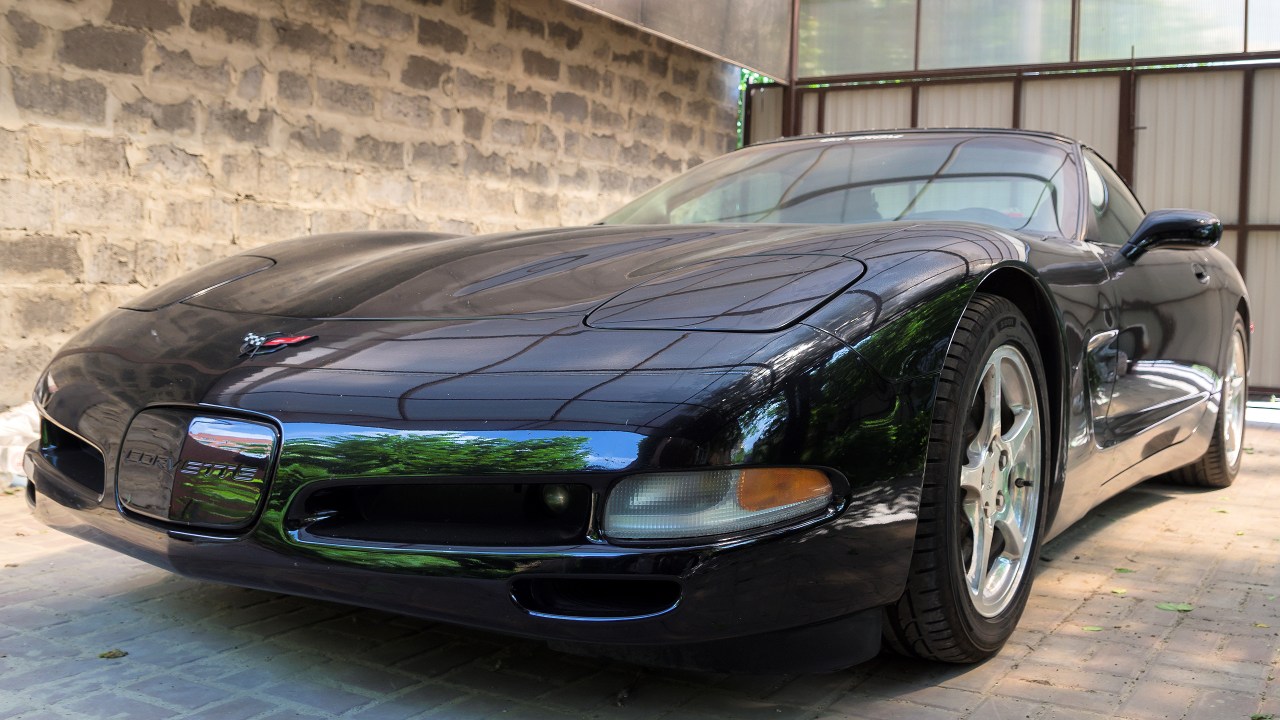
Enthusiasts who have lived with these cars on circuit days tend to echo the factory’s confidence in the platform. One detailed set of tech tips for the C5 Z06 opens bluntly with the line “Actually, these cars are very durable,” before walking through recommended upgrades. The advice is not to rebuild the car from scratch, but to add an engine oil cooler along with transmission and differential cooling if the car will see heavy track use. That kind of guidance assumes a strong baseline and focuses on extending fluid life and component longevity under repeated high temperature cycles.
Owners on marque specific forums tend to back that up with real world mileage. In one discussion about using a Z06 as a dedicated track day car, a driver explains that his only engine modification is a drop in filter and that the car remains stock, including the exhaust, yet it continues to perform reliably as long as he adheres to a strict service schedule and inspects wear items between events, a point he emphasizes with the word religious. That kind of testimony, repeated across multiple communities, supports the idea that Chevrolet’s structural and mechanical choices in 2001 created a car that can handle track abuse without constant repairs.
The must do upgrades that unlock true track reliability
Even with a strong factory foundation, the 2001 Z06 benefits from targeted modifications when it is used heavily on circuit. Experienced setup specialists often start with cooling, describing it as “Number one with a bullet” for C5 and C6 Corvettes that see extended lapping. They point out that the stock plastic and aluminum radiator is marginal for repeated high load sessions, and recommend a more robust unit along with improved airflow management to keep coolant and oil temperatures in check, advice laid out in depth in a Number focused guide to necessary track mods.
Beyond cooling, common upgrade paths for a C5 Z06 that will see extensive track time include brake pads and fluid suited to high temperatures, more aggressive alignment settings, and in some cases, improved clutch components that mirror the philosophy behind modern motorsport parts. Contemporary performance clutch kits, such as the Dodson Superstock 6 Plate Clutch Kit, are marketed around “Enhanced Durability” and are “Designed” to endure harsh conditions while maintaining consistent performance and extended service life. While that specific Plate Clutch Kit targets a different platform, the same logic applies when owners choose driveline components for a Z06 that will be launched hard and shifted aggressively all day.
Buying and running a track driven 2001 Z06 today
For enthusiasts shopping the used market, the idea of a Corvette that has spent its life on circuit can be intimidating, but experienced owners often argue that a well maintained track car can be a safer bet than a low mileage garage queen. One detailed discussion about whether it is worth buying a track driven Z06 notes that most track enthusiasts take better mechanical care of their cars than a typical show focused owner who mainly waxes the paint, a perspective shared in a widely circulated Oct thread. The key is documentation, with buyers advised to look for records of fluid changes, brake service, and any cooling or driveline upgrades that indicate the previous owner understood the car’s needs.
Shops that specialize in preparing C5 Z06s for track days tend to follow a consistent recipe, which can also guide buyers evaluating a used example. One build sheet from a Texas based alignment and track preparation shop notes that “Most of the” parts and upgrades on a particular C5 Z06 are very common for any track day car, regardless of make or model, and that they expect the Corvette in question to see extensive track time. That list includes predictable items like performance brake pads, stainless lines, track capable tires, and alignment tweaks, all of which are relatively straightforward to inspect on a used car. When those basics are in place and the underlying Fixed Roof Coupe structure and LS6 powertrain are healthy, the 2001 Z06 still stands out as a modern classic that was engineered from day one to handle the rigors of the track with composure.
More from Fast Lane Only: