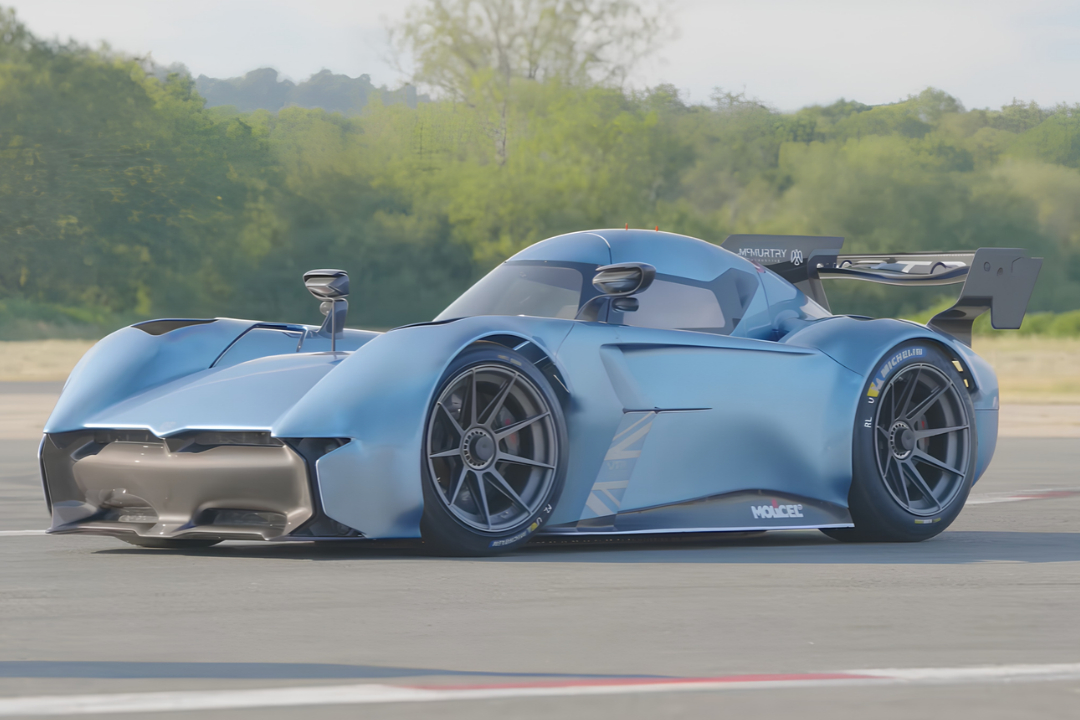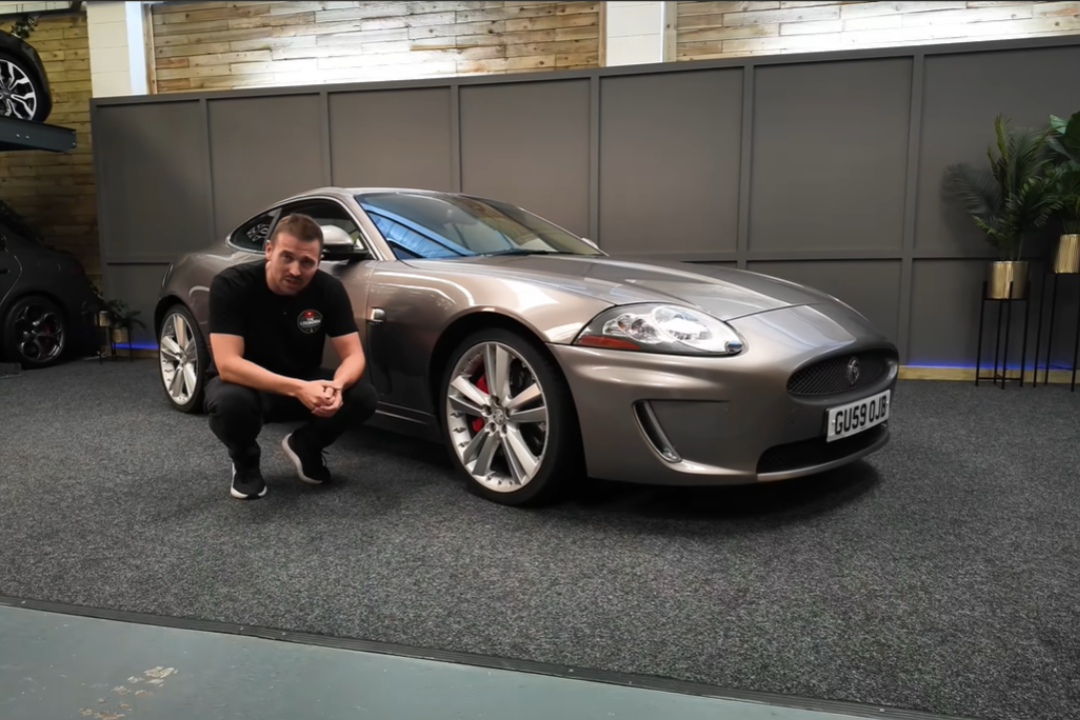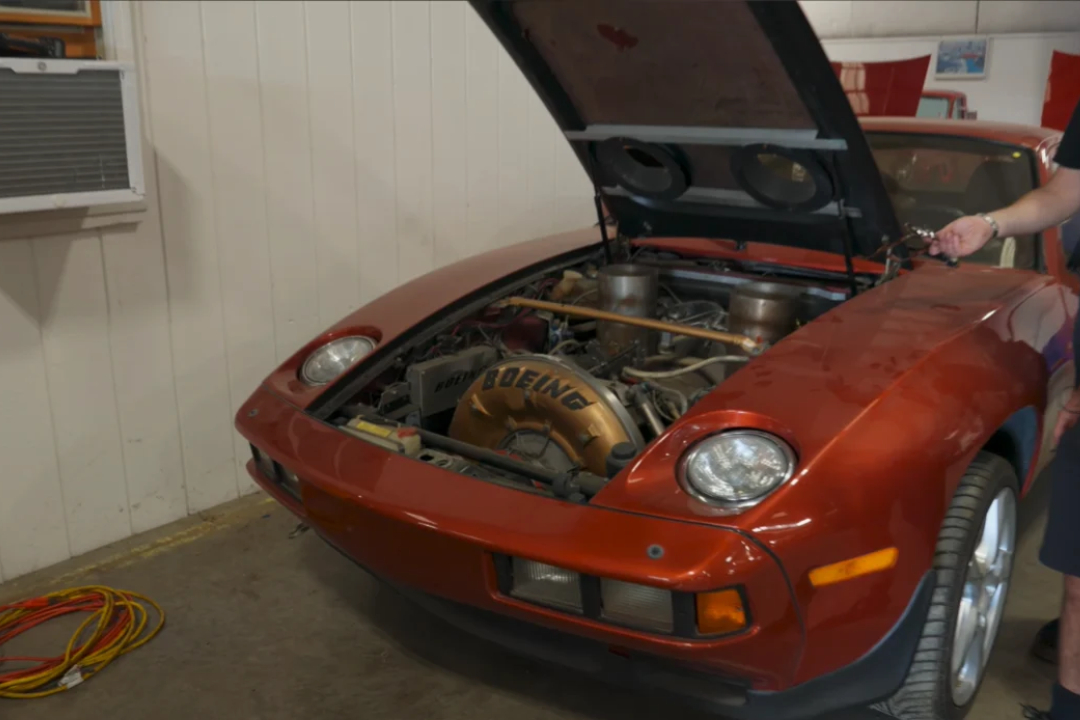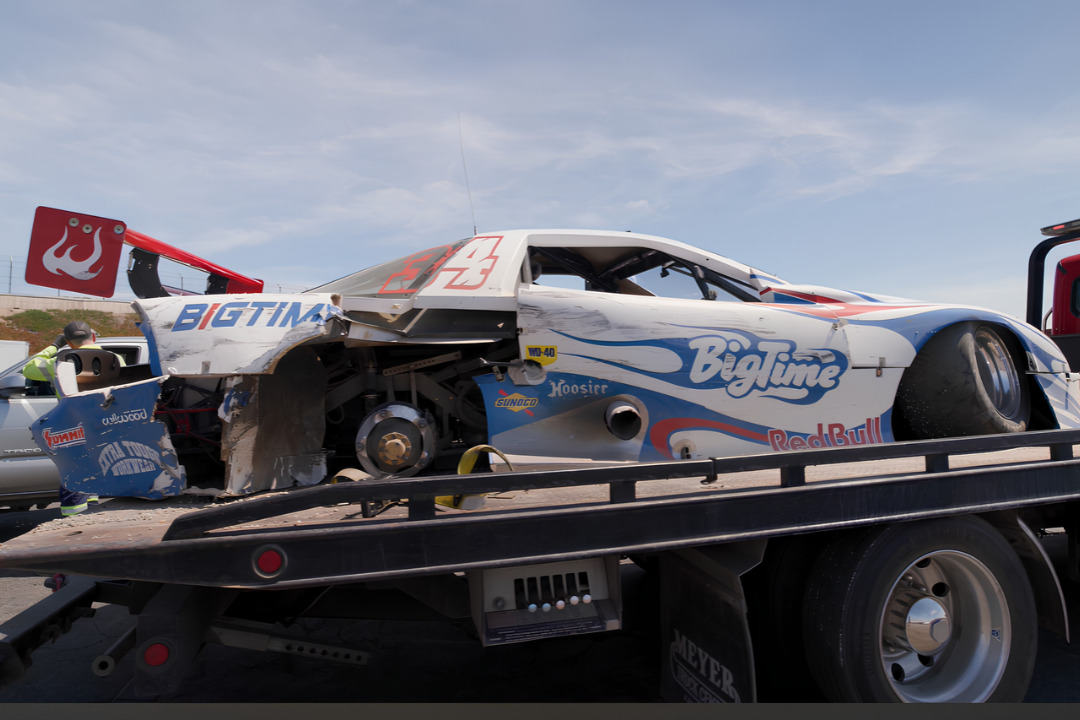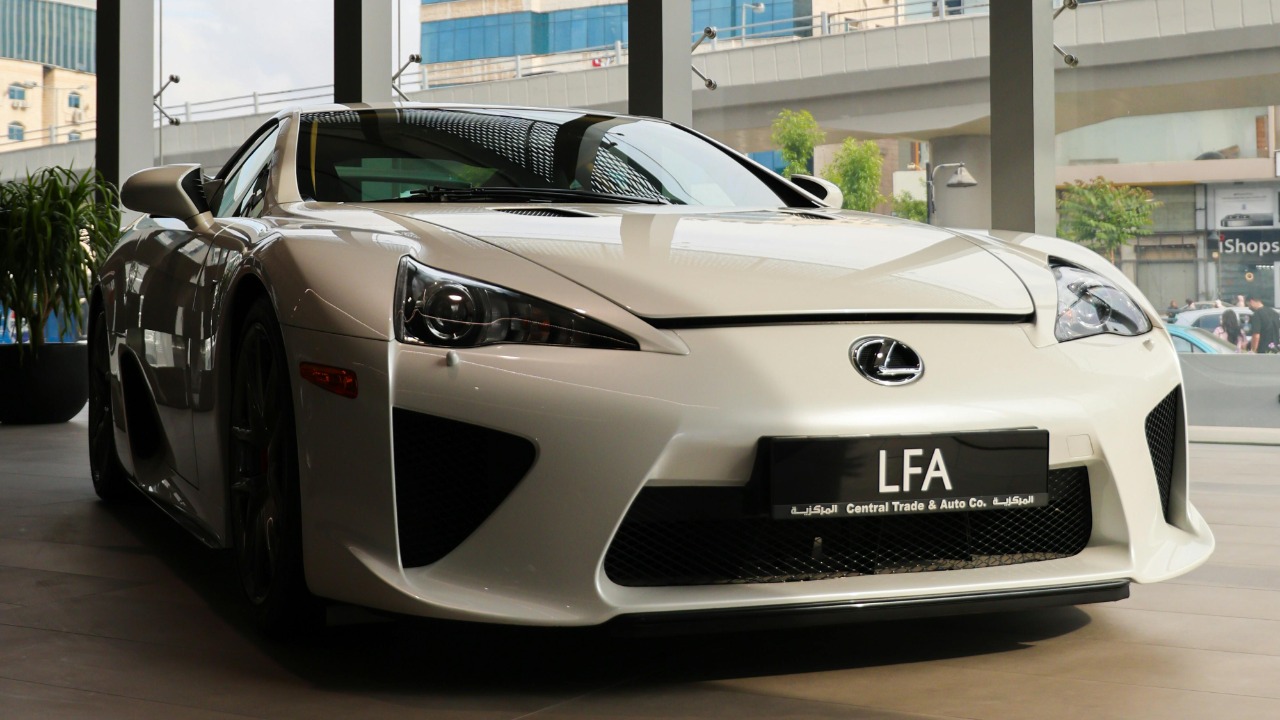
The 2010 Lexus LFA Nürburgring Edition was not just another limited-run special, it was the first Japanese supercar that felt like it had been born inside the Nordschleife’s guardrails. Instead of treating the track as a marketing backdrop, Lexus treated the Nürburgring as a development partner, reshaping its already radical V10 flagship into a car that lived for kerbs, compressions and blind crests. I see it as the moment Japan stopped chasing European benchmarks and started setting one of its own on the world’s most intimidating circuit.
The long road from TXS to a track weapon
To understand why the Nürburgring Edition matters, I always go back to the origins of the base car. The Lexus LFA began life as an internal skunkworks project codenamed TXS, with development starting in the early 2000s and the first prototype emerging after years of quiet experimentation. Engineers did not rush to production, instead they cycled through prototype after prototype, refining everything from the carbon structure to the engine response until the car felt worthy of wearing a new halo badge. That patience set the stage for a machine that could be credibly sharpened for the most demanding circuit in the world.
What rolled out of that process was simply called The Lexus LFA, a two door Japanese supercar officially known in its home market as Rekusasu LFA. It was a radical departure from the brand’s sedate sedans, built around a high revving V10, a rear mounted transaxle and a carbon intensive chassis that signalled Lexus was willing to spend heavily in pursuit of feel and precision. By the time the Nürburgring Edition was conceived, the base LFA already had the bones of a serious track car, which meant the engineers could focus on turning up the aggression rather than fixing fundamentals.
A V10 that sounds like nothing else
For me, the heart of the Nürburgring Edition is its engine, a 4.8 litre V10 that feels more like a race unit than a road car powerplant. The core design, known as the 1LR GUE, was developed jointly by Toyota and Yamaha, and in standard form this 4.8 L 1LR GUE produces a power output of 412 kW, or 560 PS. That already put the regular LFA in rarefied company, but the Nürburgring package nudged the numbers and, more importantly, the character, closer to what you would expect from a GT racing car that just happens to wear number plates.
The Nürburgring Edition’s tune lifted output to 420 kW, with figures quoted as Power of 420 kW, 563 hp and 571 PS, backed up by 480 Nm of Torque and a Top Speed of 325 kph or 202 mph. That bump might look modest on paper, but on a circuit like the Nordschleife it translates into harder pulls up long climbs and a more urgent rush between the medium speed corners that define a fast lap. When I listen to owners describe the way the V10 screams to its redline, I hear the same awe that comes through in enthusiast videos, including one walkaround of an ultra rare example titled simply as an insanely rare million dollar Lexus, where the sound alone is treated as a calling card.
How Lexus turned the LFA into a Nürburgring scalpel
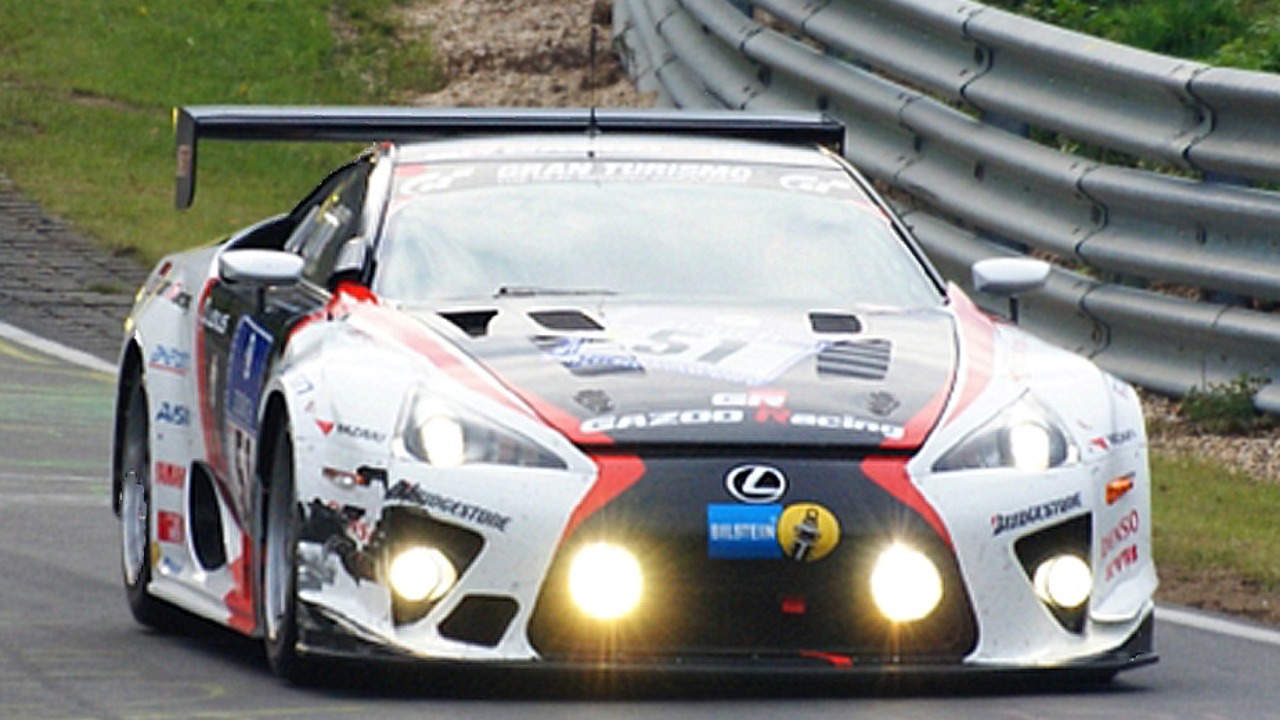
Power was only one part of the story, because the Nürburgring Edition was engineered as a complete package rather than a simple horsepower upgrade. Official information on the Official Lexus LFA Nürburgring Package Details makes it clear that Lexus focused on track specific changes, from revised aerodynamics to a more aggressive suspension tune and dedicated tyres. The standard LFA already performed at a high level, but the Nürburgring package added fixed aero elements, recalibrated gear changes and a cabin trimmed in Alcantara that felt more like a race cockpit than a luxury grand tourer.
Weight reduction was another crucial lever. Reporting on the car’s specification notes that the Nürburgring Edition cut mass by roughly 100 kg through extensive use of carbon fibre reinforced plastic, a figure echoed in coverage that describes how the weight of this car was trimmed so the driver could maximize his driving experience. That combination of lighter weight, sharper aero and a more focused chassis is what turned the LFA from a fast road car into something that felt at home clipping kerbs at triple digit speeds, lap after lap.
Chasing a number on the world’s hardest track
All of that engineering effort was aimed at one place, the Nürburgring Nordschleife, and one goal, a lap time that would put Lexus in the same breath as Europe’s most storied supercar makers. The company had already been testing prototypes there for years, and internal timelines highlight how the first LFA prototype was completed in June 2003, with chief engineer Haruhiko Tanahashi and executive Akio Toyoda closely involved in the early LFA development. By the time the Nürburgring Edition arrived, the team knew the circuit intimately, which is why they were confident enough to chase a headline grabbing lap in front of cameras.
One key run came when the Nürburgring Package LFA was tested at the circuit with professional driver Akira Iida at the wheel. Accounts of that day record that the Package LFA, driven by Akira Iida, set a time of 7:22.85, a figure that instantly placed it among the fastest production cars of its era. In a separate official run, video coverage shows the Lexus LFA Nürburgring Edition setting a lap in the 7:14 range, with footage highlighting the car’s stability at over 300 km/h and a top speed quoted at 202 mph, all captured in a clip that notes how the Lexus LFA Nürburgring Edition sets its benchmark time.
From development mule to limited production icon
What fascinates me is how Lexus translated that development work into a road going special that customers could actually buy, even if only a handful ever did. Official communications describe how, on 15 March 2010, Lexus detailed the Nürburgring package for the LFA, positioning it as a circuit tuned variant that built directly on the lessons learned from racing and testing at the Nordschleife. That decision effectively created a homologation style special, a car that looked like the GT racer and carried much of its hardware, but remained fully road legal.
Production numbers were kept extremely low, which is part of why the Nürburgring Edition has become so coveted. One dealer video, for example, highlights that The Lexus LFA Nürburgring Edition features a 4.8-liter V10 engine that produces 563 horsepower and notes that only 50 units were built, underlining just how scarce The Lexus LFA Nürburgring Edition really is. That scarcity, combined with the car’s track pedigree, has pushed values into seven figure territory and turned each surviving example into a rolling piece of Lexus motorsport history.
Why the Nürburgring Edition still matters today
More than a decade later, I still see the Nürburgring Edition as a turning point for Japanese performance cars. It proved that a brand best known for quiet hybrids could build a supercar that not only sounded like a Formula 1 refugee but could also trade lap times with the best from Germany and Italy. Enthusiast retrospectives on what made the Nürburgring package special emphasize that it was not just a fancy trim level, but a comprehensive upgrade that justified its status as the fastest Lexus ever, with one analysis framing What Made the Package Special as the way it delivered race car like performance straight out of the showroom.
The human side of the story matters just as much. After one of the record laps, driver Akira Iida spoke about how pleased the team was with the result, noting that ongoing development of the LFA and the Nürburgring package had been key to achieving the record, a sentiment captured in a video where Commenting on the run, Iida said “We are delighted with this achievement” and credited the whole program. That mix of engineering obsession, driver feedback and corporate willpower is why, when I think of the first Japan supercar truly tuned for the Ring, I still picture a bright coloured LFA Nürburgring Edition cresting Flugplatz with its V10 at full song.
More from Fast Lane Only: