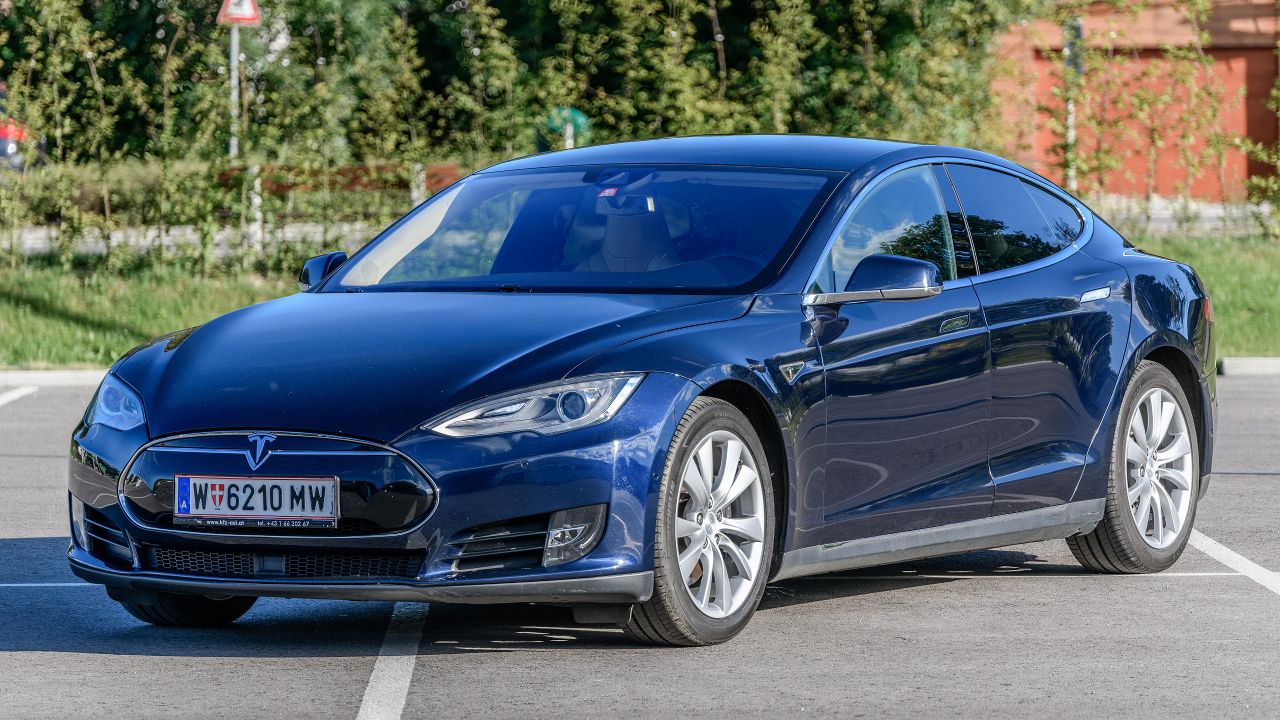
The 2012 Tesla Model S was the moment electric cars stopped looking like science projects and started competing head on with German luxury sedans. By pairing long-distance usability with serious performance, it turned range anxiety and slow acceleration from baked in compromises into solvable engineering problems. More than a single model year, it marked the point when an electric vehicle could be both the rational choice and the aspirational one.
From niche experiment to long-range luxury benchmark
Before the first 2012 sedans reached customers, battery powered cars were still framed as short range city runabouts or quirky eco statements. The original Model S upended that narrative by arriving as a full size, four door luxury car with the proportions and cabin space buyers expected from established premium brands. The car’s sleek body and low drag design were not just styling flourishes, they were part of a deliberate push to make an electric sedan that could travel hundreds of miles between charges and still feel like a conventional executive car, a shift that later analysis has described as a catalyst for the electric vehicle revolution.
Range was the headline figure that changed expectations. With its largest battery, the 2012 Tesla Model S secured an official EPA Range Of 265 Miles on a charge, paired with 89 MPGe Efficiency. That figure was slightly below the early internal target of 300-mi, but it still exceeded any other electric vehicle on sale at the time and made highway road trips realistic rather than theoretical. Later retrospectives have noted that when the Model S debuted with roughly a 200-mile real world range and luxury car looks, it felt like something entirely new in the market.
Speed that matched, and sometimes beat, combustion rivals
Range alone would not have made the 2012 sedan a mainstream aspirational product. The car also had to be quick enough that buyers did not feel they were sacrificing performance to drive electric. The launch lineup delivered that with a spread of powertrains that started with a Sedan 4D rated at 302 horsepower and a 0 to 60 mph time of 5.9 seconds. At the top of the range, the Signature Performance version cut that sprint to 4.4 seconds, numbers that put the electric sedan squarely in sports sedan territory. Contemporary first drives noted that the car’s instant torque and single speed transmission made the acceleration feel even more immediate than the stopwatch suggested, reinforcing the idea that an EV could be the quickest car in the driveway rather than the slowest.
Higher capacity packs amplified that impression. The Model S ( Tesla Model S ) 85 kWh Performance model devoured the quarter mile in 12.6 seconds, a figure that would have been respectable for a V8 powered sports sedan. Road testers who approached the car skeptically, as one early Okay framed it, often came away acknowledging that the performance claims were not marketing hype. By delivering both long range and this level of speed in a single package, the 2012 Model S erased the traditional trade off that had defined electric cars for decades.
Pricing, positioning, and the move into the premium mainstream
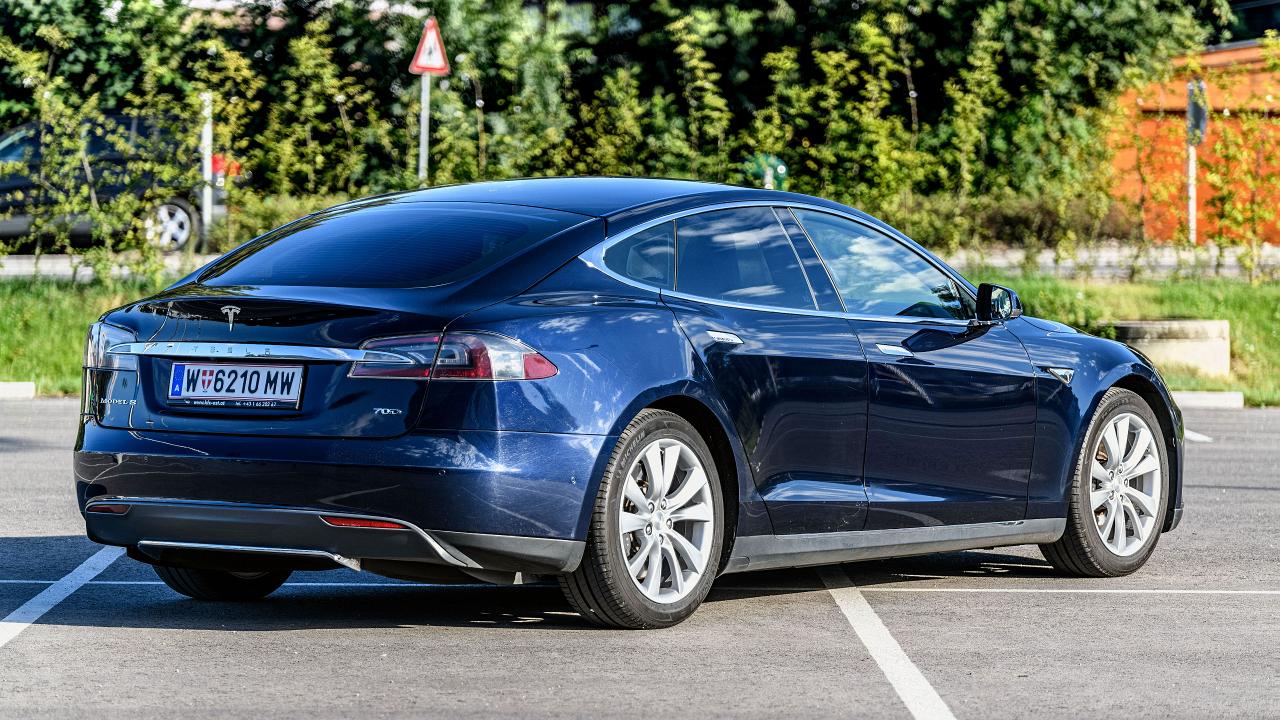
For an electric car to be taken seriously as a mainstream luxury option, it had to be priced and specced in the same band as established premium sedans. The Model S, which cost between $58,570 and $107,350 depending on configuration, landed squarely in that territory. That pricing bracket put it up against well known German and Japanese luxury sedans, signaling that the company was not chasing compliance car volumes but aiming for the heart of the premium market. Awards that followed, including multiple Car of the Year honors from traditional automotive outlets such as Automobile Magazine and Yahoo, reinforced that positioning by treating the electric sedan as a peer to combustion flagships rather than a curiosity.
That mainstreaming effect has only become clearer with hindsight. Later histories of the Tesla Model S, which note that it was Announced in 2008 and first hit the road in 2012 with an EPA rated 265 miles per charge, frame that first production year as the start of a new chapter in premium car buying. The car’s combination of long range, rapid acceleration and a minimalist, tech heavy interior made it attractive to buyers who might previously have defaulted to an S Class or 7 Series. Over time, that success pushed traditional automakers, initially skeptical of EVs, to accelerate their own battery electric programs, a shift that later commentary has described as the Catalyst for the Electric Vehicle Revolution.
Engineering choices that made range and speed usable
What made the 2012 sedan feel different from earlier EVs was not just the raw numbers, but the way the engineering package turned those numbers into everyday usability. The car’s skateboard style battery layout, low center of gravity and focus on aerodynamics allowed it to combine long distance efficiency with stable high speed behavior. Later breakdowns of First Productions note that while the early cars closely resembled the final 2012 production model, they underwent refinements in aerodynamics and design that helped maximize both range and performance. That focus on efficiency at speed meant drivers could cruise on the highway without watching the battery gauge plummet in the way earlier city focused EVs often did.
Battery options also gave buyers a way to tailor the balance between cost, range and speed. Guides to the 2012 lineup highlight that the Tesla Model S Features An Extended Range by offering three different battery capacities, with the largest pack delivering the headline 265 Miles figure and the smaller packs still outpacing most rivals of the time. That configurability, combined with the car’s ability to sprint to highway speeds in well under seven seconds even in non performance trims, meant customers no longer had to choose between a usable commute and a satisfying driving experience. Later owner focused reporting has emphasized that buying a Tesla was the beginning of an entirely new experience, in part because the car’s engineering made long distance electric travel feel routine rather than experimental.
Cultural impact and the legacy of the 2012 Model S
Over a decade later, the 2012 Model S is increasingly treated as a historical turning point rather than just an early product from a growing automaker. The car’s influence is visible in the way virtually every major manufacturer now fields a battery electric flagship that promises both long range and rapid acceleration, a template that traces directly back to that first full size sedan. Later retrospectives on the Tesla Model S describe it as a battery electric, four door full size car produced by the American automaker Tesla, and note that within a few years it had become one of the best selling plug in cars in the world. That trajectory started with the 2012 model year, which proved that a battery electric sedan could win over both critics and customers at scale.
The cultural recognition has followed. When TIME later Names the 2012 Tesla Model S Among Top Inventions of the Past 25 Years, that accolade reflected not just the car’s technical innovations but the way it shifted public perception of what an electric vehicle could be. Earlier commentary on how the Model S changed the world points to its combination of luxury car looks and long range as the key to making EVs feel viable even on long road trips. Looking back, I see the 2012 Model S as the first electric car that asked mainstream buyers to choose it not out of obligation to the environment, but because it was simply the best all around car they could buy, with range and speed that finally made electric power a compelling default rather than a compromise.
More from Fast Lane Only: